Why Spider-Man: Brand New Day Just Changed Everything for the MCU
Discover how *Spider-Man: Brand New Day* could reshape the MCU with major changes, new challenges, and a fresh direction for Peter Parker’s future.
Published: July 30, 2026, 10:19 am

Discover how *Spider-Man: Brand New Day* could reshape the MCU with major changes, new challenges, and a fresh direction for Peter Parker’s future.
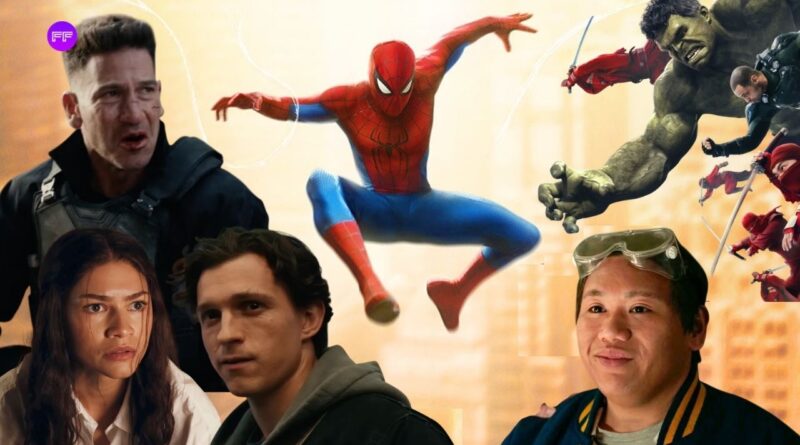
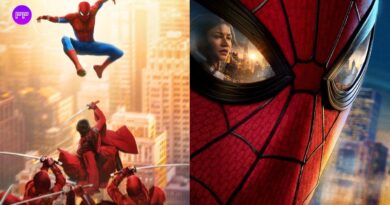
Marvel made us wait for five years between Spider-Man: No Way Home and Spider-Man: Brand New Day. No one could think of at the time that the next Spidey movie would strip away the multiverse, kill the celebrity cameos, and go full street-level with Peter Parker who has been completely erased from everyone’s memory.
But fans who actually read the comics said it would’ve been thrilling. And they were right because Spider-Man: Brand New Day isn’t just another sequel dropping into a theater but a first door of what Marvel Studios looks like after it stopped chasing spectacle for spectacle’s sake.
Director Destin Daniel Cretton — the guy who turned Shang-Chi into one of the more confidently made MCU entries picks up four years after the reality-bending ending of No Way Home. Peter Parker is alone. He voluntarily erased himself from the memories of everyone he loves, which means MJ, Ned, and the rest of his world have moved on without a clue he ever existed to them. He’s still swinging around New York fighting crime full-time, just as a stranger to the very people he used to call family.
That premise alone is a swing. Marvel could’ve played it safe and found a plot device to reset the status quo in the first act. Instead, loneliness is the engine of the whole story — watching Ned build tech, watching MJ live her life, watching Peter hover at the edges of it, is apparently what triggers the “change in Peter he may not be able to control” that the official synopsis teases. Whatever that transformation actually looks like on screen, it’s tangled up with a new villain the marketing has kept deliberately vague: a threat so powerful “no one can even see” it. Take that description at face value for now — Sony has been unusually disciplined about not spoiling this one.
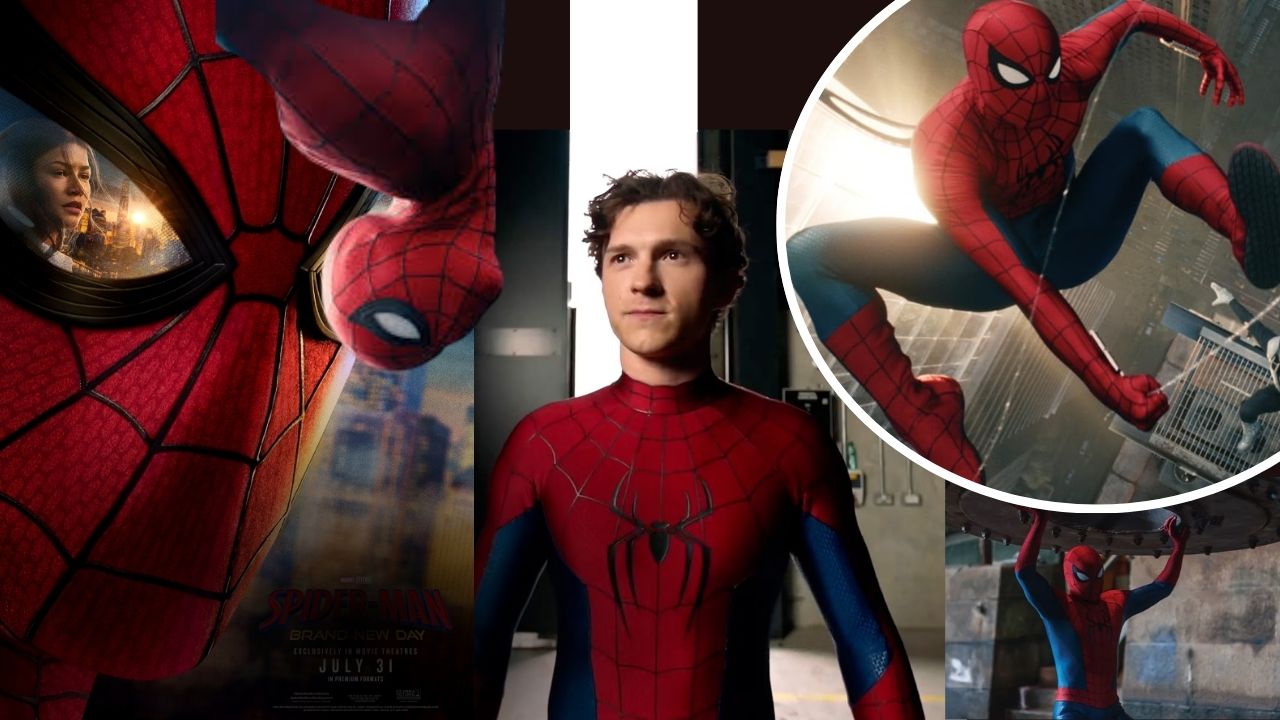
Worth noting for anyone who’s been half-following the rumor mill: there’s been chatter, including comments attributed to musician Steve Lacy at a red carpet event, suggesting Sadie Sink’s character might be connected to Jean Grey or the X-Men corner of the Marvel universe. That is not confirmed by Marvel or Sony as of this writing — it’s rumor-stage speculation, and it should be treated that way until the studio or an official credits list says otherwise.
How Brand New Day uses its ensemble is quite different: it’s not another No Way Home multiverse reunion tour. Tom Holland is back for his fourth solo outing as Peter, joined by Zendaya as MJ and Jacob Batalon as Ned Leeds — the only returning trio from the trilogy. The rest of the cast is new blood layered into the existing MCU rather than pulled from a different franchise entirely.
The Punisher entry in Spiderman 4 is the best twist as now everyone can think what kind of tone this film is going to deliver. Jon Bernthal reprises Frank Castle after his Netflix run, and this street-level vigilante going toe-to-toe with a hero who still, mostly, refuses to kill.
Fans will see the Hulk after four years on the screen. Mark Ruffalo is back as Bruce Banner and he is tying the story directly to the biggest blockbusters crossovers — Avengers: Doomsday and Secret Wars.
The most dangerous villain — Scorpion — is also creating a hype among fans. Michael Mando returns as Mac Gargan, after his cameo in Homecoming back in 2017. Then there’s Sadie Sink and Liza Colón-Zayas, they are totally new to the MCU and their roles are still under wraps. Marvel Studios isn’t opening up to more details, plus Tramell Tillman, Marvin Jones III as Tombstone, and Marisa Tomei returning as Aunt May.
Kevin Feige, Amy Pascal, and Avi Arad produce, Chris McKenna and Erik Sommers — writers on all three prior Holland Spidey films — handle the script, and Michael Giacchino is back scoring it. That’s about as much creative continuity as Marvel could keep while still handing the directing chair to someone new.
Read More 👉 Why Chris Evans Was Chosen as Captain America
This is the part that actually matters for anyone deciding whether to see it opening weekend. The review embargo lifted this week, and Brand New Day landed at roughly 90-91% on Rotten Tomatoes across well over 100 reviews — Certified Fresh, and squarely in line with the Holland trilogy’s reputation as the best-reviewed run the franchise has had.
For context, Homecoming sits at 92%, Far From Home at 91%, and No Way Home at 93%. So yes, Brand New Day is technically the “lowest” of the four by a couple of points but we’re talking about a rounding error, not a decline.
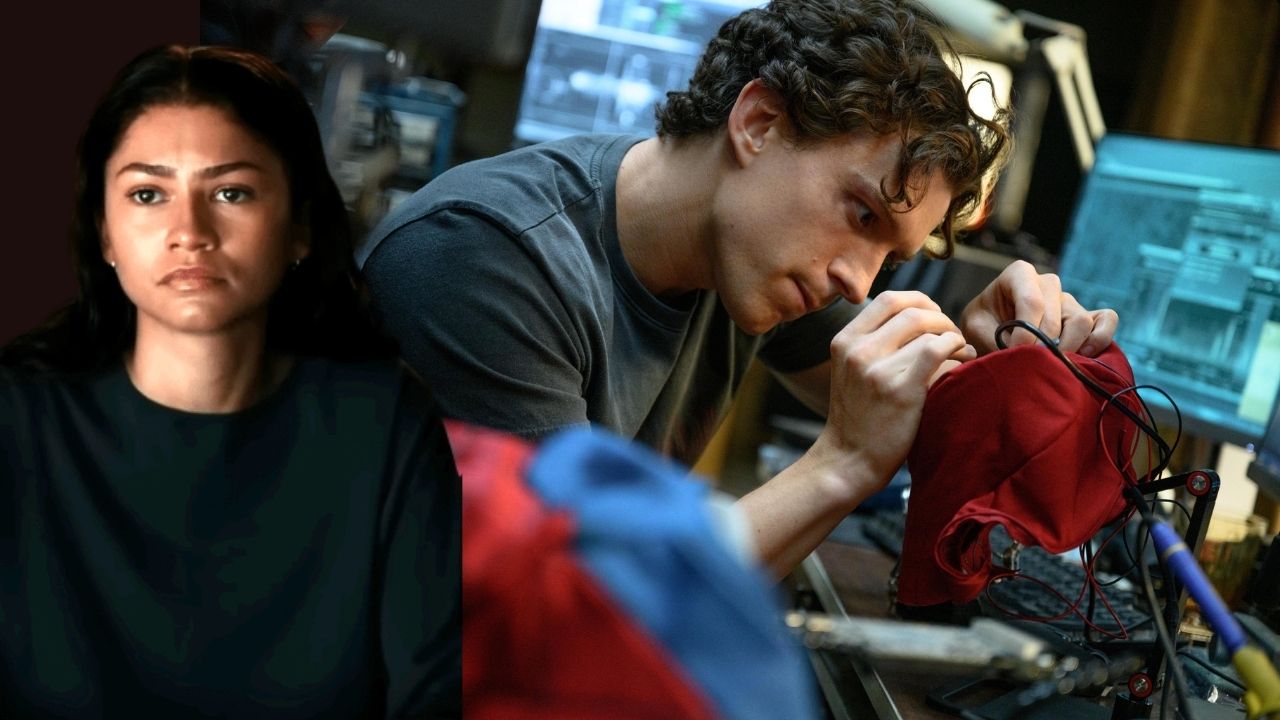
What’s more interesting than the number is what critics keep saying about the movie’s tone. The word “grounded” shows up in review after review — critics are crediting Cretton for trading the multiversal chaos of the last film for something more personal and street-level.
The Bernthal-Holland dynamic keeps getting singled out as a highlight, and Sink’s performance is drawing near-universal praise even with her role still under wraps. Not every outlet loved it — Variety leaned negative, calling it an “arduous adventure” that tries too hard, and a handful of other critics dinged pacing or an overstuffed final act. But the consensus, for a franchise five films deep, is that Marvel found a way to make this one feel different instead of just bigger.
Before a single ticket was sold, this movie was already breaking records. The first trailer, released March 18, 2026, pulled in 718.6 million views in 24 hours and crossed 1.1 billion within four days, according to Sony — one of the biggest trailer debuts ever recorded for any movie.
Combine that with tracking estimates in the $180-190 million range for opening weekend, and Brand New Day is shaping up as the biggest Marvel opener since No Way Home’s historic run, which finished its theatrical life at nearly $1.92 billion worldwide.
Getting anywhere close to that number would be a stretch — No Way Home had the multiverse-cameo hook that made it feel like an event nobody wanted to miss — but even landing at half that total would make Brand New Day the clear box office champion of 2026’s superhero slate.
Read More 👉 Will Spider Man Brand New Day Bring Back MJ and Ned? Do You Know
Marvel has spent years leaning on multiversal gimmicks and cameo bait to paper over shakier scripts. Brand New Day, at least according to early reactions, does the opposite — it bets on character work and a director with a clear voice, in a story explicitly building toward what Amy Pascal has called a new trilogy for Peter, separate from whatever the Multiverse Saga wraps up to be.
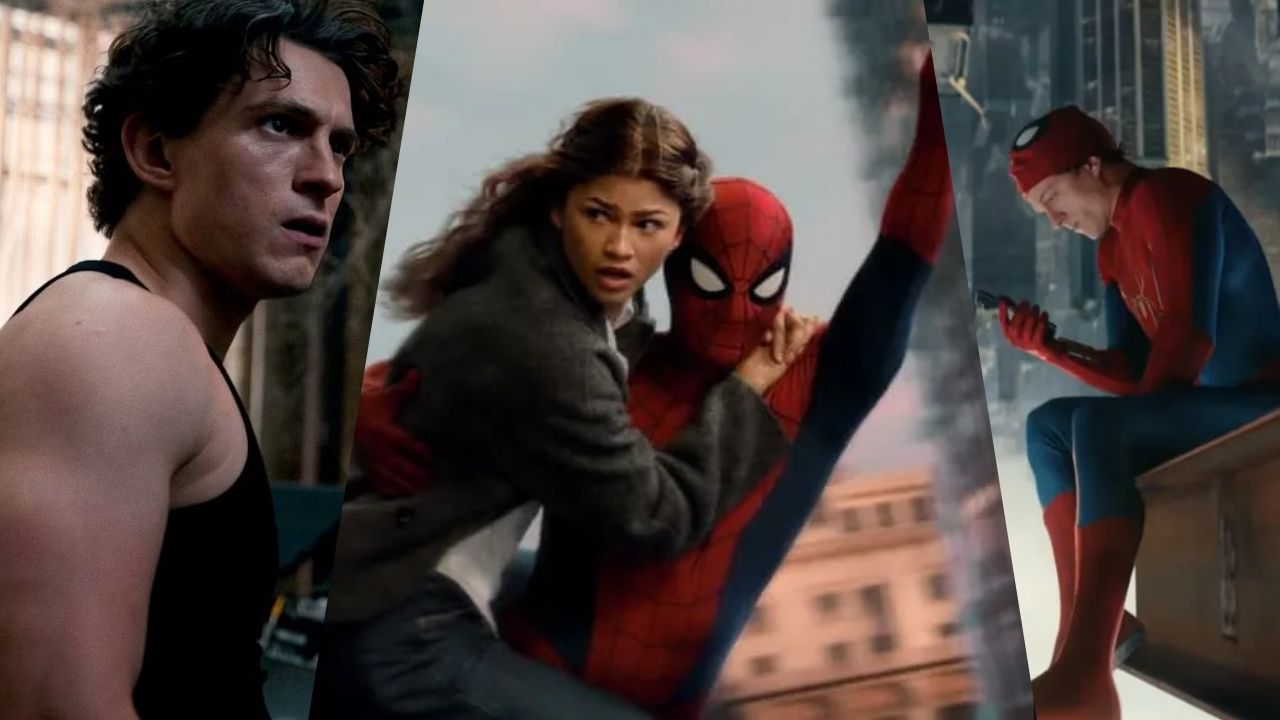
If that holds, and if the reviews translate into the kind of audience love No Way Home got, this is Marvel proving it can still make a movie people care about without needing three other franchises to show up and bail it out.
The big stakes are not in Peter beating the villain, but rather in whether Marvel can remember how to tell one story well before it tells five stories all at once.
If you’re on the fence about catching Spider-Man: Brand New Day on the big screen this weekend, early indications are positive. With the film’s 90%+ critics score, Destin Daniel Cretton’s solid directorial record, and the fact that it’s more character-driven, it looks like one of Marvel’s best recent theatrical outings.
Go in anticipating a toned-down and more realistic Spider-Man than No Way Home and take any casting rumors you’ve seen for Sadie Sink’s character with a grain of salt until Marvel confirms. Spider-Man: Brand New Day opens in US theaters July 31, 2026.
Get the latest details about movies, series, and celebrities on Fandomfans directly, we provide official news and theories.

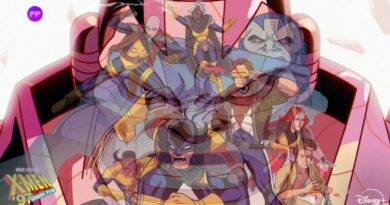
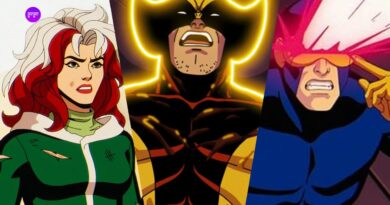
Explore Marvel's potential X-Men lineup in the MCU, from Wolverine and Cyclops to Storm and Jean Grey, and what it means for the future.
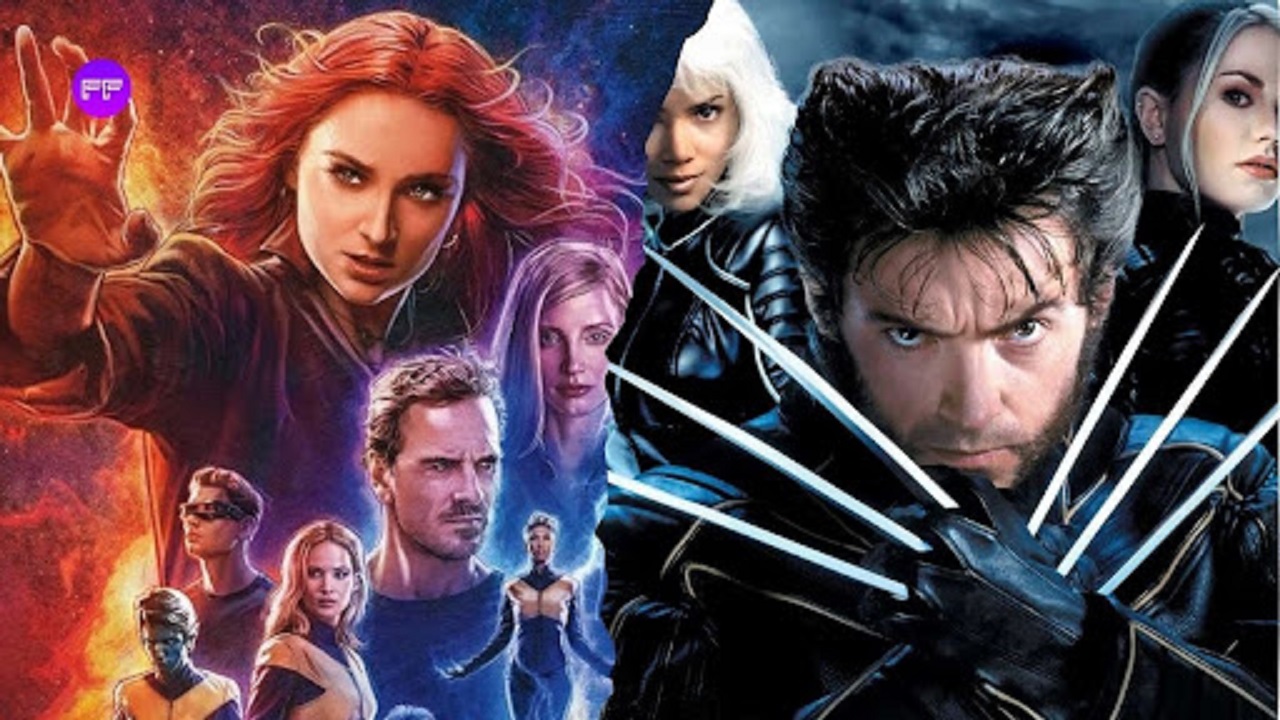
After years of confusing cameo appearances from Patrick Stewart, finally it’s time, X-Men are joining Marvel Cinematic Universe. What fans are really excited about is how Marvel will introduce the entire team of mutants into a universe. Whether it’s powerful Logan or Jean Grey, those characters need something new which makes a surprise for fans. Let’s look into what Marvel’s X-Men line up could look like in the MCU.
X-Men films generated its fanbase for years and Logan deserves all the praise it gets for that. But the franchise doesn’t keep the films continuity, whether it’s Days of Future Past which tried to reset the timeline or Dark Phoenix that tried to close it out, both films didn’t do any favor to the franchise.
Now Marvel got their rights back on the franchise, they will take a fresh start or honor what Fox built is a big question. It looks like they’re doing a carefully managed fresh start according to the confirmed report. The 2024 announcement of the X-Men film, along with the tease of mutant characters filtering into other MCU properties first, suggests Marvel wants to seed the ground before the big harvest.
They are going to introduce mutants one-by-one in Disney+ shows, in other films, in post-credits scenes and then bring them all together in one X-Men movie. Marvel always cared about the character, they make you love the character just like they did with Avengers. It worked because fans cared about each character individually, now that same treatment X-Men deserve.
There are a lot of characters for Marvel to bring out at first, they probably won’t bring all of them. What’s more likely is a focused core team — six to eight members — built around characters who can carry emotional weight and generate interesting dynamics. Think less ensemble chaos, more deliberate character work. Here’s who feels most essential to a first MCU X-Men outing:
(Field Leader)
Cyclops is a more interesting, serious, and infuriating leader in the comics but Fox films are never able to bring that full personality of Scott Summers’s Cyclopes on the screen.
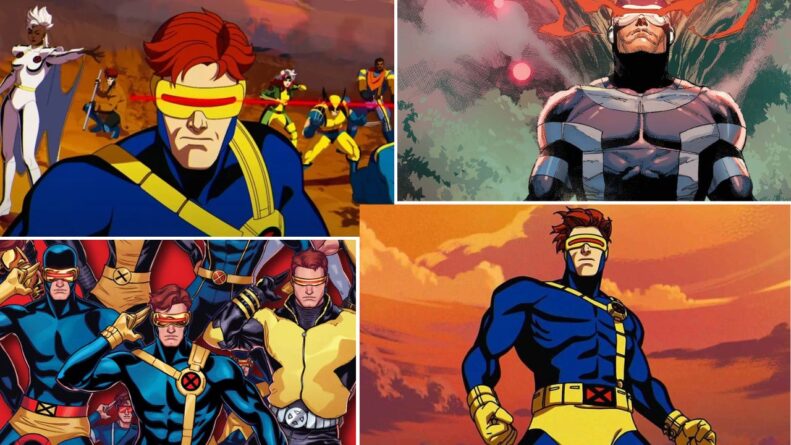
Marvel knows Cyclops deserves a chance to be the one who cares so deeply about the mission and is willing to take hard decisions. He’s the necessary one. A complex antihero-adjacent leader is exactly what the MCU’s X-Men need to feel different from the Avengers.
Read Also: Marvel Just Dropped Major X-Men Reboot Updates — Fans Won’t Believe It
(Omega-Level Telepath)
Jean Grey is one of Marvel’s greatest cosmic stories with an emotional heart which Scott loves. The character has a long-term storytelling potential as the host of the Phoenix Force.
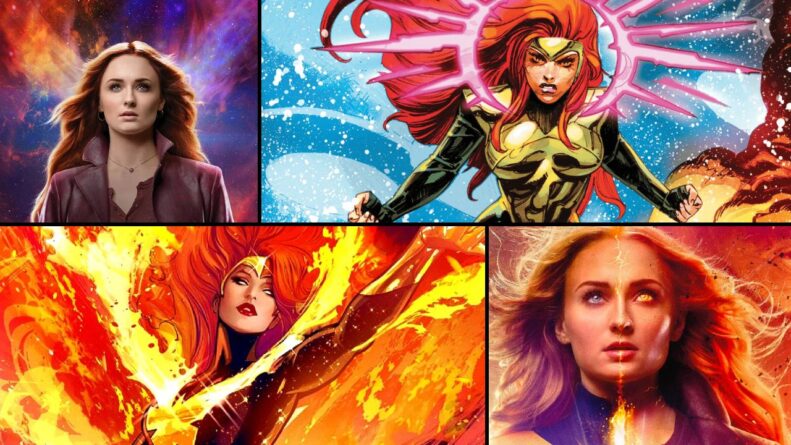
Fox films didn’t introduce her as a fully grown character who gets over her fear of her own power, relationship with Charles Xavier, and her bond with the rest of the team. Everything all together suffocates the character, it needs some space before the Phoenix saga even comes into play.
(Weather Manipulation)
Halle Berry’s Storm is one of the great what-ifs of the Fox era, a character which has so much potential if they write it well. The MCU version needs to be a queen.
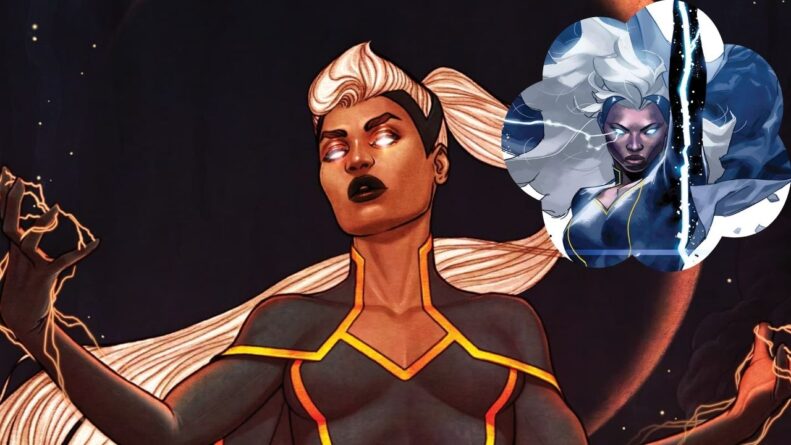
She should feel like the most powerful person in any room she walks into, as her backstory shows she inherited royalty from a goddess in Kenya. So she deserved a personality which carries a respect of authority and command.
(Berserker / Loner)
Hugh Jackman’s Wolverine became the most successful and loved character of X-Men. He gave outstanding superhero performances for seventeen years and ended it perfectly in Logan. Then appear again for Deadpool & Wolverine in 2025 because MCU needs new Wolverine but recasting it would be a huge challenge in Hollywood history.
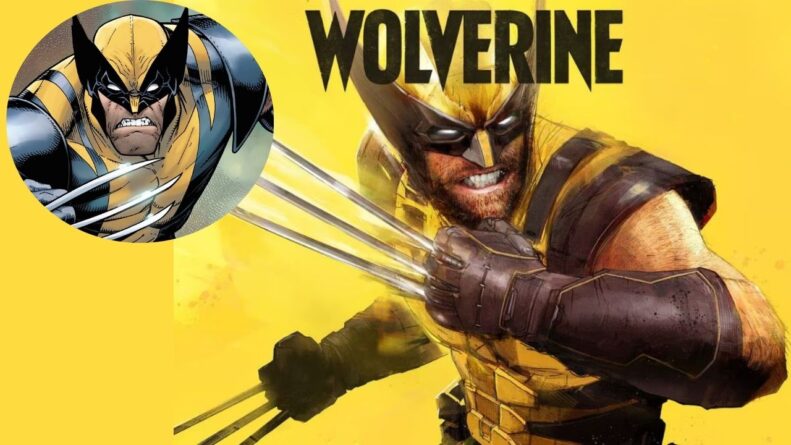
Whoever steps into the role needs to own the character like Hugh Jackman who brings the character to life through intense rage, tragic past, and surprising kindness towards the innocents whom he protects.
(Scientist / Strategist)
In the MCU, Bruce Banner and Shuri are the giant scientists who can solve any problem with their genius scientist mind. Beast is also a science-forward character but needs a distinct identity, his tragedy is that he created the very mutation that made him a monster in the eyes of the world while trying to cure it. He is the reminder and team’s conscience that intelligence doesn’t protect you from prejudice and that should be front and center of the series.
(Power Absorption)
Rogue’s MCU version should lean into what makes her uniquely compelling — she cannot be touched. She absorbs life force and powers through any physical contact, to avoid that she always lives in permanent isolation. The character is performing like a device which is used as a weapon more than a superhero character. So, the MCU should play it seriously. Her relationship with Gambit — which the Fox films flirted with but never fully explored — would be one of the great slow-burn love stories the MCU has never really attempted.
Beyond the core team, there are a handful of characters whose MCU introductions could completely change the energy of whatever X-Men project they appear in. These aren’t safe picks — they’re the ones that would make fans stand up in theaters.
If Marvel wants someone who can provide levity without undercutting the drama then Gambit is the character who has a complicated past with the Sinister and romantic relationship with Rogue.
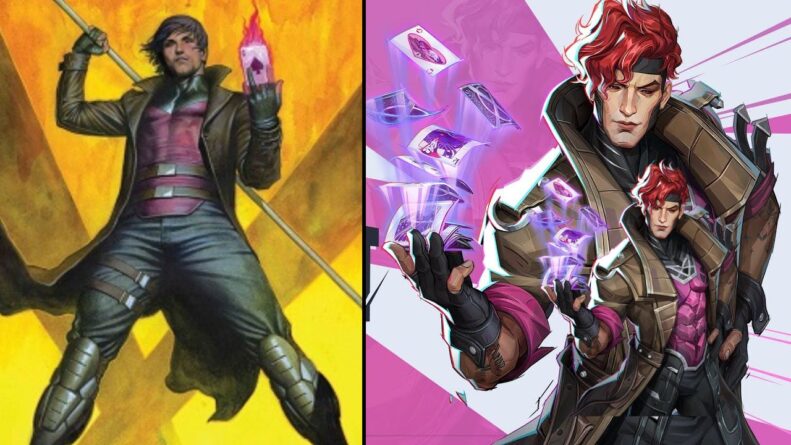
The character never made it to the Fox movies, even Channing Tatum was trying for many years. a Cajun thief with the ability to charge objects with kinetic energy fits MCU’s tone.
Kurt Wagner is one of the most visually striking X-Men and one of the most emotionally interesting. A blue-skinned, teleporting, deeply religious man who looks like a demon and acts like a saint — the irony is built in. There’s so much more into the story of Alan Cunning’s Nightclawler version in X2 which Fox never really brings it but still remains one of the valuable characters. Nightcrawler works as a combination of comic relief and genuine pathos.
A time-traveling cop from a dystopian future where mutants are hunted to near-extinction, Bishop is an X-Man who could function as the MCU’s entry point into some very dark storytelling.
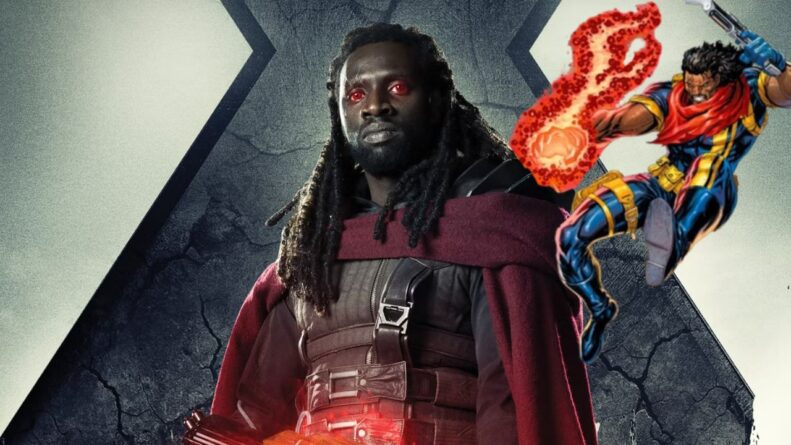
If he is here then it suggests that things can go wrong, at that point when someone from the future needs to come and fix it. And it’s the most exciting character who absorbing and redirecting energy is flashy enough for MCU action sequences while being thematically interesting.
The comics version of Psylocke is the double energy character – a British telepath whose mind ended up in the body of a Japanese assassin that could have more potential in a large narrative story. The Fox version in Apocalypse was essentially wasted. An MCU Psylocke with actual screen time and character development could be one of the franchise’s great sleeper hits.
X-Men is incomplete without these two men — Charles Xavier and Erik Lehnsherr. The philosophical conflict between them brings films a thematic engine that drives the entire franchise. Those characters were played well by Patrick Stewart and Ian McKellen with their core performances. Those acclaimed actors of their generations defined these characters for millions of people.
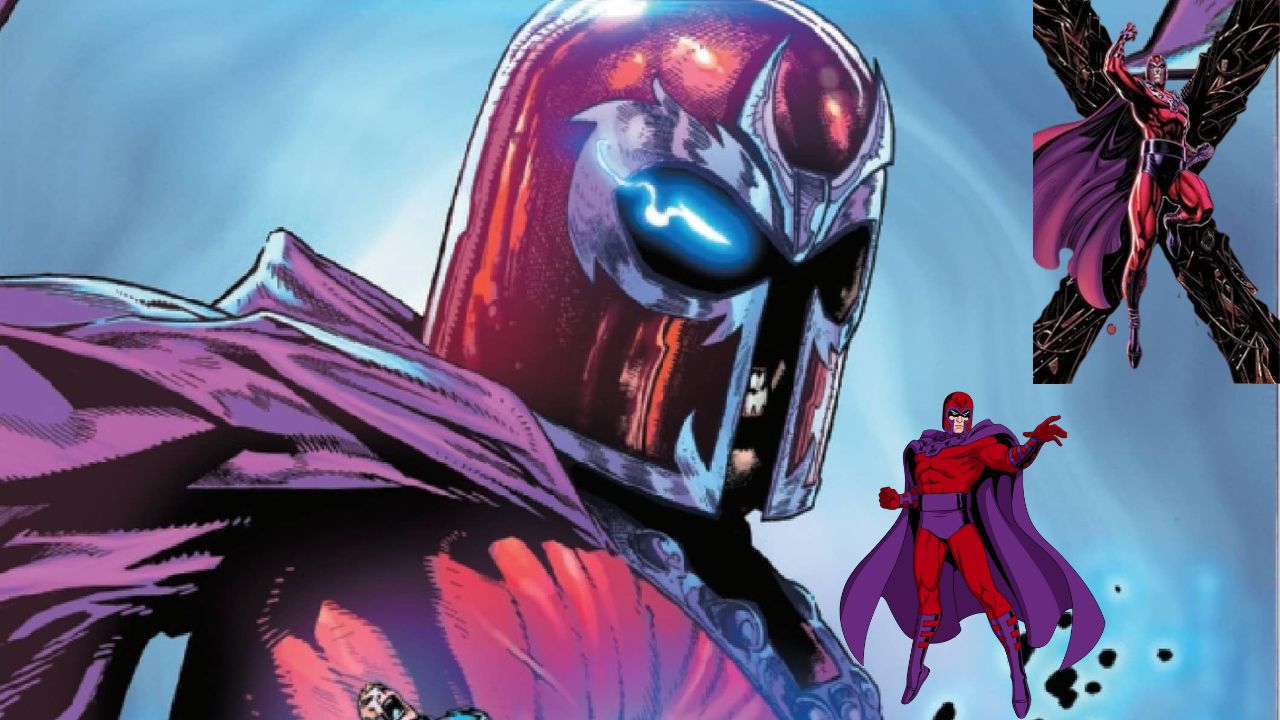
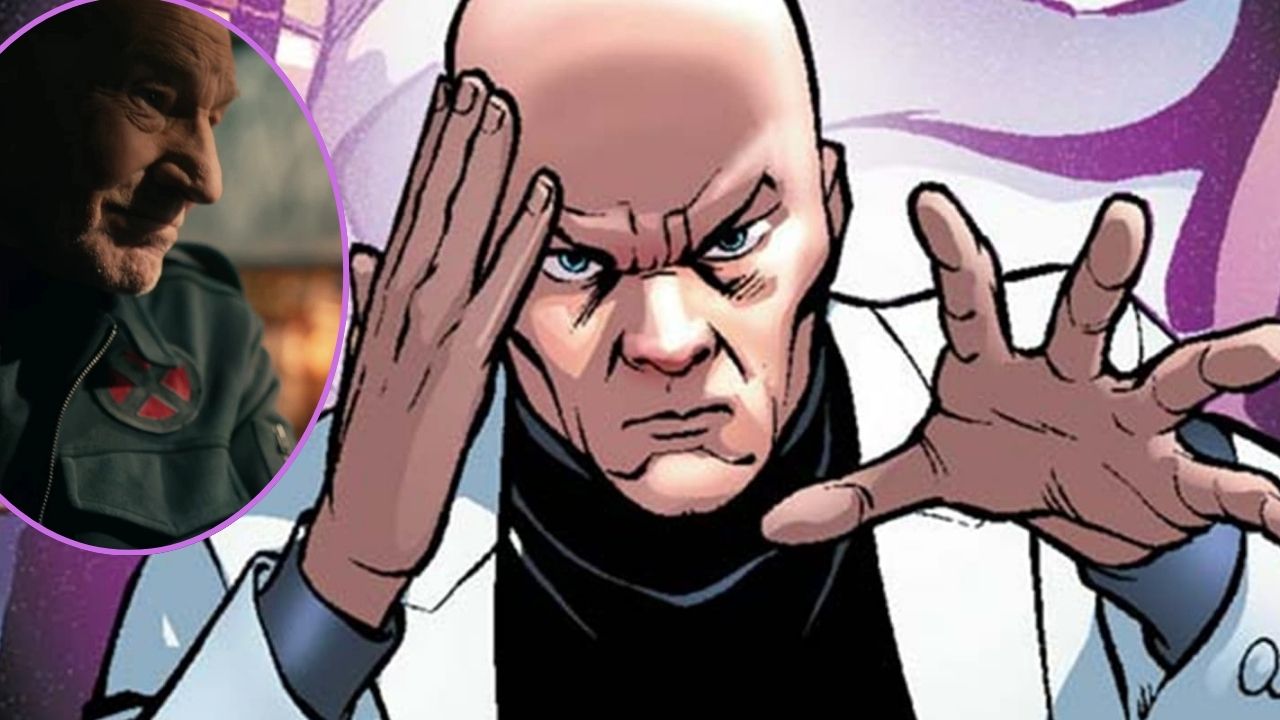
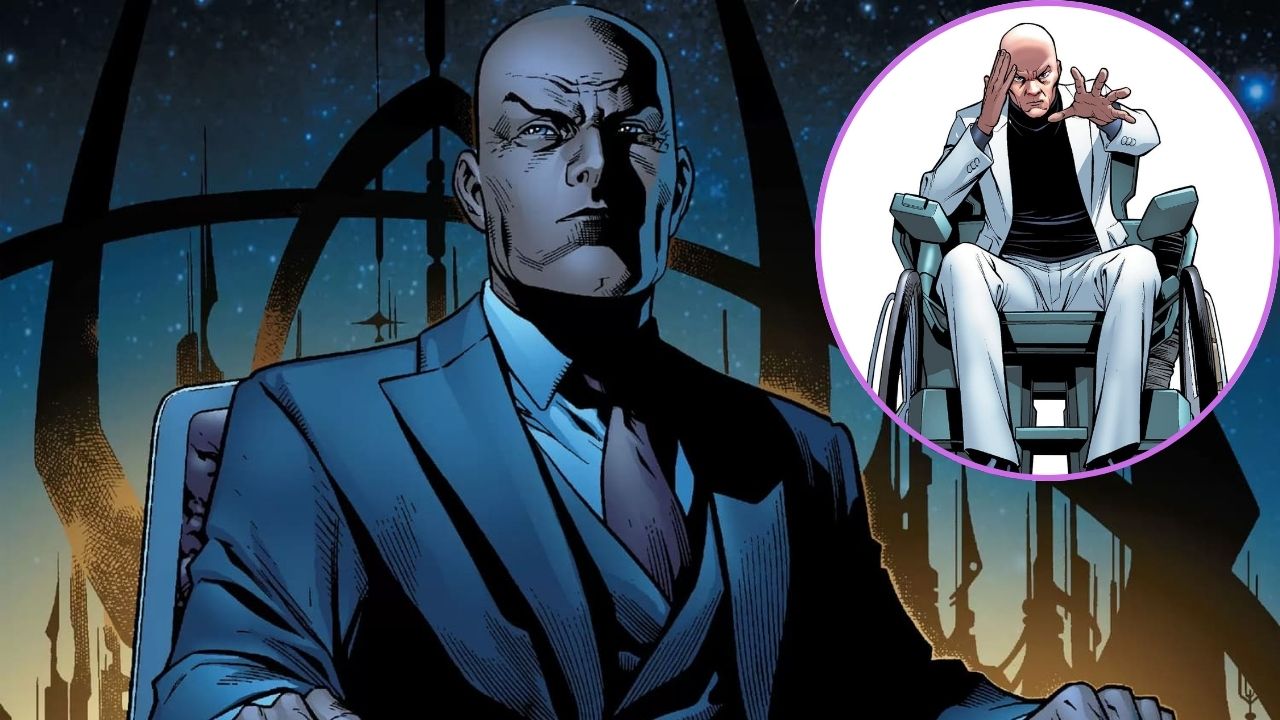
James McAvoy and Michael Fassbender gave them new dimensions in the prequel films. Whoever the MCU casts will carry enormous expectations. What Marvel should avoid is casting for nostalgia.
Don’t look for actors who resemble Stewart or McKellen, or who can do an impression of McAvoy’s intensity. The intensity of these characters are hard to understand and finding actors who could understand is more difficult. Their conflict to save the world with different patterns are the fundamental humanity of these two men — one who loves the world so much he can’t stop trying to save it from itself, and one who has been so brutalized by the world that protecting his people justifies any means necessary.
“The irony is Magneto doesn’t think he’s the villain. He survived things that justify every dark impulse he has, and the tragedy is that Xavier knows this, loves him anyway, and still cannot follow him there.”
The MCU must be careful and make the relationship more intense and painful. Two old friends spent decades with their superpowers and chose different paths — that story is devastating and timeless if it’s done right.
Avengers and X-Men, both have superpowers to fight but the motive is very distinctive from each other. Avengers fight alien invasions and time-traveling robots, but X-Men fight oppressions, prejudice, and fear of power which can destroy without understanding it fully.
X-Men stories are more focused on surviving being different in a world which has decided you don’t belong. It shows how the same character has both hope and rage and chosen family and that’s what Fox films captured at their best.
The opening of the first X-Men film, with a young Erik Lehnsherr being separated from his parents at a Nazi concentration camp, which was horrified and treated terribly by the officer to use his powers that told audiences immediately that this wasn’t a typical superhero story. The MCU needs its own version of that opening. Something that establishes, before a single fight scene, that these stories are about something real.
The MCU’s X-Men have to be different from what Fox built, different from the Avengers, and different from anything audiences think they’ve already seen. Because repeating the same origin stories or character depths would be time wasting. MCU must take the character work seriously, resisting the urge to cram everyone in at once, and trusting that the philosophical weight of these stories is just as exciting as the action sequences.
The mutants have always represented something larger than themselves. They’ve always been fighting for their own identity, they’ve survived from the world’s cruelest treatments, whether a world worth saving is worth fighting for. If the MCU can hold onto that truth while also delivering the spectacle fans love, we might be looking at the greatest era in X-Men history.
After everything we’ve been through with the Fox films — the highs of Logan and X2, the lows of Dark Phoenix and Apocalypse — these characters deserve to finally get it completely right. They’ve earned it. So have we.
Fandomfans deliver deeper details and updates from the inside of long franchise films directly to you. Stay tuned for more updates from movies, series, and celebrities.
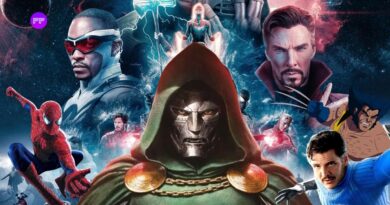
Discover how Marvel's First Family and Doctor Doom go from uneasy allies to bitter enemies in Marvel First Family & Doctor Doom Are Friends Until Doomsday.
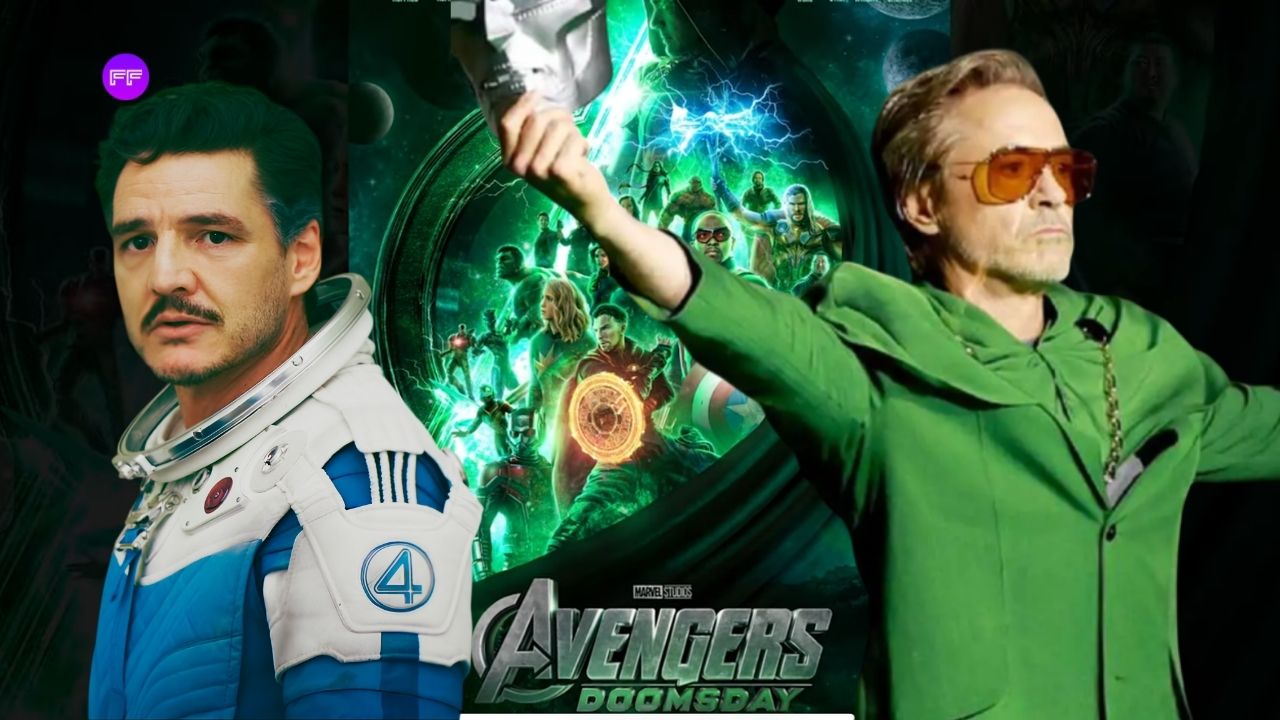
Nobody expects that Doctor Doom, about to threaten every universe in the multiverse in Avengers: Doomsday, isn’t a stranger to the Fantastic Four. He’s family friend material. Reed Richards and Victor von Doom go back decades in the comics, and it’s confirmed after official comments from insiders reveal that it’s the emotional spine of the entire movie.
This isn’t the origin story where Doom shows up as a masked menace on day one. This is a slower, sadder kind of villain arc, and it’s exactly why Robert Downey Jr. signing on to play him made so much sense once you stopped picturing Iron Man and started picturing a man who lost everything and blames the people who once called him a friend.
Long before he was ruling Latveria and building doombots by the thousand, Victor von Doom shared a dorm with Reed Richards at State University. They were rivals in the lab, not enemies in the field.
The accident that scarred Doom’s face and pushed him toward sorcery and tyranny is tangled up with Reed’s own guilt — Reed warned Victor his calculations were flawed, Victor ignored him, and the explosion that followed set both of their lives on separate, colliding paths.
What makes their relationship genuinely unusual in Avengers: Doomsday is that it never fully curdled into simple hatred. Doctor Doom has, at various points, called a truce with the Fantastic Four to fight bigger cosmic threats.
He’s shown up for moments on with Marvel’s first family. Most strikingly, in the comics, Doom personally delivered Reed and Sue’s daughter, Valeria, when a pregnancy complication threatened both mother and child and he later became her godfather. That’s not a footnote. That’s a writer deliberately keeping the door open between a hero and his greatest enemy, generation after generation.
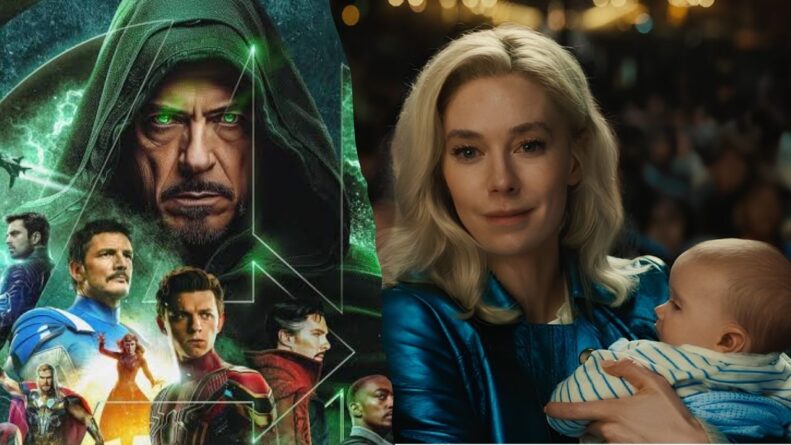
Why this matters for the movie: If the MCU is borrowing this dynamic, Doom isn’t being introduced as a stranger the Fantastic Four have to figure out. He’s someone Marvel’s first family already trusted. That’s a much heavier betrayal to write and a much heavier one to watch.
According to a widely circulated from industry leaker Daniel Richtman, the Fantastic Four’s Reed Richard and Doctor Doom are described as being on friendly terms heading into the film as people who have known each other for years rather than adversaries meeting for the first time.
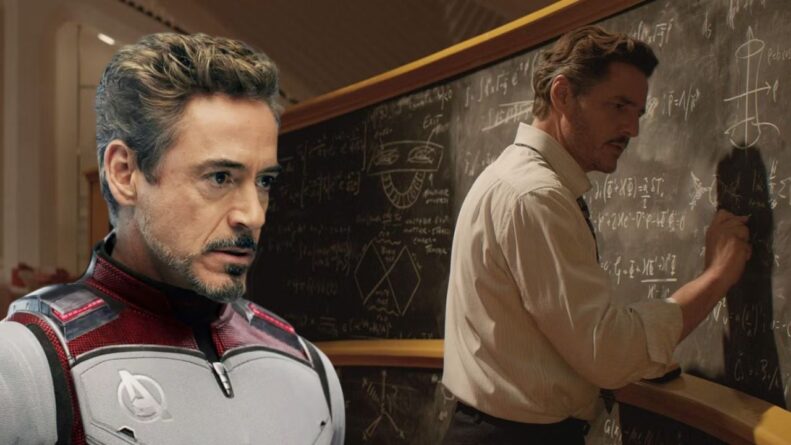
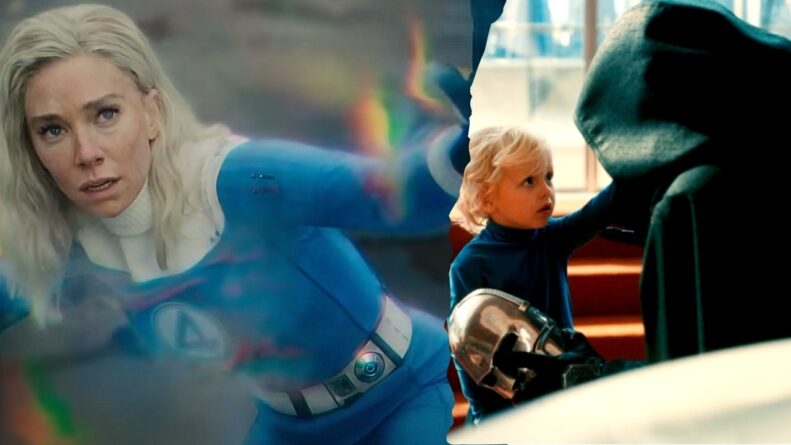
The same rumor claims the fallout that turns them into enemies is essentially the plot of the movie itself, with Doctor Doom reportedly seen playing with Franklin Richards in a post-credits scene of Fantastic Four: First Steps. Vanessa Kirby’s Sue Storm saw them and tried to prepare to use her power to protect her son but the scene ended.
However, the scene made fans mind that Doom was an enemy, if he’s friendly then Sue may not see Doom as a threat and calm down.
“Doctor Doom is just playing with Franklin, he mean no harm to the kid” — Ritchman Says
Marvel Studios hasn’t laid out the Reed-Doom relationship on record. But it lines up too neatly with six decades of comics history to dismiss, and directors Joe and Anthony Russo have publicly described Doom as one of the most complex characters in Marvel’s library — someone they wanted to explore with “complexities and vulnerabilities” rather than write as a straightforward conqueror.
“He’s not simply a villain; he’s one of the most complex Marvel characters. He’s always three moves ahead.” — Joe Russo, co-director, on Doctor Doom
If there’s one thread connecting the comics history to the reported MCU plot, it’s Franklin Richards. In the comics, Franklin is regarded as one of the most powerful beings to ever exist — capable of warping reality, creating pocket universes, and reading minds before he can properly walk. The Fantastic Four: First Steps already introduced him as a baby who ages into a young child by the film’s end, and multiple reports suggest Doom’s interest in Franklin is central to why he moves against the family at all.
A godfather turning on the family he swore to protect, driven by what a child could become, that’s not comic book villainy for its own sake. That’s a tragedy with body count.
Read More 👉 Marvel’s Amazing Spider-Man #1000: What Fans Need to Know
| Title | Details |
| Title / Event | Avengers: Secret Wars (follow-up: Avengers: Secret Wars — Part II noted as Dec 17, 2027) |
| Release date | December 18, 2026 |
| Follow-up installment | Avengers: Secret Wars follows (sequel/next major MCU event) on December 17, 2027 |
| Main villain | Doctor Doom — played by Robert Downey Jr.; full costume unveiled at CinemaCon 2026 |
| Returning lead cast | Chris Evans (Steve Rogers), Chris Hemsworth (Thor), Pedro Pascal (Reed Richards), Vanessa Kirby (Sue Richards) |
| Fantastic Four presence | Seven characters from First Steps confirmed to appear, including HERBIE (the robot) |
| Directors | Anthony Russo and Joe Russo (returning to MCU since Avengers: Endgame) |
| Setting / premise | Heroes from three separate universes — Earth-616, Earth-828 (Fantastic Four’s world), and Fox X-Men universe — converge to face Doctor Doom |
The trailer shown at CinemaCon and in teasers has already leaned into Doom’s overwhelming power — a scene where he stops Thor’s Stormbreaker with one hand has become the moment fans keep replaying.
But the same trailer reportedly closes on a much quieter, more devastating line from Doom: “One day you will forgive me.” That’s not the sentence of a conqueror talking to strangers. That’s the sentence of someone talking to people he actually cares whether they forgive.
The MCU has struggled with villain motivation before — plenty of Phase Four and Five antagonists existed mainly to be defeated. Doom being a person the Fantastic Four actually liked, trusted, and maybe even loved solves that problem before it starts. They also don’t have to start from scratch in making us feel sympathetic for Doom; they get that from sixty years of history between Reed and Victor, and they get to spend their running time dismantling it on-screen rather than explaining it in exposition.
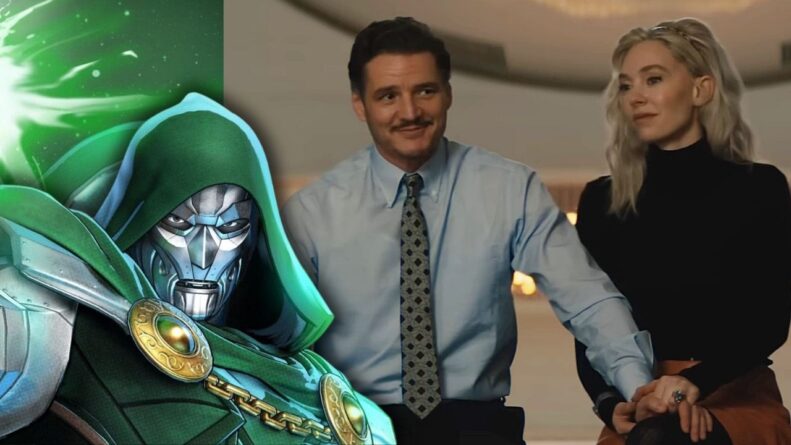
It also raises the stakes for everyone standing next to the Fantastic Four when Doctor Doom turns. If he’s willing to burn a friendship this old to get what he wants, nobody in Avengers: Doomsday is safe because they’re powerful. They’re at risk because they’re close to him.
Read More 👉 XMen 97 Season 2 Episodes 1-3: Who Really Sent the XMen Through Time?
Doctor Doom isn’t a fascinating Avengers: Doomsday antagonist simply because he’s the most powerful person present. He’s compelling because he’s introduced as someone Fantastic Four already know, trust, and consider part of their lives. That background makes every encounter not just a fight to save the multiverse, but the shattering of a friendship that once felt unshakable.
If Marvel follows the emotional roadmap it set forth in the comics, “Avengers: Doomsday” won’t just establish Doom as the MCU’s next major villain. It’ll show how pride, grief, and unthinkable choices can turn a trusted friend into the deadliest enemy Marvel heroes have ever encountered. And now, with the multiverse at stake and Reed Richards facing the friend he couldn’t save, the conflict is far more tragic than your standard-oh-hero-versus-villain story.
Dive into details of latest movies, series, and characters before watching it on Fandomfans