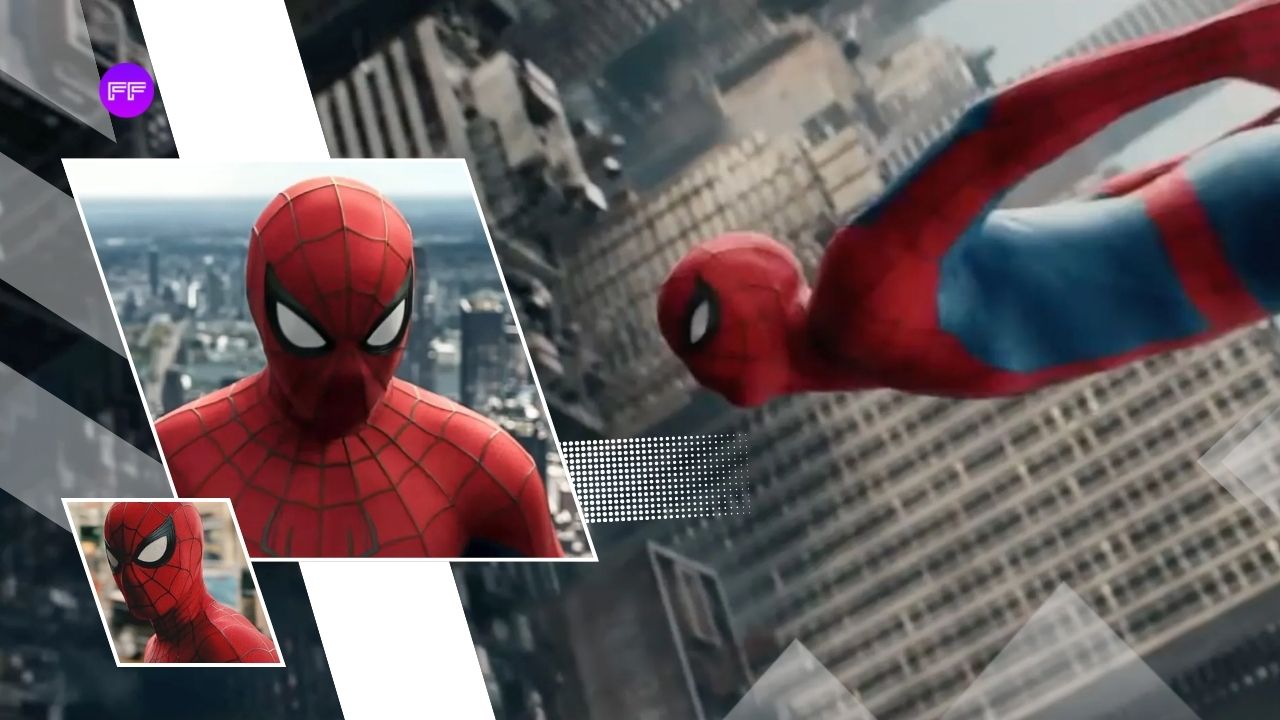
Spider-Man: Brand New Day Latest Update: What’s Really Happening?

Get the latest Spider-Man: Brand New Day updates, including story details, cast news, release information, and what fans can expect from Marvel's next Spider-Man movie.

If you’ve checked social media even once today, you already know something big is going on with Spider-Man: Brand New Day. It’s not hype talk this time — the movie hit theaters this morning, July 31, 2026, and the numbers coming in are the kind studios usually only dream about. Between record previews, a near-perfect audience score, and a mystery casting decision Marvel still won’t touch, there’s a lot to sort through. 

Know more about Spider-Man: Brand New Day latest updates and theories around the plot that was shared by Marvel Studios.

Spider-Man: Brand New Day Just Broke Box Office Records on Release Day

Thursday night previews alone pulled in more than $50 million, beating out No Way Home’s preview haul and putting Brand New Day within striking distance of Avengers: Endgame’s all-time preview record of $60 million. That momentum carried straight into Friday.

Exhibitor tracking now has the opening weekend landing somewhere between $260 million and $300 million domestically, well above NRG’s earlier survey estimate of $195 million. Deadline is projecting a $465 million global opening, which would make this the second-biggest debut in Sony’s history.

The critical and audience reaction backs up the money. Rotten Tomatoes has the film sitting at 90% Certified Fresh across 135 reviews, and the audience score debuted at 98%, tying the highest mark any MCU movie has ever posted on the platform. China delivered its biggest superhero opening day in seven years, and Sony says the film’s social media reach — 2.86 billion and counting has already topped Endgame. For a franchise four movies deep with this cast, that’s not a small thing.

The Story Picks Up Exactly Where No Way Home Left Off

This isn’t a soft reboot. Spider-Man: Brand New Day is set four years after No Way Home, and the spell Doctor Strange cast at the end of that film is still in effect — the entire world, including MJ and Ned, has forgotten Peter Parker ever existed. 

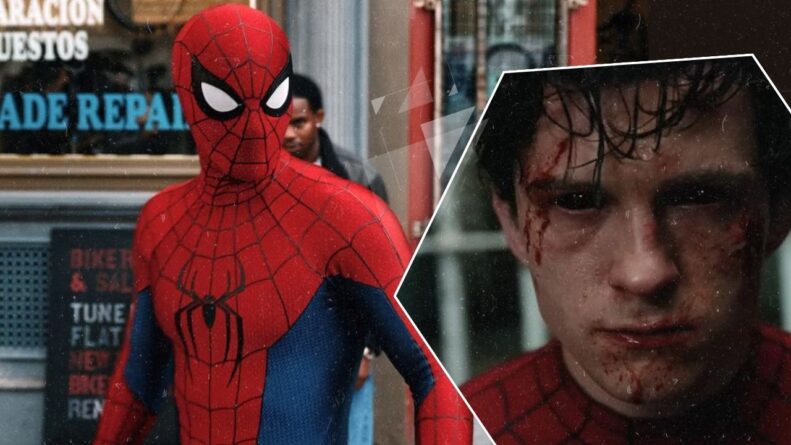
He’s spent those four years as a full-time Spider-Man with no Stark tech, no Avengers backup, and nobody in his corner. Tom Holland has been describing it less as a fourth movie and more as a rebirth for the character.

Spider-Man Brand New Day

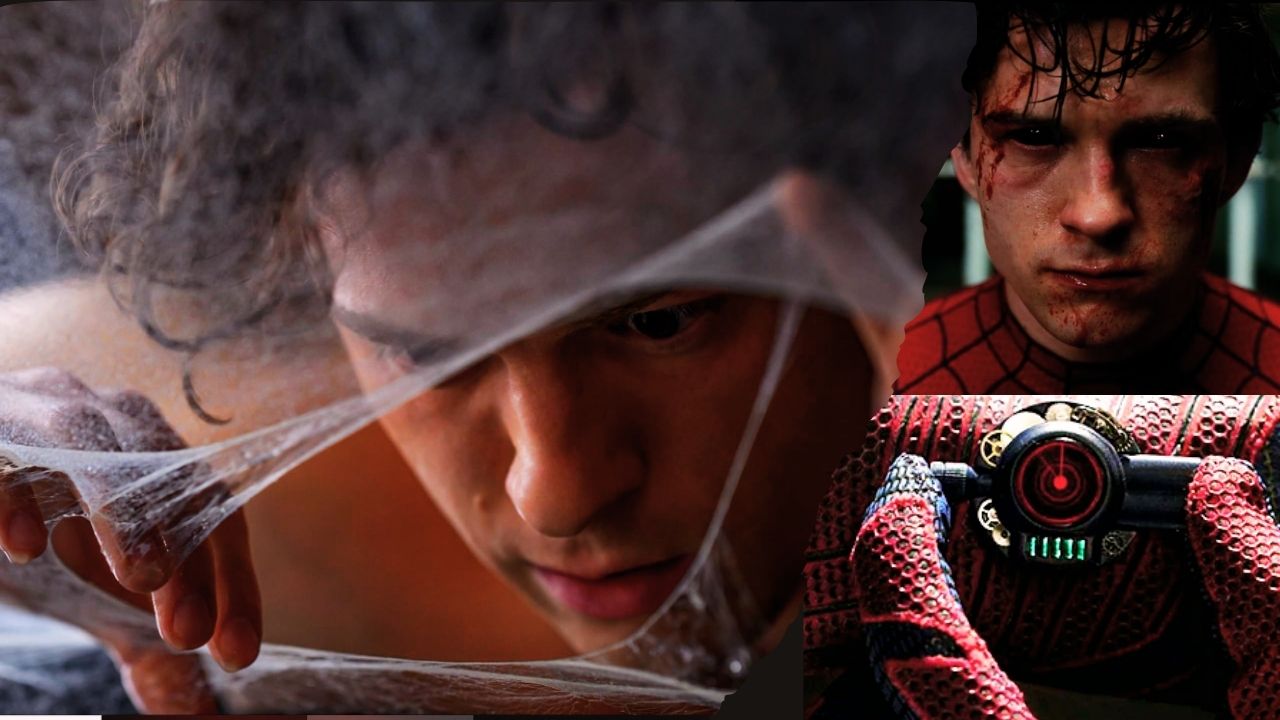
The official synopsis confirms Peter is going through a physical transformation he can’t fully control, triggered by the pressure of the job, right as a new pattern of crimes points toward “a powerful villain no one can even see.” 

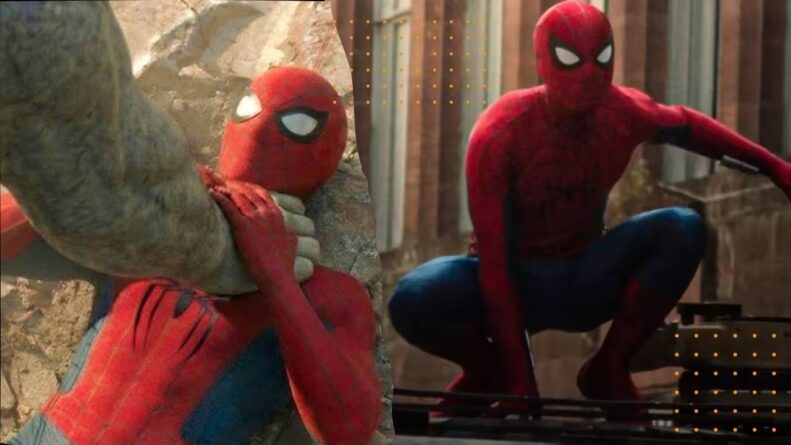
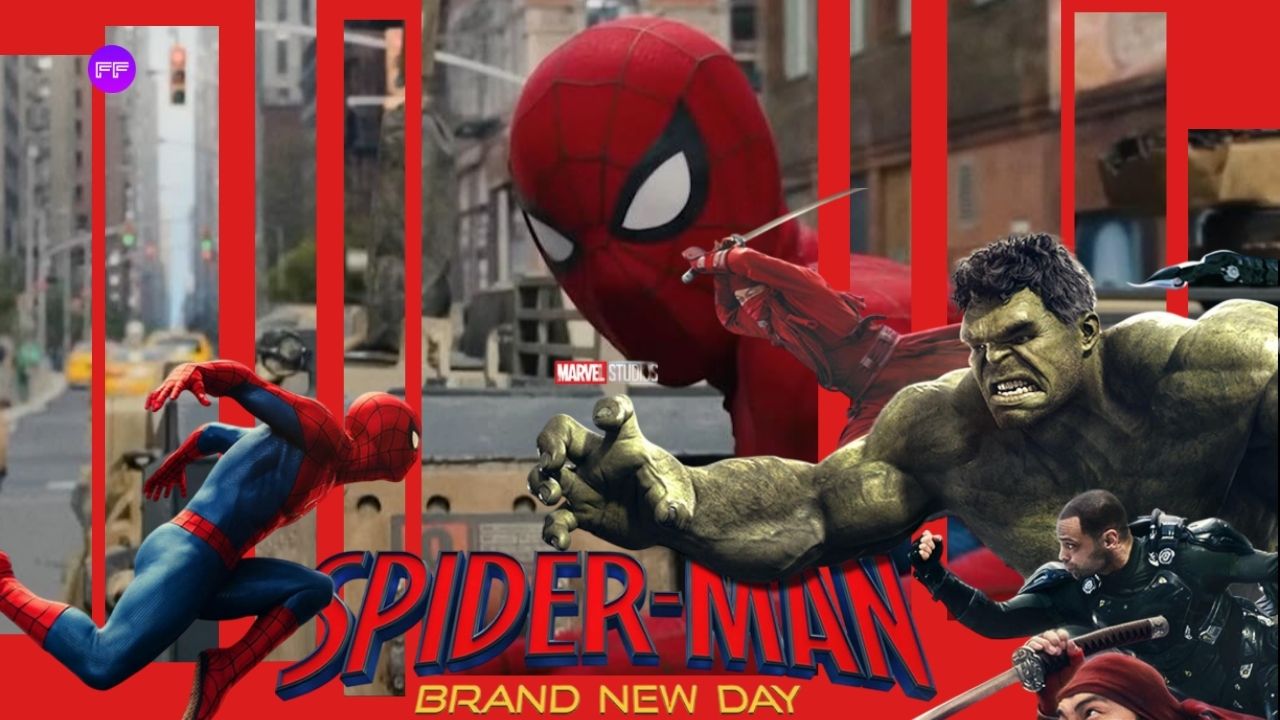
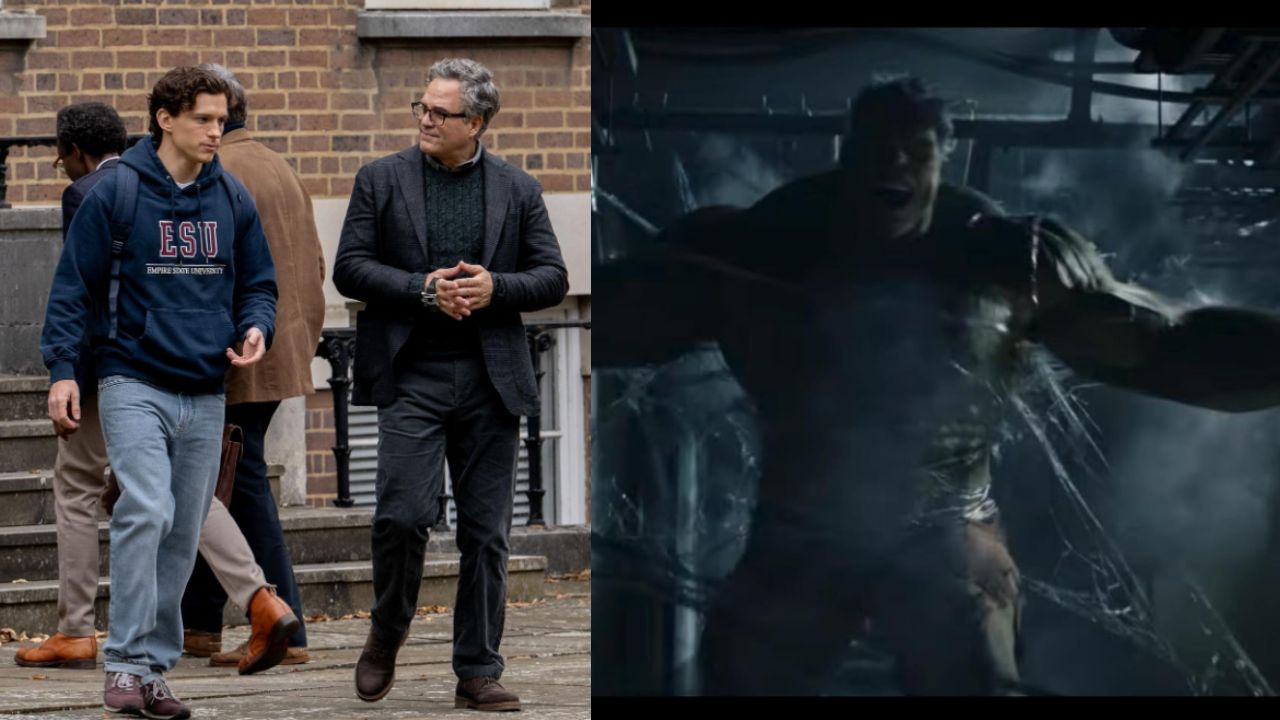
In the trailer, Tramell Tillman’s character, Bill Metzger, tells Peter directly that he’s the only one who can sense this threat. There are also organic web-shooters that shoot from Peter’s wrist, as well as a full Hulk transformation, which circles back to Bruce Bannel’s earlier warning to Peter in the movie to run if his gamma control ever falters. Marvel hasn’t indicated how far the Hulk connection goes, so consider that link to be in development rather than fully-explained.

Officially Confirmed Cast and Characters

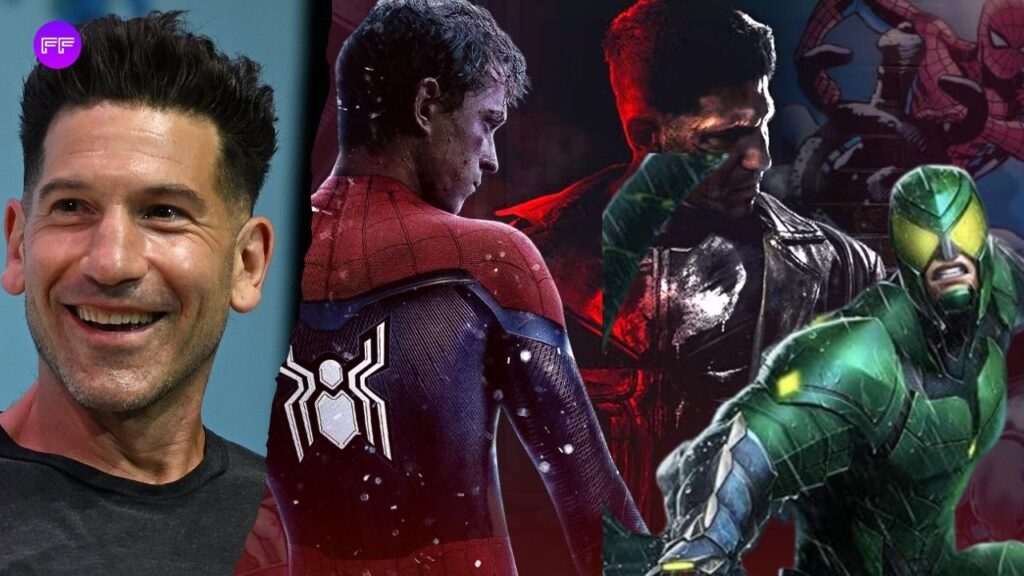
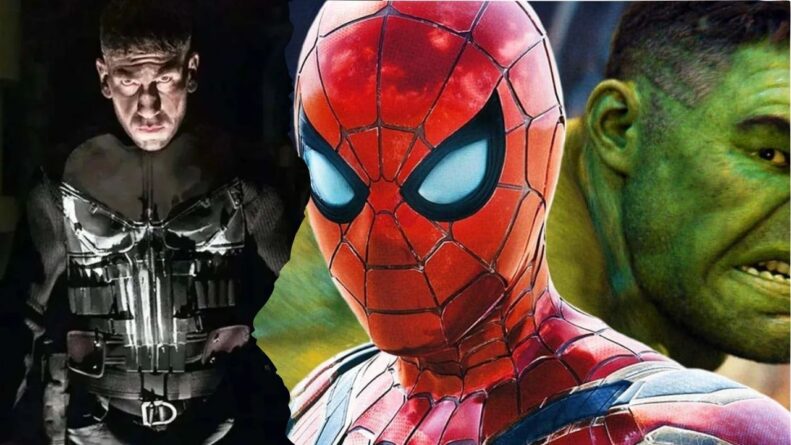
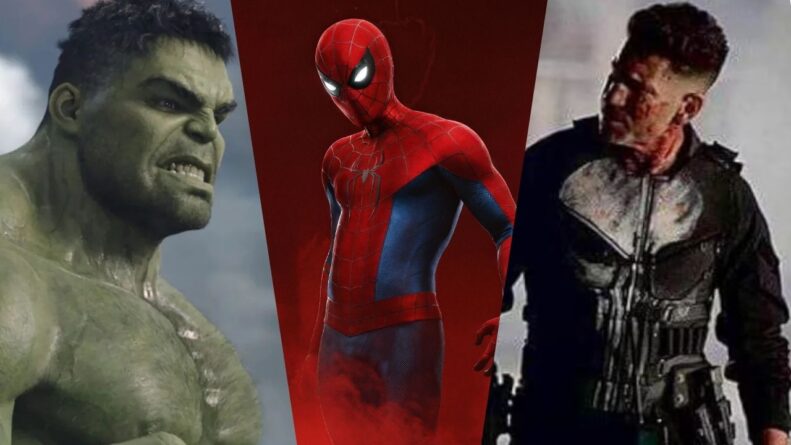
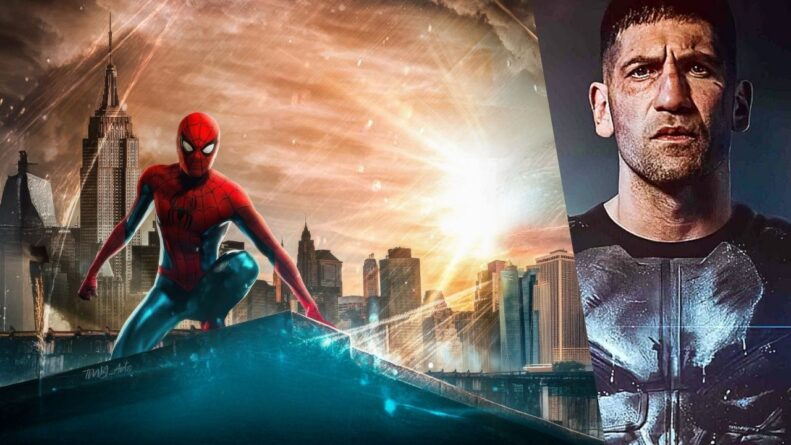
Holland returns as Peter, with Zendaya back as MJ and Jacob Batalon as Ned. The newer additions are where it gets interesting: Jon Bernthal makes his first big-screen appearance as the Punisher alongside Holland, after showing up at Marvel’s Comic-Con Hall H panel with an exclusive clip of Spider-Man and Frank Castle fighting the Hulk together. 

Mark Ruffalo is back as Bruce Banner, Michael Mando returns as Scorpion in a redesigned suit with a mechanical tail, and Marvin Jones III plays Tombstone. Tramell Tillman and Liza Colón-Zayas round out the cast in roles Marvel hasn’t fully detailed yet. 

Shang-Chi and the Legend of the Ten Rings director Destin Daniel Cretton is at the helm, with a script from Chris McKenna and Erik Sommers, the writing team responsible for the last three Holland Spider-Man flicks.

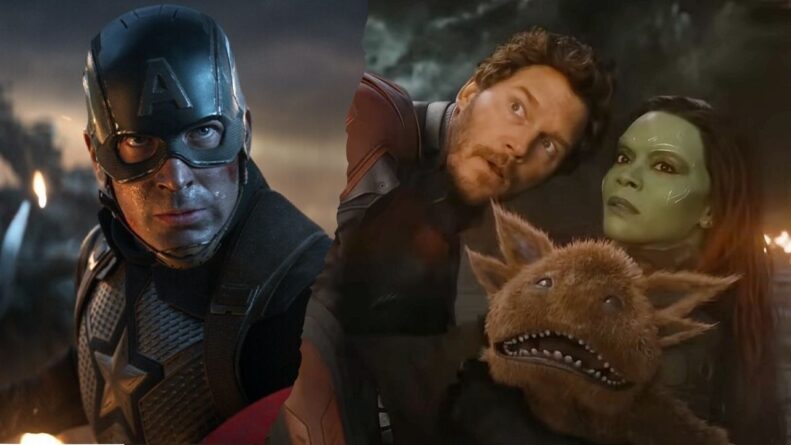
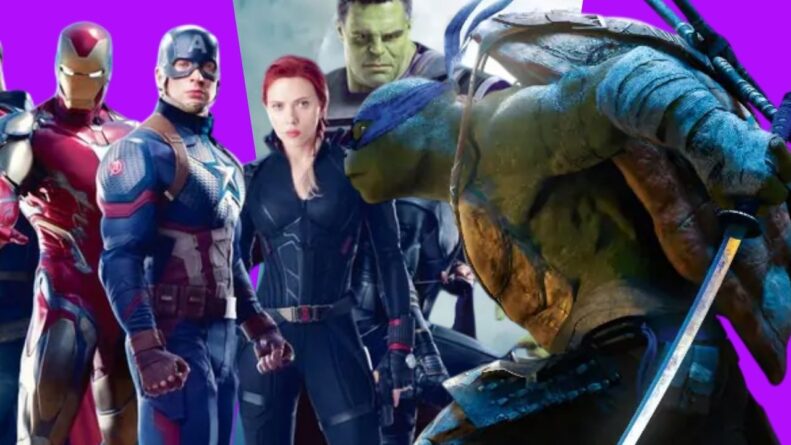
Read More 👉   Why Chris Evans Was Chosen as Captain America 

The Sadie Sink Mystery Nobody At Comic-Con Would Touch

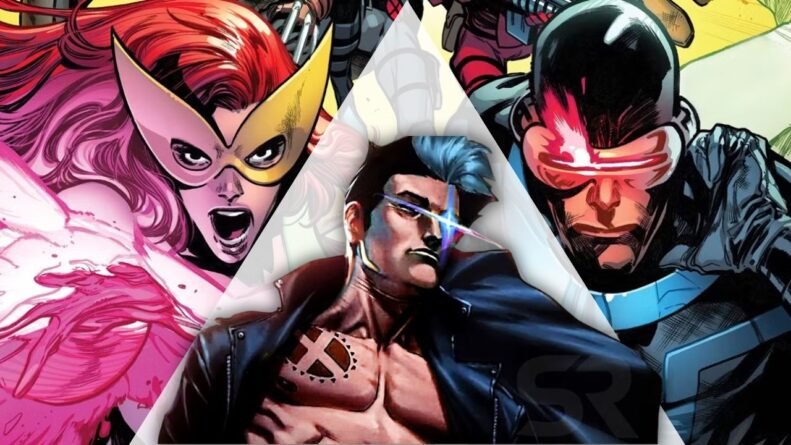
Sadie Sink is confirmed cast, but Marvel has never said who she’s playing. The leading theory going around for months is that she’s Jean Grey, which would make Brand New Day an early bridge into the X-Men side of the MCU — that’s still a fan theory, not a Marvel confirmation, so treat it that way. 

Sink was reportedly spotted in San Diego during Comic-Con, but she never appeared on the Hall H stage, and the panel wrapped without a single mention of her role. Reports out of the film’s premiere claim actor Steve Lacy let details about her character slip on the red carpet, though that’s a secondhand report rather than something Marvel has verified, so it’s worth reading with a little caution until the studio actually confirms it. 

Comic-Con Would Touch

Adding to the intrigue, Kevin Feige teased at BilibiliWorld that Yelena Belova might show up “a little bit sooner” than Avengers: Doomsday — and with only one Marvel movie left on the calendar before December, fans are doing the math on what that could mean for this film specifically.

No IMAX, and That’s Not a Mistake

Brand New Day is not playing in IMAX domestically. Christopher Nolan’s The Odyssey has an exclusive hold on IMAX screens in the US through its own theatrical run, so Sony built around it. 

The film is instead launching in a new format called “Shot for ScreenX,” alongside Dolby Cinema and other premium large formats. Outside the US, the picture is different — Brand New Day does have IMAX screens locked up in China, Japan, and Korea, where The Odyssey doesn’t hold the same exclusivity.

Read More 👉   Why Spider-Man: Brand New Day Just Changed Everything for the MCU

Should You See It This Weekend?

Based on what’s confirmed so far — a 98% audience score, 90% from critics, and preview numbers chasing an Endgame-level record — this is shaping up to be the biggest Spider-Man opening the franchise has had. If you’re planning to go, book ahead; previews already outpaced No Way Home, and weekend showtimes are filling fast. 

This Weekend

Just don’t go looking for an IMAX screen near you, since that option isn’t on the table domestically this time — ScreenX or Dolby is your best bet for the biggest possible presentation. And if you’re trying to piece together the Sadie Sink storyline before you sit down, know that Marvel itself still hasn’t confirmed it, so anything you’ve read is fan detective work until the studio says otherwise.

Conclusion 

Spider Man Brand New Day has arrived with the exactly kind of launch fans were hoping to see. The story that pushes Peter Parker into unfamiliar territory has made it one of the biggest MCU events in years. Spider-Man: Brand New Day is obviously a film that rewards viewing without spoilers. With Avengers: Doomsday just around the corner, this isn’t simply another Spider-Man movie—it might be a big stepping stone for what comes next in the Marvel Cinematic Universe. 

Fandomfans delivers latest updates and theories from movies, series, celebrities.

Comments

Leave a Comment

Your email address will not be published.

Alpana

Articles Published: 173

Alpana is Fandomfans Senior Editor across all genres of entertainment. She evolved in the media industry since a very long time, she manages the content strategy and editing of all the blogs. Her focus on story development, review analysis, and research is well-equipped that ensures every article meets the standards of accuracy and depth.

View Profile ↗

From Hell’s Kitchen to Cell Block D: Breaking Down the Epic Jumps in Daredevil Born Again

Daredevil Born Again ending with twists leaves a cliffhanger for season 3. Here is the breakdown to understand what happened with Matt Murdock and Wilson Fisk.

Published: May 7, 2026, 10:20 AM
Last Updated: May 7, 2026, 10:26 AM

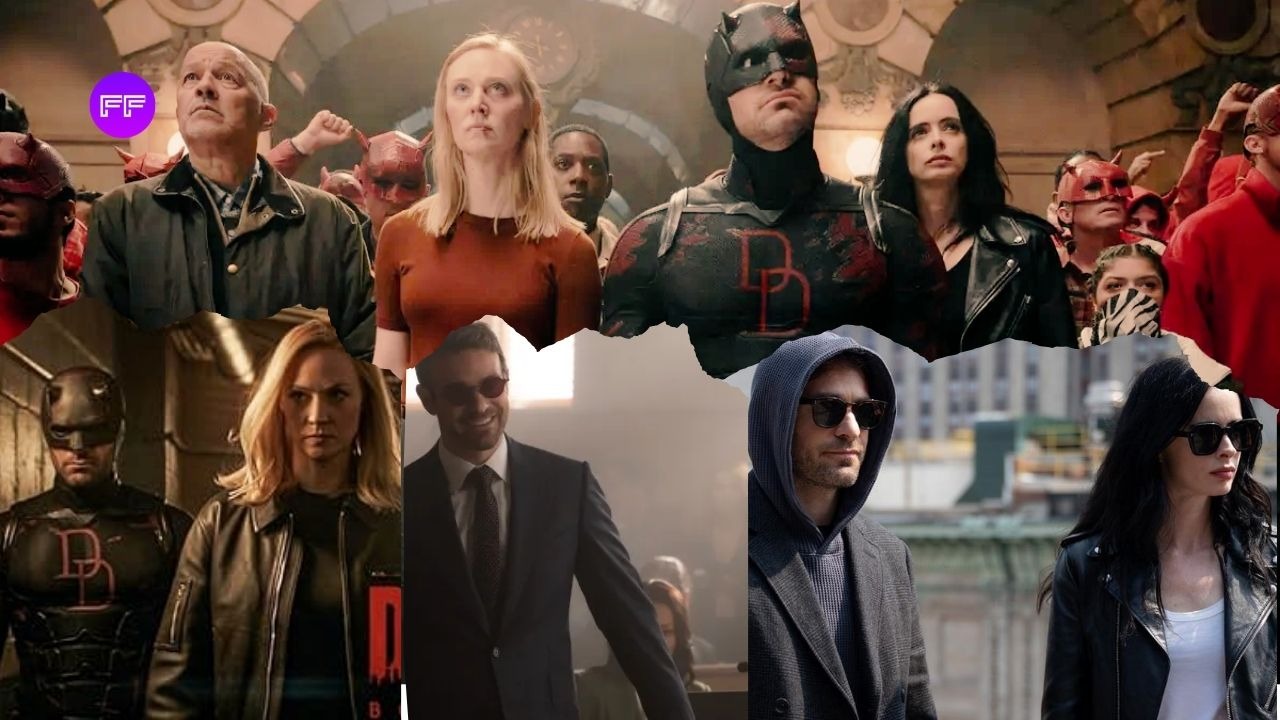
Daredevil Born Again left a biggest twist in the Season 2 finale episode and it’s not like a new storyline, it’s going to change the entire show. Matt Murdock puts his identity at risk for justice and to win Karen’s case. While exiling Fisk and being sent away from New York City can be relaxing but revealing himself as Daredevil puts him at a risk. 

The leap jump from season 1 to season 2 is like taking control and building a resistance to fight against Fisk’s corrupted system. Now the gap between season 2 to season 3 is huge to speculate, season 2 ending hinted for the Cell Block D prison where Matt is trapped. And streets need other allies to fight with gangs.

Let’s dig into the detailed blog to understand the Daredevil Born Again season 2 ending which leaves excitement for the next season. 

How Resistance is Formed in New York City

If we look into the Daredevil Born Again Season 1 ending then we can understand how Season 2 has become such an action-packed. 

By the end of the first season, Wilson became a Mayor of New York City but kept doing underground work as a mob boss and successfully manipulated the public against the masked Vigilante. He built up his ruthless Anti-Vigilante Task Force (AVTF) to lock up every costumed hero in the entire city in a Red Hook Port Prison. 

The evil won but Daredevil aka Matt Murdock isn’t finished fighting. He takes a bullet to protect Fisk from Bullseye, he finally realizes that playing by the book isn’t enough to control these gangs and stop crimes. He came up with a plan along with his partners Karen Page and Frank Castle to change their fate from survival to rebellion. 

Daredevil Born Again Season 2 Breakdown

When Season 2 kicks off, the show doesn’t waste time by chatting in a josie’s bar. It started with gritty stakes, Matt Murdock found out the truth about the political power of Fisk after attacking Fisk weapon cargo called “The Northern Star”. It bridges the gap between Fisk’s Mayor position from Season 1 and his ongoing criminal empire in Season 2.

Matt isn’t just sitting alone as a lone wolf anymore, he is preparing a street-level resistance against a corrupt government. While Matt fights in the shadows, Karen is thrown on trial for her vigilante connections. 

This indicates a dual-threat narrative — Karen’s case in the courtroom becomes a legal war and on the other hand, physical war on the docks.

The Explosive Season 2 Finale: The Ultimate Sacrifice

Daredevil Born Again season 2 gives an absolute cliffhanger when it ends with emotional and legal brawl, it just rewrote the rulebook. 

Saving Karen from Fisk’s hand is an impossible task but both Matt and Kirsten McDuffie are fighting a losing battle. But the most powerful act by Matt in the courtroom is unthinkable, he plays his ultimate trump card to win the battle. 

Matt calls Fisk as a Witness in front of the judge, the jury, the prosecution, and dozens of live television cameras. For what? To reveal his identity (Kingpin) publicly. He outs himself as Daredevil to witness the illegal weapons smuggling on the Northern Star which he attacks. 

This statement of Daredevil puts him at risk and causes chaos around the city. But the revelation actually works to put Fisk’s empire crumbles down and all the charges against Karen are dropped. Fisk is removed from his office by the governor. 

The Last Powerful Action in Daredevil Born Again Nobody Thought It Needed

The streets are full of people who put on their own Daredevil masks and storm the streets to protest. Fisk even shoots protesters, Matt stops the protestors to kill Fisk in revenge. As if it’s not enough, Bullseye appears at the court to kill the Mayor which sets off a panic situation. 

What happened to Fisk? He takes a plea deal and drops his US citizenship, sent away to some remote tropical island. 

At the very end, Matt finally enjoys a peaceful date with Karen at a cafe but the outcome after his secret identity is revealed is tough to walk away clean. The next shocking thing happens when police sirens wail and Matt is arrested for multiple crimes like assault, perjury, and obstruction of justice. 

Matt Murdock Being Locked Away in Ryker’s Island Cell Block D

Why Cell Block D? The final shot showed Matt being locked up in a Cell Block D and left us with an explosive finale that jumps us into Season 3. There’s no official confirmation yet but writers have laid down the breadcrumbs perfectly. 

The story narrative is going to change completely with this ending, it completely flipped the universe. This cell is exactly built for the exact same criminals which are dangerous and powerful, he put there over the years. Now Matt has to fight every single day not for the city to save but for survival.

Read More:- House Of The Dragon Season 3: Release Date, Plot Details Explained, Cast & Characters

What Is Expected in Daredevil Born Again Season 3 

If you are a hardcore comic book fan, you can guess that the next season is setting up for the famous “The Devil in Cell Block D” storyline. Daredevil is like a sitting duck in a prison with his enemies. While the streets of Hell’s Kitchen are wide open for gang wars and underworld criminals. 

Bullseye is still on the run after creating chaos in the courtroom. But there is a chance of Fisk’s revenge returning because he is not the man who is going to sit on a beach drinking margaritas forever. 

We can expect him pulling strings from the shadows in season 3, manipulating the prison criminals to make Matt’s life a living hell. Making bloody plans to take back the city not being the man in the tower but as the exiled king planning his return.

The reunion of street-level Marvel heroes could be uniting for saving the city from drowning. With Matt locked up, Karen and the rest of the crew are going to need help. Making allies with other characters like the Punisher or Jessica Jones is setting up a new course of action to keep the streets safe while Matt is stuck in Ryker’s. 

Conclusion

Daredevil: Born Again has done a masterful job by keeping the storyline of season 3 under wraps and left a shocking twist in the season 2 finale. Its seasonal jumps feel earned with strong narratives and high-stakes. The leap from Season 1 to Season 2 already gave us a formation of resistance against corrupted system. Now the jump from season 2 to season 3 will strip Matt Murdock down to his absolute core. Daredevil without a mask, just a blind man fighting with his old enemies in a cage to survive is going to flip the universe.

But is it enough with the storyline? I don’t think so because we can expect more twists from season 3. We just have to wait for the next season.

Dive deeper into the Daredevil Born Again season 2 ending and season 3 expected storyline with Fandomfans.

Comments

View comments and join the discussion

Mariyam

Articles Published: 87

Mariyam Khan is Fandomfans Content Writer and providing reports and reviews on Movie Celebrities, and Superheroes particularly Marvel & DC. She is covering across multiple genres from more than 4+ years, experience in delivering the timely updates.

View Profile ↗

The MCU ‘X-Men Reboot’ is Finally Happening: Major Details Dropped

MCU X-Men reboot confirmed! Meet the new writers, a fresh approach to the story, and the way mutants will be introduced into the Marvel Cinematic Universe. 

Published: Apr 13, 2026, 12:00 PM
Last Updated: May 11, 2026, 7:49 AM

Marvel fans have been clamoring for one thing for a long time: the inclusion of the X-Men in the MCU. Rumors have been swirling on the web since Disney took over 20th Century Fox and rights to Marvel’s much loved mutants were reverted. We got a few teasers for the blockbuster Deadpool & Wolverine, Doctor Strange in the Multiverse of Madness. In a raft of interviews, director Jake Schreier, currently directing Marvel’s Thunderbolts team movie revealed some big, long-awaited news about the X-Men Reboot. 

This is the news you’ve been waiting for if you love Marvel’s mutants. Here’s what Schreier actually said about the film director/writer and why the MCU could benefit from this “new start.”  

Who is Writing the MCU X-Men?

One of the largest questions around the new X-Men film was who Marvel President Kevin Feige would deem worthy to pen it. The X-Men aren’t just another superhero team, they have decades of intricate comic history, social commentary, and fan expectations.

Jake Schreier has also officially confirmed that the script is now with an amazing, Emmy-winning duo – Lee Sung Jin and Joanna Calo. 

the MCU X-Men

If these names seem familiar, that’s because they are the masterminds behind a few of the best TVs you’ve watched these past couple years. For The Beefdown, it is original showrunner Lee Sung Jin, an award-winning maker recognized for his dark comedy and seismic character dynamics. Bear co-showrunner and writer Joanna Calo is a critically lauded FX series that artfully captures tension, collaboration and fraught emotional trauma. 

Why This Writing Team is a Perfect Match

You might be wondering: Why bring on the writers of character-rich emotional TV dramedies True Blood and Six Feet Under to pen the screenplay for a sprawling superhero movie? 

The explanation is simple: the MCU X-Men are basically a superpowered soap opera. 

At their heart, the X-Men aren’t really about fighting giant robots or alien inva sions to save the world. They’re found family, They’re discrimination and personal trauma and they’re different kinds of people learning to accept who they are. The great X-Men comics (and there are very many, this list is by no means exhaustive) mine the relationships, rivalries and romances among the characters in the X-Mansion. 

Marvel is showing its intentions with the teaming up of the minds behind Beef and The Bear. Rather than just having a bunch of big-scale computer generated images, they want the next X-Men to be more about character growth and emotional subtlety. 

Leaving the Fox Universe Behind

Maybe the most exciting thing Jake Schreier gave away was the direction the team is heading creatively. He said that they’re deliberately trying to take a “less-trodden path.”

What does that mean? So what that means is, they just don’t want to do what the 20th Century Fox movies have already done.

Fox Universe Behind 

The X-Men line of films from Fox, which began in 2000 and ended its run with Dark Phoenix and The New Mutants, really treated us with some wild goodness. Hugh Jackman’s Wolverine and Patrick Stewart’s Professor X are iconic. Yet, for twenty years, the series was defined by the very same characters and themes. Magneto vs. Professor X, we’ve seen that debate play out several times. We even got to see the Dark Phoenix saga twice. We saw Wolverine take centre stage in just about every film.

The MCU reset will be a clean slate, Schreier says. They’re delving into X-Men lore in a way that’s never before been seen on the big screen. 

What Could a “Fresh Start” Look Like?

If Marvel is steering clear of the “beaten path,” we could see some big differences from the previous films. Here are just a few ways they could make this reboot feel completely new:

A Different Villain: Instead of positioning Magneto as the chief antagonist right off the bat, the MCU might introduce classic villains that we’ve never really seen done justice. Mister Sinister, the Hellfire Club, or even the Purifiers would be fantastic, terrifying adversaries for the latest generation of mutants. 

A Completely New Team: Rather than starting with the same team from the 2000 film, Marvel could bring on fan-favorite mutants who never really got their moment in the sun, such as Jubilee, Gambit, Emma Frost, or a version of Cyclops that’s properly comic-accurate and actually gets to lead the team.

The School Dynamic: The Fox movies regularly used the Xavier’s School for Gifted Youngsters as a backdrop. The MCU could play it like a real school and tell stories about the day-to-day lives, drama & struggles of young mutants trying to control their powers. 

Balancing Action and Emotion: The Marvel’s Thunderbolts Connection

Jake Schreier’s inclusion here is no accident. He is helming Thunderbolts, a further film dealing with a scrappy, problematic team of super-powered people.

Schreier stressed this balance in these group films in his latest drafts. Marvel fans are familiar with big, exhilarating set piece scenes, but you also need those quiet, emotional moments where the characters interact. 

Balancing Action and Emotion

Balancing an ensemble cast (a film with multiple leads) is notoriously hard. You need to give every character a full story arc, and they don’t all do that then just kind of fade away into the background. Schreier’s previous direction of the Thunderbolts lineup including Yelena Belova, Bucky Barnes, and Red Guardian will definitely offer a great take on how the X-Men should be treated.

If the writing team nailing the emotional heft of a show like The Bear is able to combine that with the superhero spectacle the MCU is known for, fans are in for a masterpiece. 

How Will the X-Men Fit Into the Current MCU Timeline?

Although we now know who the writing team is and how they plan to generally tackle it, one gigantic question mark remains: how and when will mutants be brought into the MCU?We are currently now at the tailend of the “Multiverse Saga” in the MCU, which will end with Avengers: Secret Wars.There are two main theories about how the X-Men will be introduced: 

They Are From Another Universe

Deadpool & Wolverine dealt extensively in the multiverse, leading some fans to speculate that the MCU X-Men will come from an alternate timeline. In the course of Secret Wars, their universe could potentially be brought into contact with the primary MCU timeline (known as Earth-616), potentially leading to the surviving mutants making the world of the Avengers their home. 

They Have Been Here All Along

There are also some fans who want to see things that are a bit more grounded. Due to this line of reasoning mutants have always existed in the MCU but either they were extremely rare or Professor X wiped their memories so they wouldn’t be able to remember being mutants in a society that would hate and fear them. For better or worse, a global incident activates the “X-Gene” in thousands of adolescents around the world, bringing mutants out of hiding and into the light of day. 

Either way, it sounds like whatever path Marvel goes down, they are setting themselves up for a “fresh start”, giving them the ability to shape the mutant corner of the universe exactly how they want to, unencumbered by the past movie continuity. 

Why This is the Most Important Movie for Marvel’s Future

The Marvel Cinematic Universe has been the butt of jokes for a few years now after waiting for the fall of Avengers: Endgame. Sure there have been huge hits like Spider-Man: No Way Home and Guardians of the Galaxy Vol. 3 but there have also been some financial flops and fan grumbles. The X-Men are the golden ticket for Marvel Studios. 

Movie for Marvel's Future

The mutant heroes are perhaps the most popular and relatable heroes in all of Marvel’s catalog. The Marvel slate is only getting better by accepting the realities of modern storytelling and the best ones to take advantage of that are shows like Lee Sung Jin and Joanna Calo’s strain on familiar characters that is a whole new, character-focused vision – Marvel is clearly indicating they are taking this reboot seriously.

Maybe Phase 6 of the MCU, and after, will just be the MCU X-Men. If successful, it will mean that audiences will come back to theaters for another ten years of crazy, wonderful storytelling. 

Read More:- The End of Star Trek on Paramount+: A Bittersweet Goodbye to a Streaming Era

Conclusion

The news coming out of Jake Schreier’s mouth is exactly what the fans really needed to know ahead of time. The MCU X-Men reboot isn’t just a rumor anymore, it’s actually being drafted by some of the most talented creators in Hollywood today.

By focusing on a “clean slate” and getting to the deep, emotional core of what makes the mutants so special, Marvel is clearing the decks for something really incredible. The path to the new MCU X-Men film may still be a few years off, but knowing it lies in the hands of writers that really get character drama makes the wait more than worthwhile. 

Comments

View comments and join the discussion

Alpana

Articles Published: 173

Alpana is Fandomfans Senior Editor across all genres of entertainment. She evolved in the media industry since a very long time, she manages the content strategy and editing of all the blogs. Her focus on story development, review analysis, and research is well-equipped that ensures every article meets the standards of accuracy and depth.

View Profile ↗

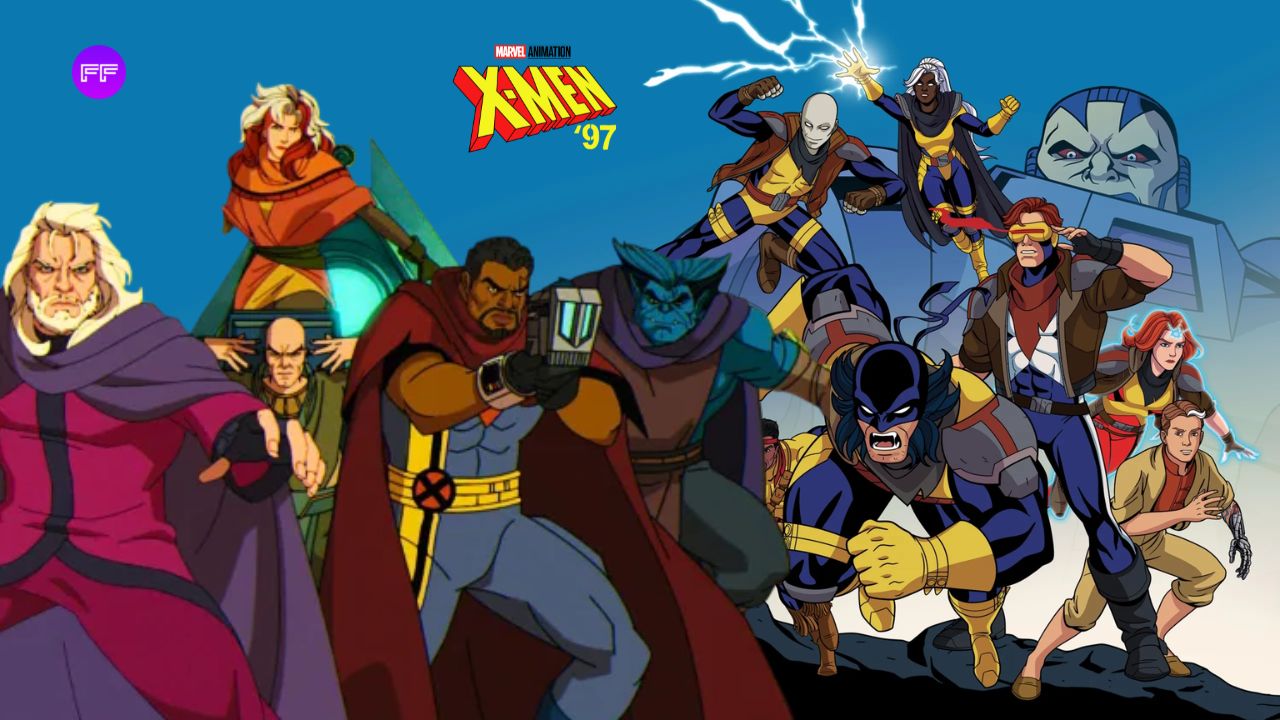
XMen 97 Season 2 Episodes 1-3: Who Really Sent the XMen Through Time?

Discover who really sent the XMen through time in XMen 97 Season 2 Episodes 1-3, Mother Askani's true identity, and what it means for Apocalypse's rise.

Season 1 of XMen 97 ended with the team getting blown apart on Asteroid M, and not in the way anyone expected. They didn’t die. They scattered across time. Some woke up centuries in the future. Others opened their eyes in ancient Egypt, thousands of years before Apocalypse became Apocalypse. For three episodes, nobody on the show, and nobody watching, knew who was pulling the strings. Xmen 97 Season 2 spends its opening act making you sit with that mystery before finally answering it.

So who actually did it? A woman named Mother Askani. And by the time episode 3 ends, you find out she’s not just some new mystic dropped into the story for convenience. She’s family.

Episode 1: “Days of Past Future” — The Family Nobody Talks About

The beginning of Episode 1 shows Forge and Storm trying to gather their missing teammates by building up a new time machine. Forge traveled into the future to bring Cyclops, Jean, Storm, Morph, and Wolverine back into the present where they’re reunited with someone they thought they’d lost: their son, Nathan. In Season 1, Scott and Jean sent baby Nathan into the future to cure him of a techno-organic virus. What they didn’t know is who raised him on the other side.

That’s Mother Askani. She’s the mysterious figure who has spent Nathan’s entire life preparing him to become Cable. Mother Askani made him a battle-hardened soldier who is ready to defeat Apocalypse. However, when news of this prophecy reaches Apocalypse, he sends four horsemen after the boy but Askani and Storm reach at the right time to save the Summers. 

The Family Nobody Talks About

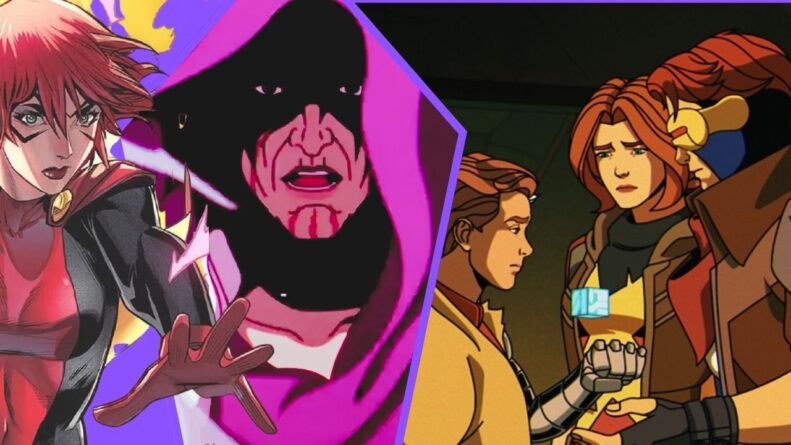
They crash into the Citadel and Mother Askarni reveals herself to Storm as Mother Askani, and when the hood comes off, longtime comic readers will recognize the face: Rachel Summers, daughter of Cyclops and Jean Grey from another timeline entirely. 

She’s the family the Summers don’t know they have yet, and she’s been rewriting the timestream on purpose, placing both halves of the team at the exact moments that could stop Apocalypse for good. On the other hand, Apocalypse gets more angry and tries to strike the X-Men at their vulnerable time.

It’s a rough, honest episode, where Scott and Jean are stuck choosing between the son they just found and the world they still have to save. And it sets the emotional stakes before the show even explains the mechanics of the time split.

XMen 97 Season 2: “A Force to Be Reckoned With” — Back in the ’90s

Apocalypse failure angers him more and decides to strike X-Men at their vulnerable, XMen 97 Season 2 steps away from the past and future entirely and checks in on the present, where the X-Men who didn’t get pulled through time are left picking up the pieces. Two factions form: X-Force, led by a fully grown Cable, and X-Factor, a group that’s chosen to work alongside the government instead of against it. Jubilee and Sunspot get pulled into Cable’s crew, and the episode uses their recruitment to show just how much the world has changed since the team went missing.

It’s important to understand who sent X-Men in the past and future because Apocalypse is the most dangerous villain and he wants to destroy all mutants. The one who has the remote can actually help the team to fight. 

Episode 3: “Rise of Apocalypse Part 1” — Meeting En Sabah Nur Before He Was a Villain

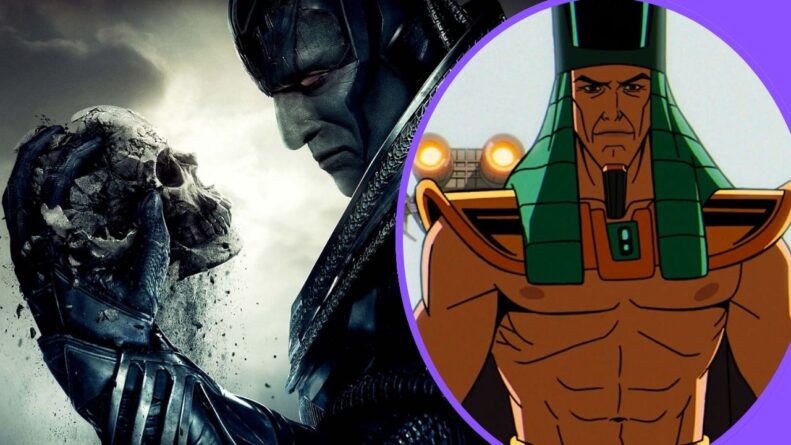
Traveling roughly 5,000 years into the past, the other half of the team—Professor Xavier, Magneto, Rogue, Nightcrawler, and Beast are in ancient Egypt with a young En Sabah Nur, the mutant who eventually becomes Apocalypse. Magneto hatches a bold scheme: to raise Nur under Xavier’s ideals and not hunger for domination. Meanwhile, they intend to use the high technology of Rama-Tut to return to their time. 

Rise of Apocalypse Part 1

Nur leads his Sandstormers against Logos and his robotic army of Rama-Tut where his powers as a mutant fully emerge, enabling him to destroy the mighty machines and defeat Logos. However, he stops before blowing up entirely since he is following Magneto’s advice and spares his enemy that shocked Professor Xavier. Magneto is determined to keep believing that Nur’s future can still be changed. 

That doesn’t go well until Nur finds out about X-Men’s hidden lab that made Nur lose its control with rage. Rama-Tut strikes X-Men with his army right before they prepare to escape, leaving a cliffhanger for the fans which leads to raise many questions among them. The show is stepping forward into a more darker and twisted storyline which sets the character’s emotional stakes higher.

Read More :- XMen 97 Reading Guide: Every Marvel Comic You Need to Read

Why Did Mother Askani Send X-Men Back in the First Place?

Because one shot wasn’t enough. Askani needed Nathan trained and ready to become Cable, and she needed someone in Nur’s life early enough to change his path before Apocalypse’s ideology ever took root. Splitting the X-Men across both timelines wasn’t an accident of the Bastion fight. It was the plan the entire time.

Mother Askani Send X-Men

There’s another important comic detail to keep in mind. Rama-Tut, the pharaoh of ancient Egypt in Nur’s day, is in fact one of Kang the Conqueror’s aliases in Marvel Comics. If XMen 97 Season 2 follows that storyline, it’s possible the show could be setting up for a grander multiversal dispute — one that goes well beyond.

What This Means Going Forward

XMen 97 Season 2 has already answered its central mystery, but it’s opened up a dozen new ones. Can Scott and Jean actually walk away from Nathan a second time? 

Means Going Forward

What happens when Magneto’s plan to “fix” Nur inevitably collides with Nur’s own free will? And how much does Askani actually know about a future she’s trying to prevent?

Conclusion 

These three episodes of XMen 97 Season 2 are much more than explain who sent the X-Men through time. The answer is easy, Mother Askani sent X-Men in different timelines to achieve the goal: destroy Apocalypse. With one team set in the future and the other in ancient Egypt, the series converts time travel into a profoundly personal tale of family, sacrifice and the belief that even the worst evils in history can find an alternate way. 

XMen 97 Season 2 promises that the battle ahead won’t just decide the fate of the X-Men, it could determine the future of the entire Marvel universe. 

Dive into the world of entertainment with Fandomfans and get latest updates from the movies, series and celebrities.

Comments

View comments and join the discussion

Alpana

Articles Published: 173

Alpana is Fandomfans Senior Editor across all genres of entertainment. She evolved in the media industry since a very long time, she manages the content strategy and editing of all the blogs. Her focus on story development, review analysis, and research is well-equipped that ensures every article meets the standards of accuracy and depth.

View Profile ↗

Spider-Man: Brand New Day Ending Explained – 6 Marvel Loose Threads

Spider-Man: Brand New Day ending explained! Discover the 6 biggest Marvel loose threads, hidden clues, post-credits details, and what they mean for Peter Parker’s future.

Published: Aug 3, 2026, 12:15 PM
Last Updated: Aug 3, 2026, 12:55 PM

You sat through the entire credits crawl for eleven seconds of app-interface footage, and you still don’t know what you watched. That’s exactly what Marvel did to leave you with an exciting Cliffhanger. Spider-Man: Brand New Day, which hit theaters July 31, 2026 under director Destin Daniel Cretton, hands you six loose threads and dares you to pull on them before Avengers: Doomsday arrives this December. 

Here’s what actually happens in each one, separated from what fans are just hoping happens.

The BND Post-Credit Scene: What Ned’s Spidey Tracker Really Shows

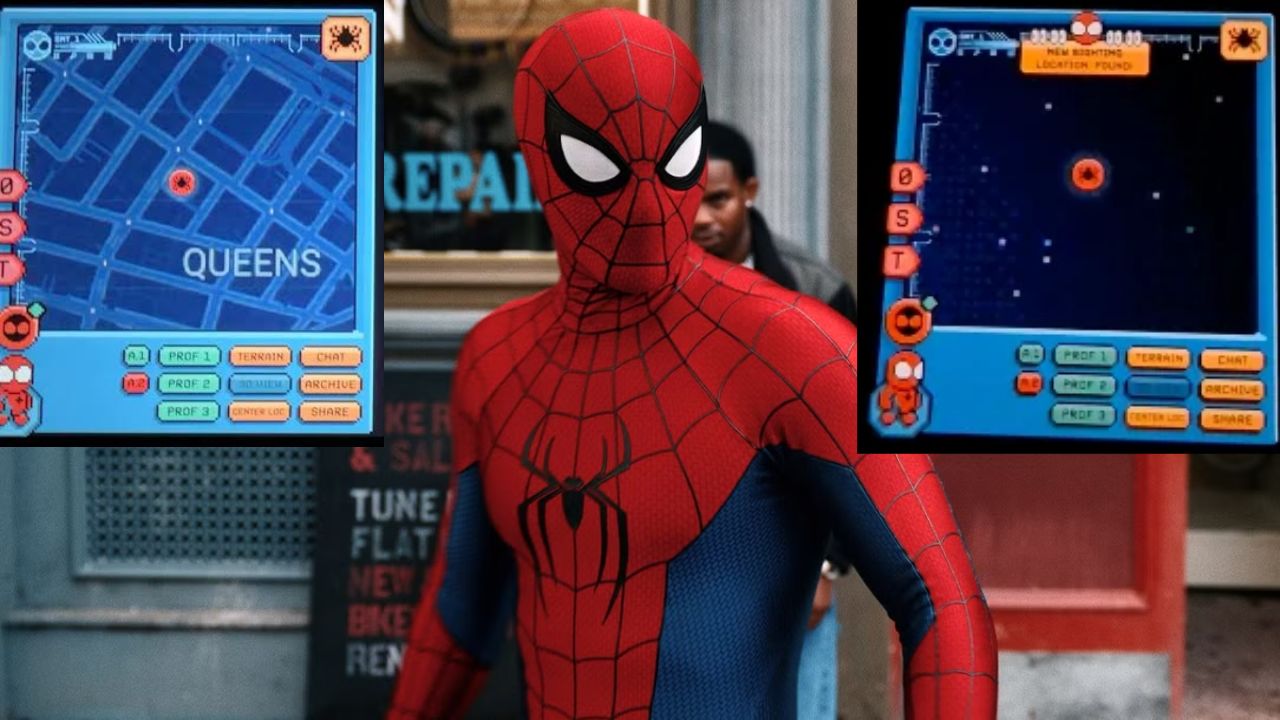
There’s no mid-credits scene this time, only one sequence after the full credits roll. It circles back to the Spidey Tracker, the in-universe app Ned Leeds (Jacob Batalon) built to log Spider-Man sightings across New York after losing his memory of Peter. The app pings with a new detection. The camera pulls back from the city, past the Earth, past the moon — and after a brief glitch, a second Spider-Man marker appears out in deep space. No actor, no dialogue, no confirmation of whose signal it is.

Marvel isn’t announcing anything on the Brand New Day’s post credit scene, leaving fans wondering whether that’s Peter, or Spider-Man from another universe. This scene matches the timeline of the Thunderbolts* post-credit scene where Yelena Belova’s tablet flagged an extradimensional ship entering Earth-616’s orbit. That craft looks exactly like Fantastic Four’s Earth-828 ship and these two parallel events suggest that they are connected somehow. 

Spider-Man: Brand New Day slightly set up Peter Parker’s entry into Avengers: Doomsday on December 18, 2026, instead of holding his return until Avengers: Secret Wars. 

Nothing in the film states this outright; it’s the most logical read of two scenes stitched together across separate movies.

The Universal Inhibitor: Peter Just Built the X-Men’s Biggest Threat

When Peter’s spidey sense gets heightened and he is scared to lose himself more than a villain, in that moment, he decides to suppress his dark impulses by destabilizing spider-DNA. When he accidentally hits the cop while fighting with Scorpion (who is possessed by Jean Grey), he’s not himself at the time his personality shifts. 

He goes to Bruce Banner for advice, because he also uses calibrated tech to keep his gamma mutation suppressed and prevent him turning into a Hulk. Banner also warns Spider-Man that deciding which parts count as “wrong” and suppressing them is an ethical minefield, not an engineering problem. 

Spider-Man: Brand New Day

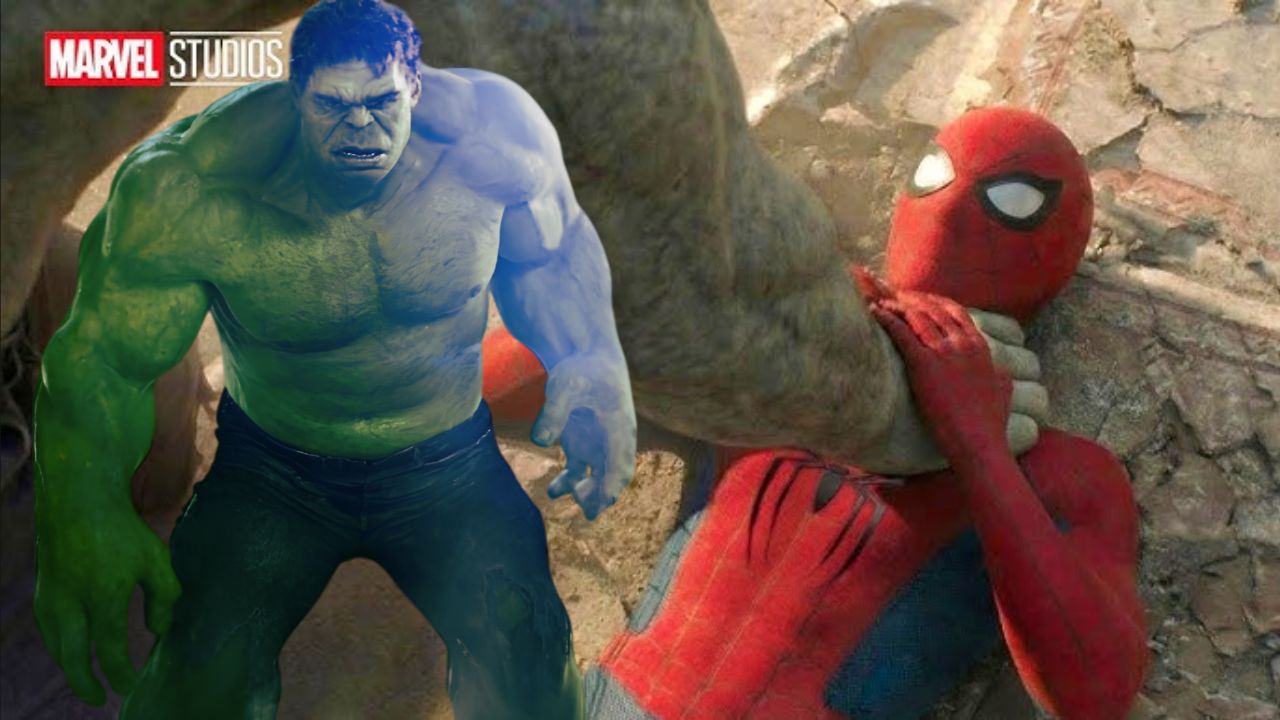
Peter Parker didn’t listen to him and built that chip for himself and one, a universal one to use on anyone who has special powers. Jean Grey is a genetically enhanced person and Peter uses that universal inhibitor to help Damage Control detain her. Later when Jean removed it from herself since it was destabilized by Metzger, Spider-Man tried to slap it on Hulk but failed because of its tight skin.

The Department of Damage Control gets its hands on the tech afterward and starts modifying it. Bill Metzger (Tramell Tillman), whose anti-mutant leanings are already on screen, escapes with knowledge of how it works. 

In the comics, inhibitor-chip technology evolves into the collars used to neutralize mutants in Days of Future Past. If the MCU is heading toward the same device, not a villain, not a government agency acting alone — Peter Parker is the one who designed the prototype. That’s a rough legacy for a guy trying to do the responsible thing.

Where Jean Grey’s Powers Take Her in the MCU?

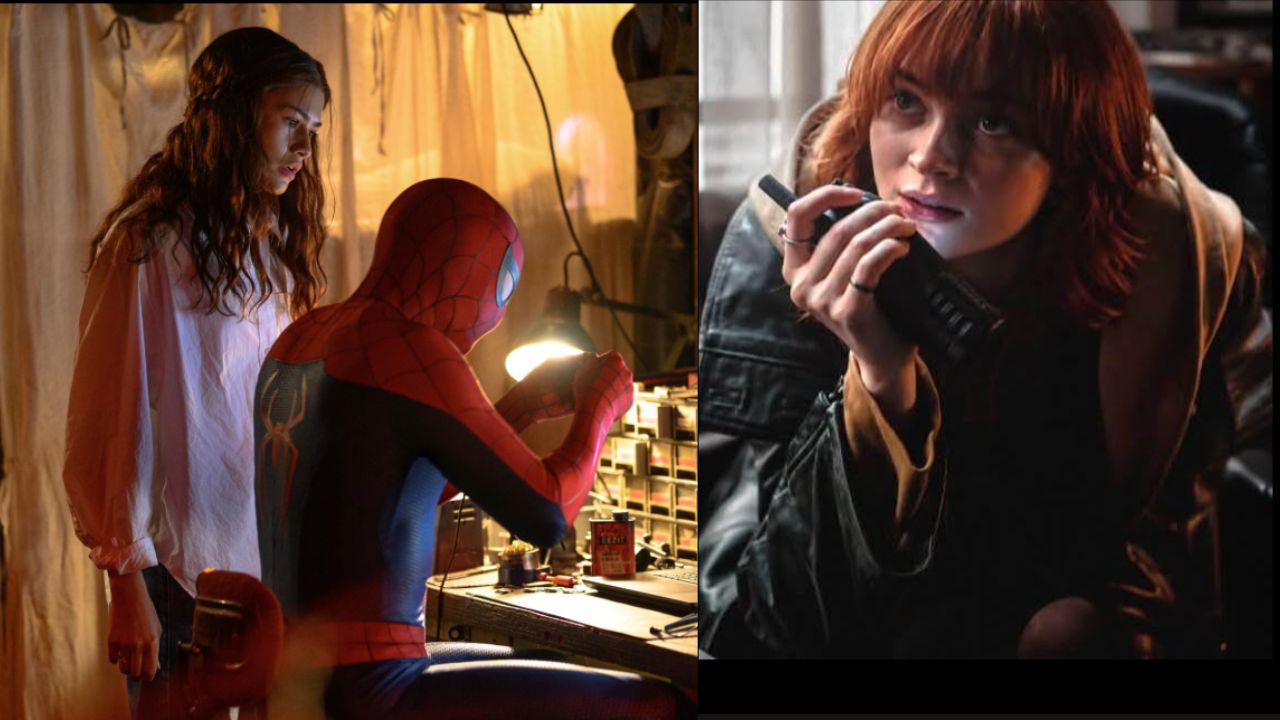
Sadie Sink’s Jean Grey spends the movie jumping between minds of Damage Control agents, MJ, Banner while chasing something called V-Max in Damage Control’s systems, tied to whatever experiments Metzger ran on her. Her telepathy escalates into full telekinetic control over a chunk of Manhattan when her grief over her sister overwhelms her, and she nearly kills Metzger before Peter talks her down by sharing a memory of Aunt May’s death rather than fighting her.

Spider-Man: Brand New Day

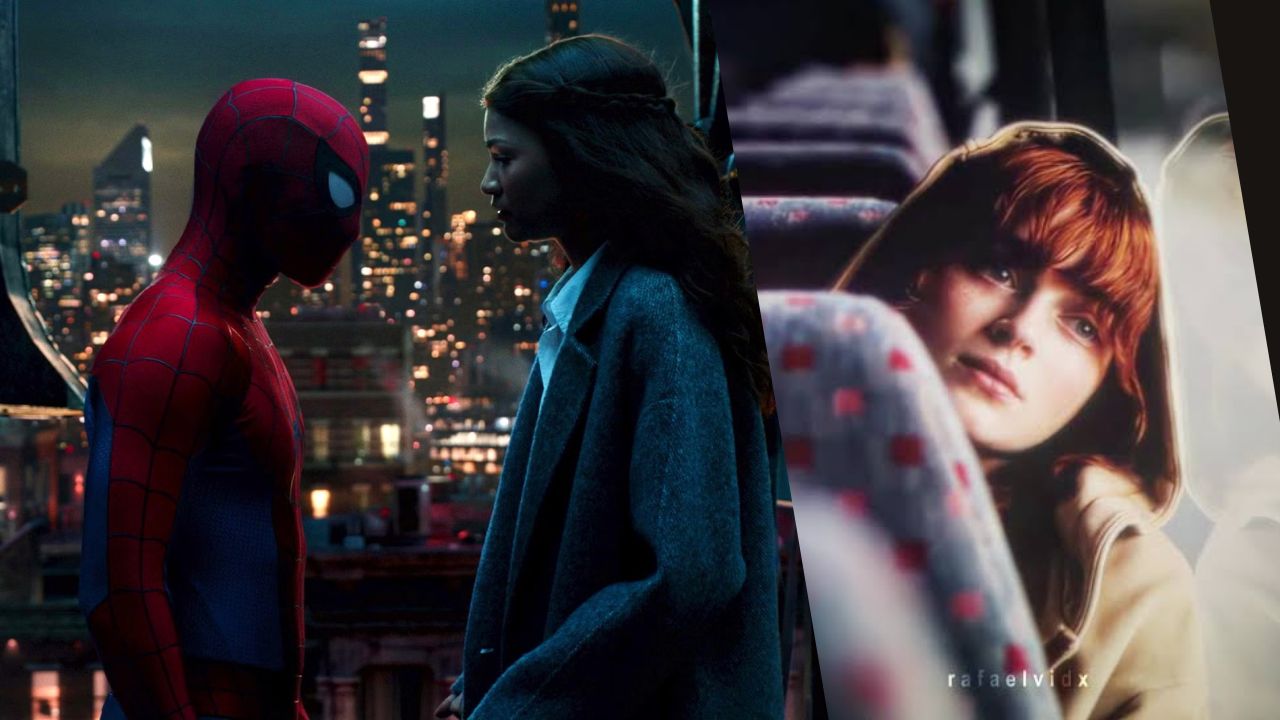
By the film’s end she’s escaped Damage Control custody entirely and is shown on a bus heading toward upstate New York — geographically consistent with Xavier’s school, though the film never names it. Her arc here plays as the connective tissue between the Spider-Man corner of the MCU and Jake Schreier’s upcoming X-Men movie, more than a resolved storyline of its own.

Read More 👉  Spider-Man: Brand New Day Latest Update: What’s Really Happening?

Peter and Frank Castle: How a Bullet Rewired Their Whole Dynamic

Frank Castle (Jon Bernthal) is Peter’s only real ally at the start of the film, and their rapport plays almost entirely as comic bickering — a running gag references some unexplained incident on Staten Island that the movie never fully unpacks. That changes in the climax. Castle (Punisher) fires at Jean Grey; Spider-Man throws himself in front of the shot to save her. Castle is the one who gets him to a hospital and sits at his bedside until he wakes up, and in the process, he learns Spider-Man’s real identity.

Spider-Man: Brand New Day

That single act of Peter, sacrifice instead of retaliation — reframes Castle’s whole relationship to vigilante justice for the rest of the film. It’s a lighter, more brotherly dynamic than anything Castle’s had in a Marvel project before, including his own Punisher: One Last Kill. Whether that softening holds in future appearances is unconfirmed, but the emotional reset by the credits is unmistakable.

Does the Hulk Remember Peter Parker in Spider-Man: Brand New Day? 

When Jean Grey hopped into Banner’s mind and turned him into a full uncontrollable Hulk. Spider-Man tries to talk him down by saying ‘I’m Peter’, Hulk hesitates and something happens in that scene that leaves Hulk go down.

Which brings us to a question about Jean’s mind control, is that what causes the hesitation? Jean’s telepathy doesn’t plant new thoughts, it just brings back the memory that was suppressed by Doctor Strange’s spell. 

Spider-Man: Brand New Day

Now, if the Hulk’s brain — a radically altered neurological state than Banner’s — still contains a spark of recognition for Peter, the film is subtly suggesting that the No Way Home spell caused memories to be suppressed instead of erased. That’s a genuinely different premise for a sequel to build on. 

MJ’s Rooftop Scene: Necklace, Tears, and What the Film Won’t Confirm

On screen, MJ (Zendaya) directly tells Peter that she has no memory of him or what they had, she only remembers him as he’s her saviour, not the person she fell for but there are other scenes that state the opposite without stating anything at all. 

When Jean controls MJ’s mind on the rooftop, she has Peter and behaves as if she knows him as her lover but then she doesn’t have any memories of those actions later on in the film. Again when Jean releases her full power from the Damage Control which holds the entire block of about one-kilometer shows that MJ sheds tears for no reason. 

Spider-Man: Brand New Day

After that hold breaks, the film’s final scene featured MJ sitting on the same Midtown High rooftop where she, Peter, and Ned stood at the end of No Way Home and she holding that broken black dahlia necklace Peter gave her back in Far From Home which she has no memory of. 

The movie never tells us why she held onto it, or why she’s there. That ambiguity is sufficiently clear to allow the story to remain “MJ doesn’t remember” for now, yet provides a visual hook for a sequel to grab onto down the road without contradicting anything said on screen. 

Ned’s Handshake: Did Jean Grey Restore Anyone’s Memories?

The very last moment of the movie, right before the credits roll, is when Peter bumps into Ned in the cafe. They revert to their old go-to handshake from muscle memory, and as they break Ned’s face lit up — he says Peter’s name to him, half-question, half-recognition. 

Spider-Man: Brand New Day

Fan theories split into three camps. 

  • One: The whole handshake unlocks something in the way Peter unmasking has done for identity-loss stories in the comics. 
  • Two: Jean Grey, who telepathically dredged memories rather than wiping them away throughout the movie, silently brought back pieces of herself in MJ and Ned as a token of gratitude for Peter almost dying to save her — this would also clarify Banner’s reluctance and MJ’s necklace.  
  • Three, the most literal but least satisfying: Ned is just crunching numbers after MJ gave Peter’s first name away earlier in the movie, and they’re not really mind-reading or anything. 

Cretton has not confirmed any of these, and the movie is constructed so all three remain technically possible.

Rrad More 👉  How Did Wolverine Get His Adamantium Skeleton in X-Men ’97? Explained

Conclusion

Not a single one of these plots is wrapped up within Spider-Man: Brand New Day, and that’s obviously by design. The inhibitor chip lays the groundwork for the tech side of the Mutant Saga. Jean Grey’s bus ride sets her up for Schreier’s X-Men. The post-credits message sets up Spidey’s return to the broader Avengers team. And the Ned/MJ ambiguity hints at whatever Peter has in store personally — be that Doomsday, Secret Wars or a fifth solo film. 

If you’re wondering how much weight to give each of these: the inhibitor and the Castle friendship are established, on-screen plot points. Memory-restoration theory is a fan theory based on suggestive imagery, not something that film or Marvel have confirmed. 

Watch the Banner fight and rooftop scene again with that distinction in mind, and the ending feels less like a cliffhanger and more like a movie that already knows exactly what it showed — and what it’s saving up for later. 

Fandomfans delivers latest updates from movies, series, and celebrities directly to you so stay tuned.

Comments

View comments and join the discussion

Mariyam

Articles Published: 87

Mariyam Khan is Fandomfans Content Writer and providing reports and reviews on Movie Celebrities, and Superheroes particularly Marvel & DC. She is covering across multiple genres from more than 4+ years, experience in delivering the timely updates.

View Profile ↗

Why Chris Evans Was Chosen as Captain America

Discover why Chris Evans Captain America casting was the perfect choice. Learn what made him the ideal actor to portray Marvel's iconic superhero.

Published: Jul 27, 2026, 12:43 PM
Last Updated: Jul 27, 2026, 12:44 PM

The actor who became the most obvious casting choice in Marvel history almost wasn’t cast at all. The Chris Evans Captain America role isn’t a simple casting. He is an actor who turned down this role but the studio didn’t take no for an answer. Casting directors bend down their rules to make it happen.

Looking back now, it’s hard to remember that the actor destined to define Steve Rogers had no interest in picking up the shield. And Marvel Studio just proved, casting really matters as Hollywood comeback could anchor a superhero blockbuster, Robert Downey Jr. back into the MCU as Doctor Doom is an example. 

The Steve Rogers Search That Almost Ended Without Chris Evans 

Casting director Sarah Halley Finn ran a genuinely exhausting search for Captain America. She sat through round after round of screen tests that just didn’t land. The specific blend of old-classic style decency and body structure is hard to see in anyone. And Even isn’t in that line up because he already played a Marvel character, Johnny Storm.

The Steve Rogers

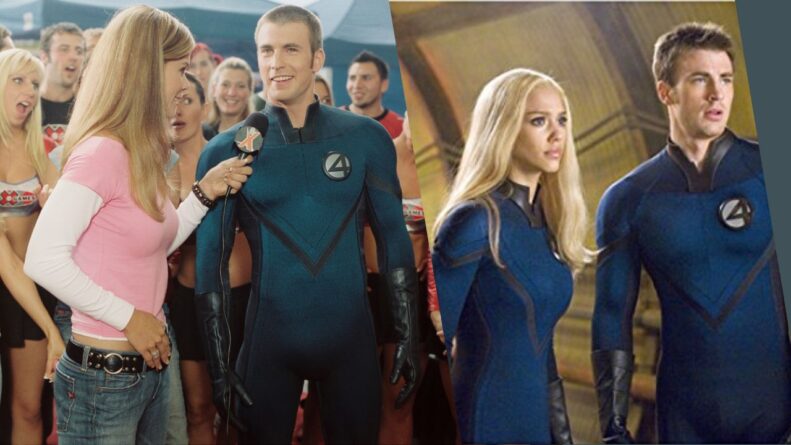
Yeah, that Sue Storm’s brother in the Fantastic Four movies from 2005 and 2007. And there was a rule in Marvel Studio at the time that the same actor can’t play the two different comic-book roles. It muddies the brand. Finn knew Evans might fit Steve Rogers, but she sat on that instinct because of the rule.

It took a string of underwhelming screen tests before she finally said it out loud in a casting meeting: 

Why not consider Chris Evans? 

The room agreed almost instantly. People already liked him as an actor. They’d seen the work. And enough of what makes Chris Evans Captain America tick — earnestness, a kind of stubborn decency — was already visible in how Evans carried himself on-screen. Marvel broke its own rule for him.

The Finalists Who Nearly Became Captain America

Two names come up constantly when fans dig into the Captain America casting search, and neither of them ended up wearing the suit.

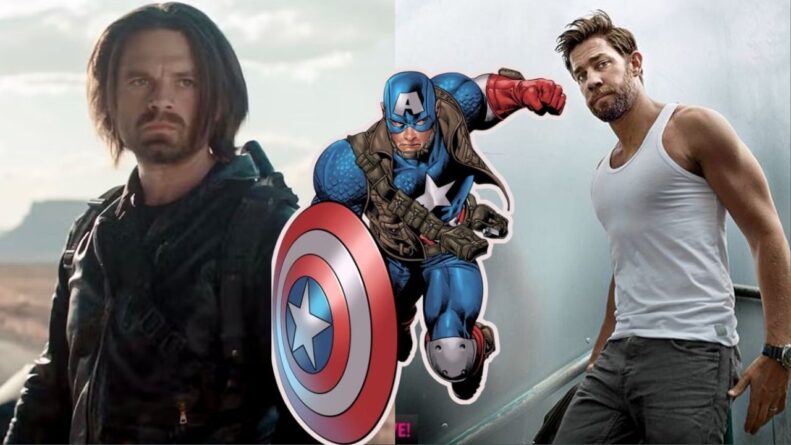
John Krasinski was in serious contention. Years later, he’d say he heard through his agent that Marvel had gone with Chris Evans Captain America instead and his reaction wasn’t bitterness, it was recognition. He basically said the same thing every fan says now: 

Of course it’s him, look at the guy.

Sebastian Stan came even closer, in a stranger way. He sent in three audition tapes for Steve Rogers, then canceled a trip home to Romania to fly back for an in-person Marvel meeting. He didn’t get the part. What he got instead was Bucky Barnes — a role that turned into a decade-plus career inside the MCU, arguably richer and stranger than Cap’s arc ever was. 

But Stan is happy because losing that role turned out to be the better outcome for him. He got a more satisfying job that he deserved. 

Why Becoming Captain America Scared Chris Evans

Evans said no. More than once because the commitment terrified him. Marvel’s initial offer was a nine-picture deal. It eventually got negotiated down to six, but even six films was an enormous chunk of a career to hand over to a single character, with no real way to predict how the movies — or his life — would turn out. 

Evans’ reason to say no for the role isn’t the heavy work and action but he knows after signing it would permanently change his life in ways he couldn’t take back.

Captain America Scared Chris Evans

There was also something more personal underneath it. Evans has since described dealing with anxiety around fame and public attention, and the jump from “working actor” to “face of a global franchise” was the exact kind of exposure that made him uneasy. Turning down Captain America wasn’t a business calculation. It was closer to self-preservation.

The Conversation That Changed Evans’ Mind 

Marvel didn’t let it go. Kevin Feige and director Joe Johnston brought Evans back in for a second meeting, and this time they didn’t just pitch a contract — they pitched the actual story. The character’s arc of Chris Evans Captain America across the franchise is a real concept art. This is not a job for Evans, director said: 

Here’s the character we think only you can play.

Evans has said he took the weekend to think it over, and that it was one of the hardest decision-making stretches of his life. He said yes anyway. And in interviews since, he’s called it the best professional decision he ever made — which is a fairly remarkable thing to hear from someone who almost walked away from it entirely.

Read more 👉 Who Is the New Editor-in-Chief of Marvel Comics? Stephen Wacker Explained

What Marvel Actually Saw in Him

Finn and Feige were searching for qualities in an actor who can bring the genuinely kind, quietly confident, and grounded enough on the screen to make audiences believe he was an ordinary kid from Brooklyn before he ever became Captain America. It is more important for them rather than the shield, costume and the super-soldier physique. Evans captured those qualities in a way that couldn’t be taught or faked. 

His hesitation actually worked in his favor. Finn has said the reluctance itself became a kind of evidence — an actor who didn’t chase fame for its own sake was exactly the temperament they wanted radiating off a character whose entire identity is putting the mission ahead of himself.

Marvel Actually Saw

There was also a practical acting challenge nobody talks about enough. Steve Rogers is really two roles stitched into one performance: the fragile, undersized guy from the pre-serum scenes, and the peak-physical-condition soldier after. Johnston was blunt about it at the time — whatever the visual effects team did to sell the “before” version, the performance itself, the internal logic of the character, had to be Evans from start to finish. 

That’s not a small ask. It’s asking one actor to make an audience believe in the same soul wearing two very different bodies.

How Chris Evans Became the Heart of the MCU 

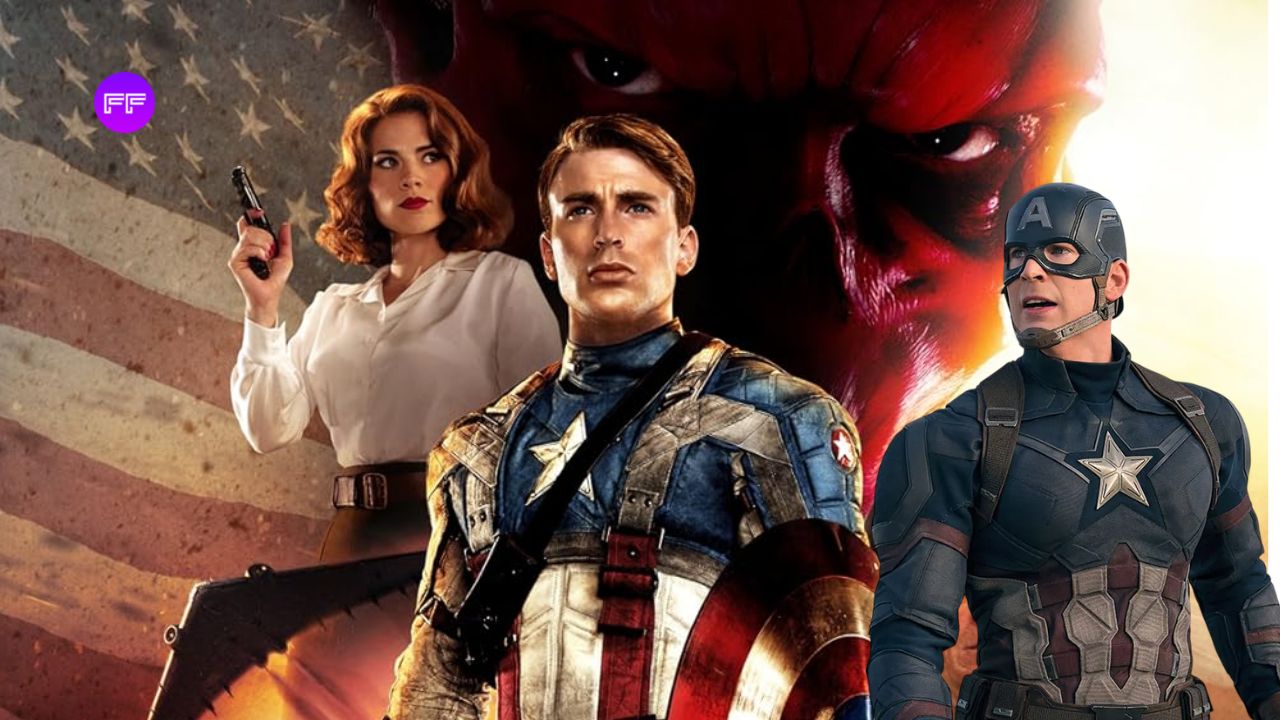
Captain America: The First Avenger landed in theaters in July 2011, with no guarantee Steve Rogers would resonate with audiences but Evans made Steve Rogers heart of the MCU forever. He wasn’t just delivered an outstanding performance but he actually turned into the franchise’s emotional backbone. Marvel took that risk and delivered The Avengers, both Captain America sequels, and eventually Avengers: Endgame in 2019.

What made the casting work wasn’t that Evans looked the part. Plenty of actors look the part. It’s that his real hesitation — the anxiety, the reluctance, the fear of losing himself to the role — is basically the same internal conflict Steve Rogers wrestles with across ten years of movies. A guy who never wanted the spotlight, carrying a responsibility he didn’t ask for, because it mattered more than his own comfort. Marvel didn’t just cast an actor who could play that. They cast an actor who, at least for one nerve-wracking weekend, actually lived a smaller version of it.

Captain America The First Avenger

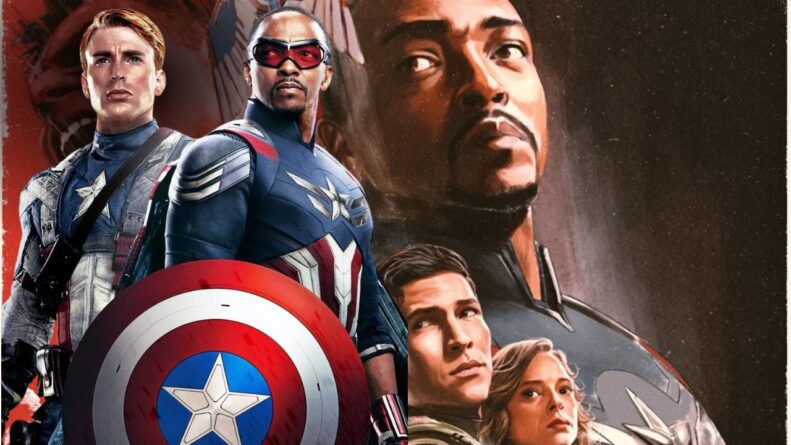
Even after stepping away from the shield, Evans hasn’t distanced himself from the character. When Anthony Mackie took over as Captain America following Sam Wilson’s arc in the comics and MCU timeline, Evans publicly backed the change, saying flatly that Sam Wilson is Captain America now. That’s not the reaction of someone who resents the role he almost turned down. It’s the reaction of someone who understood, eventually, exactly what he’d said yes to.

The next time someone says a casting choice of Chris Evans Captain America was “obvious,” it’s worth remembering this one wasn’t obvious at all. It was rejected, reconsidered, nearly given to two other actors, and only worked because Marvel refused to accept the first no.

Read More 👉 Why Marvel Comics Launching the Midnight Universe Variant Cover Program?

Conclusion 

The casting of Chris Evans Captain America was not the obvious choice people recall today—it was a risk that nearly didn’t get taken. Between Marvel contravening its own casting rule, Evans saying no to the part multiple times, and various other actors almost being cast, the path to Steve Rogers was far from easy. 

Ultimately, Marvel didn’t just find a guy who looked like Captain America — they found an actor who captured his humility, bravery, and selflessness. That move helped make Steve Rogers the emotional center of the MCU and stands as one of the best casting wins in superhero movie history. 

Fandomfans delivers latest updates from movies, series, and celebrities to you directly.

Comments

View comments and join the discussion

Mariyam

Articles Published: 87

Mariyam Khan is Fandomfans Content Writer and providing reports and reviews on Movie Celebrities, and Superheroes particularly Marvel & DC. She is covering across multiple genres from more than 4+ years, experience in delivering the timely updates.

View Profile ↗

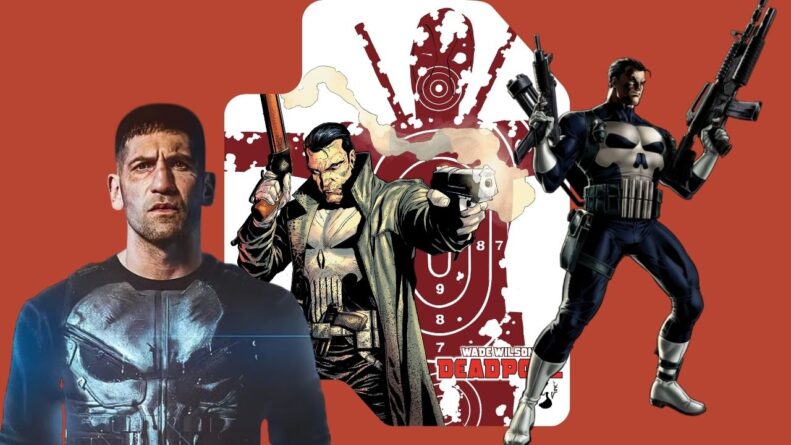
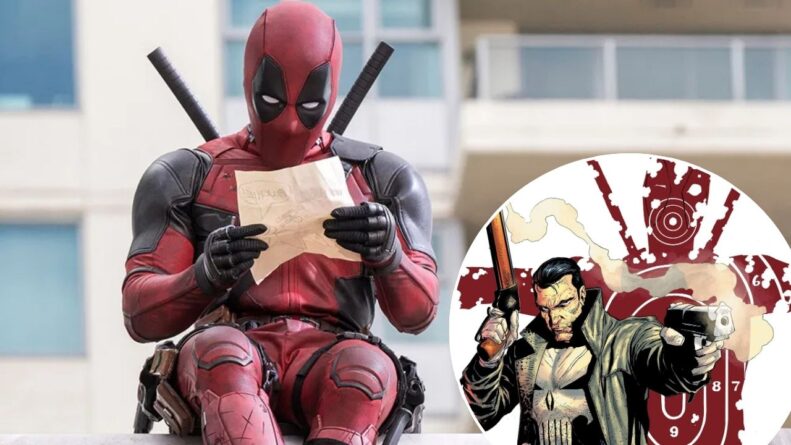
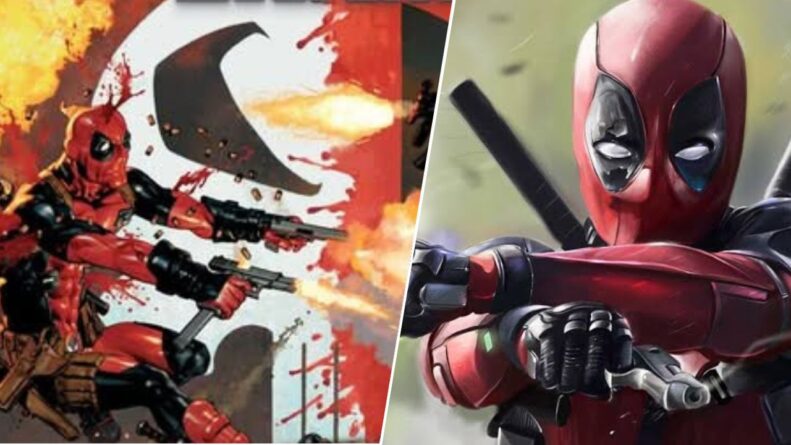
Deadpool and Punisher Big Guns Crossover: Marvel’s Deadliest Heroes Collide

Deadpool & Punisher Big Guns Crossover brings Marvel’s deadliest heroes together in an explosive action-packed collectible adventure.

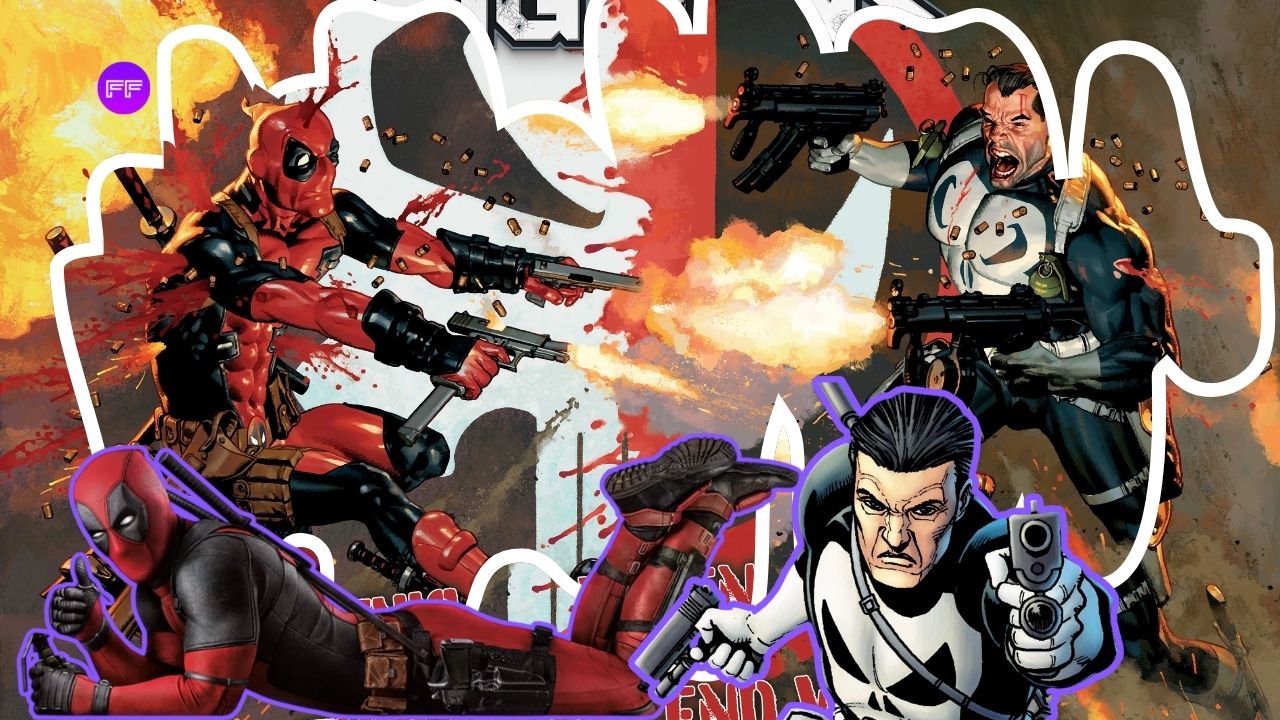
This September, Deadpool & Punisher Big Guns Crossover bring two superheroes together. This one comic event offers an action-packed performance of two heroes with completely different natures. Dark humour of Wade Wilson who thrives on making his fans laugh, whereas the Punisher barely cracks a smile. A combo of epic collide promises explosive brutal fights and humour that deliver unforgettable moments that marvel fans don’t wanna miss. 

Big Guns arrives at a time when both Deadpool and Punisher solo series have trended toward grittier, more grounded narratives, and that’s likely why this collision seems less like a stunt and more like something bigger. 

Big Guns Crossover Release Schedule 

Mark your calendars, because Marvel isn’t dragging this one out. The carnage kicks off September 2, 2026 with Wade Wilson: Deadpool #8, drawn by Geoff Shaw. A week later, on September 9, Punisher #8 hits shelves with art from José Luis Soares, picking up right where Wade left things burning. The story wraps in October with Wade Wilson: Deadpool #9 and Punisher #9, though Marvel hasn’t locked in exact dates for those yet.

Deadpool & Punisher Big Guns Crossover

Marvel decided to reveal all of this on June 16th — “616 Day,” the publisher’s annual tribute to Earth-616, the main Marvel universe. It’s a small thing but it’s a sign of how much Marvel is playing this as a flagship-style street-level event and not a side story. 

Creative Team of Deadpool and Punisher: Big Guns Crossover

Geoff Shaw handles the main cover for issue #8 of Deadpool, while David Marquez takes the art duties on Punisher #8’s cover. Josemaria Casanovas is also doing a four-part connecting variant set across all four issues, so anyone hunting that full picture across covers will want to track down each part as it drops. 

Read More 👉 Spider-Man: Brand New Day Official Synopsis Reveals Major Villain Details

What is the “Big Guns” Crossover?

This isn’t just a brief cameo of the Punisher or Deadpool. It’s a massive four-part event that weaves directly through the current ongoing series of both characters. The chaos kicks off in Wade Wilson: Deadpool and bleeds over into Punisher.

Deadpool & Punisher Big Guns Crossover

The story has a classic and exciting setup. Deadpool makes a massive mess because things get out of control on one of the biggest mercenary jobs of his life. It attracts The Punisher’s attention who is brutal and known for his serious behaviour. Both are caught up in a single path that sets the stage for a relentless clash where neither man is walking away without a few extra holes in them.

The Masterminds Behind the Deadpool vs Punisher Big Guns Marvel Series

Benjamin Percy is currently writing for both the Deadpool and Punisher solo series. He perfectly balances the crazy humor with high-stake action in Deadpool & Punisher Big Guns Crossover.

Deadpool & Punisher Big Guns Crossover

Percy recently noted that putting these two together was simple math. They are two heavily armed, street-level characters with completely opposite personalities. To bring this violent vision to life, Marvel tapped artists Geoff Shaw (handling the Deadpool issues) and José Luis Soares (drawing the Punisher chapters). According to Percy, they are “the best pens drawing the biggest guns.”

Read More 👉 X-Men ’97 Season 2: Marvel’s Legendary Mutants Return

Why the New Deadpool and Punisher Crossover 2026 is a Must-Read

If watching Frank Castle get increasingly frustrated by Wade Wilson’s endless talking isn’t enough to sell you, Marvel has promised some massive additions to the 616 universe in Deadpool & Punisher Big Guns Crossover run. 

  • A Classic Villain Gets a New Twist: An unknown interloper is stitching the thread behind the conflict, and a duo is ready to return with a fresh new look and role.
  • The “Merc-Mobile”: Deadpool is getting a brand-new rolling headquarters, which is guaranteed to be as ridiculous and dangerous as he is.
  • A Game-Changing Weapon: The storyline revolves around multiple forces converging on an “ultimate weapon” that Percy claims will change the Marvel 616 universe forever.

Deadpool & Punisher Big Guns Crossover

Whether you are here for the intricate plot or just want to see two of Marvel’s most lethal anti-heroes tear each other apart, the Deadpool and Punisher: Big Guns Crossover is shaping up to be the spectacle of the fall.

Read More 👉 The MCU ‘X-Men Reboot’ is Finally Happening: Major Details Dropped

Conclusion 

Deadpool & Punisher Big Guns Crossover has all the ingredients for a classic Marvel team-up – high-octane action, violent slugfests, black comedy, and a mystery with implications that could reverberate throughout the Marvel Universe for years to come. 

With Benjamin Percy writing and some of the best artists in the business illustrating the chaos, this four-part event will be about more than your run-of-the-mill hero vs hero skirmish. If you’ve been laughing along at Deadpool’s unpredictable brand of humor, or wondering how things got so dark with the Punisher’s brutal version of justice, Big Guns is lining up to be one of the biggest comics events for Marvel in 2026 and a must-read for anyone who enjoyed explosive superhero storytelling. 

Dive into the world of entertainment with Fandomfans to get the latest updates from movies, series, and celebrities.

Comments

View comments and join the discussion

Alpana

Articles Published: 173

Alpana is Fandomfans Senior Editor across all genres of entertainment. She evolved in the media industry since a very long time, she manages the content strategy and editing of all the blogs. Her focus on story development, review analysis, and research is well-equipped that ensures every article meets the standards of accuracy and depth.

View Profile ↗

Jon Bernthal’s Punisher Returns: A Gritty Comeback in ‘Spider-Man: Brand New Day’

Jon Bernthal is back as the Punisher in Spider-Man: Brand New Day. Check out his MCU debut, story information, trailer highlights, & how the character fits in.

Published: Mar 25, 2026, 11:09 AM
Last Updated: May 11, 2026, 5:47 AM

There’s a certain electricity in the air when an actor and a character align so perfectly that you can’t conceive of anyone else inhabiting the role. For Marvel fans, that axis tipped a long time ago in 2016, with the now-iconic Jon Bernthal’s initial outing as Frank Castle in Netflix’s Daredevil season 2. What started as a small part rapidly developed into something much greater, a cultural phenomenon that redefined what a comic book anti-hero could be on television. After nearly one decade Jon Bernthal sings his encore as The Punisher in Spider-Man: Brand New Day, which is hitting theaters on 31 July 2026.

Let’s break down the trailer release of Spiderman: Brand New Day showing The Punisher in action.

From the Streets of Hell’s Kitchen to the Silver Screen

When Jon Bernthal is first introduced with a white skull in a black tactical vest, Marvel Cinematic Universe marks him in a special position. The Netflix series had more realistic emotions and powerful action while carving out their own universe, instead of big screens.

Bernthal’s Punisher was a revelation, he was angry and broken, but also quietly human and shockingly vulnerable. He wasn’t a stand-in for your generic comic book superhero — instead he was a man who had been shattered by loss, transformed his grief into a merciless war on crime, and didn’t have any cash for a place to stay. 

the Streets of Hell's Kitchen

A spin-off of The Punisher series, which starred Bernthal as Frank Castle for two seasons and became the definitive version of the character, was greenlit by Netflix following the success of the Daredevil series. The axe then began to fall. The marvel universe on Netflix crumbled and fans started to question if they would ever see Bernthal’s Punisher again. Of course there was wishful thinking and speculation but nothing is ever guaranteed in the entertainment industry. 

Kevin Feige, head of Marvel Studio took a different route for the studio, he collected Netflix characters and reabsorbs them into the Main MCU which is a strategic move. See for yourself, Charlie Cox returned as Daredevil, and Bernthal did likewise with Daredevil: Born Again. Although even that seemed to be a foretelling of something bigger. Bernthal makes history as he leads his Punisher to his first ever appearance in a MCU theatrical release with Spider-Man: Brand New Day. 

The Punisher Making His Big-Screen Debut in a Spider-Man Film

There’s something poetic about The Punisher being introduced to the big screen in a Spider-Man movie. Purists will tell you that Frank Castle made his first appearance in The Amazing Spider-Man in 1974, written by Gerry Conway, with art by Ross Andru and John Romita Sr. He was introduced as a kind of antagonist – a vigilante who considered Spider-Man simply another criminal who needed to be wiped out. They’ve always had this great opposing dynamic: the bright quippy teen (or young adult) who believes everyone deserves a second chance, including criminals, vs. the battle-hardened veteran who believes some people can’t be saved. 

The Punisher Making

Tom Holland’s Peter Parker has been through the ringer. The world has turned its back on Spider-Man after the incident of Spider-Man: No Way Home. In a city that has no memory of him, he is anonymous and isolated, and he wonders where he belongs. It is perfect ground for the rise of a character like The Punisher. During production, Holland and Bernthal allegedly developed a fascinating “big brother/little brother rivalry” with their characters transitioning from antagonism to a fragile understanding. 

This matchup seemed so obvious, because at its core, it was really a battle of ideologies. All everyone deserves is a second chance, with great power comes great responsibility and Spider-Man is the symbol of hope. The Punisher is the hard truth that government machinery can and does grind to a halt, and when that happens, well, at least according to some, you fight fire with fire. To get these two in the same shot, is not only a fan’s dream, but a philosophical debate fought in fists and words. 

Can Punisher Work Without the Violence?

Now we’re getting somewhere. The Punisher of Bernthal has always been defined by its unrelenting cruelty. The Netflix series were never afraid to depict the toll Frank’s war took — blood, trauma, and moral compromise were the pronouns of those shows. 

Bernthal has gone on record to speak to these concerns and the answers should calm fans down. He did acknowledge the “level of violence” that fans are used to seeing, but offered a reassuring perspective.Around the time of the release of Spider-Man 4, Disney+ will release The Punisher: One Last Kill, a Special Presentation that Bernthal co-wrote and says will be the “high octane kind of Punisher you’ve ever seen.” 

Punisher Work Without the Violence

Bernthal also stressed that it was “really important to us” that he, director Destin Daniel Cretton, and Tom Holland that the version of the Punisher in Spider-Man be the “same character from the special.”I do believe that we achieved that,” he said, indicating that while the violence is likely toned down for the family-friendly rating, the heart of Frank Castle — his anger, his pain, his unflinching moral compass, is still there. 

It is crucial that Bernthal has always been “incredibly protective” of the character, and he has said that he’s “only interested in serving it right” and that the character needs to be respected in every version. He walked away from previous scripts of Daredevil: Born Again when he felt they were not respecting what The Punisher stands for. The fact that he’s locked in for this film, indicates Marvel figured out a way to do the character without “Disneyfying” him to death. 

Marvel’s Strategy to Give Fans the Best of Both Worlds

Marvel’s tactic here is actually pretty smart. In The Punisher: One Last Kill—a TV-MA special presentation—before Spider-Man: Brand New Day, you’re getting the best of both worlds. The special, which is directed by Reinaldo Marcus Green and co-written by Bernthal himself, will be the most “visceral, psychologically nuanced, merciless, no-holds-barred” iteration of the character. It has a release date of May 12, 2026, which gives audiences two months to enjoy getting their fill of hard-R Punisher adventure before catching him in the PG-13 Spider-Man movie. 

It’s a permitting Bernthal to delve into the full dark depths of Frank Castle in the special but with a slightly more accessible version on the big screen. And, Bernthal says, the two projects flow seamlessly into one another. The Punisher who staggers away from the set of Spider-Man is the same Punisher who makes an appearance in the special . 

What’s exciting in particular is that Bernthal hired real military consultants to make it real. Colton Hill, U.S. Marine Corps veteran, acted as weapons and tactics consultant for the special and served as military advisor for Spider-Man 4, confirmed that Frank Castle’s combat abilities and mentality is accurately represented for the character’s background. This is the level of detail that endears fans to Bernthal in this role — he gets that for a lot of vets, The Punisher is more than a comic book figure, he’s a reminder of the cost of war and how hard it is to come home. 

‘Brand New Day’ Recently Released Trailer Gave Us Our First Glimpse of Bernthal

A recently released trailer also gave us our first look at Bernthal, and it was indeed everything we could have hoped for. In a short but sweet snippet, we catch a glimpse of The Punisher plowing over Spider-Man in his iconic Battle Van, this is the first time we’ve seen this vehicle in a live-action adaptation. 

Brand New Day

Spider-Man franchise will take a new road which brings alpha and Gen Z generation altogether for its street-level fighting and more powerful characters. Destin Daniel Cretton directed this film who previously worked on Shang-Chi and the Legend of the Ten Rings. Kevin Feige has said this movie at last has Holland play a “real Spider-Man” fighting everyday crime on the streets of New York, rather than facing threats that could kill the planet, which is what the ending of No Way Home promised. 

The other casting members like Zendaya and Jacob Batalon are also joining, which makes fans more excited to watch them together with Holland and Bernthal alongside newcomer Sadie Sink. It’s not enough yet because Mark Ruffalo portrays Hulk and Michael Mando returns as Scorpion, which means it’s heading towards the larger MCU. 

The Legacy of a Perfect Casting

Jon Brenthal showcasing his physicality and emotional realism which makes The Punisher original and keeps his ranking up in a world of CGI-heavy superheroes. He isn’t acting the role of pain, he is pain. Every sneer, every scar, every moment of barely contained rage feels earned. 

Bernthal’s dedication is not limited to screen. He has openly talked about what the character represents to the military community and he has refused to waive on the darkness that defines Frank Castle. In a time when franchises seem increasingly focused-grouped to death, Bernthal’s Punisher is genuinely menacing, unpredictable and real. 

As we tick away to July 31, 2026, the excitement is palpable. And this is not ‘just another superhero team-up;’ it is the culmination of almost a decade of storytelling, the crossing of two Marvel eras, and the confirmation of a performance that has shaped an entire generation’s perception of who The Punisher really is. Jon Bernthal is back. The skull is back. And this summer, moviegoers will get to know there’s no other person who could play this part like Netflix fans have for years now. 

Read More:- How Daredevil: Born Again Season 2 Blurs the Line Between Fiction and Reality

Conclusion

Ultimately, Jon Bernthal’s comeback as the Punisher in Spider-Man: Brand New Day isn’t just a simple return, but rather a full-circle moment for the character and the audience. It began as a gritty down-and-dirty perspective on the shadows of Hell’s Kitchen, and now its big-screen event bridging two very different eras of Marvel storytelling. 

Dive into the Marvel Cinematic Universe to get detailed information on characters from Fandomfans.

Comments

View comments and join the discussion

Babita

Articles Published: 25

Babita is Fandomfans Editor, experience in managing content. Her focus in general movies and web series. She is having a deep interest in TV shows and 90s movies - particularly Lord of the Rings, Harry Potter, & Rom-Com. Babita also covers psychological thrillers and major releases in current time and concern with deep interest in them.

View Profile ↗

How Daredevil: Born Again Season 2 Blurs the Line Between Fiction and Reality

Delve into the way Daredevil: Born Again Season 2 blurs the lines of fiction & reality with its politics, Matt Murdock’s transformation, and Fisk’s ascension. 

There is a point in the narrative when the fiction becomes part of the real world and even the makers of the story are left breathless. And that’s exactly where Daredevil: Born Again is set to be as it gears up to debut for its highly anticipated second season on Disney+. What was once a meticulously planned storyline about Wilson Fisk’s rise to power in politics has evolved into something much more terrifying — a show that now seems to be chronicling current events, not just predicting them. 

Recently, Dario Scardapane, the showrunner, had the chance to talk about scenes that were written and shot over a year ago and then watch near-identical scenes play out on the evening news. The Anti-Vigilante Task Force that Mayor Fisk unleashes in season 2 — all-black agents, nondescript vans, detention facilities looks and feels like the Immigration and Customs Enforcement (ICE) raids that have dominated headlines as of late. The resemblance is not by chance, and not by accident. Instead it is a creative team who went to the history books for inspiration and found , much to their mutual frustration, that history was about to do just that. 

“We were attempting to construct a narrative of a rise to power and a resistance, and it was less about the headlines and more about looking back in history, Now did we know that the imagery we captured would be on the news in two months? No. It’s humbling. It’s chilling. You derive no pleasure from that.” Scardapane said in a recent interview with USA Today.

That sense, both unsettling and humbling and strange unfulfillment creatively, are the perfect encapsulation of what it feels like to put out politically charged art in 2018. We live in an era when the distinction between fiction and reality seems more blurred than ever. It hasn’t seemed like the cast and crew of Born Again that they’ve been forecasting the future—more that they’ve been coming to terms, a little uncomfortably, with the fact that the modes of authoritarian control aren’t all that different, even across centuries. 

The ICE Parallels: Intentional or Inevitable?

As Marvel Television started working on the second season of Daredevil: Born Again, showrunners were intent on wrapping up the Mayor Fisk arc that kicked off in season one and carried over from the Echo series. Fisk’s martial law and he-war on vigilantes gave way to a classic resistance gestalt—albeit one with foundations that could be traced all the way back to the dawn of superhero genre storytelling. What they didn’t expect was how the aesthetic language of that resistance would connect with today’s audiences. 

Executive producer Sana Amanat has been open about the show’s political nature, describing the story as a study on how authoritarian leaders use institutional power to target marginalized communities. In a chat with Entertainment Weekly, Amanat and Scardapane admitted they knew people were going to “make comparisons” between the Anti-Vigilante Task Force and today’s immigration enforcement tactics. The black uniforms, the paramilitary-style raids, the rounding up of people with no due process — it all builds a visual lexicon that reads like it was plucked from recent news, even though it predates them by several months. 
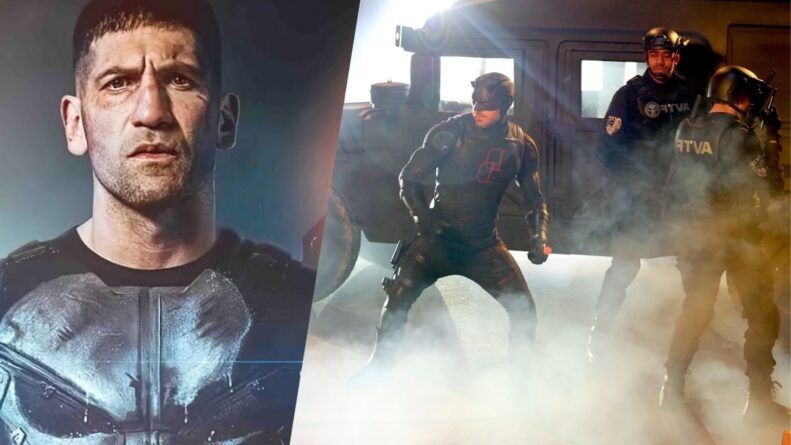
The ICE Parallels

Scardapane has been especially vocal on the historical roots of the parallels. He doesn’t pretend to know what the future holds, only what the past has shown before, citing historical personages such as Nero, Pinochet and Franco as leaders who “follow a script” when they gain power. The series also includes nods to real history such as the 1974 Turkish invasion of Cyprus tying its fictional disputes to real-world, documented instances of authoritarianism. “You tend to get ‘History repeating itself,” noted the creative team, implying what feels topical is actually timeless — the same mechanisms of control and resistance playing out in different times and places. 

That’s a tightrope to balance for Marvel. The studio, on the other hand, has embraced the political implications of the source material, recognizing that superhero stories have always functioned as stand-ins for real-world wars. The X-Men were born out of the civil rights movement, Captain America was beating up Nazis in World War II, and the Black Panther books tackled colonialism and its fall-out. Daredevil: Born Again is part of that tradition, in depicting how the engines of power can be taken over by those who would rule, not serve. 

Conversely, there’s the danger of simplification of political complexities into a superhero pageantry. The ICE parallels, while powerful visually and emotionally, also risk compressing the particular lived experiences of immigrant communities into a generic “resistance” narrative. The show’s creative team appears to have a sense of this push and pull, with Scardapane stating that their object was never to make a statement on any particular current-day policies, but rather to look at the “timeless power dynamics — corruption, and the moral resistance.” 

The Evolution of Matt Murdock: From Lawyer to Full-Time Vigilante

The political climate of Season 2 isn’t just for show — it serves as a substantial catalyst for Matt Murdock’s journey. As of “Street” at the close of Season 1, Matt was still struggling to balance his two identities, still attempting to play by the rules even as the system was being used as a weapon against him. But for Season 2, he is in a very, very different place. 

Matt is officially a “missing person” after his apartment is bombed, and he can no longer go about as an ordinary lawyer. The very identity he’d been desperately clinging to for much of the first season — Matt Murdock, blind attorney and crusader for justice — has been taken from him by circumstance. Now, he’s Daredevil full-time, a fugitive living in the shadows, hunted not only by Fisk’s Anti-Vigilante Task Force but by his friends. 

Charlie Cox, who has played Matt Murdock for more than ten years across the Netflix and now Disney+ version of the character, summed up this evolution with an oddly mundane comparison. “Does that come to mind for you when you were losing your baby teeth and there was one tooth that was wobbly for what felt like a decade and it just wouldn’t go?” Cox asked in a recent interview. “It was just a constant irritation and a pain in your mouth, and it wouldn’t go. That’s how Matt feels about Wilson Fisk. He’s inhabited this man, and he can’t get away from this person.” 
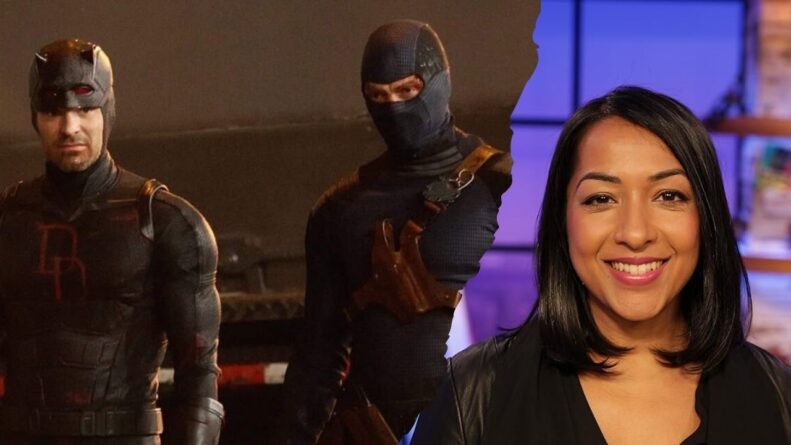
The Evolution of Matt Murdock

This aching body is a reflection of what Matt has actually become is the mind-shattering psychological reality of his new reality. Previously he had been able to go back to his law practice, to his friendships with Foggy Nelson and Karen Page, to the relative normalcy of Hell’s Kitchen living, but now there’s just the mission. The suit is more than just a costume, it is a second skin, which both characters wear in almost every scene – a practical challenge for Cox that results in an emotional weight for the role. 

One especially moving scene in season 2 captures this erosion of self. When Karen Page asks Matt if he ever misses “being Matt Murdock,” the query lands with the emotional power of the iconic final scene in The Graduate—that moment of lucidity following the adrenaline rush, when the leading man realizes that winning and losing are indistinct. “It’s a fun thing to be able to be the full Daredevil and almost forget who Matt Murdock is and what he is and how he operates,” Cox said, balancing both the freedom and tragedy of that evolution. 

This is the same arc in Fisk’s own story that we are seeing play out in this character evolution. Where Matt has been forced to lean into his darker identity, Fisk is now letting his real self as the Kingpin peel back the layers of Mayor Wilson Fisk. Vincent D’Onofrio who portrays a menacing yet pitiable Fisk has called the dynamic between the two characters symbiotically obsessive for “a piece of corn stuck in his teeth” which Fisk nervously picks at. 

Mentions to both heroes and villains are a constant in the show runner aana Amanat, who describes them as having “spent a lot of the first season in denial of who they were” before Season 2 where they are “finally wearing their suits” – both literally and figuratively. This symmetry throws into relief how the Daredevil/Kingpin battle has left straight hero/villain war behind: it is now a mirror-match, two men who have embraced their natures, both for good and evil. 

Grief as a Character

Daredevil: Born Again would be as empty as if not for Season 1: Foggy Nelson dies and presses this-jawbiting madness home. From the time the original Netflix show debuted in 2015, Elden Henson’s character has been Matt’s best friend, law partner, and his moral compass. His death in the first few minutes of the Disney + reboot makes clear right away that this is going to be a very different Daredevil tale — one that’s personal, permanent, and catastrophic. 

Season 2 picks up after that loss for Matt, who is now dealing with grief and PTSD that impact not only how he feels but also the tactical choices he makes on the battlefield, how he works with his team, and even how he suits up as Daredevil. “He will never be the same again,” Cox said emphatically. “There will be not a day in his life when he doesn’t think about him and think about what he did.” From an actor’s point of view it’s kind of a dream, because it just gives it so much texture.” 
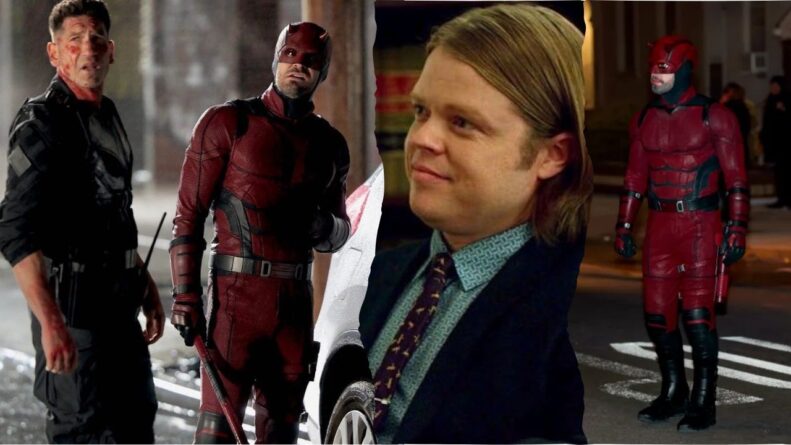
Grief as a Character

The reappearance of Foggy Nelson in Season 2 teased in trailers and confirmed by Henson’s inclusion in marketing materials opens up all sorts of questions about how the show will address this mourning. Flashbacks? Dream sequences? Or something more metaphysical? Against all odds what’s matters the most is Foggy is a presence that reminds Matt with other methods to what he’s lost and what he’s still fighting for. 

That emotional core is what grounds the political allegory of Season 2 in personal stakes. The crusade against Fisk is not an abstraction—it is about keeping people from losing their lives in the way that has defined Matt’s life. The Anti-Vigilante Task Force is not only a metaphor for institutional overreach, but also a real threat to the community Foggy risked everything to save. 

The Return of Jessica Jones and the Defenders Legacy

While the Season 2 political thriller has been dominating headlines, the season also serves as a send-off of Marvel Television’s Netflix legacy as Krysten Ritter returns as Jessica Jones. The hard-drinking, super-powered PI, who had three seasons on her own show, teams up with Matt in his fight against Fisk, bringing them together in a reunion fans have been longing for since the original Defenders miniseries.

Scardapane has been effusive about Ritter rejoining the fold, describing it as “top of the checklist” for the season. “I love the work that Melissa [Rosenberg] did in Jessica Jones,” he told GamesRadar+. “It’s one of the best genre television shows you’ll ever see. Krysten has created an amazing character,”I think she’s done an amazing job.” 
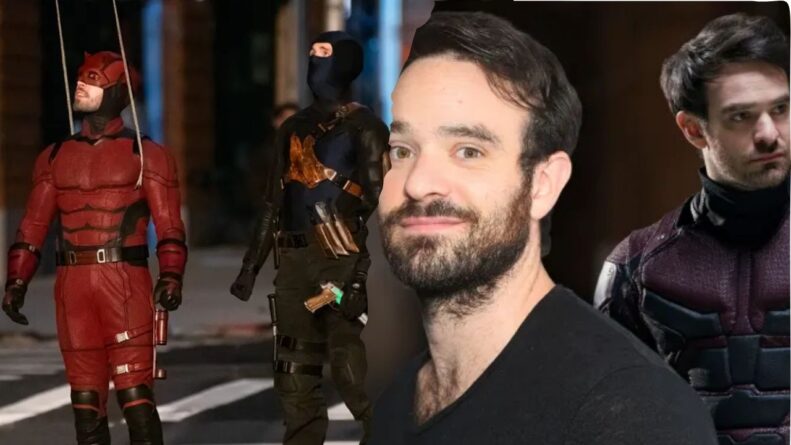
From Lawyer to Full-Time Vigilante

This comeback is a multipurpose one. It’s for those viewers who have been along for the ride through the Netflix Marvel universe, a confirmation of that continuity and a reward for their investment in these characters. In terms of the Born Again story, Jessica is a different kind of hero – a less burdened by catholic guilt and legal ethics, more pragmatic and self-preserving. Her interactions with Matt, who has wrestled with the ethics of vigilantism, will certainly give both of them some tension and unexpected camaraderie. 

Amanat emphasized that Jessica’s return was “a desire we’ve had right from the beginning,” suggesting that the creative team sees the Netflix characters not as orphaned IP, but rather as integral elements of the Marvel landscape. “It’s exciting to see where she is now many years later,” Amanat said, teasing how time and experience have altered the character since we last saw her. 

The End of Mayor Fisk and a Return to the Streets

Maybe the biggest among the recent Scardapane interviews is what it revealed not about S2, but what lies beyond it. The Mayor Fisk arc, which has been the spine of Born Again and its related series, will reach its “inevitable conclusion” at the end of the second season. This political phase of Daredevil’s life is drawing to a close, and the series has planted its feet to shift course for Season 3. 

“The playbook is pretty well established,” Scardapane told SFX Magazine. “So when we were writing this stuff we’re like, ‘This is what he does.’ The anti-vigilante taskforce is the comic book. And we built them and costumed them from the comics.” 

Yet, while the political thriller aspects have been fun to delve into, Scardapane has said she’d like to bring the character back to his roots. “Going into politics, New York politics, Game of Thrones back-stabbing, allying, and betraying behind the scenes. That’s a good bit of fun, but when it starts to become almost too topical, it feels like it’s moving away from the big, mythological genre stuff,” he observed. “So as we wind down the Mayor Fisk run in season 2, as that story arc comes to its inevitable end, what we’re doing going forward has definitely more of a [Frank] Miller-era comics feeling to it. So yeah, I had a good time playing in the world of politics, but I prefer something a little more street level, personally.” 

That is a very brazen artistic declaration. Frank Miller’s 1980s Daredevil is the definitive, dangedest, noirest, morally questionable version of the character we’ve seen more enmeshed in the world of Hell’s Kitchen organized crime than the political machinations at City Hall. Miller introduced Elektra, turned the Kingpin into a Daredevil rather than a Spider-Man villain, and established the visual and thematic lexicon that the Netflix series and now Born Again have borrowed from. 
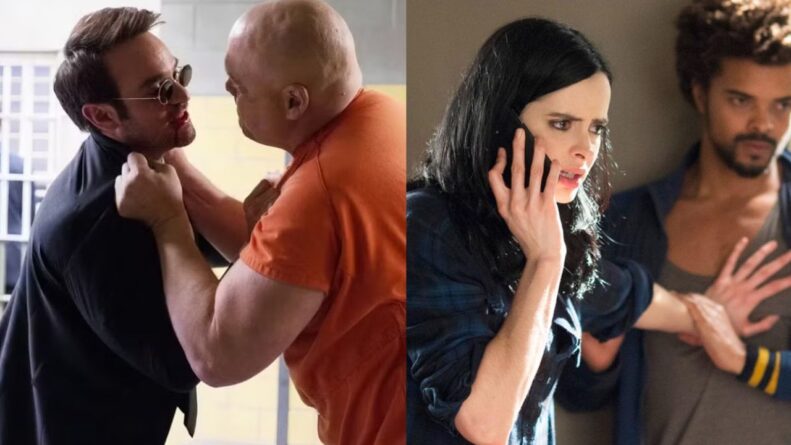
Mayor Fisk and a Return to the Streets

A return to Miller-era storytelling provides a number of intriguing options for season 3. The addition of Bullseye – Wilson Bethel’s Benjamin Poindexter made an appearance in the original Netflix series and is expected to return – would go hand in hand with this aesthetic. I would say that Elektra showing up is just as fitting and one could even see Elodie Yung return. And for what it’s worth, Scardapane hasn’t ruled anything out, and given the Miller era’s penchant for bold narrative gambits, that means there’s at least a chance that Foggy Nelson’s demise might not have been as final as it seemed. 

At its core, the change in tone is an admission that Daredevil is at his best when telling a street-level crime story, as opposed to a political thriller. The character’s powers — enhanced senses, martial arts expertise, legal understanding — are really best suited for smaller-scale skirmishes, rather than big political movements. The Netflix series got that, earning its reputation on grounded storytelling about crime, morality and the boundaries of what’s legal. Born Again has opened things up to city-wide politics, but Season 3 is set to bring the focus back down to the neighborhoods and the criminal organizations and personal vendettas that have always been the truest home for Daredevil. 

The Challenge of Topical Superhero Stories

The creative choices confronting Daredevil: Born Again are symptomatic of wider pressures within super hero storytelling in the 2020s. This is not to say these characters have not always been political—Superman took on corrupt landlords in his first ever stories, Captain America whose first cover appearance is punching Hitler, the X-Men function, since their very inception, as allegories for marginalized groups. To suggest that superhero narratives play out in a political void is to deny both their past, and their power. 

But there is storytelling wise a difference between timeless allegory and then and there commentary. When you tie superhero stories too closely to narrow, specific current events, they have a tendency to age poorly, alienate some of their audiences, and oversimplify complex political matters into good guy/bad guy dynamics. The ICE analogues in Born Again Season 2 straddle that line, quite literally by invoking historical patterns of authoritarian conduct while inevitably engaging with the present. 

Scardapane’s declared desire for “something a little more street level” reflects an understanding that Daredevil is at its best when the politics are implied rather than shouted when the narrative fixates on the human toll of corruption and violence over the nuts and bolts of political power. The Miller-era comics on which Season 3 will be based were undoubtedly political, but their politics was rooted in character and atmosphere rather than explicit statements on the politics of the day.

That doesn’t say Born Again will eschew its discussions of real-world concerns. The finest crime tales from the comics, movies or television always reveal something about the culture that spawned them. But, in retaking the streets of Hell’s Kitchen as its setting, the show can address those concerns in terms of character and community, rather than the spectacle of political confrontation. 

The Future of Daredevil

As Daredavil: Born Again Season 2 is coming out on 24 March, 2026, this series stands at a mid-point. The political thriller aspects that have defined this chapter of the character are coming to an end, making way for a return to the noir-tinged street-level stories that have always been Daredevil’s best meat and potatoes. The ICE analogs, which have become the focus of so much pre-release discussion, will give way to new antagonists maybe including Bullseye, Elektra, and the criminal underworld that has long been the true battlefield for Matt Murdock’s soul. 

What stays the same, though, is the core connection between Matt Murdock and Wilson Fisk, a feud that has now defined a decade of television narrative. Charlie Cox and Vincent D’Onofrio have matured in these roles, discovering new layers in a rivalry that could well have stale in lesser hands. The two actors still are able to mine new angles out of this dynamic — they compare it to wobbly teeth and corn kernels indicates there’s still life left in their antagonism even as the political storyline winds down. 
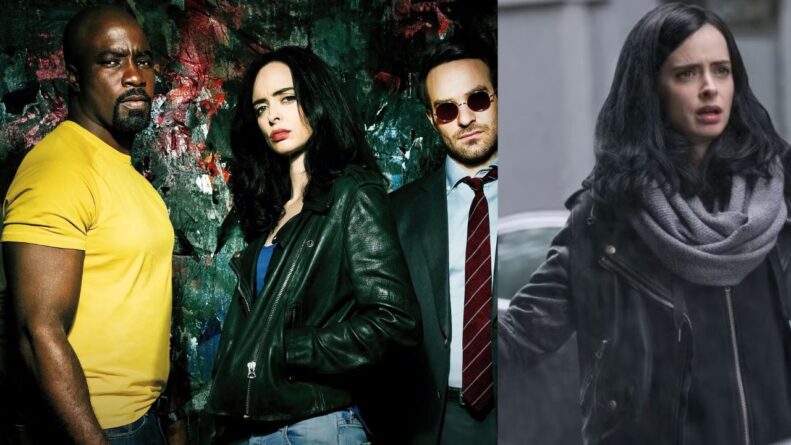
The Future of Daredevil

To the viewer, the promise of a Frank Miller-run Season 3 feels like the best possible compromise: political nuance that has ultimately defined Born Again-era Marvel and street-level grit that made the original Netflix run a must-watch. If Scardapane and his team can pull off this transition, they’ll have proven that Daredevil is still one of Marvel’s most flexible and enduring characters able to talk to the political moment and be grounded in the timeless themes of justice, corruption, and what it costs to fight for what’s right. 

That’s what superhero stories do best, in the end. They don’t so much forecast the future or provide direct comment on the present as remind us of the patterns that shape human experience — the ascent of authoritarianism, the resistance of the downtrodden, the personal toll of moral engagement. Daredevil: Born Again has serendipitously become a topical series, but its real power is in rising above those concerns to locate in its very particular Hell’s Kitchen disputes something universal about the battle between power and justice. 

Read More:-  The Sinister Six That Never Was: How a Cyberattack Killed Drew Goddard’s Spider-Man Dream

As the series leaves behind the Mayor Fisk era and returns to the streets, it has the heft of that political experiment — the acknowledgment that even when we take our cues from history, we’re confronted with the present. The Anti-Vigilante Task Force is a comic book invention, but the anxieties it embodies are real. And Daredevil’s superhuman will   improbable as it is   speaks to something just as real: the tenacious, unyielding belief that one man can take on the system, that the devil of Hell’s Kitchen can still make a dent in a world that more and more seems to be throwing up its hands. 

Fandomfans delivers deeper details from your favorite movies, series and characters directly to you.

Comments

View comments and join the discussion

Alpana

Articles Published: 173

Alpana is Fandomfans Senior Editor across all genres of entertainment. She evolved in the media industry since a very long time, she manages the content strategy and editing of all the blogs. Her focus on story development, review analysis, and research is well-equipped that ensures every article meets the standards of accuracy and depth.
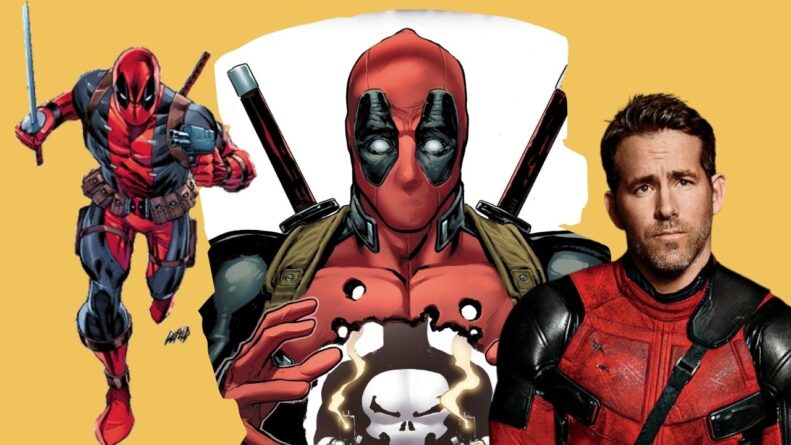
View Profile ↗