Will There Be Another Spider-Man Movie? Here’s Everything Confirmed So Far
Will There Be Another Spiderman Movie? Explore the latest news, expected release timeline, cast updates, and what fans can expect next.
Published: August 4, 2026, 9:33 am

Will There Be Another Spiderman Movie? Explore the latest news, expected release timeline, cast updates, and what fans can expect next.
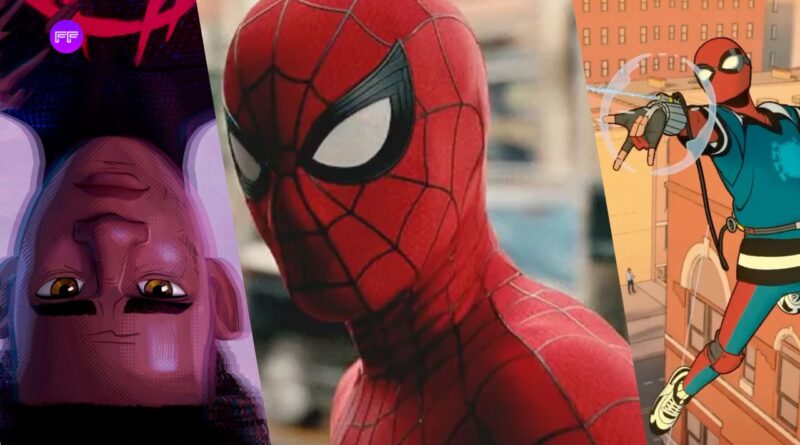
Fans who have watched Spider-Man: Brand New Day wondering if they get to see Peter Parker again, or not. The film already broke records during its release on July 31, 2026. The speculation is surrounding “Will there be another Spider-Man Movie?” There’s no official confirmation of Spider-Man 5 yet, but there are projects already in motion.
Taking everything Brand New Day has given us suggests that it is just an entry door for the bigger MCU and Peter Parker connection in Avengers: Doomsday.
Sony and Marvel had no plan to let Spider-Man rest with the success of $355 million, directed by Destin Daniel Cretton. “Brand New Day” became the second-biggest domestic debut and first is still the “Avengers: Endgame’s” $357 million. Spider-Man crossed $927 million worldwide in just three days because fans liked this movie and also gave it a 98%score online.

This film was also backed by critics with a 90% score. Tom Holland returned as Peter Parker alongside Zendaya, Jacob Batalon, Sadie Sink as Jean Grey, Jon Bernthal’s Punisher, Florence Pugh’s Yelena Belova, and Mark Ruffalo’s Bruce Banner. The film closes on Peter reintroducing himself into a world that had forgotten him, and the post-credits scene simply reads “Spider-Man Will Return” — no title, no date attached. That vagueness is the whole reason this question is worth answering properly.
“Spider-Man: Beyond the Spider-Verse,” the final part of Miles Morales’s trilogy which started with “Into the Spider-Verse” and continued with “Across the Spider-Verse,” was announced for June 18, 2027 at CinemaCon 2026.
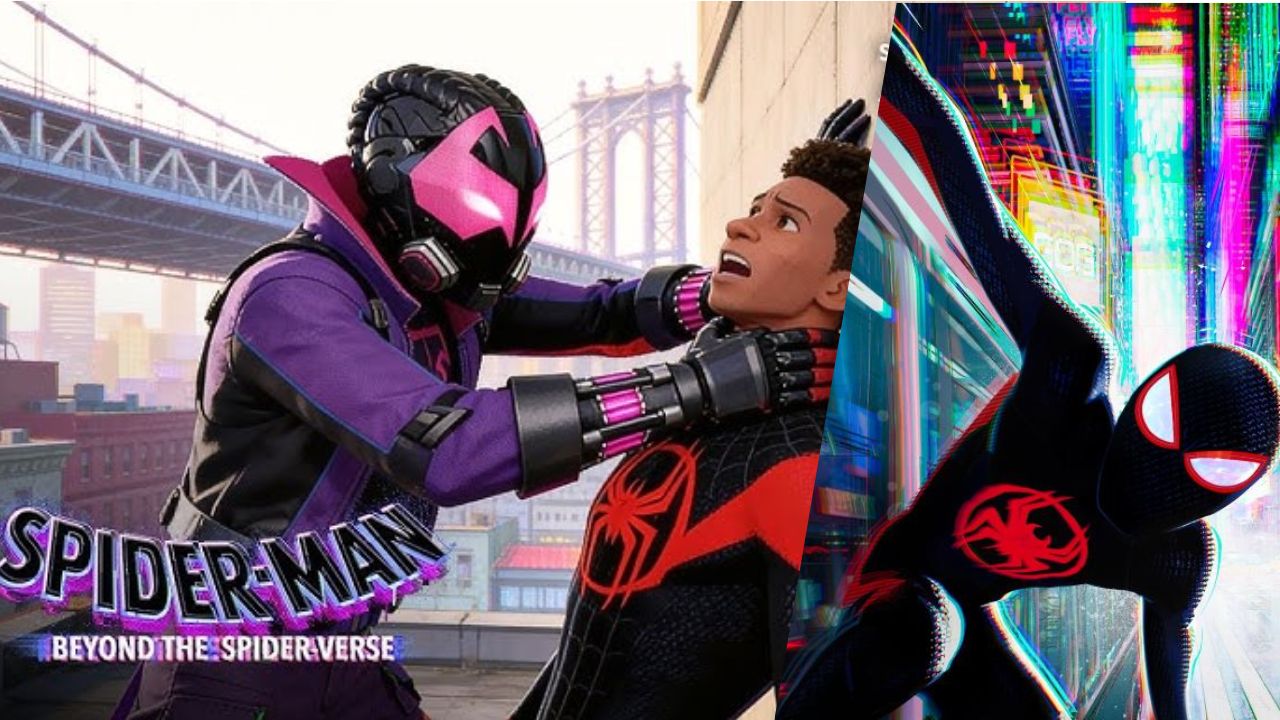
Bob Persichetti and Justin K. Thompson is once again helming, with Phil Lord, Christopher Miller and David Callaham penning the screenplay. One caveat for any eagle-eyed watchers: this release date has already been shifted at least three times since 2023, initially moving from March 2024 to an indefinite delay, then to three separate dates in 2027, and now June 18. Given that history, take this as the “current plan” and not a firm date.
Read More 👉 Spider-Man: Brand New Day Ending Explained – 6 Marvel Loose Threads
Apart from the movies, Marvel is also delivering “Your Friendly Neighborhood Spider-Man” Season 2 to screens at the end of 2026, with Hudson Thames as the new voice of Peter Parker, replacing Holland.
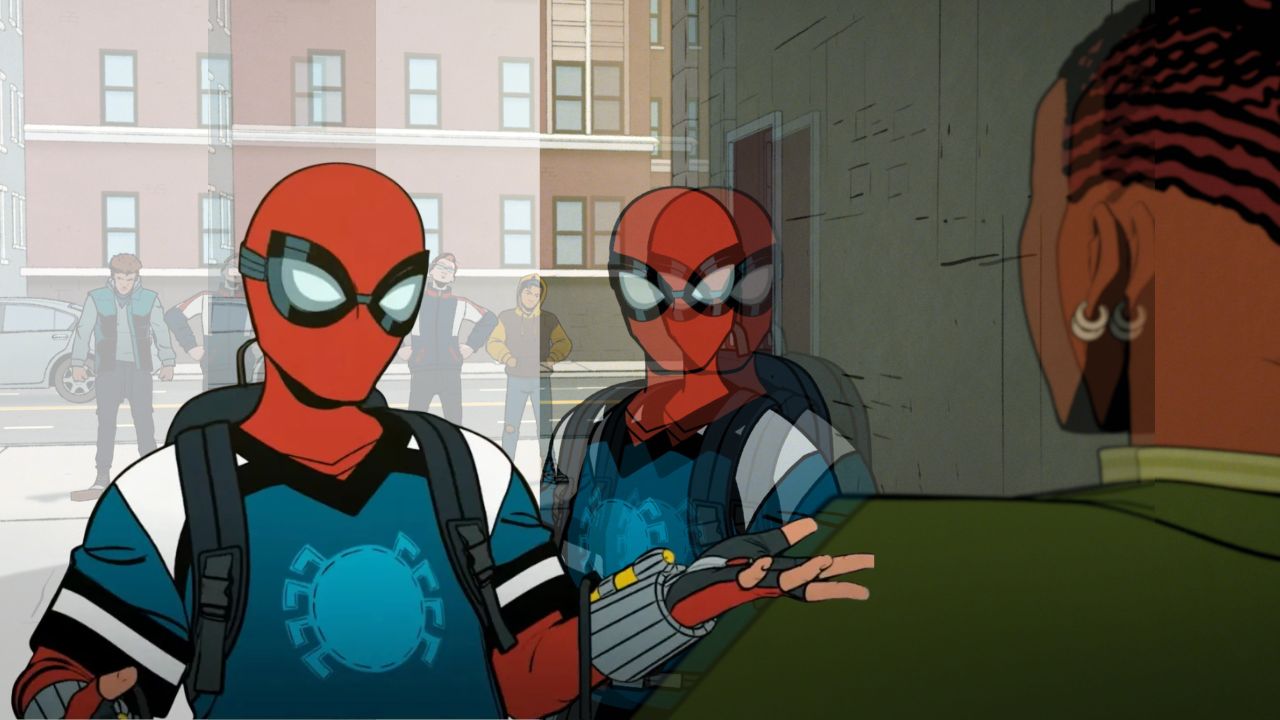
It’s a more intimate project than the theatrical films, but it matters for search intent — a lot of people searching “new spider man” are going to end up on this one not realizing Holland isn’t in it.
Read More 👉 How Did Wolverine Get His Adamantium Skeleton in X-Men ’97? Explained
Tom Holland has stated that he plans on playing Peter Parker as long as Marvel wants him to, but he has also mentioned the possibility of Peter passing on his mantle to a protégé — Miles Morales, Silk, Spider-Gwen, and Spider-Woman have come up as options in his statements.
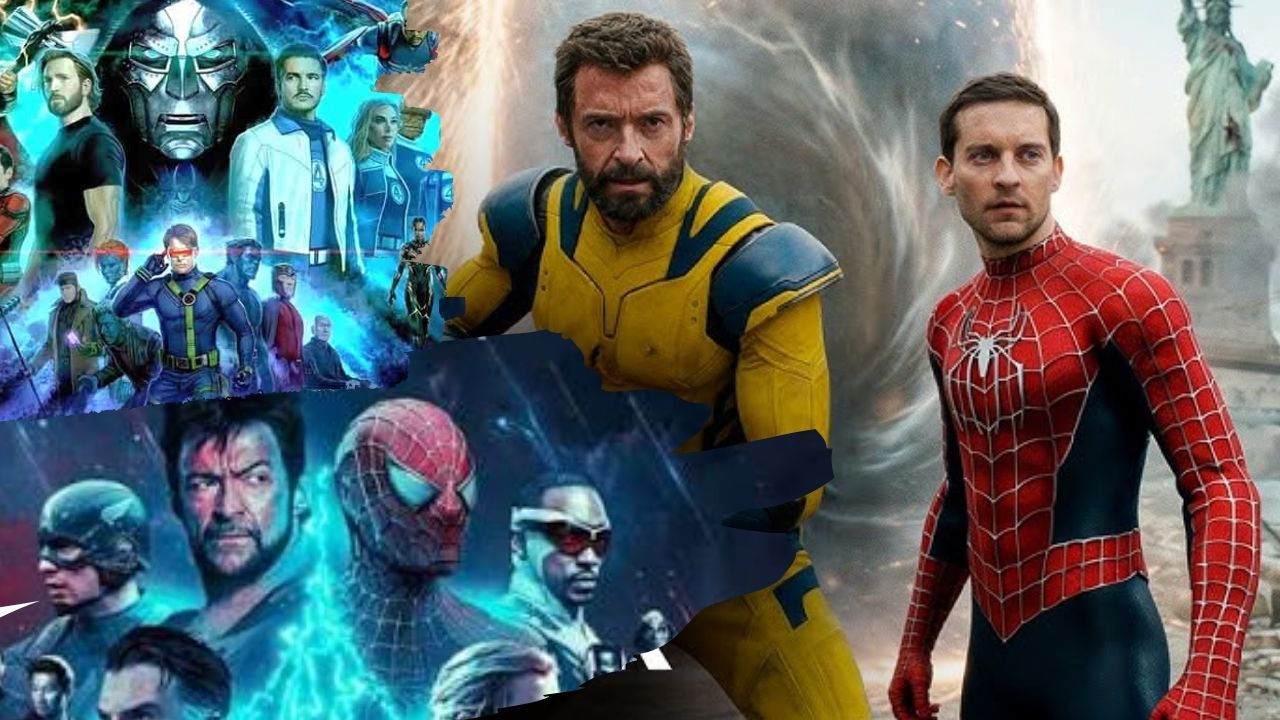
If you’re searching for Will there be another Spider-Man Movie? Then there have been no announcements. What is confirmed is the rest of the MCU slate surrounding him: “Avengers: Doomsday” hits the big screen on December 18, 2026, from the Russo brothers, with “Avengers: Secret Wars” landing in December 2027.
Each of those crossovers would be a likely spot for Spider-Man to show up again, but Marvel never said he would be involved in either.
A few entertainment writers, such as Forbes’ Paul Tassi, have made the case that the success of “Brand New Day” means a live-action Miles Morales is all but confirmed, probably kicking off with a Peter-and-Miles team up before Miles gets his own solo run.

Will there be another Spider-Man Movie? Is what most people would wanna know. That’s industry analysis and speculation based on how much the character has earned, not a confirmed announcement from Marvel or Sony — probably worth being upfront about if you’re citing it.
Read More 👉 Who Is the New Editor-in-Chief of Marvel Comics? Stephen Wacker Explained
There’s no official fifth live-action Peter Parker film as of now, but if you’re wondering “Will there be another Spider-Man Movie?” calling this a drought would be an exaggeration. “Beyond the Spider-Verse” arrives June 18, 2027, “Your Friendly Neighborhood Spider-Man” debuts later this year, and two Avengers team-ups within the next 18 months give Marvel a bunch of time to bring Holland back before a proper fifth solo film even gets announced.
Get the latest updates from movies, series, and celebrities on Fandomfans.

Daredevil: Born Again Season 2 Ep7 “The Hateful Darkness” delivers a darker, gritty Netflix era with shocking returns, deaths, and major MCU Phase 6 stakes.
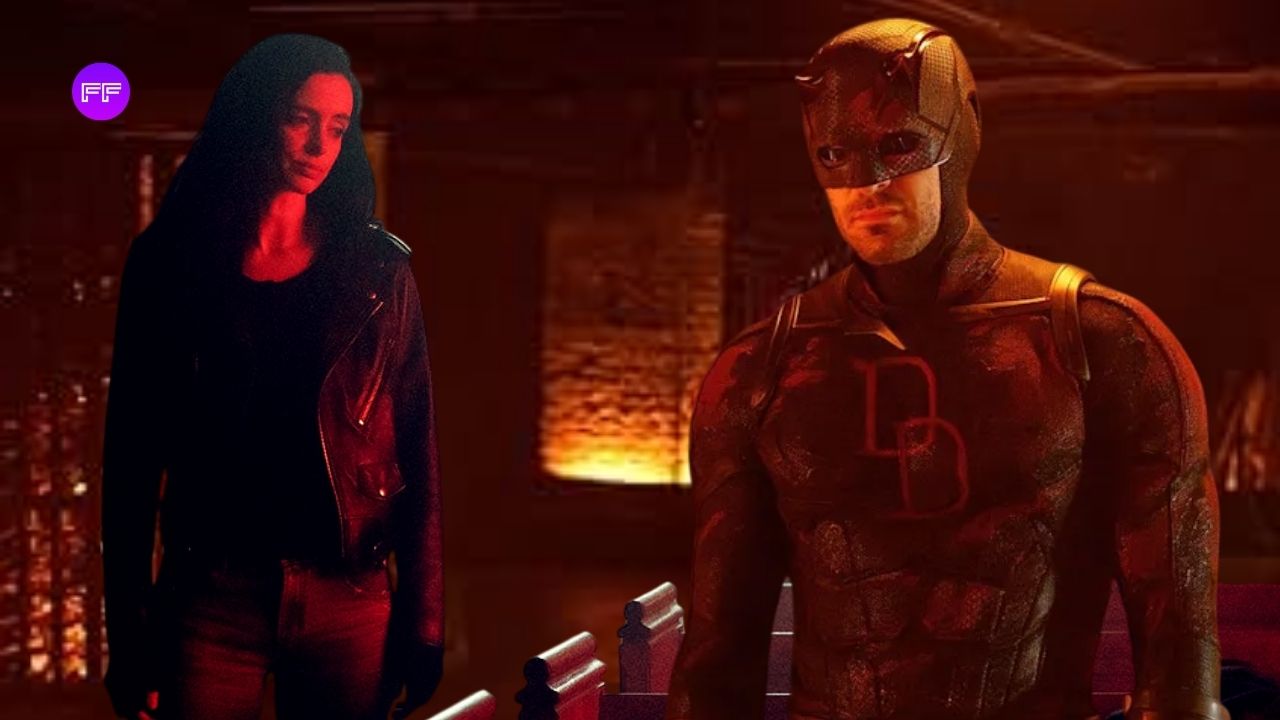
Daredevil: Born Again Season 2 Ep7, ominously titled “The Hateful Darkness,” just dropped on Disney+, and it didn’t just shift the chess pieces on the board for next week’s blockbuster finale — it upended the whole table. Upending despairing character deaths with triumphant returns to the courtroom, this penultimate episode was essentially a love letter to the gritty Netflix era, padded out by the larger, high-stakes politics of the Marvel Cinematic Universe Phase 6.
As Matt Murdock (Charlie Cox) limps toward an explosive showdown with Mayor Wilson Fisk (Vincent D’Onofrio), the showrunners packed this hour so full of lore, comic-book history and sly callbacks that you almost certainly missed a few while shouting at your tv.
Let’s dive deep into the streets of Hell’s Kitchen in Daredevil: Born Again Season 2 Ep7 for a darker finale.
Let’s start with the loudest moment of Daredevil: Born Again Season 2 Ep7. The final image of Matt Murdock, injured and hopeless, praying in the red-lit pews of Clinton Church was cinematic perfection. But then, Krysten Ritter’s Jessica Jones emerges from the darkness. It is the jaw dropping moment for everyone.
But the true Easter egg is in the dialogue at the beginning of the episode. When Mr. Charles is talking about Jessica’s case, we get explicit mention of her husband, Luke Cage, and the fact that she has to shield her daughter, Danielle.
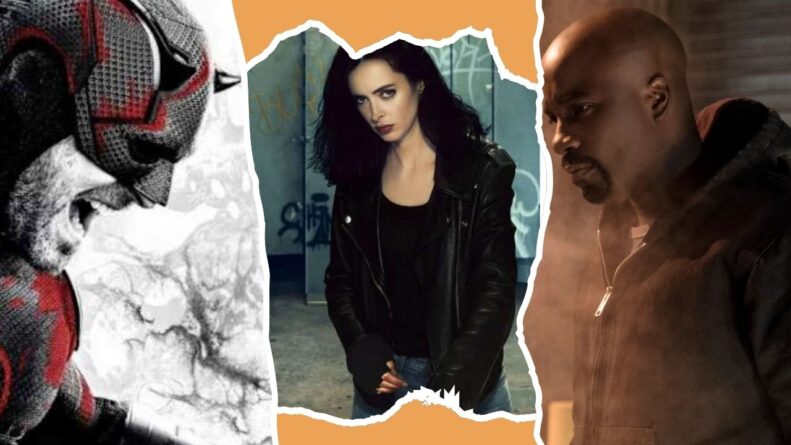
Danielle, a daughter of Luke Cage and Jessica Jones and named in honor of his fathers’s best friend Danny aka Iron Fist. This isn’t some throwaway name-drop for laughs, it solidifies the lives of our street-level superheroes after the Defenders as canon.
It makes clear that as Matt has been struggling on his own in a one-man battle, the other members of the Defenders have been establishing families. It escalates the stakes for Jessica’ return and she’s not just battling for New York any more, now she’s fighting for her kid.
We’ve observed Matt working under the cover of darkness for nearly a full season, watching as his alter ego, the vigilante, dominated, while Matt Murdock, Attorney at Law, played second fiddle. But when Karen Page (Deborah Ann Woll) is tossed into the legal meat grinder by the Anti-Vigilante Task Force (AVTF), Matt at last emerges into the light.
Making his way into the courtroom this time as co-counsel with Kirsten McDuffie (Nikki M. James) was a huge full-circle moment. It’s a direct thematic callback to his charming, sunlit cameo in She-Hulk: Attorney at Law. But here, the tone is reversed. There’s no wacky super power law puns. This is the dark, stifling legal rot in Fisk’s New York.
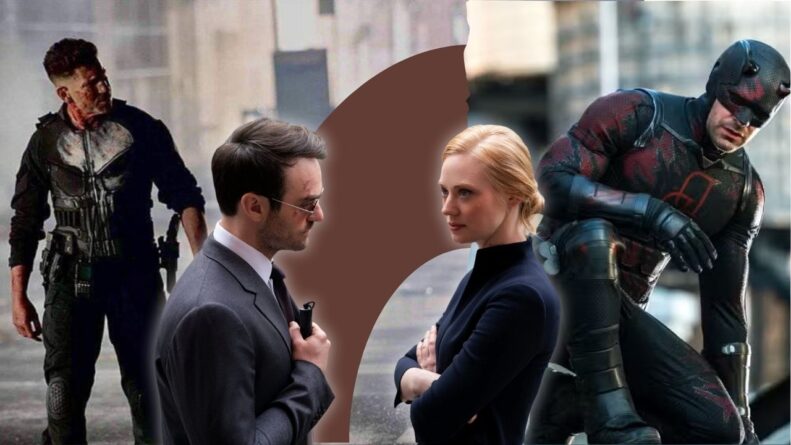
It perfectly echoes his defense of Frank Castle (The Punisher) in Netflix’s Season 2. Matt turns the courtroom not only to defend his client but to also use it as a platform from which to try the system itself.
Maybe the most soul-sapping sequence in “The Hateful Darkness” is Matt’s fraught chat with Benjamin Poindexter, a.k.a Bullseye (Wilson Bethel). Matt frees his mortal adversary, exhorting him to perform “one good deed” to balance the cosmic scales — by rescuing Governor McCaffrey from assassination.
In that exchange Matt specifically mentions the killings of Foggy Nelson and Father Lantom. If you saw Season 3 of the original Netflix run, Father Lantom died after he took a baton to the chest that Dex threw at Karen. And the heartbreakingly tragic death of Born Again’s Foggy is the wound that still fuels every reckless choice Matt makes.

Matt telling his arch enemy how much he hates him but a shred of his Catholic soul wants to forgive him is lifted directly from the moral ambiguity of Frank Miller’s iconic comics. It’s Matt Murdock at his most self-destructive, placing the city above his own need for vengeance.
We need to pour one out for Daniel Blake. Michael Gandolfini has been putting in incredible work this season as the ambitious, swaggering administrator who got way too deep into Fisk’s regime. But in Daredevil: Born Again Season 2 Ep7, his luck finally runs out.
Daniel is savagely clubbed and then killed by the cold-blooded Buck Cashman (Arty Froushan) for deciding to shield BB Urich (Genneya Walton). BB’s last name is Urich. Like, Ben Urich — the tenacious reporter who was viciously garrotted by Wilson Fisk in Season 1 of the Netflix show.
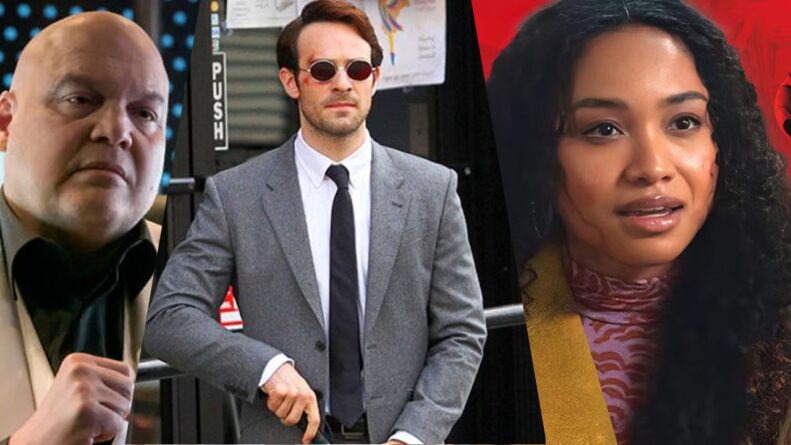
Daniel being killed while defending an Urich from Fisk’s enforcers is a vicious rhyme in the Daredevil poetry. It is a reminder that even though the corporate branding of Fisk’s empire has changed, it still eats anyone who tries to protect the truth. The common mob-movie trope of a gangster “digging his own grave” was completely turned on its head here; Daniel got his soul back right before he lost his life.
When Cherry (Clark Johnson) discloses he has an “inside man” who is watching over Karen Page up at the precinct, fans who have been around since the beginning took a collective breath-hold. And the show delivered: it was none other than Detective Brett Mahoney (Royce Johnson).
Brett Mahoney has been the unsung hero of the street-level MCU since the beginning. He’s a repeat helper in Daredevil, Jessica Jones and The Punisher.
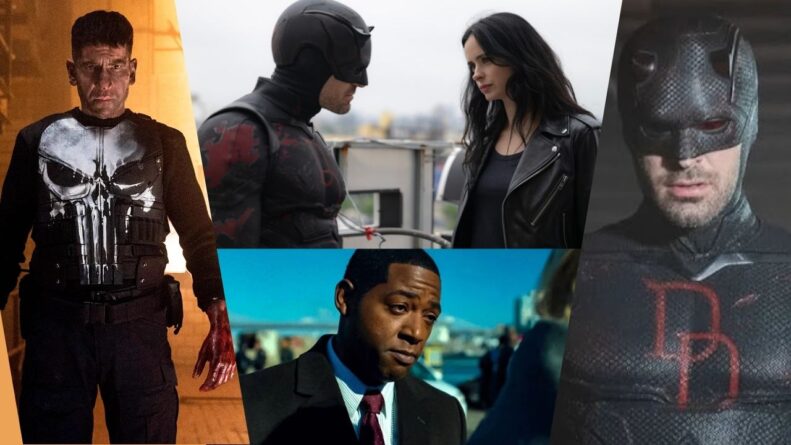
Watching Brett sneak Karen out the back door for a secret rendezvous with Matt reminds us that for all Fisk’s AVTF, and the pervasive corruption in the NYPD, the OG Hell’s Kitchen good cops still want to be your sweethearts. It anchors the over-the-top superhero spectacle in believable, procedural fealty.
Let’s talk about cinematography and Catholic guilt—the pillars upon which Matt Murdock’s whole being rests.
After moving vigilantly through a parking-garage slaughterhouse, Matt is shot in the leg and barely manages to crawl to Clinton Church. He pleads with the Seminarian to pray to Saint Jude for “courage in my cowardice and consolation for my tribulations.”
Saint Jude is the advocate for the hopeless and things are indeed hopeless now. You just can’t get a better metaphor for Matt’s crusade against Fisk these days.
As Matt is bowed in prayer, the shot is awash in a thick, bloody, neon red light. That’s not an accident. It’s a very visual reference to the quintessential hallway battles and shadowy lighting of the first Netflix series. It informs viewers, with no need for a word of conversation, that Matt has been driven to the ends of his bodily and soul limits.
Wilson Fisk is a man of impeccable discipline, frightening regimens and violent rages. The first few seconds of Daredevil: Born Again Season 2 Ep7 depict Fisk getting dressed, and he sees that one of Vanessa’s earrings has gone missing.
It sounds like it’s just a tiny continuity nod. But for Fisk, Vanessa is his tether to his own sanity. In Netflix’s Daredevil Season 1 and 3, whenever Vanessa found herself in peril, was absent or figuratively compromised, the polished Fisk mask would crack, revealing the monstrous “Kingpin” beneath.
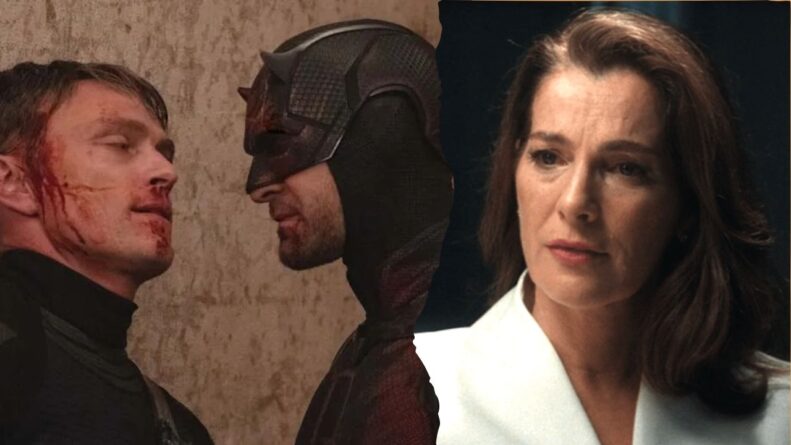
When the director dwells on the missing earring, it signals to the viewers that Fisk is slipping in terms of control. His later conversation with Karen in her cell where he chokes her while telling her he is “bringing back order” — establishes that the missing earring is a sign of his quickly disintegrating mind.
Daredevil: Born Again takes place on the streets of New York, but Daredevil: Born Again Season 2 Ep7 made it clear we’re solidly in Phase Six of the Marvel Cinematic Universe.
In a conversation, Mr. Charles drops a titanic global bomb: The U.S. government does not consider Mayor Wilson Fisk to be a “useful ally.” This clears the path for Governor McCaffrey (Lili Taylor) to come in and try to oust Fisk.
The MCU is currently navigating a fraught political climate, with actors like President Ross, the Thunderbolts, and the Department of Damage Control holding the board. In this context, it’s natural the government would view a strong, authoritarian NYC mayor who goes after vigilantes as a threat. Fisk just got over the line too much, and now these government bodies are at last getting involved.
The parking garage ambush was easily the the most exciting action set piece of the Daredevil: Born Again Season 2 Ep7. The Anti-Vigilante Task Force (AVTF) attempts to eliminate Matt and Kirsten, but are defended by Cherry and Angie Kim (Ruibo Qian), the “unspoiled” cops of the precinct.
This is more than just a neat fight scene; it’s a thematic extension of the narrative strand that began way back in 2015. Daredevil has always been intrigued by the war for the soul of the NYPD.
From Detectives Blake and Hoffman being on Fisk’s payroll in Season 1, to the FBI being completely infiltrated by Kingpin in Season 3, this franchise loves to examine systemic corruption.
The garage scuffle was raw, unrefined and intimate, and it was great to see the stunts that brought fame to this franchise in the first place.
Daredevil episodes don’t often have throwaway titles, they’re usually heavily thematic or taken directly from comic book arcs.
The ‘Hateful Darkness’ is the space Matt Murdock now finds himself in. He’s turned his friends into enemies, allied himself with his greatest enemy (Bullseye), and watched the city decay all around him. The “darkness” is not just Fisk’s regime; it is the hate that festers within Matt himself.
Kirsten McDuffie in her opening statement in court (explaining what the real definition of vigilante is to ADA Hochberg) exemplifies this perfectly. Matt is trying to battle the darkness, but his “self-defeating brand of heroism” (as critics have rightly pointed out) continues to drag his friends into the line of fire. Daniel Blake dies, Karen is beaten in a cell, and Matt bleeds in a church. The dark hatred is winning.
If Daredevil: Born Again Season 2 Ep7 served as the table setting, Season 2 finale will be an absolute earth-shattering event. Now we have Matt Murdock and Jessica Jones back together and ready to go to war. We have Bullseye on the loose with a warped mission for “redemption.”
We have Kingpin pushed into a political corner, his mayoral mask slipping away to reveal the full-blown mob-boss brutality beneath. And we have Karen Page at the heart of it all, poised to see if the legal system will rescue her or destroy her.
Read More:- Euphoria Season 3 Episode 3 Recap: “The Ballad of Paladin” Turns Out a Bloody Wedding
Daredevil: Born Again hasn’t just made it through the jump to Disney+ with episodes like “The Hateful Darkness” it has shown that it can pay homage to its Netflix roots while crafting an adult, shatteringly tragic, and deeply engrossing new narrative. With these gritty moments of Daredevil: Born Again Season 2 Ep7 shows Marvel Cinematic Universe is headed to Phase 6.
Dive deeper into the cinematic world with Fandomfans to get more latest and deep details from series, movies, and celebrities.
Discover the story behind Wolverine's Adamantium Skeleton in X-Men '97, how it impacts the series, and what it means for Logan's future.
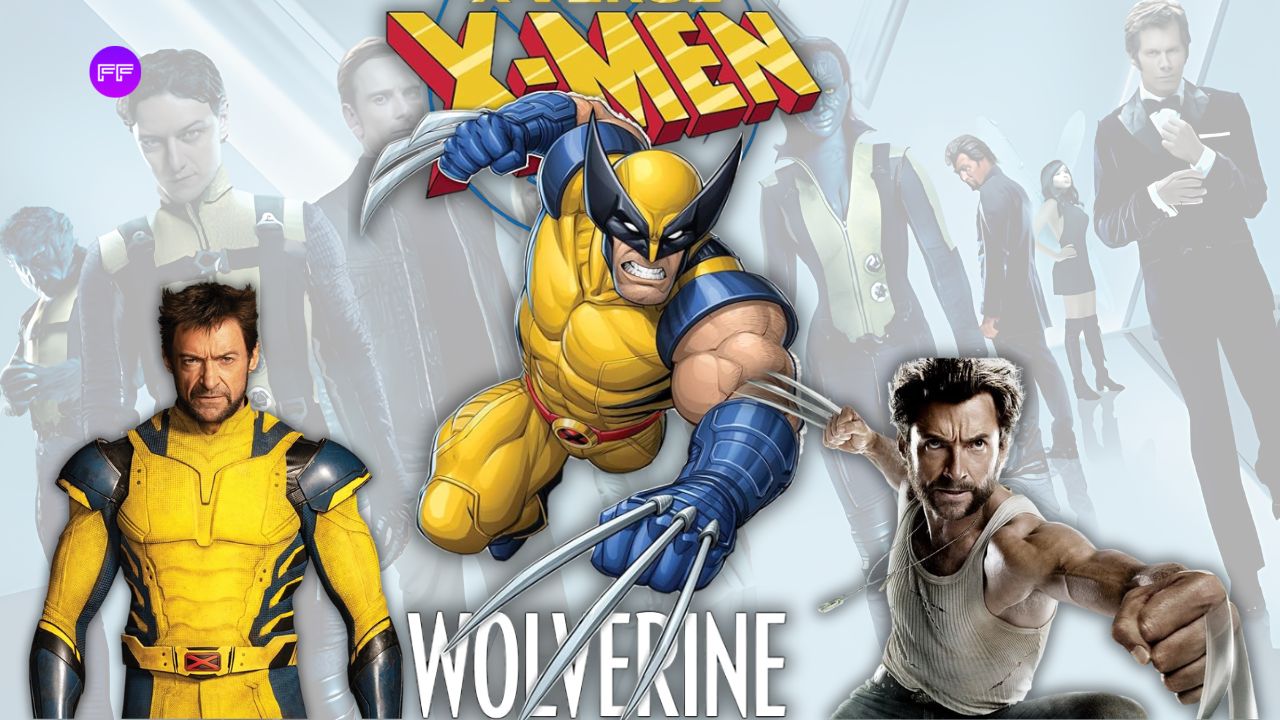
Marvel introduced Wolverine’s Adamantium Skeleton in X-Men ’97 but there is only a glimpse of how he got it in the first place. Since they already made Wolverine origin stories before so they avoid repetition. X-Men longtime fans already know his origin but the new viewers didn’t know much. The show heavily leans on decades of X-Men comic history so it’s essential to understand ‘how did Wolverine get his adamantium skeleton.’
Wolverine, a mutant who is born with healing ability and natural bone claws never asked for adamantium skeleton. It was forcibly given to him during a covert government program, his entire skeletal structure is bonded with the indestructible metal adamantium that turns him into a living weapon. The show treats it as a backstory rather than dramatized from scratch as it happened long before the events of X-Men ’97.
The Wolverine’s origin traces back to Weapon X, a black-ops program that saw an opportunity, catches and uses Logan as their test subject. Weapon X scientists fuse adamantium (indestructible metal alloy) directly onto his skeleton to create a nearly unkillable soldier who could heal from almost anything. He is already a mutant with retractable bone claws and a mutant healing ability which quickly heals him and that’s the reason he survived that experiment.
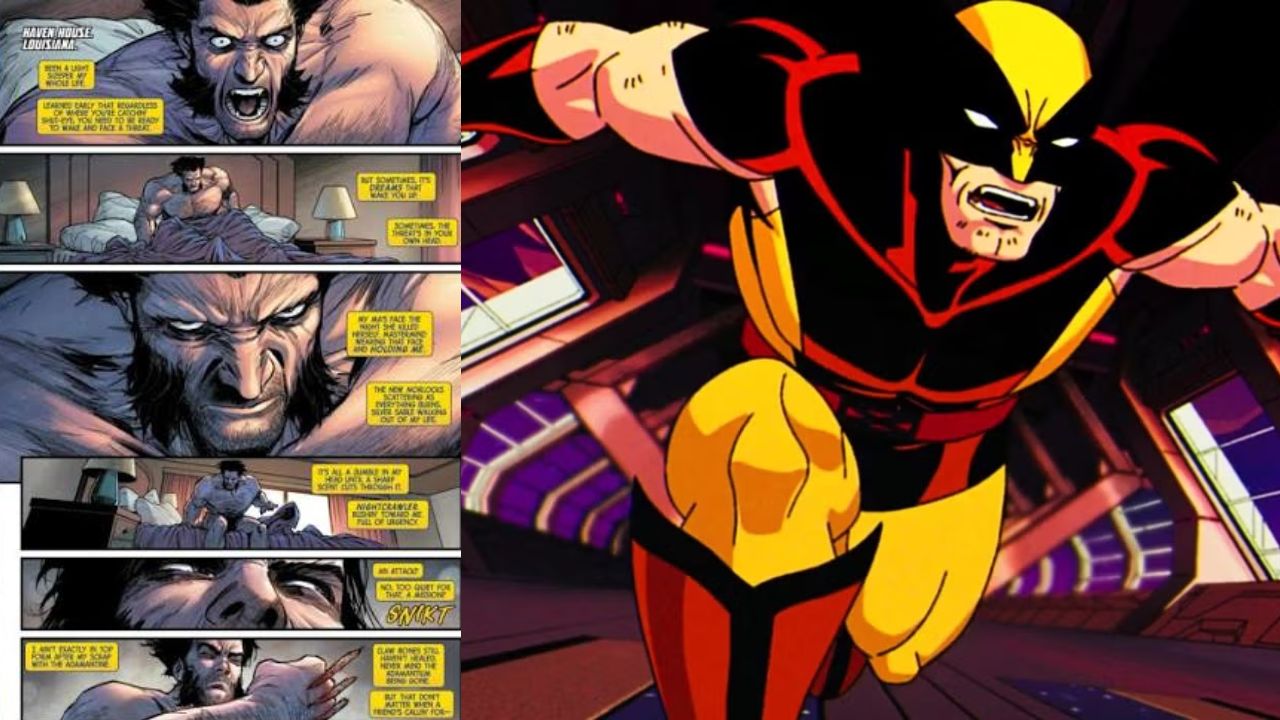
The procedure of Wolverine’s Adamantium Skeleton in X-Men ’97 is very brutal as liquid Adamantium bonded to his bones through an excruciating procedure. It blended the physical trauma with psychological conditioning and made Logan lose his memory. Wolverine spent so many years afterwards without knowing his own past or who he used to be that essentially made him a weapon with no clear sense.
In Marvel lore, Adamantium is an indestructible, man-made steel alloy, Weapon X scientists fuse and turn it into a liquid form which is stronger than anything found in nature. But bonding it to a living body could clearly kill anyone because the metal itself is inherently toxic to human tissue.
During the Weapon X experiment, Logan was injected with molten adamantium which bonded with his bones at a molecular level. Any human being would have been killed in this procedure because either of sheer trauma or from slow metal poisoning afterward. Logan survived due to only reason: his mutant healing ability. That works 24/7 to fight off the toxic effects of having metal fused into his skeleton.
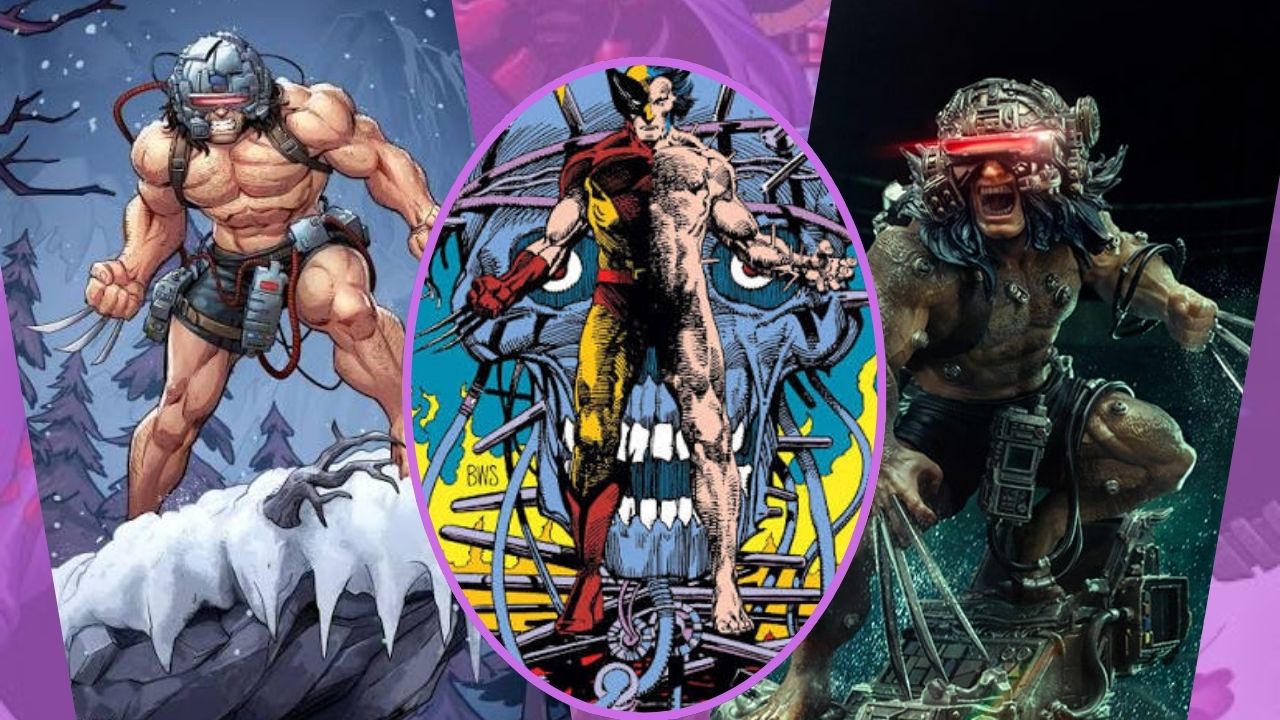
Before Weapon X ever touched him, Logan had natural bone claws that move out and in on their own. So adamantium just coated those claws into blades capable of slicing through almost anything. It indicates that a metal skeleton is not his superpower but a physical burden his body is constantly working to survive, and always will be.
Marvel didn’t waste time to explain Wolverine’s Adamantium Skeleton in X-Men ’97 in detail because it already exists in the original animated series & wider X-Men mythology. The Wolverine’s adamantium skeleton and claws has been treated as a part of Wolverine in a show, making occasional references to his mysterious past and the fragmented memories that continue to haunt him. Fans who read comics or watch 90s cartoons already recognize this reference.
The show is focusing on Logan’s character and what he became after the Weapon X brutal experiment rather than telling a procedure. The past trauma shaped his nature — he distances himself from everyone, guarding his founding family X-Men, and stops himself turning into a monster.
Read More:- Who Is the New Editor-in-Chief of Marvel Comics? Stephen Wacker Explained
The twist that made Wolverine’s Adamantium Skeleton in X-Men ’97 origin story more interesting, his body has become the ultimate guarded shield to protect him but in the world of mutants, it also makes Logan vulnerable towards Magneto.
The 1993 Fatal Attractions arc shapes the tone of X-Men ’97 right now. X-Men ‘97 season 2 showed Magneto using his magnetic ability to violently extract the adamantium out of Wolverine’s body in one of the character’s most brutal moments. Viewers get shocked because it flips Logan’s greatest strength into his greatest exposure.
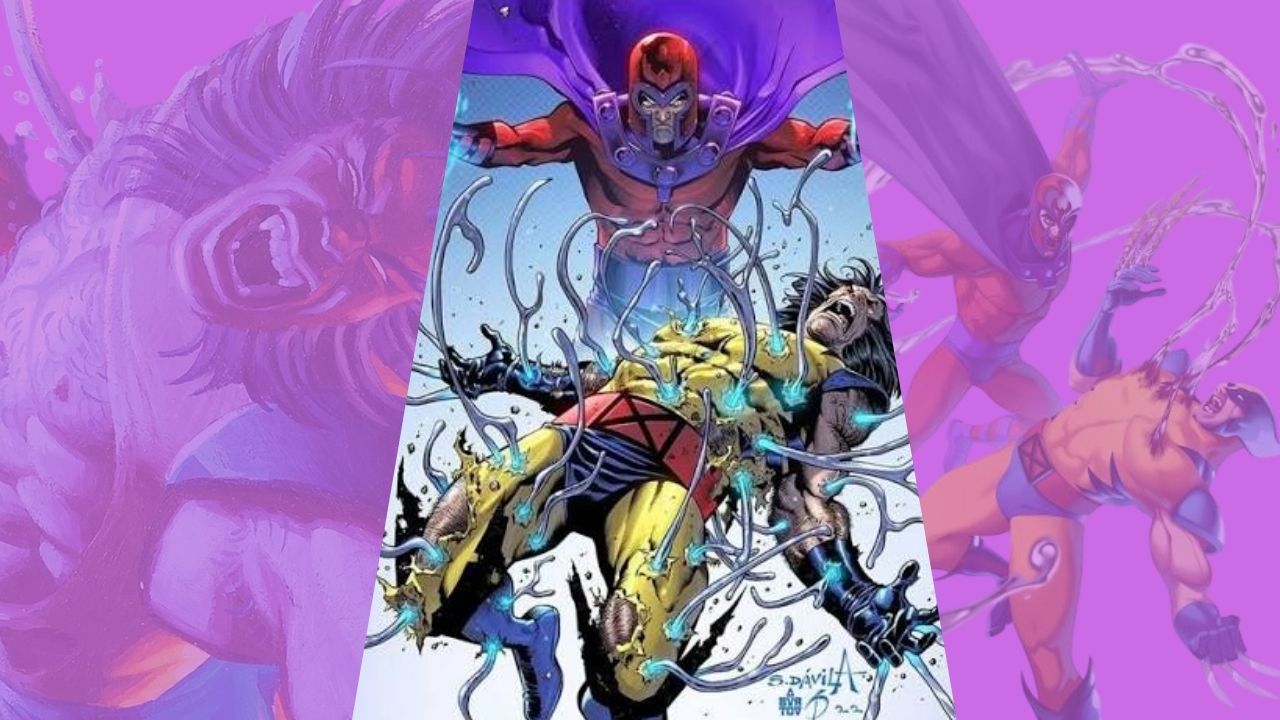
The thing that makes Wolverine indestructible becomes his greatest weakness, the show keeps the storyline sword dangling over his head any time Magneto enters the conflict. It is more than just a rivalry, Wolverine’s Adamantium Skeleton in X-Men ’97 indicating a bigger threat to every superhero who uses adamantium and wider the stakes of future X-Men.
What makes this backstory endure across decades of adaptations is that it’s not just a cool power-up. The adamantium bonding is framed as violation, not enhancement. They did this experiment forcibly to make him indestructible but he never wanted this. This resonance makes him what he is, someone who stops at every edge to become a weapon.

If future seasons of X-Men ’97 continue building on this thread, viewers can expect more moments from Weapon X. This slow burn approach keeps the backstory intriguing without revealing everything at once.
Wolverine’s Adamantium Skeleton in X-Men ’97 is not new for longtime fans as Logan origin story already existed before the events of X-Men ’97, Logan was forced into the Weapon X program, which causes trauma and fragmented memories that still shape the character’s identity.
If viewers want to know the origin story they can watch animated series or 90s cartoons because the show is interested in telling how his brutal experiment and experiences impacts on his relationships and decisions.
As the series moves forward, fans can expect more Weapon X era glimpses, slowly revealing how Logan became one of Marvel’s most enduring heroes.
Get the deeper details from the movies, series, and comics of your favorite character and stories on Fandomfans.