The Witcher 3: The Last Wish – The Perfect Prequel

Discover why The Witcher 3: The Last Wish is the perfect prequel, exploring Geralt’s origins, key characters, and the story that sets the stage for his legendary journey.

Published: August 18, 2026, 11:27 am

CD Projekt Red revealed Songs of the Past this month at gamescom, The Witcher 3 expansion. There is also Ciri-led Witcher 4 already in production that sparked an online discussion about the book ‘The Last Wish’ which is the origin story – the Wild Hunt is built on. The book is a collection of short stories published in 1993. 

There is a reason why fans talk about it now, it helps you understand the emotional history behind some of the biggest moments in the game. So some suggest reading it before playing a game or some say read it after so it will be more interesting.

Why The Witcher 3 Players Are Picking Up This Book 

Wild Hunt released on May 19, 2015, and went on to win more than 250 Game of the Year awards. It’s still one of the most replayed RPGs on the market a decade later, which is exactly why CD Projekt Red keeps feeding it new content instead of letting it rest — Hearts of Stone and Blood and Wine both landed in 2015 and 2016, and now Songs of the Past is coming to close out the trilogy of expansions. For a game built almost entirely on the idea that your past choices and Geralt’s catch up with you, it makes sense that new players are asking where that past actually started.

It didn’t start with the game. Andrzej Sapkowski, a Polish former economist turned fantasy writer, published his first Geralt short story in 1986 and collected the earliest ones into The Last Wish (Ostatnie życzenie) in 1993 — more than twenty years before CD Projekt Red touched the material. 

Gollancz published the UK edition in June 2007, with a US edition from Orbit following in 2008, translated by Danusia Stok. So when people call it “the perfect prequel,” they don’t mean Sapkowski wrote it as a companion piece to a video game that didn’t exist yet. They mean it’s the actual literary starting point of everything that follows — books, games, and the Netflix show alike.

The Witcher 3: The Last Wish Plot Explained

It’s six novella-length short stories, wrapped in a framing narrative called “The Voice of Reason,” which is itself split into seven short parts scattered through the book. The frame is simple: Geralt, badly wounded after a fight, is recovering at the Temple of Melitele under the priestess Nenneke, and each time the story cuts back to the temple, it triggers a flashback that becomes the next full story. 

It’s a structure that rewards picking the book up in short sessions — you can read one story, stop, and not lose the thread, which is rare for fantasy fiction and part of why it works so well for people used to console gaming in bursts.
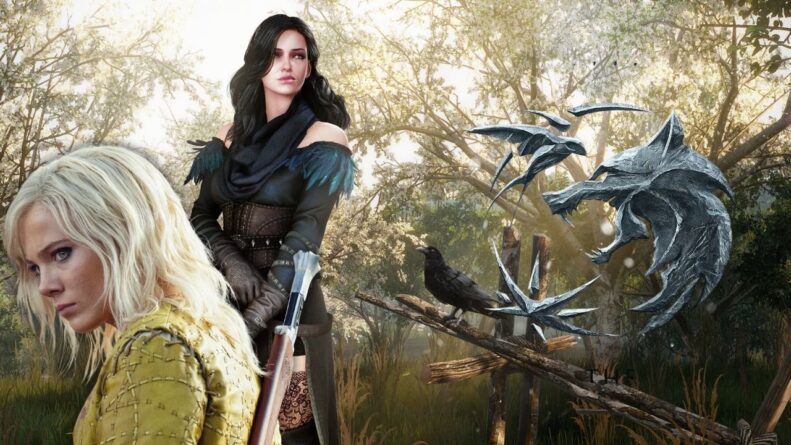
The Witcher 3 Players

The six stories, in the order they appear, are: 

  • “The Witcher,” 
  • “A Grain of Truth,” 
  • “The Lesser Evil,” 
  • “A Question of Price,” 
  • “The Edge of the World,” 
  • and the title story, “The Last Wish.” 

None of them require you to have read anything else first. That’s deliberate — this is Sapkowski introducing his own world to readers who’d never met Geralt before, which is precisely the position most The Witcher 3 players are in relative to the books.

The three stories not covered in detail below still matter. “The Witcher” is the striga contract at Wyzim that opens the book and establishes what Geralt’s job actually looks like day-to-day. 

“A Grain of Truth” is a doomed romance with a cursed nobleman named Nivellen, closer to a Beauty and the Beast retelling than a monster hunt. 

“The Edge of the World” sends Geralt into elven territory and does more to establish the tension between humans and the Elder Races than anything Wild Hunt shows directly. 

None of the three are essential to understanding the game, but they’re short enough that skipping them saves almost no time.

A Small Publishing Twist Worth Knowing

Sword of Destiny actually printed in 1992, a full year before The Last Wish hit shelves in 1993. So chronologically inside the story, Last Wish comes first but it wasn’t published first in its original language. 
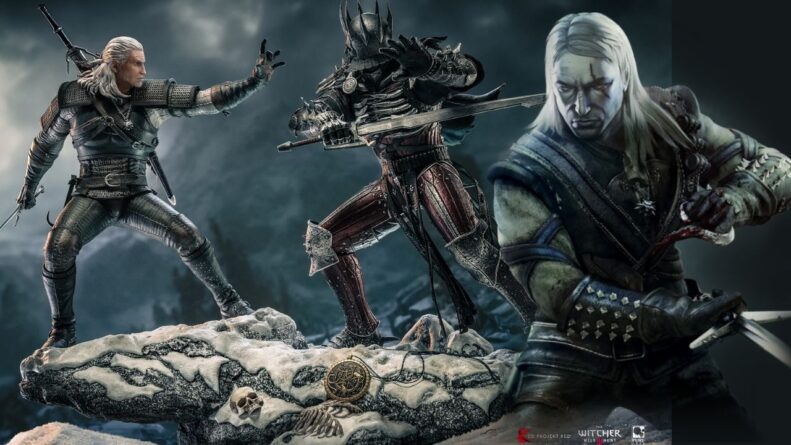
The Last Wish

English readers dodge that confusion entirely, because Stok’s translation of The Last Wish arrived in 2007, while Sword of Destiny wasn’t translated into English until 2015. If you’re reading in English, you’re already getting the books in the “correct” story order without trying.

The Three Stories That Explain The Witcher 3’s Biggest Moments

You don’t need all six stories to understand why the book pairs so well with the game, but three of them do a specific job the game just assumes you already know.

“A Question of Price” — Where Ciri’s Fate Actually Starts

This is the story that introduces the Law of Surprise — the custom where a person saved from death owes their rescuer whatever they didn’t know they had at the time, whether that’s a sack of gold or an unborn child. Geralt invokes it almost as a formality at Pavetta and Duny’s betrothal feast at Cintra, not realizing what he’s just claimed. Wild Hunt spends dozens of hours on Geralt’s bond with Ciri, treating her as the daughter he never planned to have. 

This story is the moment that bond gets created, on paper, years before Ciri is even born. Nothing in the game explains the Law of Surprise this clearly — you either already know it or you’re taking the game’s word for why Geralt cares this much.

Read More 👉 Spider-Man: Brand New Day Ending Explained – 6 Marvel Loose Threads

“The Last Wish” — Why Geralt and Yennefer Are Bound Together

The title story is where Geralt and the bard Dandelion free a djinn from a shattered vessel, and where Geralt first crosses paths with the sorceress Yennefer of Vengerberg. It’s a messy, funny, occasionally chaotic story — Yennefer manipulates Geralt into attacking a group of councilmen before the two of them team up to deal with the djinn itself and it ends with Geralt using his last wish to tie his fate to hers. 

Wild Hunt shows you the relationship between them but the story shows you the moment it had all started. The game assumes you probably understand the deep connection and bond of Geralt and Yennefer which tied them together from the beginning, even when neither of them really realizes it.

“The Lesser Evil” — Geralt’s Whole Moral Code in One Story

One of the important stories where you understand what makes The Witcher 3’s choices feel different from other RPGs. Geralt had to make a difficult choice, kill Renfri, a woman who has suffered badly but has also killed people, or let her live to kill more people. Sapkowski ‘s entire point is that “the lesser evil” is still evil, and thinking otherwise is a lie, people telling themselves to feel better about hard decisions.

“Sometimes you have to live with your choices because there is no truly good option.”

That’s the exact philosophy behind almost every quest branch in Wild Hunt, from the Bloody Baron questline to the fate of Ciri at the very end. The game never states this philosophy outright. The book does, in one uncomfortable short story.

The Netflix Show Already Adapted This Book — Which Is Why Season 1 Felt Fragmented

If you came to Geralt through Netflix instead of the game, you’ve technically already met most of this book, just in the wrong order. 
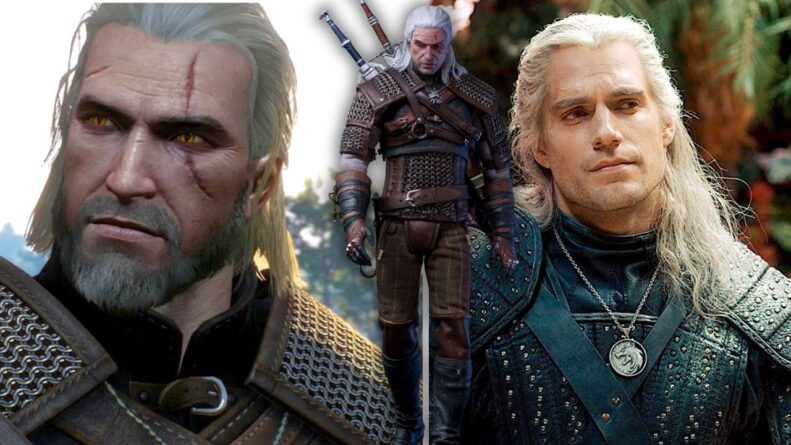
The Witcher Season 1 have eight episodes in which the first five adapted from: 

  • Betrayer Moon —- The Witcher 
  • Of Banquets, Bastards and Burials —- A Question of Price 
  • Four Marks — The Edge of the World 
  • Bottled Appetites —- The Last Wish 
  • From End’s Beginning —- The Lesser Evil

The remaining three episodes pull from Sword of Destiny instead. Showrunner Lauren Schmidt Hissrich chose to mix Geralt’s, Yennefer’s, and Ciri’s timelines together and present it on-screen for viewers but this choice made this season harder to understand without making each event clear during the story jumps across decades. 

Reading The Last Wish doesn’t just prepare you for the game. It untangles exactly what confuses people about the show, because you’re seeing the same five stories told in a straight line instead of cut into pieces.

Should You Read It Before or After the Game?

You can read this book before playing the Wild Hunt because The Last Wish doesn’t spoil a single plot point from Wild Hunt because It’s set years before the game’s story, so there’s no spoilers. It just removes the distant feeling that many players experience in the first ten hours, where Geralt clearly has a history with Yennefer, Triss, and Ciri, and it references endlessly but never fully explains because CD Projekt Red thought that players had already read the books. 

Reading it after finishing the game still works, and some players actually prefer it that way, because it reveals the part where you assume and then get surprised with the actual story behind it. So both options work so well.
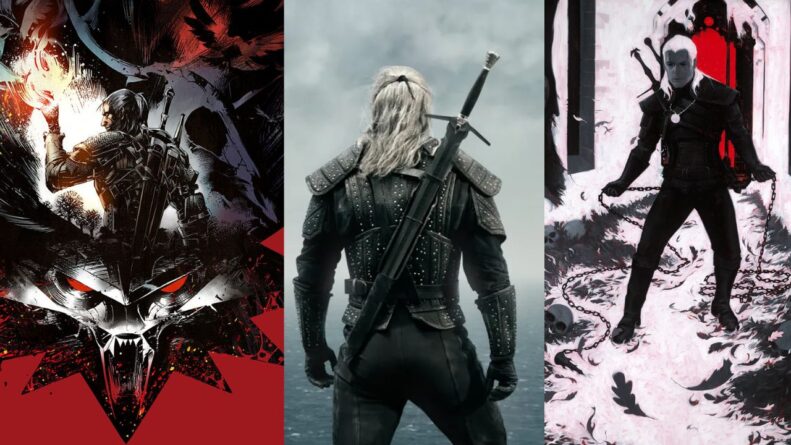
After the Game

However, skipping it entirely and depending on the game’s codex entries won’t work to understand the story behind these relationships and make your interest loose. 

If you want a low-effort entry point, the 2014 UK Audible production, narrated by Peter Kenny, runs a little over twelve hours — short enough to finish over a couple of weeks of commutes, and it’s the version most audiobook-first readers point to as the strongest performance of Geralt’s dry, deadpan voice.

Read More 👉 Top Superhero Comics: What Are the Best Superhero Books for Beginners?

Conclusion

If you’re one of the players jumping back into Wild Hunt because of the Songs of the Past reveal, or picking it up for the first time because Witcher 4 is putting Ciri in the lead role, The Last Wish is the single most efficient piece of reading you can do first. Skip Sword of Destiny and the five-book saga for now because none of that is required to enjoy the game, and it’s a much bigger time investment. 

Read these six stories, pay close attention to “A Question of Price,” “The Last Wish,” and “The Lesser Evil,” and you’ll walk into Wild Hunt already understanding why Geralt fights as hard as he does to protect people he technically didn’t have to. 

The Witcher 3 expanded context doesn’t just make the game make more sense — it makes the ending land harder, which is exactly what a good prequel is supposed to do.

Get connected with Fandomfans to receive updates and theories behind every movie, series, and celebrities.

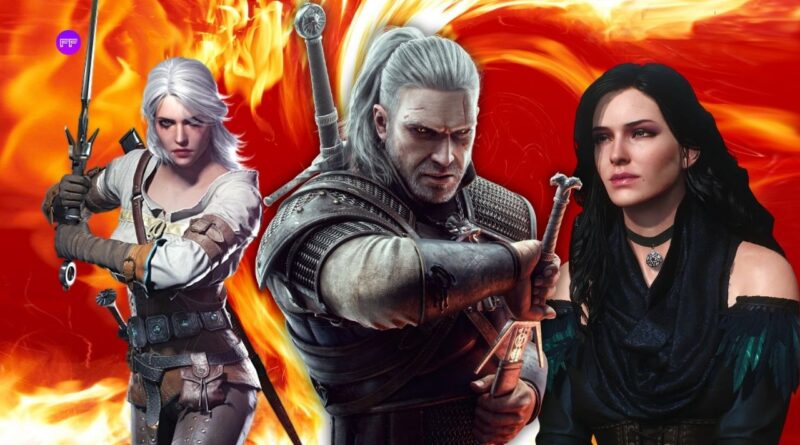
Mariyam

Articles Published : 77

Mariyam Khan is Fandomfans Content Writer and providing reports and reviews on Movie Celebrities, and Superheroes particularly Marvel & DC. She is covering across multiple genres from more than 4+ years, experience in delivering the timely updates.

Leave a Comment

Your email address will not be published.

‘The Boys’ Season 5: “Scorched Earth” is Coming in 2026, and We’re Not Ready

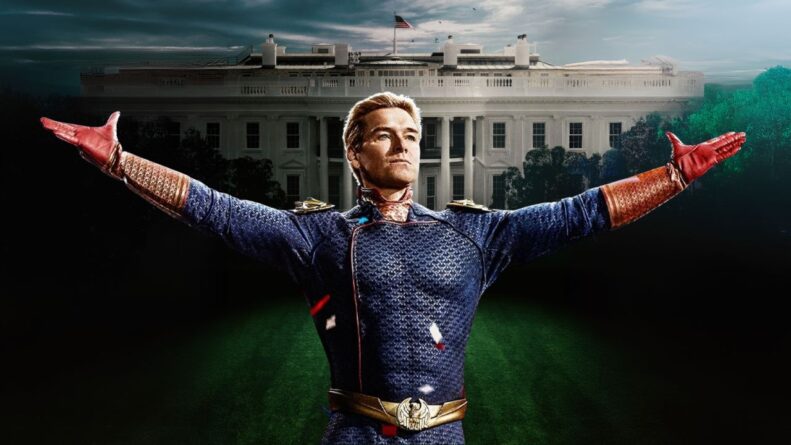
The Boys season 5 titled "Scorched Earth" arrives in 2026 with an explosive final battle, dark twists and high stakes as Butcher and Homelander face off.

Written by: Alpana
Published: December 7, 2025, 6:05 am
‘The Boys’ Season 5

After all the years of being spectators to the cruelest, perhaps least moral superhero drama on any screen, small or big, we’re at last coming to an ending we didn’t know we desperately wanted. “The Boys” Season 5 (tentatively titled “Scorched Earth”) lands in 2026, and honestly, it’s never going to be the same for the world of superheroes. 

Let’s be honest, Season 4 ravaged us. According to Tomsguide, Billy Butcher has lost all humanity and is now a literal monster, who wants to kill every supe – bad or good, guilty or not. He’s stolen a virus that can kill superheros, and he’s embraced the darkest path possible. Meanwhile, Homelander has basically taken over the US government via martial law (and the majority of The Boys are in jail), and Homelander. What about all that positivity we latched onto in the earlier seasons? Gone. Obliterated. “Scorched Earth.” 

When ‘The Boys’ Season 5 Release

When The Boys Season 5 Release
Image Credit: Fandomfans

According to Deadline, Showrunner Eric Kripke has perfectly set the stage for a fluid final act. We don’t have a day for it just yet, but filming is complete and the team is halfway through post-production, which will consist of visual effects and color grading. Season 5 promises eight more episodes of pure, unadulterated chaos. 

Why “Scorched Earth” Is the Perfect Title for the Final Season

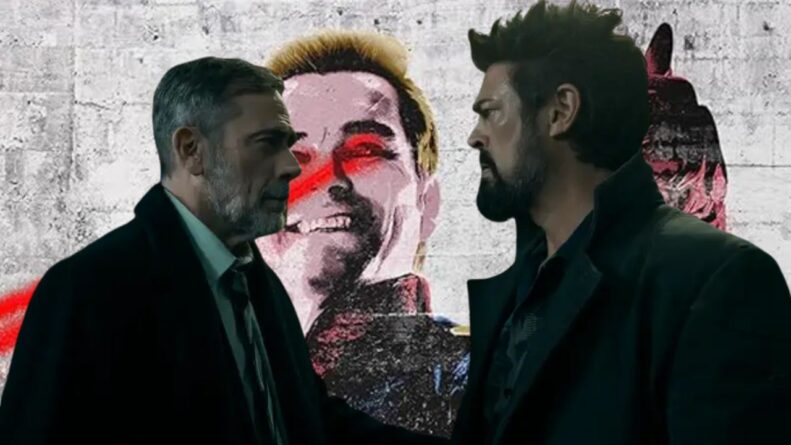
What makes Scorched Earth such a perfect title is that its meaning encapsulates the desperation that every character is feeling as they head into this finale. According to The Direct, Scarred and broken because of what he has been through, Butcher embodies the ‘scorched earth’ – wipe everything out, consequences be damned. 

Scorched Earth
Karl Urban & Jeffrey Dean in The Boys |Image Credit: Fandomfans

Homelander, wielding even more power than before, is the authoritarian government that blossoms in the ashes. And The Boys? They’re smack-dab between two immovable objects and just trying to survive, not win. 

Character Arcs of The Boys Season 5

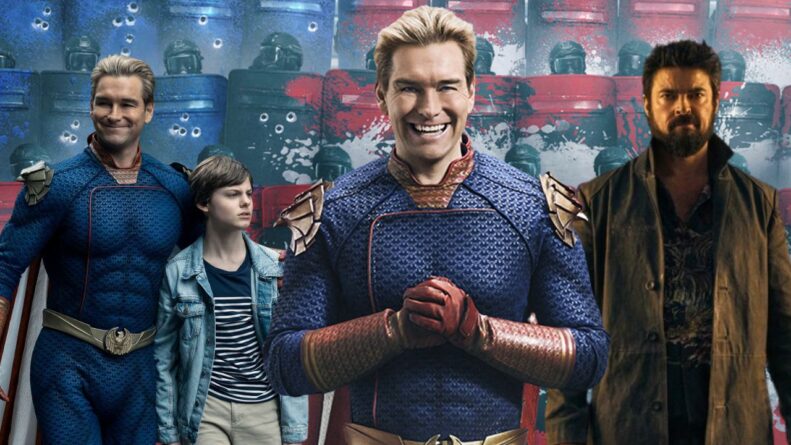
The thematic arc of The Boys has always been about: how power corrupts, how vengeance devours, and how even those heroes become the villains. According to IGN, Billy Butcher’s arc in particular is tragic, as we’ve seen him slowly strip away his humanity, the one thing his wife Becca made him vow to hold on to. 

Character Arcs of The Boys Season 5
Character Arcs of The Boys Season 5 | Image Credit: Fandomfans

Kripke has teased that Hughie will “learn what it really means to be human” in season 5 and he also suggested Hughie might find redemption where Butcher has none. 

What’s at Stake in Season 5

There are no higher stakes. Ryan appears to have sided with his father Homelander, which destroyed Butcher’s final hope. Sister Sage was the architect behind Homelander’s ascension with ruthless efficiency. Starlight got away from the cops and is the only member of THE BOYS still at large. Ashley actually got superpowers. And somewhere, amid all this warped terrain, maybe, there’s still a super virus that could do everything. 

Read More 👉 Avatar Trilogy Changed Cinema: Each Avatar Film Redefined Modern Blockbusters

Conclusion

What we’re most looking forward to about ”Scorched Earth” isn’t just the prospect of an explosive final battle between Butcher and Homelander. It’s that anyone can come out on top with their humanity intact. In a series that has taken five seasons to delve deep into the darkness that lies within all of us, the final season might finally answer the question that’s been on our minds the entire time —- Can we be redeemed, or are we all just fated to burn? 

Fandomfans keep eyeing every update about movies, films and industry decisions, to provide you with the fastest conclusion on the reports.

Alpana

Articles Published : 160

Alpana is Fandomfans Senior Editor across all genres of entertainment. She evolved in the media industry since a very long time, she manages the content strategy and editing of all the blogs. Her focus on story development, review analysis, and research is well-equipped that ensures every article meets the standards of accuracy and depth.

Leave a Comment

Your email address will not be published.

28 Years Later: How Danny Boyle and Alex Garland Redefined Horror for 2026

Danny Boyle and Alex Garland revive the 28 Days Later universe, redefining modern horror with biology, politics, and raw realism in 2026.

Written by: Babita
Published: January 14, 2026, 1:05 pm
28 Years Later

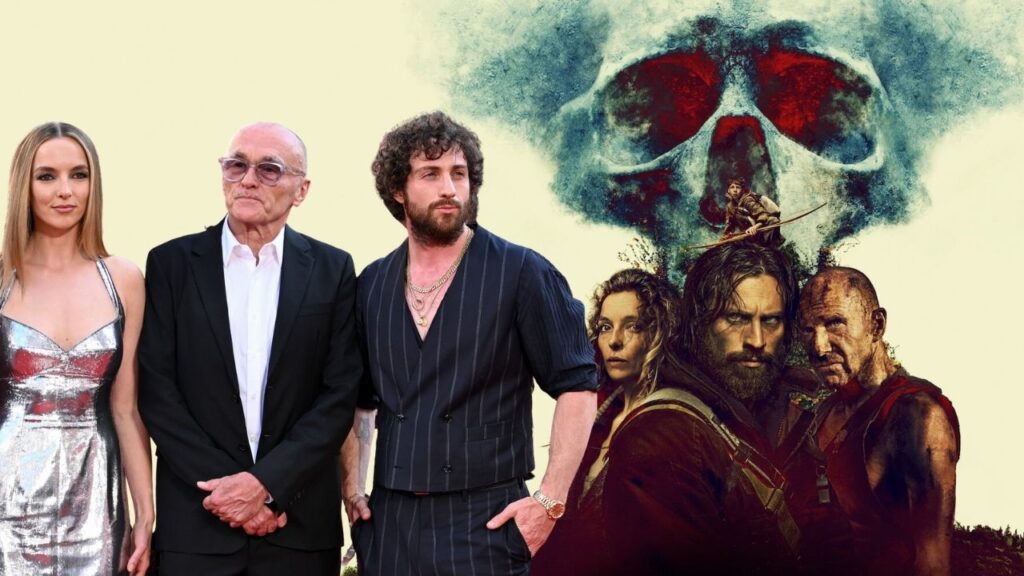
The overall cinematic output for 2026 seems an entirely new prospect. Ender’s game trailer We have gone beyond the generation of the predictable jump-scare and established ourselves in a more cerebral place of “high horror,” a change led by the long overdue revival of the 28 Days Later universe. With 28 Years Later releasing in June 2025, and its direct sequel, 28 Years Later: The Bone Temple, releasing in January 2026, the creative team of Danny Boyle and Alex Garland has not merely brought a franchise back to life – they have redefined how horror can speak to what it means to be human. 

A Legacy Born from “Development Hell”

For almost 20 years, fans speculated about 28 Months Later. It turned into a development hell myth, held up by rights issues and creative changes. The wait, though, served a purpose.

Skipping ahead almost three decades, the filmmakers leave behind the panic of a viral outbreak and delve into “post-progressive” societal decay. In this new world, the end of the world isn’t a tragic event—it’s the only reality the current generation has ever known. 

The Technical Radicalism of the iPhone 15 Pro Max

Perhaps what has most people talking about the 2026 comeback is the technical decision to shoot mostly on the iPhone 15 Pro Max. This wasn’t a gimmick. Boyle took the Canon XL1 and turned it into a grainy, digital realism. In 2026, he adapted this “guerrilla” style on a new scale with multi-camera megasuites.

By placing iPhones into “Beastgrip” cages with professional-grade cinema lenses, the team captured a high-shutter-speed energy. This technical decision removed the infected from ‘cinematic motion blur’ and as a consequence their movements look staccato, hyperactive, and terrifyingly real. 

Evolutionary Biology: The Mutations of Rage

The “high horror” tag derives from the trilogy’s immersion in evolutionary biology. Rage Virus is not a static disease; it took biological forms:

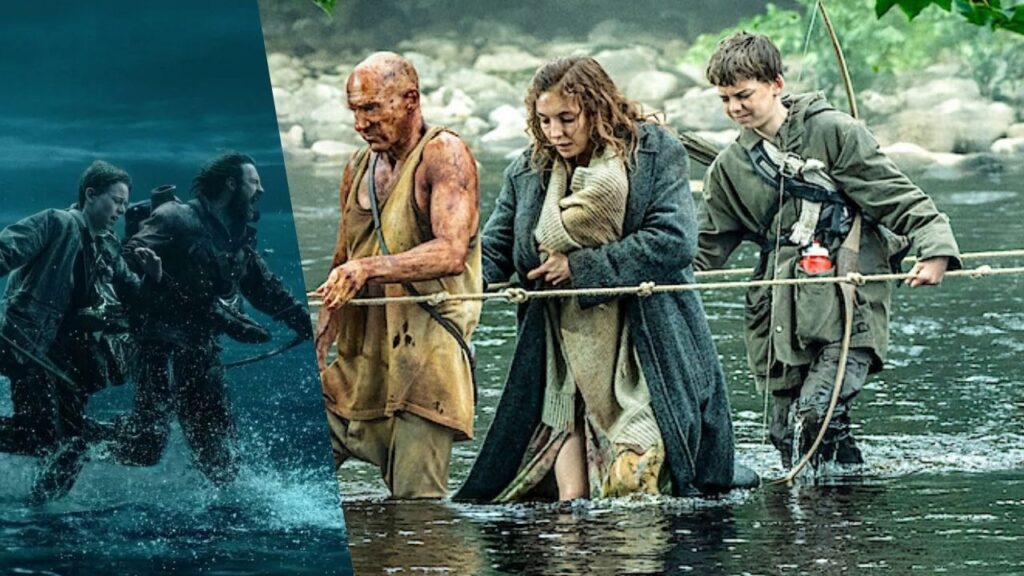
The Slow-Lows: Fat and bloated dead, in this case terminal stage creatures that are aftermath survivors of the original outbreak.

The Alphas: They are intelligent, sentient hunters on a higher plane of thinking and do possess some form of strategic thought albeit intermittent and social hierarchy.

This change re-centers the horror from the mindless zombies to a more understanding-if-distorted on the human experience of pain and suffering. The infected are depicted as martyrs to an “unthinkable fate,” rendering the films to “tone poems” that are profane yet emotionally stirring. 

Socio-Political Echoes and “The Bone Temple”

While the 2025 film was set among the isolationist society of Holy Island (Lindisfarne), the 2026 sequel, The Bone Temple, directed by Nia DaCosta, turns its gaze to human cruelty. The addition of “The Jimmies” — a cult based on the more shadowy recesses of British cultural history conjures a society sliding back into nostalgic myth and “strategic derangement.”

Ralph Fiennes turns in a career-defining performance as Dr. Ian Kelson, a man running a mausoleum to the fallen human. His viral “death-metal dance” to Iron Maiden is already the defining meme of early 2026, embodying the trilogy’s mash-up of high art and visceral madness. 

Read More:- James Cameron’s Titanic is Greatest of All Time Movie Amid Avatar Record Break

The New Standard for Horror

As 2026 begins to approach, the 28 Years Later trilogy is the narrative equivalent of looking up in awe. It has demonstrated that horror can be a serious instrument for social commentary, addressing anxieties of the Brexit era and the “denial of death” through the prism of the Rage Virus. 

Conclusion

The arrival of 28 universe is more than just nostalgic it’s a cultural recalibration of what modern horror could be. With 28 Years Later and The Bone Temple, Danny Boyle and Alex Garland have re-imagined the once–genre-defining zombie blast as a philosophical rumination on survival, memory, and generation trauma. 

The trilogy, which can be seen as a response to fulfilling and confronting socio-political anxieties brewing in a crumbling Britain, alongside utter terror grounded in evolutionary biology and filmmaking radicalism, transforms horror into something far more intimate and unsettlingly human. 

If 2026 is any indication, these films are testimony to the fact that fear doesn’t need to resort to cheap shocks to survive, but can instead find nourishment in ideas, mood, and the quiet recognition that the real horror isn’t the end of the world — it’s learning to live after it. 

Dive deeper into the world of cinema with Fandomfans to get the latest update from your favorite movie, shows, and celebrity.

Babita

Articles Published : 25

Babita is Fandomfans Editor, experience in managing content. Her focus in general movies and web series. She is having a deep interest in TV shows and 90s movies - particularly Lord of the Rings, Harry Potter, & Rom-Com. Babita also covers psychological thrillers and major releases in current time and concern with deep interest in them.

Leave a Comment

Your email address will not be published.