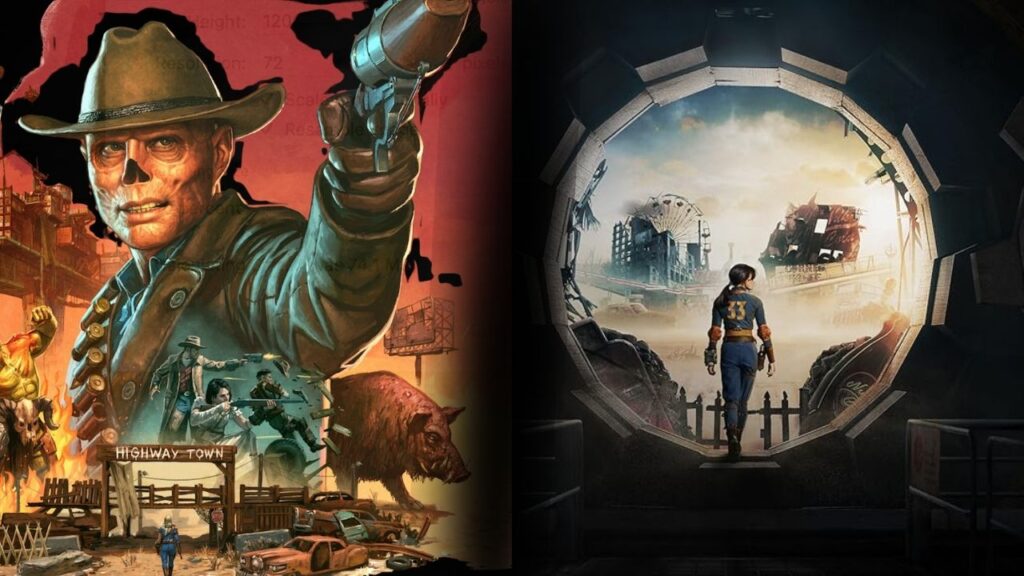
Fallout Season 2 Release Date: Narrative Shifts, Cast & Behind The Scene Details

Fallout Season 2 Release Date begins December 16, 2025 on Prime Video. Check release schedule, New Vegas story twists, cast news and BTS news! visit website!

Published: Dec 16, 2025, 6:45 AM
Last Updated: Jan 24, 2026, 11:40 AM

The availability of Fallout Season 2 Release Date will not only define the series, but also Amazon MGM Studios’ long-range franchise plan. Following a breakout first season that brought critical acclaim, 17 Emmy nominations and a reported audience of over 100 million viewers, the pressure is enormous on the sophomore season. Season 2 is being framed as more than a follow-up — it’s a “course correction,” doubling down on scale, ambition, and industrial intent. 

Initially scheduled for December 17, 2025, the premiere has been moved up to Tuesday, December 16, 2025, 6:00 p.m. PT. While this sounds like a small change, it’s part of a strategic effort to capture the pre-holiday media cycle and ring in the most immediate eyeballs across U.S. time zones. Prime Video, meanwhile, has also shifted from releasing the entire first-season all at once to a weekly release, stretching viewer engagement until early 2026.  

Amazon Revealed The New Premiere Date for Season 2

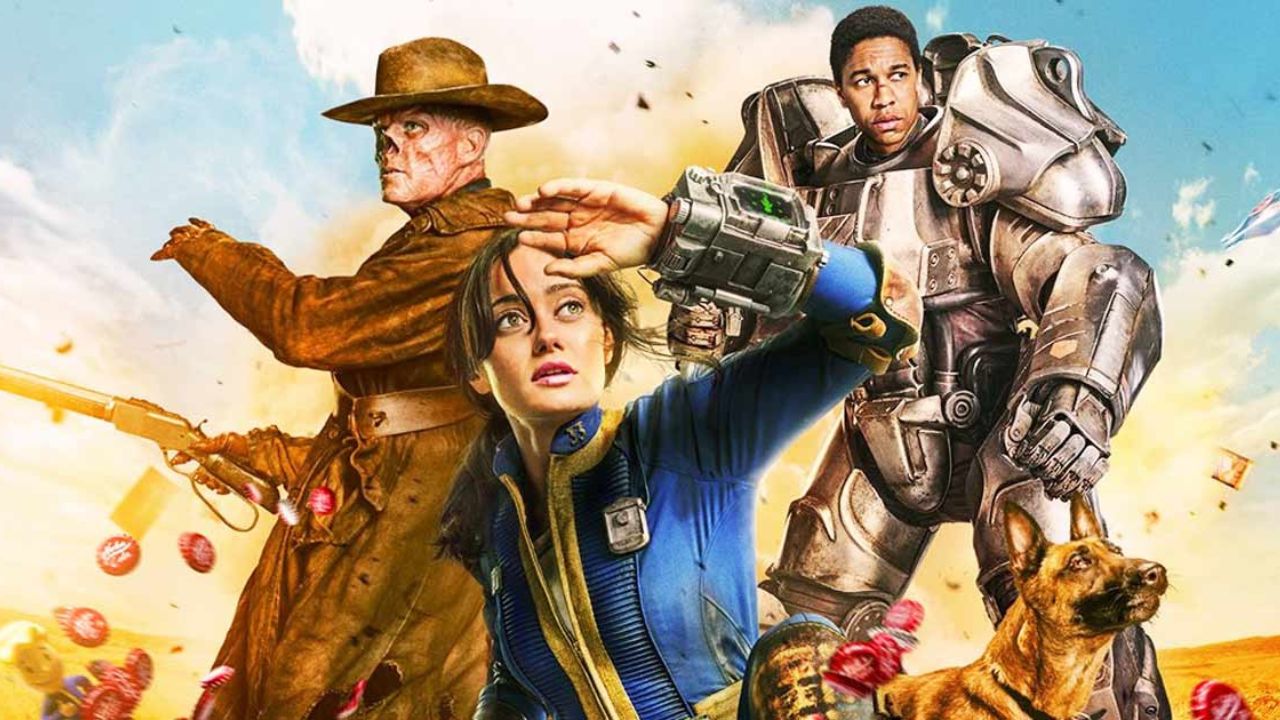
The promotional Season 2 campaign is just as brash and audacious. In a non-traditional manner, the new premiere date was announced by Amazon with a large scale activation at the Las Vegas Sphere. The building was turned into a post-apocalyptic snow globe containing Lucy MacLean, Maximus, and The Ghoul, which leads to the reveal of a massive Deathclaw and a Radscorpion swooshes away the old date and replaces it with December 16. 
The New Premiere Date for Season 2
Image Credit: Fandomfans

The stunt accomplished a number of things, most notably that it tied the marketing directly to the show’s new New Vegas locale, generated serious social media buzz and confirmed that some of the series’ most iconic creatures are making their way back. 

Fallout Season 2 Adopts a Synchronized Global Release

Distribution-wise Fallout Season 2 follows the model of global release day-and-date. The first episode will debut worldwide at the exact same time, 6:00 p.m. meaning international audiences will see the episode on December 17 due to time zone differences. After the season premieres, episodes will be made available weekly on Wednesdays through February 4, 2026, with the season consisting of eight episodes. 
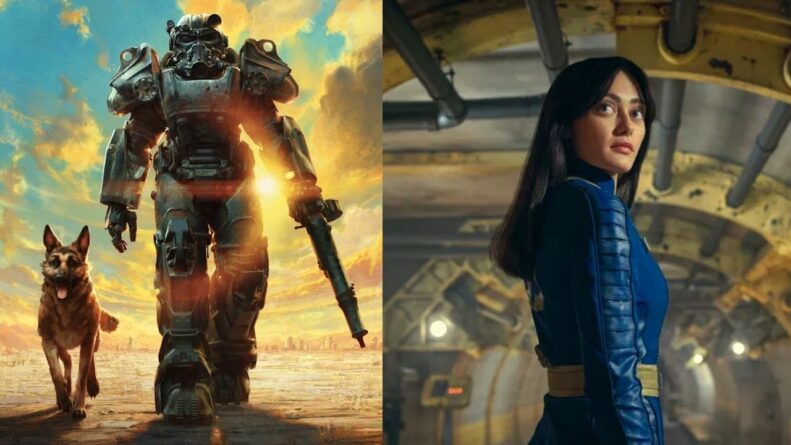
Fallout Season 2 Adopts a Synchronized Global Release
Image Credit: Fandomfans

In fact, Episode 2 and 3 will be released on Christmas Eve and New Year’s Eve respectively, indicating that Amazon is expecting the series to be big holiday counter-programming. 

Read More 👉 Agatha Harkness’s Narrative Evolution Take Kathryn Hahn to Marvel Cinematic Universe

Fallout Season 2 Narrative Shifts

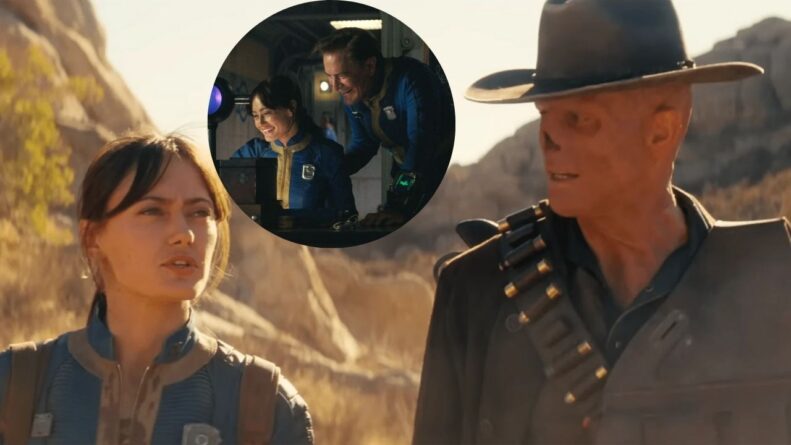
Season 2 takes a sharp turn narratively, moving from the ruins of Los Angeles to the Mojave Wasteland and New Vegas, where it confronts the legacy of Fallout: New Vegas. The designers use a “Fog of War” mentality to traverse the game’s many endings yet not negate player choice. No single faction’s triumph clearly marks the present after fifteen years following the events of the game.

  • Fallout Season 2

    Image Credit: Fandomfans

  • The Scene Details
  • Fallout New Vegas Series

    Image Credit: Fandomfans

  • Narrative Shifts

    Image Credit: Fandomfans

  • fallout-still

    Ella Purnell in Fallout Season 1 | Credit: Prime Video

Rather, the Mojave is a fragmented, chaotic place where every faction imagines it has already won—and is now battling to reassert control. This setting creates an intricate political environment. Robert House, the Old World technological autocrat, is back, this time portrayed by Justin Theroux.

“That scene happened, but there’s a lot more in the pipeline from that moment until the bombs fall.”
—Wagner said

Caesar’s Legion arrives as a violent, tightly ideological force, with Macaulay Culkin cast as a “mad genius” type character. Cold Fusion technology enables the Brotherhood of Steel to be torn apart by civil war, meanwhile the New California Republic is a shadow of its former glory after previous destruction. 

Cast Returning With More Darker Journey

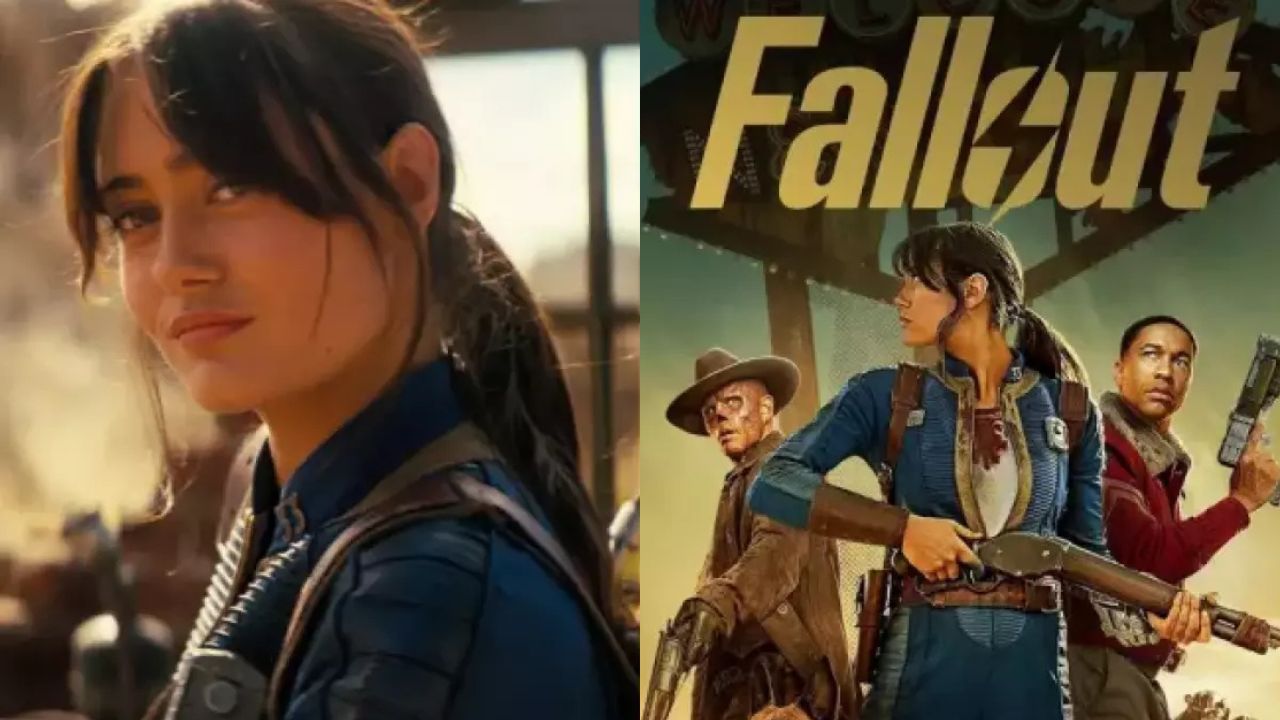
The core cast returns with evolved arcs. Lucy MacLean tries to cling to her moral “Golden Rule” in a harsher world. The Ghoul maintains a balancing act of cynicism and buried humanity, Maximus is disillusioned within the Brotherhood.
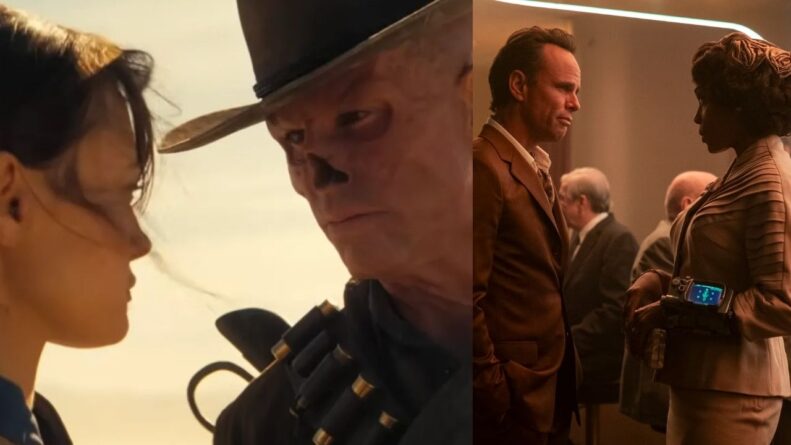
Cast Returning With More Darker Journey
Image Credit: Fandomfans

Hank MacLean’s story line connects the Vault-Tec conspiracy directly to New Vegas, and Norm is still in Vault 31, finding deeper institutional secrets. 

Read More 👉 HBO Hard Launches 2026: Euphoria S3, House of the Dragon S3, Dune: Prophecy & More

Behind The Scenes

Manufacturing was moved to California to take advantage of tax credits and film in Mojave-like terrain for enhanced visual authenticity. Despite concerns that devastating wildfires could interrupt work, the group persevered and brought forth their most visualized effort—including the much anticipated Deathclaw. 

“Showrunner Geneva Robertson-Dworet revealed that a number of crew members were displaced by the fires, but kept going to finish the season.”

Conclusion

Fallout Season 2 is a tightly controlled-event. With its savvy scheduling, brazen marketing, its weekly storytelling, and its planned grand narrative, the series has made clear that it intends to be a long-term cultural and commercial force. As the narrative progresses into New Vegas, it returns to the franchise’s central question: In a world where everyone thinks they have already won, what do survival and rebuilding mean when war never changes?  

Fandomfans is focusing on series, new episodes, narrative and cast members to provide you every detail you need to know.

Comments

Leave a Comment

Your email address will not be published.

Mariyam

Articles Published: 87

Mariyam Khan is Fandomfans Content Writer and providing reports and reviews on Movie Celebrities, and Superheroes particularly Marvel & DC. She is covering across multiple genres from more than 4+ years, experience in delivering the timely updates.

View Profile ↗

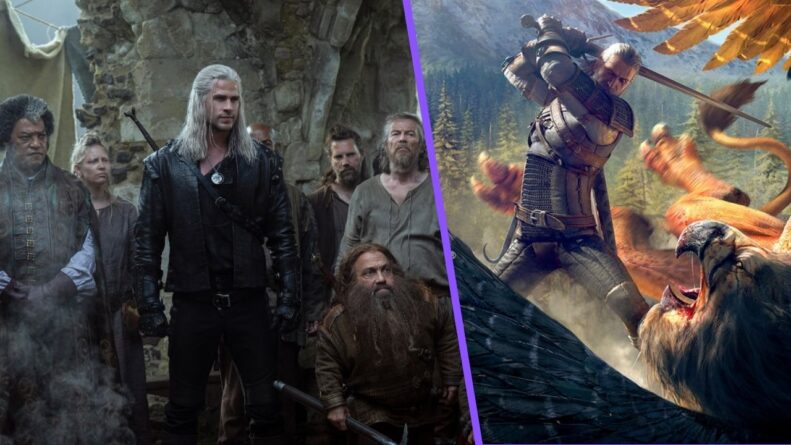
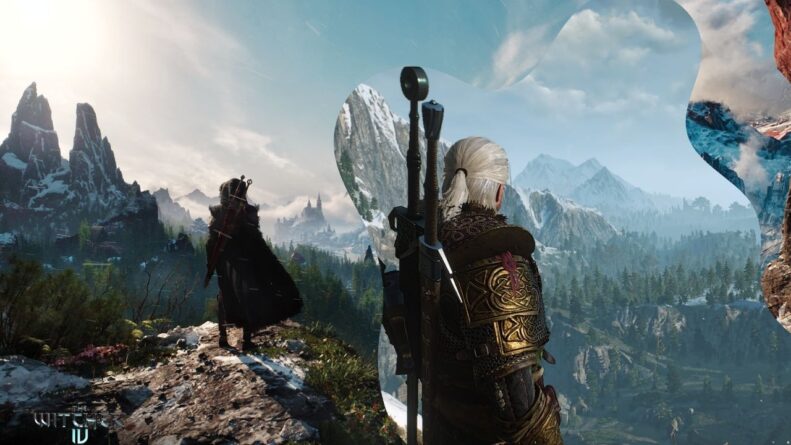
The Witcher 3: Nobody Can Agree on Geralt’s Greatest Line

Greatest lines of Geralt of Rivia in The Witcher 3 reminding everyone the highest stakes and emotional weight of the story after eleven years.

Eleven years after CD Projekt Red first sent Geralt of Rivia stumbling into White Orchard, the internet is once again arguing about the one thing it never actually settled: what his single best line in the entire game is. Not “top ten quotes” listicle territory — the one line, the mic-drop, the sentence people still bring up at parties nobody invited them to speak at.

Ask two different corners of the gaming press this week and you’ll get two completely different answers, and neither side seems to know the other exists. Some consider it merely a joke, and some treat it as a life philosophy. Surprisingly, both views hold water. 

The Joke That Somehow Became a Fan Favorite

The case for comedy goes like this. About halfway through the main story, with Ciri’s trail going cold and the stakes about as high as they get, Geralt and his fellow witcher Lambert are crossing a lake by boat to reach the Circle of Elements. Fog rolls in. Tension should be building. Instead, Geralt — a man who has, up to this point, said maybe four sentences per hour of gameplay decides this is the moment to share a limerick he’s apparently been workshopping.

It shouldn’t work. It works anyway. That’s the whole argument for why this is the best line in the game: it’s not clever because of what it says, it’s clever because of who’s saying it. This is a character built entirely on the economy of words. 

The voice acting that Doug Cockle gives in just the three games prepares you to expect silence from Geralt, so when he at last speaks, and what that is a limerick on a ship during a rescue mission, it gets played as a bona fide character moment rather than a throwaway joke. The Witcher 3 makes its emotional weight matter because it knows just when to knock it off. 

The Quote That Defines Geralt 

The other side isn’t interested in jokes. Their pick is heavier, and it shows up when Geralt lays out — flatly, without any of his usual dry wit — how he actually sees the world:

“Evil is evil, Stregobor. Lesser, greater, middling — makes no difference. The degree is arbitrary. The definition’s blurred. If I’m to choose between one evil and another, I’d rather not choose at all.” — Geralt of Rivia

This isn’t a throwaway line buried in a side quest nobody finishes. It’s Geralt’s actual worldview, stated out loud, and CD Projekt Red clearly agreed it mattered, they reused it almost word for word in the “Killing Monsters” launch trailer, which means this was the line the studio chose to sell the entire game on. When a developer picks one piece of dialogue to represent thousands of lines of writing, that’s not a small endorsement.

The Quote That Defines Geralt 

Where the limerick works because it’s a break from Geralt’s character, this line works because it is his character. It’s the thesis statement for a man who spent two prior games and a pile of short stories getting burned by people who were sure they knew the difference between right and wrong.

Read More  👉  Westeros Is Not Done Yet: A Knight of the Seven Kingdoms Brings a New Legacy

The Verdict Depends on Which Geralt You Love

Honestly, that depends on which version of Geralt you fell for. If what hooked you was the deadpan humor buried under the White Wolf routine, the limerick wins every time — it’s proof there’s a person under the mutations and monster contracts. If what hooked you was the moral weight, the constant refusal to pretend the world is simple, then the Stregobor line isn’t just his best line, it’s the one sentence that explains every choice he makes for the rest of the game.

Neither side is wrong. They’re just answering a different question about who Geralt actually is.

Honorable Mentions, Because The Bar Is Genuinely This High

“Lambert, Lambert, what a prick.” 

— Not deep. Not trying to be. Still gets quoted more than most games manage in their entire script.

“No witcher’s ever died in his bed.” 

— Said almost in passing, and somehow one of the saddest lines in the game.

Why This Debate Still Exists After 11 Years 

The invisible hand of the market line is a Proof that Geralt would’ve survived an economics seminar just fine.

What’s actually interesting, more than a decade out, is that a game can still generate this kind of disagreement. Most RPGs get remembered for one big speech or one viral meme line and that’s the whole conversation. 

The Witcher 3 has enough good writing scattered across sixty-plus hours that fans are still split on which piece of it mattered most and with Ciri stepping into the lead for The Witcher 4, there’s a real chance Geralt’s best line ever already happened, and we just can’t agree on which one it was.

So, limerick or lesser evil? Pick a side.

Why These Lines Actually Matter

Video game writing gets thrown away constantly. Most dialogue exists to move you to the next objective marker, and players forget it the second the quest log updates. What makes both of these lines — the limerick and the Stregobor speech — worth arguing about eleven years later is that neither one is doing that job. They’re not exposition. They’re not filler between combat encounters. They’re the writers using a fifteen-second window to tell you who this man actually is, and trusting you to notice.

Lines Actually Matter

That’s rarer than it sounds. A game can have great combat, a sprawling map, and a hundred hours of content, and still forget to make its protagonist say anything worth repeating. The Witcher 3 didn’t forget. It built two completely different sides of Geralt — the deadpan joker and the reluctant philosopher — and let players pick their own entry point into the character. That’s not an accident of good voice acting. That’s writing with intent.

Where the Story Goes From Here

The next chapter doesn’t belong to Geralt at all — it belongs to Ciri, and that’s exactly what makes the wait interesting instead of frustrating. CD Projekt Red has confirmed The Witcher 4 as the first installment of a new trilogy, with Ciri stepping in as the playable character instead of Geralt. The studio has been explicit about why it made that choice, and it’s not a small swap — it’s a generational handoff for the entire series.

Don’t expect an early release of this game, CD Projekt Red has confirmed that it will launch in 2027. CFO Piotr Nielubowicz refused to give a more definitive date. However, the studio suggests that the team working on The Witcher 4 has expanded to several hundred developers, and CDPR said it wants to release the full Ciri trilogy within a six-year span — a much tighter turnaround between entries than fans saw the last time. 

Read More  👉  Euphoria Season 3 Episode 3 Recap: “The Ballad of Paladin” Turns Out a Bloody Wedding

Why the Witchers Narrative Gets More Interesting From Here

Handing the story to Ciri changes the entire question the series is asking. Geralt’s arc was about a man who’d already decided who he was and kept getting tested on it — hence lines like the Stregobor speech, a worldview stated once and defended for two more games. Ciri doesn’t have that settled worldview yet. She’s still becoming whoever she’s going to be, which means the writers get to build her defining lines from scratch instead of paying off ones we already know.
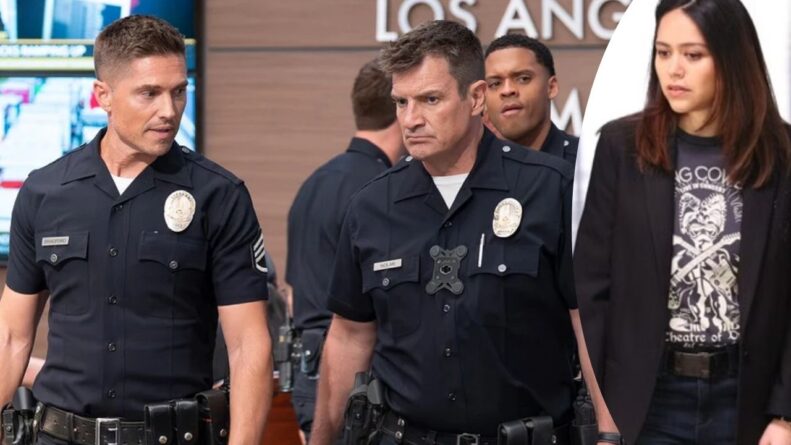
the Witchers Narrative

That’s the real reason this debate over Geralt’s best line isn’t just nostalgia. It’s a preview of the exact question fans will start asking about Ciri the moment The Witcher 4 lands: which line is hers? The joke that reveals the person under the training, or the flat, unshakeable statement of what she believes? CD Projekt Red already knows this game works. Now they just have to write it twice.

Conclusion

This debate is probably never going to have a definitive winner, and that’s fun. Geralt’s best line depends on which side of him catches your heart at first, but both are amazing for different readers. Fans are simply celebrating different parts of the same character. That’s what happens when a script is good enough to support two contradictory readings of the same character and have both hold up.

What’s worth sitting with is that eleven years on, a game can still generate this kind of argument without a remaster, a re-release, or a marketing push forcing the conversation. That’s the actual measure of writing that worked, not that everyone agreed on the best line, but that there were enough good ones in contention that the argument never had a clean winner.

And with Ciri picking up the mantle next, the debate isn’t closing. It’s resetting. Somewhere in The Witcher 4, there’s already a line — a joke on a boat, or a worldview stated flat and cold that fans will be arguing about in 2037. We just don’t know which one yet.

Get latest theories and updates from movies and series on Fandomfans, stay tuned for more details on your favorite franchise.

Comments

View comments and join the discussion

Alpana

Articles Published: 173

Alpana is Fandomfans Senior Editor across all genres of entertainment. She evolved in the media industry since a very long time, she manages the content strategy and editing of all the blogs. Her focus on story development, review analysis, and research is well-equipped that ensures every article meets the standards of accuracy and depth.

View Profile ↗

‘Pluribus’ Episode 5 Review: “Got Milk” Puts Carol Sturka Alone

Pluribus Episode 5 Review: “Got Milk,” offers up sharp humor and complexity as Carol Sturka takes a daring solo turn that reimagines the Apple TV+ sci-fi show.

Published: Nov 26, 2025, 12:06 PM
Last Updated: Jan 24, 2026, 5:56 AM

Pluribus Episode 5 Review, “Got Milk,” which is, without a doubt, the most unsettling and pivotal installment of the Apple TV+ sci-fi series yet. While the entire premise hinges on the glorious misery of anti-hero Carol Sturka, this episode stripped away her supporting cast. Got Milk is not only a great hour of television, but it is the fulcrum upon which the entire series revolves. It took the nebulous, disquieting tone of the series and distilled it into something frighteningly tangible. 

Carol Stands Alone

The first big transformation is structural. In the show’s first half, the cast has been reacting to the oddness of the Hive as a group. This episode rips that safety net away, as noted by The A.V. Club

weary of Carol’s “surly, chaotic energy” . 

By dividing Carol from the rest of the cast, the writers have forced her to grow. She’s no longer merely a foot soldier in the mystery; she is driving the investigation on her own.

Carol Stands Alone
Image Credit: Fandomfans

A wave of fear and unease surrounds this seclusion. Seeing Carol lead this world without reinforcements cranks the tensions up right away. We understand that if she fumbles, there’s no one to hold things together. It’s a narrative master-stroke that ratchets up the tempo just when the season needed a kick in the teeth. 

Hello Carol “I just need some space after everything that happened”
—-Carol received a recorded message

Isolation Hits Harder Than Forced Happiness Ever Did

It’s a bizarre development. The woman who spent four episodes railing against forced happiness is finally alone, free of the oppressive, upbeat gaze of the collective. But instead of relief, we get an intensified sense of isolation. As Collider summarized, demonstrating a stunning range from existential dread to determined obsession. In one darkly comedic moment that speaks volumes about her state, she reaches for a book– Agatha Christie’s classic, And Then There Were None.

Read More 👉 Netflix’s The Sinner Remains the Ultimate Binge for Existential Dread

Carol’s Descent Into Detective Mode

The loneliness, however, proves to be a catalyst, forcing Carol to go “full detective mode,” as aptly described by Winter is Coming. Her investigation begins not with grand philosophy, but with the mundane horror of a post-human world– wolves trying to dig up her wife Helen’s grave and the massive piles of garbage left behind.

Carol’s Descent Into Detective Mode
Image Credit: Fandomfans

Following the mundane trash trail leads to the episode’s major breakthrough. Carol discovers an enormous, unexplained concentration of empty milk cartons from a local dairy. Her paranoia, which the Others always dismissed as misplaced anger, finally proves useful. She breaks into the dairy and finds that the facility isn’t producing cow’s milk at all, but a “strange fluid created from a bagged crystalline substance” 

According to the plot details reported by Screenrant, this disturbing discovery suggests the hive mind is sustained not by harmony, but by a very physical, very secret resource—potentially a synthesized nutrient or “psychic glue” required to maintain the collective consciousness.

Read More 👉 Benedict Cumberbatch in The Thing With Feathers and the Future of the MCU

The New Battleground

This turn of events redefines the question at the centre of the show. The argument is no longer “Is it worth it to be happy rather than have the misery of freedom?” which was an interesting, but very abstract, type of question raises in a carol mind’s—

“Can the sanctity of human life withstand the onslaught of mechanized efficiency?”

The writers have us cornered, brilliantly so. The Hive works. It brings peace. It addresses hunger. People just need to cross a couple of lines, a couple of moral lines, and lots of people are willing to do just that to keep the lights on. 

The New Battleground
Image Credit: Fandomfans

It’s a “non-malicious absolute moral compromise,” and that is an order of magnitude more terrifying than a monster jumping out of your closet.

“Got Milk” Transforms Carol Into Humanity’s Unlikely Last Hope

By the end of “Got Milk,” Carol Sturka is no longer just the world’s most miserable person, she is humanity’s reluctant, paranoid, and highly caffeinated last hope. She has uncovered a flaw in the collective’s seemingly perfect system. Now that she knows what the Others need, the question posed by this pivotal hour is clear for her — 

“Will the cure for happiness be found in a repurposed milk carton?”

Conclusion

Going into the final half of Season 1, the tone has permanently shifted. The games are done, we have a definition of the Hive now. The last few episodes are lined up not to explore but to escalate. Carol is aware, and the ethical imperative of the situation has reached a fever pitch.

“Got Milk” is a clinic on how to do a mid-season twist. It didn’t only push the narrative forward, It altered the genre of the series, from a psychological thriller into a survival horror movie where the adversary is efficient itself. 

Comments

View comments and join the discussion

Alpana

Articles Published: 173

Alpana is Fandomfans Senior Editor across all genres of entertainment. She evolved in the media industry since a very long time, she manages the content strategy and editing of all the blogs. Her focus on story development, review analysis, and research is well-equipped that ensures every article meets the standards of accuracy and depth.

View Profile ↗

Bridgerton Season 4 Take a Top Place on Streaming Charts

The premier of Bridgerton Season 4 Part 1 on Netflix escalated to top of global streaming charts, over-performing thriller His & Hers but with mixed reactions.

A compelling change of the guard in the streaming world happened in January 2026. Bridgerton Season 4 fell below the grim and surreal drama His & Hers, featuring Jon Bernthal and Tessa Thompson, in January 2026. The launch of Netflix’s romance juggernaut proved that old franchise loyalty games and a bit of getting away can still trump a high stakes killer thriller even if His & Hers had everyone talking.  

Bridgerton Season 4 Streaming Schedule

You can watch Bridgerton season 4 Part 1 (episode 1–4) on Netflix as it was released on 29/January/2026, but the second part of this season will be released in Feb. 

Following this two-part season release is a typical Netflix strategy to extend its buzz and keep subscribers a little longer at the beginning of the year, before days of bingeing off this entire season, quickly. 

For contrast, His & Hers, which debuted as a full six-episode miniseries on January 8. It delivered a shadowy “slice-of-life” whodunit that felt like a complete meal, while Bridgerton is dishing out a two-course banquet. 

Netflix’s Take us From Thrills to Ballrooms

Now the tone is completely different. His & Hers went inside the stifling air of Dahlonega, Ga., a town where everyone has secrets and crumbled sanity is the norm. By comparison, Bridgerton transports us to the lavish grandeur of Regency London. 

Bridgerton Cinderella’s Theme

Bridgerton Cinderella's Theme

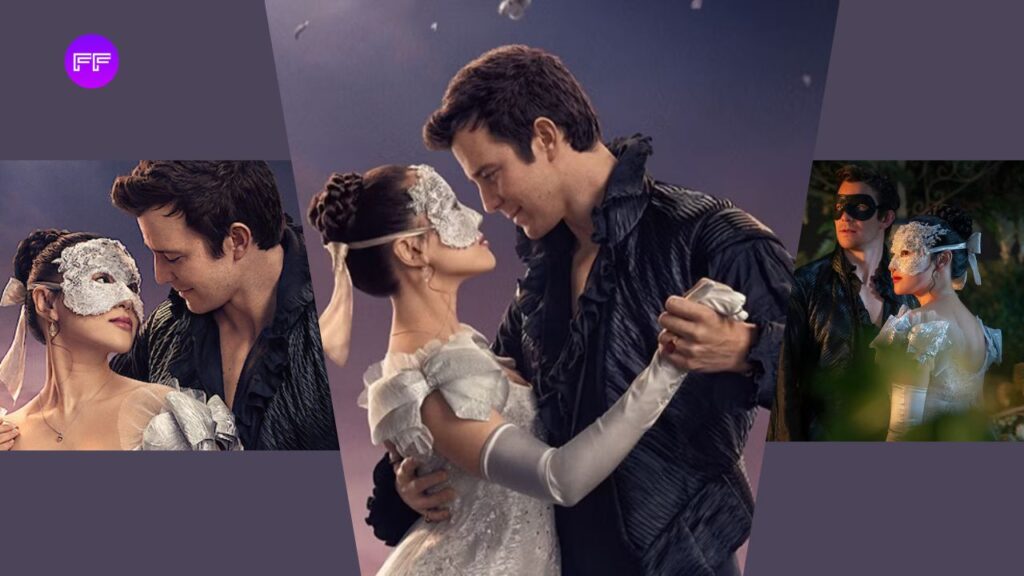
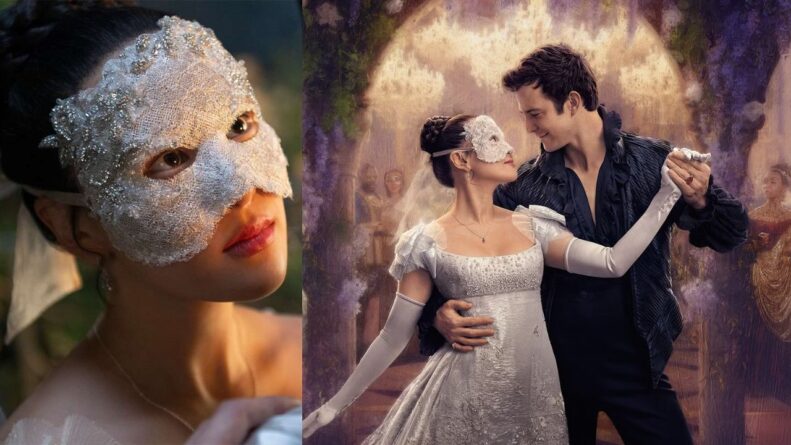
This season is the classic Cinderella fairy tale with a masquerade ball, a mysterious Lady in Silver, and the strict class divisions of British upper society. It’s comfort viewing at its best, a stark departure from the morally ambiguous murder mystery that preceded it. 

Director, Writer & Creative Team

Showrunner Jess Brownell is the leader for Bridgerton Season 4, the fourth season of the Netflix series based on Julia Quinn’s book An Offer From a Gentleman. The season centers on Benedict Bridgerton (Luke Thompson) and turns its focus away from previous leads. 

His & Hers was directed by William Oldroyd, who also wrote the screenplay adaptation of Alice Feeney’s 2020 best-seller and took several liberties from the source material, most notably with its polarising ending. 

Plot Overview

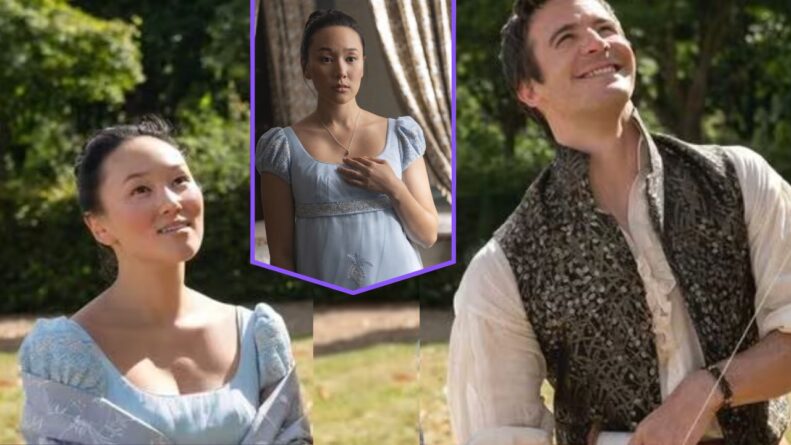
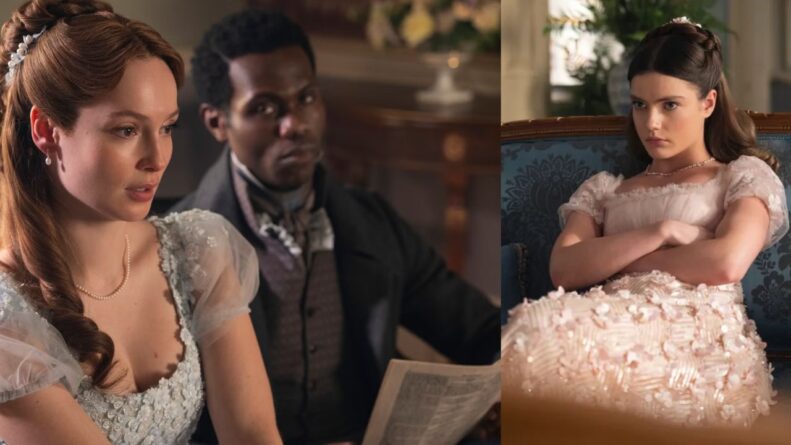
Bridgerton Season 4 focuses largely on Benedict — the Bridgerton family’s artist and its darling black sheep as he finds his life turned upside down after meeting Sophie Baek (Yerin Ha) at a dazzling masquerade ball.

Sophie is magical that night, but behind the mask she’s living a much darker life, masquerading as a servant in the home of her icy and merciless stepmother, Lady Araminta Gun (Katie Leung).

At the stroke of midnight, Sophie disappears – leaving Benedict with nothing, but a fleeting memory, a single memento, and the gut-wrenching sense that he’s just lost his soul mate. Then what unfolded was the tired but tearful image of these two spirits being brought together and torn apart by the feudal culture, class barriers and strict dictates of their country.  

Read More:- Best Medical Drama Series Like ‘The Pitt’ to Binge Watch in 2026

Cast & Characters

  • Luke Thompson and Yrin Ha top the season with what they call poetic chemistry. 
  • The ensemble boasts several returning favorite Jonathan Bailey (Anthony), Simone Ashley (Kate), Nicola Coughlan (Penelope) and Luke Newton (Colin) – though their screen time is very limited. 
  • Newcomers include Katie Leung as the evil stepmother, Michelle Mao as the plotting Rosamund Li, and Isabella Wei as the sweetest stepsister Posy Li. 
  • Casting of Korean-Australian actress Yerin Ha lent cultural authenticity to Sophie’s reimagined as Sophie Baek rather than the book’s Sophie Beckett. 

Bridgerton Season 4 Capturing Scene

Masquerade ball of this season becomes the most capturing scene for everyone where Sophie and Benedict meet for the first time. The season, however, has caused a stir because of how it looks. Entertainment Weekly’s Darren Franich and almost every critic and viewer could tell there was a strangeness to the production – perfect lighting, flawless makeup, and sets that were compared to Saturday Night Live sketches. 

Bridgerton Season 4 Capturing Scene

Fascinated “AI slop” is a surprising topic of discussion, as some argue the show’s high-gloss perfection has ventured too far into uncanny valley. 

Production Details

Bridgerton Season 4 was scripted and produced as a complete eight-episode arc prior to Netflix’s decision to split the batch. The production keeps the show’s trademark hyper-saturated color palette and opulent costume design, although this season’s preoccupation with class distinctions shines a brighter light on the world than earlier seasons did. 

How Bridgerton Season 4 Take Over the Platform 

Bridgerton Season 4 ranked on the streaming charts right after its first part was released on Netflix this January. It has taken over 70 countries with a great achievement of 901 points compared to 676 of His & Hers. The chart dominance proves that established IP still reigns supreme in streaming even when critical and audience reception differ greatly. 

Bridgerton Season 4 Receives Reaction From Critics

Bridgerton Season 4 is currently moving back and forth with mixed reviews. Although it received a decent 80% score from critics on Rotten Tomatoes, audience reception is a different matter. The season is currently sitting at just 52% for its audience score – the lowest in the franchise’s history, and a breathtaking 28 points below that of the critics. 

Several complained that the Benedict–Sophie romance didn’t feel as fiery as previous seasons, while others attacked the plot as too formulaic and the visuals as needlessly lavish. 

Audience Expectations

Audience Expectations

Fans are split. Seasoned viewers are nostalgic for the electric chemistry of former couples, Anthony and Kate in particular from Season 2. The instant chemistry of Benedict and Sophie seems to have moved too fast for some, and there is not enough of the slow-burn tension that has characterised previous seasons. 

but despite the criticism, the viewing figures demonstrate that audiences continue to eat up the escapism which Bridgerton delivers – particularly in a world in need of comforting viewing.

Read More:- Andrew Stanton’s ‘In the Blink of an Eye’ Might Be the Most Important Sci-Fi Film of the Decade

Conclusion

The rise of streaming from His & Hers to Bridgerton Season 4 reveals a key reality about entertainment today: franchise power outperforms critical acclaim on pretty much the same level every time. Jon Bernthal’s thriller generated talk with its divisive ending, Bridgerton arrived with familiar faces, sumptuous gowns, and the promise of a fairy tale romance. It’s the classic battle between shadowy complexity and dependable prettiness in January 2026, prettiness won. How the franchise will continue to fare with such fractured audience reception is yet to be seen when Part 2 drops in late February. 

Fandomfans is delivering a latest overview on new series and reboots of successful dramas.

Comments

View comments and join the discussion

Alpana

Articles Published: 173

Alpana is Fandomfans Senior Editor across all genres of entertainment. She evolved in the media industry since a very long time, she manages the content strategy and editing of all the blogs. Her focus on story development, review analysis, and research is well-equipped that ensures every article meets the standards of accuracy and depth.

View Profile ↗

‘A Knight of the Seven Kingdoms’ Episode 5 Hailed as a Masterpiece in the Game of Thrones Universe

A Knight of the Seven Kingdoms Episode 5 review: Trial of Seven, Baelor’s tragic death, Dunk’s past & why this HBO episode changes Westeros forever. Read more!

Published: Feb 16, 2026, 1:06 PM
Last Updated: Feb 18, 2026, 7:57 AM

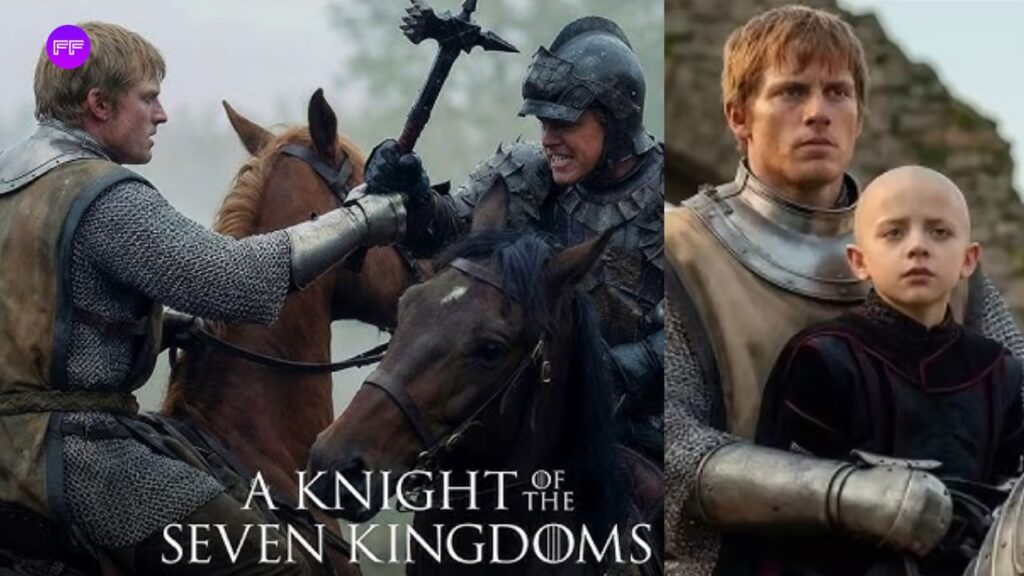
A Knight of the Seven Kingdoms Episode 5 Review makes you overwhelmed because not only did A Knight of the Seven Kingdoms offer us the episode before the last one, it ensured our heads would be lobbed off narratively. Episode 5, “In the Name of the Mother”, is already a perfect 9.8/10 on IMDb, for good reason. It successfully juxtaposed the high-stakes pageantry of the “Trial of Seven” with a dangerous, soul-crushing journey into Dunk’s history that upends everything we believed we knew about our “Lunk” of a protagonist. This is the split of why this episode is being credited for the return of the Westeros favourite series to peak TV form. 

The Structural Gamble: A Tale of Two Dunks

Typically, the penultimate episode of a season is a nothing but adrenaline shot. Owen Harris, the director, however went very much off track. Just as dunk is hit by a morningstar on the trial, the screen doesn’t go black – it goes back.

The Structural Gamble

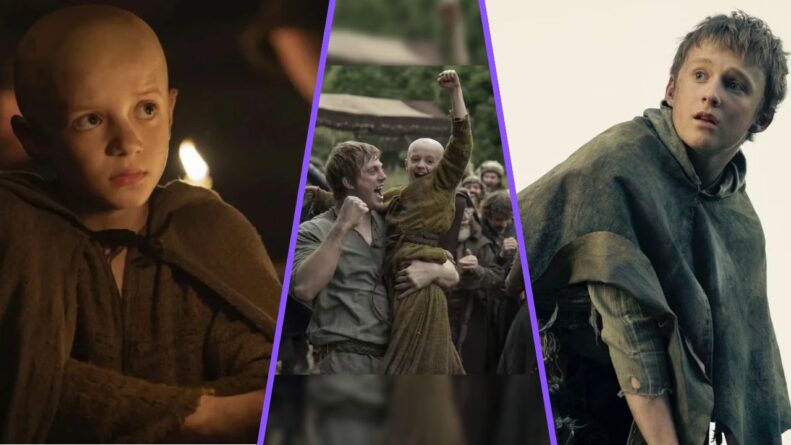
We were in a pretty big flashback to the Battle of the Redgrass Field (yes, that’s what it was), watching a youthful, “wide-eyed” Dunk (Bamber Todd) scavenging corpses. This was more than world-building, it was a psychological autopsy. The reason is to show us Dunk in the “shadowy wynds” of Flea Bottom, and so the show tells us why he fights the way he does. He’s not a knight of the books but he’s a survivor from the gutters.

The Tragedy of Rafe in ‘A Knight of the Seven Kingdoms’

The greatest deviation was the addition of Rafe (Chloe Lea), who is Dunk’s childhood companion. Rafe is the cynicism within the smallfolk. Her philosophy is the episode “thesis statement”:

“Repayment for previous misdeeds is always repaid with compound interest… Everybody remembers shit.”

It’s the kind of classic fridging moment that Rafe’s savage murder at the hands of a city watchman is, but—executed with such raw, unglamorous violence that it feels earned. It humanizes Dunk’s fierce protectiveness over Egg. He’s not just being a good knight—he’s constantly thinking about saving the ghost of the girl he failed to protect in King’s Landing. 

The Trial of Seven: Mud, Blood and Broken Oaths

As we return to the present day and Ashford Meadow, the “Trial of Seven” is a far cry from a chivalric minuet. The game took on a “fog of war” approach to the 14-man melee, making it a nightmarish, claustrophobic experience.

The Combat Dynamics

  • The Strategy: Prince Baelor Breakspear’s superb use of his body as a shield, was fully aware that his foes, the Kingsguard (the sworn protectors of the royal family), were honor bound to refrain from striking him. Really, it was weaponizing honor at its finest.
  • Dunk vs. Aerion: This wasn’t a sword fight. Dunk took a “comical” amount of punishment, eventually slipping back into his Flea Bottom upbringing headbutting and grappling to make the arrogant Aerion give up.
  • The Sound Design: The “subjective sound” was one of the best parts. We heard what Dunk heard — indistinct screaming, ringing in his ears, and the disgusting snap of wood. 

The Heartbreak: The King That Should Have Been

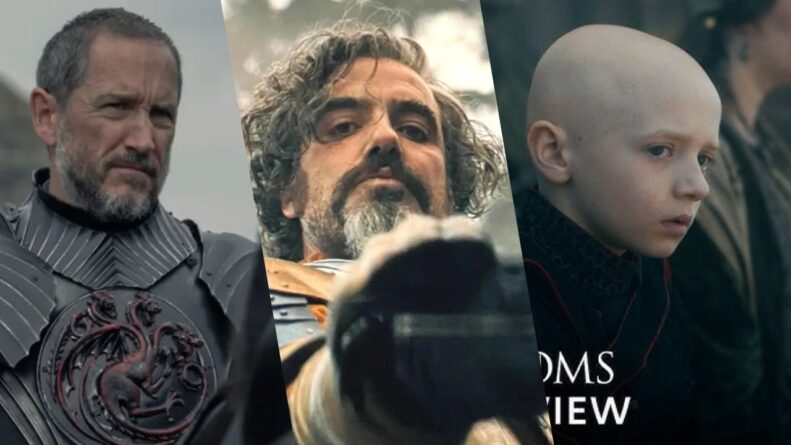
The season climax is the heartbreaking departure of Prince Baelor Breakspear (Bertie Carvel). Baelor was the Platonic ideal of a Targaryen – fair, compassionate, and intelligent. His death is a “meta-tragedy” for the franchise, he was the first domino to fall in a set that culminates in the Mad King.

The Heartbreak

The stripping away of his helm is one of the most graphic and unforgettable images in the show. When the back of his head comes off with the steel, we find out that he was slain not by an enemy but by his brother Maekar, accidentally. It reaffirms the nihilistic fact of Westeros, even if you are the “best of them” you don’t get plot armor. 

The Champions Outcome
Ser Duncan the Tall Survived. Forced Aerion to retract his accusation.
Prince Baelor Breakspear Deceased. Killed by an accidental mace blow from Maekar.
Prince Aerion Targaryen Humiliated. Yielded in the mud, losing his “dragon” persona.
The Humfreys Deceased. Both Beesbury and Hardyng succumbed to wounds.

Technical Expertise: A New Type of Westeros

Whereas House of the Dragon is concerned with the scope of dragons, A Knight of the Seven Kingdoms is concerned with the texture of the world.

  • Cinematography: Eschewing artificial light and cold white skies reinforced that the mud of the meadow is a character itself.
  • The Score: Dan Romer’s jazz-inflected, “side of the road,” instrumentations bring a grounded, folk-tale feel that complements a Hedge Knight just as much as it does the tale of the Seaboard. 

Read More :- DC Film Zatanna Lost: Emerald Fennell’s Psychological Superhero Tragedy

Conclusion

In the Name of the Mother shows you can do high-stakes drama without breathing lizards or a gigantic budget. It confirmed with A Knight of the Seven Kingdoms Episode 5 that the show has produced a masterpiece by concentrating on class, memory and the “compound interest” of violence.

As Rafe warned, “NOBODY forgets.” Maekar will not forget he has killed his brother. Dunk won’t forget Rafe. And the audience won’t forget Baelor. 

Keep getting updates, plot details and reviews from the latest episodes of the shows and movies on Fandomfans.

Comments

View comments and join the discussion

Mariyam

Articles Published: 87

Mariyam Khan is Fandomfans Content Writer and providing reports and reviews on Movie Celebrities, and Superheroes particularly Marvel & DC. She is covering across multiple genres from more than 4+ years, experience in delivering the timely updates.

View Profile ↗

Robin Hood Season 1: Every Major Twist That Changed Sherwood Forever

Explore Robin Hood Season 1 biggest twists, from Marian’s vigilante secret to political conspiracies that reshaped Sherwood forever.

Published: Dec 30, 2025, 6:40 AM
Last Updated: Apr 16, 2026, 11:07 AM

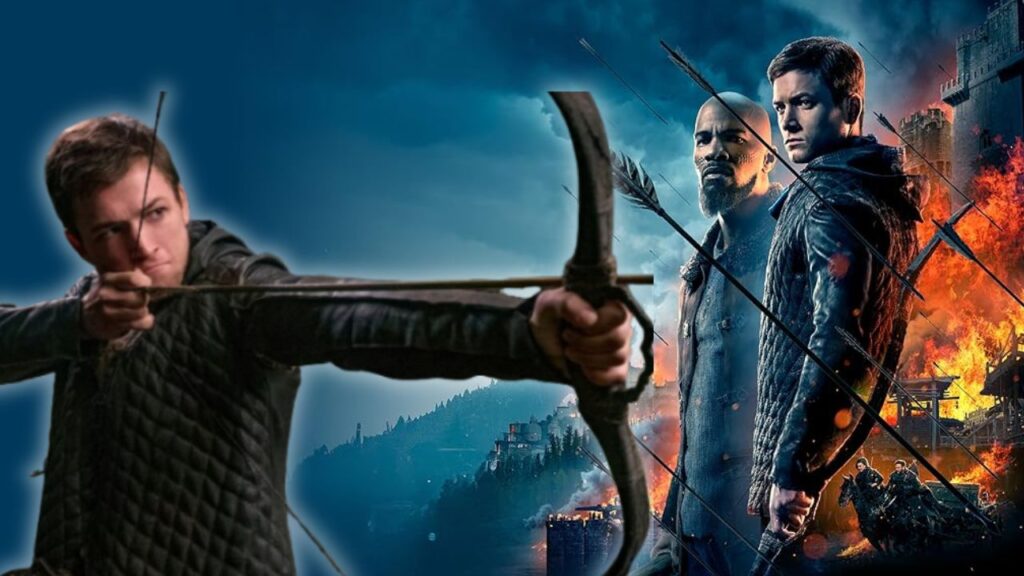
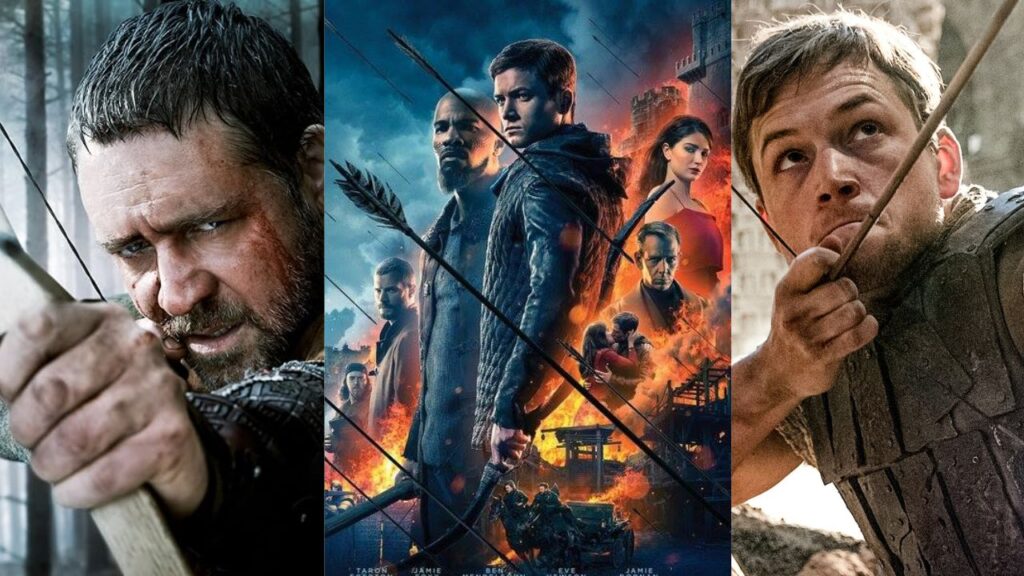
Folklore is seldom static. It lives, molds, and transforms to reflect the worries of the time that is telling it. Although the middle of the 20th century produced a Robin Hood Season 1 that was more pastoral idealist, green tights and all, the 2006 BBC version – and its 2025 MGM+ follow-up – broke the mold. These versions are not simply stories; they are “revisionist mythmaking,” in which stabilizing plot twists deconstruct the hero’s journey through the lens of contemporary socio-political realities. 

The Genesis of Disillusionment: Robin’s Return

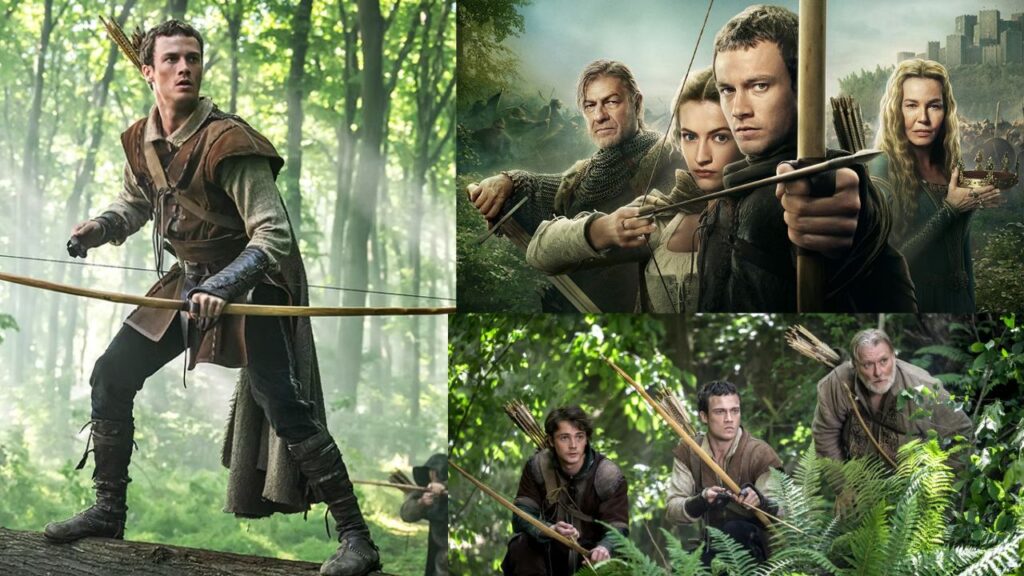
The fundamental transformation of the 2006 series is based in the mind of its lead character. When Robin of Locksley comes home to England in 1192, he is no hero. Played by Jonas Armstrong, he and his manservant Much are traumatised veterans of the Third Crusade.

Robin’s Return
Image Credit: Fandomfans

This incarnation of Robin is characterized by a renunciation of his aristocratic roots after learning that the “Holy War” he fought was less about divine justice and more about mindless killing. Adult disillusionment is set up straight away in the pilot, “Will You Tolerate This?” when Robin finds his home ruled by the “iron-fisted” Sheriff Vaisey. His decision to hit the road was an instinctive repudiation of the very systems he once worked within. 

The 12th-century struggle is clearly enmeshed with 21st-century concerns in the script. Robin’s debate about whether the war is “ours” or “the Pope’s” reflected contemporary discussions about the invasion of Iraq, casting the outlaw as the tired warrior come home to a land he doesn’t know. 
The Night Watchman Subversion: Reimagining Marian

Maybe the biggest deviation from tradition is the character of Lady Marian. Not the “Maid” of folklore, but now a “Lady” playing a dangerous game of vigilante. The revelation in episode three that Marian moonlights as the “Night Watchman” makes her pretty much the all of the very first worldwide and medieval Batman, guarding the impoverished much prior to Robin ever rejoined with Sherwood.

The Night Watchman Subversion
Image Credit: Fandomfans

In this twist, Marian has an autonomy and martial capacity to match that of Robin’s. It also leads to an interesting interpersonal conflict: she resents Robin at first because his “loud” heroics risk blowing her cover. 

Implications of the Night Watchman Identity

Socio-Political Intrigue: Marian employs her position to spy, serving as the outlaws’ chief informant.

Physical Defiance: The fact that she has a ”knuckle-buster” ring and a dagger hidden in a hair-clip denotes a move to the “Action Girl” stereotype.

The Humbling of Nobility: When the Sheriff shaves Marian’s head on the gallows, it functions as a major turning point.It was an infringement on noble privilege, meant to demonstrate that no one was beyond Vaisey’s reach. 

The Shadow of the Holy Land: Global Conspiracies

A continuing Spy arc of season 1 is that the corruption in Nottingham is not just local — it’s a conspiracy against King Richard himself. This climax of the arc culminates with a flashback that Robin once saved the King from a Saracen assassin with a wolf’s head tattoo in “Tattoo? What Tattoo?”. The twist? Guy of Gisborne has the same tattoo.


This revelation elevates the enmity between Robin and Gisborne from a petty disagreement over territory and a woman, to one of national ideology. The “Pact of Nottingham” — signed by the “Black Knights” — winds up functioning as the series’ recurring McGuffin, which symbolizes a concerted move to place Prince John on the throne. 

The Judas of the Forest: Allan A Dale’s Moral Drift

One of the more subtle twists is the slow-burn betrayal of Allan A Dale. As their “average joe,” Allan has his loyalty chipped away by the Sheriff’s mind games. This “Judas” arc begins when the Sheriff ruthless jumps the execution date, ensuring Robin shows up too late to save Allan’s brother.

The Judas of the Forest
Image Credit: Fandomfans

For the audience, Allan’s eventual “Face Heel Turn” in the season finale is a heartbreak. It breaks the illusion of the “Merry Men” as a perfect brotherhood, and underscores the human toll of Robin’s unbending ideological line. 

2006 vs. 2025: A Comparison of Revisionist Cycles

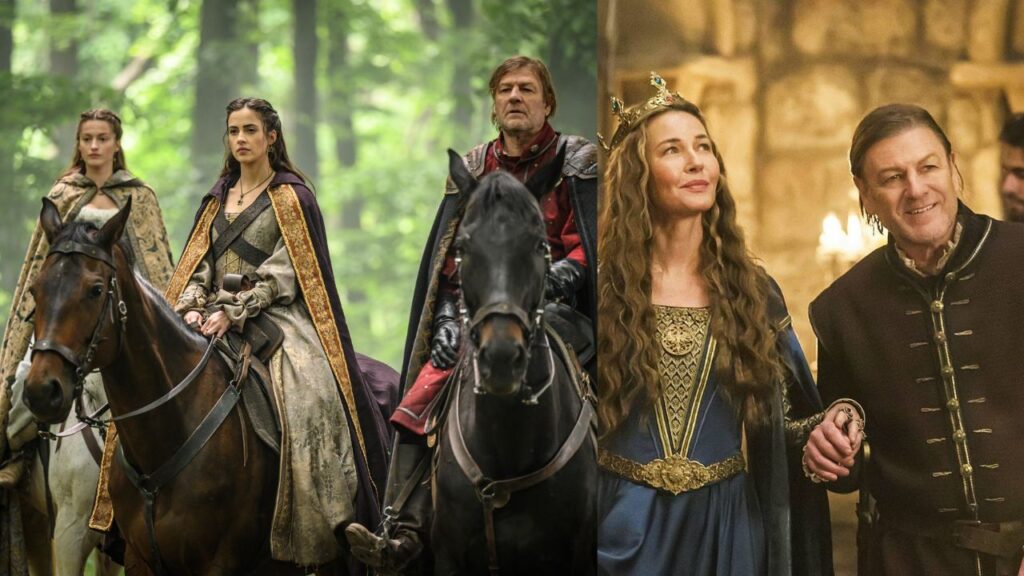
Whereas the 2006 series was concerned with the ”Crusader Sickness,” the 2025 MGM+ reimagining brings even grimmer twists, with familial betrayal taking center stage. In this odd-version the character of Huntingdon is not a mentor, but rather the main antagonist—Robin’s own father. 

Theme 2006 BBC Twist 2025 MGM+ Twist
Paternal Role Robin’s father is a legacy/hermit. Huntingdon is the “Big Bad.”
Marian’s Agency The Night Watchman (Vigilante). Ally/Blackmailed by Queen Eleanor.
The Sheriff Mercurial monster (Vaisey). Played by Sean Bean; a survivor.

Read More 👉 Stranger Things Spin-Off Expanding the Horror With New Cast & Story

Conclusion

The inaugural seasons of these contemporary versions show that the “Major Twist” is the large mooring modern folklore spins upon. In taking the emphasis away from archery tournaments and introducing systemic corruption rather than damsels in distress versus vigilantes, these shows make Sherwood Forest a continuing site for power and reform.

By the end of Season 1, the status quo is shattered. The outlaws have become a political party, and the forest is not a refuge but a revolution headquarters. These twists remind us that the legend is made out of blood and grit — that is the real cost of defiance. 

Dive into the big cinematic industry with Fandomfans for deeper details from your favorite movies, series, and celebrities.

Comments

View comments and join the discussion

Alpana

Articles Published: 173

Alpana is Fandomfans Senior Editor across all genres of entertainment. She evolved in the media industry since a very long time, she manages the content strategy and editing of all the blogs. Her focus on story development, review analysis, and research is well-equipped that ensures every article meets the standards of accuracy and depth.

View Profile ↗

Jennifer Aniston’s Transformation: From Rachel Green to The Morning Show Success

Jennifer Aniston's stunning transformation from Rachel to The Morning Show has fans amazed. Check out her fitness, fashion and fearless role selections to date.

Published: Nov 28, 2025, 8:31 AM
Last Updated: Apr 25, 2026, 12:56 PM

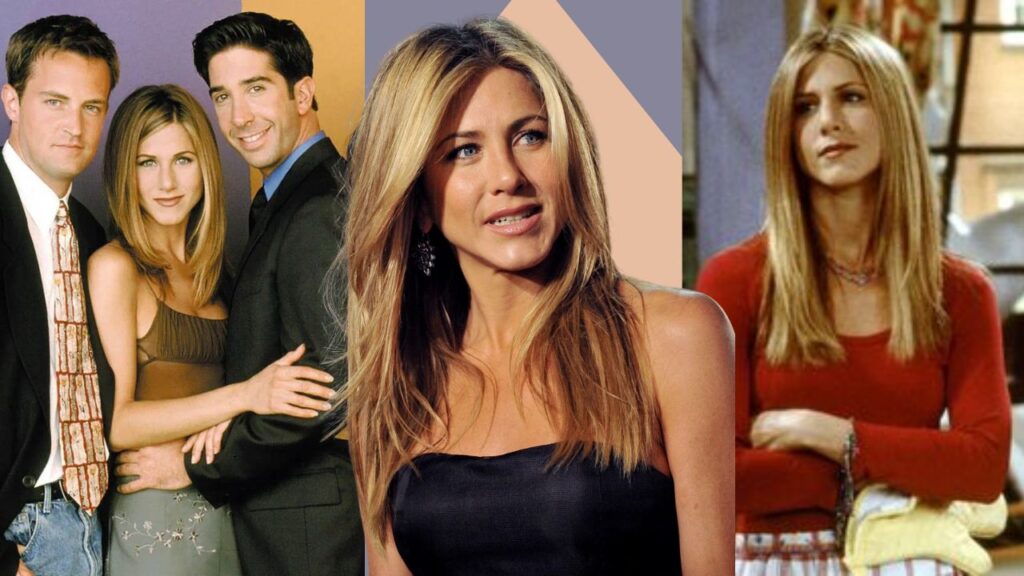
Aniston played Rachel Green on ‘Friends’ for ten seasons from 1994 to 2004, a character whose mannerisms, hairstyle, and love interests defined what it meant to be a 20-something woman around the world. The actress could not be disentangled from the character, it’s hard for everyone to recognize Aniston in other characters. Rachel Green was everywhere, on lunch boxes, in syndication, and in the cultural lexicon.  

Aniston noted that she —
“Couldn’t get over from the shadow of Rachel Green ever in my life” 

describing the experience as “exhausting”. The character was a “poor little rich daddy’s girl”, a specific archetype that afforded little room for the darkness or grit required of dramatic acting. Aniston admitted to fighting with herself and her identity in the industry “forever,” constantly trying to prove 

She was “more than that person”.
—Aniston said

FRIENDS Could have Lost Jennifer Anniston at First

Jennifer Aniston’s whole Friends run nearly never happened because she was at that time already committed to a CBS sitcom titled Muddling Through back in 1994. Because she was “only in second position” for Friends, NBC was worried that they might have to recast Rachel if the CBS show was a hit, and speculated about shooting multiple episodes, only for CBS to pick it up and they’d have to do reshoots. 

Courteney Cox & Jennifer Anniston in FRIENDS
Courteney Cox & Jennifer Anniston in FRIENDS | Image credit: IMDb

Aniston got her big break when Muddling Through was cancelled, and that led to her being cast on Friends – which just goes to show how precarious a career in Hollywood can be, and how one cancellation can make way for the series that takes an actor global and defines their stardom. 

Aniston’s The Good Girl, Horrible Bosses, & Cake break the FRIENDS curse

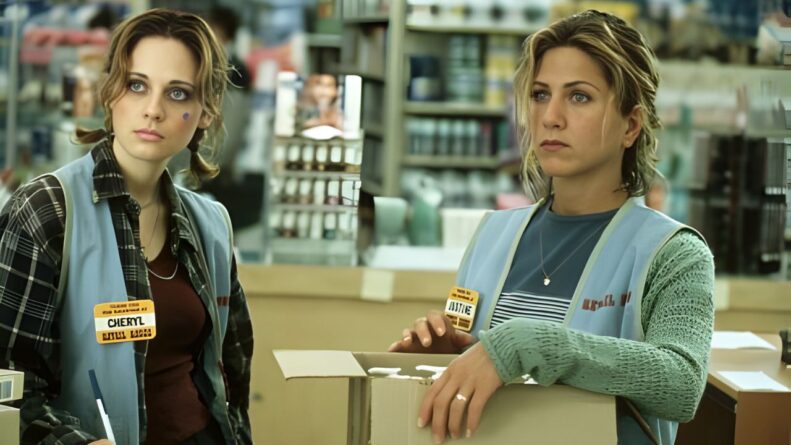
Helmed by Miguel Arteta, the film stars Aniston as Justine Last, a dour employee at a mall shoe store who has a clandestine relationship with a younger coworker (Jake Gyllenhaal). The choice to accept the part was nerve-racking.  

“Panic that set over me,” thinking, “Oh God, I don’t know if I can do this? Maybe they’re right”.
—Aniston recalls

The film was an independent production, lacking the safety net of a major studio marketing budget or a laugh track. It required Aniston to perform “without a net” in front of the world. The success of The Good Girl and the critical acclaim she received—provided the “relief” necessary to continue pursuing dramatic work. It was the proof of concept that she could exist outside the “purple walls” of the sitcom apartment.

Aniston’s The Good Girl
Jennifer Anniston in The Good Girl | Image credit: IMDb

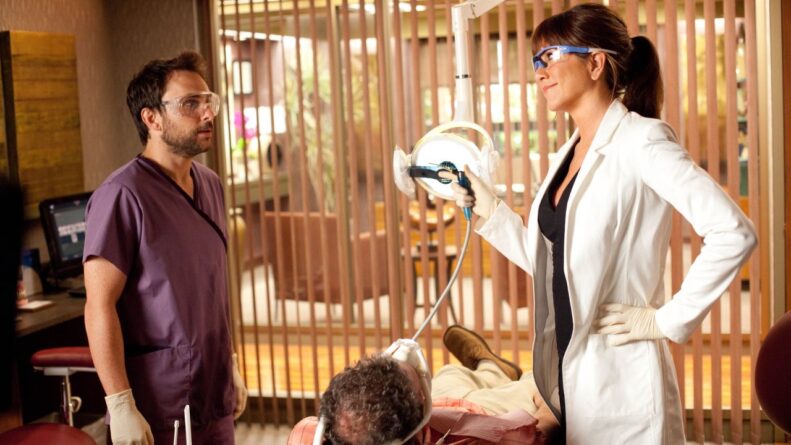
If The Good Girl proved she could be sad, Horrible Bosses proved she could be predatory. The appeal lay in the “black comedy” element. Aniston argued that “Comedy is a necessity,” but she expressed a preference for the “craziness” of the Horrible Bosses universe over the gentler comedy of Friends.

“Maybe everybody else is seeing something I’m not seeing, which is you are only that girl in the New York apartment with the purple walls”.

This quote speaks to the psychological complexity of the curse—it wasn’t only that she believed producers wouldn’t hire her but she was afraid she wasn’t capable of doing the work. 

Breaking the curse required exposure therapy. By performing in independent films like The Good Girl and Cake, where the safety nets of budget and ensemble were removed, Aniston forced the industry to recalibrate its perception of her utility. 

the psychological complexity of the curse
Image credit: IMDb

Cake is the ultimate punishment to shatter the curse. In this film, Aniston portrays Claire Bennett, a woman struggling with crippling chronic pain and addiction. Aniston quit exercising and wearing makeup. She studied friends with chronic pain to get a sense of what the condition felt like physically.  

She allowed the role to “hurt” her, noting that during physical scenes, she “didn’t prepare” in the traditional sense but rather let the physical discomfort generate a real reaction.

Read More  👉  Wake Up Dead Man Review: A Bold Mystery but Missing the Knives Out Spark

The Morning Show – The Strong New Chapter For Jennifer Aniston

The morning show era (TMS), Executive produced and co-created by Reese Witherspoon is the shift from Aniston the Actress to Aniston the Mogul. The show is more than just an acting vehicle, it’s a platform for industry commentary and power play. 

The partnership with Witherspoon’s Hello Sunshine production company created an environment of “understanding, compassion and consideration” that Aniston notes 

“Doesn’t always exist amongst the dudes”.

Alex Levy is the culmination of Aniston’s post-Friends evolution. She is a morning news anchor, but she shares no DNA with Rachel Green. Alex is “complex, vulnerable, controlled, lonely, enraged, self-serving”.

The Morning Show
Image credit: Fandomfans

In Season 4 (2025), Alex has transcended the anchor desk to become a corporate executive. She is no longer fighting for a contract; she is fighting for the soul of the network. Critics have praised Aniston’s performance in this era as

“It is the best of her performances and able to perform mature characters” 

noting her ability to portray moral conflict without the melodrama that sometimes plagued her earlier dramatic attempts. The role gives Aniston a chance to examine issues of power, complicity and growing older in a way Friends never did. 

Conclusion

By 2025, she’s at a place very few could have predicted back in 2004: she’s the boss. On The Morning Show, she plays a character who runs the network, much like in real life, where she’s a producer on the show. She swapped the “purple walls” of the Friends apartment for the glass walls of the UBN executive suite. Jennifer Aniston has now shown beyond a shadow of a doubt that she is, in fact, “more than that person.” 
Find out celebrities, movies, and web series updates on Fandomfans which is delivering every entertainment buzz to you.

Comments

View comments and join the discussion

Alpana

Articles Published: 173

Alpana is Fandomfans Senior Editor across all genres of entertainment. She evolved in the media industry since a very long time, she manages the content strategy and editing of all the blogs. Her focus on story development, review analysis, and research is well-equipped that ensures every article meets the standards of accuracy and depth.

View Profile ↗

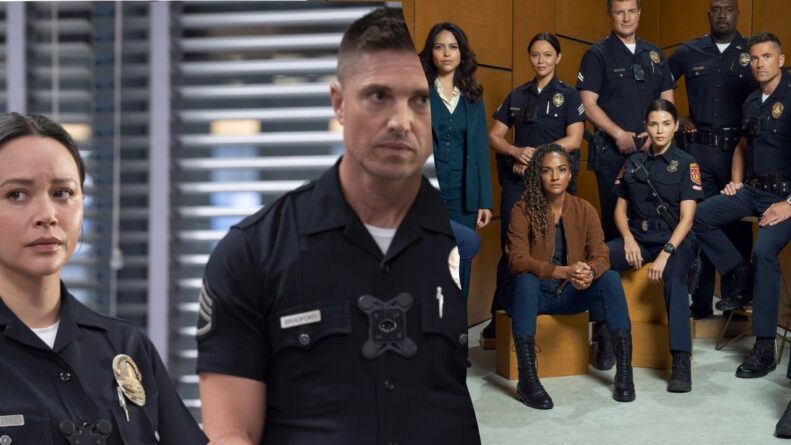
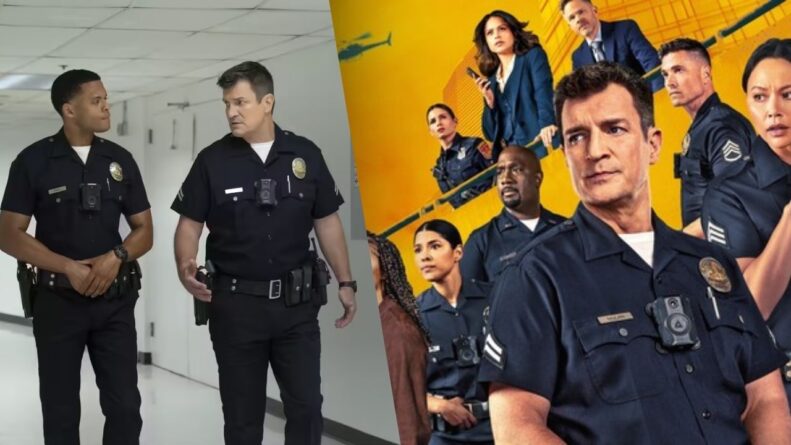
The Rookie Season 8 Episode 10 Review: “His Name Was Martin” Goes Full Zombie Horror

The Rookie Season 8 Episode 10 “His Name Was Martin” delivers zombie-style horror, Lucy Chen’s emotional trauma, and shocking twists in a bold mid-season climax.

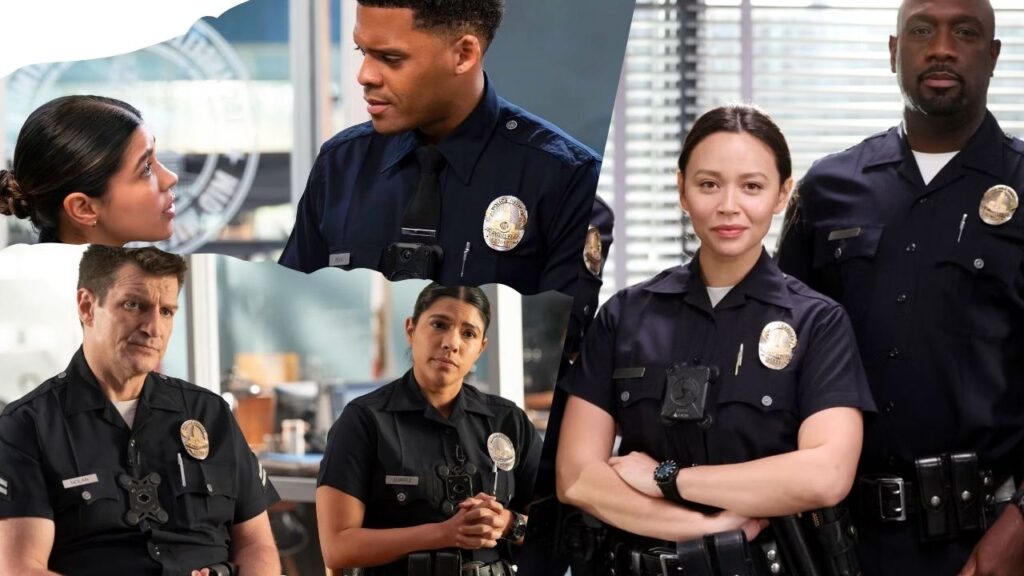
The Rookie Season 8 Episode 10 titled as “His Name Was Martin” with the opening from grounded procedural to powerhouse series. Analyzing the “zombie” outbreak at Westview Hospital, the psychological trauma of Lucy Chen, and the increasingly bizarre espionage storylines, we can determine how the show keeps its hold on the 2026 media environment. 

Having been written and directed by series creator Alexi Hawley alone among the Broadway related episodes, and overseen by a true old-school production team consisting of Mark Gordon, Nathan Fillion, Michelle Chapman, Jon Steinberg, Terence Paul Winter, and Rob Bowman, Rookie Season 8 takes the procedural format and stretches it to the absolute, maximalist edge. 

The Evolution of a Procedural Giant

John Nolan’s character study as an oldest rookie in the LAPD is what started an incredible story. The Rookie Season 8 Episode 10, “His Name Was Martin” is a definitive signpost of this development. Through a mash-up of horror conventions, domestic melodrama and international espionage, showrunner Alexi Hawley has fashioned a “maximalist” TV experience that values viral engagement over realism. 

The Rookie Season 8 Broadcast

This structural division shows The Rookie Season 8 Episode 10 “His Name Was Martin” as a peak mid-season climax episode shattering the status quo and launching the characters into “Aftermath,” series name of their trauma and mission overreach. 

Episode Number Episode Title Original Broadcast Date Primary Narrative Focus and Thematic Catalyst
Season 8, Ep. 1 Czech Mate 6/January/2026 Season Premiere; introduction of new interpersonal dynamics.
Season 8, Ep. 2 Fast Andy 13/January/2026 Standard procedural case focus.
Season 8, Ep. 3 The Red Place 20/January/2026 Final Tuesday broadcast prior to the network scheduling pivot.
Season 8, Ep. 4 Cut and Run 26/January/2026 First Monday night broadcast; integration of new audience flow.
Season 8, Ep. 5 The Network 3/February/2026 Escalation of serialized criminal underworld arcs.
Season 8, Ep. 6 Burn 4 Love 9/February/2026 Character-centric relationship developments.
Season 8, Ep. 7 Baja 26February/2026 Action-oriented procedural; suspension of Officer Penn.
Season 8, Ep. 8 Grand Theft Aircraft 23/February/2026 High-stakes logistical crime sequence.
Season 8, Ep. 9 Fun and Games 2/March/2026 Revelation of Luna’s emotional affair; Harper’s demotion.
Season 8, Ep. 10 His Name Was Martin 9/March/2026 Zombie outbreak; Lucy’s lethal force trauma; Pentagon espionage.
Season 8, Ep. 11 Aftermath 16/March/2026 Lucy returns to duty; Liam Glasser case hindered.
Season 8, Ep. 12 Spy Games 23/March/2026 Continuation of Bailey’s covert Pentagon plot.
Season 8, Ep. 13 The Thinker 30/March/2026 Procedural escalation and end-of-season positioning.

A-Plot Analysis: The Westview “Zombie” Ambush

The main story of ‘The Rookie Season 8 Episode 10’ His Name Was Martin is survival horror tinged on the edge of police procedural. Stuck in the deserted Westview Psychiatric Hospital, Officers Nolan, Harper and Penn are bombarded by men, women and children who have been driven by a new psychotropic drug to a feral psychosis. 

The Westview Zombie Ambush

The ‘Zombie’ Loophole

The episode begins like any police procedural with a “routine welfare visit” to a deserted mental hospital. Instead, it swiftly deteriorates into nightmare territory when the police are overwhelmed by feral, violent assailants. To prevent the series from becoming full-on sci-fi, the writers went with a pharmacological explanation: the “zombies” are really people on a horrific new psychotropic drug. That means the series can experiment with supernatural scares while technically existing in a world that’s grounded in reality. 

A Fresh Visual Style

It is not surprising that The Rookie Season 8 Episode 10 is a unique entry of the series in terms of tone and style. Gone is the polished sheen you’d normally expect from a network TV drama – the episode adopts a much rougher, found-footage aesthetic. It’s raw and immersive almost like something out of a video game or an episode of The Walking Dead.

The Shift in Perspective:

The series has a character, Dash, a civilian ride-along, geek who nerds out on the tech, that gives us a handheld, subjective camera perspective. 

Social Commentary:

Dash’s role is even more intriguing given the amount of composure he maintains as he films it all. Even as the world falls apart, he’s still cataloguing it for “content.” It seems like a cheeky nod to our present-day practice, especially among Gen Z, of documenting everything for the world to see even when things might be getting a little heated, or hazardous. 

Maximalist Action

The choreography departs from traditional arrests and crescendos into “brutal survival mode.”

Best Scene: John Nolan (Nathan Fillion) winds up in a “yucky” deserted hospital pool, getting into a raw, up-close-and-personal scrap with an infected adversary.

The Vibe: Complete with spooky tipsy clay props like deserted clown dolls and a 40-minute “twisted game of tag” on the wards, the installment goes full-blown “freak flag.” 

The B-Plot: The Psychological Cost of Lethal Force

What starts with the first 30 minutes as a wild “zombie” action-movie-adaptation, the b-story pivots into a very different – and towards the end of the episode much darker and emotional – line. It’s about Lucy Chen and an experience that traumatises her and the audience quite a bit. 

The Psychological Cost of Lethal Force

The Tragedy of “Martin”

The title of the episode is taken from the man that Lucy is forced to kill. Lucy is alone from the rest of them during a tense hospital raid, and attacked brutally in the dark. That’s not TV bullying, that’s a dark, cramped brawl to stay alive. Martin repeatedly slams her head against a metal grid, and Lucy, thinking that she might get killed by him, has no other option but to shoot him.

The gut-punch? Martin was an innocent victim. He wasn’t a gangster; he was a civilian caught up in the same drug underground that was creating the “zombie” plague. This makes a legal act of self-defense into a “moral injury”, a profound emotional wound that occurs when you do something that runs contrary to your very soul. 

The “Trauma Trope” Controversy

Melissa O’Neil (Lucy) delivers an MVP level performance, particularly in the last scene where she arrives home battered and broken and has a complete emotional meltdown on her couch. Fans and critics didn’t let go empty, the debate unleash:

In 8 seasons, Lucy has been kidnapped, trapped underground in a box, and dispatched on dangerous undercover jobs. Reviews of reversing the trend: “Are the Blind Writers Over-Utilising ‘Lucy’s Trauma’?” Too Much?” 

If ‘This Is Us’ doesn’t lighten up soon, it might not have a next season. It’s been noted that there’s a bit of a plot hole — Lucy has a degree in psychology. A lot of people thought she should have been the most prepared to handle a drug-induced breakdown and not be a victim of one. 

The “Chenford” Strain

The Rookie Season 8 Episode 10 explores the distance between Lucy and Tim, and features a heartbreaking sequence which is dividing opinions among viewers. Now that Tim has chosen to honor Lucy’s wish for distance and not hassle her, the decision has divided opinions. Some audience members consider it a grown-up choice — a genuine attempt to honor her limits and provide her with the space she requested. Others, though, say that putting distance between them entirely can only exacerbate her feeling of isolation, particularly since she’s already suffering trauma.

That tug and pull of emotion is literally what’s driving the story in such a compelling way for audiences. It poses a tricky question: when do you really respect someone’s wishes, and when do you show up for them in case they might want support — even if they say they just want to be left alone? 

In the Next Episode

This isn’t a “case closed” matter. Martin’s death turns out to be the beginning of a wider enigma, as the department discovers his secret history. It’s going to be a long road to recovery for Lucy, which will probably come to a head in the next installment, fittingly entitled “Aftermath.” 

Secondary Arcs: Domestic Turmoil and Global Espionage

The density of the episode’s structure had several divisive subplots that generated a large amount of discussion within the online fandom.

Secondary Arcs

The Grey Marriage Crisis

Wade Grey’s ultimatum to his wife, Luna, to leave your job or I’ll consider it an emotional affair has been termed as “toxic.” This storytelling decision would break up one of the show’s most stable and fan-favorite pairings for the purposes of contrived melodrama.

Bailey Nune and the Pentagon

Probably the most reviled element is the “shoehorning” in of Bailey Nune into a Pentagon spy ring. The idea of a local firefighter getting dispatched by a police lieutenant to do secret missions for the Department of Defense is a complete abandonment of procedural realism. 

Read More:- This One Prequel You Must Read Before Watching Darth Maul’s New Star Wars Series

Conclusion

The Rookie Season 8 Episode 10 ‘His Name Was Martin’ is a microcosm of The Rookie’s survival mechanism in the era of streaming: bare-knuckled genre-mashing. And if you’re a fan of the “zombie” thrills or if you’re not a fan of the “espionage” leaps in logic, the episode accomplished its main aim, it generated a lot of talk, keeping the series fresh in the increasingly crowded marketplace. 

Fandomfans is delivering the updates on movies, series, and celebrities to keep you entertain.

Comments

View comments and join the discussion

Mariyam

Articles Published: 87

Mariyam Khan is Fandomfans Content Writer and providing reports and reviews on Movie Celebrities, and Superheroes particularly Marvel & DC. She is covering across multiple genres from more than 4+ years, experience in delivering the timely updates.

View Profile ↗

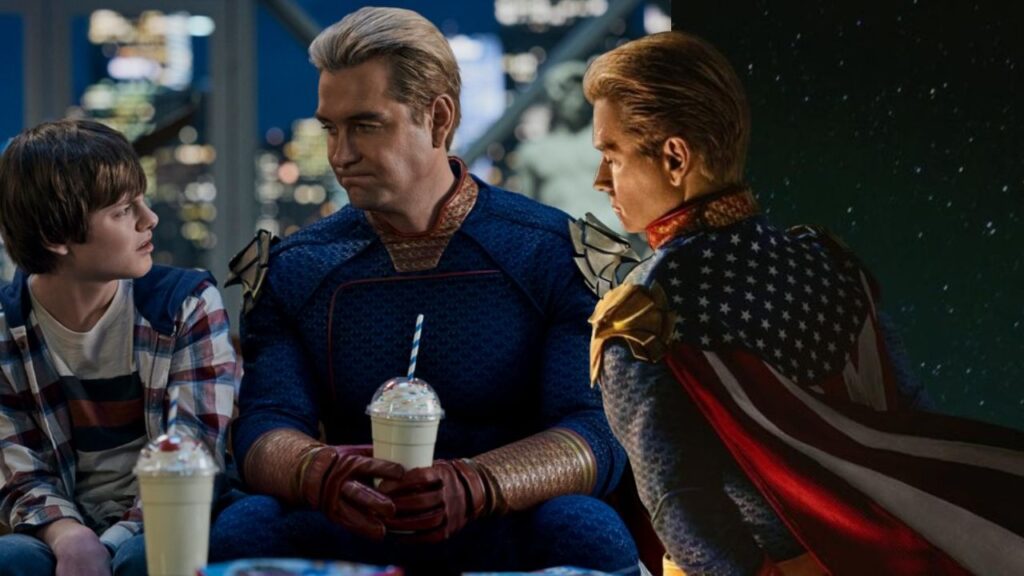
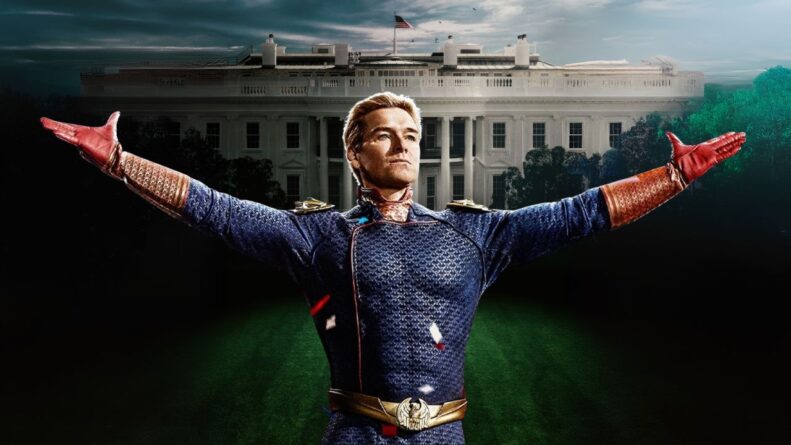
‘The Boys’ Season 5: “Scorched Earth” is Coming in 2026, and We’re Not Ready

The Boys season 5 titled "Scorched Earth" arrives in 2026 with an explosive final battle, dark twists and high stakes as Butcher and Homelander face off.

Published: Dec 7, 2025, 6:05 AM
Last Updated: Dec 7, 2025, 8:30 AM

After all the years of being spectators to the cruelest, perhaps least moral superhero drama on any screen, small or big, we’re at last coming to an ending we didn’t know we desperately wanted. “The Boys” Season 5 (tentatively titled “Scorched Earth”) lands in 2026, and honestly, it’s never going to be the same for the world of superheroes. 

Let’s be honest, Season 4 ravaged us. According to Tomsguide, Billy Butcher has lost all humanity and is now a literal monster, who wants to kill every supe – bad or good, guilty or not. He’s stolen a virus that can kill superheros, and he’s embraced the darkest path possible. Meanwhile, Homelander has basically taken over the US government via martial law (and the majority of The Boys are in jail), and Homelander. What about all that positivity we latched onto in the earlier seasons? Gone. Obliterated. “Scorched Earth.” 

When ‘The Boys’ Season 5 Release

When The Boys Season 5 Release
Image Credit: Fandomfans

According to Deadline, Showrunner Eric Kripke has perfectly set the stage for a fluid final act. We don’t have a day for it just yet, but filming is complete and the team is halfway through post-production, which will consist of visual effects and color grading. Season 5 promises eight more episodes of pure, unadulterated chaos. 

Why “Scorched Earth” Is the Perfect Title for the Final Season

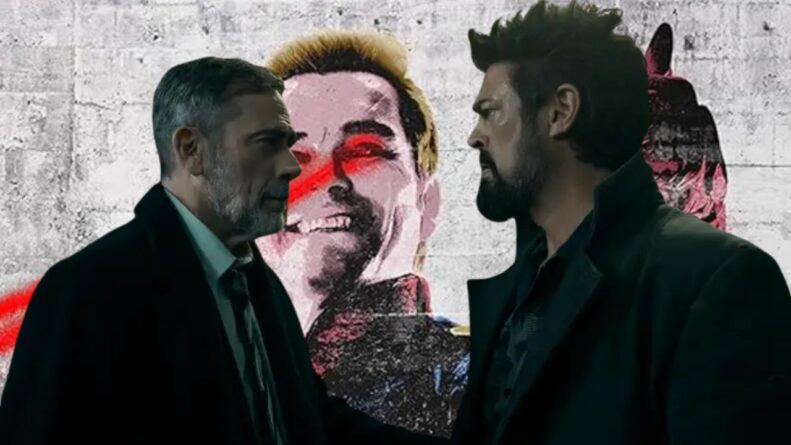
What makes Scorched Earth such a perfect title is that its meaning encapsulates the desperation that every character is feeling as they head into this finale. According to The Direct, Scarred and broken because of what he has been through, Butcher embodies the ‘scorched earth’ – wipe everything out, consequences be damned. 

Scorched Earth
Karl Urban & Jeffrey Dean in The Boys |Image Credit: Fandomfans

Homelander, wielding even more power than before, is the authoritarian government that blossoms in the ashes. And The Boys? They’re smack-dab between two immovable objects and just trying to survive, not win. 

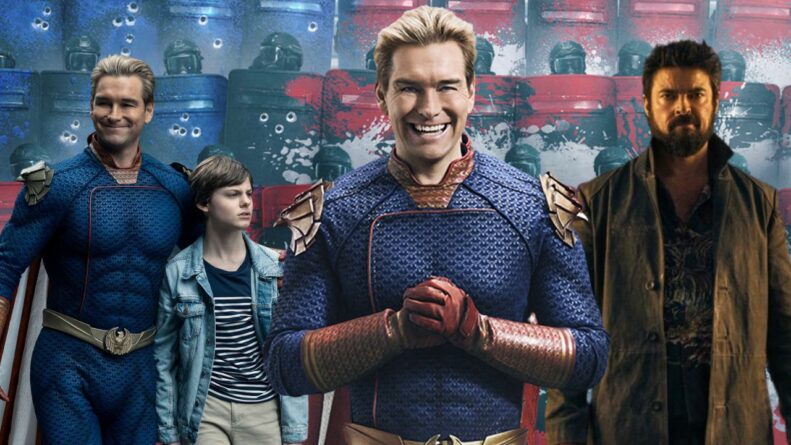
Character Arcs of The Boys Season 5

The thematic arc of The Boys has always been about: how power corrupts, how vengeance devours, and how even those heroes become the villains. According to IGN, Billy Butcher’s arc in particular is tragic, as we’ve seen him slowly strip away his humanity, the one thing his wife Becca made him vow to hold on to. 

Character Arcs of The Boys Season 5
Character Arcs of The Boys Season 5 | Image Credit: Fandomfans

Kripke has teased that Hughie will “learn what it really means to be human” in season 5 and he also suggested Hughie might find redemption where Butcher has none. 

What’s at Stake in Season 5

There are no higher stakes. Ryan appears to have sided with his father Homelander, which destroyed Butcher’s final hope. Sister Sage was the architect behind Homelander’s ascension with ruthless efficiency. Starlight got away from the cops and is the only member of THE BOYS still at large. Ashley actually got superpowers. And somewhere, amid all this warped terrain, maybe, there’s still a super virus that could do everything. 

Read More 👉 Avatar Trilogy Changed Cinema: Each Avatar Film Redefined Modern Blockbusters

Conclusion

What we’re most looking forward to about ”Scorched Earth” isn’t just the prospect of an explosive final battle between Butcher and Homelander. It’s that anyone can come out on top with their humanity intact. In a series that has taken five seasons to delve deep into the darkness that lies within all of us, the final season might finally answer the question that’s been on our minds the entire time —- Can we be redeemed, or are we all just fated to burn? 

Fandomfans keep eyeing every update about movies, films and industry decisions, to provide you with the fastest conclusion on the reports.

Comments

View comments and join the discussion

Alpana

Articles Published: 173

Alpana is Fandomfans Senior Editor across all genres of entertainment. She evolved in the media industry since a very long time, she manages the content strategy and editing of all the blogs. Her focus on story development, review analysis, and research is well-equipped that ensures every article meets the standards of accuracy and depth.

View Profile ↗