Top Superhero Comics: What Are the Best Superhero Books for Beginners?

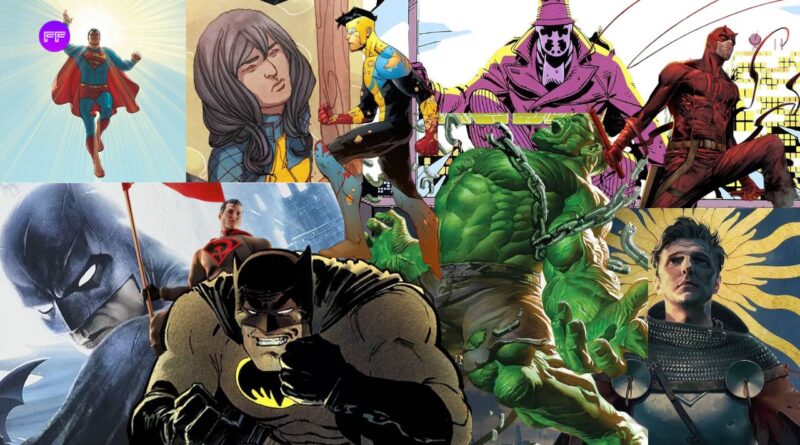
Discover the Best Superhero Books for beginners, from iconic heroes to must-read comics, and find the perfect superhero stories to start your collection.

Published: August 13, 2026, 12:26 pm

You picked up a superhero movie, loved it, and now you want the comics. But confused which “Best Superhero Books” should you pick to read and got a wall of fifty-issue reading orders, crossover events, and a comment section arguing about which Crisis matters. That’s the actual problem beginners run into — not a lack of good books, but too many entry points and no sense of which one won’t leave you lost by page ten. 

This Best Superhero Books list skips the completist reading orders. Every book has its own separate tone of characters arc which won’t let you leave from Page 10. Beginners should start from the first volume of a series, meaning you can read it cover to cover without needing twenty years of continuity in your head first.

How I Picked These Superhero Comics

I picked these Superhero Books to make a list, each book in this list has a stand alone storyline so you don’t have to read other things first to own these books, be currently in print, and every book has different stories to tell — street-level, cosmic, funny, or coming-of-age.

Graphic novels past their prime are frequently given 20-30% off on Amazon and Barnes & Noble, so consider the listed number as a ceiling. 

The Best Superhero Books for Beginners, Ranked

1. Batman: Year One 

Frank Miller & David Mazzucchelli, DC List price: ~$14.99 | 144 pages | Best for: readers who want Batman with zero backstory required 
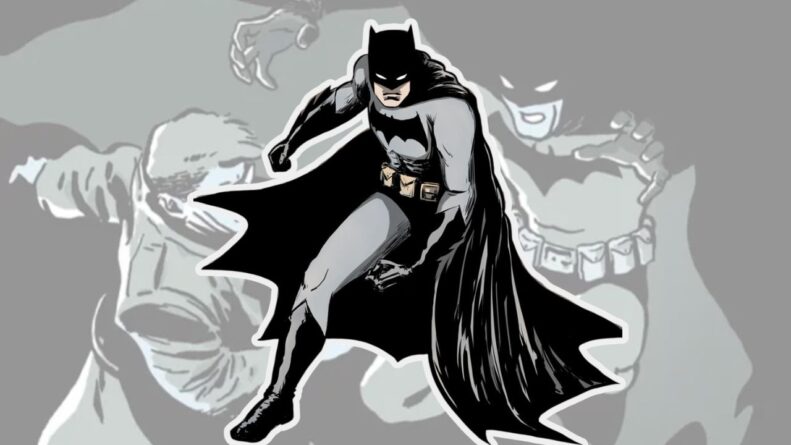
Batman Year One

This is Bruce Wayne’s first year as Batman, told in parallel with Jim Gordon’s first year as a cop in a city that’s already rotten. The strength is pacing — it’s the tightest, most economical superhero origin ever published. This isn’t a book that covers fistfights on every page, so pick if you have interest in quiet characters.

2. Watchmen 

Alan Moore & Dave Gibbons, DC List price: ~$19.99 | 416 pages | Best for: readers who want to know why critics take superhero comics seriously 
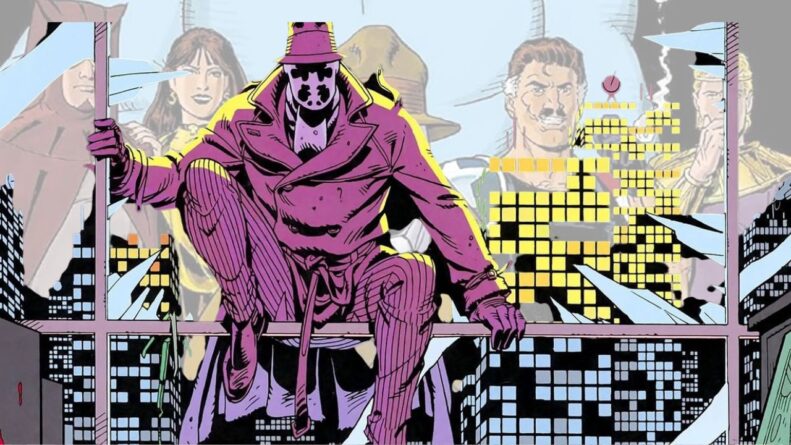
Watchmen 

In an alternate 1985, a homicide case is at the center of a group of fallen, ethically murky heroes. It’s the book most “best of” lists put at #1, and the density earns that — every panel is doing work. The downside is that it’s quite dense, so you’ll enjoy it when you read for the second time.

3. Ms. Marvel: No Normal

G. Willow Wilson & Adrian Alphona, Marvel List price: ~$15.99 | 120 pages | Best for: readers who want a modern coming-of-age hero story 
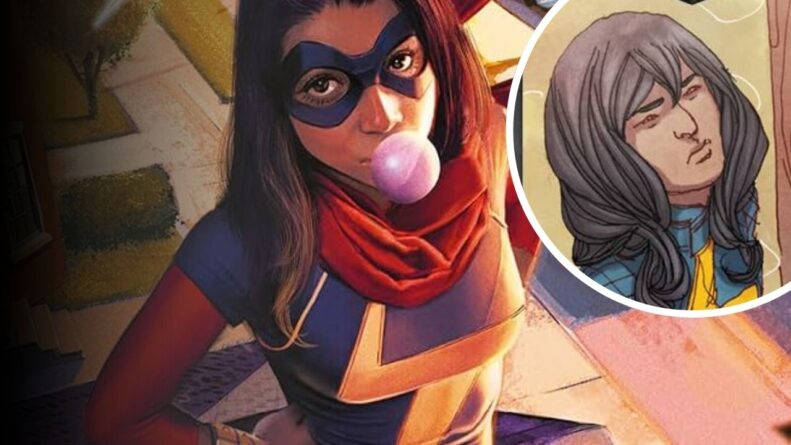
Ms. Marvel No Normal

Teenage Kamala Khan is a resident of Jersey City who lives with her family and attends school as she discovers her powers and has to decide what sort of hero she wants to be. It’s funny and warm in a way most of this list isn’t. The one real limitation is scope — it’s a smaller, quieter story next to the cosmic stakes elsewhere on this list, which is either a feature or a letdown depending on what you’re after.

4. All-Star Superman 

Grant Morrison & Frank Quitely, DC List price: ~$19.99 | 300 pages (Deluxe edition) | Best for: readers who think Superman is boring but it’s the Best Superhero Books
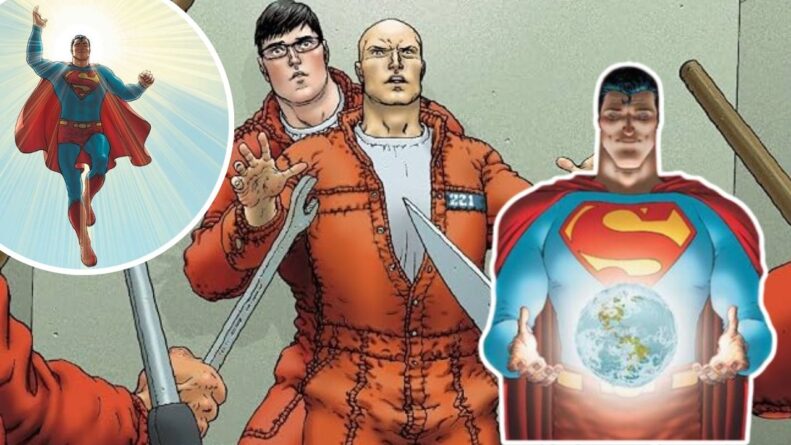
All-Star Superman

This is the book people hand to Superman skeptics. Superman is dying and spends his last months quietly fixing what he can. The strength is that it makes “too powerful to be interesting” feel like the opposite of the problem. But it presumes a basic knowledge of the Superman mythology (Lois, Luthor, Krypton), so it is not an introduction for newcomers. 

5. The Dark Knight Returns 

Frank Miller, DC List price: ~$19.99 | 224 pages | Best for: readers who want Batman as a political, aging antihero 
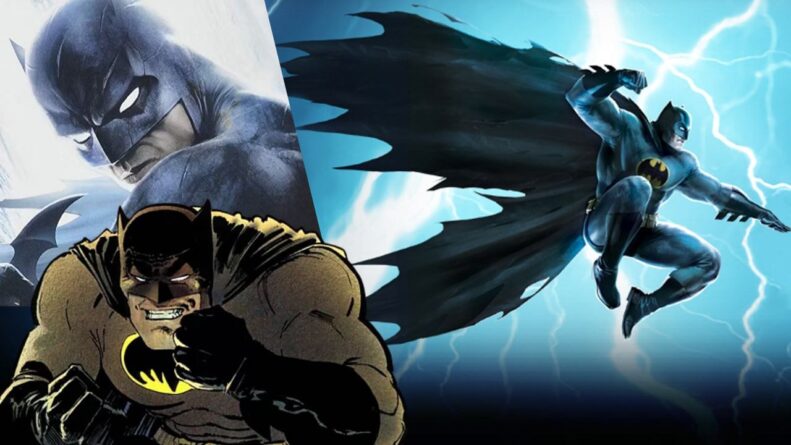
The Dark Knight Returns 

An older, retired Batman comes back in a near-future Gotham gone to rot. It’s the book that reshaped how mainstream comics treated violence and media satire. The limitation is tone — it’s cynical and blunt in a way that’s dated in some spots, and it’s a harder sell if you want anything hopeful.

6. Kingdom Come 

Mark Waid & Alex Ross, DC List price: ~$19.99 | 232 pages | Best for: readers who want the “old heroes vs. new heroes” generational story 
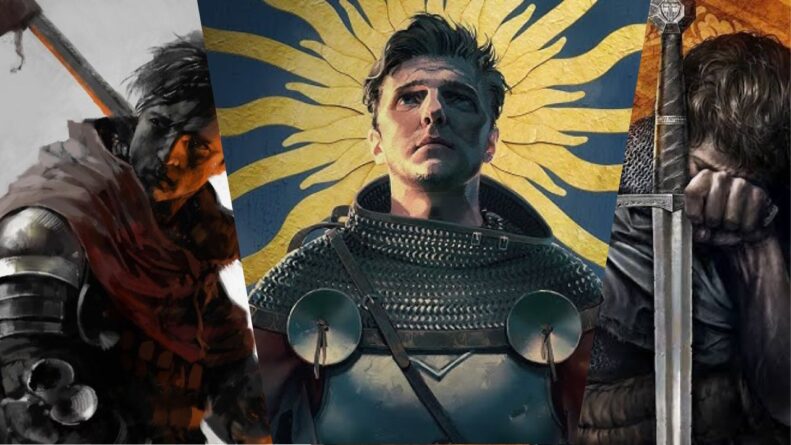
Kingdom Come

A near-future where the classic Justice League has retired and a reckless new generation is making a mess of things. Alex Ross’s painted art alone is worth the price. It’s like All-Star Superman but it works best if you already know who these characters are — it’s a payoff book, not an origin.

7. Daredevil: Born Again 

Frank Miller & David Mazzucchelli, Marvel List price: ~$24.99 | 224 pages | Best for: readers who want street-level stakes instead of world-ending ones 
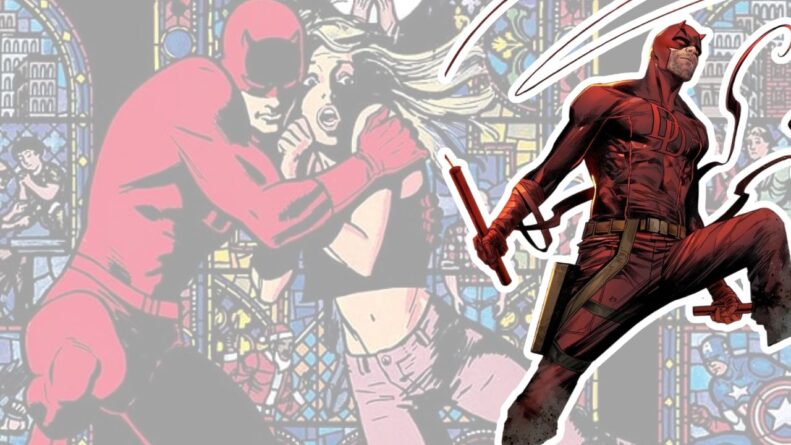
Daredevil Born Again 

The Kingpin learns Daredevil’s secret identity and systematically destroys his life. No capes-and-tights spectacle — just a slow, brutal takedown and a comeback. Why this book is in the Best Superhero Books list is because the stakes are personal and easy to follow. To read this book you must understand it’s grim, and Daredevil himself gets relatively little “winning” until late in the book.

Read More 👉  Best Superhero Books and Superhero Comics Books to Read

8. Superman: Red Son 

Mark Millar, Dave Johnson & Killian Plunkett, DC List price: ~$17.99 | 176 pages | Best for: readers who want a “what if” hook to pull them in 
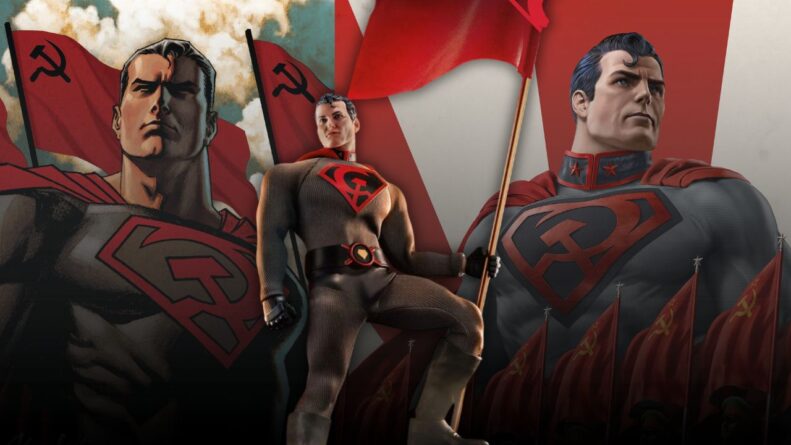
Superman Red Son 

The premise does the selling so considering this one in the Best Superhero Books is quick and easy. Superman’s rocket lands in Soviet Ukraine instead of Kansas. It’s a fast, clever alternate history that doesn’t require prior Superman knowledge to enjoy. The limitation is that it’s more of a thought experiment than a character study — don’t expect deep emotional arcs.

9. Invincible Compendium Vol. 1 

Robert Kirkman, Cory Walker & Ryan Ottley, Image/Skybound List price: ~$59.99 | 1,104 pages | Best for: readers who want maximum story per dollar and don’t mind a brick of a book 
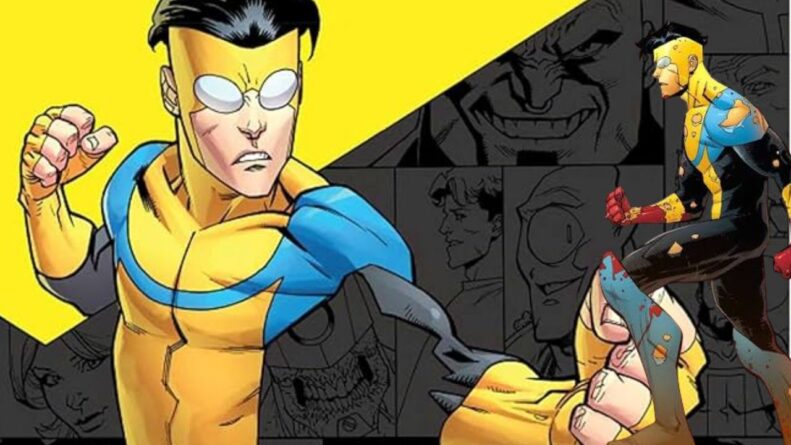
Invincible Compendium Vol. 1

This is a single collection of issues 1–47, so the cost per page is truly the best on this list. It starts off as a fairly generic teen superhero story, and gradually takes a turn for the darker and more violent – much more so than you’d expect from the art style, which is either a great twist or a cautionary tale, depending on how you feel about that shift.  

10. The Immortal Hulk Vol. 1: Or Is He Both? 

Al Ewing & Joe Bennett, Marvel List price: ~$17.99 · 136 pages · Best for: readers who want horror-tinged superhero stories 
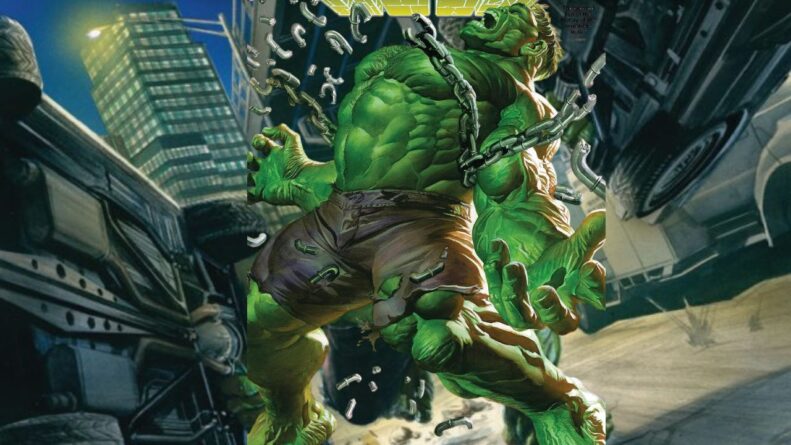
The Immortal Hulk Vol. 1 Or Is He Both

This run represents the Hulk, an unstoppable force tied to trauma and horror, and not just a big green brawler. It’s among the most celebrated superhero runs in the last ten years. The unfortunate news is that it’s pretty frightening, and the Hulk is nothing like the Hulk in the movies.  

11. X-Men: Days of Future Past 

Chris Claremont & John Byrne, Marvel List price: ~$17.99 (Epic Collection) | Best for: readers who want the X-Men story most adaptations borrow from 

There is also a short Superhero Comics yet highly impactful tale of a dark future that the X-Men work to prevent. It also served as inspiration for the 2014 film. The limitation is presentation — the Epic Collection format bundles in surrounding issues, so the specific story is shorter than the book’s page count suggests.

12. Runaways Vol. 1: Pride and Joy 

Brian K. Vaughan & Adrian Alphona, Marvel List price: ~$15.99 | 144 pages | Best for: teen readers or anyone who wants heroes who aren’t adults 

A group of teenagers discovers their parents are secretly supervillains. It’s one of the few Superhero Comics on this list built around characters who aren’t already famous, so there’s no homework required. Limitation is that it’s a slower burn — the “big” superhero action isn’t really the point here, so it can feel low-stakes at first.

Read More 👉  Best Spider-Man Marvel Comics for New Readers

13. Injustice: Gods Among Us: Year One Complete Collection 

Tom Taylor, DC List price: ~$19.99 | 328 pages | Best for: readers who want to see heroes go wrong 

Superman goes too far and the Justice League splinters over how to handle it. It has the pace of a TV season, so it is very bingeable. However, one of the darker interpretations of these characters, more in line with the video game on which it is based than any comics-code version of the League. 

14. The Long Halloween 

Jeph Loeb & Tim Sale, DC List price: ~$24.99 | 384 pages | Best for: readers who want Batman as a detective, not just a fighter. 

A serial killer is murdering the mob bosses in Gotham every holiday, and Batman, Gordon, and Harvey Dent have to determine who’s next. It’s a real whodunit with a superhero in the midst of it. Caveat is that the cast is huge — mob families, the GCPD, the Bat-family — so it requires a little more attention than your average origin story. 

15. Spider-Man: Blue 

Jeph Loeb & Tim Sale, Marvel List price: ~$19.99 (varies by printing; check current availability) | 144 pages | Best for: readers who want an emotional, character-first Spider-Man story 

Peter Parker narrates the story of falling for Gwen Stacy, told as a reminiscing after her death. This is not a fight scene but more about who Peter is underneath the mask. But it depends on knowing how Gwen Stacy’s story ends, which is a spoiler if you’re coming in completely cold. 

Which Superhero Comics Should You Read First?

The two (Watchmen vs. The Dark Knight Returns) are continually compared and pitted against each other as they began the same year (1986–87) and pioneered the genre soaring together, but they are not mutually exclusive baselines. 

Watchmen is the better pick if you want a self-contained story with an actual mystery driving it — it doesn’t assume you know any of these characters going in, because none of them exist outside this book. The Dark Knight Returns is the better pick if you already have some familiarity with Batman and want to see that familiarity subverted; it leans harder on you already knowing what an “ordinary” Batman story looks like.

If you only read one of the two as a true first Superhero Comics, Watchmen is the safer entry — Dark Knight Returns rewards you more once you have a couple of traditional Batman stories under your belt for contrast.

Read More 👉  The Top 10 Marvel Comic Books Every Fan Should Own

Which One Should You Actually Buy First?

If you want the shortest path to understanding why Superhero Comics critics take the medium seriously, start with Watchmen. If you want something warm and fast that doesn’t ask you to know anything going on, start with Ms. Marvel: No Normal. If you want the best value per dollar and don’t mind committing to a long story, the Invincible Compendium gets you over a thousand pages for roughly the price of three standard trades. 

And if it’s the films that drew you in and you’re just looking for the comic that’s most like what you’ve already seen, X-Men: Days of Future Past and The Long Halloween are the two that are most directly linked to popular adaptations. 

All fifteen Superhero Comics are available via Amazon, Barnes & Noble, and your friendly neighborhood comic shop, and a handful are also readable digitally through Marvel Unlimited or DC’s digital app if you want to check out a chapter before buying a physical copy. 

Conclusion

Whether you’re just getting started with comics or coming over from the movies, this Best Superhero Books list should give you a few easy jumping-off points. From Batman and Superman to Ms Marvel and Spider-Man, each Superhero Comics offers something new, and none of them require decades of comic book reading. Check out the beginning story that interests you and take it from there. 

Stay connected with Fandomfans to get every update and theory from movies, series, and celebrities.

Alpana

Articles Published : 156

Alpana is Fandomfans Senior Editor across all genres of entertainment. She evolved in the media industry since a very long time, she manages the content strategy and editing of all the blogs. Her focus on story development, review analysis, and research is well-equipped that ensures every article meets the standards of accuracy and depth.

Leave a Comment

Your email address will not be published.

Why X-Men ’97 Season 2 Could Be Marvel’s Biggest Animated Hit

Discover why X-Men '97 Season 2 could become Marvel's biggest animated hit, from its acclaimed storytelling and fan-favorite characters to expanding the ....

Written by: Mariyam
Published: June 3, 2026, 7:55 am
X-Men '97 Season 2

Marvel Animation Studio confirmed to release X-Men ’97 Season 2 to continue the next chapter of the mutant saga on Disney+ on July 1, 2026. The time-shattering events of the first season left fans wondering about the storyline. After receiving a 99% Rotten Tomatoes score, an Emmy nomination, and widespread recognition as the best Marvel animated show in history. The wait is over, and the countdown begins for a darker and emotional packed season.

Why X-Men ’97 Season 2 Is So Popular

The overwhelming popularity of X-Men ‘97 Season 2 is continuously growing due to its retro charm and more darker narrative. The original 1990s cartoon laid down a solid foundation of X-Men but the revival managed to elevate the stakes with shifting its theme from cartoon to a heavy tragedy, political betrayal and systemic oppression series.  

In the first season, The tragic destruction of the mutant haven Genosha raised the stakes and turned a narrative point, proving that the show was willing to go to devastatingly dark places. The visual is more intense with 3D action sequences that give battles a cinematic quality. Everything is so highlighted, even small details such as Cyclops’ optic beams reflecting off his visor to show emotion when his eyes are covered, that adds emotions and attention into the series. 

X-Men '97 Season 2

This isn’t just about visuals of the series, the soundtracks are equally matched with the scenes. Taylor Newton Stewart and John Andrew Grush, known as the Newton Brothers put a soul in a series with an energetic version of the iconic theme song, many fans chose not to skip the intro. 

Keeping the story moving while giving characters room to grow is a refreshing approach for fans who had seen the same approach in recent MCU series. With its highly-intense visuals, perfectly balanced soundtracks, emotional storytelling and heavy action has set the new standard for superhero adaptations.

Overall, the series premiered in May 2024 that it became so popular and made a huge fanbase. Now its second season is so popular because Marvel adds more exciting plot twists and emotional core to the series.

Production And Creative Transitions

Marvel brings original X-Men: The Animated Series writers Eric and Julia Lewald, alongside original director Larry Houston, to executive producers for X-Men ‘97 Season 2. To keep the core identity of the franchise and serve a stable storyline Chase Conley and Emmett Yonemura are also back as directors to preserve the creative DNA of the show remains intact. And DeMayo is still credited as an executive producer and writer for the upcoming season.

  • Larry Houston
  • writers Eric
  • X-Men ‘97 Season 2
  • X-Men ‘97
Marvel’s head of streaming, television, and animation, Brad Winderbaum also announces his long-term plan for the franchise by revealing scripts for a third season—penned by Chauncey, What If…? head writer. And actors like Lenore Zann (Rogue) are already recording lines.

The Three Eras of X-Men ‘97 Season 2 

The best Marvel animated show, X-Men ‘97 Season 2 narrative ends up after the fight against machine-hybrid Bastion and Operation: Zero Tolerance. But the team of X-Men are scattered across time in three distinct eras: 

Ancient Egypt (3000 BC): Where Rogue, Magneto, Beast, Charles Xavier, and Nightcrawler got stuck and found Apocalypse, but a younger version alongside the Sandstormers. The tribe adopts him after his exile due to his grey skin and instills in him the belief that only the strong survive. This setup is fit to explore the past, present and future of Apocalypse who is the main villain in Season 2 and showing there was once a redeemable mutant before he armored himself in celestial technology. 

The Desolate Future (3960 AD): Cyclops and Jean Grey reunite with their young son, Nathan Summers, who was sent forward in time to cure his techno-organic virus. Meanwhile Apocalypse is already growing with more power and supreme in this time. Mother Askani (who is actually an aged Rachel Summers from an alternate reality) trained Nathan along with Clan Askani. He was trained to control the virus which turning his flesh into organic steel, preparing him to become the temporal warrior Cable.

X-Men '97 Season 2

The Present Day (1990s): The team already gone away, anti-mutant threat is growing continuously. Bishop and Forge remain in the present, trying to figure out how to bring back everyone in a present timeline. Forge reorganizes a government-backed team of mutant protectors, in order to protect the world alongside remaining heroes like Jubilee and Sunspot. It also establishes a new lineup of X-Factor.

Era / Timeline Active Characters Primary Narrative Focus & Conflicts Comic Book Influence / Origin
3000 BC (Ancient Egypt) Rogue, Magneto, Beast, Xavier, Nightcrawler, En Sabah Nur Apocalypse’s origin; the Sandstormers’ influence; the ideological battle for young En Sabah Nur. Rise of Apocalypse & Ancient Egyptian Lore.
1990s (Present Day) Forge, Bishop, Jubilee, Sunspot, Polaris, X-Factor, Sabretooth Forge’s struggle to find the lost team; rise of anti-mutant sentiment; mobilizing X-Factor. X-Factor (Government-sponsored mutant team).
3960 AD (Distant Future) Cyclops, Jean Grey, Young Nathan, Mother Askani Summers family reunion; Cable’s training to control the techno-organic virus under Clan Askani. Clan Askani & Cable’s futuristic origins.

X-Men ’97 New Season Adapting a Dark Comic Lore

What makes the upcoming season of X-Men ’97 highly anticipated is its unapologetic adaptation of some of the darkest, most complex storylines in Marvel Comics history.

What Happened with Gambit?

X-Men '97 Season 2

The setup centers upon the return of Apocalypse who plans to assemble his notorious Four Horsemen. The trailer strongly suggests that Apocalypse will resurrect Gambit and make him one of the four horsemen of Death. This setup will force Rogue to face the monster who looks like the man she loved.

Is Wolverine Still Alive?

Wolverine’s arc follows the “Fatal Attractions” comic storyline, After Magneto ripped the adamantium from his skeleton in the Season 1 finale, Logan enters his “Bone Claws” phase. He is in no shape to fight with his enemies like Sabretooth and Lady Deathstrike without his metal claws and bones.

X-Men '97 Season 2

According to comics, whenever he loses his toxic metal, he also becomes more vulnerable, which makes him more wild and monstrous. Trailer shows his claws back with him suggesting he either makes a dark bargain with Apocalypse or receives the metal back as a remorseful gesture from Magneto.

Nightcrawler as an Ordained Catholic Priest

The series connects to The Draco comic storyline which revealed Nightcrawler summoned powers from his biological father Azazel, an ancient mutant who inspired historical depictions of Satan. 

X-Men '97 Season 2

Xavier’s Danger Room 

The series will feature Xavier’s Danger Room as a powerful robotic being, which becomes a dangerous living machine for X-Men. She adds a morally grey conflict by targeting X-Men’s students and exposing their secrets which Xavier hides from everyone.

Prequel Comics and Premiere Campaigns That Created X-Men ’97 More Hype 

Marvel is running a major campaign to ensure the series dominates the cultural conversation well before its premiere. The main trailer revealing during Comic Con Ontario created a excitement and buzz online among fans for its reference to comic, updated costumes, and a recreation of Frank Miller’s famous Wolverine #1 (1982) cover. 

To directly bridge the narrative gap, Marvel Comics is releasing X-Men ’97: Season Two on June 3, 2026, the prequel reunites writer Steve Foxe, artist Salva Espin, and colorist Matt Milla. The comic expands the story by describing how the world is changing in X-Men disappearance and how Forge reorganizes the government-sponsored X-Factor with Bishop, Jubilee, and Sunspot to defend a world that “hunts and hates mutantkind”.

Read More 👉  X-Men ’97 Season 2: Marvel’s Legendary Mutants Return

Conclusion

X-Men ’97 Season 2 will continue the story which seems to have a tragic end in season one. The character’s arc will be more darker and emotional while facing a biggest threat that leads to too many deaths. It perfectly aligns with comic book lore. 

The storyline is focused on time-traveling epic challenges which sets the standard boundaries of mainstream animation. The production and creative team prepared this series using high quality visuals and soundtracks which became popular with intense action and emotional packed narrative that bridges the gap between comic books and television. 

If the series maintained its mainstream viewership for its season 2, it would not only solidify its reputation as the best Marvel animated show, but also redefine the approach for bringing back favorite mutant heroes in upcoming years.

Get updates on Fandomfans from upcoming movies & series, we also focus on delivering deeper details on characters and celebrities.

Mariyam

Articles Published : 76

Mariyam Khan is Fandomfans Content Writer and providing reports and reviews on Movie Celebrities, and Superheroes particularly Marvel & DC. She is covering across multiple genres from more than 4+ years, experience in delivering the timely updates.

Leave a Comment

Your email address will not be published.

Why Marvel Comics Launching the Midnight Universe Variant Cover Program?

Discover why Marvel Comics is launching the Midnight Universe Variant Cover Program, its purpose, featured creators, and what it means for fans and collectors.

Written by: Alpana
Published: July 25, 2026, 8:13 am
Marvel Comics

Walk into the comic shop on October 7 and ask for a copy of Midnight X-Men #1. The clerk isn’t going to just hand you one. They’re going to ask which one — because Marvel built it that way on purpose. The Marvel Comics Midnight Universe Variant Cover Program locks in five recurring covers, labeled A through E, on every issue of the publisher’s new horror imprint, and it’s the most structured collector play Marvel has run in years. 

If you’ve ever walked out of a shop annoyed that your favorite artist’s variant sold out before you got there, this is Marvel’s attempt to fix that — or, depending on how you look at it, to make sure you’re buying five books instead of one.

What Is the Marvel Comics Midnight Universe Variant Cover Program?

Marvel announced the program in mid-July, ahead of the Midnight line’s October 7 launch, and it applies across all three debut titles: Midnight Spider-Man, Midnight Fantastic Four, and Midnight X-Men. Instead of one-off variant covers that show up whenever a shop feels like ordering them, every issue in the line gets the same five-cover structure, month after month:

  • Cover A – Regular: the standard cover, wrapped in the “Cloaked Midnight” trade dress that gives the whole line its unified look.
  • Cover B – Midnight Bloodbath Variant: blood-soaked art built around the horror side of the line.
  • Cover C – Midnight Special Variant: spotlight covers reimagining classic Marvel heroes, old and new, through the Midnight lens.
  • Cover D – Midnight Horror Homage Variant: covers styled after iconic horror imagery — think classic slasher and creature-feature poster homages.
  • Cover E – Midnight Gallery Variant: prestige, painted covers meant to look like gallery pieces rather than newsstand art.

On top of the A-through-E system, Marvel is also running three-part connecting variant covers by artist Clayton Crain across the launch titles, and a “Cloaked Cover” gimmick that hides the actual art until a shop unwraps or scans it — a wrinkle aimed squarely at people who like the mystery-box side of collecting.

The stated goal, according to Marvel’s own announcement of Marvel Midnight Universe Variant Cover Program, is consistency: shops can predict what their regulars want every month instead of guessing at one-off variants, and readers know exactly what they’re getting into before they walk in. That’s a real, practical retail problem Marvel is solving here — variant cover chaos has been a running complaint from shop owners for years, and a fixed A-E system is a genuine attempt to standardize ordering across an entire imprint rather than issue by issue.

The same-day release piece matters more than it sounds like on paper. Ordering three separate books on three separate schedules, each with its own one-off variant lineup, means a shop’s owner is juggling three different sets of Diamond or Lunar order forms with three different deadlines and three different guesses about demand. 

Marvel Midnight Universe

Collapsing that into one October 7 launch, with one shared cover structure across all three titles, turns three separate ordering headaches into one. That’s the kind of unglamorous back-office fix that never makes a splashy press release on its own — which is probably why Marvel bundled it with a horror-flavored variant program dramatic enough to actually get written up.

Marvel isn’t inventing the concept of a themed variant program from scratch — publishers have run alphabet-labeled variant systems before, usually tied to a single event or anniversary. What’s different here is duration and scope. This isn’t a six-week promotional push around one crossover; it’s the permanent cover architecture for three separate ongoing titles, meant to stay in place issue after issue rather than fade out once the launch hype dies down. 

That’s a bigger commitment than most variant programs make, and it’s also a bigger bet — if sales dip by issue #4 or #5, Marvel has locked itself into printing five covers a month for books nobody’s talking about anymore.

Read More 👉 How Did Wolverine Get His Adamantium Skeleton in X-Men ’97? Explained

Marvel’s New Era Begins With These Three Books 

The Marvel Midnight Universe Variant Cover Program only matters if the books underneath it are worth chasing, so here’s what’s actually launching on October 7.

Midnight X-Men: Vampires vs. Mutants

Written by Jonathan Hickman with art by Matteo Della Fonte, Midnight X-Men reimagines New York as contested ground between vampires and what Marvel is calling “mutant empires.” The two factions are holding an uneasy peace that’s already cracking by issue #1 — early previews show Storm and Nightcrawler apparently turned into vampires themselves, which tells you how fast that peace is falling apart. 

Hickman has been vocal about how much he’s enjoying the project, saying at one point that it’s the most excited he’s been about a book in years. Issue #2, already solicited for November, puts Cyclops front and center as a vampire hunter, which suggests Marvel has real long-term plans for this book rather than a one-and-done horror gimmick.

For a franchise that’s spent the better part of a decade on Krakoa-era politics and mutant nation-building, dropping the X-Men into a straight-up vampire war is a genuine tonal swing. Della Fonte, whose prior Marvel work includes Nova: Centurion, is drawing a book that leans hard into gore and body horror rather than the sleek sci-fi look X-Men readers got used to under the Krakoa banner — early preview pages already show Storm feasting on Phoenix, which tells you Marvel isn’t holding back to protect anyone’s sacred cows.

Midnight Fantastic Four: Cosmic Body Horror

Benjamin Percy writes, with Kev Walker on art. Marvel’s own synopsis describes a scientist’s curiosity accidentally unleashing ancient terrors on the world while transforming himself and three others in “strange and horrifying ways” which is about as close as you can get to a body-horror take on the FF’s classic origin without spelling it out panel by panel. 

Cosmic Body Horror

Percy has built a career on horror-adjacent Marvel work — Wolverine and X-Force runs that leaned into body horror and paranoia long before Midnight existed so this pairing tracks. Walker’s art has the kind of jagged, unsettling linework that suits cosmic horror better than a straight superhero book, which matters here since the FF’s power set is getting rewritten around dread rather than wonder.

Midnight Spider-Man: Something Monstrous

Phillip Kennedy Johnson writes, with ScieTronc on art. Marvel’s official line teases that Spider-Man discovers “with great power… comes something monstrous” — intentionally vague, and Marvel hasn’t confirmed specifics beyond that. You’ll see some outlets already floating a specific transformation tied to Oscorp; treat that as speculation until Marvel or the creative team confirms it directly, because it hasn’t shown up in any official synopsis yet. 

What Marvel has confirmed is the pairing itself — Johnson coming off high-profile Marvel writing work, paired with ScieTronc’s art, on the book carrying the line’s most recognizable face. Of the three launch titles, Midnight Spider-Man is the one Marvel has said the least about, which either means they’re holding the twist close or that it’s still being locked down this close to release. Worth watching for a fuller synopsis as October gets closer.

Why Marvel Is Launching This Initiative Now

The first question — why does this specific Marvel Midnight Universe Variant Cover Program exist has a confirmed answer: Marvel wants predictable, line-wide ordering for retailers and a same-day release for all three titles instead of a staggered rollout. In fact, Marvel had originally planned to stagger the three books starting in August, then restructured the whole thing into a single mega-launch on October 7 so all three debut together. The variant program is part of that same restructuring — one unified system instead of three separate ordering headaches.

The second question — why is Marvel launching an entire horror-themed alternate universe in the first place does not have an officially confirmed answer, no matter how many outlets frame it that way. What’s actually happened is that DC’s Absolute Universe line, which launched in October 2024 with Absolute Batman and built out from there, has had a genuinely strong critical and commercial run, and a wide swath of comics press — Screen Rant, Den of Geek, Bleeding Cool, Inverse, and others has openly speculated that Midnight is Marvel’s answer to it. 

That’s a reasonable read given the timing and the tonal overlap: both lines take a “darker, altered reality” approach to flagship characters. But Marvel itself has never said “we built this because of DC,” and treating that connection as confirmed fact rather than industry analysis is the kind of thing that gets an article fact-checked into embarrassment later. It’s a fair theory. It’s not a quote.

Read More 👉 Who Is the New Editor-in-Chief of Marvel Comics? Stephen Wacker Explained

Is the Variant Program Actually Good for Collectors?

Depends which side of the shop counter you’re on. For retailers, this is close to a win across the board — a fixed five-cover system across three ongoing titles is dramatically easier to order for and stock than the usual scattershot of surprise variants that show up whenever an artist has a slow week. For readers who like completing a set, it’s also genuinely appealing: you know exactly what you’re chasing every single month, across all three books, instead of finding out after the fact that a shop got one copy of the cover you wanted and it’s long gone.

Something Monstrous

The catch is the math. Five official covers times three ongoing monthly titles is fifteen covers a month if you’re a completionist, before you even factor in the Clayton Crain connecting covers or any one-off exclusives Marvel layers on top later. The Cloaked Cover gimmick is fun the first time and expensive the tenth time, especially if you’re the kind of reader who wants to know what you’re buying before you buy it rather than treating every issue like a scratch ticket. Consistency is good for planning your spending. It doesn’t automatically mean you’ll spend less.

There’s also a longer-term collector risk worth naming plainly: alphabet-labeled variant systems only hold their value if the underlying books keep selling. If Midnight Fantastic Four or Midnight Spider-Man cools off by the fall while Midnight X-Men carries the line on Hickman’s name alone, expect Cover E gallery pieces on the weaker titles to become easy back-issue-bin finds within a year, no matter how nice the paint job is. A five-cover system doesn’t create demand by itself — it just makes it easier to see exactly how much demand exists, issue by issue, once the initial launch rush wears off.

Conclusion 

If you’re picking up Midnight X-Men, Midnight Fantastic Four, or Midnight Spider-Man on October 7, decide your cover strategy before you walk in, not at the register. Cover A alone gets you the story and the “Cloaked Midnight” trade dress that’s meant to define the whole line’s identity — that’s the same baseline if you’re budget-conscious. 

If you’re chasing art specifically, Cover E’s painted gallery style is the one most likely to hold value as a standalone piece, since prestige painted covers tend to age better than gimmick Marvel Midnight Universe Variant Cover Program once the initial hype cools off.

Dive into the deeper details with Fandomfans based on the latest updates from movies, series, and celebrities.

Alpana

Articles Published : 156

Alpana is Fandomfans Senior Editor across all genres of entertainment. She evolved in the media industry since a very long time, she manages the content strategy and editing of all the blogs. Her focus on story development, review analysis, and research is well-equipped that ensures every article meets the standards of accuracy and depth.

Leave a Comment

Your email address will not be published.