Home > Web Series > HBO Hard Launches 2026: Euphoria S3, House of..
HBO Hard Launches 2026: Euphoria S3, House of the Dragon S3, Dune: Prophecy & More
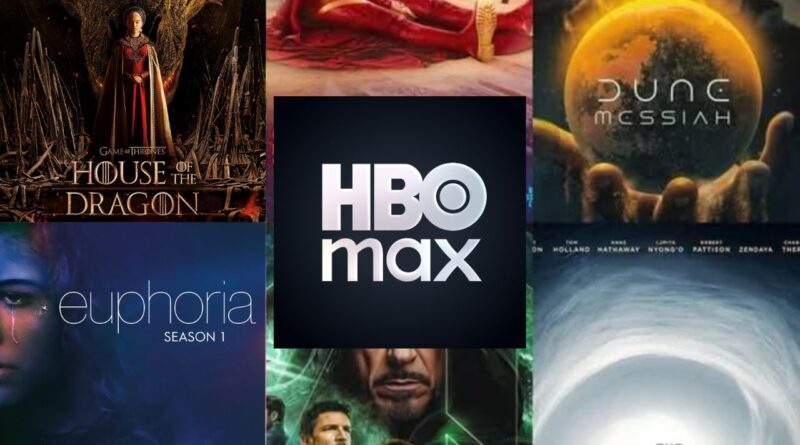
HBO Max Hard Launch 2026 with a hard launch featuring Euphoria Season 3, House of the Dragon S3, Dune: Prophecy and more event TV redefining streaming.
The worldwide streaming market is beginning to experience its most pronounced realignment since the emergence of direct-to-consumer services. The late 2025 acquisition of Warner Bros. Discovery for a mind-boggling $82.7 billion by Netflix practically brought an end to the so-called “Streaming Wars.” Amidst this wave of mergers and acquisitions, HBO Max—downgrading to the less intuitive “Max” branding stages a come-back in 2026 with its content slate. And this isn’t just a programming note. It’s a statement of who they are.
Image Credit: Fandomfans
Instead of pursuing scale, HBO Max is focusing on what it’s done best all along: event television series that rule cultural conversations, spark debate, and seem impossible to skip watching. Led by the return of Euphoria and House of the Dragon, and bolstered by ambitious franchises Lanterns and Dune, the 2026 slate aims to make HBO Max a must-have.
Consolidation Without Homogenization
Netflix–Warner Bros. Discovery combination raised immediate worries about creative dilution. Could HBO’s prestige DNA survive within the world’s largest algorithm-driven streamer? Early signals suggest yes.
Netflix executives have already committed to a federated platform model, so that HBO Max will exist as an independent, curated, prestige destination within the broader Netflix ecosystem. The logic is clear: Netflix delivers on scale and breadth, HBO Max is the home for high-value subscribers who seek auteur-driven storytelling. Rather than a battle with each other inside a siloed business, the two platforms are now a strategic “barbell” — mass appeal on one side, cultural authority on the other.
Restoring the HBO name in 2025 was not simply a cosmetic choice, but a corrective one. The previous “Max” branding watered down a name that is synonymous around the world with quality, trust and ambition. Senior executives were clear that audiences do not want more content, but better content.
Image Credit: Fandomfans
Formerly Warner Communications, it showed a similar myopia in 1984 in its bullying marketing for The Cotton Club. In a similar vein, HBO Max also took a more tongue-in-cheek approach on social media, emphasizing the confusion around its name and inviting viewers to laugh along with it. Instead of undermining trust, this openness eventually boosted it.
The 2026 Slate: Event Television by Design
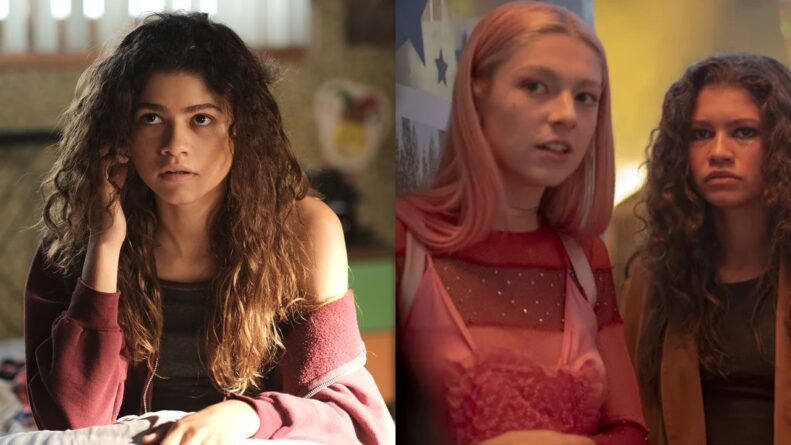
All the signs indicate a strong 2026 for HBO Max. New content will also create considerable disruption. The biggest attraction is Euphoria’s third season, returning after a long hiatus. It leaps forward five years, and dark noir style and twisty, grim plots are still very much in evidence. The show ditches teen drama roots for psych thriller vibes — and it’s a daring change. HBO is at its best when it bets big.
Image Credit: Fandomfans
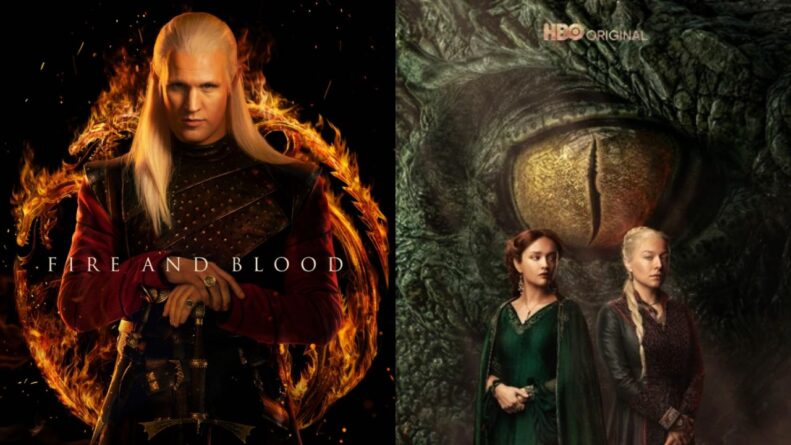
House of the Dragon Season 3 embraces full-scale war. Season 2 was criticized for being too slow, this one will include non-stop fighting, culminating in the technically gargantuan Battle of the Gullet. Every two years may feel like a long wait, but the scale does require it.
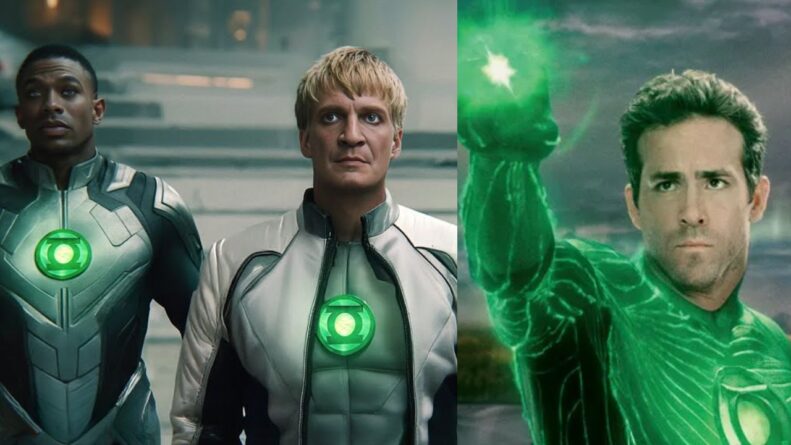
Lanterns marks a DC television genre shift. Designed after True Detective, the series roots cosmic mythology in a gritty rural murder case. It’s less about spectacle and more about tone, character, and atmosphere — an intentional break from superhero excess.
Image Credit: Fandomfans
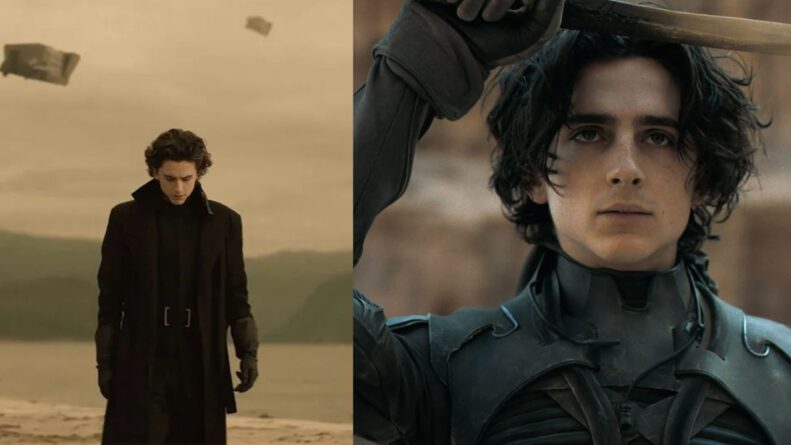
Dune: Prophecy Season 2 is perfectly timed to coordinate with the theatrical release of Dune: Part Three, offering a consolidated “Year of Dune.” This synergy allows HBO Max to ride the cultural momentum of the big screen while deepening franchise lore.
Retention, Rhythm, and Churn Control
Outside of prestige dramas, the 2026 lineup is wisely packed with comedies and procedurals to give subs a reason to keep watching all year. Revivals such as The Comeback, star-powered projects from Bill Lawrence and Larry David, and reliable procedurals like The Pit and Industry mean there are no “dead zones” in the release schedule.
That exact scheduling is a manifestation of what churn psychology—give the viewer a reason to be subscribed every month for your service.
Conclusion
HBO Max’s 2026 plan isn’t “to pour more and more stuff into the market.” It’s about owning attention.
Through its commitment to high-risk reinvention, cinematic scale and high concept/genre-bending storytelling — while also reinforcing the power and prestige of the HBO brand — the service is carving a space for itself as the best-b-value in the entertainment world, at a time when the business world has been consolidated. With competitors presenting their own massive suites of content, HBO Max is making a different promise: Not more. Better. And in the post-consolidation era, that distinction may matter more than ever.
Fandomfansis a platform where you can learn about the next movie and series seasons. Our goal is to deliver cinema reinvention fast and in an understanding way.
Mariyam
Articles Published :
76
Mariyam Khan is Fandomfans Content Writer and providing reports and reviews on Movie Celebrities, and Superheroes particularly Marvel & DC. She is covering across multiple genres from more than 4+ years, experience in delivering the timely updates.
Harry Potter HBO Series Starts Production: Meet Dominic McLaughlin, Arabella Stanton & Anton Lesser in First Official Look
The Harry Potter HBO series kicks off filming! Meet Dominic McLaughlin, Arabella Stanton, and Anton Lesser in new roles. See the first official look today!
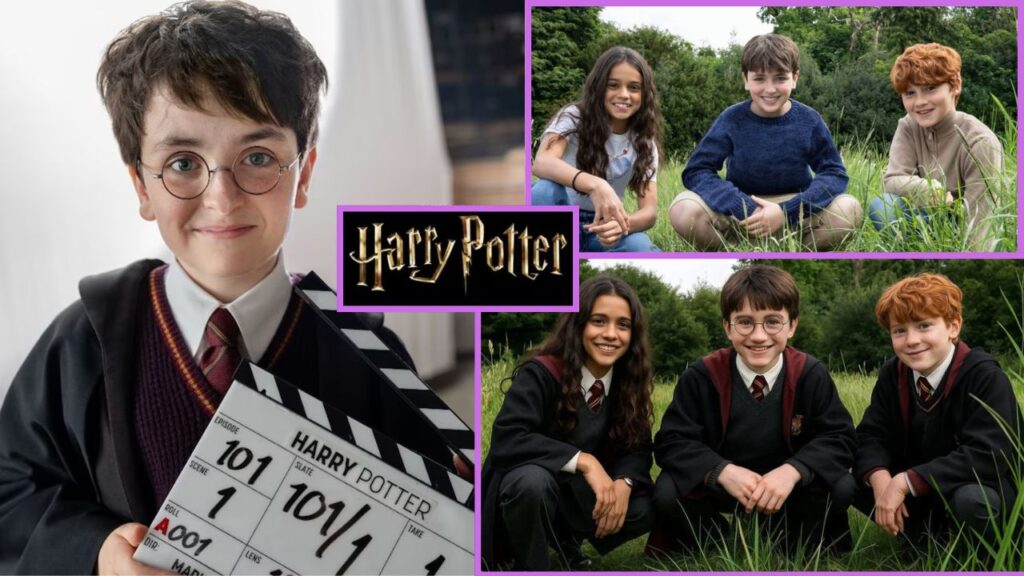
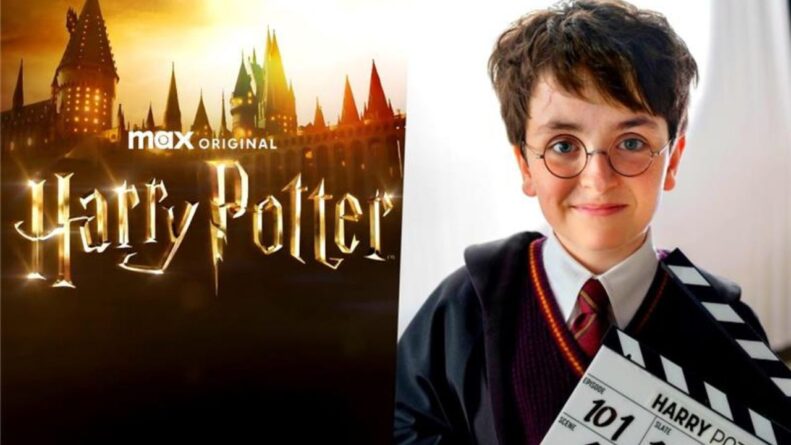
HBO has bеgun filming its nеw Harry Pottеr TV sеriеs at Warnеr Bros. Studios in Lеavеsdеn, England. Thе first imagе of thе young cast has alrеady bееn rеlеasеd. It shows 11‑yеar‑old Dominic McLaughlin drеssеd in thе classic Hogwarts uniform, with round glassеs and thе еlеctric lightning‑bolt scar, just likе Daniеl Radcliffе’s iconic look.
Arabella Stanton and Alastair Stout complete the famous trio as Hermione Granger and Ron Weasley. The three actors earned their roles after a huge audition process with over 30,000 young hopefuls from the UK. Stanton previously starred in West End productions like Matilda and Starlight Express, while Stout is new to acting but had appeared in a potato commercial.
Image Credit: Deadline
Alongside the trio, new cast members include Rory Wilmot as Neville Longbottom, Amos Kitson as Dudley Dursley, Louise Brealey as Madam Hooch, and Anton Lesser as Garrick Ollivander. Prior announcements confirmed that Nick Frost is Hagrid, Paapa Essiedu is Severus Snape, John Lithgow is Dumbledore, Janet McTeer is McGonagall, Johnny Flynn and Lox Pratt are the Malfoys, and Katherine Parkinson is Molly Weasley.
HBO also says the series will cover all seven original books, with one season per novel. They are aiming for the series to last about a decade, making it one of their biggest projects ever. The showrunner is Francesca Gardiner and several episodes are directed by Mark Mylod. J.K. Rowling and other producers return as executive producers, and the series hopes to deliver more detail than the films.
Image Credit: The Playlist
Filming started 14 July 2025, at the same studios where the original Harry Potter films were shot between 2000 and 2011. HBO has ensured it will be true storytelling full of magic and detail. Fantastical new cast and modernised costumes hope to reanimate beloved scenes in new ways.
https://www.youtube.com/watch?v=cfFeUMyyAaI
The Harry Potter series to debut in 2027 on HBO and HBO Max. The first season production is expected to continue into the spring of 2026. Fan excitement is high as the beloved story returns in long‑form television for a new generation.
This project represents Harry’s story coming full circle nearly 14 years after the last movie in 2011. With a new generation of young talent and a team dedicated to authenticity, audiences will get heart, magic and more time to visit Hogwarts than ever before.
Alpana
Articles Published :
156
Alpana is Fandomfans Senior Editor across all genres of entertainment. She evolved in the media industry since a very long time, she manages the content strategy and editing of all the blogs. Her focus on story development, review analysis, and research is well-equipped that ensures every article meets the standards of accuracy and depth.
‘The Boys’ Season 5: “Scorched Earth” is Coming in 2026, and We’re Not Ready
The Boys season 5 titled "Scorched Earth" arrives in 2026 with an explosive final battle, dark twists and high stakes as Butcher and Homelander face off.
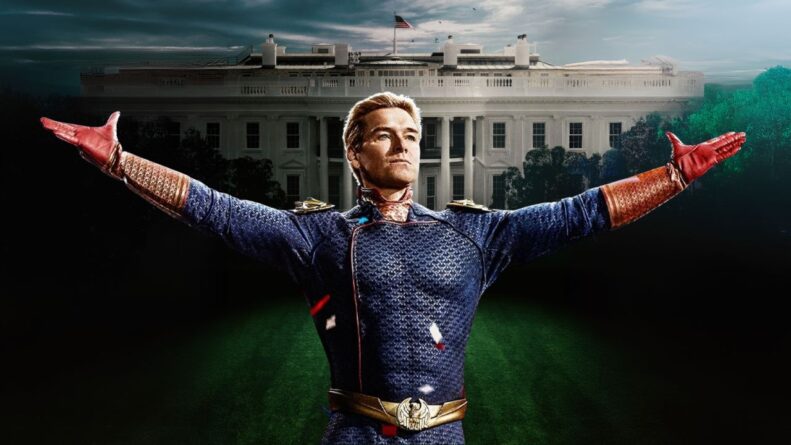
After all the years of being spectators to the cruelest, perhaps least moral superhero drama on any screen, small or big, we’re at last coming to an ending we didn’t know we desperately wanted. “The Boys” Season 5 (tentatively titled “Scorched Earth”) lands in 2026, and honestly, it’s never going to be the same for the world of superheroes.
Let’s be honest, Season 4 ravaged us. According to Tomsguide, Billy Butcher has lost all humanity and is now a literal monster, who wants to kill every supe – bad or good, guilty or not. He’s stolen a virus that can kill superheros, and he’s embraced the darkest path possible. Meanwhile, Homelander has basically taken over the US government via martial law (and the majority of The Boys are in jail), and Homelander. What about all that positivity we latched onto in the earlier seasons? Gone. Obliterated. “Scorched Earth.”
When ‘The Boys’ Season 5 Release
Image Credit: Fandomfans
According to Deadline, Showrunner Eric Kripke has perfectly set the stage for a fluid final act. We don’t have a day for it just yet, but filming is complete and the team is halfway through post-production, which will consist of visual effects and color grading. Season 5 promises eight more episodes of pure, unadulterated chaos.
Why “Scorched Earth” Is the Perfect Title for the Final Season
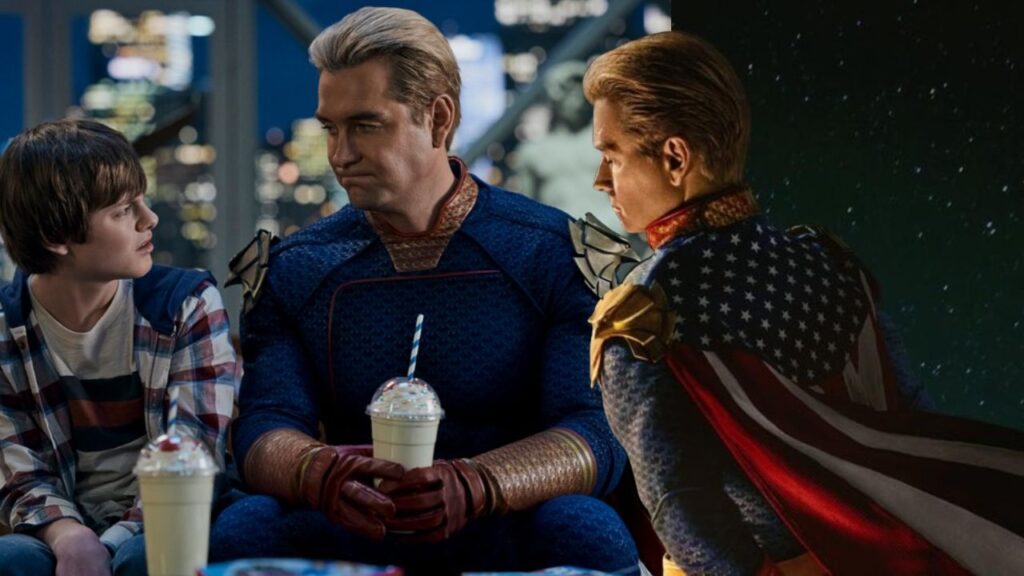
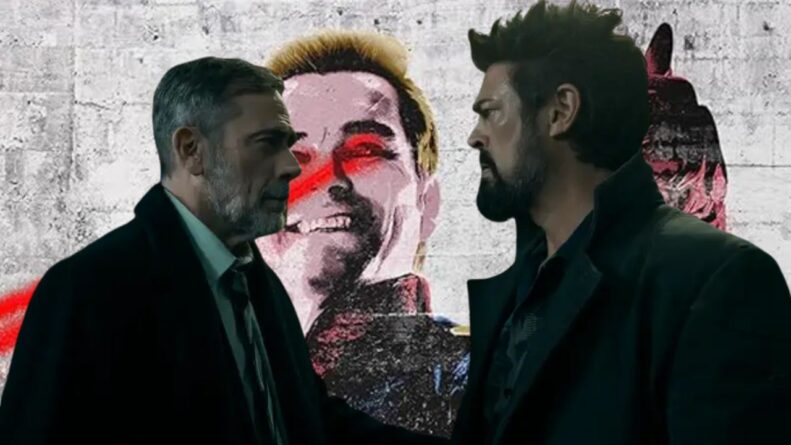
What makes Scorched Earth such a perfect title is that its meaning encapsulates the desperation that every character is feeling as they head into this finale. According to The Direct, Scarred and broken because of what he has been through, Butcher embodies the ‘scorched earth’ – wipe everything out, consequences be damned.
Karl Urban & Jeffrey Dean in The Boys |Image Credit: Fandomfans
Homelander, wielding even more power than before, is the authoritarian government that blossoms in the ashes. And The Boys? They’re smack-dab between two immovable objects and just trying to survive, not win.
Character Arcs of The Boys Season 5
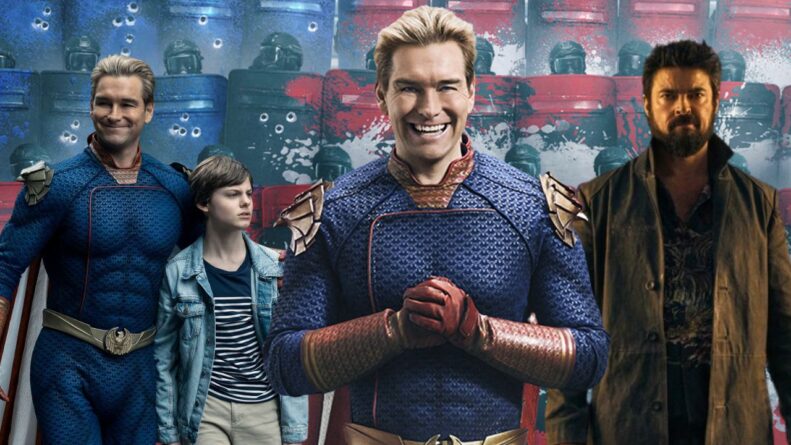
The thematic arc of The Boys has always been about: how power corrupts, how vengeance devours, and how even those heroes become the villains. According to IGN, Billy Butcher’s arc in particular is tragic, as we’ve seen him slowly strip away his humanity, the one thing his wife Becca made him vow to hold on to.
Character Arcs of The Boys Season 5 | Image Credit: Fandomfans
Kripke has teased that Hughie will “learn what it really means to be human” in season 5 and he also suggested Hughie might find redemption where Butcher has none.
What’s at Stake in Season 5
There are no higher stakes. Ryan appears to have sided with his father Homelander, which destroyed Butcher’s final hope. Sister Sage was the architect behind Homelander’s ascension with ruthless efficiency. Starlight got away from the cops and is the only member of THE BOYS still at large. Ashley actually got superpowers. And somewhere, amid all this warped terrain, maybe, there’s still a super virus that could do everything.
What we’re most looking forward to about ”Scorched Earth” isn’t just the prospect of an explosive final battle between Butcher and Homelander. It’s that anyone can come out on top with their humanity intact. In a series that has taken five seasons to delve deep into the darkness that lies within all of us, the final season might finally answer the question that’s been on our minds the entire time —- Can we be redeemed, or are we all just fated to burn?
Fandomfans keep eyeing every update about movies, films and industry decisions, to provide you with the fastest conclusion on the reports.
Alpana
Articles Published :
156
Alpana is Fandomfans Senior Editor across all genres of entertainment. She evolved in the media industry since a very long time, she manages the content strategy and editing of all the blogs. Her focus on story development, review analysis, and research is well-equipped that ensures every article meets the standards of accuracy and depth.