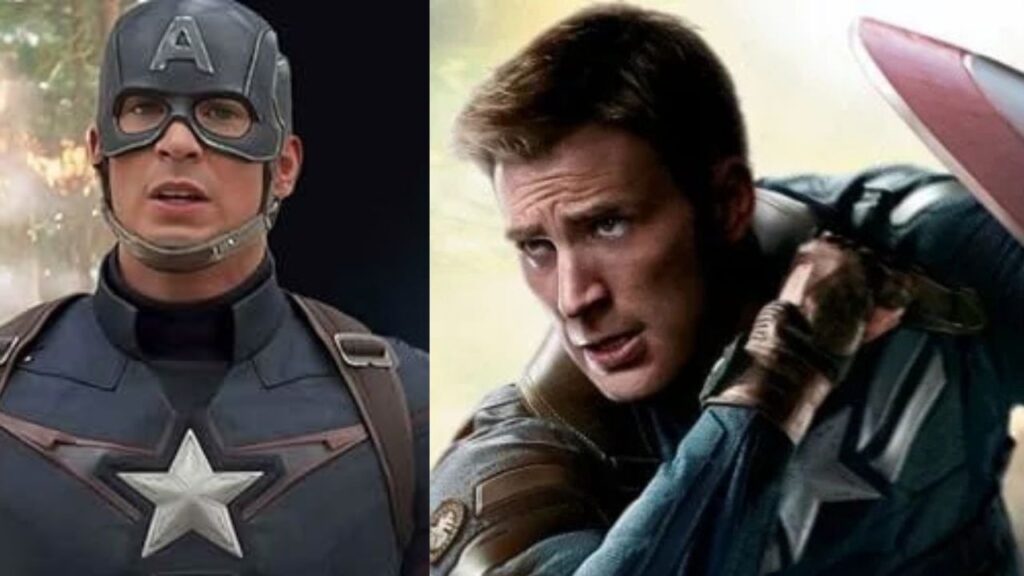
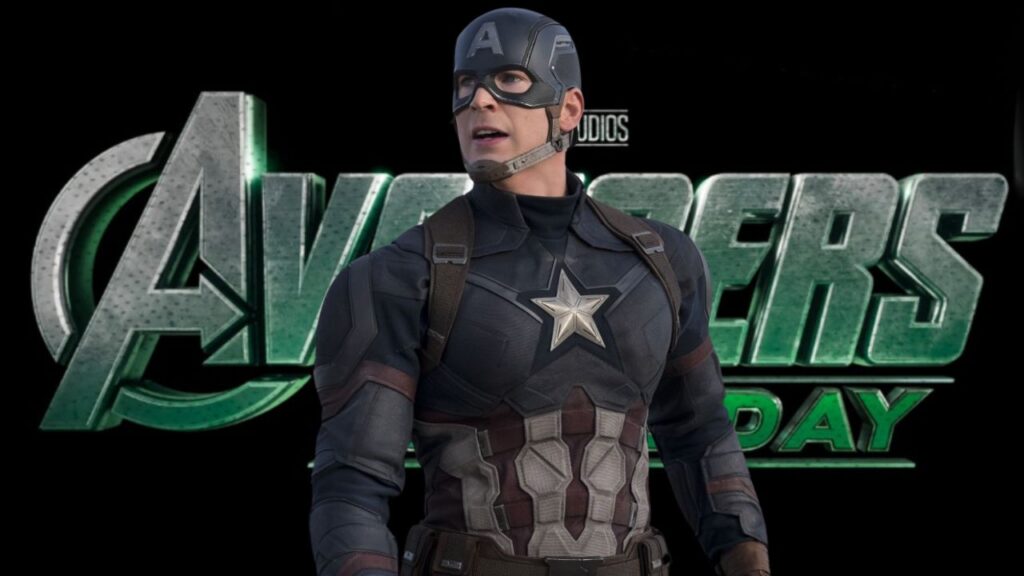
The Marvel Cinematic Universe (MCU) is now experiencing fundamental change at the executive level. What was once considered to be a steady industry growing is now pivoting into a “hail mary” to bring back the cultural and financial peak from the Infinity Saga. Changing the subtitle for the fifth Avengers movie from The Kang Dynasty to Avengers: Doomsday is not just a branding adjustment, it represents a complete overhaul of the franchise’s core narrative.
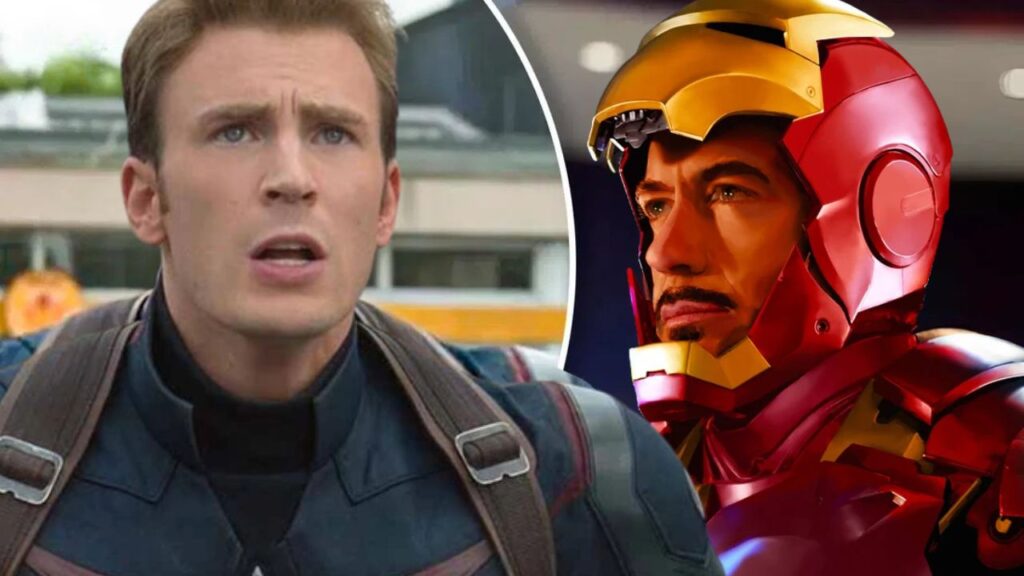
By recasting Robert Downey Jr. (RDJ) as Victor Von Doom and Chris Evans as Steve Rogers, Marvel is gambling $1.5 billion that the foundations of the past will hold the weight of the future.
A Pivot Born of Necessity
The shift to “Doomsday” comes out of an era of unparalleled chaos. Post Avengers: Endgame, Marvel has had trouble keeping a lid on its sprawling Multiverse Saga. The disappointment of Ant-Man and the Wasp: Quantumania confirmed that Kang the Conqueror despite Jonathan Majors’ performance wasn’t gelling as a Thanos-tier menace.
Marvel brass feared even before Majors’ legal troubles that Kang “wasn’t big enough,” according to IGN. Among the new additions is the return of the Russo Brothers and writer Stephen McFeely—the “old guard” responsible for the MCU’s biggest hits—to guide the way to Doctor Doom.
Strategic Component
Original Multiverse Plan
The Doomsday Realignment
Primary Antagonist
Kang the Conqueror
Doctor Doom (RDJ)
Main Anchor
New Generational Heroes
Legacy “Anchor Beings”
Creative Leadership
Fluctuating Directors
The Russo Brothers
The Robert Downey Jr Enigma: Hero, Sovereign, or Variant?
The news that Robert Downey Jr would be returning as Victor Von Doom rocked the fandom. He’s playing Doom, after all, but the narrative implications of the face are impossible to ignore. This has given rise to the “Anchor Being” theory based on Stark’s death in Endgame earth-616 has been “deteriorating”, the multiverse may be supplying an “dark mirror” alternative.
Screenrant suggests a 1970 Retcon. “In Endgame, when Tony goes to 1970, the timing of Maria Stark’s pregnancy seems a bit wonky.” The buzz is that the “real” Tony Stark was actually an adopted Von Doom. In this case, RDJ is not playing a variant of Tony, but instead playing the man Tony was always meant to be before he was a Stark.
The Return of Steve Rogers
Doomsday (presumably appearing next to Avatar: Fire and Ash) teasers were leaked that confirmed that Chris Evans is back. But this isn’t the Captain America we know. In the footage, Rogers is seen in a domestic situation that looks like the 1950s and he’s a father, presumably retired, living with Peggy Carter.
This “Nomad” paradigm is a creative challenge. So how does Marvel get Steve Rogers back without undercutting Anthony Mackie’s Sam Wilson?
The Sacrifice Play:Comicbookmovie that Rogers is going to get the “Loki treatment” — dying early in Doomsday to drive home how dangerous Doom is.
The Mentor Role: Rogers could be cast as an inter-dimensional tactician, with Sam Wilson holding on to the shield and the mantle of Captain America.
Was This Always the Plan?
The most contentious issue is whether this was “planned all along.” While the Kang-to-Doom shift was brought forward by outside influences, the breadcrumbs are there. In Age of Ultron, Tony’s vision of the fallen Avengers brought Steve Rogers saying,
“You could have saved us. Why didn’t you do more?”
In Doomsday, a Stark-faced Doom could be the man who ultimately takes the leap and decides to “do more” out of a genuine desire to save not just his world but all realities alike. Kevin Feige’s revelation that he talked through the Doom idea with RDJ long before the Kang story stalled suggests that Marvel always kept this “In Case of Emergency” glass box ready to break.
Avengers: Doomsday is an admission that the post-Endgame approach should be abolished. By casting the man who began the MCU to be the man who might end it, Marvel has ensured Doomsday will be the most scrutinized superhero film in history.
With the release in 2026 looming, the MCU finds itself in a bit of a crossroads. It has to show that it can borrow nostalgia to tell a new, deep story, or be remembered as a franchise that ran away into its own shadow because it was too scared of a murky future.
Fandomfansis delivering detailed theories on celebrity joining the blockbuster films. We are focusing on Marvel, DC, and big hits to give you the latest updates.
Alpana
Articles Published :
163
Alpana is Fandomfans Senior Editor across all genres of entertainment. She evolved in the media industry since a very long time, she manages the content strategy and editing of all the blogs. Her focus on story development, review analysis, and research is well-equipped that ensures every article meets the standards of accuracy and depth.
For decades now, horror has existed a bit on the margins of awards season — the darling of the audience but the red-headed stepchild of the institutions. But 2025 completely twists that narrative on its head. The horror genre has been conspicuously absent from Golden Globe nominations in recent years, but a blood-soaked drama here, classic monsters there, and some nerve-shredding indie scares for good measure proves that horror is now officially in the prestige spotlight. From Ryan Coogler’s bold Sinners to Guillermo del Toro’s soulful Frankenstein, this year offers ample proof that fear, when honed through vision and thoughtfulness, can hold its own with the most lauded cinematic storytelling.
The 2026 Golden Globes nominations was recently released, and the lead is not one of the usual biopics or oscarbaits. It’s blood, guts, and monsters. With major nods for Ryan Coogler’s Sinners and Guillermo del Toro’s Frankenstein, Screenrant has just spoken the quiet part out loud: 2025 is definitely the Year of Horror.
The jaw-dropper was not just that horror movies got nominated—it’s where they got nominated. Over the years, if a horror film managed to creep its way up the awards chat, it would usually be shafted to the technical side of things, or weirdly, “Musical or Comedy” (remember Get Out?).
But this year, two of the six slots for the Best Motion Picture – Drama are bona fide horror films.
Sinners
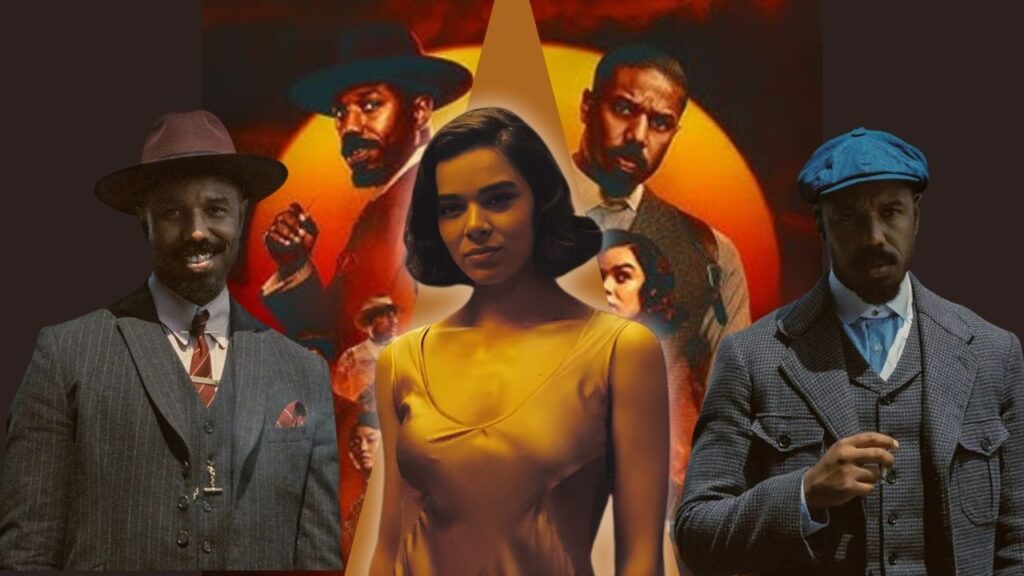
First, we have “Sinners“. It was always going to be an event when Ryan Coogler re-teamed with Michael B. Jordan, but I don’t think anyone was ready for this level of acclaim. A period vampire thriller set in the Jim Crow South? It seemed risky on paper, but the execution was perfect.
Image Credit: Fandomfans
With seven nominations, Sinners is both leading the pack and the only one with the majority of the votes. It combines high-brow historical drama with old-school, monster-movie terror in a way we haven’t seen since maybe Interview with the Vampire, but with more bite (pun intended).
Frankenstein
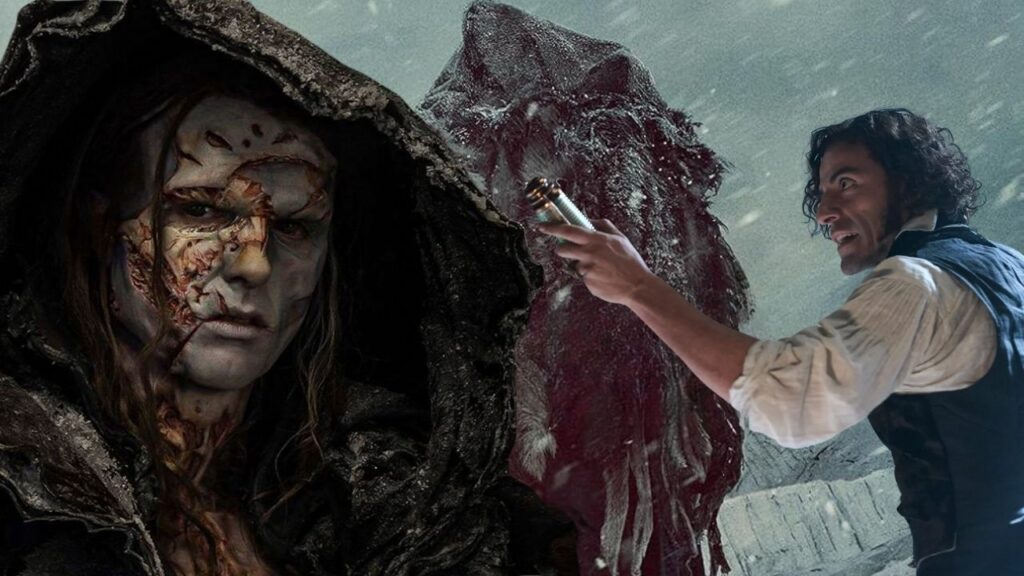
Then there’s “Frankenstein.” Guillermo del Toro has long been our advocate when it comes to monsters, but his version of the Mary Shelley staple for Netflix feels like his magnum opus. Taking five nominations, it shows that classic monsters never go out of style – they just need a master’s touch.
Image Credit: Fandomfans
Oscar Isaac (as the Doctor) and Jacob Elordi (as the Monster) being in the acting conversations at all is a sign that voters are finally looking beyond the prosthetics and seeing the soul beneath.
The “Weapons” Effect and the Indie Scares
It’s not just the gargantuan applicants to the studio system getting the love. The indie community, who’d been holding the horror torch aloft for years, eventually was given its seat at the table.
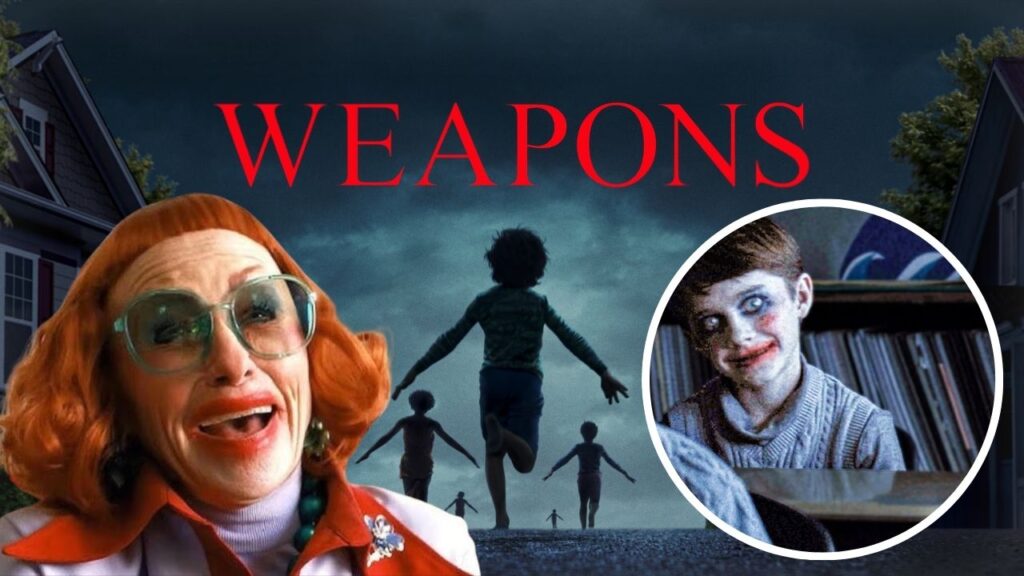
Zach Cregger’s “Weapons”—his follow-up to Barbarian that’s highly anticipated—squeaked in a nomination for Amy Madigan as Supporting Actress. If you’ve watched the film, you know exactly why. What she did as Aunt Gladys was nightmare fuel, and she went right into the “Horror Hall of Fame.” To have a performance that is frighteningly recognized by a major voting body is a huge win for all of us who make the case that scaring an audience is just as hard a task as making them cry.
Image Credit: Fandomfans
This round of accolades feels like a direct sequel to the proving ground of 2024. Remember when Demi Moore took home the Globe for The Substance? That felt like a fluke, we thought — “lifetime achievement” type deal for a body horror shocker. But in retrospect it was the crack in the dam. That victory sent a message to the industry that “weird” and “gross” could also be “prestige.”
The Last of Us Season 2
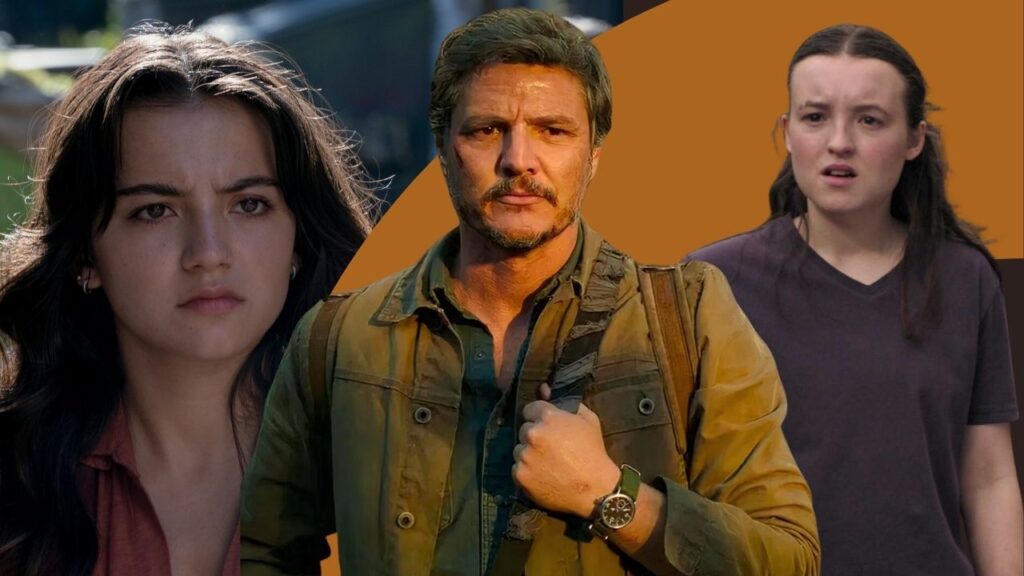
The Last of Us Season 2 expands on the show’s haunting world, turning its focus from survival to the emotional toll of violence and revenge. With higher stakes, darker themes, and increasingly active threats, the season examines how love, loss, and trauma transform its characters in a vicious post-pandemic world.
Image Credit: Fandomfans
Bella Ramsey’s nomination is a testament that the series still packs a punch emotionally even as the clickers grow more terrifying.
Wednesday Season 2
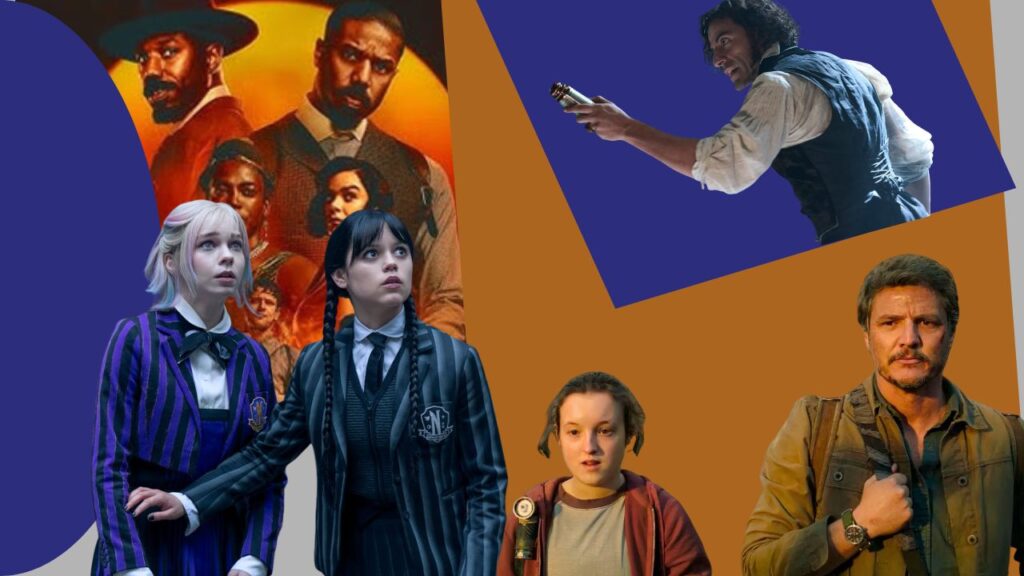
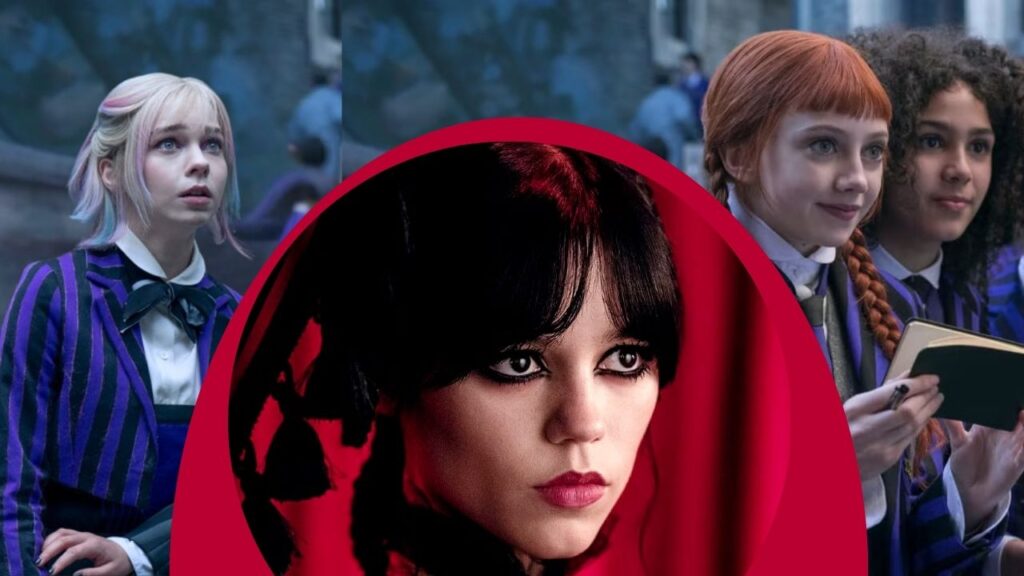
Then there’s Season 2 of “Wednesday” and “Monster: The Ed Gein Story,” both of which earned nominations for Jenna Ortega and Charlie Hunnam. It’s a media environment that implies dark audiences want darkness, and dark creators are catering to their tastes in high end packaging.
Image Credit: Fandomfans
Wednesday Season 2 broadens the strange and disturbing world of Nevermore Academy. It throws Wednesday Addams into more lethal riddles and more challenging personal battles. The danger mounts with scarier scares, more warped laughs, and ever changing bonds. The program maintains its gothic, grim allure.
Why These Movies Consider the Best Horror Movies 2025
We no longer need to call it “elevated” to be allowed to enjoy it. Sinners is simply an excellent film. Frankenstein is a tragedy and a masterpiece. Weapons are a roller coaster of anxiety. They aren’t “good for horror movies”—they’re just really good films, full stop.
The stigma against what some call “left-of-center” storytelling is dissipating. A generation of filmmakers raised on Carpenter, Craven and Romero are now making movies with A-list budgets and A-list stars. And obviously, the electorate wants to get on board for the ride.
Conclusion
What really makes 2025 feel like we’re standing at the cliff edge of a new era isn’t just the nominations themselves—it’s the mindset behind them. Best Horror Movies 2025 is no longer being praised simply for being horror but it’s being celebrated as powerful cinema. Studio-backed blockbusters, audacious independents and genre-heavy television racing to dominate in major categories: the implication is clear, horror has grown up, and the awards bodies are perhaps ready to acknowledge that. The monsters were always meaningful— we just needed the industry to stop looking away.
Fandomfansis focusing on delivering real insights and a list of A-list movies with full details.
Babita
Articles Published :
25
Babita is Fandomfans Editor, experience in managing content. Her focus in general movies and web series. She is having a deep interest in TV shows and 90s movies - particularly Lord of the Rings, Harry Potter, & Rom-Com. Babita also covers psychological thrillers and major releases in current time and concern with deep interest in them.
‘Undertone’ Will be Biggest Psychological Horror Backed by A24
undertone Review: A24’s chilling psychological horror turns silence, family, and familiarity into fear, resulting in one of the studio’s most unsettling films.
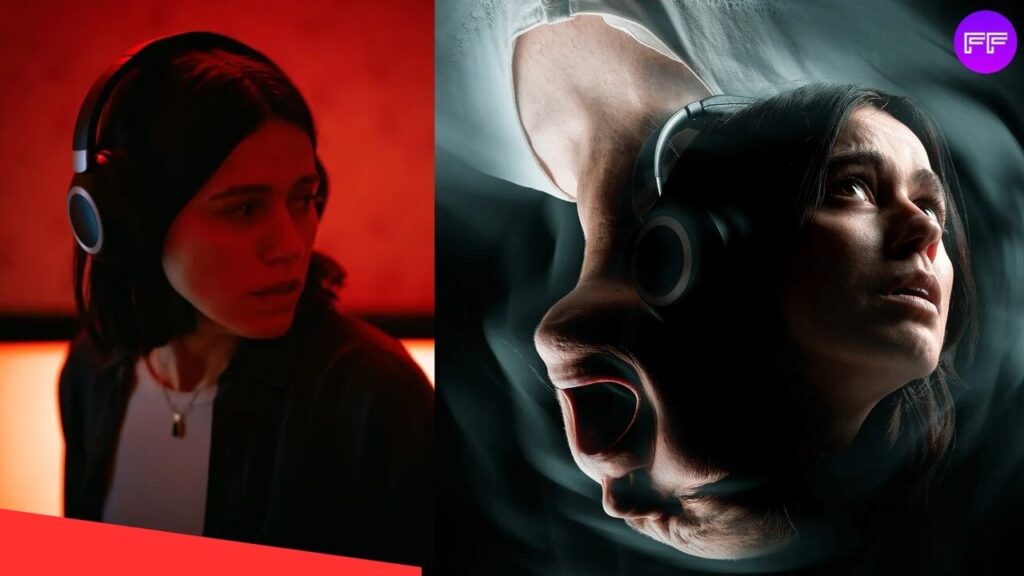
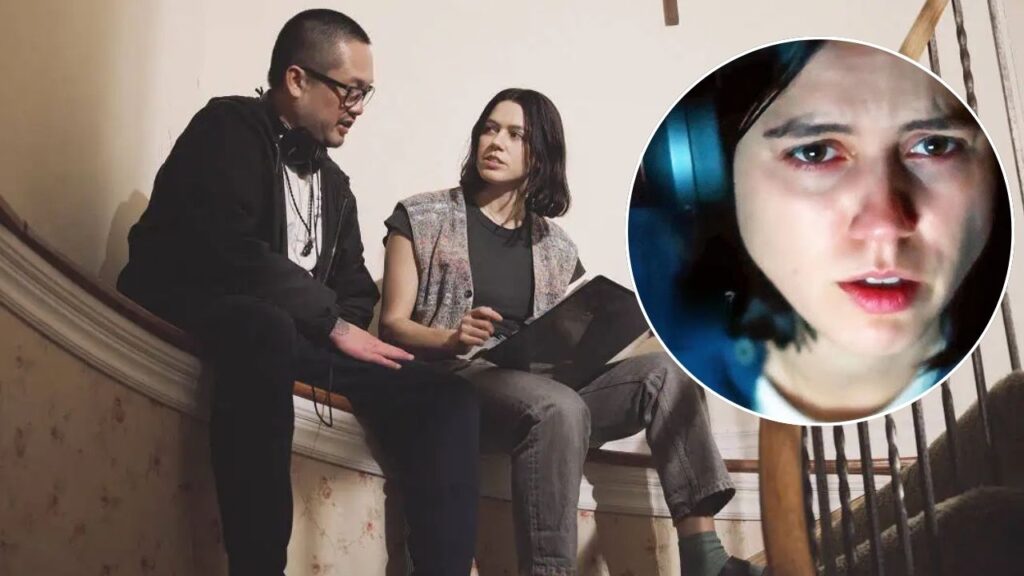
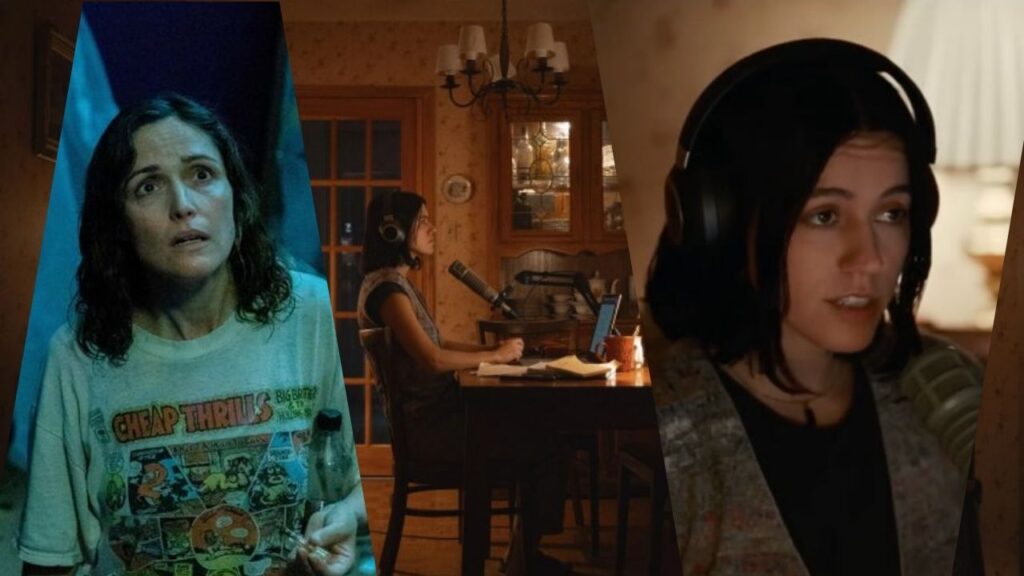
The majority of us thought the lockdown years were pretty exhausting, but director Ian Tuason made that isolation a nightmare—the good kind. His new film, Undertone, is currently the buzz at Sundance, and it’s easy to understand why. It’s a scary, sound-centered psychological horror that came from real-life anxiety and a house that could possibly be haunted now.
The Horror of Moving Back Home
We’ve all been there—crashing at your parents’ place is not whatever you’re picturing it’s going to be. But for Tuason, it was a necessity so he could tend to his ailing parents.
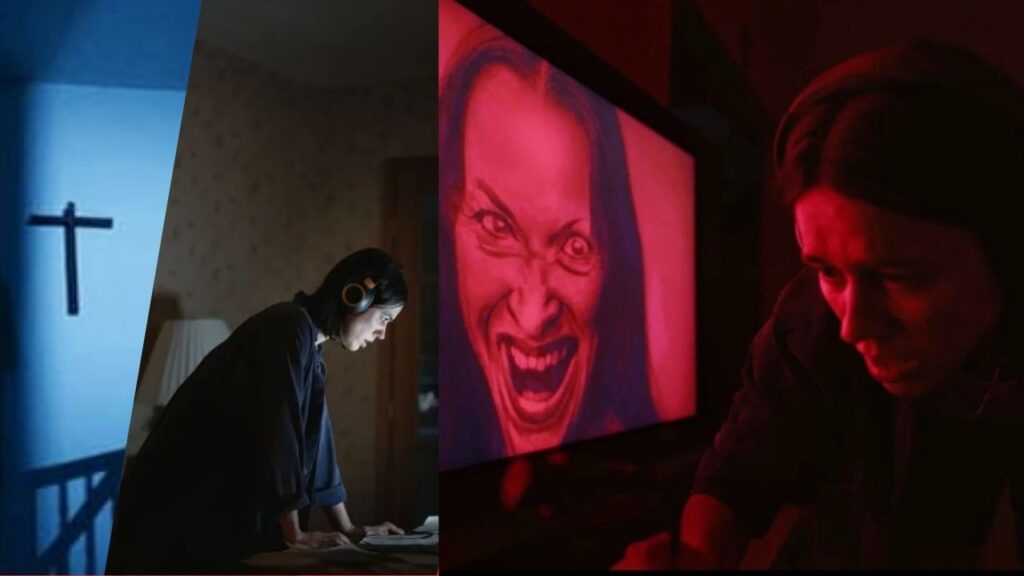
In an interview with Variety, he shared his experiences of where he got the idea. While he was there, he began to consider what makes us feel safe —and what happens when you flip that on its head. The Exorcist concept (taking a “safe” daughter and making her scary) and applied it to his own life.
“My mind is stuck on ‘The Exorcist’, how it scared me so much when I was a kid.”
–He said
He wondered, What if my mom, who relies on me, starts speaking in a different voice? That dark thought transformed a simple podcast script into a feature film. He even shot it in his parents’ house to save money, but it came at a price. Living on your own horror set meant he never felt truly alone, and he said the house began feeling “haunted” well after the cameras stopped rolling.
Why You Should Watch With Your Headphones On
Undertone is distinguished by its sound. The lead, Evy, is the host of a podcast, and the film plays with your ears. Tuason engineered the sound as if you are wearing noise-cancelling headphones.
“Do you know that weird silence level where you have no clue what’s happening in the room behind you?”
–He said
That’s precisely what he employs to frighten you. The film oddballed the sounds that Evy hears on her tapes and the sounds that are really in her hallway.
Catching the Eyes of the Giants
The hype around Undertone is deafening and it seems like the biggest names in horror are officially placing their bets on Tuason. That’s just the beginning: A24 has already acquired the film and scheduled a March 13 release.
The legends behind Blumhouse and Atomic Monster (the producers of Insidious and The Conjuring) are the ones who brought in Tuason to give the Paranormal Activity franchise a revamp. It’s a complete full circle moment for a guy who started out recording spooky noises in his childhood bedroom. If he can make a DIY movie at his parents’ house this scary, then we can’t wait to see what he does with a Hollywood budget and the keys to one of the biggest horror series in history.
Undertone confirms the greatest horror has never been monsters or jump scares—it’s familiarity. By weaponizing a childhood home, a parent’s voice, and silence itself, Ian Tuason crafts a deeply personal and unsettling journey. Its choreography of sound is so perfect that it’s a movie to watch with headphones, each whisper feeling invasive and intimate.
With Sundance buzz, an A24 release, and major horror studios lining up to back Tuason’s next project, Undertone is not just a powerful first feature—it’s the introduction of a filmmaker who gets that the real horror is right at home.
With Fandomfans, you can find all the latest details and behind the scenes of movies and series.
Mariyam
Articles Published :
77
Mariyam Khan is Fandomfans Content Writer and providing reports and reviews on Movie Celebrities, and Superheroes particularly Marvel & DC. She is covering across multiple genres from more than 4+ years, experience in delivering the timely updates.