Home > Movies > Netflix February 2026 Releases: Full Movies & Series..
Netflix February 2026 Releases: Full Movies & Series List
Explore the best of Netflix February 2026 releases: movies, web series, documentaries, reality shows, and what’s retiring from the platform. Learn more...!
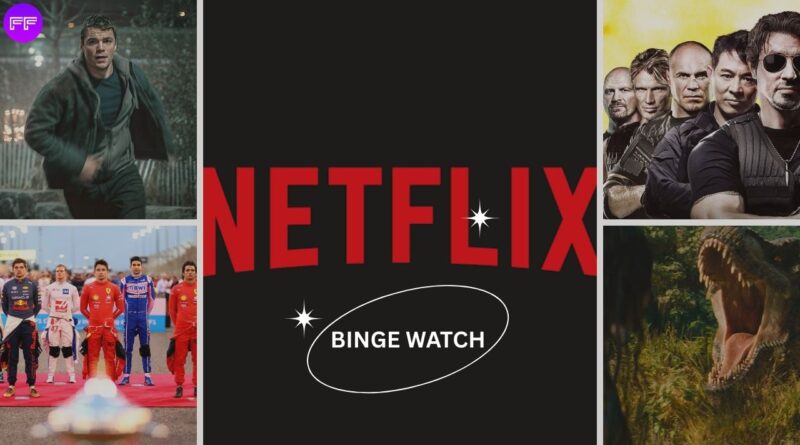
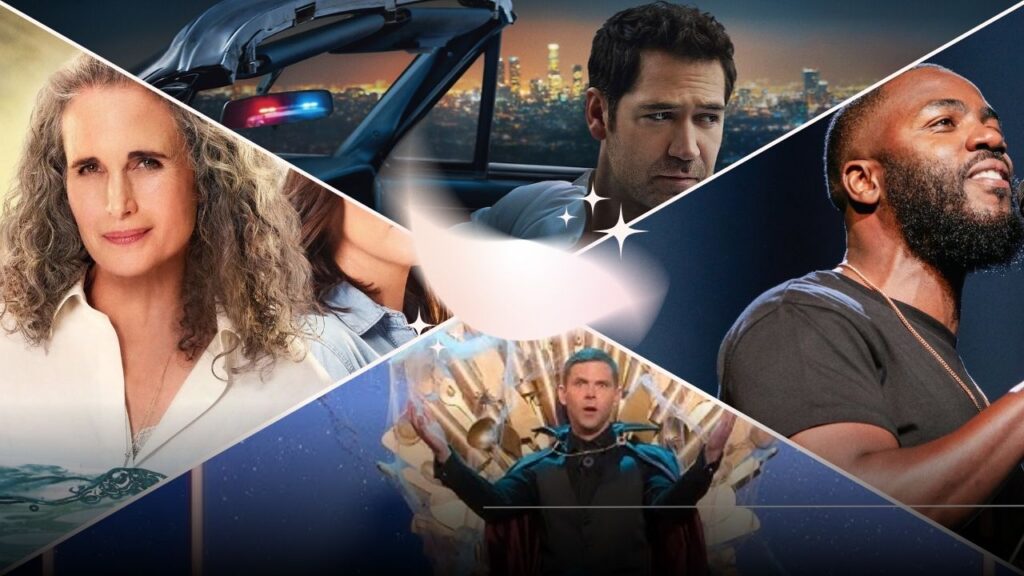
Take a bucket of popcorn and be ready to binge watch, the February Netflix lineup is looking so good! Expect romance, action, laughs and a couple of thrillers. Family dramas, big movies and reality shows galore to binge. I’ve selected a few highlights to discuss — let’s look into the list of Netflix February 2026 Releases.
Open Feb 1st Glitter & Gold: Ice Dancing, a Duck team Presents doc about ice skaters pursuing dreams. There are shiny costumes, harsh training and big feelings. And then there’s The Way Home Season 3 which returns to that sweet family tale with time travel twists — ideal for cozy nights.
Love comedy? Feb 3rd has Mo Gilligan: In The Moment, where the comedian discusses life and love. Super relatable laughs! On Feb 4th, Is It Cake? Valentines returns with bakers crafting fake sweets that look real—perfect for Valentine’s vibes.
Series superfans, save the date: The Lincoln Lawyer Season 4 on Feb 5th Lawyer Mickey takes on the bad guys, so expect some surprises. The same day, Cash Queens, from France, follows tough women making money in dirty ways. Cool and stylish!
Feb 6th: “The Queen’s Gambit” is a doc about a girl rising to the top in the male-dominated world of chess. Motivating stuff – Feb 9th, Matter of Time (Life and Time in your Hands) profound, but OK.
Movie time! On 10th Feb, you can watch How to Train Your Dragon—dragons and adventure for all ages. 11, Feb has Love Is Blind Season 10 (insane love experiments) and Kohrra Season 2 (spooky Indian mystery—love the Punjab feel!).
More on 13, Feb: Museum of Innocence (Turkish romance with secrets) and Tyler Perry’s Joe’s College Road Trip (hilarious dad-daughter road trip). 17, Feb – Star Search Finale—talent show excitement!
18, Feb provides a glimpse into Being Gordon Ramsay—the chef’s wild life. Thrill seekers, The Night Agent Season 3 releases 19, Feb — spy action wakes up and never sleeps. 20, Feb comes with The Expendables 1-4 (explosions galore) and Strip Law (silly animated lawyer strippers).
24, Feb laughs his way through Taylor Tomlinson: Prodigal Daughter. Bridgerton Season 4 Part 2 Come 26, Feb —steamy balls and drama! Racing fans get Formula 1: Drive to Survive Season 8 on 27, Feb. Concludes with Jurassic World: Rebirth on 28, Feb —dinos on the loose!
Here’s The Full List of Netflix February 2026 Releases at a Glance
Date
Title
Format/Origin
1, Feb
Glitter & Gold: Ice Dancing
Documentary
1, Feb
The Way Home (Season 3)
Series (Licensed)
3, Feb
Mo Gilligan: In The Moment
Comedy Special
4, Feb
Is It Cake? Valentines
Series (Original)
5, Feb
The Lincoln Lawyer (Season 4)
Series (Original)
5, Feb
Cash Queens
Series (France)
6, Feb
Queen of Chess
Documentary
9, Feb
Matter of Time
Documentary
10, Feb
How to Train Your Dragon
Movie (Licensed)
11, Feb
Love Is Blind
Series (Original)
11, Feb
Kohrra (Season 2)
Series (India)
13, Feb
Museum of Innocence
Series (Turkey)
13, Feb
Tyler Perry’s Joe’s College Road Trip
Movie (Original)
17, Feb
Star Search (Live Finale)
Live Event
18, Feb
Being Gordon Ramsay
Documentary
19, Feb
The Night Agent (Season 3)
Series (Original)
20, Feb
The Expendables 1-4
Movie Collection
20, Feb
Strip Law
Animated Series
24, Feb
Taylor Tomlinson: Prodigal Daughter
Comedy Special
26, Feb
Bridgerton
Series (Season 4)
27, Feb
F1: Drive to Survive (Season 8)
Documentary
28, Feb
Jurassic World: Rebirth
Movie (Licensed)
Notable Departures to Watch Before They’re Gone
Departure Date
Title
Its Significance
1, Feb
Parasite
Oscar winner for Best Picture; a cornerstone of prestige world cinema
1, Feb
28 Days Later
Defined the modern zombie genre; departure precedes theatrical sequels
1, Feb
Groundhog Day
A high-concept comedy classic and Bill Murray standout
5, Feb
Mean Girls
A foundational teen comedy that frequently rotates between streamers
21, Feb
She-Ra (S1-5)
A rare departure of a “Netflix Original” due to DreamWorks licensing
Dive deeper into the world of entertainment with Fandomfans to get a full list of Netflix’s shows and movies to binge watch.
Mariyam
Articles Published :
76
Mariyam Khan is Fandomfans Content Writer and providing reports and reviews on Movie Celebrities, and Superheroes particularly Marvel & DC. She is covering across multiple genres from more than 4+ years, experience in delivering the timely updates.
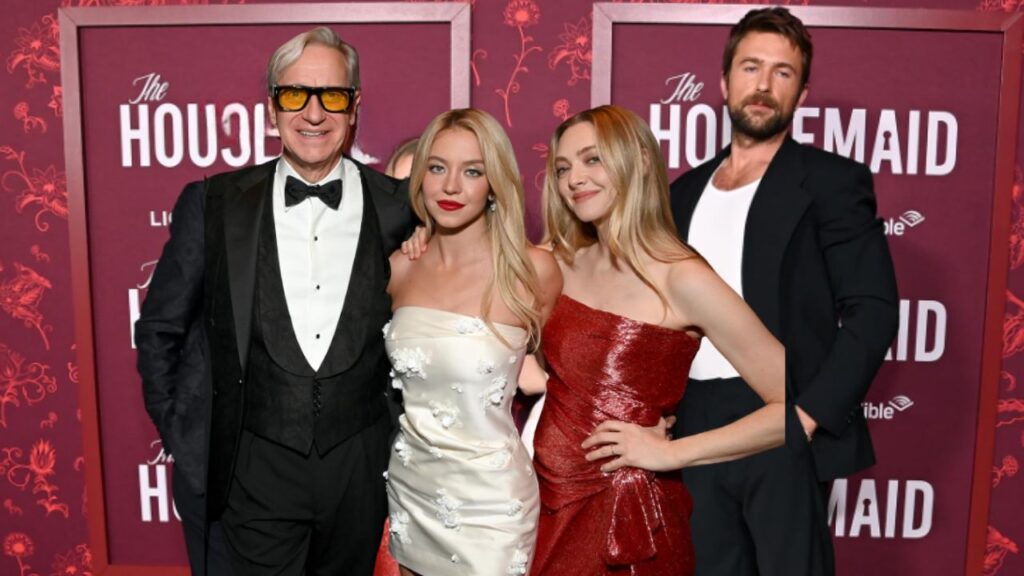
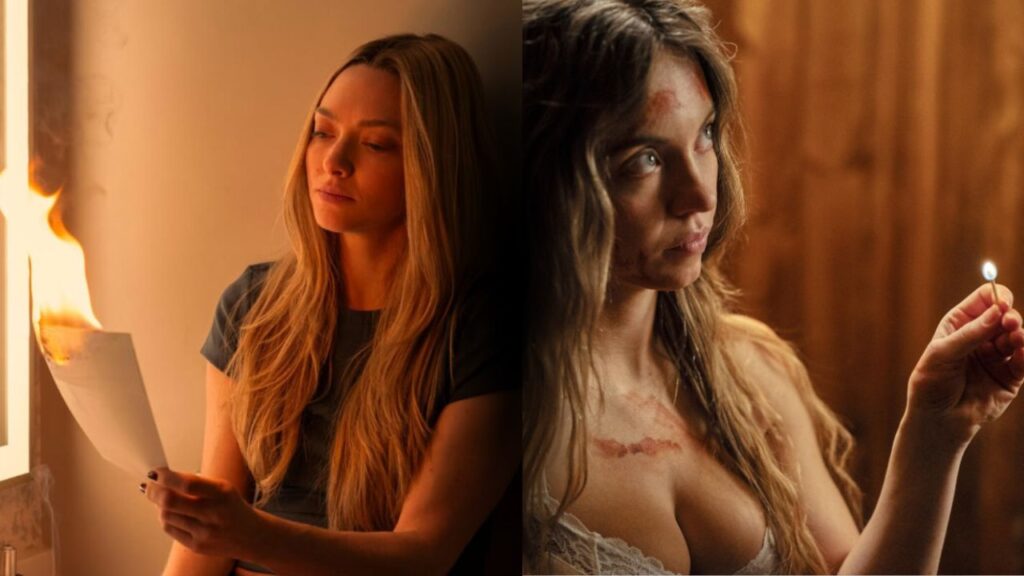
Psychological thriller The Housemaid, to be released late in 2025, is already set to define the theatrical look. Directed by Paul Feig from the 2022 literary phenomenon by Freida McFadden, the movie is a significant moment of convergence for digital-age literary culture and traditional Hollywood production values. Originating from the “BookTok” culture, where McFadden’s writing thrilled millions, the movie had to find a way to visualise internal psychological conflict.
The resulting film, produced by Hidden Pictures and released by Lionsgate, grossed an astonishing $247 million worldwide on a modest $35 million production budget, making it one of the rare R-rated thrillers to achieve major commercial success.
The Housemaid Movie Overview
Feature
Details
Director
Paul Feig
Lead Cast
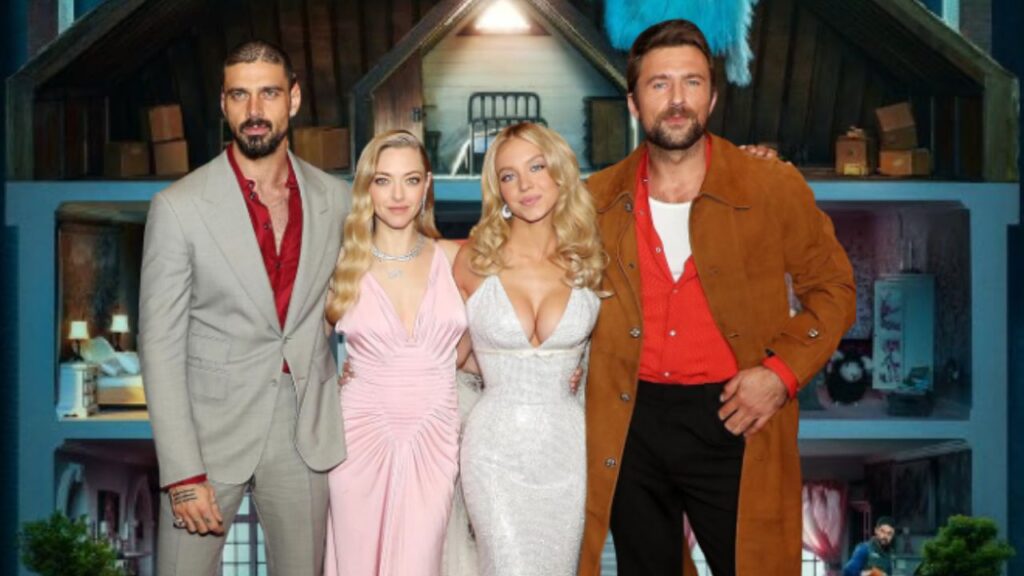
Sydney Sweeney as Millie, Amanda Seyfried as Nina, & Brandon Sklenar (Andrew)
Based On
2022 Novel by Freida McFadden
Genre
Erotic Psychological Thriller
Production Budget
$35 Million (Filming cost approx. $46M)
Box Office Collection
$247 Million Worldwide
Release Date
19/December/2025
Key Themes
Class Warfare, Psychological Manipulation, Domesticity
Primary Location
Great Neck, Long Island (Filmed in New Jersey)
Production Houses
Hidden Pictures & Lionsgate
The Housemaid is an American erotic psychological thriller that doubles as a layered examination of class, power, and the performative suburban domesticity. With her eyes on the prize her daughter, Millie Calloway (Sydney Sweeney), a girl with a criminal record trying to keep her life together under the threat of parole conditions, is at the center of the story. Her path to the orbit of the extravagant Winchester family in Great Neck, Long Island, prompts a tale that methodically tears down the front of the “perfect” American home.
Director Paul Feig, best known for comedies such as Bridesmaids, gave the film a different tone, calling it a “Nancy Meyers movie that goes horribly wrong.” The treatment was influenced by luxury home imagery — a spotless, “all-Pantone-white” house followed by a turn into psychological horror.
Release Date & Availability
Release Milestone
Date
Platform/Location
World Premiere
2/December/2025
Axa Equitable Center, NYC
U.S. Theatrical Release
19/December/2025
Nationwide
Digital/PVOD Release
Jan 13 – 20, 2026
Apple TV, Prime Video, YouTube
Physical Media
17/March/2026
Blu-ray / 4K Retail
Subscription Streaming
April/2026
STARZ
Genre, Theme & Setting: The Gothic Subverted
The movie sits at an unusual crux of suburban horror and mystery. Located in Great Neck–a region known for historical American wealth–the film establishes a contemporary “Gothic” space where upper class seclusion permits the unrestrained wielding of power.
Class Warfare: Parolee Millie’s very existence makes her rare prey, and the Winchesters prey on this by way of psychological manipulation.
The Attic Symbolism: The room Millie occupies turns out to have a door that locks from the outside, she is a hidden trauma behind the “all-white” interior of the house.
The “Nancy Meyers” Look: Production designer Elizabeth Jones turned a New Jersey mansion into a “perfect white place,” which the movie gradually tarnishes, tracking the moral decay of the characters.
The Creative Powerhouse
Paul Feig’s move from comedy to thriller tapped into a “darker, mind-bending type of story telling.” He was joined by screenwriter Rebecca Sonnenshine who made the book even more shocking for the screen.
Key Creative Impact:
Paul Feig (Director) brought “wicked fun” and camp to the thriller.
Freida McFadden (author/executive producer) – A global bestseller, the novel gets a true-to-source adaptation.
John Schwartzman (Cinematography) Employing much of “90s movie lighting,” he achieved a dark, glossy effect.
Theodore Shapiro (Music) Composed a score that mixes suspenseful music with contemporary motifs of psychology.
Plot Overview: A Masterclass in the Twist
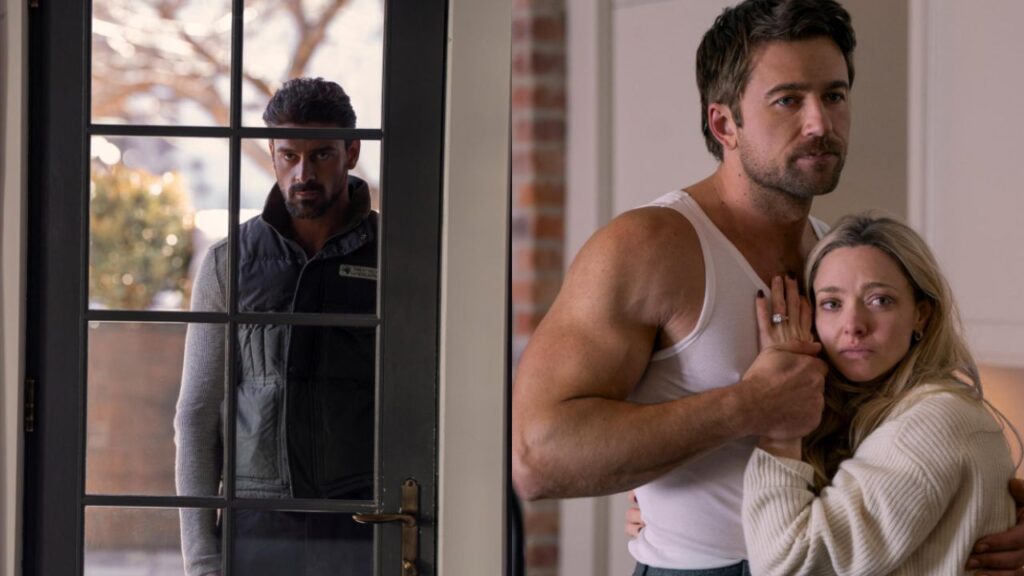
The storyline is built around a series of reversals. It opens with Millie finding live-in maid work for Nina (Amanda Seyfried) and Andrew Winchester (Brandon Sklenar).
The Descent and the Revelation
Millie, witnessing Nina become more unhinged, starts seeing the apparently perpetually put-upon Andrew. But the midpoint reveal flips the script: Andrew is the real predator. The attic suite had been built to hold women captive, and Nina wielded her “madness” as a kind of psychological armor.
In a chilling climax, Andrew tries to coerce Millie into self-mutilation. Nina comes home to save her, and eventually Millie knocks Andrew over a spiral staircase. The film closes on a cynical but uplifting note: Millie takes on yet another maid gig, this time as a silent protector for other abused wives.
The film works because its leads are playing characters whose real selves are concealed until the last act.
Sydney Sweeney (Millie): Instills a “panic and fear” into Millie as she transforms from a brittle survivor into a dynamic, vengeful powerhouse.
Amanda Seyfried (Nina) : This is the most positive critical reception to the film for her ‘unhinged’ turn, perfecting a “mean girl smile” to conceal her tactical mind.
Brandon Sklenar (Andrew): Tap into his imposing physical stature to genuinely make you fear this Mr. Rochester–type antagonist.
Production & Budget of The Housemaid
The series filmed around $46 million in New Jersey and used locations including the Madison Mansion and Rutt’s Hut to anchor the film in a familiar suburban reality.
Market Performance
The film’s opening weekend was $19 million via Lionsgate, however it demonstrated surprising “legs,” with a second weekend drop of just 19%. With a 7.0x return on investment (ROI), it became one of the most profitable releases of the year.
Platform
Rating/Score
Rotten Tomatoes (Audience)
92%
Rotten Tomatoes (Critics)
75%
CinemaScore
B
PostTrak
84% Positive
Conclusion
The Housemaid (2025) is a victorious updating of the erotic thriller. It was a cross between TikTok-inspired literary successes and “lurid” 90s cinematic style. With a follow-up, The Housemaid’s Secret, in the works, the home-front deception formula continues to prove a fruitful cinematic arena.
Fandomfans is a platform where you can find every detail from the blockbuster hits of your favorite stars.
Babita
Articles Published :
25
Babita is Fandomfans Editor, experience in managing content. Her focus in general movies and web series. She is having a deep interest in TV shows and 90s movies - particularly Lord of the Rings, Harry Potter, & Rom-Com. Babita also covers psychological thrillers and major releases in current time and concern with deep interest in them.
Old Hollywood Movies That Sparkled Again Years Later
Look back on Old Hollywood movies like Casablanca, Singin’ in the Rain, Sunset Boulevard that gained new audiences years later, via streaming and nostalgia.
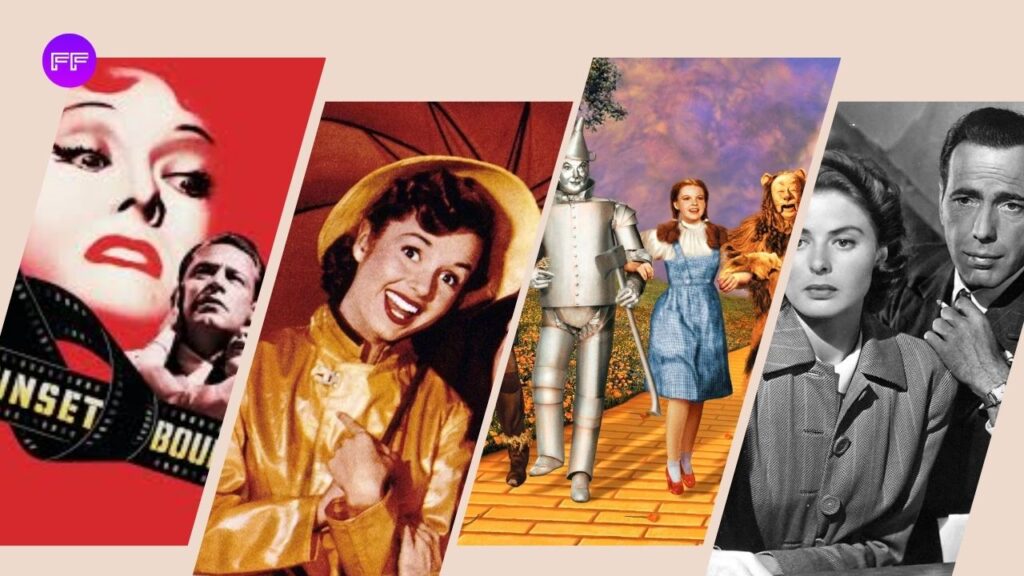
Old Hollywood Movies have funny ways of vanishing, only to burst back into our lives unexpectedly. At one moment they are collecting dust in the vaults of studios, considered outdated by now and the next they are lighting up streaming services, film festivals and even TikTok feeds. So as you compare today’s blockbusters dominating the theaters and the awards seasons, you might be wondering which classic films you could still sink some quality time into and the answer might surprise you: plenty.
Thirty, 50 or even 80 years later, these films are as relevant as ever. Fueled by internet algorithms, cultural nostalgia, and storytelling that will never grow old, Old Hollywood has attracted a generation of new fans. This revival isn’t accidental — it’s a reminder that extraordinary film doesn’t go bad.
Below are five Old Hollywood masterpieces that gleamed once again, discovered anew through viral moments, unlikely reboots and well-earned cult devotion.
Old Hollywood Movies That Refuses to Stay Buried
From 1942—Casablanca
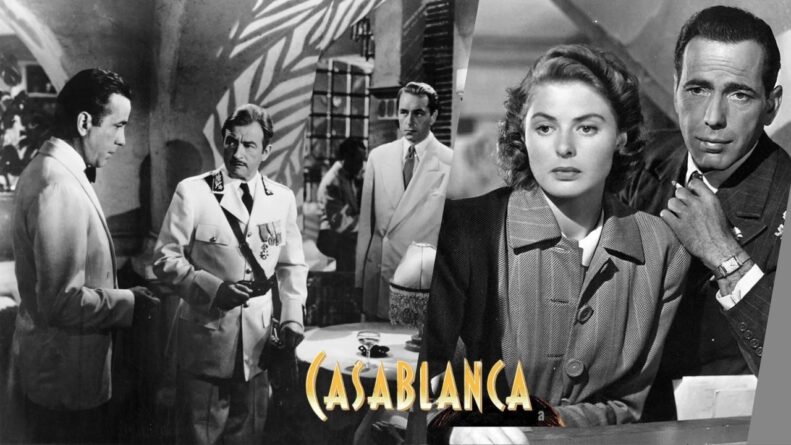
First on the list is Casablanca. Rick Blaine’s immortal “Here’s looking at you, kid,” delivered by Humphrey Bogart to Ingrid Bergman as Ilsa Lund, still stings with the same muted pain decades later. Upon its release the film was a full-blown phenomenon making a fortune at the box office and receiving critical acclaim winning three Oscars, including Best Picture.
By 60s it was pretty much forgotten in the haze of New Hollywood’s grit. Revival struck in 1970 when a TV station looped it endlessly out of a programming error. Viewers tuned in obsessively, and it became appointment TV. By the ’80s home video cemented its legend.
And now, Algorithms from Netflix are now mass-marketing it to Millennials on romantic playlists —and memes are flooding social media. Love, sacrifice and moral uncertainty are its themes, which ring true in our divided world demonstrating that black-and-white romance never dies.
From 1946—It’s a Wonderful Life
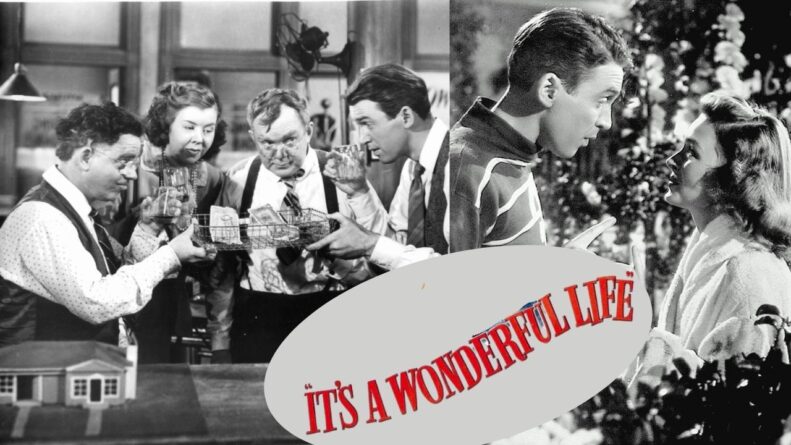
It’s Wonderful Life (1946) next in the list of Old Hollywood Movies. George Bailey, played by James Stewart, is a suicidal man who is shown the meaning of life by an angel in Frank Capra’s charming, sentimental film.
Image Credit: Fandomfans
They wagged their heads at it in Hollywood. In 1974, it was made available to television stations as a non-commercial holiday message when the copyright expired. Families weeping over Zuzu’s petals as they are glued to screens. It was a Christmas tradition by 1990 and earned millions of rerun dollars.
Gen Z found it on Prime Video in lockdowns, leading to TikTok’s with millions of views for its mental health message. Stewart at his most nakedly vulnerable is like therapy — timeless in troublous times.
The Wizard of Oz
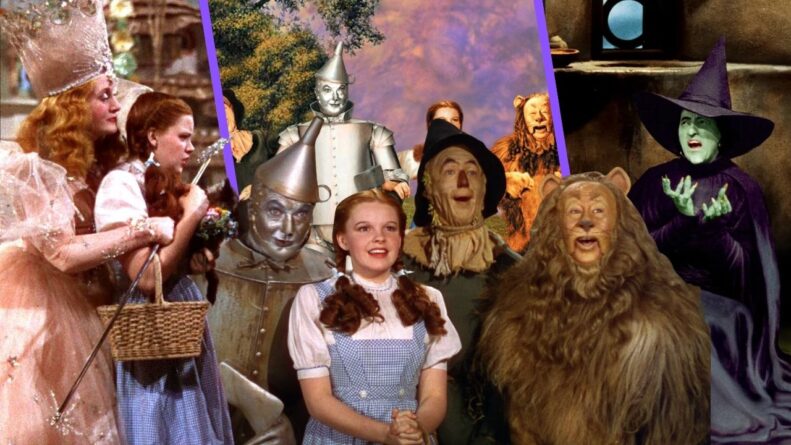
The Wizard of Oz (1939), Judy Garland’s Dorothy skipping along the yellow brick road made the movie a Technicolor box-office sensation and won two Academy Awards. But after World War II, it quietly dropped out of sight — until 1956, when annual broadcasts on CBS television brought it back into living rooms and made it a beloved ritual.
Image Credit: Fandomfans
Children like Steven Spielberg were obsessed with ruby slippers, giving rise to a ritual. MGM’s new color technology was dazzling on small screens, popularizing “Over the Rainbow” in pop culture. Revivals went crazy in the ’70s with album sales and ’80s VHS booms.
Now, it’s on HBO Max for nostalgic eyeballs, as Pink Floyd shows up on YouTube for Dark Side of the Moon sync-ups.
From 1950—Sunset Boulevard
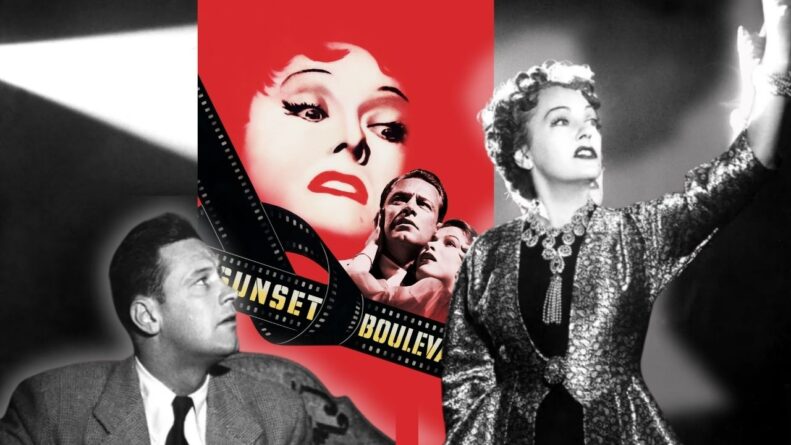
Sunset Boulevard (1950) remains a quintessential post-1950 film noir Directed by Billy Wilder, it delves into Hollywood’s seedy underbelly with a story of a has-been and obsession.
Image Credit: Fandomfans
The plot is a flashback narrated by struggling screenwriter Joe Gillis (William Holden), who is on the run from repo men and takes refuge in the decaying mansion of reclusive silent film star Norma Desmond (Gloria Swanson). She retains him to revise her script for a comeback, resulting in a demented romance in the midst of her view of stardom, her faithful butler Max (Erich von Stroheim) supporting her globe. It comes to a tragic end in her Sunset Boulevard home, with a jibe at the transitory character of fame.
Retro for cancel-culture darlings, streaming-era stars. On TCM and YouTube, it is trending with film students analyzing the toxicity of the industry — Swanson’s mania is still very much relevant.
From 1952—Singin’ in the Rain
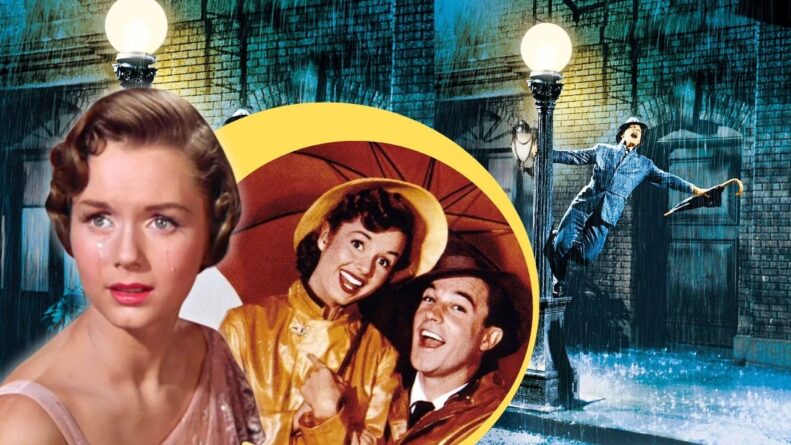
Singin’ In the Rain (1952) – Gene Kelly’s high spirited musical parody of the shift to talking movies. It was a modest success at the time, but then lay dormant until the 1960s, when it was voted top musical by the American Film Institute. Home video in the 80’s made “Good Morning” dances a party staple. Disney’s stage version and Baz Luhrmann references kept the flame.
Image Credit: Fandomfans
Post-2000, TikTok challenges featuring Kelly’s rain-soaked twirl through the air explode yearly — more than 500 million views. Its optimism breaks intuitive doom-scrolling, who doesn’t want that puddle-jumping glee?
What these Old Hollywood Movies loudly, unapologetically declare is that great cinema doesn’t grow old, it hibernates. When the world finally gets around to their feeling, thinking, or magical selves, they rouse themselves up, stronger than ever. None revives feel quite as nostalgic as rediscovery, from moral courage in Casablanca to candid talk of mental health in It’s a Wonderful Life, to unadulterated cinematic bliss in Singin’ in the Rain.
None of those can save a movie; they merely returned these movies to the people who were most desperate for them. These classic gems make itself a silent yet painful reminder that like us, some stories never truly end or they may never be done with us in the first place in a world that is obsessed with the new.
Get into the nostalgia with Fandomfans for these old hollywood movies with great story and cast.
Mariyam
Articles Published :
76
Mariyam Khan is Fandomfans Content Writer and providing reports and reviews on Movie Celebrities, and Superheroes particularly Marvel & DC. She is covering across multiple genres from more than 4+ years, experience in delivering the timely updates.