28 Years Later: How Danny Boyle and Alex Garland Redefined Horror for 2026
Danny Boyle and Alex Garland revive the 28 Days Later universe, redefining modern horror with biology, politics, and raw realism in 2026.
Published: January 14, 2026, 1:05 pm

Danny Boyle and Alex Garland revive the 28 Days Later universe, redefining modern horror with biology, politics, and raw realism in 2026.
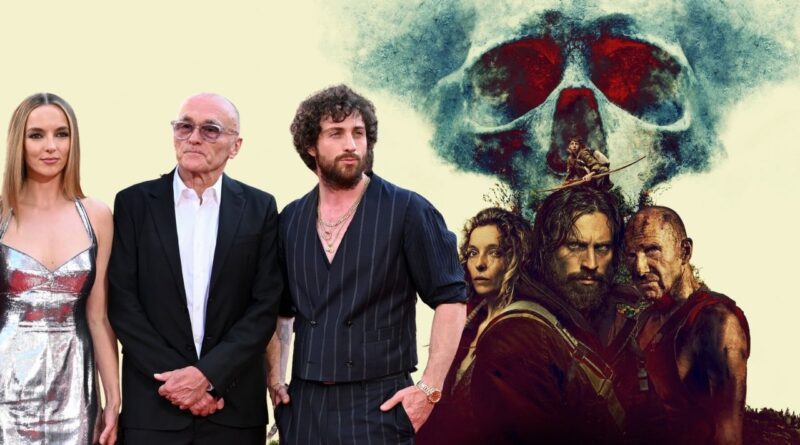
The overall cinematic output for 2026 seems an entirely new prospect. Ender’s game trailer We have gone beyond the generation of the predictable jump-scare and established ourselves in a more cerebral place of “high horror,” a change led by the long overdue revival of the 28 Days Later universe. With 28 Years Later releasing in June 2025, and its direct sequel, 28 Years Later: The Bone Temple, releasing in January 2026, the creative team of Danny Boyle and Alex Garland has not merely brought a franchise back to life – they have redefined how horror can speak to what it means to be human.
For almost 20 years, fans speculated about 28 Months Later. It turned into a development hell myth, held up by rights issues and creative changes. The wait, though, served a purpose.

Skipping ahead almost three decades, the filmmakers leave behind the panic of a viral outbreak and delve into “post-progressive” societal decay. In this new world, the end of the world isn’t a tragic event—it’s the only reality the current generation has ever known.
Perhaps what has most people talking about the 2026 comeback is the technical decision to shoot mostly on the iPhone 15 Pro Max. This wasn’t a gimmick. Boyle took the Canon XL1 and turned it into a grainy, digital realism. In 2026, he adapted this “guerrilla” style on a new scale with multi-camera megasuites.
By placing iPhones into “Beastgrip” cages with professional-grade cinema lenses, the team captured a high-shutter-speed energy. This technical decision removed the infected from ‘cinematic motion blur’ and as a consequence their movements look staccato, hyperactive, and terrifyingly real.
The “high horror” tag derives from the trilogy’s immersion in evolutionary biology. Rage Virus is not a static disease; it took biological forms:
The Slow-Lows: Fat and bloated dead, in this case terminal stage creatures that are aftermath survivors of the original outbreak.
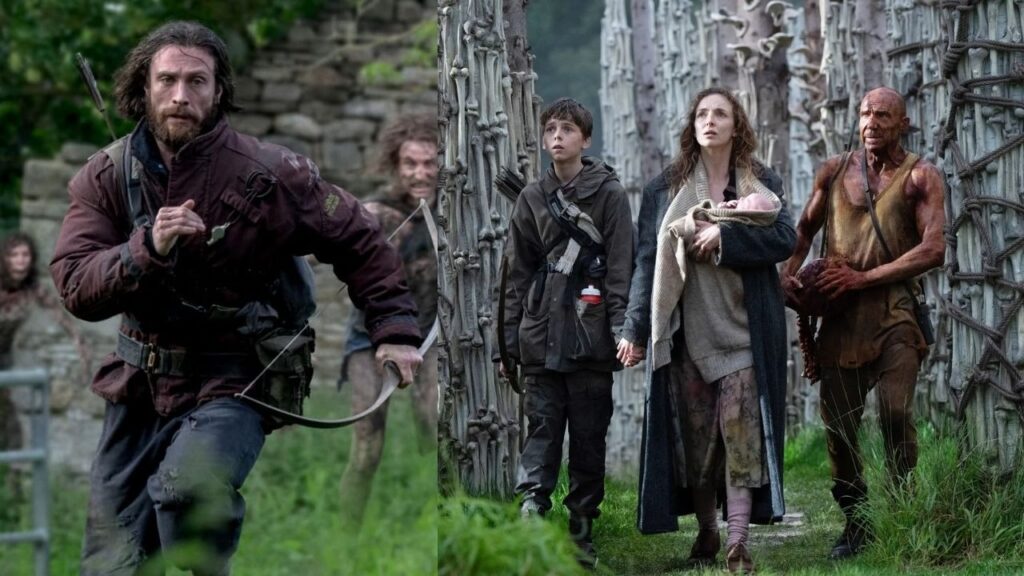
The Alphas: They are intelligent, sentient hunters on a higher plane of thinking and do possess some form of strategic thought albeit intermittent and social hierarchy.
This change re-centers the horror from the mindless zombies to a more understanding-if-distorted on the human experience of pain and suffering. The infected are depicted as martyrs to an “unthinkable fate,” rendering the films to “tone poems” that are profane yet emotionally stirring.
While the 2025 film was set among the isolationist society of Holy Island (Lindisfarne), the 2026 sequel, The Bone Temple, directed by Nia DaCosta, turns its gaze to human cruelty. The addition of “The Jimmies” — a cult based on the more shadowy recesses of British cultural history conjures a society sliding back into nostalgic myth and “strategic derangement.”
Ralph Fiennes turns in a career-defining performance as Dr. Ian Kelson, a man running a mausoleum to the fallen human. His viral “death-metal dance” to Iron Maiden is already the defining meme of early 2026, embodying the trilogy’s mash-up of high art and visceral madness.
Read More:- James Cameron’s Titanic is Greatest of All Time Movie Amid Avatar Record Break
As 2026 begins to approach, the 28 Years Later trilogy is the narrative equivalent of looking up in awe. It has demonstrated that horror can be a serious instrument for social commentary, addressing anxieties of the Brexit era and the “denial of death” through the prism of the Rage Virus.
The arrival of 28 universe is more than just nostalgic it’s a cultural recalibration of what modern horror could be. With 28 Years Later and The Bone Temple, Danny Boyle and Alex Garland have re-imagined the once–genre-defining zombie blast as a philosophical rumination on survival, memory, and generation trauma.
The trilogy, which can be seen as a response to fulfilling and confronting socio-political anxieties brewing in a crumbling Britain, alongside utter terror grounded in evolutionary biology and filmmaking radicalism, transforms horror into something far more intimate and unsettlingly human.
If 2026 is any indication, these films are testimony to the fact that fear doesn’t need to resort to cheap shocks to survive, but can instead find nourishment in ideas, mood, and the quiet recognition that the real horror isn’t the end of the world — it’s learning to live after it.
Dive deeper into the world of cinema with Fandomfans to get the latest update from your favorite movie, shows, and celebrity.

The Last of Us Season 3 faces major changes as Danny Ramirez exits amid Marvel conflicts, creative departures, and a bold Abby-centric shift.

HBO’s The Last of Us has always been willing to shock its viewers, but the latest between the scenes twist might just be its biggest surprise yet. As fans were preparing for a daring, Abby-centric Season 3, we learned that Danny Ramirez is no longer with the series. The unexpected recasting of Manny, one of Season 2’s most charming side characters, has sparked major discussion across fandoms. From the increasing influence of Marvel to significant talent departures, The Last of Us Season 3 is set to mark a new era for the critically acclaimed HBO drama.
That’s where it gets interesting. The recasting is not because of creative differences or contract disputes — it’s a flat out scheduling conflict. And while HBO never actually said what took Ramirez away, the Internet sleuthing points directly to Marvel. The actor is going to be in Avengers: Doomsday and maybe Avengers: Secret Wars, two of the biggest film projects looming out there.
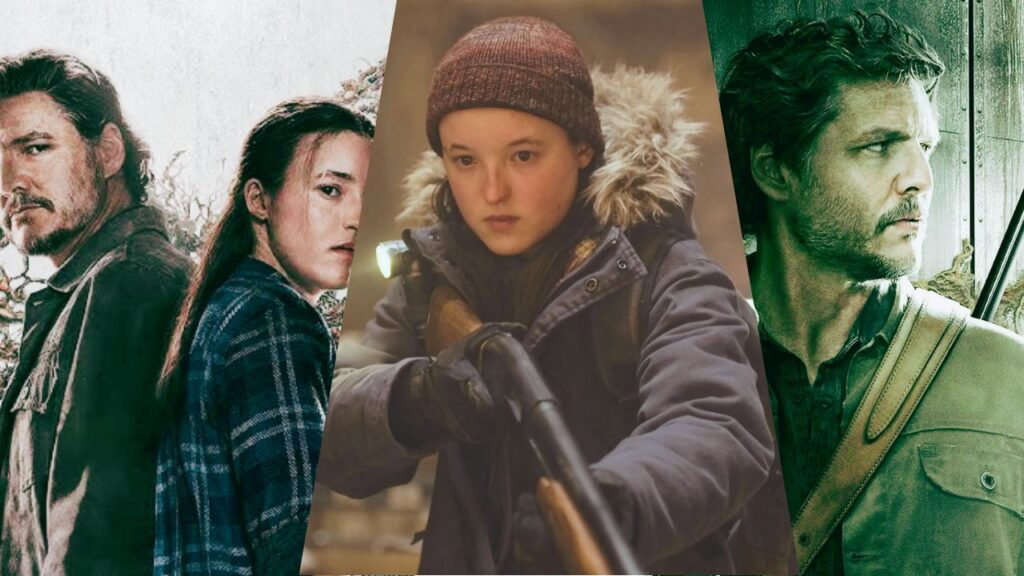
Contemplate that for a moment. The Last of Us is genuinely one of the best reviewed shows on television right now. It’s a greasy prestige HBO drama based on a cherished video game series. And here we are, being forced to say goodbye to a gifted actor to the gravitational pull of the MCU. It’s a testament to just how much star power Marvel has in Hollywood — even if it means losing key players to major productions.
It’s wild because Ramirez isn’t leaving in a vacuum. Season 3 is already shaping up to be a bit of a behind-the scenes shift. Co-creator Neil Druckmann, the creative mind behind the original video games, stepped away from writing and directing duties earlier this year to work on Naughty Dog’s new project, Intergalactic: The Heretic Prophet. And writer Halley Gross, who was instrumental in Season 2 narrative, has also left to pursue other opportunities.
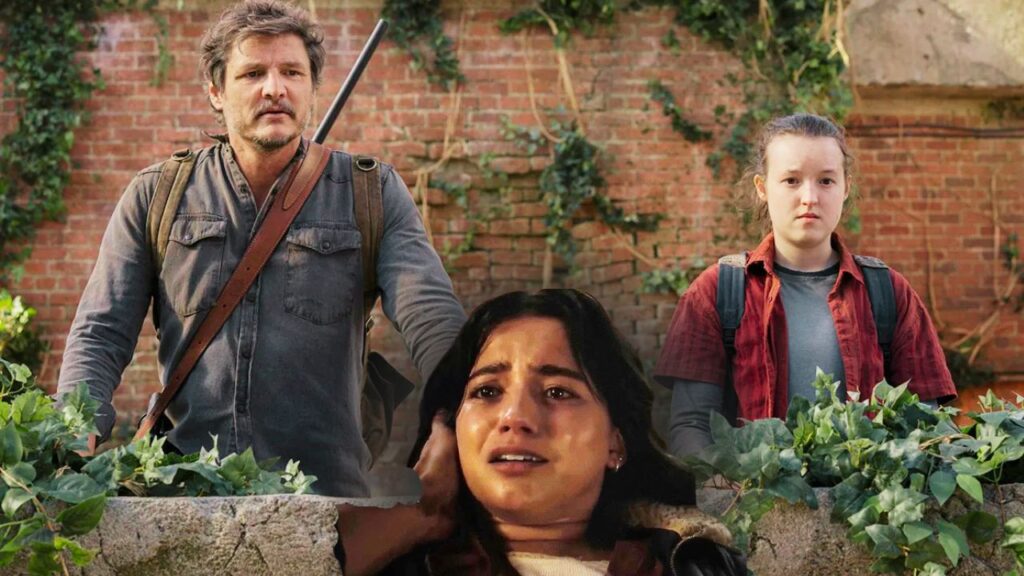
So showrunner and co-creator Craig Mazin is essentially left to write Season 3 by his lonesome. Now, Mazin has demonstrated that he can bear the burden (he’s been the lead writer throughout), but there’s no denying that losing these creative heavyweights is big.
Lost star Jorge Garcia and character Dharma Initiative worker Desmond Hume are still set to make an appearance. Season 3 is shifting its narrative entirely to Kaitlyn Dever’s character, Abby—a radical storytelling choice the show’s creators confirmed all the way back in mid-2025. Manny, after all, was a supporting character in Abby’s journey, not the star.
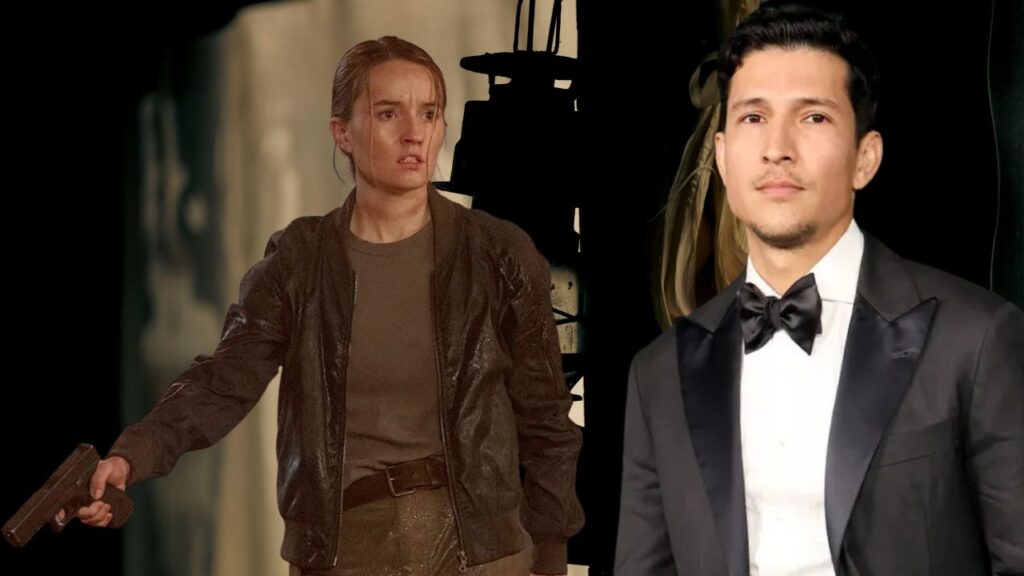
Manny’s buoyant spirit influenced by his internal pain was one of the highlights of Season 2, and recasting that role is no small feat. Fans have already started to speculate about candidates to fill those shoes, and the heat is definitely on for HBO to get someone who can deliver.
All of this speaks to something bigger shaping Hollywood right now the tension between high-end content television and blockbuster cinema. When giant Marvel projects beckon, they can pull talent away from even the most prestigious series. It’s a testament to how cutthroat the entertainment business is.
That said, The Last of Us has survived tempests before. The series adapted incredibly well from an incredibly loved work and was able to form something that stands on its own. If there is a team that can go through a recasting and creative restructuring, this is the one.
Season 3 remains one of the most anticipated television events on the horizon. Is this recasting going to matter the great scheme of things? Possibly not. But yet it’s also a stark reminder that no show, no matter how enormous, is immune to Hollywood’s caprice.
Read More:- Welcome to Derry : Makes the Same Horror Mistake That Nearly Killed the Franchise
The Last of Us : At its essence, the Danny Ramirez recasting debacle reveals an increasingly common reality brewing beneath the surface of Hollywood: not even the most highbrow television series are safe from the blockbuster franchise gravitational pull. With Marvel poaching another rising star and core creatives walking away, The Last of Us Season 3 undoubtedly faces challenges — but also the rare chance to reinvent itself.
HBO’s survival horror masterpiece has already demonstrated its staying power, making a cherished video game into essential television. Whether this casting revision ends up as a minor point or a highlight will only be revealed when/if Season 3 arrives. One thing is for sure — the world of The Last of Us is as volatile off-screen as it is in the story.
Fandomfans delivers the latest updates from movies, web series, and celebrities. Stay connected for more getting every detail!
Discover The Aisle, a Netflix political drama exploring Gen Z drive, pandemonium, and personal strife as idealism confronts the realities of D.C. bomb.
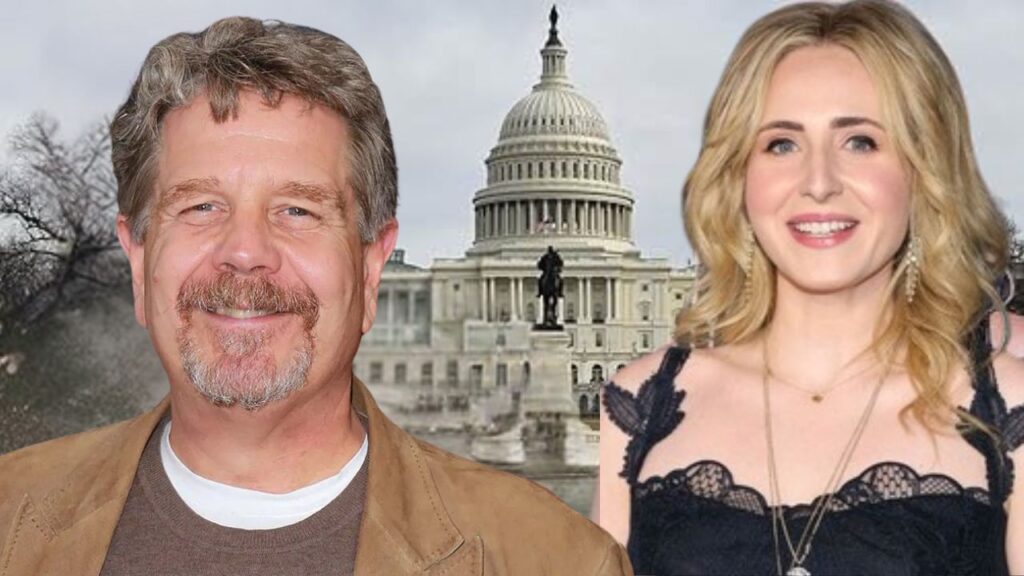
For a generation that grew up on the high idealism of rush-walking courtiers of The West Wing, the prospect of a new political drama — The Aisle is in making at Netflix, is enough to make any TV buff muster a moment of excitement. But this is more than just a nostalgic return to D.C. policy wonkery and impassioned monologues.
Netflix’s new series, guided by seasoned hand The West Wing’s Executive Producer John Wells along with the unique, contemporary sensibility of writer/showrunner Phoebe Fisher, is positioned to be something quite different. It promises to be a ruthless and stunning mash-up of political pedigree meets Gen Z disbelief and the show that could reinvent the D.C. drama for a new era.
The central creative tension is the collision of these two powers. While the details exclusively comes from the Deadline, John Wells has the DNA of a romanticized Washington, with existential stakes and staffers (while flawed) usually believe in the system they work for. His participation confers upon The Aisle a legitimacy and framework based on the finest political fiction of the past 25 years.

Viewers have faith that he can bring them the intricate gears of government, the manic circuitry of the Oval Office’s sphere, and the pure brain power needed to nudge the legislative dial. But the world That The Aisle is meant to live in is not the world of the Bartlet administration.
Enter Phoebe Fisher who co-showruns the most recent Cruel Intentions series and has a background in snappy, character-driven YA writing, bringing in the vital, humanizing grit. The heart of The Aisle is more obviously the baby political operatives — the 20-somethings who are as obsessed with policy as they are crippled by ambition and lost in their personal lives.
The title, The Aisle, plays off the obvious political divide, but the real idea is the moral aisle that every young staffer has to hustle down. These characters aren’t policy wonks yet, they’re the assistants, interns, junior press secretaries burning out on caffeine and cutthroat drive. The sense of ethics, throw away relationships, and sometimes even your mind is what can be lost in the cost of entering this field is something they understand.

Fisher’s writing is also expected to infuse the necessary grittiness into this world of workplace intrigue, secret romances and savage rivalries that typically don’t survive the policy-centric episodes of traditional D.C. dramas.
The outcome, as reports have suggested, is a concoction being billed as “The West Wing meets HBO’s Industry.” Wells serves as the majestic backdrop and the six-day-a-week heartbeat of the Capitol, the soaring architecture of the Capitol and the rhythm of governance that Fisher populates that space with messy, human, and often heartbroken inhabitants. The snappy, walk-and-talk idealism descends to panic attacks in the bathrooms of congressional offices.
The series will follow how a new generation born out of political cynicism has come of age and learned to navigate a capital city where power is the only real currency and exposing one’s self is a fatal weakness.
This split attention screen allows The Aisle to tackle two important contemporary political issues. Director Balint’s second narrative feature, The Aisle is a taut, darkly humorous thriller set in the Washington D.C.
First, the generational conflict but what takes place when Gen Z staffers motivated by social justice and climate doom comes to power in the same systems constructed by Boomers and Gen X?
Second, the merciless collision of the personal and the political: the relationship that ignites during a midnight rewrite session, the betrayal that costs a staff member both a romantic partner and a job, and the soul-crushing discovery that sometimes the best thing for one’s career is also the most ethical decision.
The Aisle is not only about saving democracy, it’s about saving yourself from the machine. Combining Wells’s structural brilliance with Fisher’s unsparing gaze into the inner lives and emotional compromises of young professionals, the series could become the defining political drama for a world where idealism is more often a stepping stone to cutthroat ambition.
It’s a show about the grind, the glamour and the ethics-defying run of hell that is a job in the most powerful city in the world.
Read More 👉 Leonardo DiCaprio and Christian Bale in Heat 2 is the Must-See Crime Epic of the Decade
The Aisle works because it knows something that most political dramas forget: the people scurrying around Washington aren’t superheroes, they’re humans trying not to break apart. John Wells provides the framework and the classic D.C. storytelling heart, but Phoebe Fisher populates that world with real, chaotic, incredibly flawed young adults who are still trying to make sense of who they are while the nation looks on.
In a town where power means everything, the show lets us see what the pursuit of power, even its sacrifice, does to us, to our relationships, to our ideals, and in this case, to our very ideas of who we are. And that’s what makes The Aisle so honest. It’s more than just politics. It’s the emotional burnout of wanting to matter in a world that keeps demanding more.