‘Vanished’ (2026) – Mystery Thriller Series Release Date, Cast & Plot
Vanished (2026) is a mystery thriller series starring Kaley Cuoco and Sam Claflin. Explore release date, cast, plot details, and where to watch.
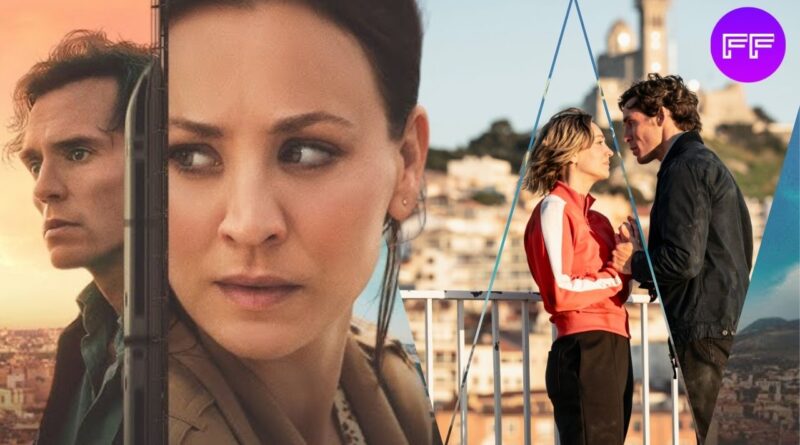
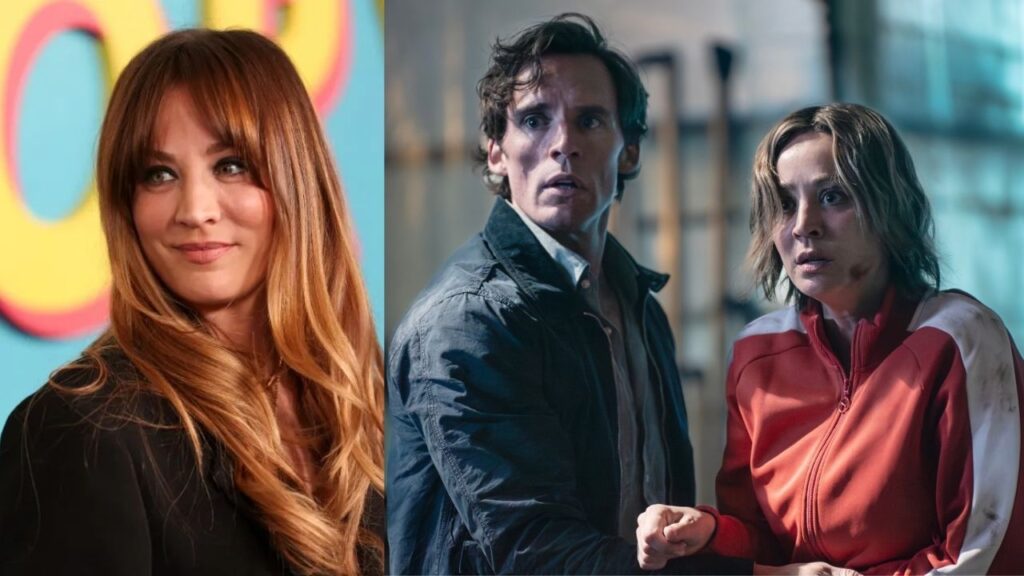
Early 2026 is already seeing the streaming market dominated by quality limited series using stunning global locations and big stars as a draw. Topping the bill for this trend is the four-part mystery thriller Vanished, from MGM+ and Prime Video, which is a co-production. Starring Kaley Cuoco, Sam Claflin, the series is the ideal combination of American star power with a European cinematic sensibility.
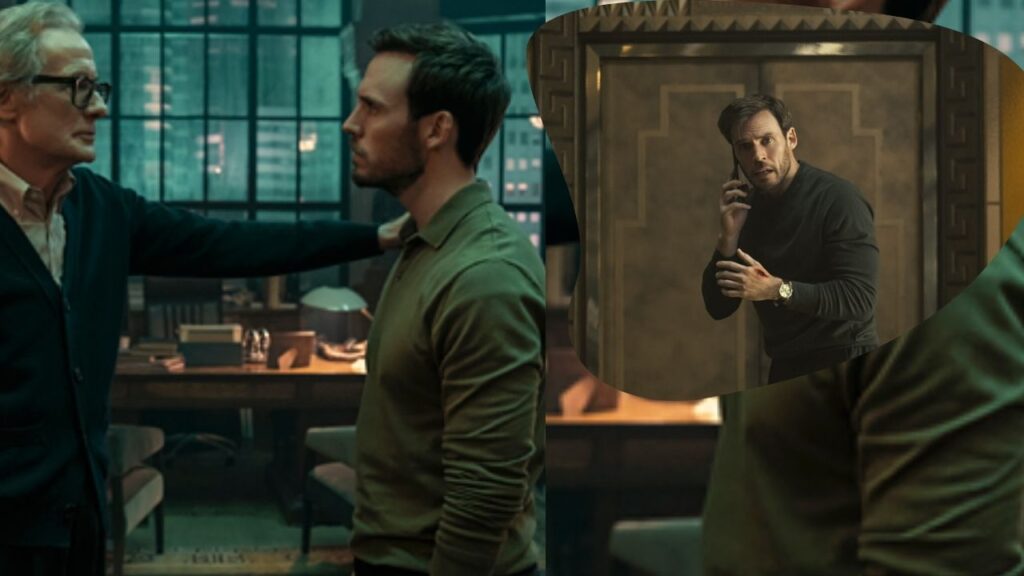
The Vanishing is a strong Euro-thriller, mixing psychological tension with international flavour. This is a defining change for Cuoco as she is definitely leaving her comedic roots for more dramatic, intense roles. Alongside her is Sam Claflin, who is also excellent as a mysterious figure at the heart of the plot – a sudden and baffling disappearance on a romantic jaunt to France.

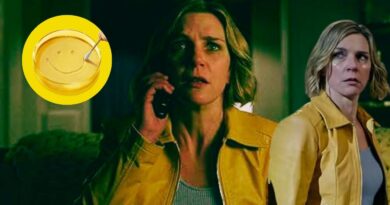
The initial trailer which was released on 13 January 2026 featured a “beautiful but deadly” appearance. The plot centres around Alice Monroe (Cuoco) hunting for Tom Parker (Claflin) when he disappears. But it soon turns into more than a rescue operation: It examines how well we really know those we love.
| Feature | Specification |
| Title | Vanished |
| Format | Four-part Miniseries |
| Lead Cast | Kaley Cuoco, Sam Claflin |
| Production Studios | AGC Studios, Fragile Films, Slow Burn Entertainment |
| Primary Platforms | MGM+ (US), Prime Video (International) |
| Filming Locations | Paris and Marseille, France |
The show is scheduled to air on February 1, 2026, with the date strategically set to boost ratings after the winter holiday break. The delivery schedule will be different, depending on the audience’s preference.
| Region | Platform | Debut Date | Release Model |
| United States | MGM+ | 1/Feb/2026 | Weekly (Sundays) |
| UK / Canada / Australia | Prime Video | 27/Feb/2026 | Full Binge |
Without giving away plot points, Vanished also feels like a romantic drama, and not in a bad way. It’s in the “Euro-noir” tradition, where stunning views conceal place sinister secrets.

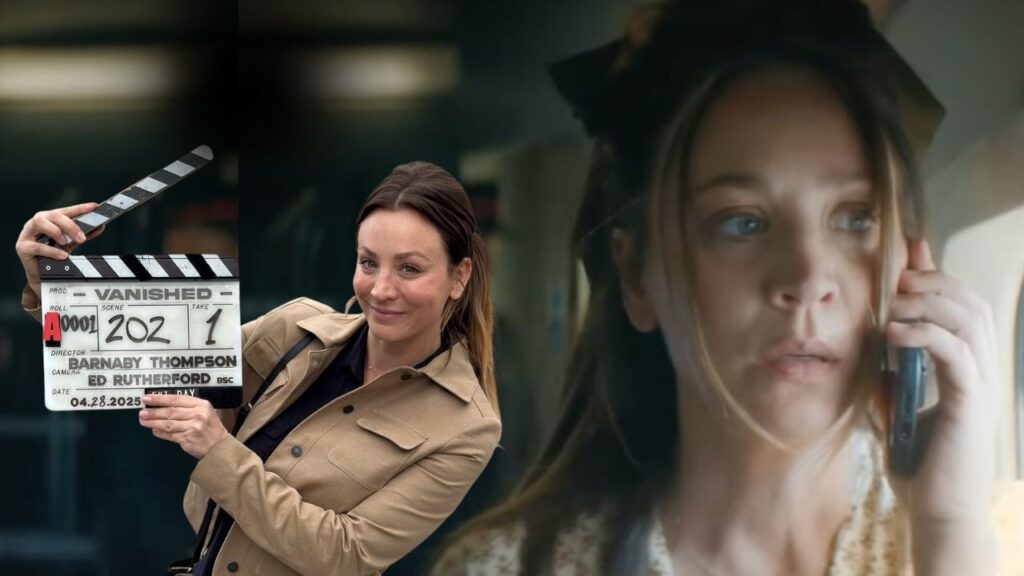
The series contains an extraordinary group of creators committed to the aim of making engaging character based stories. Under the direction of Barnaby Thompson, who maintained a uniform visual and emotional sensibility throughout the four episodes, the series is a masterful synthesis of style and substantial character study.
Written by Preston Thompson, the film strives to create a feeling of “creeping dread,” making audiences feel what Alice experiences in her loneliness as she hunts for the truth in a strange country. From AGC Studios, the series is also enhanced by the participation of Kaley Cuoco as an executive producer, bringing even more layer of proficiency to the production.
The story is a tight, four-episode journey:
The cast is a combination of big Hollywood stars and very talented French actors.

| Actor | Character | Background |
| Karin Viard | Hélène Lando | Famous French actress. |
| Matthias Schweighöfer | Alex Durand | German star (Oppenheimer). |
| Simon Abkarian | Gaspard Drax | Known for Casino Royale. |
The series is anticipated to be rated TV-MA in the US, or 15/18 for international viewers, subject to local rating systems. It has psychological tension and adult betrayal themes swirling in a gritty, intense thriller ambience (comparable to contemporary thrillers). Although it’s not all action-driven, the emphasis on those aspects winds up a pretty interesting and adult story.
There are a lot of expectations for a lot of different reasons:
Vanished is being positioned as the television event of 2026. Combining a classic “who-done-it” storytelling with deep emotional issues around trust, it has a little bit of everything for the thriller enthusiast. With its stunning French locale and A-list cast, it dares the viewer to play detective in a place where “nothing is what you think.
The Last of Us Season 3 faces major changes as Danny Ramirez exits amid Marvel conflicts, creative departures, and a bold Abby-centric shift.

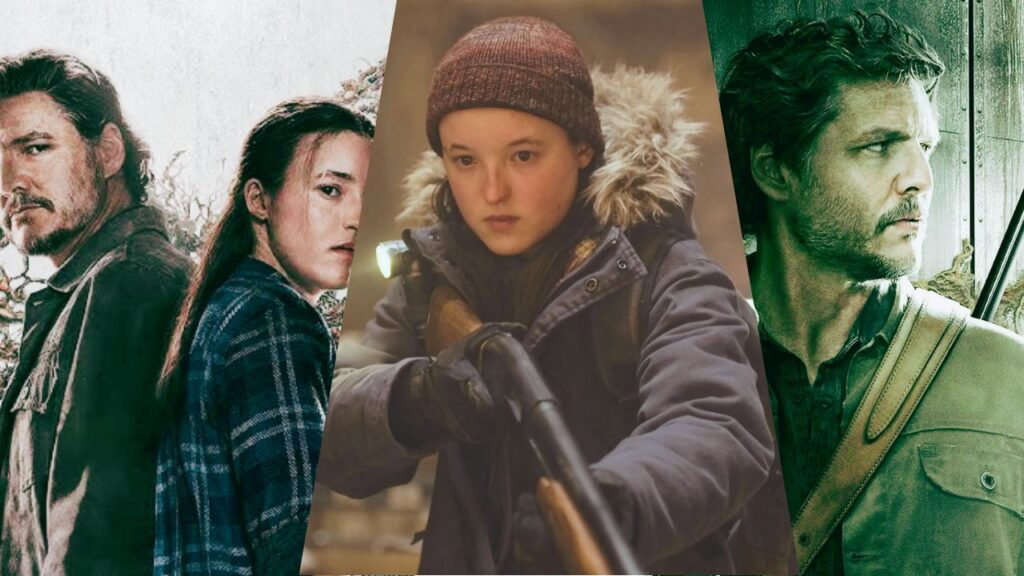
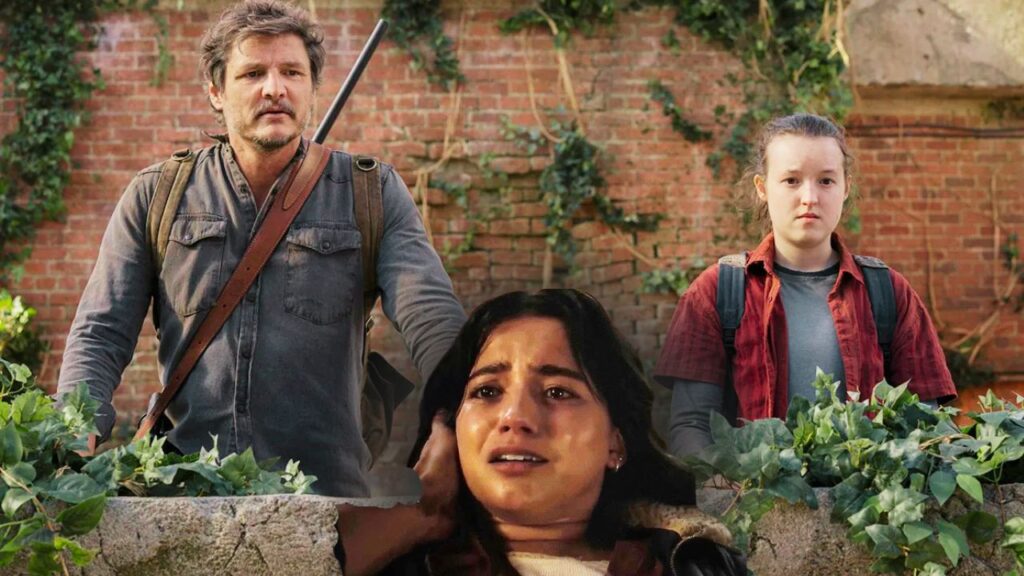
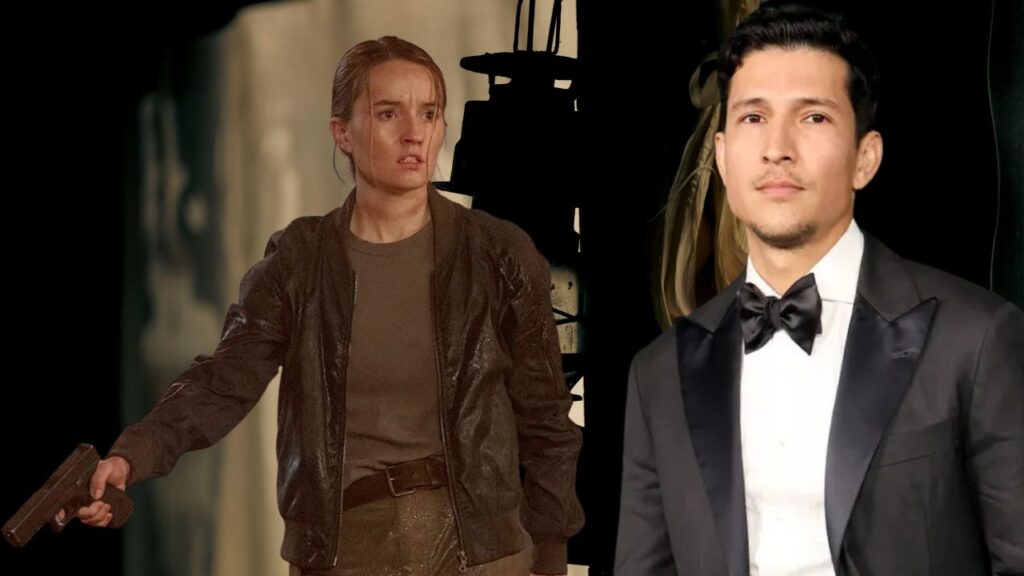
HBO’s The Last of Us has always been willing to shock its viewers, but the latest between the scenes twist might just be its biggest surprise yet. As fans were preparing for a daring, Abby-centric Season 3, we learned that Danny Ramirez is no longer with the series. The unexpected recasting of Manny, one of Season 2’s most charming side characters, has sparked major discussion across fandoms. From the increasing influence of Marvel to significant talent departures, The Last of Us Season 3 is set to mark a new era for the critically acclaimed HBO drama.
That’s where it gets interesting. The recasting is not because of creative differences or contract disputes — it’s a flat out scheduling conflict. And while HBO never actually said what took Ramirez away, the Internet sleuthing points directly to Marvel. The actor is going to be in Avengers: Doomsday and maybe Avengers: Secret Wars, two of the biggest film projects looming out there.

Contemplate that for a moment. The Last of Us is genuinely one of the best reviewed shows on television right now. It’s a greasy prestige HBO drama based on a cherished video game series. And here we are, being forced to say goodbye to a gifted actor to the gravitational pull of the MCU. It’s a testament to just how much star power Marvel has in Hollywood — even if it means losing key players to major productions.
It’s wild because Ramirez isn’t leaving in a vacuum. Season 3 is already shaping up to be a bit of a behind-the scenes shift. Co-creator Neil Druckmann, the creative mind behind the original video games, stepped away from writing and directing duties earlier this year to work on Naughty Dog’s new project, Intergalactic: The Heretic Prophet. And writer Halley Gross, who was instrumental in Season 2 narrative, has also left to pursue other opportunities.

So showrunner and co-creator Craig Mazin is essentially left to write Season 3 by his lonesome. Now, Mazin has demonstrated that he can bear the burden (he’s been the lead writer throughout), but there’s no denying that losing these creative heavyweights is big.
Lost star Jorge Garcia and character Dharma Initiative worker Desmond Hume are still set to make an appearance. Season 3 is shifting its narrative entirely to Kaitlyn Dever’s character, Abby—a radical storytelling choice the show’s creators confirmed all the way back in mid-2025. Manny, after all, was a supporting character in Abby’s journey, not the star.

Manny’s buoyant spirit influenced by his internal pain was one of the highlights of Season 2, and recasting that role is no small feat. Fans have already started to speculate about candidates to fill those shoes, and the heat is definitely on for HBO to get someone who can deliver.
All of this speaks to something bigger shaping Hollywood right now the tension between high-end content television and blockbuster cinema. When giant Marvel projects beckon, they can pull talent away from even the most prestigious series. It’s a testament to how cutthroat the entertainment business is.
That said, The Last of Us has survived tempests before. The series adapted incredibly well from an incredibly loved work and was able to form something that stands on its own. If there is a team that can go through a recasting and creative restructuring, this is the one.
Season 3 remains one of the most anticipated television events on the horizon. Is this recasting going to matter the great scheme of things? Possibly not. But yet it’s also a stark reminder that no show, no matter how enormous, is immune to Hollywood’s caprice.
Read More:- Welcome to Derry : Makes the Same Horror Mistake That Nearly Killed the Franchise
The Last of Us : At its essence, the Danny Ramirez recasting debacle reveals an increasingly common reality brewing beneath the surface of Hollywood: not even the most highbrow television series are safe from the blockbuster franchise gravitational pull. With Marvel poaching another rising star and core creatives walking away, The Last of Us Season 3 undoubtedly faces challenges — but also the rare chance to reinvent itself.
HBO’s survival horror masterpiece has already demonstrated its staying power, making a cherished video game into essential television. Whether this casting revision ends up as a minor point or a highlight will only be revealed when/if Season 3 arrives. One thing is for sure — the world of The Last of Us is as volatile off-screen as it is in the story.
Fandomfans delivers the latest updates from movies, web series, and celebrities. Stay connected for more getting every detail!
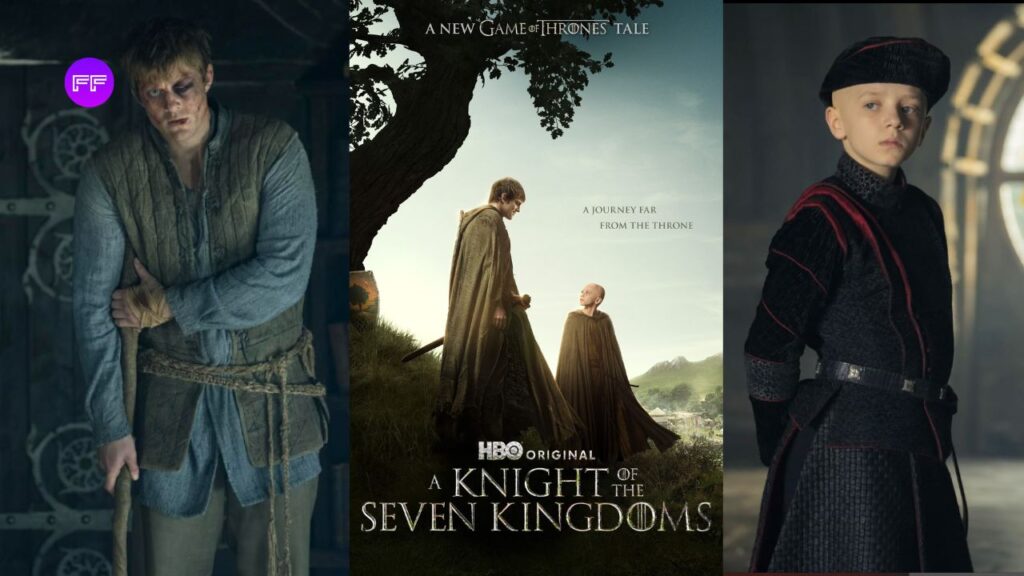
Dunk and Eggs are high in The Morrow’s conclusion of A Knight of the Seven Kingdoms, resulting in a sentimental closing note focused on honor and selection.

Halfway through A Knight of the Seven Kingdoms Episode 6, “The Morrow,” Dunk and Eggs is sitting opposite Prince Maekar Targaryen, and he declares with the sort of quiet conviction that can only come from having your understanding of the world dismantled and put back together across six weeks of television: “I think I’m done with princes.”
Five words. That’s all it takes. But in those five words you hear everything — the weight of Baelor’s death, the disillusionment with noble systems that warp children into monsters, and the blind, near-lunatic resolve of Dunk and Eggs to do what’s right even when the world rewards you for doing wrong.
The Guardians says, we’ve come to expect certain things from prestige fantasy television. The second to last episode turns up the spectacle—the battles, the killings, the “holy shit” moments. The series finale, while completing story arcs, sets up next season’s conflicts. There is usually a cliffhanger. There’s almost always a feeling of building momentum leading us to bigger, louder, more costly storytelling.
“The Morrow” does none of that. Which is exactly why it works.
The episode is basically 31 minutes of people talking. That’s it. No swords are drawn (save for the knife Egg considers using against his sleeping brother, which we’ll get to). No armies clash. The most violent thing that occurs is emotional. And yet, the viewer was drawn forward, utterly captivated, in a way as they had been in the earliest seasons of the original Game of Thrones, when dialogue resembled skirmishes and each character choice had the consequence of multiple kingdoms.
This is the show’s thesis, born out: being good isn’t what you are, it’s what you do. Repeatedly. Even when it costs you everything.
Peter Claffey’s Dunk facts for the season have been an exercise in making virtue compelling. It’s not easy to write a nice character that’s not boring. Our culture reveres the anti-hero, the morally complex operator, the person who commits bad acts for reasons that make sense to us. We’re trained to see all plain-spoken righteousness as either naïve or performative.
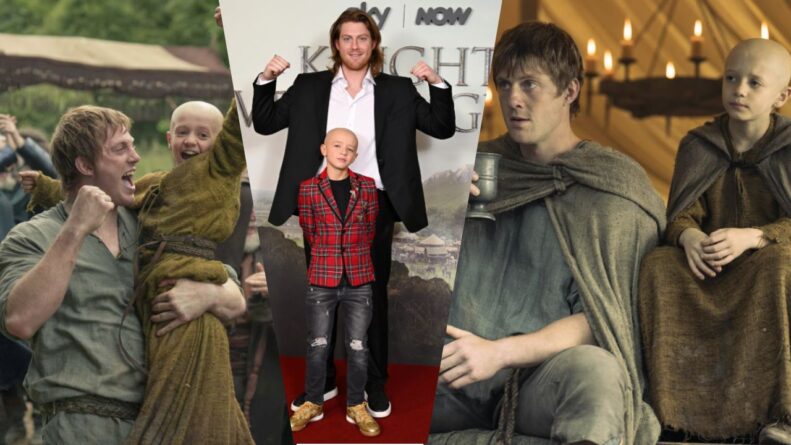
But Claffey treats Dunk’s morality as a conscious decision, rather than a baseline. Watch his face when Lyonel Baratheon offers him a life at Storm’s End — hunting, sailing, friendship, the sort of simple male bonding that would be the happy ending in any other story. You can see Dunk genuinely considering it. He wants it. Who wouldn’t? After a fortnight of sleeping in the mud and eating hard salt beef, the lure of comfort and companionship can’t be that strong.
But he says no. It’s not the offer he can’t afford, it’s just not what he wants to do. And he knows it.
This time it’s Maekar’s offer from Summerhall. When Maekar speaks of proper training and finishing what Arlan began you can see Claffey’s longing in his eyes. Dunk craves legitimacy. He wants to be the knight as he pretends to be. But when the price of this is Egg turning into just another Targaryen prince twisted to cruelty by the iron machinery of court life, he can’t bring himself to accept it.
The episode’s most powerful sequence is Dunk’s vision (memory? dream? hallucination?) of Ser Arlan of Pennytree. Their talk about the Pennytree tradition — hammering a copper penny into a tree when you leave, pulling it out when you come back, because “a good knight always finishes a story” — could be interpreted as symbolism too close to a cliche. But it doesn’t, because the show has earned its emotional moments over the course of six patient character episodes.
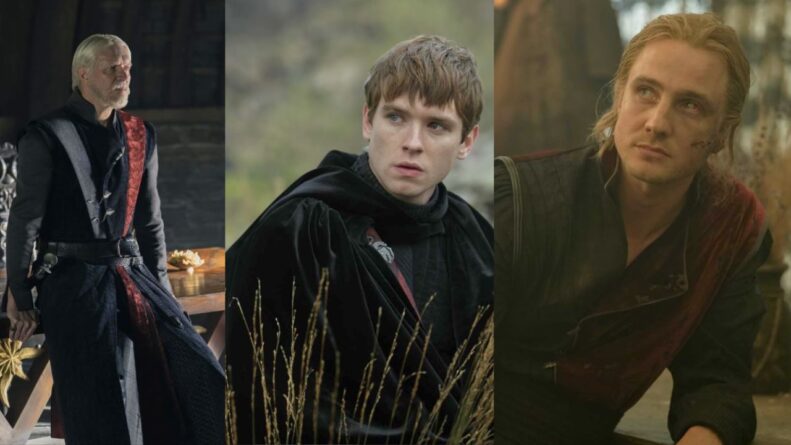
If Ser Arlan did in fact knight Dunk, then the source of Dunk’s legitimacy is a secret, private deathbed ceremony. But if Dunk has not been knighted after doing everything, then his authority is based solely on what he has done. The ceremony doesn’t matter.
Egg stood over his sleeping brother Aerion, knife in hand. It’s not righteous indignation but tragic temptation, which Dexter Sol Ansell plays. Watch his face when he looks in the mirror and sees his silver hair coming back. He said in Episode 4 that he hated his Targaryen traits. But here, behold his eyes. We see the violence and entitlement woven into that bloodline, reasserting itself.
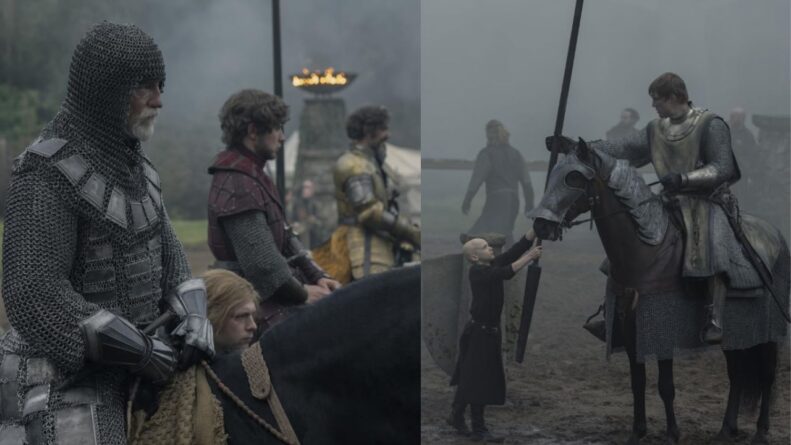
When Maekar catches his son—placing his hands gently on Egg’s shoulders rather than scolding him angrily—both Targaryens are crying. The work of Sam Spruell here is spectacular. He is aware of what could have been, too close for comfort, and what that means. He has good reason to believe Daeron was right: Aerion wasn’t born a monster. He was fashioned by the judicial machinery. And Egg has that as well, and always will, that same door hidden within himself, and what it takes to unlock that door.
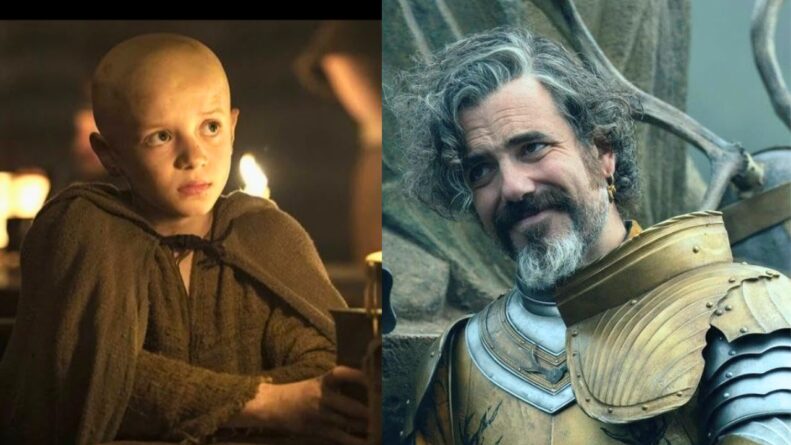
One of Maekar’s sons still lives who might not be broken by this throne. And when Dunk offers to take him to save him by ditches and hard salt beef and a life of no iron machinery, Maekar says no. He can’t picture life as dignified. He loves his son enough to weep with him over Aerion, but not enough to send him away.
And that’s the real tragedy of Dunk and Eggs “The Morrow.” Maekar wants to save his children and he has no idea how.
Egg has fibbed about having his father’s permission – a deviation from George R.R. Martin’s original novella in which Maekar actually gives his consent. Some fans will disagree, as in the book version, Maekar’s consent is a sign of growth, and repentance for killing Baelor, inadvertently. The show’s version undermines that character growth for a laugh and possible Season 2 drama as season gets 9.0/10 rating from IMDb.
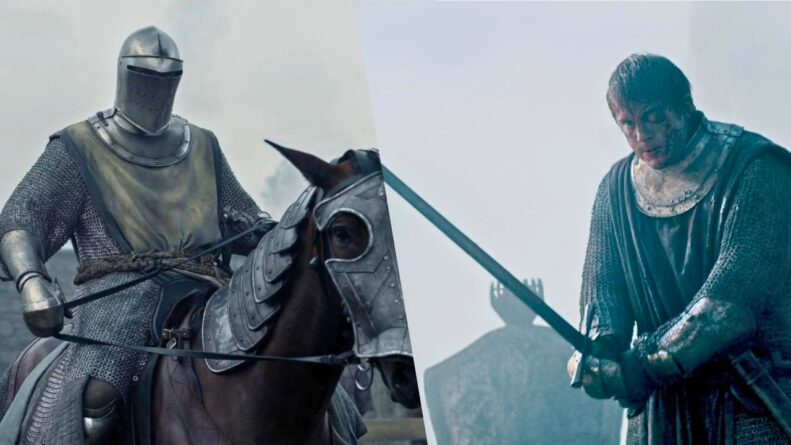
But even this choice is thematically defensible. The show is concerned with how difficult it is to select goodness. Egg (Pink Letter) lies and flees instead of accepting Maekar’s denial, losing his integrity. It robs Dunk of his assurance in Egg’s character when he comes upon the truth. It robs Maekar of his son. Doing what’s right is gonna cost something dearly for everyone.
The final shot where Arlan ghost riding off over a field of grass while Dunk and Eggs walk on down the road is grief made plain. Dunk is paying tribute to his mentor (the penny in the tree), applying his teachings (finish your story, keep your oaths), and moving beyond his need for Arlan’s approval. The question of being knighted is not relevant. It’s the road and the royal squire at his side that matters now.
Read More 👉 Absolute Universe DC Comics Bombshells from ComicsPRO That Will Reshape 2026
A Knight of the Seven Kingdoms Season 2 will explore George R.R. Martin’s second “Dunk and Eggs” novella, “The Mystery Knight.” Co-creator and showrunner Ira Parker spilled details on that direction in an interview with Variety. Also, Parker said one of the original titles for the series was nixed by Martin, but he didn’t reveal the reasoning or what the title was.
Season 2 can’t come fast enough but there was so much potential in that last shot of two figures on horseback riding off into the unknown, everything up in the air but their commitment to each other and to becoming better people. The show has demonstrated that tiny storytelling is viable in this universe, that you don’t need dragons and sprawling ensemble casts and constant escalation to justify your existence.
A Knight of the Seven Kingdoms has given the Game of Thrones universe new life in a way that seems almost miraculous. Dunk and Eggs makes us fall back in love with this world, not for the spectacle, but for the people. It’s because of the conviction that in a world that is structured to treasure self-interest and to punish kindness, the most radical thing that you can do is simply be good.
As Ser Arlan would say: A good knight always finishes a story. Dunk and Eggs are finishing this one and starting another. We just have to wait until then.
Dive into the world of dragons and dungeon politics with Fandomfans, our goal is to focus on recent updates and reviews from latest movies, series, characters, and interviews.