28 Years Later: How Danny Boyle and Alex Garland Redefined Horror for 2026
Danny Boyle and Alex Garland revive the 28 Days Later universe, redefining modern horror with biology, politics, and raw realism in 2026.
Published: January 14, 2026, 1:05 pm

Danny Boyle and Alex Garland revive the 28 Days Later universe, redefining modern horror with biology, politics, and raw realism in 2026.
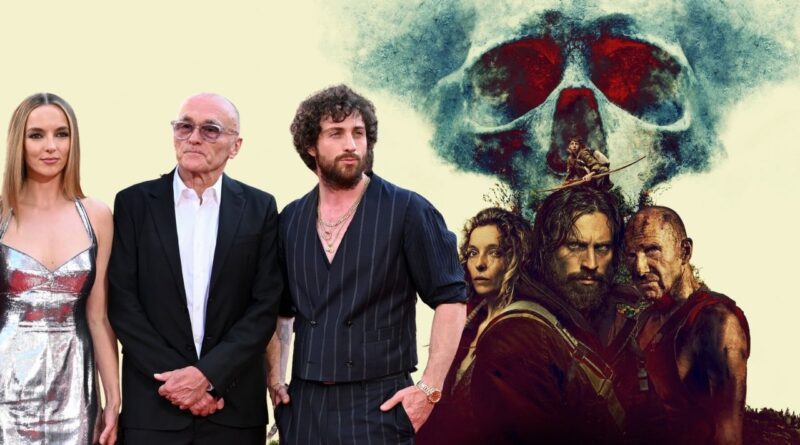
The overall cinematic output for 2026 seems an entirely new prospect. Ender’s game trailer We have gone beyond the generation of the predictable jump-scare and established ourselves in a more cerebral place of “high horror,” a change led by the long overdue revival of the 28 Days Later universe. With 28 Years Later releasing in June 2025, and its direct sequel, 28 Years Later: The Bone Temple, releasing in January 2026, the creative team of Danny Boyle and Alex Garland has not merely brought a franchise back to life – they have redefined how horror can speak to what it means to be human.
For almost 20 years, fans speculated about 28 Months Later. It turned into a development hell myth, held up by rights issues and creative changes. The wait, though, served a purpose.
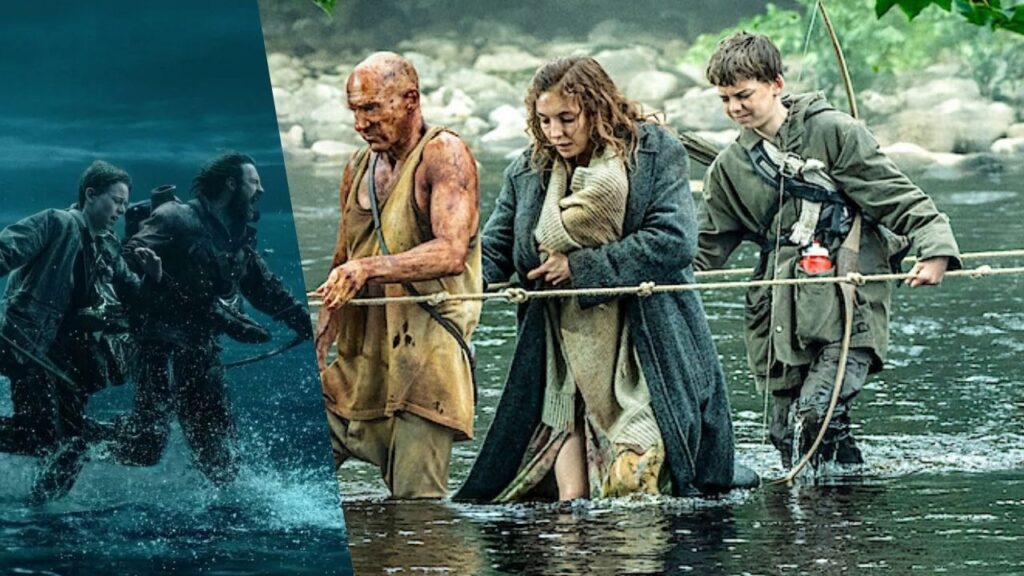
Skipping ahead almost three decades, the filmmakers leave behind the panic of a viral outbreak and delve into “post-progressive” societal decay. In this new world, the end of the world isn’t a tragic event—it’s the only reality the current generation has ever known.
Perhaps what has most people talking about the 2026 comeback is the technical decision to shoot mostly on the iPhone 15 Pro Max. This wasn’t a gimmick. Boyle took the Canon XL1 and turned it into a grainy, digital realism. In 2026, he adapted this “guerrilla” style on a new scale with multi-camera megasuites.
By placing iPhones into “Beastgrip” cages with professional-grade cinema lenses, the team captured a high-shutter-speed energy. This technical decision removed the infected from ‘cinematic motion blur’ and as a consequence their movements look staccato, hyperactive, and terrifyingly real.
The “high horror” tag derives from the trilogy’s immersion in evolutionary biology. Rage Virus is not a static disease; it took biological forms:
The Slow-Lows: Fat and bloated dead, in this case terminal stage creatures that are aftermath survivors of the original outbreak.
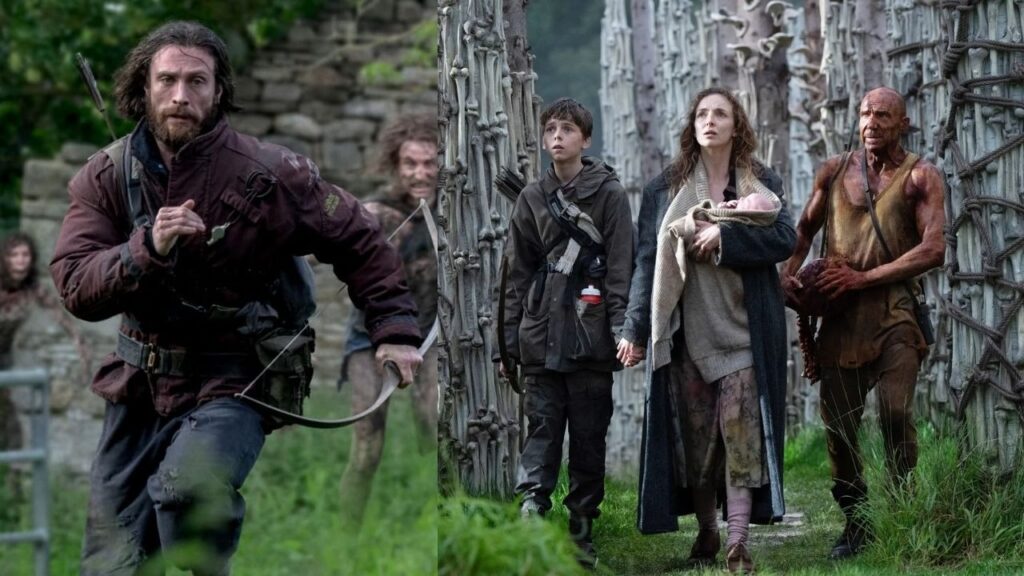
The Alphas: They are intelligent, sentient hunters on a higher plane of thinking and do possess some form of strategic thought albeit intermittent and social hierarchy.
This change re-centers the horror from the mindless zombies to a more understanding-if-distorted on the human experience of pain and suffering. The infected are depicted as martyrs to an “unthinkable fate,” rendering the films to “tone poems” that are profane yet emotionally stirring.
While the 2025 film was set among the isolationist society of Holy Island (Lindisfarne), the 2026 sequel, The Bone Temple, directed by Nia DaCosta, turns its gaze to human cruelty. The addition of “The Jimmies” — a cult based on the more shadowy recesses of British cultural history conjures a society sliding back into nostalgic myth and “strategic derangement.”
Ralph Fiennes turns in a career-defining performance as Dr. Ian Kelson, a man running a mausoleum to the fallen human. His viral “death-metal dance” to Iron Maiden is already the defining meme of early 2026, embodying the trilogy’s mash-up of high art and visceral madness.
Read More:- James Cameron’s Titanic is Greatest of All Time Movie Amid Avatar Record Break
As 2026 begins to approach, the 28 Years Later trilogy is the narrative equivalent of looking up in awe. It has demonstrated that horror can be a serious instrument for social commentary, addressing anxieties of the Brexit era and the “denial of death” through the prism of the Rage Virus.
The arrival of 28 universe is more than just nostalgic it’s a cultural recalibration of what modern horror could be. With 28 Years Later and The Bone Temple, Danny Boyle and Alex Garland have re-imagined the once–genre-defining zombie blast as a philosophical rumination on survival, memory, and generation trauma.
The trilogy, which can be seen as a response to fulfilling and confronting socio-political anxieties brewing in a crumbling Britain, alongside utter terror grounded in evolutionary biology and filmmaking radicalism, transforms horror into something far more intimate and unsettlingly human.
If 2026 is any indication, these films are testimony to the fact that fear doesn’t need to resort to cheap shocks to survive, but can instead find nourishment in ideas, mood, and the quiet recognition that the real horror isn’t the end of the world — it’s learning to live after it.
Dive deeper into the world of cinema with Fandomfans to get the latest update from your favorite movie, shows, and celebrity.

Yellowjackets is a survivalist coming-of-age dark thriller about trauma, sisterhood, and mystery. Discover plot, cast, themes, timelines and season details.
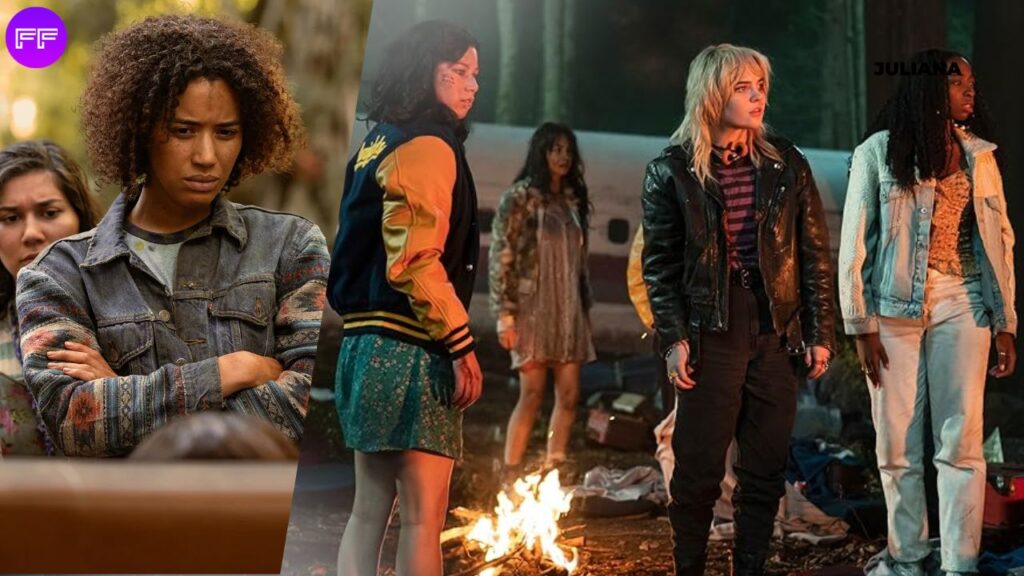
Yellowjackets is a gritty, voyeuristic survival drama that reinvents the “lost in the wild” genre. It follows the ascent and collapse of a high school girls soccer team (so talented it qualifies as insane) whose plane crashes in the remote Canadian wilderness in 1996.
The series is unique for its dual timeline structure, toggling between the teens’ transformation into savage clans over the course of 19 months and their lives 25 years later as adult women, where the secrets of what transpired in the woods simply will not be buried.
Season 2 premieres 24th March 2023 after Its Great Wide Wonder Success of season 1. Meanwhile, viewers can anticipate season 3 which will premiere on February 14, 2025, on Paramount+ with Showtime as a linear television debut on February 16, 2025.
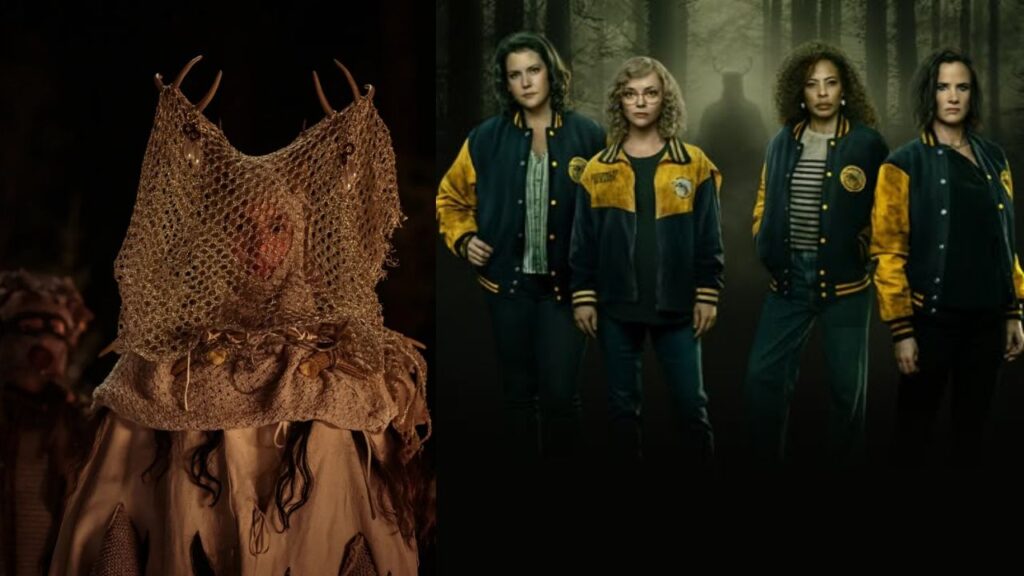
Yellowjackets is a virtuoso blend of genres — equal parts psychological terror, survival drama, coming-of-age story and mystery thriller.
The pair behind the hit series Narcos, Ashley Lyle and Bart Nickerson, are the creators and also executive producers and showrunners with Jonathan Lisco.
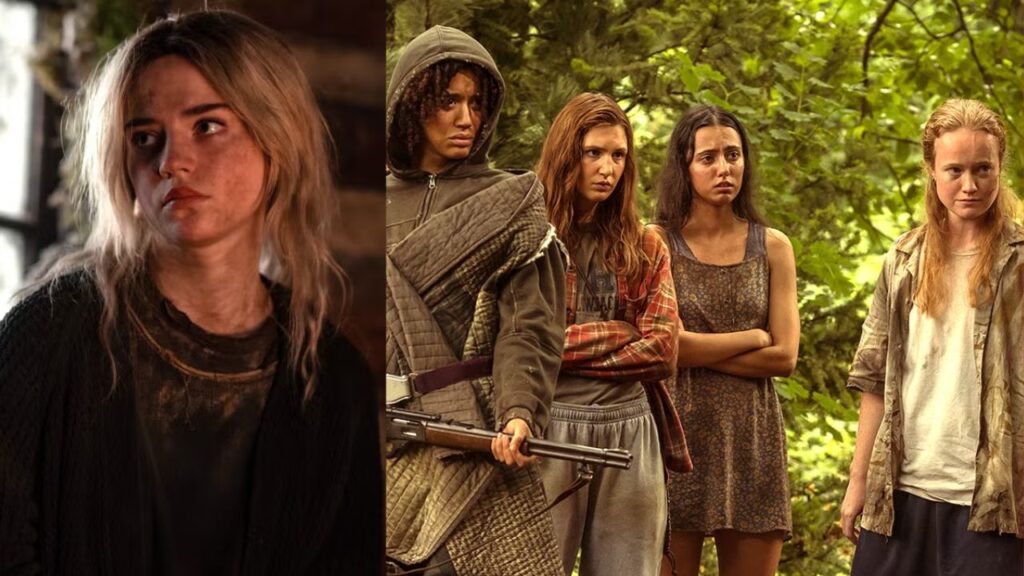
Karyn Kusama is executive producer and director with Eva Sørhaug and Jennifer Morrison. Yellowjackets is a production of Lionsgate Television for Showtime.
It’s 1996, and the Wiskayok High School Yellowjackets are on their way to Nationals when their plane goes down. Stranded for close to two years, the survivors are forced to make horrific, cannibalistic choices for survival. The remaining survivors — Shauna, Taissa, Natalie, and Misty — are being blackmailed by someone who knows exactly what they did, in the present day. When they reunite to keep their secrets safe, they find the “Wilderness” they left behind may never really let them go.
Read More👉 ‘The Housemaid’ (2025) Movie Box Office Record Hit With Powerful Star Cast
The show is brilliant in its “mirror” casting, with two actors portraying the same character in different times:
| Character | Adult Actor | Teen Actor |
| Shauna Shipman | Melanie Lynskey | Sophie Nélisse |
| Taissa Turner | Tawny Cypress | Jasmin Savoy Brown |
| Misty Quigley | Christina Ricci | Sammi Hanratty |
| Natalie Scatorccio | Juliette Lewis | Sophie Thatcher |
| Lottie Matthews | Simone Kessell | Courtney Eaton |
| Van Palmer | Lauren Ambrose | Liv Hewson |
Giving Nostalgia: Along with artists such as PJ Harvey, Hole, and Tori Amos, it distills the emotional complexity and defiant attitude of that era.
Symbolism: The enigmatic “Symbol” etched into trees has birthed thousands of fan theories across Reddit and social media.
The Antler Queen: The ritualistic leader shrouded in furs and antlers is not only the most haunting image the show creates, but that return of a figure in the final moments of the show’s finale please that terrifying image.
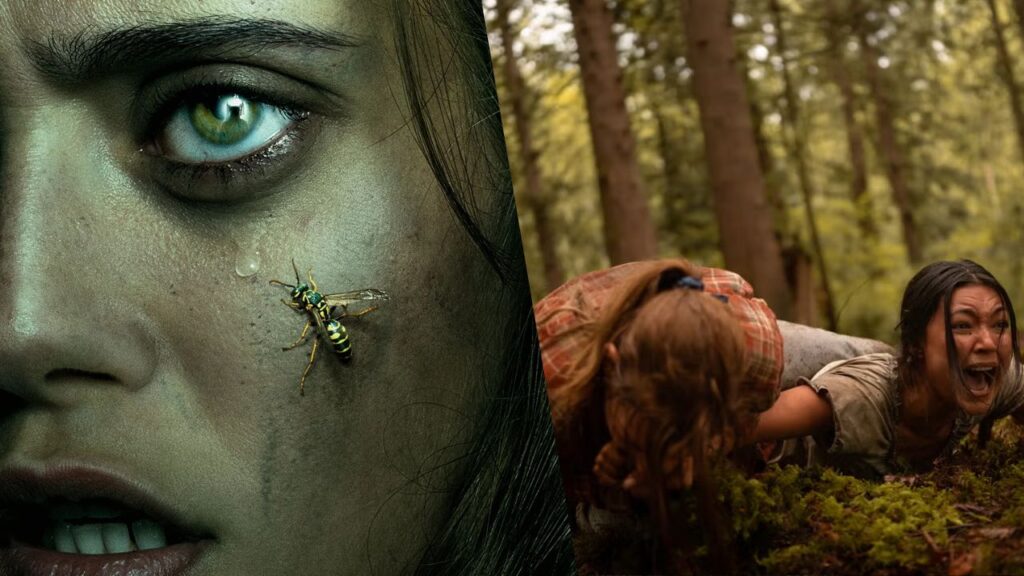
Production is based in Vancouver, British Columbia, where the rough and menacing forest surrounding the 1996 setting is filmed. In particular, the production employed a real, trained bear for key scenes of Season 1 as opposed to using CGI for all scenes and this added to the show’s visceral realism.
Yellowjackets is rated TV-MA (R18 in certain areas). The following content descriptors for this movie have been applied:
The show is full of extreme graphic violence—playing into cannibalism, dismemberment and strong language, sexual content, drug use, and self-harm depictions. It is very dark and twisted and has unsettling content, so it’s geared for adults only.
Read More👉 Landman Season 3: Who’s Back in the West Texas Oil Wars?
The series is a Showtime flagship. It can be streamed on Paramount+ with Showtime in the U.S. Globally, it’s handled by Paramount+ for such territories as UK, Australia and Canada; also on Crave and Sky via region.
With the show entering its third season (and with a fourth season firmly locked in place as the final season), fans have a number of burning questions they’re eager to see answered:
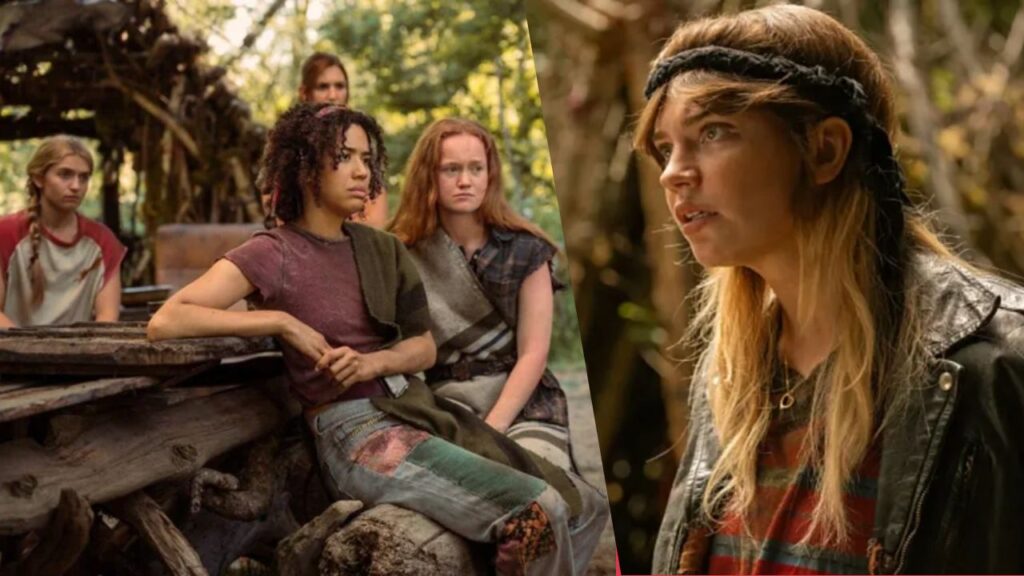
Who is the “Pit Girl” from the pilot’s first scene?
Is the Wilderness magical, or is it shared madness?
How do they get rescued in the end—and why do they come back looking so deeply haunted?
Yellowjackets isn’t just about survival—it’s a terrifying analysis of how trauma changes you on a soul level. Featuring an all-star cast, compelling central mystery, and taking us fearlessly down feral, feminine darkness, the series is sounding all the right notes for a contemporary cult classic. Whether you’re drawn in by the ’90s nostalgia or the physical horror, there’s one thing I can promise you: once the hive gets its hands on you, it’s for keeps.
Fandomfans delivers updates to you from movies and series. Our focus is to provide accurate information.

Jennifer Aniston's stunning transformation from Rachel to The Morning Show has fans amazed. Check out her fitness, fashion and fearless role selections to date.
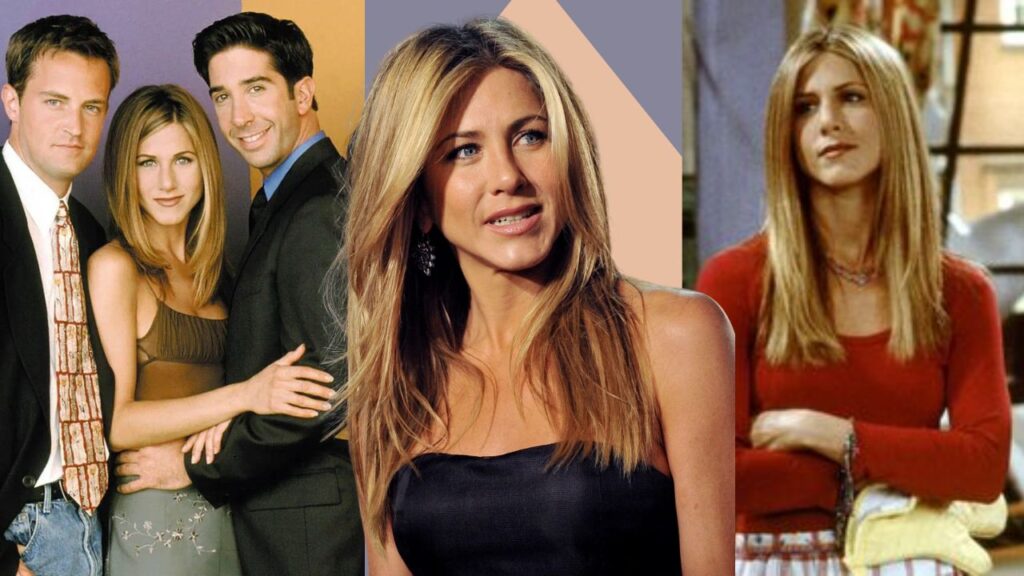
Aniston played Rachel Green on ‘Friends’ for ten seasons from 1994 to 2004, a character whose mannerisms, hairstyle, and love interests defined what it meant to be a 20-something woman around the world. The actress could not be disentangled from the character, it’s hard for everyone to recognize Aniston in other characters. Rachel Green was everywhere, on lunch boxes, in syndication, and in the cultural lexicon.
Aniston noted that she —
“Couldn’t get over from the shadow of Rachel Green ever in my life”
describing the experience as “exhausting”. The character was a “poor little rich daddy’s girl”, a specific archetype that afforded little room for the darkness or grit required of dramatic acting. Aniston admitted to fighting with herself and her identity in the industry “forever,” constantly trying to prove
She was “more than that person”.
—Aniston said
Jennifer Aniston’s whole Friends run nearly never happened because she was at that time already committed to a CBS sitcom titled Muddling Through back in 1994. Because she was “only in second position” for Friends, NBC was worried that they might have to recast Rachel if the CBS show was a hit, and speculated about shooting multiple episodes, only for CBS to pick it up and they’d have to do reshoots.

Aniston got her big break when Muddling Through was cancelled, and that led to her being cast on Friends – which just goes to show how precarious a career in Hollywood can be, and how one cancellation can make way for the series that takes an actor global and defines their stardom.
Helmed by Miguel Arteta, the film stars Aniston as Justine Last, a dour employee at a mall shoe store who has a clandestine relationship with a younger coworker (Jake Gyllenhaal). The choice to accept the part was nerve-racking.
“Panic that set over me,” thinking, “Oh God, I don’t know if I can do this? Maybe they’re right”.
—Aniston recalls
The film was an independent production, lacking the safety net of a major studio marketing budget or a laugh track. It required Aniston to perform “without a net” in front of the world. The success of The Good Girl and the critical acclaim she received—provided the “relief” necessary to continue pursuing dramatic work. It was the proof of concept that she could exist outside the “purple walls” of the sitcom apartment.
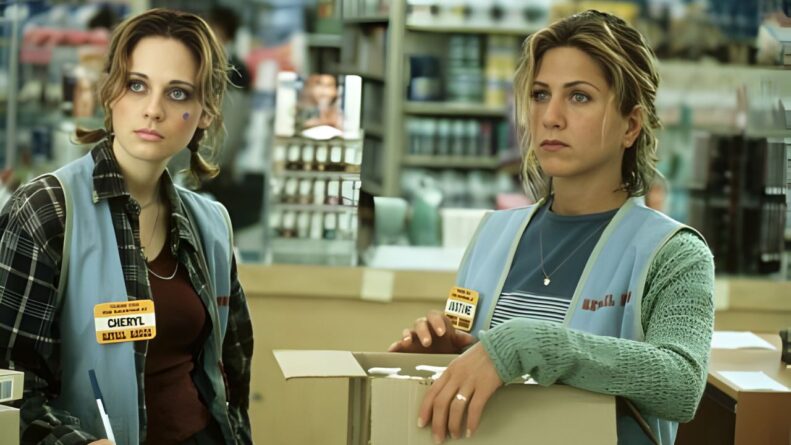
If The Good Girl proved she could be sad, Horrible Bosses proved she could be predatory. The appeal lay in the “black comedy” element. Aniston argued that “Comedy is a necessity,” but she expressed a preference for the “craziness” of the Horrible Bosses universe over the gentler comedy of Friends.
“Maybe everybody else is seeing something I’m not seeing, which is you are only that girl in the New York apartment with the purple walls”.
This quote speaks to the psychological complexity of the curse—it wasn’t only that she believed producers wouldn’t hire her but she was afraid she wasn’t capable of doing the work.
Breaking the curse required exposure therapy. By performing in independent films like The Good Girl and Cake, where the safety nets of budget and ensemble were removed, Aniston forced the industry to recalibrate its perception of her utility.
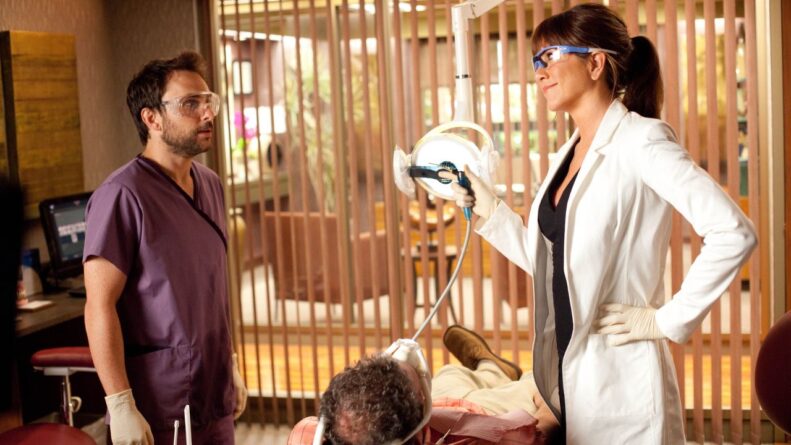
Cake is the ultimate punishment to shatter the curse. In this film, Aniston portrays Claire Bennett, a woman struggling with crippling chronic pain and addiction. Aniston quit exercising and wearing makeup. She studied friends with chronic pain to get a sense of what the condition felt like physically.
She allowed the role to “hurt” her, noting that during physical scenes, she “didn’t prepare” in the traditional sense but rather let the physical discomfort generate a real reaction.
Read More 👉 Wake Up Dead Man Review: A Bold Mystery but Missing the Knives Out Spark
The morning show era (TMS), Executive produced and co-created by Reese Witherspoon is the shift from Aniston the Actress to Aniston the Mogul. The show is more than just an acting vehicle, it’s a platform for industry commentary and power play.
The partnership with Witherspoon’s Hello Sunshine production company created an environment of “understanding, compassion and consideration” that Aniston notes
“Doesn’t always exist amongst the dudes”.
Alex Levy is the culmination of Aniston’s post-Friends evolution. She is a morning news anchor, but she shares no DNA with Rachel Green. Alex is “complex, vulnerable, controlled, lonely, enraged, self-serving”.

In Season 4 (2025), Alex has transcended the anchor desk to become a corporate executive. She is no longer fighting for a contract; she is fighting for the soul of the network. Critics have praised Aniston’s performance in this era as
“It is the best of her performances and able to perform mature characters”
noting her ability to portray moral conflict without the melodrama that sometimes plagued her earlier dramatic attempts. The role gives Aniston a chance to examine issues of power, complicity and growing older in a way Friends never did.
By 2025, she’s at a place very few could have predicted back in 2004: she’s the boss. On The Morning Show, she plays a character who runs the network, much like in real life, where she’s a producer on the show. She swapped the “purple walls” of the Friends apartment for the glass walls of the UBN executive suite. Jennifer Aniston has now shown beyond a shadow of a doubt that she is, in fact, “more than that person.”
Find out celebrities, movies, and web series updates on Fandomfans which is delivering every entertainment buzz to you.