Home > Movies > Michael Biopic Trailer is Released: Most Long-Awaited Biopic..
Michael Biopic Trailer is Released: Most Long-Awaited Biopic of the King of Pop
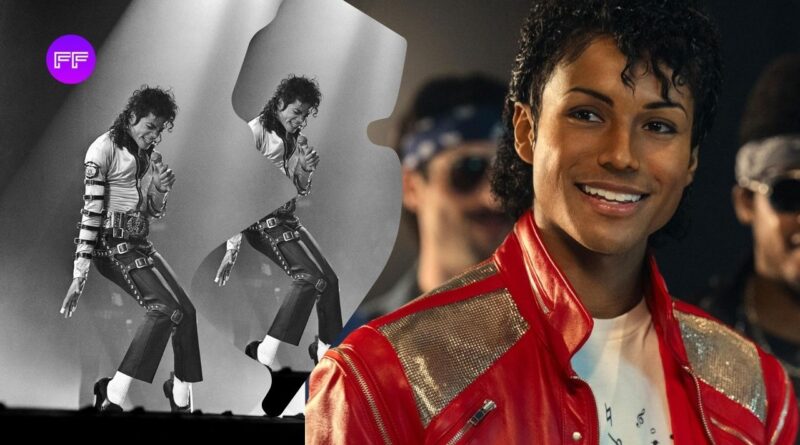
The Michael biopic trailer is out. Jaafar Jackson stars in the film, which follows Michael Jackson's ascent, his challenges, his music legacy and iconic shows.
Michael Biopic Trailer the long-awaited biopic of the King of Pop, and this is the first Lionsgate world paused for a moment as Lionsgate finally released the official trailer for Michael, the eagerly anticipated biopic of the King of Pop.
For decades, fans have muttered, speculated, and debated whether anyone could really go toe-to-toe with the lightning-in-a-bottle magic that was Michael Jackson. The answer to that seems to be an overwhelming “yes.”
The Michael’s trailer introduces us to Jaafar Jackson, Michael’s nephew in real life, and whose likeness and vocals so chillingly accurate has set the internet alight.
This is not merely a movie – it’s a worldwide event that’s guaranteed to take us back to the moonwalks, the glove and the man behind the myth.
Michael Jackson’s Movie Release Date
Save the date and get your glitter gloves ready. Michael will light up the big screen on 24 April. The film will open wide, with a giant IMAX rollout, so that the concert scenes and larger-than-life music numbers will be seen and heard at full blast.
Theme of the Movie
The film is solidly grounded in the musical biopic and drama genres, covering decades of music history. From the soulful, gritty streets of Gary, Ind., the Jackson 5 were formed, to the breathtaking stadiums of the Bad and Dangerous world tours, the locale is as thrilling as the man himself. The key theme delves into the dualities of genius – the public superstar and the private (and often isolated) person.
Director, Writer & Creative Team
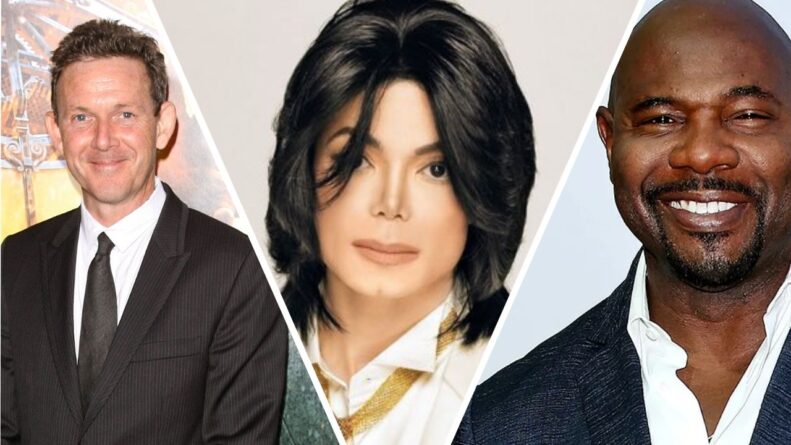
Antoine Fuqua (Training Day, The Equalizer) directs, who is renowned for gritty, intimate storytelling. Writing the screenplay is three-time Oscar nominated John Logan (Gladiator, The Aviator), the narrative is anticipated to be a true story beyond a Wikipedia page.
Image Credit: Fandomfans
Gary King of GK Films is producing the film, the producer who brought us the chart topping Bohemian Rhapsody, which certainly guarantees the musical numbers will be spectacular.
Michael the Long-Awaited Biopic Plot Details
Michael Biopic Trailer is an attempt to bring a breathtakingly honest and riveting portrayal of the charismatic, complex man who became the King of Pop. The trailer suggests a full arc, from the authoritarian hand of his father Joe Jackson to the stratospheric success of the Jackson 5 all the way to Michael’s domination of global pop culture. It claims to lift the curtain on his artistic process and personal pain, humanising a man who is often idolised or vilified.
Jaafar Jackson as Michael Jackson (whose performance is already generating Oscar buzz).
Colman Domingo as the complicated patriarch, Joe Jackson.
Image Credit: Fandomfans
Nia Long is the warm but firm Katherine Jackson.
Miles Teller as Michael’s longtime manager and attorney, John Branca.
Juliano Krue Valdi as the young Michael, captures his early innocence and raw talent.
Michael Trailer Showed Us Highlights
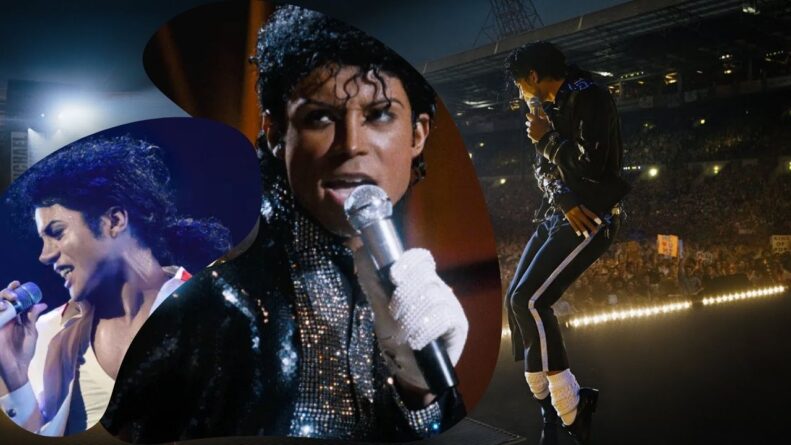
Probably the biggest team-up is that of the Michael Jackson Estate. The partnership allowed the producers unprecedented access to Michael’s music, clothing and personal archives. Among the highlights of the trailer are re-creations of the iconic “Thriller” video, the Motown 25 moonwalk and “Man in the Mirror” – all executed with historical accuracy.
Production Details
Production filmed throughout California and other significant locations in MJ’s life on an estimated $155 million budget. The production design and costumes are designed to represent the specific period of time in Michael’s life and runs from 70s afros and bell-bottom jeans to 90s military-style jackets.
Film’s Availability and Ratings Expectations
Although the official rating is now TBA, vanilla industry speculation is that it will be rated PG-13. This would keep the film available to younger audiences while dealing with the dark and violent subjects of Michael’s later years.
Image Credit: Fandomfans
Distribution & Platform Details
Universal is distributing in the US globally, Lionsgate in the US domestically. The film will head to major streaming platforms (perhaps Starz or Peacock first) once its theatrical run ends, no dates have been announced.
Audience Expectations from Michael
Expectations are stratospheric. The Michael Biopic Trailer has now shattered record viewership numbers for a biopic, showing that the demand for Michael Jackson’s story is as strong as ever worldwide. For the more than 40,000 people who are likely to see the concerts but also want to learn about the man being watched under the most rigorous microscope in history, it can help to comprehend what they are hoping for beyond tribute concerts.
Michael Biopic Trailer is shaping up to be the movie event of the year. Moonwalker devotees and casual film fans alike, Antoine Fuqua and Jaafar Jackson appear intent on once again Michael Biopic Trailer showcasing to the world why Michael Jackson is the greatest entertainer of all time. Be ready to watch this film in theatres on April 24.
Fandomfans gather reports to deliver conclusions from upcoming movies directly to you. Get more updates from here.
Mariyam
Articles Published :
76
Mariyam Khan is Fandomfans Content Writer and providing reports and reviews on Movie Celebrities, and Superheroes particularly Marvel & DC. She is covering across multiple genres from more than 4+ years, experience in delivering the timely updates.
Mystery TV Shows Get Cancelled After Season 4 — Westworld, Manifest & The Sinner Explained
Explore why Mystery TV Shows hook audiences early but struggle long-term. Learn how complex plots, high costs, and viewer fatigue lead to cancellations.
There is a particular kind of heartbreak unique to the viewer of television in the 21st century. It’s that feeling, typically experienced somewhere around the start of a show’s fourth season, when you begin to realize that the Mystery TV Shows you used to be a rabid fan of—one that spawned a million fan theories—is starting to feel like work.
Insiders in the industry refer to this as the “Fourth Season Curse.” In a contracting “Peak TV” era, with streaming behemoths slashing their libraries, the four-season mark is becoming a brutal natural selection point. This is especially true for “mystery box” shows: the high-concept series that trade in secrets and puzzles and delayed gratification.
But what is it that makes the fourth season the breaking point? And what can the rise and fall of hits like Westworld, Manifest and The Sinner tell us about the future of how we watch TV?
The Complexity Debt: When the Bill Comes Due
The “mystery box” format, made popular by J.J. Abrams, is an interesting narrative tool that involves curiosity and waiting. It hooks us with a “hook” (the mystery) and then gets us addicted to a “fix” (the answers). Still, creators often rack up what critics call “complexity debt”. Each time a writer reveals a new mystery without answering an old one, they are taking out a loan on the audience’s patience. By Season 4, the debt is usually too high. If the answers don’t live up to decades of fan speculation, the audience doesn’t just get bored—they get angry.
Feature of Mystery Box
The Risk Factor
Information Withholding
Speculative fatigue; the “IQ test” feeling
Non-linear Storytelling
Narrative opacity and total viewer confusion
The “Gotcha” Twist
Prioritizing shock over character growth
To understand how this curse manifests, we have to look at three very different shows that hit the same wall.
1. Westworld: The Failure of Over-Engineering
Westworld was scripted to be the next Game of Thrones. Instead it turned into a cautionary tale. The showrunners got so obsessed with, I would say, “outsmarting” the internet that the plot evolved into a dense forest of timelines and philosophical gobbledygook.
Image Credit: Fandomfans
By season 4, it lost 81% of its viewers. It wasn’t just that it was confusing; it had lost its heart. When a show treats its characters like chess pieces in a logic puzzle, audiences eventually stop cheering for the players.
2. Manifest: The Survival of the “Netflix Bump”
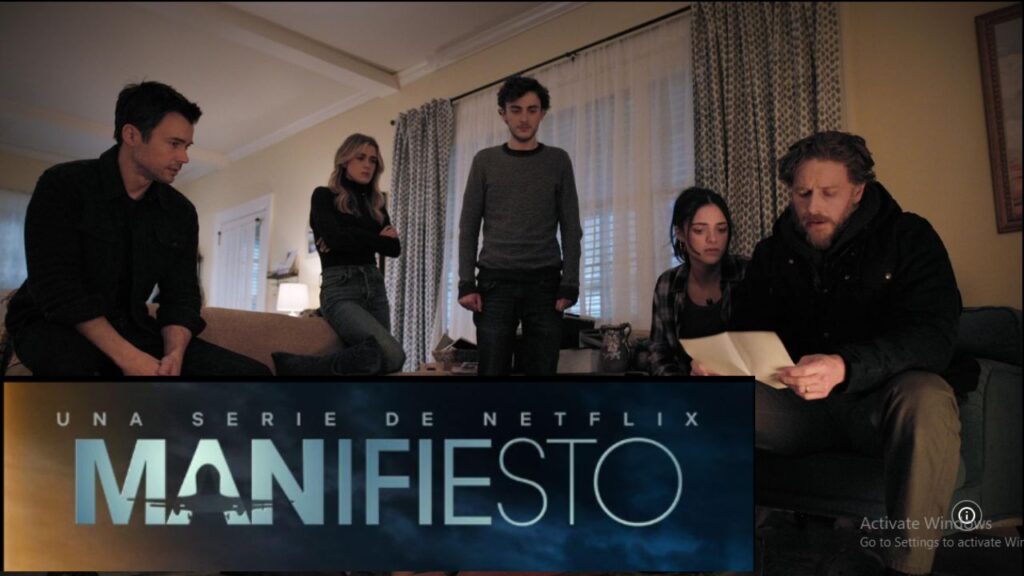
Manifest is the exception on both counts. The scripted series was canceled by NBC after three seasons when live ratings dropped but then got a second life on Netflix. Why? Because mystery boxes are wonderful to binge-watch, even when they don’t work as appointment viewing.
Image Credit: Fandomfans
By compressing a planned six-season arc into a final, 20-episode fourth season, the showrunners had to cut all the fat and actually ratify. It demonstrated that a “forced ending” is in fact the best antidote to a narrative slump
3. The Sinner: The Death of the Venue
In contrast to the rest, The Sinner was an anthology. Each season was a new “why-dunnit.” Yet, it still fell victim to the curse. This time the “curse” was financial.
Image Credit: Fandomfans
As networks such as USA move away from scripted dramas and toward less expensive reality TV, mid-budget series—no matter how prestige they seem are the first to be cut.
The Economics of Exhaustion
The Fourth Season Curse isn’t simply the result of shoddy writing; it has to do with the profit motive. In 2025, a mid-tier drama is priced at $4 million to $6 million per episode.
Contract raises: By Season 4 the cast and crew are pricier.
Viewer Attrition: Audiences traditionally, well, went down every year.
The “New” Factor: What streamers are willing to pay for and find value in — is $50 million for a brand-new “hit,” not for continuing an aging series with a niche viewership.
If we want better TV, the creators need to alter how they make their boxes. The most durable shows – for example Breaking Bad or Succession are all character-centric. The “mystery” is just the backdrop; the “show” is the people.
Critics are now claiming “Magic Show” storytelling is superior. Rather than hide certain pieces of information (the Mystery Box), creators should disclose information and allow us to observe as characters react to the consequences. This makes for a sustainable emotional hook as opposed to a maddening intellectual one.
Conclusion
The age of the “ever-show” is ever-show is over. As budgets tighten and our attention spans splinter, the most successful shows of tomorrow will be those with a defined, limited scope. Ending is just as – it’s just as important to know when to end as it is to know how to begin.
Dive into the world of entertainment with Fandomfans, our goal is to deliver updates from movies, shows, and interviews.
Mariyam
Articles Published :
76
Mariyam Khan is Fandomfans Content Writer and providing reports and reviews on Movie Celebrities, and Superheroes particularly Marvel & DC. She is covering across multiple genres from more than 4+ years, experience in delivering the timely updates.
‘Avatar: Fire and Ash’ World Premiere Introduces a Darker, Unpredictable Pandora
The Avatar: Fire and Ash world premiere reveals the Ash People, a violent new Na'vi tribe, and a dark, unpredictable Pandora. Releasing on 19th December 2025.
If you thought Pandora was just about bioluminescent forests and spiritual connections with whales, James Cameron is about to torch that image, literally. Hell, we’ve been falling in love with the Na’vi for more than a decade. They are the good guys, the protagonists, the noble-savage environmentalists who are being persecuted by evil, rapacious humans.
However, the Avatar: Fire and Ash World Premiere, this new film of the franchise is coming out on 19 December 2025, which is going to turn the whole series on its head. It’s not only all about “save the trees,” it’s a journey into the moral tangle of a world we thought we knew.
For the first time, the danger is not just falling from the sky, but arising from Pandora itself.
Introducing the Ash People – Pandora’s Most Dangerous Tribe Yet
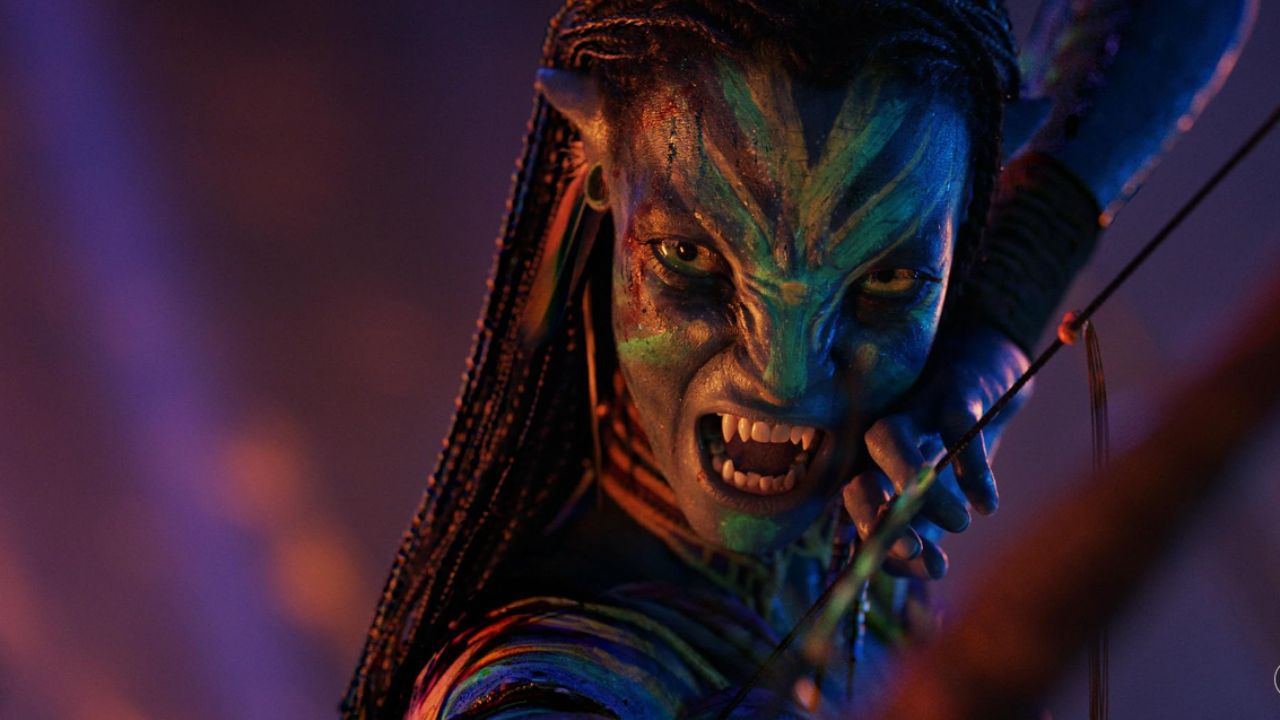
The biggest revelation at the world premiere of Avatar 3 events is the introduction of the Ash People. Residing in the volcanic wastelands of Pandora, this mysterious new tribe represents a total opposite to the Omatikaya, who live in the forests, and the Metkayina, who dwell on the ocean reefs.
Image credit: IMDb
Under the leadership of the cruel Varang (Game of Thrones alum Oona Chaplin), the Ash People are fire incarnate. Cameron has been clear on what this means, if water symbolized adaptation and flow, fire symbolized rage, violence, and destruction. These are not the peaceful natives we’re accustomed to. They’re aggressive and territorial, and maybe most shockingly, they could be the antagonists of the story.
It’s a superb narrative turn. Cameron introduces us to a “bad” Na’vi clan, thus complicating the simple Nature vs Technology binary established in the first two films.
It raises the question, What if the native population is as divided and as flawed as the invaders?
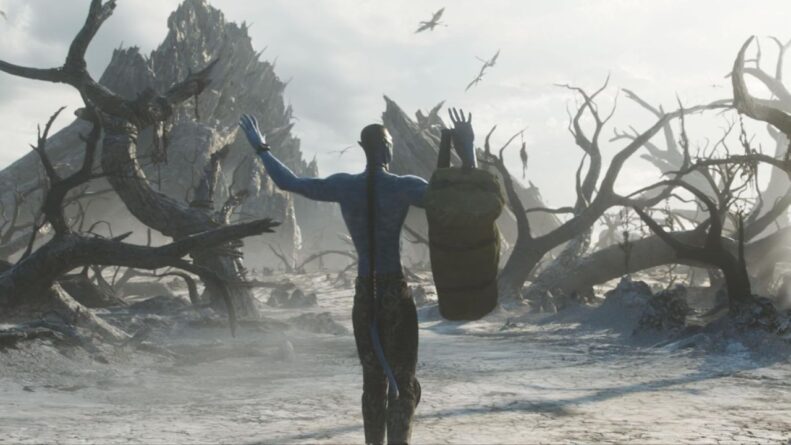
Visually, we’re in for a surprise. The cool blues and greens are historical. Concept art and trailer descriptions show a terrain covered with charcoal blacks, melting lavas, and blinding smoke. The Ash People themselves are said to have a unique appearance — ghostly, ash-covered skin, perhaps even physical mutations evolved for life in a volcanic environment.
Volcanoes are not the full story. The film introduces the Wind Traders as well. This nomadic group traverses the air over Pandora. New zones range from oceans to molten mountains and open skies. Pandora makes for a real, profound world. Not just a plain movie backdrop.
Neteyam’s Death Still Haunts the Sully Family
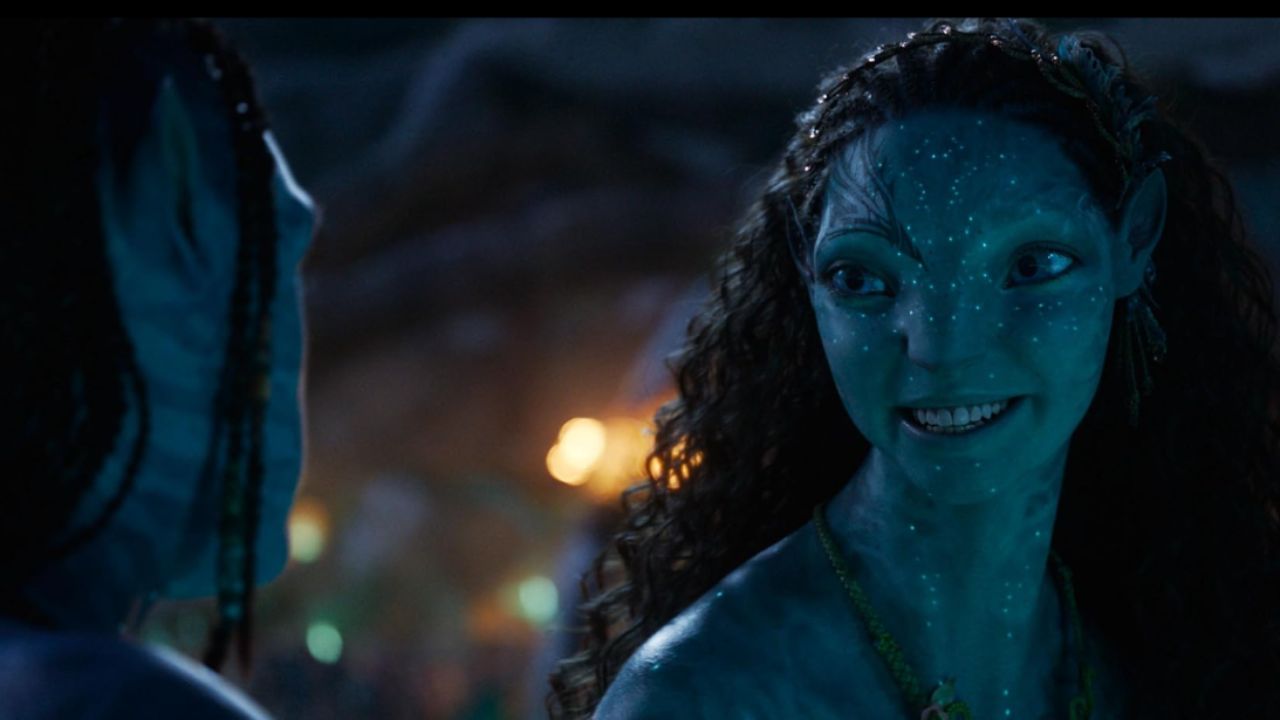
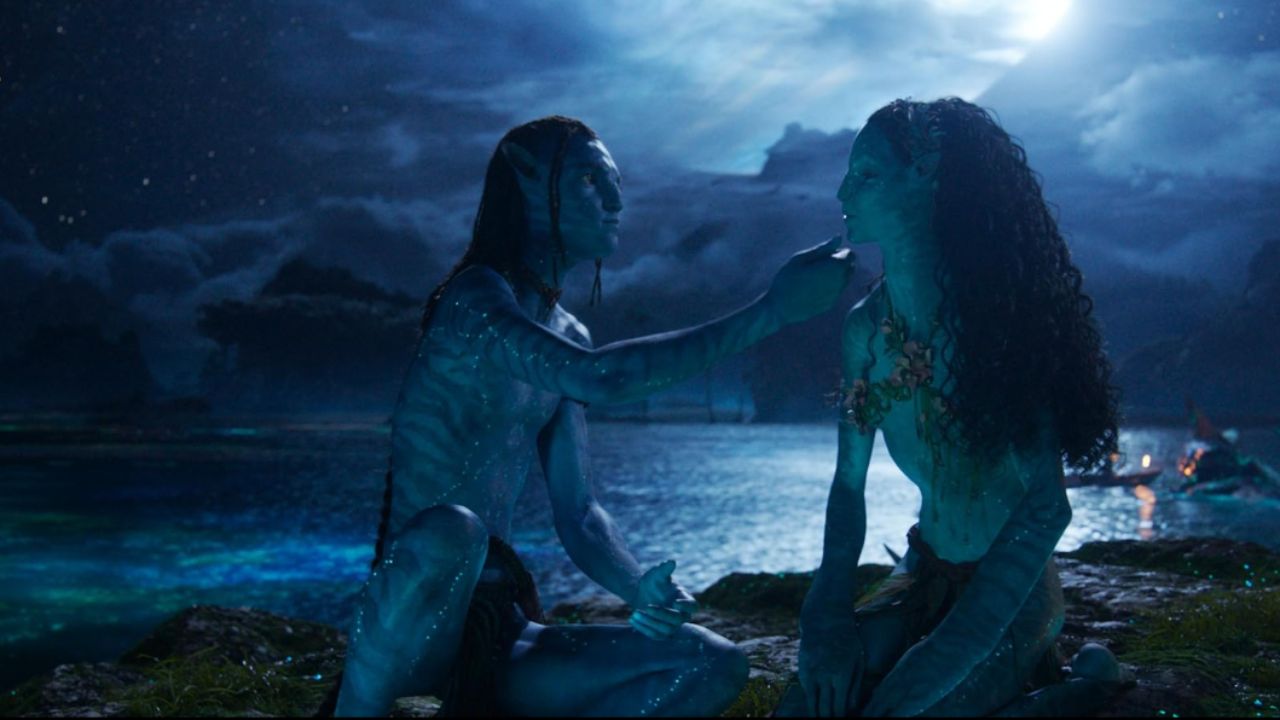
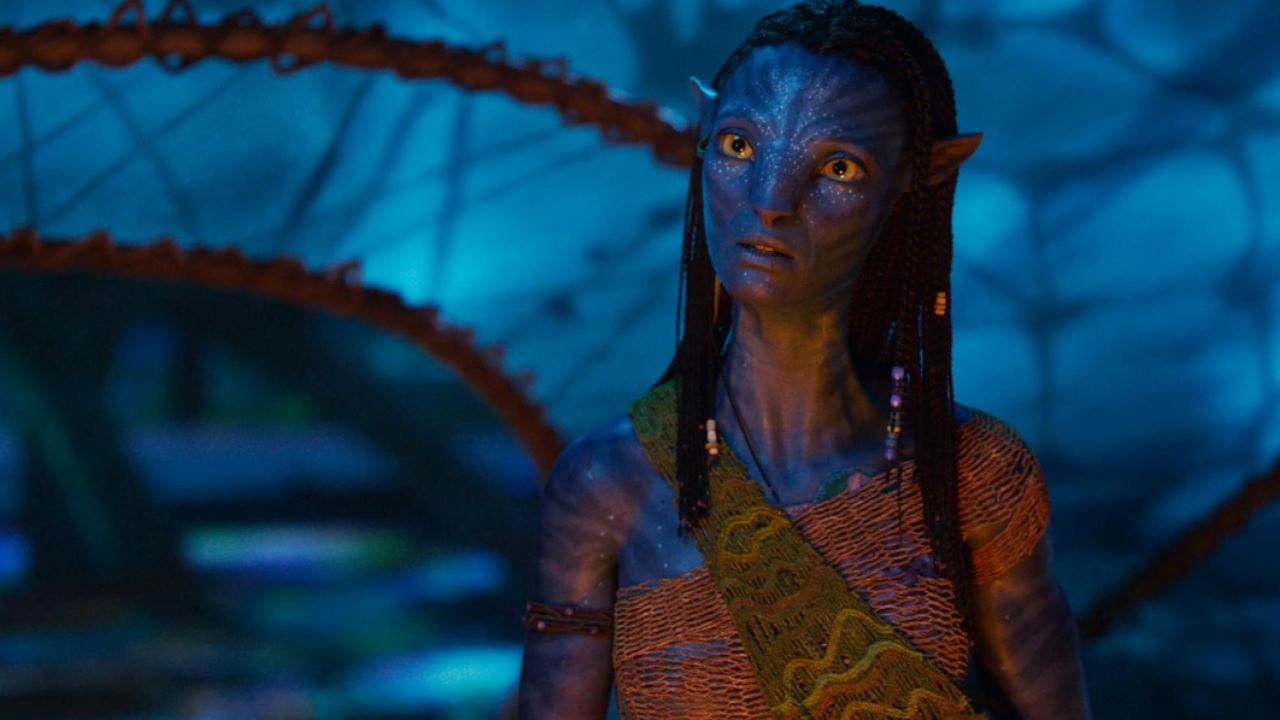
Let’s not lose track of that point. The Way of Water ends with an agonizing blow—the death of Neteyam. Fire and Ash now with Jake and Neytiri against the crushing weight of grief. The title itself hints at this theme, “Ash” is more than just volcanic debris, it’s what remains after a fire has burnt through. It’s like an intermission in grieving.
Image credit: Fandomfans
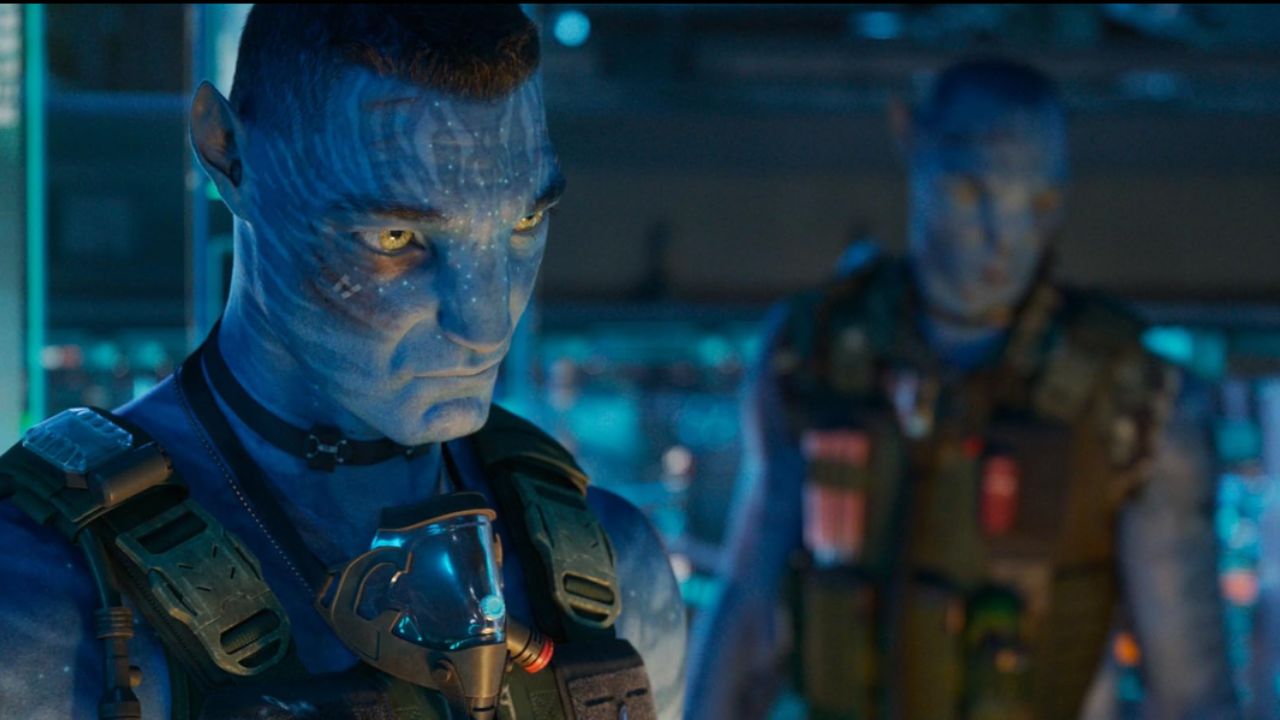
Rumors suggest this grief will drive a wedge in the Sully family, potentially pushing characters toward darker choices. And then there’s Colonel Quaritch. Now fully embedded in his Avatar body, he’s no longer just a soldier following orders.
He’s undergoing an identity crisis, and some theories suggest he might find a strange kinship with the aggressive philosophy of the Ash People. Could we see a team-up between the RDA and the Fire Clan? It’s a terrifying possibility.
Avatar 3 Feels Bigger, Darker, and More Exciting Than Other Two Films
James Cameron never plays it safe. He held off on the sequel for 13 years because the technology needed to catch up to his vision. Now, just three years after The Way of Water, he’s coming with Fire and Ash, suggesting an — no pun intended — fiery confidence in the story.
Image credit: Fandomfans
He has vowed to “break the mold” and reveal that Pandora, like Earth, is “both a place of stunning beauty and unimaginable savagery.” As we slowly begin our journey to December 2025 one thing is becoming clear that the war for Pandora is not black and white. It’s in shades of grey and red.
So you can pack your rebreathers and make it hot. Pandora is burning, and we get a front-row seat.
Conclusion
Avatar: Fire and Ash is more than just another sequel — it is a reimagining of Pandora. New tribes, darker feelings, volcano landscapes, and morally ambiguous conflicts, James Cameron is bringing the series to new levels. The bravest, most intense chapter of Avatar is set to deliver in December 2025.
Fandomfansbring you the latest updates on your favorite movies, breakdown analysis on premieres and trailers, and in a simple way to keep your mood joyful.
Babita
Articles Published :
25
Babita is Fandomfans Editor, experience in managing content. Her focus in general movies and web series. She is having a deep interest in TV shows and 90s movies - particularly Lord of the Rings, Harry Potter, & Rom-Com. Babita also covers psychological thrillers and major releases in current time and concern with deep interest in them.