The oil fields in Texas aren’t the only things rumbling — Season 2 of Landman has arrived to a whirlwind of reactions. In a new interview with Collider’s Steve Weintraub, lead stars Demi Moore and Ali Larter discussing the high stakes of the new chapter and the controversy surrounding it. The audience score, however, is pretty brutal at just 35% on Rotten Tomatoes. But Moore and Larter insist that Season 2 “gets rid of Taylor Sheridan’s biggest criticism,” promising more character development at the center of the story.
Dispelling the Static Character Critique
A recurring criticism that is made about the “Sheridan-verse” is that its supporting characters, and specifically the women, are subject to stagnation.This was made a particular point of criticism in Landman Season 1 documentation, with Ali Larter’s Angela Norris—ex-wife of lead protagonist Tommy Norris (Billy Bob Thornton)—and her daughter Ainsley noted they changed (relatively) little despite upheavals.
“Larter and Moore have said that the first impression is a long game to have the biggest dramatic effect with it.”
The characters, in particular Angela — who is back home on a more permanent basis are revealed at their most unstable, a creative decision that has occasionally turned off early viewers who let loose with uncontrollable reactions to certain scenes in the premiere. Co-star Michelle Randolph (Ainsley) on her character’s journey.
Image credit: IMDb
This arrangement frames initial disappointment as a purposeful narrative groundwork for subsequent, more satisfying development, suggesting the characters’ complexities are a slow burn that anticipates viewer buy-in.
“Then you’re able to watch 2 women who are fierce in different ways on the same show and that’s something I think that we love and kind of relate to.”
Most importantly, the show is quick to address what seemed like a waste of Demi Moore in the previous season. In Season 1, her recurring role as Cami Miller was minimal, which prompted “flak” from viewers. After a death, Cami assumes a powerful new post as co-head of M-Tex Oil with Tommy Norris, which gives Moore not only the spotlight but the professional freedom her character had never before enjoyed. The change of focus is a clear signal that it intends to grow the range of female leaders and complexity within the cutthroat Texas setting.
An Upcoming Emotional and Heartbreaking Journey
More to do with the structure-defense of the writing itself, but Moore and Larter did vow that the payoff for viewer patience would be well worth it. They echoed the sentiment that fans need to
“brace themselves for an extremely intense, heartbreaking journey ahead”.
The story in Season 2 is largely a clash between the “high stakes competitive oil business” and a “fragile family dynamic.” Cami’s rise into corporate power and Angela’s fraught reunion with her familial unit are the central conflicts. In the boomtown economics of West Texas, where a single “gusher can build empires or shatter lives overnight,” the emotional toll is high.
Image credit: IMDb
By calling the season “heartbreaking,” the actors are signaling that the growth of the characters will be hard-fought and that the brutal realities of the business will be tied to personal upheaval for the protagonists.
Crossover Wishes and Career Foundations
In the interview, the stars also talked about their past and what they wanted for the future of the linked Taylor Sheridan world.Larter and Mooreprovided anecdotes about the “projects that changed them as actors and people” that they bring into their current Landman roles.
“that was such an interesting script in the way that he approached that world. It was raw, and it was edgy, and it was vulnerable. I’m going there.”
Moore’s Landman appearance comes on the heels of a career-defining moment, having received praise and an Oscar nod for her turn in the 2024 horror film The Substance. This outside affirmation serves to reinforce the dramatic heights she takesCami Miller to in the expansion of Season 2.
The discussion naturally came around to the possibility of crossovers with other Sheridan series. And although Billy Bob Thornton has previously expressed interest in a darker crossover with Mayor of Kingstown, co-creator Christian Wallace has expressed interest in bringing back 1883 stars Tim McGraw and Faith Hill with Thornton in Landman , illustrating the recirculating talent pool and how easily these stories cross paths.
The message Demi Moore and Ali Larter want to send is clear, Landman Season 2 is all about building on character. Though the initial audience score is low, the actors promise that the characters are not static, changing dolorously and dramatically through the season. The critical consensus, calling Season 2 “stronger than the first”, supports the expectation that emotional and developmental payoff for Cami and Angela’s high-stakes journey is around the corner. Fans who are patient enough to travel the difficult road from “point A” to “point Z” will find their patience rewarded.
Fandomfans love diving deep into the worlds that fans obsess over. We deliver breakdowns, character guides, reviews, and updates that help you stay ahead of the curve.
Alpana
Articles Published :
164
Alpana is Fandomfans Senior Editor across all genres of entertainment. She evolved in the media industry since a very long time, she manages the content strategy and editing of all the blogs. Her focus on story development, review analysis, and research is well-equipped that ensures every article meets the standards of accuracy and depth.
If you have been on social media at all recently, you probably know what “Anxiety TV” means. It’s a genre characterised by the non-stop, nail-biting tension of The Bear or Industry. But as we look ahead to January 2026, the undisputed king of this category is making a comeback: Max’s breakout medical hit, The Pitt Season 2.
Having dominated the 2025 Emmys — including a well-deserved Lead Actor win for Noah Wyle — the series prepares for a second season that promises to be even more powerful than the first. Here’s why The Pitt is the consummate post-pandemic drama and what to expect when the next shift starts.
A Spiritual Successor with a Darker Heart
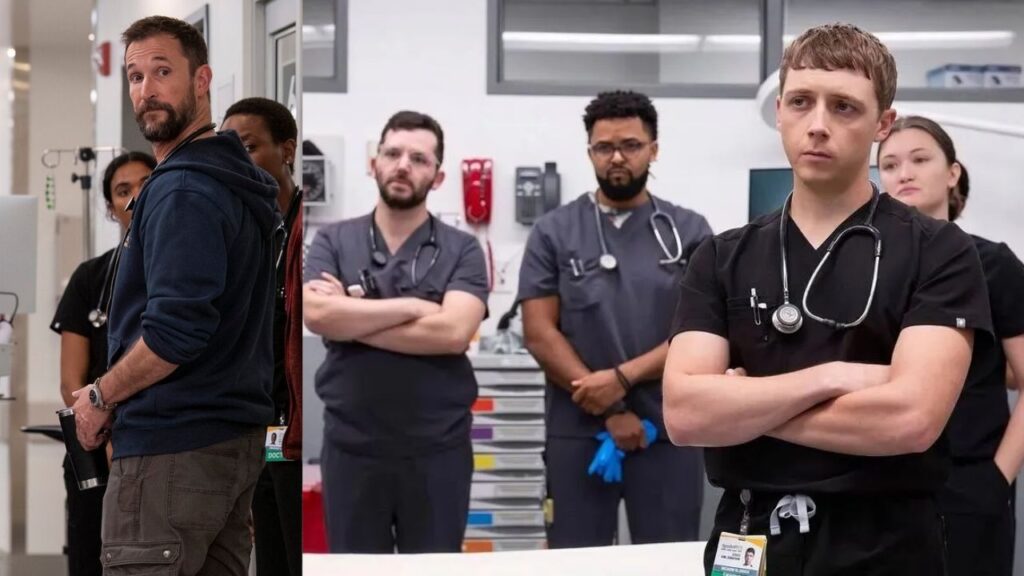
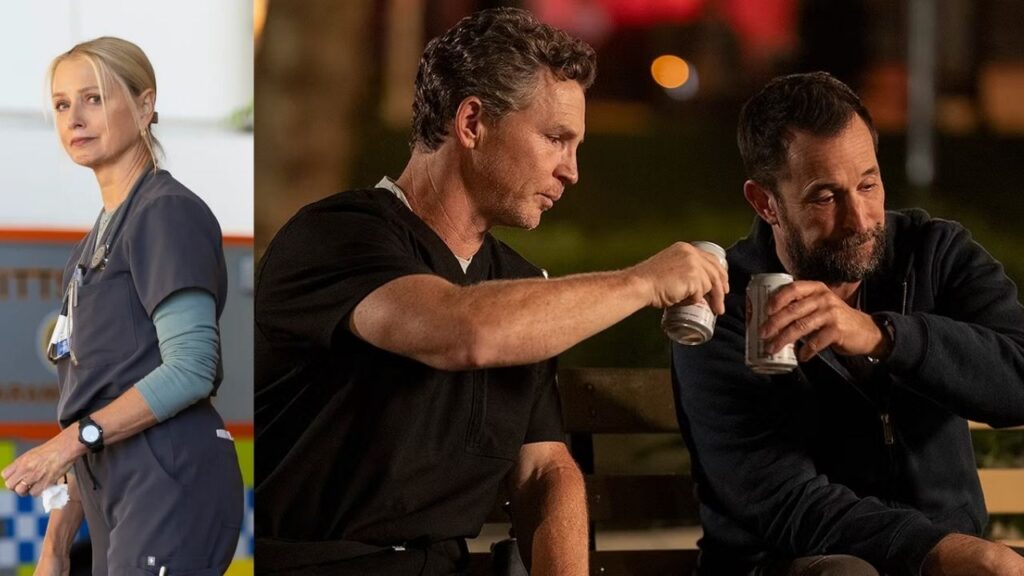
Though the showrunner (Wells), executive producers (R. Scott Gemmill), and lead actor (Noah Wyle) from the legendary series ER have all come back to play a part this is a completely different animal. It’s not nostalgic, it’s raw and “real time” as it responds to a post-2020 healthcare system.
Image Credit: Fandomfans
Noah Wyle has described the series as an “answered prayer” for the industry — a way to move beyond the “superhero” mythos of old med shows to examine how “moral injury” and burnout affects today’s frontline healthcare providers.
This is no mere hospital drama, it is a documentary-style takedown of the American safety net.
Season 2: The “Analog” Fourth of July
Season 2 (airing January 8, 2026) follows 10 months after the end of Season 1 with us now in the midst of a Fourth of July shift. But the boom isn’t the only issue.
Image Credit: Fandomfans
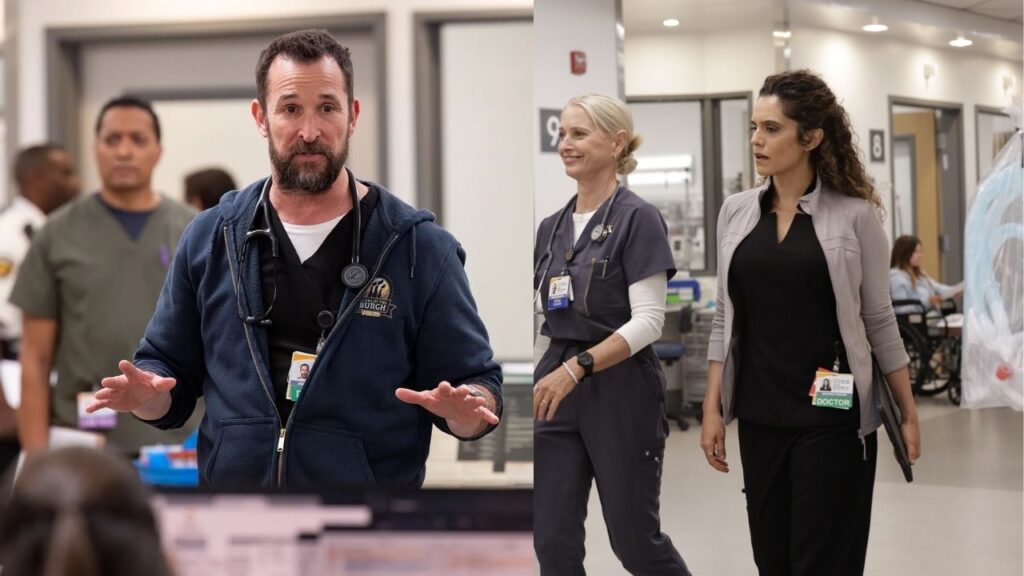
In a chillingly believable development, a cyber-attack necessitates the hospital to “go analog.” A modern ER without computers:
Paper charts and manual labs: Doctors must literally sprint through hallways as the pace becomes more frantic.
Generational Clashes: The “digital native” residents struggle while veteran docs like Robby (Wyle) rely on old-school instincts.
The Ticking Clock: Bamboo shoots up the clock for a 15-hour, one-season per day clock spread over 15 episodes. And by the finale, you’re not just watching the fatigue — you’re feeling it.
The Politics of Care
The PITTaren’t afraid to put in the headlines. This season plunges full tilt into the consequences of fictional federal Medicaid cuts (the “Big Beautiful Bill”).
Image Credit: Fandomfans
This is not supposed to be partisan; it’s just the logistical reality of the ER being the provider of last resort. When you cut out social services, the trauma center is the last place you have left to send people. —- Executive Producer John Wells said
It’s a daring narrative turn that lifts the series from a workplace drama to a work of urgent social comment.
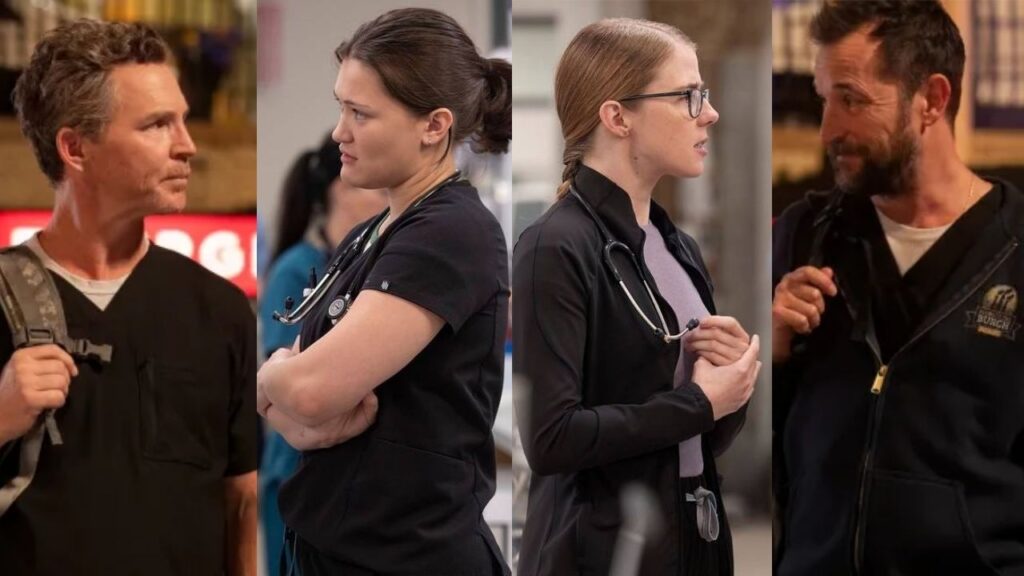
What really distinguishes The Pitt is its “No Music” rule. No violins descend on cue to prod you to sadness and no drums are summoned to stoke tension. The mood is conveyed all through the sounds of monitors, footsteps, and people’s breath. This dedication to accuracy—along with a wide new emphasis on Respiratory Therapists and Nurse Practitioners—indicates a production team that actually takes heed of real-world healthcare pros.
Image Credit: Fandomfans
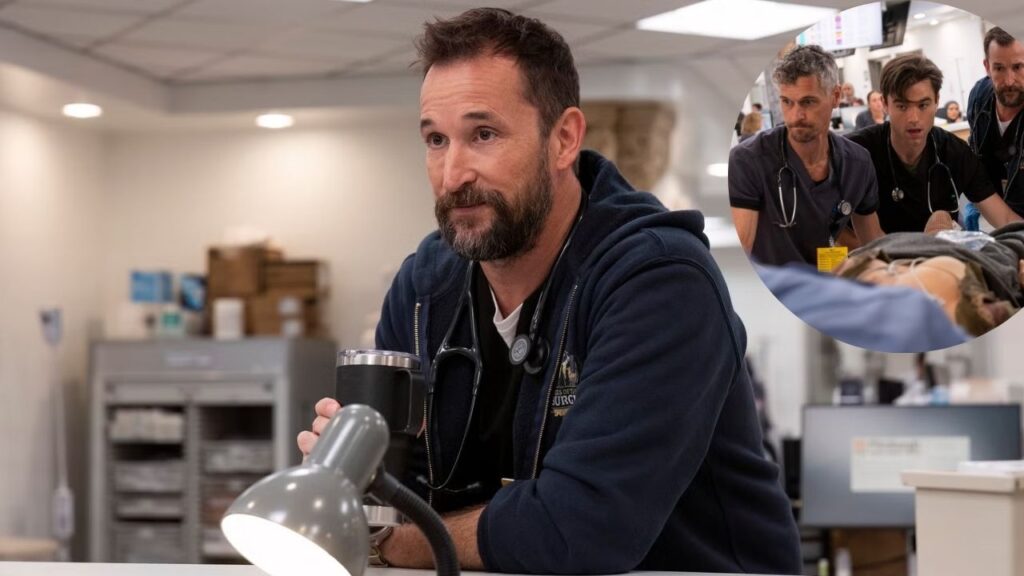
So, the showrunner of The Pitt is premiering some episodes from January 8, and The Pitt is no longer just a “doctor show.” It’s a mirror held up to our present world, showing that even in the midst of systemic collapse, there is still humor, dignity and a desperate, beautiful heart.
Conclusion
The Pitt Season 2 in 2026 not for comfort watching, but for a raw, panicked portrayal of contemporary healthcare. With its stripped-down realism, political commentary, and emotionally spent characters, the show demonstrates that it’s not just a medical drama — it’s a reflection of a system in crisis, and the people who continue to keep it.
Fandomfansis a platform where you can get the latest updates on the high rated shows, our goal is to provide accurate details in easy conclusion.
Alpana
Articles Published :
164
Alpana is Fandomfans Senior Editor across all genres of entertainment. She evolved in the media industry since a very long time, she manages the content strategy and editing of all the blogs. Her focus on story development, review analysis, and research is well-equipped that ensures every article meets the standards of accuracy and depth.
The CBS hit series Tracker has been given an electrifying shakeup, and fans of the show will be the real beneficiaries. Veteran television stars, Kathleen Robertson and Mark Engelhardt, have been nabbed as series regulars for season six, adding new layers to the captivating story arc that revolves around Justin Hartley’s iconic character, Colter Shaw.
Who’s Coming to Tracker?
Kathleen Robertson, who is likely best remembered for the searing Swimming with Sharks, has been cast as Maxine, a powerhouse attorney at a top firm. An interesting premise is introduced with her character: she befriends Reenie Greene (Fiona Rene, who is simply wonderful) and appears to be engaged in routine legal work on a class action suit. But here is the surprise nothing is what it was supposed to be up close.
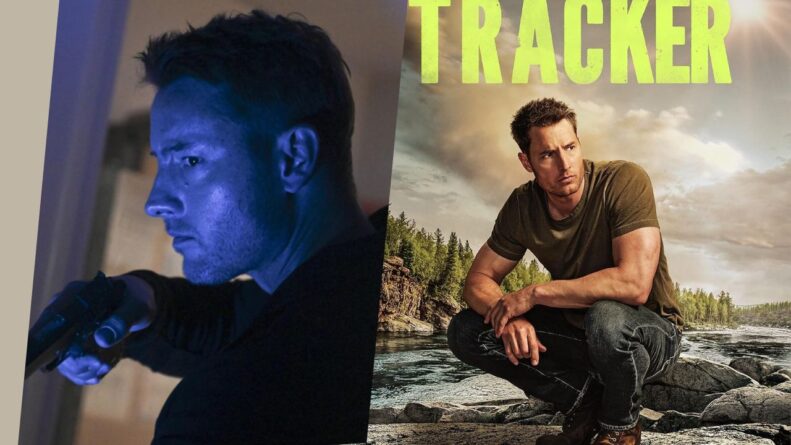
Justin Harley in Tracker | Image Credit: Fandomfans
Maxine is hiding something big and it will rock the boat. Robertson also has a producing and writing background, the kind of creative smarts that is sure to add additional layers to her role.
Mark Engelhardt (best known for American Horror Story: Asylum) will now play Emile Sark, a man with a strong sense of right and wrong. Paul’s description makes him sound cold, calculating and ruthless — a man who lives by his own rules, morals and ethics. A character like this could really shake up the dynamic of the show and cause some amazing tension.
What This Means for Tracker
These two casting additions are interesting in the development of the series. Tracker has been a powerhouse for CBS since debuting after Super Bowl LVIII in February 2024. Based on Jeff Deaver’s best-selling novel The Never Game, the drama centers on Colter Shaw, who roams the country, employing his unparalleled tracking and survival skills to find missing people and crack cases while raking in cash. Justin Hartley has nailed the role, he made me believe in the lone-wolf survivalist.
Unforgettable moment in Tracker | Image Credit: Fandomfans
Season 3 had already been released on October 19, 2025, and the series continued to provide the quality storytelling that the viewers were expecting. Following the dramatic cliffhangers and family revelations of prior seasons, Colter is confronted with hard truths about his family’s past. With the addition of Robertson and Engelhardt’s characters to the mix, more depth and complexity is brought into the story.
The Show’s Evolution
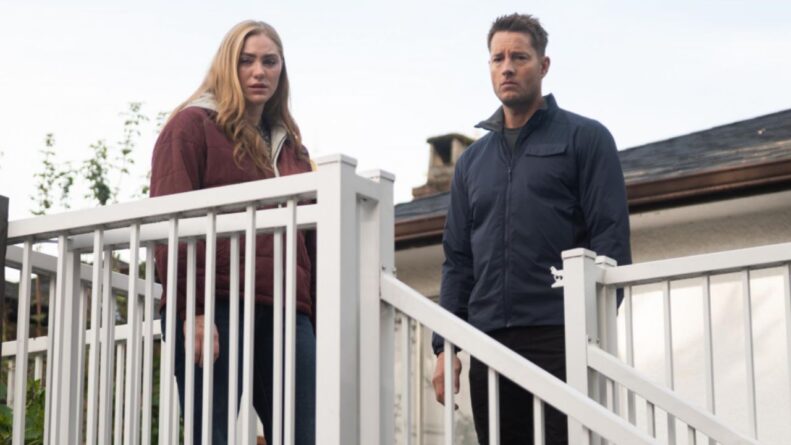
Justin Hartley and Jessica Sipos in Tracker | Image credit: IMDb
What makes this casting development even more interesting is how it plays into a larger overhaul of the series’ supporting players. It was previously announced that series regulars Eric Graise (who played tech-savvy hacker Bobby) and Abby McEnany (who was the empathetic Velma) exited the show. This allowed the show’s creators to take the series in new directions, and introduce completely new character dynamics.
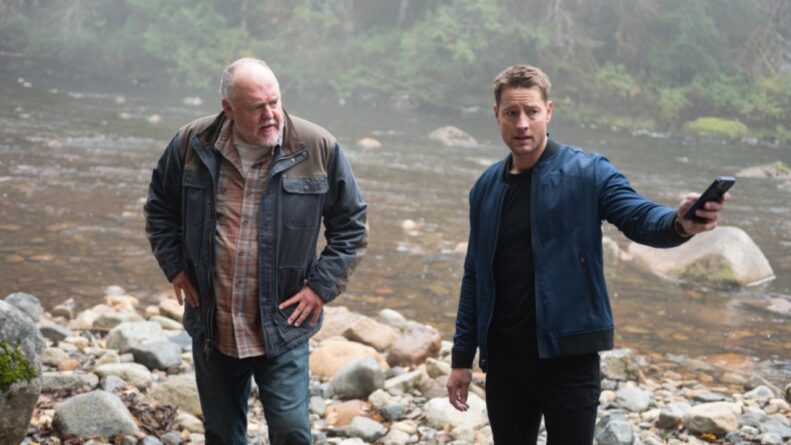
Image credit: IMDb Tracker 2024
Elwood Reid (showrunner) has been very clear about what he wants the series to be: for every week, starting with Colter coming into a new place with a new case and how he goes about approaching solving it is entirely for grabs. This loose format allowed the series to bring in several memorable guest stars and recurring characters who added a unique element to the storyline.
Robertson and Engelhardt round out a cast including the powerhouse Justin Hartley and the incredible Fiona Rene. The series has already shown that it can lure big-name guest stars such as Jensen Ackles, Sofia Pernas and a host of other fan favorites.
With these two talented additions, Tracker is set to keep the wins coming. The arrival of Maxine and Emile Sark promises some interesting story lines, especially as these characters relate to Reenie and to Colter’s investigations. Whether they wind up allies or enemies, one thing is for certain: the CBS series is still pushing the envelope in exhilarating ways that keep viewers hooked and starving for more.
Fandomfansis a platform where you can find every detail about your favorite show from the diverse streaming platform.
Mariyam
Articles Published :
77
Mariyam Khan is Fandomfans Content Writer and providing reports and reviews on Movie Celebrities, and Superheroes particularly Marvel & DC. She is covering across multiple genres from more than 4+ years, experience in delivering the timely updates.