Home > Movies > Star Wars Character Kylo Ren’s Iconic Line That..
Star Wars Character Kylo Ren’s Iconic Line That Changed the Skywalker Legacy Forever
Kylo Ren's memorable The Last Jedi line changed Star Wars, upending the Skywalker legacy and how fans would engage with the franchise moving forward. Read more!
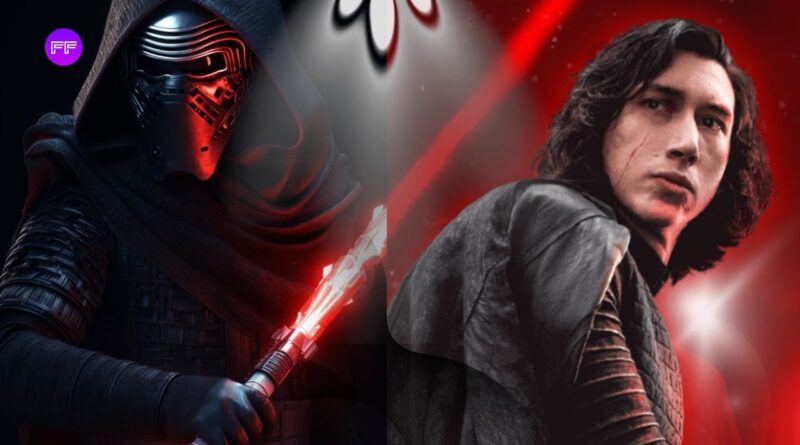
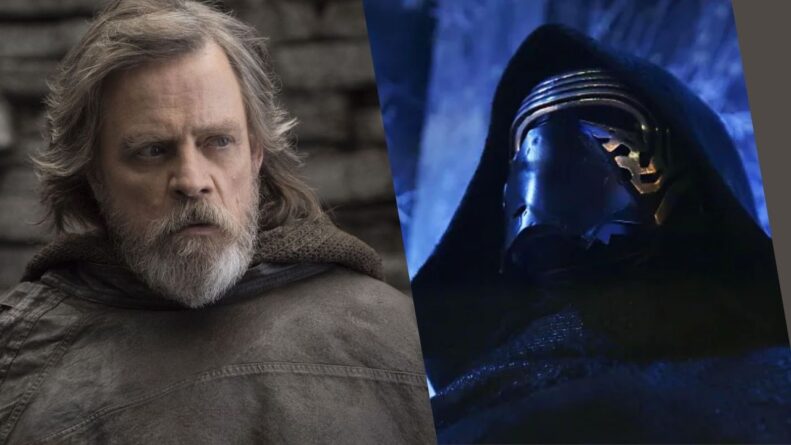
Kylo Ren uttered a line in 2017 that still makes the fan community go berserk: “Let the past die. Hide it under a rock, if that’s what you need to do. That’s the only way to become what you are meant to be.” We thought he was just a broody dark-sider having a mid-thirties crisis. Looking back on how the Star Wars sequels flailed their way to solid footing, it turns out Ben Solo wasn’t just a villain — he was a saving grace for the franchise.
For nearly half a century, the Star Wars “Skywalker Saga” has been the gravity well of Star Wars. But if it’s going to survive for another half-century, the franchise will need to get away from this Earth. We’re finally coming into an age where movies and games aren’t just ‘side stories’ to Luke’s lineage — they’re a statement of independence.
When Star Wars Skywalker Legacy Becomes Limitation
The sequel trilogy needed to push the continuity forward; yet it found itself anchored all too firmly to the Original Trilogy (OT). This isn’t to say legacy characters are bad; instead, narratives can’t lean on them as a primary structural crutch.
Image Credit: Fandomfans
Reaction to Luke Skywalker showing up in the Mandalorian wasn’t universally positive, among fans. A lot of people embraced it, while others dismissed it as “nostalgia bait” — a digital mask to hide an absence of narrative risk. Box office sales wise, playing it safe by making movies about known IP is a guaranteed winner for studios: 100% of the 10 highest grossing Star Wars films have a Skywalker, or a tie to the 1977-1983 era. But the critical exhaustion is tangible. For Star Wars to expand, it has to show it can be without a Skywalker on the credits.
Star Wars’ Big-Screen Escape from the Skywalker Era
The new film slate marks the most significant departure in franchise history. While The Mandalorian & Grogu will certainly placate the “Filoni-verse” fans with some familiar faces, the real meat is in the unknown:
Image Credit: Fandomfans
A Galaxy Without Legends
It’s been five years since the chapter (Rise of Skywalker) ends, and now here we are. Rumors are that there is no legacy character. If it gets that lived-in feel just right — without a single lightsaber ignite or a “hello there” — it could very well shift what the industry thinks Star Wars is.
Before Jedi, Before Sith: The Birth of the Force
Mangold is skipping ahead 25,000 years, so by doing so he’s not only stepping around legacy characters, he’s stepping around the entire notion of the Force as we understand it. No Sith, no Jedi Council—just the raw excavation of the galaxy’s mystic energy. This is the “Godfather of the Force” story we’ve been waiting for.
Rebuilding Without Repeating
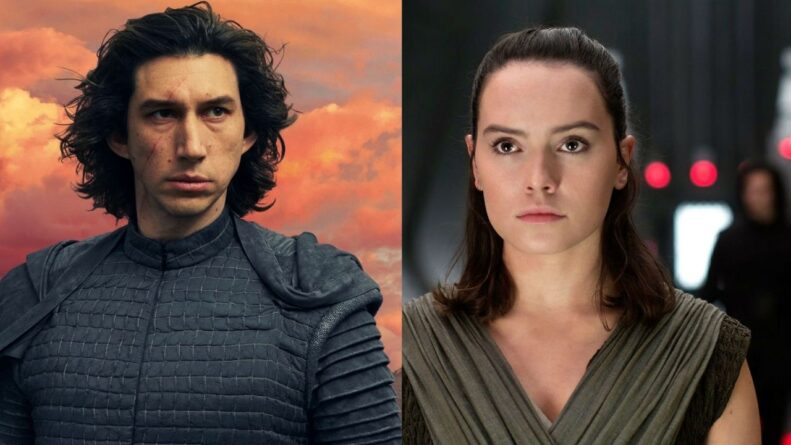
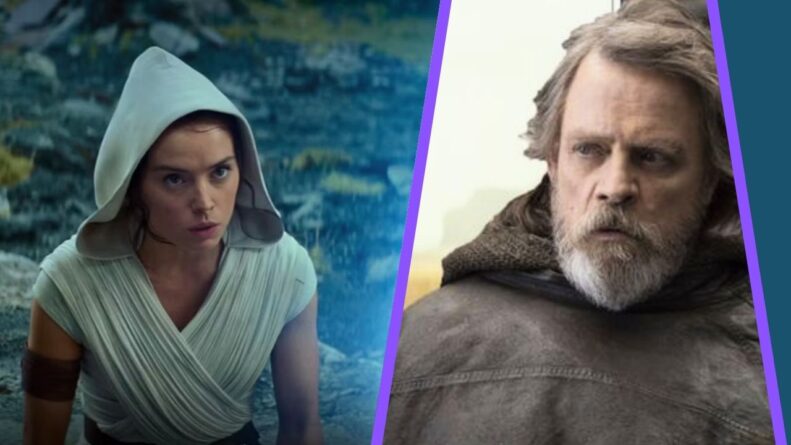
This is the precarious balancing act. Rey may have assumed the Skywalker name, but in order for the franchise to grow, she needs to construct something that isn’t just a mirror image of the failed Academy of the past. If she’s for the entire film talking to Luke’s Force Ghost, we haven’t gotten anywhere, we’ve just switched out the window dressing.
Image Credit: Fandomfans
The Soul of Star Wars Without the Surnames
Waititi has said he wants to “broaden out” the world. If his film evokes the cheerful, “used-future” style of the OT without relying on a single legacy cameo, it will demonstrate that the feeling of Star Wars is more powerful than the names in Star Wars.
Beyond Films: How Games Are Redefining the Star Wars Universe
The films have been wary, but Star Wars games have long been the point of experimental narrative storytelling. The future roadmap indicates a full separation from the “Vader-era” crutch:
Project
Era
Legacy Risk
Star Wars: Zero Company
Late Clone Wars
Moderate. Anakin and Rex are still active here.
Star Wars: Galactic Racer
Post-OT
Low. Focused on the underworld and speed.
Star Wars: Eclipse
High Republic
Low. Set 200 years before The Phantom Menace.
Fate of the Old Republic
Old Republic
Zero. More than a millennium before the films.
When the Force Becomes a Cage
Star Wars Jedi Fallen is the offender right now for taking “Vader-as-a-boogeyman.” For the third game to really connect, Cal Kestis needs to stop being a footnote in the Rebellion’s shadow. He needs a destiny that doesn’t finish with him being “too busy” to give Luke a hand in Episode IV.
How Real Storytelling Saves a Galaxy: The “Andor” Blueprint
If there is one thing the new age should learn, it is the Andor Lesson. Andor showed you can have legacy characters (Mon Mothma, Saw Gerrera, K-2SO) without them feeling like cameos. They didn’t exist because the marketing department wanted a trailer clip, they existed because the plot needed them there.
Star Wars, to its credit, has sometimes been skewered for having precisely no diversity of viewpoint, concerned consistently with a fantasy 1% of the galaxy (the Jedi and the High Command).
Image Credit: Fandomfans
In fact the Star Wars audience is diverse: roughly 40% of the active fanbase is female, and international audiences now represent more than half of the box office. Stepping away from the Skywalkers, the saga can tell stories that speak more to this broad, modern audience: tales about smugglers and soldiers and civilians who just happen to not have magic coursing through their veins.
Kylo Ren was right, but with a caveat: we don’t owe the past “killing,” we just have to stop residing in its basement. As it jets to the High Republic, the distant future, and the distant past, Lucasfilm is at last giving the galaxy some room to breathe. Star Wars’ Future Begins Where the Skywalkers (Masterpiece) End.
Dive into the world of entertainment with FandomFans to get every update from your favorite franchise.
Alpana
Articles Published :
160
Alpana is Fandomfans Senior Editor across all genres of entertainment. She evolved in the media industry since a very long time, she manages the content strategy and editing of all the blogs. Her focus on story development, review analysis, and research is well-equipped that ensures every article meets the standards of accuracy and depth.
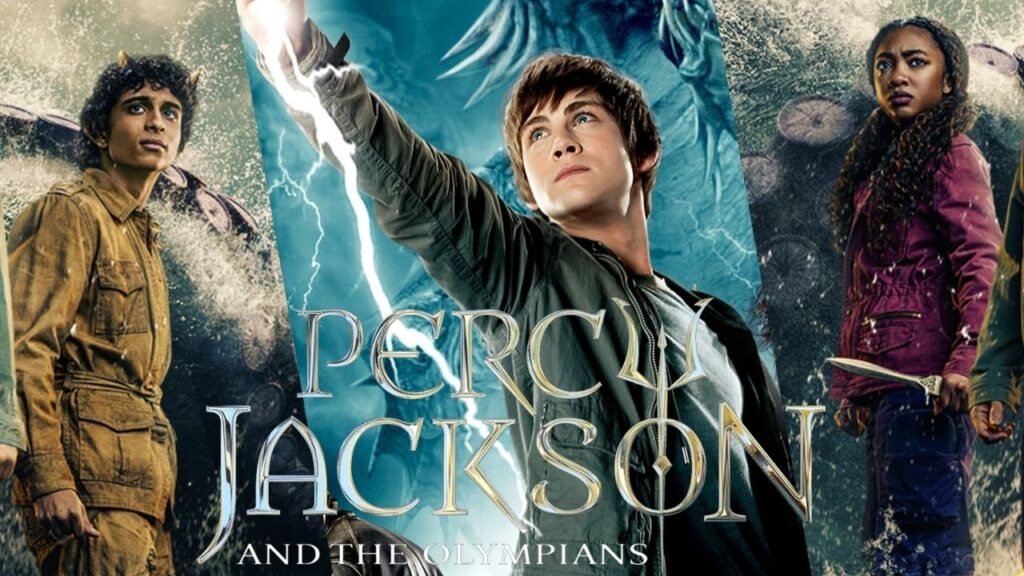
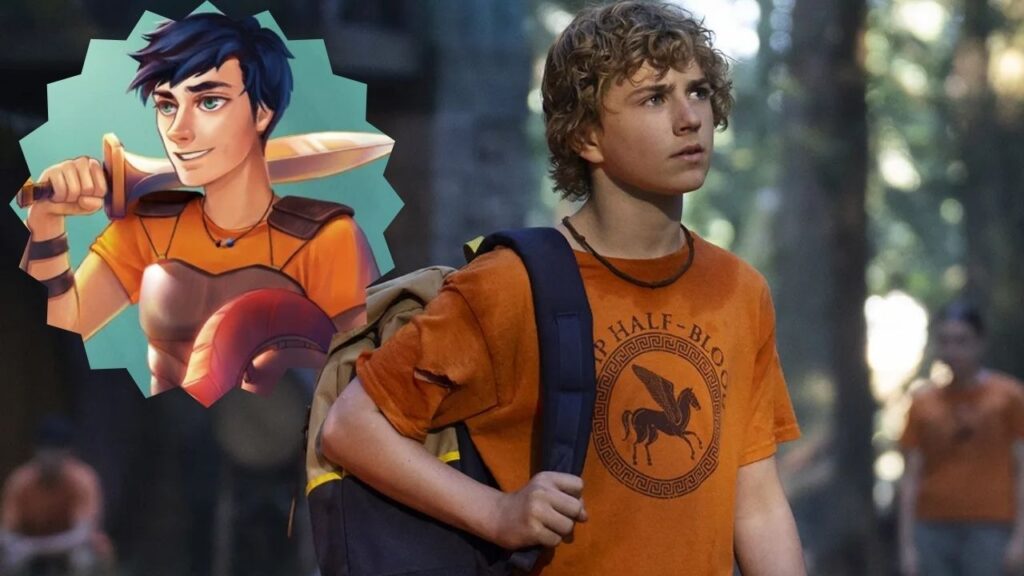
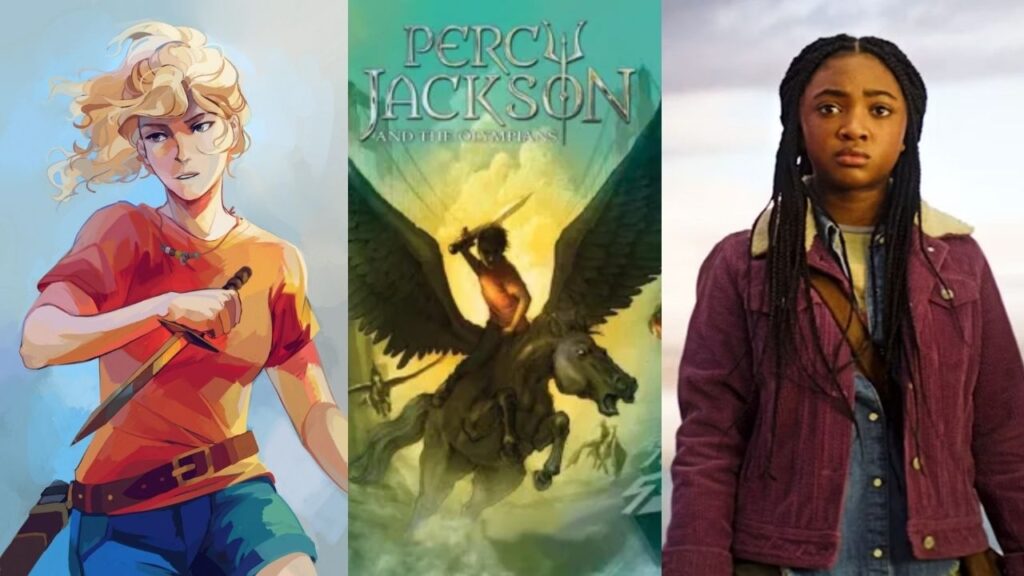
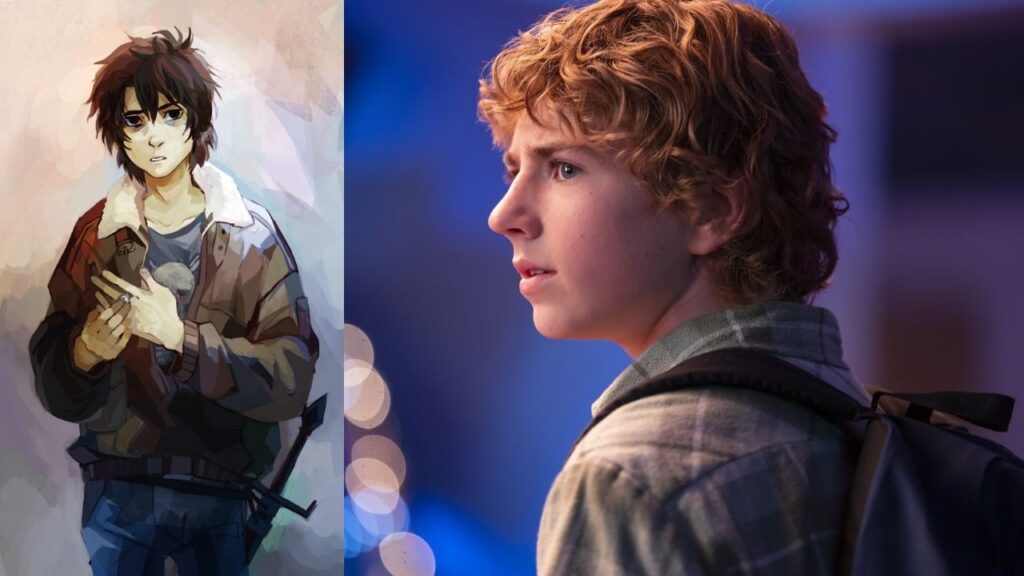
The narrative terrain that Rick Riordan lays out is a tremendous shift in modern mythic storytelling particularly in its portrayal of the “Hero’s Journey” as an experiential, unfolding psychological journey. As opposed to classical mythology where heroes are often static and embody a single pillar of virtue, Riordanverse characters such as Perseus Jackson, Annabeth Chase, and Nico di Angelo are the quintessential definition of “upgradation.”
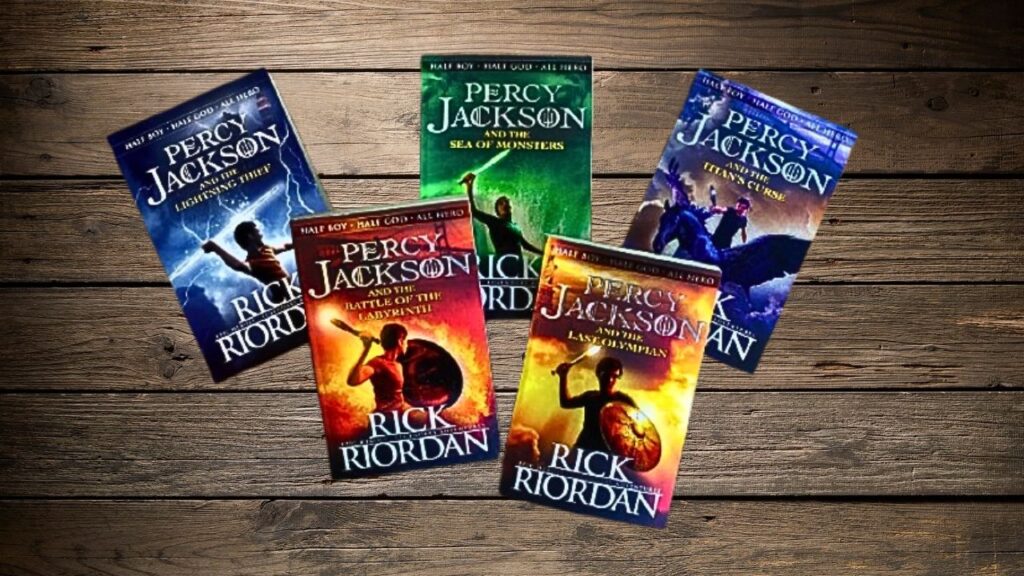
This evolution is more than just a tit for tat accumulation of supernatural talents, but instead engulfs a radical transfiguration of their psychic constructs, social stations, and metaphysical essences. Venturing from the foundational Percy Jackson and the Olympians (PJO) saga to the Heroes of Olympus (HoO) cycle and then the “Senior Year Adventures,” we detect a systematic shift in reflections of what it means to be a hero, how traumatization impacts this, and moving into “adulthood.”
The Escalation of Perseus Jackson
The power scaling in this universe is based on the main character Perseus Jackson. He evolves from unthinking, and frequently uncontrollable, bursts of power into a sophisticated, telekinetic control of the hydrosphere. Originally portrayed as a 12-year-old with ADHD and dyslexia — qualities that were later reframed as “battle reflexes” and a natural inclination toward the Ancient Greek language — Jackson performed early feats that were localized and reactive.
The Kinematics of Power
A thorough check on both Jackson’s physical feats and metaphysical ones show a consistent growth. In the earliest (PJO) books he used his hydrokinesis mainly for he and his friends’ protection. By the end of the PJO series, he had reached ”Building Level” power.
A notable “buff” to his baseline power occurred in the transition to the Heroes of Olympus series. His battle with the storm goddess Kymopoleia, which involved the formation of watery fists 150 meters tall— towering among current day skyscrapers.
Developmental Phase
Notable Feat
Scale Measurement
Early PJO
Summoning a wave from 0.5 miles away
Sub-Building
Late PJO
Williamsburg Bridge Destruction
Building Level (8-C)
Early HoO
Shaking Hubbard Glacier (75×7 miles)
Mountain/Island Level
Late HoO
Skyscraper-sized watery fists (150m)
City Block (8-B)
Senior Year
Controlling millions of tons of river water
Continental/High-Scale
The escalation has caused “Westernization Theory,” which means that demigod powers in the Riordanverse are simply a product of today’s culture obsessed with superheroes. The theory suggests that as humanity’s view of what constitutes a “hero” has changed to incorporate the “super-person” mythos, the gods have given their children increasingly elaborate and destructive powers to reflect this cultural evolution.
The Restructuring of Annabeth Chase
Annabeth Chase is a conceptual shift that tips more toward intellectual and psychological terms rather than pure kinetic ones. Her “upgrades” are determined by how she navigates and ultimately balances her fatal flaw: hubris.
From Architect to “Administrative” Wisdom
Over the course of the PJO series, Chase’s growth is focused on her conviction that she’s capable of “doing things better than anyone else.” Yet the Battle of the Labyrinth was a crucial developmental choke point. She couldn’t solve the Labyrinth with Raw Logic, and she had to face the boundaries of her divine nature.
In the most recent installments – including The Chalice of the Gods – Chase’s character has become controversial. Though she is still the “wise strategist,” her character has been recast as a more homebound, “administrative” figure. Some say it’s “one-dimensionalised” her, but psychologically, this is the “Shadow of Athena” taking shape as a yearning for order and stability in the aftermath of two world wars.
The Growth of Nico di Angelo
Nico Di Angelo’s story arc is the most incisive trauma and identity in the Riordanverse. It progresses from “Mythomagic-obsessed” child to grim necromancer and then to a hero who has embraced his “shadow.”
The Integration of the Cacodemon
A significant upgrade takes place as Nico descends into Tartarus. On this quest, he must face the “cacodemons” — physical representations of his worst fears and guilt. Instead of trying to kill these demons, di Angelo makes the radical move to “embrace and release them” — in other words, to live with his past trauma. It’s a “power-up” for the mind, and superior to any new necromantic talent.
The “Senior Year” Metamorphosis: Themes of Aging
The current stage of the Riordanverse, colloquially referred to as the “Senior Year Adventures,” is a thematic evolution from “Cosmic Conflict” to “Existential Maturation.” The central conflict has ceased with Titans war —-now a mortal world.
The Denial of Mortality
Immortality is explicitly turned down as a motif that is revisited. Jackson, now eighteen, is challenged by gods, such as Ganymede and Hebe, who are “disgusted by the idea of growing old.” The growth of Jackson’s character is solidified on his understanding that ”living one full complete life is better than an eternity stuck in one place.”
The narrative shift in these new titles is that mundane objectives — such as securing letters of rec for New Rome U. act as the basis for mythic adventures.
Ganymede’s Chalice: The burden of eternal youth.
Hecate’s Pets: The “haunted” quality of history.
Letters of Recommendation: Institutional validation vs. individual value.
To be sure, there is a unique and necessary “upgradation” in the series, which is the explicit naming of mental health problems. Although earlier books alluded to trauma in demigod existence, the newest series names particular mental health disorders.
The Diagnosis of the Seven: The impact of the “Great Prophecy” on mental health is a significant motif. These ”involuntary dreams” that demigods have are now interpreted as a form of intrusion, one of the symptom clusters of PTSD.
For those such as Nico di Angelo, trauma generates empathy. This “psychological upgrade” moves the hero archetype away from brute strength and toward resiliency and the power of choice.
Conclusion
The development of these personas is indicative of myth’s continual evolution in relation to the human situation. From the early 2000s “Building Level” combatants to the 2025 “Trauma-Informed” adults, the shifts undergone by these characters are overwhelmingly centered on emotional intelligence in place of divine invulnerability.
Jackson’s decision to embrace the god of old age, and di Angelo’s accepting his inner demons, mark a final “upgradation”: the understanding that a hero’s greatest strength is his or her ability to evolve, transform, and, ultimately, grow old. This keeps the Riordanverse as a “living mythology,” and role models a generation that values empathy and the bravery to confront the mundane in a chaotic world.
Fandomfansis a platform where you can find details on deep theories behind the legendary characters.
Alpana
Articles Published :
160
Alpana is Fandomfans Senior Editor across all genres of entertainment. She evolved in the media industry since a very long time, she manages the content strategy and editing of all the blogs. Her focus on story development, review analysis, and research is well-equipped that ensures every article meets the standards of accuracy and depth.
‘Star Trek: Starfleet Academy’ Rebuilds Hope as Episode 6 is Turning Point
Star Trek: Starfleet Academy Episode 6 is a turning point, as cadets confronthard truths, moral sacrifices, and even the end of hope in a shattered galaxy.
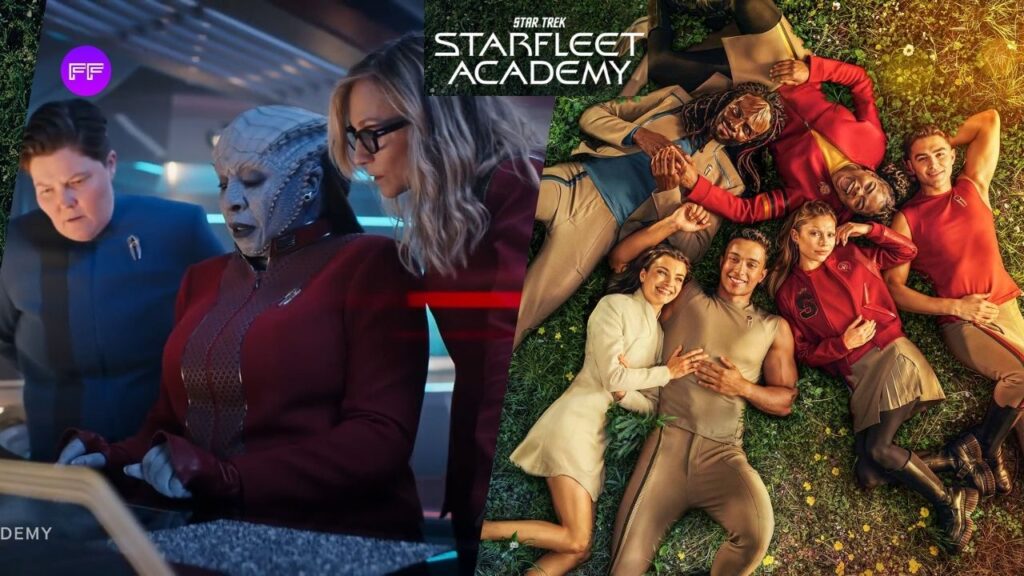
When Star Trek: Starfleet Academy premiered on January 15, 2026, we got a whole new show as it gave the entire franchise a soul transplant. Following the launch of Star Trek: Discovery leading us into a 32nd century devastated by “The Burn,” the galaxies felt distant and broken. Academy arrives as the desperately “Architecture of Optimism,” you could call it, because it’s about a generation that doesn’t simply study history — they have to rebuild it.
At the midway point (Episode 6, “Come, Let’s Away”), the series has established itself as an intriguing, if divisive, “teaching hospital” among the stars.
Learning the Cost of Idealism in a Broken Galaxy
Showrunners Alex Kurtzman and Noga Landau took a sharp left turn away from Trek tradition. Typically we are chasing the best of the best.” In the Academy, taking place on the USS Athena in the year 3195, the school is not simply a campus in San Francisco, as it is a mobile unit where the classroom itself is the front line.
It is this paradigm that enables the series to address the cost of idealism. These cadets aren’t legacy hires, they’re survivors of a galaxy that stopped trusting. Seeing them fall on their faces — emotionally and professionally — helps their triumphs later on feel earned, not scripted.
Casting That Elevates the Entire Series
The series derives real dramatic heft from its powerhouse cast, and Holly Hunter’s Chancellor Nahla Ake is a defining force that lifts the whole show. She’s not a hard-nosed commander; she is a “reformed” officer who at one point walked out of Starfleet in protest. Her “steel magnolia” energy is a perfect foil to the raw, explosive energy of the cadets.
Opposite her is Paul Giamatti as Nus Braka. Giamatti never becomes the stereotypical “cackling space pirate” character, instead portraying Braka as a bitter victim of the Federation’s past mistakes. He’s a “Small Man” with a big grudge, a reminder that a single individual with a scheme can be as lethal as a Borg Cube.
The Bridge to the Past
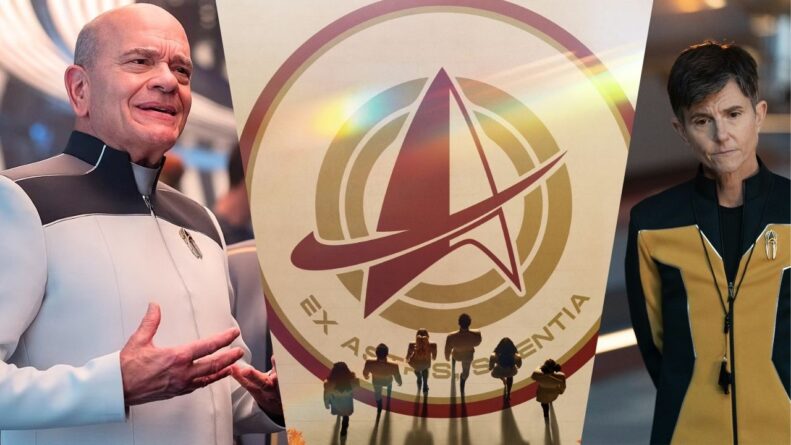
With the addition of Robert Picardo (The Doctor) and Tig Notaro (Jett Reno), you do have the vital connective tissue to Trek’s history.
The Doctor is the “voice of history,” having evolved from a 24th-century medical instrument to an ethics mentor.
Jett Reno is still the final reality check with the dry wit needed to put all the high stakes drama in perspective.
Character Arcs — A New Class of Starfleet Heroes
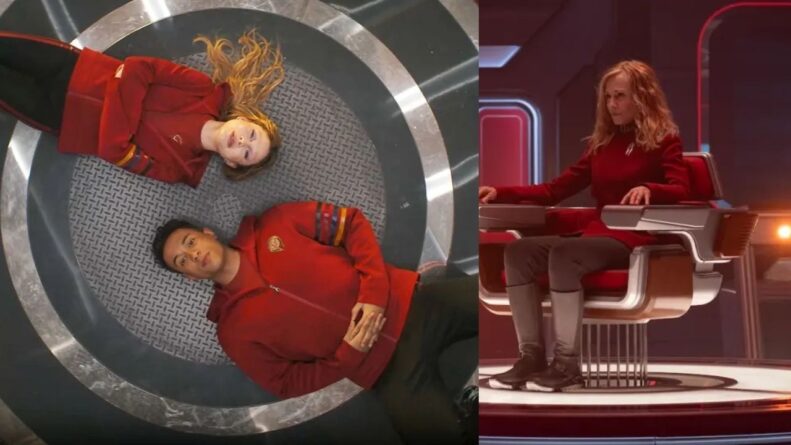
Caleb Mir (Sandro Rosta) is a reluctant leader. His vulnerability offers a welcome breath of fresh air among all the “swaggering captains”.
Tarima Sadal (Zoë Steiner): A Betazoid whose abilities are more of a curse than a gift. Her arc culminated in utter bleakness in Episode 6 when she had to take her empathy out as a lethal weapon.
Jay-Den Kraag (Karim Diané): A Klingon who shuns the “warrior” stereotype. In the 32nd century, Klingon is a diasporic identity, and Jay-Den gains his strength from arguing rather than from the bat’leth.
SAM (Kerrice Brooks): A photonic cadet engaging with the “Pinocchio” trope in terms of faith, resulting in a stunning (and divisive) homage to Benjamin Sisko.
Mid-Season Transition: From Classroom Drama to Survival Horror
The first six episodes made a brilliant transition from “academic orientation” to “survival horror.””
Many singled out Episode 5, “Series Acclimation Mil,” as a love letter to Deep Space Nine. The use of archival audio of Avery Brooks (with the blessing of the Sisko estate) was a gamble that paid off by anchoring the high-tech 32nd century in the spiritual mystery of the Prophets.
Episode 6 Turning Point
But then there was Episode 6. The addition of The Furies—cannibalistic hybrids taken the “CW Trek” whines down several notches. It was a painful reminder that the “teaching hospital” is now a trauma center. Tarima when she rescues the crew by “liquefying” the enemies’ brains, the show is letting you know it’s no longer the age of innocence.
From “CW Trek” to Mature Sci-Fi Drama
Maybe for the first three episodes, but by Episode 6, Starfleet Academy has got it right. It’s a show about how fragile civilization is, and how much responsibility comes with being the “Class of the Rebirth.”
Aspect
Detail
Theme
Rebuilding the Federation through empathy.
MVP
Holly Hunter (Chancellor Ake).
Key Set
The Sato Atrium (Largest in Trek history).
The Big Bad
Nus Braka & The Furies.
The first half of a season has established a high standard. We’ve had “sorting hat” moments; now we’re seeing the scars. As they pursue Nus Braka into the latter half of the season, these cadets have moved beyond mere students—they’re the final hope of a Federation desperate to make its way back toward the light.
What Star Trek Starfleet Academy truly is not so much another story about the spacefaring life — it’s what hope looks like in a shattered galaxy. Star Trek: Discovery showed us the end of the world, Academy the slow, painful, everyday work of rebuilding. By moving the storyline focus away from iconic captains to fallible cadets, from glory missions to moral consequence, the series recalibrates optimism as something acquired rather than bequeathed.
Dive deeper into the world of entertainment with Fandomfans to get updates from your favorite movies.
Mariyam
Articles Published :
77
Mariyam Khan is Fandomfans Content Writer and providing reports and reviews on Movie Celebrities, and Superheroes particularly Marvel & DC. She is covering across multiple genres from more than 4+ years, experience in delivering the timely updates.