X-Men ’97 Season 2: What Could Make It Marvel’s Next Big Hit?
X-Men '97 Season 2 could be Marvel's next big hit. Explore the storylines, characters, and surprises that may take the acclaimed series higher.
Published: June 4, 2026, 11:58 am

X-Men '97 Season 2 could be Marvel's next big hit. Explore the storylines, characters, and surprises that may take the acclaimed series higher.
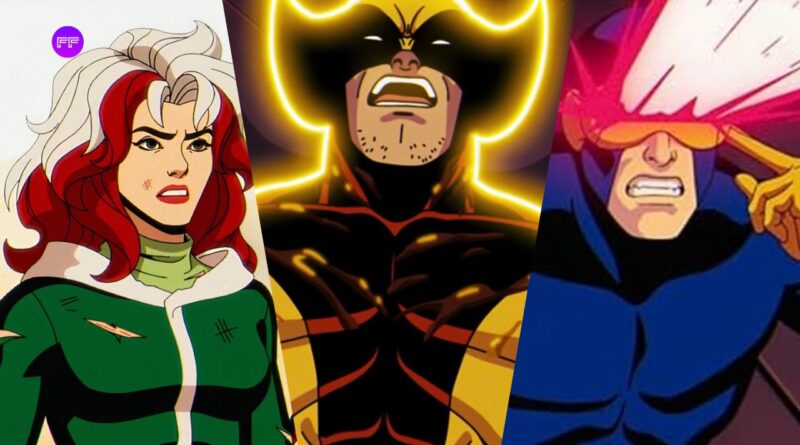
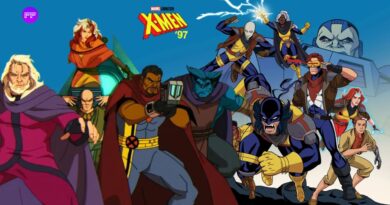
When X-Men ’97 Season 1 left fans with a seismic cliffhanger, Marvel Animation didn’t just bring back the series but also proved that Animation could hit as hard as any big-budget blockbuster. Now with X-Men ’97 Season 2 expanding to over thirty mutants and a voice cast that prepared a legendary comic lore with modern creativity.
Season 1 was praised for its theme core and perfect balance of peak action and the fact that it struck the perfect balance in the paradox of peak level action and emotional depth in animation history. X-Men ’97 Season 2 prepared to raise the stakes even further, by exploring more exciting X-Men comic storylines while honouring classic 1990s animated series. There are many reasons for this series to become Marvel’s next big hit.
One of the most beautiful aspects of X-Men ’97 is that they never forget their original series’ entity. Season 2 continues to honor that choice and return with a core voice cast member.
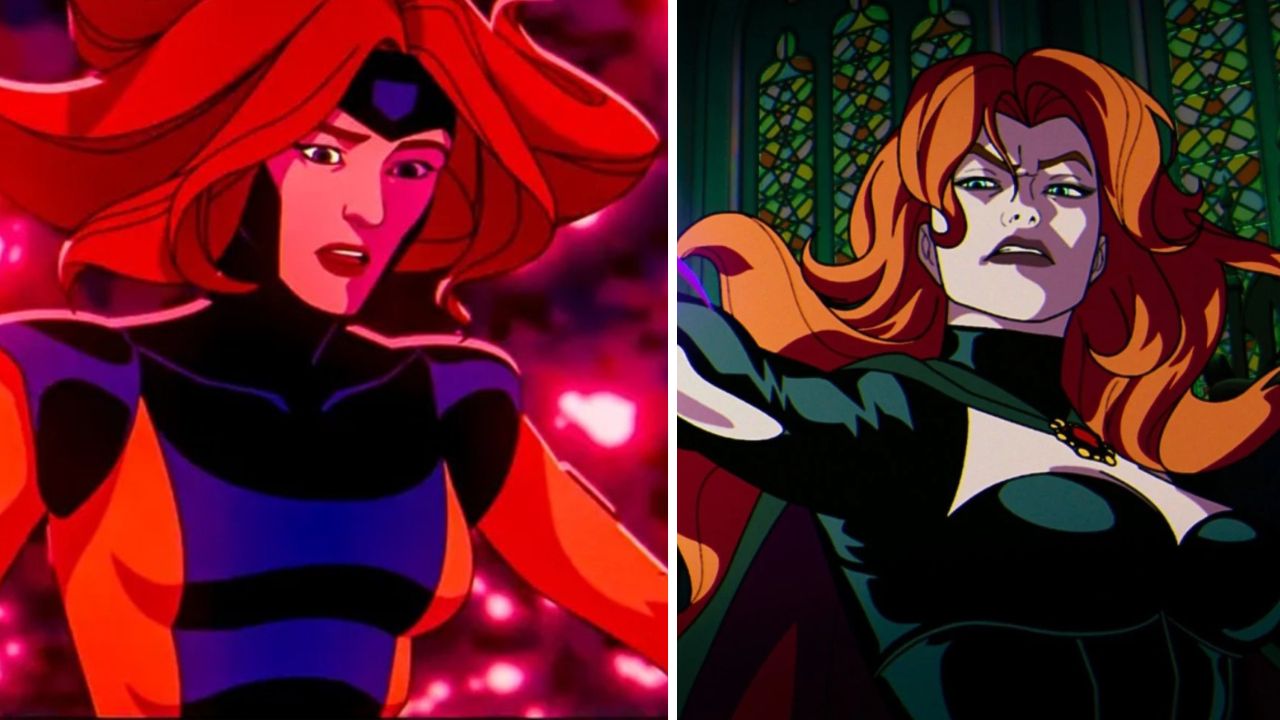
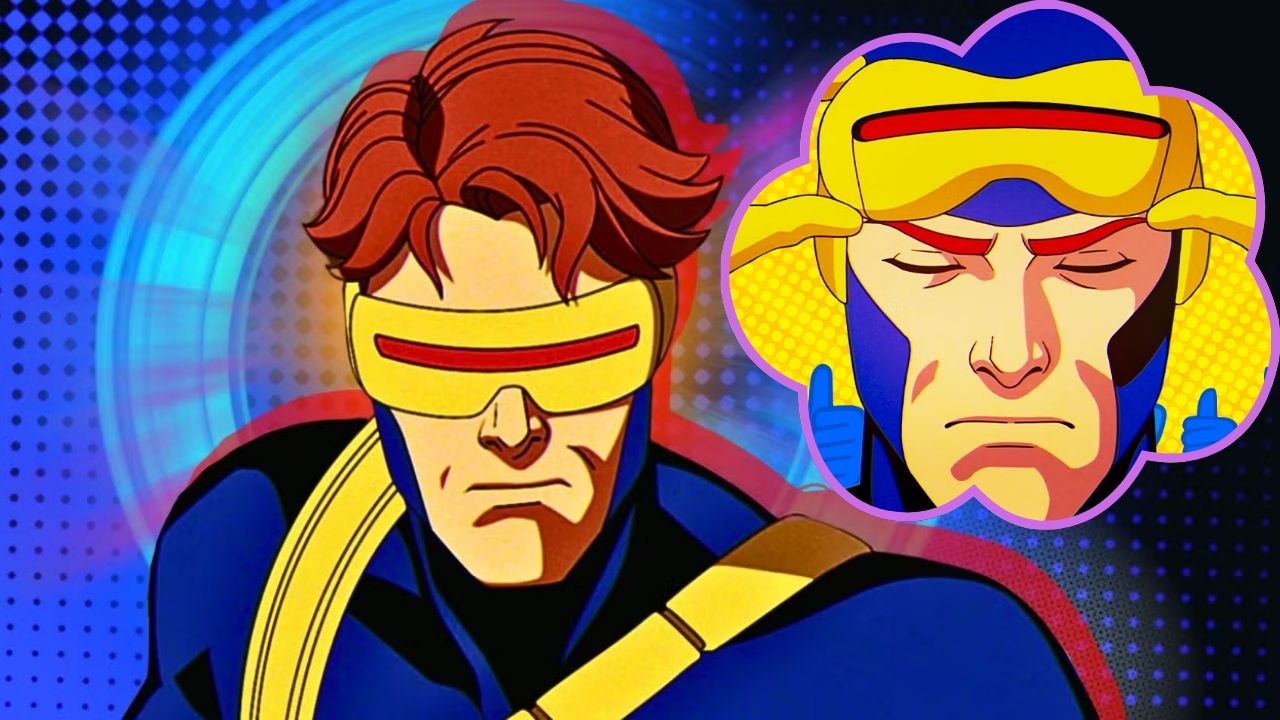
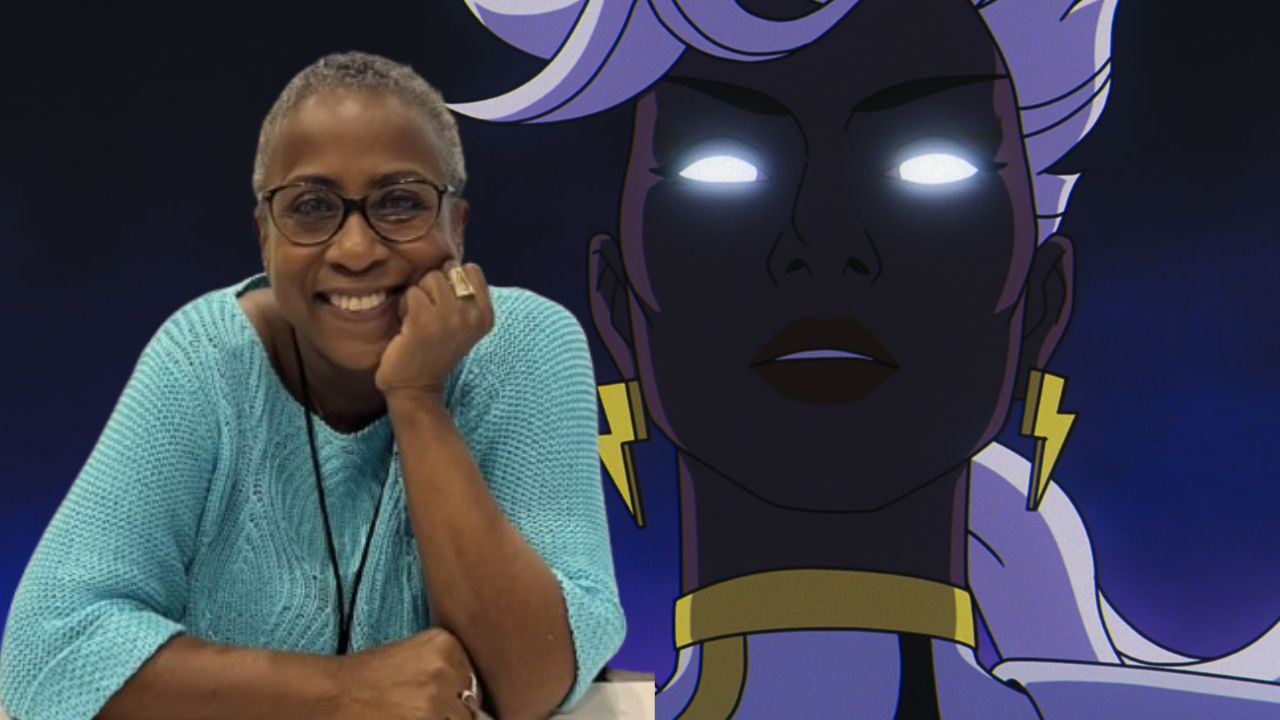
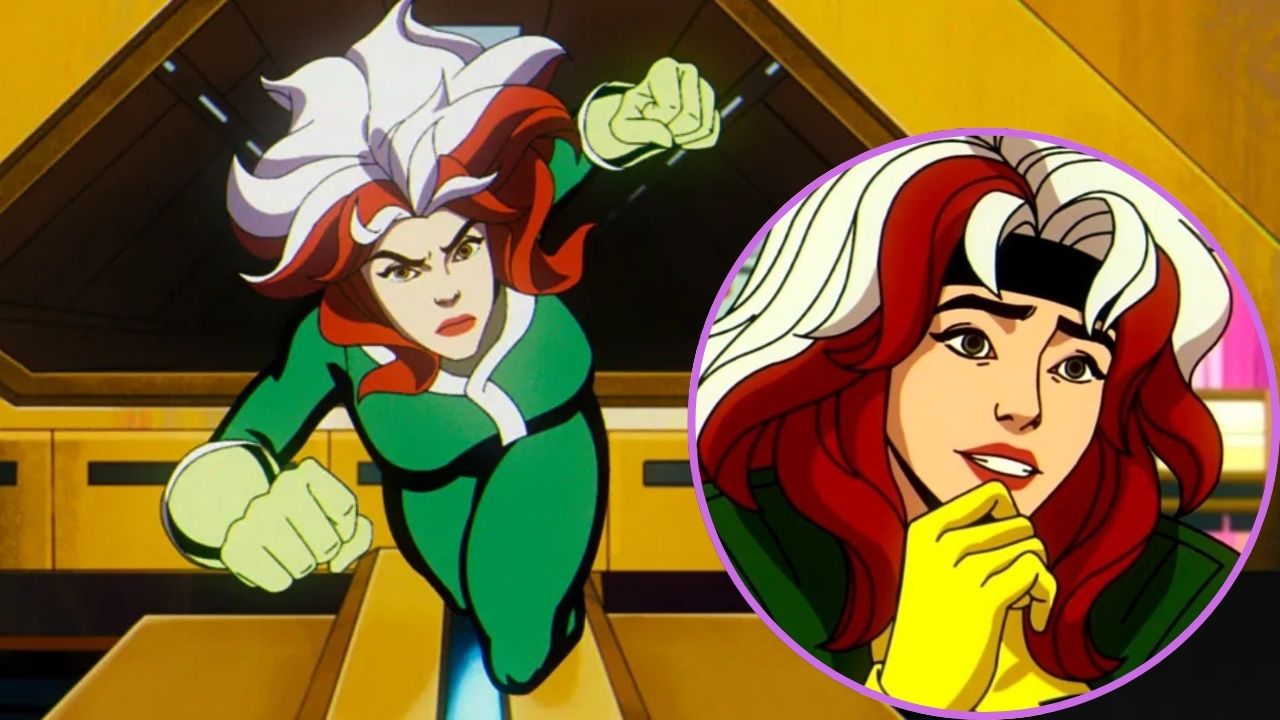
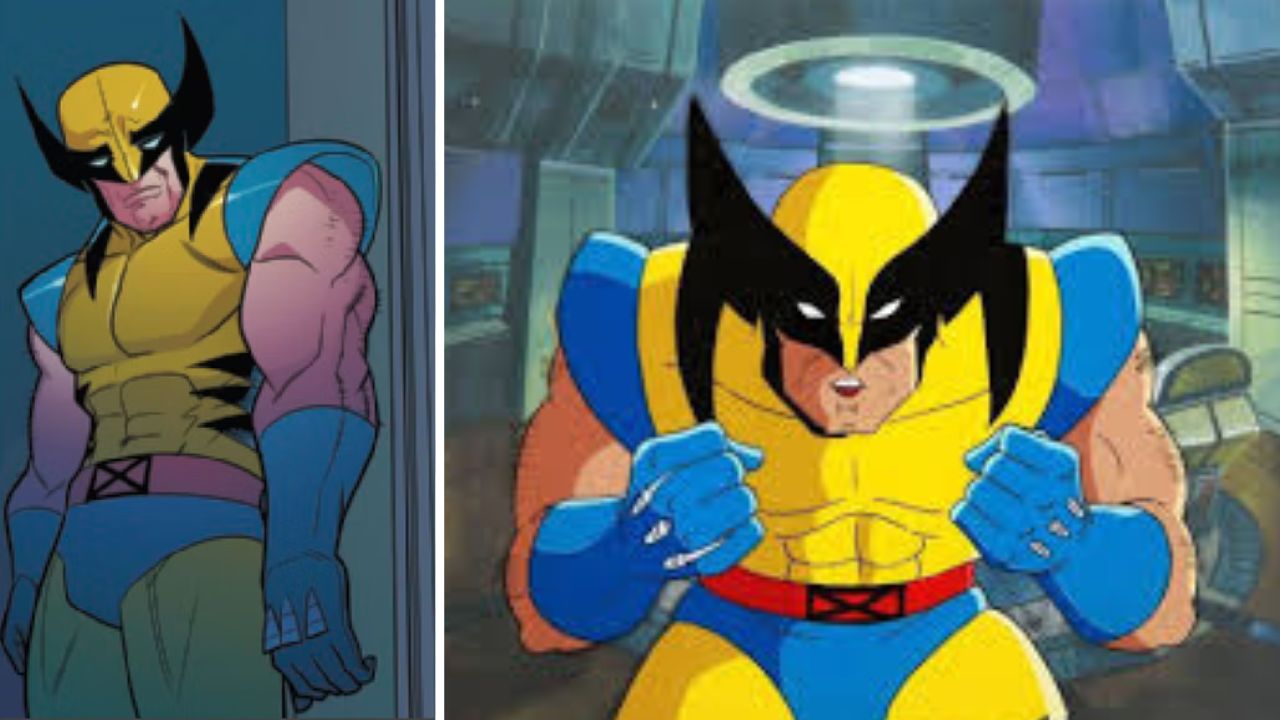
The definitive Logan. Gruff, conflicted, unbreakable — Dodd’s return is non-negotiable.
The soul of the team. Zann’s Southern drawl carries decades of warmth and heartbreak.
Regal, commanding, irreplaceable. Sealy-Smith makes every line feel like a decree.
The intellectual heart of the X-Men. Buza brings warmth beneath the blue fur.
Season 1’s breakout performance. Chase made Scott Summers genuinely compelling.
Legendary across gaming and animation alike. Hale commands every scene she enters.
The combining team of old and new talents like Ray Chase and Jennifer Hale is making this animation series extraordinary. It honours the past without being imprisoned by it with a perfect balance of introducing thirty mutants in Season 2.
Many new characters will enter in Season 2 but Polaris is arguably the most consequential. She is a daughter of Magneto that brings dynamics in a team in Season 2.
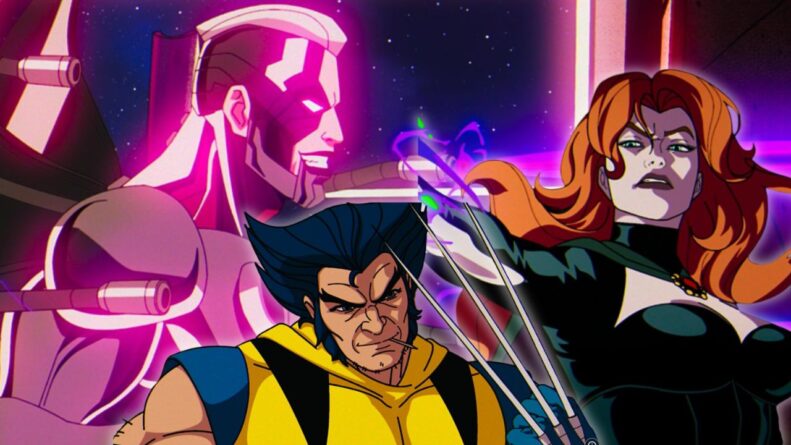
Polaris’ fierce and unpredictable personality will shape the exciting moments in the series. Her ex-partner and complex relationship to Magneto impacts the emotional narrative to the story. In the comics, Polaris is neither a hero nor a villain, she just oscillates in between at different times. Showrunner Matthew Chauncey chose to bring this character in Season 2 to have an impact on the story.
“Polaris doesn’t just add a new power set — she arrives carrying a century of Magneto’s complicated legacy on her shoulders, and that weight will be felt by every mutant on the team.”
There are Generation X characters including Chamber, Monet, and Synch who are joining her and bring their own ties to Jubilee. A team of younger generations of mutants who are trying to find their place in the world. Their arrival indicating Season 2 delves into what it means for a young mutant to inherit a world still defined by Xavier’s dream.
Read More 👉 Why X-Men ’97 Season 2 Could Be Marvel’s Biggest Animated Hit
X-Men ’97 Season 2 isn’t just adding heroes. They are expanding considerable antagonists that shape the theme more darker. Sabretooth and Lady Deathstrike return to create a hit strike around Wolverine’s orbit, while Psylocke — now drawn closer to Kwannon’s comic continuity — promises a more culturally authentic and layered portrayal than the character has previously received in animation.
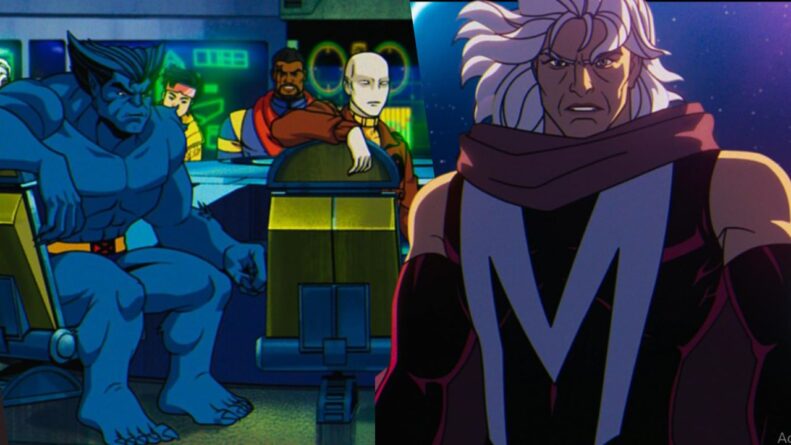
Presenting these villains alongside early footage showing Morph and Wolverine near Sabretooth and Lady Deathstrike have raised many questions inside the head. While everything is so unpredictable, it’s hard to consider the possibility of alliances, betrayals, and shifting loyalties in X-Men ’97 Season 2. Marvel never delivered a straight hero-villain theme before and Season 2 appears to be leaning further into that ambiguity.
Read More 👉 X-Men ’97 Season 2: Marvel’s Legendary Mutants Return
No conversation about Season 2 is complete without addressing Morph — the shapeshifter who continues to serve as the series’ most versatile narrative tool. Season 2 may transform into Deadpool by stretching his abilities further during a battle against Brood aliens.
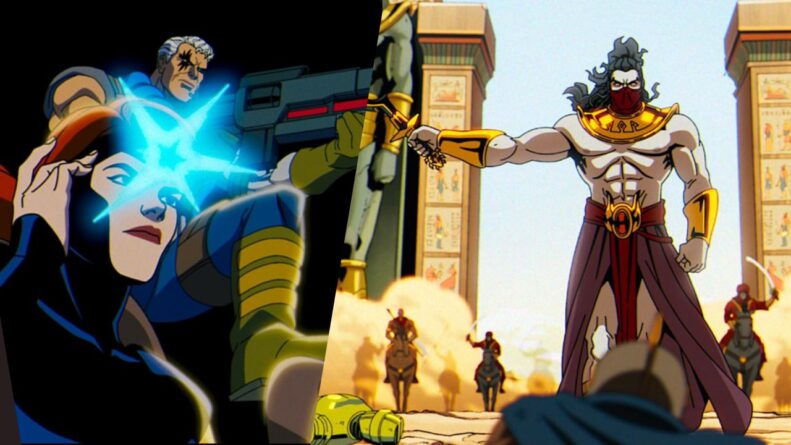
Fans are relieved with X-Men ’97 as it does better than almost anyone in the current Marvel projects. Audiences have waited so long to watch Wade Wilson following his explosive Avengers: Doomsday appearance, a Morph-as-Deadpool sequence will make a buzz viral that will bring back to casual viewers.
Perhaps the biggest question for Season 2 is the romantic storyline that was put by showrunner Beau DeMayo before his departure. DeMayo confirmed that Morph’s love confession to Wolverine while disguised as Jean Grey was always intended as a genuine, romantic statement rather than a moment of playful mimicry.
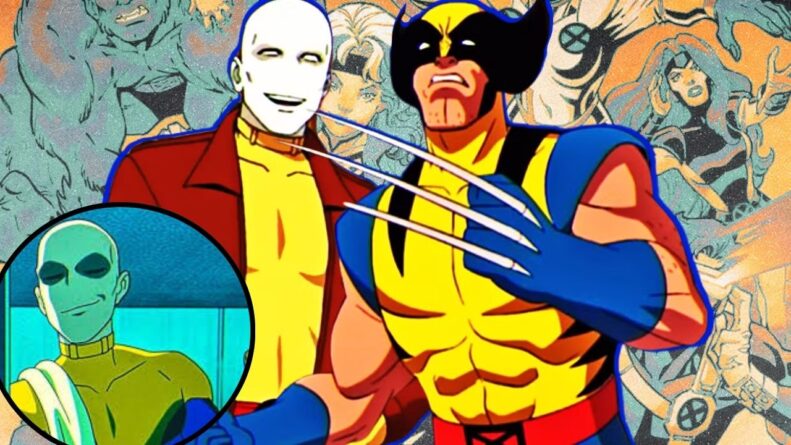
As a queer creator, DeMayo planted what he described as a canon, onscreen queer love story between two of the team’s most beloved characters. The series received online criticism for portraying Morph as canonically non-binary but others praised the characterization that is rarely seen in mainstream superhero animation.
Early Season 2 footage showing Morph alongside Wolverine keeps the possibility alive, but the question of whether incoming writer Matthew Chauncey will meaningfully develop this storyline or quietly allow it to fade remains unanswered. How that creative decision unfolds will say a great deal about the direction of the series — and about Marvel Animation’s broader commitments to the stories it chooses to tell.
| Storyline Thread | Status | Heading Into Season 2 |
| Morph–Wolverine romance | Confirmed as intentionally romantic by DeMayo | New writing team’s stance unknown |
| Polaris–Havok relationship | Expected to drive major team dynamic shifts | Significant influence on team interactions |
| Polaris–Magneto father/daughter arc | Central to Polaris’s integration into the X-Men world | Key emotional and plot driver |
| Generation X presence (Chamber, Monet, Synch) | Confirmed | Storyline scope unclear |
| Morph–Deadpool cameo | Confirmed; set during Brood alien conflict | Tied to Brood conflict, cameo impact TBD |
Read More 👉 What Marvel’s X-Men Lineup Could Look Like in the MCU
X-Men ’97 Season 2 arrives carrying one of the most envied legacies in animated television — and the early signs suggest it intends to honour that legacy while refusing to be constrained by it. A roster of over thirty mutants, a voice cast that spans generations of excellence, a villain lineup with genuine menace, and storylines that carry real emotional weight all point to something special.
Whether it becomes Marvel’s next defining cultural hit will depend on execution — particularly how Matthew Chauncey’s team handles the more delicate character work around Morph, the integration of Polaris, and the moral complexity that made Season 1 resonate so deeply. The bones are extraordinary. The story still needs to be told.
But if the first season taught us anything, it’s that X-Men ’97 is more than capable of delivering exactly what the moment demands.

Discover the best Spider-Man Marvel comics for new readers, from iconic origin stories to must-read adventures, with beginner-friendly picks to start your journey.
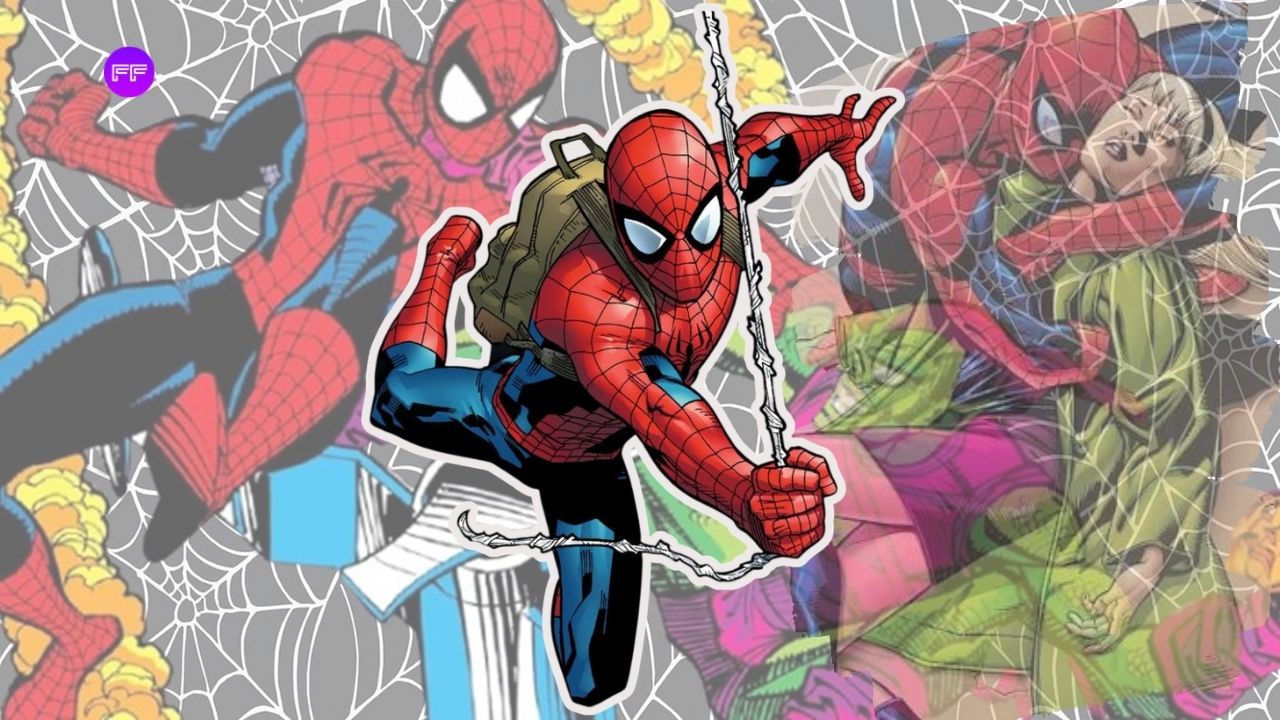
You just watched a Spider-Man movie in theaters and you’re hyped, now you open a Marvel website to find “Amazing Spider-Man #1,000-something” and other sections featuring dozens of series with “Spider” in the title. That’s the moment most people get confused and close the tab. Once you look at a clean list of best Spider-Man Marvel Comics which is especially good for new readers, you’ll definitely own them.
Spider-Man has been published continuously since 1963, which means there are literally thousands of issues, and no one is expecting you to read all of them. You need maybe six comics to actually understand why this character has outlasted every trend in pop culture for over sixty years.
This is a guide to Spider-Man Marvel comics built specifically for people who have never picked one up. No filler, no “if you really want to go deep” tangents into 1990s clone sagas. Just the stories that made the character, in an order that won’t burn you out in week one.
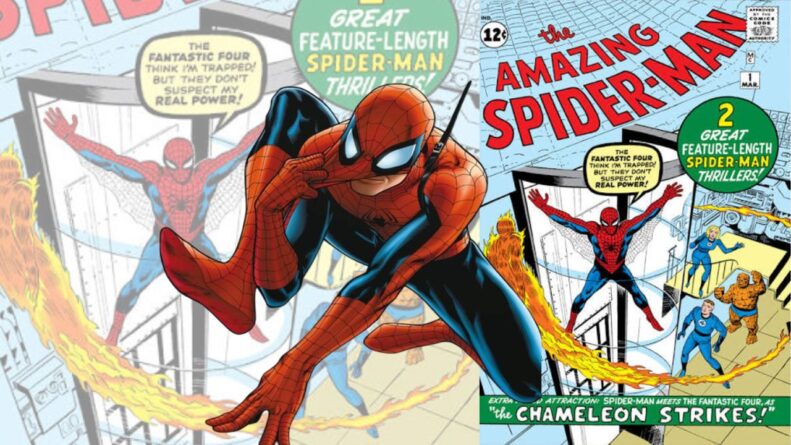
The one where issues starts is The Amazing Spider-Man #1 from 1963, if you are a new reader then start with this comic. Because it is the oldest and still so valuable to the Spider-Man fans. It carries stiff dialogues, different storytelling reminiscing nostalgia, and the different version of Peter Parker from the one you know in the movies. Comic readers mostly recommend toward “the beginning,” but that advice mostly exists because it’s easy to give, not because it works.
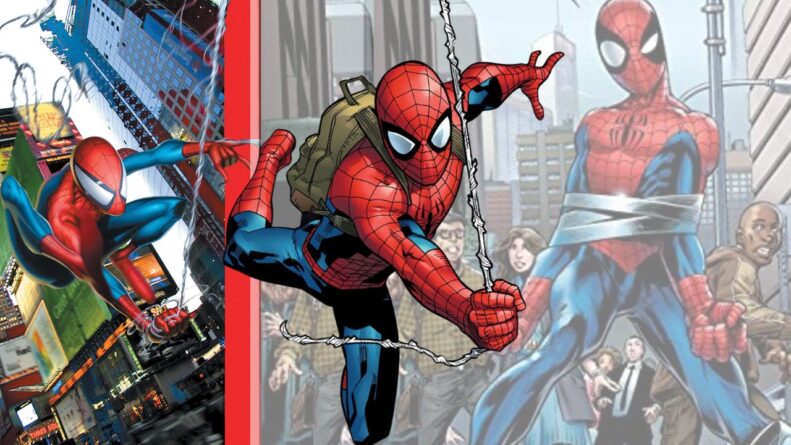
What actually works is starting with a story built to be an entry point — something written by people who knew a new generation of readers had zero patience for sixty years of backstory.
If you are still deciding whether you read or not then begin with Ultimate Spider-Man Vol. 1 which is written by Brian Michael Bendis, since it is a full retelling of Peter Parker’s origin from scratch. This isn’t any spin-off comic, it is prepared with art by Mark Bagley, stripped of decades of continuity Spider-Man introduction so it is best for readers who’d never touched a comic before.
Bendis and Bagley led this series for more than 100 issues in a row, which is a ridiculous, unheard of run length for two creators on one superhero book, and it’s part of why the world is so tightly built.
It hits the beats you already know — the radioactive spider bite, Uncle Ben, the “Great Responsibility comes with great power” lesson but it takes its time with Peter as an actual teenager dealing with actual teenage problems before the costume shows up. In movies, Peter Parker’s high-school version where he felt true to life —- the tone came from this book.
Read More 👉 Spider-Man: Brand New Day Latest Update: What’s Really Happening?
If you are new and scared to find more than 100 Marvel comics, don’t worry because you don’t need the full 1970s-1980s Spider-Man run. There are two main stories which you can read as a beginner and that’s worth your time.
The Death of Gwen Stacy — This is the point where most comic historians reference about Superheroes doesn’t always get to win. Amazing Spider-Man #121-122 (1973), written by Gerry Conway follows the story, Spider-Man fails to save the person he loves. If you have watched Andrew Garfield’s Spider-Man then you probably understand the specific kind of grief the movie showed. That emotional heartbreaking tone came from this version, you’ll know once you read.
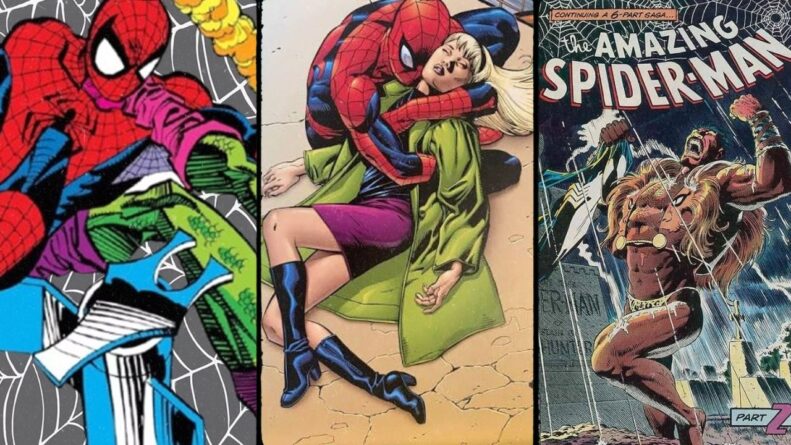
Kraven’s Last Hunt (1987) — J.M. DeMatteis and artist Mike Zeck crafted this six-issue saga, across three different Spider-Man titles of the era (Web of Spider-Man #31-32, Amazing Spider-Man #293-294, Spectacular Spider-Man #131-132). This is widely considered the single best Spider-Man story ever published, full stop. It’s dark, psychological, and doesn’t require you to know anything about Kraven the Hunter going in — the story tells you everything you need. Buried alive, replaced by his obsessive hunter, Spider-Man has to claw his way back to himself, literally and figuratively. It’s collected as one volume, so you’re not chasing three different comics.
Miles Morales wasn’t just a temporary replacement of Spider-Man because Brian Michael Bendis introduced him as a fully new version of Peter Parker after killing off the Ultimate universe’s Peter Parker in 2011. And now this character is running on-screen as Miles Morales: Spider-Man series in the main Marvel Universe (Earth-616), that shows Miles become Marvel’s core heroes.
If you discovered Miles through the Spider-Verse films, and came to read comics then you land on the right place because you don’t need to read a single Peter Parker comic first. The Miles storyline built on its own and the comics is the original source of the films. Miles’s book has a completely different tone with its own villains, his own family drama with his parents, and a fresh perspective on living up to a legacy he never expected to inherit.
Read More 👉 Will There Be Another Spider-Man Movie? Here’s Everything Confirmed So Far
Right now, the newest Marvel Comic published is The Amazing Spider-Man which is now on its 7th volume that launched in April 2025. It is written by Joe Kelly. The series is currently in the middle of the “Death Spiral” crossover, featuring Spider-Man with Venom and Mary Jane Watson is hosting a symbiote, against a serial killer known as Torment. This storyline has a heavier tone, following a grittier crime-thriller than any Spider-Man story before. This is co-written by Joe Kelly and Al Ewing.
Otherwise, if it is a finished modern story you seek rather than an ongoing, Essential Ultimate Spider-Man (2024) by Jonathan Hickman and artist Marco Checchetto just wrapped up in February 2026 after 24 issues — and unlike most superhero runs, it makes an end. This is a what if scenario where Peter Parker is older, married with two kids and just now came out as Spider-Man, which turns the typical “teenager learns responsibility” formula upside down. While the title may be similar, this is genuinely a different take than Bendis’ version above, so don’t get the two confused.
If you’re the type who wants the best Spider-Man Marvel Comics checklist instead of prose, here’s the actual order to read these in:
That’s five to six books, not five hundred are best Spider-Man Marvel Comics. You’ll walk away understanding why Spider-Man has survived every reboot, every costume change, and every “is this character still relevant” think piece since Kennedy was in office — and you’ll have done it without touching a single clone saga.
If you only pick up one Spider-Man comic this weekend, make it Kraven’s Last Hunt. It’s a self-contained narrative that doesn’t depend on years of continuity or encyclopedic Marvel knowledge, yet it encompasses everything that makes Spider-Man such a timeless character.
Read More 👉 How Did Wolverine Get His Adamantium Skeleton in X-Men ’97? Explained
More than 30 years on, it is still one of the most emotionally resonant and psychologically complex superhero comics ever written—and the best Spider-Man Marvel Comics most likely to have even non-comics readers agreeing that Spider-Man is a bit more than a wisecracking guy who wears a red and blue suit.
Discover how Marvel's First Family and Doctor Doom go from uneasy allies to bitter enemies in Marvel First Family & Doctor Doom Are Friends Until Doomsday.
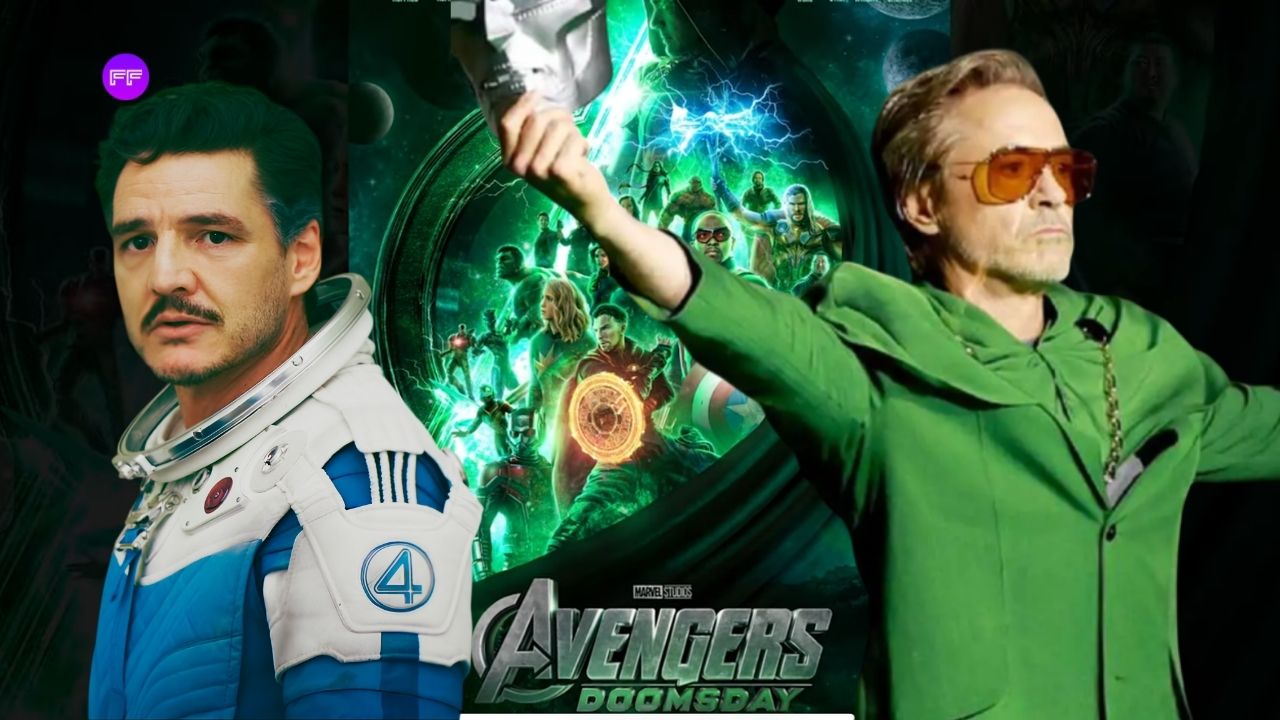
Nobody expects that Doctor Doom, about to threaten every universe in the multiverse in Avengers: Doomsday, isn’t a stranger to the Fantastic Four. He’s family friend material. Reed Richards and Victor von Doom go back decades in the comics, and it’s confirmed after official comments from insiders reveal that it’s the emotional spine of the entire movie.
This isn’t the origin story where Doom shows up as a masked menace on day one. This is a slower, sadder kind of villain arc, and it’s exactly why Robert Downey Jr. signing on to play him made so much sense once you stopped picturing Iron Man and started picturing a man who lost everything and blames the people who once called him a friend.
Long before he was ruling Latveria and building doombots by the thousand, Victor von Doom shared a dorm with Reed Richards at State University. They were rivals in the lab, not enemies in the field.
The accident that scarred Doom’s face and pushed him toward sorcery and tyranny is tangled up with Reed’s own guilt — Reed warned Victor his calculations were flawed, Victor ignored him, and the explosion that followed set both of their lives on separate, colliding paths.
What makes their relationship genuinely unusual in Avengers: Doomsday is that it never fully curdled into simple hatred. Doctor Doom has, at various points, called a truce with the Fantastic Four to fight bigger cosmic threats.
He’s shown up for moments on with Marvel’s first family. Most strikingly, in the comics, Doom personally delivered Reed and Sue’s daughter, Valeria, when a pregnancy complication threatened both mother and child and he later became her godfather. That’s not a footnote. That’s a writer deliberately keeping the door open between a hero and his greatest enemy, generation after generation.
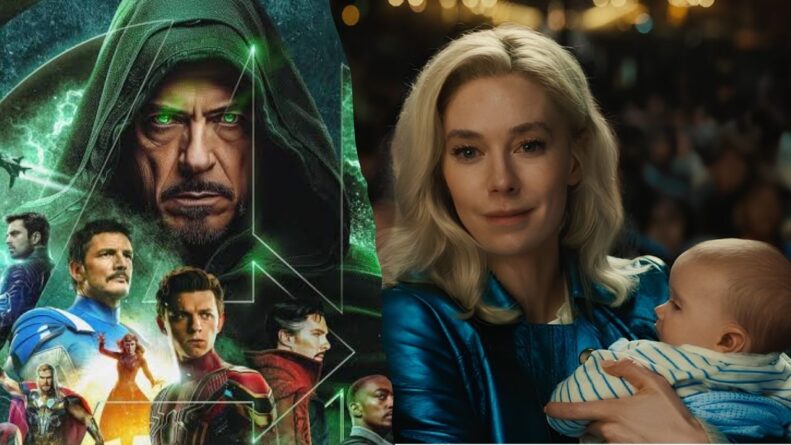
Why this matters for the movie: If the MCU is borrowing this dynamic, Doom isn’t being introduced as a stranger the Fantastic Four have to figure out. He’s someone Marvel’s first family already trusted. That’s a much heavier betrayal to write and a much heavier one to watch.
According to a widely circulated from industry leaker Daniel Richtman, the Fantastic Four’s Reed Richard and Doctor Doom are described as being on friendly terms heading into the film as people who have known each other for years rather than adversaries meeting for the first time.
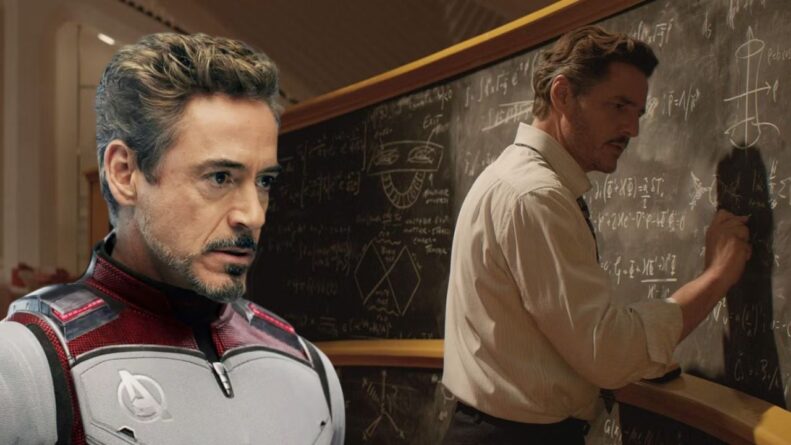
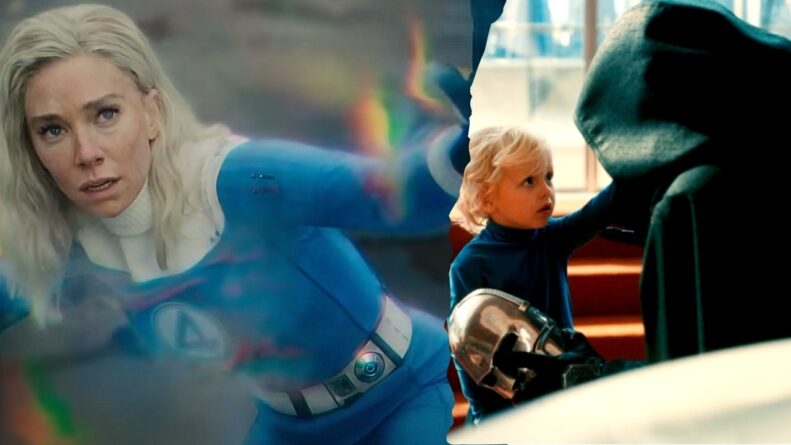
The same rumor claims the fallout that turns them into enemies is essentially the plot of the movie itself, with Doctor Doom reportedly seen playing with Franklin Richards in a post-credits scene of Fantastic Four: First Steps. Vanessa Kirby’s Sue Storm saw them and tried to prepare to use her power to protect her son but the scene ended.
However, the scene made fans mind that Doom was an enemy, if he’s friendly then Sue may not see Doom as a threat and calm down.
“Doctor Doom is just playing with Franklin, he mean no harm to the kid” — Ritchman Says
Marvel Studios hasn’t laid out the Reed-Doom relationship on record. But it lines up too neatly with six decades of comics history to dismiss, and directors Joe and Anthony Russo have publicly described Doom as one of the most complex characters in Marvel’s library — someone they wanted to explore with “complexities and vulnerabilities” rather than write as a straightforward conqueror.
“He’s not simply a villain; he’s one of the most complex Marvel characters. He’s always three moves ahead.” — Joe Russo, co-director, on Doctor Doom
If there’s one thread connecting the comics history to the reported MCU plot, it’s Franklin Richards. In the comics, Franklin is regarded as one of the most powerful beings to ever exist — capable of warping reality, creating pocket universes, and reading minds before he can properly walk. The Fantastic Four: First Steps already introduced him as a baby who ages into a young child by the film’s end, and multiple reports suggest Doom’s interest in Franklin is central to why he moves against the family at all.
A godfather turning on the family he swore to protect, driven by what a child could become, that’s not comic book villainy for its own sake. That’s a tragedy with body count.
Read More 👉 Marvel’s Amazing Spider-Man #1000: What Fans Need to Know
| Title | Details |
| Title / Event | Avengers: Secret Wars (follow-up: Avengers: Secret Wars — Part II noted as Dec 17, 2027) |
| Release date | December 18, 2026 |
| Follow-up installment | Avengers: Secret Wars follows (sequel/next major MCU event) on December 17, 2027 |
| Main villain | Doctor Doom — played by Robert Downey Jr.; full costume unveiled at CinemaCon 2026 |
| Returning lead cast | Chris Evans (Steve Rogers), Chris Hemsworth (Thor), Pedro Pascal (Reed Richards), Vanessa Kirby (Sue Richards) |
| Fantastic Four presence | Seven characters from First Steps confirmed to appear, including HERBIE (the robot) |
| Directors | Anthony Russo and Joe Russo (returning to MCU since Avengers: Endgame) |
| Setting / premise | Heroes from three separate universes — Earth-616, Earth-828 (Fantastic Four’s world), and Fox X-Men universe — converge to face Doctor Doom |
The trailer shown at CinemaCon and in teasers has already leaned into Doom’s overwhelming power — a scene where he stops Thor’s Stormbreaker with one hand has become the moment fans keep replaying.
But the same trailer reportedly closes on a much quieter, more devastating line from Doom: “One day you will forgive me.” That’s not the sentence of a conqueror talking to strangers. That’s the sentence of someone talking to people he actually cares whether they forgive.
The MCU has struggled with villain motivation before — plenty of Phase Four and Five antagonists existed mainly to be defeated. Doom being a person the Fantastic Four actually liked, trusted, and maybe even loved solves that problem before it starts. They also don’t have to start from scratch in making us feel sympathetic for Doom; they get that from sixty years of history between Reed and Victor, and they get to spend their running time dismantling it on-screen rather than explaining it in exposition.
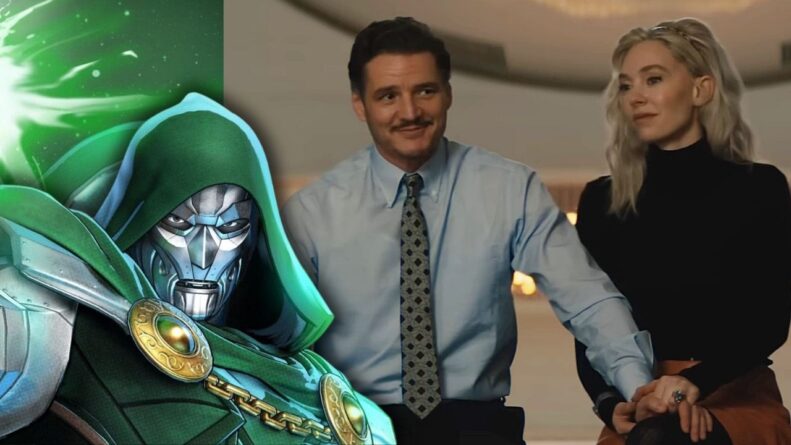
It also raises the stakes for everyone standing next to the Fantastic Four when Doctor Doom turns. If he’s willing to burn a friendship this old to get what he wants, nobody in Avengers: Doomsday is safe because they’re powerful. They’re at risk because they’re close to him.
Read More 👉 XMen 97 Season 2 Episodes 1-3: Who Really Sent the XMen Through Time?
Doctor Doom isn’t a fascinating Avengers: Doomsday antagonist simply because he’s the most powerful person present. He’s compelling because he’s introduced as someone Fantastic Four already know, trust, and consider part of their lives. That background makes every encounter not just a fight to save the multiverse, but the shattering of a friendship that once felt unshakable.
If Marvel follows the emotional roadmap it set forth in the comics, “Avengers: Doomsday” won’t just establish Doom as the MCU’s next major villain. It’ll show how pride, grief, and unthinkable choices can turn a trusted friend into the deadliest enemy Marvel heroes have ever encountered. And now, with the multiverse at stake and Reed Richards facing the friend he couldn’t save, the conflict is far more tragic than your standard-oh-hero-versus-villain story.
Dive into details of latest movies, series, and characters before watching it on Fandomfans