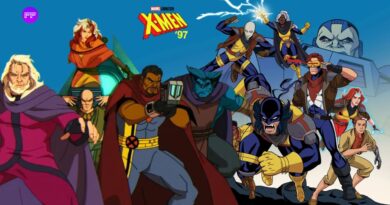
X-Men ’97 Season 2: Marvel’s Legendary Mutants Return
Marvel X-Men '97 Season 2 brings Marvel's iconic mutants back with new adventures, returning heroes, and fresh challenges on Disney+.
Published: June 2, 2026, 12:54 pm

Marvel X-Men '97 Season 2 brings Marvel's iconic mutants back with new adventures, returning heroes, and fresh challenges on Disney+.
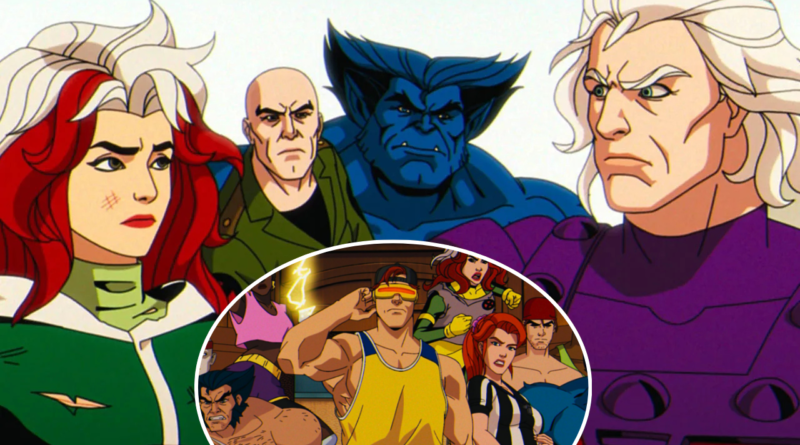
Marvel X-Men ’97 Season 1 success brings the next season on July 1, 2026. Marvel’s X-Men ’97 season 2 trailer hints at a very very dark plot and new characters joining with continuing the story after the season 1 finale with the most dangerous villain Apocalypse.
Season 1 ends with a timeline-shattering finale in May 2024, leaving a baggage of questions for fans. Everyone is end up in different time of period, Cyclops and Jean Grey were in 3960 A.D. and Rogue, Beast, Nightcrawler, Professor X, and Magneto found themselves in ancient Egypt, circa 3000 B.C., facing young En Sabah Nur who later become the worlds most dangerous person — Apocalypse. He also appeared in the gut-wrenching mid-credits scene and picked up Gambit’s charred playing card with a smile.
The wait is almost over. Marvel X-Men ’97 Season 2 is set to deliver on every promise — with a nine-episode run, a sprawling cast of new and returning mutants, and the most terrifying villain in X-Men history taking center stage.
| Premiere Date | July 1, 2026 |
| Season | 2 |
| Episodes | 9 |
| RT Score S1 | 99% |
| Main Villain | Apocalypse (En Sabah Nur) |
| Stakes | All time |
Before watching Season 2, a recap of X-Men ’97 season 1 is crucial to understand the storyline. It picked up from the 1997 finale of X-Men: The Animated Series, it was one of the best superhero cartoons ever. The revival series is penned by Beau DeMayo who is head of Writers and produced by Marvel Studios Animation, the series premiered its first season on Disney+ in March 2024 and was widely praised by fans and critics.
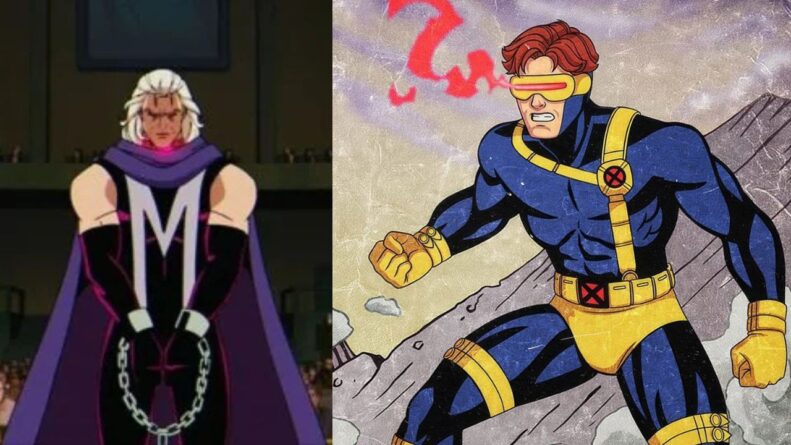
Marvel X-Men ’97 Season 1 episode 5 was the main emotional core of the whole season that genuinely shocked audiences by the attack of Sentinel on the mutant safe haven of Genosha. In order to protect others, Gambit sacrifices himself in that explosion which raises the stakes of “Remember It” as the most emotional episode. It was the kind of bold, unflinching storytelling rarely seen in animated television.
In the three-part finale “Tolerance Is Extinction” the real villain is revealed to be Bastion, a human-mutant-machine hybrid who became a representative of the next evolution in anti-mutant warfare. The X-Men won the fight at the end, but at a personal cost. During the conflict, Magneto, in-charge of the X-Men after Professor X created a blackout and tears the adamantium out of Wolverine’s body, leaving Logan in a catastrophic state.
A key moment between Magneto and Professor X when he entered into Magneto’s mind with his Psychic power that nearly destroyed them. This causes a possibility of the terrifying entity born from the darkest corners of both psyches – Onslaught which could become a major threat in future seasons.
In the end of season 1, the X-Men were flung across time. Cyclops and Jean Grey are separated and thrown from the rest of X-Men and end up in 3960 A.D. where they have adopted son Nathan (Cable). Magneto and Professor X are end up in 3000 B.C. in ancient Egypt along with Rogue, Beast, and Nightcrawler. In their timeline, Apocalypse was just a young child En Sabah Nur, who was outcast because of his mutant ability to the brutal tribe. In the mid-credits scene, Apocalypse visits Genosha and smiles while looking at Gambit’s playing card which means he has plans for him.
According to Disney’s official synopsis, the X-Men are scattered across different eras in time and busy finding their way to come back home. Meanwhile, back in the 1990s, new enemies were rising in their absence who have strong hate against mutants.
Marvel X-Men ‘97 Season 2 trailer dropped in May 2026 and gathered million views. It featured Rogue mourning Gambit’s death with Nightcrawler then scenes shifts to X-Men across every era of history. The trailer ends with Apocalypse declaring war:
“I must strike them at their most vulnerable — the 1990s!”
The one major subplot is confirmed that draws from the 1994 comic The Adventures of Cyclops and Phoenix. As the finale showed Scott and Jean, they will raise their adopted son Nathan (Cable) in the far future, while Apocalypse remains a growing threat. Meanwhile, back in the ancient past, Bishop and Forge are trying to fix the fractured timeline. Professor X actor Ross Marquand said:
“He was surprised the season was approved because it is so dark and many die.”
Marvel X-Men ‘97 Season 2 showcases every character being separated and thrown in different centuries.
| 3960
A.D |
Cyclops & Jean Grey | They end up in the far future when Apocalypse is already rising with power. It is based on The Adventures of Cyclops and Phoenix comic. |
| 3000
B.C |
Rogue, Beast, Nightcrawler, Professor X & Magneto | They end up in the past (ancient Egypt) where Apocalypse is young, a grey-skinned outcast with the Sandstormers tribe. |
| 1990s
Present |
Wolverine, Bishop, Forge & Others | Holding on to the present day while Apocalypse plans to strike on mutants at their weakest era. |
En Sabah Nur, born thousands of years ago in ancient Egypt where Rogue, Professor X and Magneto find him as a grey-skinned outcast, was taken in by a tribe called the Sandstormers, who brainwashed him with a brutal belief that only the strong one survive. And he enhanced his mutant abilities with celestial technology after growing up and created himself as the powerful judge to decide who was worthy to survive.
We only watched his young version as En Sabah Nur in 3000 B.C. in the X-Men ’97 Season 1’s finale. But Marvel X-Men ‘97 Season 2 will showcase his past, present and future simultaneously. Whether it’s only a child or a dangerous villain he becomes, one thing is sure that he is too powerful. And he is planning to erase all mutants at their weakest time.
The Season 1 mid-credits scene strongly suggests that Apocalypse came to the ruins of Genosha to resurrect Gambit for making him a Death, one of his Four Horsemen.
Season 2 brings back the full core voice cast while introducing a significant roster of new mutants — many of them deeply meaningful to long-time comics readers.
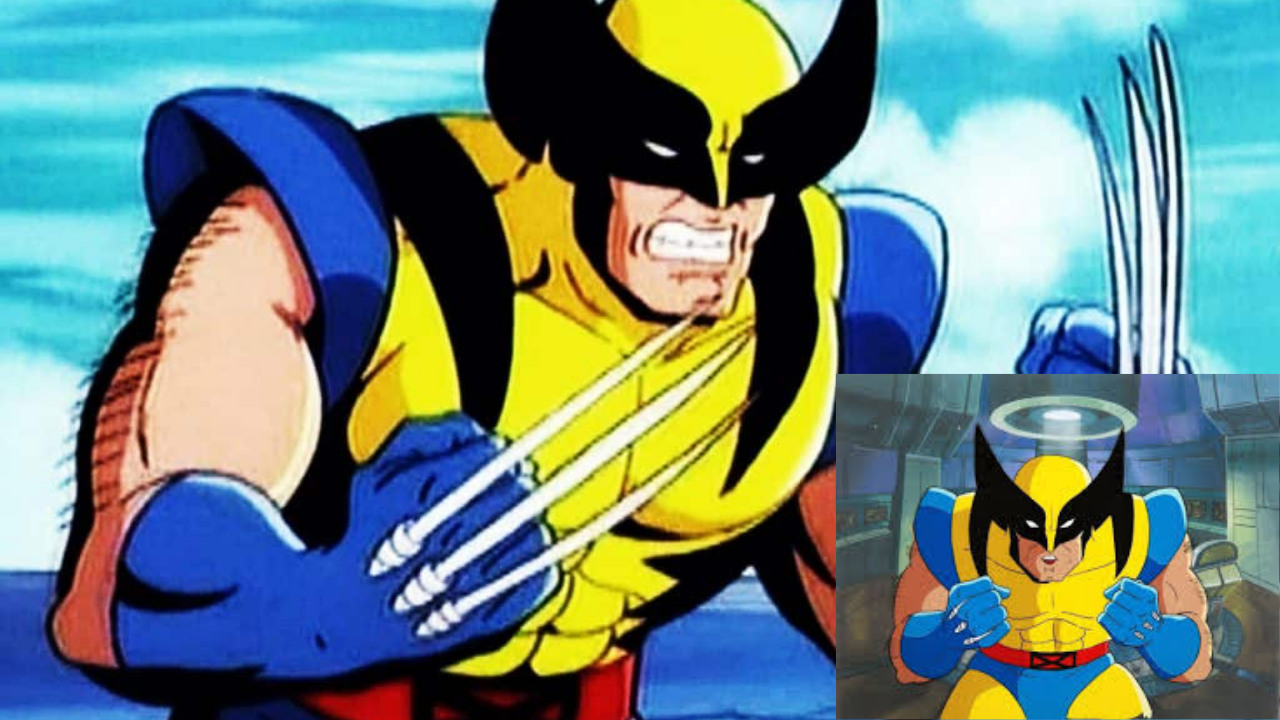
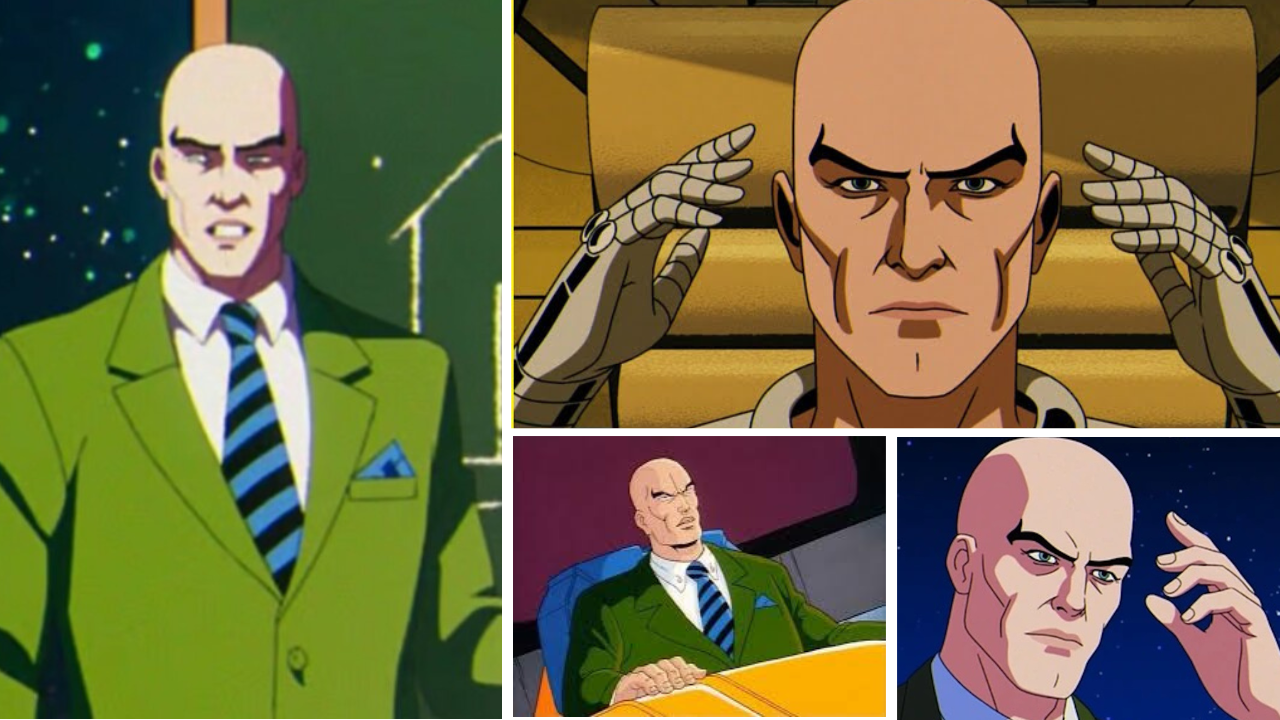
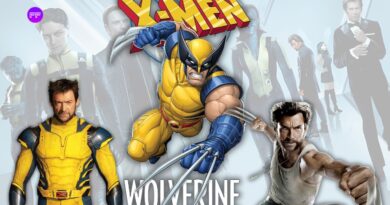
Somehow alive and fully functional after having his adamantium ripped out. How he recovered is one of Season 2’s central mysteries.
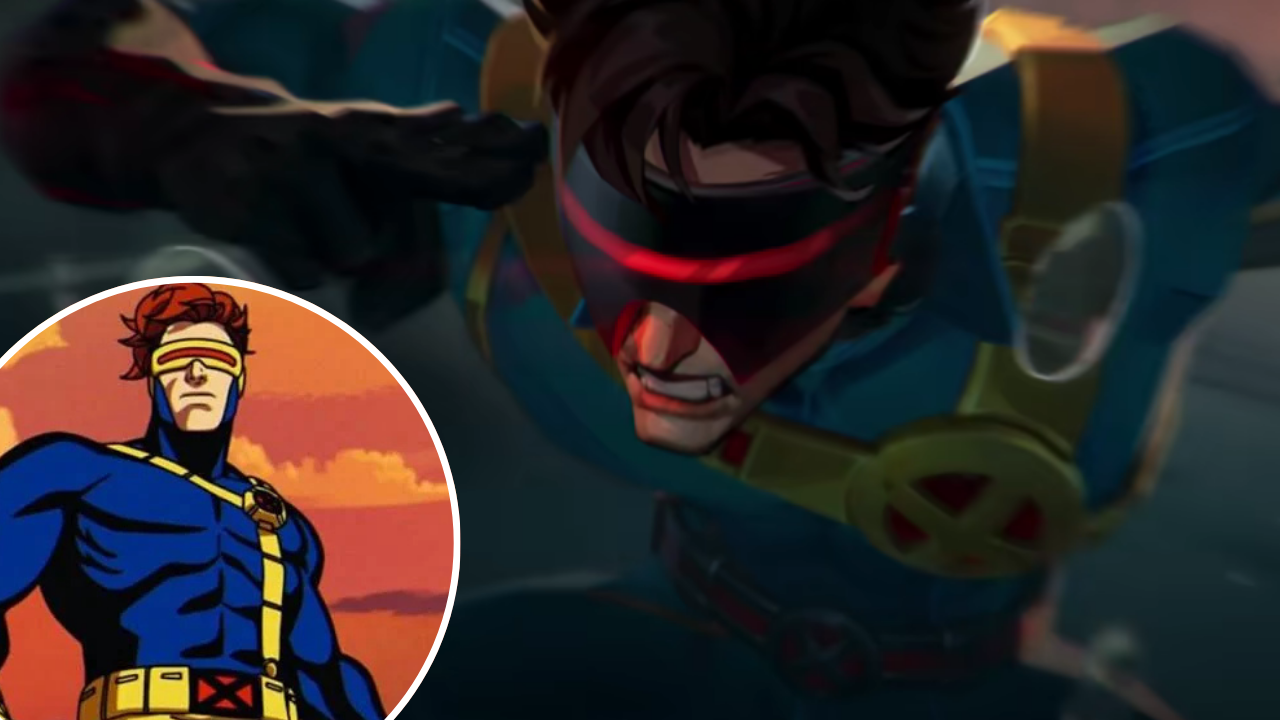
Stranded in the far future of 3960 A.D. alongside Jean — facing Apocalypse at the height of his reign.
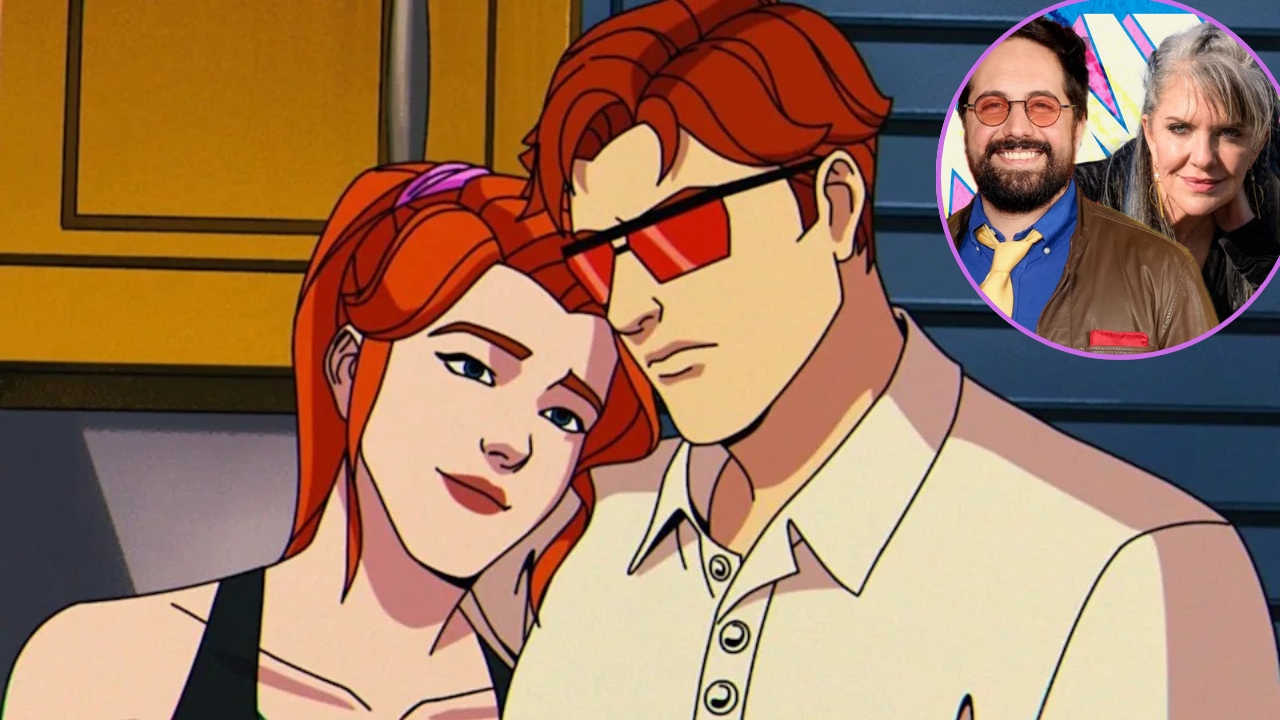
In the distant future with Scott — the Phoenix residue she carries may be crucial to their survival and escape
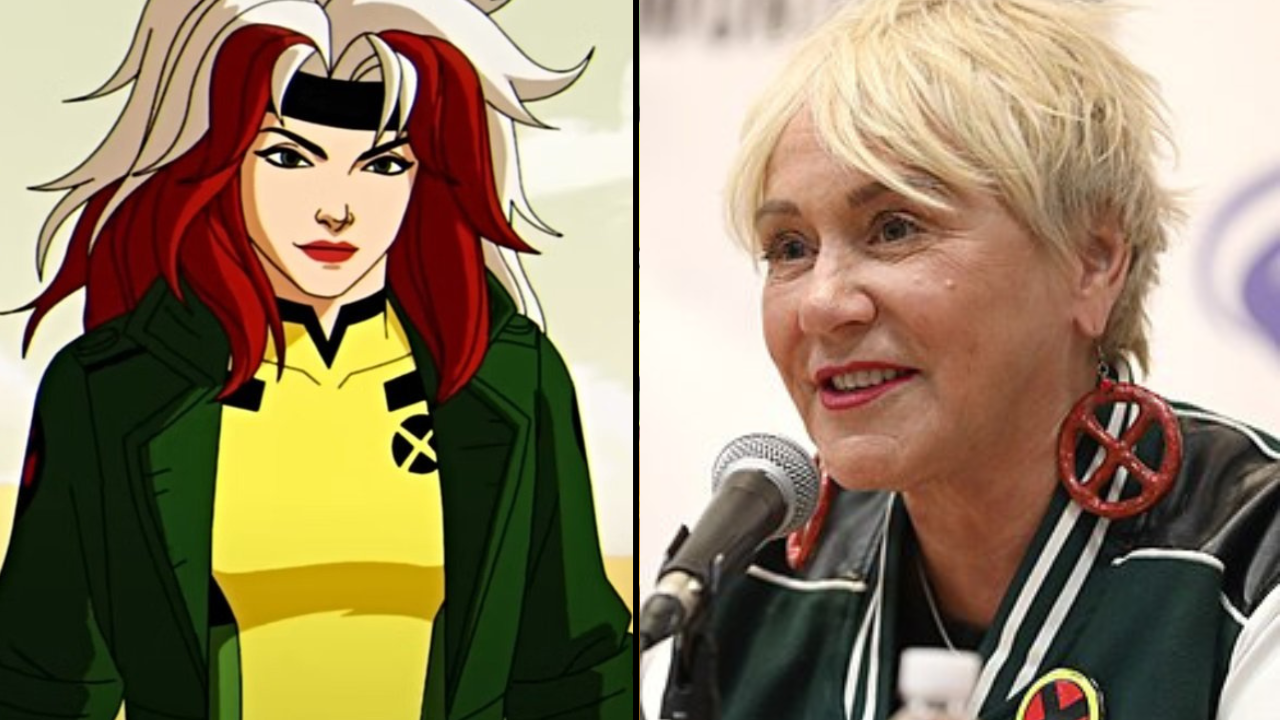
Emotionally shattered by Gambit’s death. The trailer opens on her grief — and she’s trapped in ancient Egypt with Nightcrawler and Beast.
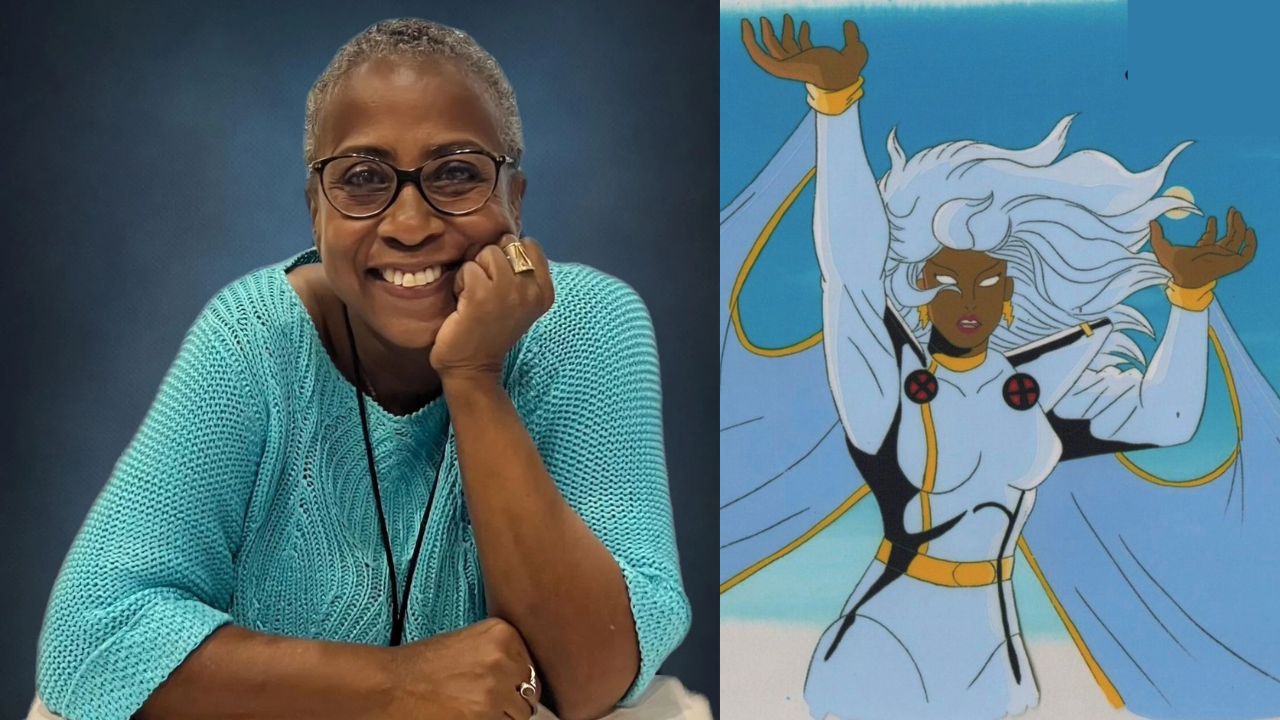
The weather goddess returns to the fray with her signature combination of power, grace, and moral authority.
Caught in ancient Egypt, psychically weakened after his confrontation with Magneto. His survival is far from guaranteed.
Stranded in 3000 B.C., facing the man he helped create through the violent philosophy he once shared: En Sabah Nur.
Gets the trailer’s most crowd-pleasing moment — briefly shapeshifting into Deadpool, sending social media into a frenzy.
Teased in the trailer’s final seconds with a claw reveal. Victor Creed’s appearance signals a brutal personal reckoning for Logan.
Returns to the animated series with a storyline that reflects current comic continuity around Kwannon and identity.
His dark metallic wings hint at a possible past as one of Apocalypse’s Horsemen — a deeply significant connection to the season’s villain.
Magneto’s daughter makes her animated series debut — her complicated family legacy will matter enormously given the stakes of Season 2.
Read More 👉 What Marvel’s X-Men Lineup Could Look Like in the MCU
The steel-skinned Russian mutant joins the fray, adding raw power to a team desperately in need of it across every timeline.
Adamantium claws and a vendetta against Wolverine — her arrival adds a personal, physical threat that Logan is in no shape to handle.
The living embodiment of the X-Men’s VR training facility — a deeply strange and compelling addition from Joss Whedon’s comics run.
The telepathic powerhouse makes her Season 2 appearance — whether as ally or antagonist remains one of the season’s intriguing question marks.
When Magneto left Wolverine heavily injured and close to death in the last moment of finale, left fans wondering if he ever survived or not. The scene directly connected to the famous 1993 “Fatal Attractions” comic storyline.
Marvel X-Men ’97 Season 2’s trailer answers one question that Logan is alive but leaves everyone wondering how he survived that state. He appears fully restored, adamantium claws and all. How? The show has not yet explained his recovery, which may be one of the central revelations of the new season.
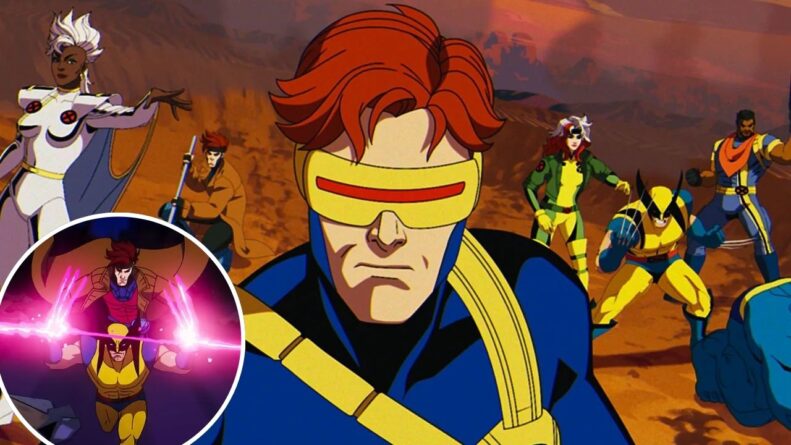
Theories range from the Weapon X programme, to a future/past intervention by time-displaced allies, to Apocalypse himself — who has been known in the comics to “enhance” mutants for his own purposes.
“The trailer shows a different situation. Wolverine appears alive and fully functional again — his adamantium claws restored. The trailer does not explain how.”
In episode 5 of season, Gambit died in order to protect everyone from the explosion to destroy an army of Sentinels and make its audience highly overwhelmed. Remy LeBeau — the Cajun reformed thief, the man who loved Rogue more than life itself — sacrificed himself which was magnificent and heartbreaking.
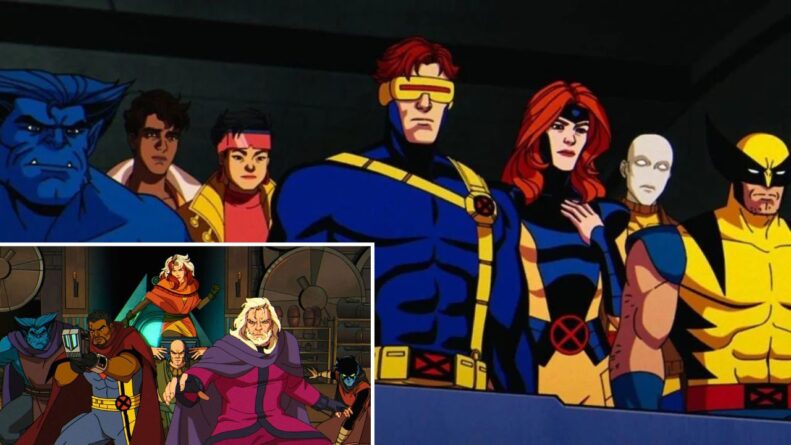
But in the X-Men comics, few deaths are permanent — and Gambit’s least of all. The Season 1 mid-credits scene indicates that Apocalypse plans to resurrect Remy as Death, one of his Four Horsemen. And this storyline directly adapted from the comics, adding more emotional core in the Season 2 of the series. Rogue is not drowning into grief only but the horrifying possibility of facing the man she loves turning into a monster which makes fans more excited.
Nothing has been officially confirmed, but Ross Marquand’s comments about the season being “very, very dark” and featuring a significant body count suggest the show is not pulling its punches. A resurrected Death-Gambit would be the kind of devastating narrative Marvel X-Men ’97 Season 2 has proven itself fully capable of delivering.
The long-term future of X-Men ’97 is looking extremely bright. At New York Comic Con in October 2025, Marvel officially confirmed that Season 3 has been greenlit — announced even before Season 2 had a release date. Brad Winderbaum, Marvel’s Head of Streaming, Television, and Animation, has made clear that the goal is for the series to run for the long haul.
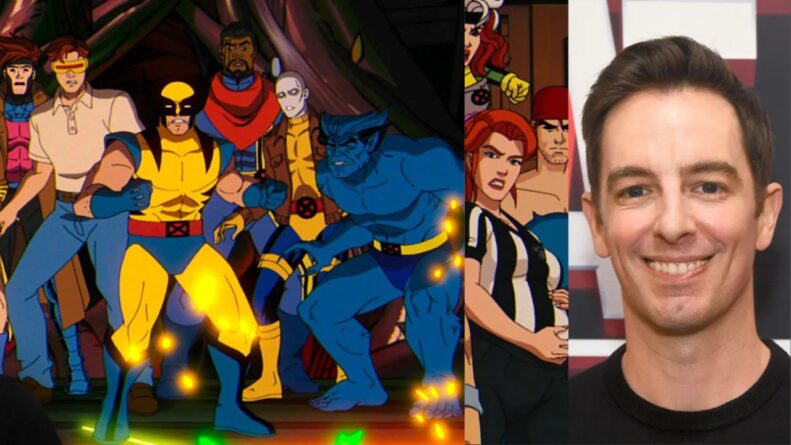
Marvel X-Men ’97 Season 2 was written by a team that includes original showrunner Beau DeMayo — who completed work on both Season 1 and Season 2 scripts before departing the project. Matthew Chauncey has since stepped in as writer to carry the series forward into Season 3 and potentially beyond.
Marvel X-Men ’97 Season 2 arrives with nearly impossible expectations — and every sign suggests it intends to exceed them. With Apocalypse as a multi-era threat, a team fragmented across thousands of years, Wolverine’s mysterious recovery, the spectre of a resurrected Gambit, and an already-confirmed Season 3, Marvel Animation’s crown jewel is only getting started. Clear your Disney+ queue. The mutants are coming home.

Jon Bernthal is back as the Punisher in Spider-Man: Brand New Day. Check out his MCU debut, story information, trailer highlights, & how the character fits in.
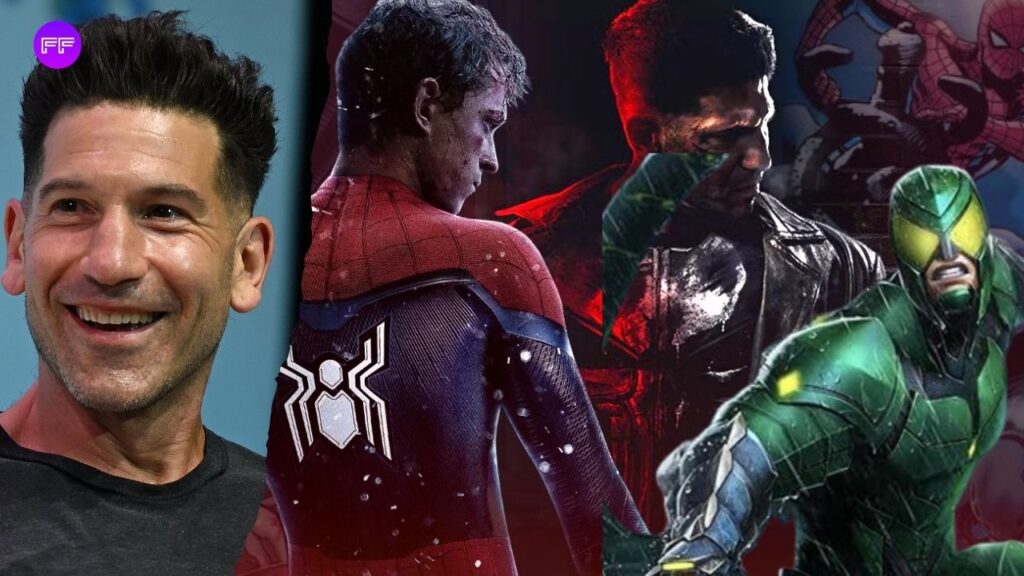
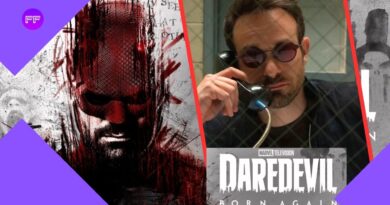
There’s a certain electricity in the air when an actor and a character align so perfectly that you can’t conceive of anyone else inhabiting the role. For Marvel fans, that axis tipped a long time ago in 2016, with the now-iconic Jon Bernthal’s initial outing as Frank Castle in Netflix’s Daredevil season 2. What started as a small part rapidly developed into something much greater, a cultural phenomenon that redefined what a comic book anti-hero could be on television. After nearly one decade Jon Bernthal sings his encore as The Punisher in Spider-Man: Brand New Day, which is hitting theaters on 31 July 2026.
Let’s break down the trailer release of Spiderman: Brand New Day showing The Punisher in action.
When Jon Bernthal is first introduced with a white skull in a black tactical vest, Marvel Cinematic Universe marks him in a special position. The Netflix series had more realistic emotions and powerful action while carving out their own universe, instead of big screens.
Bernthal’s Punisher was a revelation, he was angry and broken, but also quietly human and shockingly vulnerable. He wasn’t a stand-in for your generic comic book superhero — instead he was a man who had been shattered by loss, transformed his grief into a merciless war on crime, and didn’t have any cash for a place to stay.
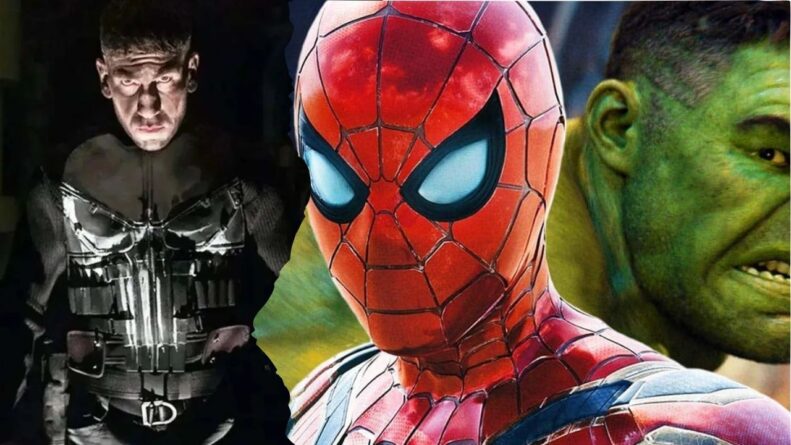
A spin-off of The Punisher series, which starred Bernthal as Frank Castle for two seasons and became the definitive version of the character, was greenlit by Netflix following the success of the Daredevil series. The axe then began to fall. The marvel universe on Netflix crumbled and fans started to question if they would ever see Bernthal’s Punisher again. Of course there was wishful thinking and speculation but nothing is ever guaranteed in the entertainment industry.
Kevin Feige, head of Marvel Studio took a different route for the studio, he collected Netflix characters and reabsorbs them into the Main MCU which is a strategic move. See for yourself, Charlie Cox returned as Daredevil, and Bernthal did likewise with Daredevil: Born Again. Although even that seemed to be a foretelling of something bigger. Bernthal makes history as he leads his Punisher to his first ever appearance in a MCU theatrical release with Spider-Man: Brand New Day.
There’s something poetic about The Punisher being introduced to the big screen in a Spider-Man movie. Purists will tell you that Frank Castle made his first appearance in The Amazing Spider-Man in 1974, written by Gerry Conway, with art by Ross Andru and John Romita Sr. He was introduced as a kind of antagonist – a vigilante who considered Spider-Man simply another criminal who needed to be wiped out. They’ve always had this great opposing dynamic: the bright quippy teen (or young adult) who believes everyone deserves a second chance, including criminals, vs. the battle-hardened veteran who believes some people can’t be saved.
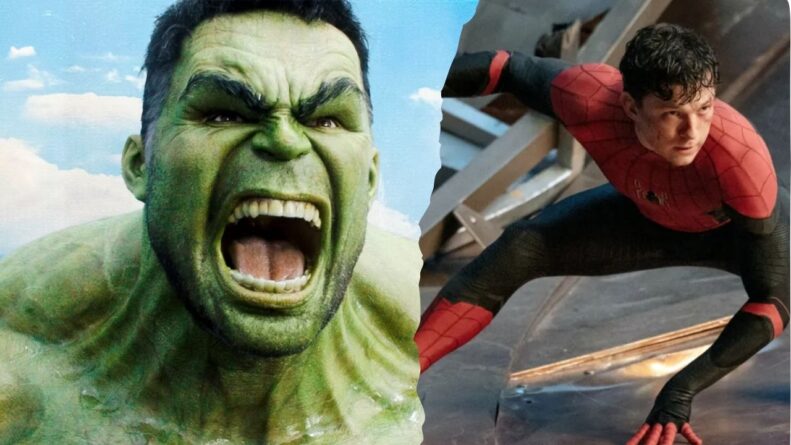
Tom Holland’s Peter Parker has been through the ringer. The world has turned its back on Spider-Man after the incident of Spider-Man: No Way Home. In a city that has no memory of him, he is anonymous and isolated, and he wonders where he belongs. It is perfect ground for the rise of a character like The Punisher. During production, Holland and Bernthal allegedly developed a fascinating “big brother/little brother rivalry” with their characters transitioning from antagonism to a fragile understanding.
This matchup seemed so obvious, because at its core, it was really a battle of ideologies. All everyone deserves is a second chance, with great power comes great responsibility and Spider-Man is the symbol of hope. The Punisher is the hard truth that government machinery can and does grind to a halt, and when that happens, well, at least according to some, you fight fire with fire. To get these two in the same shot, is not only a fan’s dream, but a philosophical debate fought in fists and words.
Now we’re getting somewhere. The Punisher of Bernthal has always been defined by its unrelenting cruelty. The Netflix series were never afraid to depict the toll Frank’s war took — blood, trauma, and moral compromise were the pronouns of those shows.
Bernthal has gone on record to speak to these concerns and the answers should calm fans down. He did acknowledge the “level of violence” that fans are used to seeing, but offered a reassuring perspective.Around the time of the release of Spider-Man 4, Disney+ will release The Punisher: One Last Kill, a Special Presentation that Bernthal co-wrote and says will be the “high octane kind of Punisher you’ve ever seen.”
Bernthal also stressed that it was “really important to us” that he, director Destin Daniel Cretton, and Tom Holland that the version of the Punisher in Spider-Man be the “same character from the special.”I do believe that we achieved that,” he said, indicating that while the violence is likely toned down for the family-friendly rating, the heart of Frank Castle — his anger, his pain, his unflinching moral compass, is still there.
It is crucial that Bernthal has always been “incredibly protective” of the character, and he has said that he’s “only interested in serving it right” and that the character needs to be respected in every version. He walked away from previous scripts of Daredevil: Born Again when he felt they were not respecting what The Punisher stands for. The fact that he’s locked in for this film, indicates Marvel figured out a way to do the character without “Disneyfying” him to death.
Marvel’s tactic here is actually pretty smart. In The Punisher: One Last Kill—a TV-MA special presentation—before Spider-Man: Brand New Day, you’re getting the best of both worlds. The special, which is directed by Reinaldo Marcus Green and co-written by Bernthal himself, will be the most “visceral, psychologically nuanced, merciless, no-holds-barred” iteration of the character. It has a release date of May 12, 2026, which gives audiences two months to enjoy getting their fill of hard-R Punisher adventure before catching him in the PG-13 Spider-Man movie.
It’s a permitting Bernthal to delve into the full dark depths of Frank Castle in the special but with a slightly more accessible version on the big screen. And, Bernthal says, the two projects flow seamlessly into one another. The Punisher who staggers away from the set of Spider-Man is the same Punisher who makes an appearance in the special .
What’s exciting in particular is that Bernthal hired real military consultants to make it real. Colton Hill, U.S. Marine Corps veteran, acted as weapons and tactics consultant for the special and served as military advisor for Spider-Man 4, confirmed that Frank Castle’s combat abilities and mentality is accurately represented for the character’s background. This is the level of detail that endears fans to Bernthal in this role — he gets that for a lot of vets, The Punisher is more than a comic book figure, he’s a reminder of the cost of war and how hard it is to come home.
A recently released trailer also gave us our first look at Bernthal, and it was indeed everything we could have hoped for. In a short but sweet snippet, we catch a glimpse of The Punisher plowing over Spider-Man in his iconic Battle Van, this is the first time we’ve seen this vehicle in a live-action adaptation.
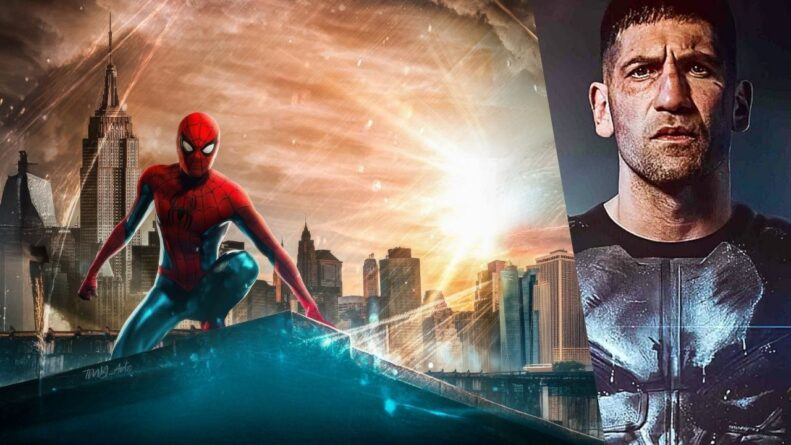
Spider-Man franchise will take a new road which brings alpha and Gen Z generation altogether for its street-level fighting and more powerful characters. Destin Daniel Cretton directed this film who previously worked on Shang-Chi and the Legend of the Ten Rings. Kevin Feige has said this movie at last has Holland play a “real Spider-Man” fighting everyday crime on the streets of New York, rather than facing threats that could kill the planet, which is what the ending of No Way Home promised.
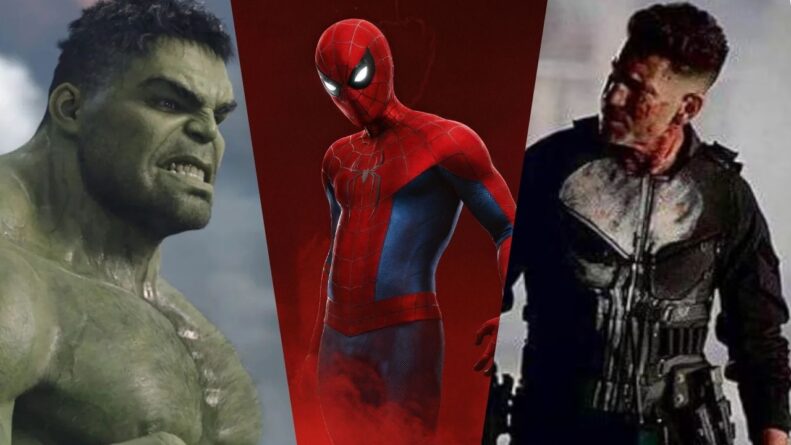
The other casting members like Zendaya and Jacob Batalon are also joining, which makes fans more excited to watch them together with Holland and Bernthal alongside newcomer Sadie Sink. It’s not enough yet because Mark Ruffalo portrays Hulk and Michael Mando returns as Scorpion, which means it’s heading towards the larger MCU.
Jon Brenthal showcasing his physicality and emotional realism which makes The Punisher original and keeps his ranking up in a world of CGI-heavy superheroes. He isn’t acting the role of pain, he is pain. Every sneer, every scar, every moment of barely contained rage feels earned.
Bernthal’s dedication is not limited to screen. He has openly talked about what the character represents to the military community and he has refused to waive on the darkness that defines Frank Castle. In a time when franchises seem increasingly focused-grouped to death, Bernthal’s Punisher is genuinely menacing, unpredictable and real.
As we tick away to July 31, 2026, the excitement is palpable. And this is not ‘just another superhero team-up;’ it is the culmination of almost a decade of storytelling, the crossing of two Marvel eras, and the confirmation of a performance that has shaped an entire generation’s perception of who The Punisher really is. Jon Bernthal is back. The skull is back. And this summer, moviegoers will get to know there’s no other person who could play this part like Netflix fans have for years now.
Read More:- How Daredevil: Born Again Season 2 Blurs the Line Between Fiction and Reality
Ultimately, Jon Bernthal’s comeback as the Punisher in Spider-Man: Brand New Day isn’t just a simple return, but rather a full-circle moment for the character and the audience. It began as a gritty down-and-dirty perspective on the shadows of Hell’s Kitchen, and now its big-screen event bridging two very different eras of Marvel storytelling.
Dive into the Marvel Cinematic Universe to get detailed information on characters from Fandomfans.

Discover why Marvel Comics is launching the Midnight Universe Variant Cover Program, its purpose, featured creators, and what it means for fans and collectors.
Walk into the comic shop on October 7 and ask for a copy of Midnight X-Men #1. The clerk isn’t going to just hand you one. They’re going to ask which one — because Marvel built it that way on purpose. The Marvel Comics Midnight Universe Variant Cover Program locks in five recurring covers, labeled A through E, on every issue of the publisher’s new horror imprint, and it’s the most structured collector play Marvel has run in years.
If you’ve ever walked out of a shop annoyed that your favorite artist’s variant sold out before you got there, this is Marvel’s attempt to fix that — or, depending on how you look at it, to make sure you’re buying five books instead of one.
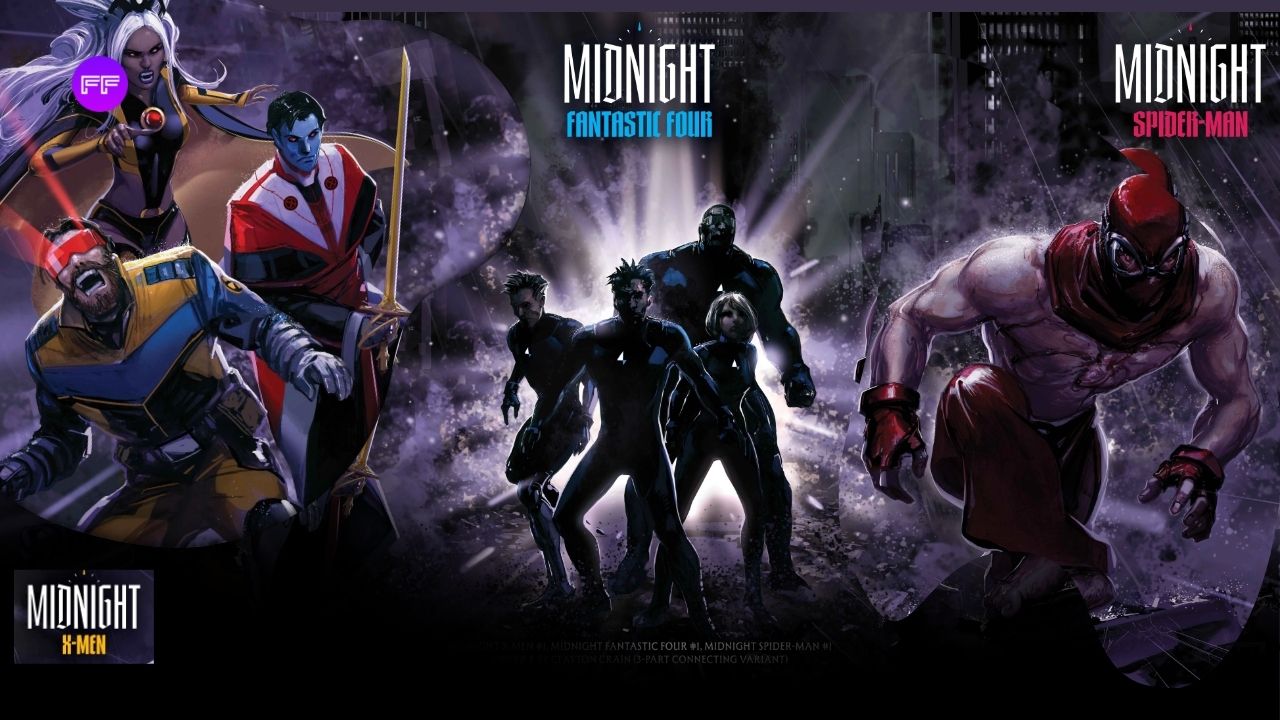
Marvel announced the program in mid-July, ahead of the Midnight line’s October 7 launch, and it applies across all three debut titles: Midnight Spider-Man, Midnight Fantastic Four, and Midnight X-Men. Instead of one-off variant covers that show up whenever a shop feels like ordering them, every issue in the line gets the same five-cover structure, month after month:
On top of the A-through-E system, Marvel is also running three-part connecting variant covers by artist Clayton Crain across the launch titles, and a “Cloaked Cover” gimmick that hides the actual art until a shop unwraps or scans it — a wrinkle aimed squarely at people who like the mystery-box side of collecting.
The stated goal, according to Marvel’s own announcement of Marvel Midnight Universe Variant Cover Program, is consistency: shops can predict what their regulars want every month instead of guessing at one-off variants, and readers know exactly what they’re getting into before they walk in. That’s a real, practical retail problem Marvel is solving here — variant cover chaos has been a running complaint from shop owners for years, and a fixed A-E system is a genuine attempt to standardize ordering across an entire imprint rather than issue by issue.
The same-day release piece matters more than it sounds like on paper. Ordering three separate books on three separate schedules, each with its own one-off variant lineup, means a shop’s owner is juggling three different sets of Diamond or Lunar order forms with three different deadlines and three different guesses about demand.
Collapsing that into one October 7 launch, with one shared cover structure across all three titles, turns three separate ordering headaches into one. That’s the kind of unglamorous back-office fix that never makes a splashy press release on its own — which is probably why Marvel bundled it with a horror-flavored variant program dramatic enough to actually get written up.
Marvel isn’t inventing the concept of a themed variant program from scratch — publishers have run alphabet-labeled variant systems before, usually tied to a single event or anniversary. What’s different here is duration and scope. This isn’t a six-week promotional push around one crossover; it’s the permanent cover architecture for three separate ongoing titles, meant to stay in place issue after issue rather than fade out once the launch hype dies down.
That’s a bigger commitment than most variant programs make, and it’s also a bigger bet — if sales dip by issue #4 or #5, Marvel has locked itself into printing five covers a month for books nobody’s talking about anymore.
Read More 👉 How Did Wolverine Get His Adamantium Skeleton in X-Men ’97? Explained
The Marvel Midnight Universe Variant Cover Program only matters if the books underneath it are worth chasing, so here’s what’s actually launching on October 7.
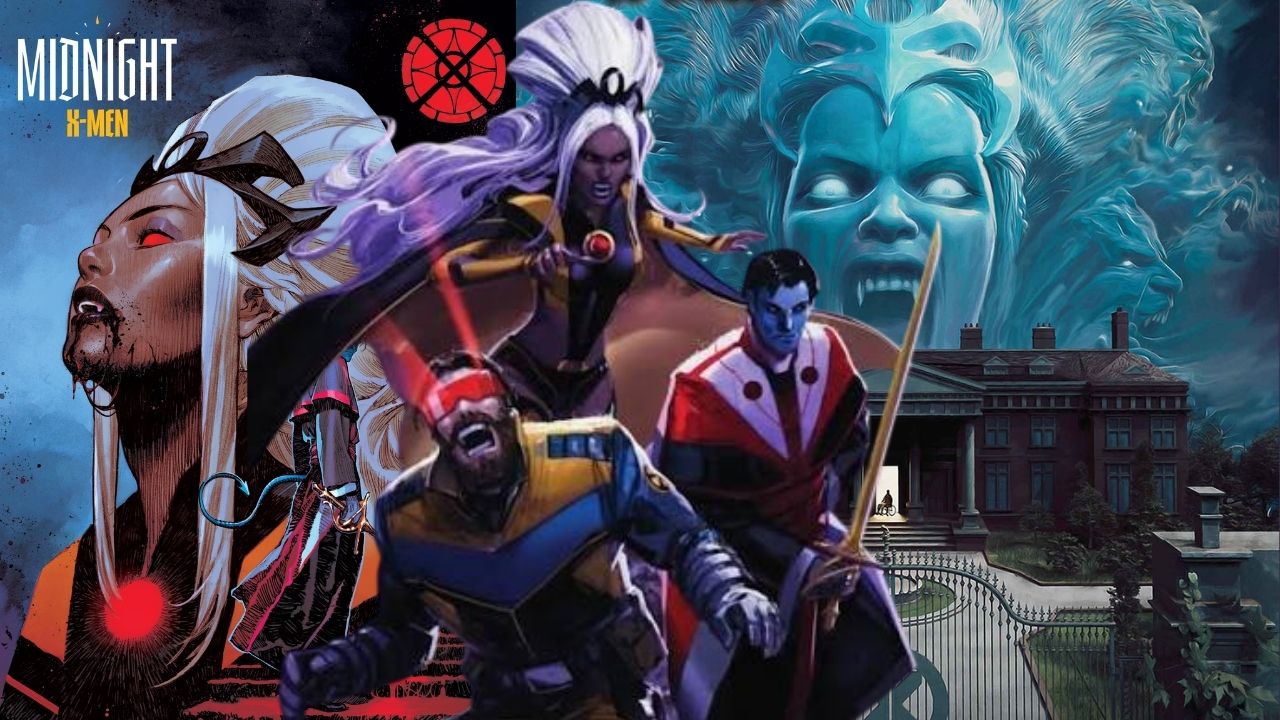
Written by Jonathan Hickman with art by Matteo Della Fonte, Midnight X-Men reimagines New York as contested ground between vampires and what Marvel is calling “mutant empires.” The two factions are holding an uneasy peace that’s already cracking by issue #1 — early previews show Storm and Nightcrawler apparently turned into vampires themselves, which tells you how fast that peace is falling apart.
Hickman has been vocal about how much he’s enjoying the project, saying at one point that it’s the most excited he’s been about a book in years. Issue #2, already solicited for November, puts Cyclops front and center as a vampire hunter, which suggests Marvel has real long-term plans for this book rather than a one-and-done horror gimmick.
For a franchise that’s spent the better part of a decade on Krakoa-era politics and mutant nation-building, dropping the X-Men into a straight-up vampire war is a genuine tonal swing. Della Fonte, whose prior Marvel work includes Nova: Centurion, is drawing a book that leans hard into gore and body horror rather than the sleek sci-fi look X-Men readers got used to under the Krakoa banner — early preview pages already show Storm feasting on Phoenix, which tells you Marvel isn’t holding back to protect anyone’s sacred cows.
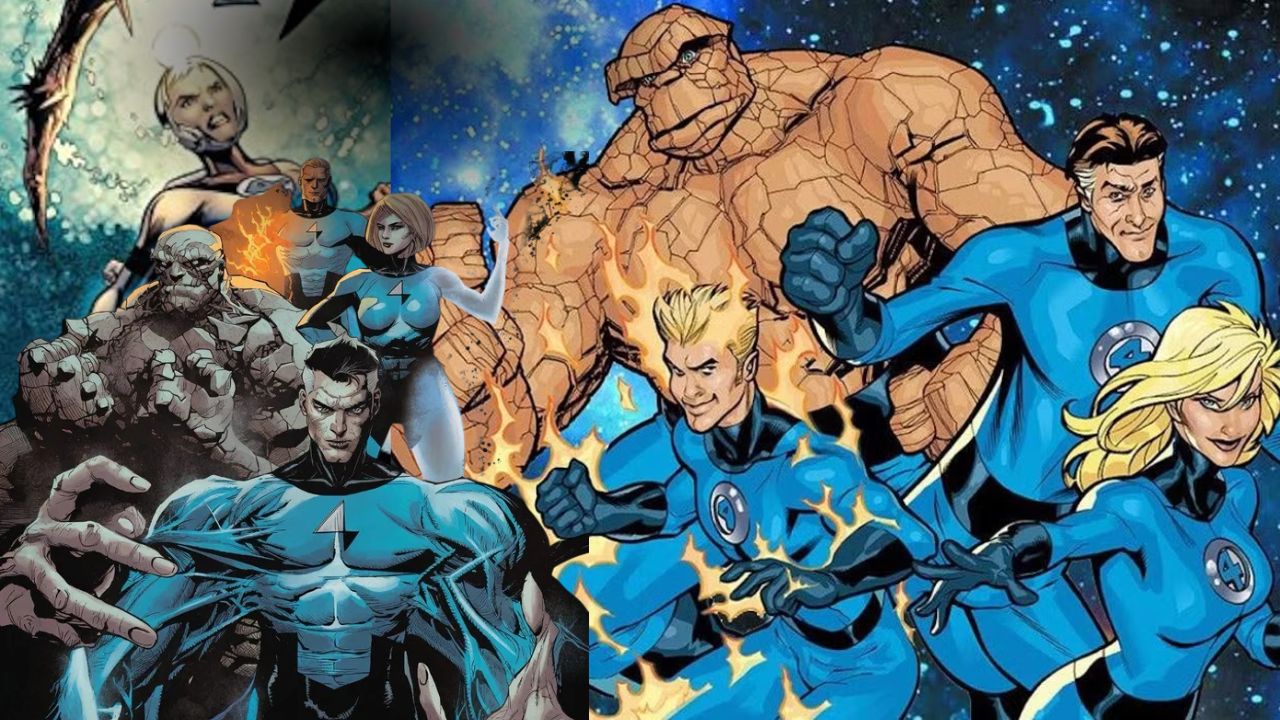
Benjamin Percy writes, with Kev Walker on art. Marvel’s own synopsis describes a scientist’s curiosity accidentally unleashing ancient terrors on the world while transforming himself and three others in “strange and horrifying ways” which is about as close as you can get to a body-horror take on the FF’s classic origin without spelling it out panel by panel.
Percy has built a career on horror-adjacent Marvel work — Wolverine and X-Force runs that leaned into body horror and paranoia long before Midnight existed so this pairing tracks. Walker’s art has the kind of jagged, unsettling linework that suits cosmic horror better than a straight superhero book, which matters here since the FF’s power set is getting rewritten around dread rather than wonder.
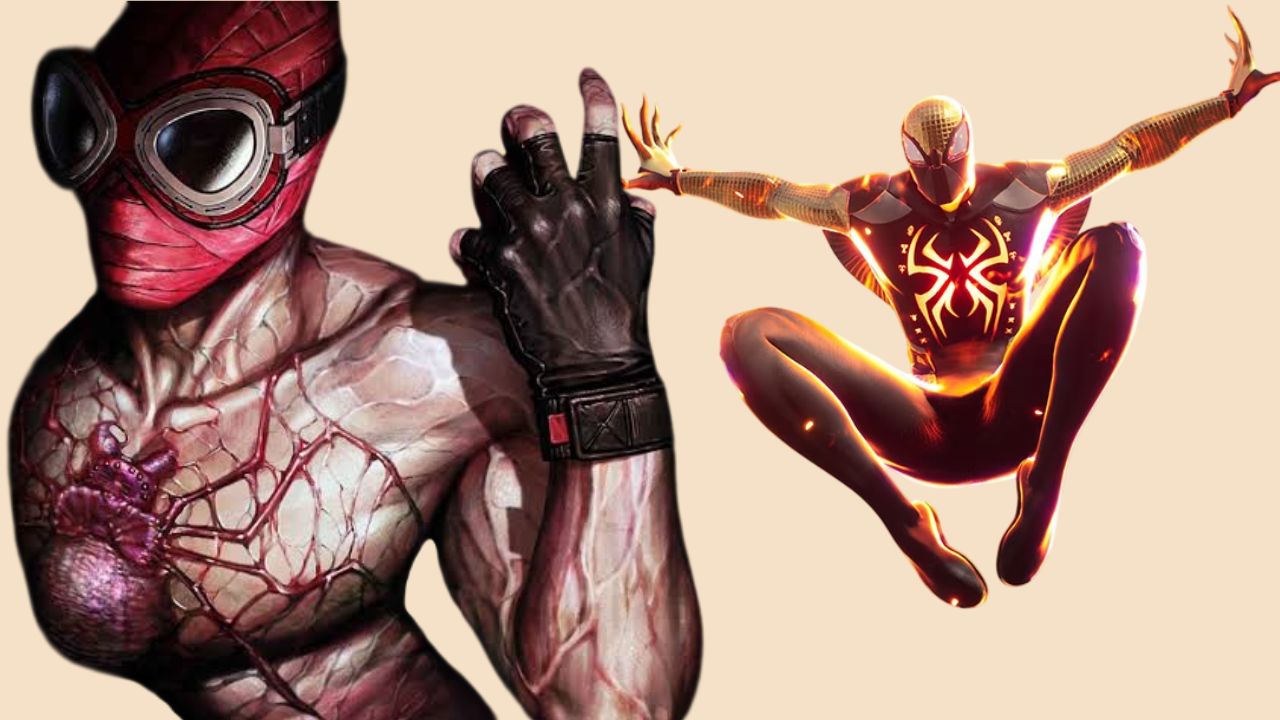
Phillip Kennedy Johnson writes, with ScieTronc on art. Marvel’s official line teases that Spider-Man discovers “with great power… comes something monstrous” — intentionally vague, and Marvel hasn’t confirmed specifics beyond that. You’ll see some outlets already floating a specific transformation tied to Oscorp; treat that as speculation until Marvel or the creative team confirms it directly, because it hasn’t shown up in any official synopsis yet.
What Marvel has confirmed is the pairing itself — Johnson coming off high-profile Marvel writing work, paired with ScieTronc’s art, on the book carrying the line’s most recognizable face. Of the three launch titles, Midnight Spider-Man is the one Marvel has said the least about, which either means they’re holding the twist close or that it’s still being locked down this close to release. Worth watching for a fuller synopsis as October gets closer.
The first question — why does this specific Marvel Midnight Universe Variant Cover Program exist has a confirmed answer: Marvel wants predictable, line-wide ordering for retailers and a same-day release for all three titles instead of a staggered rollout. In fact, Marvel had originally planned to stagger the three books starting in August, then restructured the whole thing into a single mega-launch on October 7 so all three debut together. The variant program is part of that same restructuring — one unified system instead of three separate ordering headaches.
The second question — why is Marvel launching an entire horror-themed alternate universe in the first place does not have an officially confirmed answer, no matter how many outlets frame it that way. What’s actually happened is that DC’s Absolute Universe line, which launched in October 2024 with Absolute Batman and built out from there, has had a genuinely strong critical and commercial run, and a wide swath of comics press — Screen Rant, Den of Geek, Bleeding Cool, Inverse, and others has openly speculated that Midnight is Marvel’s answer to it.
That’s a reasonable read given the timing and the tonal overlap: both lines take a “darker, altered reality” approach to flagship characters. But Marvel itself has never said “we built this because of DC,” and treating that connection as confirmed fact rather than industry analysis is the kind of thing that gets an article fact-checked into embarrassment later. It’s a fair theory. It’s not a quote.
Read More 👉 Who Is the New Editor-in-Chief of Marvel Comics? Stephen Wacker Explained
Depends which side of the shop counter you’re on. For retailers, this is close to a win across the board — a fixed five-cover system across three ongoing titles is dramatically easier to order for and stock than the usual scattershot of surprise variants that show up whenever an artist has a slow week. For readers who like completing a set, it’s also genuinely appealing: you know exactly what you’re chasing every single month, across all three books, instead of finding out after the fact that a shop got one copy of the cover you wanted and it’s long gone.
The catch is the math. Five official covers times three ongoing monthly titles is fifteen covers a month if you’re a completionist, before you even factor in the Clayton Crain connecting covers or any one-off exclusives Marvel layers on top later. The Cloaked Cover gimmick is fun the first time and expensive the tenth time, especially if you’re the kind of reader who wants to know what you’re buying before you buy it rather than treating every issue like a scratch ticket. Consistency is good for planning your spending. It doesn’t automatically mean you’ll spend less.
There’s also a longer-term collector risk worth naming plainly: alphabet-labeled variant systems only hold their value if the underlying books keep selling. If Midnight Fantastic Four or Midnight Spider-Man cools off by the fall while Midnight X-Men carries the line on Hickman’s name alone, expect Cover E gallery pieces on the weaker titles to become easy back-issue-bin finds within a year, no matter how nice the paint job is. A five-cover system doesn’t create demand by itself — it just makes it easier to see exactly how much demand exists, issue by issue, once the initial launch rush wears off.
If you’re picking up Midnight X-Men, Midnight Fantastic Four, or Midnight Spider-Man on October 7, decide your cover strategy before you walk in, not at the register. Cover A alone gets you the story and the “Cloaked Midnight” trade dress that’s meant to define the whole line’s identity — that’s the same baseline if you’re budget-conscious.
If you’re chasing art specifically, Cover E’s painted gallery style is the one most likely to hold value as a standalone piece, since prestige painted covers tend to age better than gimmick Marvel Midnight Universe Variant Cover Program once the initial hype cools off.
Dive into the deeper details with Fandomfans based on the latest updates from movies, series, and celebrities.