90s Movies List: That Proved 1999 Was Best Year for Movies
Explore the ultimate 90s Movies List proving why 1999 was the best year for cinema, featuring The Matrix, Fight Club, Magnolia & more iconic films.
Published: January 6, 2026, 1:03 pm

Explore the ultimate 90s Movies List proving why 1999 was the best year for cinema, featuring The Matrix, Fight Club, Magnolia & more iconic films.
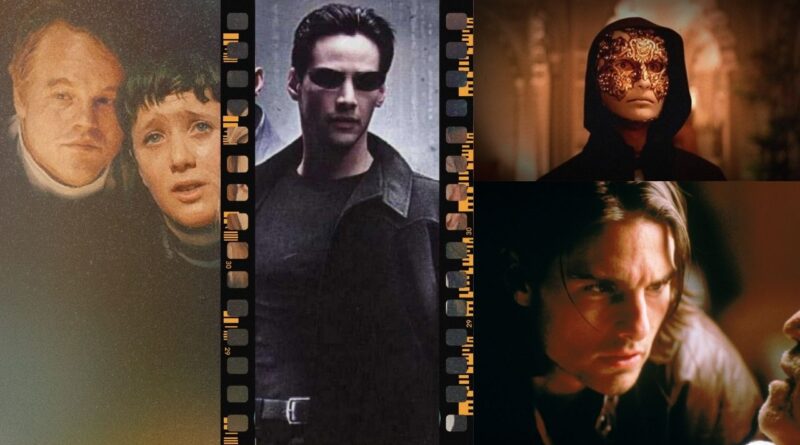
There is no question that 1999 was a blockbuster year for movies, with countless groundbreaking films that have defined popular culture. Here is 90s Movies List from the mind-boggling visual effects and philosophical musings of The Matrix to the shattering shock and surprisingly heartfelt emotional payoff of The Sixth Sense and the ferocious, anarchic spirit of Fight Club, each movie redefined the genre it was working in and spoke to its own particular audience. It was also a year in which directors and producers took a few chances and the final fruits of their risky labors continue to be enjoyed more than 25 years later. Truly, 1999 set a high bar for what cinema could be.
The last year of the last century was more than just a date on a calendar. It was a tectonic shift in Hollywood: the old guard of cinema collided with a new class of filmmakers who didn’t aren’t run the rulebook. Stanley Kubrick and Steven Spielberg still commanded respect (along with the likes of Francis Ford Coppola and Martin Scorsese), but a new generation was emerging — Spike Jonze, Sofia Coppola, M. Night Shyamalan, David Fincher, Paul Thomas Anderson — and rewriting what a movie could be. The year seemed like the zenith of everything the 1990s had been building toward — indie films gaining mainstream legitimacy, blockbusters getting smart, and moviegoers revved to engage with difficult, out-of-the-way tales.
And there was something else in the cultural air that year. The approaching millennium, and the year 2000, or Y2K, brought with it a sense of collective existential dread that many filmmakers sought to channel— albeit while celebrating the liberating spirit of the past. The upshot: it was a year that not only produced fine films, but fine films of, it seems, every possible genre and style.
When the Wachowskis’ The Matrix opened in March, they hadn’t simply made a movie — they’d changed the language of action cinema forever. Featuring revolutionary “bullet-time” visual effects and questions about the nature of reality, kung fu, science-fiction, and existential philosophy, The Matrix was like nothing anyone had seen before.
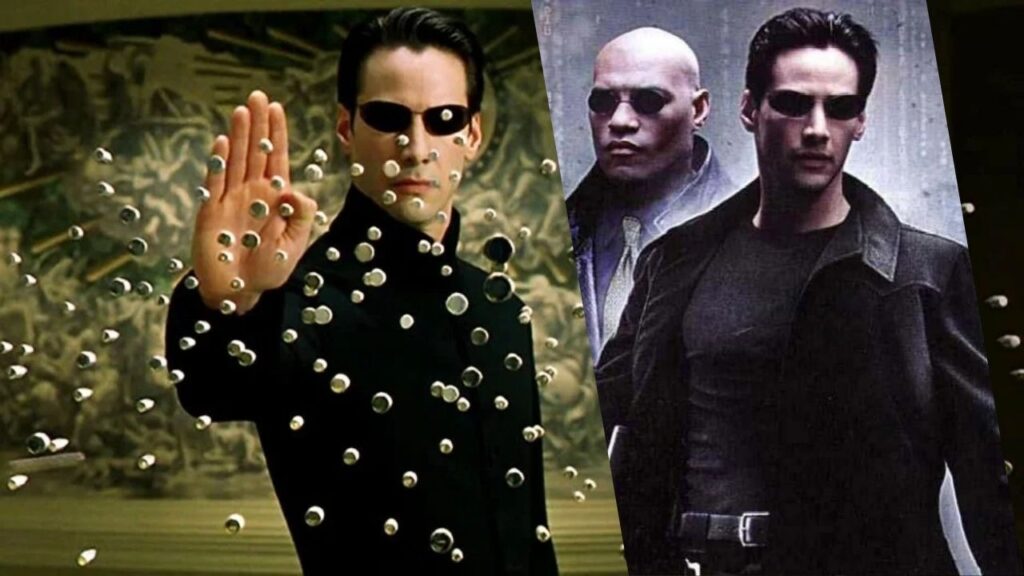
Keanu Reeves’ quietly assured turn as Neo has become iconic, with Laurence Fishburne and Carrie-Anne Moss also excellent. The film made $466 million worldwide and continues to inspire filmmakers today. What was remarkable wasn’t just the new technology — it was how that new technology allowed for the expression of high-level ideas about free will and reality that were easy to grasp.
M. Night Shyamalan made a striking debut with a psychological thriller that turned into a cultural touchstone. Bruce Willis, making a bid for dramatic respectability, was a perfect match for nine-year-old Haley Joel Osment in a movie that was really just a series of linked ghost tales. The movie’s legendary twist is one of film’s best kept surprises — an ending that rereads everything you’ve seen.
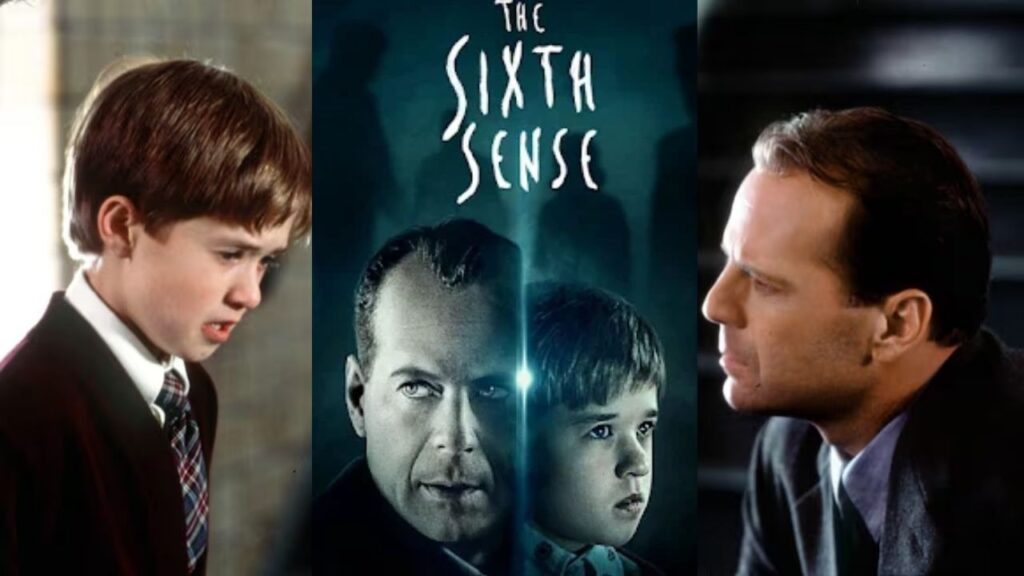
But the most important thing about the twist is that it didn’t come off as a cheap trick – it is earned, powerfully, through carefully-crafted screenwriting and emotional veracity. The Sixth Sense grossed $672.8 million worldwide to be the second-highest grossing film of 1999, and it still holds up as a tender thriller that’s all in suggestion, not blood.
David Fincher’s adaptation of Chuck Palahniuk’s novel was not only one of the most violently thought-provoking movies of the year. It was, paradoxically, one of its most rewarding experiences. What is discomfiting at first becomes addictive at second, third, and even fourth viewings. As the insomniac, crumbling narrator Edward Norton struggles not to fall under the spell of charismatic Tyler Durden, Brad Pitt dive bombs into a ferocious satire of consumerism, fragmented masculinity, and contemporary rebellion.
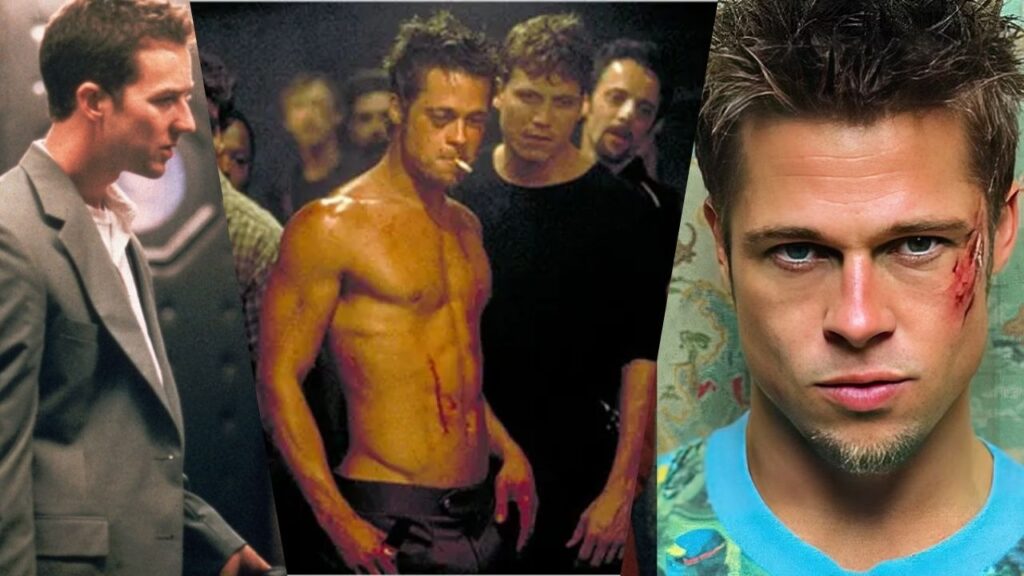
That film’s twist is quieter and morally ambivalent, and works by revealing a narrator’s split mind. With an IMDb rating of 8.8, Fight Club has risen above the backlash that it received at its release and has been seen as a film of true artistic merit masquerading as mindless entertainment that causes conversations about meaning and social critique.
Mendes (Bond) debuted behind the camera on features with the year’s Oscar darling, taking home five Academy Awards, among them Best Picture and Best Actor for Kevin Spacey. Darkly satirical about suburban American culture, the trend was immediately established – Mendes and screenwriter Alan Ball were revealing the emptiness behind Middle America’s perfectly trimmed lawns.
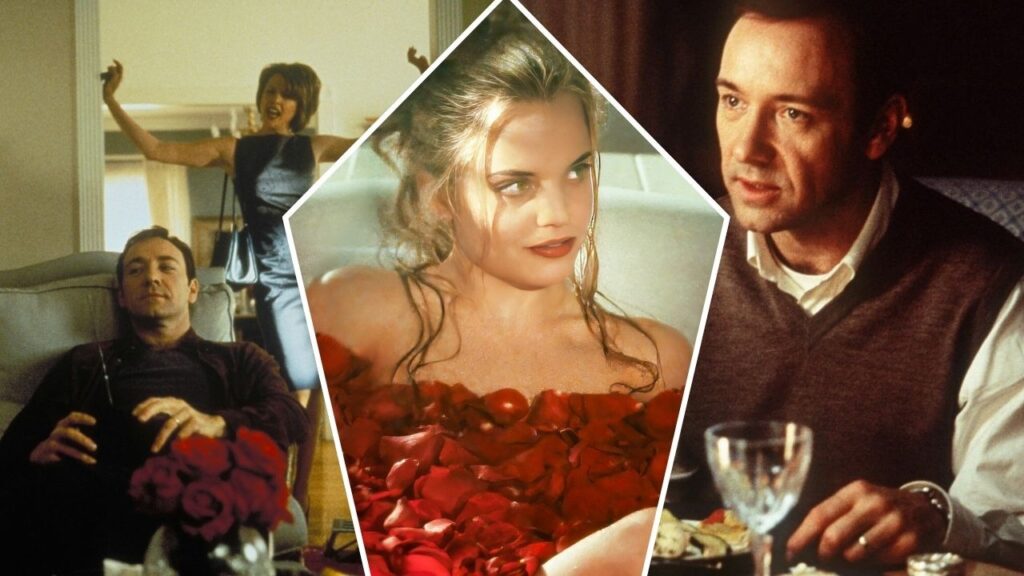
It was one of the rarest of things in Hollywood: a critics hit that also became a box office giant, raking in more than $350 million on an unassuming $15 million budget. That’s not to say that the film’s reputation hasn’t been reconsidered in recent years, though its impact on cinema is certainly undeniable.
The last film of Stanley Kubrick was meant to be his big comeback. What the viewers were offered was something much richer: a relationship drama hiding behind the trappings of a thriller, a farcical, sexual black comedy, and a reflective film on marriage and desire.
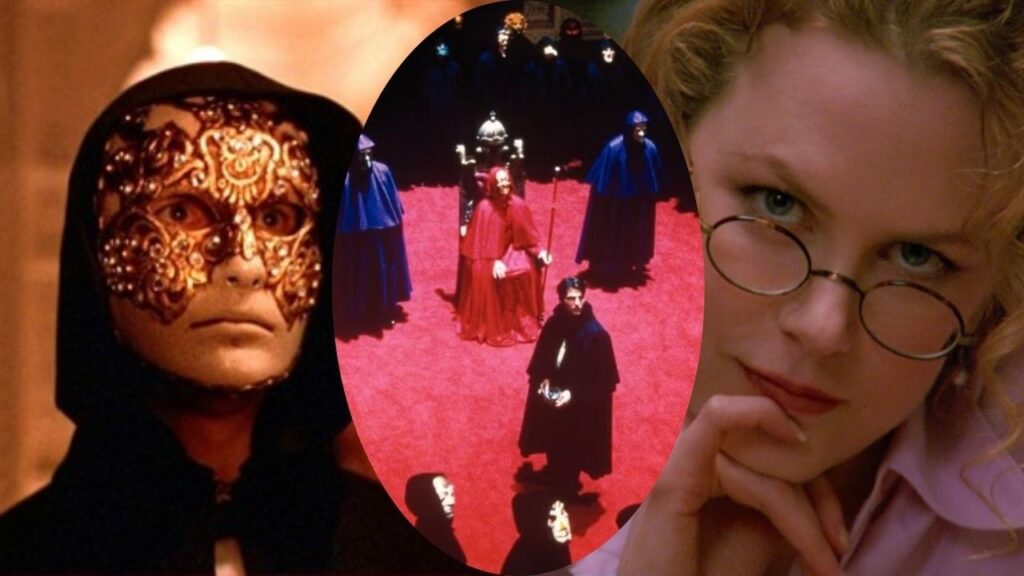
Tom Cruise and Nicole Kidman gave raw performances, and Kubrick’s obsessive direction turned a well-worn story line into something truly disturbing and thought-provoking .
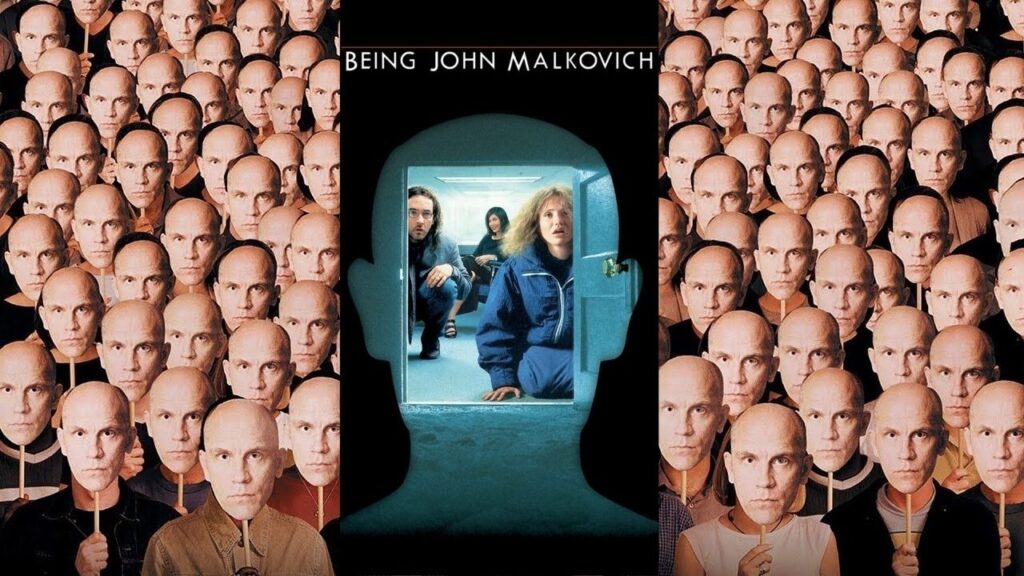
Spike Jonze’s first feature film’s concept, a portal into the thoughts of actor John Malkovich might have been a novelty, but Jonze uses it to examine identity, obsession and the nature of consciousness itself. Cameron Diaz, John Cusack, and Catherine Keener give surprisingly profound performances in what easily could have been a straightforward comedy.
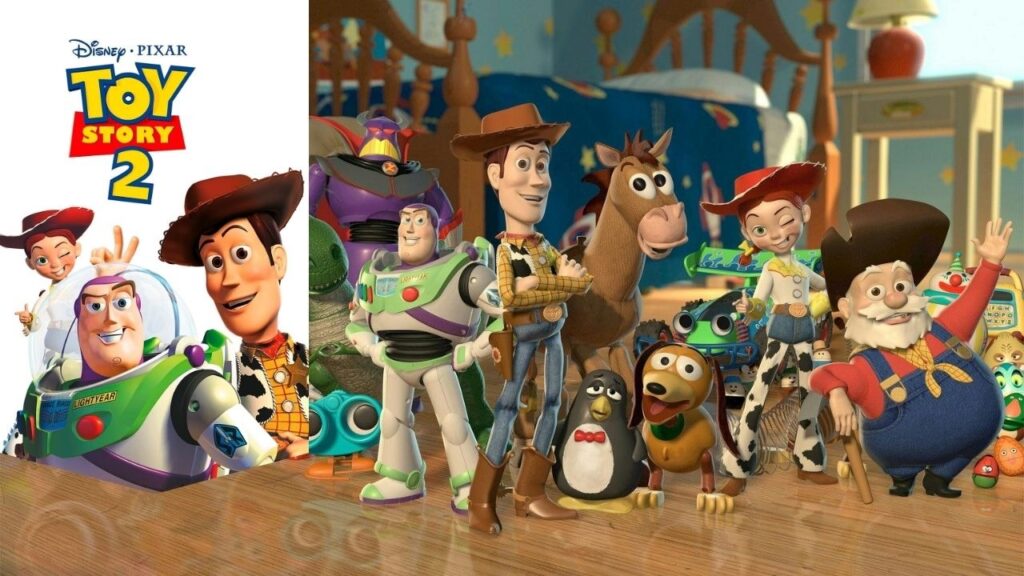
Toy Story 2 showed that animated sequels could say something artistically, rather than just being financial grabs. It helped establish Pixar as a studio that treats its adult intelligence and emotions—and it remains one of the most powerful films in Pixar’s entire library.
When it hit theaters in 1999, it revolutionized the horror genre with its use of found-footage style narration, minimal production costs, and a genius marketing strategy that obscured fact and fiction.
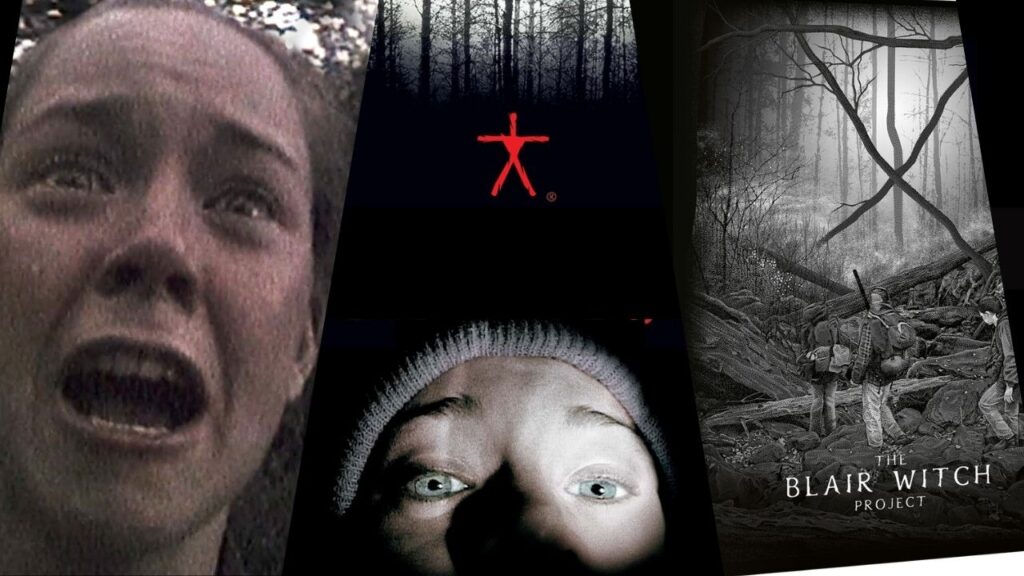
The Blair Witch Project become the excessive horror which success demonstrated that people could be entertained simply by a story and a mood, without elaborate special effects or movie stars.
Magnolia interlaces a number of connected stories throughout the day and night. At its heart, the film is about guilt, forgiveness, regret, trauma, coincidence and connection between people. The various characters’ lives intersect in small (and occasionally stunning) ways, leading up to one of the most-discussed finales in contemporary film.
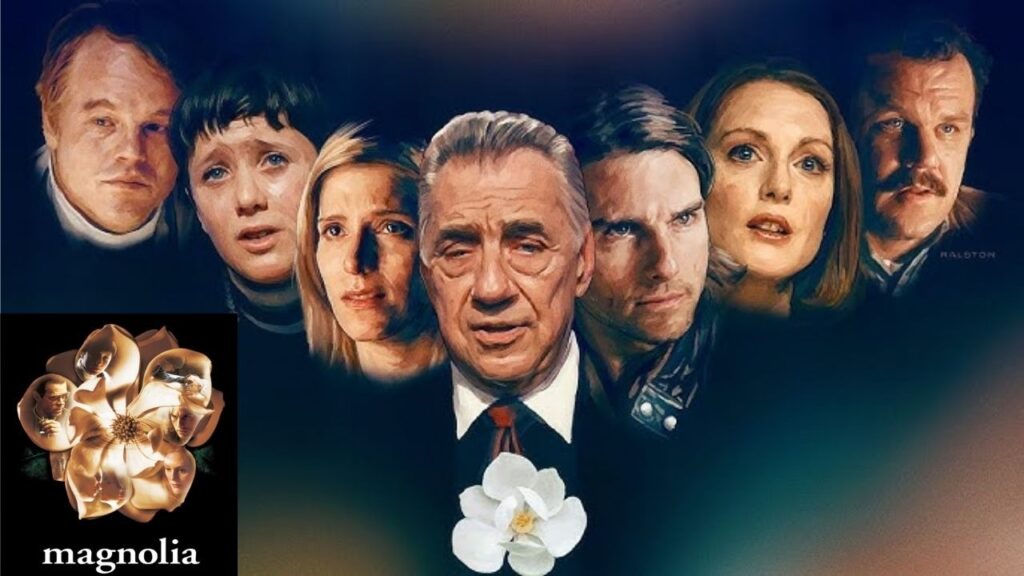
Magnolia is now considered a cult classic, and is often regarded as one of the best films of 1999 and one of the best ensemble films ever. It’s flawed and difficult, and so human — all of which is why it continues to provoke discussion more than twenty years on.
The “Best Man” (1999), directed by Malcolm D. Lee, is a romantic comedy that rode the wave of popularity of the genre back then. With a predominantly Black cast, the movie is about a group of college friends coming back together for a wedding. Taye Diggs is a rising novelist whose latest book causes trouble — it’s a roman à clef that draws on their own lives.
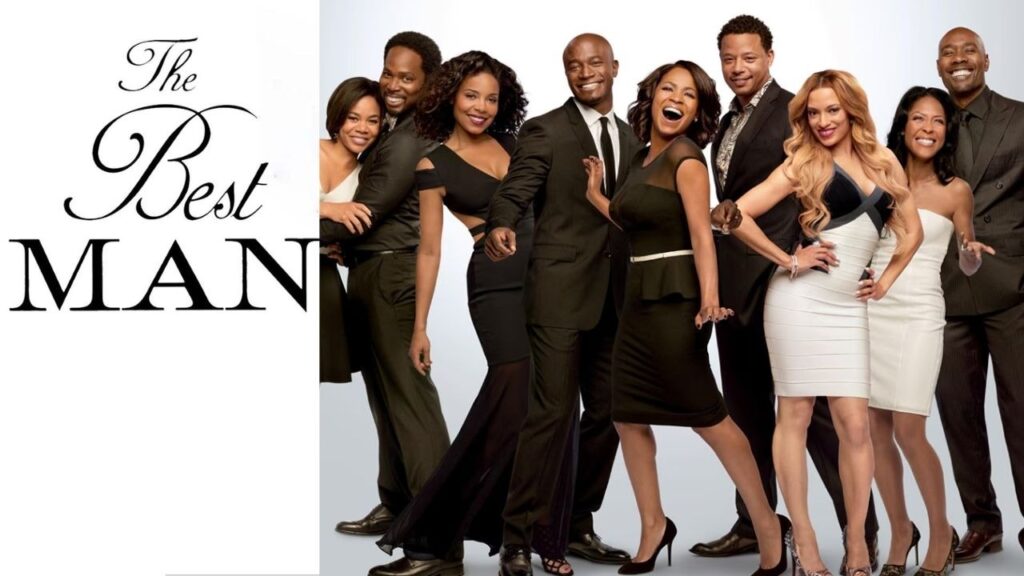
Warm, funny and sexy, the film was a box office hit and managed to distinguish itself without crass commercial exploitation or without being too blatantly positioned as a “milestone” in Black representation. Executive produced by Spike Lee, who is also the director’s cousin, “The Best Man” continues to hold a treasured place in the romcom canon.
Read More:- Critics Choice Awards 2026 Honor Best Performances — Top Winner List
What is interesting is that 1999 itself was not universally hailed as the best year in the 90s Movies List. American Beauty took the Oscar, but Being John Malkovich was more highly lauded. Fight Club divided opinions upon its release. It was a long time before audiences and critics as a whole realized what they had experienced that year: They’d been treated to something extraordinary—an entire year in which the movies seemed vital, even dangerous, and endlessly inventive.
In an era when blockbuster culture reigns and original concepts have a hard time securing funding, 1999 stands as a powerful testament to what can be achieved. It was the year that arthouse brains met Hollywood brawn, when first-time filmmakers could become auteurs overnight, and when a movie didn’t have to come from a known property to become culturally significant. Looking back, 1999 was not just a great year for movies — it was the year that movies proved that they still mattered.
Dive into the world of 90s movie list with Fandomfans and get every detail from your movies, series and celebrity.

The Housemaid (2025) review explores Paul Feig’s chilling adaptation, powerhouse performances, BookTok success, and the film’s dark take on power and control.

The Housemaid (2025), from director Paul Feig, channels that anxiety with laser accuracy, turning the dream of home life into a stifling mental institution. Based on Freida McFadden’s viral novel, Paul Feig’s adaptation of The Housemaid (2025) strips back the layers of wealth, beauty and privilege to reveal a much darker truth – where control, surveillance and survival intersect within the walls of an ostensibly perfect home.
Distributed in late 2025, The Housemaid, is more than just a film, it is a cultural moment. It’s the summit of the “BookTok-to-Big Screen” assembly line, adapting Freida McFadden’s viral 2022 novel into a “shlock-serious” cinematic extravaganza. Lionsgate got a desperately needed win at the box office, audiences got a deliciously dark holiday diversion that married high-brow psychological tension with the raw exuberance of a 90s erotic thriller.
The story starts with a classic set-up: a stranger enters a closed off system. Sydney Sweeney as Millie Calloway, an ex-con who is so desperate for a job that she ends up at the Winchester estate in Great Neck, Long Island. For Millie, this isn’t just a paycheck—it’s the lifeline that keeps her out of prison.

The Winchesters appear to be the dream employers. Nina (Amanda Seyfried) is the ethereal, if unpredictable, matriarch, and Andrew (Brandon Sklenar), the “perfect” husband who is charming, patient, and seemingly stuck in a marriage with a volatile woman. But the house itself tells a different tale. Millie is hidden away in an attic room that is the polar opposite of the mansion’s grandeur: a tiny room with a door that locks only from the outside.
Just as we’re settling into our rhythm of feeling sorry for Andrew and being scared of Nina, Paul Feig pulls the rug out from under us. Midway through the movie, the point-of-view shift reveals that Nina’s “madness” is not a sign of instability, but a means of survival. The real monster is the one in the tailored suit and the charming smile.
Comedy director Paul Feig (Bridesmaids) demonstrates he has more strings to his bow.
It’s like “a Nancy Meyers movie that takes an unexpected dark twist” he said.
Through employing” huge rewind POV shifts”, Feig compels the viewers to question everything they know, just as we “dig deeper” into social media accounts to uncover the truth behind the filters.
The chemistry the two leads share, and the great contrast of their attitudes, goes a long way to making the film work.

| Character | Portrayed By | Narrative Role |
| Millie Calloway | Sydney Sweeney | The Protagonist, an ex-convict seeking survival. |
| Nina Winchester | Amanda Seyfried | The Employer; hiding trauma behind a mask. |
| Andrew Winchester | Brandon Sklenar | The Antagonist; a charismatic serial abuser. |
Fans of the source material will be delighted that Feig didn’t shy away from the “luridly exploitative” aspects of the book. The novel’s penalties were mental, but the movie leans into bodily terror.
Rather than Millie being punished for leaving books on a table the film is focused on a broken heirloom plate, which triggers a terrifying scene of self-harm.
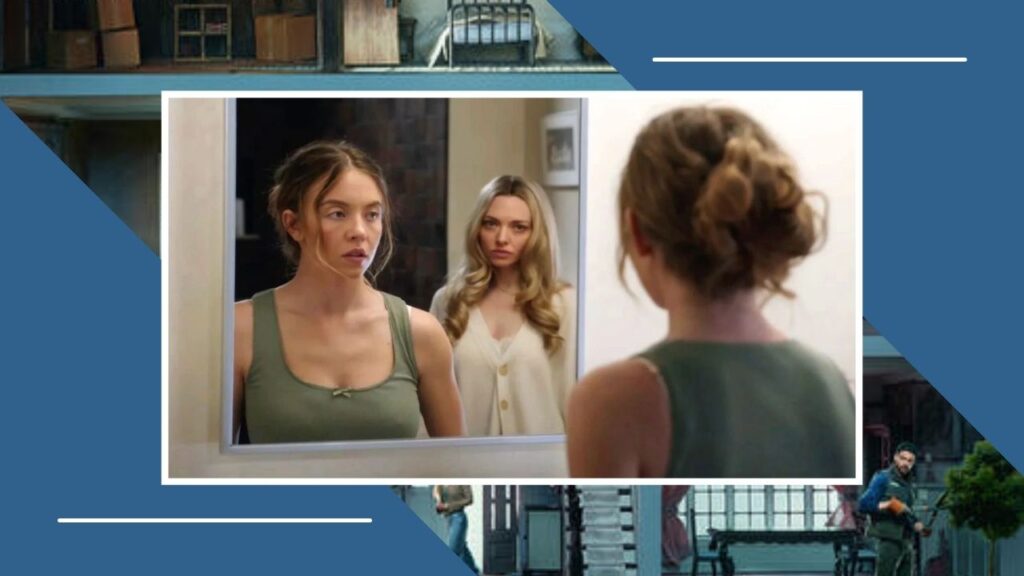
The ending, too, traded the book’s slow-burn dehydration for a high-octane staircase confrontation. And of course, there’s the “Taylor Swift factor.” Ending the film with “I Did Something Bad” wasn’t just a needle-drop, it was a manifesto of female retribution that set social media on fire.
Aside from the excitement, The Housemaid delves into the “Domestic Panopticon” — the concept that our houses, which are supposed to be our safest spaces, can turn into places of total surveillance and control. It’s a razor-sharp satire of class hypocrisy, depicting how money can purchase a lovely cage, but it can’t always keep the secrets sealed up inside.
With a strong $19 million opening weekend and two sequel novels already written by McFadden, the “Millie Calloway saga” is just beginning. It’s a win for R-rated thrillers and a reminder that sometimes, the most entertaining thing you can watch is a “perfect” life falling spectacularly apart.
Read More:- Best Horror Movies 2025 That Redefined Fear and Prestige Cinema
The Housemaid (2025) is effective when it plays on the twentieth-century fixation on façades — and then delightfully shreds them. Paul Feig adapts a viral thriller into a biting, disquieting satire of power, class and the lies we want to believe when a life looks “perfect.” Led by bold performances from Sydney Sweeney and Amanda Seyfried, the film mixes pulpy jolts with real psychological depth, showing Feig’s talent beyond comedy.
When its gore-soaked climax arrives, The Housemaid has long since made its point: behind every gleaming mansion is a locked door, behind every staged image is a truth ready to explode. It’s stylish and brutal and absolutely fun — precisely the sort of crowd-pleasing thriller that exists in your peripheral vision long after the filters come off.
Fandomfans is focusing on movies and shows deep concepts and providing you full details on your favorite entertainment.
James Gunn confirms a Supergirl teaser drops this week Millie Alcock is set to make her feature debut in the DC film, which is due in cinemas on June 26, 2026.
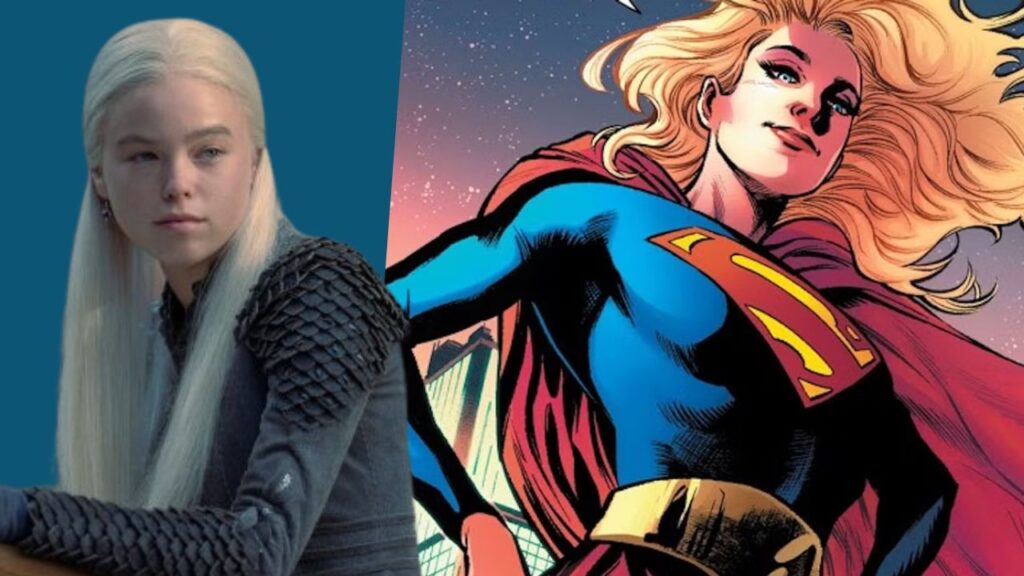
Now, the moment fans of the DC Universe have been waiting for is about to arrive. James Gunn, the visionary director and co-head of DC Studios, has just confirmed that the official Supergirl teaser trailer will be released this week. Following months of excitement after Milly Alcock’s shock debut in Superman, the Girl of Steel is ready to take centre stage.
The buzz surrounding this announcement is sky high. Ever since Alcock delivered that memorable cameo near the end of the Superman movie crashing into the Fortress of Solitude after flying on red-sun planets — fans have been begging for more. Her entrance immediately establishes the tone for a woman markedly different from her cousin, Clark Kent. Where Superman represents hope and positivity, Supergirl seems like a more layered, quixotic, even fascinating character.
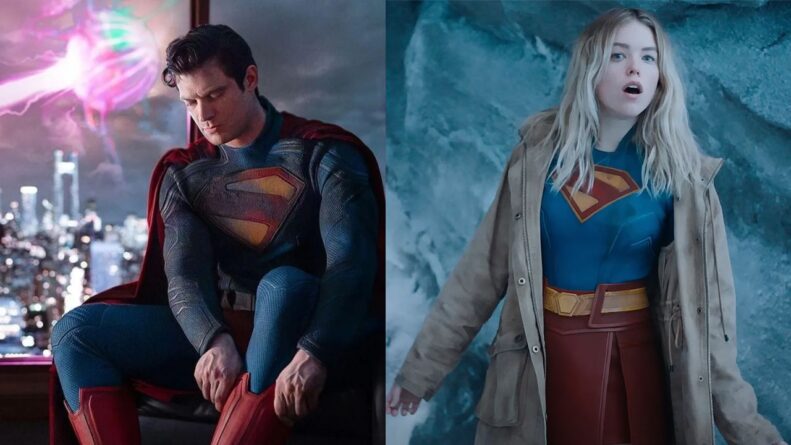
The “Look Out” marketing tag line is a pun on and a signpost to this departure from the “Look Up” Superman campaign, and it indicates that Kara Zor-El is the source of whatever new attitude is taking hold of the DC Universe.
Gunn’s confirmation comes after a massive bombshell at WB’s CCXP25 where they previewed fans with Supergirl’s official costume as the world is built with themed vignettes.

The studio certainly went all out to drum up excitement for the next big chapter in the franchise. In releasing the teaser trailer this week they are also tapping into that buzz and making sure people are talking as we get closer to the film’s release on June 26, 2026.
The character has long lived in the shadow of Superman, playing a secondary role for much of its existence. However this new version of Supergirl, based on the acclaimed “Supergirl: Woman of Tomorrow” story arc, will be about giving Kara Zor-El her own adventure. From director Craig Gillespie (I, Tonya) — who is also co-writing the script alongside Zach Dean — this one is being described as a space adventure with emotional impact and complexity. James Gunn has also previously teased that Supergirl will be a cosmic journey fans have never seen before.
Read More 👉 ‘The Boys’ Season 5: “Scorched Earth” is Coming in 2026, and We’re Not Ready
The teaser trailer was originally posted on social media, offering fans their first look at Milly Alcock as Kara Zor-El. Alcock, who won hearts with her portrayal in House of the Dragon, offers a new angle to the role. When she was cast, Gunn himself praised her ability, saying he was “blown away” by her auditions and screen tests.

With an amazing cast led by Jason Momoa as anti-hero Lobo, Matthias Schoenaerts, Eve Ridley and more, this movie has the potential to be something really special. The arrival of Krypto, Superman’s super dog, offers one more connection to the broader Kryptonian lineage being developed in this new DC Universe.
The announcement that the Supergirl teaser is coming this week is the DC Universe revitalization moment. Milly Alcock as a fearless, emotionally layered Kara Zor-El, and James Gunn at the helm of the grand creative vision – it’s clear this franchise is priming itself for a new tonal shift. Whether it’s the CCXP25 costume reveal or the “Look Out!” tagline, everything points to a character and a movie that wants to live outside of Superman’s orbit and find her own place in the cosmos.Supergirl: Woman of Tomorrow could be one of DC’s best defining cinematic moments yet.