‘Pirates of the Caribbean 6’ Could Bring Back Familiar Faces 

Pirates of the Caribbean 6 could bring back familiar characters, raising excitement among fans about the franchise's next adventure.

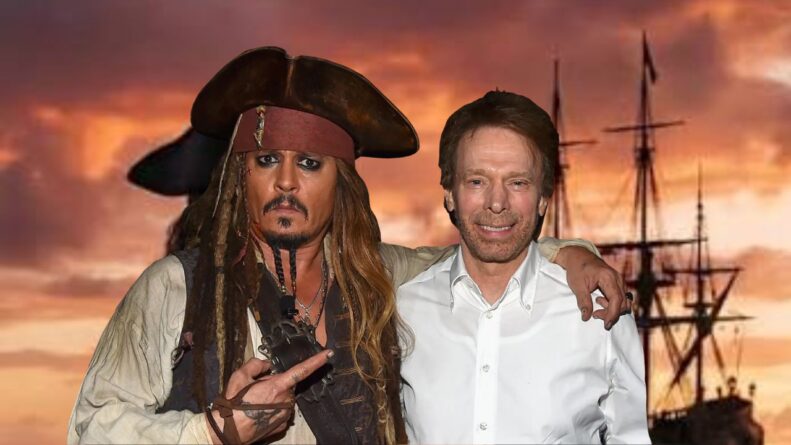
Johnny Depp’s return in Pirates of the Caribbean 6 could open the door for other familiar characters. Captain Jack Sparrow was never a conventional pirate. Depp’s performance gave Jack Sparrow global recognition in modern adventure cinema. However, there’s no official announcement for other cast details and release date.

What Is Actually Confirmed for Pirates of the Caribbean 6

Jerry Bruckheimer shared the discussion details with Johnny Depp about the sixth film of the franchise and script is still under development which hoping to meet the audience’s expectations 

There is no other announcement about the story or casting of the film yet. No release date is confirmed and it would take up to a year or two since the writing is still in progress.

Why Johnny Depp’s Return Matters To The Franchise

Pirates of the Caribbean has been the franchise most viewers grew up with watching Jack Sparrow swinging on the streets and palace to run away from the king and fighting with enemies, delivering funny and actionable scenes throughout the entire franchise.  

Johnny Depp’s Return Matters

However, The Pirates of the Caribbean 6’s success does not depend entirely on the reunion of the characters but also on the story. Disney and the filmmakers are working hard to balance the story with new characters while allowing Johnny Depp play a significant role in the unfolding story.

Johnny Depp’s recent comment shows his interest to come back and help the franchise reach a better conclusion. He shared his trust on the producer Bruckheimer but prioritizing the script remains a crucial factor to his return.

Which Original Pirates of the Caribbean Cast Members Could Return in Pirates of the Caribbean 6

Nobody besides Johnny Depp has been formally announced, so treat what follows as informed speculation.

Orlando Bloom and Keira Knightley are the most obvious names. Will Turner and Elizabeth Swann anchored the original trilogy’s emotional story. Bloom has spoken warmly about reuniting with the cast, but neither actor has been confirmed for the sixth film. A Depp deal would make a legacy reunion more appealing to the studio, but it doesn’t guarantee one.

Kevin McNally is the quiet bet. Joshamee Gibbs has been at Jack’s side through nearly every film, and a Sparrow return without Gibbs would feel oddly empty. He is also the kind of cast member a studio can bring back without much fuss.

Geoffrey Rush is the long shot with a loophole. Barbossa died in the fifth film, but this series has treated death as a suggestion since the first sequel. Curses, ghosts and flashbacks are all fair game, so a return could happen if the script wants it.

Read Also 👉 Epsilon Film Takes Worldwide Rights to the Animated Family Adventure

Conclusion

Pirates of the Caribbean 6 could allow familiar faces of the franchise to take some scenes but the entire film success is dependent on how the story is. 

Some characters are too memorable to leave behind and one is Captain Jack Sparrow. If Johnny Depp really returns to the franchise then it’s worth for fans to wait for these years. The possibility of returning other cast members is negligible but if they could, it would give the opportunity to reconnect their stories with new characters.

Comments

Leave a Comment

Your email address will not be published.

Emma

Articles Published: 38

Emma Miller is an entertainment enthusiast who is focusing on crafting storytelling blogs across all genres. Her special focus is build up around superheroes, thrillers, & historical dramas and movies. Her experience of delivering sharp review analysis and interview podcasts is helping fans to get transparency about their favorite cinema.

View Profile ↗

Priyanka Chopra Jonas’ ‘The Bluff’ Inspired From The Real Life Pirate Queens

Priyanka Chopra Jonas’ The Bluff draws inspiration from real pirate queens like Grace O’Malley, Anne Bonny, and Ching Shih.

Published: Jan 9, 2026, 12:10 PM
Last Updated: May 11, 2026, 6:47 AM

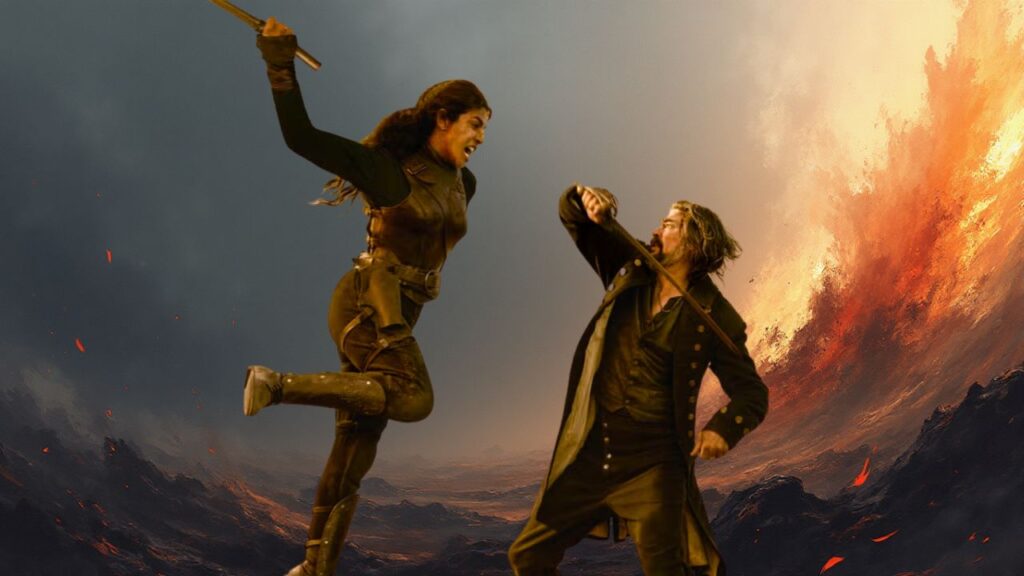
Hollywood’s depiction of a woman pirate was, for many years, a romanticized caricature-a corseted sidekick or the occasional option roguish lead surrounded by familiar hearth and home arcs. But as we get ready to see Priyanka Chopra Jonas step into the shoes of Ercell Bodden in The Bluff, the narrative is at long last shifting.

As anyone who bothers to look at history will tell you, women pirates didn’t just “go along for the ride.” These were ruthless, calculating, and sometimes more horrifying malevolent forces than the men they led. Chopra Jonas’s take on Ercell, a woman who must reclaim her “warrior identity,” and is inspired by four legendary women who genuinely ruled the waves. 

1. Grace O’Malley: The Maternal Force

If Ercell Bodden is defined by her “maternal ferocity,” she rests on the foundation of Grace O’Malley. But not only was O’Malley a pirate who had come to command a fleet at a title that made her the “Pirate Queen of Connacht,” she was the ruler of an empire.

Grace O’Malley

She reportedly gave birth on a ship and was back on deck a few hours later armed with a blunderbuss to help defend her men. Like Ercell, O’Malley was never really a greedy pirate – it was just about staving off hunger for her family and people. She even had a famous confrontation with Queen Elizabeth I, dispelling the myth that a pirate couldn’t be a canny political operator and a mother at the same time.  

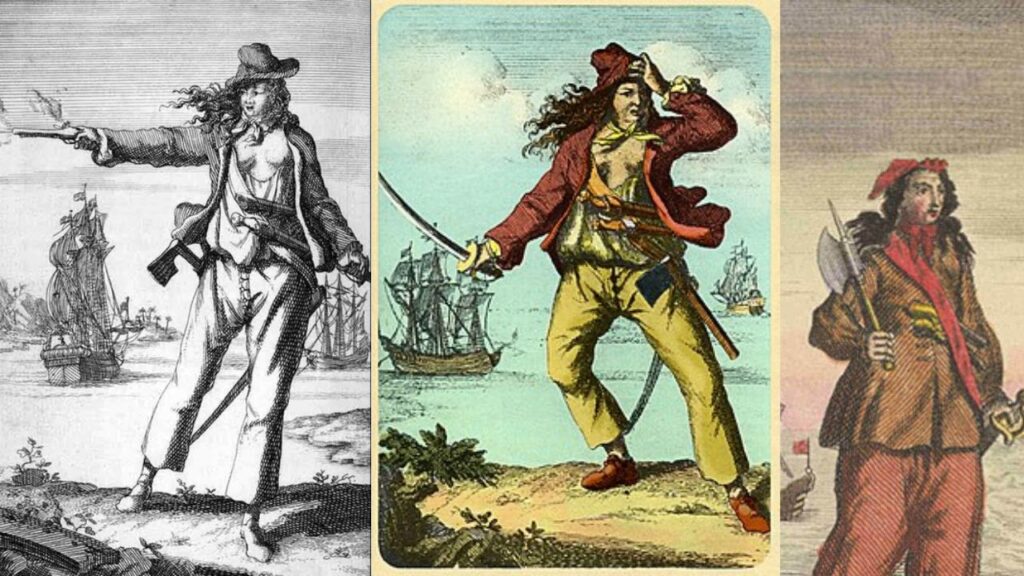
2. Anne Bonny & Mary Read: The Feral Energy

In The Bluff, we witness Ercell’s transformation from a deadly assassin to a suburban mom and the violent “unmasking” that follows. This is in the lives of Anne Bonny and Mary Read.

Anne Bonny & Mary Read

These 18th century pirates spent much of their lives passing as men, making their way in a world that offered them no place at the table. In the heat of battle they were said to be more “bloodthirsty” than the males. They are the “feral” energy Ercell must recapture to defend her home. 

3. Ching Shih: The Tactical Commander

While Ercell battles on behalf of a tiny community in the Cayman Islands, her tactical prowess is a mirror image of Ching Shih (Madame Cheng). As the admiral of the Red Flag Fleet consisting of 1,500 ships and 80,000 pirates—Shih was perhaps the most prosperous pirate ever.

Ching Shih

Significantly, she is also one of the few who actually managed to “retire” and live to tell the tale. That is the essential tension at the center of The Bluff: Ercell has found her peace, but as Ching Shih knew, your past is a shadow that never quite goes away. 

4. Jacquotte Delahaye: The Resurrection

Referred to as “Back from the Dead Red,” the biography of Jacquotte Delahaye is survival at its highest degree. faked her death to get away from the government, and then came back to the water with a vengeance.

Jacquotte Delahaye

This motif of “reanimation” is at The Bluff’s heart. Ercell is essentially “dead” to her former life until the wicked Captain Connor arrives and she must once again embrace her warrior spirit. 

Feature Historical Reality The Bluff (2026)
Weaponry Improvised, heavy, and practical. Conch shells, tactical traps, and “dirty” fighting.
Motivation Political autonomy and family. Maternal ferocity and redemption.
Outcome Usually a short life or a quiet exile. A focused, muscular 101-minute survival arc.

Conclusion

The Bluff is more than just a survival thriller, it’s a celebration of women who survived against the odds in the face of the unforgiving ocean. Priyanka Chopra Jonas gives a portrayal that bleeds into fiction of the fiercest women in history. 

Dive deeper into the world of Fandomfans, a platform where you can get the stories of inspiration behind the character

Comments

View comments and join the discussion

Babita

Articles Published: 25

Babita is Fandomfans Editor, experience in managing content. Her focus in general movies and web series. She is having a deep interest in TV shows and 90s movies - particularly Lord of the Rings, Harry Potter, & Rom-Com. Babita also covers psychological thrillers and major releases in current time and concern with deep interest in them.

View Profile ↗

Eddie Munson Won’t Return in Stranger Things Season 5: Matt Duffer Confirms

Stranger Things creator Matt Duffer confirms Season 5 won’t bring back Eddie Munson. Find out why his story ended in Season 4. Read more visit website...!

Published: Oct 23, 2025, 9:31 AM
Last Updated: Jan 24, 2026, 11:20 AM

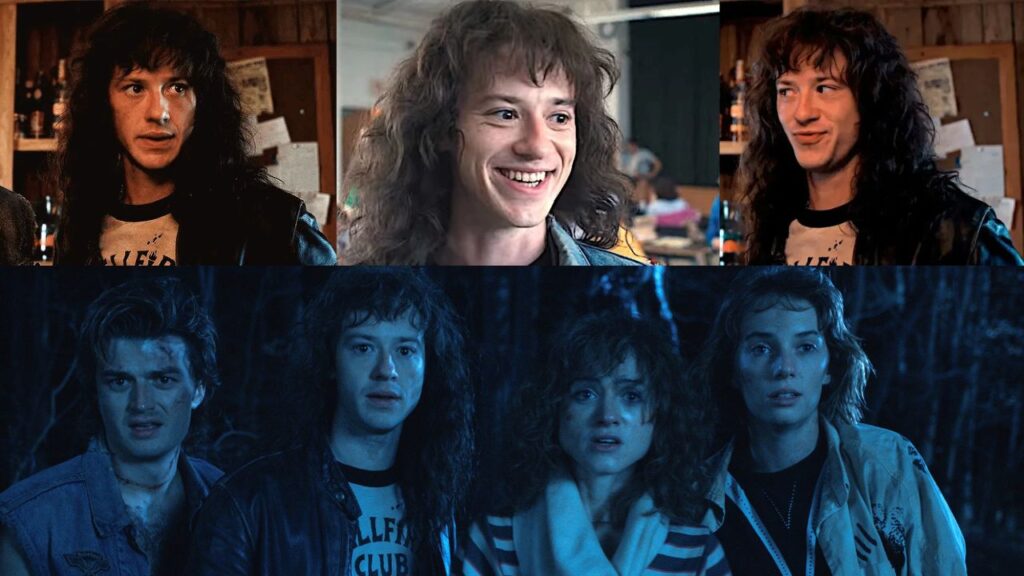
Eddie Munson (played by Joseph Quinn) is not returning for season 5, which is the final season of the series. People confirmed that, In a recent chat with Empire magazine, co-creator Matt Duffer squashed once and for all rumors that beloved character could return. 

The creators (Duffer Brothers) of Stranger Things have officially confirmed, “I love that Joe Quinn is just playing with fans! But he’s dead,” he described Eddie’s fate in the interview. “Joe is so busy anyway, the world should know he’s not coming back,” he added. He’s been shot like five movies since! When the hell does he get the time to come and shoot Stranger Things? No, unfortunately, RIP. “He’s fully under that ground.” 

The statement follows months of speculation stoked by Quinn himself, who at times teased fans at events about returning. At a fan con in Belgium and asked if he would reprise his role, Quinn enigmatically replied, “I do know, but I’m not telling,” fueling even more hype. After a while, Duffer brothers have publicly shared that the story of Eddie Munson was finished in Season 4. 

Fans Will Remember Eddie Munson’s Heroic Sacrifice

Eddie Munson debuted in Stranger Things season 4, projecting the charm of an outcast metalhead leader at the same time as he was ruggedly told that the Dungeons & Dragons game was Just Not Cool. His arc was all the more emotional when he died in the Upside Down to protect his friends Dustin, Steve, Nancy, and Robin. 

In a standout Season 4 moment, Eddie delivered a triumphant performance of Metallica’s “Master of Puppets” on guitar, drawing the demobats away from Vecna’s lair. Sadly, he didn’t make it out alive, sacrificing himself in a blaze of glory to save Hawkins – the same town that had turned its back on him. 

Read More 👉  Tron: Ares’ Box Office Failure Marks a Turning Point in Jared Leto’s Career

Joseph Quinn’s Reason For Leaving Stranger Things

Since leaving Stranger Things, Joseph Quinn’s star has risen exponentially. The 31-year-old British actor has joined a number of major film franchises, so a return to the Netflix series now seems all but impossible from a scheduling standpoint.

Joseph Quinn's Reason For Leaving Stranger Things

Quinn has appeared in several blockbuster projects including, A Quiet Place: Day One, Gladiator II, Warfare, The Fantastic Four: First Steps, and his upcoming project Beatles biopic where he plays a role of George Harrison.

This packed schedule, coupled with the fact that his character is dead, means Eddie’s comeback is out of the question. 

Stranger Things Season 5 Release 

The final season of the Stranger Things will be split into three parts during the holiday season: Volume 1 contains 4 episodes which will release on November 26, 2025, Volume 2 of 3 episodes: December 25, 2025, and Final Episode is going to air on December 31, 2025. 

Stranger Things Season 5 Release

Who Will Return in Season 5?

Eddie may not be coming back, but at least everyone’s favorite characters will be making their appearances for the latest look at the end-of-the-world finale. The cast is filled with familiar faces such as Millie Bobby Brown as Eleven, Finn Wolfhard as Mike, Noah Schnapp as Will, Gaten Matarazzo as Dustin, and Caleb McLaughlin as Lucas. Sadie Sink returns as Max, as does Winona Ryder as Joyce, and David Harbour as Hopper. Natalia Dyer, Charlie Heaton, Joe Keery also return as Nancy, Jonathan and Steve respectively. Maya Hawke returns as Robin, Priah Ferguson returns as Erica.. Brett Gelman returns as Murray, Jamie Campbell Bower as Vecna, Cara Buono as Karen, and Amybeth McNulty as Vickie. It’s shaping up to be an intense reunion with plenty of drama and action. There will be a void certainly for Eddie, but this cast of stars is sure to give us an ending to the story that we’ve all been addicted to. One last ride in Hawkins!

Conclusion

While it’s disappointing that Eddie Munson but his amazing character is firmly cemented in Stranger Things history. His heroic sacrifice at the end of Season 4 provided a great send off for his character. With the end of the series in sight, viewers can now turn their attention to that big showdown — and the return of characters they have loved for almost 10 years. A fight with Vecna and the secret of the Upside Down are set to come to a thrilling end, bringing the Hawkins saga to a close this holiday season. 

Comments

View comments and join the discussion

Alpana

Articles Published: 175

Alpana is Fandomfans Senior Editor across all genres of entertainment. She evolved in the media industry since a very long time, she manages the content strategy and editing of all the blogs. Her focus on story development, review analysis, and research is well-equipped that ensures every article meets the standards of accuracy and depth.

View Profile ↗

Mystery TV Shows Get Cancelled After Season 4 — Westworld, Manifest & The Sinner Explained

Explore why Mystery TV Shows hook audiences early but struggle long-term. Learn how complex plots, high costs, and viewer fatigue lead to cancellations.

Published: Dec 24, 2025, 9:17 AM
Last Updated: Dec 24, 2025, 9:18 AM

There is a particular kind of heartbreak unique to the viewer of television in the 21st century. It’s that feeling, typically experienced somewhere around the start of a show’s fourth season, when you begin to realize that the Mystery TV Shows you used to be a rabid fan of—one that spawned a million fan theories—is starting to feel like work.

Insiders in the industry refer to this as the “Fourth Season Curse.” In a contracting “Peak TV” era, with streaming behemoths slashing their libraries, the four-season mark is becoming a brutal natural selection point. This is especially true for “mystery box” shows: the high-concept series that trade in secrets and puzzles and delayed gratification.

But what is it that makes the fourth season the breaking point? And what can the rise and fall of hits like Westworld, Manifest and The Sinner tell us about the future of how we watch TV? 

The Complexity Debt: When the Bill Comes Due

The “mystery box” format, made popular by J.J. Abrams, is an interesting narrative tool that involves curiosity and waiting. It hooks us with a “hook” (the mystery) and then gets us addicted to a “fix” (the answers). Still, creators often rack up what critics call “complexity debt”. Each time a writer reveals a new mystery without answering an old one, they are taking out a loan on the audience’s patience. By Season 4, the debt is usually too high. If the answers don’t live up to decades of fan speculation, the audience doesn’t just get bored—they get angry. 

Feature of Mystery BoxThe Risk Factor
Information WithholdingSpeculative fatigue; the “IQ test” feeling
Non-linear StorytellingNarrative opacity and total viewer confusion
The “Gotcha” TwistPrioritizing shock over character growth

To understand how this curse manifests, we have to look at three very different shows that hit the same wall.

1. Westworld: The Failure of Over-Engineering

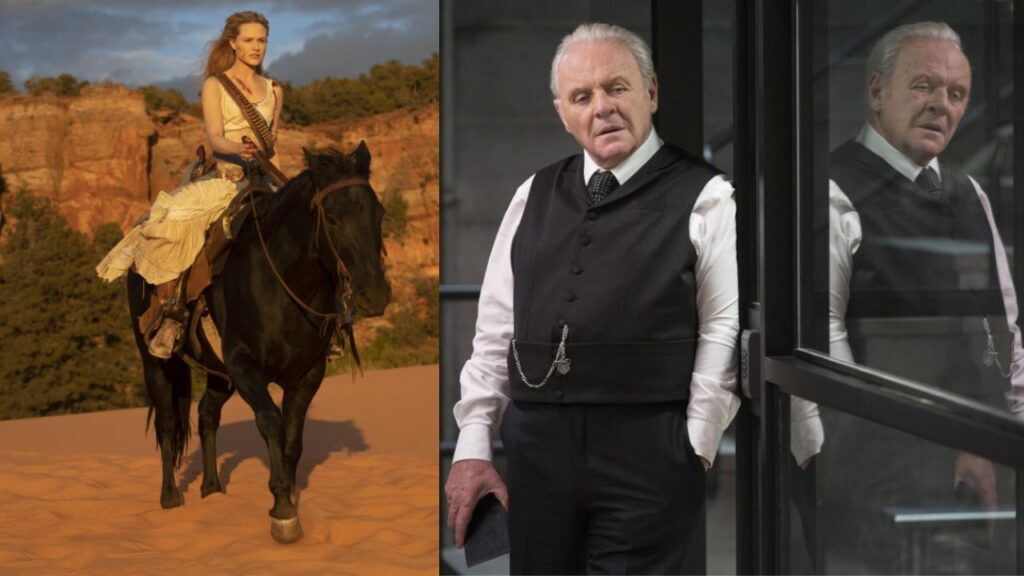
Westworld was scripted to be the next Game of Thrones. Instead it turned into a cautionary tale. The showrunners got so obsessed with, I would say, “outsmarting” the internet that the plot evolved into a dense forest of timelines and philosophical gobbledygook.

Westworld
Image Credit: Fandomfans

By season 4, it lost 81% of its viewers. It wasn’t just that it was confusing; it had lost its heart. When a show treats its characters like chess pieces in a logic puzzle, audiences eventually stop cheering for the players. 

2. Manifest: The Survival of the “Netflix Bump”

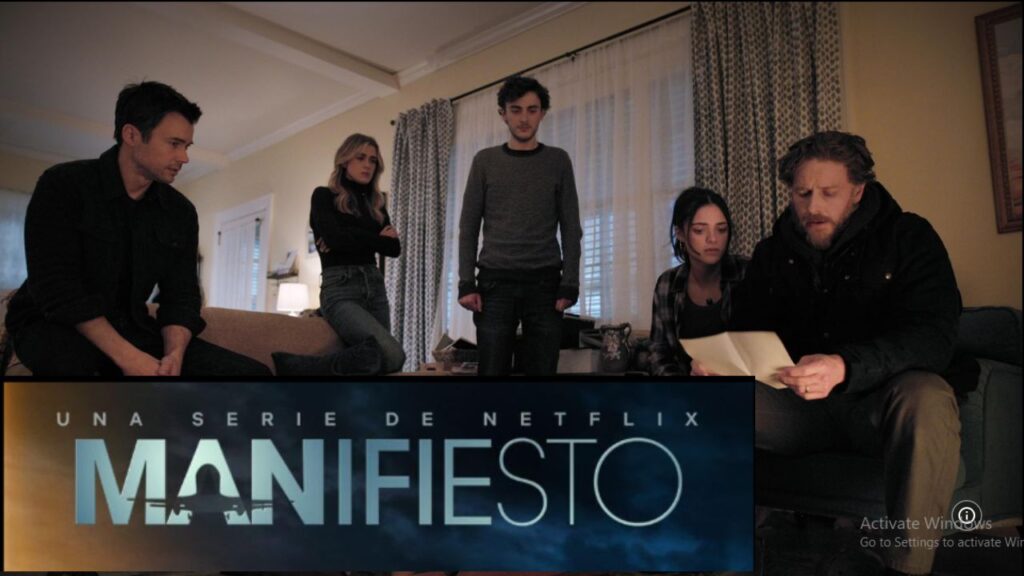
Manifest is the exception on both counts. The scripted series was canceled by NBC after three seasons when live ratings dropped but then got a second life on Netflix. Why? Because mystery boxes are wonderful to binge-watch, even when they don’t work as appointment viewing.

Manifest The Survival of the Netflix Bump
Image Credit: Fandomfans

By compressing a planned six-season arc into a final, 20-episode fourth season, the showrunners had to cut all the fat and actually ratify. It demonstrated that a “forced ending” is in fact the best antidote to a narrative slump 

3. The Sinner: The Death of the Venue

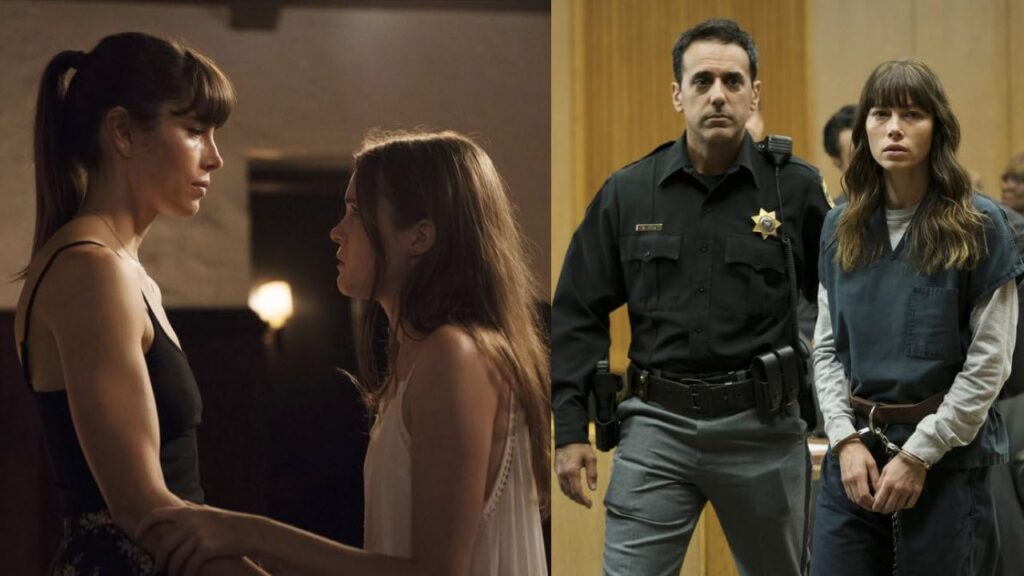
In contrast to the rest, The Sinner was an anthology. Each season was a new “why-dunnit.” Yet, it still fell victim to the curse. This time the “curse” was financial.

The Sinner The Death of the Venue
Image Credit: Fandomfans

As networks such as USA move away from scripted dramas and toward less expensive reality TV, mid-budget series—no matter how prestige they seem are the first to be cut. 

The Economics of Exhaustion

The Fourth Season Curse isn’t simply the result of shoddy writing; it has to do with the profit motive. In 2025, a mid-tier drama is priced at $4 million to $6 million per episode.

Contract raises: By Season 4 the cast and crew are pricier.

Viewer Attrition: Audiences traditionally, well, went down every year.

The “New” Factor: What streamers are willing to pay for and find value in — is $50 million for a brand-new “hit,” not for continuing an aging series with a niche viewership. 

Read More 👉 Percy Jackson Characters Upgradation Explained: Power, Trauma & Growth

How to Break the Curse

If we want better TV, the creators need to alter how they make their boxes. The most durable shows – for example Breaking Bad or Succession are all character-centric. The “mystery” is just the backdrop; the “show” is the people.

Critics are now claiming “Magic Show” storytelling is superior. Rather than hide certain pieces of information (the Mystery Box), creators should disclose information and allow us to observe as characters react to the consequences. This makes for a sustainable emotional hook as opposed to a maddening intellectual one. 

Conclusion

The age of the “ever-show” is ever-show is over. As budgets tighten and our attention spans splinter, the most successful shows of tomorrow will be those with a defined, limited scope. Ending is just as – it’s just as important to know when to end as it is to know how to begin. 

Dive into the world of entertainment with Fandomfans, our goal is to deliver updates from movies, shows, and interviews.

Comments

View comments and join the discussion

Mariyam

Articles Published: 89

Mariyam Khan is Fandomfans Content Writer and providing reports and reviews on Movie Celebrities, and Superheroes particularly Marvel & DC. She is covering across multiple genres from more than 4+ years, experience in delivering the timely updates.

View Profile ↗

Kenan & Kel Meet Frankenstein Returns ’90s Nostalgia to the Big Screen 

Kenan and Kel Reunion Mitchell are back together for a Gothic horror comedy, Meet Frankenstein, which mixes ’90s nostalgia with comfort horror. Learn more..!

Published: Jan 23, 2026, 5:29 AM
Last Updated: Jan 23, 2026, 5:31 AM

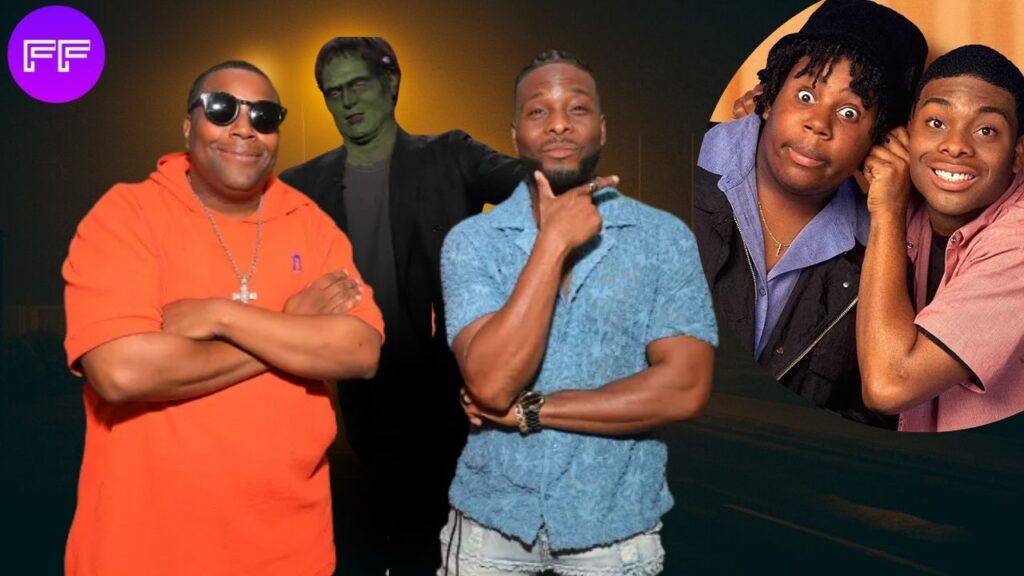
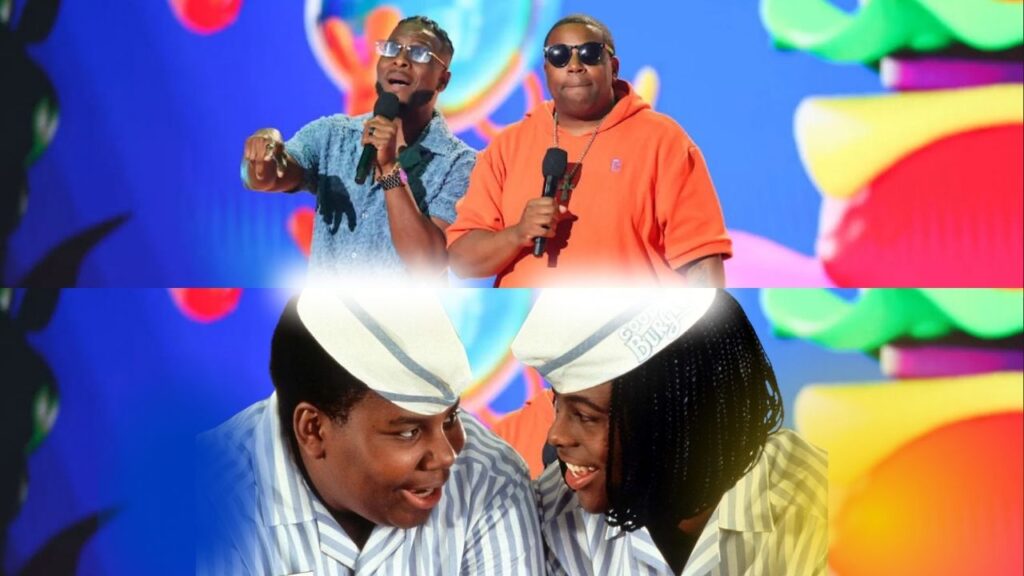
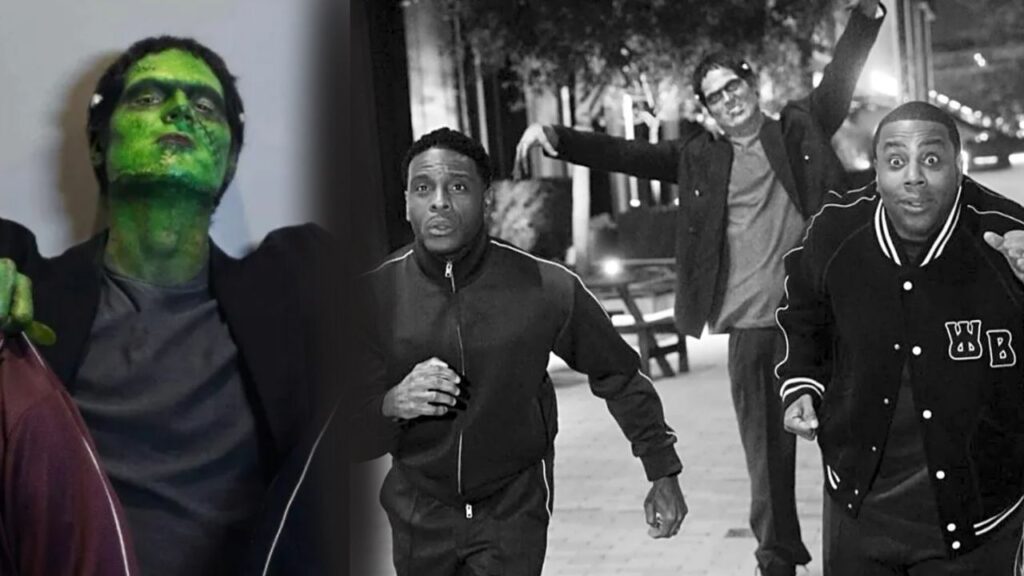
Kenan and Kel Reunion: A wave of nostalgia washed over the entertainment world when Kenan Thompson and Kel Mitchell announced their reunion on a Good Sports episode on Prime Video, announcing a new feature film: Kenan & Kel Meet Frankenstein. 

Filming is set to take place in summer 2026, and this is not simply a follow-up to their recent Good Burger 2 success, it’s a calculated bringing-back of a 77-year-old cinematic template. By situating the quintessential ’90s pair in the world of Gothic horror, producers are tapping into a burgeoning “Gothic Renaissance” and the popularity of “Comfort Horror.” 

A Contemporary Interpretation of a Classic Form

A Contemporary Interpretation of a Classic Form

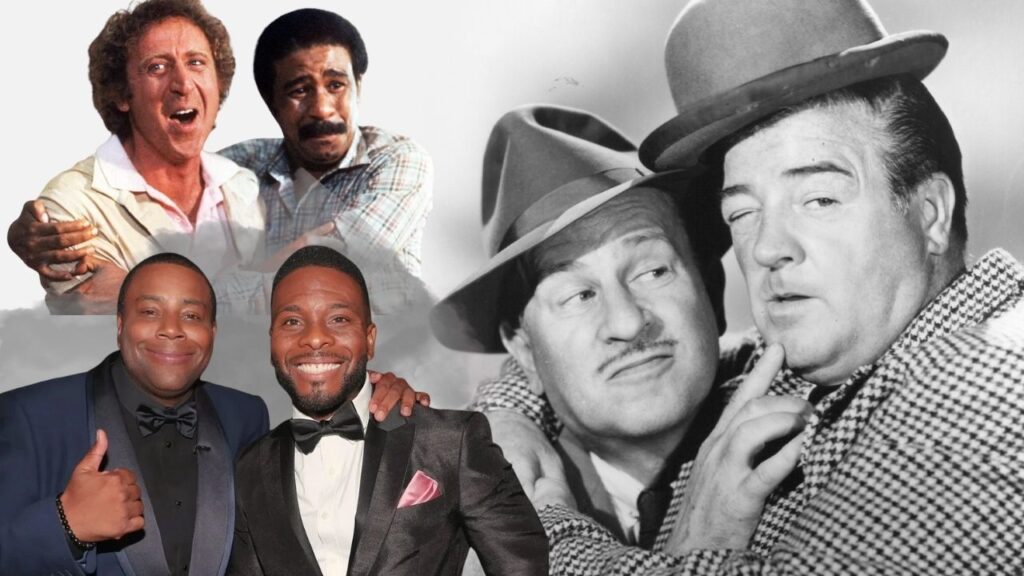
The entire film is set in a building that’s a straight-up homage to the 1948 Abbott and Costello Meet Frankenstein.” In those days, Universal Pictures revitalized its fading monster franchise by infusing it with high-octane comedy. Kenan and Kel are now following suit with the streaming age.

Ryan Jr. stated, “First it was Abbott and Costello, then Pryor and Wilder—and now it’s Kenan and Kel.” 

It’s a familiar “wrong place, wrong time” plot device, but one that’s easy to relate to: Thompson and Mitchell are delivery drivers working in the modern gig economy. A routine delivery at a secret, out-of-place castle results in the accidental reactivation of Frankenstein’s monster. 

Creative Leadership: Washed in Doom and Whimsy

Jonah Feingold, who brings grounded human emotion to ”magical realism,” is helming the project. Producer John Ryan Jr. has described the look of the film as “Shaun of the Dead meets Scooby-Doo.”

Creative Leadership

So it’s looking like this won’t be a dumb parody – it’ll be a “straight” horror comedy where the stakes feel genuine, even if the heroes are hilarious. 

The “Comfort Horror” Playbook

Why Now? The late 2020s are all about the “war of the Frankensteins.” With Guillermo del Toro’s bleak The Witches and Maggie Gyllenhaal’s stylistic The Bride! opening in theatres, viewers are hungry for a palate cleanser.

Read More 👉 Yellowjackets: A Gritty ’90s Survival Thriller That Redefines Trauma, Sisterhood, and the Wilderness

Kenan & Kel has “comedy comfort food.” 

For Millennials, it’s a return to the “Aw, here it goes!” energy of their youth. For Gen Z, it’s two industry legends including Kenan Thompson, the longest-tenured SNL cast member taking a stab at a new genre. 

“It’s exciting to take a classic monster story and turn it on its head, and have fun doing it.”

–said Thompson

Anticipating a “Monster Universe”

This film represents a shift from “reboot culture” to “genre homage.” If it is successful, it paves the way for a possible “Kenan & Kel Monster Universe,” in which the duo could cross paths with the Mummy or the Wolf Man in future films.

Monster Universe

By owning their production via Thompson’s Artists for Artists banner, the pair is not only pursuing nostalgia — they are establishing a permanent comedy institution. As we approach the 2026 production cycle, one thing is certain: the “schemer” and the “innocent” are introducing themselves anew, and this time, the monsters should be the ones fearing. 

Conclusion

Kenan and Kel Reunion Frankenstein isn’t returning ’90s nostalgia but the gothic horror genre that makes comfort to the audience who love these kinda silly monsters.

Restitching strands of millennial nostalgia and “comfort horror,” the film touts itself as the antithesis of that era’s darker, prestige monster films. Given a wide canvas to tell their own story and an angle that nods to classic Hollywood storytelling, Kenan Thompson and Kel Mitchell aren’t just looking back — they’re ensuring their past holds up over time. 

If the bet pays off, this may lead to an endlessly silly monster age where comedy, instead of terror, reigns in the night—and the monsters finally have something to fear. 

Fandomfans is a platform where you can come and pick up the latest news on upcoming movies.

Comments

View comments and join the discussion

Alpana

Articles Published: 175

Alpana is Fandomfans Senior Editor across all genres of entertainment. She evolved in the media industry since a very long time, she manages the content strategy and editing of all the blogs. Her focus on story development, review analysis, and research is well-equipped that ensures every article meets the standards of accuracy and depth.

View Profile ↗

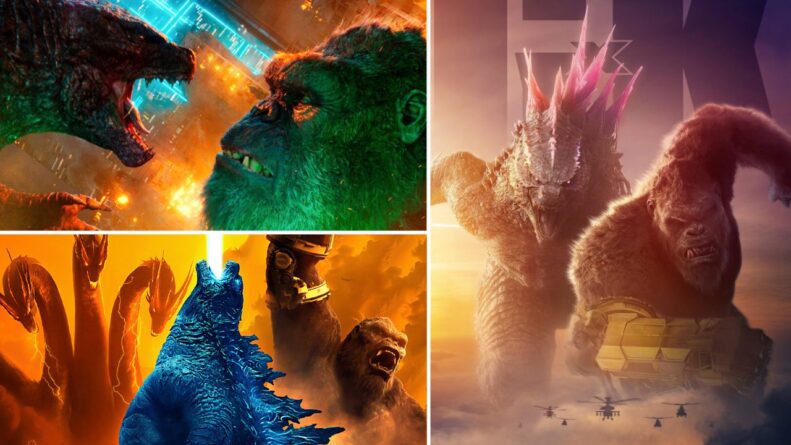
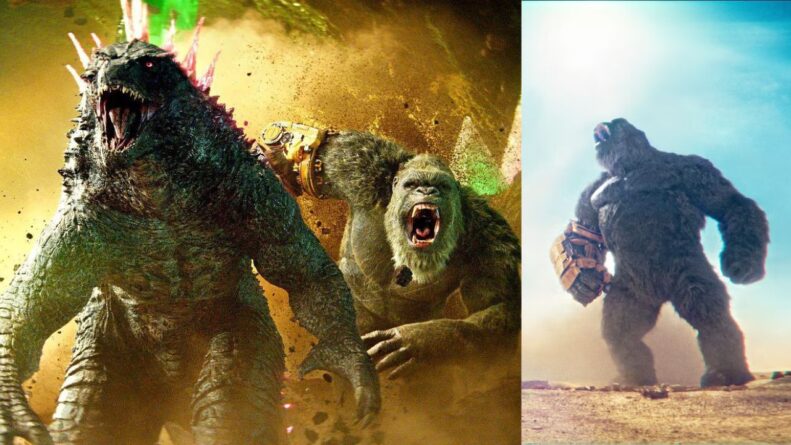
Godzilla vs Kong: Hollow Earth and Axis Mundi of MonsterVerse Explained

Godzilla vs Kong delves into Hollow Earth, Axis Mundi, and Titan ancestries. Find out how the MonsterVerse fuses ancient myth with contemporary science. 

Published: Feb 27, 2026, 11:50 AM
Last Updated: May 11, 2026, 5:06 AM

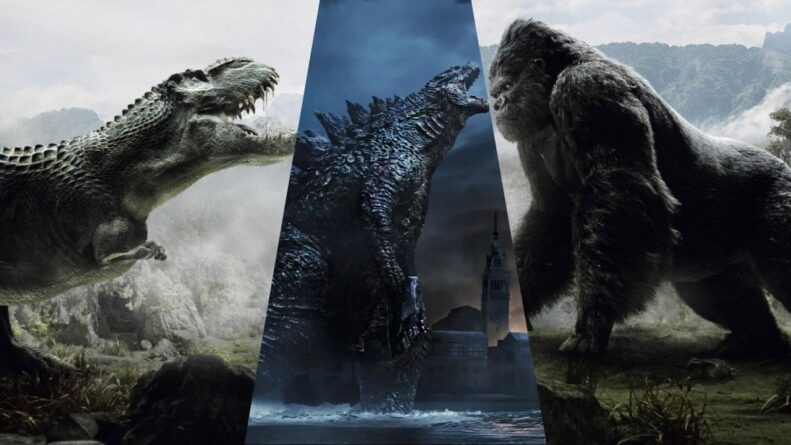
Think falling down a spiral of blue, where gravity inverts and ancient titans wander through an upside down world pulled from myth — welcome to the MonsterVerse’s Hollow Earth, first revealed in Godzilla vs Kong. This subterranean world combines ancient myths like Agartha with modern science, making Godzilla vs Kong epic clash into the equivalent of doorways for deep lore. Dive in to see how this secret universe reshapes the franchise’s mythology. 

The MonsterVerse — the hugely profitable shared universe developed by Legendary Pictures and Warner Bros. has found a genuinely smart way to work its mythology. It combined two concepts that have captivated human thought for ages, the Hollow Earth idea and the notion of the Axis Mundi, and molded them into the axis of its narrative. But it didn’t just take these ideas wholesale for the story. It turned them into something different.

MonsterVerse’s Myth-to-Science Fusion

In older lore, hollow or subterranean worlds are spiritual ones meaning they’re afterlives, secret havens for the truly enlightened, or mystical planes along the lines of the fabled Agartha where timeless wisdom is maintained. 

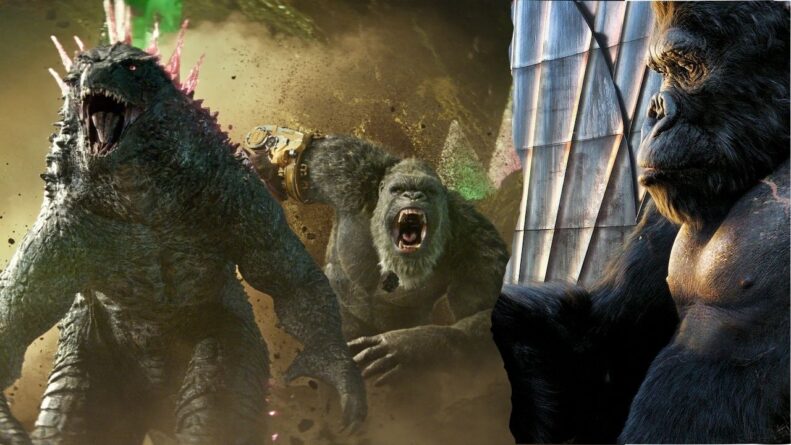
The MonsterVerse takes out the theology and puts in biology. Its subterranean world is not a souls’ destination after death, or a place where secret masters find quiet meditation. It’s a living, breathing, wildly energetic system — the original home of the Titans, those massive beasts like Godzilla vs Kong that dwarf skyscrapers and carve coastlines simply by walking across them. 

MonsterVerse's Myth-to-Science Fusion

Within the franchise’s own internal logic, this subterranean world is more than just the monsters’ home territory. Kabbalistic perceptions describe being as layers or levels of planes of existence. The MonsterVerse does the same thing, but replaces divine judgment and mystical energy with speculative science, evolutionary biology and astrophysics. 

Three-Layered Structure of the MonsterVerse Underground World

The subterranean landscape of the MonsterVerse isn’t just one giant cavern. It’s some very specific portions of the United States divided into three zones, each with its character and function.

The Global Tunnel Network (The Caverns)

It starts with the caverns — the vast, global system of tunnels hollowed out of the Earth’s crust. In a technical sense, you could go from the surface down through these tunnels all the way to the lower regions, but it would take a very long time and push any traveler to his or her limit. They’re more like connective tissue than a thoroughfare. 

The Axis Mundi Zone 

The second layer is what Monarch: Legacy of Monsters calls the Axis Mundi and now we’re off the rails. Consider it a no-man’s-land, in between the world of the surface and the world of the true underground beneath. Gravity isn’t doing what it’s supposed to do here.

The Global Tunnel Network

Physics is contorting in ways that they shouldn’t. Time is slithering and bending all around us. It’s a volatile limbo, not really one world, not really the other, and crossing it requires that you have either special equipment or a willingness to emerge the other side quite rattled. 

Hollow Earth Core (The Titan Homeland)

The third and final layer is the Hollow Earth core itself, where the franchise takes its imagination into overdrive. It’s a reverse landscape of terrifying scope — a world upside down, with its own weather, its own ancient forests and oceans, its own prehistoric creatures, and at its core, a radiant energy source that acts like a mini sun. It’s where the Titans were born, where their ancient civilizations rose and fell, and where the deepest roots of the MonsterVerse’s world lie hidden and waiting. 

How Titans Travel Through the Planet

Travelling from the surface to the depths of the Hollow Earth is not simply a matter of excavating. The distances are immense, and the geology between is basically toxic to anything attempting to make its way through. So how do Titans the size of mountains go under the ocean and come up on the other side of the world? The MonsterVerse’s solution is simple: they don’t go through the rock. They Go Around It.

What Are Vile Vortices?

There are natural spatial rifts scattered across the earth, which the franchise terms Vile Vortices, places where spacetime itself doubles in on itself, allowing one to traverse thousands of miles in just seconds. These are not tunnels or caves. They are worm holes, geological in creation but functioning more like holes in the fabric of space. In that regard, they are the MonsterVerse’s most straightforward representation of the Axis Mundi. 

Where Eliade conceived the Axis Mundi as a spiritual pathway, a channel through which shamans can travel through time and space in trance states, the Vile Vortices take that journey literal and physical. The revered track between the worlds turns into a quantifiable, trackable, scientific classified event. 

How it Connects to Real World Geography

What makes these portal locations in particular brilliant from a narrative perspective is simply where the writers decided to locate them. Instead of creating fictional geography, the MonsterVerse embeds its gateways within real locations that have already grabbed the human imagination, if for very different reasons. 

Real-World Portal Locations in Godzilla vs Kong Lore

Bermuda Triangle — The Vortex Cluster

The Bermuda Triangle, a geographical mystery best known in pop culture, is in the MonsterVerse a region with the highest accumulation of Vile Vortices — which explains a few decades of folklore about ships and planes vanishing into thin air. 

Antarctica — Humanity’s Gateway to Hollow Earth

Antarctica, which has been linked with conspiracy theories about polar access to inner Earth and Cold War conspiracies for ages, is the primary gateway in Godzilla vs Kong that the humans first cross that line and go down to the core. 

Mariana Trench — Godzilla’s Personal Transit Route

The Mariana Trench, the deepest part of any ocean, and a location that even now feels alien to most of the people who look at it, is Godzilla vs Kong personal transit hub — the underwater gate he crosses to reach his ancient temple deep below. 

Real-World Portal Locations in Godzilla vs Kong Lore

Skull Island and Area 51 — Monarch’s Hidden Watchpost

Skull Island, which anchors Kong’s origin story, lies at the center of a web of vortices that had already begun to destabilize when the films took place. Area 51, that longstanding nexus of governmental conspiracy mythology, has been recast not as a secret hangar for alien spacecraft but as a Monarch observation post, monitoring Titan activity underground. Infant Island retains its significance from the original Toho films, effectively keeping Mothra’s mythological home intact from the original continuity within the new one. 

Global Portal Network

Egypt, Kazakhstan and Japan are added to the portal scattering across the globe, reinforcing the idea this subterranean line runs worldwide – under ancient civilizations and modern cities, alike.

The motif here is intentional. By basing its fictional geography on place people have preexisting fears of or find weird, the Monster Verse establishes a reality it seems like has just been under the surface of the real world all along. 

Axis Mundi — The Most Terrifying Place in Monarch: Legacy of Monsters

In most myths the term Axis Mundi is used to refer to a giant cosmic tree or pillar which connects various levels of the universe as a central point for the organization of the cosmos. The Apple TV+ show Monarch: Legacy of Monsters does something different. It’s using that term to designate a unique and horrible place in the Monster Verse’s subterranean landscape. In so doing, Monarch: Legacy of Monsters pulls off one of the franchise’s most intellectually daring aims: it synthesizes ancient cosmological symbolism with the actual mathematics of Einstein’s theory of relativity.

The Most Terrifying

In Monarch, the Axis Mundi, well, it’s not the luxurious, panoramic underground world reminiscent of Godzilla vs Kong. That place is the central core of Hollow Earth, with its inverted terrain and miniature sun that is a whole other ball of place, much deeper and far more stable. 

How Titans Pass Through it

The Axis Mundi is what lies between. It is a shadowy, unpredictable spate of underground pockets trapped between the surface world above and the core beneath in a gravitational standoff. Godzilla vs Kong-sized Titans consistently and seamlessly pass through it as if it were just an airport that everyone must go through like a requisite checkpoint on the journey to somewhere. But for them, that does not become a mere transit stop, it becomes much worse. 

How Beings Get Trapped in Axis Mundi

No one who goes to the Axis Mundi does so intentionally. It is what goes wrong when crossing a Vile Vortex. “The mechanics of these things, as explained by the show, are just trajectory,” to navigate a vortex successfully, you must keep moving constantly downward through the gravitational inversion at its Heart. This sustained direction is what takes you through to the other side, into the Hollow Earth core. 

But if that trajectory is disrupted, the traveler doesn’t bounce back its origin or stop, which means they are stuck there forever. They don’t come out the way they went in. Instead they get ejected sideways, spat out through a horizontal portal into the Axis Mundi instead. It’s not like there’s a dramatic warning. One second you’re plummeting down toward the core. Then all of a sudden you’re someplace else entirely, and getting out isn’t exactly straightforward.

It’s a brilliant piece of spatial storytelling. The difference between making it out safely or being trapped for all eternity is basically just a question of angle. 

Time Has No Meaning in the Axis Mundi

The worst thing about the Axis Mundi isn’t the dark or the shaking. It is what it does to time.

Since the plane is located at the center of conflicting gravitation fields of the surface Earth and the Hollow Earth core, there is a great deal of spacetime warping in that place. This is where Monarch: Legacy of Monsters plucks real physics for its scares. 

Time Has No Meaning in the Axis Mundi

Einstein’s general theory of relativity also tells us that time runs more slowly in stronger gravitational fields — the deeper you are in a gravity well, the more slowly your clock runs relative to someone in weaker gravity. The Axis Mundi takes that principle and turns it into a human tragedy.

Time within the Axis Mundi moves at a pace close to non-existence compared with the surface world. 

Time Dilation in Monster Verse Logic

The series Monarch: Legacy of Monsters actually makes this concrete with two characters whose narratives are involuntarily shattering when you discern what really is happening to them. Dr. Keiko Miura is Fallen into the Axis Mundi in 1959 on a mission that goes disastrously wrong. When she is finally located by the series’ contemporary other leads, she remains unaged. From her point of view, only a handful of weeks have elapsed. From the view of the world, almost sixty years have passed. 

They’re all old or dead. She had her era and it had moved on without her. She is physically unaltered and temporally marooned, living in the wrong era through no fault of her own.

Lee Shaw has a similar experience, believing he’s briefly visited the realm, only to reemerge to find that two decades have been wrenched from his life, transforming everything he’d left behind without his input. 

Read More:- Avengers The Kang Dynasty Not Only Changes Its Title But Also Superheroes Powers

Why Hollow Earth Doesn’t Cause Time Distortion

What makes the whole thing feel scientifically sound rather than arbitrary is that the main Hollow Earth core doesn’t do that. In Godzilla vs Kong the characters take time to explore that world for hours and come back to the surface with no temporal disturbance at all. The reason is that within the universe’s logic, gravity in the core has equalized. Encased within the Earth’s mantle on all sides, the pull of gravity cancels out and time runs at a normal rate compared to the surface.

But the Axis Mundi has no such balance. That is the uneasy midpoint, pinned between the attraction of two huge gravitational forces, and this formless tension is just what makes it so dangerous. 

Myth Meets Physics: The Old Legend of Agartha

To the effects that time dilation creates has an even mythological resonance. A place where people cease to age, where centuries pass outside as moments pass inside is the old legend of Agartha, the subterranean world where ancient, enlightened beings reside exempt from the flow of time on the surface above. 

The Old Legend of Agartha

The Monster Verse reaches that same figure through physics rather than allowed Mysticism, that’s exactly the kind of translation that makes its world-building seem genuinely layered. Godzilla vs Kong translates myth into physics. 

Conclusion

It’s a film about two giant monsters fighting it out on neon lit city streets at a quick glance. But if you look at what the Monster Verse has been quietly constructing under all the spectacle, there’s something much bigger going on here. 

Godzilla vs Kong film is what ancient myth would look like if you rebuilt it using the language of science. It’s spiritual cosmology redrawn with physics. It takes the oldest stories humanity has ever told — stories about gods, underworlds, sacred centers of the universe and reimagines them in a world where those things are real, just not in the way any religion ever told stories about them. The fantasy is still there but it’s been anchored in something that feels almost believable, a kind of speculative realism that makes the world feel simultaneously primitive and futuristic. 

What the Monster Verse has created isn’t fantasy — it’s a parallel cosmogony. Gods are made biological, myths become historical, and divinity converts to energy. The so-called “monsters” were never invaders but they were the planet’s first rulers, shaping Earth for years before humanity came into being.

And that changes everything. The difference is that the true battle in Godzilla vs Kong isn’t Godzilla and Kong — it’s humanity and the reality of who really owns this world. 

Dive into the world of the monster verse with Fandomfans to get the latest updates on theories, characters and facts from movies and series.

Comments

View comments and join the discussion

Mariyam

Articles Published: 89

Mariyam Khan is Fandomfans Content Writer and providing reports and reviews on Movie Celebrities, and Superheroes particularly Marvel & DC. She is covering across multiple genres from more than 4+ years, experience in delivering the timely updates.

View Profile ↗

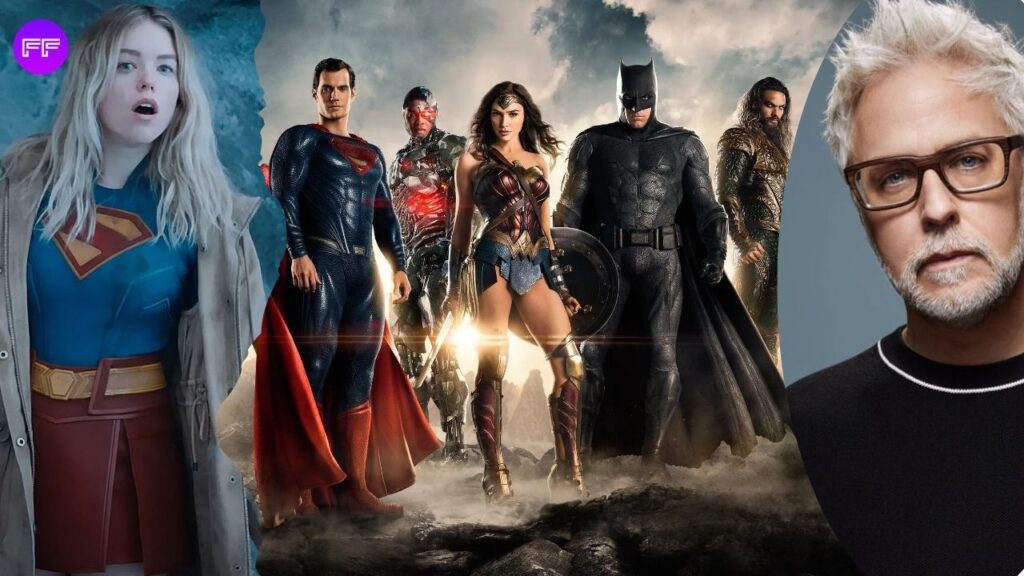
James Gunn Rebuilding DC Universe by Learning From Marvel’s Biggest Mistakes

James Gunn is rebuilding the DC Universe with a new storytelling strategy inspired by Marvel’s mistakes. Here’s how the new DCU will reshape superhero films.

Published: Mar 17, 2026, 12:28 PM
Last Updated: May 11, 2026, 7:31 AM

For the past 10 years we have been living in a two giant world. Marvel had constructed a cultural skyscraper only to allow it to become a little wobbly with “multiverse homework” and streaming bloat. Meanwhile, the DC Universe was like a stunning, shadowy cathedral that somebody got distracted from completing, leaving fans polarized and breathless.

The tides are turning. Now, with James Gunn and Peter Safran in charge at the newly created DC Studios, it’s not just a “refresh.” We’re seeing a wholesale architectural teardown rebuild. Here’s how the upcoming DCU is trying to learn from the past, and look very different doing so. 

When Warner Bros. Discovery finished its large-scale reorganization, they not only brought in new executives — they gave control to a filmmaker who had actually made successful DC movies. 

Peacemaker series and Gunn’s The Suicide Squad (2021) were a handful of bright spots in the DCEU’s waning years. Now, as co-chairs of the newly created DC Studios, they are doing something no one has ever done: a total reboot that takes a leaf out of every mistake its competitors and precipitants made. 

Resetting the Multiverse Without Erasing the Past

Here’s the thing about rebooting a multibillion dollar franchise: you can’t just act like the last decade never happened. Hard reboots drive away your most loyal fans. Soft reboots carry all the baggage with them. You’re in a lose-lose situation — unless you have some smarts.

the Multiverse Without Erasing the Past

DC Universe had its answer in The Flash (2023), and it’s weirder and more beautiful than anything Marvel has tried.

In the vast majority of multiverse tales—including Marvel’s—time travel causes branching timelines. Alter the past, and you are bifurcating reality into parallel lines that coexist. It’s neat, it makes sense, and it’s mathematically satisfying. DC Universe threw that playbook out the window. 

DC’s Clever Solution to Continuity

Instead, they brought in what they refer to as the “spaghetti” multiverse theory. When Barry Allen took the Chronobowl to save his mother, he didn’t just branch reality—he tangled it. In the DC multiverse, time isn’t just moving in a straight line. Alter one event and that change cascades forward and backwards in time, ripping apart what we usually think of as temporal linearity. When you drop a fork into a pot of boiling spaghetti and stir it vigorously – everything coils, knots, and blends. The end result, by the end, is something that is nothing like the simple elements you began with.  

This granted Gunn and Safran a vast creative loophole. They didn’t have to pitch their new DC Universe as some other dimension, separate from anything fans had ever seen. Rather, the old DCEU continuity was effectively broken down and rebuilt, with certain aspects able to survive and the rest washed away. 

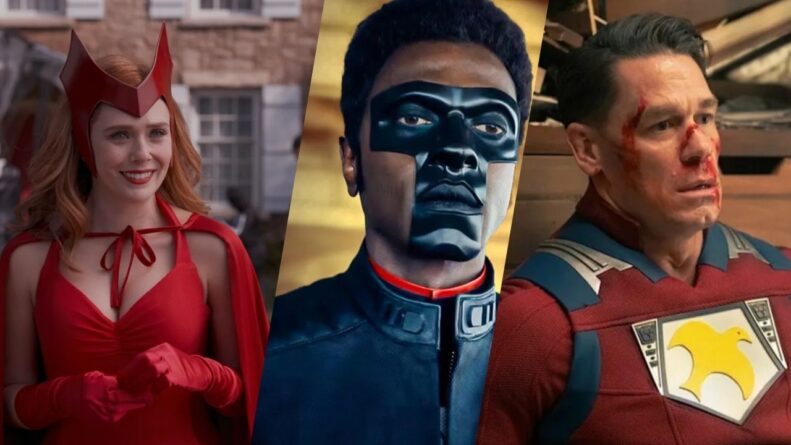
Viola Davis as Amanda Waller and you don’t have to hear me complain about that? Done. John Cena’s Peacemaker? There’s no way for me he should lose. Xolo Maridueña’s Blue Beetle? Sure, that worked. But Zack Snyder’s Justice League? The blowing up of Metropolis in Man of Steel? All that convoluted lore that weighed the franchise down.

From a business angle, Gunn just kept what he personally controlled and dumped the rest. It’s the most elegant corporate restructuring ever disguised as science fiction. 

Learning From Marvel’s Biggest Mistake

If you wanted to understand everything that The Marvels (2023) has its fingers in, then you”ll be needing about 20 hours of streaming content first. WandaVision, Ms. Marvel, Secret Invasion, the movie presumes that you’ve done your homework. This “interconnectivity at all costs” mentality began turning casual entertainment into a chore, and audiences reacted by sheltering in place.
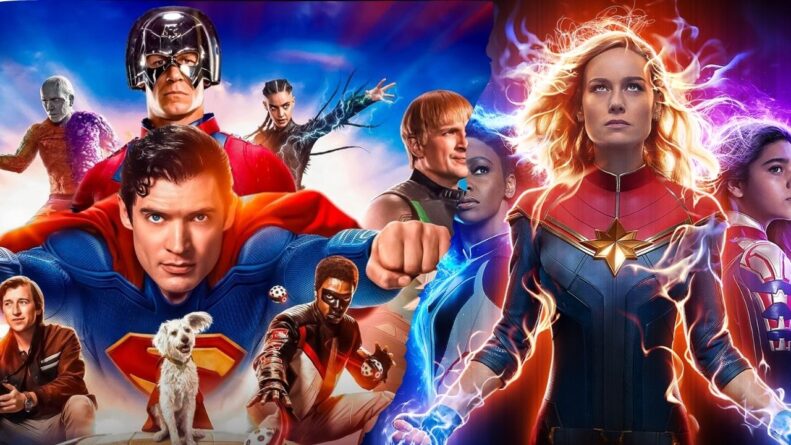
Learning From Marvel’s Biggest Mistake

James Gunn saw this disintegration before his eyes and he made an intent that sounds simple but is revolutionary: Every DCU movie must work as a standalone film.

The New DCU Storytelling Strategy

Consider the new universe’s first series, the upcoming Creature Commandos animated show that begins in December 2024. Characters such as Rick Flag Sr. and Circe, are introduced with the fictional country of Pokolistan. Then in 2025, Flag Sr. was the primary antagonist shown in a Peacemaker Season 2. He refers to breaking his back (which occurred in Creature Commandos) and to missions in Pokolistan. 

Certain fans can look at these connections, and the whole universe feels lived-in and pays off for those that pay attention. For more casual viewers? They are just idiosyncrasies that add “texture.” You don’t have to watch the cartoon show to know that Flag is a military man with a grudge. The central plot, Flag hunting down those responsible for his son’s death—stands on its own.
The New DCU Storytelling Strategy

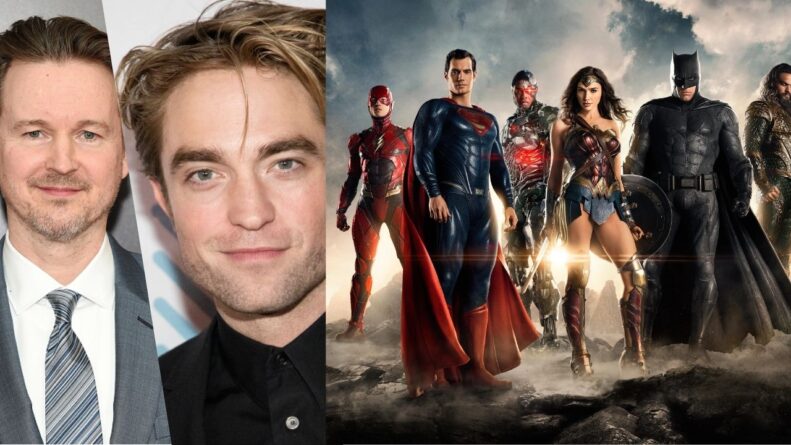
Release dates for movies are the same. There’s no requirement for readers to have consumed any other material when Superman flies into theaters in July 2025. Gunn’s Superman has already been on the scene for three years. There’s no Krypton exploding, no Kansas farm boy routine, no “how I got my wings” montage. We are handed a world where there are superheroes, where the Justice Gang (Mr. Terrific, Hawkgirl, Metamorpho) is already up and running and where we both the viewers and those who lurk within the show’s mythology have to hang or catch on. 

Even Marvel’s Kevin Feige himself — the man who is essentially the superhero of Marvel’s master plan attended a London screening and sang the praises of that mentality. You’ll figure out who is Mr. Terrific. When the president of your rival company is complimenting your tactics, you know you’ve got something good going.

Slow and steady world-building, when every superpower needs a solid pseudoscience explanation? passed style of era. The audiences are now smart enough to go into fantasy straight away if the characters are strong and they know what the emotional stakes are. 

The Script-First Rule

Here is an industry secret that explains why so many recent blockbusters look so bad: The “fix it in post” mentality of Marvel. Rather than completed scripts, during its breakneck growth Marvel approved projects on the basis of loose pitches and release dates. 

How DC Studios Plans to Avoid Marvel’s VFX Chaos

Directors staged enormous action sequences on barren green screens with none of the costume designs locked in, with no practical lighting and without the choreography final. Basic creative choices were punted to post, where drained VFX artists attempted to patch together intelligible movies from dailies of shot footage.

The number of dead was staggering. Marvel VFX workers described brutal overwork, ever-shifting directives from studio heads demanding massive third act rewrites just weeks before premiere, and filmmakers new to heavily CGI-driven pipelines. This was exploited to the breaking point in the mid-2020s, culminating in historic unionization under IATSE. By May 2025, these workers successfully negotiated and ratified their first collective bargaining agreements which provides for overtime pay, pensions, healthcare, and mandatory rest intervals. 
The Script-First Rule

James Gunn gazed upon this bled-out pipeline and implemented a policy that was radical for the time: no project would go into production without a finished, studio-locked script. This ‘script-first’ mentality might appear to be common sense, but it has become revolutionary in today’s Hollywood. With the narrative locked before filming, directors are now able to storyboard all their action sequences, finalize costume designs and have an exact idea of how much CGI they’ll need. VFX suppliers get concrete blueprints rather than moving targets. The endless revisions and last-minute rendering sprints are gone.

Smaller Budgets, Bigger Freedom

The payoff is already clear. MCU films in late stages were inflating to $250-300+ million with reshoots and VFX reworks, but this is extreme fiscal responsibility from DC Studios. Supergirl carries a $150-170 million budget which will hit in 2026) and Clayface thrives on $40 million. 

Smaller budgets mean smaller break-evens. Supergirl can gross 40% less than Superman and still turn a profit. Not every movie has to go after a billion dollars. This relieves the pressure that made Marvel productions into joyless corporate chores, and lets filmmakers take real creative risks. 

From Snyder’s Dark Cathedral to Gunn’s Creative Sandbox

In order to understand what the DCU is turning into you need to know what it’s turning away from. Zack Snyder bared his soul to the whole DC pantheon with a brutal art-house aesthetic. He thought of superheroes not as people you could identify with, but as contemporary mythological gods. 

His movies — Man of Steel, Batman v Superman, Zack Snyder’s Justice League — were grand, operatic tragedies rooted in Christian allegory, extreme slow-motion camerawork and heavily drained color palettes.

Critics labeled it a “cathedral”: breathtakingly beautiful, solemn, hard-edged and unified. But cathedrals aren’t made for evolution. Once the DC Universe found its footing with this dark, end-of-the-world tone, everything had to adapt. There was no place for comedy, whimsy, or — you know — bright sci-fi optimism. A universe designed for a dark, god-like Batman certainly can’t handle Booster Gold without breaking its own reality. 

Why DC Is Changing Its Most Iconic Hero

Snyder’s Superman, in particular, was quite polarizing. In three film appearances, Henry Cavill’s incarnation uttered just 159 lines. He was apprehended as a terrifying geopolitical reality—an alien messiah whose being precipitated worldwide paranoia. He became the symbol of divine responsibility by floating above humanity.

The theme changed to counterprogramming in Gunn’s Superman (2025). The David Corenswet version radiates warmth, happiness, and openness. He gets beat. He bleeds. He becomes emotionally distraught when he is unable to rescue civilians in a war between the fictional nations of Boravia and Jarhanpur. He has great chemistry with Lois Lane – who is now an equal partner and not a damsel in distress — and he also stars alongside Krypto, a hilariously disobedient super-dog who ignores commands. 

The costume, after all, tells the tale: frequently singed, crumpled, a bit too tight. This isn’t some perfect, infallible god. This guy is a Midwestern nice guy, just an earnest, hardworking guy trying his best.

Gunn describes his take as a “sandbox not a cathedral.” The DCU is a multigenre system in which tone is defined by character needs rather than studio requirements. In 2026 alone, we’ve got Supergirl (cosmic space op!), Lanterns (gritty earthly mystery à la True Detective), and Clayface (small-scale body horror). This is mimicking what you do in an actual comic book experience anyway, where you flip pages and find yourself going from vibrant sci-fi to moody horror. 

Multiple Batman Without Confusing Fans

Here’s a paradox that gave Marvel a headache: How do you keep continuity interconnected while letting auteur filmmakers pursue distinct visions? Marvel’s response was traditionally to strangle signatories of its “house style” with directorial voices. The result was a look and tone that blurred together, making movies interchangeable.

This DC Studios issue was solved with the institutionalization of the “Elseworlds” label — taken from the labyrinth of DC Comics publishing — as a core business strategy. Projects under this banner are completely out of continuity and will give top-tier talent the chance to create adult oriented masterpieces, not worried about the implications of crossovers. 
Multiple Batman Without Confusing Fans

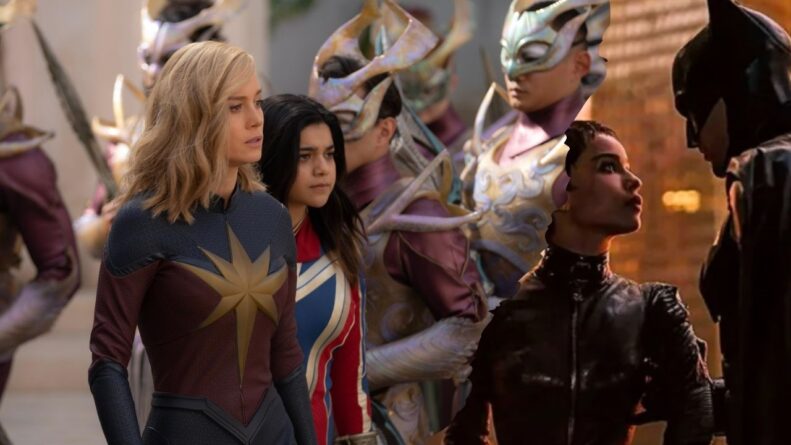
The more ambitious Matt Reeves, now working with a Robert Pattinson trilogy and a spin-off series about The Penguin, The Batman Epic Crime Saga (Robert Pattinson’s Films & The Penguin Series) continues. Todd Phillips’ Joker universe is standalone. 

The Harley Quinn cartoon series is still running on Max. When Warner Bros. Discovery CEO David Zaslav famously stated in 2022 that “there is not going to be four Batmans,” he was technically correct—there would be multiple Batmans, they would just be clearly demarcated and marketed so consumers could tell them apart. 

This just goes to show that the very idea of multiple iterations is a feature, not a bug. While viewers can bask in Reeves’ hyper-realistic noir, they can also look ahead to the more fantastical “bat-family” team-up to be seen in DC Universe’s The Brave and the Bold. Narrative monopoly is not required for franchise expansion. 

The Future of DC Studios

Projecting 2026 to break box office record of this decade, the industry analyst expects it to make $35 billion worldwide. The big increase is being driven by the massive franchise IP owned by each of the two major players.

Spider-Man: Brand New Day and Avengers: Doomsday. But as had been the case in the 2010s, when Marvel essentially ran the roost, DC Studios is now potentially in a position to take substantial market share. Supergirl (June 26, 2026)· Lanterns (HBO)· Clayface (September)·.

If DC Universe can continue to meet the high bar of Creature Commandos and Superman, then that drought will be broken and the greater tide of the economy will benefit these series. 

Read More:- Netflix’s One Piece Season 2 Introduced Early Cameo From Original Manga by Eiichiro Oda 

Conclusion

James Gunn and Peter Safran’s DC Universe is a step-up in franchise stewardship. An examination of the operational, narrative, and labor failures of the late-stage Marvel and pre-New 52 DCEU has led to a more robust, creatively flexible, and fiscally responsible model.

The “script-first” mandate shields against VFX disasters and budget fattening. 

The “sandbox” method pays homage to comic book versatility by way of real tonal diversity. The splitting off of narrative universes removes the “homework” burden while still rewarding dedicated fans. The ‘Elseworlds’ principle protects the auteur vision without further fracturing the corporate logic.

But most important is that the victory of an openly resisted Superman proves they never turned their backs on superheroes; what they did turn their backs on was cynical, ill-conceived, too-burdensome storytelling. 

As 2026 looms, the DC Universe isn’t just vying with Marvel. It is setting a new standard for how huge intellectual properties can be created, produced and marketed to an increasingly global audience. 

Dive into the world of entertainment with Fandomfans to get more latest updates from movies, series, and celebrities.

Comments

View comments and join the discussion

Alpana

Articles Published: 175

Alpana is Fandomfans Senior Editor across all genres of entertainment. She evolved in the media industry since a very long time, she manages the content strategy and editing of all the blogs. Her focus on story development, review analysis, and research is well-equipped that ensures every article meets the standards of accuracy and depth.

View Profile ↗

Mike Flanagan’s The Exorcist: Martyrs Sends Scarlett Johansson After the Devil

Scarlett Johansson stars in Mike Flanagan’s The Exorcist: Martyrs, a new horror film that brings demonic terror and supernatural suspense to the big screen.

Published: Oct 12, 2026, 6:31 AM
Last Updated: Oct 28, 2026, 5:53 AM

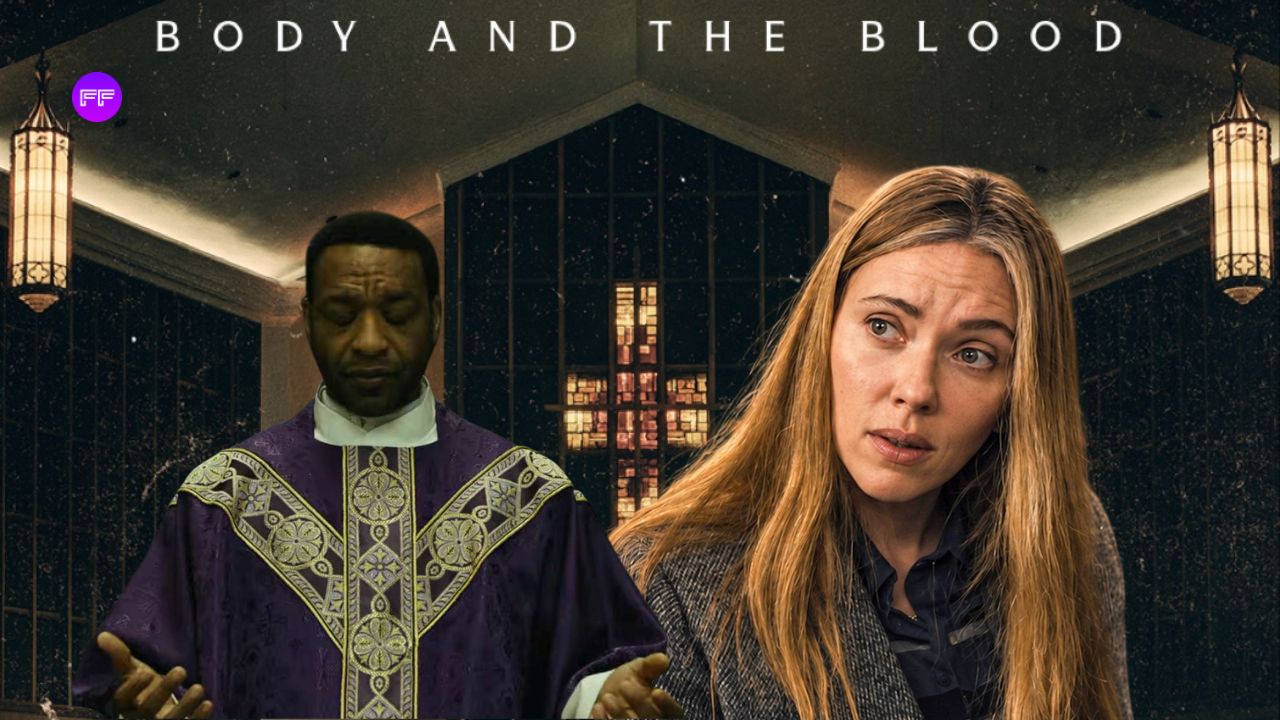
Mike Flanagan taking the thriller out-of-the bedroom with The Exorcist: Martyrs, this film is a standalone entry in the series starring Scarlett Johansson who is a single mother and a detective. Universal released a teaser this week and scheduled the full trailer for Friday, October 9, so the first real look is here.

Johansson plays NYPD homicide detective Julie Miller, who catches a serial killer known as Father Sunday, played by John Leguizamo. Julie is a single mother, and her son Max has just turned 12.

The killer’s method explains the film’s title. He recreates the deaths of Catholic saints, turning each murder into a twisted tribute to the martyrs.

The story jumps ahead thirteen years after Julie takes Sunday down, with new murders tied to her past. Her son becomes the target of a demonic force, and Chiwetel Ejiofor plays a priest tied to the investigation. 

The cast is deep. Laurence Fishburne, Diane Lane and Sasha Calle are in, along with a pile of Flanagan regulars: Carla Gugino, Rahul Kohli, Kate Siegel, Samantha Sloyan and more. It’s a Universal and Blumhouse production.

This Is A Crime Procedural With a Demon Problem

Flanagan isn’t hiding the references. He cites Se7en, The Silence of the Lambs and The Exorcist III as influences. His stated goal, per Esquire, was to ask what happens when you merge a serial-killer thriller with what we love about the original. He also says possession moves “out of the bedroom,” away from parental torment.

Scarlett Johansson

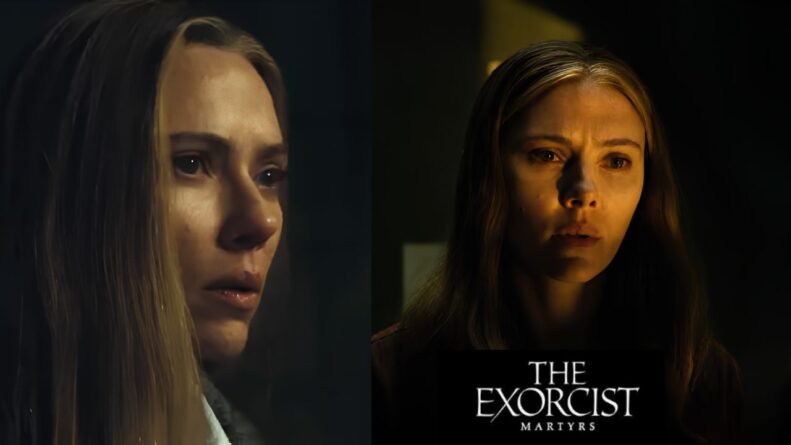
The trailer opens with Miller (Scarlett Johansson) investigating the case and the first question she ask:

“How old is he?”

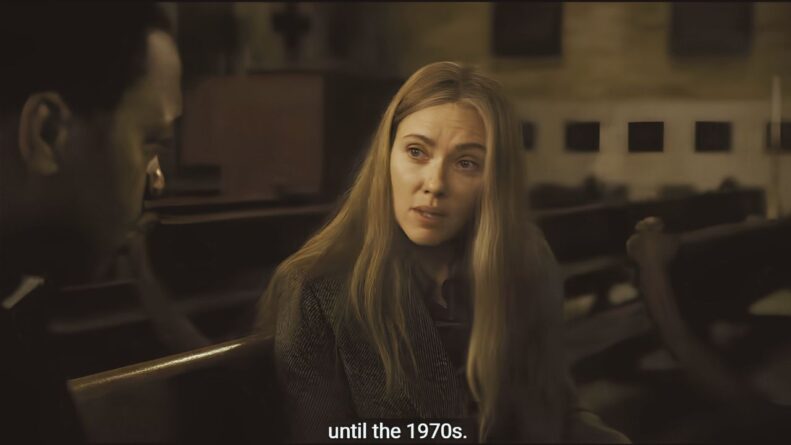
An altar boy from the church who is just sixteen hanging upside down in a bloodied way. Detective removing chains and old ritualistics circular pendant from the body. Miller talk to Father Williams that FBI didn’t start investigating the serial killers until 1970s and says:

“H.H. Homes, America’s first serial killer, said he was possessed by Satan.”

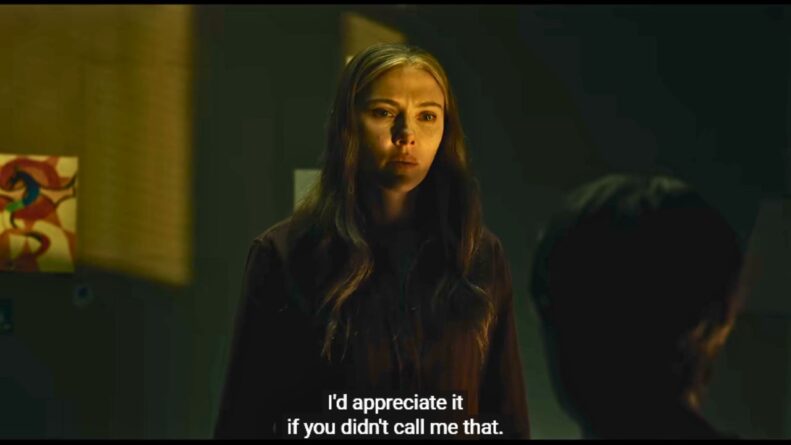
Describing that many serial killers were claimed to be in possession before. One scene shows that the criminal is eliminated by the injections with a look that it’s not his fault while Miller is watching from the outside. At the end of the trailer, She asked the demon not to call her a mom. The story looks horrifying as Miller digs deeper into the case; she may find herself caught in a web that brings her closer to the very person she’s investigating. 

Mike Flanagan’s

Flanagan says the film does have “that one job from the title,” meaning an exorcism is coming. So no one should worry that the procedural framing swallows the genre. The teaser also winks at the original. Coverage noted a glimpse of the famous stairs, and an Alien-style eeriness in the music.

The franchise needs this more than it will admit. The Exorcist: Believer (2023) was meant to launch a new trilogy. It reportedly grossed about $136 million worldwide on a roughly $30 million budget, which fell short of Universal’s hopes after it spent a reported $400 million on the rights. 

Martyrs is not a sequel to Believer. Flanagan says it’s a standalone story with its own characters. That’s a clean reset, and it fits his reputation. He’s the Doctor Sleep and Midnight Mass guy, and he wrote, directed, produced and edited this one himself. His Carrie adaptation also landed on Prime Video this week, so the horror press cycle is all Flanagan right now.

👉   James Gunn Rebuilding DC Universe by Learning From Marvel’s Biggest Mistakes

The Exorcist: Martyrs Bring Different Genre Than Earlier Movies

The smartest thing about The Exorcist: Martyrs is that it skips the Friedkin imitation game and goes after The Exorcist III. That 1990 film, written and directed by William Peter Blatty, is a detective story that happens to be terrifying, and fans have argued for years that it’s the best sequel the series has. A ComicBookMovie commenter even floated the idea that Martyrs could be a secret Exorcist III follow-up. That’s fan speculation, nothing more, but it shows where the audience’s head is.

The Exorcist Martyrs

Johansson also fits the role better than the marketing implies. She does tired, controlled and quietly unnerved well, and a homicide detective with a 12-year-old at home gives her a stake that isn’t “save the possessed girl.”
Serial-killer thrillers and possession horror run on different clocks. One rewards slow deduction, the other rewards escalating dread, and a two-hour movie can end up with two half-built halves. Flanagan’s TV work suggests he can pull off the blend, but a film gives him less room than a series.

 👉  The Sinister Six That Never Was: How a Cyberattack Killed Drew Goddard’s Spider-Man Dream

Conclusion

The Exorcist: Martyrs opens on March 12, 2027. So be ready to enjoy the thriller while teasing your teeth. Horror is something that comes naturally and with the new script, it looks promising.

The movie was inspired by the Se7en, which means don’t expect the original’s family-in-crisis dread story. The genre is shifted with more terrible and bloodier cinema which takes your breath away. The first look is amazing, the next full trailer from Universal will come soon.

Comments

View comments and join the discussion

Alpana

Articles Published: 175

Alpana is Fandomfans Senior Editor across all genres of entertainment. She evolved in the media industry since a very long time, she manages the content strategy and editing of all the blogs. Her focus on story development, review analysis, and research is well-equipped that ensures every article meets the standards of accuracy and depth.

View Profile ↗

The Batman: Part II – Matt Reeves Brings Emmy-Winning Designer Luke Hull to Rebuild Gotham

The Batman: Part II brings together Matt Reeves and Emmy-winner Luke Hull to redesign Gotham City with a darker, more realistic style starring Robert Pattinson.

Published: Nov 4, 2025, 10:22 AM
Last Updated: Nov 11, 2025, 11:43 AM

Matt Reeves’ hotly anticipated The Batman: Part II has reached an exciting new high with the reveal of its production designer, an Emmy-winning artist whose lineages in cinematic world-building is unparalleled. As the city of Gotham prepares for another trip to the theater, the film’s scope has been expanded to include Luke Hull, known for his revolutionary work on Disney+’s Andor and HBO’s Chernobyl. 

Bringing Hull Showrunner Matt Reeves on board to direct, Reeves looks to create more grounded and immersive Gotham. According to Collider, He’s known for his meticulous attention to large, practical sets. He built entire worlds for Andor using a blend of traditional Japanese designs, minimalist Nordic styles and rugged Scottish strongholds. This fusion breathed new life into the Star Wars landscapes. His acclaimed sets for Chernobyl constructed an entire power plant. He emphasized gritty, authentic details that would add substance to the story’s emotions and themes.

What This Means for ‘The Batman: Part II’

Fans in DC and Star Wars communities have already been singing praises of Hull’s casting. They appreciate his knack for making locations into important characters.

This Means for 'The Batman Part II’

Gotham is at the heart of Batman’s story. It will darken and become more deeply felt inside. Hull’s previous work indicates a city that depicts Bruce Wayne’s battle against its decay and moral drop. 

Returning Cast and Production Details

Besides this major offscreen change, the film also brings back the core cast: Robert Pattinson as Batman, Colin Farrell as Oz Cobblepot/The Penguin, Jeffrey Wright as Commissioner Gordon, and Andy Serkis. Production is set to begin in January next year. The script is done.

Returning Cast and Production Details

The story begins immediately following the hit HBO max series The Penguin. It provides a consistent pace and intensity for fans of the original film and the complete Gotham narrative. 

Visual Style Differences Between The Batman and The Batman Part II

In comparing the look of The Batman to that of the forthcoming The Batman: Part II, there are notable differences in the production design, as well as in Gotham City’s artistic direction. Part II wants to take world-building even further and perhaps embrace more traditional comic book iconography while the first film is celebrated for its mood, desaturated, neo-noir look. 

The Batman (2022) The Batman: Part II (2027)
Palette of Colors and Atmosphere: Muted/desaturated to the extreme on all levels, consisting of a very limited desaturated palette composed mainly by dusty deep tones with occasional pops of red, or orange.  Color Scheme and World-Building: There will be deeper colours, with more shades, but a dark intention. This is the plain and old-fashioned places of Hull. Gotham’s architecture will be more defined: There will be windows, and roofs on some of the buildings, as CBR says.
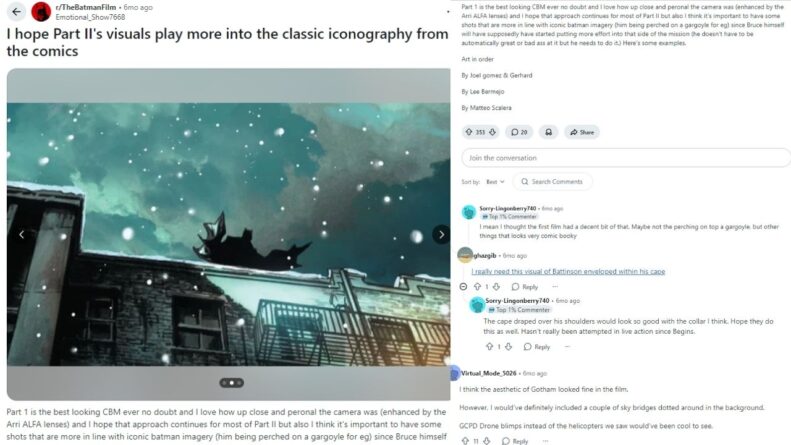
Cinematography: A close, tactile camera feel was achieved through the use of Arri ALFA lenses. It focused on harsh reality and silhouette imagery a-la Roger Deakins. Visual Ideas: Initial discussions on Reddit are that the next movie will be even more strongly influenced by vintage Batman comics. There are also shots of him on gargoyles and grand, bold scenes. The camera is close and intimate but non-pornographic.
Urban Environment: The streets always appeared wet, to suggest perpetual rain and a somber mood. The city pressed down hard and felt harsh. Night scenes gave Gotham a gritty feel and Bruce Wayne’s secretive nature. Production Designer Swap: Andor and Chernobyl’s Luke Hull takes over duties from James Chinlund. Everything He Touches Turns to Real, Physical Space He excels at creating real, tangible, physical worlds, with sets you can touch. This transformation gives a whole new perspective to the buildings, and overall feel, in Gotham.
Symbolism: It conveyed desolation and little optimism, at times portraying Batman as a creature of the darkness. Warm orange from the flares lightened the colors only in a few places, such as the end. This was hope arising out of loss. Comic Tribute: Sequel looks to snatch iconic comic book panels for Batman’s look. That against the muted truth of the first film in picked classic poses.
Riffing: Some of your crew spots may change, but Matt Reeves keeps close-to-the-vest stories and tailspin tone. Hull’s elegant set pieces will elevate it.

In Short, The Batman is distinguished by its muted colors, wet surfaces, and urban stress forged in shadows.

The Batman to that of the forthcoming The Batman

The Batman: Part II is to expand upon Gotham’s style through Luke Hull’s immersive, practical sets. It could be a tribute to vintage comic illustrations too. This gives a fresh spin which remains just as moody for the cape-wearing hero. 

Conclusion

The fact that Matt Reeves went out and hired Luke Hull means that Matt Reeves wants literally every person in Gotham to be filled with the inner pain and dark thoughts that is at the core of Batman’s world. Hull has demonstrated that he can make locations come to life on the page in stories such as Star Wars’ Chandrila or the Chernobyl plant, where setting is integral to plot.

His Gothamville is in decline and ready to roar on October 1, 2027 as the making of the film starts in 2026. The Batman: Part II holds the promise of a film trip that the long wait will make all too right. 

Read More 👉 Die My Love: Jennifer Lawrence & Robert Pattinson’s New Film

About Us 

Welcome to FandomFans — your source for the latest buzz from Hollywood’s creative underworld. Here, we explore the art of filmmaking, knowing about how visionary directors, designers, and actors shape the worlds we escape into. Today we break down Matt Reeves’ ambitious direction for The Batman: Part II, Emmy-winner Luke Hull (Andor, Chernobyl) steps in to reinvent Gotham’s shadowy skyline for its next cinematic evolution.

Comments

View comments and join the discussion

Alpana

Articles Published: 175

Alpana is Fandomfans Senior Editor across all genres of entertainment. She evolved in the media industry since a very long time, she manages the content strategy and editing of all the blogs. Her focus on story development, review analysis, and research is well-equipped that ensures every article meets the standards of accuracy and depth.

View Profile ↗