Home > Movies > Kenan & Kel Meet Frankenstein Returns ’90s Nostalgia..
Kenan & Kel Meet Frankenstein Returns ’90s Nostalgia to the Big Screen
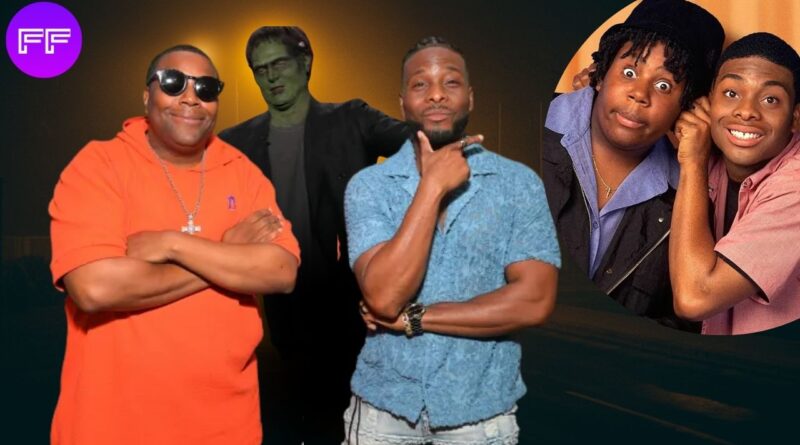
Kenan and Kel Reunion Mitchell are back together for a Gothic horror comedy, Meet Frankenstein, which mixes ’90s nostalgia with comfort horror. Learn more..!
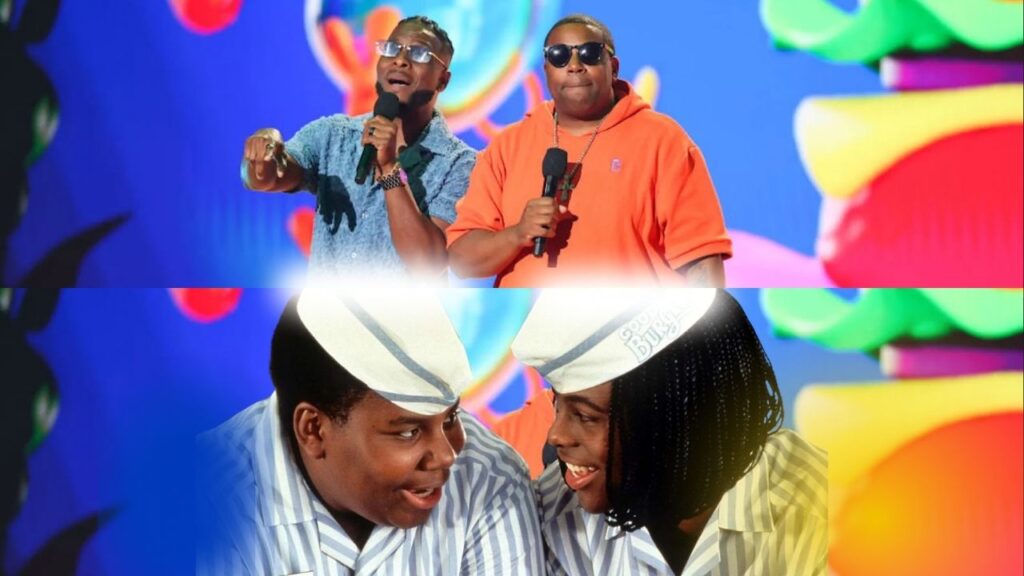
Kenan and Kel Reunion: A wave of nostalgia washed over the entertainment world when Kenan Thompson and Kel Mitchell announced their reunion on a Good Sports episode on Prime Video, announcing a new feature film: Kenan & Kel Meet Frankenstein.
Filming is set to take place in summer 2026, and this is not simply a follow-up to their recent Good Burger 2 success, it’s a calculated bringing-back of a 77-year-old cinematic template. By situating the quintessential ’90s pair in the world of Gothic horror, producers are tapping into a burgeoning “Gothic Renaissance” and the popularity of “Comfort Horror.”
A Contemporary Interpretation of a Classic Form
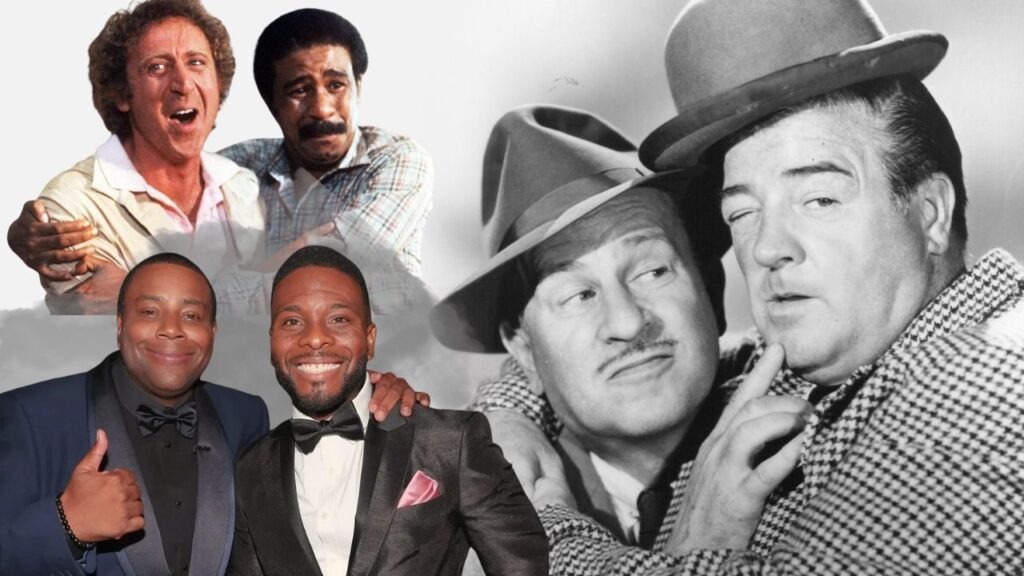
The entire film is set in a building that’s a straight-up homage to the 1948 Abbott and Costello Meet Frankenstein.” In those days, Universal Pictures revitalized its fading monster franchise by infusing it with high-octane comedy. Kenan and Kel are now following suit with the streaming age.
Ryan Jr. stated, “First it was Abbott and Costello, then Pryor and Wilder—and now it’s Kenan and Kel.”
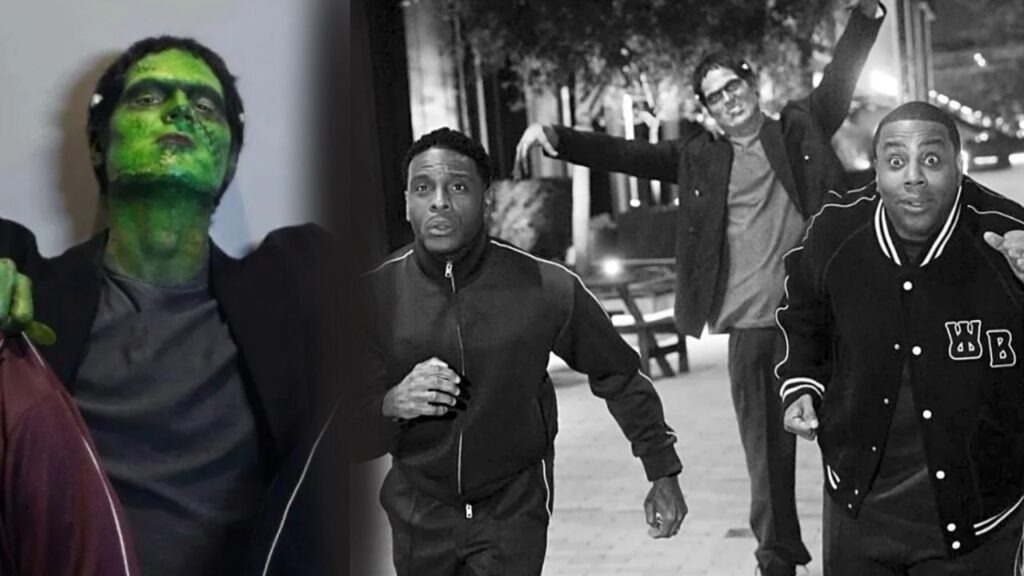
It’s a familiar “wrong place, wrong time” plot device, but one that’s easy to relate to: Thompson and Mitchell are delivery drivers working in the modern gig economy. A routine delivery at a secret, out-of-place castle results in the accidental reactivation of Frankenstein’s monster.
Creative Leadership: Washed in Doom and Whimsy
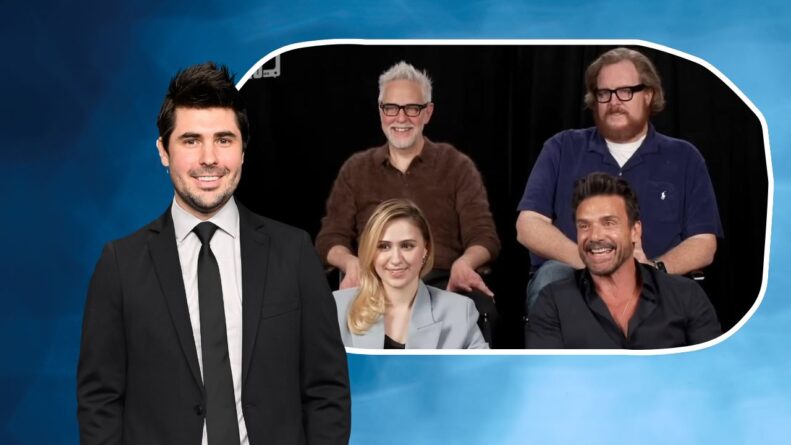
Jonah Feingold, who brings grounded human emotion to ”magical realism,” is helming the project. Producer John Ryan Jr. has described the look of the film as “Shaun of the Dead meets Scooby-Doo.”
So it’s looking like this won’t be a dumb parody – it’ll be a “straight” horror comedy where the stakes feel genuine, even if the heroes are hilarious.
The “Comfort Horror” Playbook
Why Now? The late 2020s are all about the “war of the Frankensteins.” With Guillermo del Toro’s bleak The Witches and Maggie Gyllenhaal’s stylistic The Bride! opening in theatres, viewers are hungry for a palate cleanser.
For Millennials, it’s a return to the “Aw, here it goes!” energy of their youth. For Gen Z, it’s two industry legends including Kenan Thompson, the longest-tenured SNL cast member taking a stab at a new genre.
“It’s exciting to take a classic monster story and turn it on its head, and have fun doing it.”
–said Thompson
Anticipating a “Monster Universe”
This film represents a shift from “reboot culture” to “genre homage.” If it is successful, it paves the way for a possible “Kenan & Kel Monster Universe,” in which the duo could cross paths with the Mummy or the Wolf Man in future films.
By owning their production via Thompson’s Artists for Artists banner, the pair is not only pursuing nostalgia — they are establishing a permanent comedy institution. As we approach the 2026 production cycle, one thing is certain: the “schemer” and the “innocent” are introducing themselves anew, and this time, the monsters should be the ones fearing.
Conclusion
Kenan and Kel Reunion Frankenstein isn’t returning ’90s nostalgia but the gothic horror genre that makes comfort to the audience who love these kinda silly monsters.
Restitching strands of millennial nostalgia and “comfort horror,” the film touts itself as the antithesis of that era’s darker, prestige monster films. Given a wide canvas to tell their own story and an angle that nods to classic Hollywood storytelling, Kenan Thompson and Kel Mitchell aren’t just looking back — they’re ensuring their past holds up over time.
If the bet pays off, this may lead to an endlessly silly monster age where comedy, instead of terror, reigns in the night—and the monsters finally have something to fear.
Fandomfansis a platform where you can come and pick up the latest news on upcoming movies.
Alpana
Articles Published :
156
Alpana is Fandomfans Senior Editor across all genres of entertainment. She evolved in the media industry since a very long time, she manages the content strategy and editing of all the blogs. Her focus on story development, review analysis, and research is well-equipped that ensures every article meets the standards of accuracy and depth.
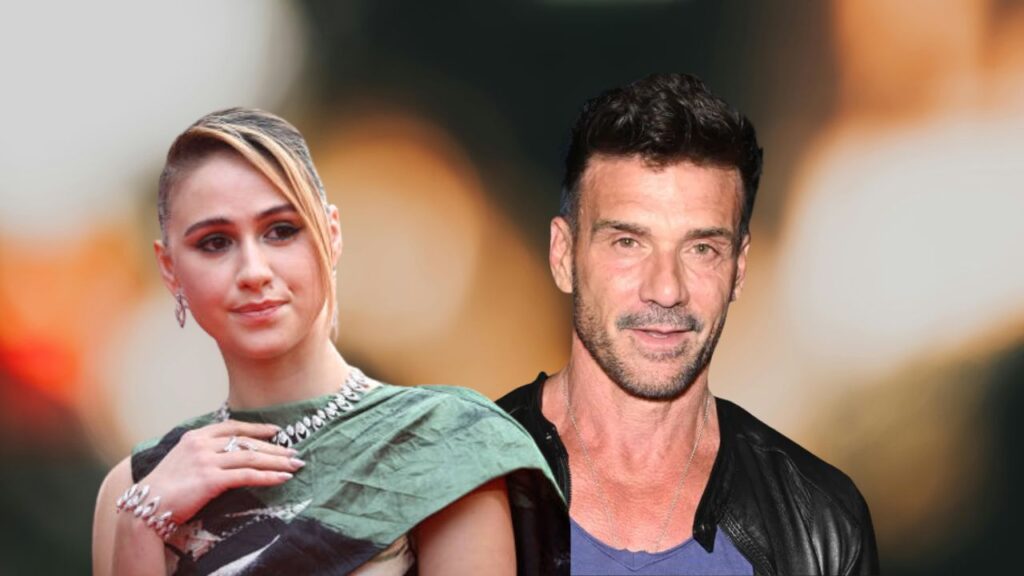
Well, get ready to set your countdown clocks, because two powerful forces (Frank Grillo and Maria Bakalova) in cinema collide on screen. The gritty and intense action veteran Frank Grillo is now set to star alongside Academy Award nominee Maria Bakalova in the high-octane sci-fi survival thriller Override. And the best part? This isn’t a random team-up, it’s a live-action reunion for two foundational players of James Gunn’s new DC Universe.
Just the official synopsis would be enough to terrify you. Override centers on a futuristic soldier (Bakalova) who is betrayed and left for dead. With a fatal wound that could end her mission and her life — she’s forced to race against time. Her last best chance, an experimental synthetic angel (Grillo), the most advanced battlefield A.I. Now that is a premise that practically screams high-stakes survival.
Casting: Frank Grillo Steps Into a Bold New Role
Image credit: Getty Image
Frank Grillo has carved out a niche as a hard, take-no-prisoners type of character exactly the type of guy who would survive in a dark, futuristic world. In the cage, behind the mask or chasing bad guys in one of his numerous action franchises, Grillo infuses each role with a visceral, authentic edge. Watching him play something as nuanced as a synthetic angel on a battlefield A.I. probably running in a human host is a nifty swerve that may meld his physicality with a colder, more technical turn.
Then there is Maria Bakalova. She’s a genuine chameleon of an actress. She made a splash with a phenomenal, Oscar-nominated turn in Borat Subsequent Moviefilm, displaying stunning comedic and dramatic chops. She established her action and sci-fi bonafides with her voice work as Cosmo the Spacedog in Guardians of the Galaxy Vol. 3. Her casting as a futuristic soldier abandoned to die is a perfect match, giving her a chance to go full tilt in an emotionally charged, physically grueling part.
A DCU Connection That Makes This Team-Up Even Bigger
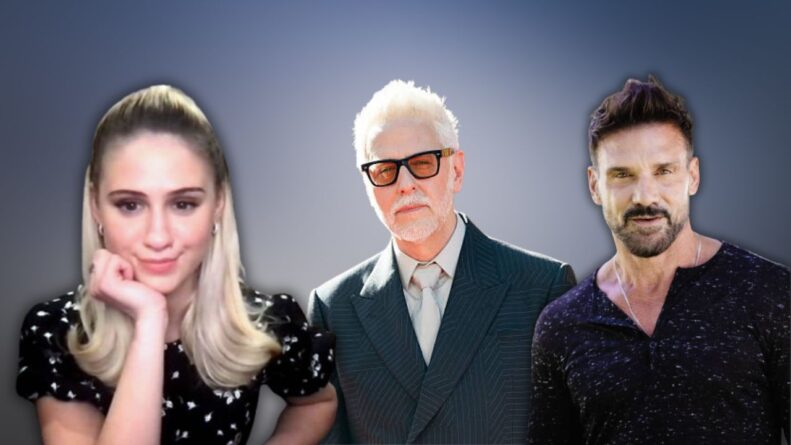
What makes this matchup so appealing for comic book movie fans is their shared DCU history. Both Grillo and Bakalova are a part of the new James Gunn-led slate, voicing characters in the upcoming animated series, Creature Commandos Grillo as the gruff Rick Flag Sr., and Bakalova as Princess Ilana Rostovic. To have their professional collaboration go straight from the sound booth of an animated series to an intense, original live-action thriller is really affirming of their chemistry.
Jordan Downey’s Visionary Touch
Image credit: Facebook (S U P E R V E R S E)
Behind the lens, the movie is in capable hands. Override is directed by Jordan Downey, who charmed critics with his 2018 fantasy-horror film, The Head Hunter. His background indicates that this isn’t going to be just a plain action movie, expect strong visual aesthetics, sharp and focused narrating that will bring the project above the run-of-the-mill sci-fi thriller.
What to Expect From Override
The most thrilling news is that this film is not only in development—it’s being made as we speak. Production is underway in Belfast, so updates, first look images and a trailer are definitely coming sooner rather than later. Amid the relentless churn of reboots and sequels, Override feels like a fresh blast of futuristic wind. It brings together two amazing talent with very different skill sets – Grillo’s action credentials and Bakalova’s dynamic versatility – in a high-concept, pulse-pounding scenario.
Override looks like it will be one of the most thrilling sci-fi thrillers coming out in the near future. Embodying her trademark hard-edged and ferocious presence alongside grittiness of Frank Grillo and versatility of Maria Bakalova lending emotional depth, heat and high-tech chaos is a recipe for heart, heat and high-tech chaos. Their reunion outside the DCU is a crossover fans never knew they wanted a mash-up of action-star firepower and nuanced acting. In control Jordan Downey’s direction, Override is more than just a futuristic survival flick, it’s a cinematic declaration of resilience, trust, and the narrow divide between humanity and machine. To sum up, everything is indicating that this will be the next big genre hit to “override” the competition.
About Us
Welcome to Fandomfans— your source for the latest buzz from Hollywood’s creative underworld. Here, we explore the art of filmmaking, knowing about how visionary directors, designers, and actors shape the worlds we escape into. Today we will know everything about Frank Grillo and Maria Bakalova Reunion in Jordan Downey’s direction, Override.
Alpana
Articles Published :
156
Alpana is Fandomfans Senior Editor across all genres of entertainment. She evolved in the media industry since a very long time, she manages the content strategy and editing of all the blogs. Her focus on story development, review analysis, and research is well-equipped that ensures every article meets the standards of accuracy and depth.
In the middle of all the superhero sequels and shadow-future tales in movies this year, Kiss of the Spider Woman lands as almost unbearably real and human. Bill Condon’s new direction wins the audience over with breathtaking visuals, emotional potential in the storyline and a new way to see how art can heal wounded souls. Jennifer Lopez shines bright here. Diego Luna and Tonatiuh both give great performances. The film is a love story. It also shouts for freedom.
A Story Behind Prison Walls
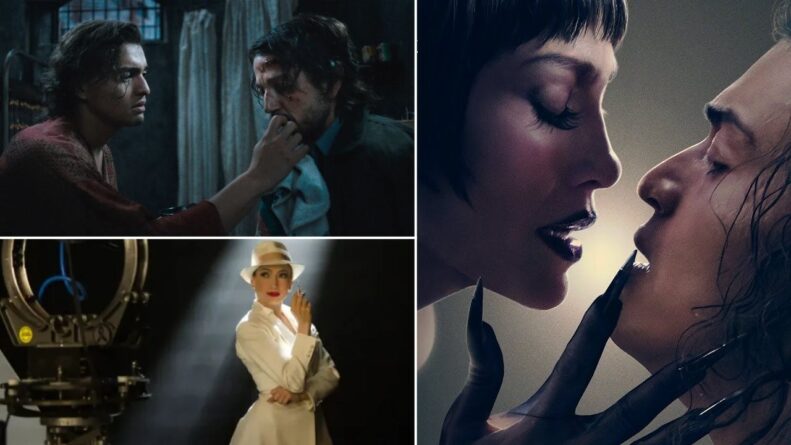
To the framework of Argentina’s savage “Dirty War” in the ’70s and ’80s, according to LAtimes the film adds two men caught up in very different ways by the conflict. Valentín (Diego Luna) is a hardened political revolutionary, and Luis Molina (Tonatiuh) is an extravagant window dresser convicted of indecency due to his sexuality. In the beginning, their cell feels like a cage separating two different realities – worldview vs. imagination. But slowly, with shared stories and dreams, it becomes a place of transformation.
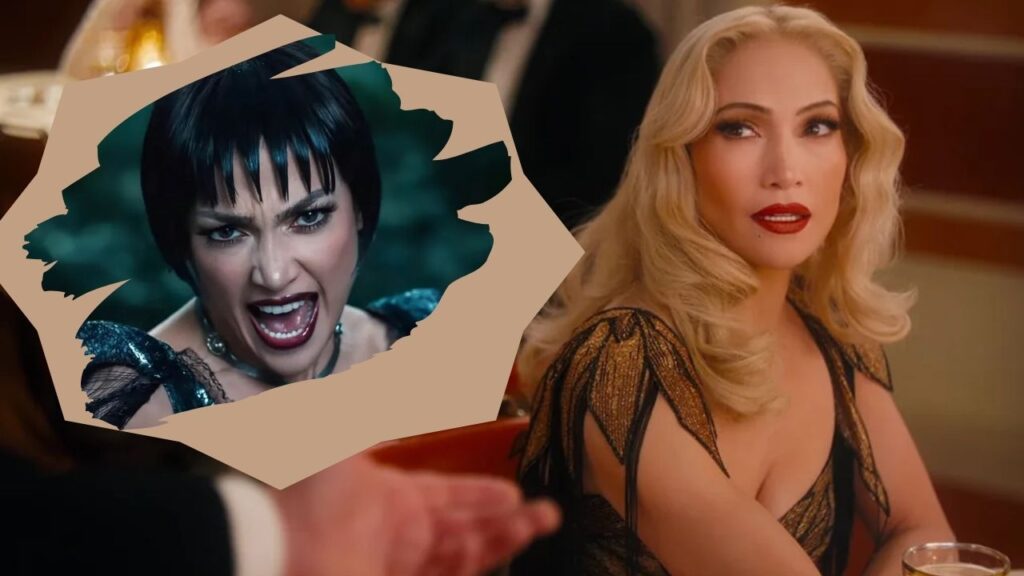
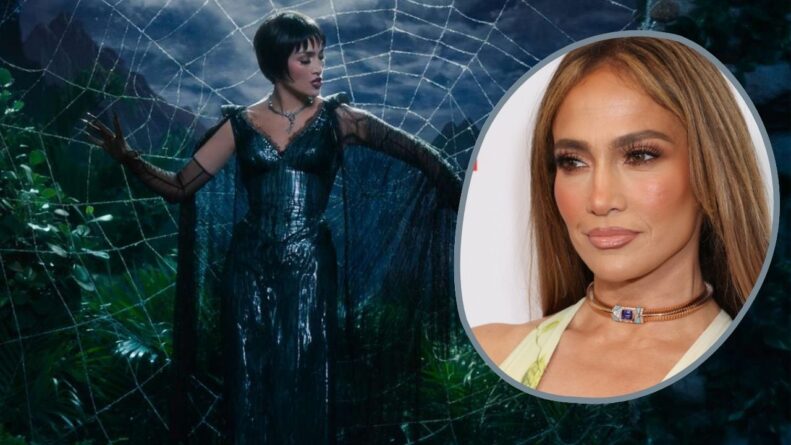
According to Rollingstone, Molina finds an escape from his bleak reality through colorful reenactments of his favourite movie scenes – especially those from the story told in Kiss of the Spider Woman, featuring Jennifer Lopez as the glamorous actress Ingrid Luna. Within these invented scenarios, Lopez is both the blindingly bright film actor and the legendary Spider Woman — a creature whose kiss delivers death, but can also liberation. Molina’s dreams empower him to see through illusions; illusions that allow him to find humanity in both men.
A Musical That Feels Like a Dream
Bill Condon (best known for Dreamgirls) makes the heartrending story of this year’s Oscar-nominated best picture into a dazzling visual and musical feast. The numbers of Lopez, in particular, sparkle with the spirit of the golden age of MGM - with sweeping camera moves and glittering costumes. Every dance, from the sultry cabaret routines to the chilling final duet, conveys desire and freedom.
Critics have noted how these musical interludes stand in stark contrast to the grim reality of the jail. The cuts are clean — we hear the clanging of prison gates; then we’re whisked into a world of color, sequins and song. It’s old hat in terms of story structure, yes, but intentionally so. The musical style is not simply an aesthetic choice, it is an analogy for survival. In a society where repression mutes uniqueness, art is both a weapon and a sanctuary.
Performances That Illuminate
Jennifer Lopez’s turn as Ingrid Luna/Spider Woman is easily the most thrilling thing she’s done in years. Dressed in sequined gowns, blonde waves and bold red lipstick, she is the image of a woman whose beauty conceals a tragic life. Her show isn’t only a look to behold — it’s emotionally infused, making us feel the pain behind the glitz. Critics have described her musical sequences as “transcendent,” highlighting her growth not only as a performer, but as a storyteller.
Diego Luna adds a softer depth to Valentín, portraying a man caught between idealism and fragility. Meanwhile, in a breakout performance, Tonatiuh is brilliant as Molina — warm, comical, and devastatingly courageous. Their chemistry anchors the film, turning it from a tale about two inmates to a ballad for acceptance, bravery, and love.
The film confidently tackles issues of identity, gender and desire and yet remains emotionally truthful. This theme set an absolute new era in cinema history which shows Kiss of the Spider Woman escapism not as denial but escapism as resistance to reality.
It offers a challenge to the spectators, asking how much reality is within fantasy. For Molina, narrating is a means of survival in a system that would rather not see him. For Valentín, fantasy is a newly discovered language of empathy. As a result, they learn from each other that to imagine is to be alive — even in a cell.
Why the Buzz Feels Earned
This film created excitement well in advance of its release, and with good reason. Its Sundance premiere resulted in standing ovations, and each and every screening since has left audiences buzzing. Some of the excitement comes from Lopez’s much-anticipated comeback to musical film, but beyond star wattage is the film’s emotional scope.
John Kander and Fred Ebb’s score is full of sweeping dramatic crescendos and heartfelt melodies that express the desires of the characters. The blend of Tobias Schliessler’s rich cinematography to Condon’s empathetic direction gives Kiss of the Spider Woman new turn that makes it more than just a movie.
Conclusion
Ultimately, Jennifer Lopez’s new movie Kiss of the Spider Woman just created a hype among the fans and received critics praise for its achievement of delivering an iconic and unique storyline to audiences. It just proved beauty and suffering go side-by-side. Jennifer Lopez shines as the spirit and specter. Diego Luna and Tonatiuh bring heart and truth, and the three of them forge something hauntingly unforgettable.
Alpana
Articles Published :
156
Alpana is Fandomfans Senior Editor across all genres of entertainment. She evolved in the media industry since a very long time, she manages the content strategy and editing of all the blogs. Her focus on story development, review analysis, and research is well-equipped that ensures every article meets the standards of accuracy and depth.