Home > Movies > Galactus and Lady Death: The Collision That Could..
Galactus and Lady Death: The Collision That Could Redefine the MCU Forever
Learn how Galactus and Lady Death could reshape the MCU with a cosmic Gothic era leading to Secret Wars, redefining Marvel's future beyond traditional villains.
If you feel the Marvel Cinematic Universe (MCU) was a bit all over the place lately, well, you’re not alone. With multiverse shenanigans, quantum realms and whatnot, things have become a bit messy. But there’s a pattern if you look at the Phase Six schedule along with Fantastic Four: First Steps and the latest spoilers in Agatha All Along. Marvel is turning its back on political thrillers and sci-fi brawls to focus on high-concept metaphysics and passion plays.
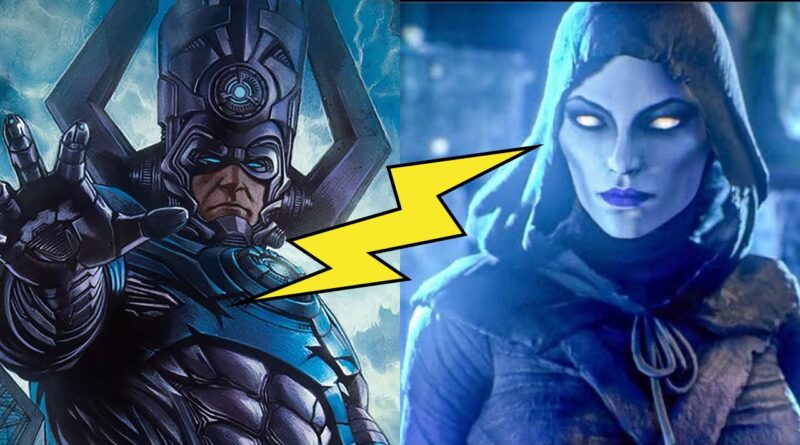
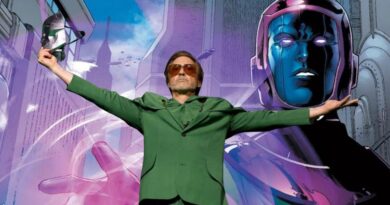
The two players at the center of this shift? Galactus, the Devourer of Worlds, and Mistress Death, now unveiled as the fierce and compelling Rio Vidal.
Casual fans might view them as two separate “Big Bads” (the first a sci-fi giant, the second a supernatural weird witch), but comic history and deep lore reports tell us they are really the “parents” of the next cosmic saga. If you want to know why their eventual encounter is going to change everything, read on!
Galactus & Death is More Than Just Villains
In order to understand why this matters, we need to examine the source material. Comics-wise, particularly the legendary Fantastic Four — the relationship of Galactus and Death is described in terms that boggle the mind.
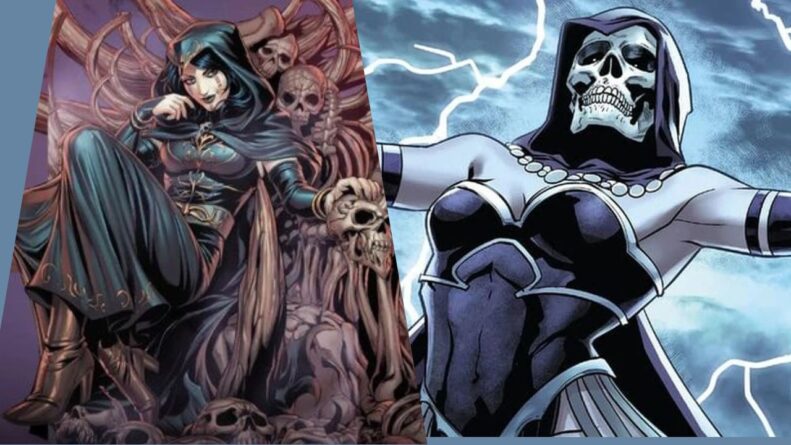
Death refers to Galactus as her “husband and father, brother and son.”
It seems like a contradiction, but it’s a statement of cosmic truth. They’re not enemies; they’re symbiotic. Galactus is the “Great Filter” of the universe. He isn’t randomly demolishing worlds because he’s malevolent; he’s doing it to tend the cosmic garden, so that life does not turn into a cancer on the face of existence.
Image credit: Fandomfans
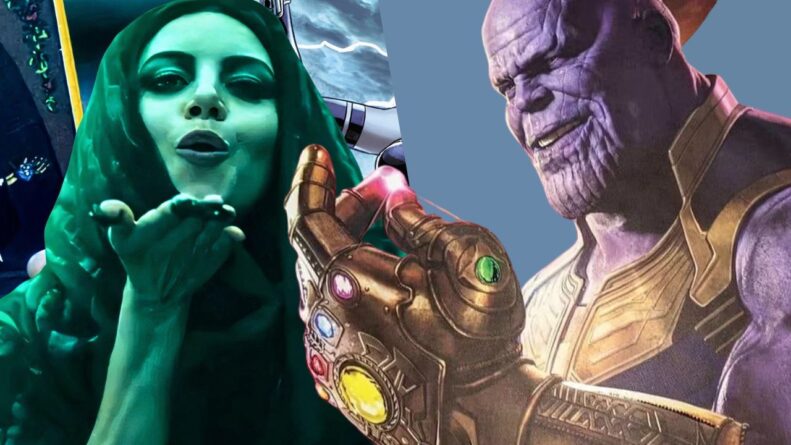
He makes the nutrition that feeds Death’s being. In an eternal, symbiotic dance, his job is to create and hers is to eat. They form a deep, quasi-sacred union, vastly more complex and profound than Thanos’s adolescent crush on Death that can best be described as a momentary juvenile fantasy.
The “Cosmic Gothic” Aesthetic
The MCU seems to be aiming for a particular aesthetic in this union: “Cosmic Gothic.” For one, we’ve got Ralph Ineson cast as Galactus. Known for his bone-chilling, folk horror work in The Witch, Ineson lends a weight that implies that Galactus will be more of an Old Testament god than a mechanical antagonist.
Image credit: Fandomfans
Then there’s Aubrey Plaza’s Rio Vidal. Rather than being the quiet skeleton featured in the comics, Plaza’s Death is loquacious, possessive, and chaotic. She is rooted in “Green Witch” tradition, seeing death as a natural return to the earth. When you combine Ineson’s golden, high-tech horror and Plaza’s rotting, totemic witchcraft, you end up with a cinematic mood we’ve never seen in Marvel.
The Franklin Richards Sparks This Theory
So how do they come together? The latest rumors about The Fantastic Four: First Steps suggest a particular catalyst: Franklin Richards.
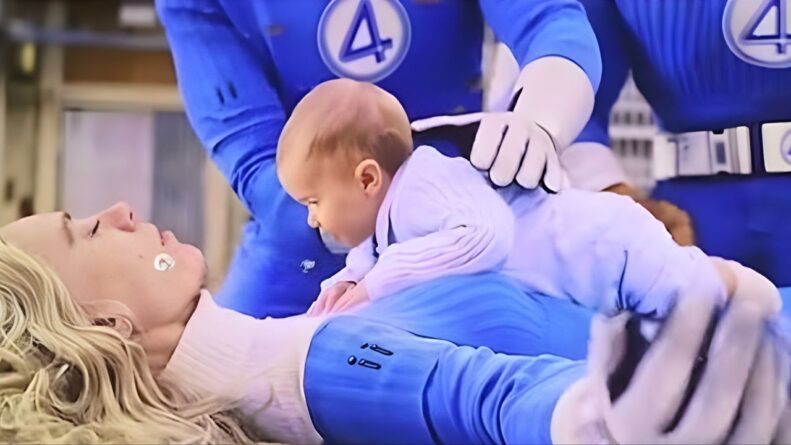
Galactus is arriving on Earth not for a bite but to enslave the reality-warping son of Reed and Sue Richards as a long-term power source, according to leaks. The speculation is that Sue Storm dies to stop Galactus and then that Franklin uses his god-like powers to bring her back to life.
Image credit: Youtube
This is where Rio Vidal enters the chat. As established in Agatha All Along, Rio hates when people cheat death. If Franklin tears a soul back from her domain, he is an enemy of nature. So you’ve got a really interesting three-way battle forming here: Galactus wants the boy for energy, Death wants the boy stopped for violating her rules, and the Fantastic Four are in the middle.
From Fantastic Four To Secret Wars
In the end, the union of Galactus and Death is what leads to Avengers: Secret Wars. As the multiverse shatters through “incursions,” the universe requires a means by which to cull expiring timelines in order to preserve others. Galactus and Death are more than villains to beat up, they’re the cosmic immune system.
We’re beyond the age when heroes battled to save a city. We are now living in a time of modern mythmaking where the basic drivers of reality, Hunger and Entropy have faces, names and story lines. When Ralph Ineson’s Galactus and Aubrey Plaza’s Death at last share the screen, it won’t just be a crossover, it will be the pulse of the new Marvel Universe.
Lady Death and Galactus are far from just two scary forces – they are the core of what Marvel’s next cosmic era is going to be. Their clash lays the groundwork for a deeper, darker and more mythic MCU, one in which the fabric of reality bends, souls are traded, and the heroes we know go toe-to-toe with adversaries older than time itself. If Marvel honestly commits to this “Cosmic Gothic” era, the MCU could finally begin telling the ambitious, cohesive stories fans have been clamoring for.
Fandomfanskeep your energy exciting with your favorite movie characters’ breakdowns of the biggest moments in movies, TV, and pop culture.
Mariyam
Articles Published :
76
Mariyam Khan is Fandomfans Content Writer and providing reports and reviews on Movie Celebrities, and Superheroes particularly Marvel & DC. She is covering across multiple genres from more than 4+ years, experience in delivering the timely updates.
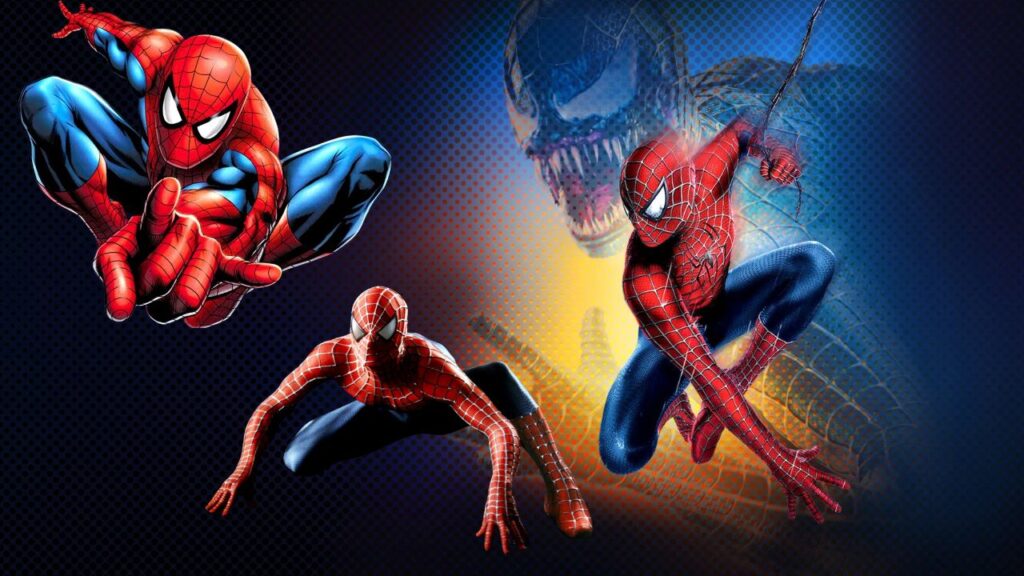
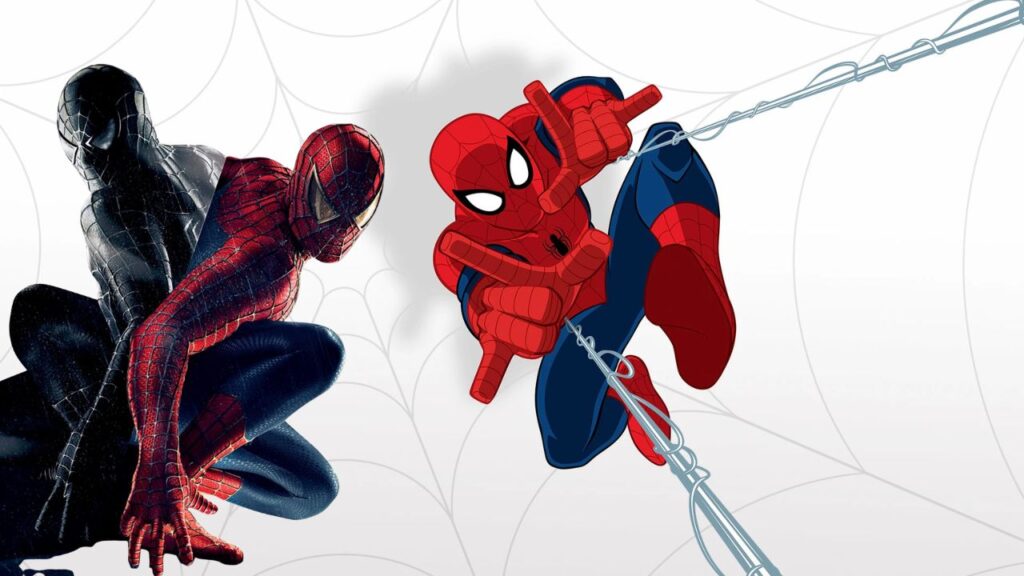
The beginning of Spider-Man’s “Brand New Day,” starting at the top of The Amazing Spider-Man #546 in January 2008, was a clean slate for the character. Following “One More Day,” this era re-envisioned Peter Parker’s life by moving him from his married adulthood back to his origins as a single man and an aspirant. This contentious choice was taken in order to make the character more relatable and timeless for future generations.
Though they were out to make the character viable for at least the next few decades, how they went about doing so provides a textbook example of both imaginative thinking and the dangers of heavy-handed editorial mandates.
The Devil in the Details: The OMD Foundation
To get “Brand New Day,” you have to start with the ruins of “One More Day” (OMD). To fix Peter’s public unmasking during Civil War, Marvel had Peter literally make a “deal with the devil.” To save Aunt May’s life, the demon Mephisto wiped out Peter’s marriage to Mary Jane Watson from history.
Image Credit: Fandomfans
This “Devil’s Bargain” erased two decades of continuity. For his part, Editor in Chief Joe Quesada has said that an older married Peter is too “aged” and in that sense less relatable. But it’s a forced regression — and it’s unearned, too. It was like a supernatural “undo” key, rather than traditional character development, and many fans felt it discounted their long-term investment in the series.
Innovation Through the “Brain Trust”
The most interesting thing about BND was not just the story, but the logistics. Marvel dropped several Spider-Man books to concentrate on one flagship title, The Amazing Spider-Man, three times monthly.
Image Credit: Fandomfans
This necessitated a “brain trust” of rotating writers (such as Dan Slott, Mark Waid and Zeb Wells) and artists. This method enabled the book to mimic the speed of serialized television. They could sow “slow-burn” seeds — such as the mystery of the ‘Spider-Tracer Killer’ that would pay off months or even years down the road.
A New (But Old) Supporting Cast
BND, however, also devoted a lot more attention to Peter’s life without the mask. Moving him back in with Aunt May and making him a freelance photographer once again Marvel played up “humanizing” the hero through urban hardship.
Return of Harry Osborn: Resurrecting Harry reintroduced a social mooring and a “best friend” dynamic that had been missing for years.
Image Credit: Fandomfans
New Rogues: The era was prolific in new villains. Mister Negative was the breakout, presenting a stark visual “negative” of the Peter/Spidey duality.
New Faces: New characters Carlie Cooper (a CSI forensics expert) and Vin Gonzales (Peter’s Spider-Man-hating roommate) were also added to capture a contemporary, pan-op/NYC feel.
Transmedia Legacy and the MCU
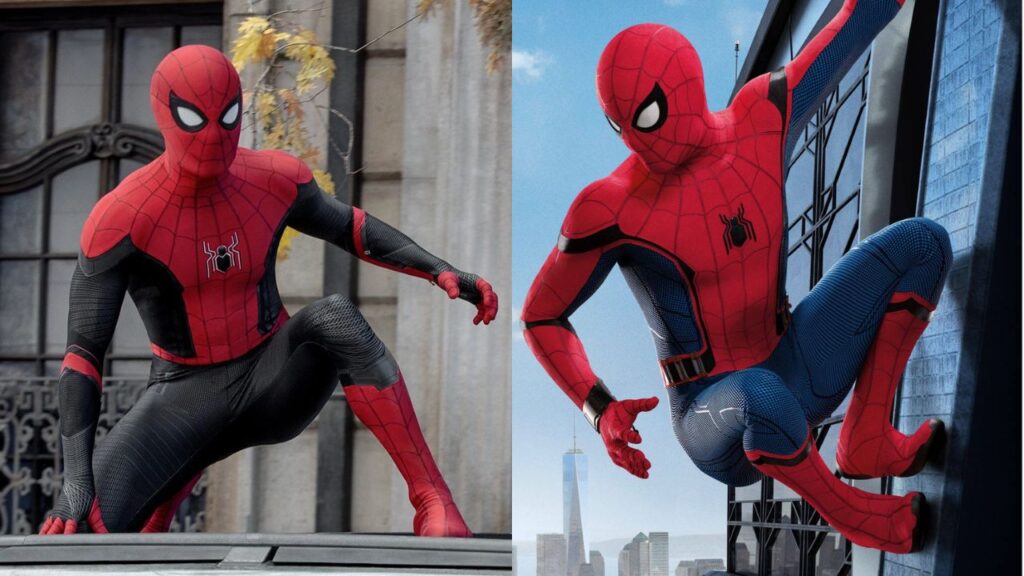
Controversial as it always was, BND’s DNA is stamped on everything today. The 2018 Marvel’s Spider-Man game took a lot of cues from this period, including Mister Negative and the F.E.A.S.T. shelter.
Image Credit: Fandomfans
More importantly, the BND model is what the MCU is now following. Tom Holland’s Peter is, by the end of No Way Home, living in a small apartment, unknown to the world and devoid of his Stark tech. The 2026 film, apparently titled Spider-Man: Brand New Day, heralds a “fresh start” much like the 2008 relaunch – though presumably with a more heroic justification than a deal with Mephisto.
Conclusion
“Brand New Day,” was a radical rewrite designed to update the character by returning to his roots. Though it led to some of the best single stories in the character’s history, it also demonstrated that “narrative debt” is real. You can reset a character’s clock, but you can’t always reset the reader’s memory.
Fandomfansis a platform where you can find every update on movies, series, and celebrities. Our goal is to focus on deep concepts and character arcs.
Mariyam
Articles Published :
76
Mariyam Khan is Fandomfans Content Writer and providing reports and reviews on Movie Celebrities, and Superheroes particularly Marvel & DC. She is covering across multiple genres from more than 4+ years, experience in delivering the timely updates.
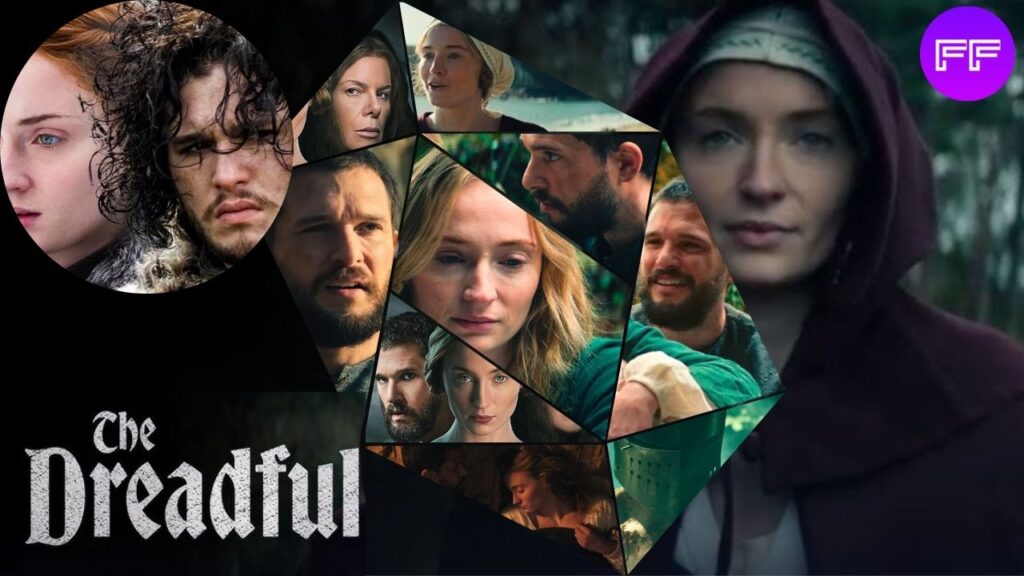
The Dreadful Movie in 2026 has witnessed a resurgence of the Gothic mode, with one of its leading exponents emerging as a project that promises to be as unsettling as it is historic. The Dreadful isn’t your typical horror flick; it’s an elegant meeting point between period drama and supernatural terror. Drawing on the immense cultural capital of its legendary leads, the film plunges into the murkier realms of human survival and moral complexity.
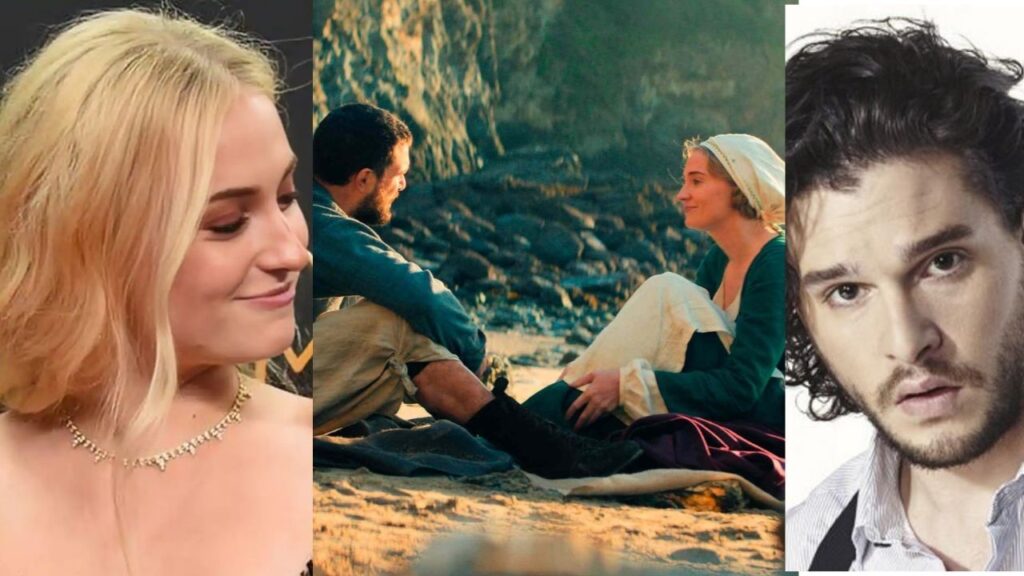
For fans of prestige television, the movie marks a pointed and bold next step for Sophie Turner and Kit Harington. Departing from the sprawling, high-fantasy politics of Westeros, they have swapped iron thrones for the claustrophobic, psychologically crushing domain of “misty forests and crushing dread.” This is a tale in which the mood is as leaden as the secrets its players harbour.
The Vision: From Japanese Masterpieces to English Soil
The metaphysical core of The Dreadful is based upon a wish to orient the themes of classic international cinema in the savage reality of English history. Writer-director Natasha Kermani is inspired by Kaneto Shindō ’s 1964 Japanese cult classic, Onibaba. In the process, she has created a storytelling model around a small, isolated community with its members’ interrelations just as deadly as the supernatural elements hiding in the forest.
This is in keeping with the “folk horror” motif, where the land becomes a sort of other foe. The film, meanwhile, is a groundbreaking achievement for independent horror, combining the art house virtues of auteur-directed filmmaking with the marketing muscle of Lionsgate. With Sophie Turner in the lead role and also producer, there is a definite sense of creative ownership that should keep the “emotional heart” of the film beating from start to finish.
Release Date & Availability
The Dreadful release is positioned to take advantage of the early 2026 market. The Dreadful release date is perfect to capitalize on the late-winter audience that enjoys moody thrillers, and wide-release is scheduled for February 20, 2026.
Territory
Release Date
Primary Platform
Format
United States
20/February/2026
Theaters & Digital
Wide / Day-and-Date
United Kingdom
20/February/2026
Theatrical
Wide (True Brit)
India
Q1 2026
Lionsgate Play
Streaming Premiere
Global Digital
20/February/2026
VOD / Amazon / Apple
Digital Purchase/Rent
A World of Roses and Regret: Genre, Theme & Setting
The Dreadful’s aesthetic is dominated by its 15th-century setting: the Wars of the Roses. This period of English history (1455–1487) was marked by violent civil war between two rival houses, the House of Lancaster and the House of York.
The Wars as a Thematic Catalyst
The Red Rose–White Rose rivalry is more than mere window dressing; it drives the characters to desperate acts. In a world where central authority has disintegrated, people such as Anne and Morwen are abandoning the edges of civilization.
Faction / Element
Historical Basis
Narrative Implication
House of Lancaster
Red Rose Symbolism
Associated with the “war” Anne’s husband attends.
House of York
White Rose Symbolism
Represents the broader political chaos.
Ostracized Living
Outskirts of Society
Heightens the vulnerability of the protagonists.
15th Century
Transition to Tudor Era
A time of deep superstition and radical change.
The Synthesis of Gothic and Folk Horror
From both sides of the conflict, the film adopts elevated perspectives. While the film is Gothic horror at its core—defined by crumbling homes and buried family secrets—it is also very much a work of folk horror. Director Natasha Kermani delves into fear, desire, and regret through a visceral medieval aesthetic. The “English countryside,” with its mud, rain, and cold nights, becomes a character in its own right. The supernatural elements are implied to arise from the land itself, and the “curse” may be read as a projection of the characters’ moral failings.
The Creative Powerhouse: Director & Crew
The Dreadful is, brilliantly, entirely in Natasha Kermani’s hands. Known for pushing genre boundaries in films such as Imitation Girl and Lucky, Kermani applies a layered “Three Keys” approach on set: forming a trusted team, drawing on her short-film experience, and turning to classical texts.
A Collaborative Framework
The production is a partnership between the independent studios Black Magic and Redwire Pictures. Sophie Turner’s role as a producer is particularly vital, signalling a shift toward more equitable power relations among lead performers.
Director / Writer: Natasha Kermani (the visionary behind the film’s transposition of Onibaba) Director of Photography: Julia Swain (capturing the film’s “mud and rain” aesthetic) Editor: Jeff Betancourt (shaping the film’s slow-burn suspense)
The Plot: When Men Walk Like Demons
The story of The Dreadful is a brutal account of survival. We follow Anne (Sophie Turner), who lives in isolation in the countryside with her overbearing mother-in-law, Morwen (Marcia Gay Harden), as she waits for a husband taken by the wars.
This stasis is shattered by the arrival of Jago (Kit Harington), a figure from Anne’s past. He brings news of death while reviving erotic tensions—both sexual and homicidal—that imperil the household. As Jago infiltrates their lives, a “mysterious knight” emerges: the materialization of a curse that feeds on their sin.
Cast & Characters: A Powerhouse Trio
The Dreadful movie cast is small, yet the film’s triumph lies in this tiny ensemble, which somehow carries immense psychological weight.
Sophie Turner as Anne: the film’s emotional heart. Turner portrays a woman whose strength is forged through solitude in a cruel world.
Kit Harington as Jago: a figure of ambiguity. Harington is equal parts puppy-eyed vulnerability and latent darkness.
Marcia Gay Harden as Morwen: the ruthless mother-in-law. She grounds the supernatural in a very real human desperation.
The reunion everyone is talking about
The on-screen reunion of Turner and Harington is the film’s biggest marketing hook. Having portrayed siblings for ten years, their evolution into lovers has been described by the actors as both “weird” and “igniting.” This discomforting tension feeds directly into the movie’s atmosphere of dread, allowing the audience to viscerally sense the boundary-crossing.
Production Prowess: Technical Details
Shot on location amidst the craggy hills of Cornwall, the production embodies environmental naturalism. Cinematographer Julia Swain employs a visual language reminiscent of The Green Knight, emphasizing misty and eerie hues.
The supernatural elements are deliberately restrained, designed to feel earned rather than “cheap.” The film has received an MPA-R rating for “violence, gory images, and sexual references,” a rating crucial to presenting a medieval nightmare without compromise.
The participation of Lionsgate guarantees extensive coverage, with True Brit Entertainment concentrating on the horror legacy of the UK.
What are the fans saying? The response on places like Reddit is electric. Although some are uneasy with the transition from “sibling-to-lover,” it has ignited a viral discussion that goes far beyond horror. Industry Insiders say the film is likely to become a cult hit, a consistent moneymaker that confirms that Natasha Kermani is a force to be reckoned with.
Conclusion
The Dreadful Movie isn’t just a horror movie – it’s a celebration of the Gothic tradition. It asks us to confront the demons that arise from our own histories — all the while cloaked in the lovely, horrifying mists of 15th-century England.
Fandomfans is a platform where you can find all the latest details from movies review, webseries review, and television shows that are worth watching.
Alpana
Articles Published :
156
Alpana is Fandomfans Senior Editor across all genres of entertainment. She evolved in the media industry since a very long time, she manages the content strategy and editing of all the blogs. Her focus on story development, review analysis, and research is well-equipped that ensures every article meets the standards of accuracy and depth.