The Gosling Effect in Star Wars Starfighter – A New Era for Space Opera

Gosling joins Star Wars Starfighter Obey your thirst. Discover how the Gosling-Levy pairing might reshape the genre of space opera when it arrives in 2027. 

Published: March 6, 2026, 10:45 am

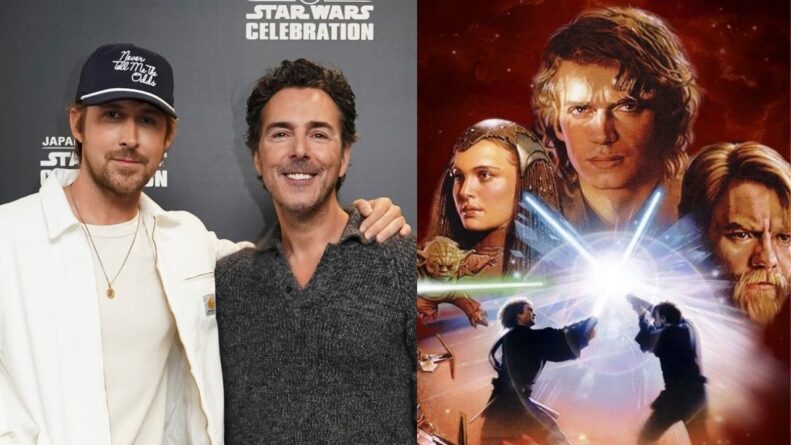
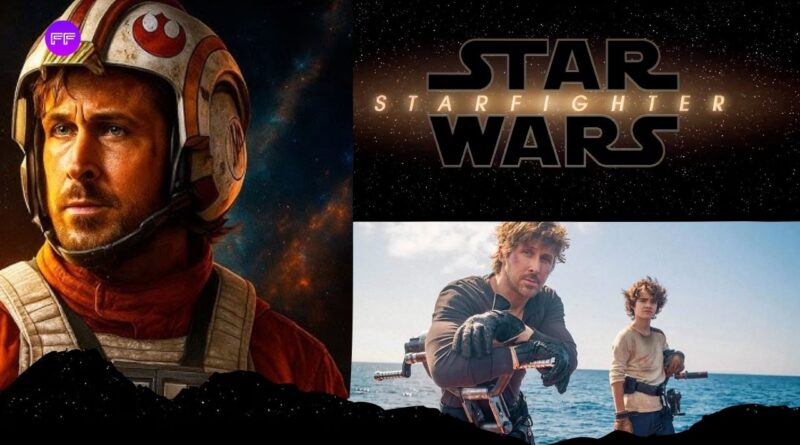
There is a strange buzz that fills the air when Ryan Gosling appears on set. It’s not the orchestrated buzz of a marketing strategy, it’s the quiet assurance of a performer who knows that film is as much about what you don’t say as what you do. When Gosling was officially announced to be joining Star Wars Starfighter with Shawn Levy at Star Wars Celebration Tokyo in April 2025, the news was more than a simple casting win for Lucasfilm. It was something far more fragile: a possible course correction for a franchise that’s been failing for focus for the better part of a decade.  

The Rise of Skywalker ended the Skywalker Saga, and since then, Star Wars has felt less like one shared universe and the galaxy has become multiple tossed captains in the ship. But “The Mandalorian and Grogu” restored faith and The Book Boba Fett got things all mixed up, Andor demonstrated maturity and seriousness in Star Wars storytelling, and The Acolyte explained how far off that can fly. 

Through it all, one question looms over Kathleen Kennedy’s leadership: what the hell is Star Wars Starfighter in 2027?

Now, enter the Gosling–Levy pair — not so much a studio double feature as two filmmakers connected by the same childhood dreams and creative vision, returning with something that actually feels personal once again. 

Family Dynamics Might Save Star Wars

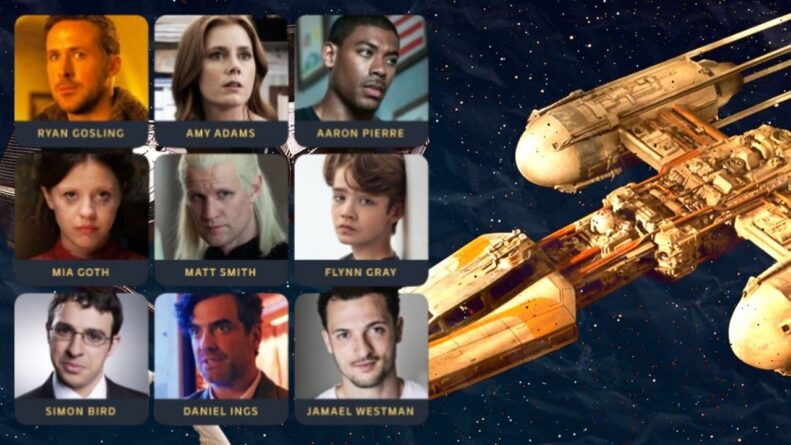
Here we’re getting into speculation, Star Wars Starfighter focuses on Gosling as not a smuggler, not a Jedi, but a very real trader in an uncle outraged into protecting his Force-sensitive nephew from dark side hunters in a galaxy still recovering from Palpatine’s final death, in which Amy Adams is said to be the boy’s mother, and possibly a Jedi herself who gives her brother (Gosling) the son’s protection as she goes to meet the galactic threats elsewhere. 
Starfighter 2027 movie

If this is the case and screenwriter Jonathan Tropper has been as characteristically tight-lipped as always then this setup is genius in its simplicity. For four decades, Star Wars has weighed fathers and sons, masters and apprentices, the burden of blood and destiny. An uncle-nephew relationship allows for a genuinely horizontal dynamic: chosen responsibility as opposed to inherited burden. Gosling wouldn’t be wrestling with the sins of his father—he’d be leaping into danger for love of his sister and her child.

This turns the whole hero’s journey on its head. Luke Skywalker became a legend because of who his father was. Gosling’s character, let’s call him Kael for the sake of our theory, would be a hero for who he chooses to be. That has a very modern ring to it, in a time when a found family often trumps blood ties. 

The “Bokken Jedi” Connection: Why Gosling’s Character Breaks the Mold

There’s another theory made that mentioned by CBR that’s worthy of your attention, one which links Star Wars Starfighter to the wider weave of today’s Star Wars narrative. 

Baylan Skoll references the Bokken Jedi in Ahsoka, Force users who trained outside of the Now I’m watching Ahsoka. They are survivors, self-made warriors who cobbled together knowledge from legends, ancient holocrons, and fragments of lore rather than being expert practitioners. Crude, authentic, and defined by loss rather than tradition. 

But what if Baylan is one of them? A former student of Luke Skywalker’s temple who escaped Ben Solo’s massacre — someone who saw friends die, chose survival over heroism, and vanished rather than standing and fighting. That kind of background would explain everything about who he is now. Five years Post-Exegol, the galaxy doesn’t need another chosen one. It needs a broken man who relearns how “to be whole” by protecting someone else.

That would explain the “Star Wars Starfighter” titles even better than a simple aesthetic reason. He is flying a starfighter, literally, because he is on the run. Now action sequences become character beats — every evasive dive through an asteroid field isn’t just spectacle, it’s a man dodging his past until he can no longer. The ship becomes a metaphor: run-down, cobbled together, but still capable of amazing things when properly captained. 

The Shawn Levy Contribution also Effects Star Wars Starfighter

Shawn Levy, the director of the new Star Wars movie is really important to this equation. Levy is not a visionary auteur in the conventional sense. He’s not Denis Villeneuve drawing with shadows and silence, or Christopher Nolan stretching time like taffy.

Levy’s talent is subtler, and perhaps more challenging: He makes tentpole movies feel intimate. Free Guy shouldn’t have worked as a comedy about an NPC gaining self-awareness in a video game that sounds like algorithmic nightmare fuel. And yet Levy injected it with such happy earnestness that even Ryan Reynolds’ blue-shirted everyman seemed worth rooting for. 
Ryan Gosling Star Wars

Then there was Deadpool & Wolverine, and that could’ve been a cynical IP soup concoction.  But Levy approached Wolverine’s mourning with sincere respect all the while delivering the R-rated mayhem fans desired. He understands that the most successful blockbusters function on two or three different frequencies simultaneously: the visual, emotional and, in the case of the sense of irreverent humor. 

For Star Wars Starfighter, this approach is just right - it’s fun without feeling like a drag and you get a sense of accomplishment for each stage you complete. The sequel series always felt embarrassed to be Star Wars, constantly trying to upend expectations until there were none left to upend.

Levy is not a subversion, he is an embrace. He’ll give us the trench run homage, the cantina scene, the binary sunset moment – he’ll give us all of those things, but he’ll earn them through character work rather than nostalgia triggers. 

The Five Years Timeline Tightrope

Star Wars Starfighter movie appearance five years after The Rise of Skywalker is something that builds hope to open up interesting story possibilities while closing others. 

This is a galaxy being rebuilt. The New Republic that was decapitated by the destruction of Hosnian Prime that the First Order killed is either in the process of rebuilding or has fractured into various regional powers. The First Order’s remnants haven’t simply vanished but they’ve likely sprouted as warlords, marauders, or desperate holdouts.

And the Jedi? Rey is probably off training her first students somewhere, but the Force-sensitive populace hasn’t suddenly exploded in size. If anything, parents are likely keeping their children’s talents under wraps, taking heed of how the last regime treated “Force-wielding terrorists. 
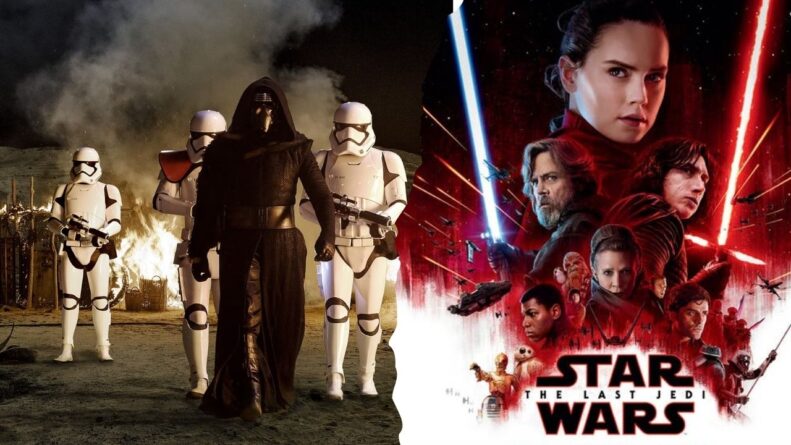
Star Wars Skywalker

As IGN mentioned, This adds poignancy to Gosling’s role as the overprotective uncle. He’s not just running from dark side hunters, he’s trying to navigate a hideous bureaucratic system in which signing up a Force-sensitive kid for school could very well be handing him or her over to a government that wants to stop another Palpatine. The film might delve into the paranoia of the post-war generation, the way its trauma reverberated through organizations even after it won.

There’s also the prospect of legacy characters turning up that don’t overwhelm the story. Daisy Ridley’s Rey makes a cameo not as a savior, but as a distant hope, a legend that Kael doesn’t believe in until she sees for herself. The Starfighter vs. the sequel trilogy, however, would be scale: Rey is not the main character in this one, She’s not in this world, She’s is in another dimension, a parallel story. 

Why This Matters for Gosling’s Legacy

What interesting is about the path Ryan Gosling’s career has taken. He’s also one of the few actors to flex his star power between indie bona fides (The Nice Guys, Blade Runner 2049, First Man) and blockbuster draw (Barbie, La La Land) without ever really feeling like he’s slumming in either realm. He has never led a franchise this large, this culturally laden.

There’s danger here. Star Wars has chewed up bright futures before, just look at the Solo cast, or the skilled actors buried beneath sequel trilogy exposition. But there’s also an unprecedented opportunity. If Starfighter works, Gosling doesn’t just get one big movie, he gets ownership of a new corner of the galaxy. 

Gosling is the right age for this at 46 as he can convey gravitas, yet be around for multiple films, and is savvy enough to know when to fight for creative input.

But more than that, he adds an element of the audience that doesn’t usually think about Star Wars. The Barbie crowd, the Drive lovers, the Oscar-season crowd who tip it to his nominations, they will come to this galaxy, enlarging the base beyond the faithful who gauge midi-chlorian counts on Reddit. 

“No Legacy Characters” Is Actually Revolutionary

In January 2026, screenwriter Jonathan Tropper made a comment that should have attracted more attention: 

“Star Wars Starfighter is truly standalone, there are no secret cameos from legacy characters. Interview In a day and age where all blockbusters are secretly backdoor pilots for ten other projects, this is radical.”
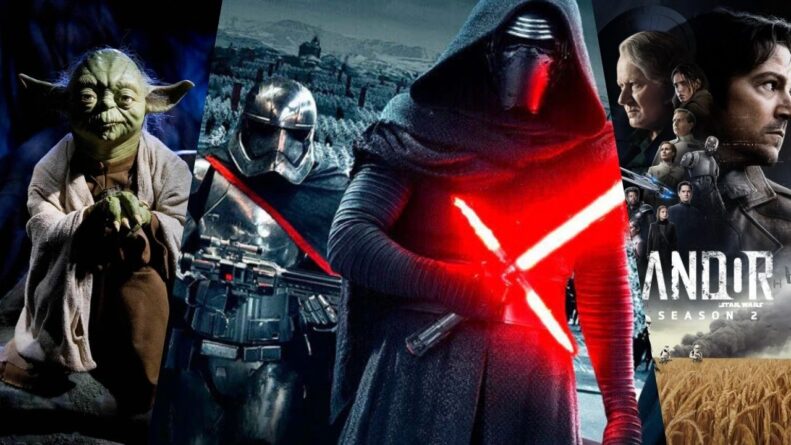
No Legacy Characters

What that means is the film has to be able to stand on its own. You don’t just play John Williams’ Force Theme to make you cry, you have to earn it through new themes. It can’t just take the outline of Darth Vader to create menace — it must introduce new villains (Matt Smith and Mia Goth, according to casting rumours) that feel as iconic. This is Lucasfilm betting on storytelling over brand recognition, and that confidence is contagious. 

It’s not trying to sound legendary — it’s practical, almost humble. A name that can function as a job, a vehicle, and just a way to get around, instead of a symbol burdened with the weight of mythology. It implies a movie about people at work—hazardous, urgent work rather than destiny congealing in the veins. 

Conclusion

If Star Wars Starfighter is successful as early executive reactions indicate that it could rewrite the Star Wars rule book entirely. No more trilogies in the works before the first film debut. No more mystery boxes that go nowhere. Just filmmakers with passion projects, actors with real chemistry, and stories that just happen to take place in space. 

For Ryan Gosling, success means showing that he can bear the impossible load of fan expectations and still come out on the other side as a fully realised artist. For Shawn Levy, it’s proof that his particular brand of warm-hearted blockbuster filmmaking can survive in the most closely parsed sandbox in cinema. What they really want is for the original 1977 Star Wars to feel real again — not because of twists or surprises or retcons, but because that film had heart. And it made people feel, and that’s what we haven’t had.

Speculation, set visits and Star Wars Starfighter trailer dissections over the past 18 months have been propelled by that one hope that Star Wars will discover its soul again. Release was then scheduled for May 28, 2027, for the new film. But in years now, that excitement really does feel deserved rather than manufactured. Because somewhere in a London editing suite, Ryan Gosling is learning to fly, and the galaxy is at last becoming large enough for new stories once again. 


Dive into the world of cinema with Fandomfans to get deeper updates from upcoming movies, series and celebrities.

Alpana

Articles Published : 106

Alpana is Fandomfans Senior Editor across all genres of entertainment. She evolved in the media industry since a very long time, she manages the content strategy and editing of all the blogs. Her focus on story development, review analysis, and research is well-equipped that ensures every article meets the standards of accuracy and depth.

Leave a Comment

Your email address will not be published.

The End of Star Trek on Paramount+: A Bittersweet Goodbye to a Streaming Era

The Star Trek on Paramount+ run ends with Strange New Worlds and Starfleet Academy. Here’s What the Hell Is Going On and Where the Franchise Is Headed.

Written by: Mariyam
Published: April 10, 2026, 12:09 pm
Star Trek

If you’re a Star Trek fan, you have a pretty good idea that It is a deeply sad time for our fandom because the end of the current franchise on Paramount+ isn’t just a rumor anymore—it is officially happening. There are no more Star Trek series. That big experiment in bringing the final frontier into the streaming era is now at a standstill. At this moment, that means it’s truly over for the last two shows still hanging on: Star Trek: Starfleet Academy and Star Trek: Strange New Worlds. 

Getting to watch the entire universe get its plug pulled all at once — that’s a lot to take in. Let’s discuss how we came to be here, what these final seasons are doing, and how we might handle the ending of an incredible run. 

Remember When We Had Five Shows at Once?

What made the blow all the more devastating was how suddenly everything changed. It had been a long time since it felt like we were in the midst of a Star Trek golden age. There was such a profusion of content, such excitement – we were truly spoiled. 

At one point, we were producing five different TV series all at once for Paramount+. We had Discovery pioneering, going beyond where we’ve ever been in the future. There was Picard, giving us the nostalgia closure we didn’t know we needed. We had Lower Decks, whose brilliant, affectionate parody had us laughing so hard our sides hurt. 

Five Shows at Once

We got Prodigy, which brought the concept of Star Trek: Starfleet Academy to a whole new generation of kids. And then there’s Strange New Worlds, which returns to the classic episodic format that made Star Trek so iconic to begin with. 

There was a day when Star Trek fans could rely on the release of a new episode nearly every week of the year. The franchise seemed unstoppable. The universe was expanding in all directions — live action, animation, stories set in the past and present as well as the far future. It signaled a huge, interconnected world that would engage fans for decades. 

And then, Star Trek: Starfleet Academy came to the line-up in January 2026. It was going to be the next big chapter. It was meant to be the show that took the torch. Rather, it was one of the last to go in a sudden, savage wash of cancellations. 

The Heartbreak of Strange New Worlds

Let’s start with Star Trek: Strange New Worlds, because this one really hurts. To many fans it seemed the best-placed jewel in the streaming age’s current crown. The series maintained the charm, optimism and sense of seeing the world and adventure that the original 1960s series embraced, along with a host of modern visual language and complex rich layered characters. 

Captain Christopher Pike, Spock, Number One, Uhura, La’an, Nurse Chapel — this crew felt like family. We saw them solve the unsolvable, sing their hearts out in a musical (nothing happens before or after as it did at the end of last season’s musical episodes) and even cross over with animated characters. They restored happiness to a series that had sometimes strayed a little too far into darkness and grime. 

The Heartbreak of Strange New Worlds

If you want to call it the bright side, is that we are getting a very satisfying ending. Star Trek: Strange New Worlds will start production on its fifth and final season in the fall of 2025. The cast and crew wrapped officially just before Christmas. 

The Strange New Worlds’s Season 5 being already done and dusted gives me a bit of comfort. It’s probably safe to assume that the writers and the producers were aware their time was drawing to an end and as such could write some sort of send-off for the crew of the USS Enterprise. We get to see one last batch of episodes. We get to fly with Captain Pike one last time. Then again, the sets have been struck and the costumes locked up for good? That’s hard to swallow. 

Star Trek: Starfleet Academy Whiplash

The end of Star Trek: Starfleet Academy is a series of jolts, and the end of Strange New Worlds is a sleepy, romantic adieu to a familiar face. 

This show literally just got here! It premiered in January 2026, and offered a new look focusing on the young, idealistic cadets trying to make a place for themselves in Starfleet. There was a different vibe — a little more coming-of-age, and a little more focused on the difficulties of being a student in a vast, high-stakes universe. Fans were only beginning to learn the characters’ names, only beginning to choose their favorite cadets, and only beginning to speculate on where the story was going. 

Then the hammer-pound came. About two weeks after the first season finale aired, Paramount+ made the decision to cancel Star Trek: Starfleet Academy. 

It’s an unbelievably quick turnaround for a network to dump a sci-fi flagship series. It had barely time to get on its feet, or develop word-of-mouth.

But that is the oddest, most turbulent part of the whole affair. Because of modern television production practices, networks sometimes shoot consecutive seasons back to back to take advantage of economies in set and actor contracts. So even though it was canceled a mere two days after the first season wrapped up airing, Star Trek: Starfleet Academy had already completed filming its second – and final – season by the end of February. 

That means Star Trek: Starfleet Academy Season 2 here we come. We’re going to be watching a second season, entirely finished, fully produced of a show that’s already dead. It’s going to be a very bittersweet viewing experience. 

The narrative ends at that point, even if our cadets manage to figure out the puzzle, or win. There is no Star Trek: Starfleet Academy Season 3, and any cliffhangers from Season 2 that were left hanging will most likely remain unresolved. 

Why Is This Happening to Us?

Although we don’t have the full information from behind the curtain yet, the output has been predictable for some time. The streaming world is evolving rapidly. Just a few years ago, all the big entertainment companies were pouring billions of dollars into their own streaming platforms, eager to emerge victorious in the “streaming wars” and build a subscriber base. They approved everything. Budgets were enormous. 

But then the bubble burst. Enterprises began to realize that producing huge, movie-quality sci-fi shows each and every week is hugely expensive, and the numbers were not adding up. Wall Street began to demand profits, not just subscriber growth. Paramount+, among many other streaming platforms, has been experiencing massive reorganizations, budget cuts, and corporate shake-ups. 

This Happening to Us

Star Trek is a beautiful franchise but it is not cheap to produce. The intricate sets, the alien makeup, the state-of-the-art visual effects, the huge casts — it all runs to millions of dollars an episode. When the corporate compressing started, big-bucks sci-fi shows were the easiest targets to be cut.

It’s frustrating because it seems like those decisions were made in a conference room by people looking at spreadsheets, not people looking at the rabid fanbase. But sadly, that’s the way the TV biz is. It is business first and art second. 

The Silver Lining: We Still Get to Say Goodbye

If there is any solace to be found in this enormous letdown, it’s that we aren’t getting the full dark today. The Paramount+ Star Trek era is ending, but a veritable cornucopia of fresh episodes awaits before the lights go out for good.

And through it all, one thing remains the same—we are a united front. The Star Trek fanbase is easily one of the friendliest, most passionate and creative communities you will ever come across. The shows come and go, but the spirit never does. 

And then there’s the phantom second season of Starfleet Academy. It’s the end, but we still get one more season with those cadets. We get to see the labor of those actors, writers and visual effects artists in those final episodes.

I am going to highly encourage us all as a fandom to not just rage quit these final seasons. Let’s watch them. Let’s celebrate them. Let’s let the these creators know their work meant something to us, even if the executives above didn’t see value in continuing the stories. 

Star Trek Always Comes Back

It’s not the first time Star Trek has been “canceled.” The Original Series was notoriously canceled after only three seasons in the 1960s. People thought it was over. But the fans rallied together, the show gained a new life in syndication, and it ultimately spawned a massive movie franchise. 

Then we proceeded through the golden age of the 90s with The Next Generation, Deep Space Nine, and Voyager. But then the tiredness of the franchise set in, and Star Trek: Enterprise was axed without ceremony in 2005. For more than ten years, there was no Star Trek on television. It seemed like that was the end of the line back then, too. 

Star Trek Always Comes Back

But Star Trek always returns. It is simply too large, too iconic and too culturally significant to be allowed to remain dead for all time. The ideals of the Federation — hope, diversity, scientific curiosity, and an optimistic view that humanity can build a better future are things that people will always crave. We need Star Trek, particularly when times are tough.

The Paramount+ era is coming to a close. The streaming experiment is done for the time being. The vessels are headed back to spacedock and the lights are going out. We may also have to wait for a few years before we get another new series. It could be a matter of waiting for a new corporate owner, a new network, or a new approach to the franchise.

But somebody will look up at the stars and decide it’s time to go — boldly, once again. 

Read More:- Star Wars: Maul – Shadow Lord: Darkest Chapter Is Only Getting More Dangerous

Conclusion

The great thing about the streaming era is that now, we have an endless supply of Star Trek at our fingertips. We now have permission to binge The Original Series. We can binge The Next Generation. And if we haven’t, we can now do that too without having to wait. The legacy is still there.

There aren’t many genres that are as welcoming, passionate, or creative as Star Trek fandom. There are series, but the spirit cannot be truly killed, not even with series. Cosplay evolves, new fan fiction runs rampant, and cons tend to attract fans. At the end of the day, it’s the debates, the arguments, the friendships that really keep this universe going, that are at the core of everything. 

We said goodbye to Strange New Worlds, a show that had a sting of home about it. We say goodbye to Starfleet Academy, a series that just didn’t take off. We are ending an era of television science fiction that was extraordinary. 

But the final frontier is here to stay. It’s waiting underneath for the next leaders of the pack. 

Get all the latest updates from movies, series, and celebrities. Stay connected with Fandomfans to get all the details.

Mariyam

Articles Published : 61

Mariyam Khan is Fandomfans Content Writer and providing reports and reviews on Movie Celebrities, and Superheroes particularly Marvel & DC. She is covering across multiple genres from more than 4+ years, experience in delivering the timely updates.

Leave a Comment

Your email address will not be published.

Star Wars’ New Villain Series Maul Shadow Lord Breaks the Franchise’s Biggest Rule

Star Wars’ Maul Shadow Lord breaks tradition with a villain-led story. Explore how this bold series challenges redemption and reshapes the galaxy’s future.

Written by: Alpana
Published: March 28, 2026, 1:02 pm
Maul Shadow Lord

Maul Shadow Lord, a beat of Star Wars storytelling that fans have come to anticipate after almost six decades. The hero’s journey. The down and up that even the blackest hearts can find their way to the light, and that everyone has the potential to be redeemed. It runs through every trilogy, spin-off and animated escapade as the franchise’s lifeblood. Anakin Skywalker becomes Darth Vader and back to Anakin. Having annihilated all he loves, Kylo Ren finds himself through Rey.  Boba Fett – the former ruthless bounty-hunter, turned protective daimyo. 

What Happens When Star Wars Breaks Its Own Rules?

Enter Maul Shadow Lord, The Star Wars Galactic Battlegrounds fans are at a loss for words with this absurdly ambitious project. This isn’t just a story about how a homeopathic bad guy is actually quite charming all things considered. This is something else entirely — a plunge into raw, unadulterated villainy, and a challenge to all Star Wars has taught us about good, evil, and the space between. 

The Shadow Lord Rises

Maul Shadow Lord set right after Revenge of the Sith, the title character finds himself at an interesting crossroads. The new Galactic Empire has exiled Darth Maul, the former Sith apprentice of Darth Sidious

Anakin Skywalker

He is no longer a Sith Sidious replaced him with Count Dooku, and now Anakin Skywalker — but he is not done. Instead, Maul is building a new power base, a space crime syndicate built around his vendettas against Obi-Wan Kenobi and the Jedi Order, which he holds responsible for destroying his life. 

Maul Shadow Lord Story After Revenge of the Sith

The premise is not revolutionary. We’ve had crime stories in Star Wars before, like The Book of Boba Fett and Solo: A Star Wars Story.

Maul Shadow Lord Story

What makes Shadow Lord so revolutionary is that it keeps Maul’s immorality intact. This is a man who comes into the series as a villain and will leave as one. No final minute change of heart. No sentimental conclusion to his error of judgement. No sacrifice by the good guys to save the day and receive condolences in death. Maul is already despicable when we get to know him, and he’ll always be despicable. 

A Villain Who Refuses to Change

That likely goes without saying for those who have ventured far enough beyond the confines of the comic book and superhero film bubble. It doesn’t have to all be about redemption. There are bad guys who are just bad and looking at that mentality can be as fun as seeing them evolve. But Star Wars has never worked that way.

Star Wars storytelling

The franchise is themed around hope — it’s literally the title of the first anthology film. The notion that darkness can be defeated, that people can change, that the light side always finds a way to prevail isn’t just a thematic element; it’s the structural keystone of Star Wars storytelling.

Maul Shadow Lord is tearing that foundation down for good, and the possibilities are most interesting. 

Why Redemption Is Core to Star Wars DNA

You have to understand how central DNA redemption narratives are in Star Wars to know why this matters. Anakin Skywalker’s fall and redemption was the central theme of George Lucas’s original story. Whereas the original trilogy suggested the monster had some decency, the prequels reveal how a nice guy became a monster. The trip was game-changing not just for one character – it set the bar. 

From Vader to Kylo Ren: A Repeating Pattern

The sequel trilogy repeated this pattern with Kylo Ren, whose whole arc was a meditation on whether the Skywalker bloodline’s darkness could indeed be broken. Escape even the pull of redemption, it seems, is rare for villains of a lesser sort. Asajj Ventress, Dooku’s assassin, is now an unwelcome ally to the Jedi. Boba Fett, the bounty hunter who hands Han Solo to Jabba the Hutt becomes a crime boss you can believe in with a code of honor. 

From Vader to Kylo Ren

First Order officer General Hux becomes a traitor in order to save himself and his ally the Resistance. Even Grand Admiral Thrawn, in recent stories, has been presented with a sufficient degree of ambivalence that fans wonder if he is truly evil or merely peddling an alternate view of order. 

How Recent Anthologies Started Shifting the Trend

The anthology Maul Shadow Lord Tales on Disney+ has started to buck this trend. Tales of the Jedi provided us with the origin story for Count Dooku without justifying his crimes. Tales of the Empire traced Morgan Elsbeth’s descent into radicalisation but offered her no salvation. Tales of the Underworld dealt with Cad Bane’s cold-blooded professionalism without dumbing down his character. 

But these were six-episode miniseries, and crucially, these tales were split between villains and heroes. Dooku’s episodes were paired with Ahsoka Tana’s. Elsbeth’s narrative paralleled Barriss Offee’s redemption. The balance remained intact.

Maul Shadow Lord tosses the balance out the window. 

Why Maul? Why Now?

The selection of the protagonist here is important. Darth Maul has always held a special place in star wars fiction. Introduced in The Phantom Menace as a mute, frightening henchman—more tool than personality—he was apparently killed off right in his first outing, bisected by Obi-Wan Kenobi and plummeting down a reactor shaft. It was The Clone Wars that brought him back to life, in every sense of the word, gave him depth. We learned of his brutal upbringing on Dathomir, his connection to his brother Savage Opress, his hatred for Obi-Wan that buoyed him through the power of will.  

The Clone Wars and Rebels Evolution – Maul Shadow Lord

However The Clone Wars (and later Star Wars Rebels) established one crucial fact: Maul is always a villain. He has moments of vulnerability. He makes real connections, especially with Ezra Bridger on Rebels, where he’s briefly a dark mentor type. He suffers loss and pain that humanize him. Yet he never turns into a hero.

The Clone Wars and Rebels

His final moments in Rebels, dying in Obi-Wan’s arms on Tatooine after their final duel, are utterly without redemption. He dies still seeking vengeance, still consumed with hatred, still basically the same broken thing who came out of the darkness of Naboo so many years ago.

Shadow Lord occupies a place in between those timeline points – where Maul’s criminal empire is established, but before his ultimate defeat. We know where he ends up. Maul Shadow Lord isn’t baiting us with transformation. Rather than that, it is giving us something far rarer: a character study of someone who cannot change, and a rumination on the significance of that pain.  

Maul Shadow Lord bet on Star Wars

This is a bet on Star Wars. It was all in the — family-friendly, inherently optimistic heaving and inspiring. Maul Shadow Lord about an irredeemable villain who is building a criminal empire, driven entirely by revenge and personal ambition, challenges that identity. It wonders if Star Wars can support actual darkness without the crutch of eventual light.

Lessons from Breaking Bad and The Sopranos

It’s not the first time that has happened in other media. Breaking Bad mapped Walter White’s descent from everyman teacher to monster drug kingpin, without turning away. None of Tony’s violence was ever excused by The Sopranos, but it made us care about his mind—and his family’s. 

Jimmy McGill’s transformation into Saul Goodman was documented in Better Call Saul. These were tales of characters going down the dark path, not upward — and both were widely praised television of their day. 

Balancing Mythology with Mature Storytelling

But Star Wars is not prestige cable ding-dong drama. It is space opera, mythic storytelling, crafted to function for kids as well as adults. The issue isn’t whether a story centered on a villain could work—it obviously can. The question is, can it still feel like Star Wars when it abandons the franchise’s central philosophical tenet.

Star Wars

It appears the creative team has that tension in mind. The animation style, said to be similar in look to The Clone Wars and Rebels, retains visual continuity with the series’ most emotionally nuanced storytelling. The emphasis on Maul’s criminal empire makes possible a kind of world-building that enlarges the galaxy’s underbelly without demanding moral about-face from its hero. And the revenge plot on Sidious — Maul’s former master who discarded him — adds narrative drive that doesn’t rely on character growth. 

Read More:- Robert Picardo’s Emotional Farewell Highlights Uncertain Future

What This Means for the Future

If Maul Shadow Lord works, it opens up avenues. Star Wars has been hampered in recent years by a feeling of déjà vu, as if every story must eventually turn on the same themes of family, redemption and the light side’s ultimate triumph. Such a test case for really villainous protagonists would be as varied storytelling as you could imagine.

Potential for More Villain-Led Narratives

When I say just “Tarkin,” think young Grand Moff Tarkin working his way up the Imperial chain, ruthless, brilliant, never sympathetic, but always compelling. And a crime drama within the Hutt cartels, where political expediency is the reality of all the players, and salvation is not something any of these people expect, or even want. And maybe in the future, a tale that takes place when the Sith are at their peak, exploring the philosophy of the dark side without the narrative need that it must end up failing. 

Conclusion

Maul Shadow Lord is a test of whether Star Wars can be big enough for both. In a series that has always assured that things will improve, it has the nerve to introduce us to a person for whom they never could. It’s not Just a narrative play – It’s a creative faith statement: Star Wars can grow larger and still be Itself.  

So we will see if that confidence was justified when the series premieres on April 6. But whatever the result, it is the effort that matters. After telling us “there is no one that can’t be redeemed” for close to 50 years, Star Wars is now curious about what happens when someone is. In a galaxy that has always signaled hope, Shadow Lord dares to say: understanding without forgiveness, empathy without salvation, and a villain who stays villainous until the very end.

Sometimes the most interesting narratives aren’t about how people change. They’re about how they don’t. 


Fandomfans delivers latest updates from movies, series, and celebrities directly to you.

Alpana

Articles Published : 106

Alpana is Fandomfans Senior Editor across all genres of entertainment. She evolved in the media industry since a very long time, she manages the content strategy and editing of all the blogs. Her focus on story development, review analysis, and research is well-equipped that ensures every article meets the standards of accuracy and depth.

Leave a Comment

Your email address will not be published.