Home > Movies > The Housemaid (2025) Become a Paul Feig Successful..
The Housemaid (2025) Become a Paul Feig Successful Adaptation
The Housemaid (2025) review explores Paul Feig’s chilling adaptation, powerhouse performances, BookTok success, and the film’s dark take on power and control.
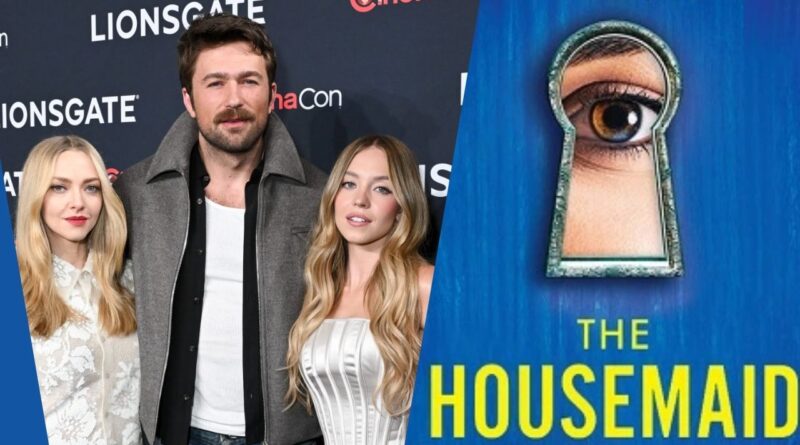
The Housemaid (2025), from director Paul Feig, channels that anxiety with laser accuracy, turning the dream of home life into a stifling mental institution. Based on Freida McFadden’s viral novel, Paul Feig’s adaptation of The Housemaid (2025) strips back the layers of wealth, beauty and privilege to reveal a much darker truth – where control, surveillance and survival intersect within the walls of an ostensibly perfect home.
Distributed in late 2025, The Housemaid, is more than just a film, it is a cultural moment. It’s the summit of the “BookTok-to-Big Screen” assembly line, adapting Freida McFadden’s viral 2022 novel into a “shlock-serious” cinematic extravaganza. Lionsgate got a desperately needed win at the box office, audiences got a deliciously dark holiday diversion that married high-brow psychological tension with the raw exuberance of a 90s erotic thriller.
A Tale of Two Cages
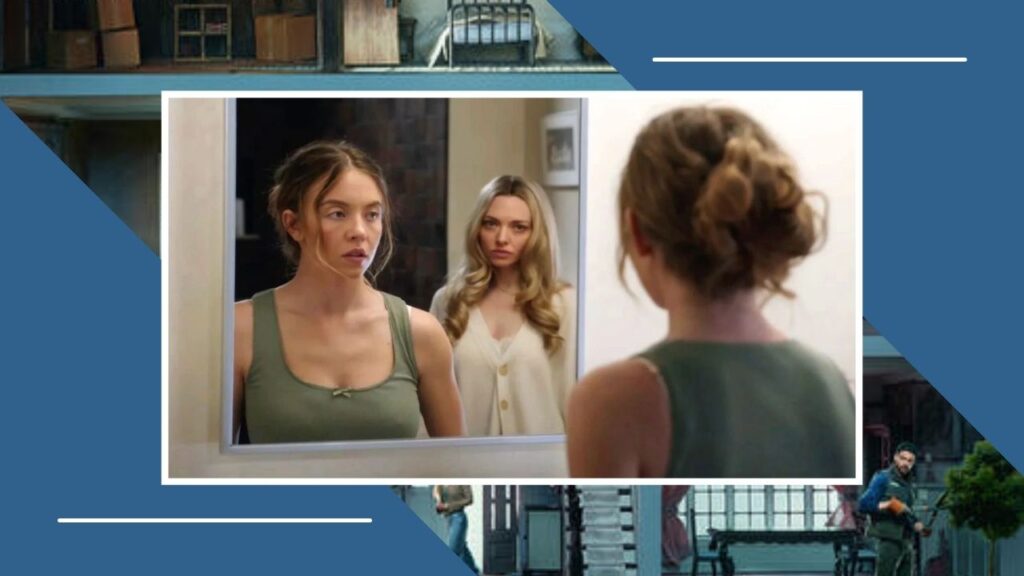
The story starts with a classic set-up: a stranger enters a closed off system. Sydney Sweeney as Millie Calloway, an ex-con who is so desperate for a job that she ends up at the Winchester estate in Great Neck, Long Island. For Millie, this isn’t just a paycheck—it’s the lifeline that keeps her out of prison.
Image Credit: Fandomfans
The Winchesters appear to be the dream employers. Nina (Amanda Seyfried) is the ethereal, if unpredictable, matriarch, and Andrew (Brandon Sklenar), the “perfect” husband who is charming, patient, and seemingly stuck in a marriage with a volatile woman. But the house itself tells a different tale. Millie is hidden away in an attic room that is the polar opposite of the mansion’s grandeur: a tiny room with a door that locks only from the outside.
What makes“ The Housemaid” so cruelly effective is its narrative architecture.
Just as we’re settling into our rhythm of feeling sorry for Andrew and being scared of Nina, Paul Feig pulls the rug out from under us. Midway through the movie, the point-of-view shift reveals that Nina’s “madness” is not a sign of instability, but a means of survival. The real monster is the one in the tailored suit and the charming smile.
Comedy director Paul Feig (Bridesmaids) demonstrates he has more strings to his bow.
It’s like “a Nancy Meyers movie that takes an unexpected dark twist” he said.
Through employing” huge rewind POV shifts”, Feig compels the viewers to question everything they know, just as we “dig deeper” into social media accounts to uncover the truth behind the filters.
Powerhouse Performances: Sweeney and Seyfried
The chemistry the two leads share, and the great contrast of their attitudes, goes a long way to making the film work.
Andrew transition from a handsome protector to a psychopathic abuser | Image Credit: Fandomfans
Sydney Sweeney achieves career-defining win as Millie. She undermines her “pinup” image, initially appearing as a defenseless girl-next-door and gradually revealing a merciless, “vigilante” streak honed in the heat of a decade-long prison term.
Amanda Seyfried is a force of nature. Moving away from her usual sympathetic roles, she embraces “female rage” with maniacal gusto. Her portrayal of Nina’s “Stepford-blond” exterior cracking under the weight of domestic terror is nothing short of hypnotic.
Brandon Sklenar provides the perfect foil as Andrew. His transition from a handsome protector to a psychopathic abuser is chilling, particularly in the film’s escalated, bloodier climax.
Character
Portrayed By
Narrative Role
Millie Calloway
Sydney Sweeney
The Protagonist, an ex-convict seeking survival.
Nina Winchester
Amanda Seyfried
The Employer; hiding trauma behind a mask.
Andrew Winchester
Brandon Sklenar
The Antagonist; a charismatic serial abuser.
From Page to Screen: Upping the Ante
Fans of the source material will be delighted that Feig didn’t shy away from the “luridly exploitative” aspects of the book. The novel’s penalties were mental, but the movie leans into bodily terror.
Rather than Millie being punished for leaving books on a table the film is focused on a broken heirloom plate, which triggers a terrifying scene of self-harm.
Sydney Sweeney, The Protagonist, an ex-convict seeking survival | Image Credit: Fandomfans
The ending, too, traded the book’s slow-burn dehydration for a high-octane staircase confrontation. And of course, there’s the “Taylor Swift factor.” Ending the film with “I Did Something Bad” wasn’t just a needle-drop, it was a manifesto of female retribution that set social media on fire.
Why It Matters
Aside from the excitement, The Housemaid delves into the “Domestic Panopticon” — the concept that our houses, which are supposed to be our safest spaces, can turn into places of total surveillance and control. It’s a razor-sharp satire of class hypocrisy, depicting how money can purchase a lovely cage, but it can’t always keep the secrets sealed up inside.
With a strong $19 million opening weekend and two sequel novels already written by McFadden, the “Millie Calloway saga” is just beginning. It’s a win for R-rated thrillers and a reminder that sometimes, the most entertaining thing you can watch is a “perfect” life falling spectacularly apart.
The Housemaid (2025) is effective when it plays on the twentieth-century fixation on façades — and then delightfully shreds them. Paul Feig adapts a viral thriller into a biting, disquieting satire of power, class and the lies we want to believe when a life looks “perfect.” Led by bold performances from Sydney Sweeney and Amanda Seyfried, the film mixes pulpy jolts with real psychological depth, showing Feig’s talent beyond comedy.
When its gore-soaked climax arrives, The Housemaid has long since made its point: behind every gleaming mansion is a locked door, behind every staged image is a truth ready to explode. It’s stylish and brutal and absolutely fun — precisely the sort of crowd-pleasing thriller that exists in your peripheral vision long after the filters come off.
Fandomfans is focusing on movies and shows deep concepts and providing you full details on your favorite entertainment.
Mariyam
Articles Published :
74
Mariyam Khan is Fandomfans Content Writer and providing reports and reviews on Movie Celebrities, and Superheroes particularly Marvel & DC. She is covering across multiple genres from more than 4+ years, experience in delivering the timely updates.
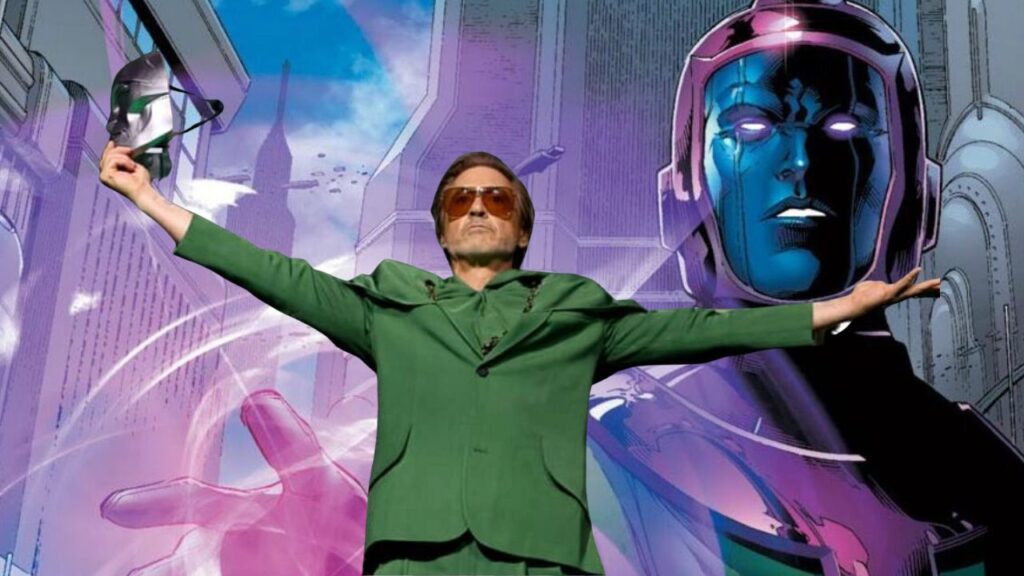
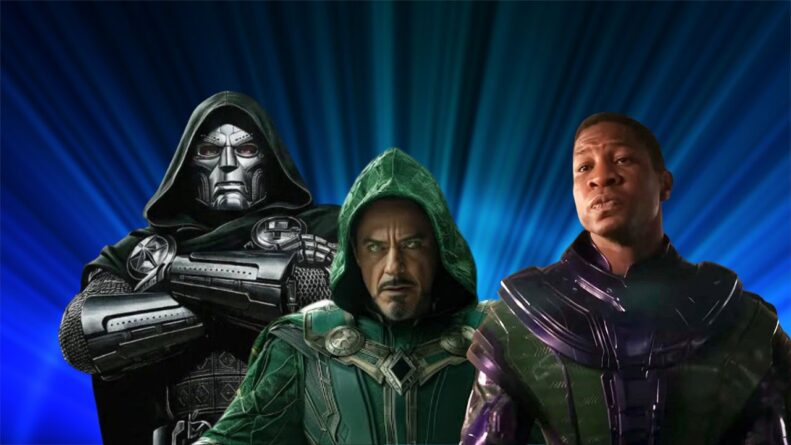
The MCU underwent one of its biggest back-end shakeups in recent memory, with massive ramifications for not only the direction of Phase 6 but the entire Multiverse Saga. What started as a grand design revolving around Kang the Conqueror has shifted into an entirely different story, with Doctor Doom emerging as the main Villain.
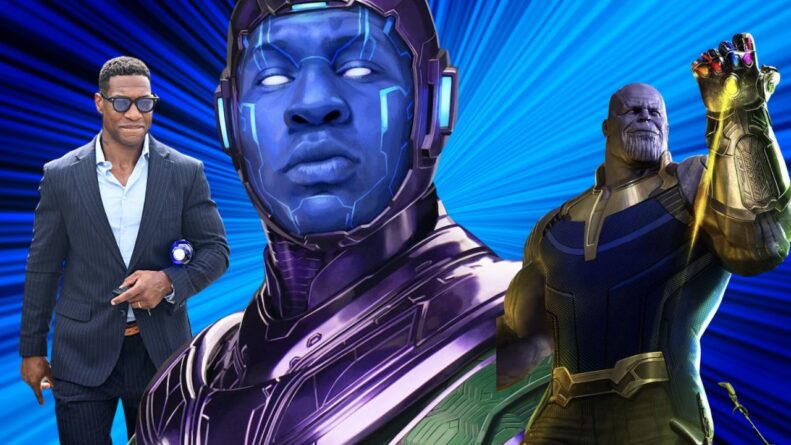
Jonathan Majors and the Fall of Kang
The change began with dire legal problems for Jonathan Majors, who was set to be the MCU’s next big villain after Thanos. In March 2023, Majors was taken into custody on charges of assault and harassment against his ex-girlfriend Grace Jabbari. The matter intensified when in December 2023 he was convicted by a New York jury of reckless assault and second-degree harassment, The Guardians stated.
Marvel Studios’ Toughest Decision Yet
Marvel Studios fired Jonathan Majors just hours after his conviction to be charged with assault and harassment in his ex-girlfriend’s case associated their charges Jonathan Majors was facing a similar hammer blow to his career as the next MCU big bad villain after Thanos. The actor had already played multiple Kang variants in Loki seasons 1 and 2, and Ant-Man and the Wasp: Quantumania. His termination presented a monumental storytelling issue for Marvel, as Kang was supposed to be the overarching menace throughout Phases 4, 5 and 6.
A New Overarching Villain Emerges
The consequences of Majors’ termination were much more than the removal of a single actor. Marvel entirely dropped the Kang-centric plotline which had been developing since 2021. The fifth Avengers movie, Avengers: The Kang Dynasty, was renamed Avengers: Doomsday. This was a radical departure from multiversal villainy centered on Kang to dealing with a more “realistic” but just as threatening antagonist.
From The Kang Dynasty to Avengers: Doomsday
Marvel had originally centered the entire Multiverse Saga on Kang after being impressed with Majors’ turn as He Who Remains in Loki. The time-traveling, reality-altering villain’s age made him a perfect choice for a story that would take place across multiple timelines and dimensions. However, it has been reported that Marvel Studios had reservations about Kang and the Multiverse Saga even prior to Majors’ legal troubles, suggesting there were some doubts internally as to the direction.
Robert Downey Jr. Returns as Doctor Doom
In one of the most surprising MCU news of all time, Robert Downey Jr. was confirmed to be returning to the franchise as Victor von Doom/Doctor Doom at San Diego Comic-Con 2024. Downey’s dramatic unmasking of himself onstage during the announcement sent shockwaves through the entertainment industry.
The casting decision is a “daring creative pivot” as the former Iron Man actor now embodies one of Marvel’s most iconic villains. Iron Man 3 director Shane Black predicts this casting will “singlehandedly reignite the entire comic book movie industry”. Black said, “I think he’s going to singlehandedly reinvigorate the entire comic book movie industry with that. At first, it seemed like a cynical move, you know, like “Oh, let’s just go back to the well of the one guy that seems to always save us.” But it’s going to be. It’s going to be great.
The Ripple Effect: Industry and Fan Responses
The entertainment industry has been cautiously optimistic about these seismic shifts. Marvel waited until Majors was convicted to fire him, an act of restraint compared to the industry norm of immediately dismissing actors on the basis of accusations as shared.
A number of MCU alumni have voiced their enthusiasm at Downey’s return, although many were surprised by the news. Jeremy Renner disclosed that he had “no idea” about the casting, and that Downey “said nothing” to his MCU colleagues. Tom Hiddleston described the casting as “remarkable” and “absolutely extraordinary”.
Some fans have complained about the casting, fearful of Doom being given a revised origin that includes Tony Stark.Still, the bar is set extremely high, with a lot of people seeing this as Marvel’s shot at recapturing the magic of the Infinity Saga.
Doctor Doom will be the main villain of Avengers: Doomsday (2026) and Avengers: Secret Wars (2027). The Russo Brothers, who helmed Infinity War and Endgame, are back to direct both movies. This is a massive deviation from the original Kang-centric narrative, however there are rumors that Marvel might still find a way to finish off the story for Kang via a potential recast.
The changes are not just about swapping out the villain. Marvel is slashing its content output drastically`, with as few as two films a year, rather than up to four in recent years shared by Screenrant. The change is part of a larger Disney strategy to prioritize quality over quantity after some mixed feelings about recent MCU offerings.
A Defining Moment for Marvel’s Future
The Phase 6 overhaul is arguably the most significant plot twist the MCU has ever seen. What was meant to be a multiverse story focused on Kang has now become something else entirely, with Doctor Doom seemingly going to end the Multiverse Saga. Early reviews from the cast are that Downey’s performance as Doom is outstanding, with Vanessa Kirby calling it “some of the most amazing work I’ve seen” in. The success of this recalibration will ultimately dictate the MCU’s future path. With Marvel now proceeding with Avengers: Doomsday in December 2026, the entertainment world wonders if the breathtaking turn of events behind the scenes is going to lead to a resurgence of creativity or become a cautionary tale about the perils of planning franchise far ahead in a volatile world.
Final Thoughts
The Marvel Phase 6 storyline changes entirely and gives everyone a big shock with its new plot. The decision of changing the biggest villain of the Multiverse Saga is tough for Russo Brother but they came back with a surprise casting after Jonathan Majors got fired, Robert Downey Jr. is returned as a villain in Avengers next film Avengers: Doomsday. Marvel entirely dropped the Kang-centric plotline that was supposed to be the overarching menace throughout Phases 4, 5 and 6 and adopt renamed it with Doomsday.
Alpana
Articles Published :
148
Alpana is Fandomfans Senior Editor across all genres of entertainment. She evolved in the media industry since a very long time, she manages the content strategy and editing of all the blogs. Her focus on story development, review analysis, and research is well-equipped that ensures every article meets the standards of accuracy and depth.
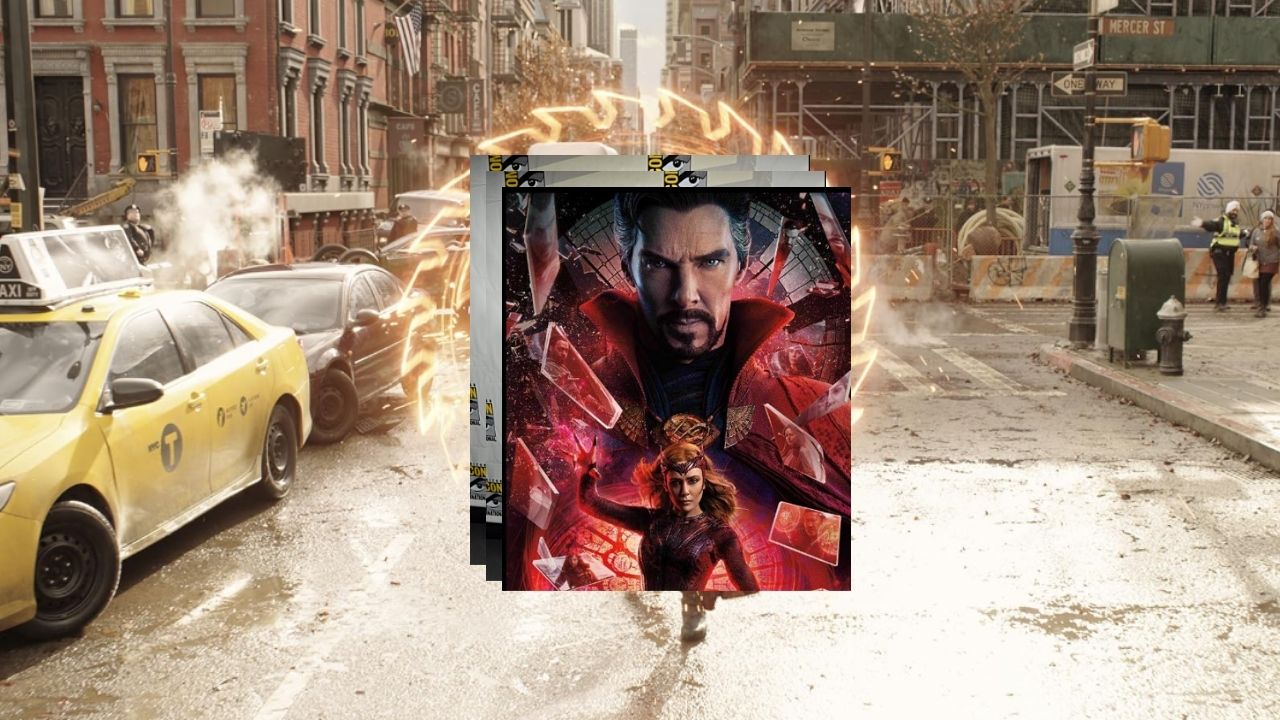
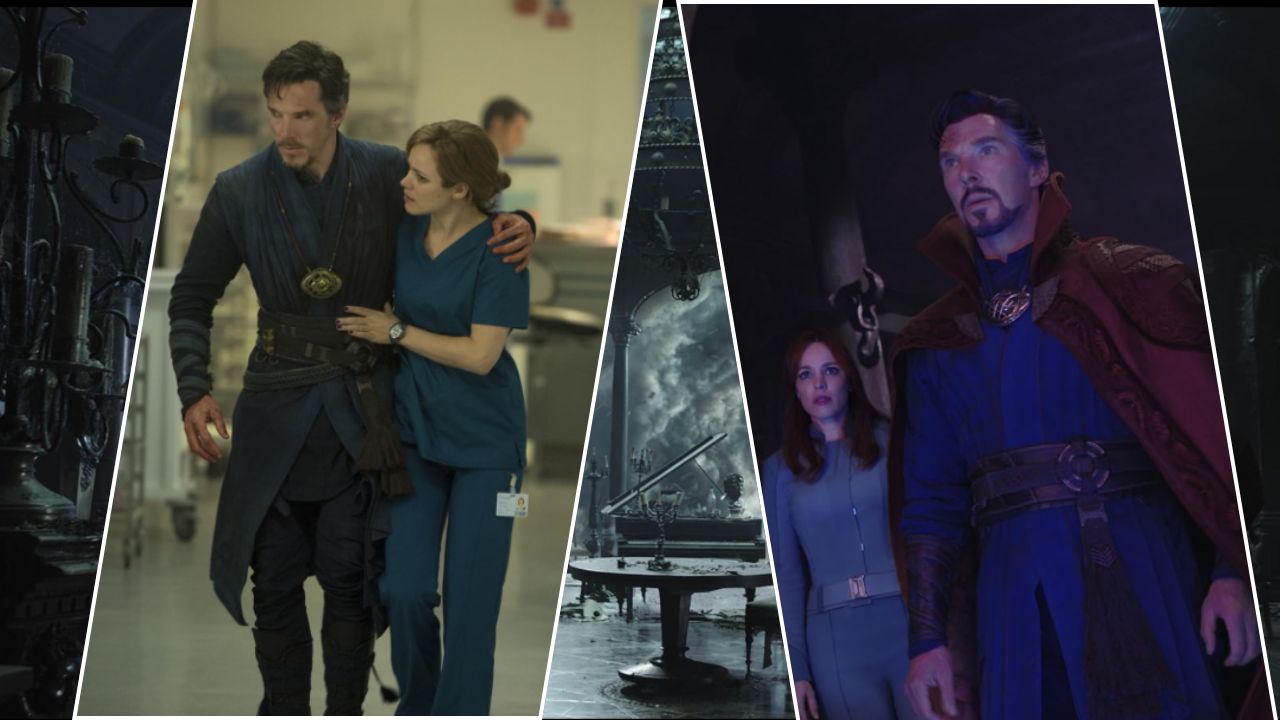
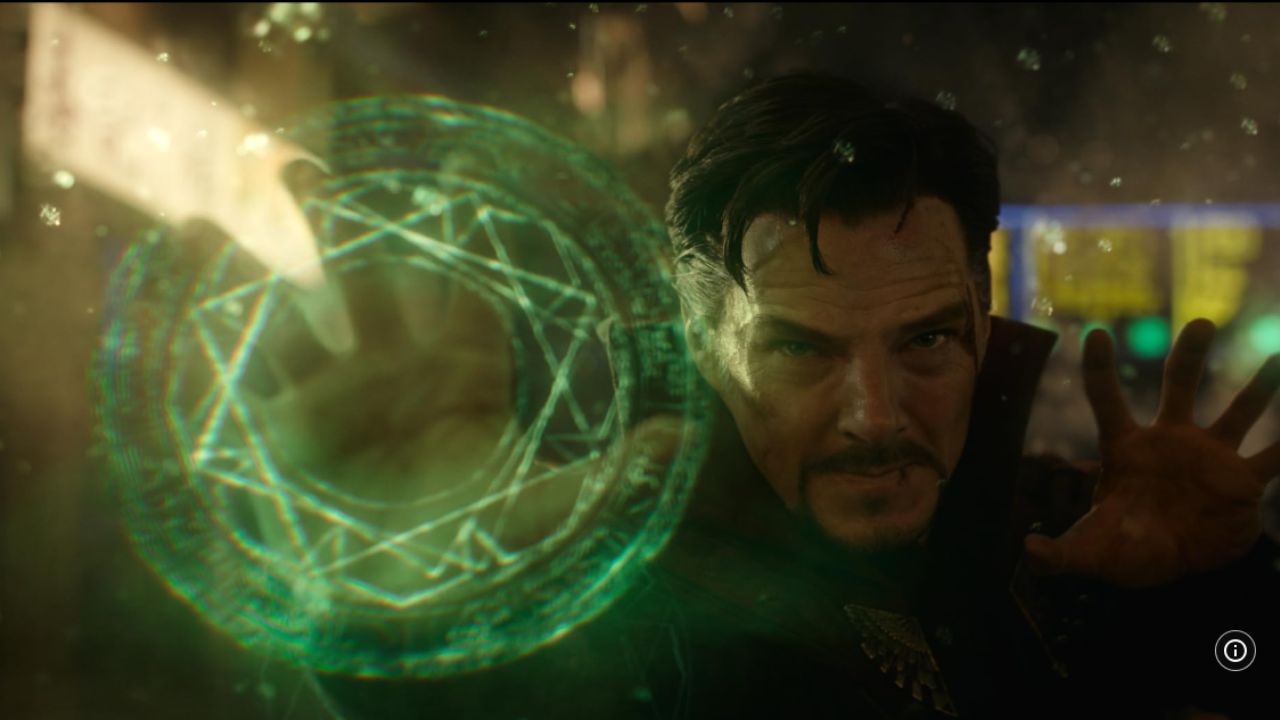
Benedict Cumberbatch has an extraordinary double billing in Hollywood right now. He’s in, a cornerstone, really, of Marvel’s almighty cinematic universe (MCU). On the flip side, he has a solid independent film career, as evidenced by his upcoming film, The Thing With Feathers. That balance of blockbuster dominance and arty experimentation speaks to his versatility, and the power of his star.
Reports indicate that the MCU is the financial foundation and global visibility for Cumberbatch, but projects like The Thing With Feathers are vital to keep his critical worth alive. This file claims the actor is now carrying out a “legacy management” approach, wielding clout to influence the creative direction of his blockbuster commitments and demonstrated by his producing role and director selection preferences while also going back to his experimental, literary roots in adaptations.
The Thing With Feathers
The Thing With Feathers is a departure from the visual effects-laden projects that Benedict Cumberbatch has been attached to of late. From acclaimed novelist Max Porter’s bestselling novella Grief Is the Thing with Feathers, the film preserves the book’s idiosyncratic, poetic form and surreal atmosphere.
The plot revolves around an unnamed London father (Dad) and his two sons as they struggle to survive in the wake of the sudden death of their wife and mother. Into their mourning home comes Crow— a frenzied, mythic character who says he’ll remain until the family no longer requires his presence. Crow is the physical manifestation of grief, so for Jack, it’s the personification of losing his wife.
Image credit: Fandomfans
Helmed by Dylan Southern, it employs a dreamlike non-linear narrative to bring Porter’s emotional, stream of consciousness novel to life on the screen, mixing stark household realism with surreal horror.
Cast Highlights
Benedict Cumberbatch as Dad – a profoundly raw portrayal of mourning, more in line with his work in Patrick Melrose than Doctor Strange.
David Thewlis as Crow – a sinister but bright, guardian and bully.
Richard and Henry Boxall play the brothers, and this is the one that really did engage me emotionally.
The movie doesn’t treat grief as hushed sorrow, but as frenetic, cluttered, and terrifying. Crow becomes the father’s Jungian shadow, making him face feelings he seeks to escape – turning the tale into a psychological thriller where the real beast is internal suffering.
Early reviews For The Thing With Feathers
Image credit: Fandomfans
Cumberbatch’s acting is considered to be one of the best if not the best. Praise for him speaks of him being in “terrific shape” and turning in a performance that is “confidential and emotional”. The Guardian also notes that:
“While the attention is on the home drama the film is involving and
affecting.”
The creative leadership of Doctor Strange 3
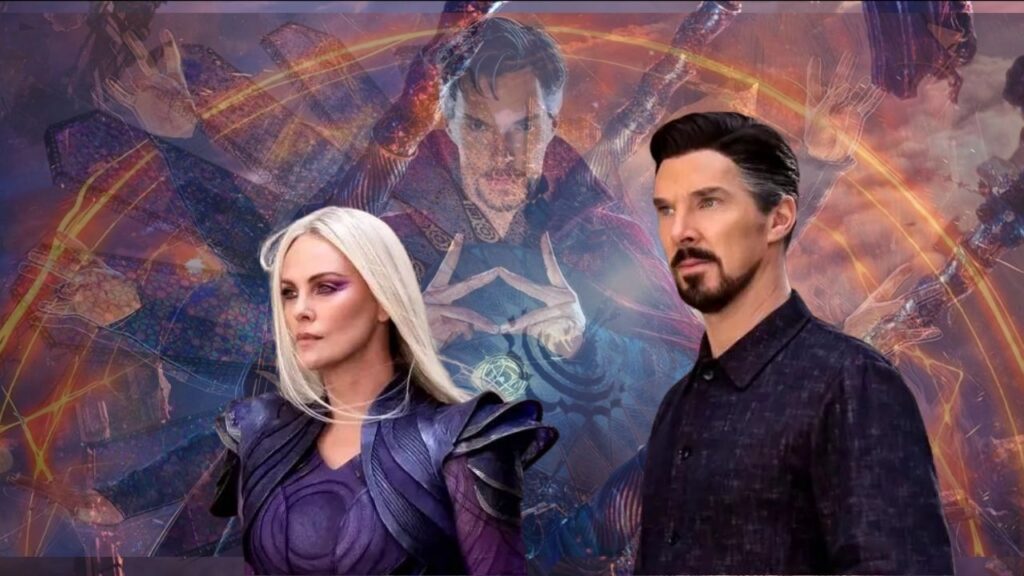
Cumberbatch is reportedly taking a more “hands-on producerlike” role who will be able to handle the visual spectacle, with the film’s intellectual depth in the making of the film.
“very protective of the character and wants a director” —He said
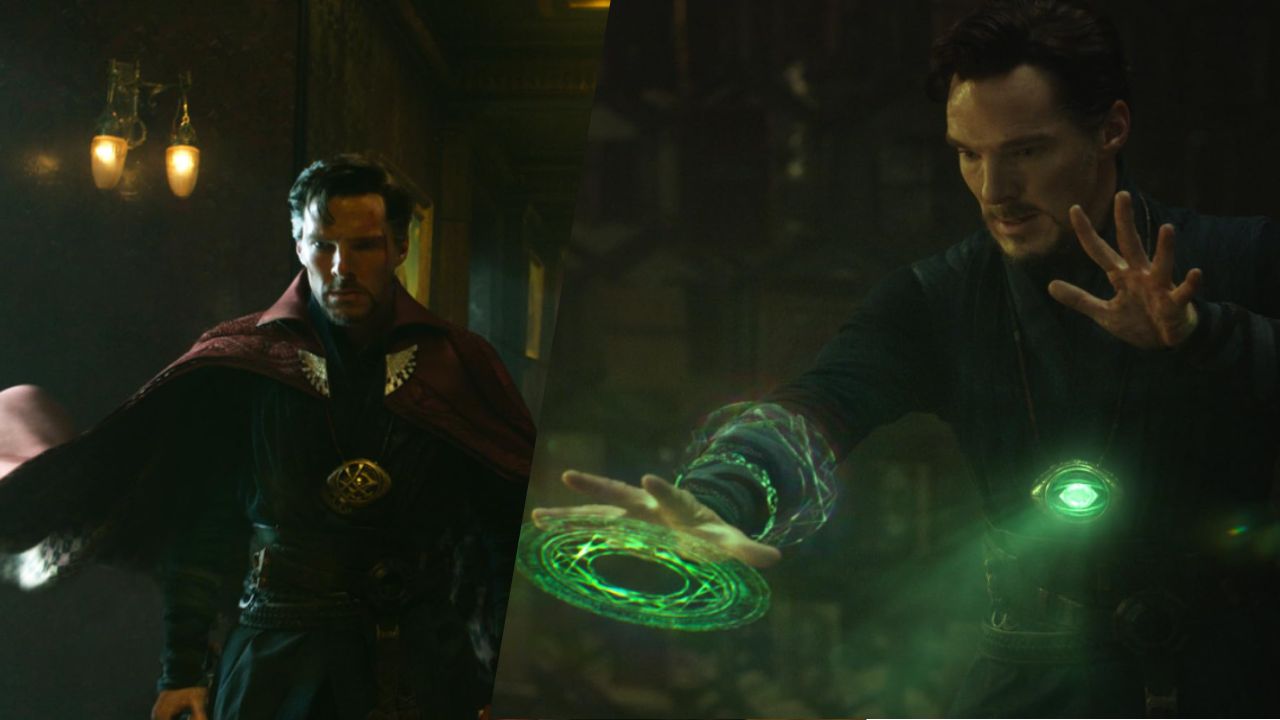
The integration of Doctor Strange into the wider Avengers lineup
Cumberbatch gave an interview in early 2025 in the dance where she said she would not be appearing in Avengers: Doomsday (2026), sparking rumors that the character would be written out. However, in the The Thing With Feathers premiere at Sundance he flatly corrected reports.
“I got that wrong, I’m in the next one.” —Cumberbatch said and also joked to fans,
in reference to the tight Non-Disclosure Agreements (NDAs) and secrecy culture that Marvel instills, which frequently has its actors feed false information to the press to protect surprises.
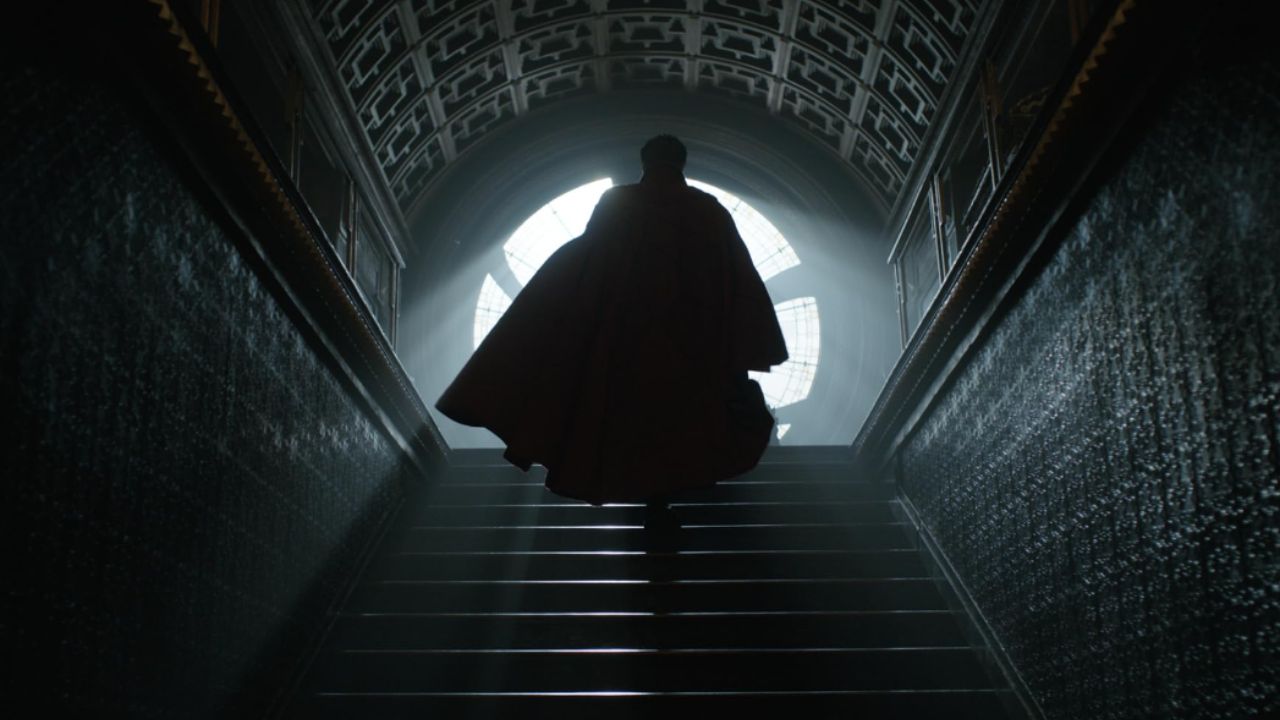
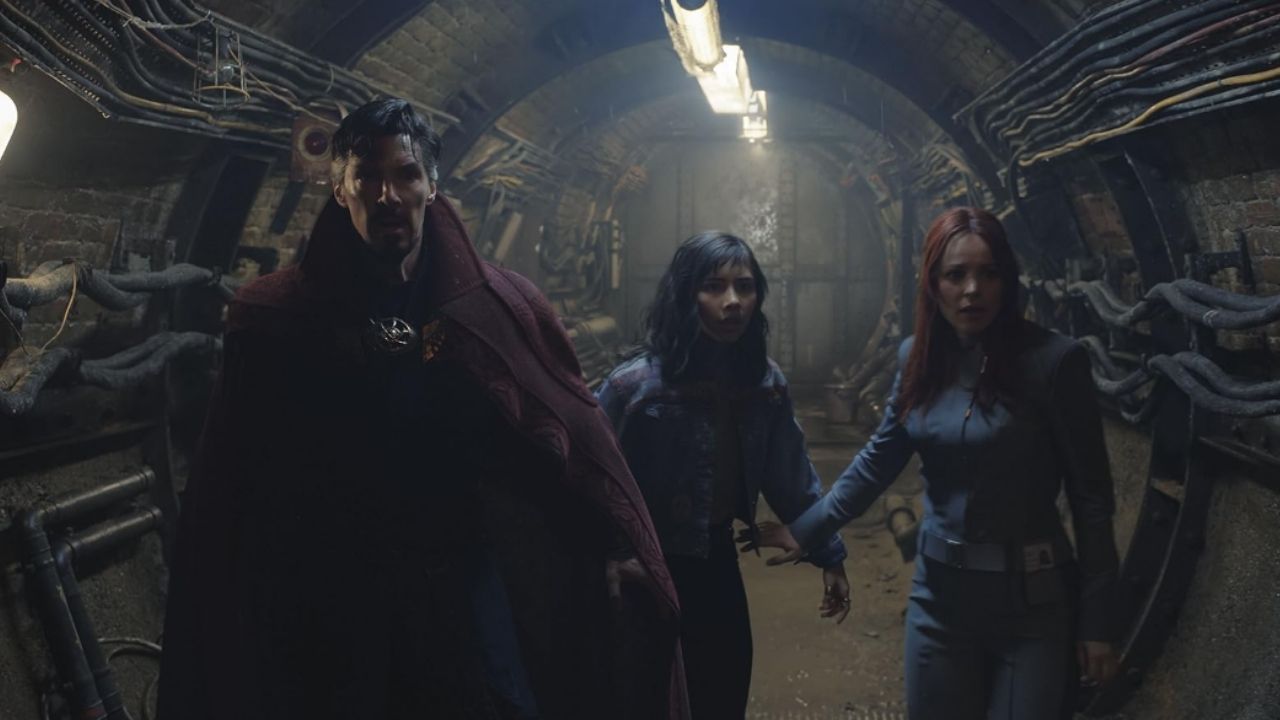
It is now confirmed that Doctor Strange will appear in Avengers: Doomsday (2026) and will have a “huge” role in Avengers: Secret Wars (2027).
Image credit: Fandomfans
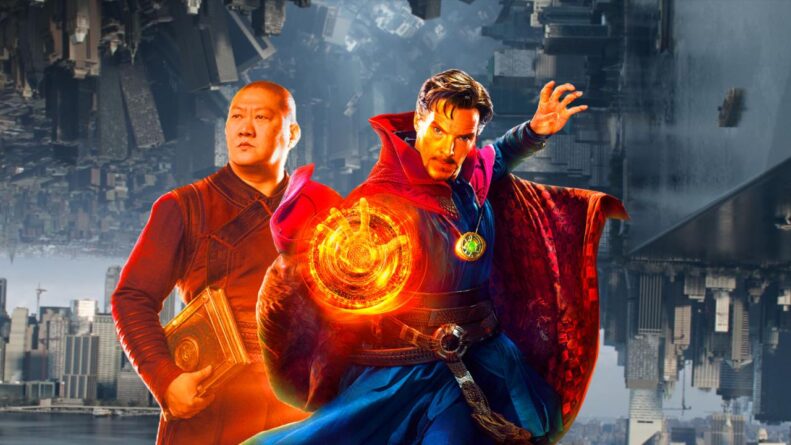
Strange’s place in Secret Wars should be similar to his prominence in the comics, acting as second-in-command (“Sheriff of Agamotto”) to Doctor Doom, leader of the multiverse’s remains (Battleworld). Robert Downey Jr., reprising his role for the first time as Doctor Doom from the MCU, the dynamic between Cumberbatch and Downey Jr. (who also starred together as Sherlock Holmes and Iron Man, respectively) recently tops for the studio.
Conclusion
The next few years are crucial for Benedict Cumberbatch. In a London flat in “The Thing With Feathers” audiences will also get to see him unmasked and fighting a figurative crow. This part reconfirms his dramatic obama essay credentials and acts as a Salto dancer à la spectacle au lieu de suivant.
At the same time, the Marvel Cinematic Universe machine is turning toward him. The active development here is Doctor Strange 3, strongly based on the “Time Runs Out” storyline, and his already confirmed appearance in Avengers: Doomsday, marking him as the story lead of the Multiverse Saga’s concluding chapter. Bird-themed surrealist or multiversal terrors: on both, Benedict Cumberbatch is at the center of two vastly different though thematically connected cinematic universes.
Fandomfansis a platform to provide quick updates on entertainment, anime, reviews & celebrity news. Our goal is to bring you valuable and accurate information on your favorite entertainment buster.
Mariyam
Articles Published :
74
Mariyam Khan is Fandomfans Content Writer and providing reports and reviews on Movie Celebrities, and Superheroes particularly Marvel & DC. She is covering across multiple genres from more than 4+ years, experience in delivering the timely updates.