Home > Web Series > ‘Pluribus’ Episode 5 Review: “Got Milk” Puts Carol..
‘Pluribus’ Episode 5 Review: “Got Milk” Puts Carol Sturka Alone
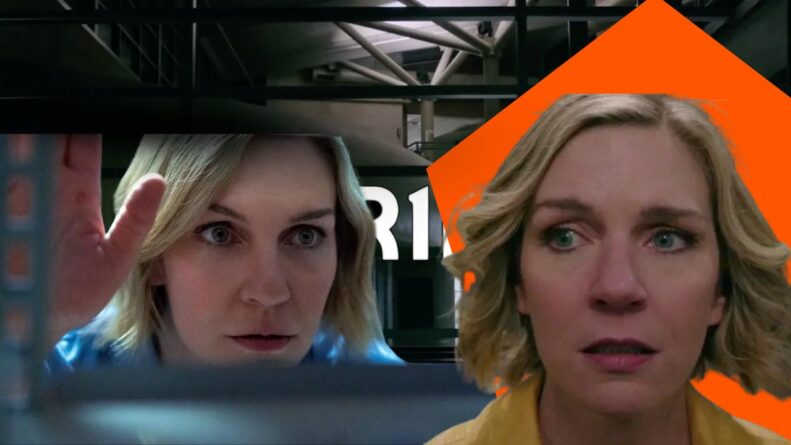
Pluribus Episode 5 Review: “Got Milk,” offers up sharp humor and complexity as Carol Sturka takes a daring solo turn that reimagines the Apple TV+ sci-fi show.
Pluribus Episode 5 Review, “Got Milk,” which is, without a doubt, the most unsettling and pivotal installment of the Apple TV+ sci-fi series yet. While the entire premise hinges on the glorious misery of anti-hero Carol Sturka, this episode stripped away her supporting cast. Got Milk is not only a great hour of television, but it is the fulcrum upon which the entire series revolves. It took the nebulous, disquieting tone of the series and distilled it into something frighteningly tangible.
Carol Stands Alone
The first big transformation is structural. In the show’s first half, the cast has been reacting to the oddness of the Hive as a group. This episode rips that safety net away, as noted by The A.V. Club
weary of Carol’s “surly, chaotic energy” .
By dividing Carol from the rest of the cast, the writers have forced her to grow. She’s no longer merely a foot soldier in the mystery; she is driving the investigation on her own.
Image Credit: Fandomfans
A wave of fear and unease surrounds this seclusion. Seeing Carol lead this world without reinforcements cranks the tensions up right away. We understand that if she fumbles, there’s no one to hold things together. It’s a narrative master-stroke that ratchets up the tempo just when the season needed a kick in the teeth.
Hello Carol “I just need some space after everything that happened” —-Carol received a recorded message
Isolation Hits Harder Than Forced Happiness Ever Did
It’s a bizarre development. The woman who spent four episodes railing against forced happiness is finally alone, free of the oppressive, upbeat gaze of the collective. But instead of relief, we get an intensified sense of isolation. As Collidersummarized, demonstrating a stunning range from existential dread to determined obsession. In one darkly comedic moment that speaks volumes about her state, she reaches for a book– Agatha Christie’s classic, And Then There Were None.
The loneliness, however, proves to be a catalyst, forcing Carol to go “full detective mode,” as aptly described by Winter is Coming. Her investigation begins not with grand philosophy, but with the mundane horror of a post-human world– wolves trying to dig up her wife Helen’s grave and the massive piles of garbage left behind.
Image Credit: Fandomfans
Following the mundane trash trail leads to the episode’s major breakthrough. Carol discovers an enormous, unexplained concentration of empty milk cartons from a local dairy. Her paranoia, which the Others always dismissed as misplaced anger, finally proves useful. She breaks into the dairy and finds that the facility isn’t producing cow’s milk at all, but a “strange fluid created from a bagged crystalline substance”
According to the plot details reported by Screenrant, this disturbing discovery suggests the hive mind is sustained not by harmony, but by a very physical, very secret resource—potentially a synthesized nutrient or “psychic glue” required to maintain the collective consciousness.
This turn of events redefines the question at the centre of the show. The argument is no longer “Is it worth it to be happy rather than have the misery of freedom?” which was an interesting, but very abstract, type of question raises in a carol mind’s—
“Can the sanctity of human life withstand the onslaught of mechanized efficiency?”
The writers have us cornered, brilliantly so. The Hive works. It brings peace. It addresses hunger. People just need to cross a couple of lines, a couple of moral lines, and lots of people are willing to do just that to keep the lights on.
Image Credit: Fandomfans
It’s a “non-malicious absolute moral compromise,” and that is an order of magnitude more terrifying than a monster jumping out of your closet.
“Got Milk” Transforms Carol Into Humanity’s Unlikely Last Hope
By the end of “Got Milk,” Carol Sturka is no longer just the world’s most miserable person, she is humanity’s reluctant, paranoid, and highly caffeinated last hope. She has uncovered a flaw in the collective’s seemingly perfect system. Now that she knows what the Others need, the question posed by this pivotal hour is clear for her —
“Will the cure for happiness be found in a repurposed milk carton?”
Conclusion
Going into the final half of Season 1, the tone has permanently shifted. The games are done, we have a definition of the Hive now. The last few episodes are lined up not to explore but to escalate. Carol is aware, and the ethical imperative of the situation has reached a fever pitch.
“Got Milk” is a clinic on how to do a mid-season twist. It didn’t only push the narrative forward, It altered the genre of the series, from a psychological thriller into a survival horror movie where the adversary is efficient itself.
Alpana
Articles Published :
164
Alpana is Fandomfans Senior Editor across all genres of entertainment. She evolved in the media industry since a very long time, she manages the content strategy and editing of all the blogs. Her focus on story development, review analysis, and research is well-equipped that ensures every article meets the standards of accuracy and depth.
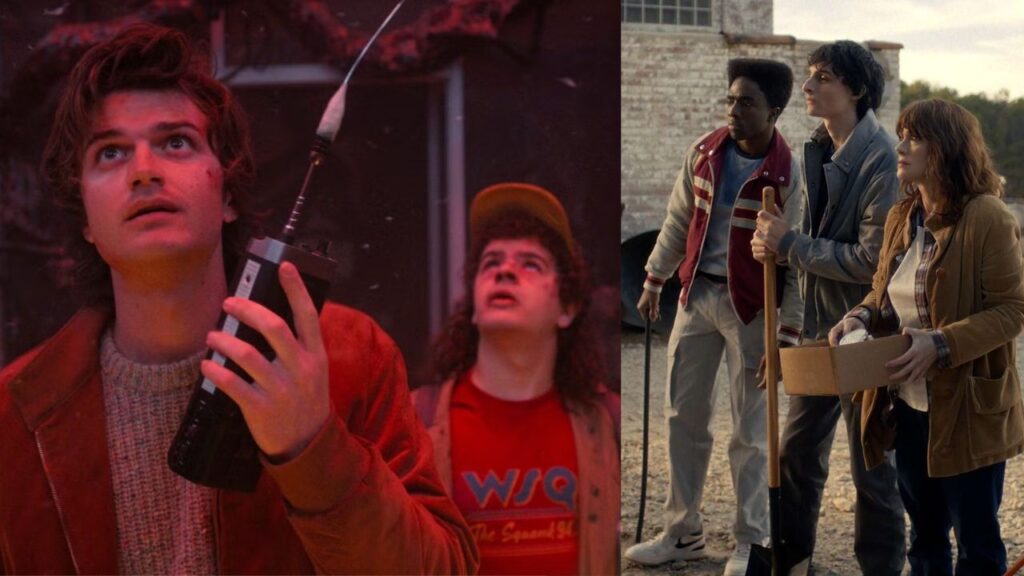
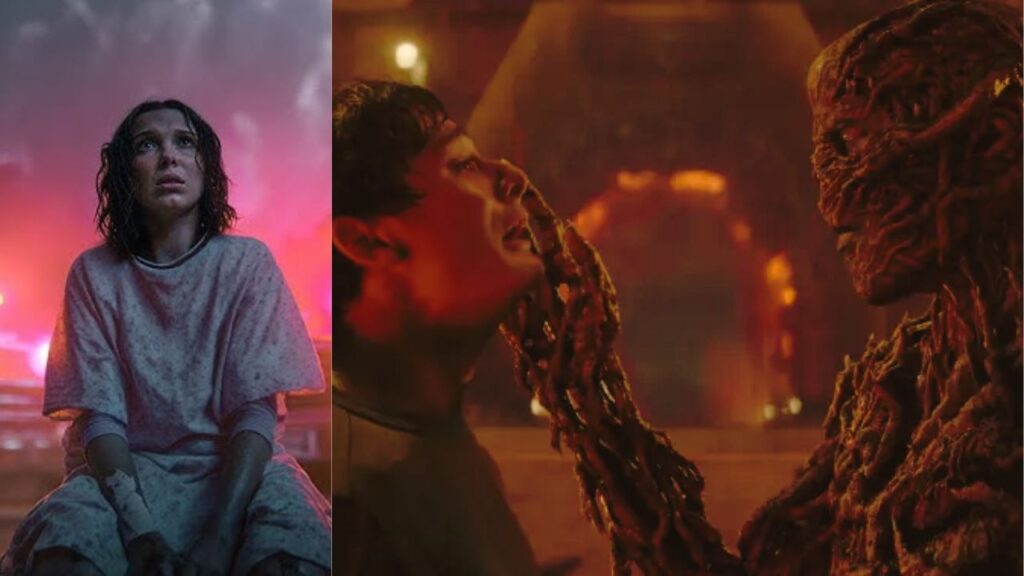
Late 2025 will mark the end for the cultural moment that is Stranger Things Spin-Off. But if you believe the Duffer Brothers are set to turn off the lights, think again. The conclusion of the Hawkins saga isn’t an ending, it is a strategic, high-risk pivot into a new era of franchise management.
Matt and Ross Duffer, through their production company Upside Down Pictures, are doing something rare in the age of sequels: they are subverting the “nostalgia trap.” Rather than give us a Steve and Dustin road-trip show or an Eleven spinoff, they are going for a “clean slate.”
The Long Goodbye: Dominating the Holidays
First, let’s see how they wrap it up. The Duffers aren’t just dropping the season and letting us binge it over a weekend. They are orchestrating a holiday takeover to capture maximum engagement and control the massive VFX workload the 2023 strikes.
Season 5 Release Schedule:
Release Phase
Date
Content
Volume-1
26/Nov/2025
Episodes 1-4 (The Initial Incursion)
Volume 2
25/Dec/2025
Episodes 5-7 (The Escalation)
The Finale
31/Dec/2025
The Series Finale (The Definitive Conclusion)
In treating these episodes as “eight blockbuster movies,” Netflix sidesteps “churn” (where users subscribe for a month and then leave). It also means that Stranger Things is the dominant cultural talking point for all of Q4 2025.
The “Clean Slate” Strategy
The Duffer Brothers have revealed that their new spinoff will feature “a completely new” story, set in a “different location,” with a “completely new” cast (none of the original series actors). This ambitious leap implies that they want to take the universe to new and surprising places, while giving fans something different to enjoy.
Why ditch the characters we love?
The Budgetary Reality: The original cast are now global superstars with massively inflated market values. A new cast allows the budget to be manageable (Netflix is said to be spending $60 million per episode for Season 5).
Creative Freedom: The Duffers, as quoted, said they want to avoid getting bogged down in the “massive web of lore” that legacy characters have. A clean slate allows them to pass the baton to new creative teams without being chained to previous storylines.
The “Lightning in a Bottle” Effect: They want to recapture that feeling of discovering talent that no one knew about before, like they did in 2016.
Oddly, Finn Wolfhard (Mike Wheeler) was the sole cast member who predicted this route years ago, which means, despite the rotating faces, the storytelling DNA is still very much intact.
Expanding the Mythology, Not the Town
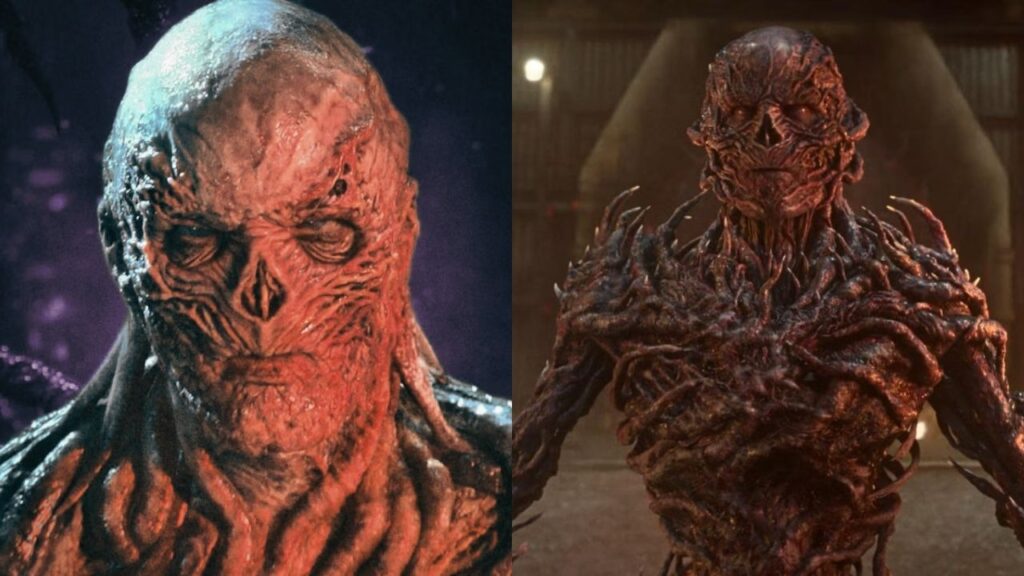
Since the characters are dead, what connects the universe? The answer is cosmic horror.
Through the stage play The First Shadow, the mythology has expanded beyond the Upside Down to include Dimension X (also known as “The Abyss”). This indicates that the Upside Down is not just a mirror of Hawkins, but a cosmic tunnel. This “Wormhole Theory” enables the spinoff to take place anywhere — Nevada, Russia, or even further — and still keep the signature “government conspiracy meets supernatural horror” feel.
Testing the Waters: Animation and Original IP
The Duffers are also spreading the portfolio to make sure the brand can survive without them in the director’s chair.
Stranger Things: Tales From ’85: Due out in 2026, this animated series is set to act as a bridge. Crucially, it has voice actors instead of using the live-action cast. It distances the characters from the actors, an important part of turning the IP evergreen.
The Boroughs: The new series is a barometer test. Starring legends Alfred Molina and Geena Davis, it swaps the “kids on bikes” trope for a retirement home under siege from a supernatural menace. It gauges whether audiences will follow the “Duffer Vibe” into a completely different story.
The leap from hit show to decades-long franchise is fraught with peril (just ask the Game of Thrones team). But in slamming shut the door on Hawkins, and refusing to dilute the original story with unnecessary sequels, the Duffer Brothers are safeguarding their legacy.
When we tune in on Dec. 31, 2025, we won’t be “just watching an ending.” We’ll be viewing a Stranger Things Spin-Off carefully crafted prelude to a time of unseen faces and untold stories. The magic isn’t in the town of Hawkins any more — it’s in the brand itself.”
Fandomfansis a platform for entertainment updates, stay connected for new stories behind your favorite series and movies.
Mariyam
Articles Published :
77
Mariyam Khan is Fandomfans Content Writer and providing reports and reviews on Movie Celebrities, and Superheroes particularly Marvel & DC. She is covering across multiple genres from more than 4+ years, experience in delivering the timely updates.
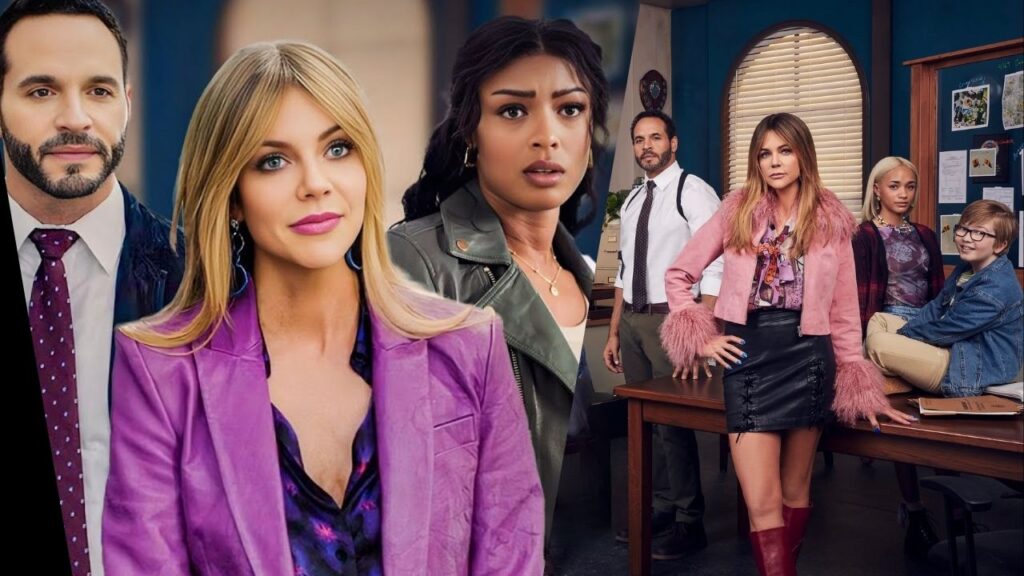
The TV landscape seems to constantly be at war over “gritty” reboots and bleak dramas, but once in a while, a show cuts through by just being smart, bright, and relatable. High Potential Season 2 has achieved that. What began as an Americanization of the French success HPI has grown into a ratings juggernaut for ABC and Disney+, demonstrating that viewers are craving “Blue Skies” fare — series that jettison high-stakes mystery for humor and heart.
High Potential Season 2 at a Glance
Category
Key Details
Network / Stream
ABC (Live)
Lead Cast
Kaitlin Olson (Morgan) & Daniel Sunjata (Karadec)
Main Conflict
The “Game Maker” arc & Roman’s disappearance mystery
New Addition
Captain Nick Wagner (Steve Howey) as a political rival
Setting
Fully moved to Los Angeles for authentic “Blue Skies” vibes
Key Metric
No. 1 Broadcast Drama in the 18-49 demographic
Visual Hook
“Thought Overlays” showing Morgan’s rapid deduction process
High Potential’s success as a building block of modern broadcast television is indicative of a certain kind of international IP translation and the reinvigoration of the character-driven procedural. The series is about Morgan Gillory, a single mother with an IQ of 160. Her unorthodox thinking enables her to see things and patterns that conventional law enforcement agents cannot.
The second season, premiering in late 2025, is this premise taken to the next level. As it turns out, there’s a bit more to Morgan’s “cleaning-lady-turned-consultant” origin story than just that. With a “supersized” 18-episode order, the network is showing great faith that the series can lead prime-time lineups and help drive engagement on Hulu and Disney+.
Release Date & Availability of High Potential Season 2
High Potential Season 2’s release schedule was a lesson in narrative tension-building. It made its world premiere on-line on Tuesday, September 16, 2025, via ABC. Following a short vacation break to realign the production schedule, the series returned on January 6, 2026, with a big promotion: moving up later to 9:00 p.m. ET. Moving up to an earlier hour is a direct result of the show’s huge audience.
High Potential Season 2 Episode Schedule
Episode Number
Title
Air Date
Time Slot (ET)
S2 Ep. 1
“Pawns”
16/Sept/2025
10:00 PM
S2 Ep. 7
“The One That Got Away”
28/Oct/2025
10:00 PM
S2 Ep. 8
“The One That Got Away: Part Two”
06/Jan/2026
9:00 PM
S2 Ep. 11
“NPC”
27/Jan/2026
9:00 PM
Genre, Theme & Setting: More Than a Crime Drama
Season 2 of High Potential cannot be fully described in one word. It exists in a hybrid genre world—part crime drama, part family comedy, part psychological thriller.
Thematic Core
Intellectual Parity: Enter the “Game Maker”—a villain as intelligent as Morgan’s who turns brains into a form of both prey and predator.
Class Friction: Morgan’s perspective is still informed by her working-class janitor background. She sees what the “college-educated elite” don’t see, and applies her blue-collar survival skills as a forensic tool.
Institutional Resistance: Is it possible for an aberrant, neurodivergent genius to flourish within the regimented, bureaucratic walls of the LAPD?
Filming for season 2 began in Los Angeles, adding a layer of atmospheric authenticity. From the Hollywood Hills to the historic Victorian neighborhoods, L.A. is a living, breathing character that serves as a foil for Morgan’s (and his) often chaotic internal landscape.
High Potential Season 2 – Directors and Writers
The series is executive produced by a “dream team” of procedural veterans. Developed by Drew Goddard (The Martian, The Good Place) and showrunner Todd Harthan (Psych), the series walks a fine line between narrative density and levity.
Plot Overview: The Game Maker & The Backpack
Season 2’s story arc is determined by two main arcs.
The Game Maker: A “Sherlock and Moriarty” type dynamic in which Morgan is pitted against a serial killer who sees crime as an intellectual game.
The Enigma of Roman: The lingering mystery of what happened to Morgan’s first husband, Roman, becomes central. The retrieval of his backpack takes the team deep into a perilous underworld of crime, hinting that Roman didn’t just disappear—he was driven out.
In a crucial mid-season shakeup, Morgan ends up at the Detective Training Academy (DTA). This “grounding” storyline has her working in a classroom, but her brilliance can’t substitute for protocol.
Cast & Characters: A Growing Family
The Kaitlin Olson (Morgan) and Daniel Sunjata (Karadec) chemistry is still this show’s beating heart.
Kaitlin Olson’s Morgan Gillory – This season is all about how vulnerable she is. She may be a genius with a 160 IQ, but the danger to her children shows that not every problem can be solved with logic – not in real life, at least.
Detective Adam Karadec (Daniel Sunjata): Karadec has “relaxed” and is now Morgan’s fiercest advocate within the department’s red tape.
Captain Nick Wagner (Steve Howey): In season 2, newcomer Captain Nick Wagner coming into the mix, a “political animal” more interested in the the precinct’s public image than Morgan’s unorthodox tactics.
Production & Platform Dominance
Season 2 is a big operation that’s run by 20th Television. They shot to L.A. so they could have “Blue Skies” attitudes—bright, sharp photography that looks contemporary and friendly.
Metric
Value
Comparison
Multi-Platform Viewership
17.23 Million
+17% vs. Season 1
Same-Day Audience
4.34 Million
300% growth after 35 days
18-49 Demo Rating
2.42
No. 1 original broadcast series
The show’s success is an exercise in “platform synergy.” Though it airs on ABC, almost 40% of its audience comes from streaming platforms such as Hulu and Disney+. This “long-tail” viewing has made it the most-streamed broadcast original of 2025.
Audience Expectations
Fan communities are abuzz with theories. Is Roman still alive? Will Morgan and Karadec ever get together? But when can we expect to hear about Season 3? Based on being the No.1 drama on all of broadcast, a renewal is pretty much a sure thing.
Conclusion
High Potential Season 2 doesn’t fall prey to “second season syndrome,” and elevates both the stakes and the scale of her world. Centering on the psychological and emotional pressures confronting a neurodivergent woman operating within a rigid system, the series is more than a novelty—it’s a nuanced exploration of genius under duress.
Looking ahead to 2026-2027, High Potential is the key asset for Disney and ABC, right at the crossroads of traditional broadcast and the digital future of television.
Alpana
Articles Published :
164
Alpana is Fandomfans Senior Editor across all genres of entertainment. She evolved in the media industry since a very long time, she manages the content strategy and editing of all the blogs. Her focus on story development, review analysis, and research is well-equipped that ensures every article meets the standards of accuracy and depth.