Home > Movies > James Cameron’s Titanic is Greatest of All Time..
James Cameron’s Titanic is Greatest of All Time Movie Amid Avatar Record Break
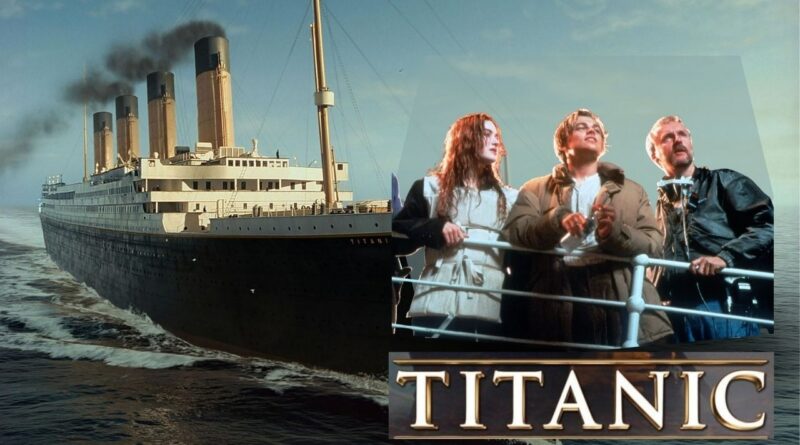
James Cameron’s Titanic remains the greatest movie ever made, blending emotional storytelling, record-breaking success, and timeless cinematic spectacle.
James Cameron’s Titanic isn’t just a movie — it’s a genre and generation-defining cultural phenomenon. Although his earlier work, including Terminator 2 and Aliens, was without doubt ground-breaking, Titanic is the zenith of Cameron’s ability to marry emotionally charged storytelling with technical innovation and spectacle. The film not only dramatizes the catastrophic historical incident, but tells a deeply human tale of love, loss and survival.
Screenrant adds that there are even more subtle things that make the 1997 classic special, from the meticulously made ship to the emotionally draining performances from Kate Winslet and Leonardo DiCaprio. It’s a movie that doesn’t just entertain — it consumes you. With its grandeur score, legendary moments and themes of hope and fear we can all relate to, it is simply a film that is made for being seen over and over again.
Titanic is more than just a blockbuster movie, it is an event. It is a testament to Cameron’s vision, proving that film can be both revolutionary and personal. That is why I feel it is his best work, as far as he went.
The Objective Titan
We must begin with the numbers, not because they are the heart and soul of the film, but because they embody a cultural agreement we haven’t witnessed since. “Titanic not only ‘did well’ in 1997. It turned into a tectonic shift in the industry. It was released for a year-long run in theaters. It was the first movie to gross more than a billion dollars, ultimately raking in $1.8 billion in a time before premium large formats and global market saturation.
Then there are the Oscars — Eleven Academy Awards. It matched Ben-Hur and no other film has equaled that until The Return of the King. It cleaned up in technical categories, certainly, but also won best picture and best director. It wasn’t just a “popular” film, it was a “perfect” film by just about every measurable industry benchmark.
But numbers don’t warm. To see why Titanic is the finest Cameron film, you have to examine the “how,” the “why”.
A Masterclass in Narrative Symmetry
In its grand set pieces as well as its small moments of intimacy, Titanic is a perfect demonstration of James Cameron’s ability to combine technical virtuosity with compelling storytelling. Frequently dismissed as the “tech guy”, Cameron instead demonstrates his films are as much about emotional impact as they are pioneering technology.
How Titanic’s Script Tells Two Interconnected Stories in Separate Halves
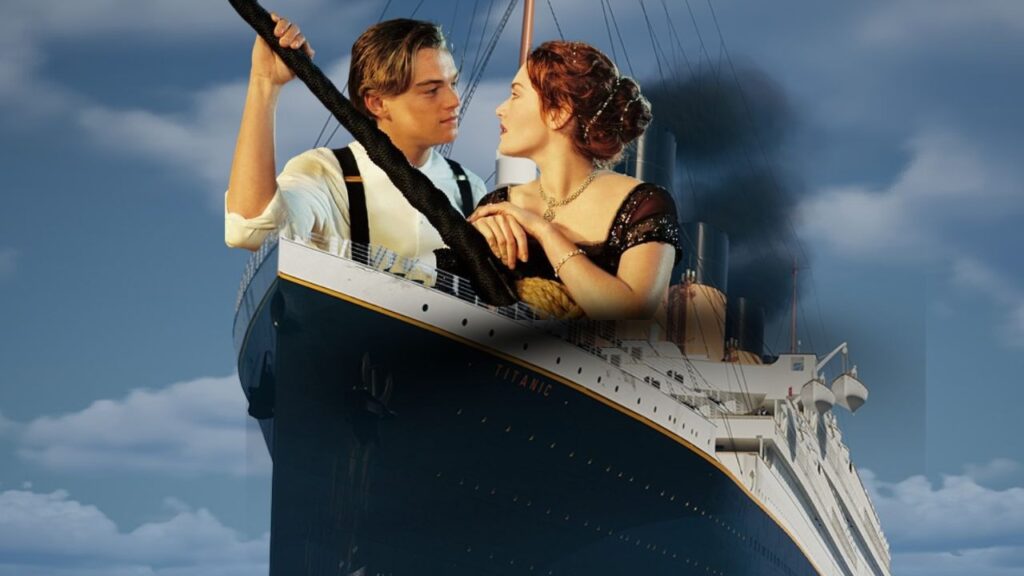
The first half is a lavish, character-driven study of class relations in Edwardian society that plunges the audience into period spectacle and social mores. In Jack and Rose’s relationship, we find the human element and the setting becomes more than a frozen canvas of rivets and steel. These connections are important: they transform the ship from a magnificent vessel to a stage for personal drama.
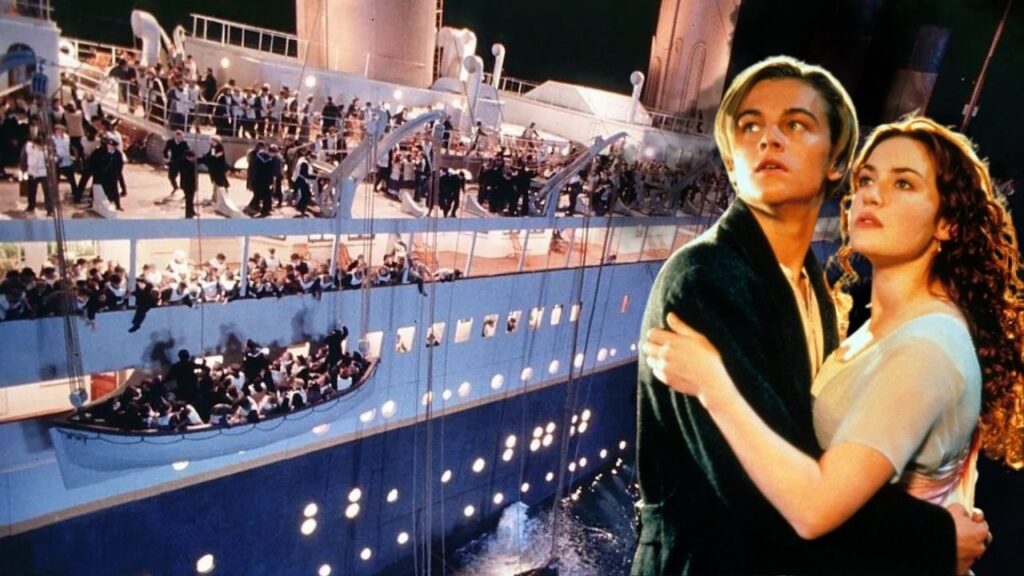
The film’s latter half turns into a tense disaster movie, and the probably misplaced emotional stakes only heighten the tragedy. Cameron’s embrace of universal archetypes — the struggling artist, the repressed debutante, the conceited fiancé provide a narrative framework that allow audiences to traverse the vast scope of the story without becoming lost.
These tropes aren’t just narrative clichés, they’re essential anchors that root the story in relatability and the timeless. In the end it’s Cameron’s combination of technical expertise with universal emotional resonance that elevates Titanic beyond keys-at-the-groove spectacle to a film that is both a moving journey and a cinematic triumph.
The Chemistry of Icons
Now we get to address the Heart of the Ocean — Kate Winslet and Leonardo DiCaprio.
We can get bogged down in hindsight through the prism of their now iconic career and forget just how quickly their pairing was a one-in-a-million thing. They’re like the Cary Grant Grace Kelly couple, but for the 1990s. Their chemistry is what makes Titanic more than simply a historical re-creation.
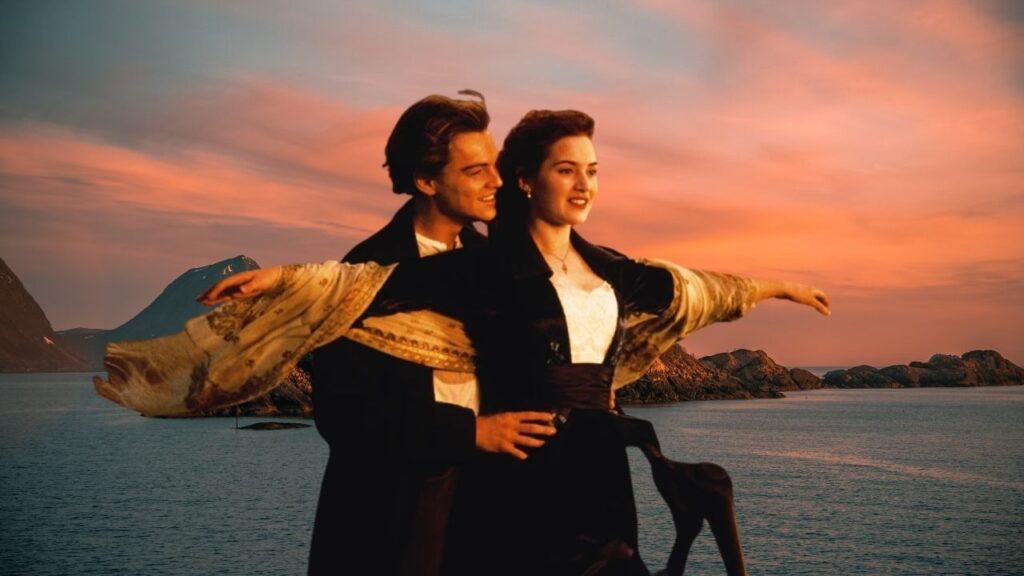
When Rose says, “I’m flying,” or when the Renault’s steamed-up window clears, we’re not simply observing actors but we’re looking at the genesis of modern iconography.
Even as the ship disappears beneath the Atlantic, Cameron treats us to 20 minutes of character resolution. He knows that the “disaster” day isn’t the story — the people are. Be it Old Rose’s last trip to the rail of the Keldysh or the “dream” at the clock, the emotional payoff is justified.
During those years, Titanic was considered the “uncool” film to fangirl over. The backlash was fierce, driven by a sarcastic assumption that the film’s appeal was based on “hormone-addled teenage girls.” It is “corny” the dialogue, it is “cringe” the Celine Dion theme.
But look at it now. Not one of those criticisms can survive the earnest heart of the movie. At a time when film audiences are rife with meta commentary and Marvel-style snarky “well, that just happened” humor, Titanic seems in retrospect oddly and quixotically sincere. There are no apologies on the emotion front either.
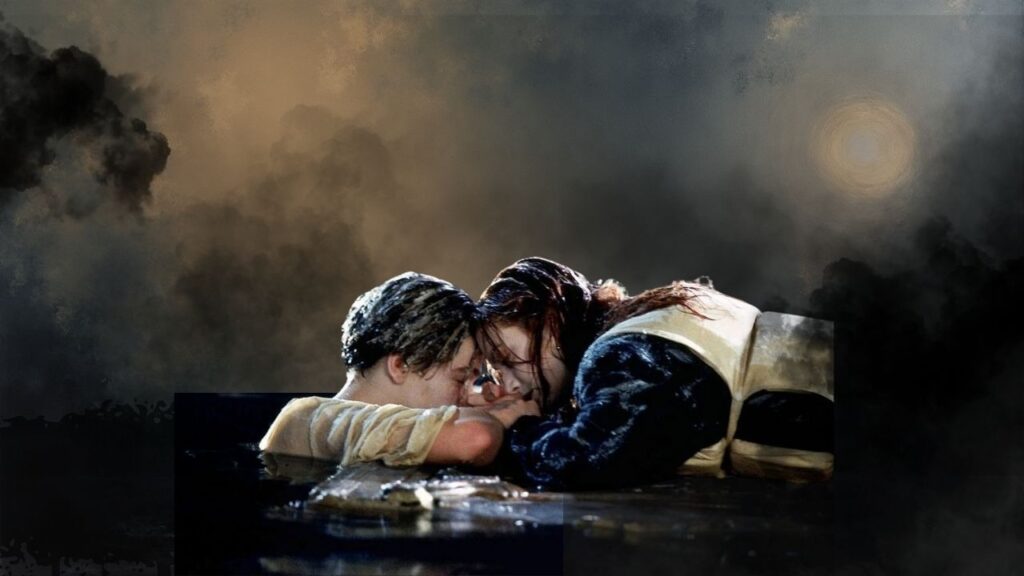
And let’s end the “door” debate, shall we? It wasn’t the door’s dimensions, it was the buoyancy. We watch Jack struggle to board on. The wood tips. He knows that if Rose is to live, he must remain in the water. It’s a decision, not a physics malfunction. It’s that selfless gesture that is the soul of the movie.
A Director Outside His Wheelhouse
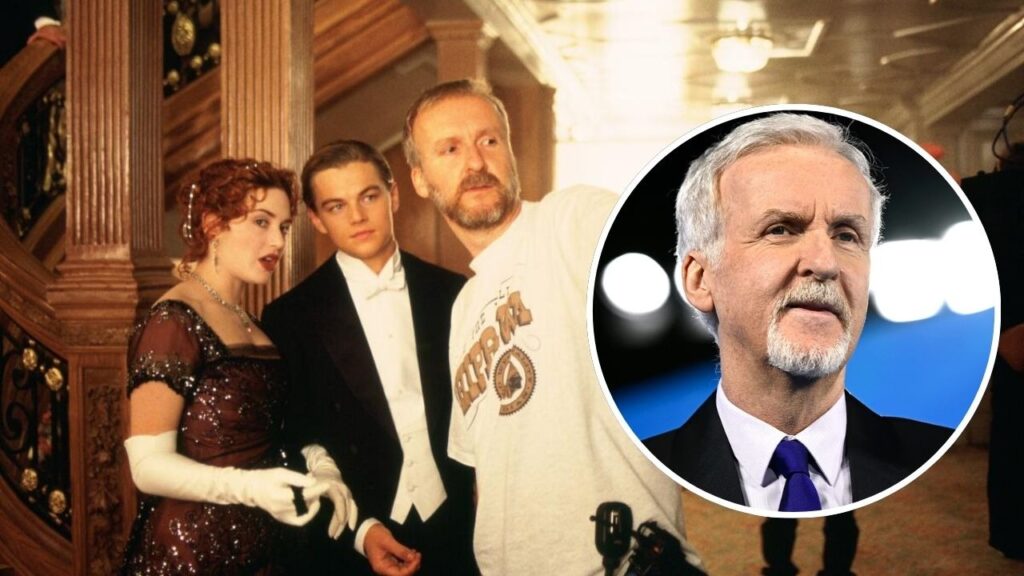
Titanic is the pinnacle of James Cameron, because it’s a world-class action director bringing his “more is more” sensibility to a genre he was never meant to touch: the historical romance.
Like Steven Spielberg’s Schindler’s List or Christopher Nolan’s Oppenheimer, Titanic marks the point when a “blockbuster” director becomes a “filmmaker.”
He employed a nearly life-size model of the ship, emerging computer-generated imagery, and real deep-sea footage of the wreck to evoke a feeling of palpable reality. The air sucking out of the room when the White Star officers come to realize the ship is “a mathematical certainty” to sink is as icy as any moment in The Terminator.
Conclusion
James Cameron has created a handful of terrific movies—Aliens is the ultimate sequel, Avatar the peak cinematic experience. But this is different, Titanic. It’s not that it’s just good at one thing, it feels like the perfect everything.
Part historical epic, part class-conscious drama, part sweeping romance and part D.W. Griffith-scale disaster movie, Titanic mixes genres with surprising assurance. It insists that you see it on the largest screen available at all times, and yet it’s just as mesmerizing when you see it again on a sleepy, rainy Sunday afternoon.
When Cameron strutted up on that Oscar stage and yelled, “I’m King of the World!” the industry sighed. But in retrospect, when you consider the towering hubris, the art, and the undying spirit of Titanic, there’s really no nailing him to anything less.
So, go ahead. Tell me Terminator 2 is better. Tell me the Avatar has more depth. But you won’t get me to go then. Titanic is the Greatest of All Time.
Fandomfans is focusing on concept based theories behind successful cinema. Stay connected to get more updates on your favorite movies.
Mariyam
Articles Published :
76
Mariyam Khan is Fandomfans Content Writer and providing reports and reviews on Movie Celebrities, and Superheroes particularly Marvel & DC. She is covering across multiple genres from more than 4+ years, experience in delivering the timely updates.
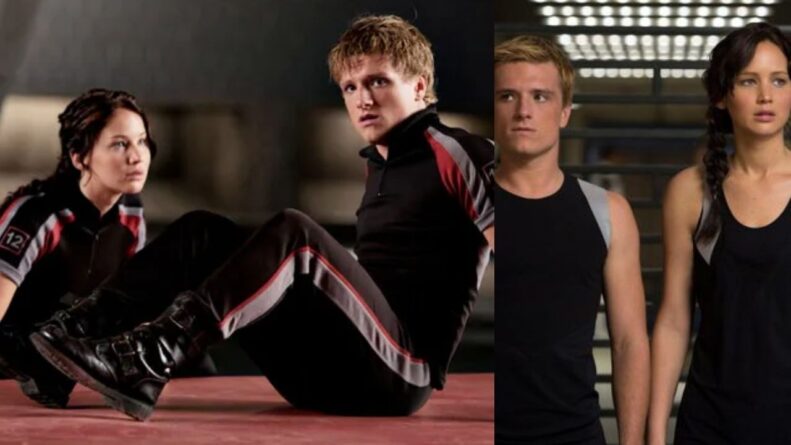
The Hunger Games Love Birds Jennifer Lawrence and Josh Hutcherson Are Back to Panem
The Hunger Games love birds Jennifer Lawrence and Josh Hutcherson are reunited in the new prequel Sunrise at the Reaping, which will bring fans back to Panem.
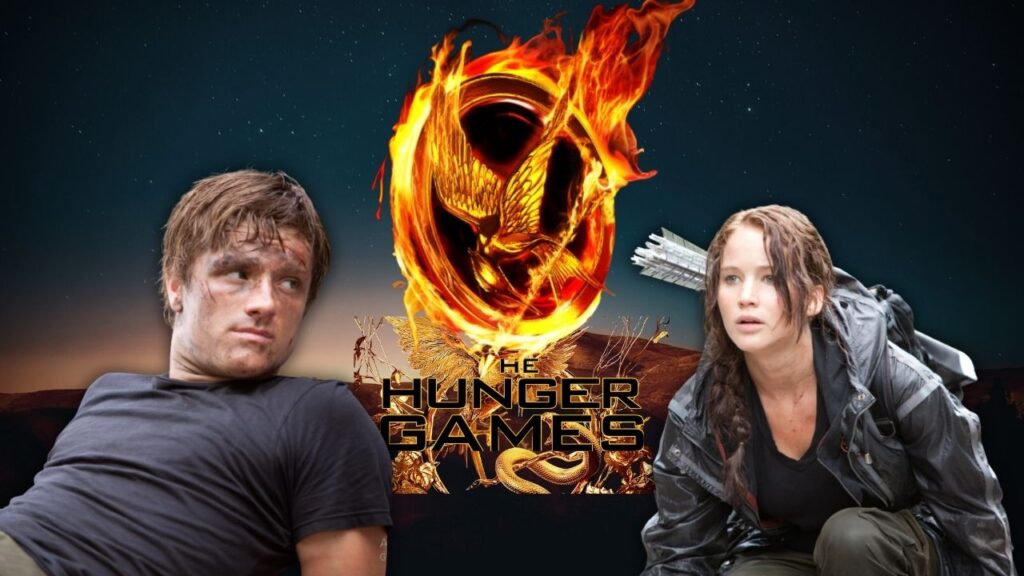
The Hunger Games’ Jennifer Lawrence and Josh Hutcherson, the iconic duo who captured our hearts as Panem’s greatest rebels, are confirmed to be coming back to the franchise with The Hunger Games: Sunrise on the Reaping and we’re just not emotionally prepared for what this means.
The revelation was made on 10 December 2025, and it reverberated across the entertainment industry like a hovercraft. For more than 10 years, we’ve seen these two gifted performers breathe life into the characters created by Suzanne Collins, and seeing them in this new prequel feels like that chance encounter with an old friend that really throws you for a loop. While Jennifer Lawrence will be reprising her role as Katniss Everdeen and Josh Hutchersonas Peeta Mellark, there is a fun twist to this - they are not the main characters in this movie.
The Hunger Games: Sunrise on the Reaping is turning out to be something I don’t think we’ve seen from the series yet. Taking place 24 years prior to the original Hunger Games trilogy, the prequel follows a young Haymitch Abernathy, the surly yet surprisingly endearing mentor we are familiar with through Woody Harrelson’s version of the character.
Image Credit: Fandomfans
To those of you who read the novelization, Lawrence and Hutcherson are set to appear in a flash forward sequence near the end of the film, showing where our favorite characters ended. It’s that perfect kind of callback that makes longtime fans feel seen and appreciated.
The Reason Behind The Excitement
The extraordinary cast lined up for this prequel is the first reason for this excitement. Joseph Zada as young Haymitch, who confronts the terrifying 50th Hunger Games(the Second Quarter Quell) — where the stakes are doubled with 48 tributes instead of 24.
Image Credit: Fandomfans
That’s right, this isn’t just any Hunger Games, it’s a barbaric, monstrous edition that will tell us exactly how Haymitch became the shattered man who then leads Katniss through her own.
Notable Star-Studded Cast
Backing up the extraordinary young talent is a star-studded cast that feels like a who’s who of Hollywood: Glenn Close, Ralph Fiennes (as a younger President Snow), Elle Fanning, KieranCulkin, Maya Hawke, and so many more incredible actors. Kieran Culkin, just coming off an Academy Award win for A Real Pain, will be taking over Stanley Tucci’s role as Caesar Flickerman, and Ralph Fiennes lends his gravitas to a youthful iteration of the tyrannical President Snow. This level of casting in this prequel is just jaw dropping.
Image Credit: Fandomfans
Francis Lawrence, having directed all but one of the Hunger Games movies since 2012, is back to lend his deft hand to this dark origin story. Billy Ray’s screenplay is a faithful, attentive adaptation of Collins’ novel, so those familiar with the books will pick out the key scenes, but the uninitiated gain a new, cinematic interpretation.
The enthusiasm What’s really exciting about this project is that it comes full circle for the Hunger Games franchise. Following the unprecedented popularity of The Ballad of Songbirds and Snakes in 2023, which gave a glimpse of a young Coriolanus Snow, Lionsgate are clearly interested in delving further back into this universe’ s past. The franchise has grossed $3.3 billion worldwide over five films, and with this star-packed cast and gripping story, Sunrise on the Reaping is set to be another blockbuster.
Image Credit: Fandomfans
The film is set to blaze its way into theaters on November 20, 2026, giving fans almost a year to speculate on what a Lawrence and Hutcherson cameo might entail, be it a fleeting appearance or a substantial chunk of the story, it’s unclear at the moment, but whatever it is: getting Katniss and Peeta back on the big screen – even in this unusual capacity, is a treat for the series’ fanatics.
To those of us who have grown up with these characters, this is like coming home. The Hunger Games world keeps expanding and surprising us, and with Lawrence and Hutcherson’s return, it’s clear why this franchise ever really captured our hearts.
Get your favorite characters and movies exciting updates on Fandomfans. Our goal is to deliver you celebrities, directors, and movie details based on deep insights.
Mariyam
Articles Published :
76
Mariyam Khan is Fandomfans Content Writer and providing reports and reviews on Movie Celebrities, and Superheroes particularly Marvel & DC. She is covering across multiple genres from more than 4+ years, experience in delivering the timely updates.
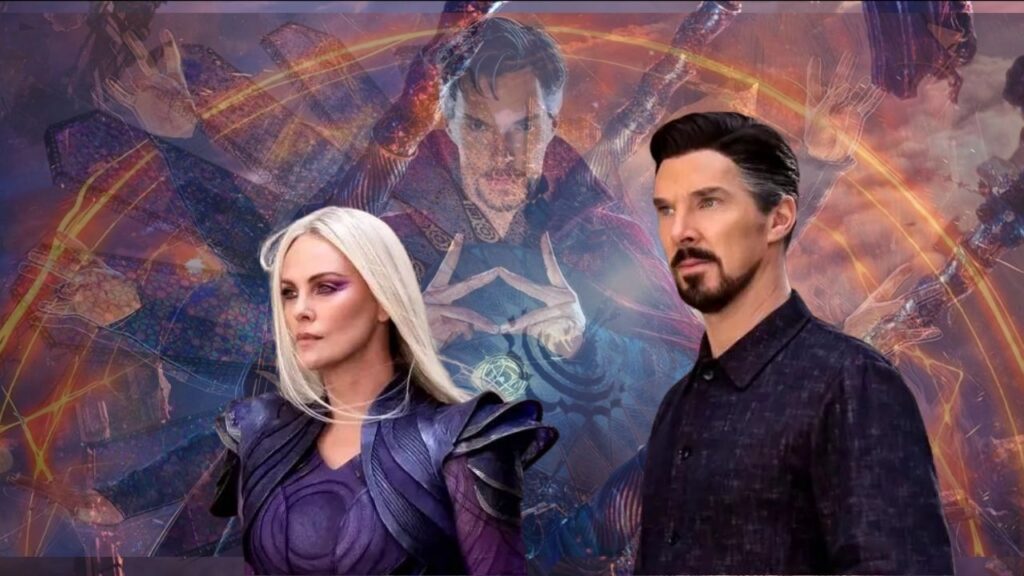
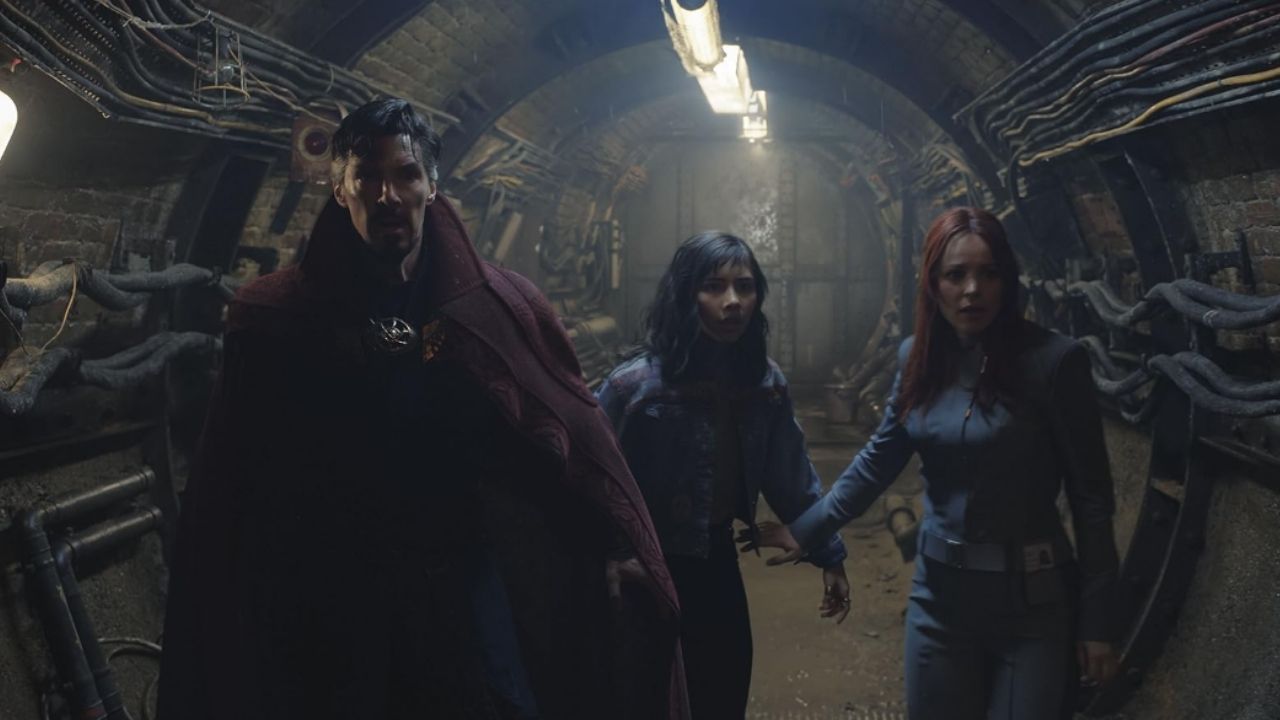
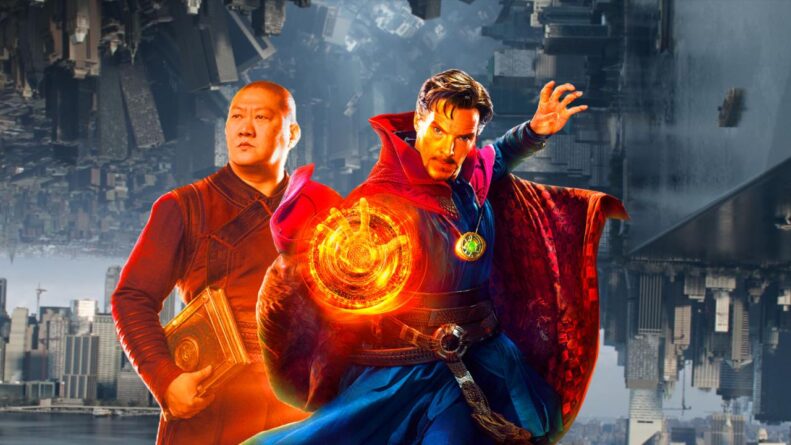
Benedict Cumberbatch has an extraordinary double billing in Hollywood right now. He’s in, a cornerstone, really, of Marvel’s almighty cinematic universe (MCU). On the flip side, he has a solid independent film career, as evidenced by his upcoming film, The Thing With Feathers. That balance of blockbuster dominance and arty experimentation speaks to his versatility, and the power of his star.
Reports indicate that the MCU is the financial foundation and global visibility for Cumberbatch, but projects like The Thing With Feathers are vital to keep his critical worth alive. This file claims the actor is now carrying out a “legacy management” approach, wielding clout to influence the creative direction of his blockbuster commitments and demonstrated by his producing role and director selection preferences while also going back to his experimental, literary roots in adaptations.
The Thing With Feathers
The Thing With Feathers is a departure from the visual effects-laden projects that Benedict Cumberbatch has been attached to of late. From acclaimed novelist Max Porter’s bestselling novella Grief Is the Thing with Feathers, the film preserves the book’s idiosyncratic, poetic form and surreal atmosphere.
The plot revolves around an unnamed London father (Dad) and his two sons as they struggle to survive in the wake of the sudden death of their wife and mother. Into their mourning home comes Crow— a frenzied, mythic character who says he’ll remain until the family no longer requires his presence. Crow is the physical manifestation of grief, so for Jack, it’s the personification of losing his wife.
Image credit: Fandomfans
Helmed by Dylan Southern, it employs a dreamlike non-linear narrative to bring Porter’s emotional, stream of consciousness novel to life on the screen, mixing stark household realism with surreal horror.
Cast Highlights
Benedict Cumberbatch as Dad – a profoundly raw portrayal of mourning, more in line with his work in Patrick Melrose than Doctor Strange.
David Thewlis as Crow – a sinister but bright, guardian and bully.
Richard and Henry Boxall play the brothers, and this is the one that really did engage me emotionally.
The movie doesn’t treat grief as hushed sorrow, but as frenetic, cluttered, and terrifying. Crow becomes the father’s Jungian shadow, making him face feelings he seeks to escape – turning the tale into a psychological thriller where the real beast is internal suffering.
Early reviews For The Thing With Feathers
Image credit: Fandomfans
Cumberbatch’s acting is considered to be one of the best if not the best. Praise for him speaks of him being in “terrific shape” and turning in a performance that is “confidential and emotional”. The Guardian also notes that:
“While the attention is on the home drama the film is involving and
affecting.”
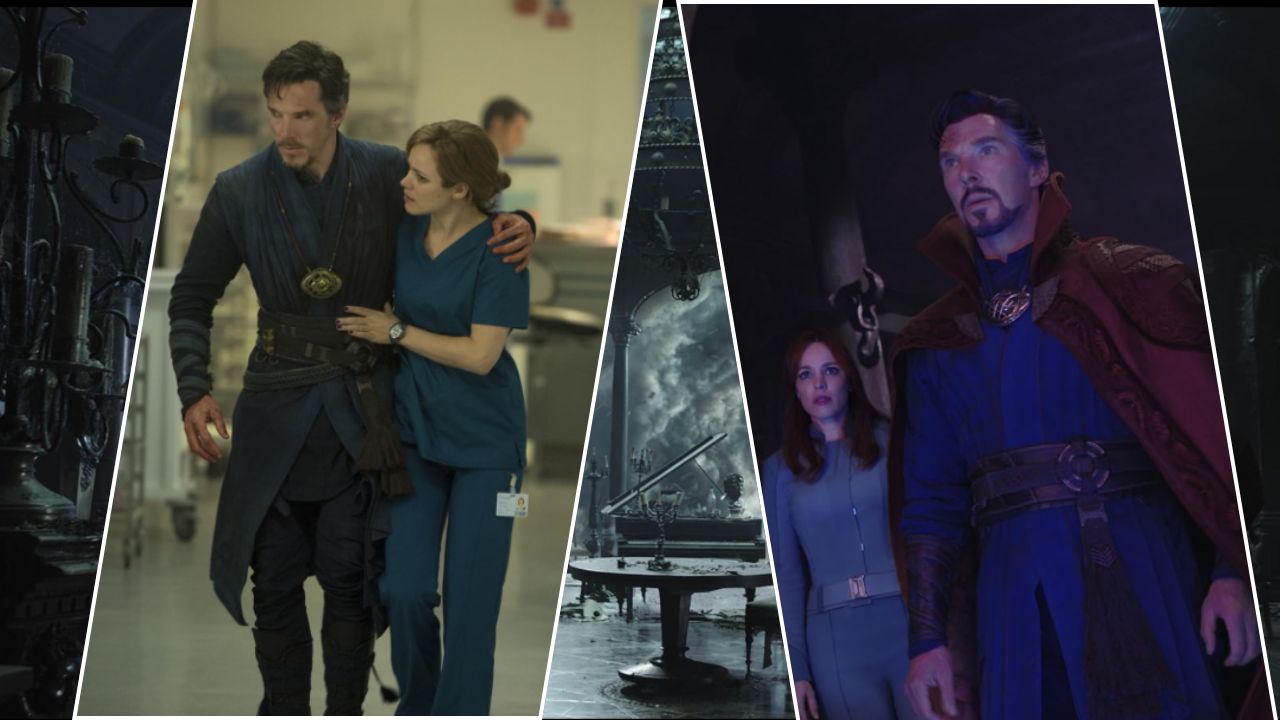
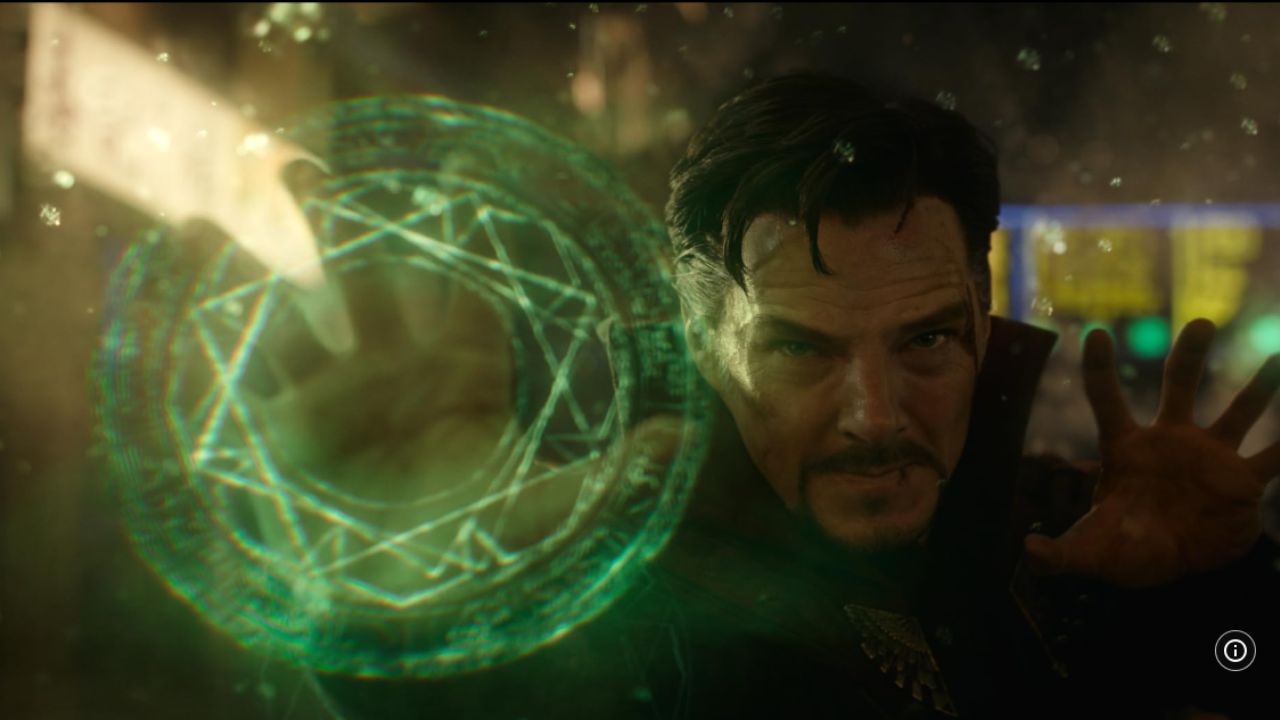
The creative leadership of Doctor Strange 3
Cumberbatch is reportedly taking a more “hands-on producerlike” role who will be able to handle the visual spectacle, with the film’s intellectual depth in the making of the film.
“very protective of the character and wants a director” —He said
The integration of Doctor Strange into the wider Avengers lineup
Cumberbatch gave an interview in early 2025 in the dance where she said she would not be appearing in Avengers: Doomsday (2026), sparking rumors that the character would be written out. However, in the The Thing With Feathers premiere at Sundance he flatly corrected reports.
“I got that wrong, I’m in the next one.” —Cumberbatch said and also joked to fans,
in reference to the tight Non-Disclosure Agreements (NDAs) and secrecy culture that Marvel instills, which frequently has its actors feed false information to the press to protect surprises.
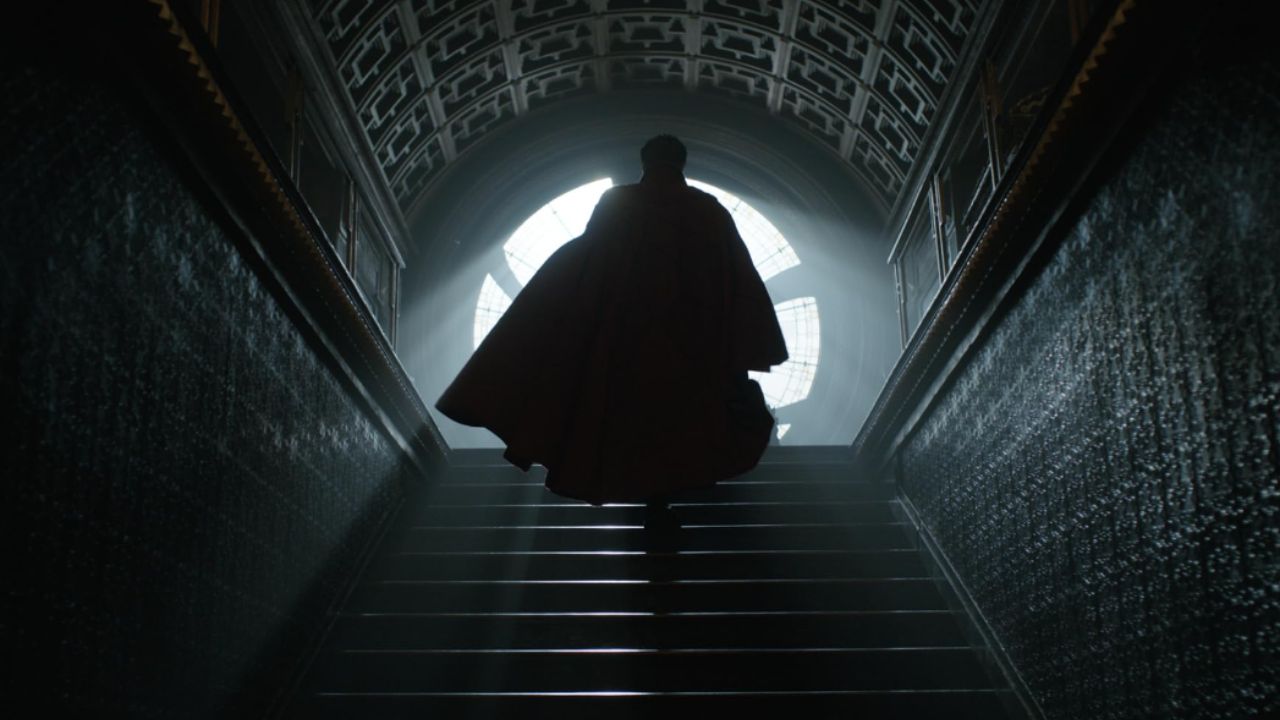
It is now confirmed that Doctor Strange will appear in Avengers: Doomsday (2026) and will have a “huge” role in Avengers: Secret Wars (2027).
Image credit: Fandomfans
Strange’s place in Secret Wars should be similar to his prominence in the comics, acting as second-in-command (“Sheriff of Agamotto”) to Doctor Doom, leader of the multiverse’s remains (Battleworld). Robert Downey Jr., reprising his role for the first time as Doctor Doom from the MCU, the dynamic between Cumberbatch and Downey Jr. (who also starred together as Sherlock Holmes and Iron Man, respectively) recently tops for the studio.
Conclusion
The next few years are crucial for Benedict Cumberbatch. In a London flat in “The Thing With Feathers” audiences will also get to see him unmasked and fighting a figurative crow. This part reconfirms his dramatic obama essay credentials and acts as a Salto dancer à la spectacle au lieu de suivant.
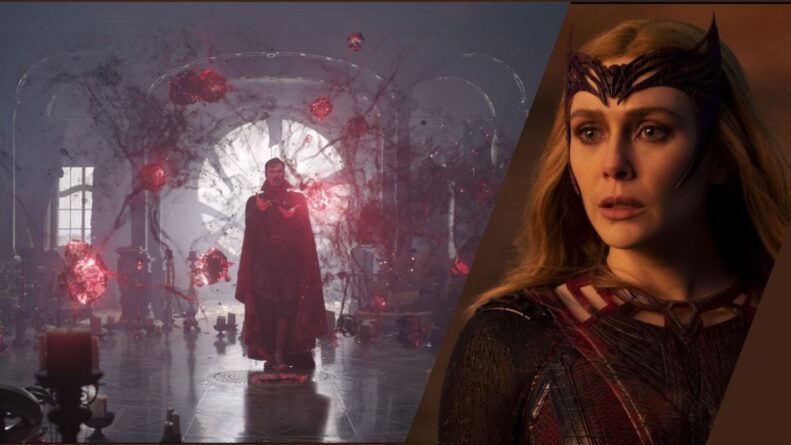
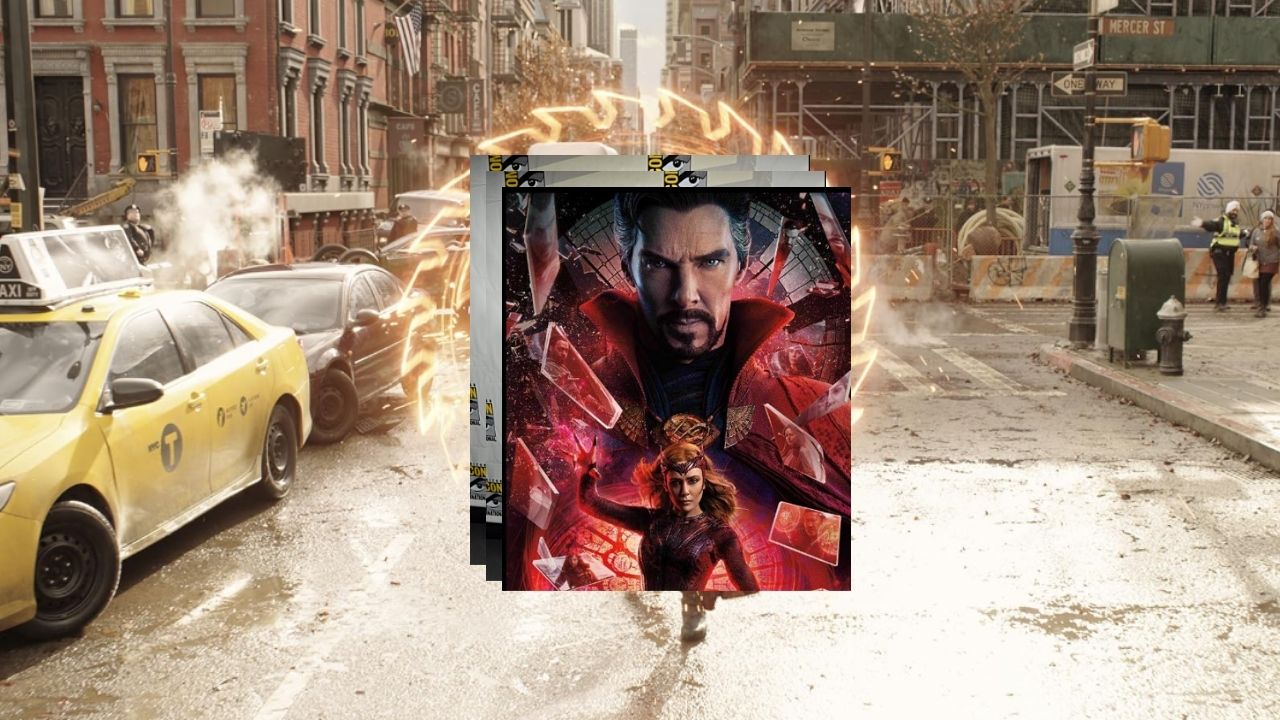
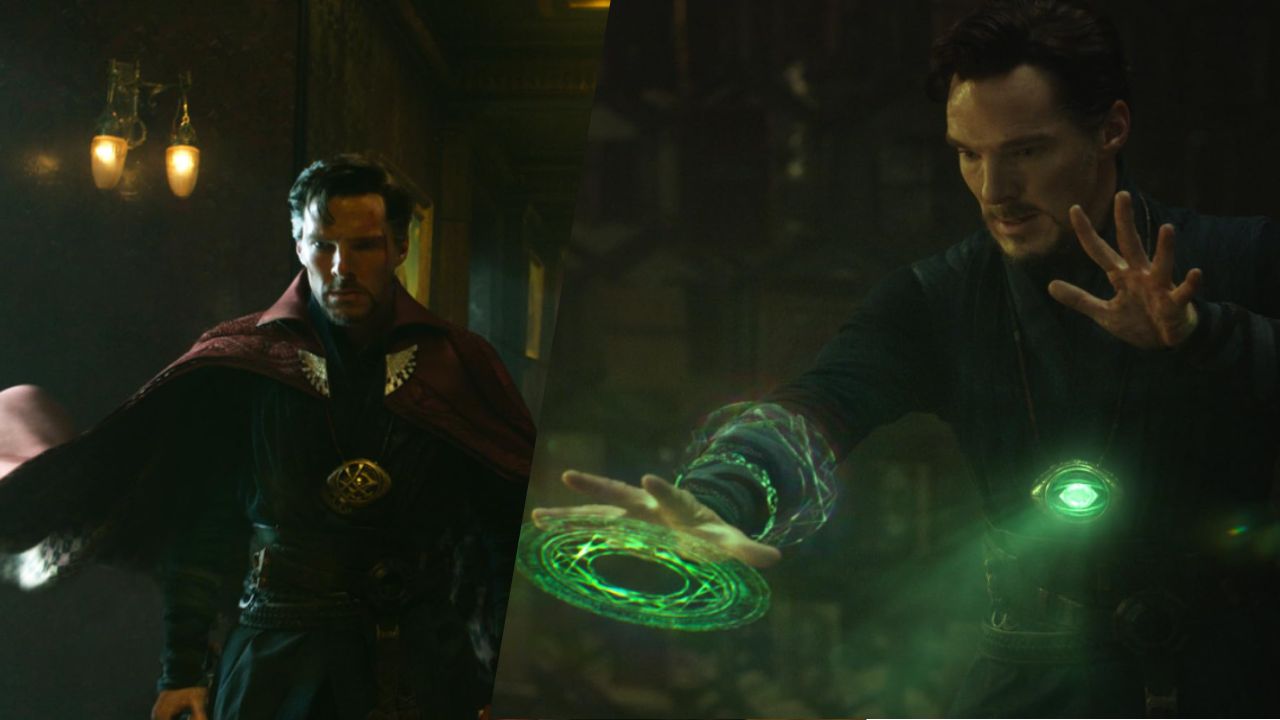
At the same time, the Marvel Cinematic Universe machine is turning toward him. The active development here is Doctor Strange 3, strongly based on the “Time Runs Out” storyline, and his already confirmed appearance in Avengers: Doomsday, marking him as the story lead of the Multiverse Saga’s concluding chapter. Bird-themed surrealist or multiversal terrors: on both, Benedict Cumberbatch is at the center of two vastly different though thematically connected cinematic universes.
Fandomfansis a platform to provide quick updates on entertainment, anime, reviews & celebrity news. Our goal is to bring you valuable and accurate information on your favorite entertainment buster.
Mariyam
Articles Published :
76
Mariyam Khan is Fandomfans Content Writer and providing reports and reviews on Movie Celebrities, and Superheroes particularly Marvel & DC. She is covering across multiple genres from more than 4+ years, experience in delivering the timely updates.