Home > Movies > Paul Dano Joins Florian Zeller’s Psychological Thriller ‘Bunker’:..
Paul Dano Joins Florian Zeller’s Psychological Thriller ‘Bunker’: An Exciting Development for 2026
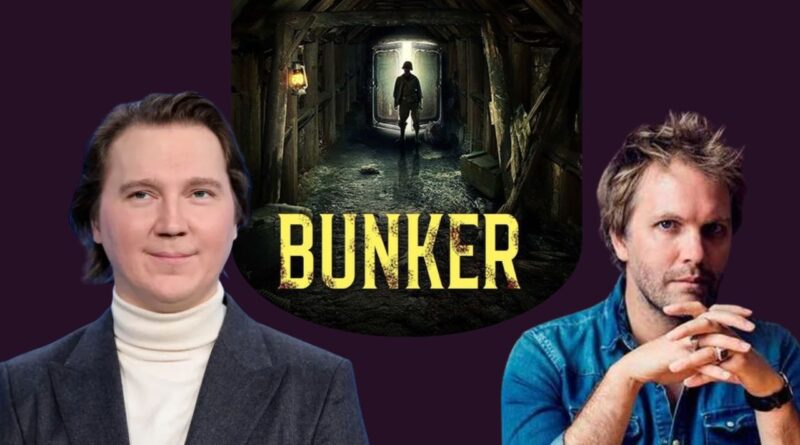
Paul Dano joins Javier Bardem and Penelope Cruz in Florian Zeller's new psychological thriller Bunker, which will be a major cinematic release in 2026.
Paul Dano has been the subject of some, not all of it boring Dolby-drama-based Hollywood chat heat. After Quentin Tarantino’s inflammatory comments about the actor last week, the industry came out in support of Dano, showing that sometimes the loudest voices are not everyone’s. Instead of retreating from the public eye, the lauded actor is going straight into something truly extraordinary: Oscar-winning director Florian Zeller’s next film, the psychological thriller Bunker.
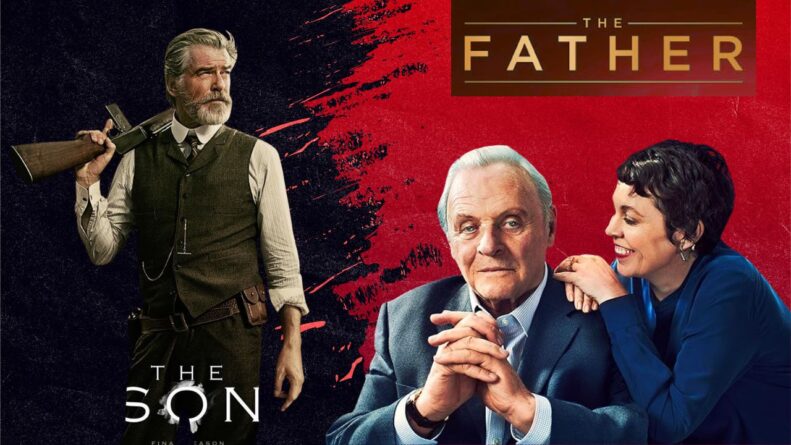
It’s worth taking a moment to appreciate what this casting actually is. Zeller, whose credentials include the beloved play The Father (which won Hopkins the Oscar for Best Actor and earned Zeller himself one for Best Adapted Screenplay), is renowned for getting the best out of his performers.
Image Credit: Fandomfans
His second film, The Son, may have divided critics, but it still garnered Hugh Jackman a Golden Globe nomination. Now, with Bunker, Zeller is putting together what can only be described as a powerhouse ensemble.
A Powerhouse Ensemble Cast
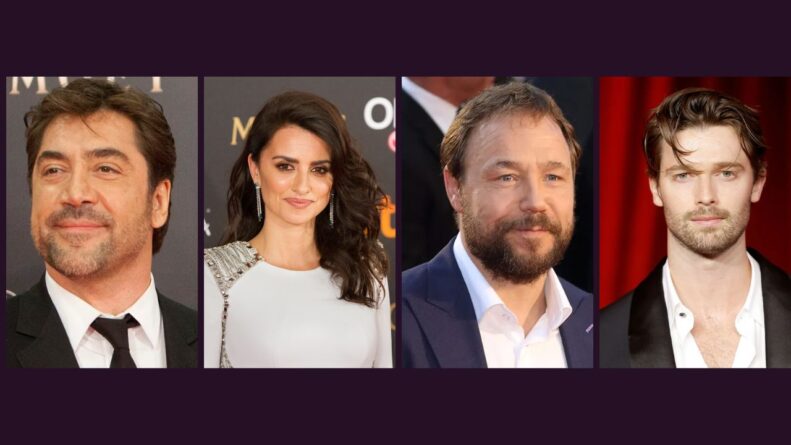
The cast is a veritable who’s-who among Hollywood stars. Dano is teaming with Oscar-winning real life couple Javier Bardem and Penélope Cruz, whose on and off-screen chemistry is already legendary.
Image Credit: Fandomfans
Stephen Graham, gritty, intense actor famous for his role in the television series “Justified,” and Patrick Schwarzenegger complete the cast. This is not some film being made under the radar — this is a prestige title that plans to make a splash in 2026 cinema.
What is The Bunker Really About?
Bunker follows an architect whose life and marriage are complicated when he takes on the design of a survival bunker for a wealthy tech tycoon. When this secretive building project starts to penetrate the family’s life, things begin to disintegrate. The premise alone indicates the psychological heights that Zeller has been known for.
Image Credit: Fandomfans
This is a director who knows that genuine tension is not a byproduct of jump scares or external threats — it’s born when relationships break down under duress, in probing the ethical compromises we make and examining how fear informs our decisions.
The director was inspired by their real-life nearly seventeen year marriage and he’s created a narrative that addresses the challenges of long term relationships in an increasingly volatile world. That type of writing intentionality leads to more real, strong performances. When Zeller spoke about recruiting Dano to the project, his words were effusive.
“From Little Miss Sunshine to There Will Be Blood, Paul has never ceased to surprise me as an actor,” –he said.
That’s not the kind of recommendation that is bandied about. This is a director who has directed some of the most acclaimed performances of recent film, and when he talks about working with Dano, he sounds genuinely excited.
“He has a remarkable singularity - something truly unique – and in that respect he is irreplaceable.” —He also said
Production and Industry Backing
The film is now in its second week of production, shooting in Madrid, and London. Blue Morning Pictures and the Spanish company MOD Producciones are producing, with international sales by Film Nation Entertainment. Everything about the set-up indicates a film that’s being treated as a substantial artistic effort and not just another genre piece.
Image Credit: Fandomfans
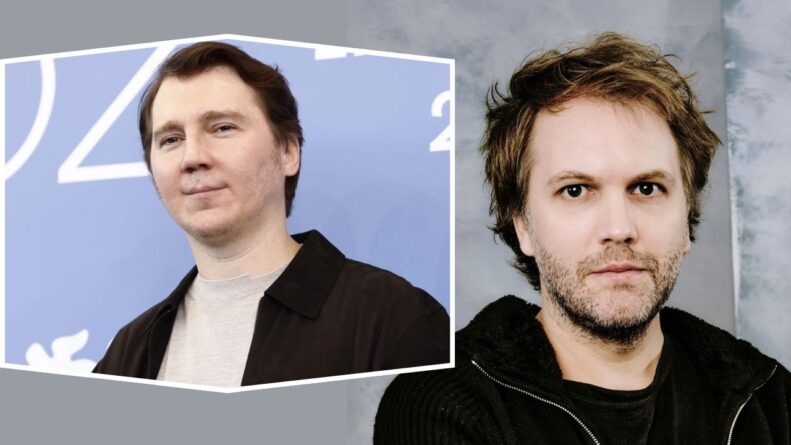
What that timing makes especially intriguing is how it positions Dano’s career going forward. Instead of being defined by recent controversy, he has attached himself immediately to an art house project and a director known for eliciting complex, nuanced performances. Take Tarantino’s assessment with a degree of salt if you want, but Dano is clearly in demand by the filmmakers who really matter.
Conclusion
As we approach 2026, Bunker is becoming another film to keep an eye on. With Zeller at the helm, a cast that strong, and a premise that insinuates genuine psychological depth, this very well could be the film that ignites discussions and the kind of performances that stick with audiences well beyond the credits.
Fandomfansprovides every detail on the upcoming movies and projects of the industries that keeps you evolving with the entertainment.
Mariyam
Articles Published :
76
Mariyam Khan is Fandomfans Content Writer and providing reports and reviews on Movie Celebrities, and Superheroes particularly Marvel & DC. She is covering across multiple genres from more than 4+ years, experience in delivering the timely updates.
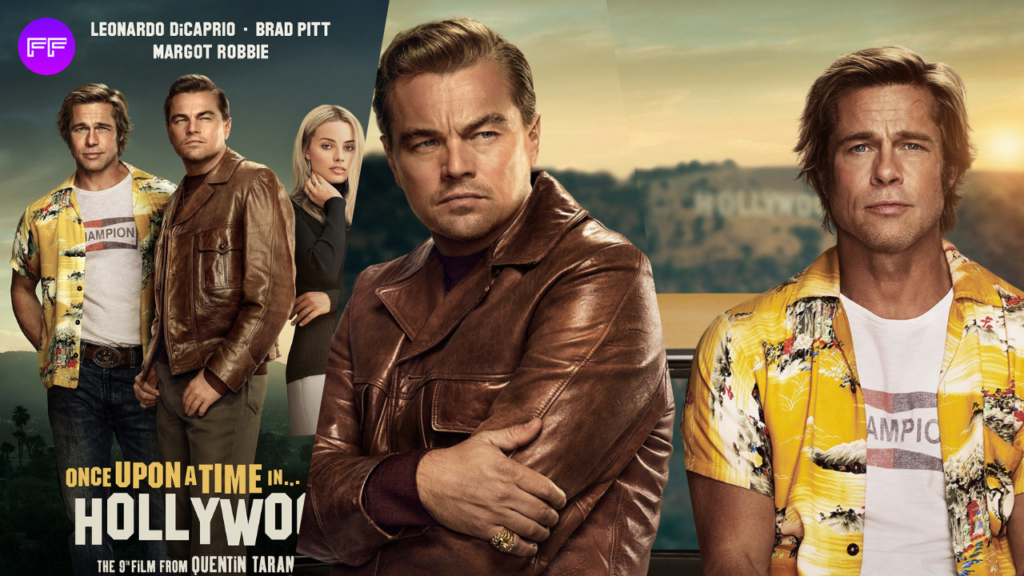
Once Upon a Time in Hollywood: A Love Letter to a Bygone Era (and What Comes Next!)
Discover the the story, cast, themes and awards of Once Upon a Time in Hollywood and find out how the Cliff Booth sequel widens Tarantino’s nostalgic world.
Once Upon a Time in Hollywood is a masterpiece of Quentin Tarantino which wraps up with a warm, sun-kissed love letter to the end of Hollywood’s Golden Age. Mixing true history with invention, the 2019 movie about friendship, waning fame and a shifting business is set against the backdrop of 1969 and the Tate murders. With its razor-sharp dialogue, iconic soundtrack and Tarantino’s most personal storytelling, it’s nostalgic and hypnotic — and with Cliff Booth making a comeback on Netflix in 2026, this cinematic universe is just expanding.
Genre, Theme and Setting
At its core “Once Upon a Time in Hollywood” is a dramedy with historical elements and a dash of Tarantino’s style of revisionist history. The relative core tensions are the bittersweet decline of stardom, the allure (and dangers) of the counter-culture movement, and the power of camaraderie.
The setting is unmistakably Los Angeles, 1969, and that cataclysmic moment in culture is brilliantly conveyed ultimately not just through detailed period detail. From the classic cars to the classic clothes to the iconic Hollywood Hills — it’s a visual feast.
Director, Writer & Creative Team
There was only one name that could be leading this offbeat vision: Quentin Tarantino. He wrote and directed the original screenplay and is an extraordinary storyteller.
Robert Richardson, a long-time Tarantino collaborator, shot the film’s gorgeous cinematography which perfectly captured the golden-hued era.
Barbara Ling’s production design and Arianne Phillips’ costume design transport us further into the world of the late 60s.
Once Upon a Time in Hollywood Plot Overview
The story focuses on Rick’s destructive life and his struggles, in the year 1969 Los Angeles. There’s also his longtime pal and stunt double Cliff Booth (Brad Pitt) — a disarming yet enigmatic war vet and the bangers and bangettes, among them his crony Max Cherry (Willem Dafoe). Two intersections in their lives are the shadow of the Manson Family and Rick’s neighbour, Sharon Tate (Margot Robbie).
The film soars in its weaving of their three tales, building to a cathartic and unforeseeable final act that re-imagines a historical tragedy. The slow burn lets us take in the atmosphere and character dynamics before a relentless finish.
Cast & Characters
Popular cast that played wonderful characters in the film:
Leonardo DiCaprio stars as Rick Dalton
Brad Pitt as Cliff Booth, Rick’s Friend
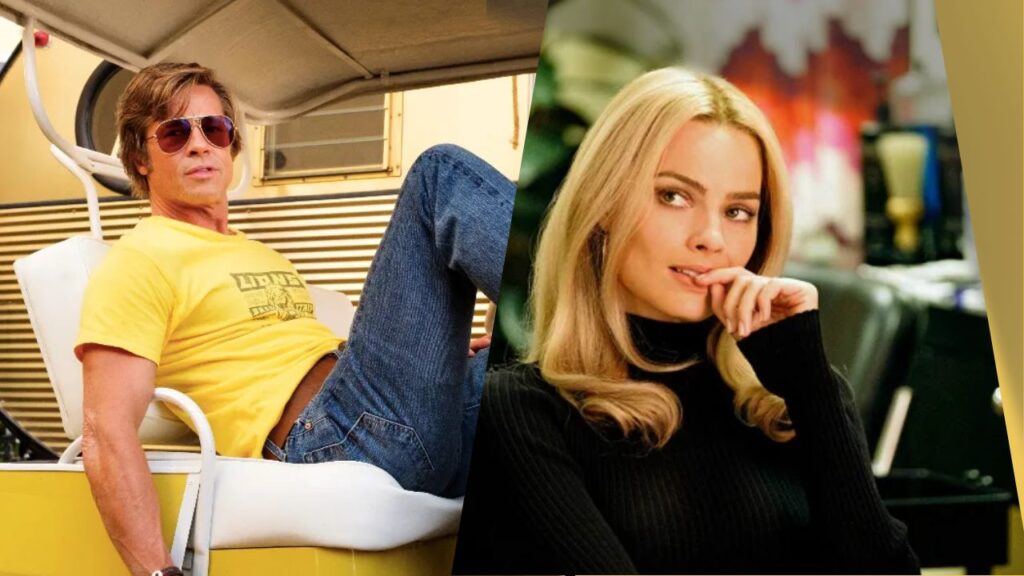
Sharon Tate (Margot Robbie), a radiant optimist and up-and-coming actress, is thriving in Hollywood Hills life.
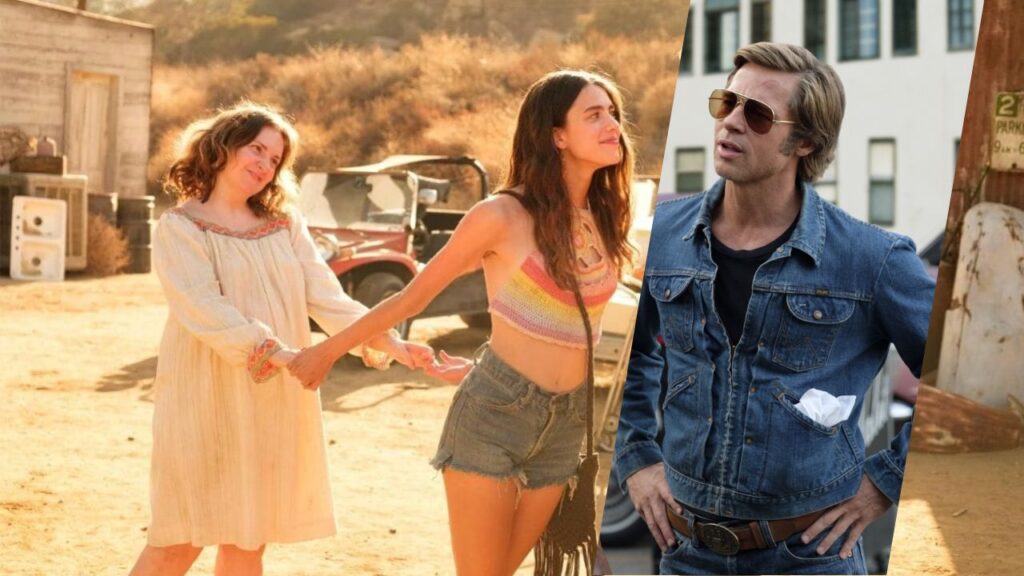
Among the plethora of famous names, there are Al Pacino, Kurt Russell, Dakota Fanning, Bruce Dern, Emile Hirsch, Timothy Olyphant, Luke Perry, Margaret Qualley and many, many more actors of renown to be found in roles of significance, and it is not even close to just the primary three.
Film Highlights & Collaborations
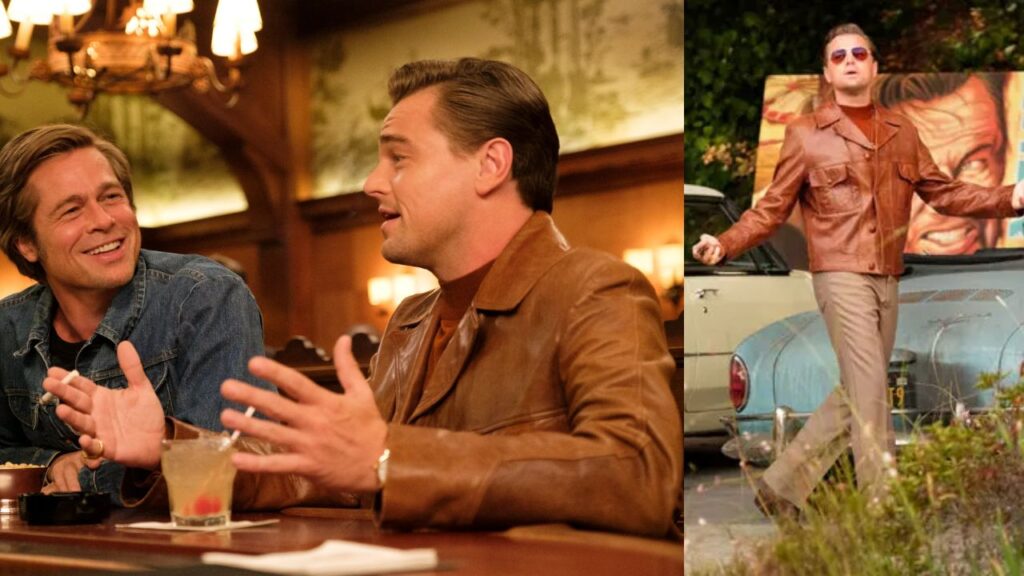
Watching both wonderful actors DiCaprio and Pitt together on their best performances is amazing. That’s what this movie is – their chemistry. Tarantino’s unique, nonlinear form of storytelling (with a few pop culture references), is a great, entertaining journey.
The soundtrack is tightly curated to evoke the feel of nostalgia that the film has at the center of it, and is overflowing with 60’s music, and practically narrates the story of one of the characters.
Production Information
Production was mostly day for night, and indoor for outdoor in situ among the urban sprawls of Los Angeles, with several famous sites redressed or employed. From the outside of the Hollywood Boulevard stores to the classic cars and trucks twenty-six block Hollywood re-creation of 1969 is mesmerizing. The producers genuinely did go all out to make the viewers feel as though they were seeing something that was truly from the past.
The 2026 follow-up (The Adventures of Cliff Booth) keeps this pedigree intact but with a twist. Though it is written by Tarantino and produced by his long-time partners at Heyday Films, it is directed by David Fincher. News is a hefty $200 million budget, much of that used to recreate the gritty, neon-drenched aesthetic of ’70s L.A.
Film Rating & Certification Details
Due to its violence, language and drug use, Once Upon a Time in Hollywood received an R rating in the US. It was rated R (18+) by the Commission. This fits right into the pattern of Tarantino’s filmography which is always populated by films which bend the rules.
Audience Expectations
Film’s authenticity to the period, direction, and performances get critical acclaim. While its slow burn is felt by some viewers but still captivated by the unique combination of humor, drama and suspense.
It was well-reviewed, successful at the box office, and won a number of awards, among them the Academy Awards for Best Production Design and Best Supporting Actor (Brad Pitt).
For the sequel, the hype is at an all-time high due to the Fincher-Tarantino-Pitt “holy trinity” of talent.
Once Upon a Time in Hollywood’ Sequel Trailer
The initial teaser for The Adventures of Cliff Booth made an unexpected appearance at Super Bowl LX Once Upon a Time in Hollywood (February 2026).
The Vibe: Cut to Henry Mancini’s “Peter Gunn” and the footage is textured with thick film grain and 70s attitude.
The Tease: You get a little Cliff Booth working the 1970s as a “Hollywood fixer,” delivering dry one-liners and wearing a long blond wig and a vintage yellow floral shirt.
Notable Absences: There’s a glaring omission: Rick Dalton ( DiCaprio), who has been absent from all the teasers so far, confirming this is a solo trip for Cliff.
Once Upon a Time in Hollywood is more than a film — it’s an experience. It’s nostalgia, reinvention, friendship, loss and love of cinema, all wrapped up in the unmistakable style of Tarantino. With its iconic performances, its hazy 1969 backdrop and its daring rewriting of history, it remains one of the most emotionally visceral chapters in Tarantino’s career. And with The Adventures of Cliff Booth on the horizon, this universe isn’t ending — it’s evolving.
Dive deeper into the world of cinema with Fandomfans and get every detail from movies and series.
Alpana
Articles Published :
156
Alpana is Fandomfans Senior Editor across all genres of entertainment. She evolved in the media industry since a very long time, she manages the content strategy and editing of all the blogs. Her focus on story development, review analysis, and research is well-equipped that ensures every article meets the standards of accuracy and depth.
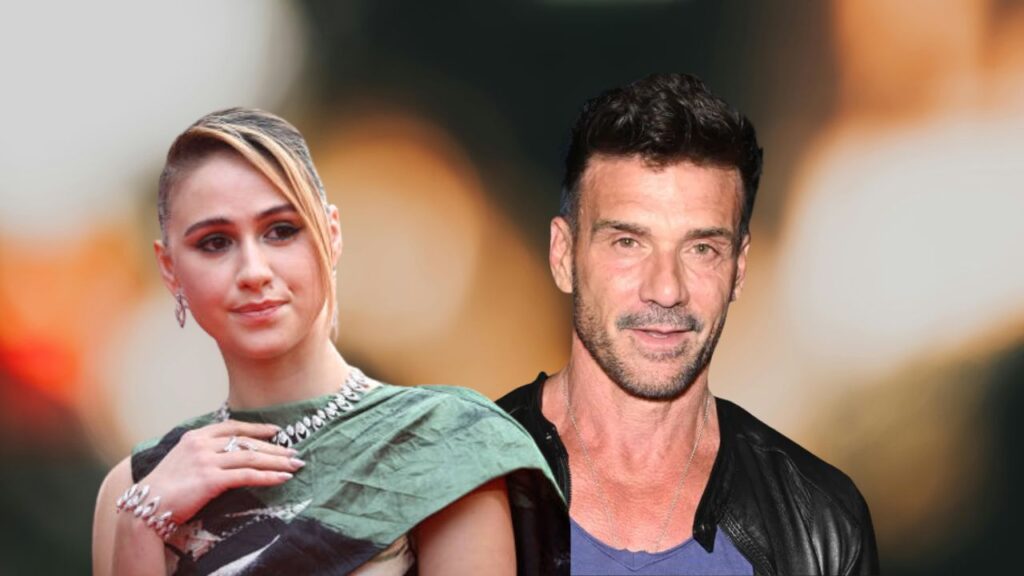
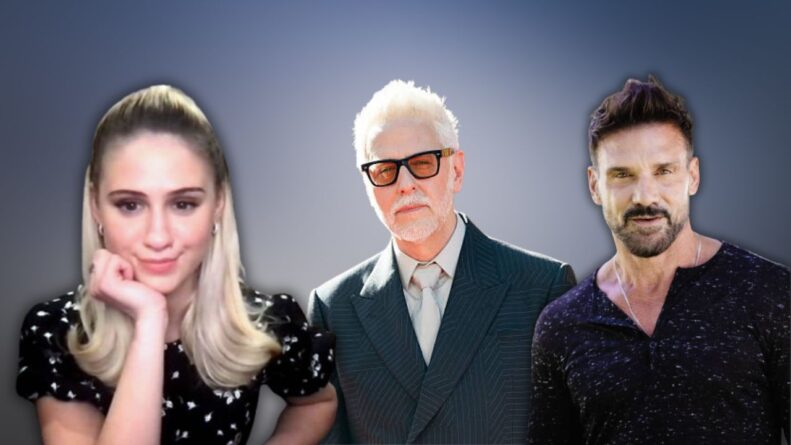
Well, get ready to set your countdown clocks, because two powerful forces (Frank Grillo and Maria Bakalova) in cinema collide on screen. The gritty and intense action veteran Frank Grillo is now set to star alongside Academy Award nominee Maria Bakalova in the high-octane sci-fi survival thriller Override. And the best part? This isn’t a random team-up, it’s a live-action reunion for two foundational players of James Gunn’s new DC Universe.
Just the official synopsis would be enough to terrify you. Override centers on a futuristic soldier (Bakalova) who is betrayed and left for dead. With a fatal wound that could end her mission and her life — she’s forced to race against time. Her last best chance, an experimental synthetic angel (Grillo), the most advanced battlefield A.I. Now that is a premise that practically screams high-stakes survival.
Casting: Frank Grillo Steps Into a Bold New Role
Image credit: Getty Image
Frank Grillo has carved out a niche as a hard, take-no-prisoners type of character exactly the type of guy who would survive in a dark, futuristic world. In the cage, behind the mask or chasing bad guys in one of his numerous action franchises, Grillo infuses each role with a visceral, authentic edge. Watching him play something as nuanced as a synthetic angel on a battlefield A.I. probably running in a human host is a nifty swerve that may meld his physicality with a colder, more technical turn.
Then there is Maria Bakalova. She’s a genuine chameleon of an actress. She made a splash with a phenomenal, Oscar-nominated turn in Borat Subsequent Moviefilm, displaying stunning comedic and dramatic chops. She established her action and sci-fi bonafides with her voice work as Cosmo the Spacedog in Guardians of the Galaxy Vol. 3. Her casting as a futuristic soldier abandoned to die is a perfect match, giving her a chance to go full tilt in an emotionally charged, physically grueling part.
A DCU Connection That Makes This Team-Up Even Bigger
What makes this matchup so appealing for comic book movie fans is their shared DCU history. Both Grillo and Bakalova are a part of the new James Gunn-led slate, voicing characters in the upcoming animated series, Creature Commandos Grillo as the gruff Rick Flag Sr., and Bakalova as Princess Ilana Rostovic. To have their professional collaboration go straight from the sound booth of an animated series to an intense, original live-action thriller is really affirming of their chemistry.
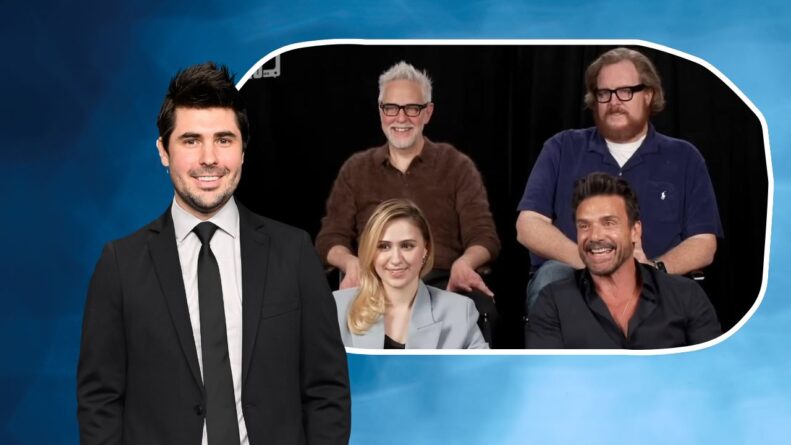
Jordan Downey’s Visionary Touch
Image credit: Facebook (S U P E R V E R S E)
Behind the lens, the movie is in capable hands. Override is directed by Jordan Downey, who charmed critics with his 2018 fantasy-horror film, The Head Hunter. His background indicates that this isn’t going to be just a plain action movie, expect strong visual aesthetics, sharp and focused narrating that will bring the project above the run-of-the-mill sci-fi thriller.
What to Expect From Override
The most thrilling news is that this film is not only in development—it’s being made as we speak. Production is underway in Belfast, so updates, first look images and a trailer are definitely coming sooner rather than later. Amid the relentless churn of reboots and sequels, Override feels like a fresh blast of futuristic wind. It brings together two amazing talent with very different skill sets – Grillo’s action credentials and Bakalova’s dynamic versatility – in a high-concept, pulse-pounding scenario.
Override looks like it will be one of the most thrilling sci-fi thrillers coming out in the near future. Embodying her trademark hard-edged and ferocious presence alongside grittiness of Frank Grillo and versatility of Maria Bakalova lending emotional depth, heat and high-tech chaos is a recipe for heart, heat and high-tech chaos. Their reunion outside the DCU is a crossover fans never knew they wanted a mash-up of action-star firepower and nuanced acting. In control Jordan Downey’s direction, Override is more than just a futuristic survival flick, it’s a cinematic declaration of resilience, trust, and the narrow divide between humanity and machine. To sum up, everything is indicating that this will be the next big genre hit to “override” the competition.
About Us
Welcome to Fandomfans— your source for the latest buzz from Hollywood’s creative underworld. Here, we explore the art of filmmaking, knowing about how visionary directors, designers, and actors shape the worlds we escape into. Today we will know everything about Frank Grillo and Maria Bakalova Reunion in Jordan Downey’s direction, Override.
Alpana
Articles Published :
156
Alpana is Fandomfans Senior Editor across all genres of entertainment. She evolved in the media industry since a very long time, she manages the content strategy and editing of all the blogs. Her focus on story development, review analysis, and research is well-equipped that ensures every article meets the standards of accuracy and depth.