Home > Movies > Once Upon a Time in Hollywood: A Love..
Once Upon a Time in Hollywood: A Love Letter to a Bygone Era (and What Comes Next!)
Discover the the story, cast, themes and awards of Once Upon a Time in Hollywood and find out how the Cliff Booth sequel widens Tarantino’s nostalgic world.
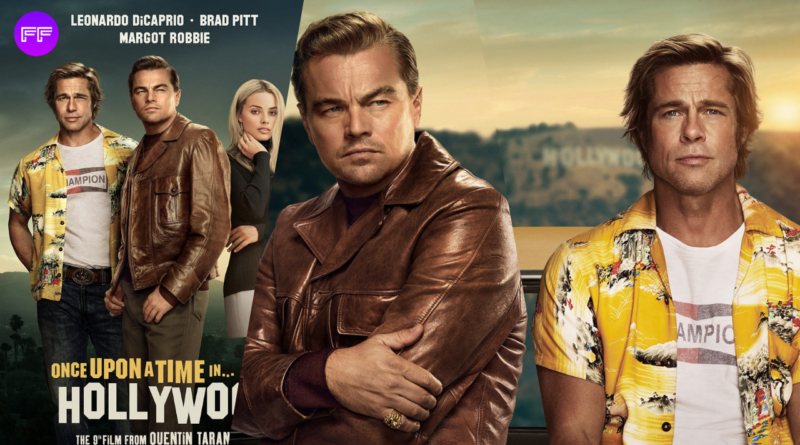
Once Upon a Time in Hollywood is a masterpiece of Quentin Tarantino which wraps up with a warm, sun-kissed love letter to the end of Hollywood’s Golden Age. Mixing true history with invention, the 2019 movie about friendship, waning fame and a shifting business is set against the backdrop of 1969 and the Tate murders. With its razor-sharp dialogue, iconic soundtrack and Tarantino’s most personal storytelling, it’s nostalgic and hypnotic — and with Cliff Booth making a comeback on Netflix in 2026, this cinematic universe is just expanding.
Genre, Theme and Setting
At its core “Once Upon a Time in Hollywood” is a dramedy with historical elements and a dash of Tarantino’s style of revisionist history. The relative core tensions are the bittersweet decline of stardom, the allure (and dangers) of the counter-culture movement, and the power of camaraderie.
The setting is unmistakably Los Angeles, 1969, and that cataclysmic moment in culture is brilliantly conveyed ultimately not just through detailed period detail. From the classic cars to the classic clothes to the iconic Hollywood Hills — it’s a visual feast.
Director, Writer & Creative Team
There was only one name that could be leading this offbeat vision: Quentin Tarantino. He wrote and directed the original screenplay and is an extraordinary storyteller.
Robert Richardson, a long-time Tarantino collaborator, shot the film’s gorgeous cinematography which perfectly captured the golden-hued era.
Barbara Ling’s production design and Arianne Phillips’ costume design transport us further into the world of the late 60s.
Once Upon a Time in Hollywood Plot Overview
The story focuses on Rick’s destructive life and his struggles, in the year 1969 Los Angeles. There’s also his longtime pal and stunt double Cliff Booth (Brad Pitt) — a disarming yet enigmatic war vet and the bangers and bangettes, among them his crony Max Cherry (Willem Dafoe). Two intersections in their lives are the shadow of the Manson Family and Rick’s neighbour, Sharon Tate (Margot Robbie).
The film soars in its weaving of their three tales, building to a cathartic and unforeseeable final act that re-imagines a historical tragedy. The slow burn lets us take in the atmosphere and character dynamics before a relentless finish.
Cast & Characters
Popular cast that played wonderful characters in the film:
Leonardo DiCaprio stars as Rick Dalton
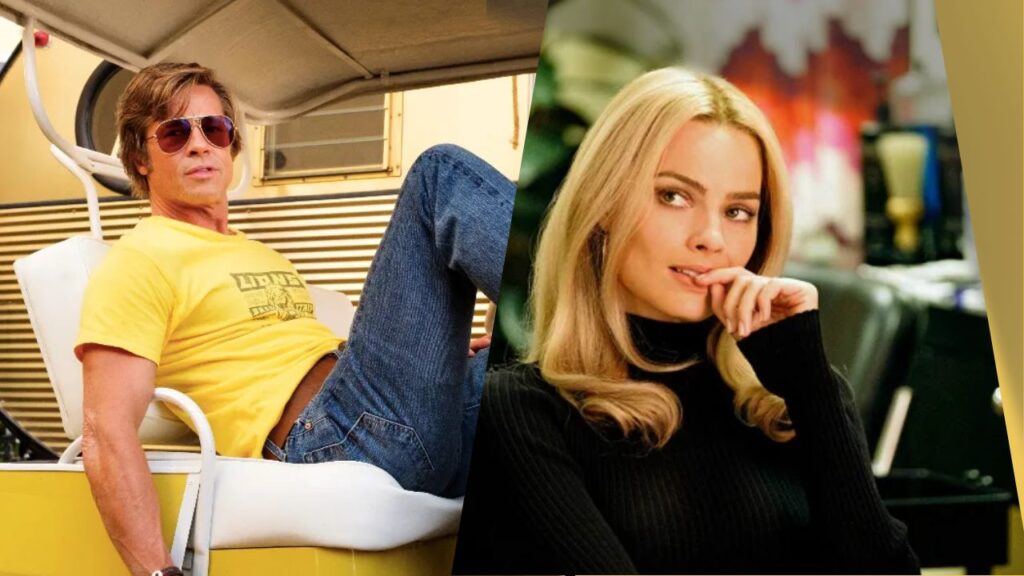
Brad Pitt as Cliff Booth, Rick’s Friend
Sharon Tate (Margot Robbie), a radiant optimist and up-and-coming actress, is thriving in Hollywood Hills life.
Among the plethora of famous names, there are Al Pacino, Kurt Russell, Dakota Fanning, Bruce Dern, Emile Hirsch, Timothy Olyphant, Luke Perry, Margaret Qualley and many, many more actors of renown to be found in roles of significance, and it is not even close to just the primary three.
Film Highlights & Collaborations
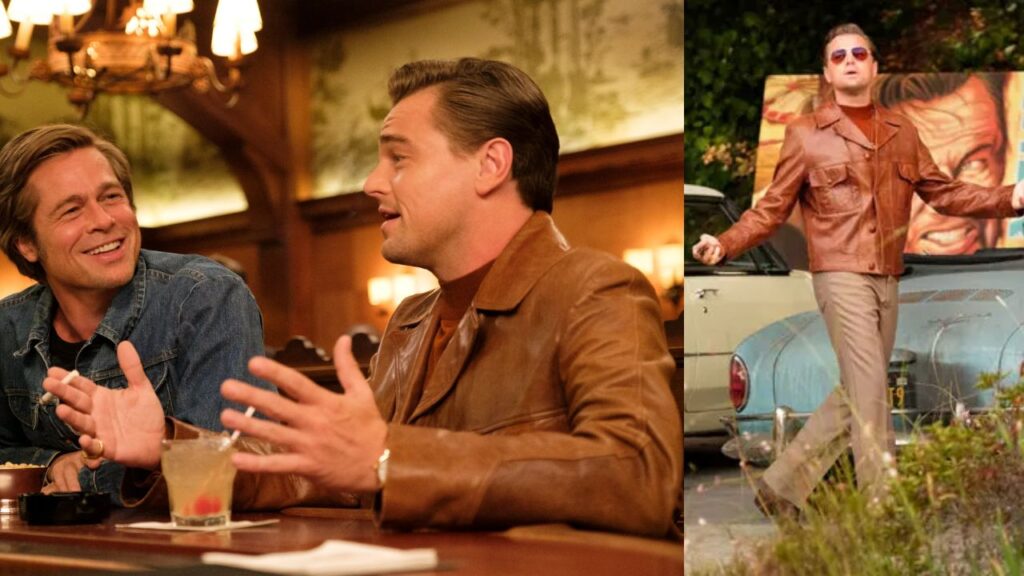
Watching both wonderful actors DiCaprio and Pitt together on their best performances is amazing. That’s what this movie is – their chemistry. Tarantino’s unique, nonlinear form of storytelling (with a few pop culture references), is a great, entertaining journey.
The soundtrack is tightly curated to evoke the feel of nostalgia that the film has at the center of it, and is overflowing with 60’s music, and practically narrates the story of one of the characters.
Production Information
Production was mostly day for night, and indoor for outdoor in situ among the urban sprawls of Los Angeles, with several famous sites redressed or employed. From the outside of the Hollywood Boulevard stores to the classic cars and trucks twenty-six block Hollywood re-creation of 1969 is mesmerizing. The producers genuinely did go all out to make the viewers feel as though they were seeing something that was truly from the past.
The 2026 follow-up (The Adventures of Cliff Booth) keeps this pedigree intact but with a twist. Though it is written by Tarantino and produced by his long-time partners at Heyday Films, it is directed by David Fincher. News is a hefty $200 million budget, much of that used to recreate the gritty, neon-drenched aesthetic of ’70s L.A.
Film Rating & Certification Details
Due to its violence, language and drug use, Once Upon a Time in Hollywood received an R rating in the US. It was rated R (18+) by the Commission. This fits right into the pattern of Tarantino’s filmography which is always populated by films which bend the rules.
Audience Expectations
Film’s authenticity to the period, direction, and performances get critical acclaim. While its slow burn is felt by some viewers but still captivated by the unique combination of humor, drama and suspense.
It was well-reviewed, successful at the box office, and won a number of awards, among them the Academy Awards for Best Production Design and Best Supporting Actor (Brad Pitt).
For the sequel, the hype is at an all-time high due to the Fincher-Tarantino-Pitt “holy trinity” of talent.
Once Upon a Time in Hollywood’ Sequel Trailer
The initial teaser for The Adventures of Cliff Booth made an unexpected appearance at Super Bowl LX Once Upon a Time in Hollywood (February 2026).
The Vibe: Cut to Henry Mancini’s “Peter Gunn” and the footage is textured with thick film grain and 70s attitude.
The Tease: You get a little Cliff Booth working the 1970s as a “Hollywood fixer,” delivering dry one-liners and wearing a long blond wig and a vintage yellow floral shirt.
Notable Absences: There’s a glaring omission: Rick Dalton ( DiCaprio), who has been absent from all the teasers so far, confirming this is a solo trip for Cliff.
Once Upon a Time in Hollywood is more than a film — it’s an experience. It’s nostalgia, reinvention, friendship, loss and love of cinema, all wrapped up in the unmistakable style of Tarantino. With its iconic performances, its hazy 1969 backdrop and its daring rewriting of history, it remains one of the most emotionally visceral chapters in Tarantino’s career. And with The Adventures of Cliff Booth on the horizon, this universe isn’t ending — it’s evolving.
Dive deeper into the world of cinema with Fandomfans and get every detail from movies and series.
Alpana
Articles Published :
160
Alpana is Fandomfans Senior Editor across all genres of entertainment. She evolved in the media industry since a very long time, she manages the content strategy and editing of all the blogs. Her focus on story development, review analysis, and research is well-equipped that ensures every article meets the standards of accuracy and depth.
Psychological thriller The Housemaid, to be released late in 2025, is already set to define the theatrical look. Directed by Paul Feig from the 2022 literary phenomenon by Freida McFadden, the movie is a significant moment of convergence for digital-age literary culture and traditional Hollywood production values. Originating from the “BookTok” culture, where McFadden’s writing thrilled millions, the movie had to find a way to visualise internal psychological conflict.
The resulting film, produced by Hidden Pictures and released by Lionsgate, grossed an astonishing $247 million worldwide on a modest $35 million production budget, making it one of the rare R-rated thrillers to achieve major commercial success.
The Housemaid Movie Overview
Feature
Details
Director
Paul Feig
Lead Cast
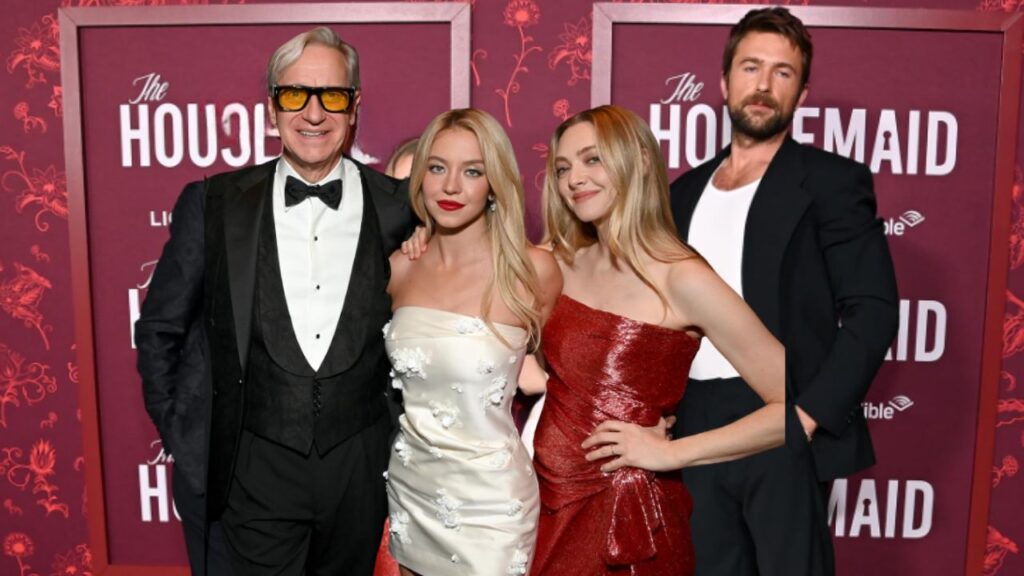
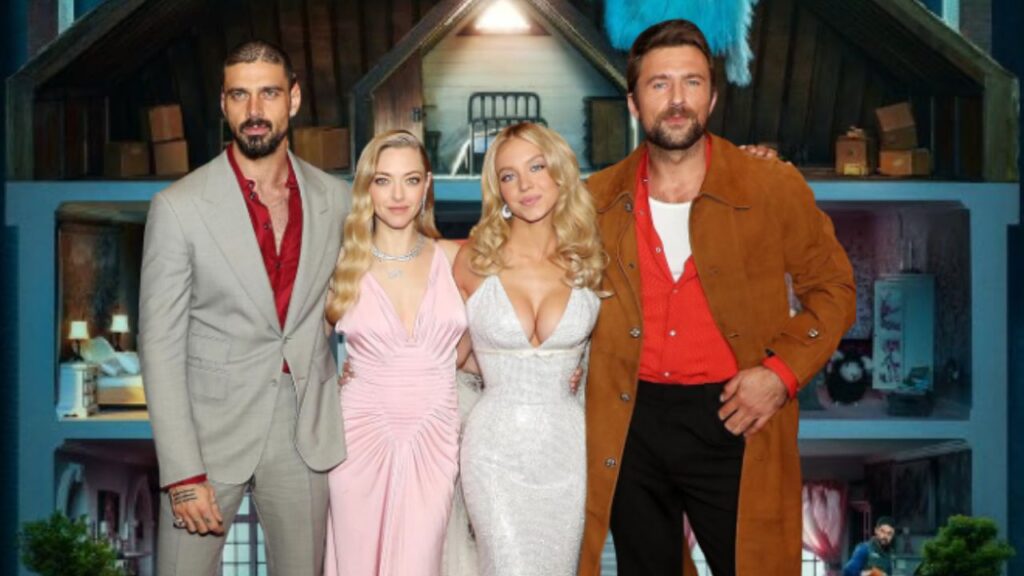
Sydney Sweeney as Millie, Amanda Seyfried as Nina, & Brandon Sklenar (Andrew)
Based On
2022 Novel by Freida McFadden
Genre
Erotic Psychological Thriller
Production Budget
$35 Million (Filming cost approx. $46M)
Box Office Collection
$247 Million Worldwide
Release Date
19/December/2025
Key Themes
Class Warfare, Psychological Manipulation, Domesticity
Primary Location
Great Neck, Long Island (Filmed in New Jersey)
Production Houses
Hidden Pictures & Lionsgate
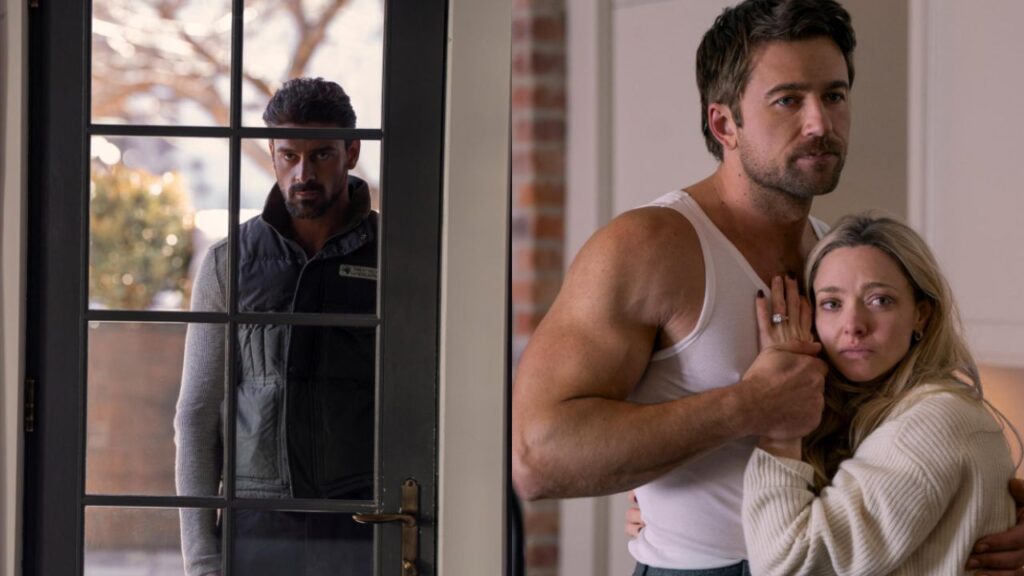
The Housemaid is an American erotic psychological thriller that doubles as a layered examination of class, power, and the performative suburban domesticity. With her eyes on the prize her daughter, Millie Calloway (Sydney Sweeney), a girl with a criminal record trying to keep her life together under the threat of parole conditions, is at the center of the story. Her path to the orbit of the extravagant Winchester family in Great Neck, Long Island, prompts a tale that methodically tears down the front of the “perfect” American home.
Director Paul Feig, best known for comedies such as Bridesmaids, gave the film a different tone, calling it a “Nancy Meyers movie that goes horribly wrong.” The treatment was influenced by luxury home imagery — a spotless, “all-Pantone-white” house followed by a turn into psychological horror.
Release Date & Availability
Release Milestone
Date
Platform/Location
World Premiere
2/December/2025
Axa Equitable Center, NYC
U.S. Theatrical Release
19/December/2025
Nationwide
Digital/PVOD Release
Jan 13 – 20, 2026
Apple TV, Prime Video, YouTube
Physical Media
17/March/2026
Blu-ray / 4K Retail
Subscription Streaming
April/2026
STARZ
Genre, Theme & Setting: The Gothic Subverted
The movie sits at an unusual crux of suburban horror and mystery. Located in Great Neck–a region known for historical American wealth–the film establishes a contemporary “Gothic” space where upper class seclusion permits the unrestrained wielding of power.
Class Warfare: Parolee Millie’s very existence makes her rare prey, and the Winchesters prey on this by way of psychological manipulation.
The Attic Symbolism: The room Millie occupies turns out to have a door that locks from the outside, she is a hidden trauma behind the “all-white” interior of the house.
The “Nancy Meyers” Look: Production designer Elizabeth Jones turned a New Jersey mansion into a “perfect white place,” which the movie gradually tarnishes, tracking the moral decay of the characters.
The Creative Powerhouse
Paul Feig’s move from comedy to thriller tapped into a “darker, mind-bending type of story telling.” He was joined by screenwriter Rebecca Sonnenshine who made the book even more shocking for the screen.
Key Creative Impact:
Paul Feig (Director) brought “wicked fun” and camp to the thriller.
Freida McFadden (author/executive producer) – A global bestseller, the novel gets a true-to-source adaptation.
John Schwartzman (Cinematography) Employing much of “90s movie lighting,” he achieved a dark, glossy effect.
Theodore Shapiro (Music) Composed a score that mixes suspenseful music with contemporary motifs of psychology.
Plot Overview: A Masterclass in the Twist
The storyline is built around a series of reversals. It opens with Millie finding live-in maid work for Nina (Amanda Seyfried) and Andrew Winchester (Brandon Sklenar).
The Descent and the Revelation
Millie, witnessing Nina become more unhinged, starts seeing the apparently perpetually put-upon Andrew. But the midpoint reveal flips the script: Andrew is the real predator. The attic suite had been built to hold women captive, and Nina wielded her “madness” as a kind of psychological armor.
In a chilling climax, Andrew tries to coerce Millie into self-mutilation. Nina comes home to save her, and eventually Millie knocks Andrew over a spiral staircase. The film closes on a cynical but uplifting note: Millie takes on yet another maid gig, this time as a silent protector for other abused wives.
The film works because its leads are playing characters whose real selves are concealed until the last act.
Sydney Sweeney (Millie): Instills a “panic and fear” into Millie as she transforms from a brittle survivor into a dynamic, vengeful powerhouse.
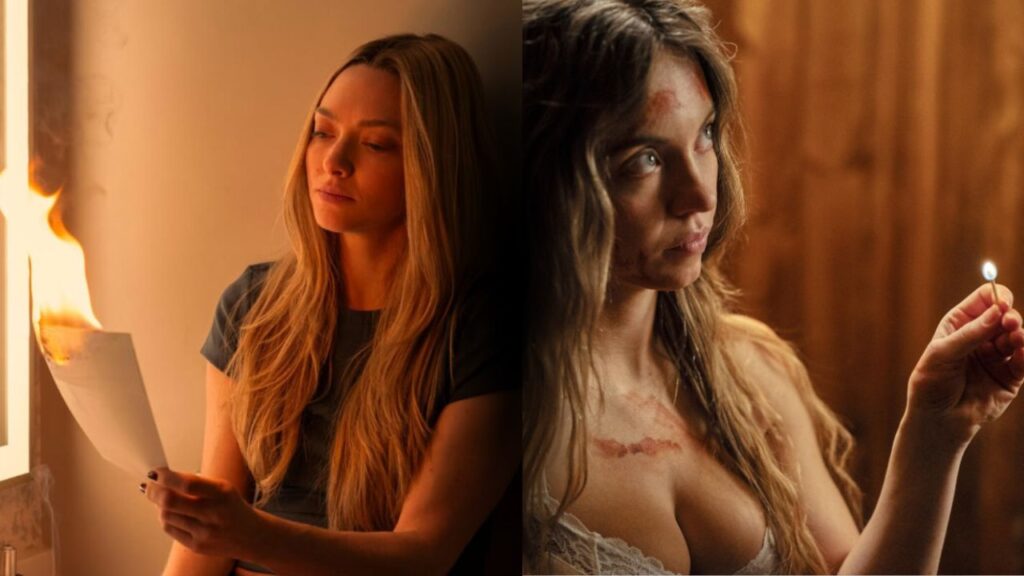
Amanda Seyfried (Nina) : This is the most positive critical reception to the film for her ‘unhinged’ turn, perfecting a “mean girl smile” to conceal her tactical mind.
Brandon Sklenar (Andrew): Tap into his imposing physical stature to genuinely make you fear this Mr. Rochester–type antagonist.
Production & Budget of The Housemaid
The series filmed around $46 million in New Jersey and used locations including the Madison Mansion and Rutt’s Hut to anchor the film in a familiar suburban reality.
Market Performance
The film’s opening weekend was $19 million via Lionsgate, however it demonstrated surprising “legs,” with a second weekend drop of just 19%. With a 7.0x return on investment (ROI), it became one of the most profitable releases of the year.
Platform
Rating/Score
Rotten Tomatoes (Audience)
92%
Rotten Tomatoes (Critics)
75%
CinemaScore
B
PostTrak
84% Positive
Conclusion
The Housemaid (2025) is a victorious updating of the erotic thriller. It was a cross between TikTok-inspired literary successes and “lurid” 90s cinematic style. With a follow-up, The Housemaid’s Secret, in the works, the home-front deception formula continues to prove a fruitful cinematic arena.
Fandomfans is a platform where you can find every detail from the blockbuster hits of your favorite stars.
Babita
Articles Published :
25
Babita is Fandomfans Editor, experience in managing content. Her focus in general movies and web series. She is having a deep interest in TV shows and 90s movies - particularly Lord of the Rings, Harry Potter, & Rom-Com. Babita also covers psychological thrillers and major releases in current time and concern with deep interest in them.
The beginning of Spider-Man’s “Brand New Day,” starting at the top of The Amazing Spider-Man #546 in January 2008, was a clean slate for the character. Following “One More Day,” this era re-envisioned Peter Parker’s life by moving him from his married adulthood back to his origins as a single man and an aspirant. This contentious choice was taken in order to make the character more relatable and timeless for future generations.
Though they were out to make the character viable for at least the next few decades, how they went about doing so provides a textbook example of both imaginative thinking and the dangers of heavy-handed editorial mandates.
The Devil in the Details: The OMD Foundation
To get “Brand New Day,” you have to start with the ruins of “One More Day” (OMD). To fix Peter’s public unmasking during Civil War, Marvel had Peter literally make a “deal with the devil.” To save Aunt May’s life, the demon Mephisto wiped out Peter’s marriage to Mary Jane Watson from history.
Image Credit: Fandomfans
This “Devil’s Bargain” erased two decades of continuity. For his part, Editor in Chief Joe Quesada has said that an older married Peter is too “aged” and in that sense less relatable. But it’s a forced regression — and it’s unearned, too. It was like a supernatural “undo” key, rather than traditional character development, and many fans felt it discounted their long-term investment in the series.
Innovation Through the “Brain Trust”
The most interesting thing about BND was not just the story, but the logistics. Marvel dropped several Spider-Man books to concentrate on one flagship title, The Amazing Spider-Man, three times monthly.
Image Credit: Fandomfans
This necessitated a “brain trust” of rotating writers (such as Dan Slott, Mark Waid and Zeb Wells) and artists. This method enabled the book to mimic the speed of serialized television. They could sow “slow-burn” seeds — such as the mystery of the ‘Spider-Tracer Killer’ that would pay off months or even years down the road.
A New (But Old) Supporting Cast
BND, however, also devoted a lot more attention to Peter’s life without the mask. Moving him back in with Aunt May and making him a freelance photographer once again Marvel played up “humanizing” the hero through urban hardship.
Return of Harry Osborn: Resurrecting Harry reintroduced a social mooring and a “best friend” dynamic that had been missing for years.
Image Credit: Fandomfans
New Rogues: The era was prolific in new villains. Mister Negative was the breakout, presenting a stark visual “negative” of the Peter/Spidey duality.
New Faces: New characters Carlie Cooper (a CSI forensics expert) and Vin Gonzales (Peter’s Spider-Man-hating roommate) were also added to capture a contemporary, pan-op/NYC feel.
Transmedia Legacy and the MCU
Controversial as it always was, BND’s DNA is stamped on everything today. The 2018 Marvel’s Spider-Man game took a lot of cues from this period, including Mister Negative and the F.E.A.S.T. shelter.
Image Credit: Fandomfans
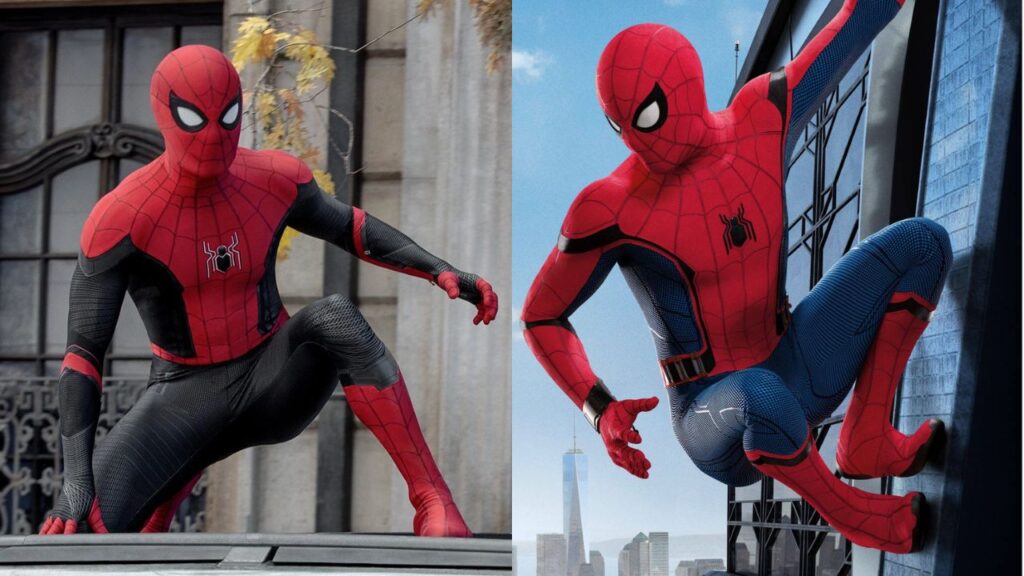
More importantly, the BND model is what the MCU is now following. Tom Holland’s Peter is, by the end of No Way Home, living in a small apartment, unknown to the world and devoid of his Stark tech. The 2026 film, apparently titled Spider-Man: Brand New Day, heralds a “fresh start” much like the 2008 relaunch – though presumably with a more heroic justification than a deal with Mephisto.
Conclusion
“Brand New Day,” was a radical rewrite designed to update the character by returning to his roots. Though it led to some of the best single stories in the character’s history, it also demonstrated that “narrative debt” is real. You can reset a character’s clock, but you can’t always reset the reader’s memory.
Fandomfansis a platform where you can find every update on movies, series, and celebrities. Our goal is to focus on deep concepts and character arcs.
Mariyam
Articles Published :
77
Mariyam Khan is Fandomfans Content Writer and providing reports and reviews on Movie Celebrities, and Superheroes particularly Marvel & DC. She is covering across multiple genres from more than 4+ years, experience in delivering the timely updates.