Home > Movies > ‘Caught Stealing’ future cult classic is becoming the..
‘Caught Stealing’ future cult classic is becoming the Best Movie of Darren Aronofsky
Caught Stealing is the sleeper in Darren Aronofsky's output, and it includes Austin Butler's best career performance in this exhilarating 1998 NYC narrative.
If you checked the box office rankings in August 2025, you might have thought Caught Stealing was a bomb. It came, it saw, it didn’t come close to recouping even a quarter of its budget. That’s a flop in the cold calculations of Hollywood. But if you dig movies that actually mean something, you already know that box office numbers are never an indicator of quality.
Caught Stealing is a terrific film that was just released at the wrong time. It is a gritty, sweaty, adrenaline-charged tour of 1998 New York City, and it may be the most fun film Aronofsky has ever made. So as it finally comes to streaming, here’s hoping this misunderstood classic can find a wider audience.
A New Side of Aronofsky
Darren Aronofsky is generally known for his brutal misery. From the drug-fueled nightmares of Requiem for a Dream to the pornographic claustrophobia of The Whale, his movies are usually predicated on a formula of obsession triggering madness. You respect his films, but you don’t always “enjoy” them.
Image credit: Fandomfans
Stealing Caught steals the script and flips the script sideways. It’s Aronofsky loosening his tie. He brings his trademark intensity to a crime thriller that seems like a mash-up of Coen Brothers capers and a 90’s action flick. He’s no longer “wallowing” in his character’s pain; he’s feeling the chaos, literally. The upshot is a movie whose balance of excruciating suspense and farcical comedy achieves a tone that’s idiosyncratically, strangely electric.
Austin Butler Like You’ve Never Seen Him
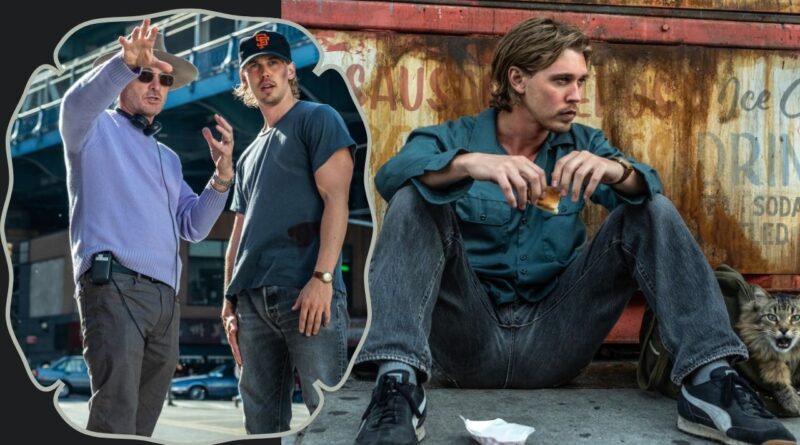
Forget the hip-swivel of Elvis and the bald menace of Dune. According to Screenrant, In Caught Stealing, Austin Butler completely reinvents his physical presence. He plays Hank Thompson, a washed-up baseball prodigy turned alcoholic bartender.
Image credit: Fandomfans
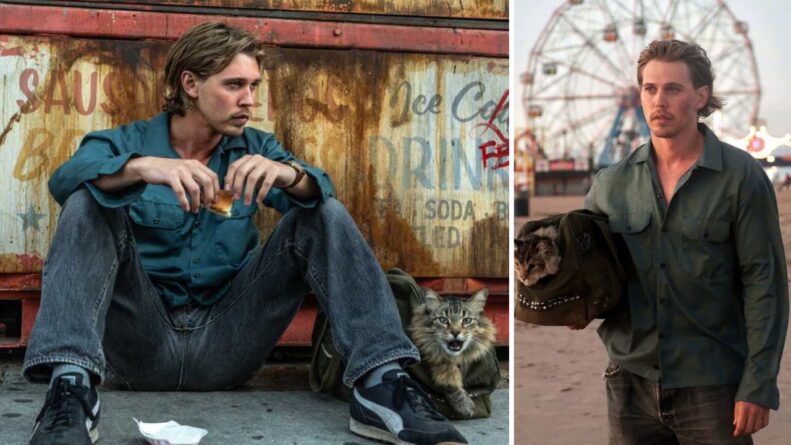
To promote the part, Butler had to abandon the dehydrated “superhero abs” look for what the production termed the “Baseball Body.” He bulked up with 35 pounds to resemble a ‘90s power hitter — big, heavy and utilitarian. When Hank fights, he does not do karate but he draws on centrifugal force, wielding mundane objects like a bat, looking like a dashing person with the body mass of a football player. It’s a grounded, sweaty turn that brings gravity to the movie. You buy that he’s a guy who’s given up on life, which is what makes it so interesting when he has to fight for it.
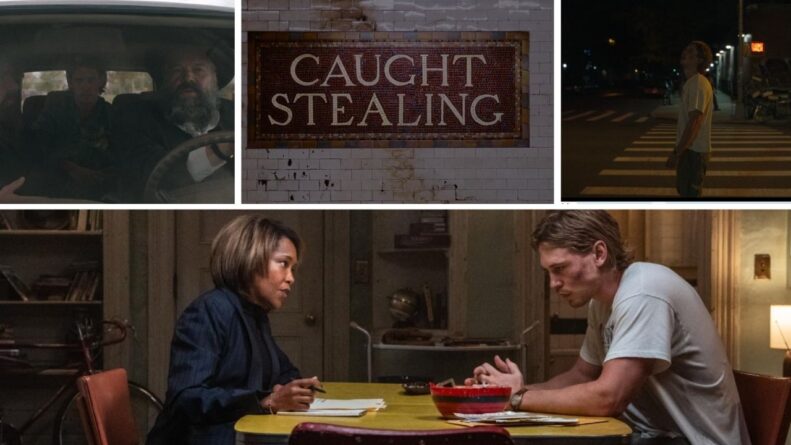
One of the film’s smartest moves is its setting. By placing the action in 1998, Aronofsky removes the safety net of modern technology. There are no smartphones to GPS a getaway route. There is no cloud to upload evidence to. Hank is alone in the Lower East Side with nothing but payphones, paper maps, and his wits.
Image credit: Fandomfans
This “analog anxiety” imparts a breathless, hands-on energy to the film that so many modern thrillers are missing. It’s a “run and gun” movie powered by a pounding post-punk score that will make your heart race. The camerawork captures the filth of a non-gentrified New York, a city of dilapidated infrastructure and menacing shadows.
The “Wrong Man” Nightmare
The story is straight-up noir, Hank is just an ordinary guy who winds up in the criminal underbelly simply because he agreed to watch his neighbor’s cat. That’s it. That’s the catalyst.
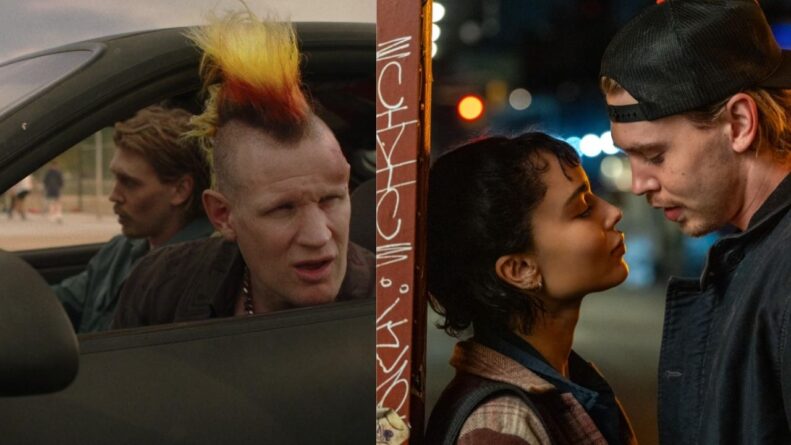
Suddenly he’s being chased by Russian mobsters, a terrifying corrupt cop (Regina King), and a wild card enforcer (Bad Bunny). It’s a “bureaucratic nightmare” of violence in which everyone believes Hank has the MacGuffin, and no one thinks he’s innocent.
Image credit: Fandomfans
With an 84% rating on Rotten Tomatoes, the critics have already determined what the general movie-going audience failed to see in theaters. Caught Stealing isn’t just a movie, it’s a mood. It’s a throwback to an era when action films had texture, when heroes were humble folk enduring a genuinely awful day, and survival wasn’t about saving the world — it was just about making it to the next morning.
Conclusion
Caught Stealing is the sort of movie that sneaks up on you – sharp, frenetic, bruised in both tone and spirit, and infused with a style we had no idea Aronofsky was capable of. It may have been a box office flop, but it’s a matter of time. With its gritty ‘98 vibe, an amazing career-best performance from Austin Butler, and a tone that is at once both panicked and infuriatingly funny, this movie is going to find a cult audience once the word gets out about what they missed in theaters. There are times when the loudest success stories aren’t the best films – but the ones that live with you the longest, after the lights come up.
Fandomfansbring you creative and engaging breakdowns of the movies and shows that you should watch.
Alpana
Articles Published :
156
Alpana is Fandomfans Senior Editor across all genres of entertainment. She evolved in the media industry since a very long time, she manages the content strategy and editing of all the blogs. Her focus on story development, review analysis, and research is well-equipped that ensures every article meets the standards of accuracy and depth.
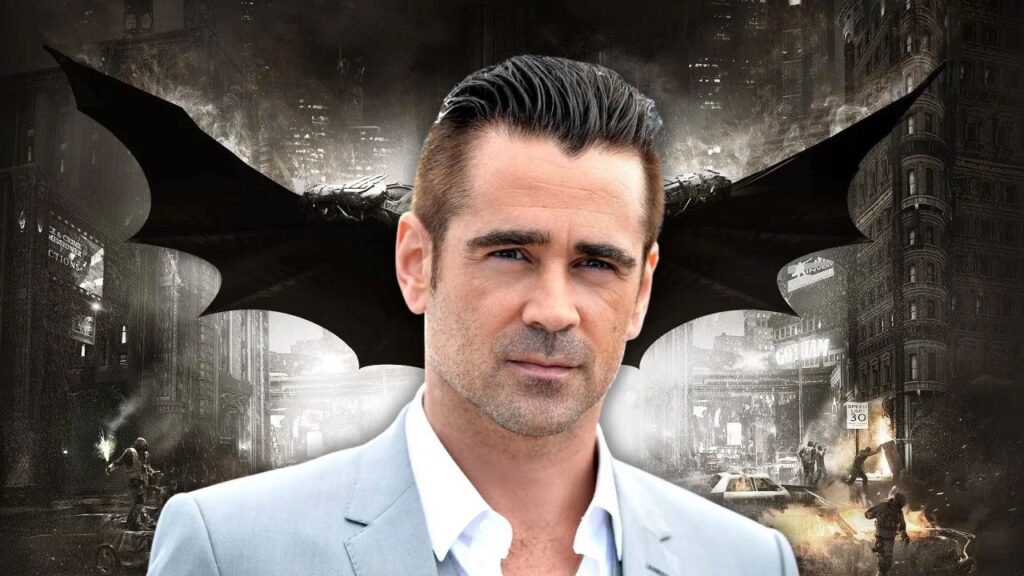
What Brings Colin Farrell Back to Matt Reeves’ Batman Universe
Colin Farrell returns to Matt Reeves' Batman universe as the Penguin in The Batman Part II, and shares the dark world of Gotham and his passion storytelling.
Colin Farrell has got us very excited to return to Gotham as The Penguin in The Batman Part II. Far from it being about getting action scenes right, or even stealing the show with the character’s arc. Farrel explained in a chat with Collider that what pulls him back are the people he gets to work with, and the “Matt Reeves immersive world that’s just very, very gritty.” There’s definitely a love for the vibe and the behind the scenes team it feels like. Farrell kept it real, he explained the camaraderie and new ways of working on set keep bringing him back, as he promotes the upcoming movie The Ballad of a Small Player releasing on 29 October 2025.
Colin Farrell delivered so many thoughts on his role in HBO’s massive hit The Penguin. So the experience evidently stuck with him for good. The series its eight-episodes run in late 2024. It garnered rave reviews, high ratings, and mentions for major awards like the Emmys and Golden Globes. Farrell really got to dive deep into the character, all of the intricate layers and psychological twists and turns that you can only explore in a long form series. Apparently the part allowed him to stretch his acting chops quite a bit, and fans seemed to get as much pleasure as he did. With all the buzz around the show, it is no surprise that The Penguin turned out to be one of HBO’s breakout hits.
The show ended up a huge success, attracting 5.3 million viewers across all platforms during its first weekend, marking the largest four-day debut for a tier one Max original since The Last of Us dusted off in January 2023. The show received rave reviews from critics with a 94% rating on Rotten Tomatoes, with many reviews referring to Colin Farrell’s performance as “transformative” and “a true tour de force.”
The Question is what brings Farrell back for The Batman Part II
It’s not so much ‘What do I do with this?, but I just want to be in that world and be with Robert and be with Jeffrey again and be brought by Matt Reeves,’ said Farrell. After a deeper exploration of the HBO series character, Farrell returning to the movie sequel isn’t about further expanding the Penguin’s story, instead rejoining the talented ensemble.
Colin Farrell shared his happiness by saying “I’m really excited to be back in that world, to just be around it,” he said as he contemplated joining such an unparalleled group of creatives once more.
Reliving The Childhood Dream
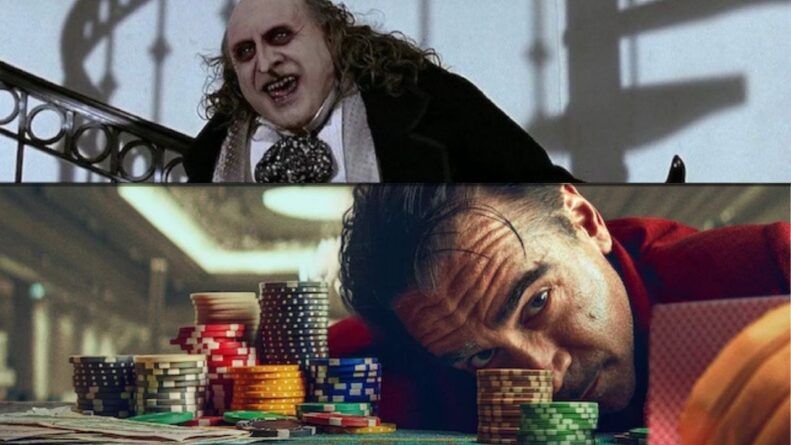
Farrell’s ties to the world of Batman are deeply embedded since he was a kid growing up in Dublin. He shared, he was raised watching Burgess Meredith’s legendary turn as the Penguin in the ‘60s Batman TV series when he was 5, and then Danny DeVito’s iconic performance in Tim Burton’s Batman Returns at around 11 or 12.
For the actor, the joy is a little simpler, just getting to play in a world “where a character called Bruce Wayne and Batman exist, is such a joy.” He admired how Reeves had “re-imagined a world that is unique enough and yet still honors the struggles of that city and the psychological struggles of the character of Bruce Wayne.”
Although Farrell has now confirmed that his part in The Batman Part II will be very small, a smaller appearance than in the first film. He has read the full script and described it as “extraordinary”. He hinted that THE BATMAN 2 is a much deeper plot, it means that Reeves is expected to be seen in scarier scenes and it will further keep the franchise as the stakes are bigger.
Filming for The Batman Part II is set to begin April 2026. Robert Pattinson, Jeffrey Wright, Andy Serkis and Colin Farrell are returning to their roles. Farrell seems doubtful about a second season of The Penguin. He said to Deadline, “I’ve heard some talk about it, but I don’t know if that’s a good idea. Part of me thinks we should just leave it as we got away with something special.”
Conclusion
For Farrell, being part of Matt Reeves’ Batman world is more than just another gig—it’s a dream come true from his childhood, and he’s surrounded by collaborators who are as passionate as he is about telling grounded, character-driven stories in the dark, complex reality of Gotham. The criminal underworld of Gotham City is once again ready to entertain their fans but Colin Farrell’s Penguin has made a permanent impact on the Batman mythos and his passion for this universe and the team behind it will keep him coming back for as long as they’ll have him.
Alpana
Articles Published :
156
Alpana is Fandomfans Senior Editor across all genres of entertainment. She evolved in the media industry since a very long time, she manages the content strategy and editing of all the blogs. Her focus on story development, review analysis, and research is well-equipped that ensures every article meets the standards of accuracy and depth.
Paul Dano Joins Florian Zeller’s Psychological Thriller ‘Bunker’: An Exciting Development for 2026
Paul Dano joins Javier Bardem and Penelope Cruz in Florian Zeller's new psychological thriller Bunker, which will be a major cinematic release in 2026.
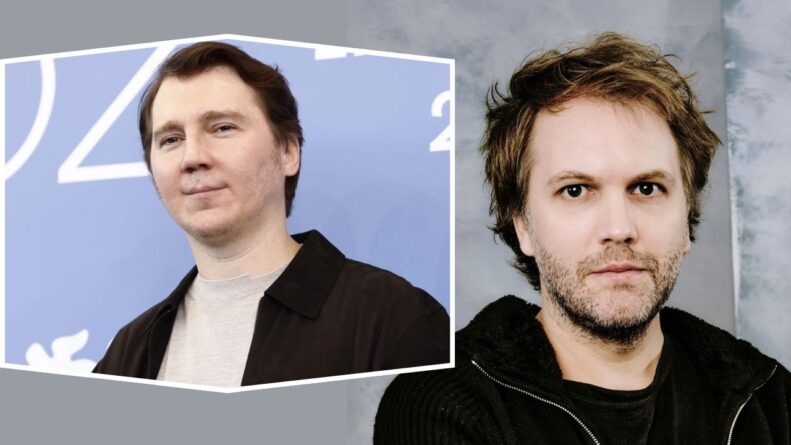
Paul Dano has been the subject of some, not all of it boring Dolby-drama-based Hollywood chat heat. After Quentin Tarantino’s inflammatory comments about the actor last week, the industry came out in support of Dano, showing that sometimes the loudest voices are not everyone’s. Instead of retreating from the public eye, the lauded actor is going straight into something truly extraordinary: Oscar-winning director Florian Zeller’s next film, the psychological thriller Bunker.
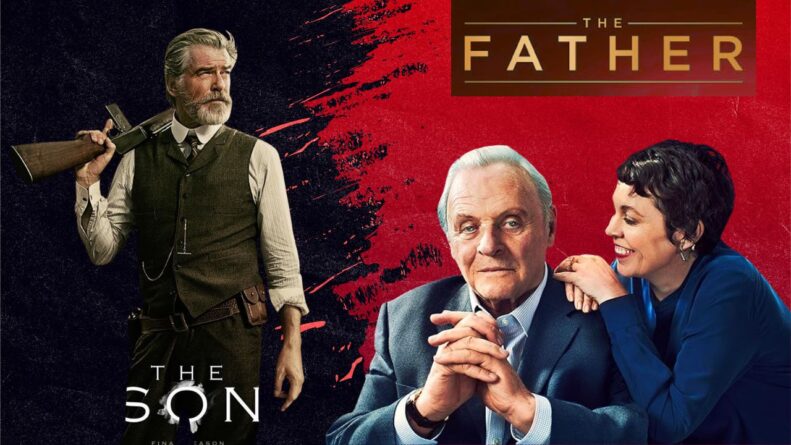
It’s worth taking a moment to appreciate what this casting actually is. Zeller, whose credentials include the beloved play The Father (which won Hopkins the Oscar for Best Actor and earned Zeller himself one for Best Adapted Screenplay), is renowned for getting the best out of his performers.
Image Credit: Fandomfans
His second film, The Son, may have divided critics, but it still garnered Hugh Jackman a Golden Globe nomination. Now, with Bunker, Zeller is putting together what can only be described as a powerhouse ensemble.
A Powerhouse Ensemble Cast
The cast is a veritable who’s-who among Hollywood stars. Dano is teaming with Oscar-winning real life couple Javier Bardem and Penélope Cruz, whose on and off-screen chemistry is already legendary.
Image Credit: Fandomfans
Stephen Graham, gritty, intense actor famous for his role in the television series “Justified,” and Patrick Schwarzenegger complete the cast. This is not some film being made under the radar — this is a prestige title that plans to make a splash in 2026 cinema.
What is The Bunker Really About?
Bunker follows an architect whose life and marriage are complicated when he takes on the design of a survival bunker for a wealthy tech tycoon. When this secretive building project starts to penetrate the family’s life, things begin to disintegrate. The premise alone indicates the psychological heights that Zeller has been known for.
Image Credit: Fandomfans
This is a director who knows that genuine tension is not a byproduct of jump scares or external threats — it’s born when relationships break down under duress, in probing the ethical compromises we make and examining how fear informs our decisions.
The director was inspired by their real-life nearly seventeen year marriage and he’s created a narrative that addresses the challenges of long term relationships in an increasingly volatile world. That type of writing intentionality leads to more real, strong performances. When Zeller spoke about recruiting Dano to the project, his words were effusive.
“From Little Miss Sunshine to There Will Be Blood, Paul has never ceased to surprise me as an actor,” –he said.
That’s not the kind of recommendation that is bandied about. This is a director who has directed some of the most acclaimed performances of recent film, and when he talks about working with Dano, he sounds genuinely excited.
“He has a remarkable singularity - something truly unique – and in that respect he is irreplaceable.” —He also said
Production and Industry Backing
The film is now in its second week of production, shooting in Madrid, and London. Blue Morning Pictures and the Spanish company MOD Producciones are producing, with international sales by Film Nation Entertainment. Everything about the set-up indicates a film that’s being treated as a substantial artistic effort and not just another genre piece.
Image Credit: Fandomfans
What that timing makes especially intriguing is how it positions Dano’s career going forward. Instead of being defined by recent controversy, he has attached himself immediately to an art house project and a director known for eliciting complex, nuanced performances. Take Tarantino’s assessment with a degree of salt if you want, but Dano is clearly in demand by the filmmakers who really matter.
Conclusion
As we approach 2026, Bunker is becoming another film to keep an eye on. With Zeller at the helm, a cast that strong, and a premise that insinuates genuine psychological depth, this very well could be the film that ignites discussions and the kind of performances that stick with audiences well beyond the credits.
Fandomfansprovides every detail on the upcoming movies and projects of the industries that keeps you evolving with the entertainment.
Mariyam
Articles Published :
76
Mariyam Khan is Fandomfans Content Writer and providing reports and reviews on Movie Celebrities, and Superheroes particularly Marvel & DC. She is covering across multiple genres from more than 4+ years, experience in delivering the timely updates.