The Supergirl Costume Evolution: Milly Alcock vs Melissa Benoist
Explore The Supergirl Costume Evolution, from Melissa Benoist's optimistic Arrowverse suit to Millie Alcock's gritty DCU armor and symbolism.
Published: December 13, 2025, 10:36 am

Explore The Supergirl Costume Evolution, from Melissa Benoist's optimistic Arrowverse suit to Millie Alcock's gritty DCU armor and symbolism.
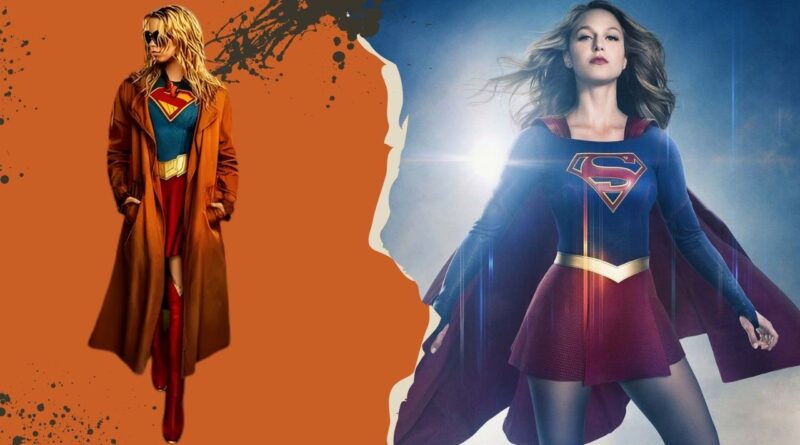
Supergirl’s outfit has never been just an outfit. Costume has been a constant source of identity issues for the character. And still, a debate continues to revolve on social platforms. From Melissa Benoist’s sunny Arrowverse take on the character to Milly Alcock’s gritty DCU debut, Supergirl’s wardrobe has been telling stories long before she’s landed her first blow.
At the heart of the development of Supergirl’s look is not about fashion trends. It is what kind of hero the world needs her to be. And while Benoist’s suit was a symbol of unity and hope, Alcock’s costume is for survival, sorrow, and isolation. Those two creations embody very different approaches to storytelling.
It seemed like there were dark leather suits and gritty realism everywhere when Supergirl premiered in 2015. Costume designer Colleen Atwood had to find a way to take Silver Age idealism and translate it into a contemporary, realistic look without making the character seem cold.
The solution was subtlety. Melissa Benoist’s costume was based more on texture than armor or detailing. The matte Euro-jersey material absorbed rather than reflected light, making the outfit appear soft, friendly and human. This Supergirl was supposed to be inspiring, not frightening. Strength was there, but never aggressive.
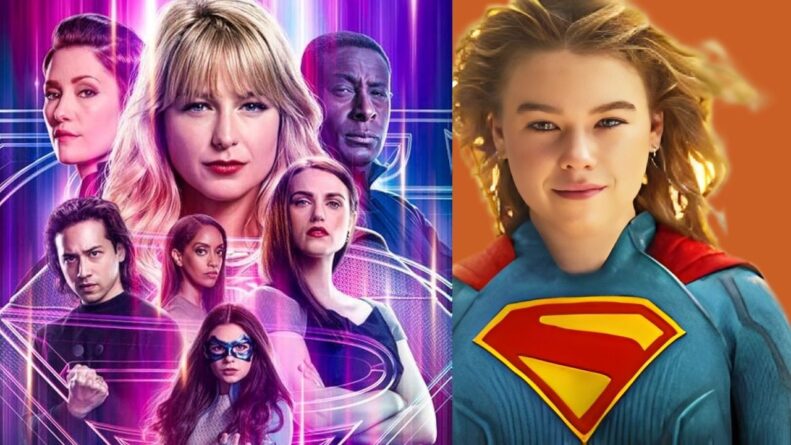
Arguably the most conscious decision was the omission of the notorious midriff costume that the character sported in the comics. The high neckline, long sleeves and thumb holes suggested function over fashion. Kara was portrayed as a hard-working, active hero — not a pinup. Even the thumb holes brought an “activewear” feel, making the suit more about function than fantasy.
For the first four seasons, the red pleated skirt was a staple of Benoist’s Supergirl. In part, it paid tribute to the character’s comic legacy and suggested that femininity and strength could co-exist. She was able to save the city, but do so while being joyous and kind and emotionally open.
But the skirt was also contentious. Critics said that it infantilized the character, comparing it to a cheerleader uniform rather than armor for battle. Yet the show leaned into this tension. That skirt sent a message: Supergirl wasn’t required to ditch the traditionally feminine signifiers to be capable. Her sunny disposition wasn’t a vulnerability — it was her superpower.
The biggest change was in , when the character started wearing full length pants instead of the skirt. Though it was presented as maturing character-development, the change was due more so to production needs. Shooting in Vancouver’s brutal weather, the original suit was an ordeal for Benoist.
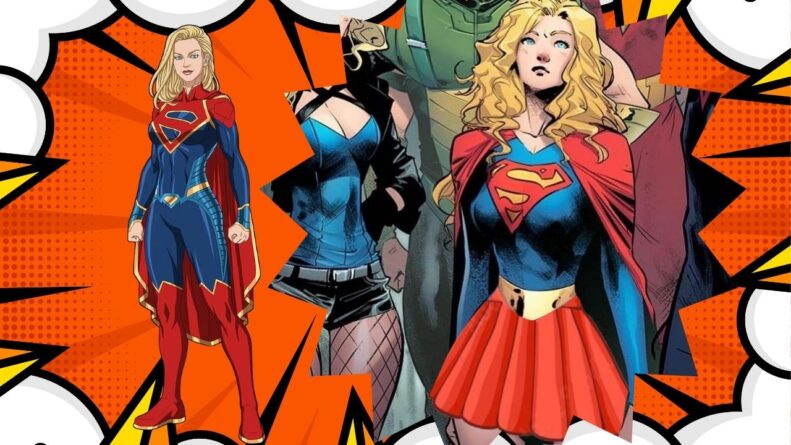
The new suit highlighted unity and protection. The elongated blue body, attached boots, and solid gold belt gave the outfit a more armored, technological look. It was sensible, but it also watered down the immediately recognizable outline Supergirl has. It was practical—but it also diluted the instantly recognizable Supergirl silhouette.
Benoist’s Supergirl remained, above all else, an icon. Her costume was sleek, luminous and aspirational, customized to comfort both viewers and the world she saved.
Milly Alcock’s Supergirl finds itself in a vastly different world. Kara is no longer defined by being integrated or hopeful under James Gunn’s DCU. She’s defined by loss.
Born amongst the remnants of Krypton and seeing all she loved perish, this Supergirl is not a light—she is a survivor. Her costume reflects that reality. Taking inspiration from Supergirl: Woman of Tomorrow, the costume dispenses with sleek minimalism and introduces layered textures, metallic weaves and visual weight. This is not clothing. It is armor.
Read More 👉 Kathleen Robertson and Mark Engelhardt Join the Hit CBS Series the Tracker
The largest visual change is the House of El symbol. The Kingdom Come diagonal slash that has traditionally been a sign of disenchantment is now part of Alcock’s crest. The elimination of yellow is vital. Yellow is warmth, sunlight and positive feeling. It’s gone to indicate mourning. She bears the name of the family, but not its innocence.
In a surprising about-face, the DCU reintroduces the skirt. But this is not the CW’s smiling cowlick of cheer. It’s heavier, more structured, and worn with thigh-high boots. The skirt on this occasion is cultural, not cute — a claim that femininity doesn’t need justification.
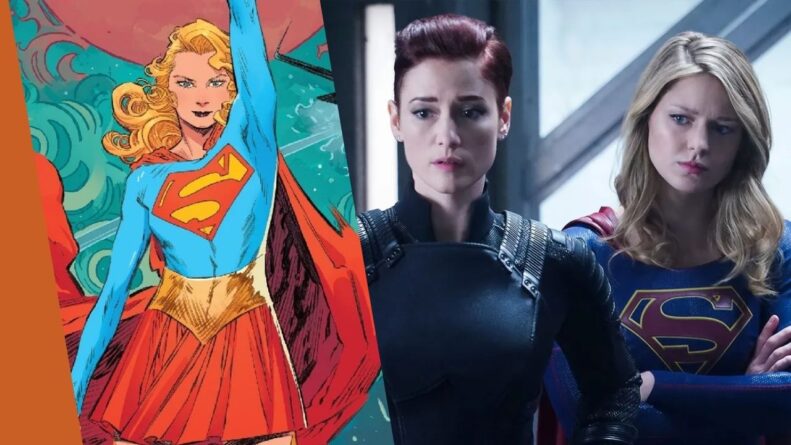
In contrast to the earlier debates, Alcock’s Supergirl is not depicted as trying to be “approachable” by putting on the skirt. She vents it because she doesn’t give a damn what people think about it. Her toughness is unquestionable.
Maybe the most revealing aspect of Alcock’s visual design is what she wears on top of the suit. The oversized trench, combat boots and sunglasses make her a cosmic drifter. This Supergirl hides herself from the world, cloaking trauma in layers.
The contrast is deliberate: under the tattered, dirty shell is the regalia of a bygone culture. It is visual storytelling at its most efficient.
The shift from Arrowverse to DCU is a game changer for the genre in and of itself. Supergirl isn’t just a beacon of hope anymore. She was evidence that hope could exist after ruin.
Melissa Benoist’s Arrowverse suit was a beacon of hope, warmth, and community, making Supergirl someone to look up to. Millie Alcock’s DCU design, however, is armor – forged through loss, survival, and emotional wounds. All of these identities give us a visual representation of Supergirl’s arc from a bright emblem of hope to a profoundly human survivor, reminding us that what a hero wears can tell the tale of who they are—and what they’ve been through.
Catch up on the DC universe costumes revolution with facts and accurate details theory behind the symbol with Fandomfans.

The next prequel to The Conjuring is coming from director Rodrigue Huarte, which will explore the origins of evil in the Conjuring universe.
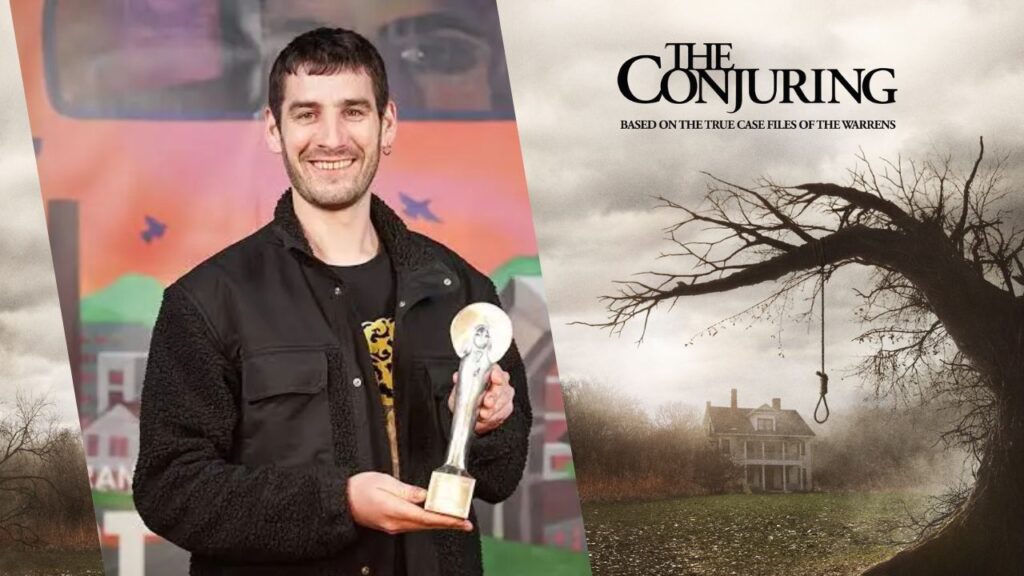
The horror realm which has captivated audiences for over a decade is nowhere near leaving. The Conjuring: Last Rites was set to be the final film in paranormal detectives Ed and Lorraine Warren’s arc, but the franchise’s immense financial success has breathed new life into the supernatural qua-machine. This time, a terrifying world from The Conjuring will be revealed in a bold new prequel.
For the fans of horror, it was news to shake the skies. A New Conjuring Universe Prequel Has Officially Risen from the New Line Cinema, via Borys Kit of The Hollywood Reporter. The green light came after The Conjuring: Last Rites smashed box office records around the world. The 2025 film grossed a staggering $84 million domestically and $194 million globally in its opening weekend, firmly establishing it as the horror genre’s highest-grossing film.
The franchise’s parent studio couldn’t say no to expanding after raking in nearly half a billion dollars at the worldwide box office. The largest question mark looming over the series had, in a sense, been answered by this financial success: Would The Conjuring series continue? The answer was a resounding “yes.”
Short film director and winner of several awards, Rodrigue Huart, is in talks to direct this untitled prequel. It is the first ever big studio feature film for Huart, a big jump from his praised horror short film work.
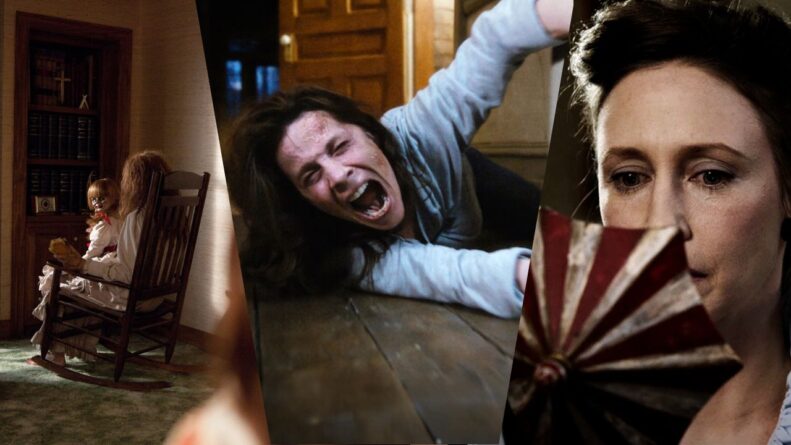
The Conjuring universe could definitely benefit from his unique creative perspective. This will mark the first creative turn for a different director since Annabelle Comes Home (2019) following a series of productions led by Michael Chaves.
Huart is connected to the wider Conjuring universe via a curious thread. Huart’s script for the modern day take on the much loved 1976 Spanish horror Who Can Kill a Child? Paramount Pictures picked up Huart’s screenplay for “Suffer Little Children,” an updated version of the popular 1976 Spanish horror Who Can Kill a Child? Huart met Walter Hamada, a veteran executive and producer in the horror genre, through this project.
Along with serving as executive producer on the biggest hits of the universe, including The Conjuring, Annabelle, The Nun, and multiple sequel entries, Hamada’s involvement with the franchise is that much more notable here. The choice to bring on the rising helmer for this major studio prequel may have been related to his continued partnership with Huart. This consider treating the established lore of the franchise prequel while also allowing Hamada to pursue creative decisions that lead to tried-and-true fear tactics might permit this business relationship.
The Conjuring: The Devil Made Me Do It, a Michael Chaves film that brought the Warren family storyline to a close, ended on a particularly strong note in the box office and storytelling sense. The ebb and flow of The film’s director, Chaves, has also made it clear that this was absolutely the end of the original saga, said that It is done. The title, Last Rites was intentionally chosen to signify the formal ending of a certain chapter.
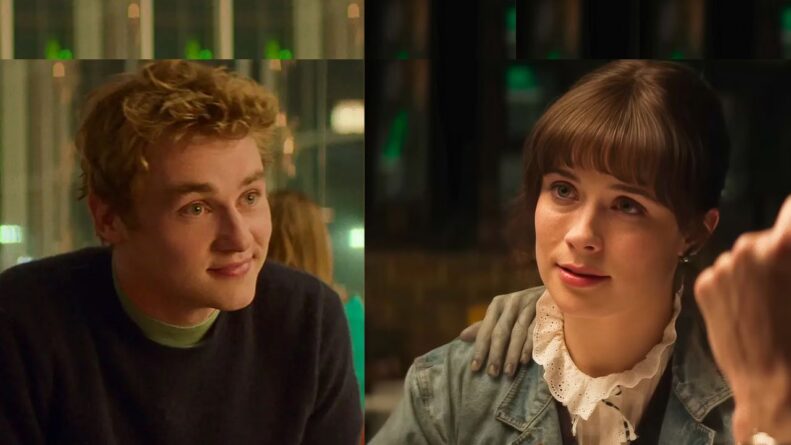
The Warrens’ story may be finished, but the world they lived in still has a lot of unexplored potential to explore, as the prequel announcement goes to show. Instead of direct sequels, the franchise has taken the form of prequels and spinoffs that explore its mythology by going back to the origins of its demonic entities.
The title of the prequel is yet unknown and the plot is currently under wraps. However, the project is expected to go back to the origins of the supernatural power that has plagued the Warren cases across the franchise’s history. Reports has it that the movie could be related to one of the greatest (and earliest) hauntings in the series.
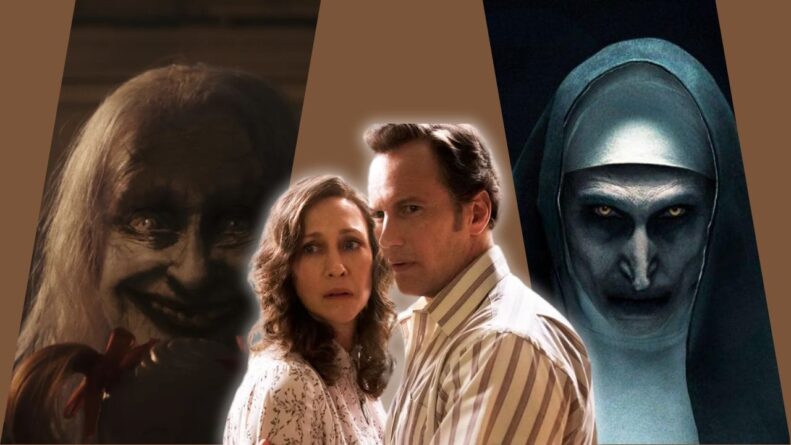
If Rodrigue Huart is officially confirmed as director, it will be a new creative vision for the brand while still maintaining the unique fear that has always been the hallmark of The Conjuring. Combining found-footage style with digital narratives, he also has the potential to give horror aficionados a somewhat new angle on this beloved franchise that’s both frightening and futuristic.
A billion-dollar franchise isn’t finished freezing audiences in terror. It’s just getting ready to frighten them in new and surprising ways.
As The Conjuring universe moves into a new era with Rodrigue Huart at the helm, the franchise definitely has more terror in store for its audience. Last Rites was the emotional conclusion to the Warren saga, but this prequel is said to explore further into the terrifying source of evil that began everything. If Huart applies his iconic vision and storytelling skill to the material, fans will be in for a brand-new horror age that pays homage to the legacy of The Conjuring while reimagining its scares for a new generation. The haunting, it would seem, is still to come.
Marvel shocks fans by firing Jonathan Majors and replacing Kang with Robert Downey Jr.’s Doctor Doom in Avengers: Doomsday. MCU Phase 6 reimagined!
The MCU underwent one of its biggest back-end shakeups in recent memory, with massive ramifications for not only the direction of Phase 6 but the entire Multiverse Saga. What started as a grand design revolving around Kang the Conqueror has shifted into an entirely different story, with Doctor Doom emerging as the main Villain.
The change began with dire legal problems for Jonathan Majors, who was set to be the MCU’s next big villain after Thanos. In March 2023, Majors was taken into custody on charges of assault and harassment against his ex-girlfriend Grace Jabbari. The matter intensified when in December 2023 he was convicted by a New York jury of reckless assault and second-degree harassment, The Guardians stated.
Marvel Studios fired Jonathan Majors just hours after his conviction to be charged with assault and harassment in his ex-girlfriend’s case associated their charges Jonathan Majors was facing a similar hammer blow to his career as the next MCU big bad villain after Thanos. The actor had already played multiple Kang variants in Loki seasons 1 and 2, and Ant-Man and the Wasp: Quantumania. His termination presented a monumental storytelling issue for Marvel, as Kang was supposed to be the overarching menace throughout Phases 4, 5 and 6.
The consequences of Majors’ termination were much more than the removal of a single actor. Marvel entirely dropped the Kang-centric plotline which had been developing since 2021. The fifth Avengers movie, Avengers: The Kang Dynasty, was renamed Avengers: Doomsday. This was a radical departure from multiversal villainy centered on Kang to dealing with a more “realistic” but just as threatening antagonist.
Marvel had originally centered the entire Multiverse Saga on Kang after being impressed with Majors’ turn as He Who Remains in Loki. The time-traveling, reality-altering villain’s age made him a perfect choice for a story that would take place across multiple timelines and dimensions. However, it has been reported that Marvel Studios had reservations about Kang and the Multiverse Saga even prior to Majors’ legal troubles, suggesting there were some doubts internally as to the direction.
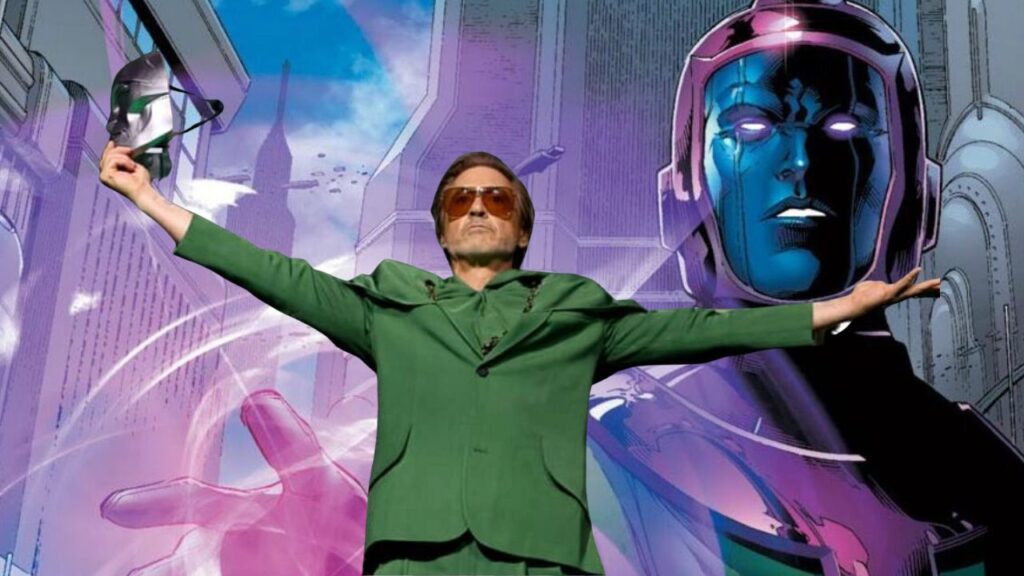
In one of the most surprising MCU news of all time, Robert Downey Jr. was confirmed to be returning to the franchise as Victor von Doom/Doctor Doom at San Diego Comic-Con 2024. Downey’s dramatic unmasking of himself onstage during the announcement sent shockwaves through the entertainment industry.
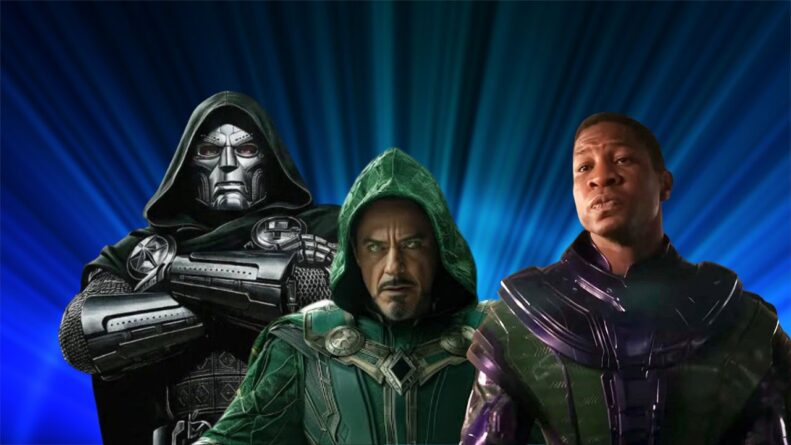
The casting decision is a “daring creative pivot” as the former Iron Man actor now embodies one of Marvel’s most iconic villains. Iron Man 3 director Shane Black predicts this casting will “singlehandedly reignite the entire comic book movie industry”. Black said, “I think he’s going to singlehandedly reinvigorate the entire comic book movie industry with that. At first, it seemed like a cynical move, you know, like “Oh, let’s just go back to the well of the one guy that seems to always save us.” But it’s going to be. It’s going to be great.
The entertainment industry has been cautiously optimistic about these seismic shifts. Marvel waited until Majors was convicted to fire him, an act of restraint compared to the industry norm of immediately dismissing actors on the basis of accusations as shared.
A number of MCU alumni have voiced their enthusiasm at Downey’s return, although many were surprised by the news. Jeremy Renner disclosed that he had “no idea” about the casting, and that Downey “said nothing” to his MCU colleagues. Tom Hiddleston described the casting as “remarkable” and “absolutely extraordinary”.
Some fans have complained about the casting, fearful of Doom being given a revised origin that includes Tony Stark.Still, the bar is set extremely high, with a lot of people seeing this as Marvel’s shot at recapturing the magic of the Infinity Saga.
Read More:- James Bond’s Next Era: Amazon Takes the Reins of 007 – Who Will Be the New Bond?
Doctor Doom will be the main villain of Avengers: Doomsday (2026) and Avengers: Secret Wars (2027). The Russo Brothers, who helmed Infinity War and Endgame, are back to direct both movies. This is a massive deviation from the original Kang-centric narrative, however there are rumors that Marvel might still find a way to finish off the story for Kang via a potential recast.
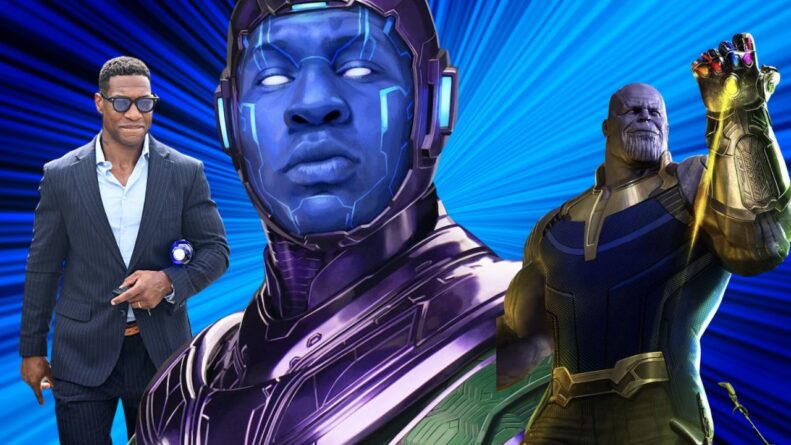
The changes are not just about swapping out the villain. Marvel is slashing its content output drastically`, with as few as two films a year, rather than up to four in recent years shared by Screenrant. The change is part of a larger Disney strategy to prioritize quality over quantity after some mixed feelings about recent MCU offerings.
The Phase 6 overhaul is arguably the most significant plot twist the MCU has ever seen. What was meant to be a multiverse story focused on Kang has now become something else entirely, with Doctor Doom seemingly going to end the Multiverse Saga. Early reviews from the cast are that Downey’s performance as Doom is outstanding, with Vanessa Kirby calling it “some of the most amazing work I’ve seen” in. The success of this recalibration will ultimately dictate the MCU’s future path. With Marvel now proceeding with Avengers: Doomsday in December 2026, the entertainment world wonders if the breathtaking turn of events behind the scenes is going to lead to a resurgence of creativity or become a cautionary tale about the perils of planning franchise far ahead in a volatile world.
The Marvel Phase 6 storyline changes entirely and gives everyone a big shock with its new plot. The decision of changing the biggest villain of the Multiverse Saga is tough for Russo Brother but they came back with a surprise casting after Jonathan Majors got fired, Robert Downey Jr. is returned as a villain in Avengers next film Avengers: Doomsday. Marvel entirely dropped the Kang-centric plotline that was supposed to be the overarching menace throughout Phases 4, 5 and 6 and adopt renamed it with Doomsday.