Old Hollywood Movies That Sparkled Again Years Later
Look back on Old Hollywood movies like Casablanca, Singin’ in the Rain, Sunset Boulevard that gained new audiences years later, via streaming and nostalgia.
Published: February 9, 2026, 7:49 am

Look back on Old Hollywood movies like Casablanca, Singin’ in the Rain, Sunset Boulevard that gained new audiences years later, via streaming and nostalgia.
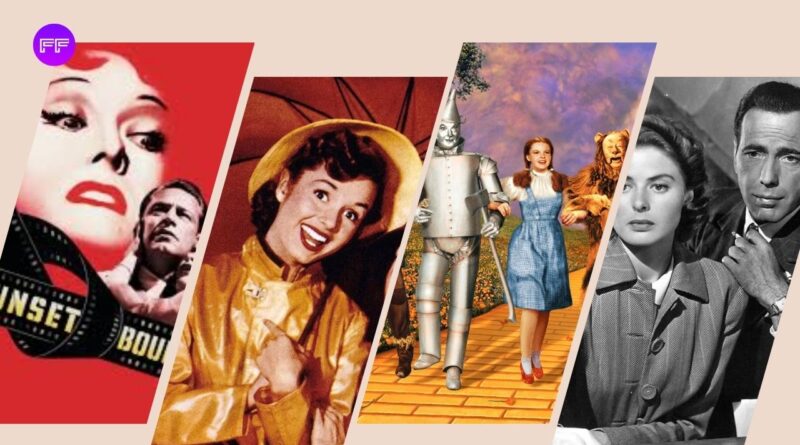
Old Hollywood Movies have funny ways of vanishing, only to burst back into our lives unexpectedly. At one moment they are collecting dust in the vaults of studios, considered outdated by now and the next they are lighting up streaming services, film festivals and even TikTok feeds. So as you compare today’s blockbusters dominating the theaters and the awards seasons, you might be wondering which classic films you could still sink some quality time into and the answer might surprise you: plenty.
Thirty, 50 or even 80 years later, these films are as relevant as ever. Fueled by internet algorithms, cultural nostalgia, and storytelling that will never grow old, Old Hollywood has attracted a generation of new fans. This revival isn’t accidental — it’s a reminder that extraordinary film doesn’t go bad.
Below are five Old Hollywood masterpieces that gleamed once again, discovered anew through viral moments, unlikely reboots and well-earned cult devotion.
First on the list is Casablanca. Rick Blaine’s immortal “Here’s looking at you, kid,” delivered by Humphrey Bogart to Ingrid Bergman as Ilsa Lund, still stings with the same muted pain decades later. Upon its release the film was a full-blown phenomenon making a fortune at the box office and receiving critical acclaim winning three Oscars, including Best Picture.
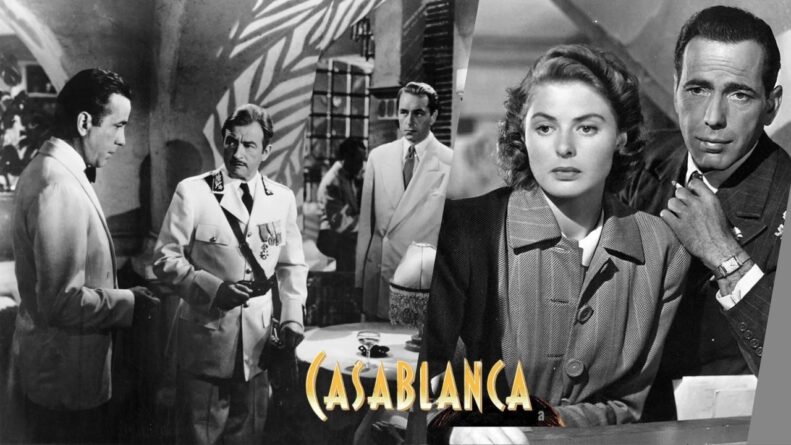
By 60s it was pretty much forgotten in the haze of New Hollywood’s grit. Revival struck in 1970 when a TV station looped it endlessly out of a programming error. Viewers tuned in obsessively, and it became appointment TV. By the ’80s home video cemented its legend.
And now, Algorithms from Netflix are now mass-marketing it to Millennials on romantic playlists —and memes are flooding social media. Love, sacrifice and moral uncertainty are its themes, which ring true in our divided world demonstrating that black-and-white romance never dies.
It’s Wonderful Life (1946) next in the list of Old Hollywood Movies. George Bailey, played by James Stewart, is a suicidal man who is shown the meaning of life by an angel in Frank Capra’s charming, sentimental film.
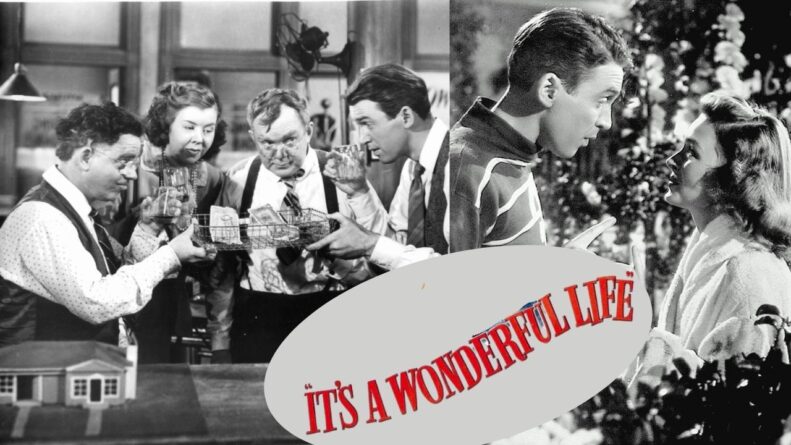
They wagged their heads at it in Hollywood. In 1974, it was made available to television stations as a non-commercial holiday message when the copyright expired. Families weeping over Zuzu’s petals as they are glued to screens. It was a Christmas tradition by 1990 and earned millions of rerun dollars.
Gen Z found it on Prime Video in lockdowns, leading to TikTok’s with millions of views for its mental health message. Stewart at his most nakedly vulnerable is like therapy — timeless in troublous times.
The Wizard of Oz (1939), Judy Garland’s Dorothy skipping along the yellow brick road made the movie a Technicolor box-office sensation and won two Academy Awards. But after World War II, it quietly dropped out of sight — until 1956, when annual broadcasts on CBS television brought it back into living rooms and made it a beloved ritual.
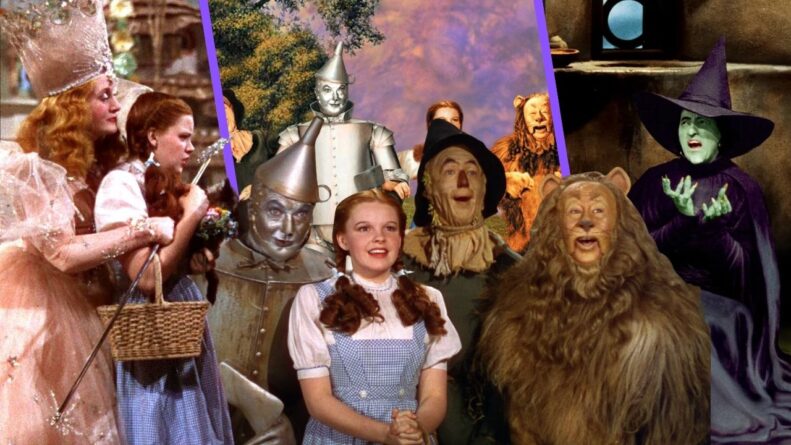
Children like Steven Spielberg were obsessed with ruby slippers, giving rise to a ritual. MGM’s new color technology was dazzling on small screens, popularizing “Over the Rainbow” in pop culture. Revivals went crazy in the ’70s with album sales and ’80s VHS booms.
Now, it’s on HBO Max for nostalgic eyeballs, as Pink Floyd shows up on YouTube for Dark Side of the Moon sync-ups.
Sunset Boulevard (1950) remains a quintessential post-1950 film noir Directed by Billy Wilder, it delves into Hollywood’s seedy underbelly with a story of a has-been and obsession.
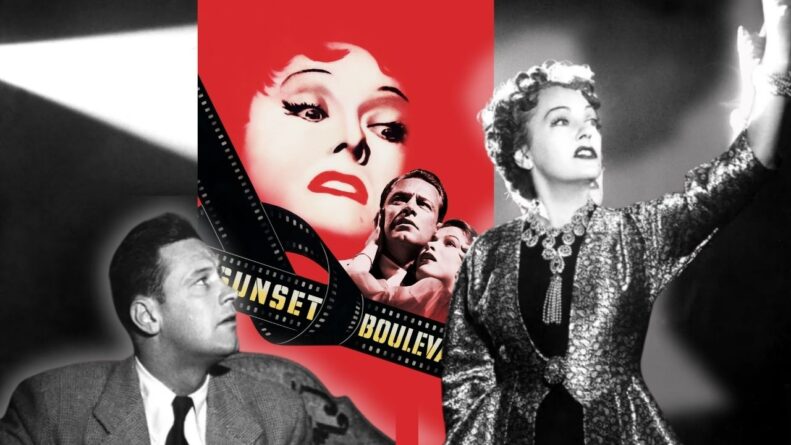
The plot is a flashback narrated by struggling screenwriter Joe Gillis (William Holden), who is on the run from repo men and takes refuge in the decaying mansion of reclusive silent film star Norma Desmond (Gloria Swanson). She retains him to revise her script for a comeback, resulting in a demented romance in the midst of her view of stardom, her faithful butler Max (Erich von Stroheim) supporting her globe. It comes to a tragic end in her Sunset Boulevard home, with a jibe at the transitory character of fame.
Retro for cancel-culture darlings, streaming-era stars. On TCM and YouTube, it is trending with film students analyzing the toxicity of the industry — Swanson’s mania is still very much relevant.
Singin’ In the Rain (1952) – Gene Kelly’s high spirited musical parody of the shift to talking movies. It was a modest success at the time, but then lay dormant until the 1960s, when it was voted top musical by the American Film Institute. Home video in the 80’s made “Good Morning” dances a party staple. Disney’s stage version and Baz Luhrmann references kept the flame.
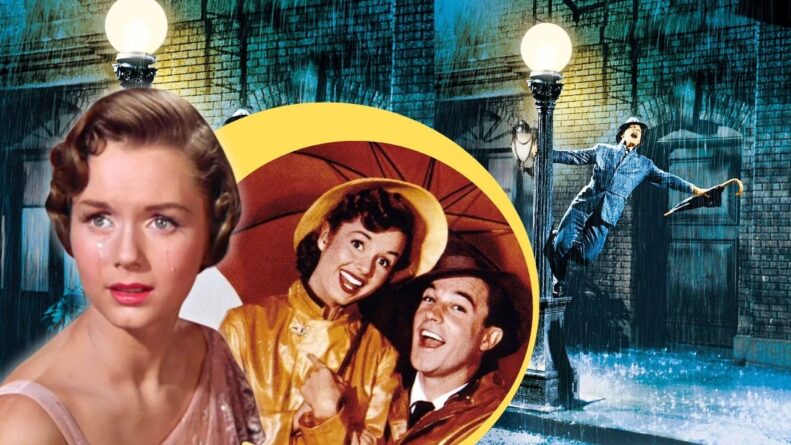
Post-2000, TikTok challenges featuring Kelly’s rain-soaked twirl through the air explode yearly — more than 500 million views. Its optimism breaks intuitive doom-scrolling, who doesn’t want that puddle-jumping glee?
Read More👉 Everything We Know About A Knight of the Seven Kingdoms Till Now
What these Old Hollywood Movies loudly, unapologetically declare is that great cinema doesn’t grow old, it hibernates. When the world finally gets around to their feeling, thinking, or magical selves, they rouse themselves up, stronger than ever. None revives feel quite as nostalgic as rediscovery, from moral courage in Casablanca to candid talk of mental health in It’s a Wonderful Life, to unadulterated cinematic bliss in Singin’ in the Rain.
None of those can save a movie; they merely returned these movies to the people who were most desperate for them. These classic gems make itself a silent yet painful reminder that like us, some stories never truly end or they may never be done with us in the first place in a world that is obsessed with the new.
Get into the nostalgia with Fandomfans for these old hollywood movies with great story and cast.

James Cameron’s Titanic remains the greatest movie ever made, blending emotional storytelling, record-breaking success, and timeless cinematic spectacle.
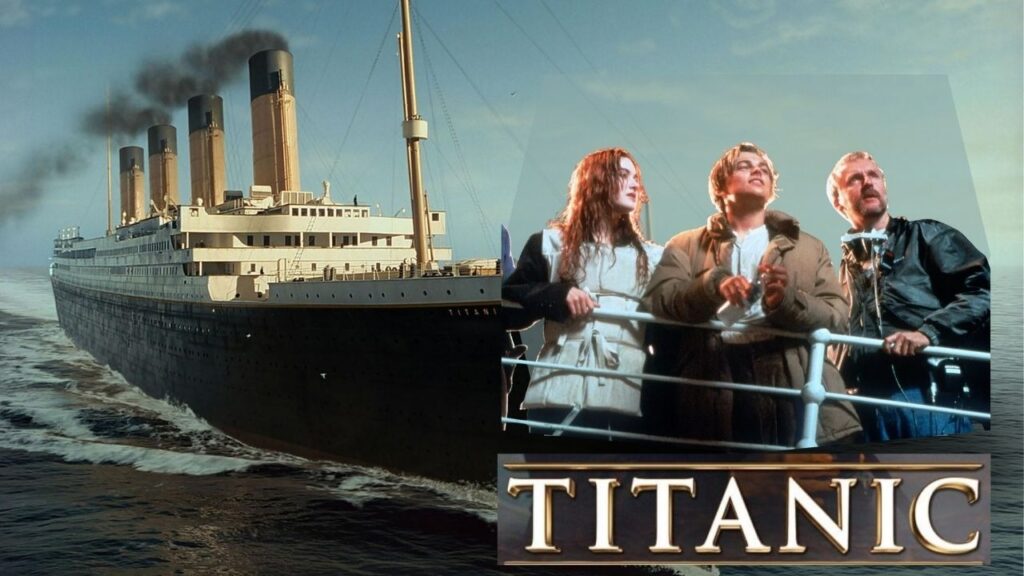
James Cameron’s Titanic isn’t just a movie — it’s a genre and generation-defining cultural phenomenon. Although his earlier work, including Terminator 2 and Aliens, was without doubt ground-breaking, Titanic is the zenith of Cameron’s ability to marry emotionally charged storytelling with technical innovation and spectacle. The film not only dramatizes the catastrophic historical incident, but tells a deeply human tale of love, loss and survival.
Screenrant adds that there are even more subtle things that make the 1997 classic special, from the meticulously made ship to the emotionally draining performances from Kate Winslet and Leonardo DiCaprio. It’s a movie that doesn’t just entertain — it consumes you. With its grandeur score, legendary moments and themes of hope and fear we can all relate to, it is simply a film that is made for being seen over and over again.
Titanic is more than just a blockbuster movie, it is an event. It is a testament to Cameron’s vision, proving that film can be both revolutionary and personal. That is why I feel it is his best work, as far as he went.
We must begin with the numbers, not because they are the heart and soul of the film, but because they embody a cultural agreement we haven’t witnessed since. “Titanic not only ‘did well’ in 1997. It turned into a tectonic shift in the industry. It was released for a year-long run in theaters. It was the first movie to gross more than a billion dollars, ultimately raking in $1.8 billion in a time before premium large formats and global market saturation.
Then there are the Oscars — Eleven Academy Awards. It matched Ben-Hur and no other film has equaled that until The Return of the King. It cleaned up in technical categories, certainly, but also won best picture and best director. It wasn’t just a “popular” film, it was a “perfect” film by just about every measurable industry benchmark.
But numbers don’t warm. To see why Titanic is the finest Cameron film, you have to examine the “how,” the “why”.
In its grand set pieces as well as its small moments of intimacy, Titanic is a perfect demonstration of James Cameron’s ability to combine technical virtuosity with compelling storytelling. Frequently dismissed as the “tech guy”, Cameron instead demonstrates his films are as much about emotional impact as they are pioneering technology.
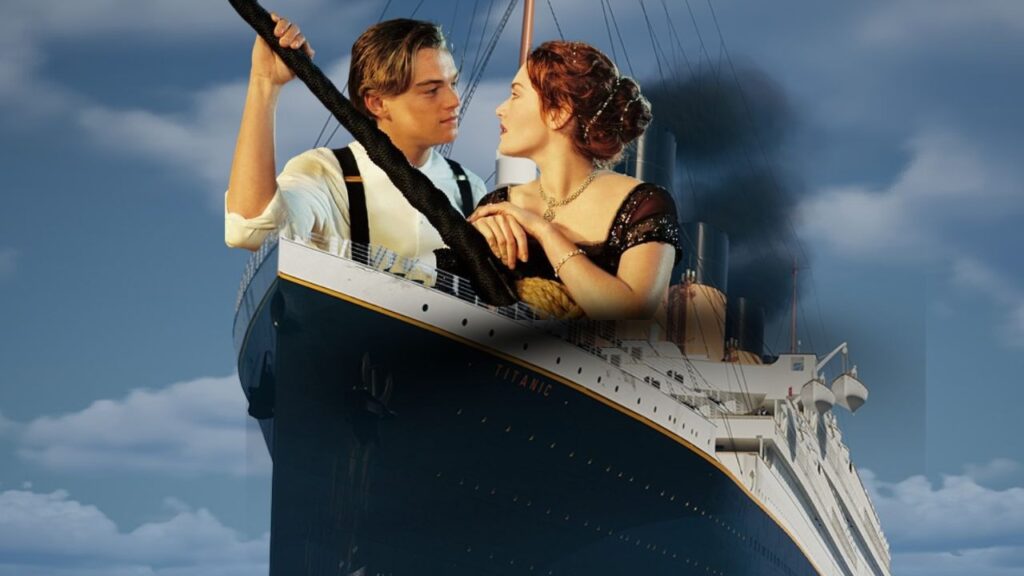
The first half is a lavish, character-driven study of class relations in Edwardian society that plunges the audience into period spectacle and social mores. In Jack and Rose’s relationship, we find the human element and the setting becomes more than a frozen canvas of rivets and steel. These connections are important: they transform the ship from a magnificent vessel to a stage for personal drama.
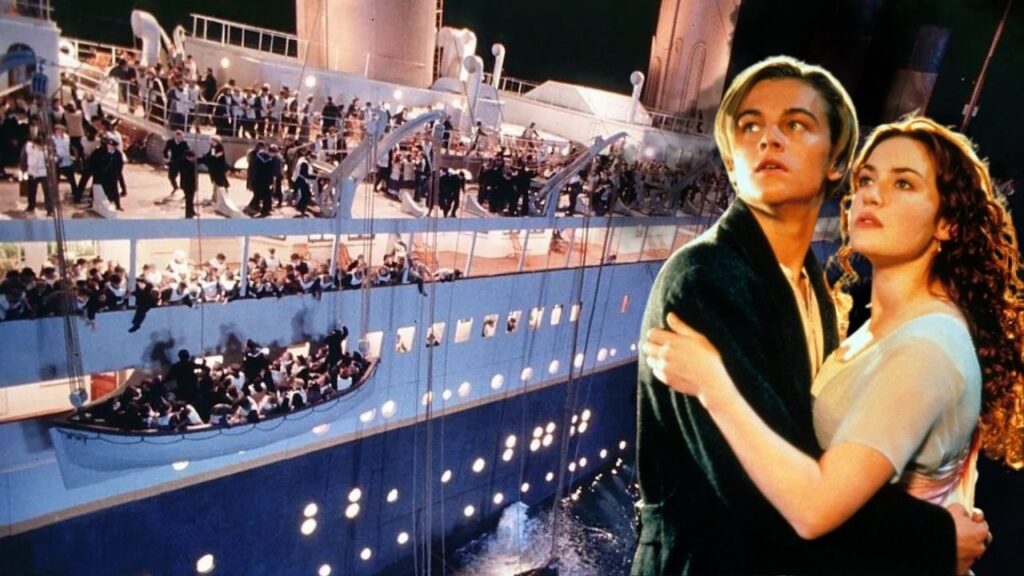
The film’s latter half turns into a tense disaster movie, and the probably misplaced emotional stakes only heighten the tragedy. Cameron’s embrace of universal archetypes — the struggling artist, the repressed debutante, the conceited fiancé provide a narrative framework that allow audiences to traverse the vast scope of the story without becoming lost.
These tropes aren’t just narrative clichés, they’re essential anchors that root the story in relatability and the timeless. In the end it’s Cameron’s combination of technical expertise with universal emotional resonance that elevates Titanic beyond keys-at-the-groove spectacle to a film that is both a moving journey and a cinematic triumph.
Now we get to address the Heart of the Ocean — Kate Winslet and Leonardo DiCaprio.
We can get bogged down in hindsight through the prism of their now iconic career and forget just how quickly their pairing was a one-in-a-million thing. They’re like the Cary Grant Grace Kelly couple, but for the 1990s. Their chemistry is what makes Titanic more than simply a historical re-creation.
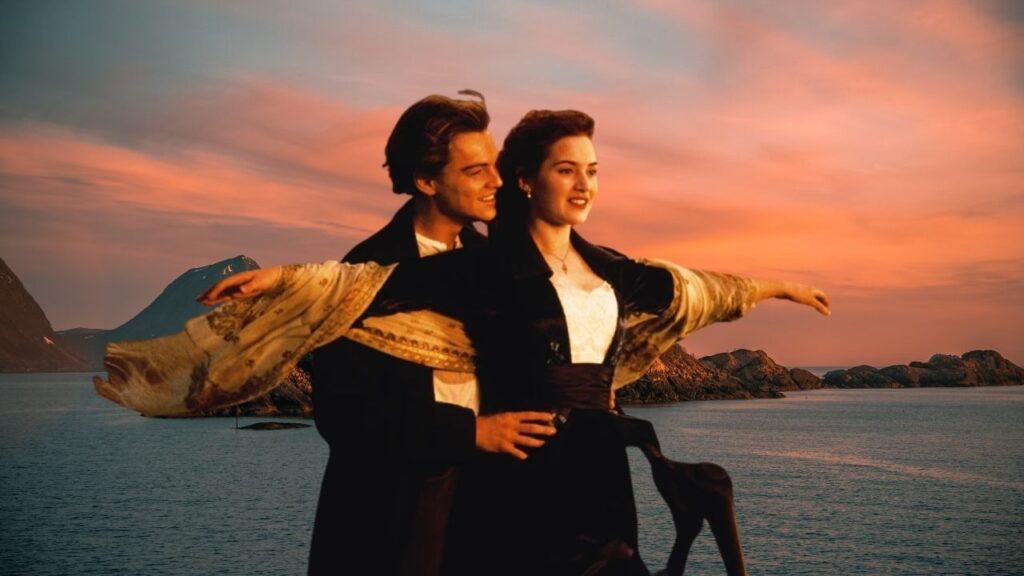
When Rose says, “I’m flying,” or when the Renault’s steamed-up window clears, we’re not simply observing actors but we’re looking at the genesis of modern iconography.
Even as the ship disappears beneath the Atlantic, Cameron treats us to 20 minutes of character resolution. He knows that the “disaster” day isn’t the story — the people are. Be it Old Rose’s last trip to the rail of the Keldysh or the “dream” at the clock, the emotional payoff is justified.
Read More:- ‘Run Away’ on Netflix: Cast and Their Characters from Harlan Coben’s New Series
During those years, Titanic was considered the “uncool” film to fangirl over. The backlash was fierce, driven by a sarcastic assumption that the film’s appeal was based on “hormone-addled teenage girls.” It is “corny” the dialogue, it is “cringe” the Celine Dion theme.
But look at it now. Not one of those criticisms can survive the earnest heart of the movie. At a time when film audiences are rife with meta commentary and Marvel-style snarky “well, that just happened” humor, Titanic seems in retrospect oddly and quixotically sincere. There are no apologies on the emotion front either.
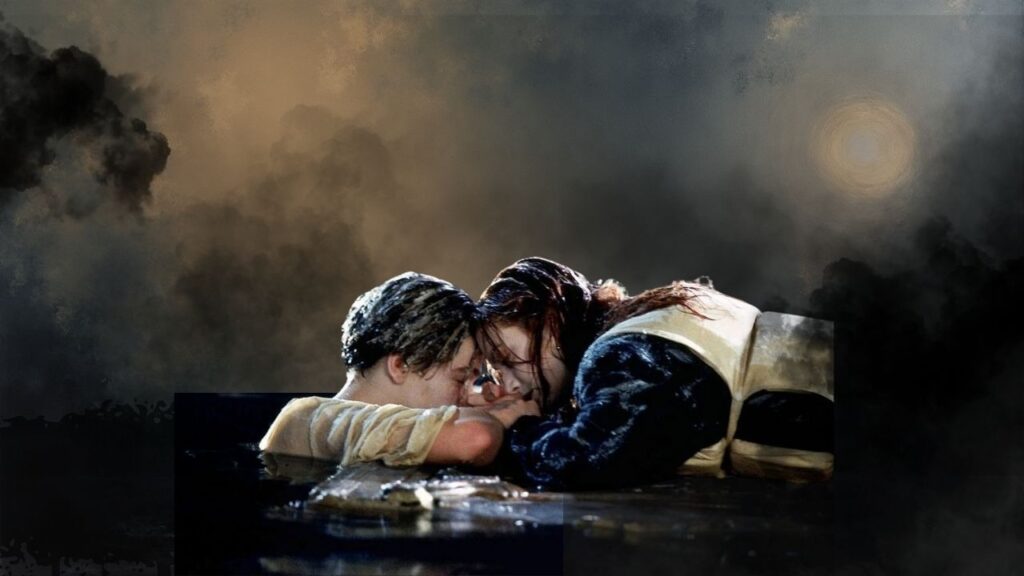
And let’s end the “door” debate, shall we? It wasn’t the door’s dimensions, it was the buoyancy. We watch Jack struggle to board on. The wood tips. He knows that if Rose is to live, he must remain in the water. It’s a decision, not a physics malfunction. It’s that selfless gesture that is the soul of the movie.
Titanic is the pinnacle of James Cameron, because it’s a world-class action director bringing his “more is more” sensibility to a genre he was never meant to touch: the historical romance.
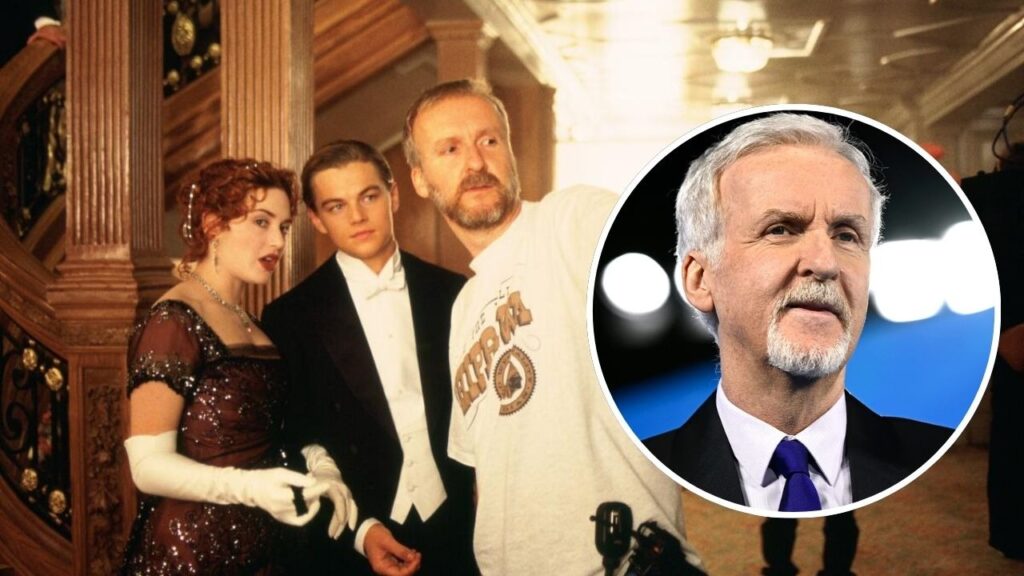
Like Steven Spielberg’s Schindler’s List or Christopher Nolan’s Oppenheimer, Titanic marks the point when a “blockbuster” director becomes a “filmmaker.”
He employed a nearly life-size model of the ship, emerging computer-generated imagery, and real deep-sea footage of the wreck to evoke a feeling of palpable reality. The air sucking out of the room when the White Star officers come to realize the ship is “a mathematical certainty” to sink is as icy as any moment in The Terminator.
James Cameron has created a handful of terrific movies—Aliens is the ultimate sequel, Avatar the peak cinematic experience. But this is different, Titanic. It’s not that it’s just good at one thing, it feels like the perfect everything.
Part historical epic, part class-conscious drama, part sweeping romance and part D.W. Griffith-scale disaster movie, Titanic mixes genres with surprising assurance. It insists that you see it on the largest screen available at all times, and yet it’s just as mesmerizing when you see it again on a sleepy, rainy Sunday afternoon.
When Cameron strutted up on that Oscar stage and yelled, “I’m King of the World!” the industry sighed. But in retrospect, when you consider the towering hubris, the art, and the undying spirit of Titanic, there’s really no nailing him to anything less.
So, go ahead. Tell me Terminator 2 is better. Tell me the Avatar has more depth. But you won’t get me to go then. Titanic is the Greatest of All Time.
Fandomfans is focusing on concept based theories behind successful cinema. Stay connected to get more updates on your favorite movies.
Chris Hemsworth's Extraction 3 is back, Find out about filming status, the reason for delay, the confirmed cast and what the sequel has in store for your fans.
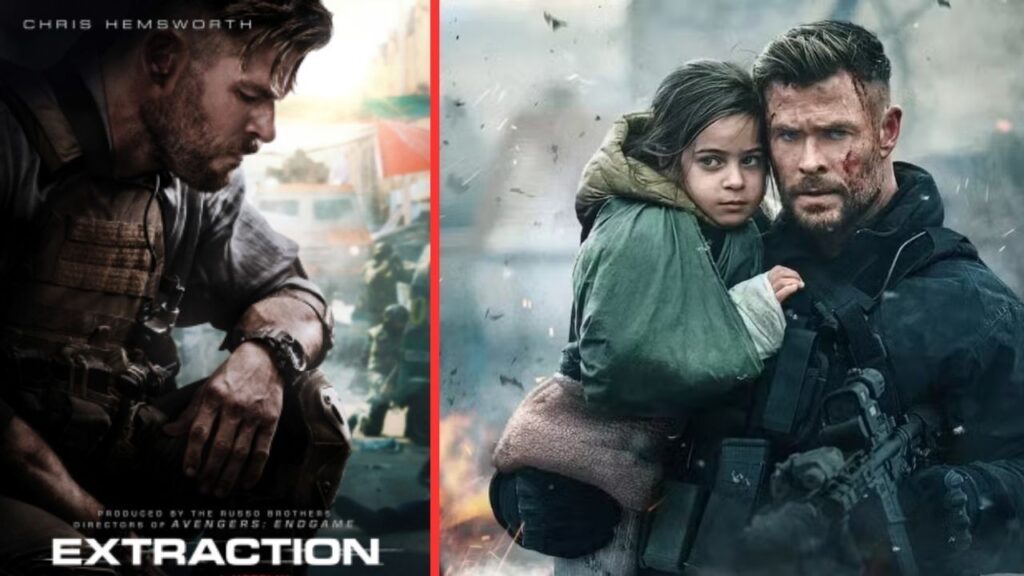
Director Sam Hargrave has revealed details about Chris Hemsworth’s Extraction 3 and it seems like the fans will have to wait a little longer. At the Apple TV+ premiere of his series “The Last Frontier,” Hargrave mentioned in passing that production is slated to begin in 2026. “We roll cameras in 2026, we’ll see how it goes,” which sounds like there’s still some leeway in the date. The most big issue of the delay and Hargrave let his fans wait for the next part of Extraction due to Chris Hemsworth’s busy schedule, especially with his Marvel Avengers films.
Production hold-up is due to several disagreements. Chris Hemsworth stressed the need to make the story-to-script right, telling Collider, “We just wanna make sure that we’ve got it right, that we’ve got a script that’s good enough to go follow the last two, because I am really proud of what we’ve done previously”.
The creative team is now concentrated on the development of the script and the story. As Joe Russo explained, “We’re in the process of writing that story right now. Hard at work”. In addition to this, managing Hemsworth’s busy agenda, including his Marvel obligations, also extended the timeline.
The Extraction franchise has become the best action thriller series on Netflix. The original 2020 film was watched by more than 99 million households in its first month, shattering Netflix records and becoming the platform’s most-viewed original film at the time.
Extraction 2, was released in June 2023, continuing the success with more than 85 million views within its first ten days. The franchise broke the record by being the first movie series to hold Netflix’s no.1 and no.2 spots for two straight weeks.
The films follow Tyler Rake (Chris Hemsworth), a black ops mercenary with a troubled past. Extraction had him rescuing the kidnapped son of an Indian crime lord in Bangladesh. Extraction 2 featured a risky prison extraction in Georgia, where Rake saved his ex-wife’s sister and her children from her violent gangster husband.
Read More 👉 HBO’s Next Big Move: Why A Knight of the Seven Kingdoms Marks a Turning Point for Game of Thrones
Extraction 3 is due to start immediately after the end of the second film, opening up with the cliffhanger ending. Tyler and Nik were released after a harrowing mission in Georgia when Idris Elba’s mysterious character, Alcott, intervened. But there’s a catch: he’s got a new job for them, as Digital Spy stated, from his shadowy and apparently ultra-hard boss.
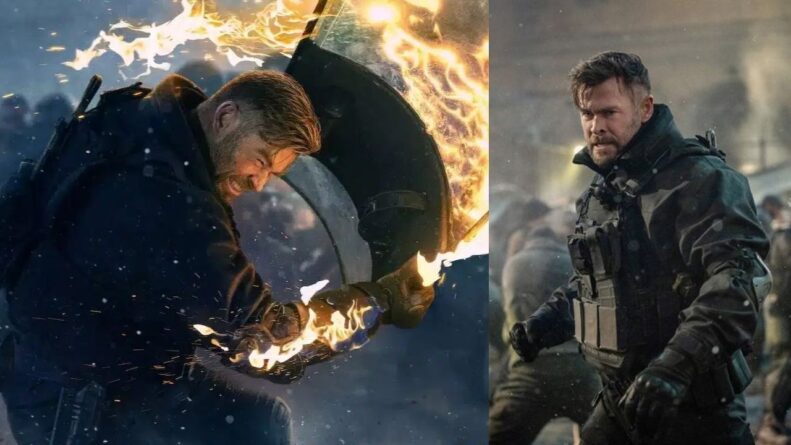
Joe Russo has teased not only Idris Elba’s role will be a big one this time around, but the actor is going to have some interesting dynamics with Chris Hemsworth’s character. If you liked the chemistry this duo in Extraction 2, rest assured this sequel will serve more of that cocktail. Plus: Alcott’s employer, who is called a “gnarly motherfucker.” Sounds like there’s a lot of action and mystery right up my alley!
Director Sam Hargrave and writer Joe Russo have now revealed some exciting new information regarding Extraction 3, teasing that the story is going to explore more of Tyler Rake’s emotional state. Russo said Tyler’s character is interesting because he’s emotionally wounded, and his relationship with violence is motivated by self-loathing and guilt.

It sounds like there’s a lot of play in his backstory that can be told. Hargrave calls the series “a redemption story through sacrifice,” with Tyler seeking meaning through these high-stakes assignments. Fans will also be able to enjoy the series’ signature intense action sequences, all while getting an ever closer look at what makes Tyler tick. Looks like this next installment will bring a nice balance of heart-stopping thrills and tear-jerking moments.
Extraction 3 is going to be even more action-packed thrills with Tyler Rake back in the forefront ready to adapt to new challenges. Filming in 2026 with a story that promises an exciting continuation … but now, there’s a neat twist. Idris Elba joins the cast in a secret role tied to an influential employer, adding even more layers (and lore) to the franchised mythology. Viewers can expect explosive action, heartbreaking drama, and a new layer of mystery as the show takes us to new corners of its world. Looks like a lot more to look forward to here!