XMen 97 Reading Guide: Every Marvel Comic You Need to Read
Discover every Marvel comic you need to read before and after XMen 97. Explore the essential storylines, characters, and iconic issues that inspired the series.
If you are currently watching XMen 97 and want to go deeper as it doesn’t come from nowhere. The show’s most exciting moments borrow straight from the Marvel comics, some of them are truly amazing. Writers take a comic arc that ran for a year and compress it into twenty minutes making it the most iconic show ever.
If you want to understand where this version of the XMen actually comes from, follow the list and start reading important XMen 97 comics in order. Everything started to make sense, but you must have patience for that.
This is the most essential comic that builds the character’s arc of Jean Grey, her transformation into the Phoenix that becomes the emotional backbone of the entire show. If you want to know which comic is still considered one of the greatest superheroes then pick Dark Phoenix Saga — Chris Claremont and John Byrne wrote this back in 1980.
The show brings back this story as unfinished business since fans didn’t like the original ending. This is what makes people go crazy about the show so read this first to know what happened to Jean on the moon.
This XMen epic collection is already running and introduced modern XMen before Dark Phoenix Saga even happens. This 70’s comic is the origin of Wolverine, Storm, and the team dynamic arc. Once you read it, you will understand why in the show they talk like they are the real family. Every relationship, joke, and grudge in XMen 97 was built here first.
God Loves, Man Kills is a short comic written by Claremont that actually gave the world the “mutants as a metaphor for prejudice” which every XMen adaptation follows and pulls back this tone and this one becomes a moral spine of the entire franchise from 1982.
XMen 97 pulls directly from this book’s tone whenever it deals with anti-mutant hysteria, and Magneto’s arc across the season only makes sense if you’ve read how his philosophy was originally built here.
The show’s early handling of Genosha as a haven for mutants, and everything that goes wrong there, has roots in a comic arc where the island nation was actually a slave state built on mutant labor. If you are watching the show then you should have been thinking that Genosha’s fate hit hard but if you read the comic the tone is darker.
The massive destruction of thousands of mutants on that island was a heartbroken tragedy that the show didn’t even fully present yet.
Read More 👉 Read Before You Watch: The Official XMen 97 Season 2 Comics Guide
Mister Sinister dispatches the Marauders to slaughter the Morlocks — a group of mutants living beneath the streets of New York City, resulting in one of the bloodiest massacres in XMen history. XMen 97 really doesn’t explain all the reasons why Mister Sinister is so scary. The storyline in this comic will tell you why. It reveals just how ruthless and dangerous he truly is rather than being a mysterious evil.
Take a time for this one because it is the bigger storyline, originally spanning four different comic series. XMen 97 draws on several elements from this crossover, it will help you fully understand about the time travel and Summers family legacy.
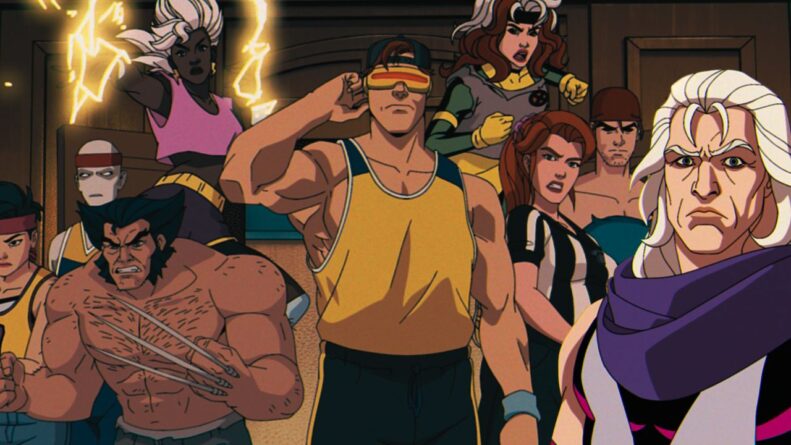
This narrative helps explain one of the more bewildering aspects of XMen mythos. If you’re looking for answers on exactly how Cable, Stryfe, Cyclops are related, this book has them. The epic feud between Cable and Stryfe culminates, and the convoluted, time-travel riddled past of the Summers family is revealed.
This story arc shocks everyone because it turned the both character’s arc. Since XMen 97 places so much emphasis on Magneto’s redemption, this arc gives a clear understanding on how low their trust goes that any chance of reconciliation becomes impossible. The moment where Magneto tears the adamantium from Wolverine’s skeleton marks the history in the entire franchise of XMen.
Based on how the first season of XMen 97 ends, everyone can guess that Onslaught will play a role in the future. The 1996 crossover event introduced Onslaught which created Xavier’s suppressed rage and trauma and became one of the most dangerous threats the XMen and Avengers have ever faced together.
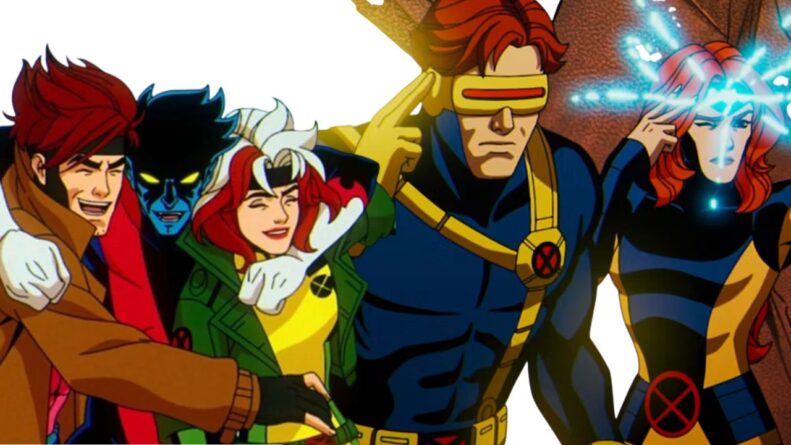
If you want to understand how powerful Xavier’s psychology is, this one will surely help you. This is where the show is headed.
The entire essence of Bishop is that he has survived a mutant genocide in the future that hasn’t taken place yet and that fear is exactly what he brings to every encounter in the show. This is the arc where his history, as well as a fixation with stopping a specific kind of betrayal, are first described, and it puts a lot of his paranoia in the show into context.
A quick note for readers confused about Morph — the character barely existed in the comics under that name and role. Most of Morph’s presence in XMen 97 is original to the animated continuity, built from a character called Changeling who died early in Marvel history. There’s no single comic to point you to here, and that’s fine. Not every emotional gut-punch in the show has a comic-book receipt.
Read More 👉 A Knight of the Seven Kingdoms: The Story Fans Didn’t Know They Needed
The show is built to work without any comic knowledge at all. This guide is for viewers who finished an episode and wanted to go deeper, not a prerequisite. The most important comic is The Dark Phoenix Saga which is an absolute emotional and narrative center of the entire franchise.
This XMen 97 Marvel Comics guide will help you understand the deeper narrative that already lived in comics. You can read them one-by-one and they are all available on Amazon.
Stay tuned to Fandomfans for more guides and updates from movies, series, celebrities.

Daredevil Born Again returns Matt Murdock to the MCU. Check out crossovers, Kingpin’s ascension, courtroom showdowns and Daredevil’s new street-level legacy.

Matt Murdock’s ascent as the ultimate TV comeback tale with Daredevil Born Again. After his grim Netflix show was axed after three seasons in 2018, it seemed like the “Devil of Hell’s Kitchen” might be out of luck for good. Instead, Marvel pulled a master class in character rehabilitation.
Splitting him (and his arch-enemy, Kingpin) across four very distinct series — Spider-Man, She-Hulk, Hawkeye, and Echo — Marvel connected the dots between his grim, street-level beginnings and the bigger, flashier MCU.
Daredevil Born Again neighborhood hero became more than that now. He’s been raised to the ethical and legal foundation of the whole franchise. It’s not just a Season 4; it’s a character study of a man caught between the law and the mask, searching for justice in a New York still grooving to the chaos of the Blip.
The Road to Daredevil Born Again is a meticulously crafted “what-have-you-done-for-me-lately?” Marvel made four deliberate cameos to convince us that Matt Murdock could leave his first dark, solitary Netflix pocket and step out into the wider, stranger battlefield of the Avengers and then get his own show again.
The Movie Star Moment (Spider-Man: No Way Home): This was the “official” handshake. Catching a brick and standing in for Peter Parker, Matt demonstrated that he and Marvel live in the same universe as the Avengers. It presented him as a “really good lawyer” who still had keen super-senses and was ready for the big leagues.
The Vibe Check (She-Hulk): That was our first time seeing Matt—cute, fun, and draped in a throwback yellow suit. It showed him as more than “a brooding guy in a hallway” but an experienced warrior who could square off against beings like “Hulk-level” villains and still maintain his composure.

The Villain Upgrade (Hawkeye): This focused on Wilson Fisk. Raising the stakes Marvel elevated the stakes by making Kingpin durable against explosions and car crashes. Now he wasn’t just a mob boss he was a “global threat,” and his shadow stretched over the whole city.
The Final Link (Echo): Daredevil Born Again brought everything full circle. In a savage battle and an extended view into Fisk’s history, it served as a reminder that Matt didn’t stop fighting during the “Snap” years. It culminated with Fisk’s bid for Mayor, which paved the way nicely for the new series.
For ages fans were fretting that Marvel was going to force a “reset button” on Daredevil Born Again, retconning everything that made the Netflix show great. But after a sweeping creative shakeup at the top, Marvel made a pivot that encompassed everything: they were going to look to the past instead of running away from it.
The “Hard Continuation” Victory: Although Daredevil Born Again was going to be a “soft reboot.” However, Marvel replaced the original creative team with a new showrunner to continue as a direct sequel to the original three seasons. Matt’s past – his scars, his faith, his feud with Fisk – still matters. We already are into the deep end of the main story where it originated.
Matt survival from Thanos: It turns out that both Matt and Wilson Fisk survived Thanos’s Snap. With the Avengers either off-planet or mourning, Hell’s Kitchen was unraveling. This gap of five years is the “secret sauce” of the new story. It gave Fisk a chance to reestablish himself as a power in the collapsing world, turning his criminal empire upside down and presenting himself as a “savior” for a broken city.
A New Kind of Crisis: For Matt the Blip wasn’t just a simple logistical nightmare, it was a spiritual one. Daredevil Born Againcompounded his “crisis of faith.” If the laws of nature can just extinguish half the population, how is a blind lawyer supposed to believe in the “rule of law” on Earth? He’s starting this new chapter in his life with what has been the heaviest burden of a decade’s worth of ups and downs.
Daredevil Born Again renders stark reality in its depiction of a disease-ridden, drug-addled Matt Murdock that no one could ever forget. He has laid down the brass knuckles and picked up the gavel in his election as mayor of New York City, and is now using the entire city government as a weapon against Matt Murdock.
The “Kingpin Squeeze”: Fisk isn’t just dispatching thugs to Matt’s home anymore. He’s making being a hero illegal through the Anti-Vigilante Task Force (AVTF). By painting Daredevil as a public menace, he’s employed the “rule of law” to chase his nemesis with a badge and a siren.

The Ultimate Strongman: Fisk’s ascent is a masterclass in manipulation. He preys on the anxieties of regular New Yorkers who feel the city has deserted them, not the Avengers. He presents himself as the only person who can restore order in a post-Blip world, and is taking advantage of “good optics” — even as he’s blackmailing the police commissioner and threatening martial law.
A Criminal “State-Within-a-State”: Behind the scenes of Daredevil Born Again, Fisk is working on the “Free Port,” in Red Hook. He’s attempting to establish a special-trade zone outside federal reach. If he pulls it off, he will have created a legal “black hole” through which the Five Families can move whatever they want without the law’s pesky interference.
Matt Murdock is basically a man serving two masters, and Daredevil Born Again, that strain is at last beginning to break. He’s a lawyer who takes an oath to uphold the law by day, but at night, he’s a vigilante who violates just about every ethical rule in the book. This isn’t just a “cool secret identity” this is a deep professional and moral crisis.
Here is what the “legal nightmare” Matt is facing right now:
The Threat of Disbarment: If a Bar Association in the real world got wind of what Matt does by night, he would be disbarred immediately. Rule 4.2 prohibits Attorney from communicating with a “represented party” without the party’s attorney being present. Anytime he has a Daredevil pin a criminal and punch the truth out of them, Lawyer-Matt is making a huge ethical error. He is basically using his mask to violate the legal rights which he is obliged to honor.
The Conflict of Interest: Matt frequently represents clients not to aid them but to gather intelligence for his missions. This makes it a “material risk” that he isn’t acting in the best interests of his client — which is the worst thing you can do as a lawyer.
The Hector Ayala Meltdown: This firestorm touches off Matt’s meltdown. To exonerate Hector (the White Tiger) from a murder charge, Matt stakes everything: he unmasks Hector in court to prove his innocence. It works—they win the case but what’s the victory but a hollow victory. Hector is assassinated by a corrupt cop right after leaving the courtroom.
The transition to the main MCU is not just a change of location; it’s a solidifying of Matt Murdock’s world. The people around him aren’t simply ”background characters”—they are the scars and the fuel for his new mission.
Here’s how the inner circle has changed in this “older and harder” reality:
The Heartbreak: The Death of Foggy Nelson. Foggy wasn’t just Matt’s law partner; he was his moral anchor. His death at the hands of Bullseye (by order of Vanessa Fisk) is the ruthless “catalyst” for the series as a whole. It shatters the “Nelson, Murdock & Page” trinity forever, and sends Matt into a year-long tailspin. In fact, he temporarily retires the mask, worried that his rage might make him a murderer.

The Evolution: Karen Page as a Peer. Karen is a long way from, you know, the secretary. Daredevil Born Again she’s basically a lawyer in her own right, a professional equal who challenges Matt to be better. She’s the one who pulls him back into the fight, with her investigation skills, she digs to what was left by Foggy. “She Feeds Matt his Humour-Detecting BS and Then Keeps Him Human“: As far as who the true Page is in the gloves is concerned, that would be Karen Page.
The Dark Mirror: Frank Castle (The Punisher). The two used to spend all their time arguing about the “morality of killing.” Now they’re a “reluctant duo. The rupturing effect of Foggy’s death and the city’s decay soup on Matt is so palpable (NOT in the traditional sense!) that he is seriously considering Frank’s brutal approach. This is a heartbreaking indication of how much Matt has dropped, he cannot have a flawless sense of morality in a world that seems to be inherently rigged.
Now that the MCU is blasting off to space and multiverse madness, Matt Murdock is becoming the man who keeps the franchise’s feet planted firmly on the ground. He’s gone from “that blind guy in Hell’s Kitchen” to a cornerstone of Phase 5 and 6—essentially the Captain America of the Streets.
Here’s how Matt is assembling his “Street-Level Avengers”:
The Strategic Lead: The Avengers may deal with cosmic gods, but Matt makes the most sense to head up an organized opposition to Wilson Fisk. His legal brilliance, his “human lie detector” talent, and his tactical expertise make him the MCU’s connection from the city’s merciless truth to its sky-high heroics.

Mentoring Spider-Man: This is the partnership that everyone is eager to see. Following their short encounter in No Way Home, Matt now has the perfect place to show Peter Parker that you can’t just win every war with webs. He is the mentor Peter needs to survive in a world where the bad guy (Fisk) has a law degree and a mayor’s office.
The “Grounded” Anchor: Amid a world of magic and aliens, Matt ensures the stakes stay Earth-bound. He lets us know that though the galaxy is locked down, the block still might be rotting from within.
Matt Murdock isn’t just a supporting character now — he’s the head of a spin-off narrative arm that delves into corruption, systemic breakdown, and what it really means to be a “neighborhood” hero in a world buzzing with superheroes.
Read more:- The Green Lantern’s Guy Gardner Became the Heart of James Gunn’s New DC Universe
Ultimately, Matt Murdock’s story is not just about a hero returning: it’s about him coming home as the MCU’s streets’ cornerstone. He’s graduated from being a “neighborhood outlier” on Netflix to the moral compass of the entire franchise.
The cameos were the warm-up, Daredevil Born Again is the headliner. It is a definitive declaration that the Man Without Fear is exactly where he belongs right in the middle of the battle for the soul of the Marvel Cinematic Universe.
Dive deeper into the world of cinema with Fandomfans to get all the latest updates from movies, series, and celebrities.
Discover why X-Men '97 Season 2 could become Marvel's biggest animated hit, from its acclaimed storytelling and fan-favorite characters to expanding the ....

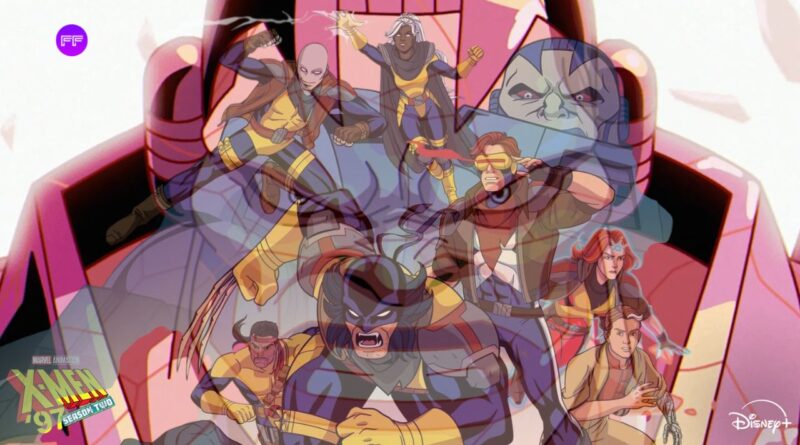
Marvel Animation Studio confirmed to release X-Men ’97 Season 2 to continue the next chapter of the mutant saga on Disney+ on July 1, 2026. The time-shattering events of the first season left fans wondering about the storyline. After receiving a 99% Rotten Tomatoes score, an Emmy nomination, and widespread recognition as the best Marvel animated show in history. The wait is over, and the countdown begins for a darker and emotional packed season.
The overwhelming popularity of X-Men ‘97 Season 2 is continuously growing due to its retro charm and more darker narrative. The original 1990s cartoon laid down a solid foundation of X-Men but the revival managed to elevate the stakes with shifting its theme from cartoon to a heavy tragedy, political betrayal and systemic oppression series.
In the first season, The tragic destruction of the mutant haven Genosha raised the stakes and turned a narrative point, proving that the show was willing to go to devastatingly dark places. The visual is more intense with 3D action sequences that give battles a cinematic quality. Everything is so highlighted, even small details such as Cyclops’ optic beams reflecting off his visor to show emotion when his eyes are covered, that adds emotions and attention into the series.

This isn’t just about visuals of the series, the soundtracks are equally matched with the scenes. Taylor Newton Stewart and John Andrew Grush, known as the Newton Brothers put a soul in a series with an energetic version of the iconic theme song, many fans chose not to skip the intro.
Keeping the story moving while giving characters room to grow is a refreshing approach for fans who had seen the same approach in recent MCU series. With its highly-intense visuals, perfectly balanced soundtracks, emotional storytelling and heavy action has set the new standard for superhero adaptations.
Overall, the series premiered in May 2024 that it became so popular and made a huge fanbase. Now its second season is so popular because Marvel adds more exciting plot twists and emotional core to the series.
Marvel brings original X-Men: The Animated Series writers Eric and Julia Lewald, alongside original director Larry Houston, to executive producers for X-Men ‘97 Season 2. To keep the core identity of the franchise and serve a stable storyline Chase Conley and Emmett Yonemura are also back as directors to preserve the creative DNA of the show remains intact. And DeMayo is still credited as an executive producer and writer for the upcoming season.
The best Marvel animated show, X-Men ‘97 Season 2 narrative ends up after the fight against machine-hybrid Bastion and Operation: Zero Tolerance. But the team of X-Men are scattered across time in three distinct eras:
Ancient Egypt (3000 BC): Where Rogue, Magneto, Beast, Charles Xavier, and Nightcrawler got stuck and found Apocalypse, but a younger version alongside the Sandstormers. The tribe adopts him after his exile due to his grey skin and instills in him the belief that only the strong survive. This setup is fit to explore the past, present and future of Apocalypse who is the main villain in Season 2 and showing there was once a redeemable mutant before he armored himself in celestial technology.
The Desolate Future (3960 AD): Cyclops and Jean Grey reunite with their young son, Nathan Summers, who was sent forward in time to cure his techno-organic virus. Meanwhile Apocalypse is already growing with more power and supreme in this time. Mother Askani (who is actually an aged Rachel Summers from an alternate reality) trained Nathan along with Clan Askani. He was trained to control the virus which turning his flesh into organic steel, preparing him to become the temporal warrior Cable.

The Present Day (1990s): The team already gone away, anti-mutant threat is growing continuously. Bishop and Forge remain in the present, trying to figure out how to bring back everyone in a present timeline. Forge reorganizes a government-backed team of mutant protectors, in order to protect the world alongside remaining heroes like Jubilee and Sunspot. It also establishes a new lineup of X-Factor.
| Era / Timeline | Active Characters | Primary Narrative Focus & Conflicts | Comic Book Influence / Origin |
| 3000 BC (Ancient Egypt) | Rogue, Magneto, Beast, Xavier, Nightcrawler, En Sabah Nur | Apocalypse’s origin; the Sandstormers’ influence; the ideological battle for young En Sabah Nur. | Rise of Apocalypse & Ancient Egyptian Lore. |
| 1990s (Present Day) | Forge, Bishop, Jubilee, Sunspot, Polaris, X-Factor, Sabretooth | Forge’s struggle to find the lost team; rise of anti-mutant sentiment; mobilizing X-Factor. | X-Factor (Government-sponsored mutant team). |
| 3960 AD (Distant Future) | Cyclops, Jean Grey, Young Nathan, Mother Askani | Summers family reunion; Cable’s training to control the techno-organic virus under Clan Askani. | Clan Askani & Cable’s futuristic origins. |
What makes the upcoming season of X-Men ’97 highly anticipated is its unapologetic adaptation of some of the darkest, most complex storylines in Marvel Comics history.

The setup centers upon the return of Apocalypse who plans to assemble his notorious Four Horsemen. The trailer strongly suggests that Apocalypse will resurrect Gambit and make him one of the four horsemen of Death. This setup will force Rogue to face the monster who looks like the man she loved.
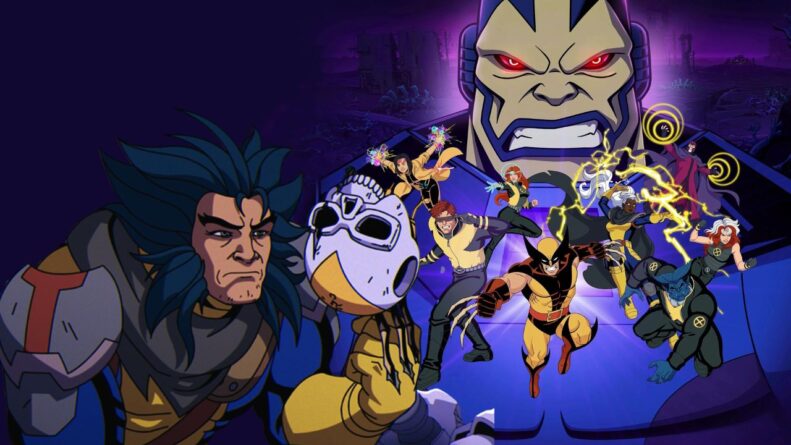
Wolverine’s arc follows the “Fatal Attractions” comic storyline, After Magneto ripped the adamantium from his skeleton in the Season 1 finale, Logan enters his “Bone Claws” phase. He is in no shape to fight with his enemies like Sabretooth and Lady Deathstrike without his metal claws and bones.

According to comics, whenever he loses his toxic metal, he also becomes more vulnerable, which makes him more wild and monstrous. Trailer shows his claws back with him suggesting he either makes a dark bargain with Apocalypse or receives the metal back as a remorseful gesture from Magneto.
The series connects to The Draco comic storyline which revealed Nightcrawler summoned powers from his biological father Azazel, an ancient mutant who inspired historical depictions of Satan.

The series will feature Xavier’s Danger Room as a powerful robotic being, which becomes a dangerous living machine for X-Men. She adds a morally grey conflict by targeting X-Men’s students and exposing their secrets which Xavier hides from everyone.
Marvel is running a major campaign to ensure the series dominates the cultural conversation well before its premiere. The main trailer revealing during Comic Con Ontario created a excitement and buzz online among fans for its reference to comic, updated costumes, and a recreation of Frank Miller’s famous Wolverine #1 (1982) cover.
To directly bridge the narrative gap, Marvel Comics is releasing X-Men ’97: Season Two on June 3, 2026, the prequel reunites writer Steve Foxe, artist Salva Espin, and colorist Matt Milla. The comic expands the story by describing how the world is changing in X-Men disappearance and how Forge reorganizes the government-sponsored X-Factor with Bishop, Jubilee, and Sunspot to defend a world that “hunts and hates mutantkind”.
Read More 👉 X-Men ’97 Season 2: Marvel’s Legendary Mutants Return
X-Men ’97 Season 2 will continue the story which seems to have a tragic end in season one. The character’s arc will be more darker and emotional while facing a biggest threat that leads to too many deaths. It perfectly aligns with comic book lore.
The storyline is focused on time-traveling epic challenges which sets the standard boundaries of mainstream animation. The production and creative team prepared this series using high quality visuals and soundtracks which became popular with intense action and emotional packed narrative that bridges the gap between comic books and television.
If the series maintained its mainstream viewership for its season 2, it would not only solidify its reputation as the best Marvel animated show, but also redefine the approach for bringing back favorite mutant heroes in upcoming years.
Get updates on Fandomfans from upcoming movies & series, we also focus on delivering deeper details on characters and celebrities.