Marvel First Family & Doctor Doom Are Friends Until Doomsday
Discover how Marvel's First Family and Doctor Doom go from uneasy allies to bitter enemies in Marvel First Family & Doctor Doom Are Friends Until Doomsday.
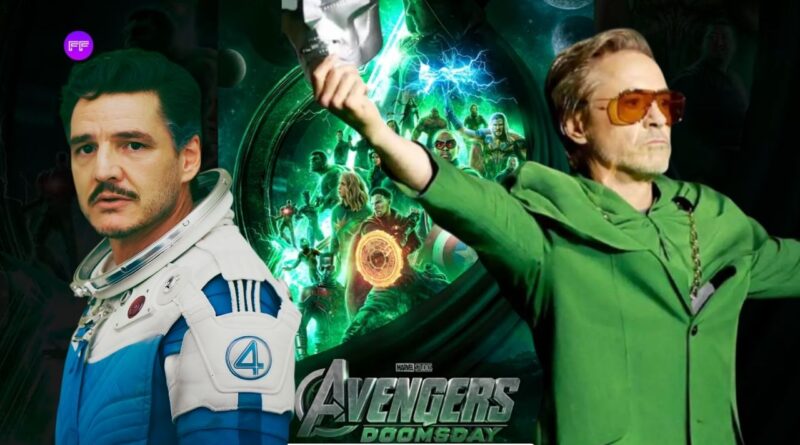
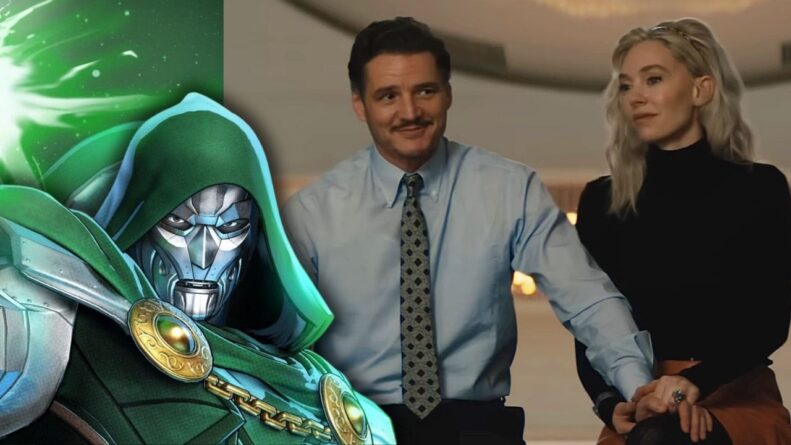
Nobody expects that Doctor Doom, about to threaten every universe in the multiverse in Avengers: Doomsday, isn’t a stranger to the Fantastic Four. He’s family friend material. Reed Richards and Victor von Doom go back decades in the comics, and it’s confirmed after official comments from insiders reveal that it’s the emotional spine of the entire movie.
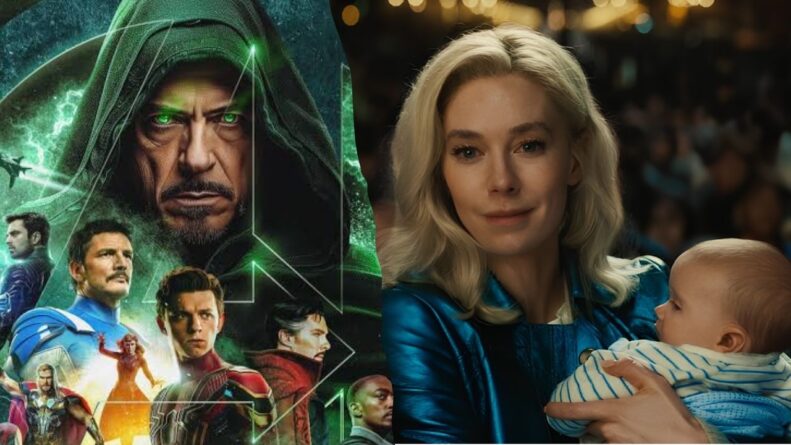
This isn’t the origin story where Doom shows up as a masked menace on day one. This is a slower, sadder kind of villain arc, and it’s exactly why Robert Downey Jr. signing on to play him made so much sense once you stopped picturing Iron Man and started picturing a man who lost everything and blames the people who once called him a friend.
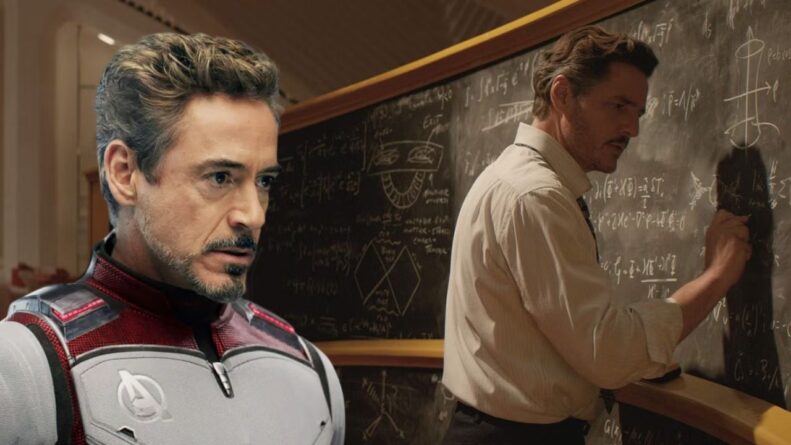
Long before he was ruling Latveria and building doombots by the thousand, Victor von Doom shared a dorm with Reed Richards at State University. They were rivals in the lab, not enemies in the field.

The accident that scarred Doom’s face and pushed him toward sorcery and tyranny is tangled up with Reed’s own guilt — Reed warned Victor his calculations were flawed, Victor ignored him, and the explosion that followed set both of their lives on separate, colliding paths.
What makes their relationship genuinely unusual in Avengers: Doomsday is that it never fully curdled into simple hatred. Doctor Doom has, at various points, called a truce with the Fantastic Four to fight bigger cosmic threats.
He’s shown up for moments on with Marvel’s first family. Most strikingly, in the comics, Doom personally delivered Reed and Sue’s daughter, Valeria, when a pregnancy complication threatened both mother and child and he later became her godfather. That’s not a footnote. That’s a writer deliberately keeping the door open between a hero and his greatest enemy, generation after generation.

Why this matters for the movie: If the MCU is borrowing this dynamic, Doom isn’t being introduced as a stranger the Fantastic Four have to figure out. He’s someone Marvel’s first family already trusted. That’s a much heavier betrayal to write and a much heavier one to watch.
According to a widely circulated from industry leaker Daniel Richtman, the Fantastic Four’s Reed Richard and Doctor Doom are described as being on friendly terms heading into the film as people who have known each other for years rather than adversaries meeting for the first time.

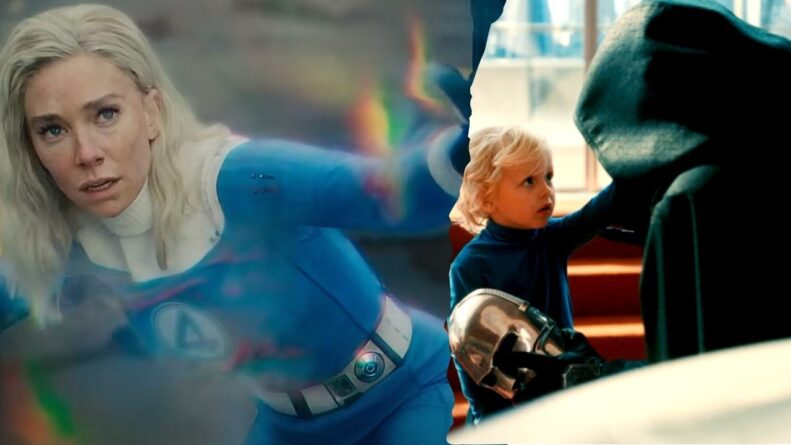
The same rumor claims the fallout that turns them into enemies is essentially the plot of the movie itself, with Doctor Doom reportedly seen playing with Franklin Richards in a post-credits scene of Fantastic Four: First Steps. Vanessa Kirby’s Sue Storm saw them and tried to prepare to use her power to protect her son but the scene ended.
However, the scene made fans mind that Doom was an enemy, if he’s friendly then Sue may not see Doom as a threat and calm down.
“Doctor Doom is just playing with Franklin, he mean no harm to the kid” — Ritchman Says
Marvel Studios hasn’t laid out the Reed-Doom relationship on record. But it lines up too neatly with six decades of comics history to dismiss, and directors Joe and Anthony Russo have publicly described Doom as one of the most complex characters in Marvel’s library — someone they wanted to explore with “complexities and vulnerabilities” rather than write as a straightforward conqueror.
“He’s not simply a villain; he’s one of the most complex Marvel characters. He’s always three moves ahead.” — Joe Russo, co-director, on Doctor Doom
If there’s one thread connecting the comics history to the reported MCU plot, it’s Franklin Richards. In the comics, Franklin is regarded as one of the most powerful beings to ever exist — capable of warping reality, creating pocket universes, and reading minds before he can properly walk. The Fantastic Four: First Steps already introduced him as a baby who ages into a young child by the film’s end, and multiple reports suggest Doom’s interest in Franklin is central to why he moves against the family at all.
A godfather turning on the family he swore to protect, driven by what a child could become, that’s not comic book villainy for its own sake. That’s a tragedy with body count.
Read More 👉 Marvel’s Amazing Spider-Man #1000: What Fans Need to Know
| Title | Details |
| Title / Event | Avengers: Secret Wars (follow-up: Avengers: Secret Wars — Part II noted as Dec 17, 2027) |
| Release date | December 18, 2026 |
| Follow-up installment | Avengers: Secret Wars follows (sequel/next major MCU event) on December 17, 2027 |
| Main villain | Doctor Doom — played by Robert Downey Jr.; full costume unveiled at CinemaCon 2026 |
| Returning lead cast | Chris Evans (Steve Rogers), Chris Hemsworth (Thor), Pedro Pascal (Reed Richards), Vanessa Kirby (Sue Richards) |
| Fantastic Four presence | Seven characters from First Steps confirmed to appear, including HERBIE (the robot) |
| Directors | Anthony Russo and Joe Russo (returning to MCU since Avengers: Endgame) |
| Setting / premise | Heroes from three separate universes — Earth-616, Earth-828 (Fantastic Four’s world), and Fox X-Men universe — converge to face Doctor Doom |
The trailer shown at CinemaCon and in teasers has already leaned into Doom’s overwhelming power — a scene where he stops Thor’s Stormbreaker with one hand has become the moment fans keep replaying.
But the same trailer reportedly closes on a much quieter, more devastating line from Doom: “One day you will forgive me.” That’s not the sentence of a conqueror talking to strangers. That’s the sentence of someone talking to people he actually cares whether they forgive.
The MCU has struggled with villain motivation before — plenty of Phase Four and Five antagonists existed mainly to be defeated. Doom being a person the Fantastic Four actually liked, trusted, and maybe even loved solves that problem before it starts. They also don’t have to start from scratch in making us feel sympathetic for Doom; they get that from sixty years of history between Reed and Victor, and they get to spend their running time dismantling it on-screen rather than explaining it in exposition.

It also raises the stakes for everyone standing next to the Fantastic Four when Doctor Doom turns. If he’s willing to burn a friendship this old to get what he wants, nobody in Avengers: Doomsday is safe because they’re powerful. They’re at risk because they’re close to him.
Read More 👉 XMen 97 Season 2 Episodes 1-3: Who Really Sent the XMen Through Time?
Doctor Doom isn’t a fascinating Avengers: Doomsday antagonist simply because he’s the most powerful person present. He’s compelling because he’s introduced as someone Fantastic Four already know, trust, and consider part of their lives. That background makes every encounter not just a fight to save the multiverse, but the shattering of a friendship that once felt unshakable.
If Marvel follows the emotional roadmap it set forth in the comics, “Avengers: Doomsday” won’t just establish Doom as the MCU’s next major villain. It’ll show how pride, grief, and unthinkable choices can turn a trusted friend into the deadliest enemy Marvel heroes have ever encountered. And now, with the multiverse at stake and Reed Richards facing the friend he couldn’t save, the conflict is far more tragic than your standard-oh-hero-versus-villain story.
Dive into details of latest movies, series, and characters before watching it on Fandomfans
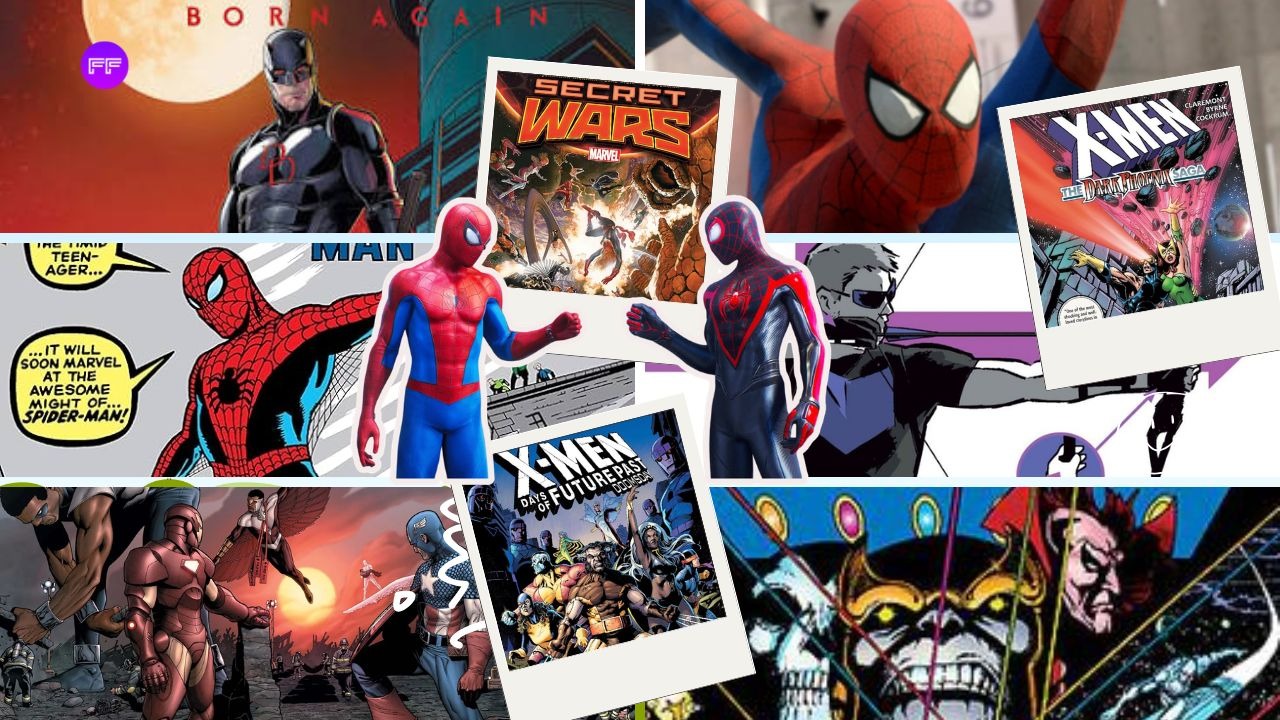
Discover the top 10 Marvel Comic Books every fan should own, from iconic superhero origins to legendary storylines. Explore must-read classics that belong in every Marvel collection.

There are top 10 Marvel Comic Books that every fan should actually read. Marvel launched many animated series, movies, and web-series but the original source material was and will be these comics. There are more 70+ comic books which cover dangerous villains, multiple universes, superheroes, and a storyline that hits your brain and takes you to another world.
Making a collection of Marvel comics feels overwhelming when there are 80-plus years of continuity, endless reboots, and confusing variant covers to navigate. So we make a list of top 10 Marvel Comic Books to start over. Whether it’s cosmic epics or street-level grit, they will cover the storylines that built the modern Marvel Universe.
Creators: Jonathan Hickman (Writer), Esad Ribić (Artist) Release Year: 2015
The black Spider-Man symbiote suit introduction is the core reason for The 1984 Secret Wars to become the most important Marvel comic. But it seems more like blatant toy advertisements than actually an important one.
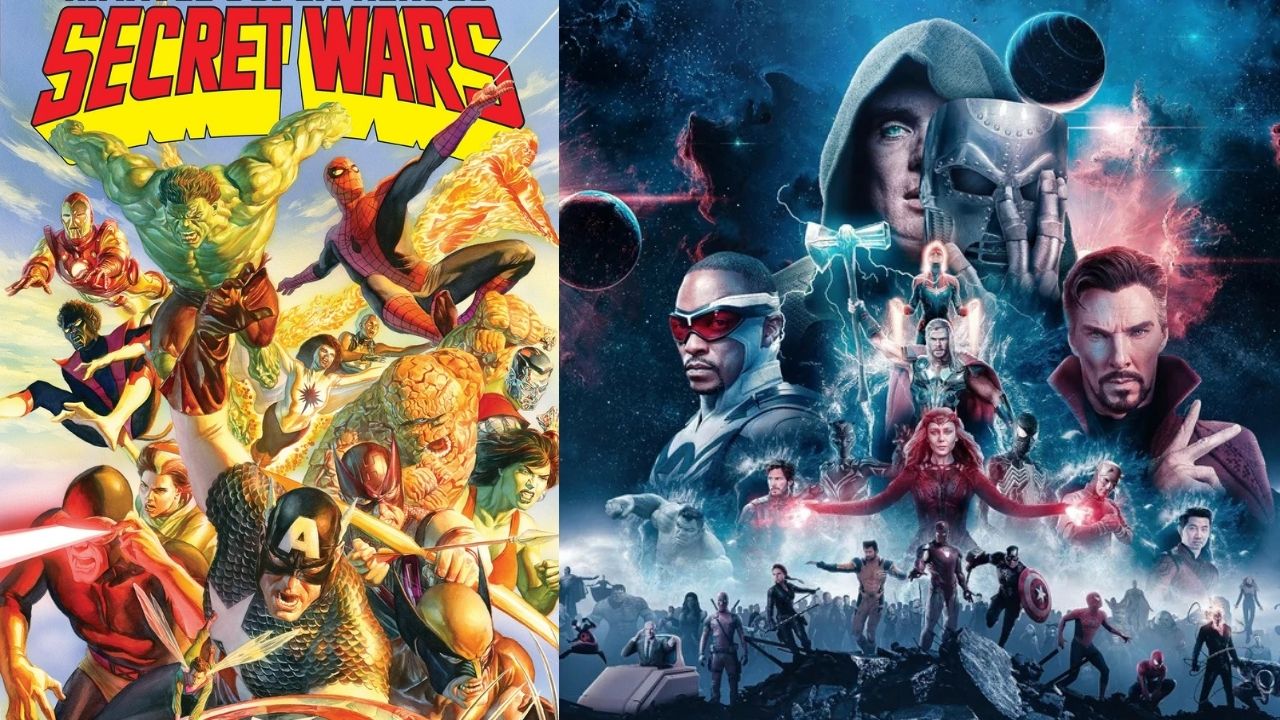
Jonathan Hickman’s 2015 epic, however, is a genuine masterpiece. It serves as the massive payoff to years of his Fantastic Four and Avengers runs. The multiverse collapses, leaving Doctor Doom reigning over a patchwork planet called Battleworld. While we still don’t have absolute confirmation on how closely the MCU’s upcoming Avengers: Secret Wars film will adapt this specific Battleworld, reading this run gives you the best possible foundation for understanding why Doom is the ultimate Marvel antagonist.
Creators: Chris Claremont (Writer), John Byrne (Artist) Release Year: 1980 (X-Men #129-137)
They failed to deliver this exact storyline on screen twice, long-time fans have refused to let this arc go since they are failing to capture the slow-burn tragedy of Jean Grey’s corruption. Once you start reading the original 1980 run, The Dark Phoenix Saga will let you understand why this is one of the greatest X-Men stories ever told.
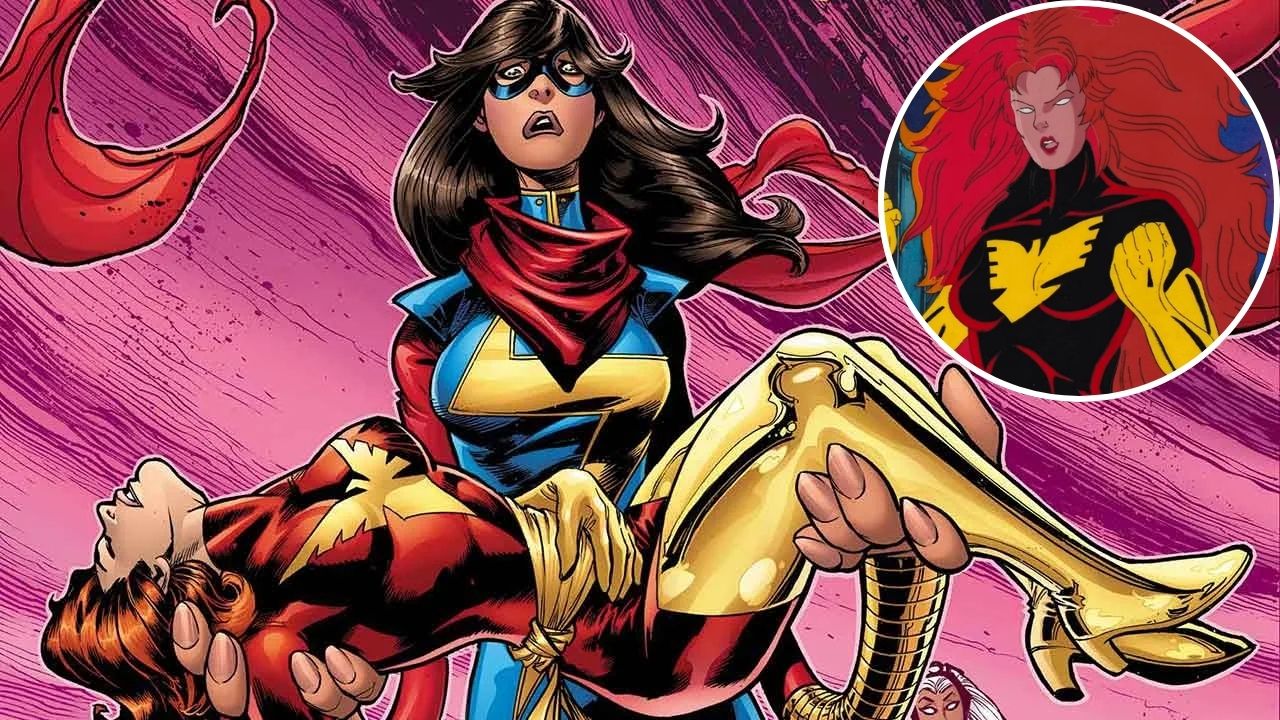
It also introduces Kitty Pryde, Emma Frost, and the Hellfire Club — they are the most iconic characters in X-Men history and deliver mutant soap-opera drama. With X-Men ’97 Season 2 currently airing and keeping our ’90s nostalgia alive, there’s no better time to revisit the Claremont and Byrne era. It’s a complete piece of not just superhero fight but a family story who tear them apart to stop the person they love the most.
Creators: Frank Miller (Writer), David Mazzucchelli (Artist) Release Year: 1986 (Daredevil #227-233)
The most brutal and psychological breakdown of a hero is implemented on Daredevil in entire Marvel history. After kingpin uncovers his secret identity and systematically dismantle his life, his career, and his sanity is what Frank Miller’s Born Again pushes Matt Murdock to his breaking point. It strips the Man Without Fear down to absolute zero.
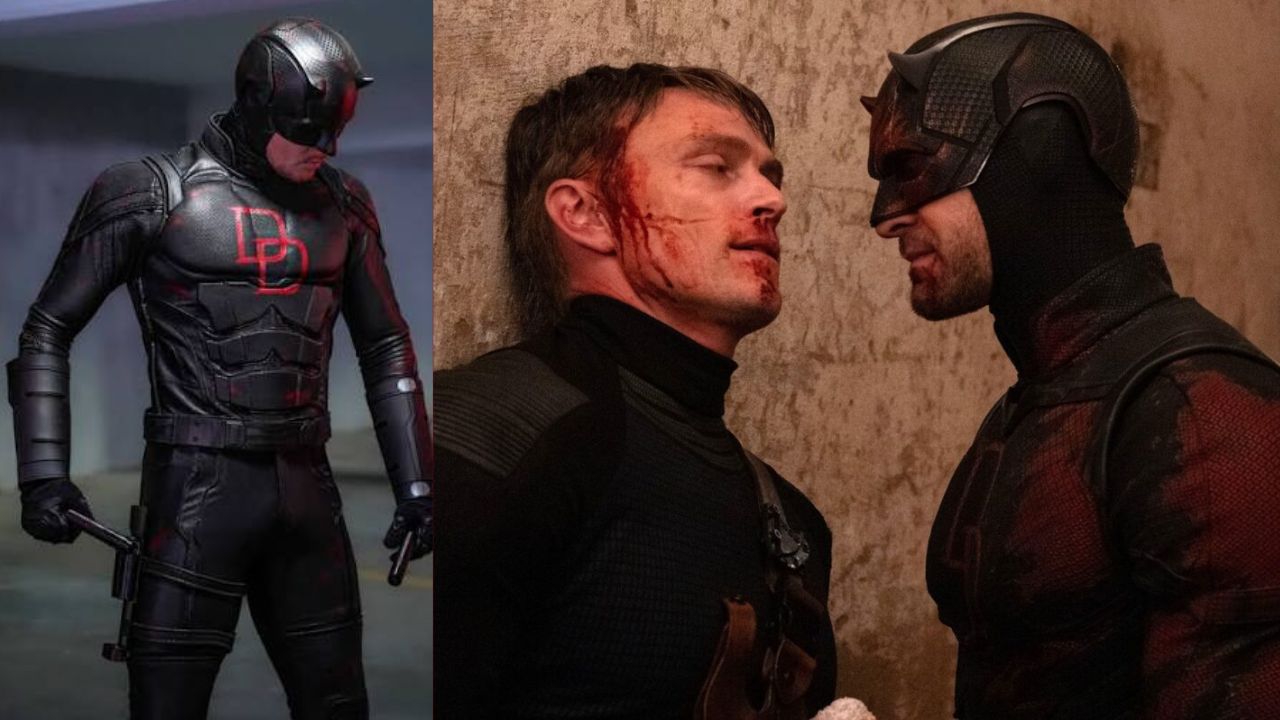
Fans still considered that no one could write a grittier Hell’s Kitchen than Miller along with David Mazzucchelli’s stark, shadow-filled artwork that gives classic noir thriller feeling. The live-action Daredevil: Born Again series took its name directly from this arc, the comic itself remains the benchmark for street-level Marvel stories, balancing both tension and resilience.
Creators: Stan Lee (Writer), Steve Ditko (Artist) Release Year: 1962
Most readers won’t get the original copy of 1962 Amazing Fantasy since it is a blueprint of Spider-Man. If you want to own Marvel’s most influential stories, you can still get a facsimile edition or collected reprint and start experiencing the first appearance of fully formed Peter Parker with his intelligence, self-doubt, humor, and sense of responsibility are all there from the beginning.
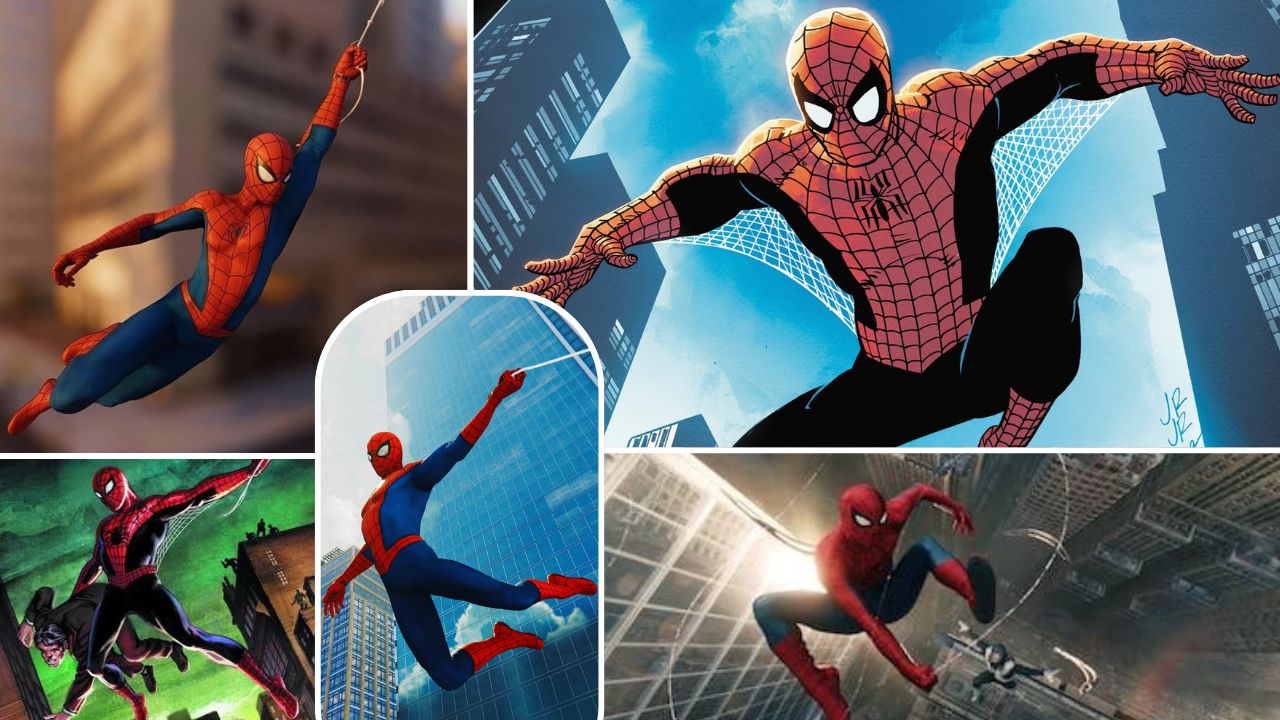
If you have watched the animated series ‘Your Friendly Neighborhood Spider-Man’ then you already explore Peter’s early years in Season 1, Season 2 will release in late 2026. But looking back at the original source of 11 pages that offers valuable context for the character’s enduring appeal is mesmerizing. Stan Lee and Steve Ditko introduce Spider-Man, execute the Uncle Ben tragedy and establish the timeless lesson that great power comes with great responsibility perfectly
Creators: Jim Starlin (Writer), George Pérez & Ron Lim (Artists) Release Year: 1991 (The Infinity Gauntlet #1-6)
The 1991 Infinity Gauntlet comic is different where the Thanos character is introduced in a more cosmic direction. He strangely erases half of all life to win the favor of Death itself rather than chasing after the Infinity Gems to balance the universe’s resources. The story is a grand, surreal saga that explores more of his intelligence far beyond what the films explored.
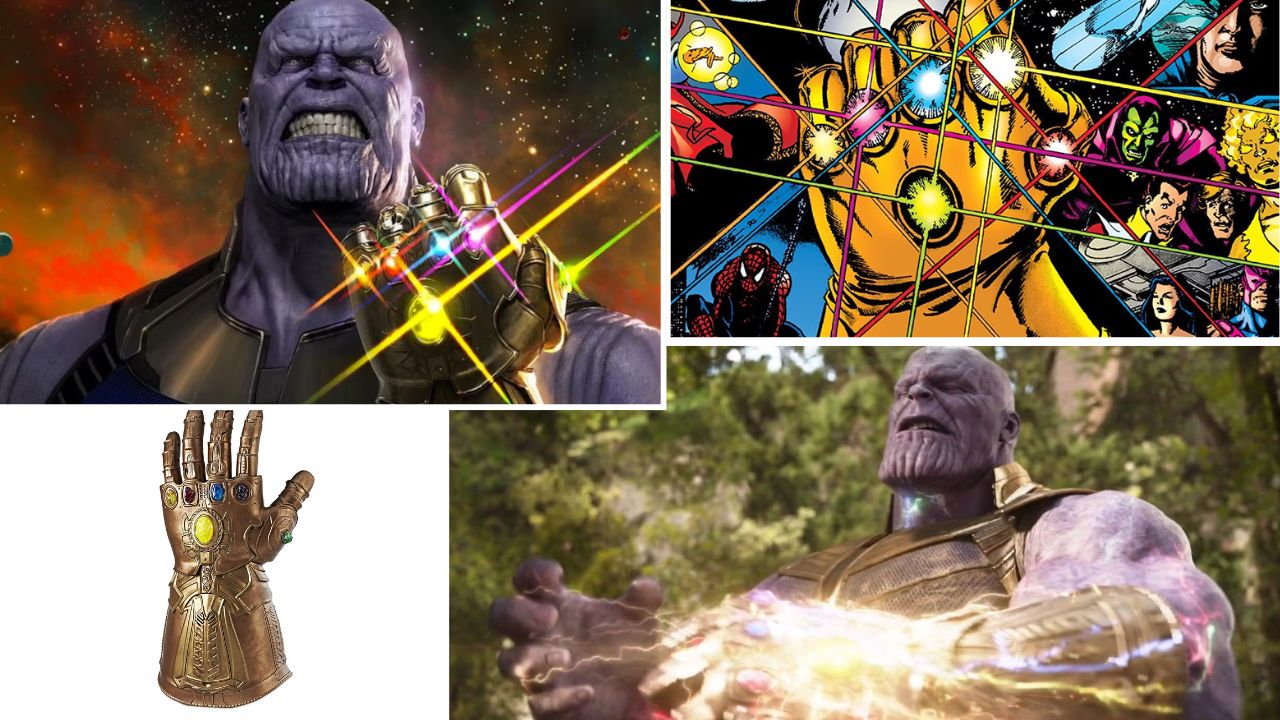
It features heavy hitters like Mephisto and the Silver Surfer who couldn’t make it into the early cinematic universe. Comparing Starlin’s psychedelic, cosmic horror to the Russo Brothers’ grounded cinematic take is half the fun of owning this book.
Creators: Matt Fraction (Writer), David Aja (Artist) Release Year: 2012 (Hawkeye #1-5)
Fraction and Aja throw out the spandex and focus entirely on what Clint Barton does on his days off. It all adds up to a grounded and character-driven crime story about Clint Barton who is seeking to guard his Brooklyn home from the Tracksuit Mafia, all while repeatedly wrecking his own life.
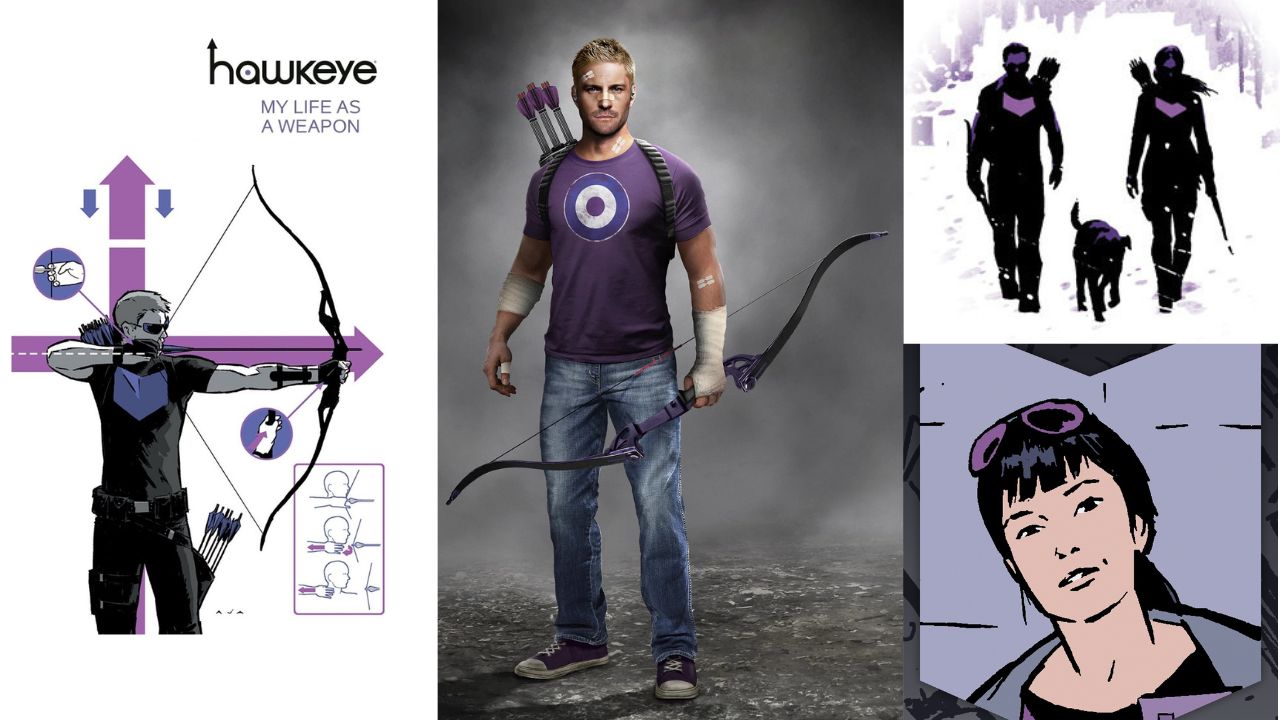
It was the direct inspiration for the Disney+ series Hawkeye. Aja’s minimalist, graphic design-heavy art is a masterclass in visual storytelling, and the introduction of Lucky the Pizza Dog immediately cements this run in the Marvel hall of fame.
Read More 👉 Will Spider Man Brand New Day Bring Back MJ and Ned? Do You Know
Creators: Kurt Busiek (Writer), Alex Ross (Artist) Release Year: 1994 (Marvels #1-4)
If you want to experience how it feels as a New Yorker in the Marvel Universe then pick Marvels since veteran news Phil Sheldon photographed the emergence of superheroes, extraterrestrial invasions, and cosmic menaces. The story evolves around his observances as he captures both the fear and wonder of living in a world filled with extraordinary beings.
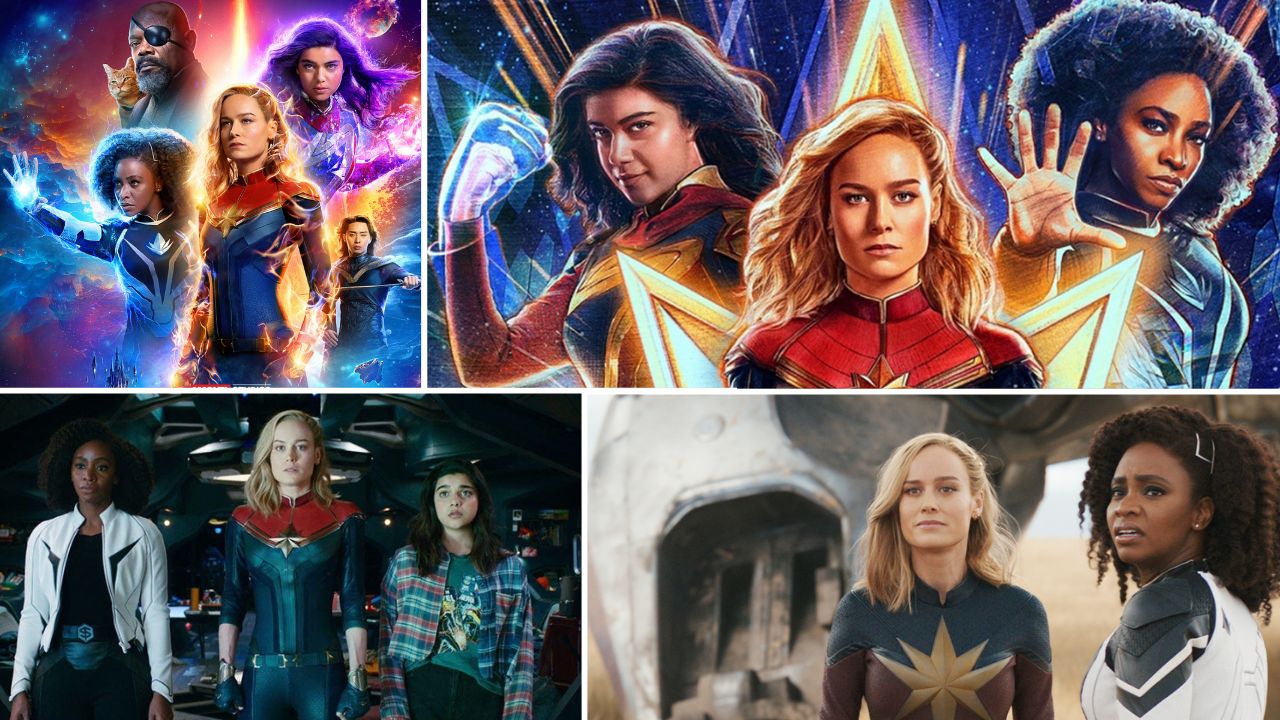
In only four issues, it takes established elements of Marvel history and makes them feel bigger than life. Alex Ross’s photorealistic watercolors endow Captain America, the Human Torch and other characters with an almost mythic aura, while the down-to-earth perspective keeps the narrative intimately human. When you read this comic, you’ll probably feel warm and happy tears from the Golden and Silver Age of Marvel comics.
Creators: Brian Michael Bendis (Writer), Mark Bagley (Artist) Release Year: 2000 (Ultimate Spider-Man #1-7)
By the early 2000s, decades of interrelated stories had made Marvel’s main continuity impossible for many new readers to break into. The Ultimate universe, meanwhile, was a blank slate, reimagining Peter Parker for a new generation without having to call on years of backstory. Brian Michael Bendis carefully broadens the original origin of Spider-Man into a personal seven-issue story arc that lets his relationships and personal problems evolve.
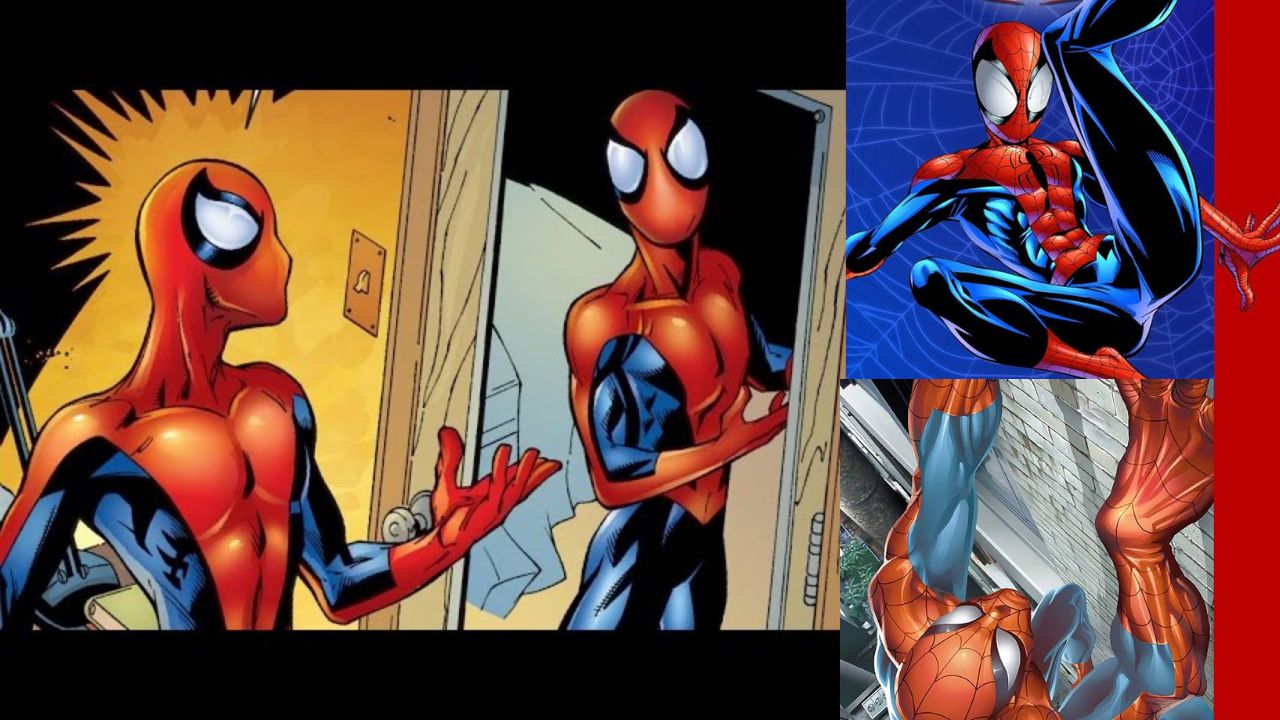
It heavily influenced both the Andrew Garfield and Tom Holland Spider-Man movies, in combining superhero action with the sensibilities of a teen drama. To this day, Ultimate Spider-Man is one of the simplest, most satisfying places for readers to jump into comics for the first time.
Creators: Mark Millar (Writer), Steve McNiven (Artist) Release Year: 2006 (Civil War #1-7)
Marvel fans who read Civil War know that comics focus on a much larger story and the feud between Tony Stark and Steve Rogers led the Marvel heroes community to be divided under the Superhuman Registration Act. So all of them have to choose who they want to go further with. But that’s not it, it reshapes the entire Marvel Universe through this division and after effects.
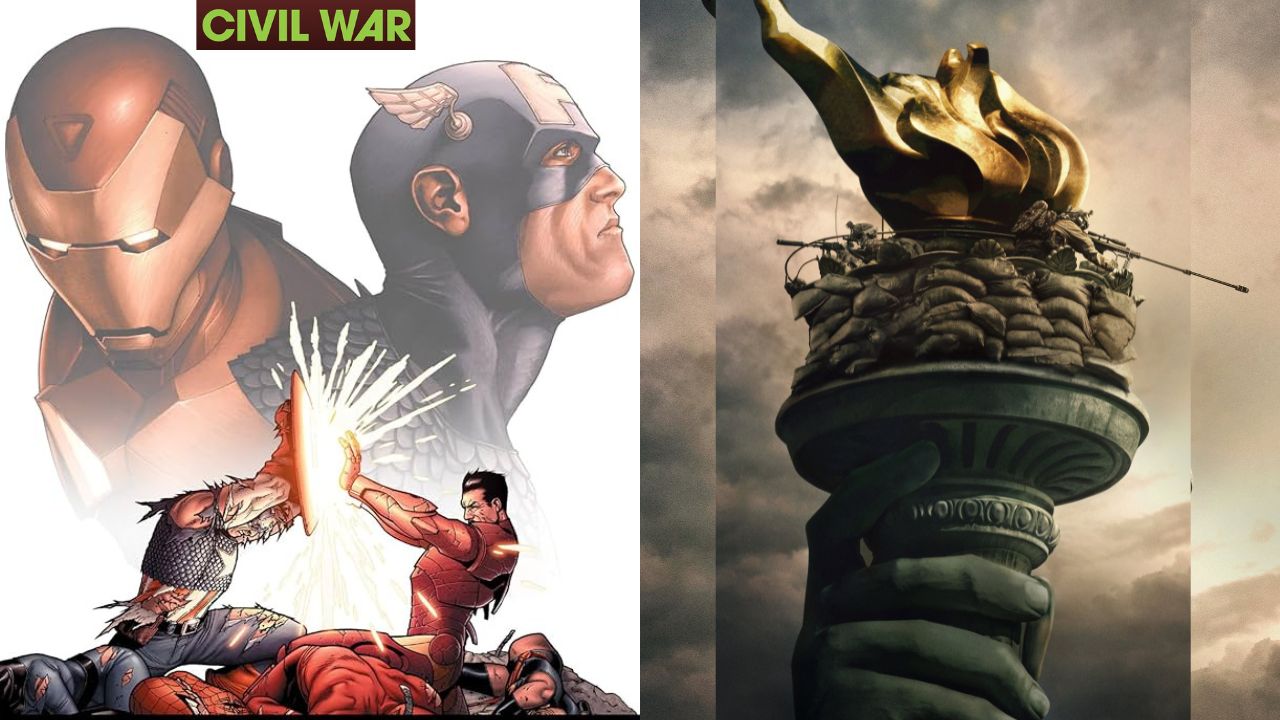
There is a portion of readers that feels Stark goes too far and that he is more cruel than he is usually depicted but none of that compares to the magnitude of the storyline. Unforgettable scenes—top among them Spider-Man coming out to the world—have solidified Civil War as one of Marvel’s signature contemporary crossover events.
Read More 👉 Will There Be Another Spider-Man Movie? Here’s Everything Confirmed So Far
Creators: Chris Claremont (Writer), John Byrne (Artist) Release Year: 1981 (X-Men #141-142)
Days of Future Past follows the story which has lasting influence on later films and comics. The older Kitty Pryde tries to prevent the chain of events by sending her consciousness back in time. All of it to rule under Sentinels and this short length comic structured on the introduction of a bleak dystopian world to the readers where mutants are on the brink of extinction.
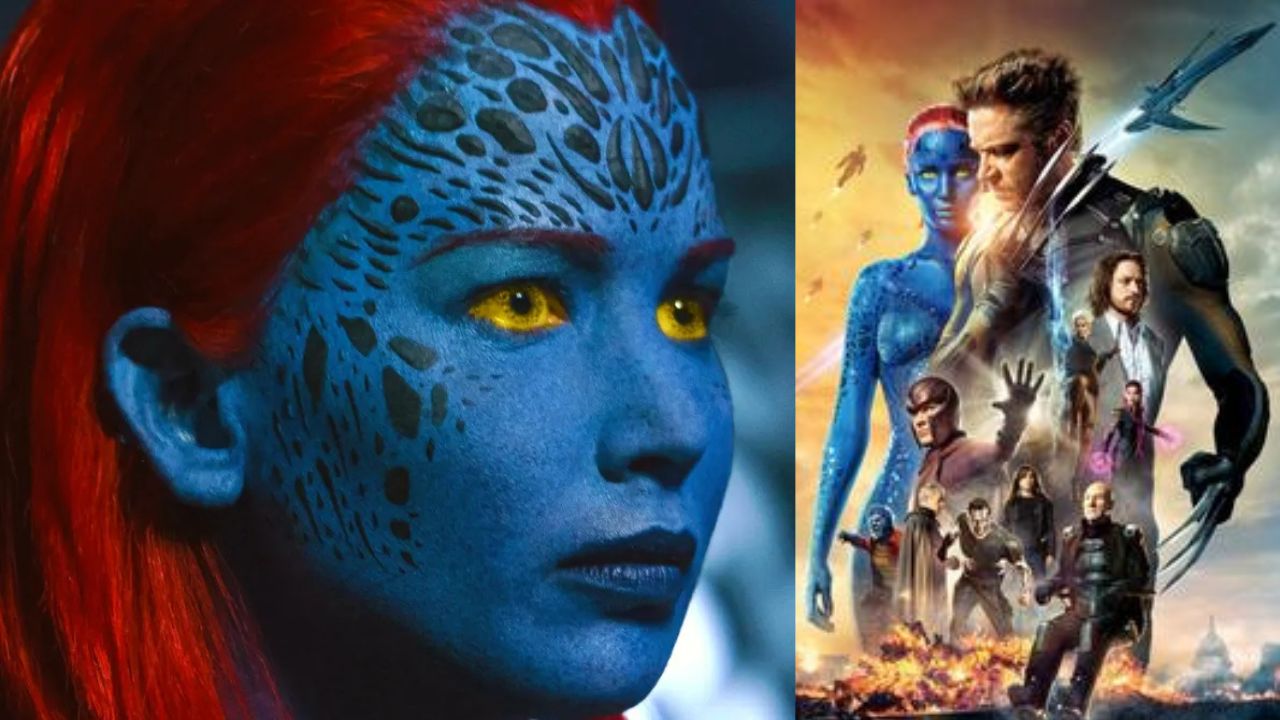
Chris Claremont delivers a master piece and visualizes it by John Byrne, both perfectly sync the storytelling. They create an X-Men tale, the remarkable piece of franchise which influences and inspires later stories.
If you only have the budget to pick up one trade paperback today, let your current watch history decide. If you’re getting ready for the next stage of the MCU, pick up Hickman’s Secret Wars to get a grip on the multiversal stakes. If you’re enjoying the X-Men ‘97 animated revival, find The Dark Phoenix Saga to see exactly where the mutant soap opera found its sweet spot. If you’re just looking for a story you can read with no background, Marvels has the most visually spectacular starting point.

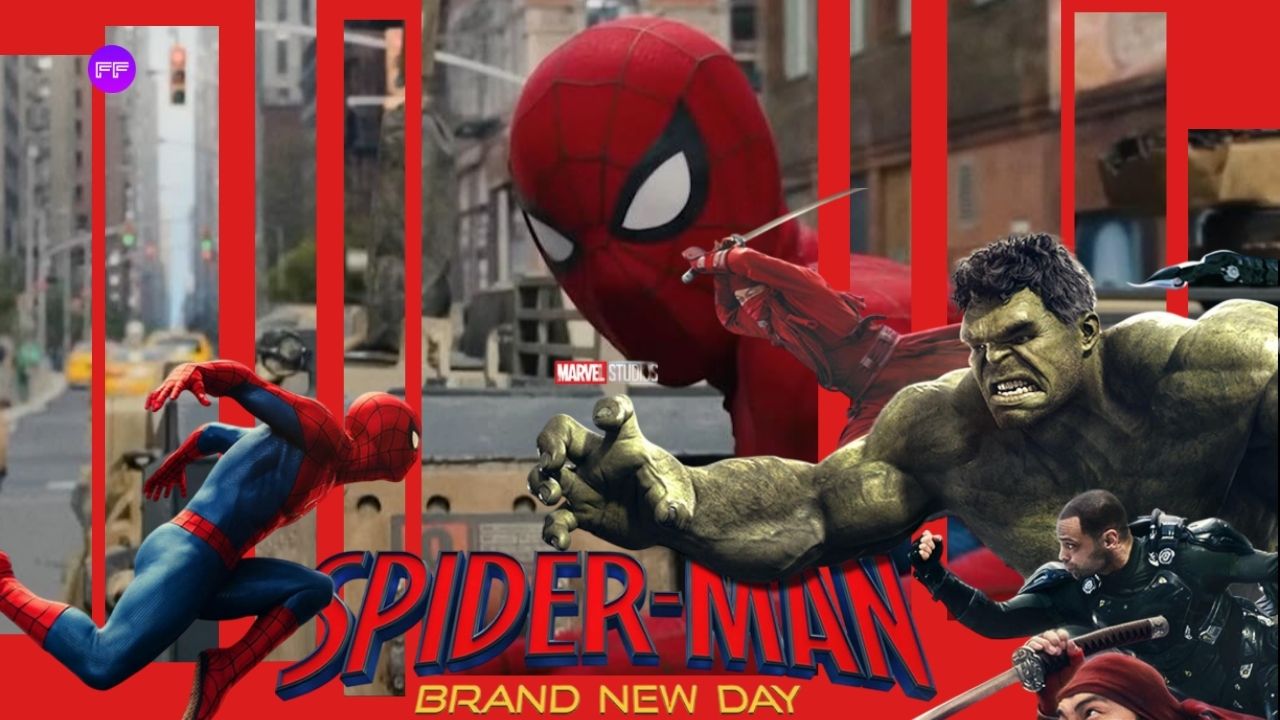
Spider-Man: Brand New Day ending explained! Discover the 6 biggest Marvel loose threads, hidden clues, post-credits details, and what they mean for Peter Parker’s future.

You sat through the entire credits crawl for eleven seconds of app-interface footage, and you still don’t know what you watched. That’s exactly what Marvel did to leave you with an exciting Cliffhanger. Spider-Man: Brand New Day, which hit theaters July 31, 2026 under director Destin Daniel Cretton, hands you six loose threads and dares you to pull on them before Avengers: Doomsday arrives this December.
Here’s what actually happens in each one, separated from what fans are just hoping happens.
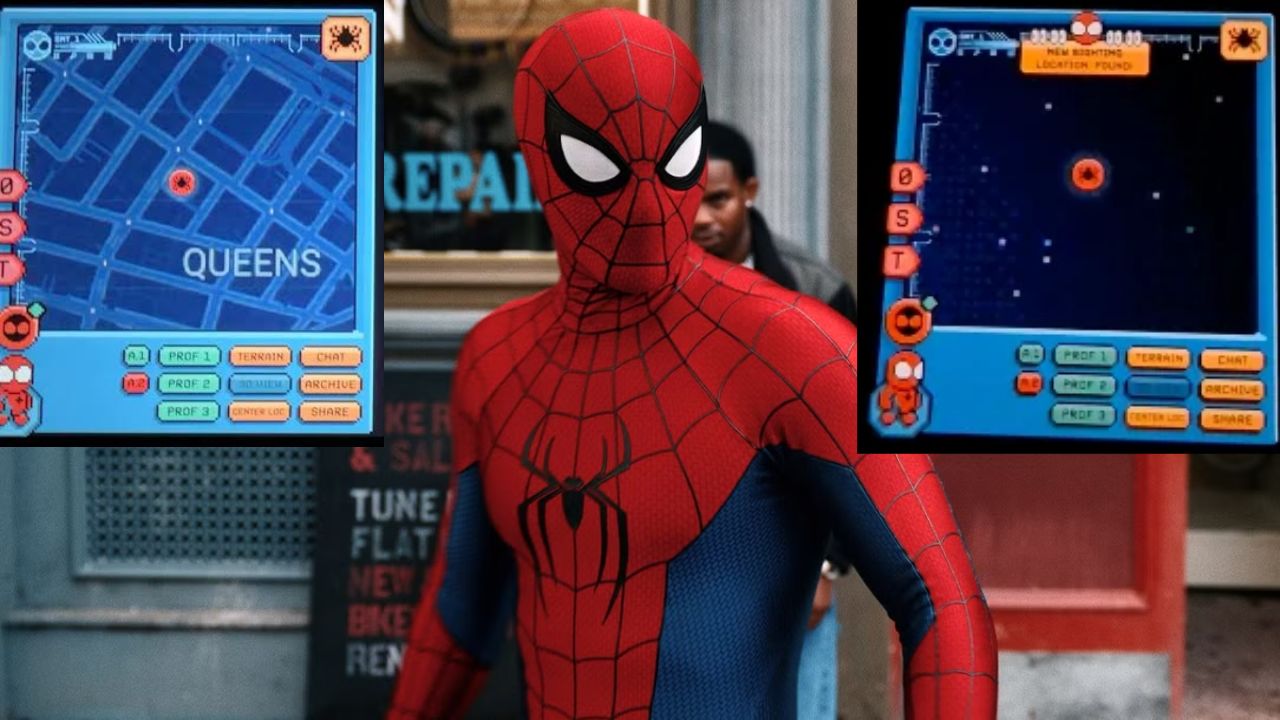
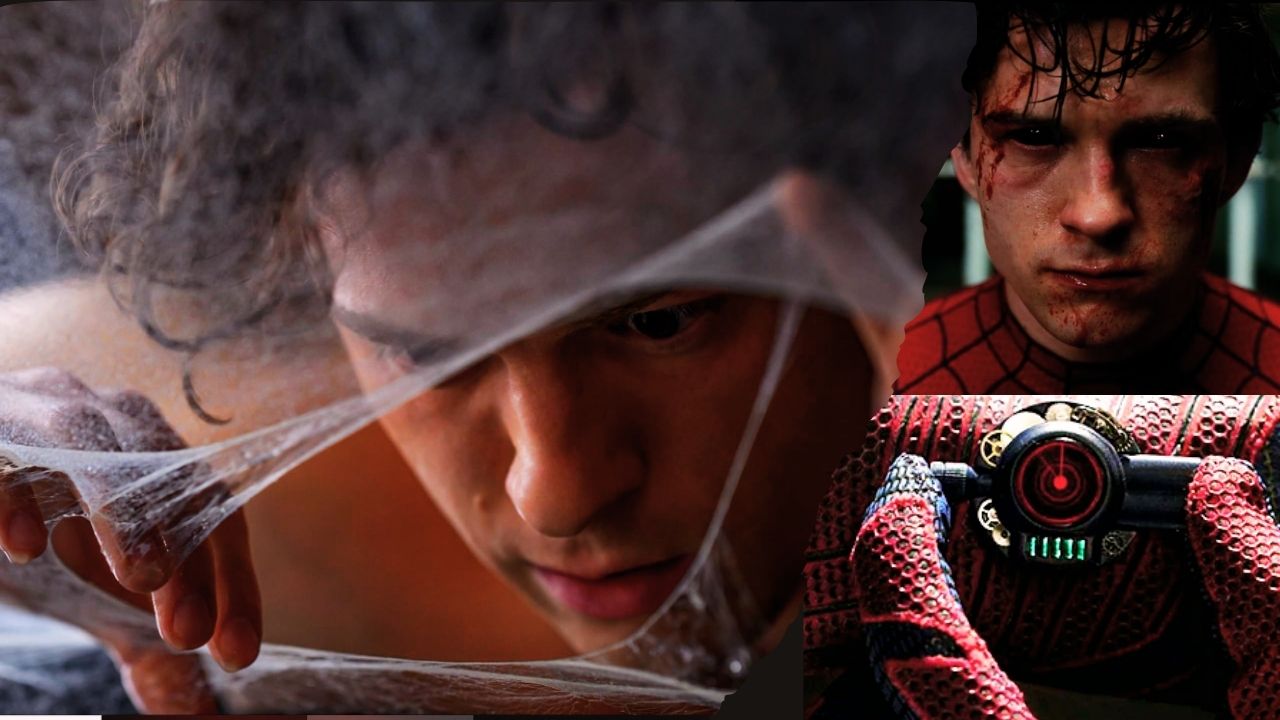
There’s no mid-credits scene this time, only one sequence after the full credits roll. It circles back to the Spidey Tracker, the in-universe app Ned Leeds (Jacob Batalon) built to log Spider-Man sightings across New York after losing his memory of Peter. The app pings with a new detection. The camera pulls back from the city, past the Earth, past the moon — and after a brief glitch, a second Spider-Man marker appears out in deep space. No actor, no dialogue, no confirmation of whose signal it is.
Marvel isn’t announcing anything on the Brand New Day’s post credit scene, leaving fans wondering whether that’s Peter, or Spider-Man from another universe. This scene matches the timeline of the Thunderbolts* post-credit scene where Yelena Belova’s tablet flagged an extradimensional ship entering Earth-616’s orbit. That craft looks exactly like Fantastic Four’s Earth-828 ship and these two parallel events suggest that they are connected somehow.
Spider-Man: Brand New Day slightly set up Peter Parker’s entry into Avengers: Doomsday on December 18, 2026, instead of holding his return until Avengers: Secret Wars.
Nothing in the film states this outright; it’s the most logical read of two scenes stitched together across separate movies.
When Peter’s spidey sense gets heightened and he is scared to lose himself more than a villain, in that moment, he decides to suppress his dark impulses by destabilizing spider-DNA. When he accidentally hits the cop while fighting with Scorpion (who is possessed by Jean Grey), he’s not himself at the time his personality shifts.
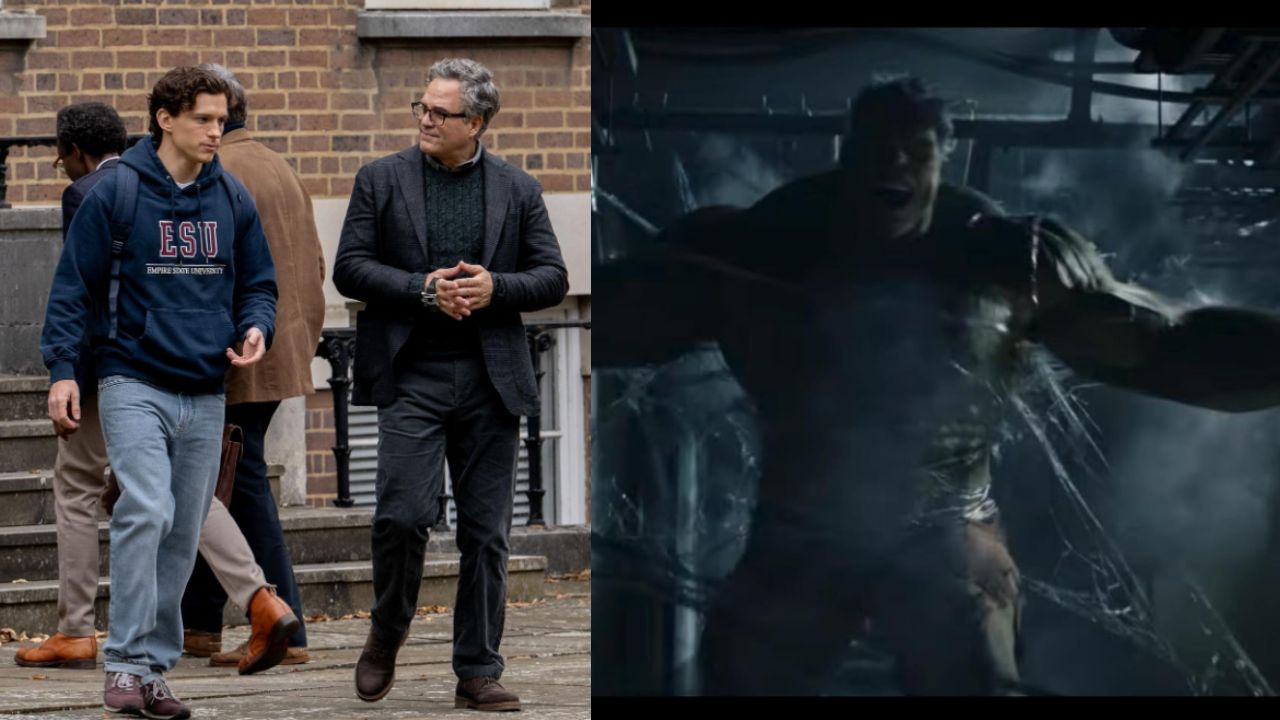
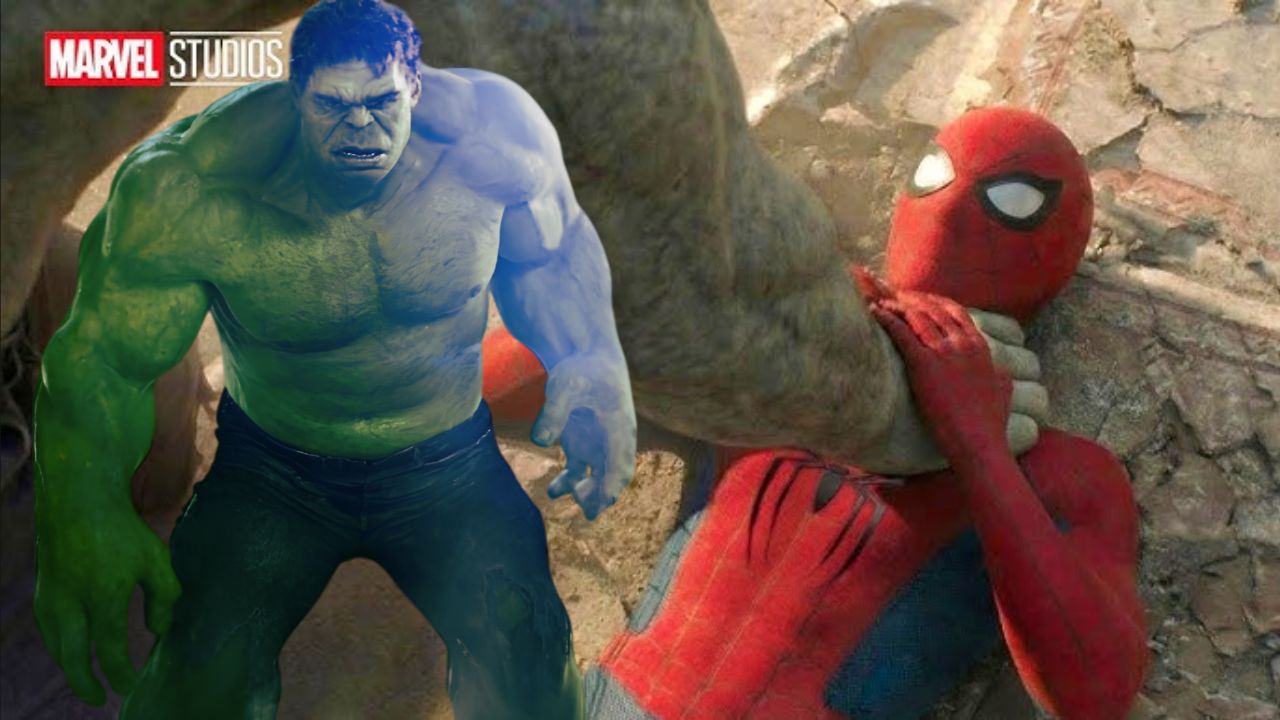
He goes to Bruce Banner for advice, because he also uses calibrated tech to keep his gamma mutation suppressed and prevent him turning into a Hulk. Banner also warns Spider-Man that deciding which parts count as “wrong” and suppressing them is an ethical minefield, not an engineering problem.

Peter Parker didn’t listen to him and built that chip for himself and one, a universal one to use on anyone who has special powers. Jean Grey is a genetically enhanced person and Peter uses that universal inhibitor to help Damage Control detain her. Later when Jean removed it from herself since it was destabilized by Metzger, Spider-Man tried to slap it on Hulk but failed because of its tight skin.
The Department of Damage Control gets its hands on the tech afterward and starts modifying it. Bill Metzger (Tramell Tillman), whose anti-mutant leanings are already on screen, escapes with knowledge of how it works.
In the comics, inhibitor-chip technology evolves into the collars used to neutralize mutants in Days of Future Past. If the MCU is heading toward the same device, not a villain, not a government agency acting alone — Peter Parker is the one who designed the prototype. That’s a rough legacy for a guy trying to do the responsible thing.
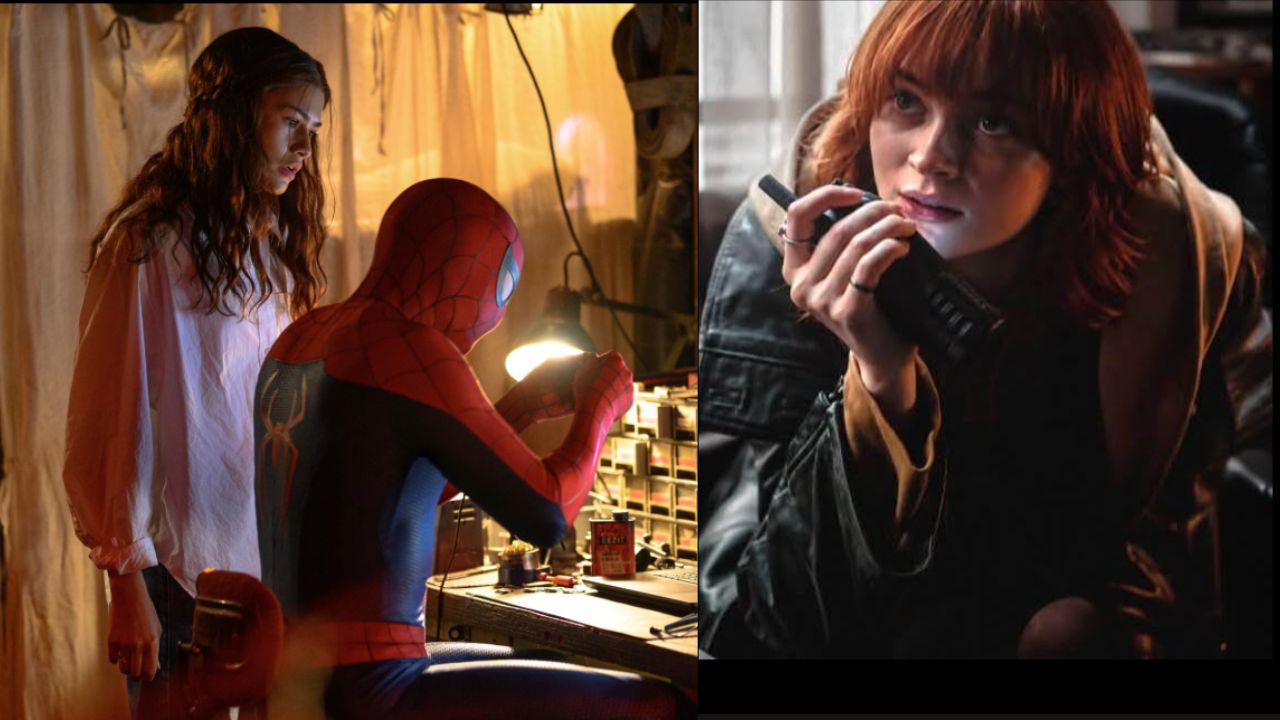
Sadie Sink’s Jean Grey spends the movie jumping between minds of Damage Control agents, MJ, Banner while chasing something called V-Max in Damage Control’s systems, tied to whatever experiments Metzger ran on her. Her telepathy escalates into full telekinetic control over a chunk of Manhattan when her grief over her sister overwhelms her, and she nearly kills Metzger before Peter talks her down by sharing a memory of Aunt May’s death rather than fighting her.

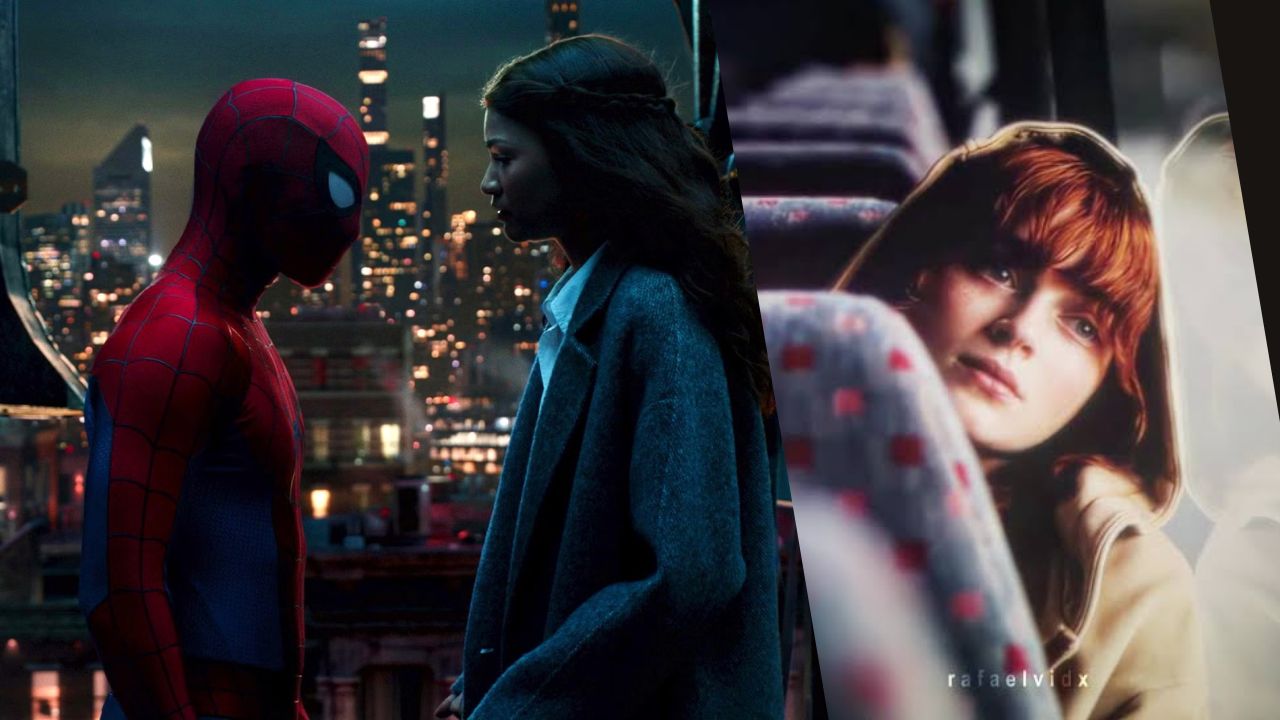
By the film’s end she’s escaped Damage Control custody entirely and is shown on a bus heading toward upstate New York — geographically consistent with Xavier’s school, though the film never names it. Her arc here plays as the connective tissue between the Spider-Man corner of the MCU and Jake Schreier’s upcoming X-Men movie, more than a resolved storyline of its own.
Read More 👉 Spider-Man: Brand New Day Latest Update: What’s Really Happening?
Frank Castle (Jon Bernthal) is Peter’s only real ally at the start of the film, and their rapport plays almost entirely as comic bickering — a running gag references some unexplained incident on Staten Island that the movie never fully unpacks. That changes in the climax. Castle (Punisher) fires at Jean Grey; Spider-Man throws himself in front of the shot to save her. Castle is the one who gets him to a hospital and sits at his bedside until he wakes up, and in the process, he learns Spider-Man’s real identity.

That single act of Peter, sacrifice instead of retaliation — reframes Castle’s whole relationship to vigilante justice for the rest of the film. It’s a lighter, more brotherly dynamic than anything Castle’s had in a Marvel project before, including his own Punisher: One Last Kill. Whether that softening holds in future appearances is unconfirmed, but the emotional reset by the credits is unmistakable.
When Jean Grey hopped into Banner’s mind and turned him into a full uncontrollable Hulk. Spider-Man tries to talk him down by saying ‘I’m Peter’, Hulk hesitates and something happens in that scene that leaves Hulk go down.
Which brings us to a question about Jean’s mind control, is that what causes the hesitation? Jean’s telepathy doesn’t plant new thoughts, it just brings back the memory that was suppressed by Doctor Strange’s spell.

Now, if the Hulk’s brain — a radically altered neurological state than Banner’s — still contains a spark of recognition for Peter, the film is subtly suggesting that the No Way Home spell caused memories to be suppressed instead of erased. That’s a genuinely different premise for a sequel to build on.
On screen, MJ (Zendaya) directly tells Peter that she has no memory of him or what they had, she only remembers him as he’s her saviour, not the person she fell for but there are other scenes that state the opposite without stating anything at all.
When Jean controls MJ’s mind on the rooftop, she has Peter and behaves as if she knows him as her lover but then she doesn’t have any memories of those actions later on in the film. Again when Jean releases her full power from the Damage Control which holds the entire block of about one-kilometer shows that MJ sheds tears for no reason.

After that hold breaks, the film’s final scene featured MJ sitting on the same Midtown High rooftop where she, Peter, and Ned stood at the end of No Way Home and she holding that broken black dahlia necklace Peter gave her back in Far From Home which she has no memory of.
The movie never tells us why she held onto it, or why she’s there. That ambiguity is sufficiently clear to allow the story to remain “MJ doesn’t remember” for now, yet provides a visual hook for a sequel to grab onto down the road without contradicting anything said on screen.
The very last moment of the movie, right before the credits roll, is when Peter bumps into Ned in the cafe. They revert to their old go-to handshake from muscle memory, and as they break Ned’s face lit up — he says Peter’s name to him, half-question, half-recognition.

Fan theories split into three camps.
Cretton has not confirmed any of these, and the movie is constructed so all three remain technically possible.
Rrad More 👉 How Did Wolverine Get His Adamantium Skeleton in X-Men ’97? Explained
Not a single one of these plots is wrapped up within Spider-Man: Brand New Day, and that’s obviously by design. The inhibitor chip lays the groundwork for the tech side of the Mutant Saga. Jean Grey’s bus ride sets her up for Schreier’s X-Men. The post-credits message sets up Spidey’s return to the broader Avengers team. And the Ned/MJ ambiguity hints at whatever Peter has in store personally — be that Doomsday, Secret Wars or a fifth solo film.
If you’re wondering how much weight to give each of these: the inhibitor and the Castle friendship are established, on-screen plot points. Memory-restoration theory is a fan theory based on suggestive imagery, not something that film or Marvel have confirmed.
Watch the Banner fight and rooftop scene again with that distinction in mind, and the ending feels less like a cliffhanger and more like a movie that already knows exactly what it showed — and what it’s saving up for later.
Fandomfans delivers latest updates from movies, series, and celebrities directly to you so stay tuned.