The Unexpected Recasting Drama Behind ‘The Last of Us’ Season 3
The Last of Us Season 3 faces major changes as Danny Ramirez exits amid Marvel conflicts, creative departures, and a bold Abby-centric shift.
Published: December 31, 2025, 12:36 pm

The Last of Us Season 3 faces major changes as Danny Ramirez exits amid Marvel conflicts, creative departures, and a bold Abby-centric shift.
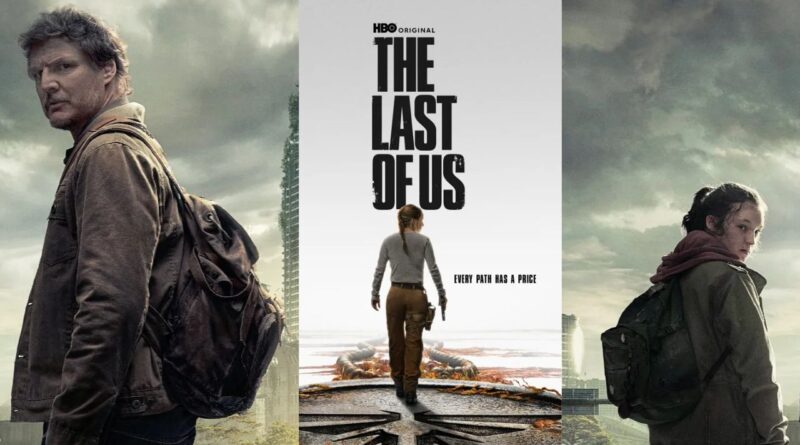
HBO’s The Last of Us has always been willing to shock its viewers, but the latest between the scenes twist might just be its biggest surprise yet. As fans were preparing for a daring, Abby-centric Season 3, we learned that Danny Ramirez is no longer with the series. The unexpected recasting of Manny, one of Season 2’s most charming side characters, has sparked major discussion across fandoms. From the increasing influence of Marvel to significant talent departures, The Last of Us Season 3 is set to mark a new era for the critically acclaimed HBO drama.
That’s where it gets interesting. The recasting is not because of creative differences or contract disputes — it’s a flat out scheduling conflict. And while HBO never actually said what took Ramirez away, the Internet sleuthing points directly to Marvel. The actor is going to be in Avengers: Doomsday and maybe Avengers: Secret Wars, two of the biggest film projects looming out there.
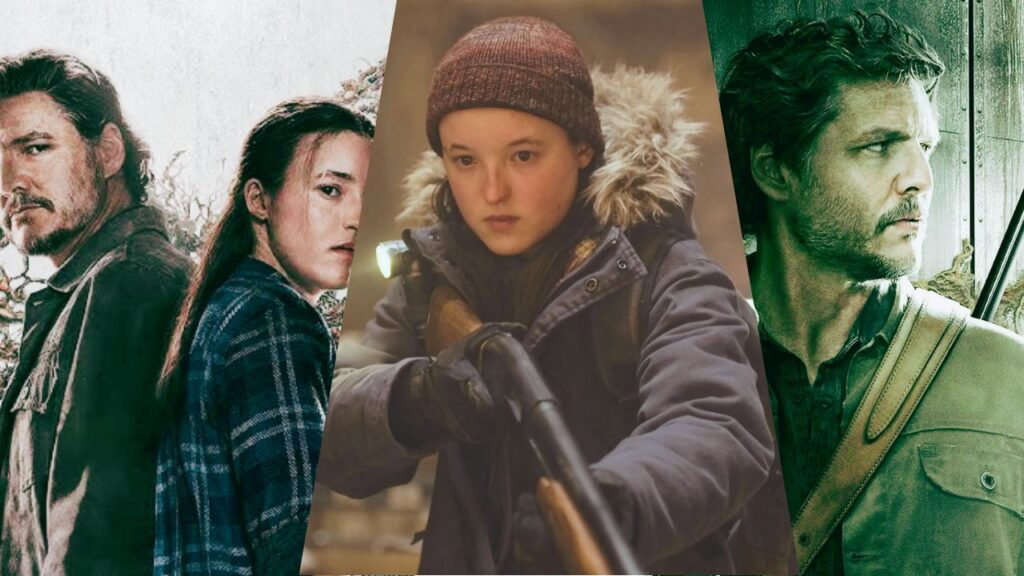
Contemplate that for a moment. The Last of Us is genuinely one of the best reviewed shows on television right now. It’s a greasy prestige HBO drama based on a cherished video game series. And here we are, being forced to say goodbye to a gifted actor to the gravitational pull of the MCU. It’s a testament to just how much star power Marvel has in Hollywood — even if it means losing key players to major productions.
It’s wild because Ramirez isn’t leaving in a vacuum. Season 3 is already shaping up to be a bit of a behind-the scenes shift. Co-creator Neil Druckmann, the creative mind behind the original video games, stepped away from writing and directing duties earlier this year to work on Naughty Dog’s new project, Intergalactic: The Heretic Prophet. And writer Halley Gross, who was instrumental in Season 2 narrative, has also left to pursue other opportunities.
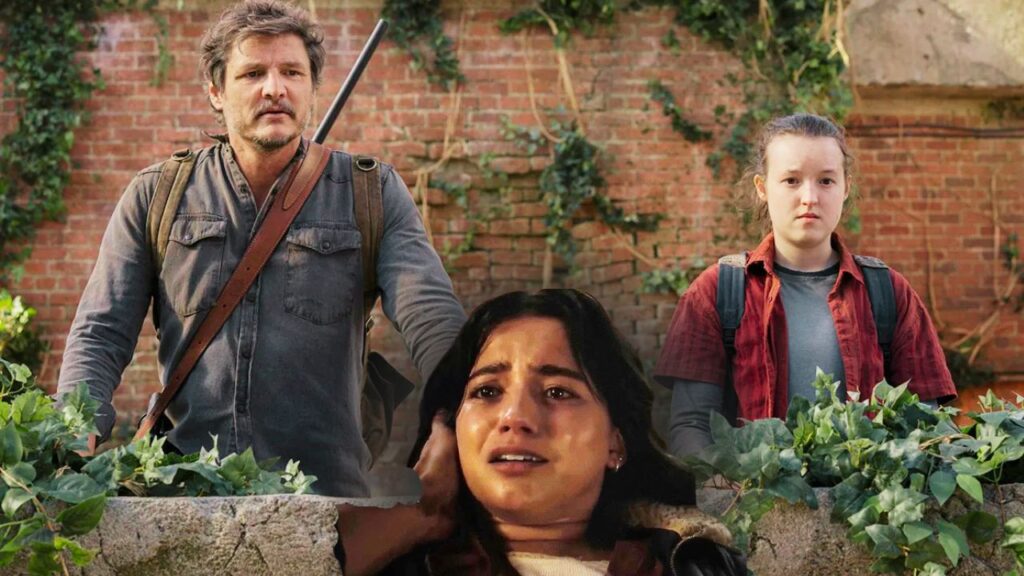
So showrunner and co-creator Craig Mazin is essentially left to write Season 3 by his lonesome. Now, Mazin has demonstrated that he can bear the burden (he’s been the lead writer throughout), but there’s no denying that losing these creative heavyweights is big.
Lost star Jorge Garcia and character Dharma Initiative worker Desmond Hume are still set to make an appearance. Season 3 is shifting its narrative entirely to Kaitlyn Dever’s character, Abby—a radical storytelling choice the show’s creators confirmed all the way back in mid-2025. Manny, after all, was a supporting character in Abby’s journey, not the star.
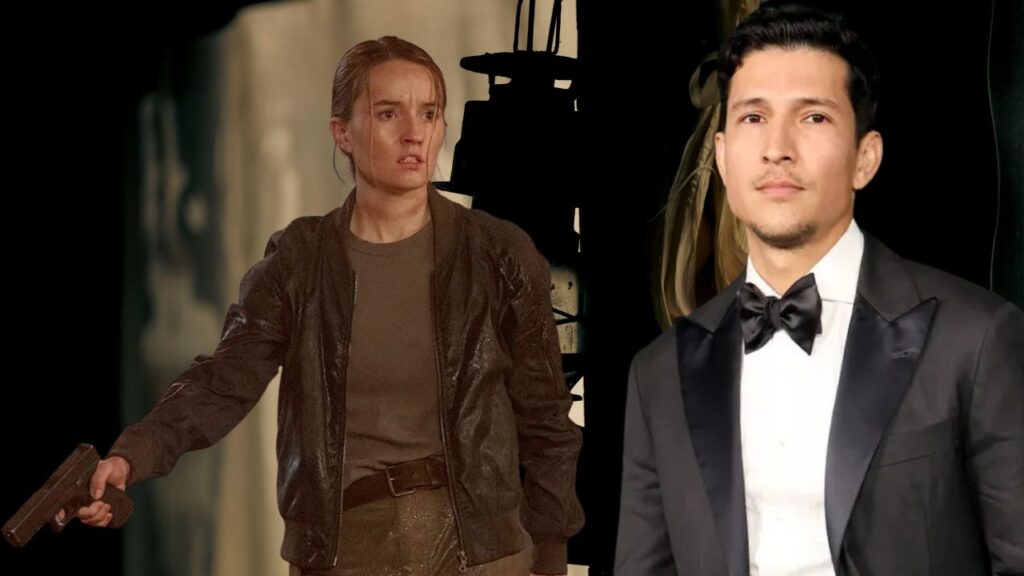
Manny’s buoyant spirit influenced by his internal pain was one of the highlights of Season 2, and recasting that role is no small feat. Fans have already started to speculate about candidates to fill those shoes, and the heat is definitely on for HBO to get someone who can deliver.
All of this speaks to something bigger shaping Hollywood right now the tension between high-end content television and blockbuster cinema. When giant Marvel projects beckon, they can pull talent away from even the most prestigious series. It’s a testament to how cutthroat the entertainment business is.
That said, The Last of Us has survived tempests before. The series adapted incredibly well from an incredibly loved work and was able to form something that stands on its own. If there is a team that can go through a recasting and creative restructuring, this is the one.
Season 3 remains one of the most anticipated television events on the horizon. Is this recasting going to matter the great scheme of things? Possibly not. But yet it’s also a stark reminder that no show, no matter how enormous, is immune to Hollywood’s caprice.
Read More:- Welcome to Derry : Makes the Same Horror Mistake That Nearly Killed the Franchise
The Last of Us : At its essence, the Danny Ramirez recasting debacle reveals an increasingly common reality brewing beneath the surface of Hollywood: not even the most highbrow television series are safe from the blockbuster franchise gravitational pull. With Marvel poaching another rising star and core creatives walking away, The Last of Us Season 3 undoubtedly faces challenges — but also the rare chance to reinvent itself.
HBO’s survival horror masterpiece has already demonstrated its staying power, making a cherished video game into essential television. Whether this casting revision ends up as a minor point or a highlight will only be revealed when/if Season 3 arrives. One thing is for sure — the world of The Last of Us is as volatile off-screen as it is in the story.
Fandomfans delivers the latest updates from movies, web series, and celebrities. Stay connected for more getting every detail!

T.L. The role of Sam Elliott as Norris Landman brings deep emotion and family drama to Season 2, shaping Tommy's journey and raising the stakes in powerful year
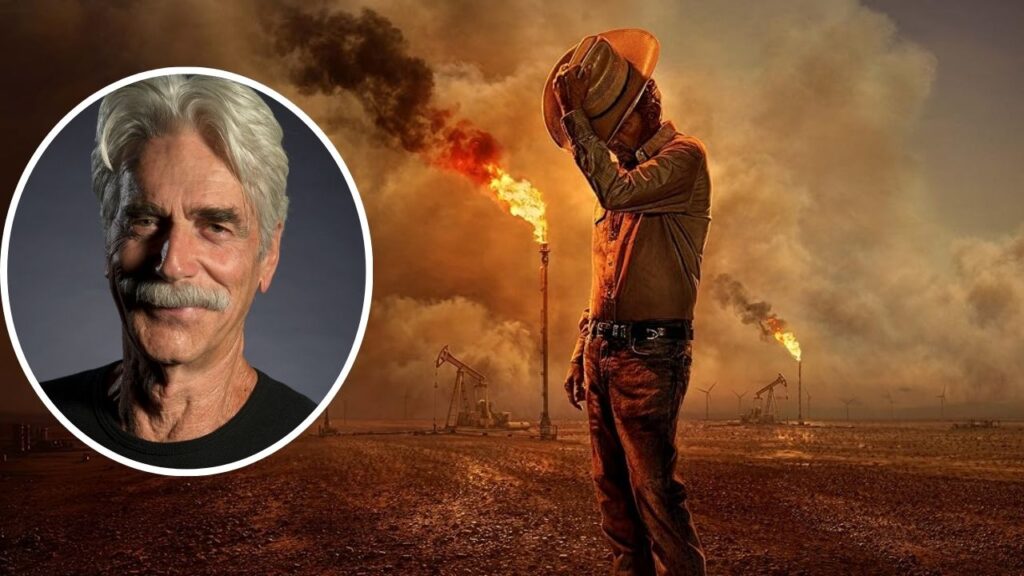
Landman’s return for Season 2 certainly promises more of that high-stakes dustbowl drama Taylor Sheridan fans have come to crave, but the real fireworks this season don’t come from a new well or a corporate takeover. It comes in the form of one man: Sam Elliott as T.L. Norris, the estranged father of Billy Bob Thornton’s explosive lead character Tommy Norris. According to Collider, “Death and a Sunset,” his debut in the premiere, makes it clear right away that the corporate endgame for the Norris family will not be itself but deeply, painfully personal.
The introduction to Sam Elliott is a lesson in minimalism. T.L. is first shown sitting outside an assisted living home in Texas, in a wheelchair, as he watches the sun go down. This delicate pause in reflection is so different from the usual frenetic West Texas life Tommy lives and is quickly interrupted by utter despair. T.L. is informed his wife, Dorothy, passed away peacefully while in memory care.
Elliott anchors T.L.’s arrival on the scene in a gritty, bare-bones melancholy. The iconic actor does not go for melodrama, he just lets the staggering weight of loss permeate the scene. At one point, an employee offers a platitude that Dorothy is in a “better place,” and T.L.’s response is humorously unflinching, being a window into his morose outlook on life:
“If I do, that means I’m in hell, too”.
This moment serves as an emotional anchor for the scene, signaling that Season 2 will require as much soul excavation as any drilling operation. The audience is immediately brought to a man defeated by life, proving T.L. is what broke the family, not took part in it.
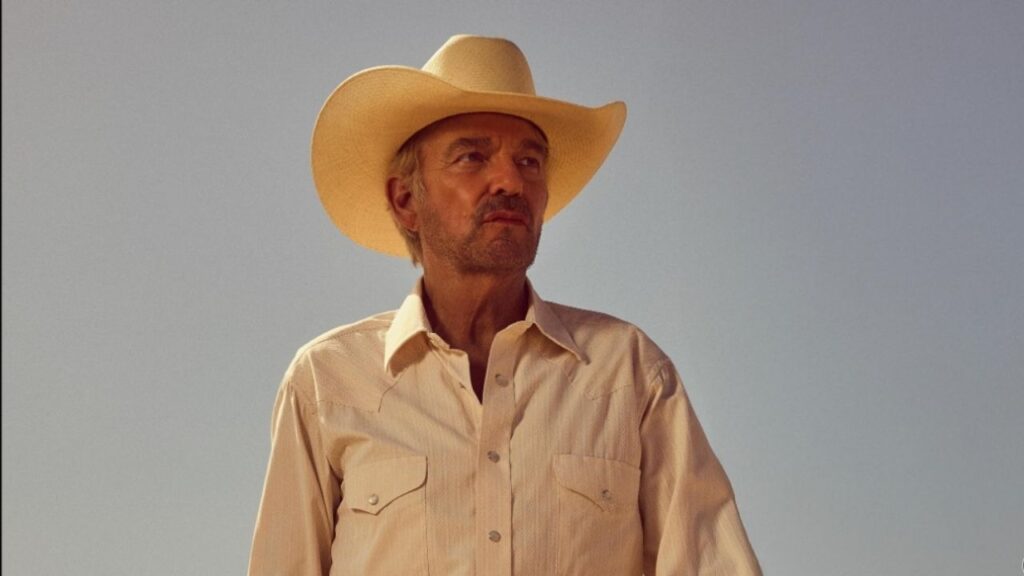
Image credit: IMDb
The opening provides a trope-defining line that encapsulates the whole premise of T.L., and the thematic stakes for this season are set by it. Looking back at his life, the elder Norris laments with soul-crushing despair that,
“I wasted 60 years on hope”.
This admission is the character’s aching thesis. T.L. isn’t just rueful about a few missteps, he laments the act of having placed faith in a brighter horizon.
This radical cynicism is based on well-defined, deep-lying failure. T.L. is a failed father, emotionally distant from his remaining children after losing one at a young age. He possesses both the physical limitation of the wheelchair and glimpses of a violent, wild nature, as he has been seen throwing punches.
In an era when the world cannot get enough of chasing the next great big boom, T.L. is a reminder of how hollow that chase has increasingly become. He’s not a wise sage, but an anti-mentor, someone who exemplifies the worst-case scenario, a lifetime of trying that ends with nothing but loneliness and regret.
T.L.’s presence guarantees that Tommy’s rise in the corporate world will be upended by a personal disaster. When Tommy gets the call that Dorothy has been killed just cutting off what is obviously a tender moment with Angela and the message is clear: the past is here, and it wants its due.
As reports suggests, The showdown between father and son is coming, and it’s been years in the making. Their relationship has been one of profound avoidance for an extended period of time, a painful dance of silence now must come to an end. The terrifying but valid honesty that is necessary Tommy himself understands the required fearsome truth:
“We’ve been lying by omission to one another for ages. Let’s not begin.”
Sam Elliott confirmed that T.L. is looking for “a way back” into the family, and said his relationship with Tommy will have a “real arc”. This path to rapprochement will make Tommy face what his own ambition “really cost emotionally” and make him “make peace with the broken man that made him.”
T.L. Norris is not only a fresh face to the cast list but he’s the excruciating impetus that compels the Norris family to sever the walls they’ve built around their pain and generational trauma that’s lain buried beneath the West Texas soil.
Read More 👉 No Next Life: The K-Drama That Turns Midlife Chaos into Courage
Sam Elliott’s T.L. Norris is not a throwaway character to get some exposition or comic relief in, he is the motivating psychological centerpoint for Landman Season 2. And so Righteous Thieves takes shape, refocusing the series’ perspective, now grounding the weight of drama from all corporate survival to the toll the West Texas oil life takes on a person inside.
Representing deep regret and a generation of trauma not yet healed, T.L pushes Tommy Norris to come to terms with the fact that attaining success in the professional world means nothing if your personal life is one of emotional neglect. The M-Tex fight, in the end, is a sideshow to the real one: the painful, painstaking work it takes for father and son to finally stop running from the truth and discover, in a world defined by volatility and unforgiving landscapes, a way to come home to one another. T.L.’s presence guarantees the highest stakes in Season 2 aren’t the price of oil, but the price of the soul.
Welcome to Fandomfans — your source for the latest buzz from Hollywood’s creative underworld. Here, we explore the introduction of T.L. transforms Landman from high-stakes industry drama, into the element of generational trauma. T.L. is purpose-built to be the embodiment, physically and emotionally, of everything Tommy Norris has sought to escape.

Jennifer Aniston's stunning transformation from Rachel to The Morning Show has fans amazed. Check out her fitness, fashion and fearless role selections to date.
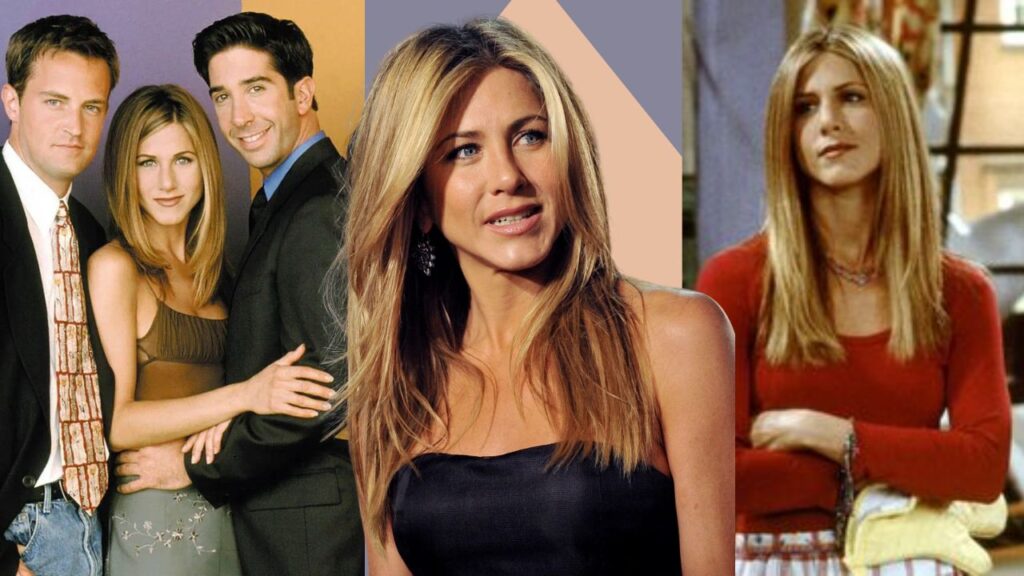
Aniston played Rachel Green on ‘Friends’ for ten seasons from 1994 to 2004, a character whose mannerisms, hairstyle, and love interests defined what it meant to be a 20-something woman around the world. The actress could not be disentangled from the character, it’s hard for everyone to recognize Aniston in other characters. Rachel Green was everywhere, on lunch boxes, in syndication, and in the cultural lexicon.
Aniston noted that she —
“Couldn’t get over from the shadow of Rachel Green ever in my life”
describing the experience as “exhausting”. The character was a “poor little rich daddy’s girl”, a specific archetype that afforded little room for the darkness or grit required of dramatic acting. Aniston admitted to fighting with herself and her identity in the industry “forever,” constantly trying to prove
She was “more than that person”.
—Aniston said
Jennifer Aniston’s whole Friends run nearly never happened because she was at that time already committed to a CBS sitcom titled Muddling Through back in 1994. Because she was “only in second position” for Friends, NBC was worried that they might have to recast Rachel if the CBS show was a hit, and speculated about shooting multiple episodes, only for CBS to pick it up and they’d have to do reshoots.

Aniston got her big break when Muddling Through was cancelled, and that led to her being cast on Friends – which just goes to show how precarious a career in Hollywood can be, and how one cancellation can make way for the series that takes an actor global and defines their stardom.
Helmed by Miguel Arteta, the film stars Aniston as Justine Last, a dour employee at a mall shoe store who has a clandestine relationship with a younger coworker (Jake Gyllenhaal). The choice to accept the part was nerve-racking.
“Panic that set over me,” thinking, “Oh God, I don’t know if I can do this? Maybe they’re right”.
—Aniston recalls
The film was an independent production, lacking the safety net of a major studio marketing budget or a laugh track. It required Aniston to perform “without a net” in front of the world. The success of The Good Girl and the critical acclaim she received—provided the “relief” necessary to continue pursuing dramatic work. It was the proof of concept that she could exist outside the “purple walls” of the sitcom apartment.
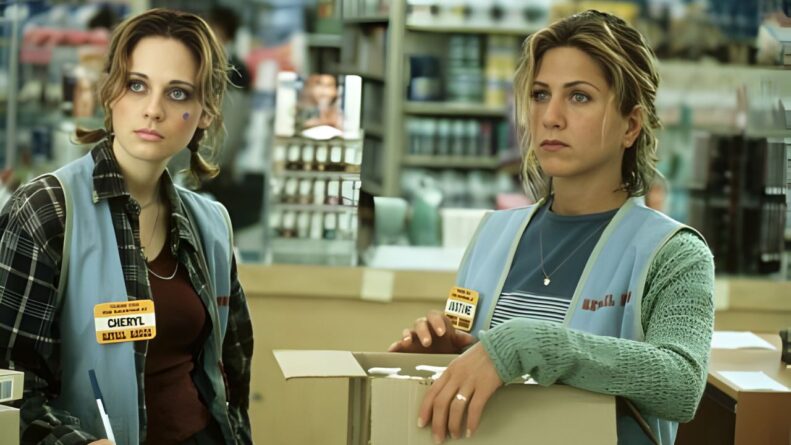
If The Good Girl proved she could be sad, Horrible Bosses proved she could be predatory. The appeal lay in the “black comedy” element. Aniston argued that “Comedy is a necessity,” but she expressed a preference for the “craziness” of the Horrible Bosses universe over the gentler comedy of Friends.
“Maybe everybody else is seeing something I’m not seeing, which is you are only that girl in the New York apartment with the purple walls”.
This quote speaks to the psychological complexity of the curse—it wasn’t only that she believed producers wouldn’t hire her but she was afraid she wasn’t capable of doing the work.
Breaking the curse required exposure therapy. By performing in independent films like The Good Girl and Cake, where the safety nets of budget and ensemble were removed, Aniston forced the industry to recalibrate its perception of her utility.
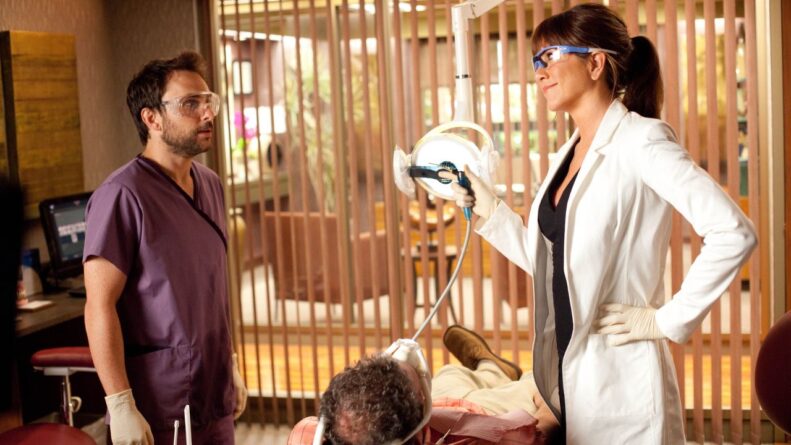
Cake is the ultimate punishment to shatter the curse. In this film, Aniston portrays Claire Bennett, a woman struggling with crippling chronic pain and addiction. Aniston quit exercising and wearing makeup. She studied friends with chronic pain to get a sense of what the condition felt like physically.
She allowed the role to “hurt” her, noting that during physical scenes, she “didn’t prepare” in the traditional sense but rather let the physical discomfort generate a real reaction.
Read More 👉 Wake Up Dead Man Review: A Bold Mystery but Missing the Knives Out Spark
The morning show era (TMS), Executive produced and co-created by Reese Witherspoon is the shift from Aniston the Actress to Aniston the Mogul. The show is more than just an acting vehicle, it’s a platform for industry commentary and power play.
The partnership with Witherspoon’s Hello Sunshine production company created an environment of “understanding, compassion and consideration” that Aniston notes
“Doesn’t always exist amongst the dudes”.
Alex Levy is the culmination of Aniston’s post-Friends evolution. She is a morning news anchor, but she shares no DNA with Rachel Green. Alex is “complex, vulnerable, controlled, lonely, enraged, self-serving”.

In Season 4 (2025), Alex has transcended the anchor desk to become a corporate executive. She is no longer fighting for a contract; she is fighting for the soul of the network. Critics have praised Aniston’s performance in this era as
“It is the best of her performances and able to perform mature characters”
noting her ability to portray moral conflict without the melodrama that sometimes plagued her earlier dramatic attempts. The role gives Aniston a chance to examine issues of power, complicity and growing older in a way Friends never did.
By 2025, she’s at a place very few could have predicted back in 2004: she’s the boss. On The Morning Show, she plays a character who runs the network, much like in real life, where she’s a producer on the show. She swapped the “purple walls” of the Friends apartment for the glass walls of the UBN executive suite. Jennifer Aniston has now shown beyond a shadow of a doubt that she is, in fact, “more than that person.”
Find out celebrities, movies, and web series updates on Fandomfans which is delivering every entertainment buzz to you.