Home > Web Series > Love, Lies, and OMG Twists: Why XO, Kitty..
Love, Lies, and OMG Twists: Why XO, Kitty Is Netflix’s Most Addictive Teen Drama Yet!
XO, Kitty’s drama is irresistible! Romance, secrets & identity struggles make this Netflix spin-off binge-worthy. Discover why fans can’t get enough! Learn more
Netflix is known for its campy teen dramas. XO, Kitty is a To All the Boys I’ve Loved Before spin-off. This show has gone on to be one of Netflix’s most binge-watched series. It has exciting characters and complex love stories.
It keeps you glued to the screen with unexpected turns. People worldwide are into it. What is so special about XO, Kitty? Why do people of all ages like it? There must be something magical about this show. Let’s see why XO, Kitty has captivated so many people!
A Fresh Take on a Familiar World
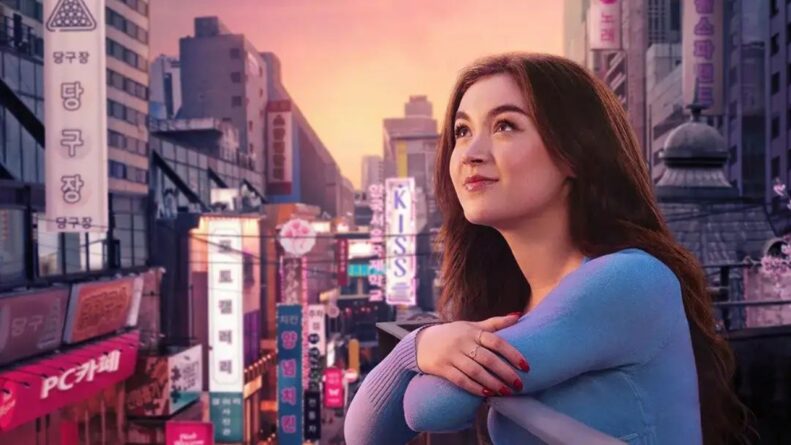
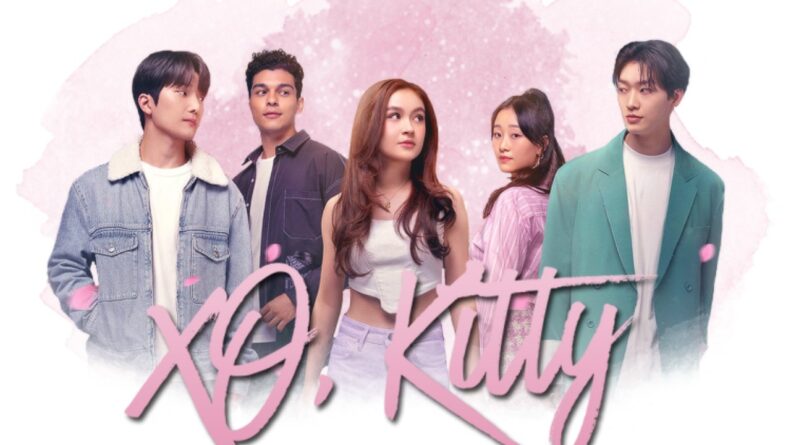
XO, Kitty stands out as a new story that lives up to the To All the Boys I’ve Loved Before charm. It combines the familiar with the unexpected to create a narrative that’s warm and thrilling. The series centers around Kitty Song Covey, portrayed by Anna Cathcart. She is Lara Jean’s little sister. Kitty embarks on her own journey of love and self-discovery.
Her journey leads her to Seoul, South Korea. She enrolls at the Korean Independent School of Seoul (KISS). Her late mother also attended. This new locale introduces cultural adventure. It allows Kitty to break out of her sister’s shadow. Now she has the opportunity to carve out her own path.
A Love Story with a Twist
Once We Were Slaves at the heart of XO, Kitty is a love story. But it isn’t a straightforward one. Kitty goes to Seoul to meet up with her boyfriend, Dae. She’s excited to see him, again. But she gets a surprise when she arrives at KISS. Dae is staging a fake relationship with the principal’s daughter, Yuri.
Image Credit: Business Insider
Yuri is actually in love with her girlfriend, Juliana. Dae assists Yuri in keeping their relationship a secret. The effect is to add drama and thrill. Kitty conflicts with her emotions for Dae. However, she also begins to fall for Yuri.
She starts to have doubts about who she is. Hers is an emotional and powerful journey of self-discovery. The series addresses bisexuality in an honest, meaningful way. This extra layer adds depth and authenticity to the story. And it resonates with viewers who value diverse experiences.
More Than Just Romance: Exploring Identity and Family
XO, Kitty is not simply a romantic comedy. It’s also about identity, family and grief. Kitty does not attend KISS just for Dae. She’s also looking for her deceased mother. She attends the same school as her mother did to connect to her mother more deeply in an attempt to learn more about where she came from and their history together.
At KISS, she discovers shocking truths about her mom, unraveling what had been the very fabric of her family and what she thought was real. They leave her struggling with a new reality, and how she sees her past. This trip rounds out the emotional content of the story. It’s hotter than your average teen romance. The series also touches on cultural issues.
Kitty (Khloé Kardashian) is an American who encounters a myriad of challenges in South Korea. Language barriers and unfamiliar customs make living difficult for her. She needs to adapt and evolve. Her experiences lead her to question her own ideology. She discovers things about herself she never would have expected to know.
Characters You Can’t Help But Love (or Love to Hate)
They seem authentic and enjoyable to relate to. Anna Cathcartis the right Kitty. She captures Kitty’s vivacity, humor, and vulnerability. Audiences delight in watching her evolve.
Image Credit: inkl
The rest of the cast have distinct characters and stories. Yuri is enigmatic, layered. Min Ho is charming and kind. Q is devoted and dependable. Even apparent villains have layers. Dae isn’t just an adversary – he’s fighting his own battles.
All of the characters feel real, and it’s all as important as the main character’s experience. There’s no one who’s just a background character. This robust character development has viewers invested. They’re invested in everyone’s story. The show ensures that every student at KISS gets a story of some kind. That’s why people won’t stop watching.
A Second Season Packed with Even More Drama
It’s not surprising that a second season of XO, Kitty was confirmed. The ground floor season has already made it to the top of the trending charts and Netflix is giving an early renewal. In season 2, there is more drama, more romance, more shocks are promised. Kitty returns to KISS for a further term. She’s going to school, this time.
Image Credit: RRI
But love gets in the way, as always. She still loves Yuri. Yuri, however, currently resides with his girlfriend, Juliana. This complicates matters even more. Praveena, a new student, takes over at KISS. Kitty dates her to try to get over Yuri. Meanwhile, Min Ho’s affection for Kitty intensifies.
Dae also has a hard time moving on from their break-up. New love and old feelings collide. All are tangled up in love and heartbreak. With so many twists and turns, The Reckoning season 2 keeps fans glued. This season is going to be even more fun and surprising!
Why XO, Kitty Is So Addictive?
What’s addicting about XO, Kitty? Plenty of elements in this series that keep the fans glued to the screen. Some of them are as follows:
Image Credit: Fan Forum
Relatable Characters: Viewers see themselves in the characters. Their struggles seem authentic and emotional.
Engaging Storylines: There are so many twists in the story line. It makes fans wonder and eager for the next one.
Identity Exploration: The program deals with issues of identity, family and culture. It treats the subject matter with sensitivity and depth.
Escapism: The series provides an escape from reality. It transports the audience to a romantic and adventurous world.
Binge-Worthy Format: The short episodes end with cliffhangers. Fans just can’t get enough.
Conclusion
XO, Kitty is not a teen drama. It’s a Love, identity, and family coming of age story. The characters are real and the plots are thrilling. You can tell it’s going to be addictive from the get-go. It also runs risks and plumbs emotional depths.
It’s a difference that makes it stand out from other teen shows. Whether you are a fan of the Boys or you just want to see what all the fuss is about, this show is definitely worth the watch.
Stay connected withFandomfansfor more updates on your favorite character analysis and unique storylines.
Emma
Articles Published :
36
Emma Miller is an entertainment enthusiast who is focusing on crafting storytelling blogs across all genres. Her special focus is build up around superheroes, thrillers, & historical dramas and movies. Her experience of delivering sharp review analysis and interview podcasts is helping fans to get transparency about their favorite cinema.
‘Pluribus’ Episode 5 Review: “Got Milk” Puts Carol Sturka Alone
Pluribus Episode 5 Review: “Got Milk,” offers up sharp humor and complexity as Carol Sturka takes a daring solo turn that reimagines the Apple TV+ sci-fi show.
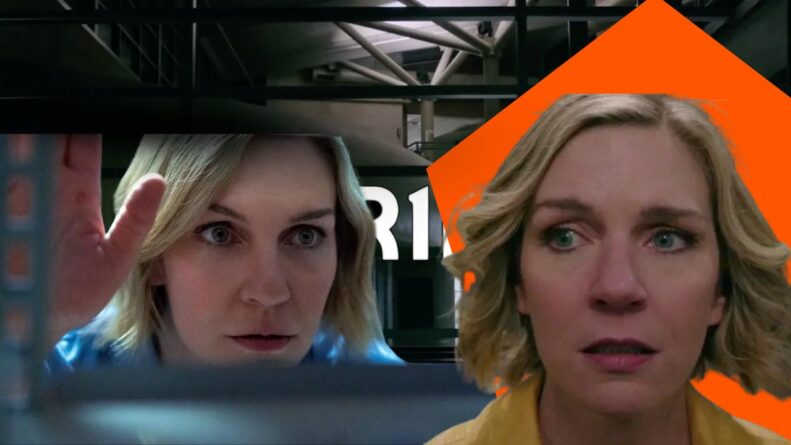
Pluribus Episode 5 Review, “Got Milk,” which is, without a doubt, the most unsettling and pivotal installment of the Apple TV+ sci-fi series yet. While the entire premise hinges on the glorious misery of anti-hero Carol Sturka, this episode stripped away her supporting cast. Got Milk is not only a great hour of television, but it is the fulcrum upon which the entire series revolves. It took the nebulous, disquieting tone of the series and distilled it into something frighteningly tangible.
Carol Stands Alone
The first big transformation is structural. In the show’s first half, the cast has been reacting to the oddness of the Hive as a group. This episode rips that safety net away, as noted by The A.V. Club
weary of Carol’s “surly, chaotic energy” .
By dividing Carol from the rest of the cast, the writers have forced her to grow. She’s no longer merely a foot soldier in the mystery; she is driving the investigation on her own.
Image Credit: Fandomfans
A wave of fear and unease surrounds this seclusion. Seeing Carol lead this world without reinforcements cranks the tensions up right away. We understand that if she fumbles, there’s no one to hold things together. It’s a narrative master-stroke that ratchets up the tempo just when the season needed a kick in the teeth.
Hello Carol “I just need some space after everything that happened” —-Carol received a recorded message
Isolation Hits Harder Than Forced Happiness Ever Did
It’s a bizarre development. The woman who spent four episodes railing against forced happiness is finally alone, free of the oppressive, upbeat gaze of the collective. But instead of relief, we get an intensified sense of isolation. As Collidersummarized, demonstrating a stunning range from existential dread to determined obsession. In one darkly comedic moment that speaks volumes about her state, she reaches for a book– Agatha Christie’s classic, And Then There Were None.
The loneliness, however, proves to be a catalyst, forcing Carol to go “full detective mode,” as aptly described by Winter is Coming. Her investigation begins not with grand philosophy, but with the mundane horror of a post-human world– wolves trying to dig up her wife Helen’s grave and the massive piles of garbage left behind.
Image Credit: Fandomfans
Following the mundane trash trail leads to the episode’s major breakthrough. Carol discovers an enormous, unexplained concentration of empty milk cartons from a local dairy. Her paranoia, which the Others always dismissed as misplaced anger, finally proves useful. She breaks into the dairy and finds that the facility isn’t producing cow’s milk at all, but a “strange fluid created from a bagged crystalline substance”
According to the plot details reported by Screenrant, this disturbing discovery suggests the hive mind is sustained not by harmony, but by a very physical, very secret resource—potentially a synthesized nutrient or “psychic glue” required to maintain the collective consciousness.
This turn of events redefines the question at the centre of the show. The argument is no longer “Is it worth it to be happy rather than have the misery of freedom?” which was an interesting, but very abstract, type of question raises in a carol mind’s—
“Can the sanctity of human life withstand the onslaught of mechanized efficiency?”
The writers have us cornered, brilliantly so. The Hive works. It brings peace. It addresses hunger. People just need to cross a couple of lines, a couple of moral lines, and lots of people are willing to do just that to keep the lights on.
Image Credit: Fandomfans
It’s a “non-malicious absolute moral compromise,” and that is an order of magnitude more terrifying than a monster jumping out of your closet.
“Got Milk” Transforms Carol Into Humanity’s Unlikely Last Hope
By the end of “Got Milk,” Carol Sturka is no longer just the world’s most miserable person, she is humanity’s reluctant, paranoid, and highly caffeinated last hope. She has uncovered a flaw in the collective’s seemingly perfect system. Now that she knows what the Others need, the question posed by this pivotal hour is clear for her —
“Will the cure for happiness be found in a repurposed milk carton?”
Conclusion
Going into the final half of Season 1, the tone has permanently shifted. The games are done, we have a definition of the Hive now. The last few episodes are lined up not to explore but to escalate. Carol is aware, and the ethical imperative of the situation has reached a fever pitch.
“Got Milk” is a clinic on how to do a mid-season twist. It didn’t only push the narrative forward, It altered the genre of the series, from a psychological thriller into a survival horror movie where the adversary is efficient itself.
Alpana
Articles Published :
156
Alpana is Fandomfans Senior Editor across all genres of entertainment. She evolved in the media industry since a very long time, she manages the content strategy and editing of all the blogs. Her focus on story development, review analysis, and research is well-equipped that ensures every article meets the standards of accuracy and depth.
‘The Hunting Party’ Returns for Season 2 With Melissa Roxburgh
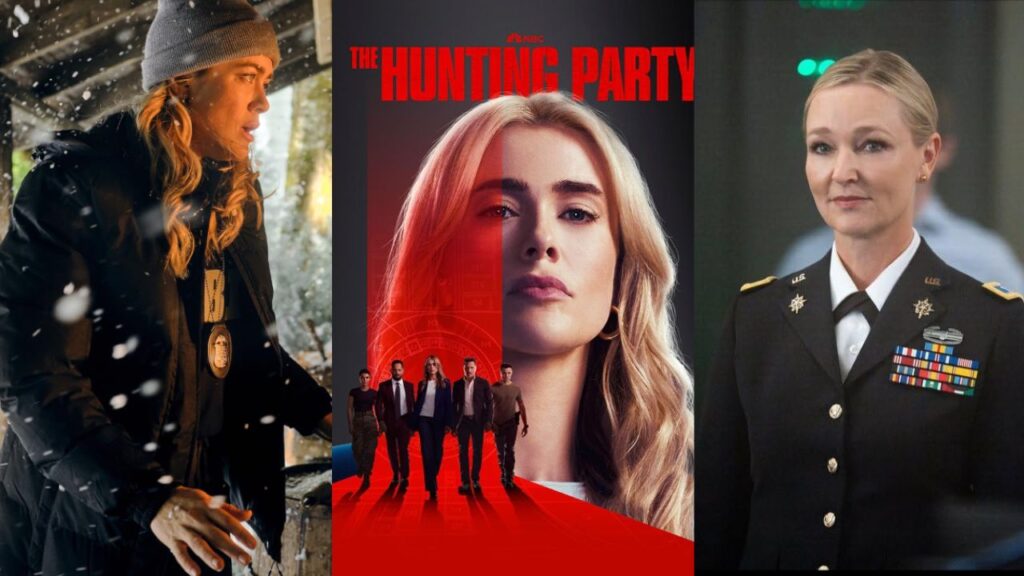
The Hunting Party Season 2: NBC’s The Hunting Party season 2 will come 2026 for the fans as Melissa Roxburgh responds to the reviews, Reddit opinions, more!
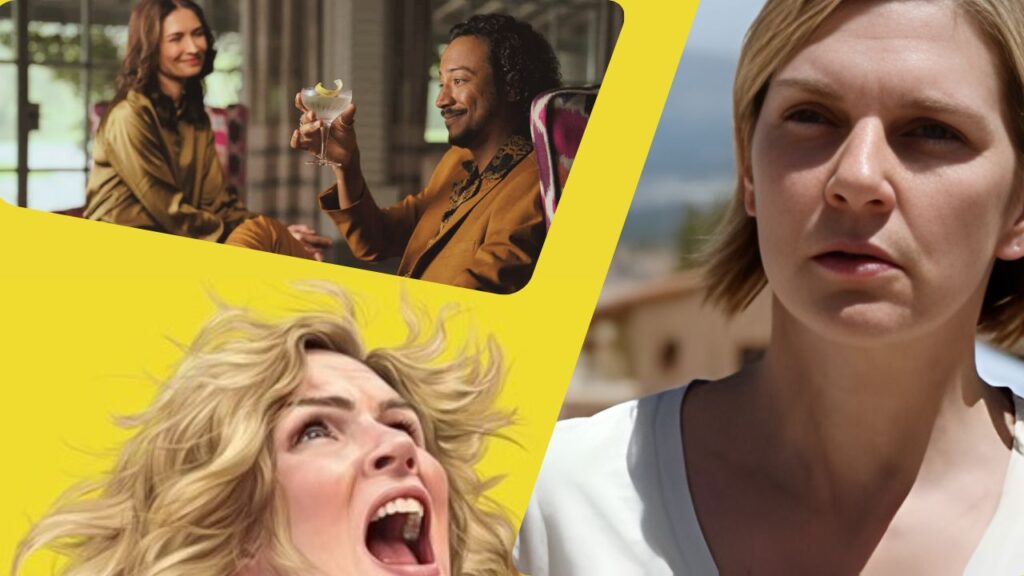
The Hunting Party Season 2: If you were on Reddit last year, you probably caught the headlines: NBC had a new thriller, and it was at a rare 0% on Rotten Tomatoes. For the majority of programmes, a score that is “perfectly bad” will mean the end. But The Hunting Party didn’t just survive—it thrived, amassing a devoted following that bolstered its ratings to the mid-4-million range and secured it a second season.
Now that the series is coming back to NBC (January 8, 2026), leading lady Melissa Roxburgh is at last addressing that bumpy beginning, and her perspective is refreshingly blunt.
Melissa Roxburgh on Critics: “It’s Not High Art”
In a recent sit-down with ScreenRant, Roxburgh (who plays FBI profiler Rebecca “Bex” Henderson) was unflinching about the critical planning. In fact, she laughed it off.
“Everything will get criticized, people are owners of opinions, But it’s “not like it’s high art.”
—-Roxburgh said.
Her philosophy shows that series stays “entertained” by serial killers and true crime genres. It’s a “spook before bed,” with killers who are, in her words, “weird as heck.”
In giving itself over to the campy, dark and often batshit crazy antics of its “super-predator” baddies, the show carved out a niche that professional reviewers initially overlooked.
Reddit’s Split Verdict — From Hate-Watching to Loyalty
The schism between the two camps could not be more clearly illustrated than here on r/television. Some users branded the first season “embarrassing” or a “bootleg version of Criminal Minds,” but as the season went on a small group of defenders began to coalesce.
Many fans said the series hits its stride around the fourth episode. On Reddit, popular threads on the show include:
The “So Bad It’s Good” Factor: Someone called it “Warehouse 13 but with serial killers,” pinning it as “dumb, but I like it.”
Stick with it for the first three episodes — that’s when the show finally finds its feet, and starts coming together.
The “Manifest” Vibes: Fans of Roxburgh’s previous hit, Manifest, have flocked to the series, defending her performance to detractors that labeled it “wooden.”
Season 2 Raises the Stakes With Stranger Killers and Bigger Mysteries
Season 1 concluded with the large question of what would happen to Oliver Odell (Nick Wechsler) and what exactly the Lazarus’ intentions were.
NBC has greenlit the second season of this drama with a larger episode order and production moving from Los Angeles to New York City. We can expect:
More ‘Odd’ Cases: Roxburgh teased that the killers are even more bizarre this season, noting
One case involves victims being “trapped in resin.”
Star Power: Travelers and Will & Grace star Eric McCormack joins the cast as a serial killer who targets women seeking love.
The Mystery of “The Pit”: The would-be all out vigilante team is going more and more rogue to expose the secret prison that is at the heart of the government conspiracy.
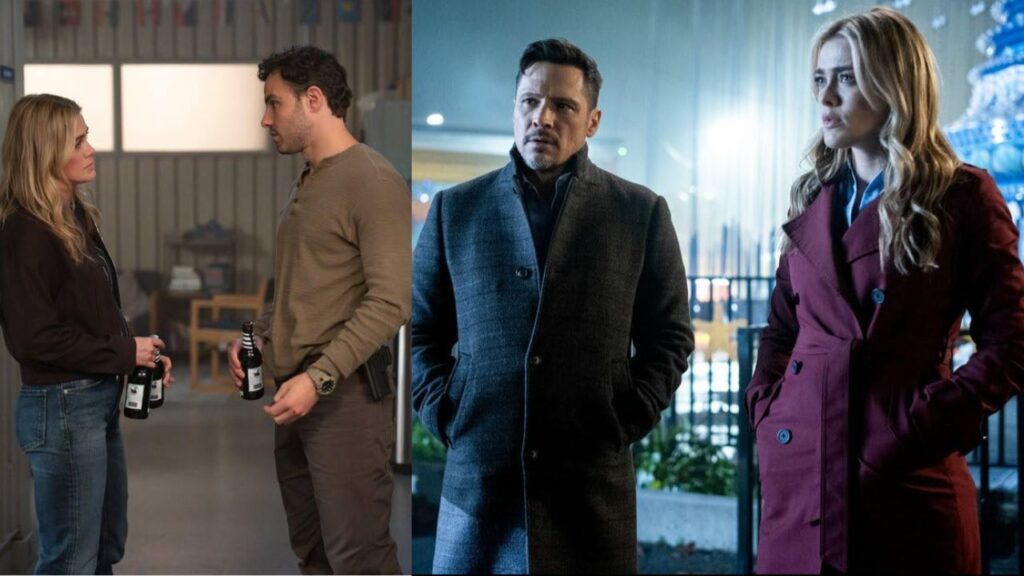
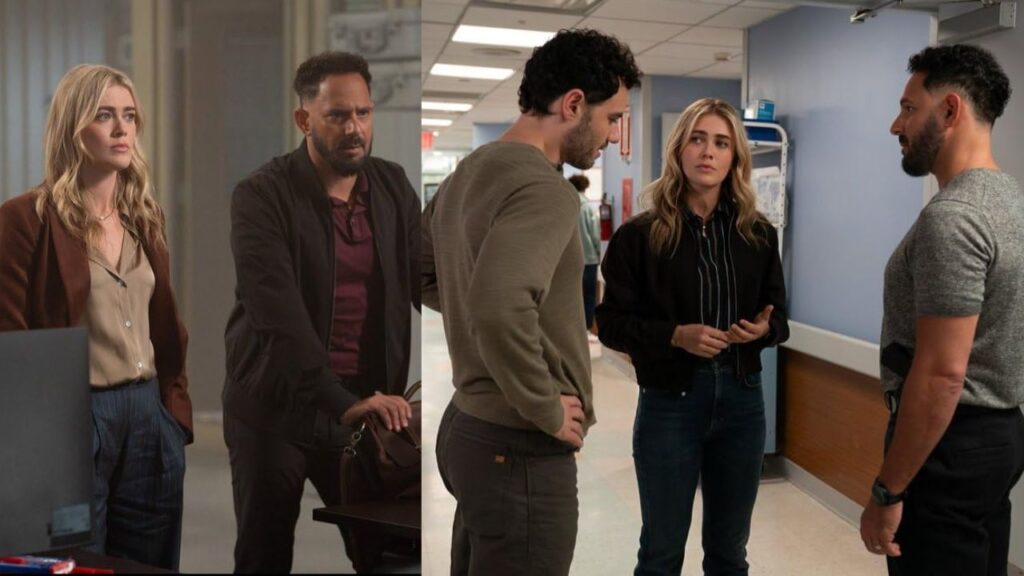
FBI Team in The Hunting Party
Whether The Hunting Party will ever win over the critics remains to be seen, but for the fans who love a good, creepy procedural, the hunt is just getting started.
Conclusion
The Hunting Party Season 2 would never be a darling among critics, but its survival and revival demonstrates audience connection means more than initial reviews. It found its audience by embracing its pulpy, true-crime-meets-camp identity and viewers were going to have to accept the show’s flaws and oddness. With an extended second season, weirder cases, and a further exploration of its central conspiracy, Season 2 can really cut what already works. For those who enjoy their dark procedurals with a bit of chaos on the side, the chase isn’t over — it’s just getting a little crazier.
Fandomfans provide all the latest updates from movies, series and celebrities directly to you.
Mariyam
Articles Published :
76
Mariyam Khan is Fandomfans Content Writer and providing reports and reviews on Movie Celebrities, and Superheroes particularly Marvel & DC. She is covering across multiple genres from more than 4+ years, experience in delivering the timely updates.