Home > Web Series > Star Trek Strange New Worlds: Jess Bush Breaks..
Star Trek Strange New Worlds: Jess Bush Breaks Down the End of Spock & Chapel
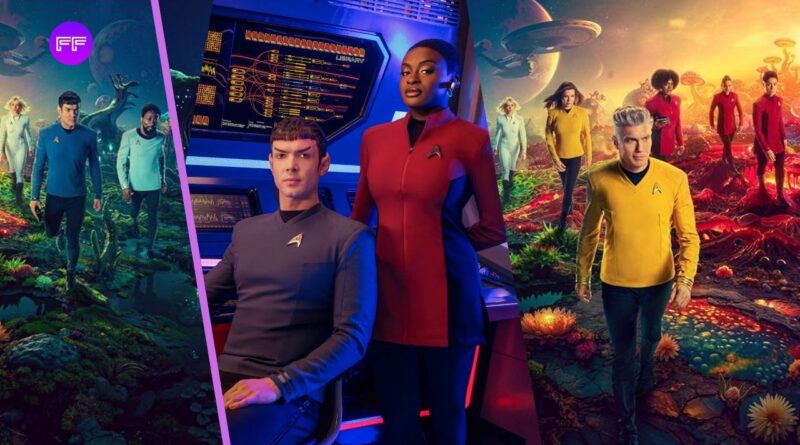
Star Trek Strange New Worlds : explores the emotional breakup of Spock and Chapel, revealing how their split reshapes relationships and future storylines.
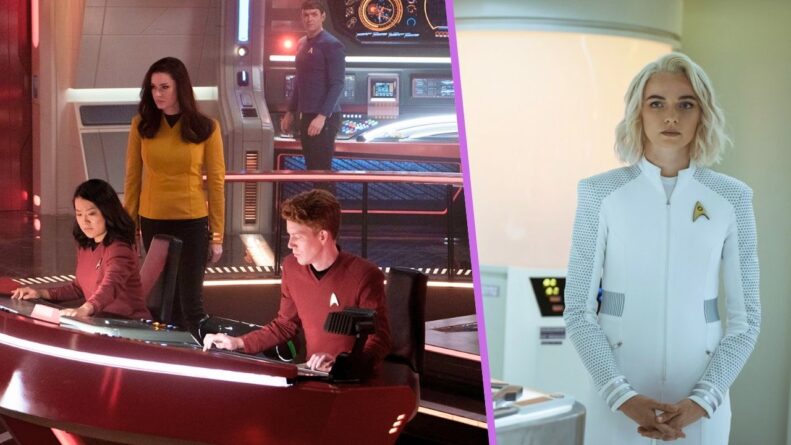
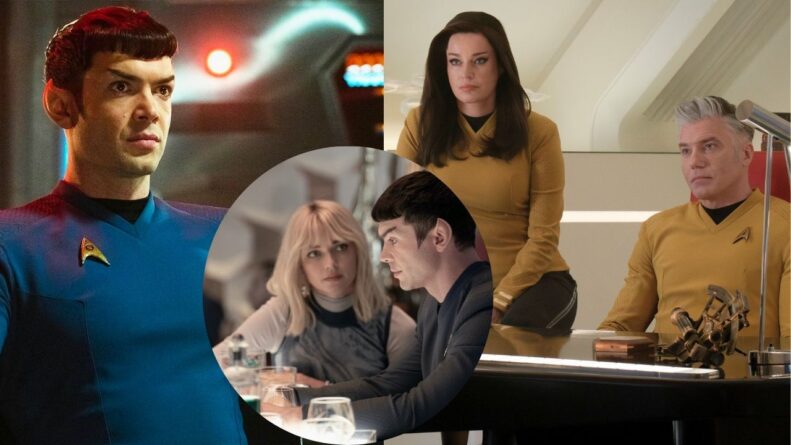
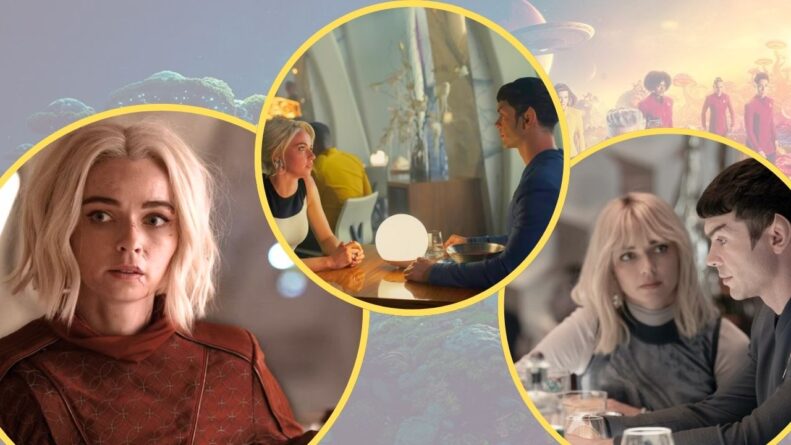
If you have been watching the bridge of the USS Enterprise of late, then you are well aware that the halls of Star Trek Strange New Worlds have been a bit more “emotional” than your typical starship. Nurse Christine Chapel and Lieutenant Spock—the couple that fans cheered for, sobbed over, and then witnessed come apart in a way that is only describable as “peak awkward” was at the center of that cyclone.
At Farpoint 2026, however, Brock had to finally come to terms with the elephant in the room: that musical breakup. And her impression is just as brutally honest as the character she portrays.
The Musical Breakup That Shook the Enterprise
We all know the scene. This season in the K/S musical “Subspace Rhapsody,” Christine Chapel not only ended it with Spock, she did so in a choreographed song-and-dance routine at work with their colleagues as backup dancers. It was tactile, it was rhythmical, and Spock was crushed by it.
When it came to the scene at Farpoint, Bush had no qualms, laughing and telling the audience:
“Look, I didn’t write it. I’ve gotta be honest, when I read the script for the musical, I was like, ‘Bill [Wolkoff], this is brutal. Like, what?”
This feeling is prevalent within a majority of the Trek fanbase. Watching Spock, a man who exemplifies the struggle of balancing logic and emotion receive his heart on a silver platter in an electrifying musical extravaganza is definitely a “a moment too agonizing to look at, too overwhelming to dismiss” moment of the ages. Bush said she was just as surprised as the fans when she initially viewed where the writers were going.
The Reality of Modern Trek Storytelling
One of the greatest obstacles to the Spock–Chapel romance (often referred to as “Spapel” by fans) was the reality of modern television production. Strange New Worlds, on the other hand, has a slimmed down 10-episode schedule compared to the 26-episode seasons that were packaged in the 90s.
Image Credit: Fandomfans
Due to this shortened format, their dating had to move from “will-they-won’t-they” to “full-blown romance” to “heartbreaking breakup” faster than the speed of light. Although Bush and Ethan Peck had undeniable chemistry, the narrative weight of the musical episode drove a wedge between them that seemed sudden to many.
Where They Stand Now
Star Trek Strange New Worlds on Season 3 finds the dust settled but the terrain different:
Dr. Roger Korby: Chapel has progressed to her canonical future with the arrival of Dr. Korby (Cillian O’Sullivan).
La’an Noonien-Singh: Spock has uncovered a surprising new link with the Enterprise’s security chief.
Image Credit: Fandomfans
Cherry on the cake: chaos in ‘Wedding Bell Blues’ with the impish Trelane.
Closure: The pair eventually received some much-needed closure at the end of the (infamous) ‘Wedding Bell Blues’ episode featuring the now-Trelane (Kirk’s nemesis as Starfleet Junkie) – but perversely tied up and almost undone in the process.
Is This Really the End for Spock & Chapel?
Jess Bush at the pity party her commentary on the breakup really wasn’t the most exciting part of her appearance at the con was that it turned to what’s to come.
The series ended shooting its fifth and final series in December 2025, but Bush teased there could be more to the story.
Bush alluded to the thought, “I think it was a very bad end, but maybe it is not the end.”
With Season 4 and 5 yet to premiere on Paramount+, the question remains for fans of what “not the end” truly means. We know where these characters end up, eventually, in The Original Series—they’re still close colleagues, but the romantic flame seems to have waned into a mutual, if occasionally painful, respect.
Can these last 16 episodes close the gap, or is there one more twist in the stars for the nurse and the Vulcan?
Jess Bush has been a standout in the Star Trek Strange New Worlds, making a character that was routinely sidelined in the 60s into a juggernaut of ambition, wit, and vulnerability. Even if she believes the split was “brutal,” the fact that she could sell that pain is precisely why we’re all still talking about it years later.
If you are Team Chapel, Team La’an, or just Team “Let Spock Have a Nap,” there’s one thing we can all agree on is this: Strange New World’s final two seasons are shaping up to be a real tearjerker.
Alpana
Articles Published :
160
Alpana is Fandomfans Senior Editor across all genres of entertainment. She evolved in the media industry since a very long time, she manages the content strategy and editing of all the blogs. Her focus on story development, review analysis, and research is well-equipped that ensures every article meets the standards of accuracy and depth.
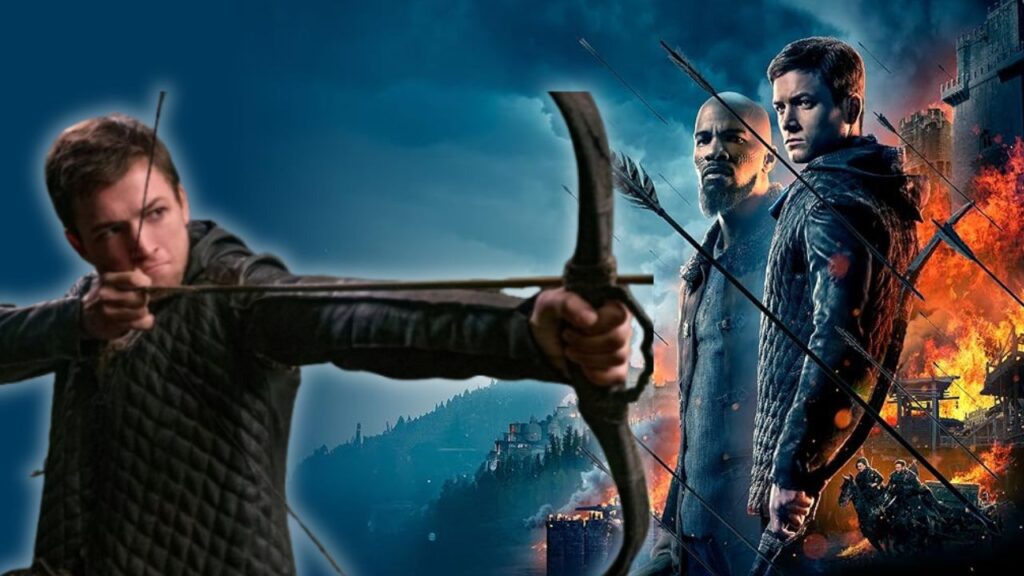
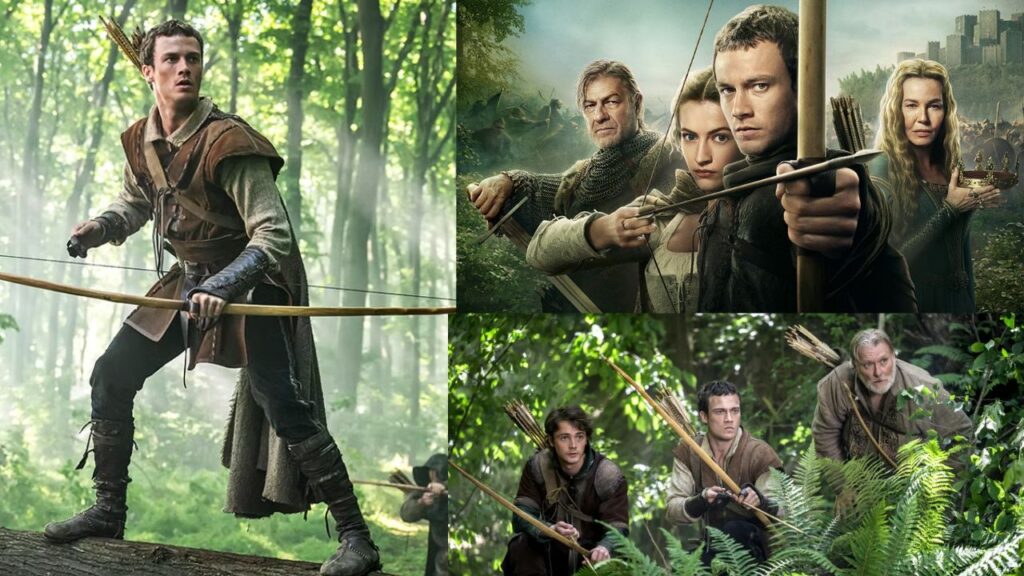
Folklore is seldom static. It lives, molds, and transforms to reflect the worries of the time that is telling it. Although the middle of the 20th century produced a Robin Hood Season 1 that was more pastoral idealist, green tights and all, the 2006 BBC version – and its 2025 MGM+ follow-up – broke the mold. These versions are not simply stories; they are “revisionist mythmaking,” in which stabilizing plot twists deconstruct the hero’s journey through the lens of contemporary socio-political realities.
The Genesis of Disillusionment: Robin’s Return
The fundamental transformation of the 2006 series is based in the mind of its lead character. When Robin of Locksley comes home to England in 1192, he is no hero. Played by Jonas Armstrong, he and his manservant Much are traumatised veterans of the Third Crusade.
Image Credit: Fandomfans
This incarnation of Robin is characterized by a renunciation of his aristocratic roots after learning that the “Holy War” he fought was less about divine justice and more about mindless killing. Adult disillusionment is set up straight away in the pilot, “Will You Tolerate This?” when Robin finds his home ruled by the “iron-fisted” Sheriff Vaisey. His decision to hit the road was an instinctive repudiation of the very systems he once worked within.
The 12th-century struggle is clearly enmeshed with 21st-century concerns in the script. Robin’s debate about whether the war is “ours” or “the Pope’s” reflected contemporary discussions about the invasion of Iraq, casting the outlaw as the tired warrior come home to a land he doesn’t know.
The Night Watchman Subversion: Reimagining Marian
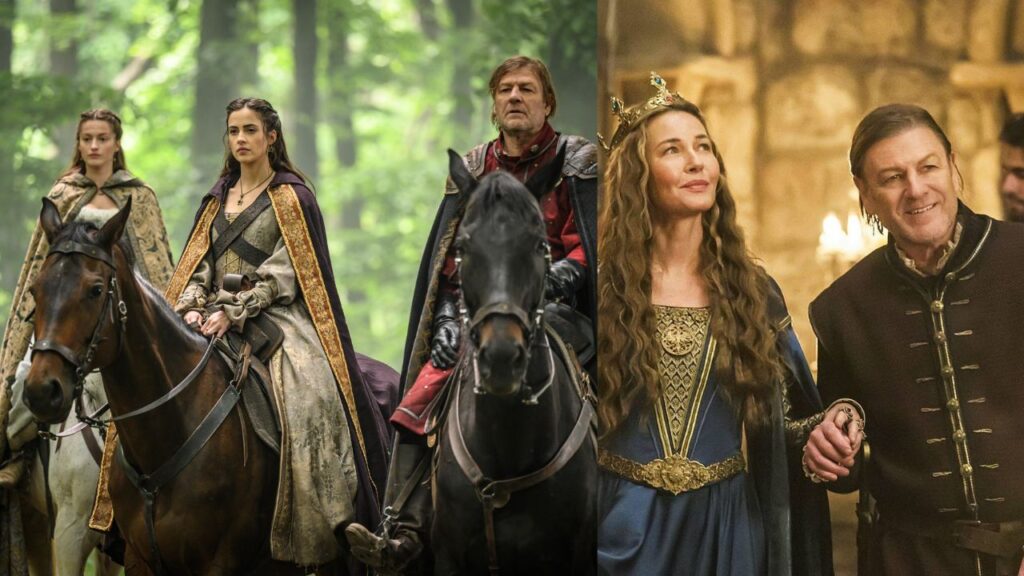
Maybe the biggest deviation from tradition is the character of Lady Marian. Not the “Maid” of folklore, but now a “Lady” playing a dangerous game of vigilante. The revelation in episode three that Marian moonlights as the “Night Watchman” makes her pretty much the all of the very first worldwide and medieval Batman, guarding the impoverished much prior to Robin ever rejoined with Sherwood.
Image Credit: Fandomfans
In this twist, Marian has an autonomy and martial capacity to match that of Robin’s. It also leads to an interesting interpersonal conflict: she resents Robin at first because his “loud” heroics risk blowing her cover.
Implications of the Night Watchman Identity
Socio-Political Intrigue: Marian employs her position to spy, serving as the outlaws’ chief informant.
Physical Defiance: The fact that she has a ”knuckle-buster” ring and a dagger hidden in a hair-clip denotes a move to the “Action Girl” stereotype.
The Humbling of Nobility: When the Sheriff shaves Marian’s head on the gallows, it functions as a major turning point.It was an infringement on noble privilege, meant to demonstrate that no one was beyond Vaisey’s reach.
The Shadow of the Holy Land: Global Conspiracies
A continuing Spy arc of season 1 is that the corruption in Nottingham is not just local — it’s a conspiracy against King Richard himself. This climax of the arc culminates with a flashback that Robin once saved the King from a Saracen assassin with a wolf’s head tattoo in “Tattoo? What Tattoo?”. The twist? Guy of Gisborne has the same tattoo.
This revelation elevates the enmity between Robin and Gisborne from a petty disagreement over territory and a woman, to one of national ideology. The “Pact of Nottingham” — signed by the “Black Knights” — winds up functioning as the series’ recurring McGuffin, which symbolizes a concerted move to place Prince John on the throne.
The Judas of the Forest: Allan A Dale’s Moral Drift
One of the more subtle twists is the slow-burn betrayal of Allan A Dale. As their “average joe,” Allan has his loyalty chipped away by the Sheriff’s mind games. This “Judas” arc begins when the Sheriff ruthless jumps the execution date, ensuring Robin shows up too late to save Allan’s brother.
Image Credit: Fandomfans
For the audience, Allan’s eventual “Face Heel Turn” in the season finale is a heartbreak. It breaks the illusion of the “Merry Men” as a perfect brotherhood, and underscores the human toll of Robin’s unbending ideological line.
2006 vs. 2025: A Comparison of Revisionist Cycles
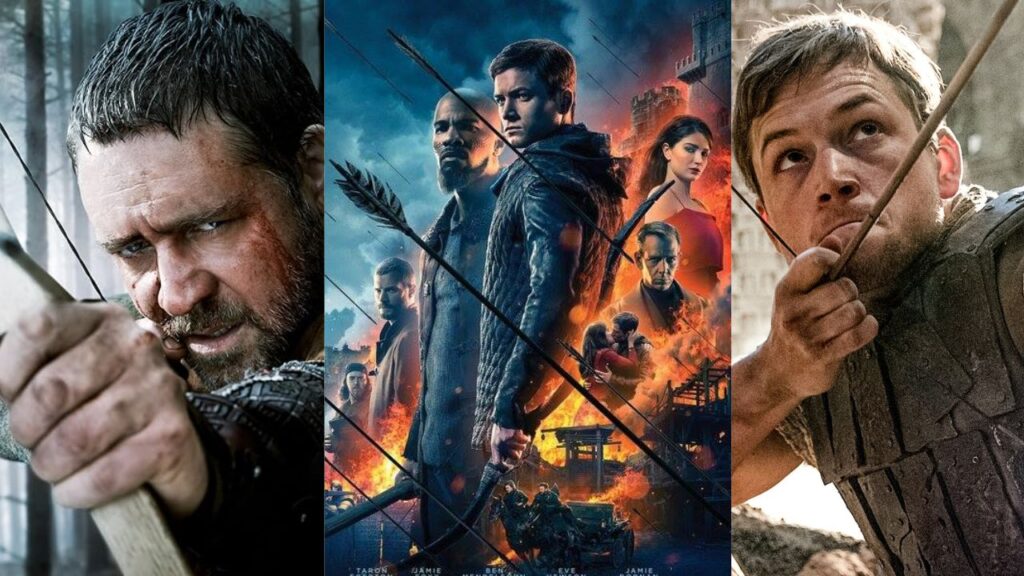
Whereas the 2006 series was concerned with the ”Crusader Sickness,” the 2025 MGM+ reimagining brings even grimmer twists, with familial betrayal taking center stage. In this odd-version the character of Huntingdon is not a mentor, but rather the main antagonist—Robin’s own father.
The inaugural seasons of these contemporary versions show that the “Major Twist” is the large mooring modern folklore spins upon. In taking the emphasis away from archery tournaments and introducing systemic corruption rather than damsels in distress versus vigilantes, these shows make Sherwood Forest a continuing site for power and reform.
By the end of Season 1, the status quo is shattered. The outlaws have become a political party, and the forest is not a refuge but a revolution headquarters. These twists remind us that the legend is made out of blood and grit — that is the real cost of defiance.
Dive into the big cinematic industry with Fandomfansfor deeper details from your favorite movies, series, and celebrities.
Alpana
Articles Published :
160
Alpana is Fandomfans Senior Editor across all genres of entertainment. She evolved in the media industry since a very long time, she manages the content strategy and editing of all the blogs. Her focus on story development, review analysis, and research is well-equipped that ensures every article meets the standards of accuracy and depth.
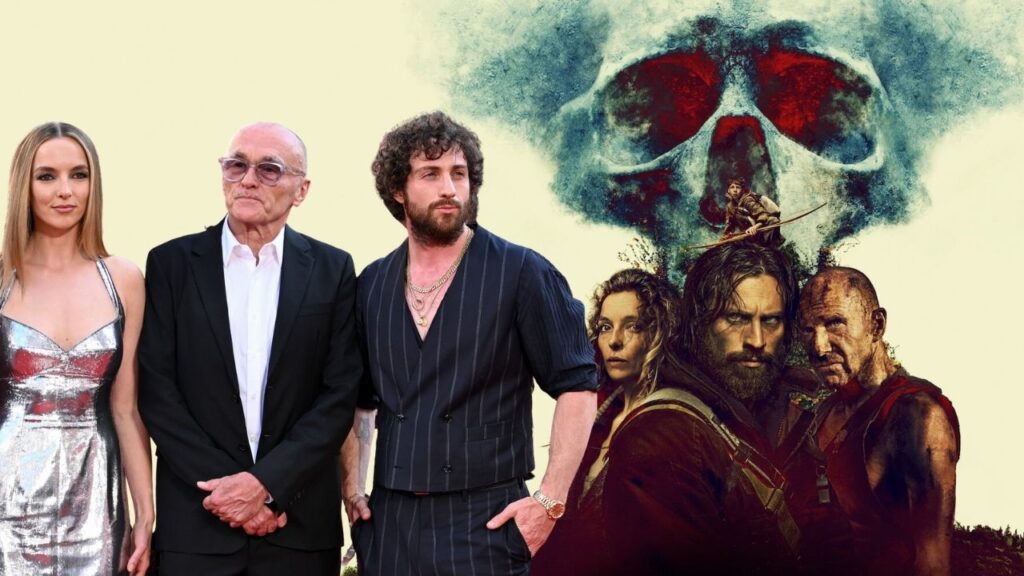
The overall cinematic output for 2026 seems an entirely new prospect. Ender’s game trailer We have gone beyond the generation of the predictable jump-scare and established ourselves in a more cerebral place of “high horror,” a change led by the long overdue revival of the 28 Days Later universe. With 28 Years Later releasing in June 2025, and its direct sequel, 28 Years Later: The Bone Temple, releasing in January 2026, the creative team of Danny Boyle and Alex Garland has not merely brought a franchise back to life – they have redefined how horror can speak to what it means to be human.
A Legacy Born from “Development Hell”
For almost 20 years, fans speculated about 28 Months Later. It turned into a development hell myth, held up by rights issues and creative changes. The wait, though, served a purpose.
Skipping ahead almost three decades, the filmmakers leave behind the panic of a viral outbreak and delve into “post-progressive” societal decay. In this new world, the end of the world isn’t a tragic event—it’s the only reality the current generation has ever known.
The Technical Radicalism of the iPhone 15 Pro Max
Perhaps what has most people talking about the 2026 comeback is the technical decision to shoot mostly on the iPhone 15 Pro Max. This wasn’t a gimmick. Boyle took the Canon XL1 and turned it into a grainy, digital realism. In 2026, he adapted this “guerrilla” style on a new scale with multi-camera megasuites.
By placing iPhones into “Beastgrip” cages with professional-grade cinema lenses, the team captured a high-shutter-speed energy. This technical decision removed the infected from ‘cinematic motion blur’ and as a consequence their movements look staccato, hyperactive, and terrifyingly real.
Evolutionary Biology: The Mutations of Rage
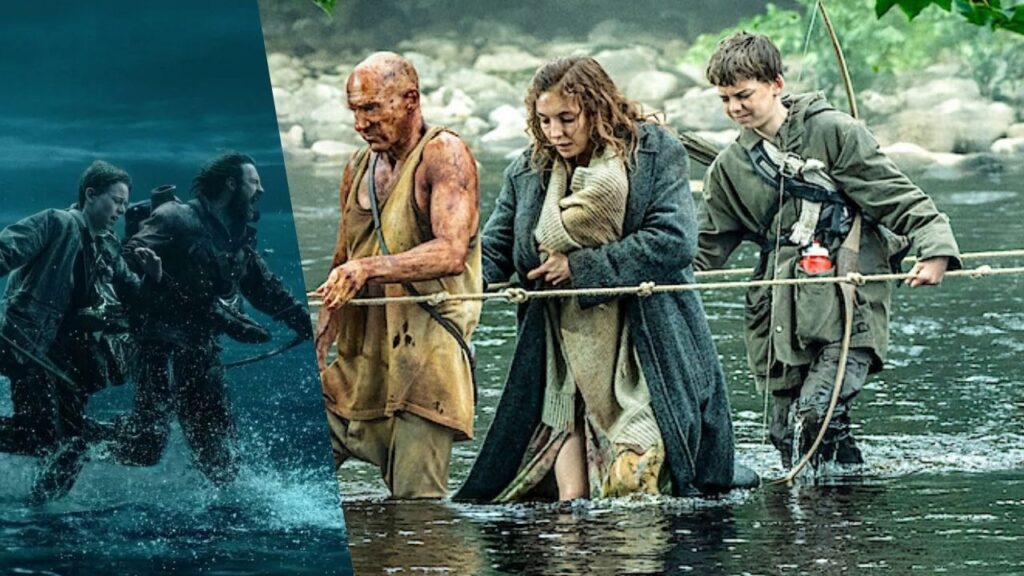
The “high horror” tag derives from the trilogy’s immersion in evolutionary biology. Rage Virus is not a static disease; it took biological forms:
The Slow-Lows: Fat and bloated dead, in this case terminal stage creatures that are aftermath survivors of the original outbreak.
The Alphas: They are intelligent, sentient hunters on a higher plane of thinking and do possess some form of strategic thought albeit intermittent and social hierarchy.
This change re-centers the horror from the mindless zombies to a more understanding-if-distorted on the human experience of pain and suffering. The infected are depicted as martyrs to an “unthinkable fate,” rendering the films to “tone poems” that are profane yet emotionally stirring.
Socio-Political Echoes and “The Bone Temple”
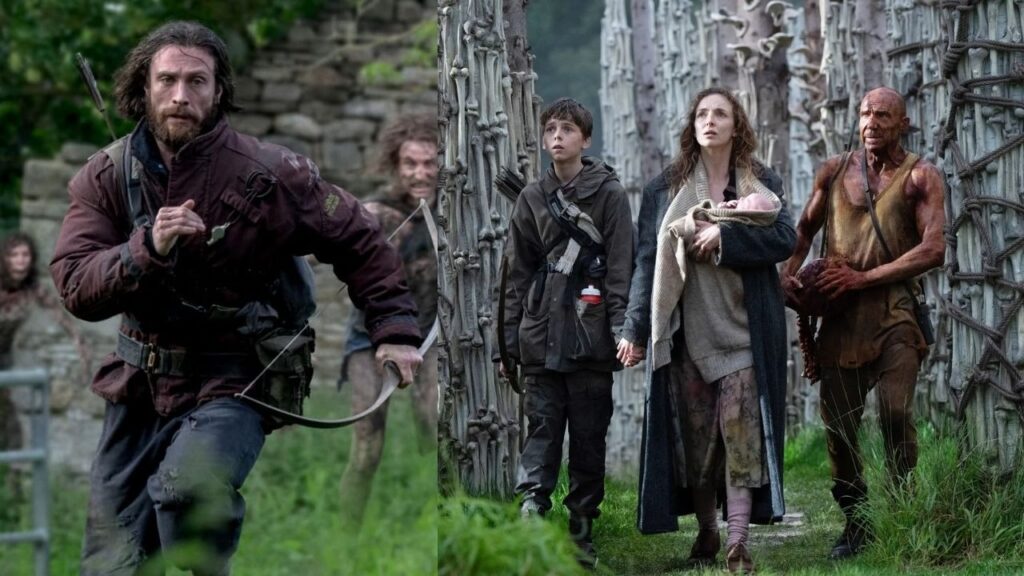
While the 2025 film was set among the isolationist society of Holy Island (Lindisfarne), the 2026 sequel, The Bone Temple, directed by Nia DaCosta, turns its gaze to human cruelty. The addition of “The Jimmies” — a cult based on the more shadowy recesses of British cultural history conjures a society sliding back into nostalgic myth and “strategic derangement.”
Ralph Fiennes turns in a career-defining performance as Dr. Ian Kelson, a man running a mausoleum to the fallen human. His viral “death-metal dance” to Iron Maiden is already the defining meme of early 2026, embodying the trilogy’s mash-up of high art and visceral madness.
As 2026 begins to approach, the 28 Years Later trilogy is the narrative equivalent of looking up in awe. It has demonstrated that horror can be a serious instrument for social commentary, addressing anxieties of the Brexit era and the “denial of death” through the prism of the Rage Virus.
Conclusion
The arrival of 28 universe is more than just nostalgic it’s a cultural recalibration of what modern horror could be. With 28 Years Later and The Bone Temple, Danny Boyle and Alex Garland have re-imagined the once–genre-defining zombie blast as a philosophical rumination on survival, memory, and generation trauma.
The trilogy, which can be seen as a response to fulfilling and confronting socio-political anxieties brewing in a crumbling Britain, alongside utter terror grounded in evolutionary biology and filmmaking radicalism, transforms horror into something far more intimate and unsettlingly human.
If 2026 is any indication, these films are testimony to the fact that fear doesn’t need to resort to cheap shocks to survive, but can instead find nourishment in ideas, mood, and the quiet recognition that the real horror isn’t the end of the world — it’s learning to live after it.
Dive deeper into the world of cinema with Fandomfans to get the latest update from your favorite movie, shows, and celebrity.
Babita
Articles Published :
25
Babita is Fandomfans Editor, experience in managing content. Her focus in general movies and web series. She is having a deep interest in TV shows and 90s movies - particularly Lord of the Rings, Harry Potter, & Rom-Com. Babita also covers psychological thrillers and major releases in current time and concern with deep interest in them.