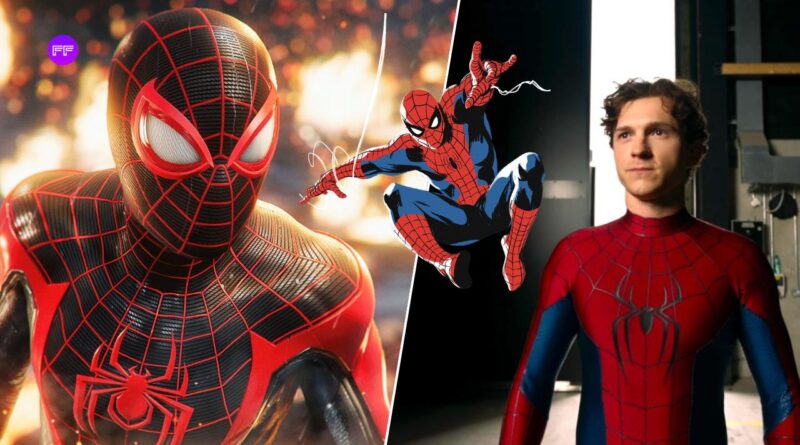
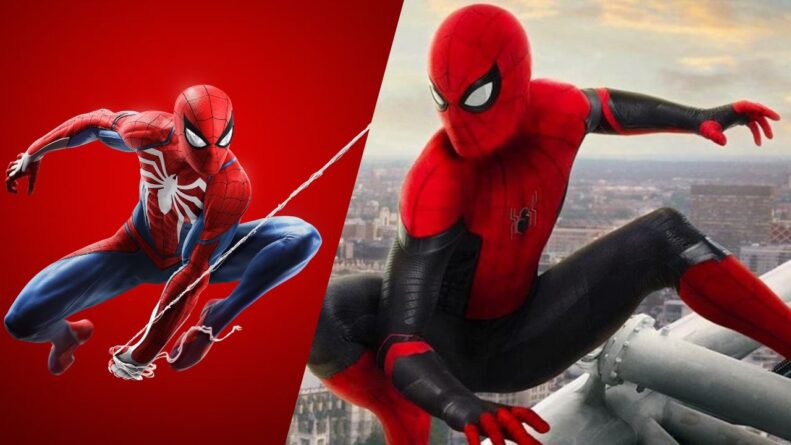
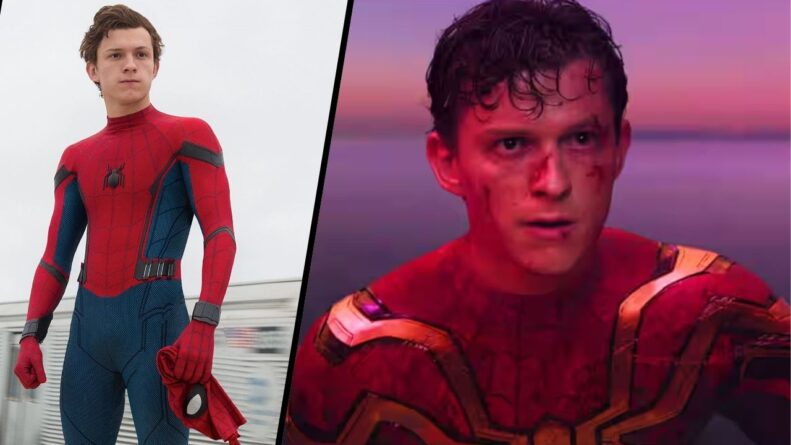
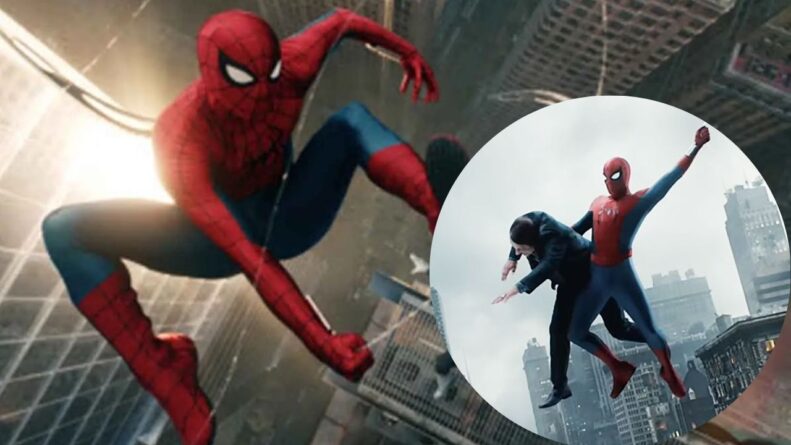
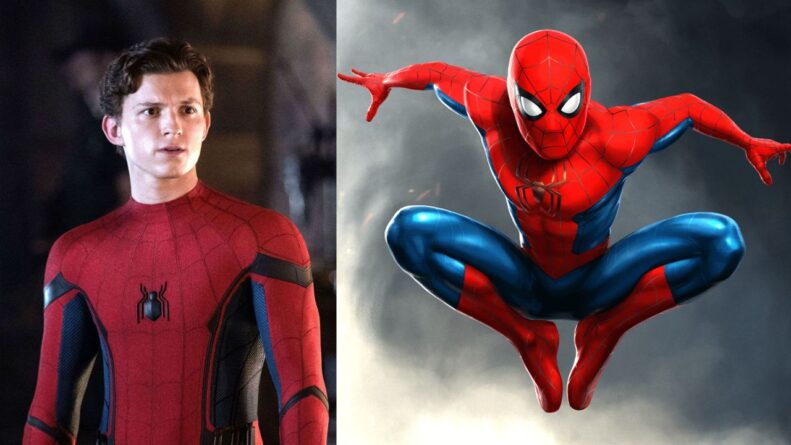
Spider Man Brand New Day official synopsis revealed very few details, recently Marvel revealed major villain details just weeks before the July 31, 2026 release. The main villain is someone or something that no one can physically see is actually creating excitement and frustration at the same time among fans.
It was a smarter tease than any CGI-heavy trailer could have been. Let’s look into the Tom Holland Spider-Man Brand New Day updates.
When Does Spider Man Brand New Day Premiere?
The film opens wide on July 31, 2026, being released by Sony Pictures and Marvel Studios through Columbia Pictures and will be the fifth film in the MCU’s Phase Six as well as the 38th movie in the Marvel Cinematic Universe.
This is also Tom Holland’s fourth Spider-Man adventure, arriving a few months before Avengers: Doomsday. There’s another big change behind the scenes as well. Destin Daniel Cretton, best known for directing Shang-Chi and the Legend of the Ten Rings, took over from Jon Watts, to direct Peter Parker’s next chapter, a different feel from the previous trilogy.
What’s the Plot?
Spider Man Brand New Day plot revealed by Marvel and Sony’s own synopsis, four years have passed since Doctor Strange’s spell erased the world’s memory of Peter Parker at the end of No Way Home. Peter is now an adult, living completely alone, having voluntarily cut himself off from everyone who once knew him. He’s spending his days as a full-time, anonymous vigilante in a New York that has no idea who he is.
That isolation isn’t just a sad backdrop — it’s the engine of the story. The pressure of carrying the secret alone, paired with watching people like Ned and MJ build lives without him, triggers as new synopsis confirms — a surprising physical evolution in Peter that Peter “may not have the power to control.” At the same time, a new and unusually powerful threat is emerging in the city — one the official synopsis pointedly describes as a villain “no one can even see.”
That’s the skeleton of the Spider Man Brand New Day plot revealed by Marvel is clearly building toward a mutation arc here, which ties directly into the wider MCU’s post-Secret Wars push toward mutants entering the mainstream.
The Comic Book Connection
Spider Man Brand New Day is following a comic storyline of 2008 Amazing Spider Man Brand New Day. The story is written by Dan Slott, Marc Guggenheim, Bob Gale, and Zeb Wells and shows Peter’s life after the One More Day arc. It is a soft reboot after a memory wipe and continuing the film’s story after No Way Home by introducing new street-level villains.
Punisher and Scorpion give a strong hint in the Tom Holland Spider Man Brand New Day updates that this film is leaning into grounded, street-level threats rather than another multiversal team-up — which tracks with the comic arc it’s named after.
Who is The Villain in Spider Man Brand New Day
Scorpion and Punisher are the only adversarial roles studios have actually put on the record. Beyond that, online breakdowns have floated a much bigger rogues’ gallery — names like Mister Negative, Spider Queen, and a mind-controlling cult drawing directly from the comic run’s villain roster.
What the Spider Man Brand New Day official synopsis tells us is specific enough to be useful: the villain is powerful, they create “a strange new pattern of crimes,” and no one can see them.
Three names from the comics fit that description well enough to be taken seriously.
Proteus (Kevin MacTaggert) is a reality-warping mutant who has no physical body of his own. He possesses hosts, burns through them, and moves on — which means you are never actually looking at him when you see him. If Sadie Sink is playing Jean Grey (still officially unconfirmed), a Proteus appearance would make structural sense: he’s historically tied to the X-Men’s world, and Jean Grey has personal history with him in the comics.
The trailer showed what appears to be body-hopping or possession-style behaviour — something Jean Grey is not traditionally known for, but Proteus absolutely is. Multiple ScreenRant shared Tom Holland Spider Man Brand New Day updates which flagged this in the comments almost immediately after the synopsis dropped.
Sadie Sink — Jean Grey, Rival, or Something Else Entirely?
This is where the Spider Man Brand New Day plot revealed details get genuinely interesting. Sadie Sink’s role has been officially confirmed, but her character has not been named. The working fan theory — and it’s a strong one — is Jean Grey making her MCU debut.
Bill Metzger’s anti-mutant militia is targeting her character specifically. That is not a plotline you write for a random original character — it’s a plotline for an X-Men.
That framing — two people hunting the same enemy from opposite sides — would explain why she appears antagonistic toward Peter early in the trailer, before they presumably align. It also sets up the MCU’s X-Men introduction in a way that doesn’t require a dedicated solo film first. Peter Parker crossing paths with Jean Grey is a much softer landing than dropping a full X-Men team movie cold.
If the unseen villain is Proteus, and Proteus is Jean’s problem to begin with, then this whole film might be Marvel quietly setting the table for Phase 6’s mutant expansion with a Spider-Man movie as the delivery vehicle. That’s a smarter move than it sounds.
Spider-Queen (Adriana Soria) is a lesser-known Spider-Man villain who has psionic control over anyone who’s been bitten by a spider — which includes Peter Parker himself. She can trigger a forced mutation arc in him, which maps perfectly onto what the synopsis describes as “a change in Peter he may not have the power to control.” She also operates invisibly through mental manipulation rather than direct confrontation. No casting for this character has been announced.
Mister Negative — The Wild Card
Martin Li, aka Mister Negative, operates through corruption — turning good people evil and using a shadowy criminal underworld that literally can’t be pinned to him publicly. “A powerful threat no one can even see” could be read as figurative rather than literal — the puppet master pulling strings from behind a respectable public face. He’s also one of the most prominent Spider-Man villains who has never appeared in any live-action film. No confirmation either way yet.
Villains Who May Die in Brand New Day, Ranked by Chances of Survival
Rank 4: Tarantula
Unlike Boomerang, Tarantula is a far more dangerous and ruthless opponent whose spiked, drug-laced boots make him a serious threat to anyone who gets in his way. Because he represents the darker side of the criminal underworld, Tarantula is highly susceptible and operates with brutal efficiency to being permanently neutralized by the Punisher or executed by Tombstone for a failure in the field.
Rank 3: MJ’s New Boyfriend
Portrayed by Eman Esfandi, MJ’s new love interest exists primarily as a narrative roadblock. In Marvel superhero storytelling, removing the romantic rival through tragic collateral damage forces the female lead back into the hero’s orbit. If the villains deduce that Spider Man still has feelings for MJ, they could use this attachment to attack Spider Man. MJ’s new boyfriend is highly likely to be caught in the crossfire, becoming an unintended target of a melancholic reunion between Peter and MJ.
Rank 2: William Metzger
The institutional overreach of the Department of Damage Control must be resolved by the film’s conclusion. Metzger’s cruelty toward mutants and his relentless hunt for Spider Man make him a character who seems destined for a major downfall. If the film chooses to kill him off, it could also serve a larger purpose in the story. Killing off the corrupt bureaucrat serves as a clean narrative reset for the agency, allowing a more sympathetic figure to take control in future installments.
Rank 1: Mac Gargan / Scorpion
Mac Gargan holds the highest probability of death in Brand New Day. First teased in 2017, his nine-year arc demands a spectacular, high-stakes conclusion. As the primary physical antagonist, his mechanized armor and intense hatred for Peter Parker will drive the film’s most brutal combat sequences. To demonstrate the severity of Spider Man’s new reality and the lethal consequences of street-level warfare, Scorpion is the prime candidate to suffer a fatal defeat, serving as a grim milestone in Spider-Man’s transition into adulthood.
Conclusion
The Spider Man Brand New Day villain details buried in the official synopsis — a powerful threat that’s invisible, tied to a mutation arc in Peter, and connected to a character being hunted by anti-mutant militia add up to a film that’s doing double duty. It’s closing the chapter on the Holland trilogy’s emotional arc while opening the MCU’s mutant era through a side door.
The “villain no one can see” is a clever piece of writing because it works on multiple levels: literally, as in a character with no physical body; thematically, as in systemic forces like prejudice, isolation, and identity erasure — all things Peter Parker has lived for four years.
With over ten villains, a likely X-Men introduction, a mutation plotline, a Savage Hulk, and a Punisher moral conflict running simultaneously, Brand New Day is either going to be the most ambitious Spider Man film ever made or the most overstuffed one. Given that Destin Daniel Cretton made Shang-Chi work with a similarly heavy load, there’s real reason for cautious optimism.
Catch-up with your favorite character from movies and series on Fandomfans, we deliver the latest updates of the entertainment world.
Alpana
Articles Published :
156
Alpana is Fandomfans Senior Editor across all genres of entertainment. She evolved in the media industry since a very long time, she manages the content strategy and editing of all the blogs. Her focus on story development, review analysis, and research is well-equipped that ensures every article meets the standards of accuracy and depth.
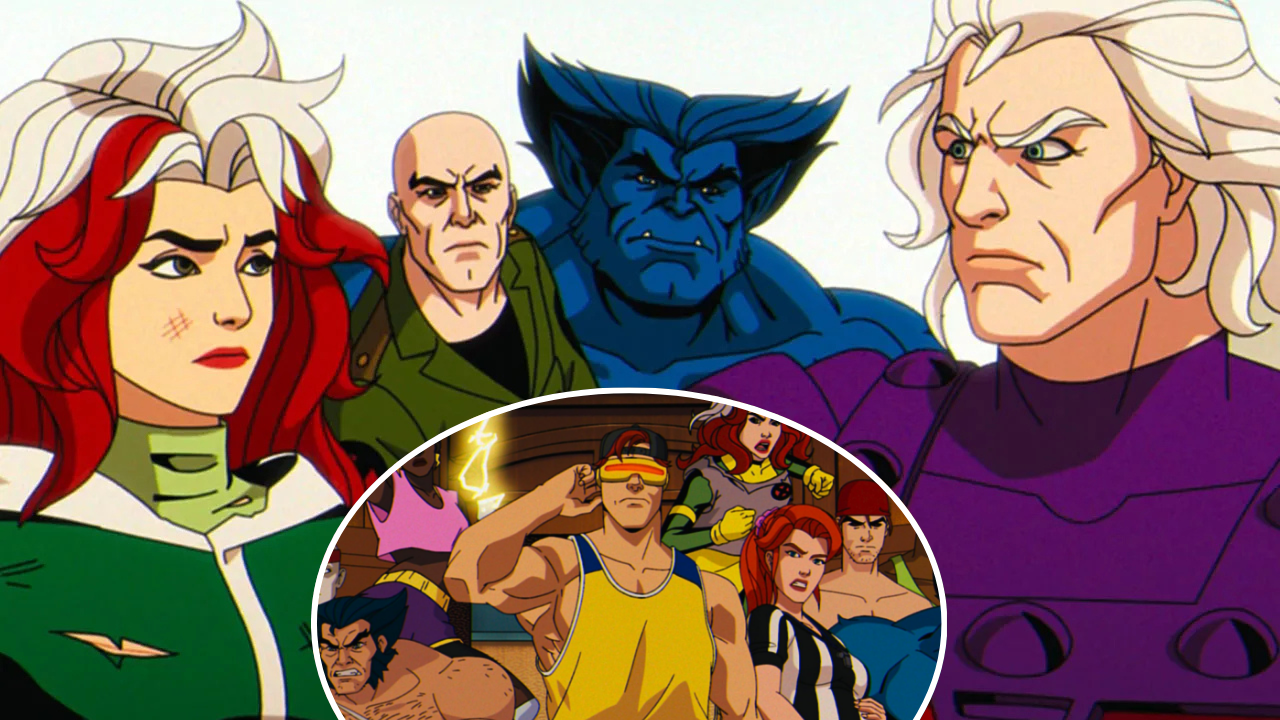
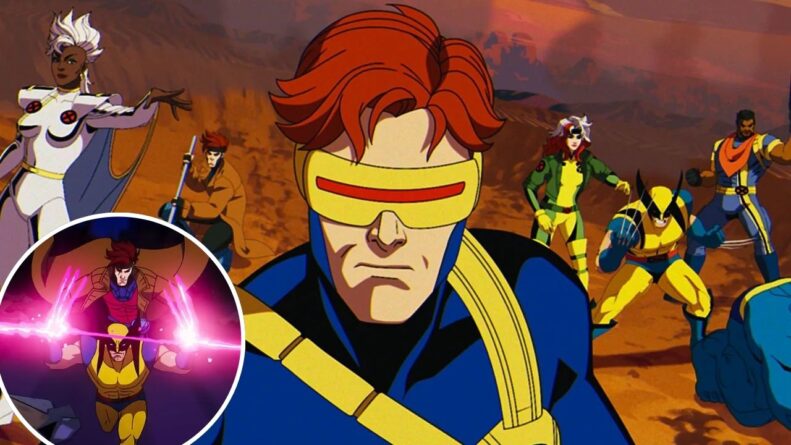
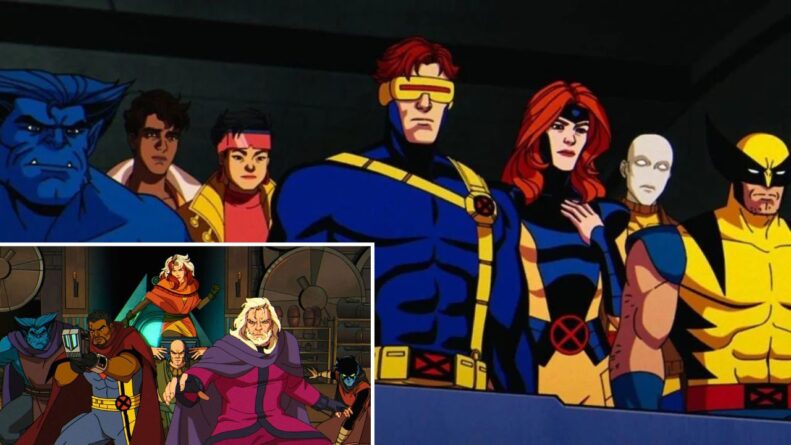
Marvel X-Men ’97 Season 1 success brings the next season on July 1, 2026. Marvel’s X-Men ’97 season 2 trailer hints at a very very dark plot and new characters joining with continuing the story after the season 1 finale with the most dangerous villain Apocalypse.
Season 1 ends with a timeline-shattering finale in May 2024, leaving a baggage of questions for fans. Everyone is end up in different time of period, Cyclops and Jean Grey were in 3960 A.D. and Rogue, Beast, Nightcrawler, Professor X, and Magneto found themselves in ancient Egypt, circa 3000 B.C., facing young En Sabah Nur who later become the worlds most dangerous person — Apocalypse. He also appeared in the gut-wrenching mid-credits scene and picked up Gambit’s charred playing card with a smile.
The wait is almost over. Marvel X-Men ’97 Season 2 is set to deliver on every promise — with a nine-episode run, a sprawling cast of new and returning mutants, and the most terrifying villain in X-Men history taking center stage.
Quick Facts At a Glance
Premiere Date
July 1, 2026
Season
2
Episodes
9
RT Score S1
99%
Main Villain
Apocalypse (En Sabah Nur)
Stakes
All time
X-Men ’97 Season 1 Recap: Where We Left Off
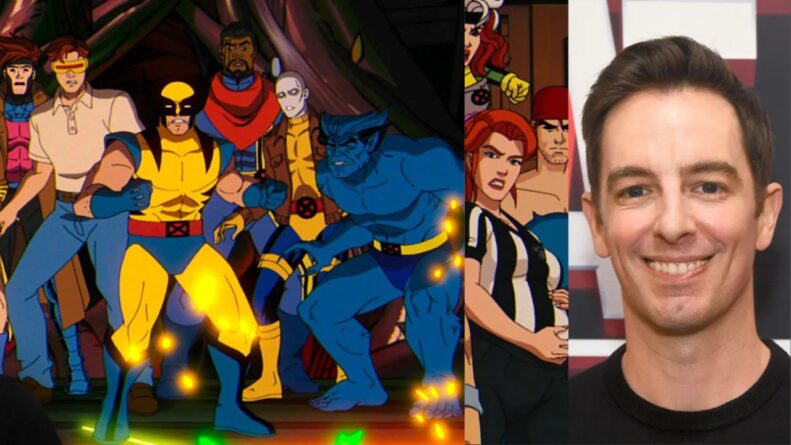
Before watching Season 2, a recap of X-Men ’97 season 1 is crucial to understand the storyline. It picked up from the 1997 finale of X-Men: The Animated Series, it was one of the best superhero cartoons ever. The revival series is penned by Beau DeMayo who is head of Writers and produced by Marvel Studios Animation, the series premiered its first season on Disney+ in March 2024 and was widely praised by fans and critics.
The Genosha Massacre
Marvel X-Men ’97 Season 1 episode 5 was the main emotional core of the whole season that genuinely shocked audiences by the attack of Sentinel on the mutant safe haven of Genosha. In order to protect others, Gambit sacrifices himself in that explosion which raises the stakes of “Remember It” as the most emotional episode. It was the kind of bold, unflinching storytelling rarely seen in animated television.
Bastion and Operation: Zero Tolerance
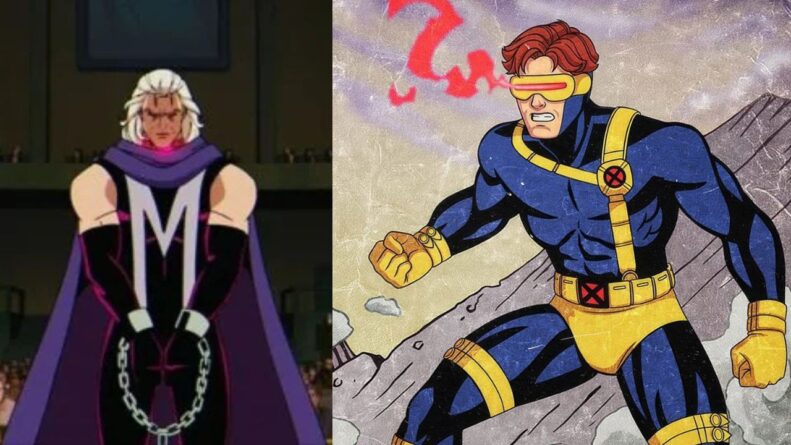
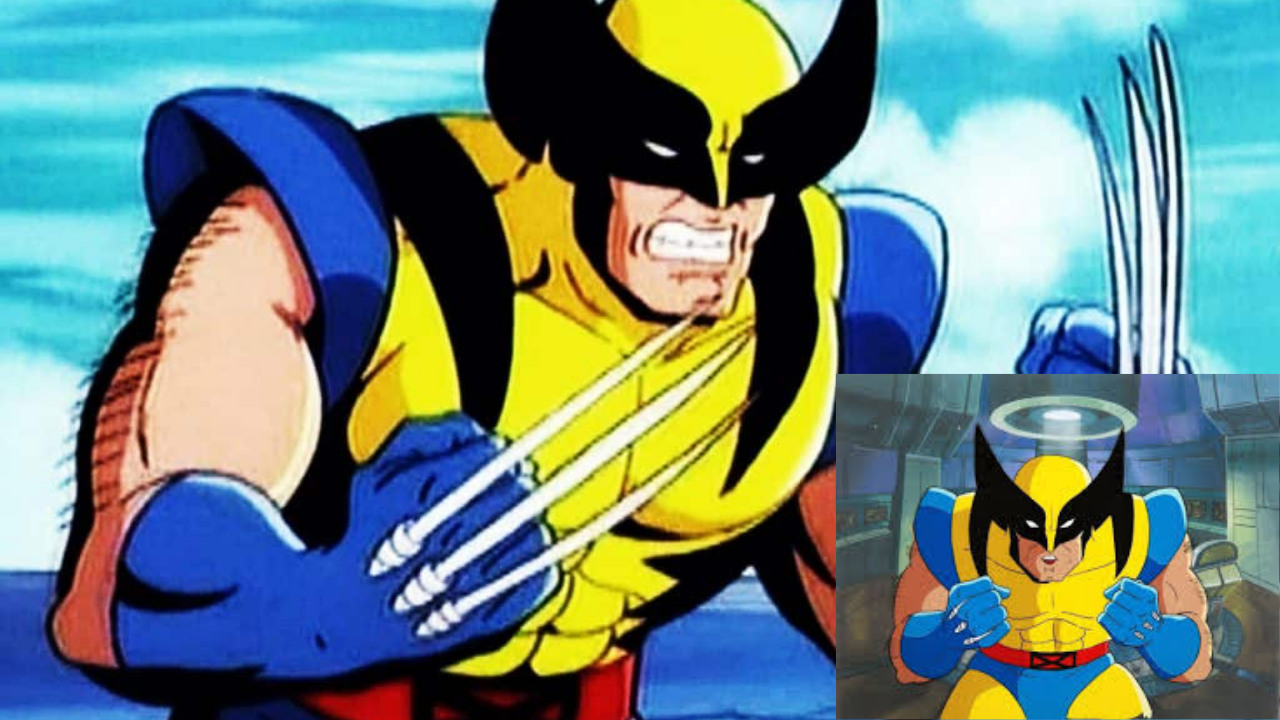
In the three-part finale “Tolerance Is Extinction” the real villain is revealed to be Bastion, a human-mutant-machine hybrid who became a representative of the next evolution in anti-mutant warfare. The X-Men won the fight at the end, but at a personal cost. During the conflict, Magneto, in-charge of the X-Men after Professor X created a blackout and tears the adamantium out of Wolverine’s body, leaving Logan in a catastrophic state.
A key moment between Magneto and Professor X when he entered into Magneto’s mind with his Psychic power that nearly destroyed them. This causes a possibility of the terrifying entity born from the darkest corners of both psyches – Onslaught which could become a major threat in future seasons.
X-Men Scattered Through Time
In the end of season 1, the X-Men were flung across time. Cyclops and Jean Grey are separated and thrown from the rest of X-Men and end up in 3960 A.D. where they have adopted son Nathan (Cable). Magneto and Professor X are end up in 3000 B.C. in ancient Egypt along with Rogue, Beast, and Nightcrawler. In their timeline, Apocalypse was just a young child En Sabah Nur, who was outcast because of his mutant ability to the brutal tribe. In the mid-credits scene, Apocalypse visits Genosha and smiles while looking at Gambit’s playing card which means he has plans for him.
What’s The Plot of Marvel X-Men ‘97 Season 2?
According to Disney’s official synopsis, the X-Men are scattered across different eras in time and busy finding their way to come back home. Meanwhile, back in the 1990s, new enemies were rising in their absence who have strong hate against mutants.
Marvel X-Men ‘97 Season 2 trailer dropped in May 2026 and gathered million views. It featured Rogue mourning Gambit’s death with Nightcrawler then scenes shifts to X-Men across every era of history. The trailer ends with Apocalypse declaring war:
“I must strike them at their most vulnerable — the 1990s!”
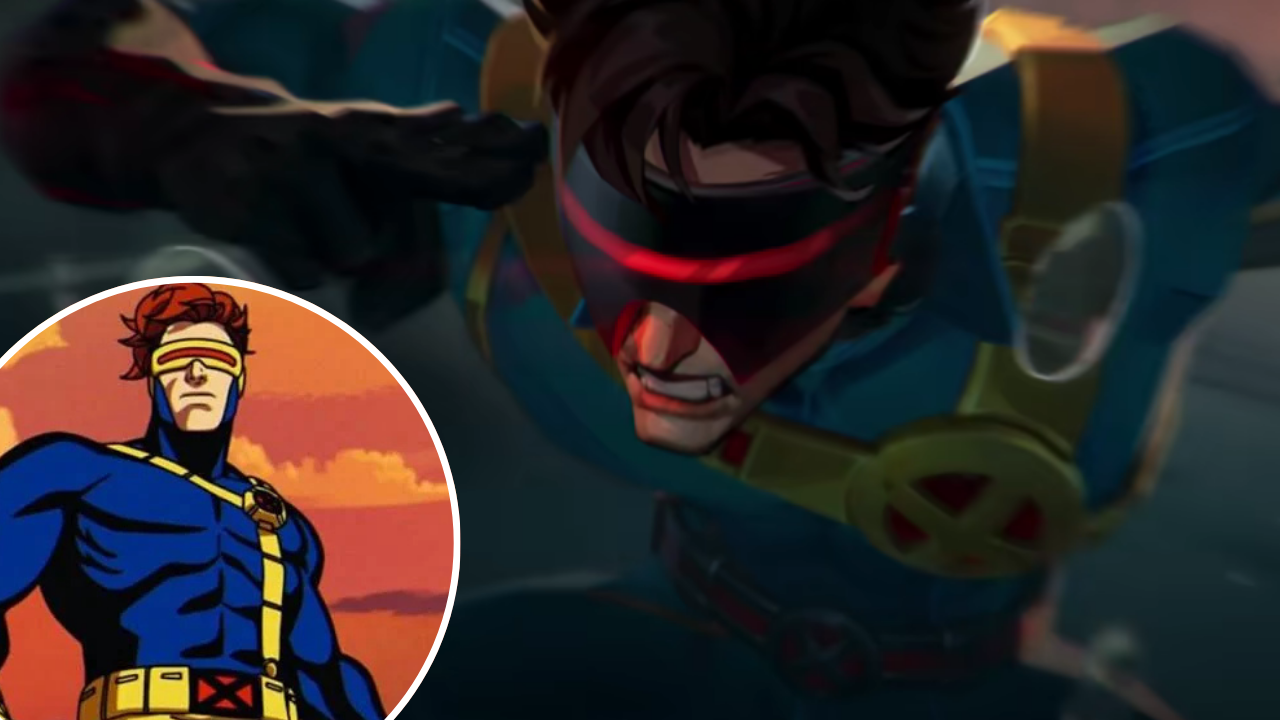
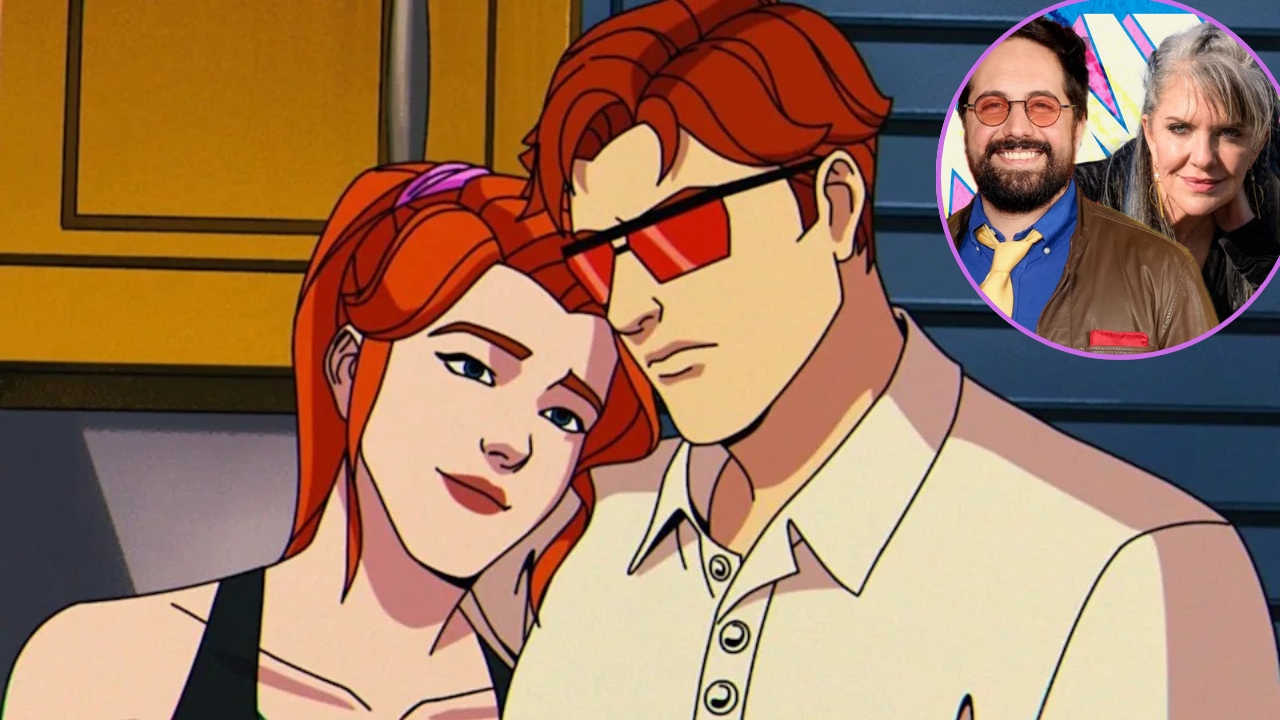
The one major subplot is confirmed that draws from the 1994 comic The Adventures of Cyclops and Phoenix. As the finale showed Scott and Jean, they will raise their adopted son Nathan (Cable) in the far future, while Apocalypse remains a growing threat. Meanwhile, back in the ancient past, Bishop and Forge are trying to fix the fractured timeline. Professor X actor Ross Marquand said:
“He was surprised the season was approved because it is so dark and many die.”
The Time-Travel Breakdown
Marvel X-Men ‘97 Season 2 showcases every character being separated and thrown in different centuries.
3960
A.D
Cyclops & Jean Grey
They end up in the far future when Apocalypse is already rising with power. It is based on The Adventures of Cyclops and Phoenix comic.
3000
B.C
Rogue, Beast, Nightcrawler, Professor X & Magneto
They end up in the past (ancient Egypt) where Apocalypse is young, a grey-skinned outcast with the Sandstormers tribe.
1990s
Present
Wolverine, Bishop, Forge & Others
Holding on to the present day while Apocalypse plans to strike on mutants at their weakest era.
Apocalypse: The Ultimate Villain Returns
En Sabah Nur, born thousands of years ago in ancient Egypt where Rogue, Professor X and Magneto find him as a grey-skinned outcast, was taken in by a tribe called the Sandstormers, who brainwashed him with a brutal belief that only the strong one survive. And he enhanced his mutant abilities with celestial technology after growing up and created himself as the powerful judge to decide who was worthy to survive.
We only watched his young version as En Sabah Nur in 3000 B.C. in the X-Men ’97 Season 1’s finale. But Marvel X-Men ‘97 Season 2 will showcase his past, present and future simultaneously. Whether it’s only a child or a dangerous villain he becomes, one thing is sure that he is too powerful. And he is planning to erase all mutants at their weakest time.
The Season 1 mid-credits scene strongly suggests that Apocalypse came to the ruins of Genosha to resurrect Gambit for making him a Death, one of his Four Horsemen.
Returning & New Characters
Season 2 brings back the full core voice cast while introducing a significant roster of new mutants — many of them deeply meaningful to long-time comics readers.
Returning Characters
Wolverine – Cal Dodd
Somehow alive and fully functional after having his adamantium ripped out. How he recovered is one of Season 2’s central mysteries.
Cyclops – Ray Chase
Stranded in the far future of 3960 A.D. alongside Jean — facing Apocalypse at the height of his reign.
Jean Grey — Jennifer Hale
In the distant future with Scott — the Phoenix residue she carries may be crucial to their survival and escape
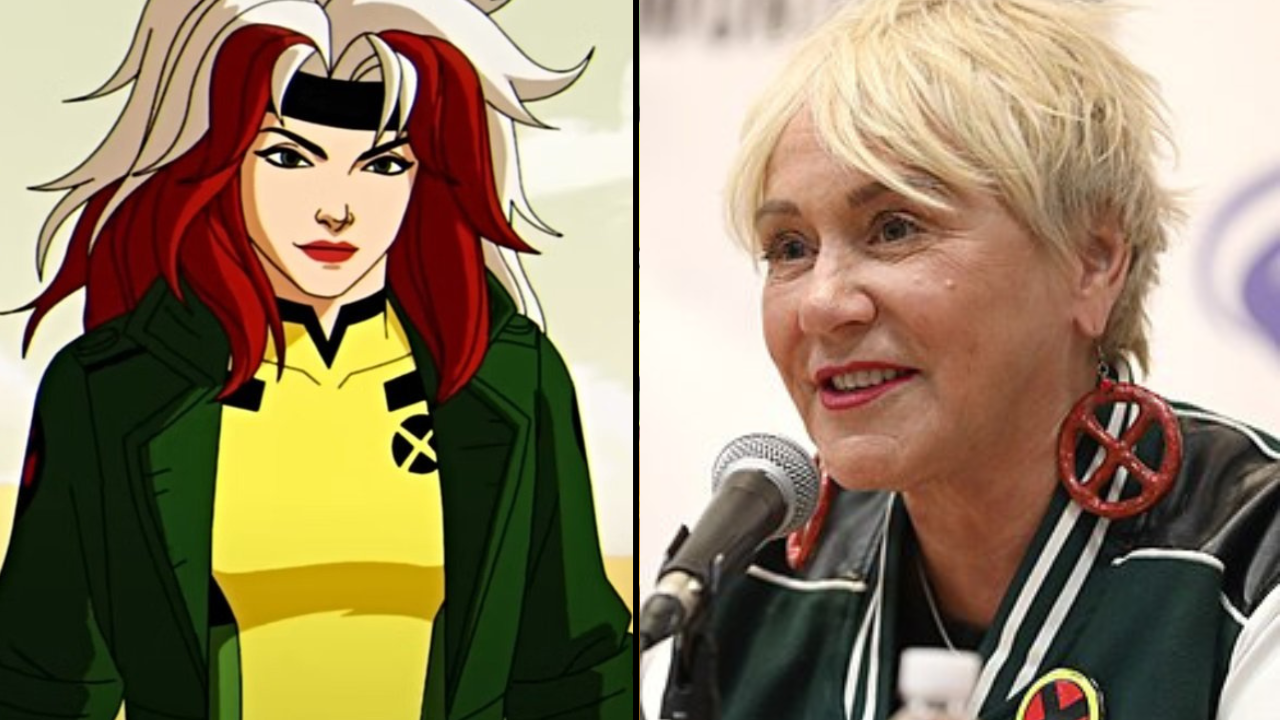
Rogue — Lenore Zann
Emotionally shattered by Gambit’s death. The trailer opens on her grief — and she’s trapped in ancient Egypt with Nightcrawler and Beast.
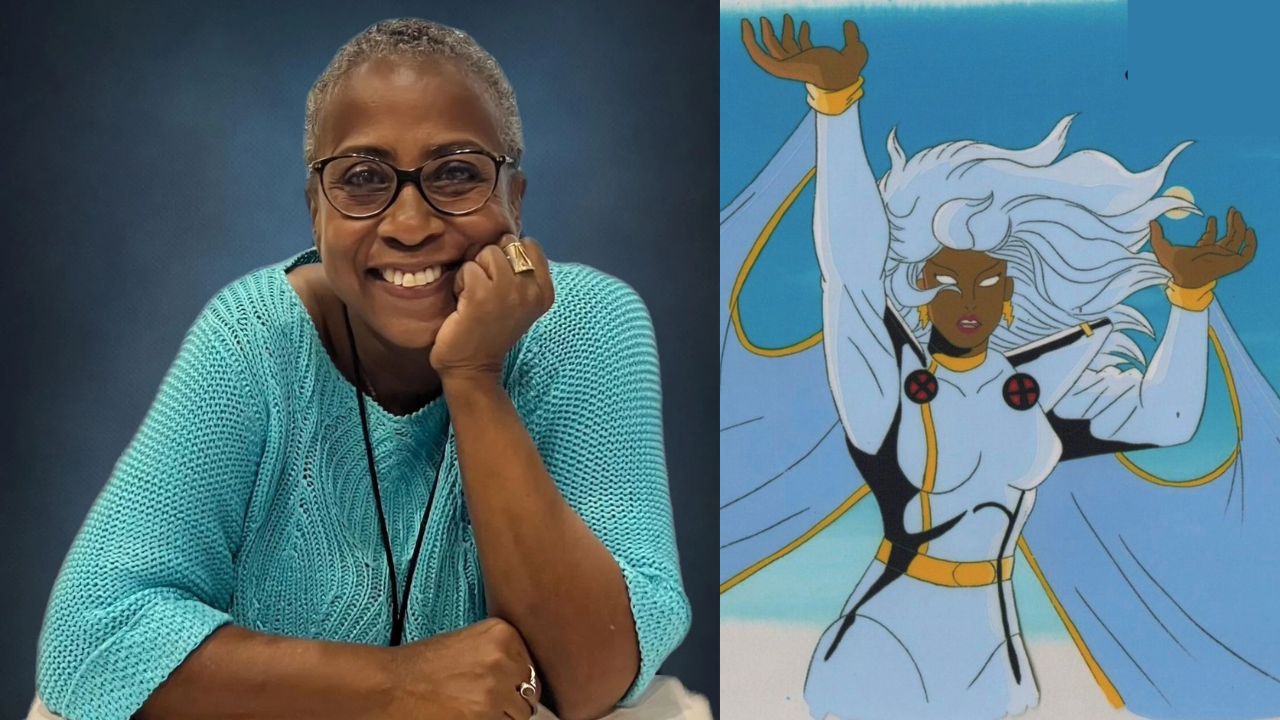
Storm — Alison Sealy-Smith
The weather goddess returns to the fray with her signature combination of power, grace, and moral authority.
Professor X — Ross Marquand
Caught in ancient Egypt, psychically weakened after his confrontation with Magneto. His survival is far from guaranteed.
Magneto — Matthew Waterson
Stranded in 3000 B.C., facing the man he helped create through the violent philosophy he once shared: En Sabah Nur.
Morph — J.P. Karliak
Gets the trailer’s most crowd-pleasing moment — briefly shapeshifting into Deadpool, sending social media into a frenzy.
New Characters in Season 2
Sabretooth — Wolverine’s Rival
Teased in the trailer’s final seconds with a claw reveal. Victor Creed’s appearance signals a brutal personal reckoning for Logan.
Psylocke — Psionic Warrior
Returns to the animated series with a storyline that reflects current comic continuity around Kwannon and identity.
Archangel — Warren Worthington
His dark metallic wings hint at a possible past as one of Apocalypse’s Horsemen — a deeply significant connection to the season’s villain.
Polaris — Lorna Dane
Magneto’s daughter makes her animated series debut — her complicated family legacy will matter enormously given the stakes of Season 2.
The steel-skinned Russian mutant joins the fray, adding raw power to a team desperately in need of it across every timeline.
Lady Deathstrike — Yuriko Oyama
Adamantium claws and a vendetta against Wolverine — her arrival adds a personal, physical threat that Logan is in no shape to handle.
Danger — The Danger Room
The living embodiment of the X-Men’s VR training facility — a deeply strange and compelling addition from Joss Whedon’s comics run.
Emma Frost — The White Queen
The telepathic powerhouse makes her Season 2 appearance — whether as ally or antagonist remains one of the season’s intriguing question marks.
How Did Wolverine Survive X-Men ‘97 Season 1?
When Magneto left Wolverine heavily injured and close to death in the last moment of finale, left fans wondering if he ever survived or not. The scene directly connected to the famous 1993 “Fatal Attractions” comic storyline.
Marvel X-Men ’97 Season 2’s trailer answers one question that Logan is alive but leaves everyone wondering how he survived that state. He appears fully restored, adamantium claws and all. How? The show has not yet explained his recovery, which may be one of the central revelations of the new season.
Theories range from the Weapon X programme, to a future/past intervention by time-displaced allies, to Apocalypse himself — who has been known in the comics to “enhance” mutants for his own purposes.
“The trailer shows a different situation. Wolverine appears alive and fully functional again — his adamantium claws restored. The trailer does not explain how.”
Is Gambit Coming Back in Marvel X-Men ‘97 Season 2?
In episode 5 of season, Gambit died in order to protect everyone from the explosion to destroy an army of Sentinels and make its audience highly overwhelmed. Remy LeBeau — the Cajun reformed thief, the man who loved Rogue more than life itself — sacrificed himself which was magnificent and heartbreaking.
But in the X-Men comics, few deaths are permanent — and Gambit’s least of all. The Season 1 mid-credits scene indicates that Apocalypse plans to resurrect Remy as Death, one of his Four Horsemen. And this storyline directly adapted from the comics, adding more emotional core in the Season 2 of the series. Rogue is not drowning into grief only but the horrifying possibility of facing the man she loves turning into a monster which makes fans more excited.
Nothing has been officially confirmed, but Ross Marquand’s comments about the season being “very, very dark” and featuring a significant body count suggest the show is not pulling its punches. A resurrected Death-Gambit would be the kind of devastating narrative Marvel X-Men ’97 Season 2 has proven itself fully capable of delivering.
X-Men ’97 Season 3 Is Already Confirmed
The long-term future of X-Men ’97 is looking extremely bright. At New York Comic Con in October 2025, Marvel officially confirmed that Season 3 has been greenlit — announced even before Season 2 had a release date. Brad Winderbaum, Marvel’s Head of Streaming, Television, and Animation, has made clear that the goal is for the series to run for the long haul.
Marvel X-Men ’97 Season 2 was written by a team that includes original showrunner Beau DeMayo — who completed work on both Season 1 and Season 2 scripts before departing the project. Matthew Chauncey has since stepped in as writer to carry the series forward into Season 3 and potentially beyond.
Conclusion
Marvel X-Men ’97 Season 2 arrives with nearly impossible expectations — and every sign suggests it intends to exceed them. With Apocalypse as a multi-era threat, a team fragmented across thousands of years, Wolverine’s mysterious recovery, the spectre of a resurrected Gambit, and an already-confirmed Season 3, Marvel Animation’s crown jewel is only getting started. Clear your Disney+ queue. The mutants are coming home.
Alpana
Articles Published :
156
Alpana is Fandomfans Senior Editor across all genres of entertainment. She evolved in the media industry since a very long time, she manages the content strategy and editing of all the blogs. Her focus on story development, review analysis, and research is well-equipped that ensures every article meets the standards of accuracy and depth.
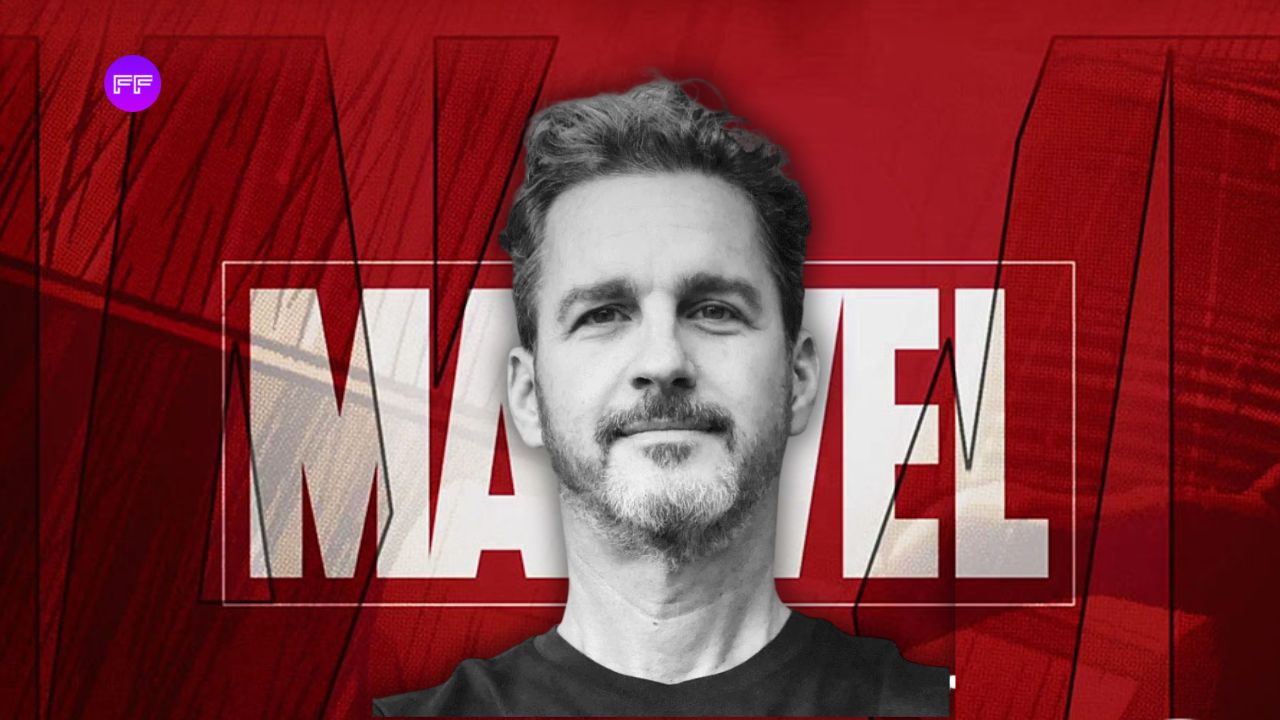
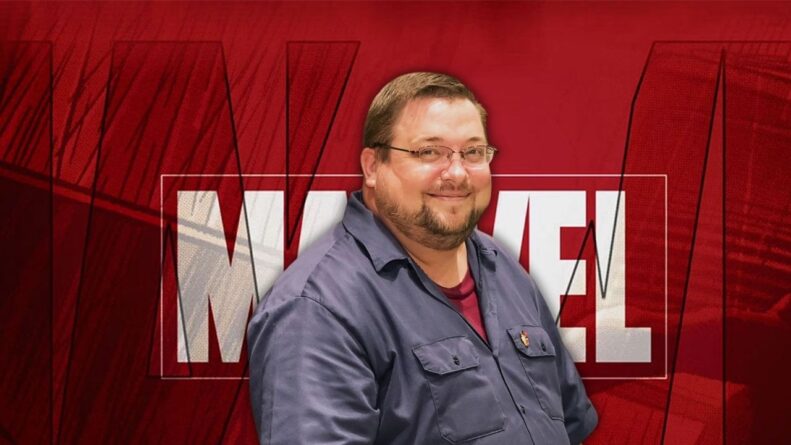
Marvel announced Stephen Wacker Marvel Comics Editor-in-Chief recently who previously worked on successful projects including Spider-Man, Hawkeye, and Ms. Marvel. This recent development created a lot of buzz among Marvel fandom and Marvel Comics is packing up its nearly nine-decade-old New York operation and moving to Burbank, California, right next to Marvel Studios.
However, taking a deeper look at what piece of work he brings along with him and the future of Marvel comics after Stephen Wacker officially becomes editor-in-chief.
Marvel Comics Announces Stephen Wacker as New Editor-in-Chief
The announcement about Stephen “Steve” Wacker becoming new Editor-in-Chief came before San Diego Comic-Con. He takes over from C.B. Cebulski. Brad Winderbaum, who now oversees Marvel’s Television, Animation, Comics, and Franchise operations, made the call, and Wacker will report directly to him. That reporting line alone tells you something — Marvel’s publishing arm now formally sits under the same umbrella as its screen and franchise business, rather than running as its own separate division.
Who Is Stephen Wacker? A Brief Biography
Wacker isn’t a new name to anyone who’s followed Marvel’s output since the mid-2000s. He started out on the DC side of the industry before crossing over to Marvel, where he spent well over fifteen years in various roles — editor, then eventually VP of Creative & Content — before stepping away to run other ventures.
He’s the kind of editor whose name shows up in the letters pages and back-matter of some genuinely beloved runs, which is a big part of why this appointment landed as a “welcome home” moment rather than a surprising outsider hire.
Stephen Wacker’s Career Journey in the Comic Book Industry
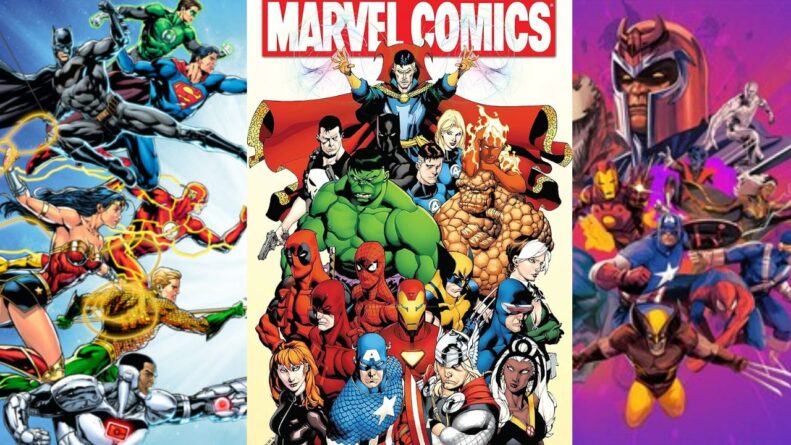
Wacker already spent years at DC Comics editing before joining Marvel, he also got titles like JLA, JSA, Legion of Super-Heroes, Jonah Hex, Villains United, and the critically praised weekly title 52 at DC. That experience running a high-output weekly book turned out to be good training for what came next. He joined Marvel as an editor in 2006 and spent about seven years steering some of the publisher’s most divisive and most celebrated stories at once — proof that a single editor can be both praised and criticized loudly by the same fandom in the same year.
Around 2013–2014, his career shifted toward Marvel’s television and animation side, and by 2019 he’d risen to VP of Creative & Content. He eventually left Marvel altogether to become Editor-in-Chief of 3W3M, Jonathan Hickman’s independent worldbuilding project, before co-founding the entertainment studio Stone Kite, where he served as SVP of Media. Now, he’s back at the company where he built his reputation — this time running the whole show.
Stephen Wacker’s Previous Roles at Marvel Comics
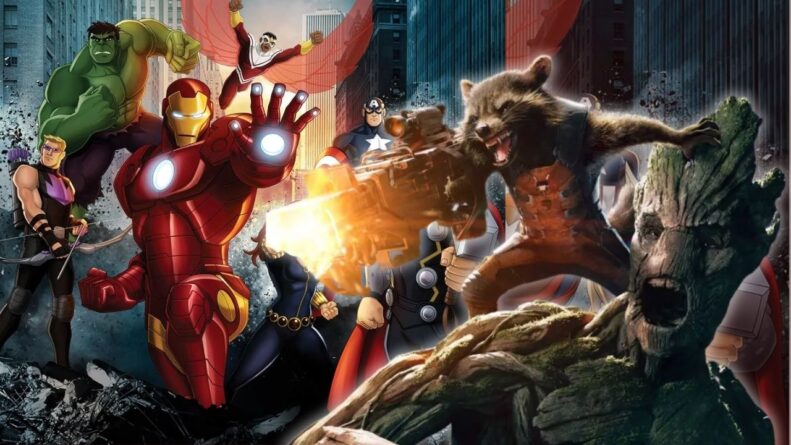
During his first run at Marvel, Wacker wore two very different hats. As a senior editor, he oversaw the comics side — the Spider-Man office, plus a run of acclaimed creator-driven books. Wacker later expanded into Marvel’s animation and digital media projects after working in comics, he co-producing the Emmy-nominated Rocket & Groot shorts.
He proved his outstanding work which takes him in co-executive producer’s position for Avengers Assemble, Ultimate Spider-Man, and Guardians of the Galaxy. And expanded to the Marvel’s Wastelanders audio drama series.
Wacker’s overall cross-format experience by working comics-to-screen in Marvel before leaving is what actually Marvel comics need right now.
Major Marvel Storylines and Characters Edited by Stephen Wacker
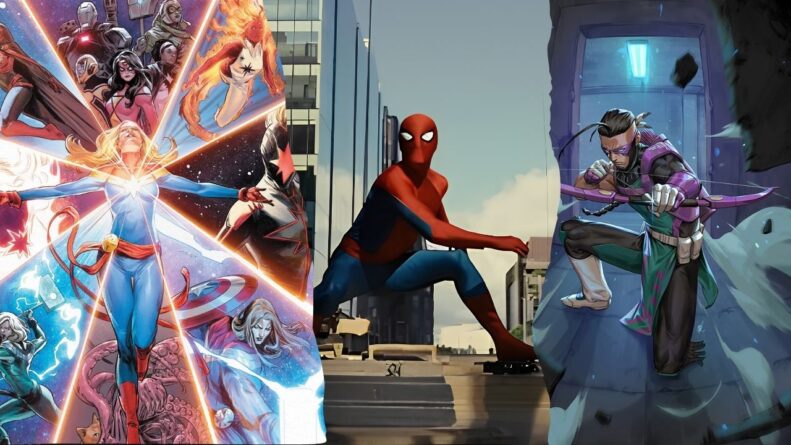
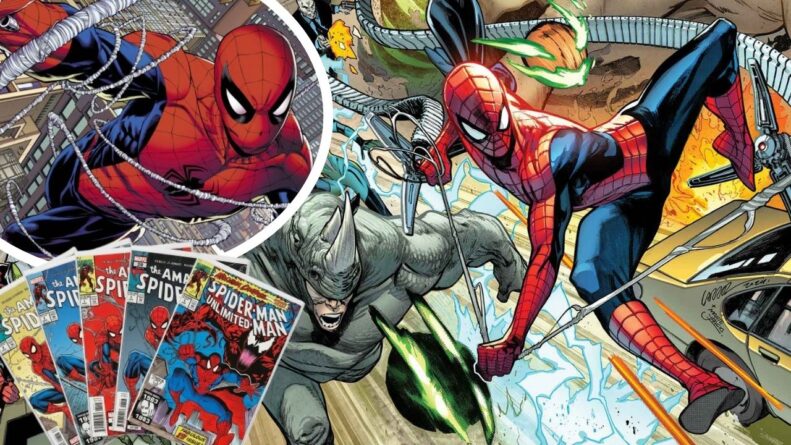
The entire work journey of Stephen Wacker is a breakthrough, as the editor of Amazing Spider-Man, he guided major storylines like One More Day, Brand New Day, and Superior Spider-Man for which he got huge appreciation. That’s not enough, he fluently edited on other fan-favorite projects like Hawkeye and Daredevil, both got praised by critics and readers.
Wacker also helped in the launch of Kamala Khan (Ms. Marvel), who is one of the most important Marvel superheroes and developed alongside Sana Amanat. Captain Marvel and some Venom storylines were edited by Wacker, so it is proved that he can handle both blockbusters, superheroes and character-driver stories.
Why Did Marvel Comics Choose Stephen Wacker as Editor-in-Chief?
Winderbaum’s own framing gives away most of the reasoning: he called Wacker someone who understands that Marvel Comics is “the source code” of the entire Marvel enterprise. Translation — the company wants an EIC who treats the comics not as a standalone print business, but as the idea factory feeding movies, shows, and games.
Wacker’s mixed background in both comics editing and screen production makes him an unusually good fit for that framing, especially with publishing now folded into Winderbaum’s TV, animation, and franchise division rather than operating independently. It’s less “we found the best pure editor” and more “we found someone fluent in both languages.”
Former editor-in-chief of Marvel comics isn’t fired but C.B. Cebulski served his role since November 2017 which makes him the 3rd longest-serving Editor-in-Chief. Cebulski is simply stepping into a new role: Editor at Asia Originals. He relocated to Tokyo where he will lead Marvel’s original manga and graphic fiction across the region with Japanese creators and publishers as his relations are good over there.
It’s a notable full-circle assignment given his own complicated history with Japanese comics — years before becoming EIC, he’d written Marvel comics under the pseudonym “Akira Yoshida,” posing as a Japanese writer, a story he only confirmed publicly in 2017. Cebulski and Wacker talked about the transition and both spoke warmly about their new positions.
Stephen Wacker’s Vision for the Future of Marvel Comics
Wacker shows his excitement and nostalgia through his statement.
it “a full-circle moment,” —Wacker
He also shared his first thing which sparked his love for comics — reading an issue of Marvel Two-in-One as a kid. It seems that his return is meaningful.
Wacker’s own statement leaned nostalgic and ambitious at once. He said returning to Marvel felt like “a full-circle moment,” recalling that picking up a Marvel Two-in-One issue as a kid is what turned him into a comics fan in the first place. He’s framed his goals around building on the work of Marvel’s founding generation while insisting the publisher’s best stories are still ahead of it — his words were about wanting to add “new floors to the House of Ideas.”
It’s early, so specifics haven’t been laid out yet, but the tone suggests a mix of respect for legacy runs and appetite for new creator-driven swings, not unlike the mix he championed the first time he held an editorial chair at Marvel.
How Stephen Wacker’s Appointment Could Impact Marvel’s Publishing Strategy
This appointment doesn’t exist in a vacuum. It’s the latest move in a publishing shake-up that’s been building since spring 2026, when longtime publisher Dan Buckley exited and Disney Music Group’s David Abdo came over as general manager of comics and franchise. That period also saw layoffs that removed sales chief David Gabriel and several Marvel editors, alongside cuts to the Studios side’s in-house visual development team.
Combine that with the physical relocation of Marvel Comics from Manhattan to Burbank over the next year, and the direction seems clear: Marvel wants its comics division sitting physically and organizationally closer to its film, TV, and franchise machinery.
Whether that tightens creative coordination between comics and screen projects, or just streamlines corporate overhead, will likely become clearer once the move is complete and Wacker’s first slate of editorial decisions starts rolling out.
Fan Reactions to Stephen Wacker Becoming Marvel Comics’ Editor-in-Chief
Wacker already worked with many creators and they all expressed their overwhelmingly warm excitement. Writer Zac Thompson called him one of the best editors in the business, while Declan Shalvey praised his taste and editorial vision.
Chris Cross, who’s worked with him at both DC and Marvel, described him as consistently fair and sharp. G. Willow Wilson, who co-created Kamala Khan alongside Wacker, joked on social media about the upside of Marvel’s move to the West Coast — no more brutal 2 p.m. East Coast deadlines.
Deniz Camp, Eisner-nominated writer endorse Wacker for this role as he is one of the finest editors in Marvel history. After the announcement, comic outlets dug Wacker’s old forum posts and poked jokes on daily challenges at being an Editor-in-Chief. While industry professionals are sharing positive excitement with enthusiasm rather than skepticism.
Upcoming Marvel Comics Projects Under Stephen Wacker
Since this is a fresh appointment, Marvel hasn’t detailed a specific slate of titles or storylines tied directly to Wacker yet — his editorial priorities as EIC will likely become clearer once the Burbank relocation is underway and San Diego Comic-Con conversations settle. What’s reasonable to expect, based on his track record, is a continued mix of flagship Spider-Man storytelling alongside space for smaller, creator-owned-feeling books in the Hawkeye or It’s Jeff! mold.
Anyone hoping for an early announcement will want to keep an eye on Marvel’s Comic-Con panels and press notes over the coming months rather than assuming anything is locked in yet.
Stephen Wacker’s return to Marvel as Editor-in-Chief closes a loop that started with a kid buying a Marvel Two-in-One issue off a spinner rack. It also opens a new one — a Marvel Comics division physically relocating to Burbank, reporting into the same leadership as the studios, with an editor at the helm who’s spent time on both sides of that divide.
Cebulski’s move to Tokyo isn’t an ending so much as a reassignment, and the broader restructuring around this appointment suggests Marvel is betting on tighter integration between its comics and its screen output. Whether that pays off in the actual books on shelves is the part fans will be watching for next.
Dive deeper into the details of movies, comics and series with Fandomfans to get the latest updates.
Alpana
Articles Published :
156
Alpana is Fandomfans Senior Editor across all genres of entertainment. She evolved in the media industry since a very long time, she manages the content strategy and editing of all the blogs. Her focus on story development, review analysis, and research is well-equipped that ensures every article meets the standards of accuracy and depth.