Best Spider-Man Marvel Comics for New Readers
Discover the best Spider-Man Marvel comics for new readers, from iconic origin stories to must-read adventures, with beginner-friendly picks to start your journey.
Published: August 10, 2026, 12:57 pm

Discover the best Spider-Man Marvel comics for new readers, from iconic origin stories to must-read adventures, with beginner-friendly picks to start your journey.
You just watched a Spider-Man movie in theaters and you’re hyped, now you open a Marvel website to find “Amazing Spider-Man #1,000-something” and other sections featuring dozens of series with “Spider” in the title. That’s the moment most people get confused and close the tab. Once you look at a clean list of best Spider-Man Marvel Comics which is especially good for new readers, you’ll definitely own them.
Spider-Man has been published continuously since 1963, which means there are literally thousands of issues, and no one is expecting you to read all of them. You need maybe six comics to actually understand why this character has outlasted every trend in pop culture for over sixty years.
This is a guide to Spider-Man Marvel comics built specifically for people who have never picked one up. No filler, no “if you really want to go deep” tangents into 1990s clone sagas. Just the stories that made the character, in an order that won’t burn you out in week one.
The one where issues starts is The Amazing Spider-Man #1 from 1963, if you are a new reader then start with this comic. Because it is the oldest and still so valuable to the Spider-Man fans. It carries stiff dialogues, different storytelling reminiscing nostalgia, and the different version of Peter Parker from the one you know in the movies. Comic readers mostly recommend toward “the beginning,” but that advice mostly exists because it’s easy to give, not because it works.
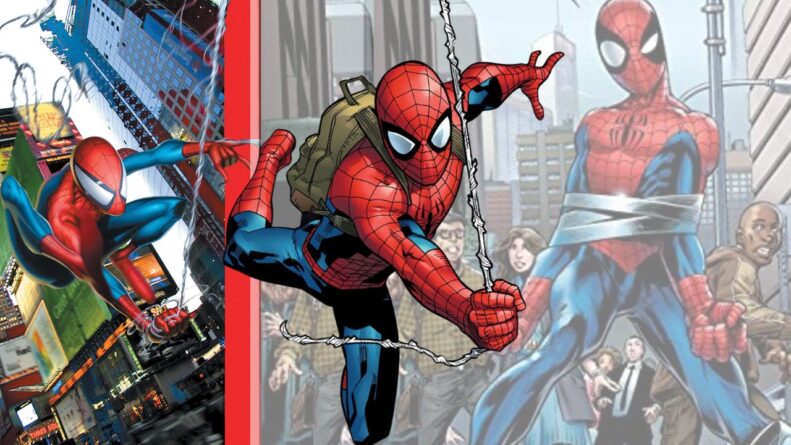
What actually works is starting with a story built to be an entry point — something written by people who knew a new generation of readers had zero patience for sixty years of backstory.
If you are still deciding whether you read or not then begin with Ultimate Spider-Man Vol. 1 which is written by Brian Michael Bendis, since it is a full retelling of Peter Parker’s origin from scratch. This isn’t any spin-off comic, it is prepared with art by Mark Bagley, stripped of decades of continuity Spider-Man introduction so it is best for readers who’d never touched a comic before.
Bendis and Bagley led this series for more than 100 issues in a row, which is a ridiculous, unheard of run length for two creators on one superhero book, and it’s part of why the world is so tightly built.
It hits the beats you already know — the radioactive spider bite, Uncle Ben, the “Great Responsibility comes with great power” lesson but it takes its time with Peter as an actual teenager dealing with actual teenage problems before the costume shows up. In movies, Peter Parker’s high-school version where he felt true to life —- the tone came from this book.
Read More 👉 Spider-Man: Brand New Day Latest Update: What’s Really Happening?
If you are new and scared to find more than 100 Marvel comics, don’t worry because you don’t need the full 1970s-1980s Spider-Man run. There are two main stories which you can read as a beginner and that’s worth your time.
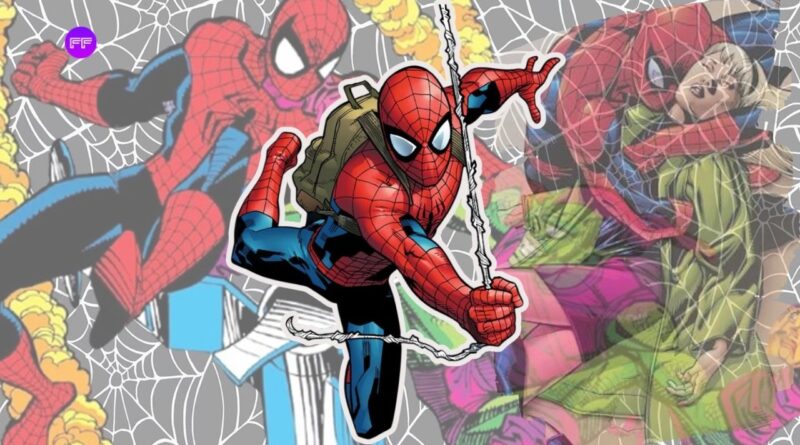
The Death of Gwen Stacy — This is the point where most comic historians reference about Superheroes doesn’t always get to win. Amazing Spider-Man #121-122 (1973), written by Gerry Conway follows the story, Spider-Man fails to save the person he loves. If you have watched Andrew Garfield’s Spider-Man then you probably understand the specific kind of grief the movie showed. That emotional heartbreaking tone came from this version, you’ll know once you read.
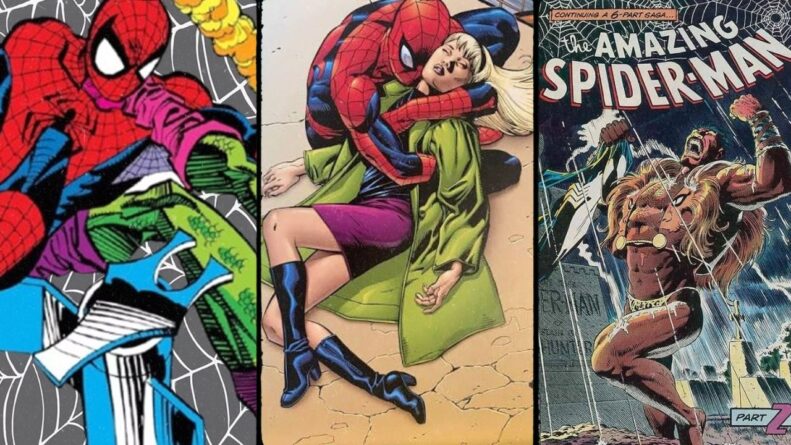
Kraven’s Last Hunt (1987) — J.M. DeMatteis and artist Mike Zeck crafted this six-issue saga, across three different Spider-Man titles of the era (Web of Spider-Man #31-32, Amazing Spider-Man #293-294, Spectacular Spider-Man #131-132). This is widely considered the single best Spider-Man story ever published, full stop. It’s dark, psychological, and doesn’t require you to know anything about Kraven the Hunter going in — the story tells you everything you need. Buried alive, replaced by his obsessive hunter, Spider-Man has to claw his way back to himself, literally and figuratively. It’s collected as one volume, so you’re not chasing three different comics.
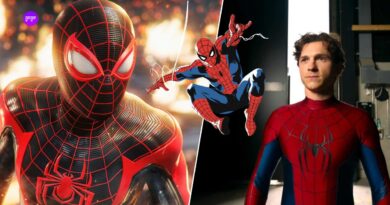
Miles Morales wasn’t just a temporary replacement of Spider-Man because Brian Michael Bendis introduced him as a fully new version of Peter Parker after killing off the Ultimate universe’s Peter Parker in 2011. And now this character is running on-screen as Miles Morales: Spider-Man series in the main Marvel Universe (Earth-616), that shows Miles become Marvel’s core heroes.
If you discovered Miles through the Spider-Verse films, and came to read comics then you land on the right place because you don’t need to read a single Peter Parker comic first. The Miles storyline built on its own and the comics is the original source of the films. Miles’s book has a completely different tone with its own villains, his own family drama with his parents, and a fresh perspective on living up to a legacy he never expected to inherit.
Read More 👉 Will There Be Another Spider-Man Movie? Here’s Everything Confirmed So Far
Right now, the newest Marvel Comic published is The Amazing Spider-Man which is now on its 7th volume that launched in April 2025. It is written by Joe Kelly. The series is currently in the middle of the “Death Spiral” crossover, featuring Spider-Man with Venom and Mary Jane Watson is hosting a symbiote, against a serial killer known as Torment. This storyline has a heavier tone, following a grittier crime-thriller than any Spider-Man story before. This is co-written by Joe Kelly and Al Ewing.
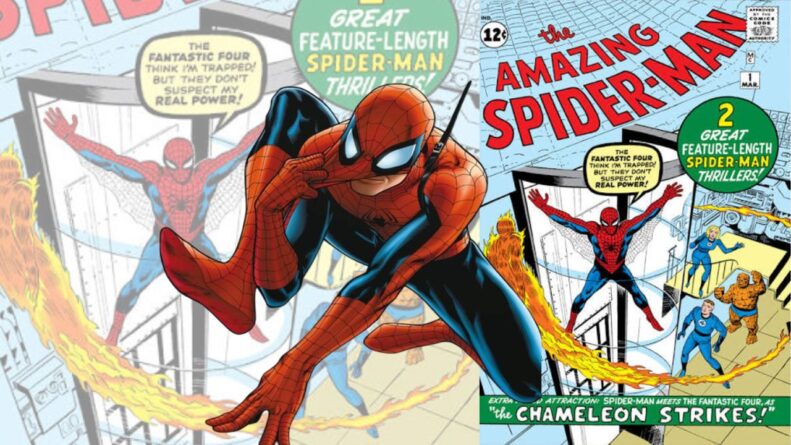
Otherwise, if it is a finished modern story you seek rather than an ongoing, Essential Ultimate Spider-Man (2024) by Jonathan Hickman and artist Marco Checchetto just wrapped up in February 2026 after 24 issues — and unlike most superhero runs, it makes an end. This is a what if scenario where Peter Parker is older, married with two kids and just now came out as Spider-Man, which turns the typical “teenager learns responsibility” formula upside down. While the title may be similar, this is genuinely a different take than Bendis’ version above, so don’t get the two confused.
If you’re the type who wants the best Spider-Man Marvel Comics checklist instead of prose, here’s the actual order to read these in:
That’s five to six books, not five hundred are best Spider-Man Marvel Comics. You’ll walk away understanding why Spider-Man has survived every reboot, every costume change, and every “is this character still relevant” think piece since Kennedy was in office — and you’ll have done it without touching a single clone saga.
If you only pick up one Spider-Man comic this weekend, make it Kraven’s Last Hunt. It’s a self-contained narrative that doesn’t depend on years of continuity or encyclopedic Marvel knowledge, yet it encompasses everything that makes Spider-Man such a timeless character.
Read More 👉 How Did Wolverine Get His Adamantium Skeleton in X-Men ’97? Explained
More than 30 years on, it is still one of the most emotionally resonant and psychologically complex superhero comics ever written—and the best Spider-Man Marvel Comics most likely to have even non-comics readers agreeing that Spider-Man is a bit more than a wisecracking guy who wears a red and blue suit.

Discover the top 10 Marvel Comic Books every fan should own, from iconic superhero origins to legendary storylines. Explore must-read classics that belong in every Marvel collection.
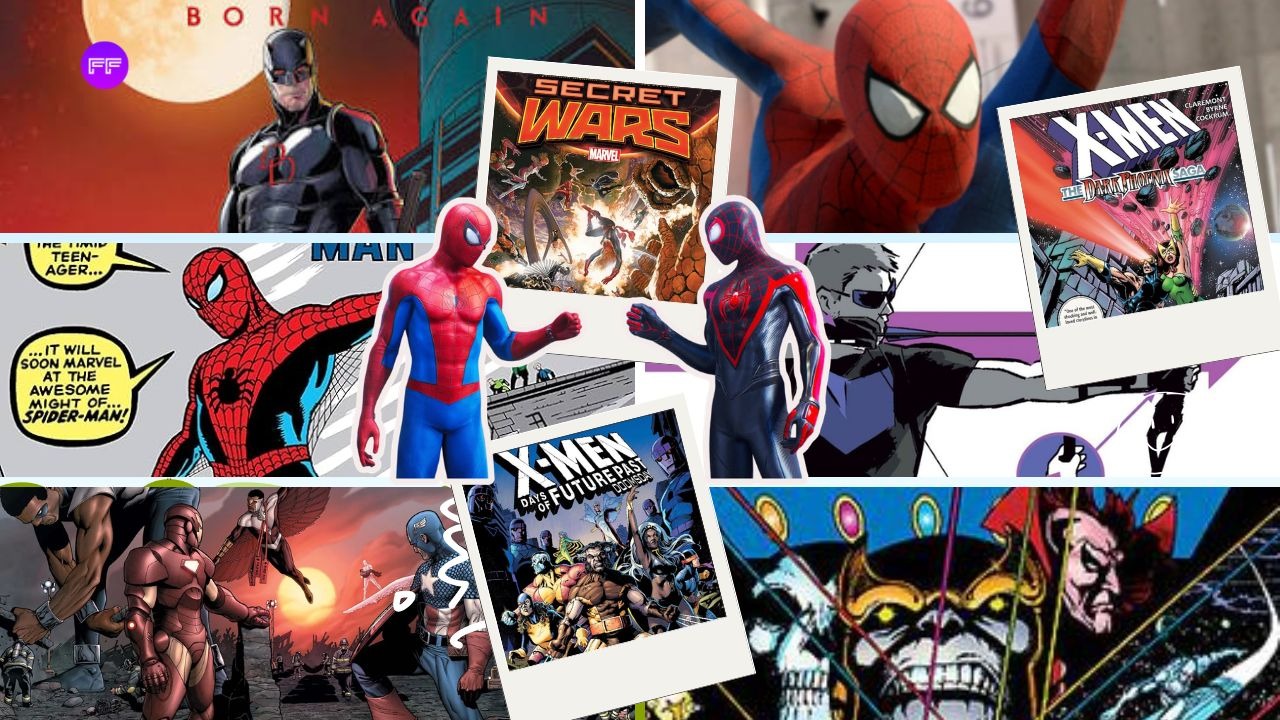
There are top 10 Marvel Comic Books that every fan should actually read. Marvel launched many animated series, movies, and web-series but the original source material was and will be these comics. There are more 70+ comic books which cover dangerous villains, multiple universes, superheroes, and a storyline that hits your brain and takes you to another world.
Making a collection of Marvel comics feels overwhelming when there are 80-plus years of continuity, endless reboots, and confusing variant covers to navigate. So we make a list of top 10 Marvel Comic Books to start over. Whether it’s cosmic epics or street-level grit, they will cover the storylines that built the modern Marvel Universe.
Creators: Jonathan Hickman (Writer), Esad Ribić (Artist) Release Year: 2015
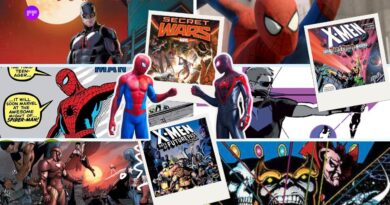
The black Spider-Man symbiote suit introduction is the core reason for The 1984 Secret Wars to become the most important Marvel comic. But it seems more like blatant toy advertisements than actually an important one.
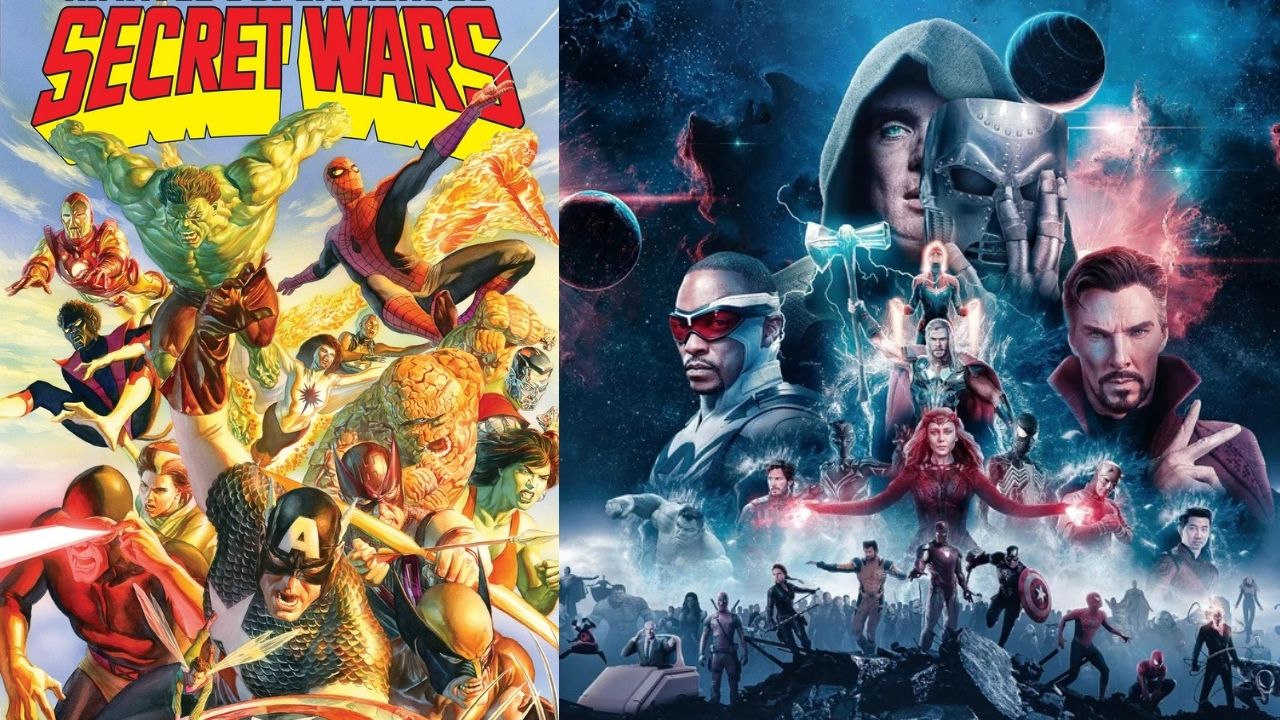
Jonathan Hickman’s 2015 epic, however, is a genuine masterpiece. It serves as the massive payoff to years of his Fantastic Four and Avengers runs. The multiverse collapses, leaving Doctor Doom reigning over a patchwork planet called Battleworld. While we still don’t have absolute confirmation on how closely the MCU’s upcoming Avengers: Secret Wars film will adapt this specific Battleworld, reading this run gives you the best possible foundation for understanding why Doom is the ultimate Marvel antagonist.
Creators: Chris Claremont (Writer), John Byrne (Artist) Release Year: 1980 (X-Men #129-137)
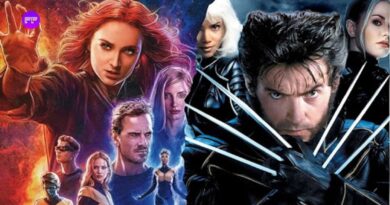
They failed to deliver this exact storyline on screen twice, long-time fans have refused to let this arc go since they are failing to capture the slow-burn tragedy of Jean Grey’s corruption. Once you start reading the original 1980 run, The Dark Phoenix Saga will let you understand why this is one of the greatest X-Men stories ever told.
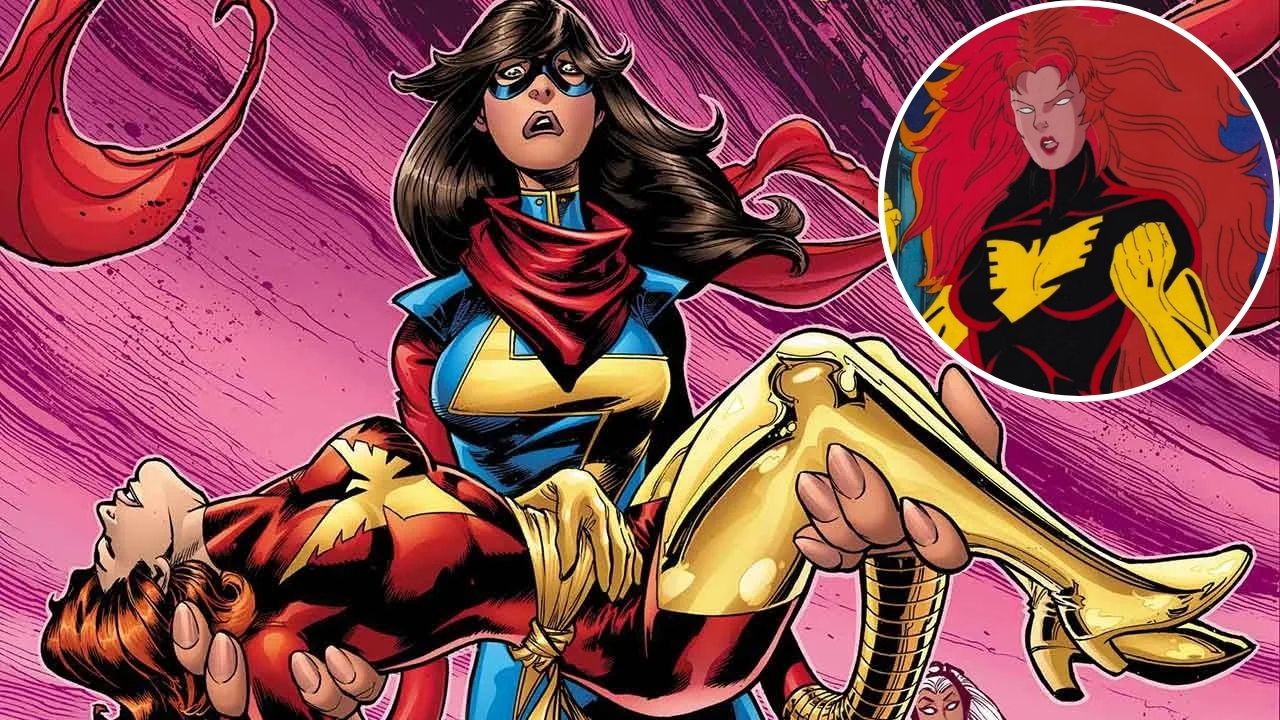
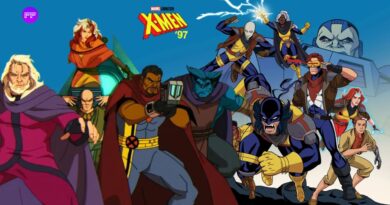
It also introduces Kitty Pryde, Emma Frost, and the Hellfire Club — they are the most iconic characters in X-Men history and deliver mutant soap-opera drama. With X-Men ’97 Season 2 currently airing and keeping our ’90s nostalgia alive, there’s no better time to revisit the Claremont and Byrne era. It’s a complete piece of not just superhero fight but a family story who tear them apart to stop the person they love the most.
Creators: Frank Miller (Writer), David Mazzucchelli (Artist) Release Year: 1986 (Daredevil #227-233)
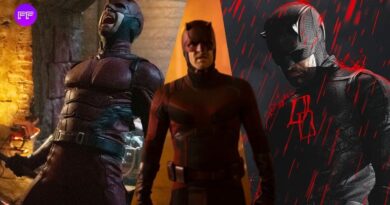
The most brutal and psychological breakdown of a hero is implemented on Daredevil in entire Marvel history. After kingpin uncovers his secret identity and systematically dismantle his life, his career, and his sanity is what Frank Miller’s Born Again pushes Matt Murdock to his breaking point. It strips the Man Without Fear down to absolute zero.
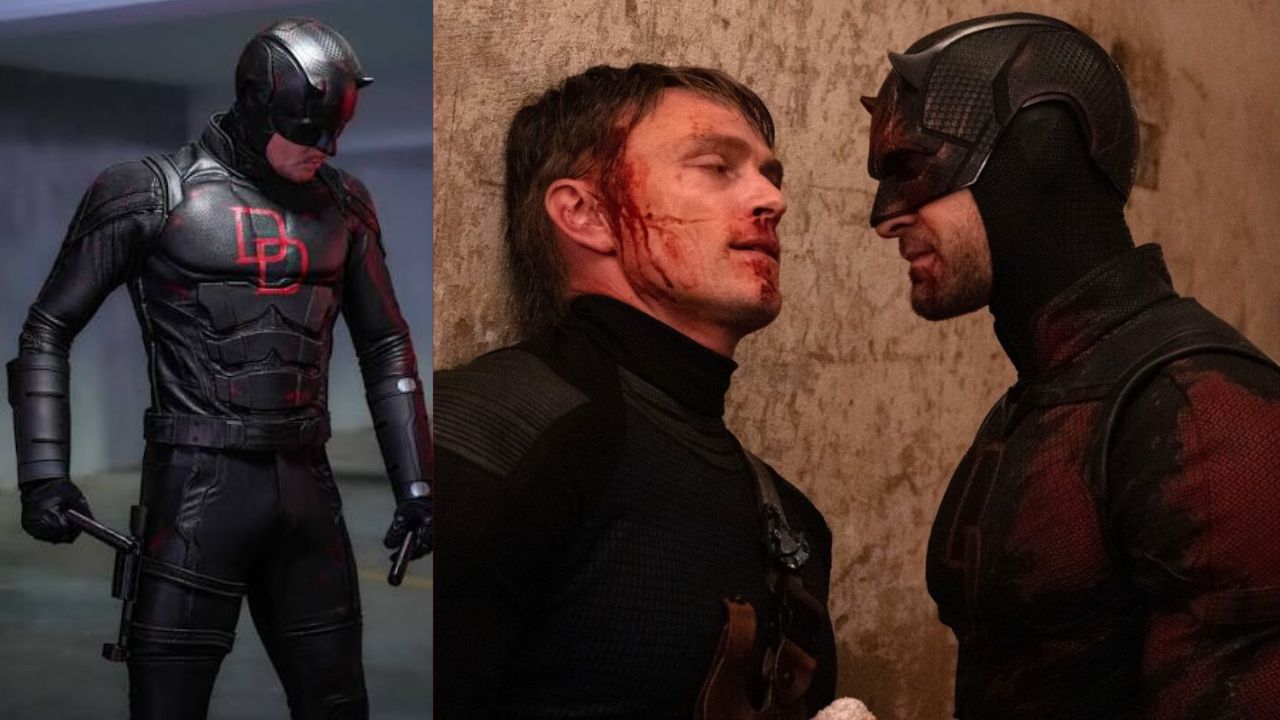
Fans still considered that no one could write a grittier Hell’s Kitchen than Miller along with David Mazzucchelli’s stark, shadow-filled artwork that gives classic noir thriller feeling. The live-action Daredevil: Born Again series took its name directly from this arc, the comic itself remains the benchmark for street-level Marvel stories, balancing both tension and resilience.
Creators: Stan Lee (Writer), Steve Ditko (Artist) Release Year: 1962
Most readers won’t get the original copy of 1962 Amazing Fantasy since it is a blueprint of Spider-Man. If you want to own Marvel’s most influential stories, you can still get a facsimile edition or collected reprint and start experiencing the first appearance of fully formed Peter Parker with his intelligence, self-doubt, humor, and sense of responsibility are all there from the beginning.
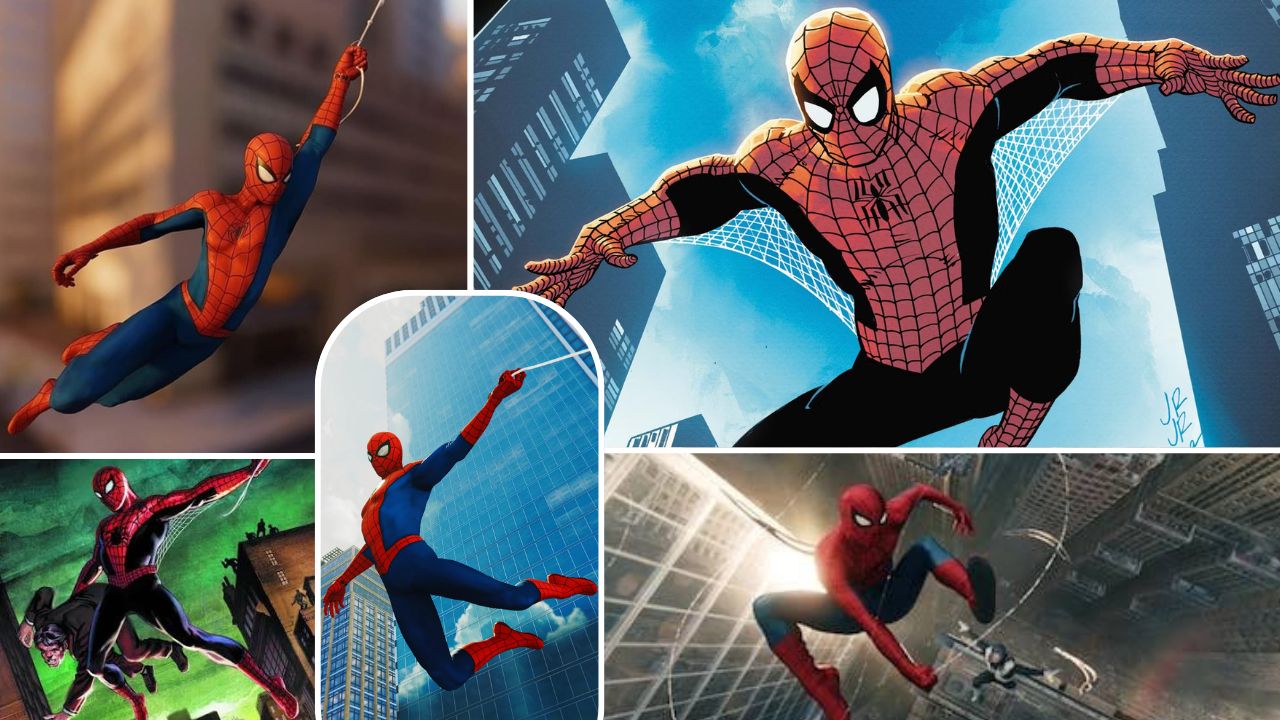
If you have watched the animated series ‘Your Friendly Neighborhood Spider-Man’ then you already explore Peter’s early years in Season 1, Season 2 will release in late 2026. But looking back at the original source of 11 pages that offers valuable context for the character’s enduring appeal is mesmerizing. Stan Lee and Steve Ditko introduce Spider-Man, execute the Uncle Ben tragedy and establish the timeless lesson that great power comes with great responsibility perfectly
Creators: Jim Starlin (Writer), George Pérez & Ron Lim (Artists) Release Year: 1991 (The Infinity Gauntlet #1-6)
The 1991 Infinity Gauntlet comic is different where the Thanos character is introduced in a more cosmic direction. He strangely erases half of all life to win the favor of Death itself rather than chasing after the Infinity Gems to balance the universe’s resources. The story is a grand, surreal saga that explores more of his intelligence far beyond what the films explored.
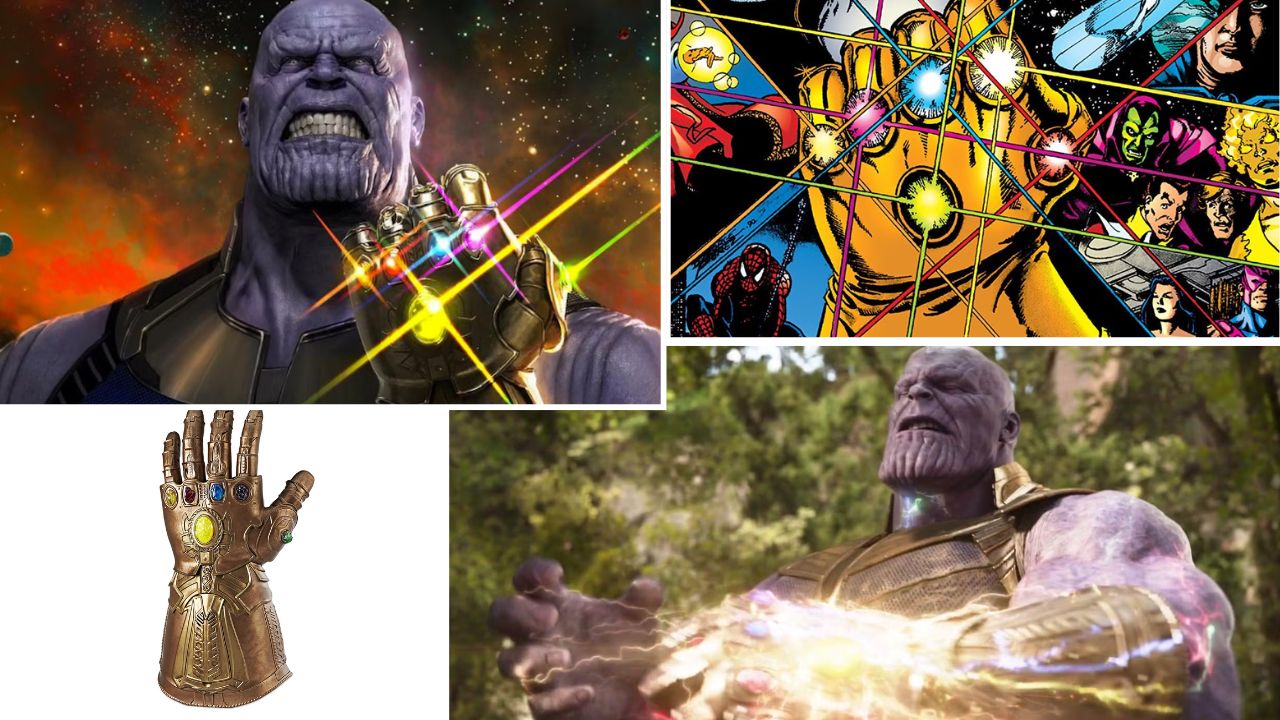
It features heavy hitters like Mephisto and the Silver Surfer who couldn’t make it into the early cinematic universe. Comparing Starlin’s psychedelic, cosmic horror to the Russo Brothers’ grounded cinematic take is half the fun of owning this book.
Creators: Matt Fraction (Writer), David Aja (Artist) Release Year: 2012 (Hawkeye #1-5)
Fraction and Aja throw out the spandex and focus entirely on what Clint Barton does on his days off. It all adds up to a grounded and character-driven crime story about Clint Barton who is seeking to guard his Brooklyn home from the Tracksuit Mafia, all while repeatedly wrecking his own life.
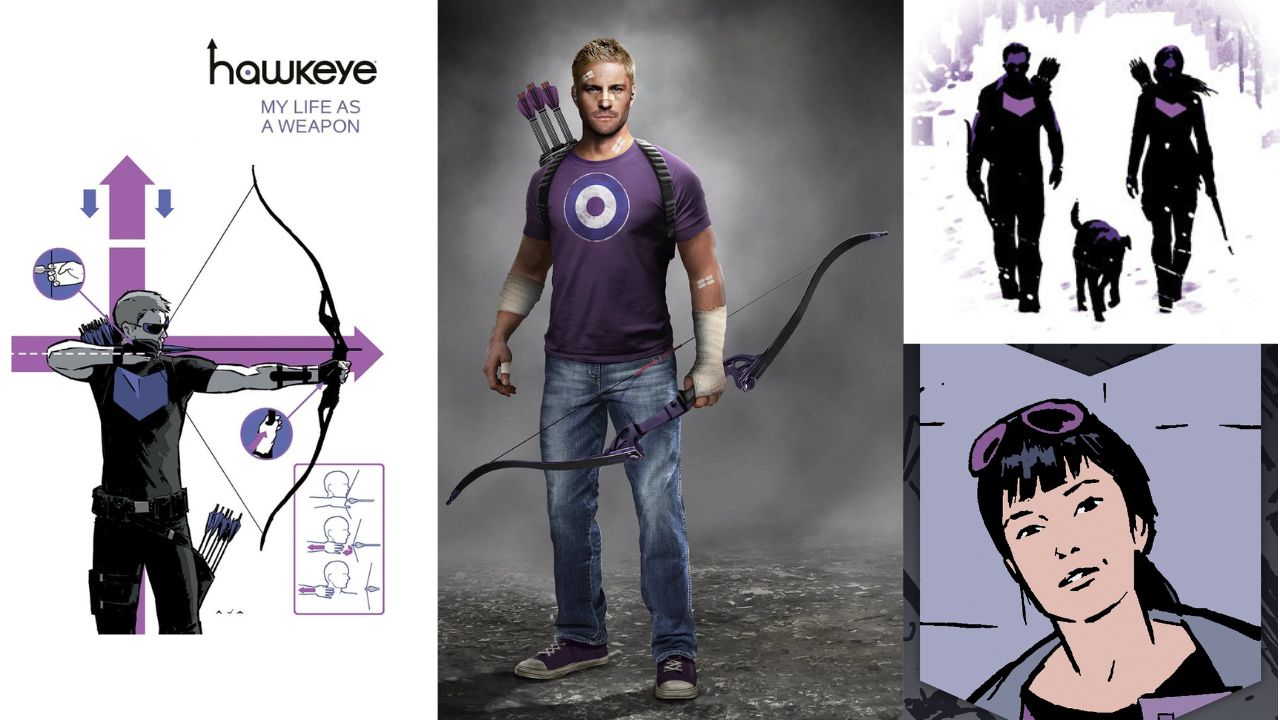
It was the direct inspiration for the Disney+ series Hawkeye. Aja’s minimalist, graphic design-heavy art is a masterclass in visual storytelling, and the introduction of Lucky the Pizza Dog immediately cements this run in the Marvel hall of fame.
Read More 👉 Will Spider Man Brand New Day Bring Back MJ and Ned? Do You Know
Creators: Kurt Busiek (Writer), Alex Ross (Artist) Release Year: 1994 (Marvels #1-4)
If you want to experience how it feels as a New Yorker in the Marvel Universe then pick Marvels since veteran news Phil Sheldon photographed the emergence of superheroes, extraterrestrial invasions, and cosmic menaces. The story evolves around his observances as he captures both the fear and wonder of living in a world filled with extraordinary beings.
In only four issues, it takes established elements of Marvel history and makes them feel bigger than life. Alex Ross’s photorealistic watercolors endow Captain America, the Human Torch and other characters with an almost mythic aura, while the down-to-earth perspective keeps the narrative intimately human. When you read this comic, you’ll probably feel warm and happy tears from the Golden and Silver Age of Marvel comics.
Creators: Brian Michael Bendis (Writer), Mark Bagley (Artist) Release Year: 2000 (Ultimate Spider-Man #1-7)
By the early 2000s, decades of interrelated stories had made Marvel’s main continuity impossible for many new readers to break into. The Ultimate universe, meanwhile, was a blank slate, reimagining Peter Parker for a new generation without having to call on years of backstory. Brian Michael Bendis carefully broadens the original origin of Spider-Man into a personal seven-issue story arc that lets his relationships and personal problems evolve.
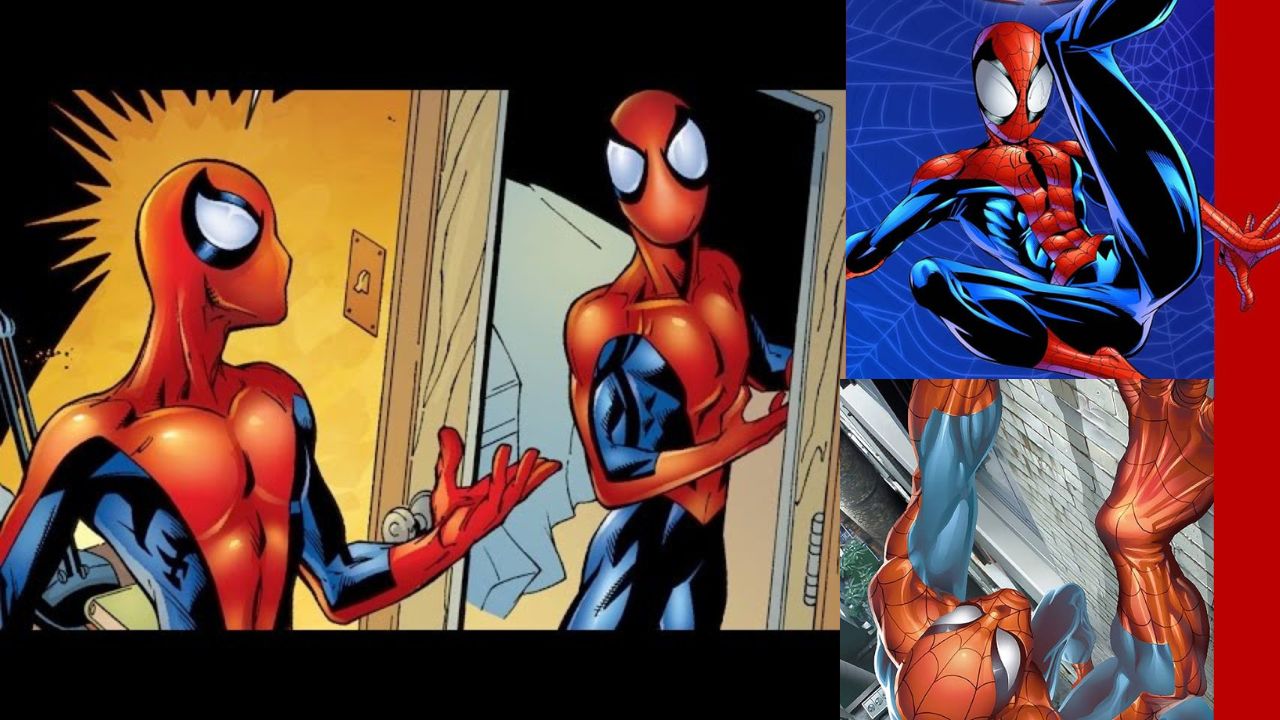
It heavily influenced both the Andrew Garfield and Tom Holland Spider-Man movies, in combining superhero action with the sensibilities of a teen drama. To this day, Ultimate Spider-Man is one of the simplest, most satisfying places for readers to jump into comics for the first time.
Creators: Mark Millar (Writer), Steve McNiven (Artist) Release Year: 2006 (Civil War #1-7)
Marvel fans who read Civil War know that comics focus on a much larger story and the feud between Tony Stark and Steve Rogers led the Marvel heroes community to be divided under the Superhuman Registration Act. So all of them have to choose who they want to go further with. But that’s not it, it reshapes the entire Marvel Universe through this division and after effects.
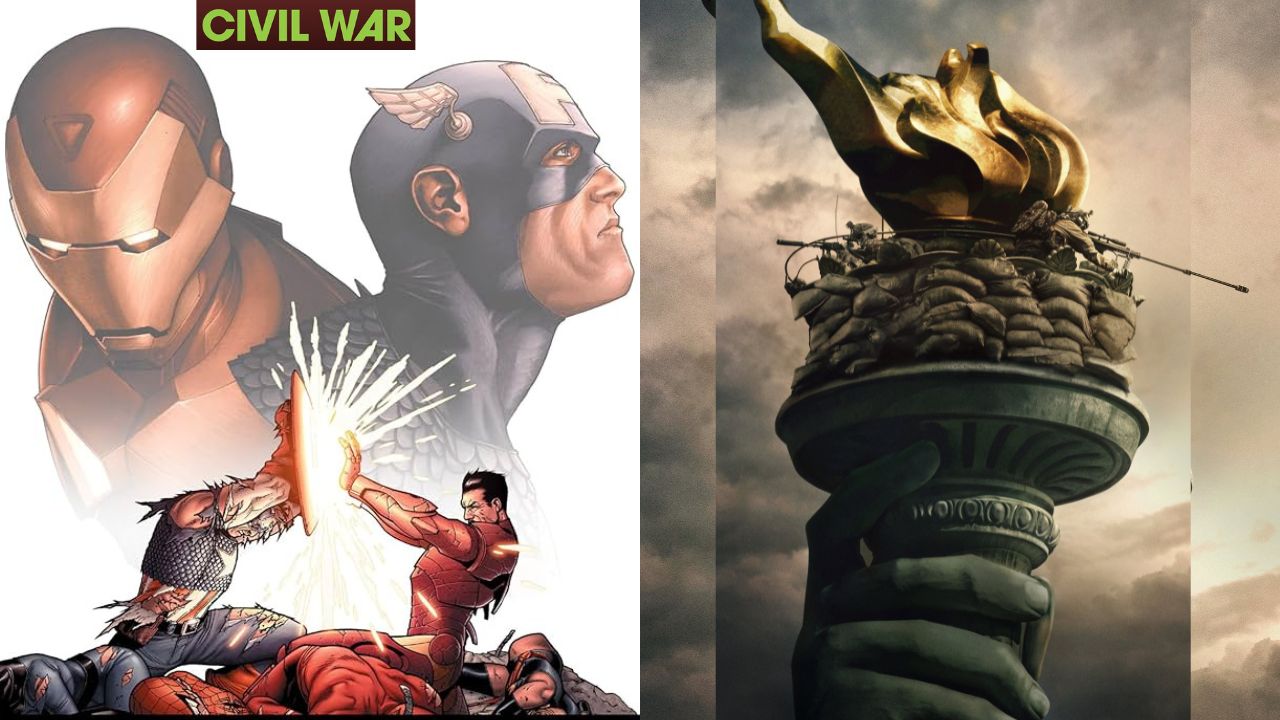
There is a portion of readers that feels Stark goes too far and that he is more cruel than he is usually depicted but none of that compares to the magnitude of the storyline. Unforgettable scenes—top among them Spider-Man coming out to the world—have solidified Civil War as one of Marvel’s signature contemporary crossover events.
Read More 👉 Will There Be Another Spider-Man Movie? Here’s Everything Confirmed So Far
Creators: Chris Claremont (Writer), John Byrne (Artist) Release Year: 1981 (X-Men #141-142)
Days of Future Past follows the story which has lasting influence on later films and comics. The older Kitty Pryde tries to prevent the chain of events by sending her consciousness back in time. All of it to rule under Sentinels and this short length comic structured on the introduction of a bleak dystopian world to the readers where mutants are on the brink of extinction.
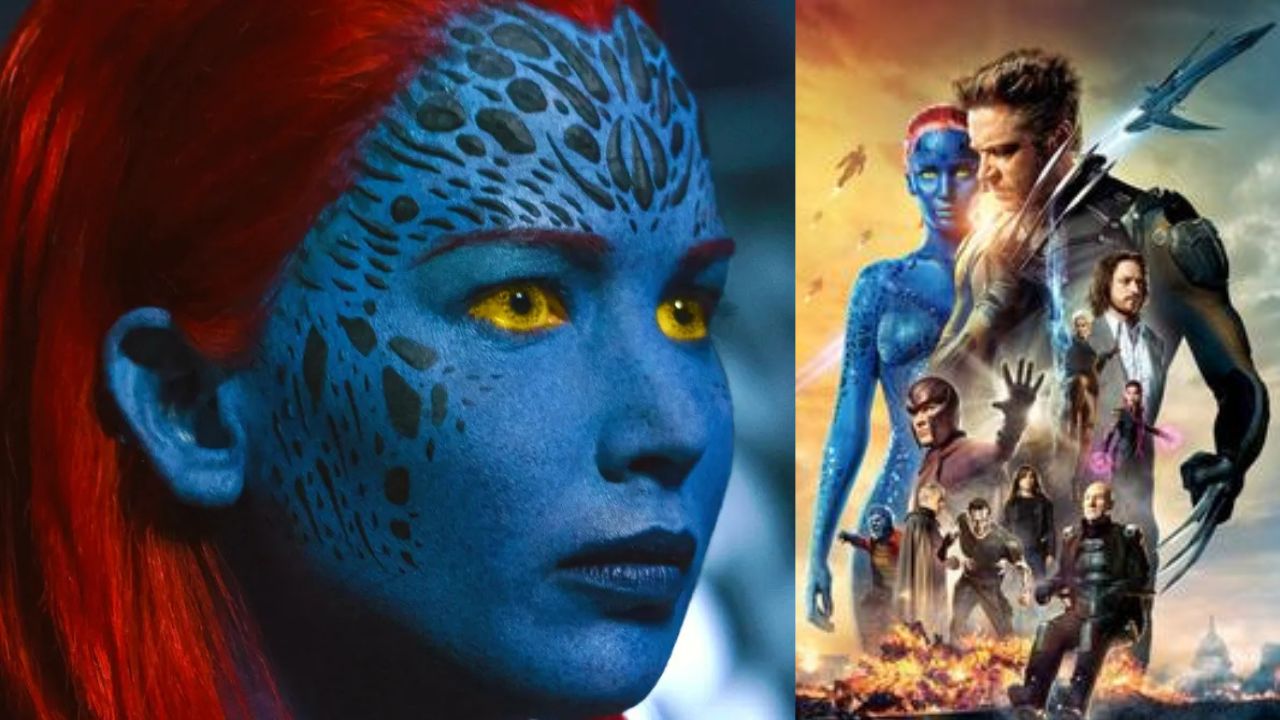
Chris Claremont delivers a master piece and visualizes it by John Byrne, both perfectly sync the storytelling. They create an X-Men tale, the remarkable piece of franchise which influences and inspires later stories.
If you only have the budget to pick up one trade paperback today, let your current watch history decide. If you’re getting ready for the next stage of the MCU, pick up Hickman’s Secret Wars to get a grip on the multiversal stakes. If you’re enjoying the X-Men ‘97 animated revival, find The Dark Phoenix Saga to see exactly where the mutant soap opera found its sweet spot. If you’re just looking for a story you can read with no background, Marvels has the most visually spectacular starting point.
Explore Marvel’s plans after the Multiverse Saga, including new MCU storylines, upcoming heroes, Avengers projects, and future phases.
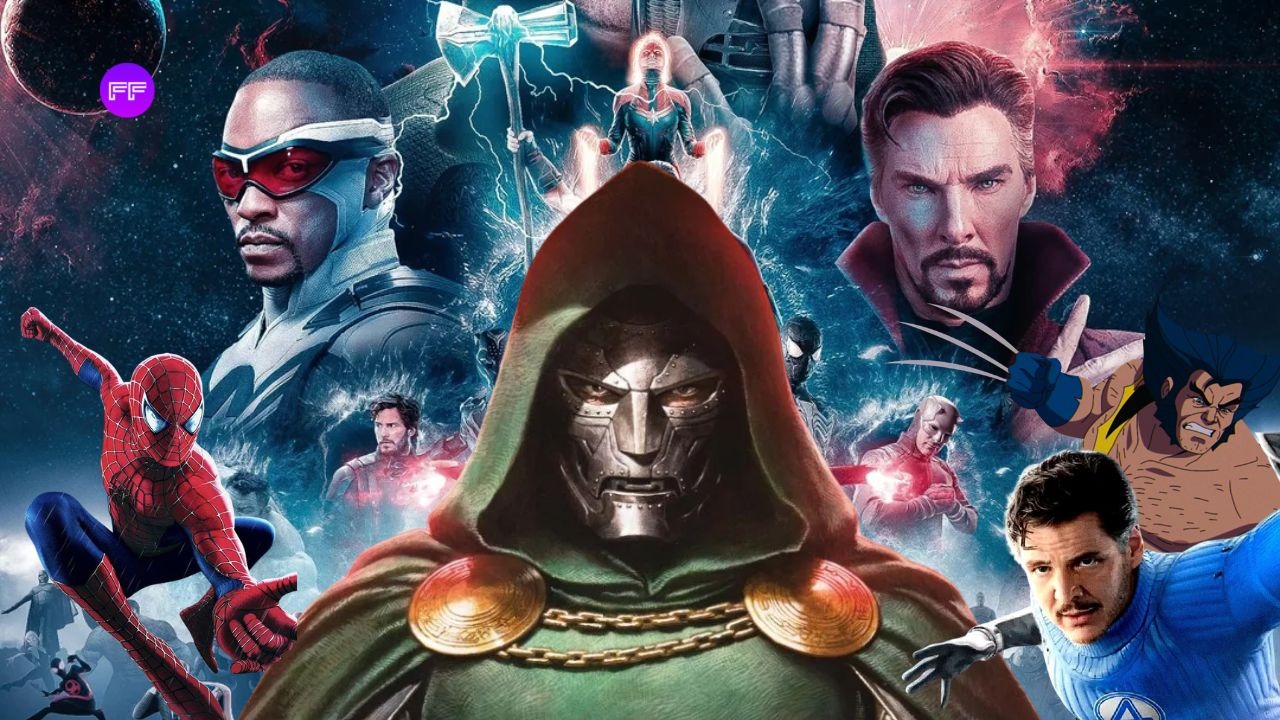
Marvel gave us powerful superheroes stories for years, now the Multiverse Saga has expanded the MCU into the new world by introducing alternate timelines, parallel universes, returning legacy characters, and stakes. One question is hovering among fans: what comes next for Marvel after the multiverse?
But as thrilling as those prospects have been, they’ve also left a lot of viewers wondering what direction Marvel can go next. With Avengers: Secret Wars anticipated to be the conclusion of the current era, stares are already turning to what comes next. From the much-anticipated introduction of the X-Men to a renewed emphasis on grounded storytelling and supernatural adventures, Marvel’s post-Multiverse future might just reimagine the franchise for an all-new generation of fans.
Secret Wars is genuinely the pillar of multiverse saga as it destroys a collapsing multiverse and then mends the surviving shards together into a unified, coherent reality.
Marvel Studios is highly likely to follow this exact blueprint. Let’s face it—the Multiverse Saga has given us unforgettable moments (hello, three Spider-Men sharing the screen), but it also brought a heavy dose of “variant fatigue.” When any deceased character can just pop up from an alternate Earth, the emotional weight of character choices can start to feel a little cheap.
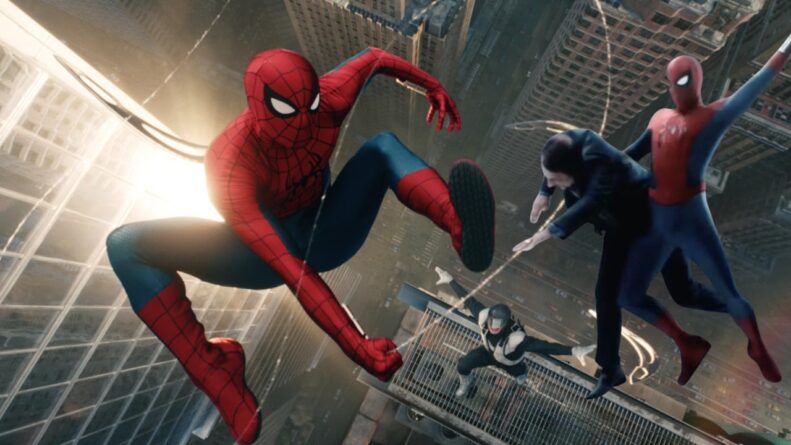
The stakes worked of Infinity Saga because everything occurred on a single timeline. The Multiverse Saga expanded the sandbox, but it watered down the tension. Avengers: Secret Wars will serve as a narrative “soft reboot,” giving Feige the opportunity to merge different universes, retire aging heroes with grace, and introduce a brand new, streamlined timeline where everyone coexists.
No more explaining complex timeline mechanics to casual moviegoers. No more multiverse rulebooks. Just one universe, one shared history, and a clean slate.
There are signs that suggest the third chapter would be the Mutant Saga because Spider-Man: Brand New Day also shows the physical mutation of Peter Parker and Wolverine resurrection in X-Men’ 97, all signs indicate towards it.
For years, fans have been wondering when the X-Men would officially integrate into the main MCU. We’ve had teasing appetizers—Professor X in Multiverse of Madness, Beast in The Marvels, and the glorious R-rated chaos of Deadpool & Wolverine. But Phase 7 is where the mutants stop being multivariate cameos and start running the show.
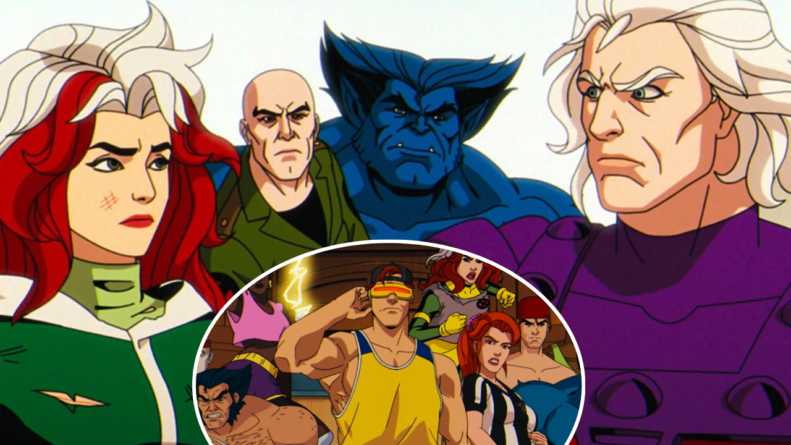
Let’s mention all the signs that suggests Marvel’s mutant-focused future plans:
With the original Avengers largely retired, passed on, or scattered across space, the post-Endgame MCU has occasionally felt a bit leaderless. The post-multiverse era will finally establish the new narrative pillars of the franchise. Instead of Iron Man, Captain America, and Thor, the next grand saga will likely be anchored by a new trinity:
One of the loudest critiques of recent Marvel phases was that the scale got too big, too fast. We went from street-level heroes fighting arms dealers to cosmic entities holding up the sky, leaving the universe feeling fragmented.
Marvel’s post-Multiverse direction suggests a conscious effort to pull things back down to Earth. Marvel has already started scaling back its yearly output by tightening its creative strategy with strong characters, coherent storytelling, and the upcoming Phase 7 slate reflects a return to focused, character-driven storytelling.
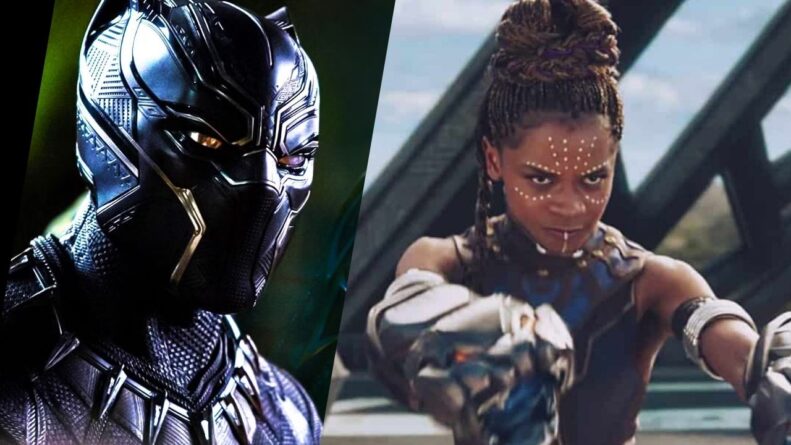
Ryan Coogler is reportedly developing the next chapter of the Black Panther saga, which is heavily suggested to be one of the very first movies to kick off the post-multiverse era in 2028. After the massive, reality-altering events expected to define Secret Wars, a return to the political intrigue, rich culture, and grounded stakes of Wakanda is exactly what the MCU will need to recalibrate its tone.
Destin Daniel Cretton is still widely expected to return for Shang-Chi 2 after a long wait. A post-multiverse MCU could be the better space to grow the characters that are so compelling with mythology and hidden mystical corners of Marvel’s world. Exploring martial-arts underworld of the MCU without having to worry about a timeline collapsing overhead.
While the mutants handle the sci-fi and political drama, Marvel has another long-gestating corner ready to explode: the supernatural.
We’ve seen pieces of this puzzle scattered around for years—Moon Knight, Werewolf by Night, and the mystical underbelly of Agatha All Along. While certain projects like the Blade reboot have famously taken their time in development, Marvel hasn’t given up on its darker side.
Many industry insiders believe Phase 7 will finally deliver the Midnight Sons—a team of supernatural anti-heroes handling the magical, occult threats that the Avengers are entirely unqualified to fight. A team consisting of Blade, Moon Knight, Ghost Rider, and perhaps a magic-weary Doctor Strange would offer a completely different tonal flavor to the franchise, swapping out the colorful cosmic playground for gothic, high-stakes horror.
Read More:- Spider-Man: Brand New Day Settles the Debate: Peter Parker Has What Jean Grey Never Could
Change is hard, and saying goodbye to an era defined by endless, chaotic possibilities can feel bittersweet. But the end of the Multiverse Saga isn’t a funeral for the MCU; it’s a graduation.
By closing the book on alternating timelines, Marvel is giving itself—and the audience—the greatest gift possible: consequences. When there is only one universe left standing, death matters again. Actions have permanent weight. We get to stop staring at the sky wondering which nostalgic portal is going to open next, and start looking at the characters standing right in front of us. Whether you are counting down the days for the X-Men to finally suit up in yellow spandex or you just want to see a straightforward detective story on the streets of Manhattan, the future of Marvel is shaping up to be more focused, more grounded, and incredibly exciting.
The next chapter for Marvel looks like it dedicates less of its time to making the universe bigger and more making the universe stronger. The likely reset following Secret Wars gives Marvel a rare opportunity to streamline its storytelling, to usher in new flagship heroes, and finally bring iconic teams like the X-Men into the heart of the MCU.
But the character focus Black Panther 3, Shang-Chi 2 and potentially supernatural tales signals a return to character-based stories with more razor-sharp stakes and emotional payoffs. When the next era is officially announced, one thing is clear: Marvel is getting ready to move beyond multiverse saga and create a more unified, focused universe—one that could very well lead us for another decade of blockbuster storytelling.
Dive into the world of entertainment with fandomfans to get deeper details and theories of your favorite character, movies, and series.