Daredevil Born Again Marks a New Era for Daredevil in the MCU
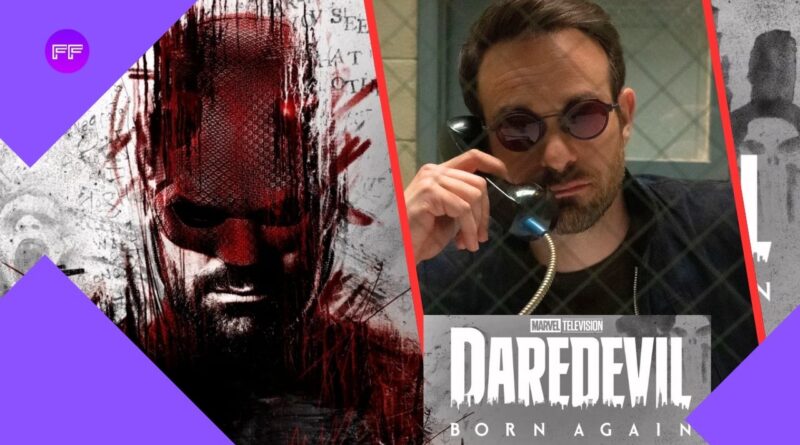
Daredevil Born Again returns Matt Murdock to the MCU. Check out crossovers, Kingpin’s ascension, courtroom showdowns and Daredevil’s new street-level legacy.
Matt Murdock’s ascent as the ultimate TV comeback tale with Daredevil Born Again. After his grim Netflix show was axed after three seasons in 2018, it seemed like the “Devil of Hell’s Kitchen” might be out of luck for good. Instead, Marvel pulled a master class in character rehabilitation.
Splitting him (and his arch-enemy, Kingpin) across four very distinct series — Spider-Man, She-Hulk, Hawkeye, and Echo — Marvel connected the dots between his grim, street-level beginnings and the bigger, flashier MCU.
Daredevil Born Again neighborhood hero became more than that now. He’s been raised to the ethical and legal foundation of the whole franchise. It’s not just a Season 4; it’s a character study of a man caught between the law and the mask, searching for justice in a New York still grooving to the chaos of the Blip.
The Road to Daredevil Born Again is a meticulously crafted “what-have-you-done-for-me-lately?” Marvel made four deliberate cameos to convince us that Matt Murdock could leave his first dark, solitary Netflix pocket and step out into the wider, stranger battlefield of the Avengers and then get his own show again.
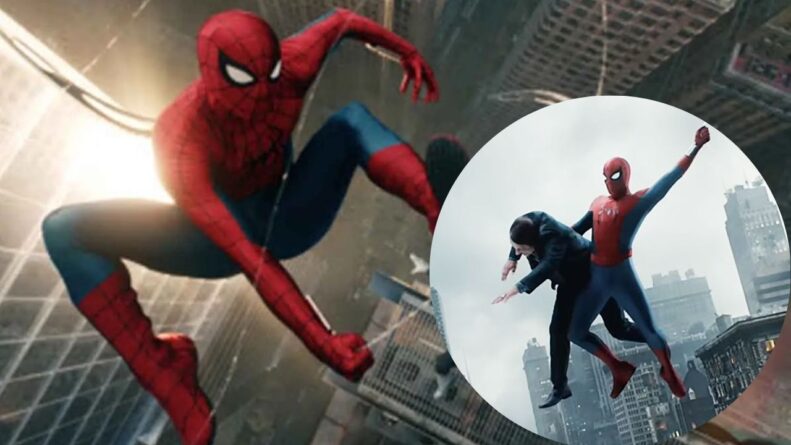
The Movie Star Moment (Spider-Man: No Way Home): This was the “official” handshake. Catching a brick and standing in for Peter Parker, Matt demonstrated that he and Marvel live in the same universe as the Avengers. It presented him as a “really good lawyer” who still had keen super-senses and was ready for the big leagues.
The Vibe Check (She-Hulk): That was our first time seeing Matt—cute, fun, and draped in a throwback yellow suit. It showed him as more than “a brooding guy in a hallway” but an experienced warrior who could square off against beings like “Hulk-level” villains and still maintain his composure.
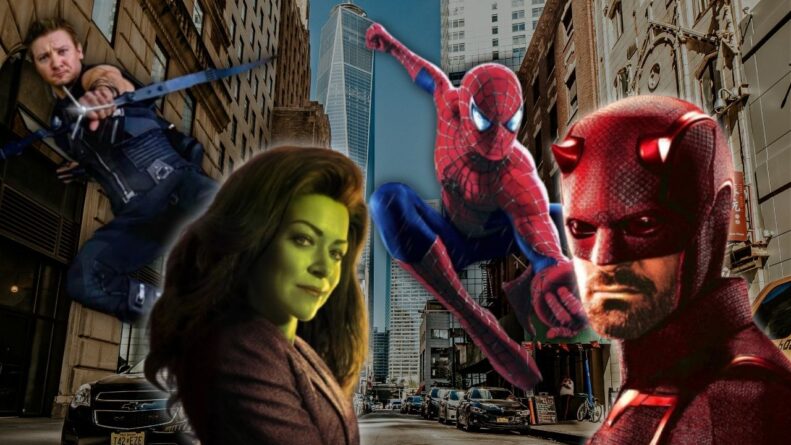
The Villain Upgrade (Hawkeye): This focused on Wilson Fisk. Raising the stakes Marvel elevated the stakes by making Kingpin durable against explosions and car crashes. Now he wasn’t just a mob boss he was a “global threat,” and his shadow stretched over the whole city.
The Final Link (Echo): Daredevil Born Again brought everything full circle. In a savage battle and an extended view into Fisk’s history, it served as a reminder that Matt didn’t stop fighting during the “Snap” years. It culminated with Fisk’s bid for Mayor, which paved the way nicely for the new series.
For ages fans were fretting that Marvel was going to force a “reset button” on Daredevil Born Again, retconning everything that made the Netflix show great. But after a sweeping creative shakeup at the top, Marvel made a pivot that encompassed everything: they were going to look to the past instead of running away from it.
The “Hard Continuation” Victory: Although Daredevil Born Again was going to be a “soft reboot.” However, Marvel replaced the original creative team with a new showrunner to continue as a direct sequel to the original three seasons. Matt’s past – his scars, his faith, his feud with Fisk – still matters. We already are into the deep end of the main story where it originated.
Matt survival from Thanos: It turns out that both Matt and Wilson Fisk survived Thanos’s Snap. With the Avengers either off-planet or mourning, Hell’s Kitchen was unraveling. This gap of five years is the “secret sauce” of the new story. It gave Fisk a chance to reestablish himself as a power in the collapsing world, turning his criminal empire upside down and presenting himself as a “savior” for a broken city.
A New Kind of Crisis: For Matt the Blip wasn’t just a simple logistical nightmare, it was a spiritual one. Daredevil Born Againcompounded his “crisis of faith.” If the laws of nature can just extinguish half the population, how is a blind lawyer supposed to believe in the “rule of law” on Earth? He’s starting this new chapter in his life with what has been the heaviest burden of a decade’s worth of ups and downs.
Daredevil Born Again renders stark reality in its depiction of a disease-ridden, drug-addled Matt Murdock that no one could ever forget. He has laid down the brass knuckles and picked up the gavel in his election as mayor of New York City, and is now using the entire city government as a weapon against Matt Murdock.
The “Kingpin Squeeze”: Fisk isn’t just dispatching thugs to Matt’s home anymore. He’s making being a hero illegal through the Anti-Vigilante Task Force (AVTF). By painting Daredevil as a public menace, he’s employed the “rule of law” to chase his nemesis with a badge and a siren.
The Ultimate Strongman: Fisk’s ascent is a masterclass in manipulation. He preys on the anxieties of regular New Yorkers who feel the city has deserted them, not the Avengers. He presents himself as the only person who can restore order in a post-Blip world, and is taking advantage of “good optics” — even as he’s blackmailing the police commissioner and threatening martial law.
A Criminal “State-Within-a-State”: Behind the scenes of Daredevil Born Again, Fisk is working on the “Free Port,” in Red Hook. He’s attempting to establish a special-trade zone outside federal reach. If he pulls it off, he will have created a legal “black hole” through which the Five Families can move whatever they want without the law’s pesky interference.
Matt Murdock is basically a man serving two masters, and Daredevil Born Again, that strain is at last beginning to break. He’s a lawyer who takes an oath to uphold the law by day, but at night, he’s a vigilante who violates just about every ethical rule in the book. This isn’t just a “cool secret identity” this is a deep professional and moral crisis.
Here is what the “legal nightmare” Matt is facing right now:
The Threat of Disbarment: If a Bar Association in the real world got wind of what Matt does by night, he would be disbarred immediately. Rule 4.2 prohibits Attorney from communicating with a “represented party” without the party’s attorney being present. Anytime he has a Daredevil pin a criminal and punch the truth out of them, Lawyer-Matt is making a huge ethical error. He is basically using his mask to violate the legal rights which he is obliged to honor.
The Conflict of Interest: Matt frequently represents clients not to aid them but to gather intelligence for his missions. This makes it a “material risk” that he isn’t acting in the best interests of his client — which is the worst thing you can do as a lawyer.
The Hector Ayala Meltdown: This firestorm touches off Matt’s meltdown. To exonerate Hector (the White Tiger) from a murder charge, Matt stakes everything: he unmasks Hector in court to prove his innocence. It works—they win the case but what’s the victory but a hollow victory. Hector is assassinated by a corrupt cop right after leaving the courtroom.
The transition to the main MCU is not just a change of location; it’s a solidifying of Matt Murdock’s world. The people around him aren’t simply ”background characters”—they are the scars and the fuel for his new mission.
Here’s how the inner circle has changed in this “older and harder” reality:
The Heartbreak: The Death of Foggy Nelson. Foggy wasn’t just Matt’s law partner; he was his moral anchor. His death at the hands of Bullseye (by order of Vanessa Fisk) is the ruthless “catalyst” for the series as a whole. It shatters the “Nelson, Murdock & Page” trinity forever, and sends Matt into a year-long tailspin. In fact, he temporarily retires the mask, worried that his rage might make him a murderer.
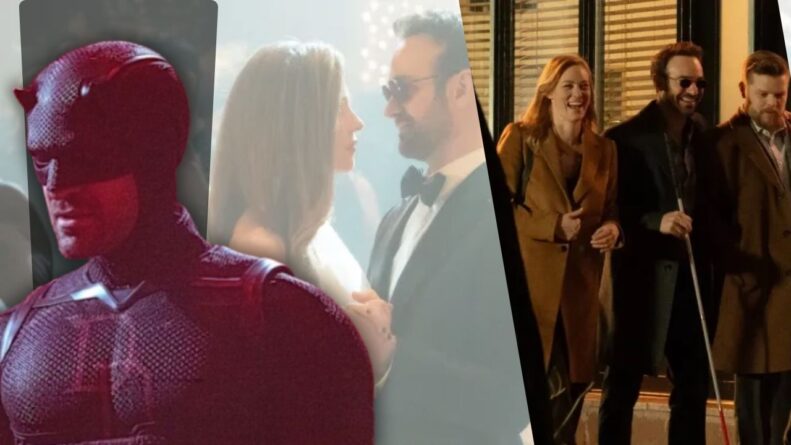
The Evolution: Karen Page as a Peer. Karen is a long way from, you know, the secretary. Daredevil Born Again she’s basically a lawyer in her own right, a professional equal who challenges Matt to be better. She’s the one who pulls him back into the fight, with her investigation skills, she digs to what was left by Foggy. “She Feeds Matt his Humour-Detecting BS and Then Keeps Him Human“: As far as who the true Page is in the gloves is concerned, that would be Karen Page.
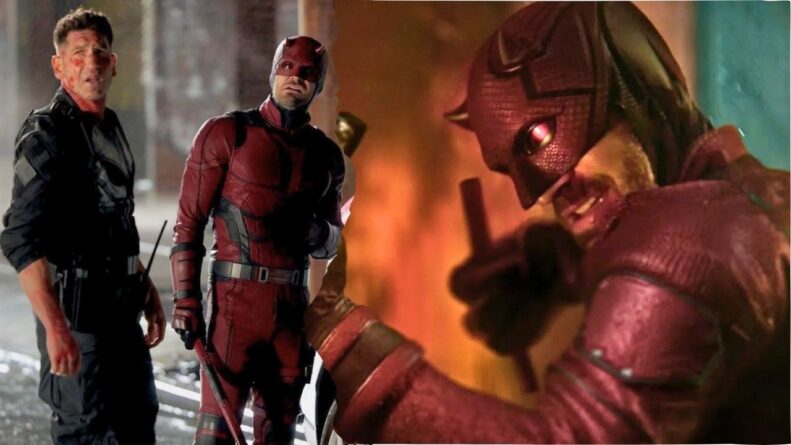
The Dark Mirror: Frank Castle (The Punisher). The two used to spend all their time arguing about the “morality of killing.” Now they’re a “reluctant duo. The rupturing effect of Foggy’s death and the city’s decay soup on Matt is so palpable (NOT in the traditional sense!) that he is seriously considering Frank’s brutal approach. This is a heartbreaking indication of how much Matt has dropped, he cannot have a flawless sense of morality in a world that seems to be inherently rigged.
Now that the MCU is blasting off to space and multiverse madness, Matt Murdock is becoming the man who keeps the franchise’s feet planted firmly on the ground. He’s gone from “that blind guy in Hell’s Kitchen” to a cornerstone of Phase 5 and 6—essentially the Captain America of the Streets.
Here’s how Matt is assembling his “Street-Level Avengers”:
The Strategic Lead: The Avengers may deal with cosmic gods, but Matt makes the most sense to head up an organized opposition to Wilson Fisk. His legal brilliance, his “human lie detector” talent, and his tactical expertise make him the MCU’s connection from the city’s merciless truth to its sky-high heroics.
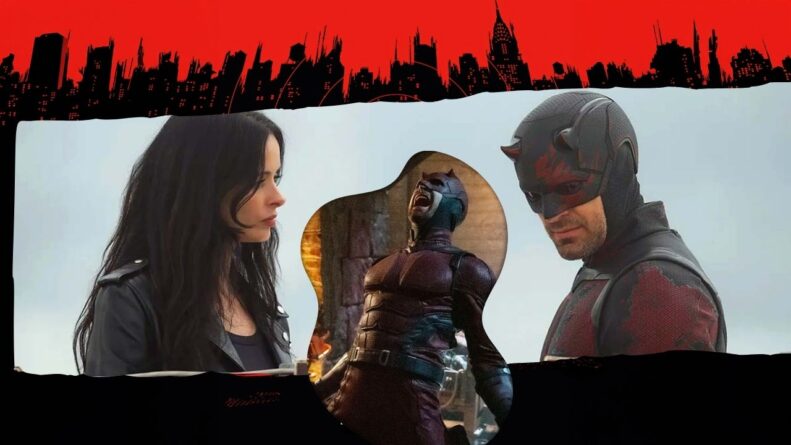
Mentoring Spider-Man: This is the partnership that everyone is eager to see. Following their short encounter in No Way Home, Matt now has the perfect place to show Peter Parker that you can’t just win every war with webs. He is the mentor Peter needs to survive in a world where the bad guy (Fisk) has a law degree and a mayor’s office.
The “Grounded” Anchor: Amid a world of magic and aliens, Matt ensures the stakes stay Earth-bound. He lets us know that though the galaxy is locked down, the block still might be rotting from within.
Matt Murdock isn’t just a supporting character now — he’s the head of a spin-off narrative arm that delves into corruption, systemic breakdown, and what it really means to be a “neighborhood” hero in a world buzzing with superheroes.
Read more:- The Green Lantern’s Guy Gardner Became the Heart of James Gunn’s New DC Universe
Ultimately, Matt Murdock’s story is not just about a hero returning: it’s about him coming home as the MCU’s streets’ cornerstone. He’s graduated from being a “neighborhood outlier” on Netflix to the moral compass of the entire franchise.
The cameos were the warm-up, Daredevil Born Again is the headliner. It is a definitive declaration that the Man Without Fear is exactly where he belongs right in the middle of the battle for the soul of the Marvel Cinematic Universe.
Dive deeper into the world of cinema with Fandomfans to get all the latest updates from movies, series, and celebrities.

Discover why Chris Evans Captain America casting was the perfect choice. Learn what made him the ideal actor to portray Marvel's iconic superhero.

The actor who became the most obvious casting choice in Marvel history almost wasn’t cast at all. The Chris Evans Captain America role isn’t a simple casting. He is an actor who turned down this role but the studio didn’t take no for an answer. Casting directors bend down their rules to make it happen.
Looking back now, it’s hard to remember that the actor destined to define Steve Rogers had no interest in picking up the shield. And Marvel Studio just proved, casting really matters as Hollywood comeback could anchor a superhero blockbuster, Robert Downey Jr. back into the MCU as Doctor Doom is an example.
Casting director Sarah Halley Finn ran a genuinely exhausting search for Captain America. She sat through round after round of screen tests that just didn’t land. The specific blend of old-classic style decency and body structure is hard to see in anyone. And Even isn’t in that line up because he already played a Marvel character, Johnny Storm.

Yeah, that Sue Storm’s brother in the Fantastic Four movies from 2005 and 2007. And there was a rule in Marvel Studio at the time that the same actor can’t play the two different comic-book roles. It muddies the brand. Finn knew Evans might fit Steve Rogers, but she sat on that instinct because of the rule.
It took a string of underwhelming screen tests before she finally said it out loud in a casting meeting:
Why not consider Chris Evans?
The room agreed almost instantly. People already liked him as an actor. They’d seen the work. And enough of what makes Chris Evans Captain America tick — earnestness, a kind of stubborn decency — was already visible in how Evans carried himself on-screen. Marvel broke its own rule for him.
Two names come up constantly when fans dig into the Captain America casting search, and neither of them ended up wearing the suit.
John Krasinski was in serious contention. Years later, he’d say he heard through his agent that Marvel had gone with Chris Evans Captain America instead and his reaction wasn’t bitterness, it was recognition. He basically said the same thing every fan says now:
Of course it’s him, look at the guy.
Sebastian Stan came even closer, in a stranger way. He sent in three audition tapes for Steve Rogers, then canceled a trip home to Romania to fly back for an in-person Marvel meeting. He didn’t get the part. What he got instead was Bucky Barnes — a role that turned into a decade-plus career inside the MCU, arguably richer and stranger than Cap’s arc ever was.
But Stan is happy because losing that role turned out to be the better outcome for him. He got a more satisfying job that he deserved.
Evans said no. More than once because the commitment terrified him. Marvel’s initial offer was a nine-picture deal. It eventually got negotiated down to six, but even six films was an enormous chunk of a career to hand over to a single character, with no real way to predict how the movies — or his life — would turn out.
Evans’ reason to say no for the role isn’t the heavy work and action but he knows after signing it would permanently change his life in ways he couldn’t take back.

There was also something more personal underneath it. Evans has since described dealing with anxiety around fame and public attention, and the jump from “working actor” to “face of a global franchise” was the exact kind of exposure that made him uneasy. Turning down Captain America wasn’t a business calculation. It was closer to self-preservation.
Marvel didn’t let it go. Kevin Feige and director Joe Johnston brought Evans back in for a second meeting, and this time they didn’t just pitch a contract — they pitched the actual story. The character’s arc of Chris Evans Captain America across the franchise is a real concept art. This is not a job for Evans, director said:
Here’s the character we think only you can play.
Evans has said he took the weekend to think it over, and that it was one of the hardest decision-making stretches of his life. He said yes anyway. And in interviews since, he’s called it the best professional decision he ever made — which is a fairly remarkable thing to hear from someone who almost walked away from it entirely.
Read more 👉 Who Is the New Editor-in-Chief of Marvel Comics? Stephen Wacker Explained
Finn and Feige were searching for qualities in an actor who can bring the genuinely kind, quietly confident, and grounded enough on the screen to make audiences believe he was an ordinary kid from Brooklyn before he ever became Captain America. It is more important for them rather than the shield, costume and the super-soldier physique. Evans captured those qualities in a way that couldn’t be taught or faked.
His hesitation actually worked in his favor. Finn has said the reluctance itself became a kind of evidence — an actor who didn’t chase fame for its own sake was exactly the temperament they wanted radiating off a character whose entire identity is putting the mission ahead of himself.

There was also a practical acting challenge nobody talks about enough. Steve Rogers is really two roles stitched into one performance: the fragile, undersized guy from the pre-serum scenes, and the peak-physical-condition soldier after. Johnston was blunt about it at the time — whatever the visual effects team did to sell the “before” version, the performance itself, the internal logic of the character, had to be Evans from start to finish.
That’s not a small ask. It’s asking one actor to make an audience believe in the same soul wearing two very different bodies.
Captain America: The First Avenger landed in theaters in July 2011, with no guarantee Steve Rogers would resonate with audiences but Evans made Steve Rogers heart of the MCU forever. He wasn’t just delivered an outstanding performance but he actually turned into the franchise’s emotional backbone. Marvel took that risk and delivered The Avengers, both Captain America sequels, and eventually Avengers: Endgame in 2019.
What made the casting work wasn’t that Evans looked the part. Plenty of actors look the part. It’s that his real hesitation — the anxiety, the reluctance, the fear of losing himself to the role — is basically the same internal conflict Steve Rogers wrestles with across ten years of movies. A guy who never wanted the spotlight, carrying a responsibility he didn’t ask for, because it mattered more than his own comfort. Marvel didn’t just cast an actor who could play that. They cast an actor who, at least for one nerve-wracking weekend, actually lived a smaller version of it.

Even after stepping away from the shield, Evans hasn’t distanced himself from the character. When Anthony Mackie took over as Captain America following Sam Wilson’s arc in the comics and MCU timeline, Evans publicly backed the change, saying flatly that Sam Wilson is Captain America now. That’s not the reaction of someone who resents the role he almost turned down. It’s the reaction of someone who understood, eventually, exactly what he’d said yes to.
The next time someone says a casting choice of Chris Evans Captain America was “obvious,” it’s worth remembering this one wasn’t obvious at all. It was rejected, reconsidered, nearly given to two other actors, and only worked because Marvel refused to accept the first no.
Read More 👉 Why Marvel Comics Launching the Midnight Universe Variant Cover Program?
The casting of Chris Evans Captain America was not the obvious choice people recall today—it was a risk that nearly didn’t get taken. Between Marvel contravening its own casting rule, Evans saying no to the part multiple times, and various other actors almost being cast, the path to Steve Rogers was far from easy.
Ultimately, Marvel didn’t just find a guy who looked like Captain America — they found an actor who captured his humility, bravery, and selflessness. That move helped make Steve Rogers the emotional center of the MCU and stands as one of the best casting wins in superhero movie history.
Fandomfans delivers latest updates from movies, series, and celebrities to you directly.
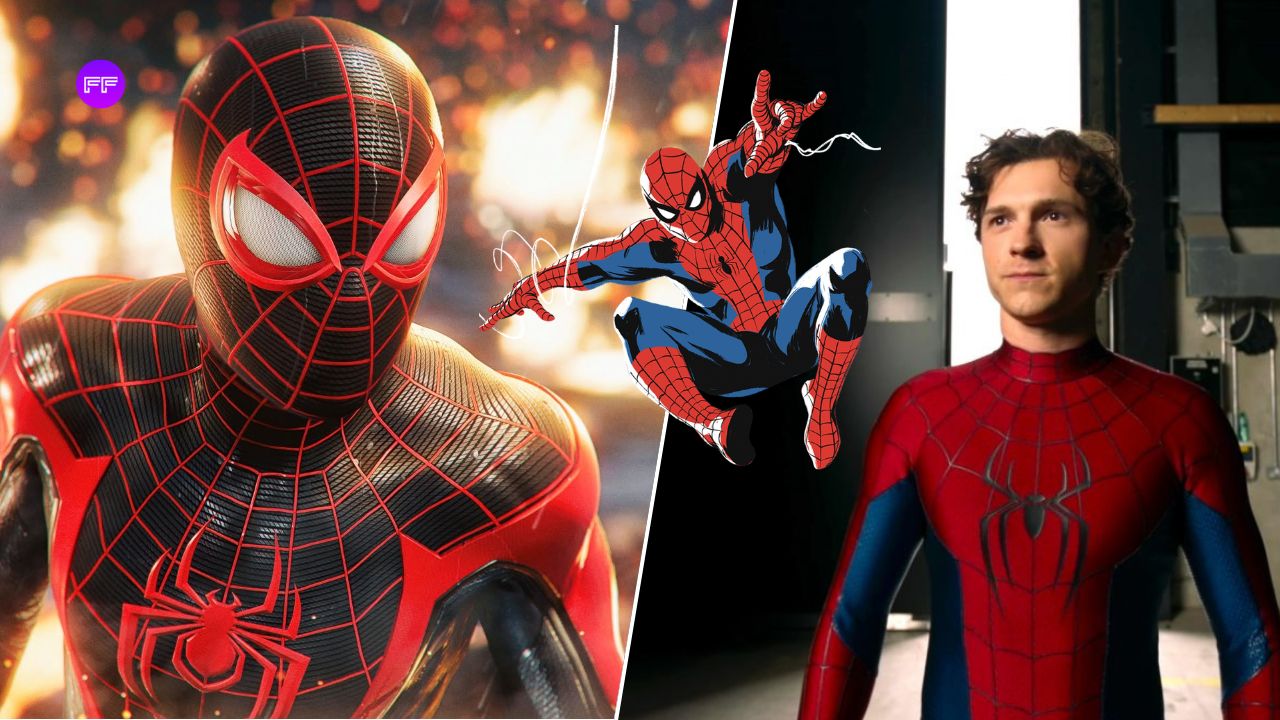
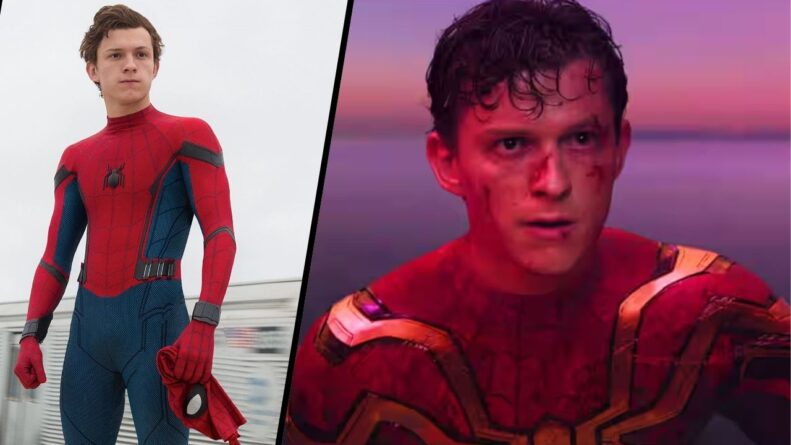
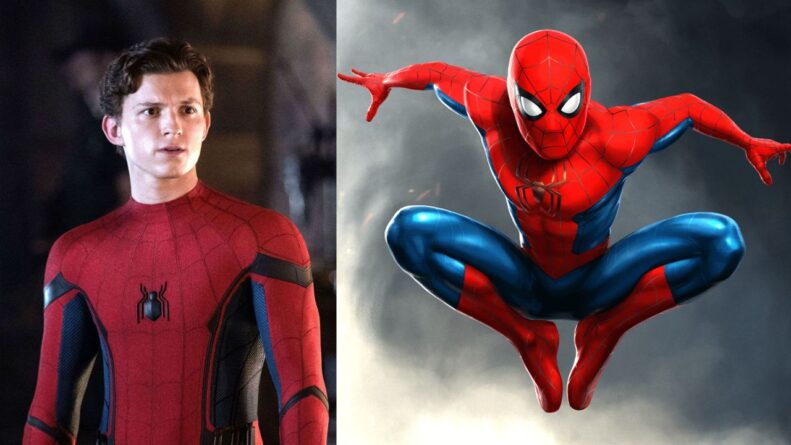
Get the latest Spider-Man: Brand New Day updates, including story details, cast news, release information, and what fans can expect from Marvel's next Spider-Man movie.

If you’ve checked social media even once today, you already know something big is going on with Spider-Man: Brand New Day. It’s not hype talk this time — the movie hit theaters this morning, July 31, 2026, and the numbers coming in are the kind studios usually only dream about. Between record previews, a near-perfect audience score, and a mystery casting decision Marvel still won’t touch, there’s a lot to sort through.
Know more about Spider-Man: Brand New Day latest updates and theories around the plot that was shared by Marvel Studios.
Thursday night previews alone pulled in more than $50 million, beating out No Way Home’s preview haul and putting Brand New Day within striking distance of Avengers: Endgame’s all-time preview record of $60 million. That momentum carried straight into Friday.
Exhibitor tracking now has the opening weekend landing somewhere between $260 million and $300 million domestically, well above NRG’s earlier survey estimate of $195 million. Deadline is projecting a $465 million global opening, which would make this the second-biggest debut in Sony’s history.
The critical and audience reaction backs up the money. Rotten Tomatoes has the film sitting at 90% Certified Fresh across 135 reviews, and the audience score debuted at 98%, tying the highest mark any MCU movie has ever posted on the platform. China delivered its biggest superhero opening day in seven years, and Sony says the film’s social media reach — 2.86 billion and counting has already topped Endgame. For a franchise four movies deep with this cast, that’s not a small thing.
This isn’t a soft reboot. Spider-Man: Brand New Day is set four years after No Way Home, and the spell Doctor Strange cast at the end of that film is still in effect — the entire world, including MJ and Ned, has forgotten Peter Parker ever existed.
He’s spent those four years as a full-time Spider-Man with no Stark tech, no Avengers backup, and nobody in his corner. Tom Holland has been describing it less as a fourth movie and more as a rebirth for the character.

The official synopsis confirms Peter is going through a physical transformation he can’t fully control, triggered by the pressure of the job, right as a new pattern of crimes points toward “a powerful villain no one can even see.”
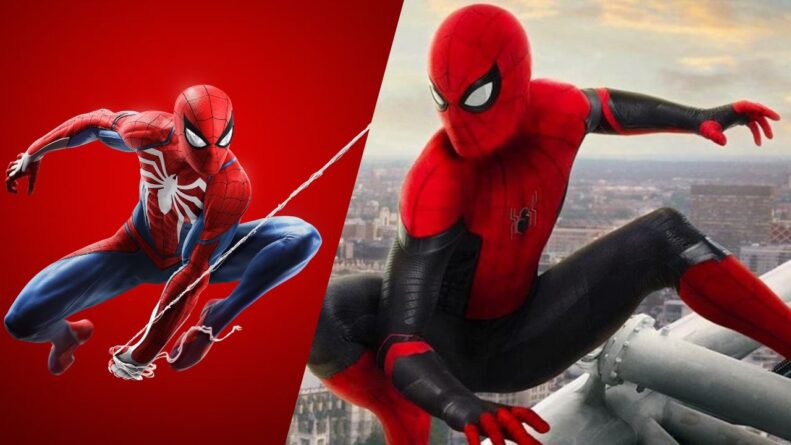
In the trailer, Tramell Tillman’s character, Bill Metzger, tells Peter directly that he’s the only one who can sense this threat. There are also organic web-shooters that shoot from Peter’s wrist, as well as a full Hulk transformation, which circles back to Bruce Bannel’s earlier warning to Peter in the movie to run if his gamma control ever falters. Marvel hasn’t indicated how far the Hulk connection goes, so consider that link to be in development rather than fully-explained.
Holland returns as Peter, with Zendaya back as MJ and Jacob Batalon as Ned. The newer additions are where it gets interesting: Jon Bernthal makes his first big-screen appearance as the Punisher alongside Holland, after showing up at Marvel’s Comic-Con Hall H panel with an exclusive clip of Spider-Man and Frank Castle fighting the Hulk together.
Mark Ruffalo is back as Bruce Banner, Michael Mando returns as Scorpion in a redesigned suit with a mechanical tail, and Marvin Jones III plays Tombstone. Tramell Tillman and Liza Colón-Zayas round out the cast in roles Marvel hasn’t fully detailed yet.
Shang-Chi and the Legend of the Ten Rings director Destin Daniel Cretton is at the helm, with a script from Chris McKenna and Erik Sommers, the writing team responsible for the last three Holland Spider-Man flicks.
Read More 👉 Why Chris Evans Was Chosen as Captain America
Sadie Sink is confirmed cast, but Marvel has never said who she’s playing. The leading theory going around for months is that she’s Jean Grey, which would make Brand New Day an early bridge into the X-Men side of the MCU — that’s still a fan theory, not a Marvel confirmation, so treat it that way.
Sink was reportedly spotted in San Diego during Comic-Con, but she never appeared on the Hall H stage, and the panel wrapped without a single mention of her role. Reports out of the film’s premiere claim actor Steve Lacy let details about her character slip on the red carpet, though that’s a secondhand report rather than something Marvel has verified, so it’s worth reading with a little caution until the studio actually confirms it.

Adding to the intrigue, Kevin Feige teased at BilibiliWorld that Yelena Belova might show up “a little bit sooner” than Avengers: Doomsday — and with only one Marvel movie left on the calendar before December, fans are doing the math on what that could mean for this film specifically.
Brand New Day is not playing in IMAX domestically. Christopher Nolan’s The Odyssey has an exclusive hold on IMAX screens in the US through its own theatrical run, so Sony built around it.
The film is instead launching in a new format called “Shot for ScreenX,” alongside Dolby Cinema and other premium large formats. Outside the US, the picture is different — Brand New Day does have IMAX screens locked up in China, Japan, and Korea, where The Odyssey doesn’t hold the same exclusivity.
Read More 👉 Why Spider-Man: Brand New Day Just Changed Everything for the MCU
Based on what’s confirmed so far — a 98% audience score, 90% from critics, and preview numbers chasing an Endgame-level record — this is shaping up to be the biggest Spider-Man opening the franchise has had. If you’re planning to go, book ahead; previews already outpaced No Way Home, and weekend showtimes are filling fast.

Just don’t go looking for an IMAX screen near you, since that option isn’t on the table domestically this time — ScreenX or Dolby is your best bet for the biggest possible presentation. And if you’re trying to piece together the Sadie Sink storyline before you sit down, know that Marvel itself still hasn’t confirmed it, so anything you’ve read is fan detective work until the studio says otherwise.
Spider Man Brand New Day has arrived with the exactly kind of launch fans were hoping to see. The story that pushes Peter Parker into unfamiliar territory has made it one of the biggest MCU events in years. Spider-Man: Brand New Day is obviously a film that rewards viewing without spoilers. With Avengers: Doomsday just around the corner, this isn’t simply another Spider-Man movie—it might be a big stepping stone for what comes next in the Marvel Cinematic Universe.
Fandomfans delivers latest updates and theories from movies, series, celebrities.