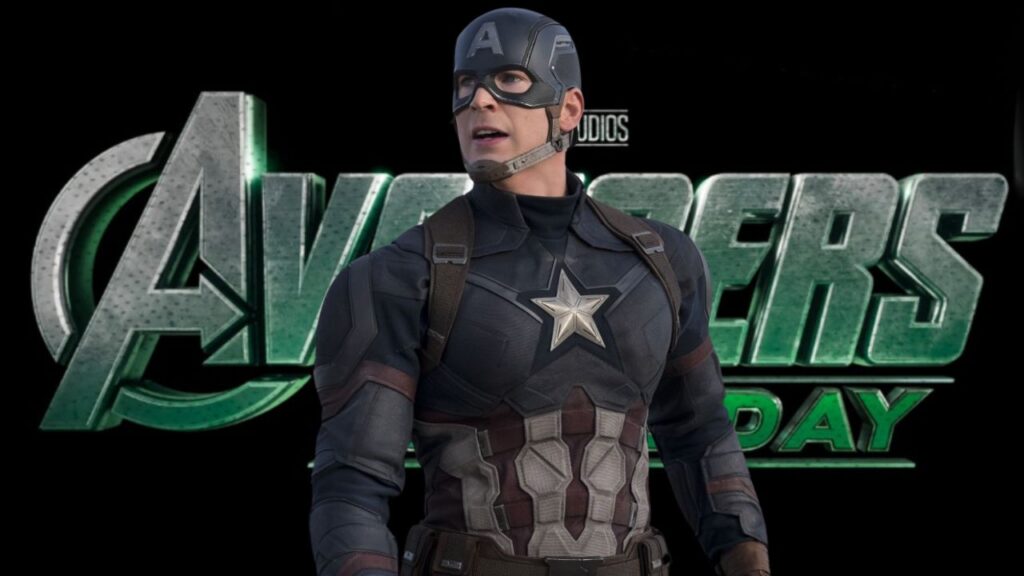
The Marvel Cinematic Universe (MCU) is now experiencing fundamental change at the executive level. What was once considered to be a steady industry growing is now pivoting into a “hail mary” to bring back the cultural and financial peak from the Infinity Saga. Changing the subtitle for the fifth Avengers movie from The Kang Dynasty to Avengers: Doomsday is not just a branding adjustment, it represents a complete overhaul of the franchise’s core narrative.
By recasting Robert Downey Jr. (RDJ) as Victor Von Doom and Chris Evans as Steve Rogers, Marvel is gambling $1.5 billion that the foundations of the past will hold the weight of the future.
A Pivot Born of Necessity
The shift to “Doomsday” comes out of an era of unparalleled chaos. Post Avengers: Endgame, Marvel has had trouble keeping a lid on its sprawling Multiverse Saga. The disappointment of Ant-Man and the Wasp: Quantumania confirmed that Kang the Conqueror despite Jonathan Majors’ performance wasn’t gelling as a Thanos-tier menace.
Marvel brass feared even before Majors’ legal troubles that Kang “wasn’t big enough,” according to IGN. Among the new additions is the return of the Russo Brothers and writer Stephen McFeely—the “old guard” responsible for the MCU’s biggest hits—to guide the way to Doctor Doom.
Strategic Component
Original Multiverse Plan
The Doomsday Realignment
Primary Antagonist
Kang the Conqueror
Doctor Doom (RDJ)
Main Anchor
New Generational Heroes
Legacy “Anchor Beings”
Creative Leadership
Fluctuating Directors
The Russo Brothers
The Robert Downey Jr Enigma: Hero, Sovereign, or Variant?
The news that Robert Downey Jr would be returning as Victor Von Doom rocked the fandom. He’s playing Doom, after all, but the narrative implications of the face are impossible to ignore. This has given rise to the “Anchor Being” theory based on Stark’s death in Endgame earth-616 has been “deteriorating”, the multiverse may be supplying an “dark mirror” alternative.
Screenrant suggests a 1970 Retcon. “In Endgame, when Tony goes to 1970, the timing of Maria Stark’s pregnancy seems a bit wonky.” The buzz is that the “real” Tony Stark was actually an adopted Von Doom. In this case, RDJ is not playing a variant of Tony, but instead playing the man Tony was always meant to be before he was a Stark.
The Return of Steve Rogers
Doomsday (presumably appearing next to Avatar: Fire and Ash) teasers were leaked that confirmed that Chris Evans is back. But this isn’t the Captain America we know. In the footage, Rogers is seen in a domestic situation that looks like the 1950s and he’s a father, presumably retired, living with Peggy Carter.
This “Nomad” paradigm is a creative challenge. So how does Marvel get Steve Rogers back without undercutting Anthony Mackie’s Sam Wilson?
The Sacrifice Play:Comicbookmovie that Rogers is going to get the “Loki treatment” — dying early in Doomsday to drive home how dangerous Doom is.
The Mentor Role: Rogers could be cast as an inter-dimensional tactician, with Sam Wilson holding on to the shield and the mantle of Captain America.
Was This Always the Plan?
The most contentious issue is whether this was “planned all along.” While the Kang-to-Doom shift was brought forward by outside influences, the breadcrumbs are there. In Age of Ultron, Tony’s vision of the fallen Avengers brought Steve Rogers saying,
“You could have saved us. Why didn’t you do more?”
In Doomsday, a Stark-faced Doom could be the man who ultimately takes the leap and decides to “do more” out of a genuine desire to save not just his world but all realities alike. Kevin Feige’s revelation that he talked through the Doom idea with RDJ long before the Kang story stalled suggests that Marvel always kept this “In Case of Emergency” glass box ready to break.
Avengers: Doomsday is an admission that the post-Endgame approach should be abolished. By casting the man who began the MCU to be the man who might end it, Marvel has ensured Doomsday will be the most scrutinized superhero film in history.
With the release in 2026 looming, the MCU finds itself in a bit of a crossroads. It has to show that it can borrow nostalgia to tell a new, deep story, or be remembered as a franchise that ran away into its own shadow because it was too scared of a murky future.
Fandomfansis delivering detailed theories on celebrity joining the blockbuster films. We are focusing on Marvel, DC, and big hits to give you the latest updates.
Alpana
Articles Published :
99
Alpana is Fandomfans Senior Editor across all genres of entertainment. She evolved in the media industry since a very long time, she manages the content strategy and editing of all the blogs. Her focus on story development, review analysis, and research is well-equipped that ensures every article meets the standards of accuracy and depth.
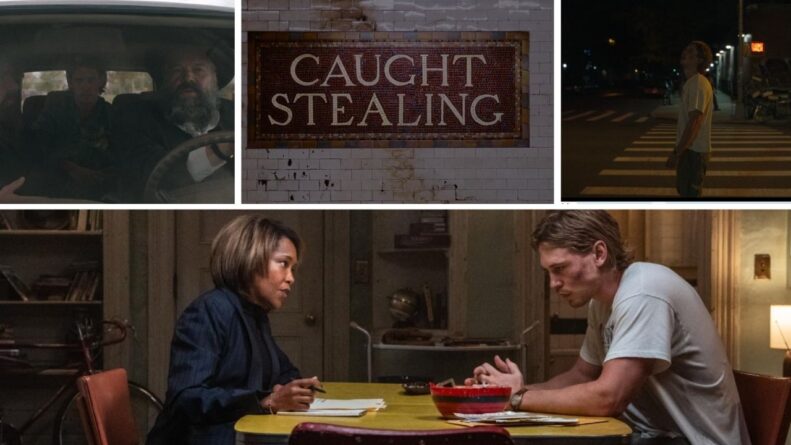
‘Caught Stealing’ future cult classic is becoming the Best Movie of Darren Aronofsky
Caught Stealing is the sleeper in Darren Aronofsky's output, and it includes Austin Butler's best career performance in this exhilarating 1998 NYC narrative.
If you checked the box office rankings in August 2025, you might have thought Caught Stealing was a bomb. It came, it saw, it didn’t come close to recouping even a quarter of its budget. That’s a flop in the cold calculations of Hollywood. But if you dig movies that actually mean something, you already know that box office numbers are never an indicator of quality.
Caught Stealing is a terrific film that was just released at the wrong time. It is a gritty, sweaty, adrenaline-charged tour of 1998 New York City, and it may be the most fun film Aronofsky has ever made. So as it finally comes to streaming, here’s hoping this misunderstood classic can find a wider audience.
A New Side of Aronofsky
Darren Aronofsky is generally known for his brutal misery. From the drug-fueled nightmares of Requiem for a Dream to the pornographic claustrophobia of The Whale, his movies are usually predicated on a formula of obsession triggering madness. You respect his films, but you don’t always “enjoy” them.
Image credit: Fandomfans
Stealing Caught steals the script and flips the script sideways. It’s Aronofsky loosening his tie. He brings his trademark intensity to a crime thriller that seems like a mash-up of Coen Brothers capers and a 90’s action flick. He’s no longer “wallowing” in his character’s pain; he’s feeling the chaos, literally. The upshot is a movie whose balance of excruciating suspense and farcical comedy achieves a tone that’s idiosyncratically, strangely electric.
Austin Butler Like You’ve Never Seen Him
Forget the hip-swivel of Elvis and the bald menace of Dune. According to Screenrant, In Caught Stealing, Austin Butler completely reinvents his physical presence. He plays Hank Thompson, a washed-up baseball prodigy turned alcoholic bartender.
Image credit: Fandomfans
To promote the part, Butler had to abandon the dehydrated “superhero abs” look for what the production termed the “Baseball Body.” He bulked up with 35 pounds to resemble a ‘90s power hitter — big, heavy and utilitarian. When Hank fights, he does not do karate but he draws on centrifugal force, wielding mundane objects like a bat, looking like a dashing person with the body mass of a football player. It’s a grounded, sweaty turn that brings gravity to the movie. You buy that he’s a guy who’s given up on life, which is what makes it so interesting when he has to fight for it.
One of the film’s smartest moves is its setting. By placing the action in 1998, Aronofsky removes the safety net of modern technology. There are no smartphones to GPS a getaway route. There is no cloud to upload evidence to. Hank is alone in the Lower East Side with nothing but payphones, paper maps, and his wits.
Image credit: Fandomfans
This “analog anxiety” imparts a breathless, hands-on energy to the film that so many modern thrillers are missing. It’s a “run and gun” movie powered by a pounding post-punk score that will make your heart race. The camerawork captures the filth of a non-gentrified New York, a city of dilapidated infrastructure and menacing shadows.
The “Wrong Man” Nightmare
The story is straight-up noir, Hank is just an ordinary guy who winds up in the criminal underbelly simply because he agreed to watch his neighbor’s cat. That’s it. That’s the catalyst.
Suddenly he’s being chased by Russian mobsters, a terrifying corrupt cop (Regina King), and a wild card enforcer (Bad Bunny). It’s a “bureaucratic nightmare” of violence in which everyone believes Hank has the MacGuffin, and no one thinks he’s innocent.
Image credit: Fandomfans
With an 84% rating on Rotten Tomatoes, the critics have already determined what the general movie-going audience failed to see in theaters. Caught Stealing isn’t just a movie, it’s a mood. It’s a throwback to an era when action films had texture, when heroes were humble folk enduring a genuinely awful day, and survival wasn’t about saving the world — it was just about making it to the next morning.
Conclusion
Caught Stealing is the sort of movie that sneaks up on you – sharp, frenetic, bruised in both tone and spirit, and infused with a style we had no idea Aronofsky was capable of. It may have been a box office flop, but it’s a matter of time. With its gritty ‘98 vibe, an amazing career-best performance from Austin Butler, and a tone that is at once both panicked and infuriatingly funny, this movie is going to find a cult audience once the word gets out about what they missed in theaters. There are times when the loudest success stories aren’t the best films – but the ones that live with you the longest, after the lights come up.
Fandomfansbring you creative and engaging breakdowns of the movies and shows that you should watch.
Alpana
Articles Published :
99
Alpana is Fandomfans Senior Editor across all genres of entertainment. She evolved in the media industry since a very long time, she manages the content strategy and editing of all the blogs. Her focus on story development, review analysis, and research is well-equipped that ensures every article meets the standards of accuracy and depth.
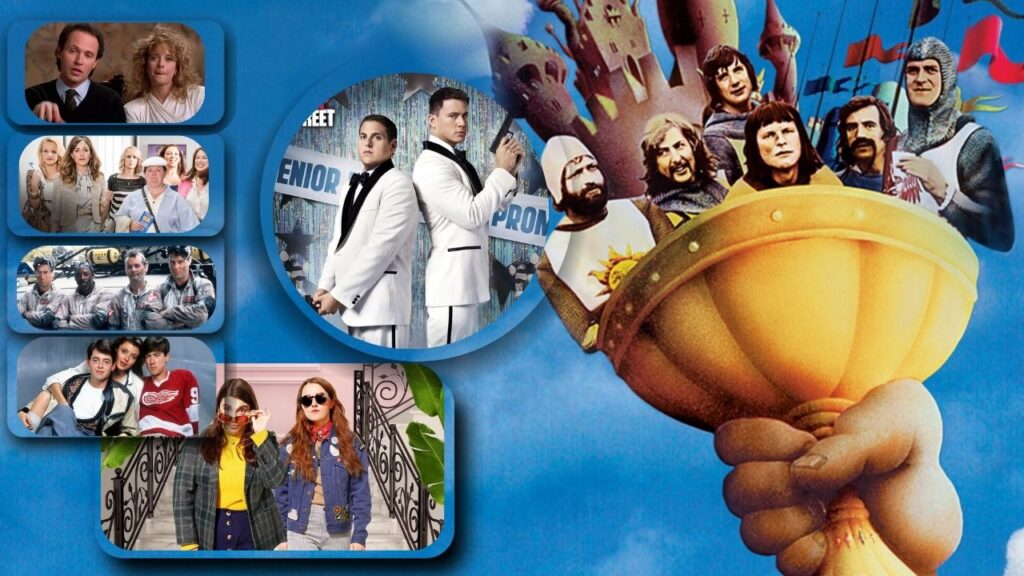
There’s a certain magic when you’re surrounded by your best friends, the lights dim and you press play on an actually hilarious movie. Synchronized gasps, booming laughters, inside jokes that come out – it’s an experience that seals friendships and makes unforgettable memories. In a life where you may feel things are a little too serious, a good Comedy Movies to Watch with Friends is the perfect antidote. It’s a call to throw caution to the wind, embrace the ridiculous and sample the pure, simple joy of laughter.
I’ve rounded up a selection of absolute gems – from all-time classics to modern wonders – that will secure a night of laughter until your sides hurt.
The Classic Comedy: Timeless Laughs That Never Get Old
The following are comedies which have been proven to stand the test of time, demonstrating that what is funny comes true in all generations. Share these with friends who may not have ever had the pleasure, or revisit them with your debutante debauchery partners for old-times-sake laughs.
Overview of Classic Comedies
Movie Title
Year
Key Comedic Style
Perfect For…
Monty Python and the Holy Grail
1975
Exaggerated Comedy, Playful, Visual Humor
Friends who appreciate random humor and tongue-in-cheek historical humor
Airplane!
1980
Fast-Paced Parody, Witty Dialogue
Lovers of rapid-fire jokes and good storyline.
When Harry Met Sally…
1989
Romantic-Comedy
Romantic story with good humour.
Ferris Bueller’s Day-Off
1986
Teen Comedy
Who are fantasizing about carefree rebellion and getting away with it.
Ghostbusters
1984
Supernatural Comedy, Ensemble
Witty & Perfect blend of sci-fi & horror
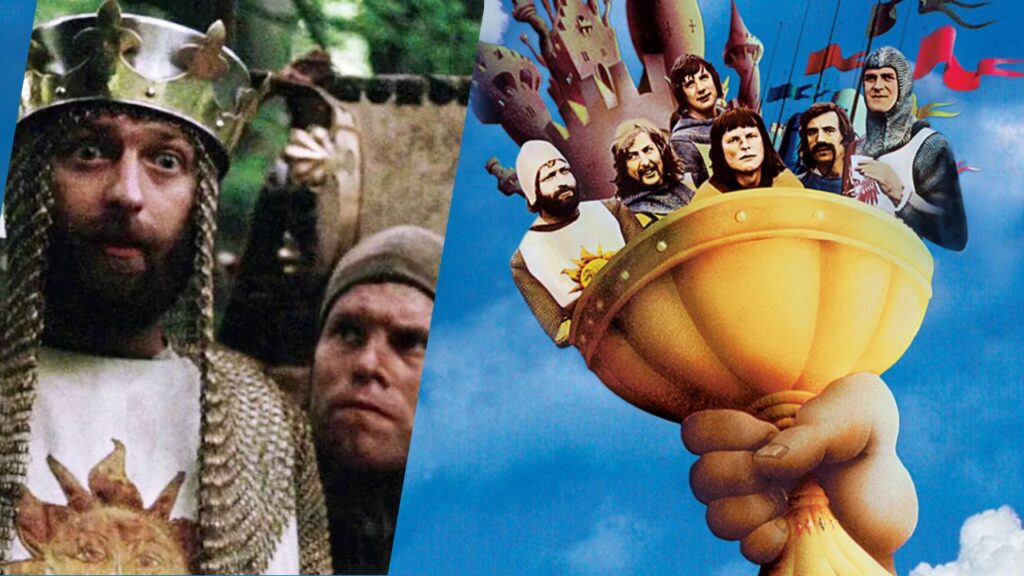
Monty Python & the Holy-Grail (92%)
Image Credit: Fandomfans
If you haven’t watched Monty Python & the Holy-Grail yet then drop everything and round up your friends now. This film is a great demonstration of the logic behind absurdist humor, constantly parodying King Arthur myth with infinitely memorable lines and scenes (the Black Knight!) and an absurdity level that is literally unmatched. You’ll be quoting it for weeks.
Airplane!
Image Credit: Fandomfans
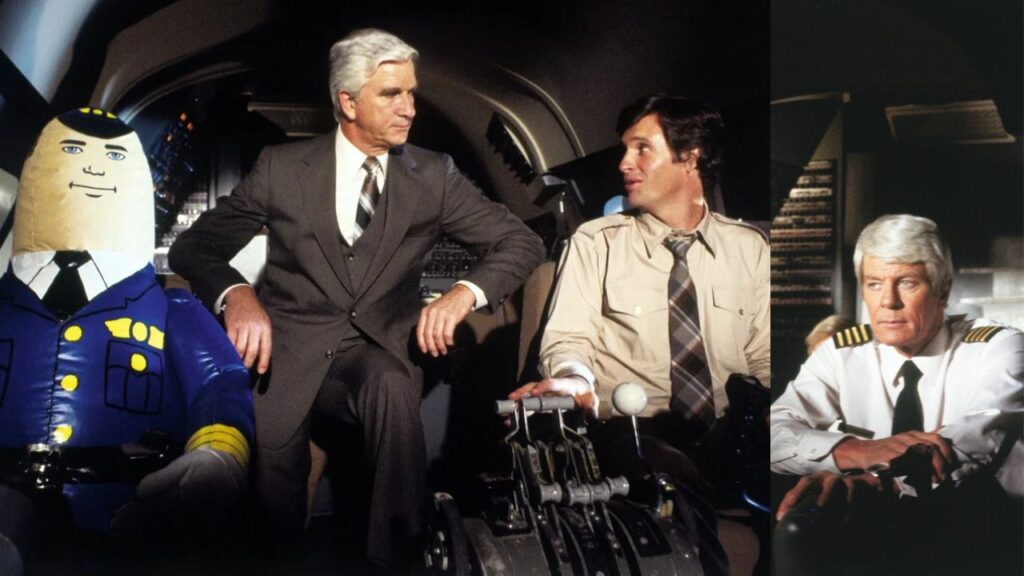
Brace yourself for nonstop gags, puns and visual jokes. This film alone is what defined parody. Every frame is stuffed with something funny — from background shenanigans to deadpan delivery of the dumbest lines. It’s a comedy offensives, but in the best sense.
When Harry Met Sally…
Image Credit: Fandomfans
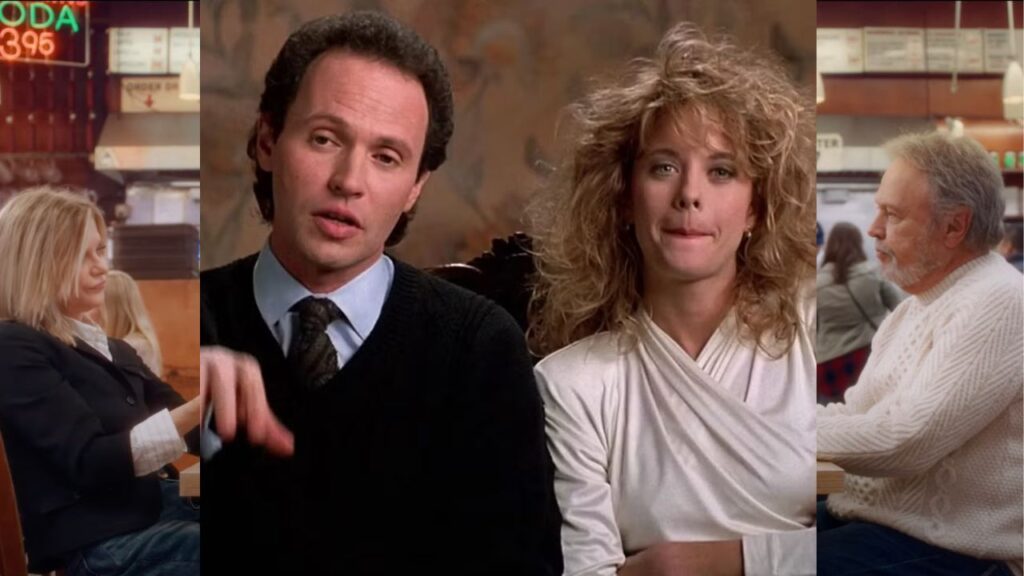
A romantic-comedy with some actual laughs, thanks to Nora Ephron’s witty script and the perfect chemistry of Billy Crystal and Meg Ryan. It’s a smart commentary on friendship, romantic love, and the age-old question of whether men and women can really be just “friends.” That diner scene alone is legendary.
Ferris Bueller’s Day–Off (Comedy & Drama)
Image Credit: Fandomfans
It’s the ultimate celebration of teen defiance and carpe diem. Ferris Bueller is the charming King Beaureaucrat we all wanted to be, gracefully gliding through a day of playing truant with confidence, charisma, and an endless array of slick schemes. It’s just pure joyous escapism.
Ghostbusters
Image Credit: Fandomfans
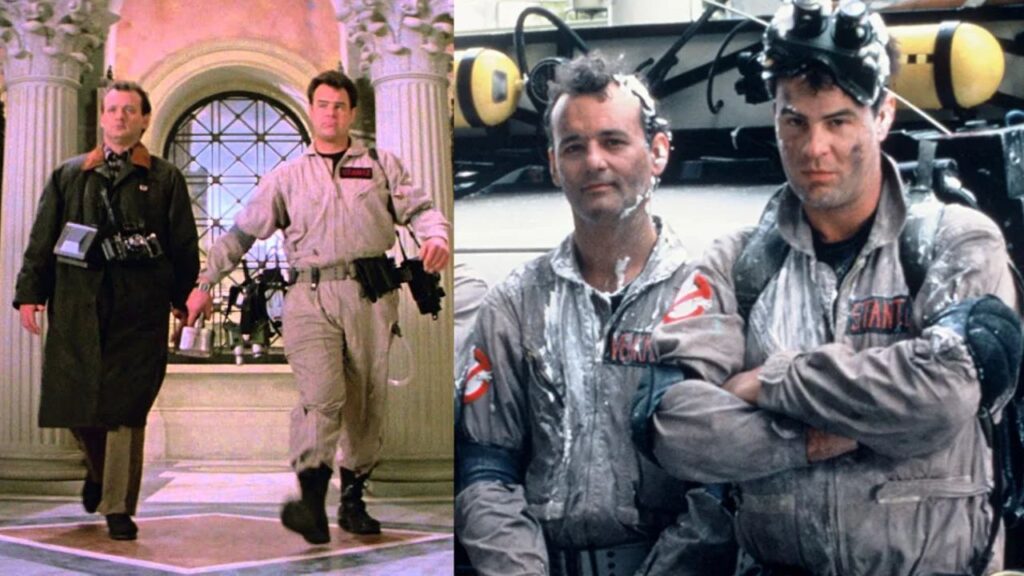
The ultimate mix of ghostly terror and comedic brilliance. The brilliance between Bill Murray, Dan Aykroyd, Harold Ramis and Ernie Hudson is plain to see. It’s clever, eerie and completely hilarious – what more could you want from a slightly scary but mostly funny movie night?
Modern Comedy Movies That Hit Different
The last several decades have been a new wave of comedic talent and fresh perspectives. These movies regularly challenge norms, tap into relatable contemporary fears or just take advantage of styles of comedy that the current audience just happen to love.
Overview of Modern Comedies:
Movie Title
Year
Key Comedic Style
Perfect For…
Bridesmaids
2011
Ensemble, Gross-out, Rom-Com
Groups who appreciate strong female leads and cringe humor.
The Hangover
2009
R-rated, Buddy Comedy, Mystery
Friends who enjoy chaotic bachelor party gone wrong scenarios.
21 Jump Street
2012
Action-Comedy, Buddy Cop
Good Dialogues & Unpredictable humour
Anchorman
2004
Wild Humor, focused on character, Social Satire
Anyone who loves quotable lines and highly stylized humor.
Booksmart
2019
Teen Comedy
Center upon female friendships & sharp dialogues.
Bridesmaids
Image Credit: Fandomfans
A trailblazing movie that showed women could be at the helm of raunchy, side-splitting comedies as much, if not more, than men. Kristen Wiig, Melissa McCarthy, and the rest of the cast are perfectly pitched in a film that’s as hysterically gross as it is genuinely heartfelt.
The Hangover
Image Credit: Fandomfans
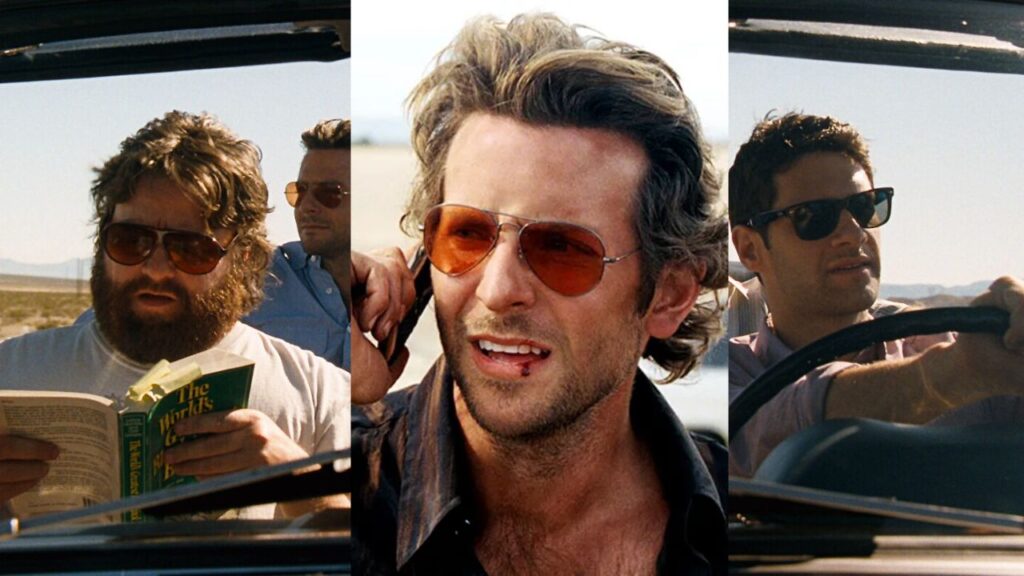
There’s no better “what happened last night?” movie. This movie is a lesson in spiraling out of control, as four pals attempts to retrace their steps after a disastrous bachelor party in Vegas. The mystery, the absurd situations and the memorable characters turn it into a roller coaster from beginning to end.
21 Jump Street
Image Credit: Fandomfans
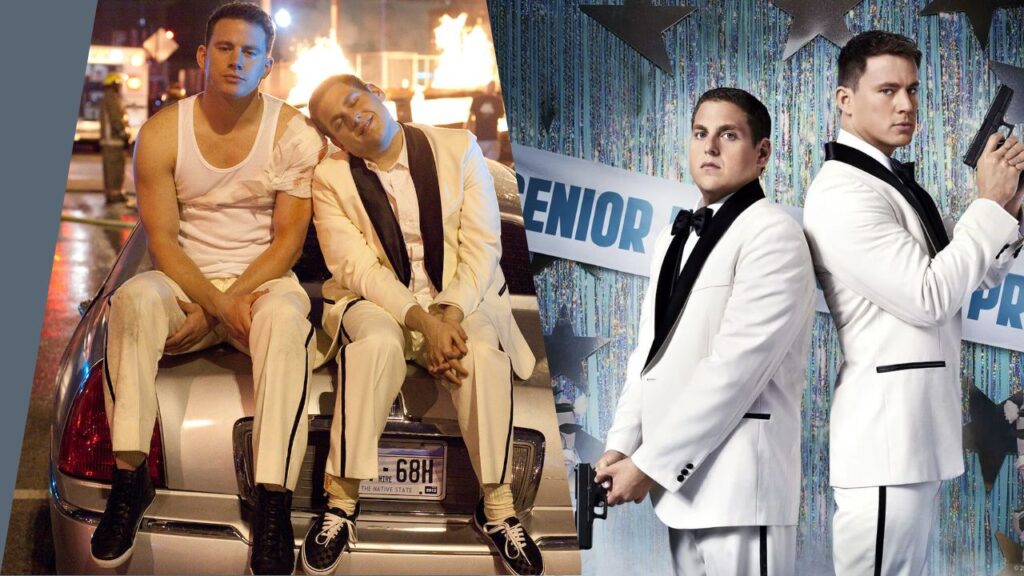
Channing Tatum and Jonah Hill make an improbable but ultimately brilliant pairing in this very clever, very self-aware reboot. It’s an action-comedy that really knows how to get laughs at its cost, runs the premise a bit too seriously, and surprises you with character moments that are surprisingly strong and really rattle your cage.
Anchorman: The Legend of Ron Burgundy
Image Credit: Fandomfans
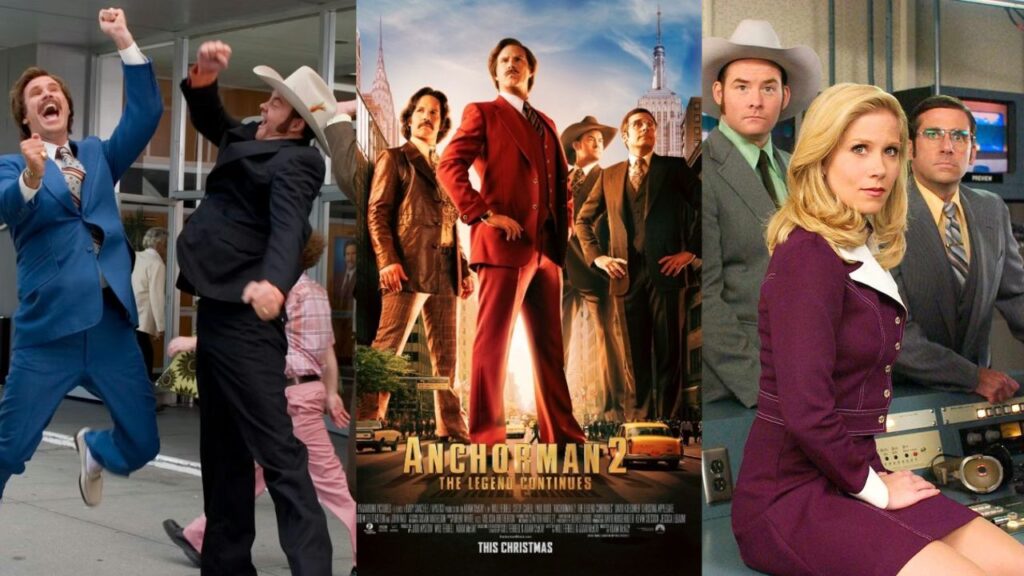
Will Ferrell’s Ron Burgundy is a cultural icon and this film is packed with lines and scenes that you can shout and remember for all time. It’s a fantastic send-up of ’70s male chauvinism and news, climaxing in an environment so wildly surreal you can’t help but laugh.
Booksmart
Image Credit: Fandomfans
A gut-bustingly hilarious and flat-out intelligent tell all about two nerds who find they’ve been so busy studying they forgot to do any of that high school stuff. It’s a to girl friendship film, with razor sharp dialogue, an array of relatable anxieties and a real heart which means it’s funny and emotional.
The best part of Comedy Movies to Watch with Friends after all isn’t just the writing or the performances—it’s the ambiance. It’s that shared roar of laughter that echoes in the room, the friendly arguments over who was the funniest character and how a single line from a movie can become an inside joke that lasts for years.
Laughter is one of the easiest and most accessible points of connection among humans. Whether you’re wincing collectively at a painfully awkward moment in Bridesmaids or racing to keep up with the lightning-fast wordplay in Airplane!, you’re forming a shared history.
Dive into the comedy genre with this movie list created by Fandomfans, our goal is to deliver details from movies & series.
Mariyam
Articles Published :
57
Mariyam Khan is Fandomfans Content Writer and providing reports and reviews on Movie Celebrities, and Superheroes particularly Marvel & DC. She is covering across multiple genres from more than 4+ years, experience in delivering the timely updates.