Home > Web Series > Fallout: How the Post-Apocalyptic Giant Is Still Ruling..
Fallout: How the Post-Apocalyptic Giant Is Still Ruling the Streaming World
Find out why Fallout is still dominating the global streaming charts with record viewership, growing fan excitement, and massive impact ahead of Season 2.
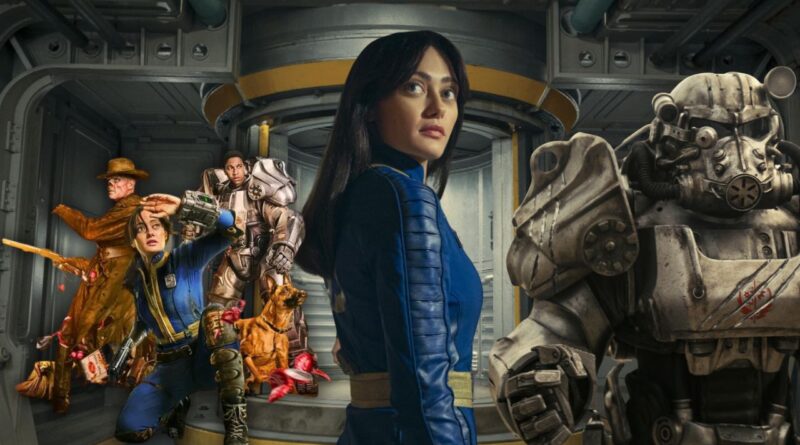
Amazon Prime Video’s Fallout, developed by Graham Wagner and Geneva Robertson-Dworet, not only became a streaming sensation — it burst into a cultural and commercial powerhouse. It is six months since the series first aired, and it still rules the global charts as record-breaking and redefining what a video-game adaptation can be. What many saw as a dangerous experiment has turned into a model success narrative, bringing in millions of new audiences, breathing fresh life into a 27-year-old gaming franchise, and proving that the much ballyhooed “video-game adaptation curse” can be broken with the right vision.
Why Fallout Is Still Vault-Dwellin’ on Top of the Streaming Charts
Half a year after Amazon Prime Video released all eight episodes of Fallout, the series isn’t just eking out a living in the streaming wasteland, it’s flourishing. It’s not just another post-apocalyptic show, it’s a global phenomenon and one of the biggest hits the platform has ever had. The question about Fallout isn’t whether the game was popular, but why it stayed as a chart staple so long after the initial binge had ended.
The figures show an explosive story. Prime Video has confirmed that the series, worldwide, has now been seen by over 100 million viewers. Fallout is now in the same rarefied air as Amazon’s biggest fantasy property, The Lord of the Rings: The Rings of Power, if that helps put things into perspective. So it wasn’t just eyeballs that were being counted, we were seeing engagement.
Image credit: IMDb
The series is the first non Netflix series ever to break 2 billion minutes viewed for two weeks in a row according to Collider. This high rate of consumption confirms that Amazon’s risky decision to greenlight the show was a commercial success, and that the show had an extraordinary ability to get viewers to binge, particularly in the highly sought-after 18-34 demographic.
Most importantly for the platform itself, the show contributed to an 8% increase in Prime Video average daily viewership during its debut month and says a lot about the show if it drove a jump in average daily viewership, Fallout not only held the attention of existing subscribers, it attracted new users and growing platform engagement.
So where exactly did Fallout go right to defy the “video game curse”?
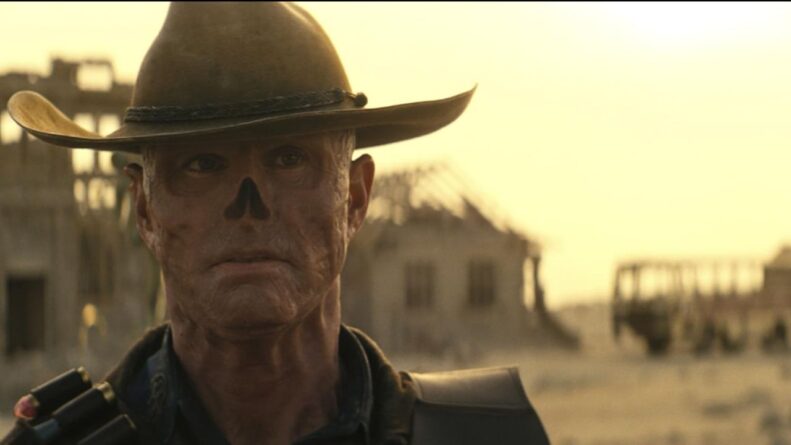
It struck just the right balance between creative fidelity and narrative inventiveness. The show perfectly encapsulated the series’ distinctive retro-futurist style and darkly satirical humour, garnering an outstanding 93% Certified Fresh ratingfrom critics. But instead of retelling the story of a beloved game, showrunners Graham Wagner and Geneva Robertson-Dworet write an all-new, canonical adventure, centering on Lucy MacLean, Maximus, and the gloriously scenery-chewing Ghoul (Walton Goggins). This ground-up approach, taking advantage of the larger world rather than a specific storyline, appealed to long-time players, while welcoming new players to the franchise.
Image credit: IMDb
And the best demonstration of its transmedia potency is the very real gold rush it inspired in games. The show became a massive, $80 million marketing bonanza for Bethesda. Player counts for the Fallout back catalogue, meanwhile, doubled overnight following the debut on platforms such as Steam. Even the 14-year-old classic New Vegas saw its concurrent players spike to 20,000. This amazing bonanza showed how an excellent adaptation can prolong the money-making lifecycle of an entire IP catalog forever.
Season 2 Hype — What Comes Next for Vault-Dwellers?
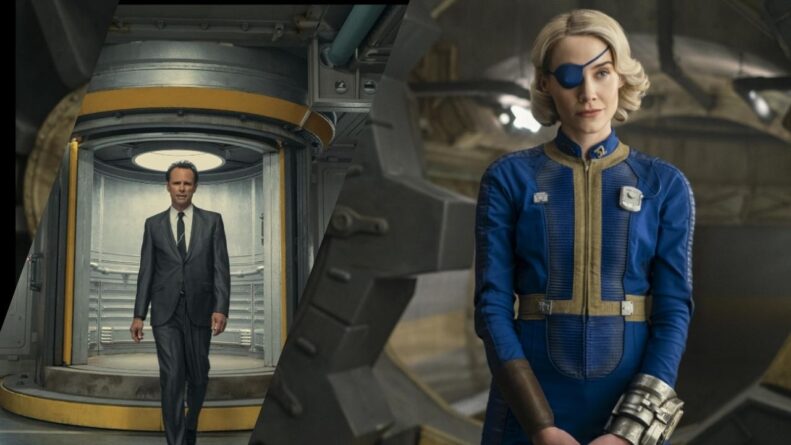
Now, it’s all about Season 2, and the buzz on forums like Reddit is palpable. The first season ended with our trio en route to New Vegas, one of the series’ most iconic locales. Fans are speculating about lively Deathclaw encounters as well as the return of the New California Republic (NCR). But the real stakes drama is that Justin Theroux is playing Mr. House. Reddit is already talking about the intense canonical tension this introduces, and whether the show will stay true to House’s character – a calculating isolationist who was obsessed with preventing the Great War or turn him into a Vault-Tec henchman.
Image credit: IMDb
IGN reports, To make sure that excitement endures, Amazon is going with a strategic shift: the Season 2 premiere will arrive on December 17, 2025, then the series will release weekly until the finale on February 4, 2026. This shift away from the Season 1 binge in its entirety is intended to drag discussion and retention along over weeks, and take advantage of the massive, proven global audience.
Conclusion
Fallout is now more than just a popular show — it’s a multi-platform phenomenon that’s changing how studios consider adaptations, fan loyalty, and long-term engagement. From blistering ratings to the reinvigoration of a whole gaming franchise, the series speaks to the idea that staying true to a franchise’s heart while telling bold new stories can create historic success. And with much-anticipated Season 2 to be released weekly from December 17, 2025, the wasteland will soon be going wilder! One thing is for sure: Fallout is not going away from the charts anytime soon, it’s building an empire.
Fandomfans love diving deep into the worlds that fans obsess over. We deliver breakdowns, character guides, reviews, and updates that help you stay ahead of the curve.
Emma
Articles Published :
36
Emma Miller is an entertainment enthusiast who is focusing on crafting storytelling blogs across all genres. Her special focus is build up around superheroes, thrillers, & historical dramas and movies. Her experience of delivering sharp review analysis and interview podcasts is helping fans to get transparency about their favorite cinema.
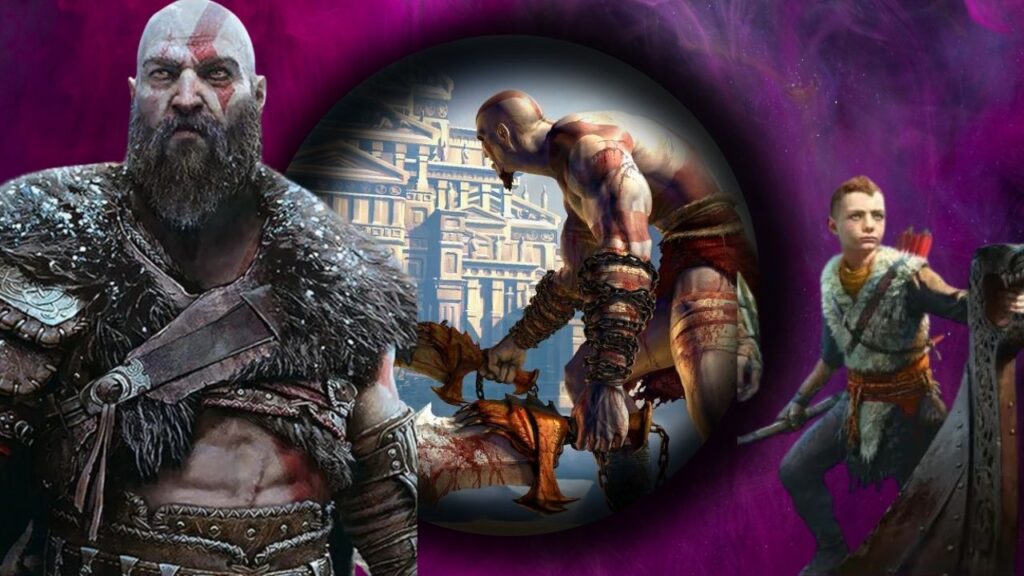
‘God of War’ Live-Action Series: Amazon’s Adaptation Could Be the Next Prestige TV Phenomenon
Amazon’s God of War live-action series looks to be TV’s next big epic with an A-list director attached a two-season plan and huge world-building ambitions.
We live in an era of unparalleled video game movie adaptation. A live-action God of War series a few years ago would have likely been met with skepticism. After the breakthrough success of HBO’s The Last of Us and Amazon’s very own Fallout, the format has been figured out: honor the source material like it’s a Pulitzer-winning novel.
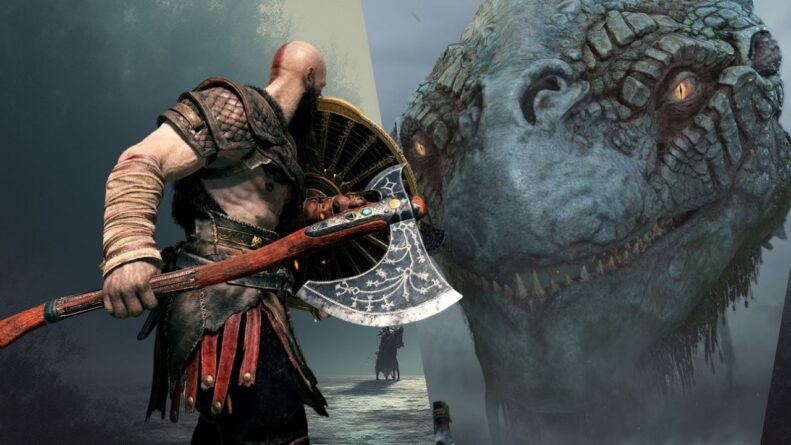
Now Amazon MGM Studios is grabbing the Leviathan Axe. The live-action adaptation of Kratos’ Norse saga has been greenlit for late 2025. And this is why the show, right now based on a close reading of the project’s stage, is poised to be the next big prestige TV event.
The “Shōgun” Connection
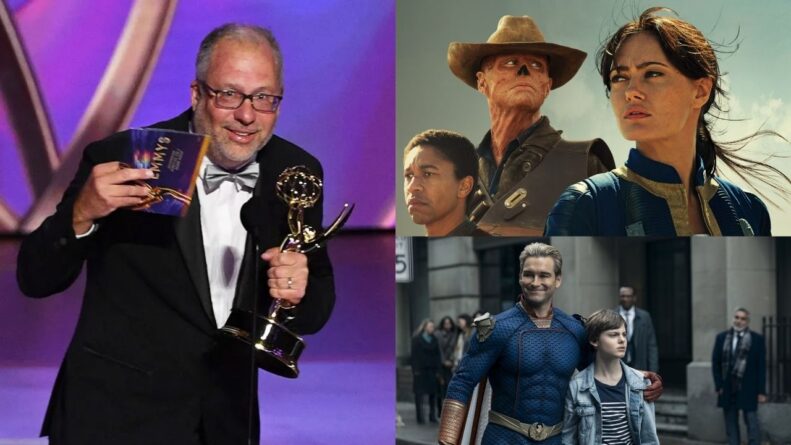
It’s the biggest news this week that director Frederick E.O. Toye will helm the first two episodes. Does that name ring any bells? He Platonically recently won an Emmy for directing the “Crimson Sky” episode of FX’s Shōgun.
Image credit: Fandomfans
This is a huge get. Shōgun showed Toye could manage the precise balance God of War demands and epic world-ending stakes interlaced with intimate, high-stakes drama. God of War (2018) isn’t just about killing dragons, it’s a chamber drama about a grieving father and son on a road trip. Toye’s work on The Boys and Fallout shows he has the chops when it comes to violence and “game logic,” but Shōgun proves he also has the soul.
The Narrative Architecture of dark political war drama
Perhaps the most interesting, controversial and surprising! The decision is the selection of Ronald D. Moore as showrunner. Moore is a sci-fi legend, the man who turned the cult ’70s Battlestar Galactica into a dark political war drama.
“I’m not a gamer. I knew the title but I didn’t really know what the story was, but I said, yeah, I’d love to do it.” —Moore chuckled.
Moore has admitted he isn’t a gamer. That may make armchair fans nervous, but it actually means he’s got one hell of an ear for that simple and stark it sounds to listen to, but the sonics of Vivec’s workshop managed to pierce saltwater-invoked Shellback ears.
Image credit: Fandomfans
We don’t want a showrunner who’s obsessed about making loot boxes or RPG mechanics. We need someone who understands the family of “broken” concept.
Moore’s (Outlander, For All Mankind) is a career defined by fractured families. He does not see God of War as a hack-and-slash but as a story for a widower becoming a dad. That is the right way to go.
The Two-Season Gamble
Amazon is placing a big bet. Reports confirm that there is a two-season commitment before cameras start rolling. This is unusual in the realm of streaming but it’s financially sound. Construction of the Nine Realms — including the frozen Wildwoods and fiery Muspelheim is really pricey.
They know they have two seasons, and so that gives them the ability to spread those costs out and more importantly spread the story out. It means they don’t have to cram the complicated Norse saga into mere eight hours.
Production is scheduled to start in Vancouver (which stands in for Midgard perfectly) in March 2026, and that gets us to the most important question—- Who is Kratos? The casting call for “Zion” ( which is the code name for Kratos) requests a physically imposing man who has dramatic skills. While fans want Christopher Judge (the game’s voice actor), the real-life toll of live-action TV—14-hour days and hard stunt work, makes casting a 60-year-old with a history of back surgeries a pretty big insurance risk.
Image credit: Fandomfans
Reported shortlists reportedly include the powerhouse Winston Duke, but Amazon appear to be trying to find that elusive combination of “action star physique” and “prestige drama acting.”
Even more telling is the casting for the part of Atreus. It is a One-Year Series Regular. This strongly suggests Amazon will do a time jump for Season 2, likely recasting Atreus with an older actor to match the aging process in Ragnarök, similar to how House of the Dragon handled its leads.
Release Date of God of War Amazon’s live-action series
Having said that, production on this series is scheduled to commence in the year 2026 and there will be quite a massive post-production period due to the VFX required, so we probably will not be seeing Kratos in live-action until late 2027, early 2028. It’s a long wait, but considering the talent involved and the scope of the production, Amazon isn’t just making a TV show, they’re attempting to create the next Game of Thrones.
Amazon’s live-action God of War series is more than just another video-game adaptation — it’s becoming a cinematic event. With a powerhouse director attached, an Emmy-winning showrunner, a two-season commitment, and massive world-building ambition, this is a project being developed for long-term storytelling. The wait until 2027-28 may be a bit long, but every new update indicates it’s going to be worth it.
Fandomfansbring you the latest updates about the movies, actors and directors. Keep connected to get every detail from the entertainment industries.
Babita
Articles Published :
25
Babita is Fandomfans Editor, experience in managing content. Her focus in general movies and web series. She is having a deep interest in TV shows and 90s movies - particularly Lord of the Rings, Harry Potter, & Rom-Com. Babita also covers psychological thrillers and major releases in current time and concern with deep interest in them.
The oil fields in Texas aren’t the only things rumbling — Season 2 of Landman has arrived to a whirlwind of reactions. In a new interview with Collider’s Steve Weintraub, lead stars Demi Moore and Ali Larter discussing the high stakes of the new chapter and the controversy surrounding it. The audience score, however, is pretty brutal at just 35% on Rotten Tomatoes. But Moore and Larter insist that Season 2 “gets rid of Taylor Sheridan’s biggest criticism,” promising more character development at the center of the story.
Dispelling the Static Character Critique
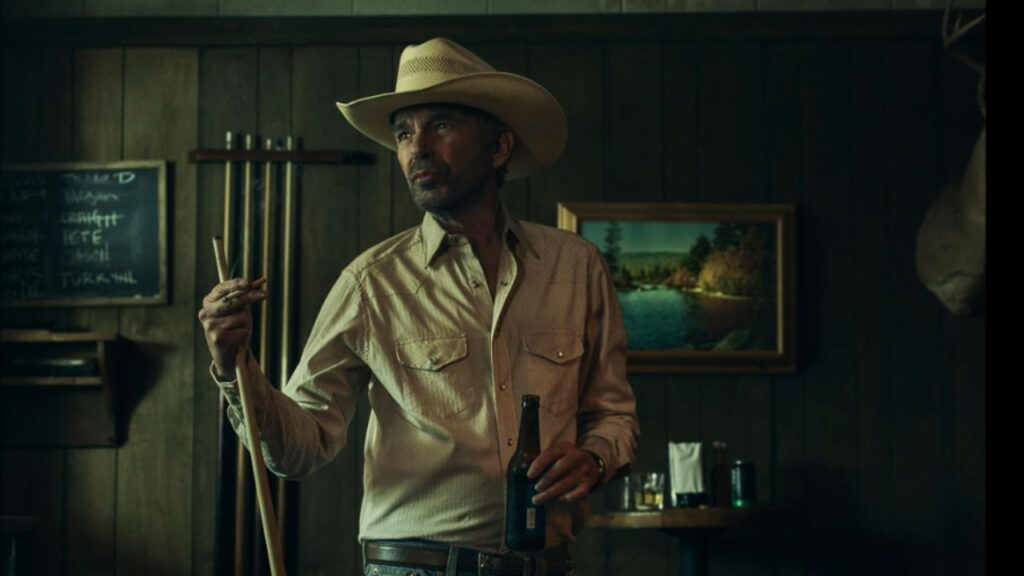
A recurring criticism that is made about the “Sheridan-verse” is that its supporting characters, and specifically the women, are subject to stagnation.This was made a particular point of criticism in Landman Season 1 documentation, with Ali Larter’s Angela Norris—ex-wife of lead protagonist Tommy Norris (Billy Bob Thornton)—and her daughter Ainsley noted they changed (relatively) little despite upheavals.
“Larter and Moore have said that the first impression is a long game to have the biggest dramatic effect with it.”
The characters, in particular Angela — who is back home on a more permanent basis are revealed at their most unstable, a creative decision that has occasionally turned off early viewers who let loose with uncontrollable reactions to certain scenes in the premiere. Co-star Michelle Randolph (Ainsley) on her character’s journey.
Image credit: IMDb
This arrangement frames initial disappointment as a purposeful narrative groundwork for subsequent, more satisfying development, suggesting the characters’ complexities are a slow burn that anticipates viewer buy-in.
“Then you’re able to watch 2 women who are fierce in different ways on the same show and that’s something I think that we love and kind of relate to.”
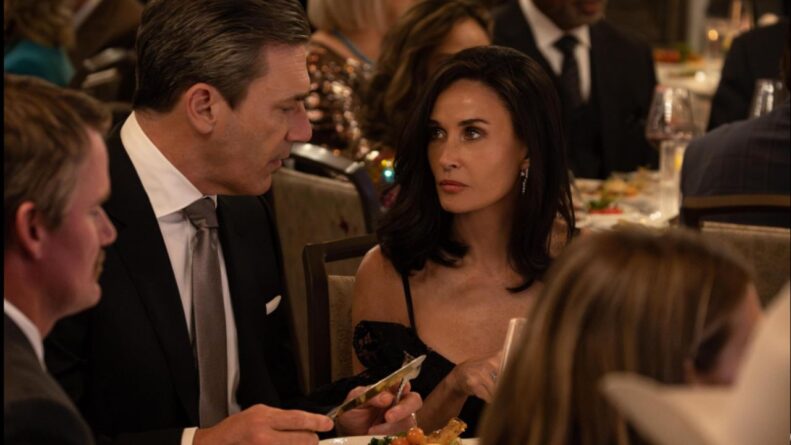
Most importantly, the show is quick to address what seemed like a waste of Demi Moore in the previous season. In Season 1, her recurring role as Cami Miller was minimal, which prompted “flak” from viewers. After a death, Cami assumes a powerful new post as co-head of M-Tex Oil with Tommy Norris, which gives Moore not only the spotlight but the professional freedom her character had never before enjoyed. The change of focus is a clear signal that it intends to grow the range of female leaders and complexity within the cutthroat Texas setting.
An Upcoming Emotional and Heartbreaking Journey
More to do with the structure-defense of the writing itself, but Moore and Larter did vow that the payoff for viewer patience would be well worth it. They echoed the sentiment that fans need to
“brace themselves for an extremely intense, heartbreaking journey ahead”.
The story in Season 2 is largely a clash between the “high stakes competitive oil business” and a “fragile family dynamic.” Cami’s rise into corporate power and Angela’s fraught reunion with her familial unit are the central conflicts. In the boomtown economics of West Texas, where a single “gusher can build empires or shatter lives overnight,” the emotional toll is high.
Image credit: IMDb
By calling the season “heartbreaking,” the actors are signaling that the growth of the characters will be hard-fought and that the brutal realities of the business will be tied to personal upheaval for the protagonists.
Crossover Wishes and Career Foundations
In the interview, the stars also talked about their past and what they wanted for the future of the linked Taylor Sheridan world.Larter and Mooreprovided anecdotes about the “projects that changed them as actors and people” that they bring into their current Landman roles.
“that was such an interesting script in the way that he approached that world. It was raw, and it was edgy, and it was vulnerable. I’m going there.”
Moore’s Landman appearance comes on the heels of a career-defining moment, having received praise and an Oscar nod for her turn in the 2024 horror film The Substance. This outside affirmation serves to reinforce the dramatic heights she takesCami Miller to in the expansion of Season 2.
The discussion naturally came around to the possibility of crossovers with other Sheridan series. And although Billy Bob Thornton has previously expressed interest in a darker crossover with Mayor of Kingstown, co-creator Christian Wallace has expressed interest in bringing back 1883 stars Tim McGraw and Faith Hill with Thornton in Landman , illustrating the recirculating talent pool and how easily these stories cross paths.
The message Demi Moore and Ali Larter want to send is clear, Landman Season 2 is all about building on character. Though the initial audience score is low, the actors promise that the characters are not static, changing dolorously and dramatically through the season. The critical consensus, calling Season 2 “stronger than the first”, supports the expectation that emotional and developmental payoff for Cami and Angela’s high-stakes journey is around the corner. Fans who are patient enough to travel the difficult road from “point A” to “point Z” will find their patience rewarded.
Fandomfans love diving deep into the worlds that fans obsess over. We deliver breakdowns, character guides, reviews, and updates that help you stay ahead of the curve.
Alpana
Articles Published :
164
Alpana is Fandomfans Senior Editor across all genres of entertainment. She evolved in the media industry since a very long time, she manages the content strategy and editing of all the blogs. Her focus on story development, review analysis, and research is well-equipped that ensures every article meets the standards of accuracy and depth.