Avengers: Doomsday Costumes First Look Revealed
Avengers: Doomsday trailer reveals stunning new hero costumes, from Namor’s classic suit to King M’Baku and a comic-accurate Cyclops.
Marvel Studios just unleashed full chaos on the internet with the first official trailer for Avengers: Doomsday. While Robert Downey Jr. (now as the threatening Doctor Doom) has been quite the recent buzz with his return, this trailer also gave us something pretty much just as exciting: a full look at the new costumes our heroes will be wearing as they take on the multiverse’s biggest menace.
From comic-accurate throwbacks to subtle “King-sized” upgrades, here’s the breakdown of the five hero suits we’ve seen so far for the next Avengers epic.
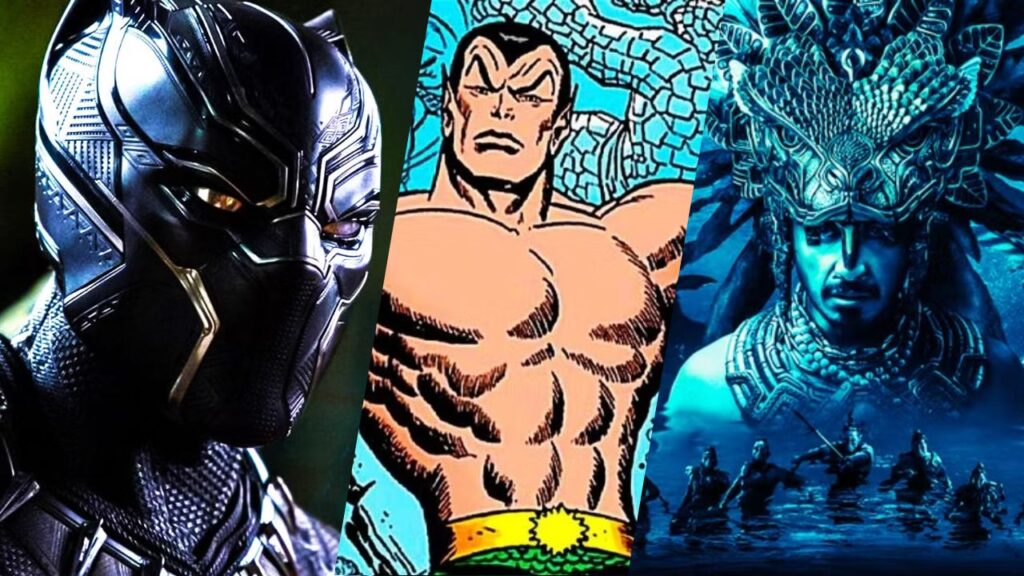
In Black Panther: Wakanda Forever, Decán’s visual was heavily inspired by Mayan and Aztec design — and it was breathtaking. But now that it’s Doomsday, DC is going back to his comic book origins.

According to Screenrant, Namor was seen wearing his signature blue suit, which includes a high, distinctive collar that fans of the ’90s comics will instantly recognize. So it’s a striking turn, and one that indicates he’s really leaning into being a global (and maybe inter-dimensional) operator.
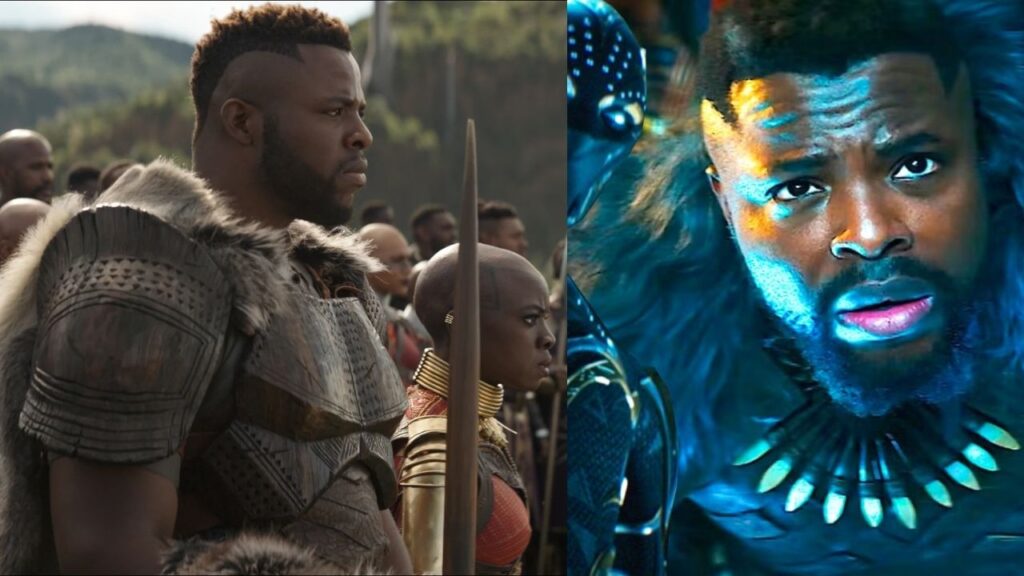
Since then M’Baku has ascended as king of Wakanda too, and his new gear screams a big old “Big King Energy.” No more just traditional Gorilla Tribe armor. In the new trailer, M’Baku wears:
“Shuri isn’t trying to fix what isn’t broken.” Her Black Panther suit remains largely the same as the one she debuted in Wakanda Forever, but some eagle-eyed fans spotted a handful of “tech-y” upgrades.
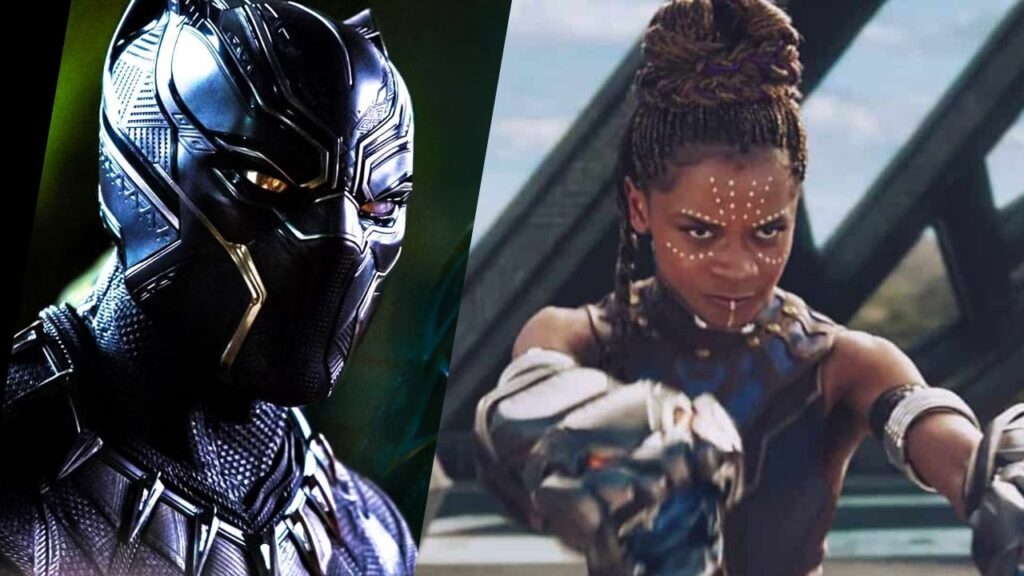
The suit has been updated with a few greenish hints and slightly different weaving patterns. Considering Shuri’s intelligence, these aren’t just stylistic choices — they’re probably new defensive abilities that will aid her against Doctor Doom.
Ebon Moss-Bachrach’s Ben Grimm (The Thing) got a short but significant cameo. Now fresh from the events of The Fantastic Four: First Steps, he’s donning the very same retro-futuristic team kit we first got a look at in his solo debut.

Visual continuity is looking good as the Fantastic Four at long last are introduced into the main MCU timeline.
Rounding out the group of five is Namora. Her costume is largely unchanged from the first time we see her, but her appearance with the Wakandans emphasizes one crucial plot point: that the surface/sea alliance is still very much in existence.
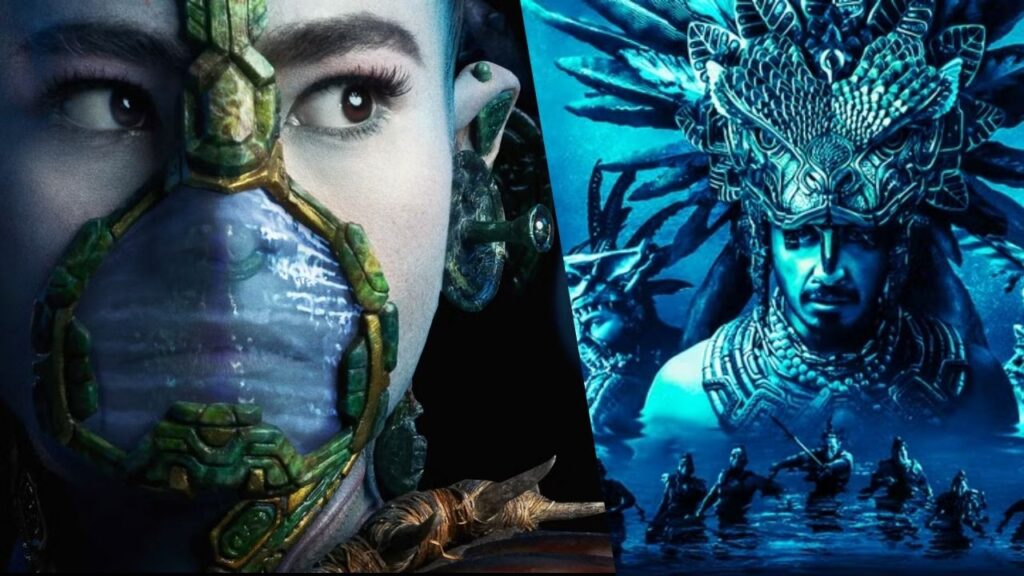
They need that solidarity if they’re even going to have a chance against Doom.
While the trailer had a lot of the Wakandans and extends to even more with the Fantastic Four, let’s not dismiss the brief, soul-shaking sighting of James Marsden’s Cyclops. He’s dressed in a bright yellow and blue costume that looks like it was pulled right out of a ’90s comic book cover. It looks like Avengers: Doomsday is finally serving up the “Uncanny” looks we’ve been waiting decades for.
Read More:- Michelle Randolph’s Big Break: From Landman Fan Favorite to Amazon MGM’s Holiday Rom-Com Lead
Marvel is being very smart here. They’re merging the grounded, cultural designs of the MCU with the vibrant, brash look of classic Marvel Comics. Whether it’s Namor’s iconic collar or M’Baku’s regal cape, the message is loud and clear: the heroes are leveling up, because they have to.
Which new suit do you like the best? Personally, having a comic-accurate Cyclops and a “King” M’Baku share the screen has us already anticipating 2026.
Stay connected with the Fandomfans to find updates from the Marvel movies and characters.
The Housemaid (2025) psychological thriller starring Sydney Sweeney breaks box office records. Full cast, plot twists, budget and success explained.

Psychological thriller The Housemaid, to be released late in 2025, is already set to define the theatrical look. Directed by Paul Feig from the 2022 literary phenomenon by Freida McFadden, the movie is a significant moment of convergence for digital-age literary culture and traditional Hollywood production values. Originating from the “BookTok” culture, where McFadden’s writing thrilled millions, the movie had to find a way to visualise internal psychological conflict.
The resulting film, produced by Hidden Pictures and released by Lionsgate, grossed an astonishing $247 million worldwide on a modest $35 million production budget, making it one of the rare R-rated thrillers to achieve major commercial success.
| Feature | Details |
| Director | Paul Feig |
| Lead Cast | Sydney Sweeney as Millie, Amanda Seyfried as Nina, & Brandon Sklenar (Andrew) |
| Based On | 2022 Novel by Freida McFadden |
| Genre | Erotic Psychological Thriller |
| Production Budget | $35 Million (Filming cost approx. $46M) |
| Box Office Collection | $247 Million Worldwide |
| Release Date | 19/December/2025 |
| Key Themes | Class Warfare, Psychological Manipulation, Domesticity |
| Primary Location | Great Neck, Long Island (Filmed in New Jersey) |
| Production Houses | Hidden Pictures & Lionsgate |
The Housemaid is an American erotic psychological thriller that doubles as a layered examination of class, power, and the performative suburban domesticity. With her eyes on the prize her daughter, Millie Calloway (Sydney Sweeney), a girl with a criminal record trying to keep her life together under the threat of parole conditions, is at the center of the story. Her path to the orbit of the extravagant Winchester family in Great Neck, Long Island, prompts a tale that methodically tears down the front of the “perfect” American home.

Director Paul Feig, best known for comedies such as Bridesmaids, gave the film a different tone, calling it a “Nancy Meyers movie that goes horribly wrong.” The treatment was influenced by luxury home imagery — a spotless, “all-Pantone-white” house followed by a turn into psychological horror.
| Release Milestone | Date | Platform/Location |
| World Premiere | 2/December/2025 | Axa Equitable Center, NYC |
| U.S. Theatrical Release | 19/December/2025 | Nationwide |
| Digital/PVOD Release | Jan 13 – 20, 2026 | Apple TV, Prime Video, YouTube |
| Physical Media | 17/March/2026 | Blu-ray / 4K Retail |
| Subscription Streaming | April/2026 | STARZ |
The movie sits at an unusual crux of suburban horror and mystery. Located in Great Neck–a region known for historical American wealth–the film establishes a contemporary “Gothic” space where upper class seclusion permits the unrestrained wielding of power.
Paul Feig’s move from comedy to thriller tapped into a “darker, mind-bending type of story telling.” He was joined by screenwriter Rebecca Sonnenshine who made the book even more shocking for the screen.

Key Creative Impact:
The storyline is built around a series of reversals. It opens with Millie finding live-in maid work for Nina (Amanda Seyfried) and Andrew Winchester (Brandon Sklenar).

Millie, witnessing Nina become more unhinged, starts seeing the apparently perpetually put-upon Andrew. But the midpoint reveal flips the script: Andrew is the real predator. The attic suite had been built to hold women captive, and Nina wielded her “madness” as a kind of psychological armor.
In a chilling climax, Andrew tries to coerce Millie into self-mutilation. Nina comes home to save her, and eventually Millie knocks Andrew over a spiral staircase. The film closes on a cynical but uplifting note: Millie takes on yet another maid gig, this time as a silent protector for other abused wives.
Read More:- Landman Season 3: Who’s Back in the West Texas Oil Wars?
The film works because its leads are playing characters whose real selves are concealed until the last act.
The series filmed around $46 million in New Jersey and used locations including the Madison Mansion and Rutt’s Hut to anchor the film in a familiar suburban reality.

The film’s opening weekend was $19 million via Lionsgate, however it demonstrated surprising “legs,” with a second weekend drop of just 19%. With a 7.0x return on investment (ROI), it became one of the most profitable releases of the year.
| Platform | Rating/Score |
| Rotten Tomatoes (Audience) | 92% |
| Rotten Tomatoes (Critics) | 75% |
| CinemaScore | B |
| PostTrak | 84% Positive |
The Housemaid (2025) is a victorious updating of the erotic thriller. It was a cross between TikTok-inspired literary successes and “lurid” 90s cinematic style. With a follow-up, The Housemaid’s Secret, in the works, the home-front deception formula continues to prove a fruitful cinematic arena.
Fandomfans is a platform where you can find every detail from the blockbuster hits of your favorite stars.
Explore the ultimate 90s Movies List proving why 1999 was the best year for cinema, featuring The Matrix, Fight Club, Magnolia & more iconic films.

There is no question that 1999 was a blockbuster year for movies, with countless groundbreaking films that have defined popular culture. Here is 90s Movies List from the mind-boggling visual effects and philosophical musings of The Matrix to the shattering shock and surprisingly heartfelt emotional payoff of The Sixth Sense and the ferocious, anarchic spirit of Fight Club, each movie redefined the genre it was working in and spoke to its own particular audience. It was also a year in which directors and producers took a few chances and the final fruits of their risky labors continue to be enjoyed more than 25 years later. Truly, 1999 set a high bar for what cinema could be.
The last year of the last century was more than just a date on a calendar. It was a tectonic shift in Hollywood: the old guard of cinema collided with a new class of filmmakers who didn’t aren’t run the rulebook. Stanley Kubrick and Steven Spielberg still commanded respect (along with the likes of Francis Ford Coppola and Martin Scorsese), but a new generation was emerging — Spike Jonze, Sofia Coppola, M. Night Shyamalan, David Fincher, Paul Thomas Anderson — and rewriting what a movie could be. The year seemed like the zenith of everything the 1990s had been building toward — indie films gaining mainstream legitimacy, blockbusters getting smart, and moviegoers revved to engage with difficult, out-of-the-way tales.
And there was something else in the cultural air that year. The approaching millennium, and the year 2000, or Y2K, brought with it a sense of collective existential dread that many filmmakers sought to channel— albeit while celebrating the liberating spirit of the past. The upshot: it was a year that not only produced fine films, but fine films of, it seems, every possible genre and style.
When the Wachowskis’ The Matrix opened in March, they hadn’t simply made a movie — they’d changed the language of action cinema forever. Featuring revolutionary “bullet-time” visual effects and questions about the nature of reality, kung fu, science-fiction, and existential philosophy, The Matrix was like nothing anyone had seen before.

Keanu Reeves’ quietly assured turn as Neo has become iconic, with Laurence Fishburne and Carrie-Anne Moss also excellent. The film made $466 million worldwide and continues to inspire filmmakers today. What was remarkable wasn’t just the new technology — it was how that new technology allowed for the expression of high-level ideas about free will and reality that were easy to grasp.
M. Night Shyamalan made a striking debut with a psychological thriller that turned into a cultural touchstone. Bruce Willis, making a bid for dramatic respectability, was a perfect match for nine-year-old Haley Joel Osment in a movie that was really just a series of linked ghost tales. The movie’s legendary twist is one of film’s best kept surprises — an ending that rereads everything you’ve seen.

But the most important thing about the twist is that it didn’t come off as a cheap trick – it is earned, powerfully, through carefully-crafted screenwriting and emotional veracity. The Sixth Sense grossed $672.8 million worldwide to be the second-highest grossing film of 1999, and it still holds up as a tender thriller that’s all in suggestion, not blood.
David Fincher’s adaptation of Chuck Palahniuk’s novel was not only one of the most violently thought-provoking movies of the year. It was, paradoxically, one of its most rewarding experiences. What is discomfiting at first becomes addictive at second, third, and even fourth viewings. As the insomniac, crumbling narrator Edward Norton struggles not to fall under the spell of charismatic Tyler Durden, Brad Pitt dive bombs into a ferocious satire of consumerism, fragmented masculinity, and contemporary rebellion.

That film’s twist is quieter and morally ambivalent, and works by revealing a narrator’s split mind. With an IMDb rating of 8.8, Fight Club has risen above the backlash that it received at its release and has been seen as a film of true artistic merit masquerading as mindless entertainment that causes conversations about meaning and social critique.
Mendes (Bond) debuted behind the camera on features with the year’s Oscar darling, taking home five Academy Awards, among them Best Picture and Best Actor for Kevin Spacey. Darkly satirical about suburban American culture, the trend was immediately established – Mendes and screenwriter Alan Ball were revealing the emptiness behind Middle America’s perfectly trimmed lawns.

It was one of the rarest of things in Hollywood: a critics hit that also became a box office giant, raking in more than $350 million on an unassuming $15 million budget. That’s not to say that the film’s reputation hasn’t been reconsidered in recent years, though its impact on cinema is certainly undeniable.
The last film of Stanley Kubrick was meant to be his big comeback. What the viewers were offered was something much richer: a relationship drama hiding behind the trappings of a thriller, a farcical, sexual black comedy, and a reflective film on marriage and desire.

Tom Cruise and Nicole Kidman gave raw performances, and Kubrick’s obsessive direction turned a well-worn story line into something truly disturbing and thought-provoking .

Spike Jonze’s first feature film’s concept, a portal into the thoughts of actor John Malkovich might have been a novelty, but Jonze uses it to examine identity, obsession and the nature of consciousness itself. Cameron Diaz, John Cusack, and Catherine Keener give surprisingly profound performances in what easily could have been a straightforward comedy.

Toy Story 2 showed that animated sequels could say something artistically, rather than just being financial grabs. It helped establish Pixar as a studio that treats its adult intelligence and emotions—and it remains one of the most powerful films in Pixar’s entire library.
When it hit theaters in 1999, it revolutionized the horror genre with its use of found-footage style narration, minimal production costs, and a genius marketing strategy that obscured fact and fiction.

The Blair Witch Project become the excessive horror which success demonstrated that people could be entertained simply by a story and a mood, without elaborate special effects or movie stars.
Magnolia interlaces a number of connected stories throughout the day and night. At its heart, the film is about guilt, forgiveness, regret, trauma, coincidence and connection between people. The various characters’ lives intersect in small (and occasionally stunning) ways, leading up to one of the most-discussed finales in contemporary film.

Magnolia is now considered a cult classic, and is often regarded as one of the best films of 1999 and one of the best ensemble films ever. It’s flawed and difficult, and so human — all of which is why it continues to provoke discussion more than twenty years on.
The “Best Man” (1999), directed by Malcolm D. Lee, is a romantic comedy that rode the wave of popularity of the genre back then. With a predominantly Black cast, the movie is about a group of college friends coming back together for a wedding. Taye Diggs is a rising novelist whose latest book causes trouble — it’s a roman à clef that draws on their own lives.

Warm, funny and sexy, the film was a box office hit and managed to distinguish itself without crass commercial exploitation or without being too blatantly positioned as a “milestone” in Black representation. Executive produced by Spike Lee, who is also the director’s cousin, “The Best Man” continues to hold a treasured place in the romcom canon.
Read More:- Critics Choice Awards 2026 Honor Best Performances — Top Winner List
What is interesting is that 1999 itself was not universally hailed as the best year in the 90s Movies List. American Beauty took the Oscar, but Being John Malkovich was more highly lauded. Fight Club divided opinions upon its release. It was a long time before audiences and critics as a whole realized what they had experienced that year: They’d been treated to something extraordinary—an entire year in which the movies seemed vital, even dangerous, and endlessly inventive.
In an era when blockbuster culture reigns and original concepts have a hard time securing funding, 1999 stands as a powerful testament to what can be achieved. It was the year that arthouse brains met Hollywood brawn, when first-time filmmakers could become auteurs overnight, and when a movie didn’t have to come from a known property to become culturally significant. Looking back, 1999 was not just a great year for movies — it was the year that movies proved that they still mattered.
Dive into the world of 90s movie list with Fandomfans and get every detail from your movies, series and celebrity.