Home > Web Series > The Vampire Diaries Cast Struggle and Pain That..
The Vampire Diaries Cast Struggle and Pain That Shared Later
Discover the hidden struggles of The Vampire Diaries cast—from casting battles and on-set tension to pay gaps and physical pain that shaped the iconic series.
If we were to look back at the late 2000s television was dominated by a particular thirsty appetite. It was the era of supernatural frenzy, when vampires stop being terrifying monsters and become tragic, romantic anti-heroes. But cut through the barrage of genre hits and there was The Vampire Diaries (TVD), a rarity, a high-concept mythology that felt understated and more like a character-driven drama.
To the audience, the magic of Mystic Falls was seamless. We observed the fierce, magnetic tension between Elena Gilbert and the Salvatore brothers and took it as fate caught on film. But when you view the series as a business – considering the cost-cutting, the negotiating, and the personality power plays – a different tale emerges. The indestructibility of The Vampire Diaries was not magic, it was the result of an exhausting, frenetic, and sometimes painful process of architecture by three young actors on the brink.
How Nina Dobrev, Paul Wesley, and Ian Somerhalder Nearly Lost Their Roles
The series simply wouldn’t be the same without the core three — Nina Dobrev, Paul Wesley and Ian Somerhalder. The makeup of this cast, though, was almost conceived on an entirely different plane.
Back then, the network prioritizing immediate marketability was aggressively pushing for big-name pop stars. There were major discussions about casting Ashlee Simpson or Ashley Tisdale as Elena Gilbert. The studio wanted to follow the source material’s description of a “blonde-haired, blue-eyed” protagonist, a demographic type that was considered key to success then.
Nobody Can Replace These Iconic Characters
Technically, Nina Dobrev’s entry into this equation was a failure. Battling a rare disease during her initial audition, she turned in what co-creator Julie Plec harshly called an “unmemorable” performance. It was only by dint of Dobrev’s sheer professional determination – sending in a self-taped audition from home afterwards, that she made the studio change its mind. She didn’t just win the role, she recalibrated the character entirely.
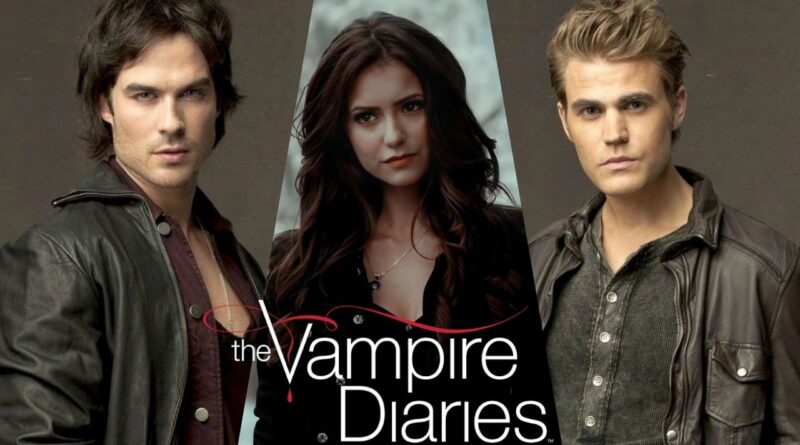
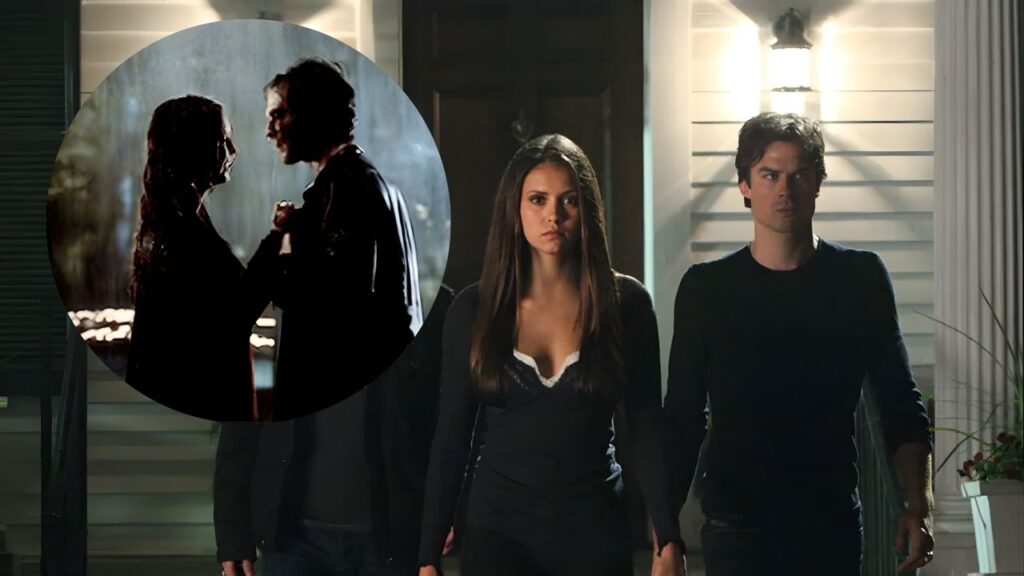
Best Trio of The Vampire Diaries | Image Credit: Fandomfans
Paul Wesley had to endure almost fifteen auditions before he was told no, the reason was literally that he was “too old.” He landed the part of Stefan after his chemistry test with Nina Dobrev won over the creators. Ian Somerhalder was also iffy – he was so nervous during the network test that he nearly lost the role of Damon.
Nailing this trio had an immediate effect. The series finale drew in 4.9 million viewers, the most ever for The CW. But under this success, everything was not so calm.
When Tension Created Chemistry Between Nina Dobrev and Paul Wesley
There’s a pervasive myth within TV Fandom that romantic chemistry on screen can only be achieved through romantic affection behind the scenes. The first season of TVD is the ultimate rebuttal to this.
Nina Dobrev and Paul Wesley, the anchors of the show’s central love story, antagonized each other during the first five months of shooting. Dobrev has admitted that they ”despised each other” at times. This wasn’t simply a personality clash, this was the tension of eighteen-hour days and the burden of carrying a franchise.
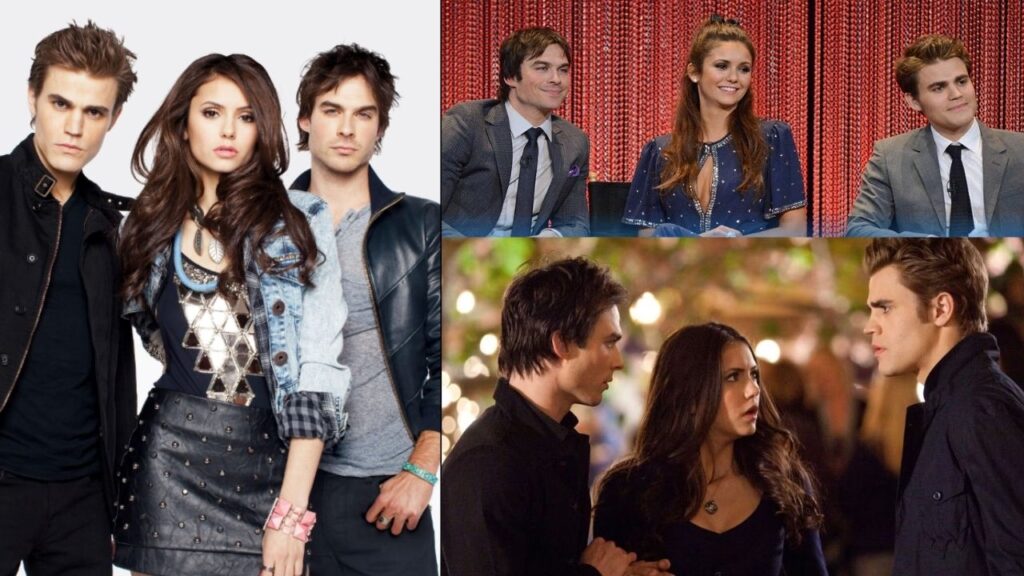
Stefan and Elena epic love builds by their real life chemistry of hate & love | Image Credit: Fandomfans
Yet, from the professional side, this disdain became a motivator. They had a lot of technical discipline, so they were able to direct their frustration into what Dobrev referred to as “a very thin line between love and hate.” The crowd interpreted this tension as deep passion. It is a credit to their acting that they can make love while playing against the absence of a personal connection.
Ironically, Wesly had foreseen the result of this tension. During the pilot, he told Dobrev that they would be best friends in ten years. He was right: the two have since forged a “marriage-like” professional relationship, demonstrating that the most powerful partnerships in Hollywood are sometimes formed in the heat of initial discord.
As the actors battled with one another, they also battled the writers. Ian Somerhalder fought an interesting creative battle for the soul of Damon Salvatore.
Somerhalder guarded Damon’s volatility. During Season three when the writers started “softening” Damon to make him a potential love interest for Elena, Somerhalder was so unhappy he considered quitting the series. He was concerned that the character was turning into a “one-trick pony” of love rather than the scary thing the audience adored.
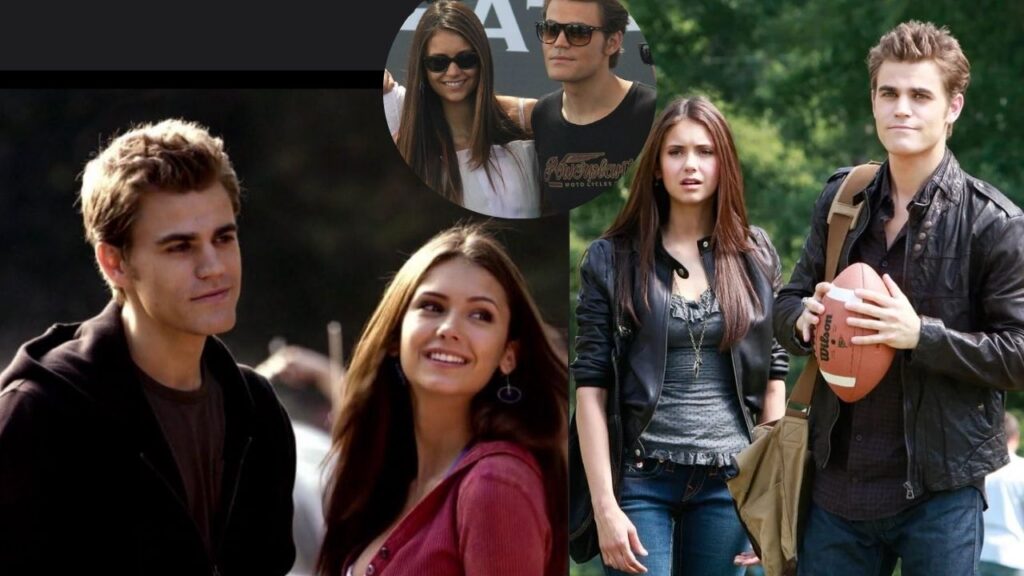
Salvatore Brothers with their Humanity off | Image Credit: Fandomfans
That all came to a head during the shooting of the death of the character Rose. Somerhalder battled “tooth and nail” with showing Damon’s humanity because he felt it would diminish the character’s edge. Yet that sequence — when Damon offers Rose a tranquil, manipulated dream as she dies — was one of the actor’s favorite moments.
It demonstrated the kind of character development (necessary for a show to last eight seasons) that represents the balance an actor must find between their own urge to protect the character, and the show runner’s vision for that character on a longer arc.
The Brutal Physical Reality Behind TVD’s Most Romantic Scenes
Among the most overlooked aspects of The Vampire Diaries is how uncomfortable filming really was, even when the scenes looked magical on screen. The iconic ”Delena Rain Kiss,” one of the series’ most romantic moments, is a prime example of this dichotomy.
The scene was shot in Georgia, in freezing temperatures. The rain machines were basically spraying icy water. Ian Somerhalder later shared that his jaw muscles froze so tightly he could barely speak and Nina Dobrev got sick right after the shoot.
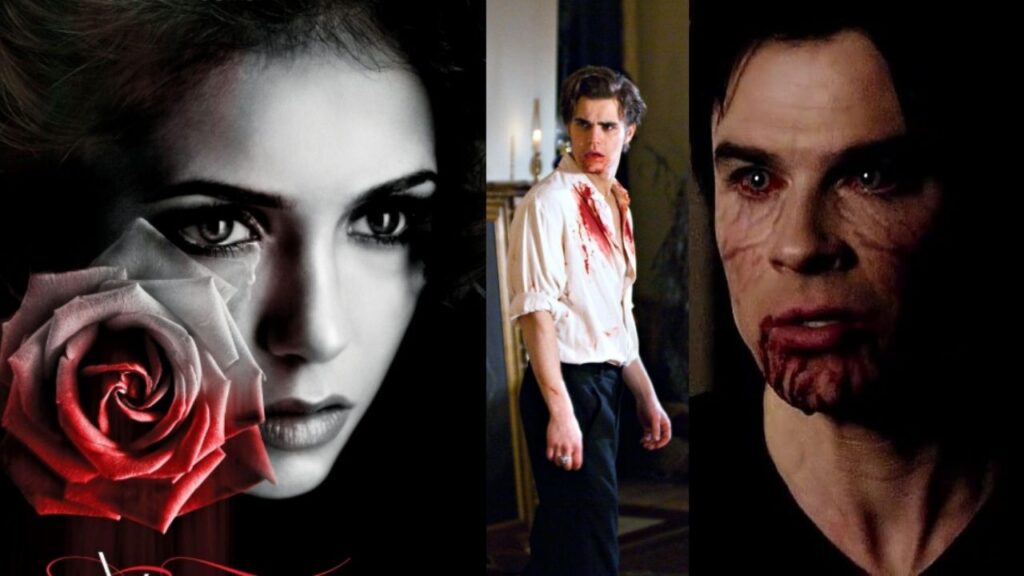
Delena Rain Kiss in The Vampire Diaries | Image Credit: Fandomfans
Then there’s the weather, and the actors are really out there. Wesley shot in a medical boot for a twisted ankle, necessitating stunt doubles for simple carrying scenes. Dobrev, who had to play both Elena and her doppelganger Katherine Pierce, created the “Binder Method” – carrying different heavy binders to maintain the psychological consistency of two separate characters at the same time.
Nina Dobrev Pay Gap Nobody Talks About
And that brings us to the most crucial professional realization: the economics of stardom. Although she has the strain of two workloads and is the main protagonist, Dobrev received lower pay than her male co-stars for most of her tenure. The studio declined to match her salary “on principle.” This systemic nonrecognition of her work was one of the motivations for her leaving after Season 6.
She didn’t get pay parity until the series ended, and even then she had to turn down the first low-ball offer to get it. It was a fitting, if sobering reminder that in the Hollywood system, value is often something that has to be grabbed, hard.
After Elena Left: The Show Rebuilt Itself Around Brotherhood
Nina Dobrev’s exit necessitated the show to transform itself structurally. The original plan, according to Julie Plec, was for both Salvatore brothers to die saving Elena, seeing her live a human life as ghosts.
However, reality intervened. With Dobrev’s departure, the narrative center of gravity moved away from the romantic triangle and toward the fraternal bond shared by Stefan and Damon. The change saved the show. By the time the finale, “I Was Feeling Epic,” was broadcast, the actors had become less adversarial and more cooperative. Paul Wesley advocated for Stefan’s death in order to have his redemption arc completed, and Somerhalder campaigned not to have the last romantic reunion over the brothers.
Conclusion
The Vampire Diaries isn’t a legacy just because of its plot twists or its shipping wars. It’s a case study in how to keep working professionally. It is the tale of three actors who survived physical hypothermia, creative infighting and systemic pay inequity to create a pop culture juggernaut.
When we watch old episodes today, we can see that chemistry and glamour. Yet the real blueprint for its immortality is in the muck, in the negotiations, and the onerous, all-too-human labor that went down off camera. They didn’t just play vampires who lived forever, they built a legacy that will.
Dive deeper into your favorite TV shows character with Fandomfans. Our goal is to provide simple conclusions on series & movies.
Mariyam
Articles Published :
77
Mariyam Khan is Fandomfans Content Writer and providing reports and reviews on Movie Celebrities, and Superheroes particularly Marvel & DC. She is covering across multiple genres from more than 4+ years, experience in delivering the timely updates.
‘The Boys’ Season 5: “Scorched Earth” is Coming in 2026, and We’re Not Ready
The Boys season 5 titled "Scorched Earth" arrives in 2026 with an explosive final battle, dark twists and high stakes as Butcher and Homelander face off.
After all the years of being spectators to the cruelest, perhaps least moral superhero drama on any screen, small or big, we’re at last coming to an ending we didn’t know we desperately wanted. “The Boys” Season 5 (tentatively titled “Scorched Earth”) lands in 2026, and honestly, it’s never going to be the same for the world of superheroes.
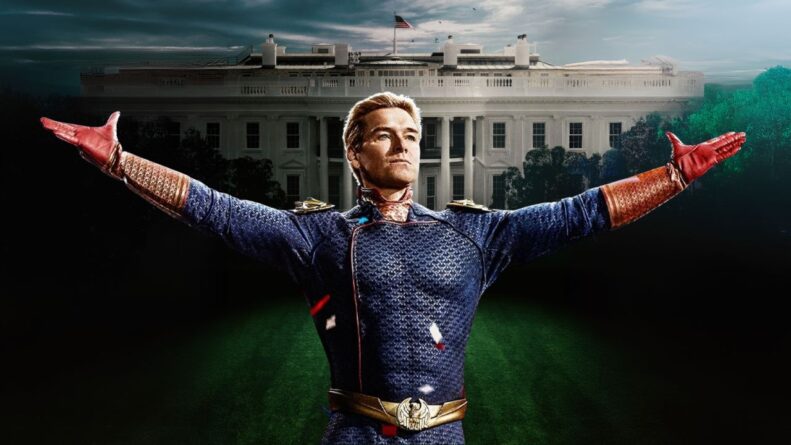
Let’s be honest, Season 4 ravaged us. According to Tomsguide, Billy Butcher has lost all humanity and is now a literal monster, who wants to kill every supe – bad or good, guilty or not. He’s stolen a virus that can kill superheros, and he’s embraced the darkest path possible. Meanwhile, Homelander has basically taken over the US government via martial law (and the majority of The Boys are in jail), and Homelander. What about all that positivity we latched onto in the earlier seasons? Gone. Obliterated. “Scorched Earth.”
When ‘The Boys’ Season 5 Release
Image Credit: Fandomfans
According to Deadline, Showrunner Eric Kripke has perfectly set the stage for a fluid final act. We don’t have a day for it just yet, but filming is complete and the team is halfway through post-production, which will consist of visual effects and color grading. Season 5 promises eight more episodes of pure, unadulterated chaos.
Why “Scorched Earth” Is the Perfect Title for the Final Season
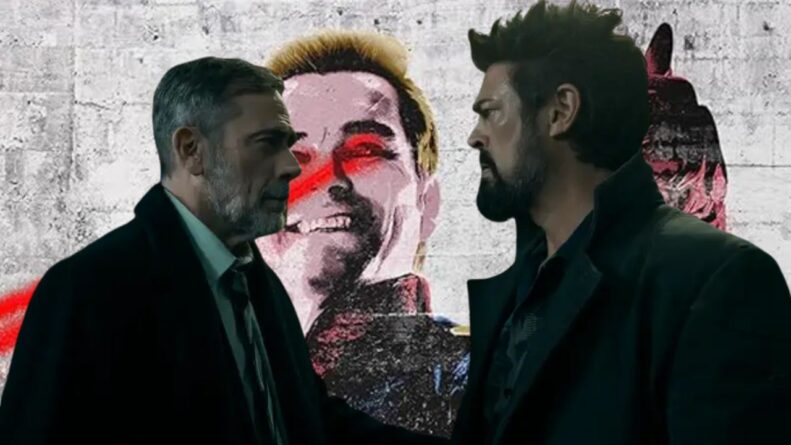
What makes Scorched Earth such a perfect title is that its meaning encapsulates the desperation that every character is feeling as they head into this finale. According to The Direct, Scarred and broken because of what he has been through, Butcher embodies the ‘scorched earth’ – wipe everything out, consequences be damned.
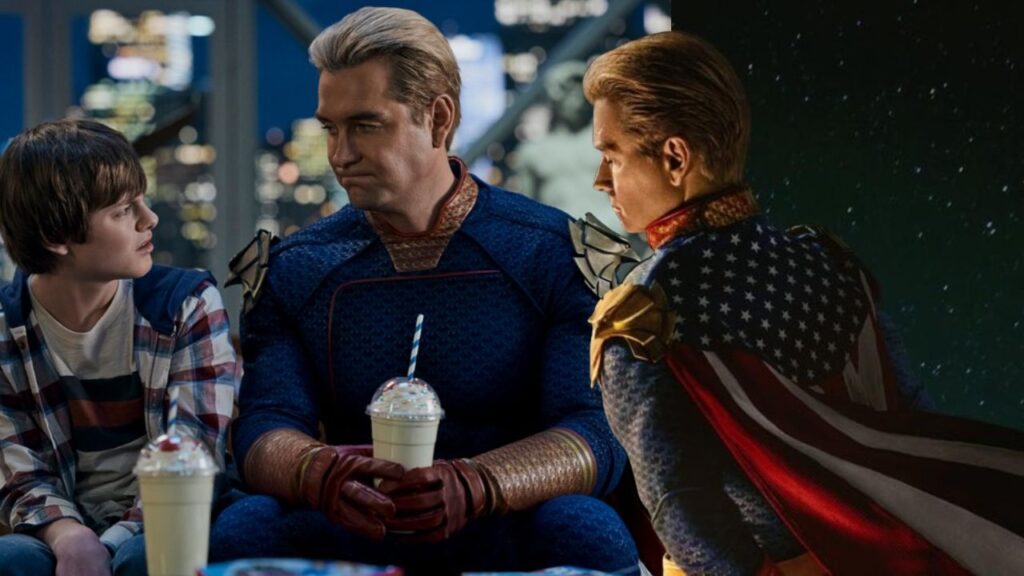
Karl Urban & Jeffrey Dean in The Boys |Image Credit: Fandomfans
Homelander, wielding even more power than before, is the authoritarian government that blossoms in the ashes. And The Boys? They’re smack-dab between two immovable objects and just trying to survive, not win.
Character Arcs of The Boys Season 5
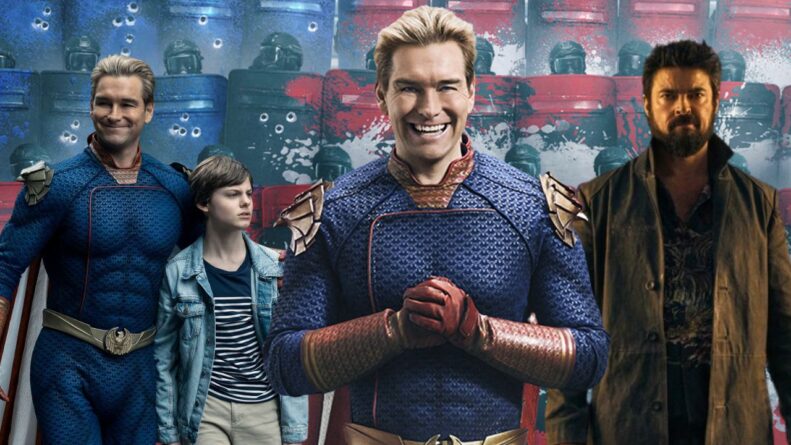
The thematic arc of The Boys has always been about: how power corrupts, how vengeance devours, and how even those heroes become the villains. According to IGN, Billy Butcher’s arc in particular is tragic, as we’ve seen him slowly strip away his humanity, the one thing his wife Becca made him vow to hold on to.
Character Arcs of The Boys Season 5 | Image Credit: Fandomfans
Kripke has teased that Hughie will “learn what it really means to be human” in season 5 and he also suggested Hughie might find redemption where Butcher has none.
What’s at Stake in Season 5
There are no higher stakes. Ryan appears to have sided with his father Homelander, which destroyed Butcher’s final hope. Sister Sage was the architect behind Homelander’s ascension with ruthless efficiency. Starlight got away from the cops and is the only member of THE BOYS still at large. Ashley actually got superpowers. And somewhere, amid all this warped terrain, maybe, there’s still a super virus that could do everything.
What we’re most looking forward to about ”Scorched Earth” isn’t just the prospect of an explosive final battle between Butcher and Homelander. It’s that anyone can come out on top with their humanity intact. In a series that has taken five seasons to delve deep into the darkness that lies within all of us, the final season might finally answer the question that’s been on our minds the entire time —- Can we be redeemed, or are we all just fated to burn?
Fandomfans keep eyeing every update about movies, films and industry decisions, to provide you with the fastest conclusion on the reports.
Alpana
Articles Published :
163
Alpana is Fandomfans Senior Editor across all genres of entertainment. She evolved in the media industry since a very long time, she manages the content strategy and editing of all the blogs. Her focus on story development, review analysis, and research is well-equipped that ensures every article meets the standards of accuracy and depth.
‘Breaking Bad’ Creator Vince Gilligan’s Release a New Sci-Fi Series ‘PLURIBUS’ Trailer
Watch the trailer for Pluribus, a thrilling sci-fi drama from Breaking Bad creator Vince Gilligan. Starring Rhea Seehorn, streaming on Apple TV+from Nov, 2025.
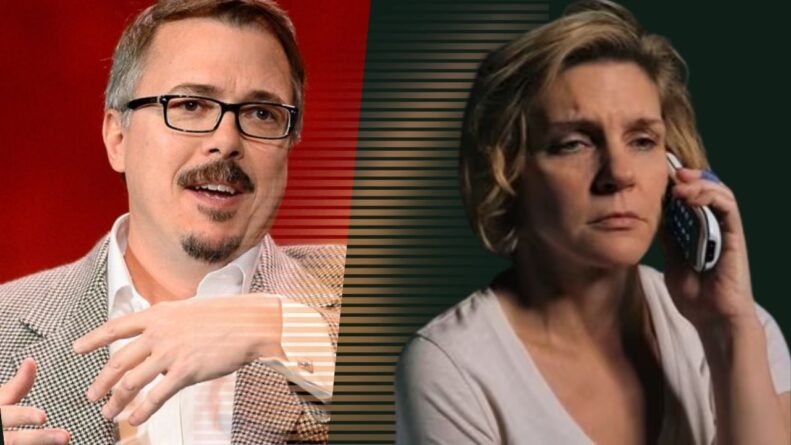
Apple TV+ has posted the trailer for PLURIBUS, the much anticipated new series from the Emmy Award-winning creator of Breaking Bad and Better Call Saul, Vince Gilligan. The nine-episode sci-fi drama, which is Gilligan’s first big project outside of the Breaking Bad universe in 17 years, will debut on November 7, 2025, and is already causing a stir within the US entertainment industry.
Trailer Details and Plot Revelations
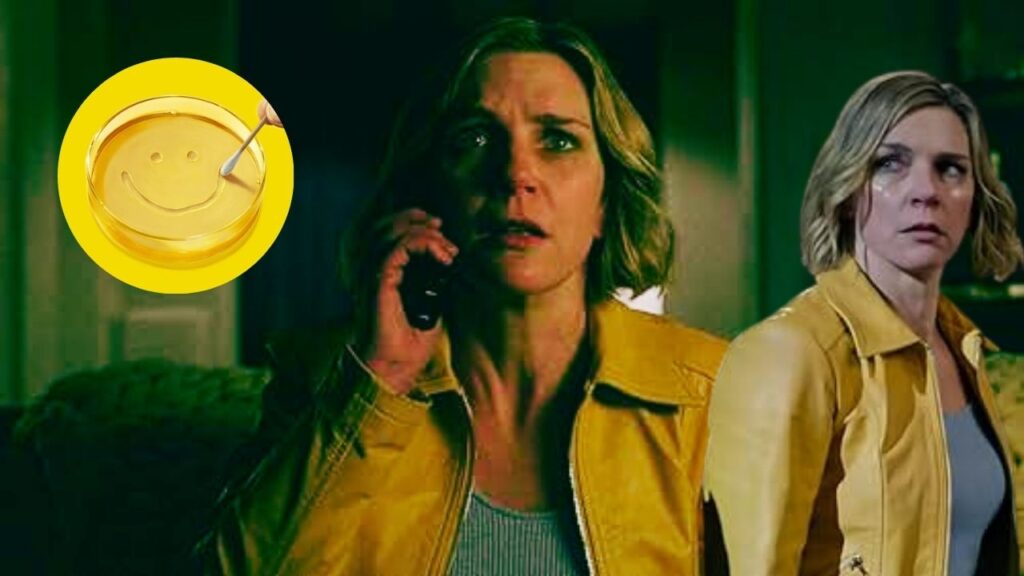
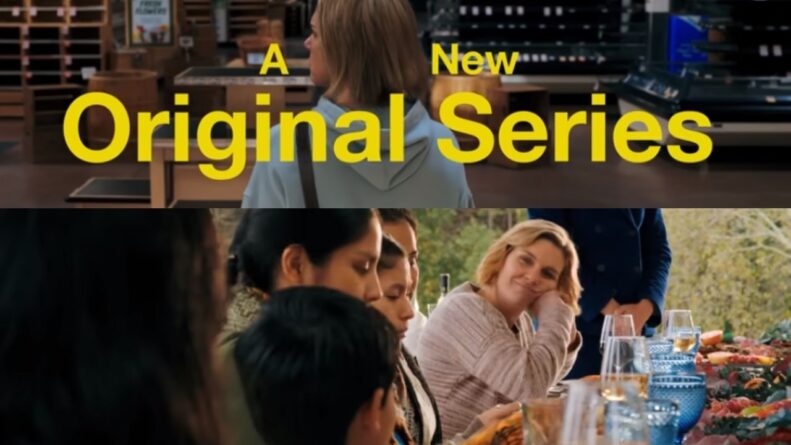
The two-minute official trailer, debuting October 21, 2025, gives a peek at an incredibly disturbing world revolving around Carol Sturka (Rhea Seehorn), who’s “the most miserable person on Earth” and has to “save the world from happiness.” The trailer shows that Carol is the only who appears to be immune to the virus, which has turned the entire global population into perpetually content, optimistic and unnervingly cheerful individuals.
The trailer shows the environment around Carol is unrealistic, everyone is enjoying an ultra level of joy and helpfulness that covers the entire horrible psychology under the wrap of positivity. US President (Peter Bergman) reaches out to Carol through television to turn her into one of them because she is the only one who wasn’t affected by the virus.
Thematic Suspense of Pluribus
As Deadline reports, the series is full of action with explosions, plane crashes, dead bodies, and chaos of marching hordes. The most captivating scene occurs in the 2 minute trailer — Carol asked for a grenade, bazooka, and tank from one of the DHL workers and he said “Oh, sure”.
Carol is alone in her misery and trying to reverse all of this but her head is full of confusing thoughts. It’s the kind of thing that messes with your head but keeps you hooked with its dark humor and sci-fi suspense.
What Bob Odenkirk of Breaking Bad Is Saying About The Series
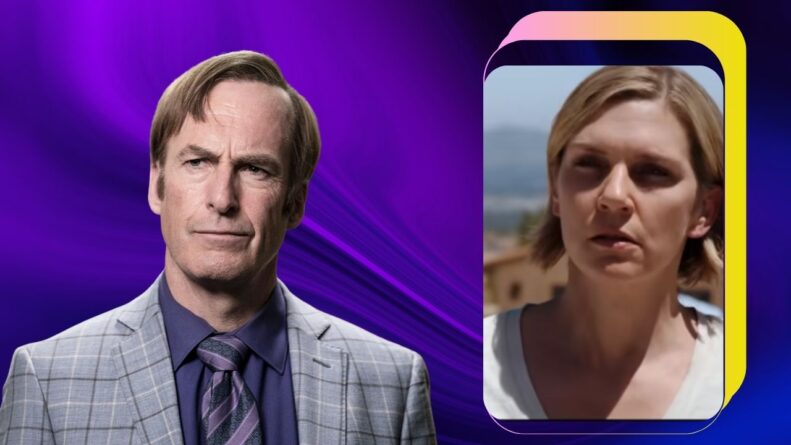
Bob Odenkirk is Gilligan’s trusted partner in crime, and the one who plays the great Saul Goodman in Breaking Bad and Better Call Saul. Screenrant mentioned Odenkirk told The Hollywood Reporter in an interview: “I don’t know a goddamn thing. But I know it’s going to be massive. Giant! It’s going to be the biggest thing, well, since sliced bread, but really since Game of Thrones.”
Odenkirk also compared PLURIBUS to the Apple TV+ prestige hit Severance, saying, “I think that [PLURIBUS] is going to be the next big show, and I can’t wait”.His excitement is especially interesting as he is not involved with the project at all, which implies honest belief in Gilligan’s vision.
IndieWire also raved on Gilligan’s turn to Twilight Zone – and it asks if happiness is “actually a good thing when it’s universal and unquestioned. The series delves into themes of coerced conformity, the worth of genuine feeling and if the uniform happiness removes the need for humanity.
Critics have praised the trailer as it delivers fascinating, strange sequences in the series. It shows the level of Gilligan’s signature cinematography once again after Breaking Bad.
Gilligan revealed the conceptual origins of PLURIBUSwith Entertainment Weekly, Gilligan said the concept initially confused him: “I’m still not exactly sure what it means.” But the relevance of the concept to the divided society we live in today was obvious to him: “There’s no question that we live in a very divided nation. What I love about this series and that potential is the hope that people watching may say, ‘What would that be like, if we all got along?’ There’s probably an element of wish fulfillment in that idea.”
Apple TV+ had already ordered two seasons prior to premiere—a rare move demonstrating extraordinary confidence in Gilligan’s vision. The early renewal can be taken as a sign that Apple sees PLURIBUS as a potential flagship show in the vein of Ted Lasso and Severance.
Conclusion
“When you smile the whole world smiles with you— and Rhea Seehorn is finding out the reverse is also true.” This inversion of optimism into terror marks PLURIBUS as perhaps Gilligan’s most philosophically daring episode to date, posing the question of whether a reality devoid of suffering, strife and genuine feeling is one that deserves salvation—or if, through Carol, misery makes her the last real human being on the planet.
This series will air on 7 November, 2025 on Apple TV with a total of nine episodes in one season. Rhea Seehorn, Karolina Wydra, and Carlos Manuel Vesga are lead actors in the series who take this one on the top of the list.
Alpana
Articles Published :
163
Alpana is Fandomfans Senior Editor across all genres of entertainment. She evolved in the media industry since a very long time, she manages the content strategy and editing of all the blogs. Her focus on story development, review analysis, and research is well-equipped that ensures every article meets the standards of accuracy and depth.