The 10 Must-Watch Movies That Will Fundamentally Change How You View Life
Discover 10 movies that motivate you to never stop trying, loving and praying. Watch them and you’ll see your path from a new, uplifting angle. Learn more..!
Movies have the ability to inspire and can change your life. They take us to other places and make us question our beliefs. Films allow us to perceive the multi-dimensionality of the human life.
These 10 iconic films that will alter your perception of life. These are not just entertaining movies but also educating and giving you lesson to life with some good take away.
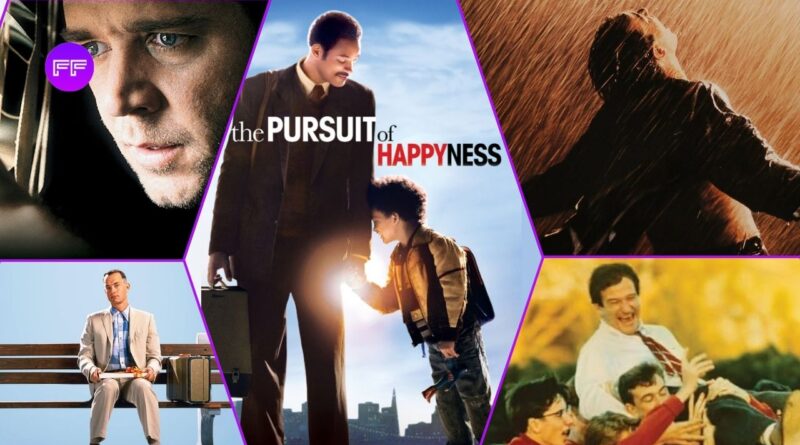
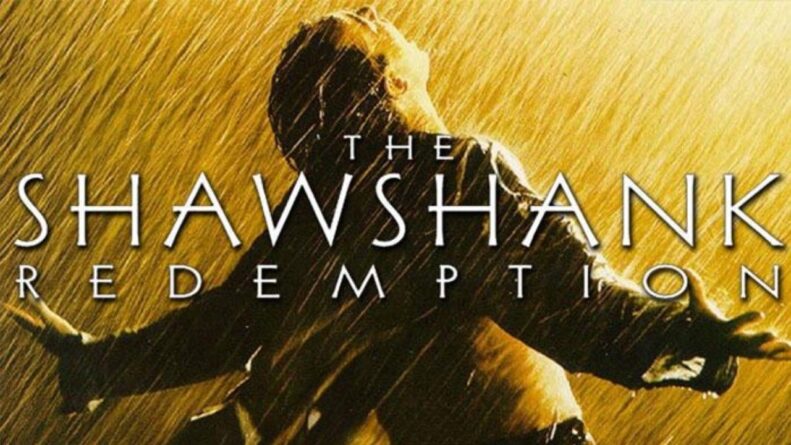
The Shawshank Redemptionis regarded as one of the best films of all time. It tracks the story of Andy Dufresne, a banker who is falsely accused of his wife’s murder. Andy also remains hopeful and dignified in the brutal environment of Shawshank prison.

The message is “The power of perseverance and hope.” Its iconic phrase, “Get busy living or get busy dying,” resonates with the audience.It motivates people to confront life’s obstacles directly and not to give up, whatever the difficulties.
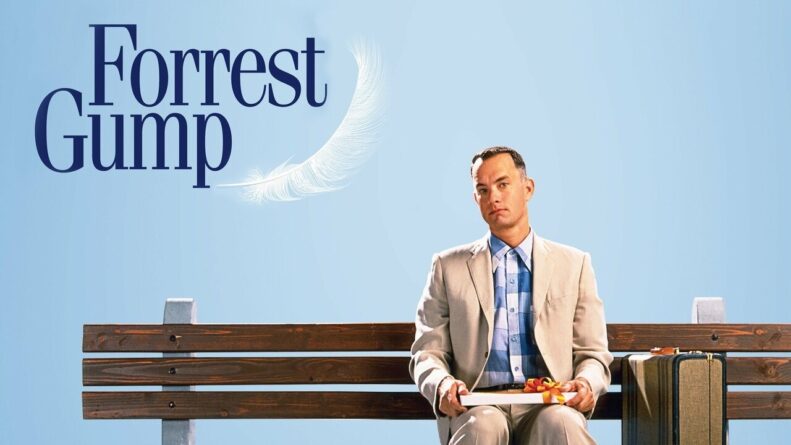
Forrest Gump is the story of a retarded man who ends up influencing the course of history twice. His straightforward, poignant perspective on life teaches us about love, friendship and the surprises life has in store.

Forrest’s memorable line, “Life is like a box of chocolates – you never know what you’re going to get,” encourages us to greet life’s mysteries with an open mind and take pleasure in surprises. The film invites us to walk through life, one step at a time.
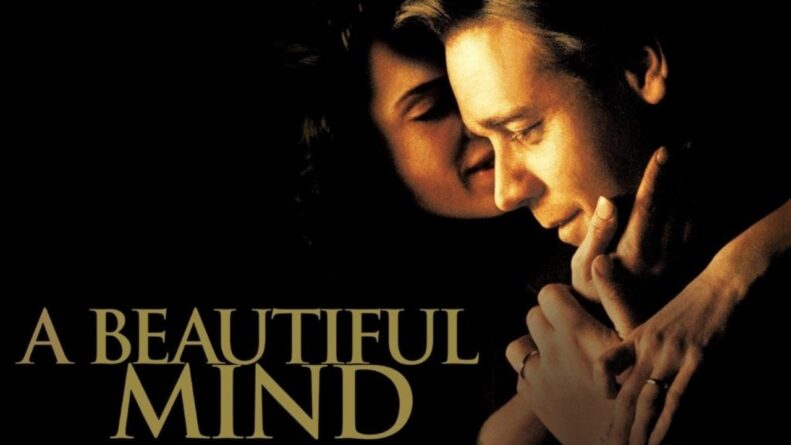
A Beautiful Mind is the true story of the great mathematician John Nash. The movie portrays his battle with schizophrenia. It chronicles his path to coming to terms with his illness and gaining insight. The film stresses the one thing people need for love to stick: a little help from the people around them.

It underscores the fact that it’s these relationships that help us overcome ourselves. The film is a call for people to put mental health stigma behind them. The movie teaches a lot more than just relationships and love, it teaches us to learn the value of the richness of every person’s narrative.
The title gives the meaning of life to a single father named Chris Gardner to chase a dream of a happy little family. He struggles to keep his son out of poverty while working as a salesman in a brokerage firm.

Will Smith delivers a powerful, uplifting portrayal of Gardner. The film conveys that you achieve success by working hard and not giving up.
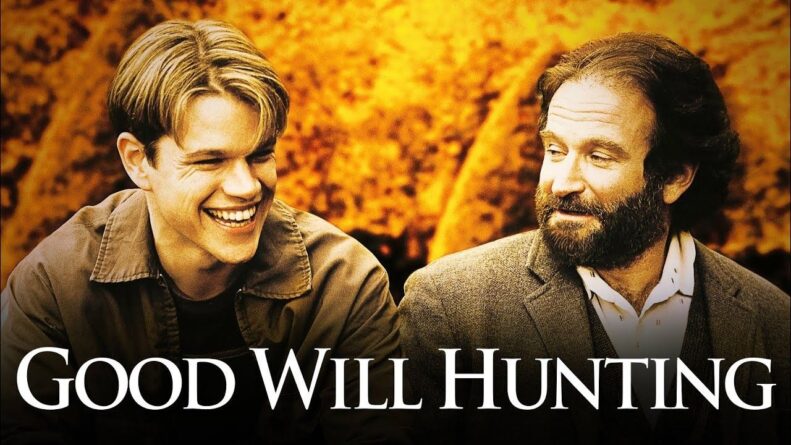
Good Will Hunting is the story of a young janitor at MIT who has a gift for mathematics but is emotionally stifled by past trauma. He also receives assistance from a counselor, portrayed by Robin Williams.

With therapy, Will learns to confront his demons and achieve his potential. The film illustrates the power of mentorship, self-discovery and emotional healing. It’s an excellent watch if you’re someone who struggles with your identity or just your stuff.
Read More 👉 Everything About Marvel’s Captain America: Brave New World
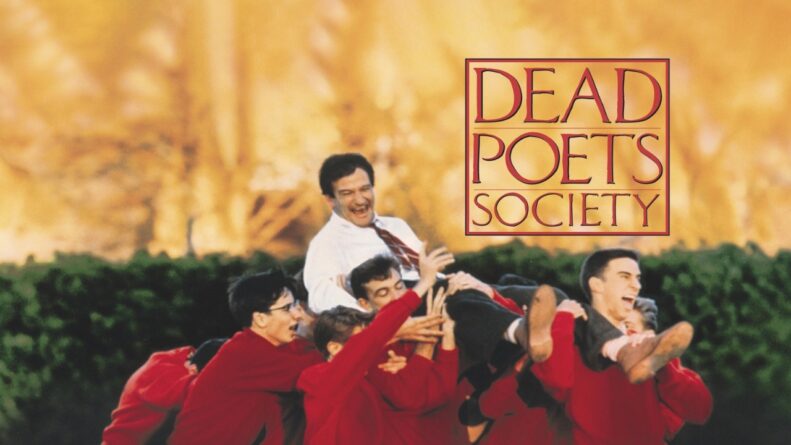
In “Dead Poets Society”, an English teacher inspires his students to live by “carpe diem,” instilling in them the need to make the most of every day and follow their dreams. He emphasizes the use of poetry for personal expression and individuality, encouraging them to confront adversity and find peace and meaning through creative work.

Robin Williams’ character: Life is too short. He encourages the audience to live passionately and truly, to defy societal norms and conformity.
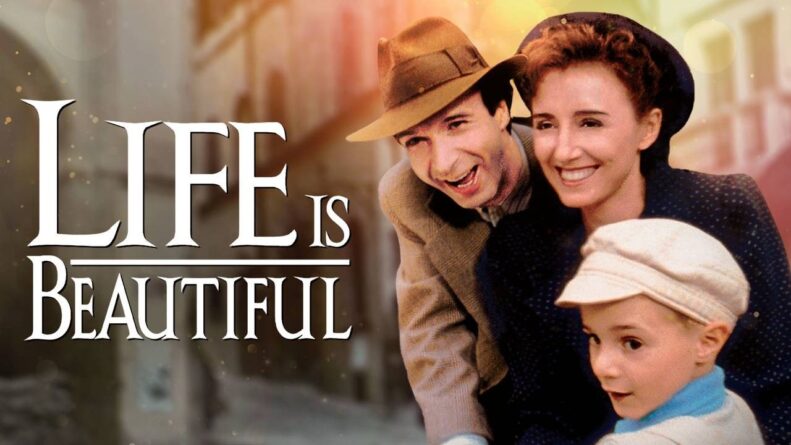
Life Is Beautiful is an italian motion picture that recounts the experiences of the Jewish Guido Orefice during World War II. He relies on humor and nothing more than imagination to shield his child in a concentration camp. The film demonstrates that even in the darkest times love shines through.

It imparts courage, optimism, and the strength that comes from thinking positively. This tale is profoundly moving and it teaches us the value of love and hope no matter how difficult the circumstances.
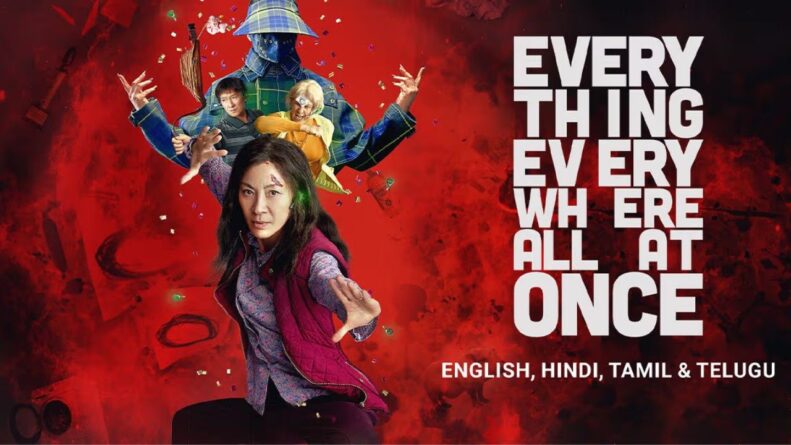
The new film Everything Everywhere All At Once examines issues of identity, family and existentialism. It is multiverse storytelling.

It’s a film that urges us to reconsider some of our decisions and connections. It’s a method of how to get through life’s storm. The distinctive narrative format redefines conventional storylines. It makes you think about where you fit in a big, growing universe.”
Slumdog Millionaire is the story of Jamal Malik, an underprivileged young man from the slums of India’s bustling financial capital, Mumbai. He’s on a game show competing for his future. As he plays, he flashes back to moments in his past that brought him here.

Themes of destiny, love and survival are prevalent throughout the film. It gives hope to those who are going through difficult time to hold on to their dreams.
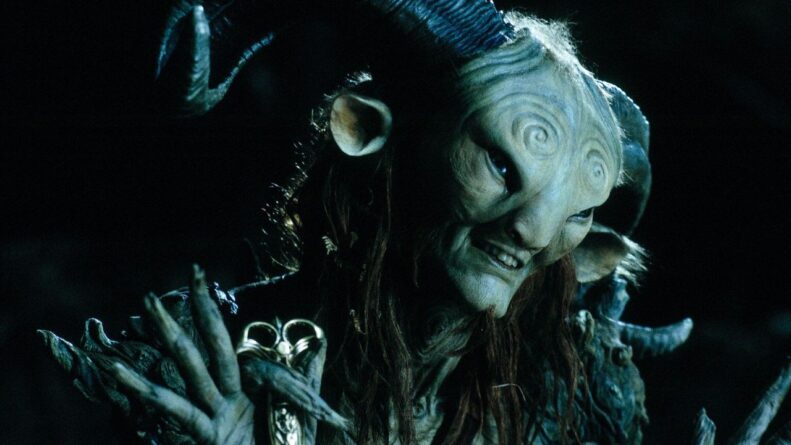
Pan’s Labyrinth takes place in the aftermath of the Spanish Civil War. It’s about a young girl called Ofelia, who comes across a mythical labyrinth. The tale combines fantasy and brutal reality.

It teaches them how to appreciate the world, how to value life, and how to understand the beauty of a cruel world. The movie celebrates imagination as a refuge from pain. It compels one to confront harsh realities while feeling solace and upliftment via the medium of creativity.
These amazing movies are not only entertaining and enjoyable, but they make us stop and think about our lives! They offer profound life lessons for personal growth. If you are struggling or just want to see things differently, these are the movies for you. They’re a better way to know yourself and a better way for you to see the world.
Life becomes truly difficult, and these movies remind us we are not isolated. They motivate us to cling to hope, be strong, and open our hearts to beauty and imagination. So, grab your popcorn, sit back and prepare yourself for an unforgettable ride. These movies change you in ways you can’t even conceive.
Fandomfans is giving every entertainment news as fast as the speed of Flash, keep following to get latest updates.
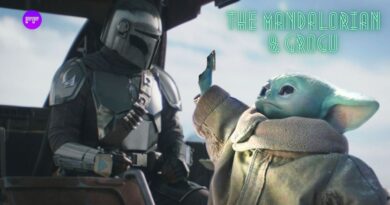
The Mandalorian and Grogu characters introduces the Mandoverse to the big screen with the Mercenary Guard Droid, Rotta the Hutt & stakes that shift the galaxy.

The Mercenary Guard Droid is foreshadowed as a primary catalyst and menace in the next Star Wars film recently revealed in merchandise at Toy Fair 2026. The May 22, 2026 theatrical debut of ‘The Mandalorian and Grogu characters’ is not just another ‘Star Wars’ release date – it’s a turning point. Yet it will shortly be the first time since The ‘Rise of Skywalker’ wrapped the Skywalker Saga in 2019 that Lucasfilm has brought Star Wars back to the big screen. The pressure on this movie is immense.
The Mandalorian and Grogu characters is not just a movie but a test. A test to see if a streaming-churned universe, neatly constructed on Disney+, can be extended to the wider cinematic space. “Mandoverse” has thrived in episodic form, but said the big screen requires more: scale, spectacle and emotional weight. And all the signs out of this project indicate that the move to theaters is being considered a strategic progression, not just a format change.
Jon Favreau, the director, has been clear that transitioning from series television to film is more than just a matter of larger screens. It applies to the size of the language, visual and narrative.
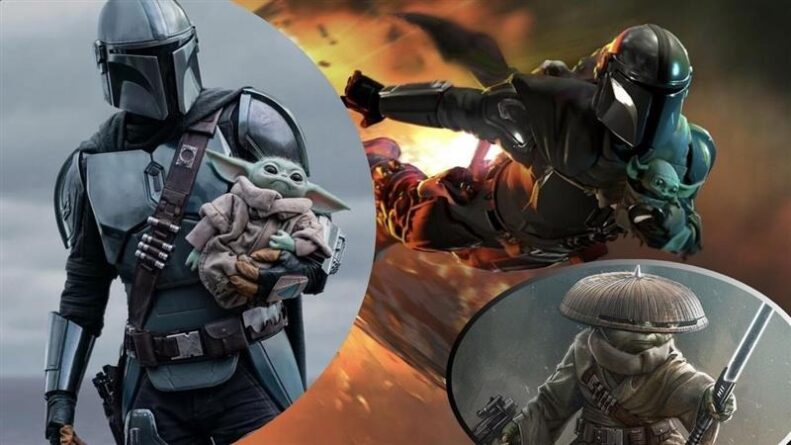
The tightly controlled environments of StageCraft (“the Volume”) that have come to define the series are now being replaced with IMAX-scale compositions, vast landscapes, and cinematic movement. This is Star Wars turning back into spectacle.
The marketing distilled that dichotomy perfectly. The playful Super Bowl spot stole the show, but a more serious teaser featuring X-Wings, an R2 unit and the gritty Razor Crest refocused expectations. It was a very nuanced but clear signal: The Mandalorian and Grogu characters is not a parody of Star Wars. That’s the western-in-space motif, tuned up for the movies.
One of the more intriguing revelations didn’t come from trailers, it came from toys. Toy Fair 2026 brought us a “Mercenary Guard Droid” character. And while most background droids are generic, this one was differentiated by special packaging, multiple versions and exclusive collectibles. In Star Wars-speak merchandising, that means “important.
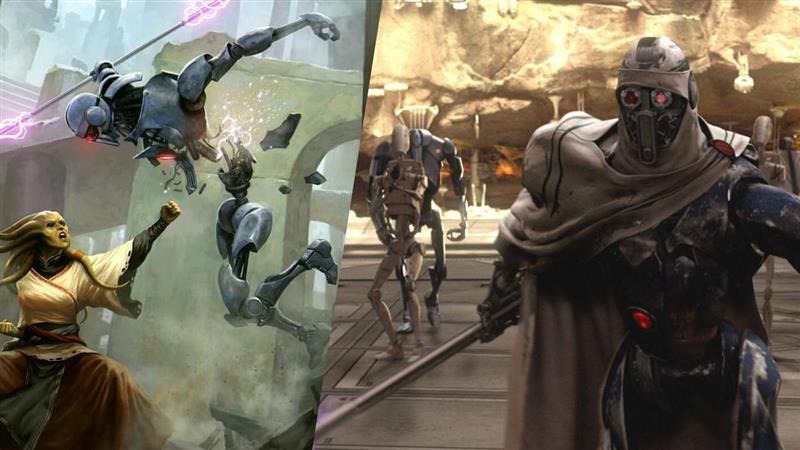
Mercenary Guard Droid is not a robot with a mind of its own. It’s a survivor. Developed using Clone Wars-era technology, its form is reminiscent of B1 and BX-Commando Droid models were droids crafted en masse for warfare. But take the word mercenary and put it front and center. This droid isn’t following orders. It’s deciding.
And this is hugely devastating – psychologically for Din Djarin.
Din is a child of the Clone Wars. He was scarred by trauma starting when battle droids bombed his home and slaughtered his family. For years he despised droids—not as tools, but as monsters. The things he experienced later softened that hatred, but the scar remains. And now he’s up against a sentient droid antagonist who bears the physical legacy of the very machines that made him an orphan. This droid isn’t just some physical link to his past, but its malevolent consciousness and warmaking decisions make the emotional stakes even higher.
So even the combat design borrows from that. The droid’s combination with a STAP (Single Trooper Aerial Platform) establishes vertical fighting parity with Din’s jetpack—making the skies a battleground. This isn’t merely narrative conflict. It’s Binford Choreography, a big screen spectacle.
Along with the psychological antagonist lurked another kind of threat: Embo.
The Kyuzo bounty hunter, familiar in animated canon, is the definition of professional. No armor. No Mandalorian tech. It’s precision, discipline, and lethal skill. His iconic hat, his bowcaster, and his stature make him a walking antithesis to Din Djarin’s encased presence.
The presence of Dave Filoni, Embo’s original voice makes his live action debut all the more real. Filoni has been known to bring animated characters into live canon and Embo is just that.
Embo and the droid represent opposing energies, their each unique facet of discord. Embo is the embodiment of calculated precision and lethal professionalism, and the droid is burdened with psychological depth and the ghost of what has passed.
Their upcoming battles with Din represent an age-old battle: brawn versus brains, crude technology versus refined technique. This play of light and shadow right here evokes the spirit of the samurai film, which is at the core of Star Wars’ storytelling DNA.
Rotta the Hutt has gone through an amazing evolution from the weak infant dubbed “Stinky” to a sinister gladiator. Scarred from his battles and now armed and physically menacing, this Rotta played by Jeremy Allen White represents not only personal growth but a shift in who holds the power.
As Jabba’s heir, Rotta’s very existence is a major political threat. In a galaxy filled with chaos and uncertainty, he represents the promise of uniting the scattered Hutt Cartel. This accumulation of power is alarming, but also brings about enemies who want to stand in his rise.
The Mandalorian and Grogu characters structure serves to emphasize the function of each character, all of whom revolve around Rotta, in which the plot revolves around a single mission. Din Djarin assumes the mantle of protector, shielding Rotta from danger. Rotta itself is the linchpin, the center-piece of the mission stakes. Embo becomes the merciless predator, hunting Rotta to the ends of the earth.
The droid, on the other hand, the personal nightmare becomes an element of fear and nerve-racking suspense. All of this is focused on one try: the attempt to control, protect, or eliminate Rotta, driving the story forward with purpose and intensity.
Among the underworld intrigue is the New Republic, headed by Colonel Ward (Sigourney Weaver), and its bureaucracy that must confront reality. Her part mirrors a classic conflict: bureaucracy against reality. The New Republic craves stability but does not have the stomach for it — so it employs the likes of Din Djarin to carry out what it cannot put on any official paperwork.
Below them is the Imperial Remnant — warlords, walkers, and regimented militarized entities for the unfinished business of the Empire. AT-ATs, snow troopers, and mechanized units tell you this isn’t just bounty hunting anymore but it’s war-scale fighting.
The Mandalorian and Grogu characters is at the heart of the narrative and embodies hope, purity, and the promise of a brighter future. His very existence, however, is a direct antithesis in opposition to Din Djarin’s past filled with trauma and hardship. The emotional core they share allows the story to transcend the action and explore deeper themes of maturation, connection and fear of loss.
Pedro Pascal anchors this emotional journey as Din Djarin — Din’s evolution from a solitary fighter to a wryly devoted but still reluctant father is a sweeping tale of redemption, where the odds they face not only forge them together, but transform their very fate.
The Mandalorian and Grogu characters is a pivotal chapter that takes its story to a place far beyond a simple episodic journey. It accepts a deep change, and provides a cinematic view that combines symbolism and politics with mythic storytelling and stakes that are highly personal.
Now, instead of just enemies, the antagonists are themes unto themselves. The stakes are not just survival, but also legacy and power. It’s all grandiose action, but the emotional core is petite and potent.
The Mandalorian and Grogu characters story is both introspective and far-reaching. The Mandalorian and Grogu characters is more than a foundling, and Din Djarin is more than a lone bounty hunter. They carried fate and memory and history together. Their enemies are now echoes of trauma and survival, not shadows to be scrubbed clean.
The Mandalorian and Grogu characters isn’t simply a matter of surviving hardships — it’s about seeing what there is to see after survival. It’s about the decisions, the consequences, the transformations that craft what it means to safeguard, guide, and mend. The Mandoverse boldly carves out a territory where screen size matches not just visual scale but narrative ambition.
‘The Mandalorian and Grogu characters’ is more than the Mandoverse making its theatrical debut, it’s Mandoverse birthed into true cinematic myth. Symbolic antagonists, greater emotional stakes, and a plot rooted in legacy rather than spectacle for the sake of spectacle transform the film’s Star Wars from episodic adventure to mythic storytelling.
Din Djarin and Grogu are at the center, but they’re not just survivors, they’re protectors of a future defined by memory, responsibility, and purpose.
No, this time it’s not just Star Wars coming back to the big screen, it is Star Wars ushering in a new age.
Fandomfans deliver updates and theories from movies and series, and catch up to get interesting stories.

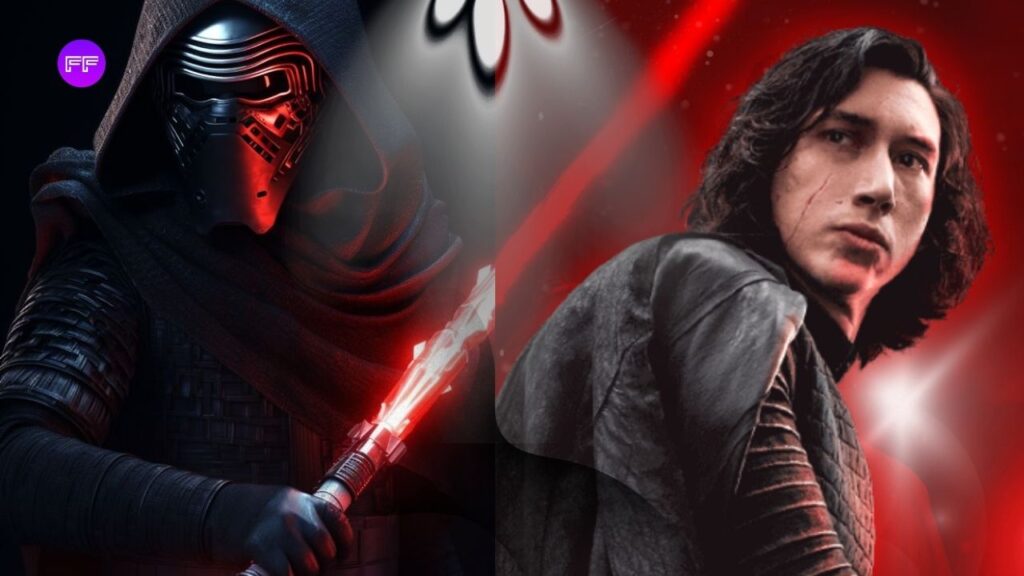
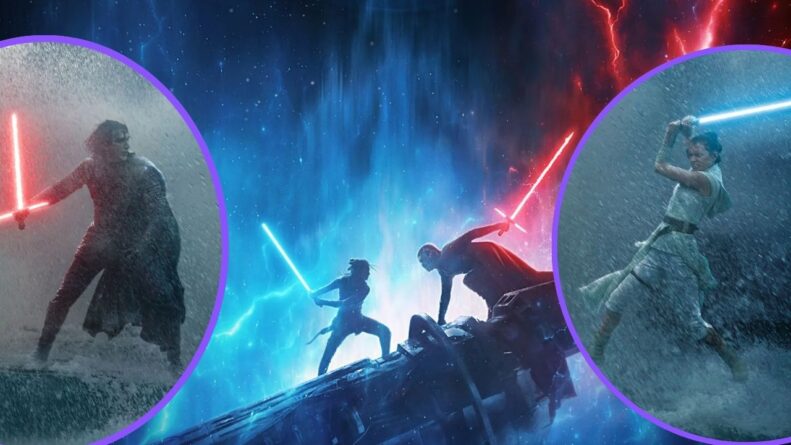
Kylo Ren's memorable The Last Jedi line changed Star Wars, upending the Skywalker legacy and how fans would engage with the franchise moving forward. Read more!

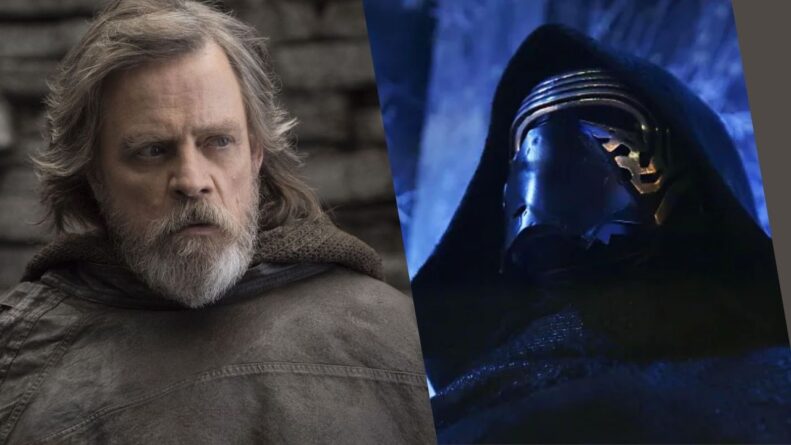
Kylo Ren uttered a line in 2017 that still makes the fan community go berserk: “Let the past die. Hide it under a rock, if that’s what you need to do. That’s the only way to become what you are meant to be.” We thought he was just a broody dark-sider having a mid-thirties crisis. Looking back on how the Star Wars sequels flailed their way to solid footing, it turns out Ben Solo wasn’t just a villain — he was a saving grace for the franchise.
For nearly half a century, the Star Wars “Skywalker Saga” has been the gravity well of Star Wars. But if it’s going to survive for another half-century, the franchise will need to get away from this Earth. We’re finally coming into an age where movies and games aren’t just ‘side stories’ to Luke’s lineage — they’re a statement of independence.
The sequel trilogy needed to push the continuity forward; yet it found itself anchored all too firmly to the Original Trilogy (OT). This isn’t to say legacy characters are bad; instead, narratives can’t lean on them as a primary structural crutch.

Reaction to Luke Skywalker showing up in the Mandalorian wasn’t universally positive, among fans. A lot of people embraced it, while others dismissed it as “nostalgia bait” — a digital mask to hide an absence of narrative risk. Box office sales wise, playing it safe by making movies about known IP is a guaranteed winner for studios: 100% of the 10 highest grossing Star Wars films have a Skywalker, or a tie to the 1977-1983 era. But the critical exhaustion is tangible. For Star Wars to expand, it has to show it can be without a Skywalker on the credits.
The new film slate marks the most significant departure in franchise history. While The Mandalorian & Grogu will certainly placate the “Filoni-verse” fans with some familiar faces, the real meat is in the unknown:

It’s been five years since the chapter (Rise of Skywalker) ends, and now here we are. Rumors are that there is no legacy character. If it gets that lived-in feel just right — without a single lightsaber ignite or a “hello there” — it could very well shift what the industry thinks Star Wars is.
Mangold is skipping ahead 25,000 years, so by doing so he’s not only stepping around legacy characters, he’s stepping around the entire notion of the Force as we understand it. No Sith, no Jedi Council—just the raw excavation of the galaxy’s mystic energy. This is the “Godfather of the Force” story we’ve been waiting for.
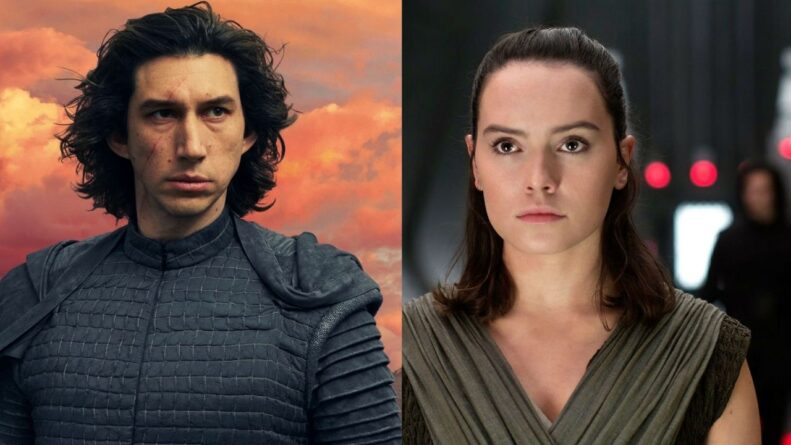
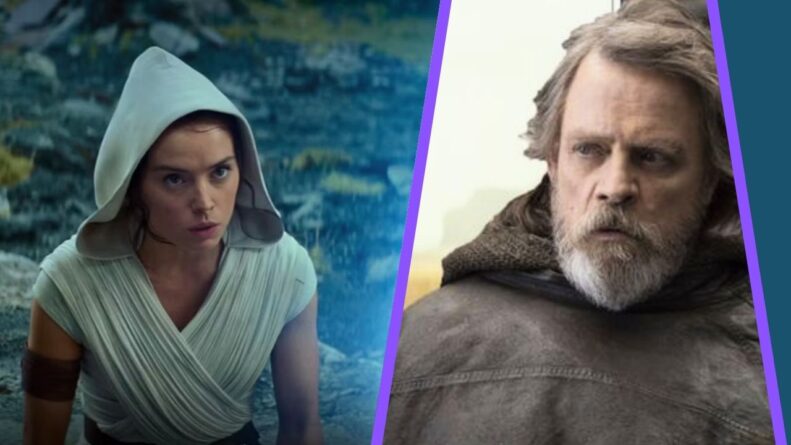
This is the precarious balancing act. Rey may have assumed the Skywalker name, but in order for the franchise to grow, she needs to construct something that isn’t just a mirror image of the failed Academy of the past. If she’s for the entire film talking to Luke’s Force Ghost, we haven’t gotten anywhere, we’ve just switched out the window dressing.

Waititi has said he wants to “broaden out” the world. If his film evokes the cheerful, “used-future” style of the OT without relying on a single legacy cameo, it will demonstrate that the feeling of Star Wars is more powerful than the names in Star Wars.
The films have been wary, but Star Wars games have long been the point of experimental narrative storytelling. The future roadmap indicates a full separation from the “Vader-era” crutch:
| Project | Era | Legacy Risk |
| Star Wars: Zero Company | Late Clone Wars | Moderate. Anakin and Rex are still active here. |
| Star Wars: Galactic Racer | Post-OT | Low. Focused on the underworld and speed. |
| Star Wars: Eclipse | High Republic | Low. Set 200 years before The Phantom Menace. |
| Fate of the Old Republic | Old Republic | Zero. More than a millennium before the films. |
Star Wars Jedi Fallen is the offender right now for taking “Vader-as-a-boogeyman.” For the third game to really connect, Cal Kestis needs to stop being a footnote in the Rebellion’s shadow. He needs a destiny that doesn’t finish with him being “too busy” to give Luke a hand in Episode IV.
If there is one thing the new age should learn, it is the Andor Lesson. Andor showed you can have legacy characters (Mon Mothma, Saw Gerrera, K-2SO) without them feeling like cameos. They didn’t exist because the marketing department wanted a trailer clip, they existed because the plot needed them there.
Star Wars, to its credit, has sometimes been skewered for having precisely no diversity of viewpoint, concerned consistently with a fantasy 1% of the galaxy (the Jedi and the High Command).

In fact the Star Wars audience is diverse: roughly 40% of the active fanbase is female, and international audiences now represent more than half of the box office. Stepping away from the Skywalkers, the saga can tell stories that speak more to this broad, modern audience: tales about smugglers and soldiers and civilians who just happen to not have magic coursing through their veins.
Read More:- Keira Knightley new dark comedy movie ‘The Worst’ with Jamie Dornan and Alicia Vikander
Kylo Ren was right, but with a caveat: we don’t owe the past “killing,” we just have to stop residing in its basement. As it jets to the High Republic, the distant future, and the distant past, Lucasfilm is at last giving the galaxy some room to breathe. Star Wars’ Future Begins Where the Skywalkers (Masterpiece) End.
Dive into the world of entertainment with FandomFans to get every update from your favorite franchise.