From Kang to Doomsday: Unpacking the MCU’s Phase 6 Revolution
Marvel shocks fans by firing Jonathan Majors and replacing Kang with Robert Downey Jr.’s Doctor Doom in Avengers: Doomsday. MCU Phase 6 reimagined!
Published: October 1, 2025, 8:05 am

Marvel shocks fans by firing Jonathan Majors and replacing Kang with Robert Downey Jr.’s Doctor Doom in Avengers: Doomsday. MCU Phase 6 reimagined!
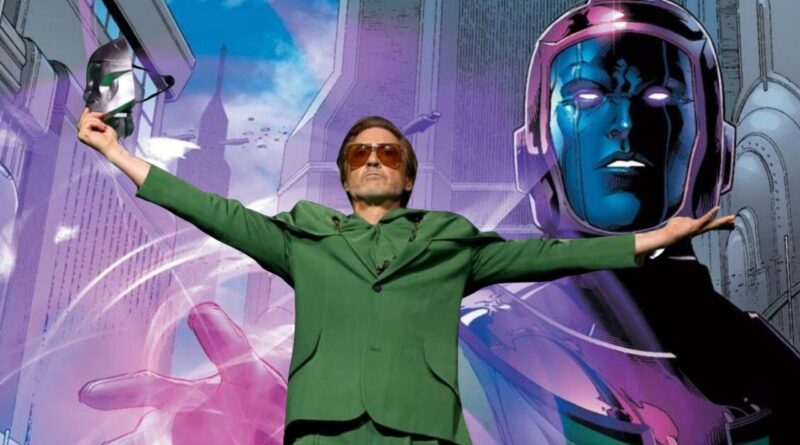
The MCU underwent one of its biggest back-end shakeups in recent memory, with massive ramifications for not only the direction of Phase 6 but the entire Multiverse Saga. What started as a grand design revolving around Kang the Conqueror has shifted into an entirely different story, with Doctor Doom emerging as the main Villain.
The change began with dire legal problems for Jonathan Majors, who was set to be the MCU’s next big villain after Thanos. In March 2023, Majors was taken into custody on charges of assault and harassment against his ex-girlfriend Grace Jabbari. The matter intensified when in December 2023 he was convicted by a New York jury of reckless assault and second-degree harassment, The Guardians stated.
Marvel Studios fired Jonathan Majors just hours after his conviction to be charged with assault and harassment in his ex-girlfriend’s case associated their charges Jonathan Majors was facing a similar hammer blow to his career as the next MCU big bad villain after Thanos. The actor had already played multiple Kang variants in Loki seasons 1 and 2, and Ant-Man and the Wasp: Quantumania. His termination presented a monumental storytelling issue for Marvel, as Kang was supposed to be the overarching menace throughout Phases 4, 5 and 6.
The consequences of Majors’ termination were much more than the removal of a single actor. Marvel entirely dropped the Kang-centric plotline which had been developing since 2021. The fifth Avengers movie, Avengers: The Kang Dynasty, was renamed Avengers: Doomsday. This was a radical departure from multiversal villainy centered on Kang to dealing with a more “realistic” but just as threatening antagonist.
Marvel had originally centered the entire Multiverse Saga on Kang after being impressed with Majors’ turn as He Who Remains in Loki. The time-traveling, reality-altering villain’s age made him a perfect choice for a story that would take place across multiple timelines and dimensions. However, it has been reported that Marvel Studios had reservations about Kang and the Multiverse Saga even prior to Majors’ legal troubles, suggesting there were some doubts internally as to the direction.
In one of the most surprising MCU news of all time, Robert Downey Jr. was confirmed to be returning to the franchise as Victor von Doom/Doctor Doom at San Diego Comic-Con 2024. Downey’s dramatic unmasking of himself onstage during the announcement sent shockwaves through the entertainment industry.
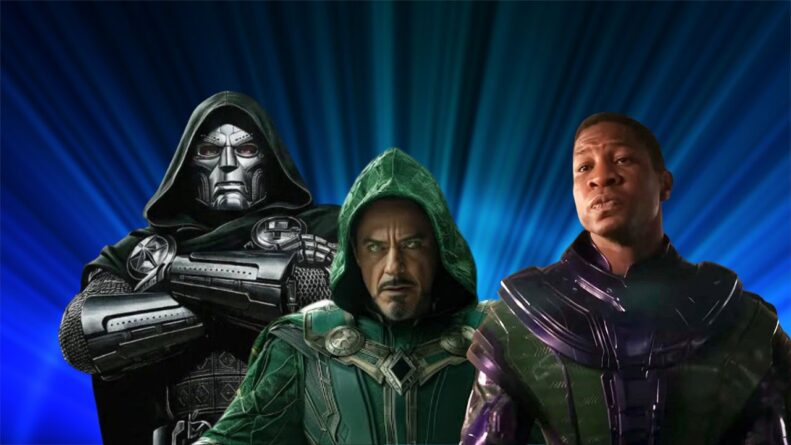
The casting decision is a “daring creative pivot” as the former Iron Man actor now embodies one of Marvel’s most iconic villains. Iron Man 3 director Shane Black predicts this casting will “singlehandedly reignite the entire comic book movie industry”. Black said, “I think he’s going to singlehandedly reinvigorate the entire comic book movie industry with that. At first, it seemed like a cynical move, you know, like “Oh, let’s just go back to the well of the one guy that seems to always save us.” But it’s going to be. It’s going to be great.
The entertainment industry has been cautiously optimistic about these seismic shifts. Marvel waited until Majors was convicted to fire him, an act of restraint compared to the industry norm of immediately dismissing actors on the basis of accusations as shared.
A number of MCU alumni have voiced their enthusiasm at Downey’s return, although many were surprised by the news. Jeremy Renner disclosed that he had “no idea” about the casting, and that Downey “said nothing” to his MCU colleagues. Tom Hiddleston described the casting as “remarkable” and “absolutely extraordinary”.
Some fans have complained about the casting, fearful of Doom being given a revised origin that includes Tony Stark.Still, the bar is set extremely high, with a lot of people seeing this as Marvel’s shot at recapturing the magic of the Infinity Saga.
Read More:- James Bond’s Next Era: Amazon Takes the Reins of 007 – Who Will Be the New Bond?
Doctor Doom will be the main villain of Avengers: Doomsday (2026) and Avengers: Secret Wars (2027). The Russo Brothers, who helmed Infinity War and Endgame, are back to direct both movies. This is a massive deviation from the original Kang-centric narrative, however there are rumors that Marvel might still find a way to finish off the story for Kang via a potential recast.
The changes are not just about swapping out the villain. Marvel is slashing its content output drastically`, with as few as two films a year, rather than up to four in recent years shared by Screenrant. The change is part of a larger Disney strategy to prioritize quality over quantity after some mixed feelings about recent MCU offerings.
The Phase 6 overhaul is arguably the most significant plot twist the MCU has ever seen. What was meant to be a multiverse story focused on Kang has now become something else entirely, with Doctor Doom seemingly going to end the Multiverse Saga. Early reviews from the cast are that Downey’s performance as Doom is outstanding, with Vanessa Kirby calling it “some of the most amazing work I’ve seen” in. The success of this recalibration will ultimately dictate the MCU’s future path. With Marvel now proceeding with Avengers: Doomsday in December 2026, the entertainment world wonders if the breathtaking turn of events behind the scenes is going to lead to a resurgence of creativity or become a cautionary tale about the perils of planning franchise far ahead in a volatile world.
The Marvel Phase 6 storyline changes entirely and gives everyone a big shock with its new plot. The decision of changing the biggest villain of the Multiverse Saga is tough for Russo Brother but they came back with a surprise casting after Jonathan Majors got fired, Robert Downey Jr. is returned as a villain in Avengers next film Avengers: Doomsday. Marvel entirely dropped the Kang-centric plotline that was supposed to be the overarching menace throughout Phases 4, 5 and 6 and adopt renamed it with Doomsday.

Leonardo DiCaprio and Christian Bale reunite for Michael Mann's Heat 2, a $150 million crime epic that blends nostalgia, global plot, and powerhouse. Learn more
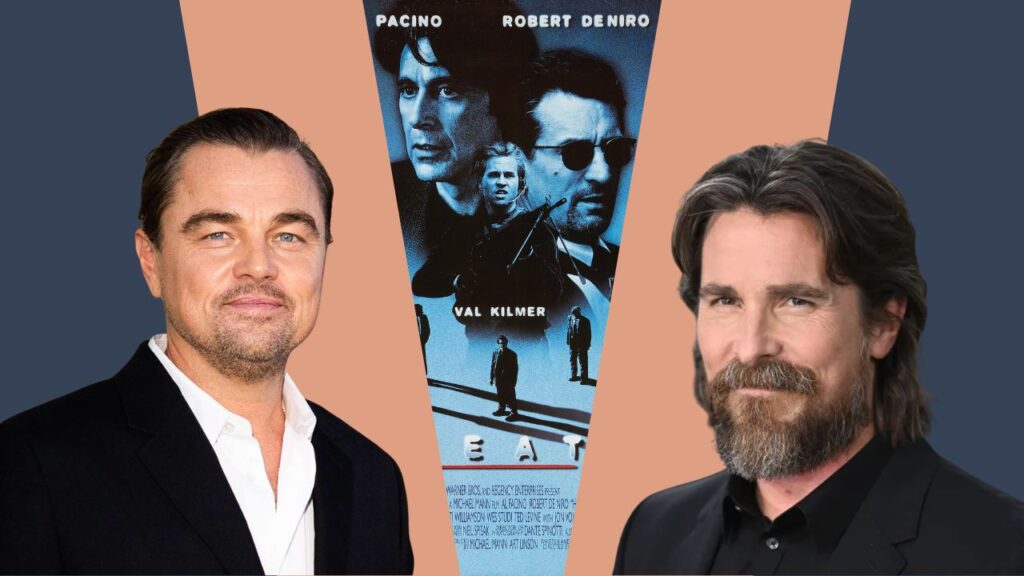
There has just been a seismic shift in the world of film — Michael Mann, the grandmaster of tightly orchestrated cinematic criminality, is finalizing the cast for his decades-in-the-making prequel Heat 2. And who more suited to inherit the cinematic obsession and cool criminal mantle than Leonardo DiCaprio and Christian Bale?
For cinephiles, this isn’t just A-list casting, it’s a monumental collision. After months of highly charged speculation, reports confirmed that the two Oscar-winning titans are circling the lead roles in Mann’s massive $150 million follow-up. With production known to start in 2026 and a confirmed theatrical release in 2027, the flame that Mann first ignited in 1995 is about to blaze once more, larger and more daring than ever.
It’s a lovely bit of Meta-narrative tension to be informed of this pairing. The fans have waited eagerly for Bale and DiCaprio to join forces on the big screen, and this is the first time they will be doing so. Bale has frequently swapped parts with his nemesis, and rather than intersect their orbits have run famously parallel.
Bale himself once acknowledged this professional shadow with his signature humility, stating that he owes much of his career to DiCaprio’s selectivity.
“Look, to this day, everyone that gets a role only gets it because he’s ready for it,”
— Bale confessed.
He expressed this grateful feeling towards DiCaprio for these opportunities that gives him a chance to breakout his career, he appreciates openly by saying
“I mean, I can’t do what he does. He’s the best disguise in the business. I wouldn’t want the exposure that he has either. And he does it magnificently.”
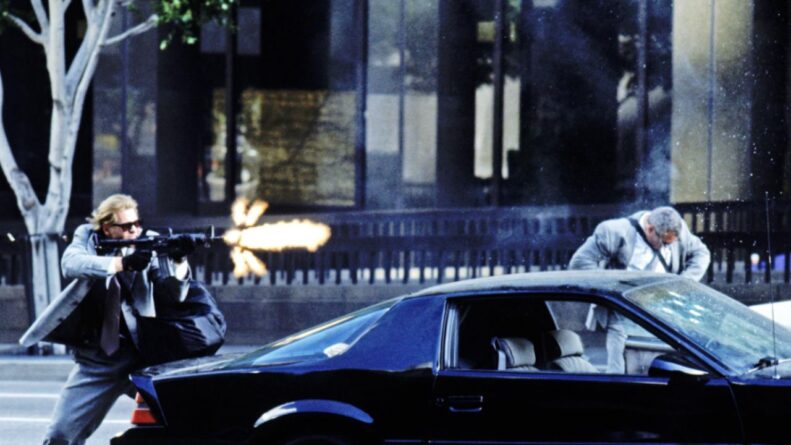
Now, their paths align in the worst possible way: going up against Val Kilmer and Al Pacino’s shadows. DiCaprio is widely reported to be in talks to play Chris Shiherlis, the surviving crew member originally played by Kilmer. Bale, reuniting with Mann after 2009’s Public Enemies , is the likely choice for Detective Vincent Hanna, the relentless cop originally portrayed by Pacino.
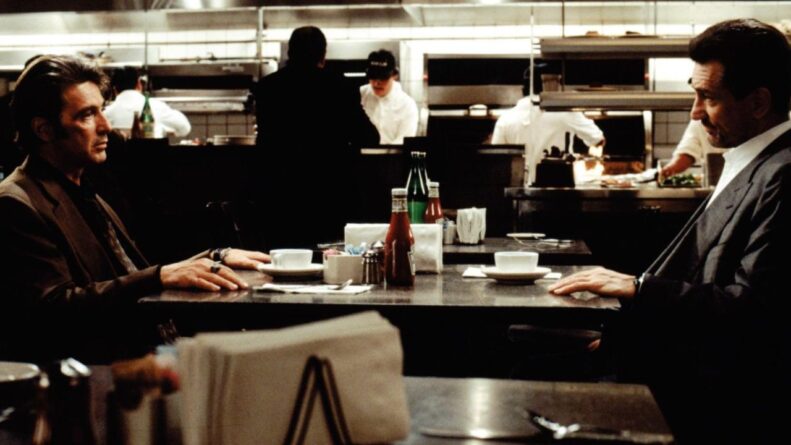
This casting ensures that the fundamental, high-stakes duel between the pursuer and the pursued, the very engine of the Heat universe is maintained by two actors capable of matching the original film’s intensity.
Why Bale’s presence in the is all the more poignant its connections to Heat and the contemporary superhero tale.
Christopher Nolan, who directed Bale in his career defining run as Batman has stated on numerous occasions, that the 1995 movie was a direct and critical influence on The Dark Knight trilogy. The precise choreography of the beginning bank robbery in The Dark Knight is Nolan’s most overt nod to Mann’s tour de force. What’s more, Nolan even cast actor William Fichtner, from the original Heat, in that iconic opening scene, purposefully cementing the illusion.
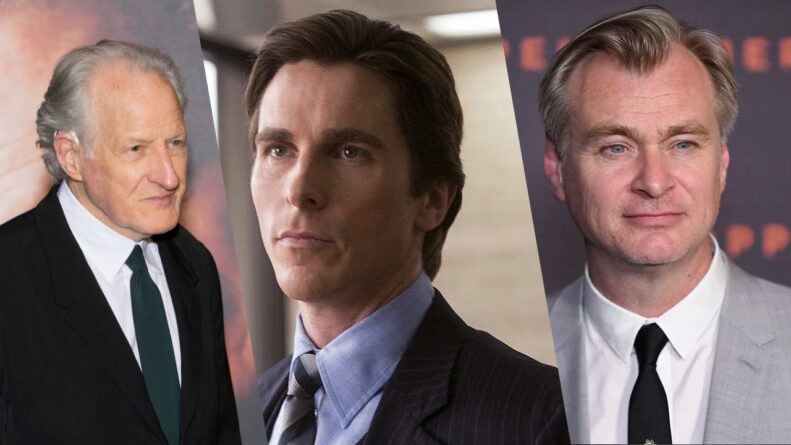
For Christian Bale to go from the obsessive, driven character (Batman) who was conceptually inspired by the Heat archetypes, to playing Detective Vincent Hanna himself, well, that’s pretty much the ultimate fulfillment of that cinematic debt. It’s a resounding endorsement of Heat’s place at the genesis of a high tension, hyper-real crime cinema and establishes Bale as the iconic actor to play this archetype for a newer generation.
Read More 👉 Sam Elliott’s Arrival Sets the Emotional Tone for Landman Season 2
The complexity of the story justifies the huge financial outlay. Heat 2 is adapted from Mann and Gardiner’s 2022 novel and functions as a non-linear narrative, demanding an enormous geographical scope. Reports suggests, It moves the audience from 1988 Chicago (including the backstories of the crew and Hanna’s outset as a detective) directly into the post-1995 fallout, tilting toward Shiherlis as he exits Los Angeles and establishes in transnational crime in global locales such as Paraguay and possibly Singapore.

This need to convincingly realize two distinct time periods and multiple continents is why Mann was uncompromising on the scale, causing the project to shift from Warner Bros. to Amazon MGM/United Artists.
Crucially, the time-jumping plot is also why Mann must deploy cutting-edge, if controversial, technology. Since Bale and DiCaprio will be required to play their characters in the 1988 prequel timeline, where they are decades younger, digital de-aging is unavoidable.
“that such technology may be very important in the next film” ,
— Mann said
He defends the decision by insisting he only uses technology when there is a “dramatic need or aesthetic need for it”. In this case, the need is purely structural—to maintain continuity and prestige casting across the film’s vast chronological scope.
With Mann adapting his own material, and two cinematic heavyweights finally facing off, Heat 2 is shaping up to be far more than just a sequel. According to Collider, It is an essential, aspirational revision of one of the best crime epics ever created. The bar is set for high stakes both in front of and behind the cameras.
Heat 2 isn’t just the next long overdue sequel — it’s a can’t-miss cultural event. Mann directing once more to bring one of the finest crime sagas ever to the screen, and Leonardo DiCaprio and Christian Bale for the first time on screen together, the film is a melding of classic and contemporary cinema.
Mann’s sprawling global story, the hearts and heartbreaks of Heat (1995), and the nod it gives to today’s cinematic landscape means this movie will dictate a new way a crime saga can play-out. As production draws near and expectations continue to rise, the one certainty is: Heat 2 will be the film battle of the year, mixing nostalgia, reinvention, and powerhouse performances into a crime drama that will leave audiences breathless.
Welcome to Fandomfans — your source for the latest buzz from Hollywood’s creative underworld. We break down the stories, trends, and creative decisions shaping cinema today. Here we explore the buzz behind Leonardo DiCaprio and Christian Bale’s first production together.
Best evergreen Hollywood movies to watch in 2023 Action, Romance, Fantasy and Sci-Fi.. From Titanic to Fast & Furious, these classic flicks never get old.

You will not want to miss evergreen hollywood movies, these movies are shared epic stories. Whether you like action-packed, sci-fi, mystery, romantic, or even historical, each genre has contained some evergreen movies of hollywood which focuses on delivering the best & unique story to entertain you with every second with the high moments of emotions, action, thriller, and romance.
You may be attracted to new movies but the blend of nostalgia will make your mood energetic but the hard work of the star’s potential and writers will give the hit of joy and make your time worth the watch.
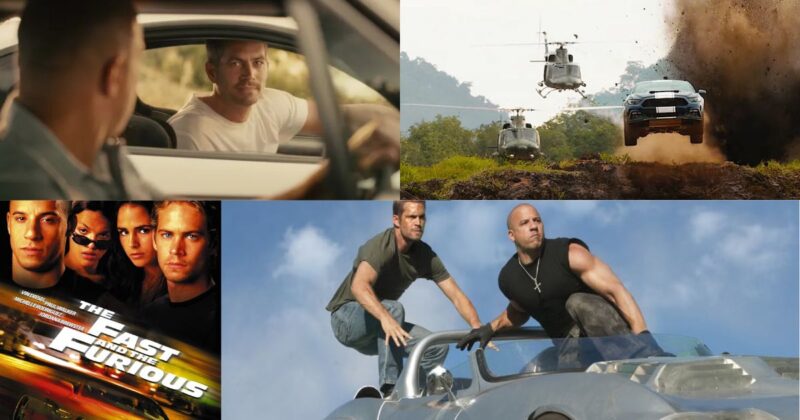
There are a total of 10 main films of Fast & Furious and 2 spin-offs. The mainstream movie revolves around illegal street racing and spies. The casting stars are Vin Diesel as Dominic Toretto, Paul Walker as Brian O’Conner, Michelle Rodriguez as Letty. The film series released in a sequence and included more interesting stories with a blend of emotional scenes with the concept of family. The film takes you to a wild action of international heists .
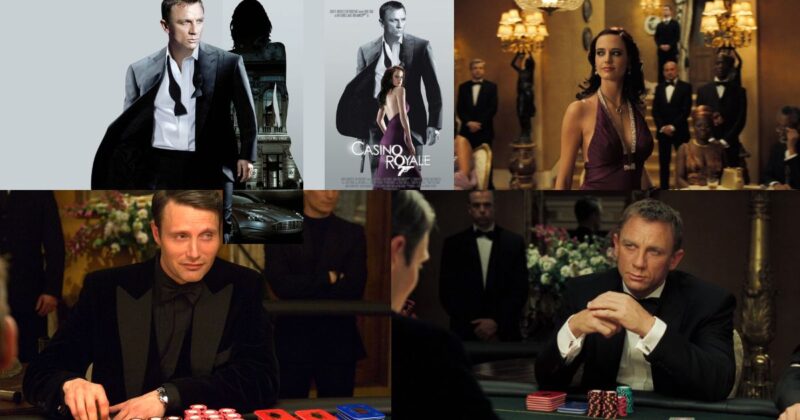
James Bond Film, the plot is centered around the task to bankrupt Le Chiffre, a private banker who is a bad guy. Bond is betrayed by his friend in Casino Royal, when he hands over the password to Le Chiffre after that Bond returns to M16.
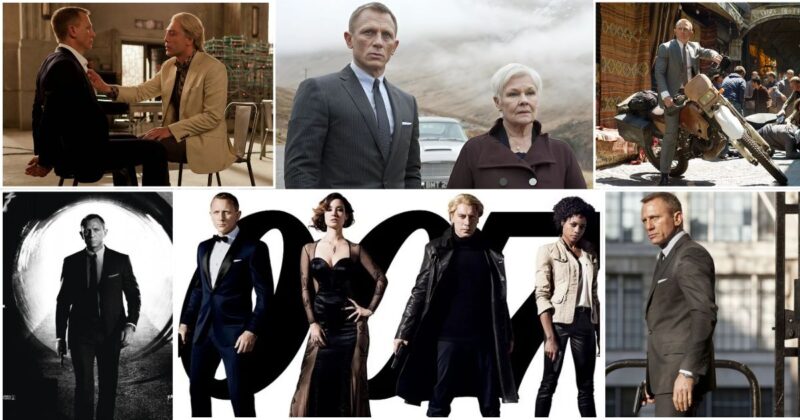
The Spy Agent, James Bond sequel with a combination of action, thriller and espionage in Skyfall. Bond was hit accidentally in the beginning of the movie but a well-trained agent cannot be easily dead. The film centered on a concept of emotions, legacy, and loyalty. This full action-packed movie starred Daniel Craig, who returns after the attack.
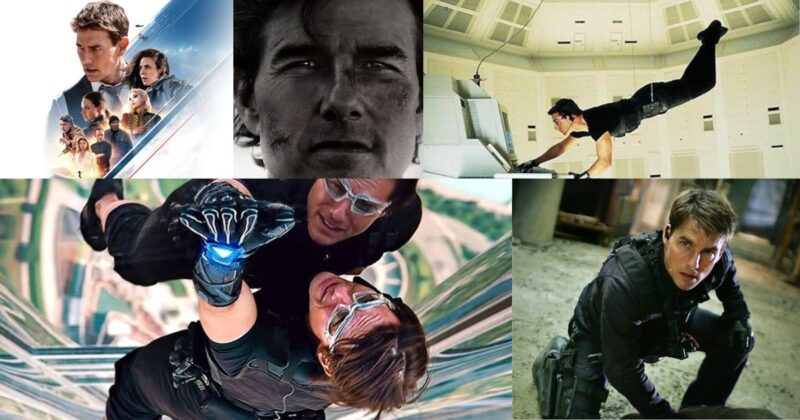
In Mission Impossible, Tom Cruise did every action scene in real life to make his fan’s heart out. The movie is based on action-spy with blending suspense to make a story interesting. The evolving emotional scenes in the middle of the action is making the film one of the most successful Hollywood Evergreen Movies.
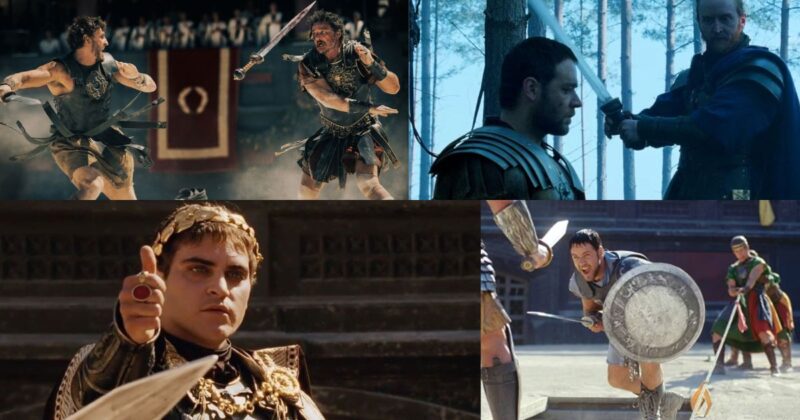
The Gladiator is centered on Maximum Decimus Meridius who is betrayed after the victory of the Roman Republic by the Commodus who is the son of the Emperor. Commodus killed his family but Maximus somehow survived and rose as the Gladiator who was summoned by the commodus sister to regain the republic. This historical epic movie is famed because of honor, vengeance and tyranny.
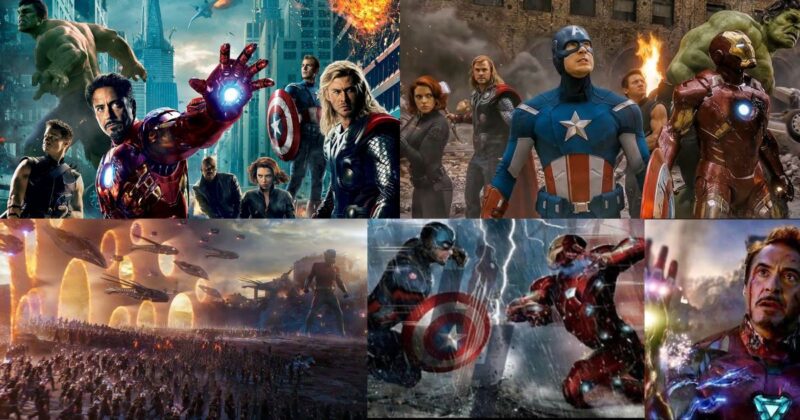
The Avengers brings marvel superheroes together in one film. They join together to beat their enemy and save the world. The plot begins with Loki entering the earth through a portal, a film marked as evergreen as it gives the feeling of mix action, character interplay, and memorable moments with superheroes.
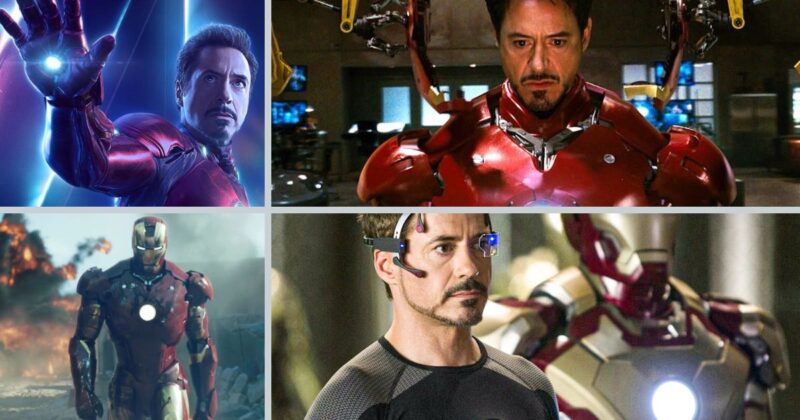
Iron Man is a genius billionaire who built advanced tech weapons and got caught during the manufacturing of missiles in Afghanistan. The film combines action, technology, and transformation of a character.
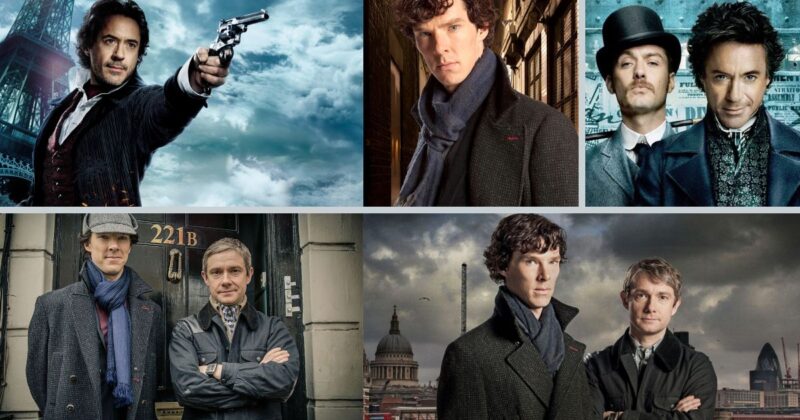
Sherlock Holmes is a smart detective who captures criminals with his supernatural powers. He has some special skills in keen observation, full deduction and forensic science. The character is filmed to deliver the best thrilling action packed movie with superpowers.
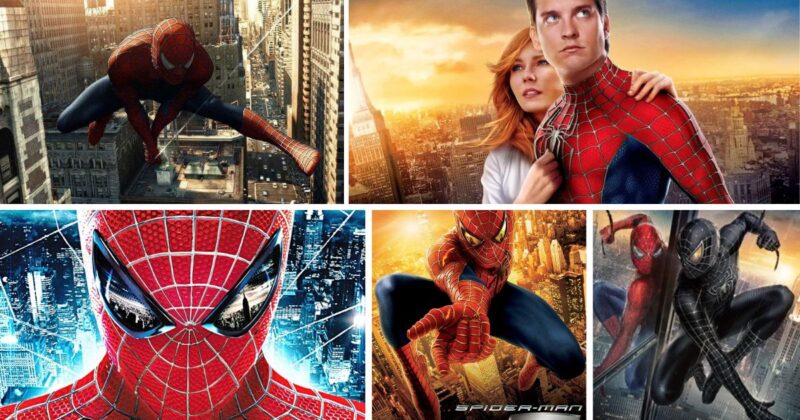
The first Spiderman movie gives a nostalgic feeling to 90s kids who grew up watching this movie. First film was released in 2002 starring Tobey Maguire, even Hollywood actors also showed their favorite spiderman movie was the first one. The transformation of Peter Parker after the bite of Spider totally leaves a suspense to the real story that is revealed at the end of the movie.
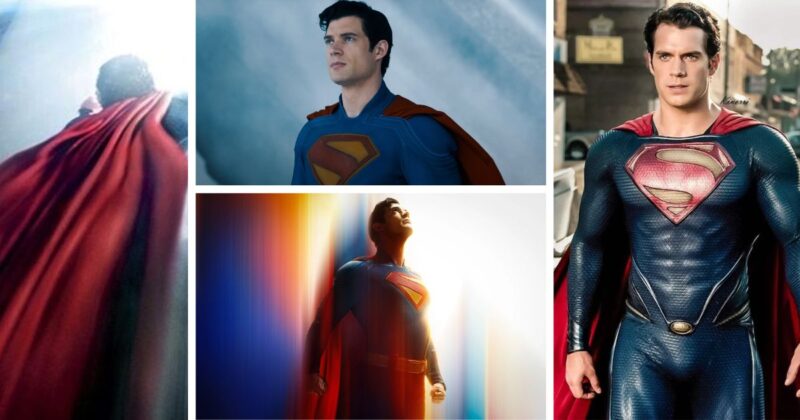
The old Superman movie starring Henry Cavill got fame because of the storyline and star acting. The film is centered on an alien who was sent to earth in order to survive. His super powers made him a person of steel.
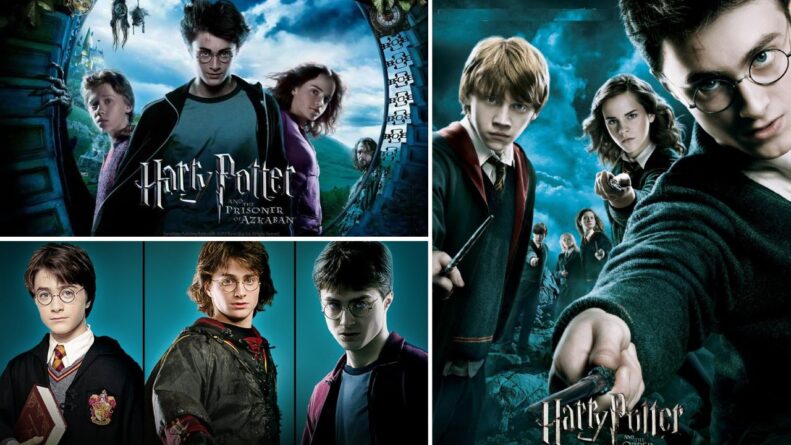
The plot of the Harry Potter first part begins with Hogwarts School of Witchcraft where Harry Potter has sent for education. He made new friends Ron & Hermione, they were tasked to find and destroy the secret of Voldemort’s immortality. The movie continued up to the next parts with more evolving scenes of emotions, mentorship & friendship.

One of the best films based on the universe. This iconic movie has a total of 9 episodes including spin-offs. The movie centered around the Force, from one planet to another. The Star Wars theme is set between the darkness and light of the force through generations.
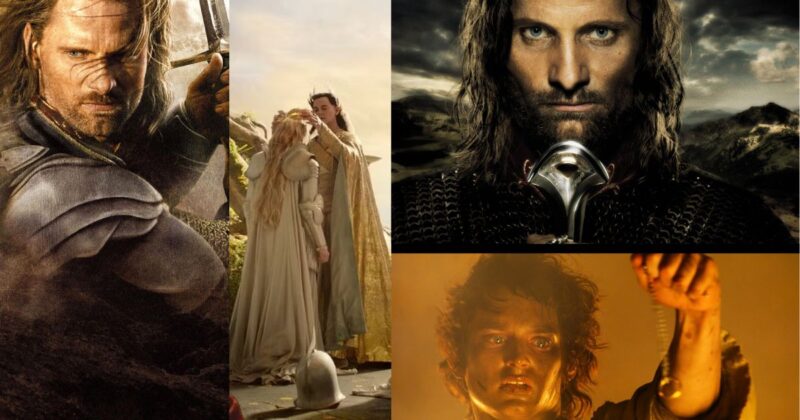
The movie has incredible scenes and the movie is centered around the Hobbit and the ring. The powerful ring has superpowers and is created by the dark evil named Sauron. The Lord of the Rings is based on the novel, the story is epic that led this movie to be evergreen.
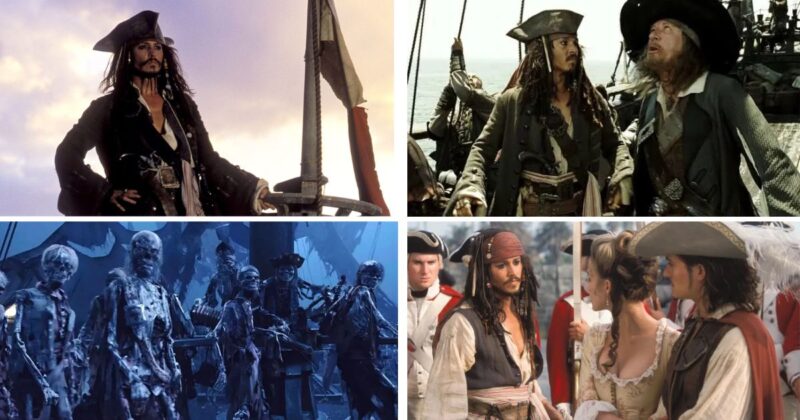
The theme of Pirates of the Caribbean Sea evolves in the sea, ship and illegal piracy. The entire franchise has a journey of Captain Jack Sparrow who is funny, genius, and a clever person. The movie is a combination of comic scenes, funny dialogues, fantasy and action.
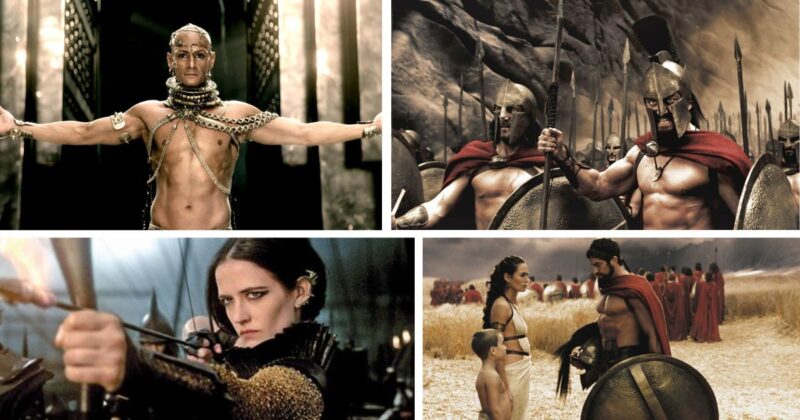
300 is based on the historical battle between the Spartans and Persian God-King Xerxes. The fight between freedom and tyranny, it highlights the courage, sacrifice, and spirit to fight back against the powerful evil.
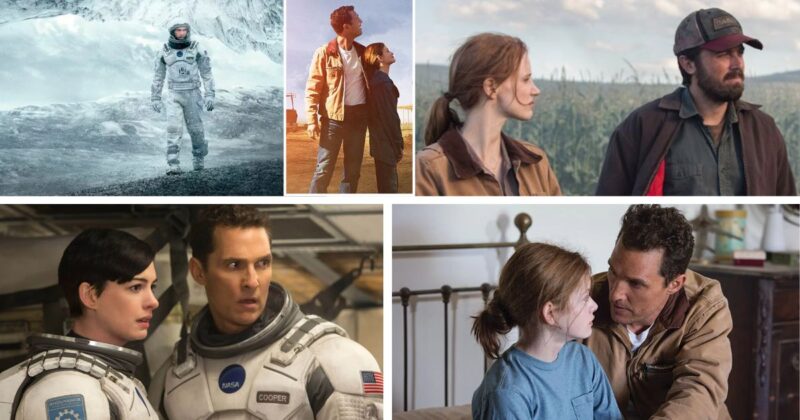
This sci-fi movie is epic and centers on love, the powerful emotion, which we can hold forever between time & gravity. Interstellar is beyond the imagination of space, time, and force. The father leaves his family behind and travels through a wormhole in order to protect them and the entire world. The time-lapse between his world and the earth is huge.
Also Read: KPop Demon Hunters Shocks Netflix Viewers by Breaking Into Top 5 Most-Watched Movies Ever
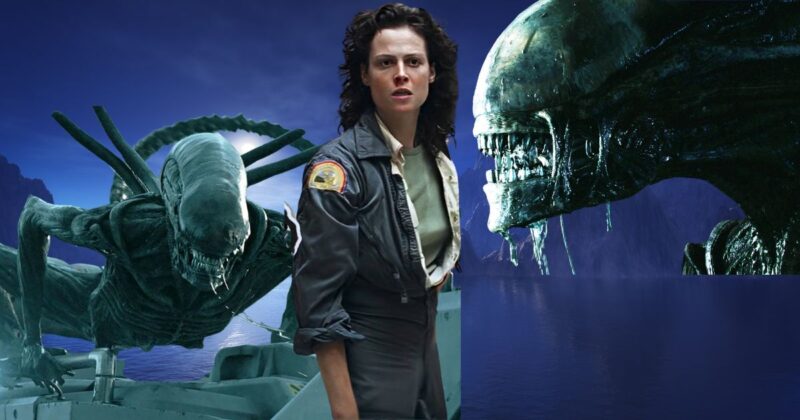
The group of Nostromo, space freighters, awake from their cryo-sleep due to distress call from an Alien vessel. The terror of the alien and her nest is found and many are killed. Who survived and escaped in order to burn that thing, but the organism stuck itself in one of the crew members and followed the journey to destroy everyone.
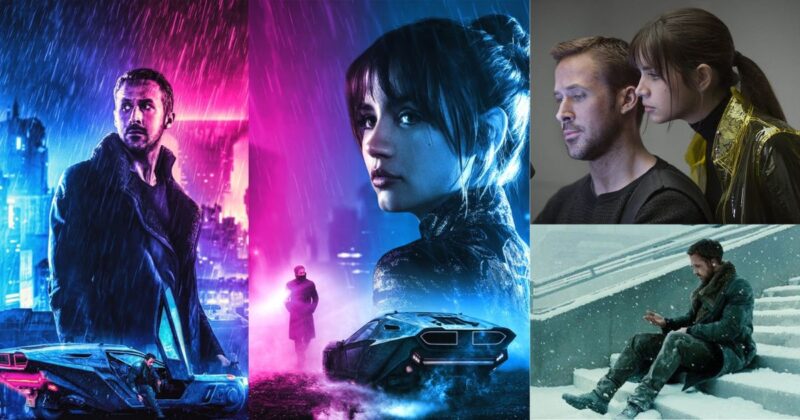
Deckard, a Replicant Hunter, is forced to continue working for the government. But before he began his journey to remove all replicants from the earth, he met Rachel, a replicant girl and fell in love with her. The Blade Runner is a combination of fiction, adventure, and emotions.
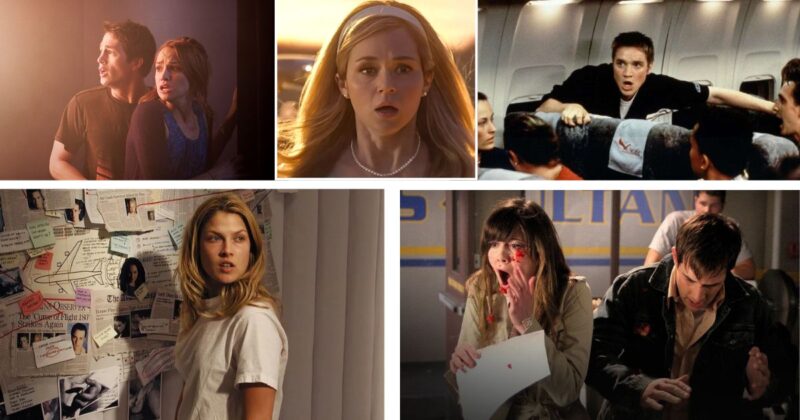
The unpredictable deaths are horrifying, the person who saw terrible accidents before it happened tried to escape from the death but they all were killed one-by-one later. The Final Destination has a total of 6 parts that included different characters in each movie.
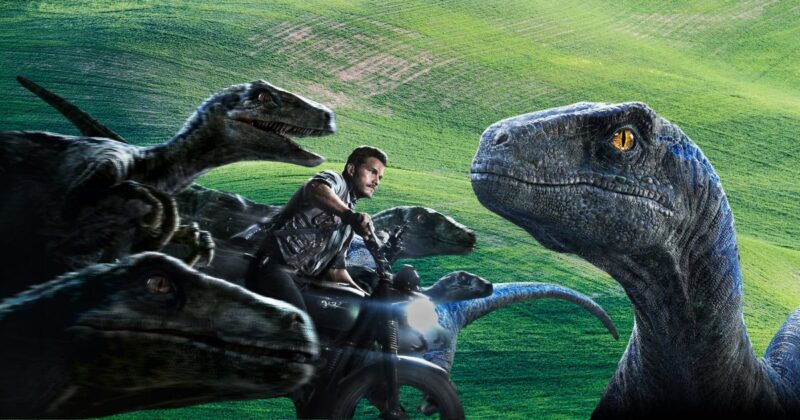
Jurassic World revolves around the largest theme park which also has dinosaurs. Owen Grady has taken care of them but unfortunately they get loose and spread the terror among humans. The park gets closed but new parts of the movie came along to continue their adventurous journey.