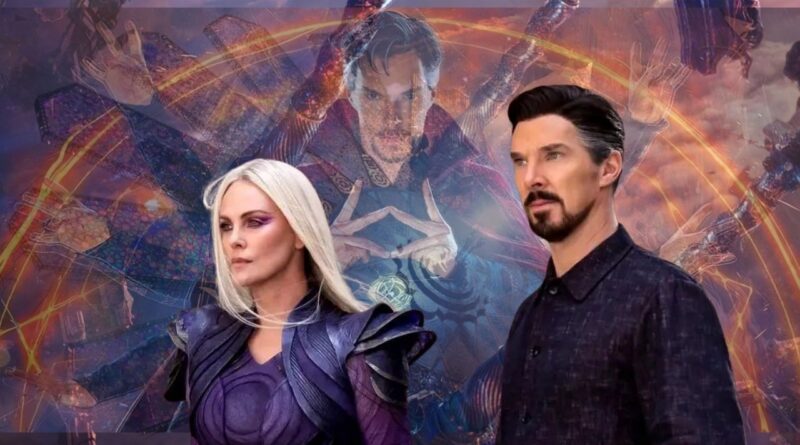
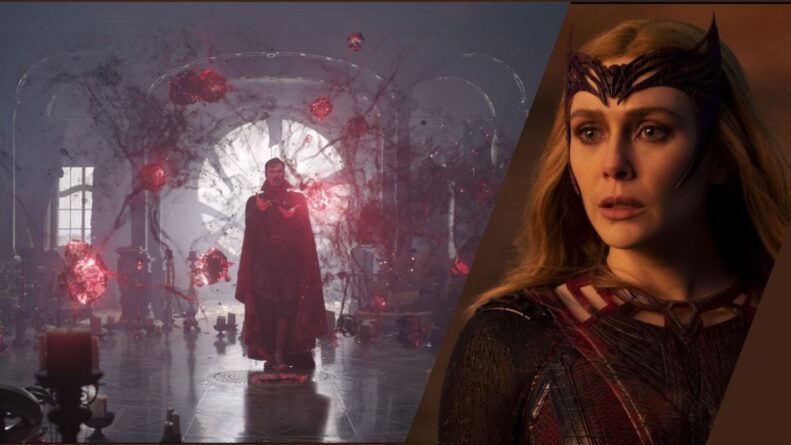
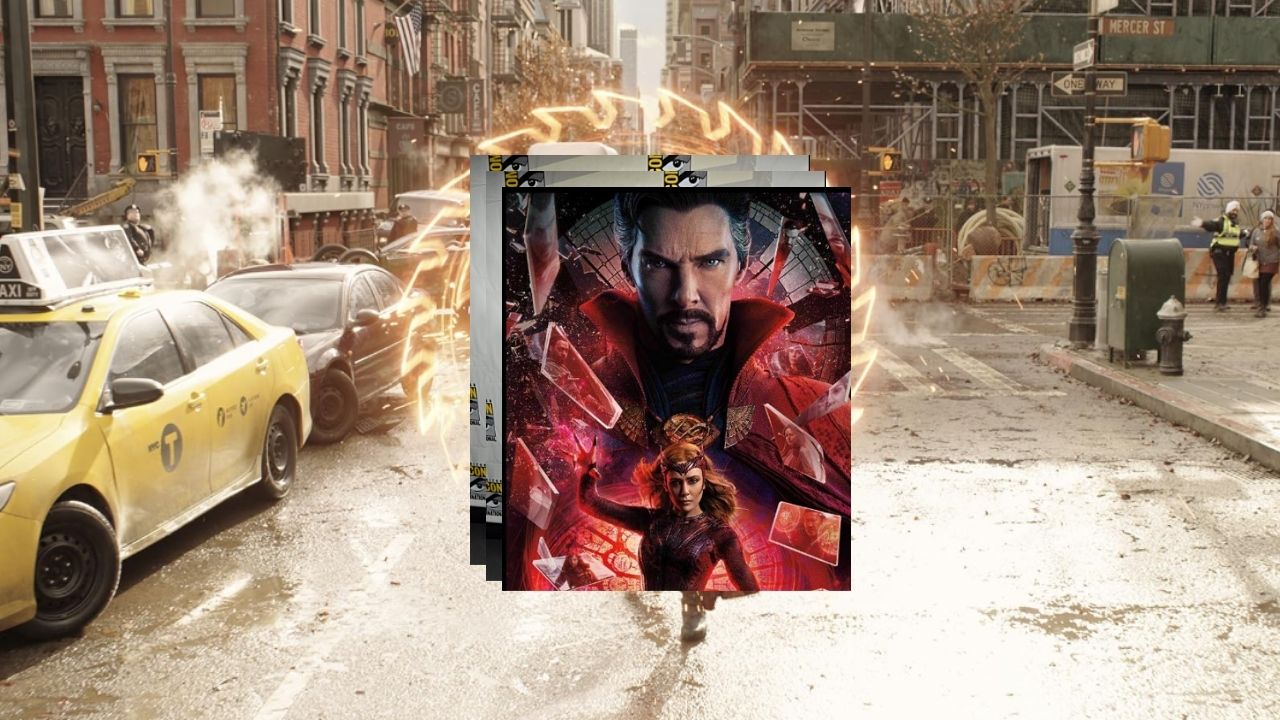
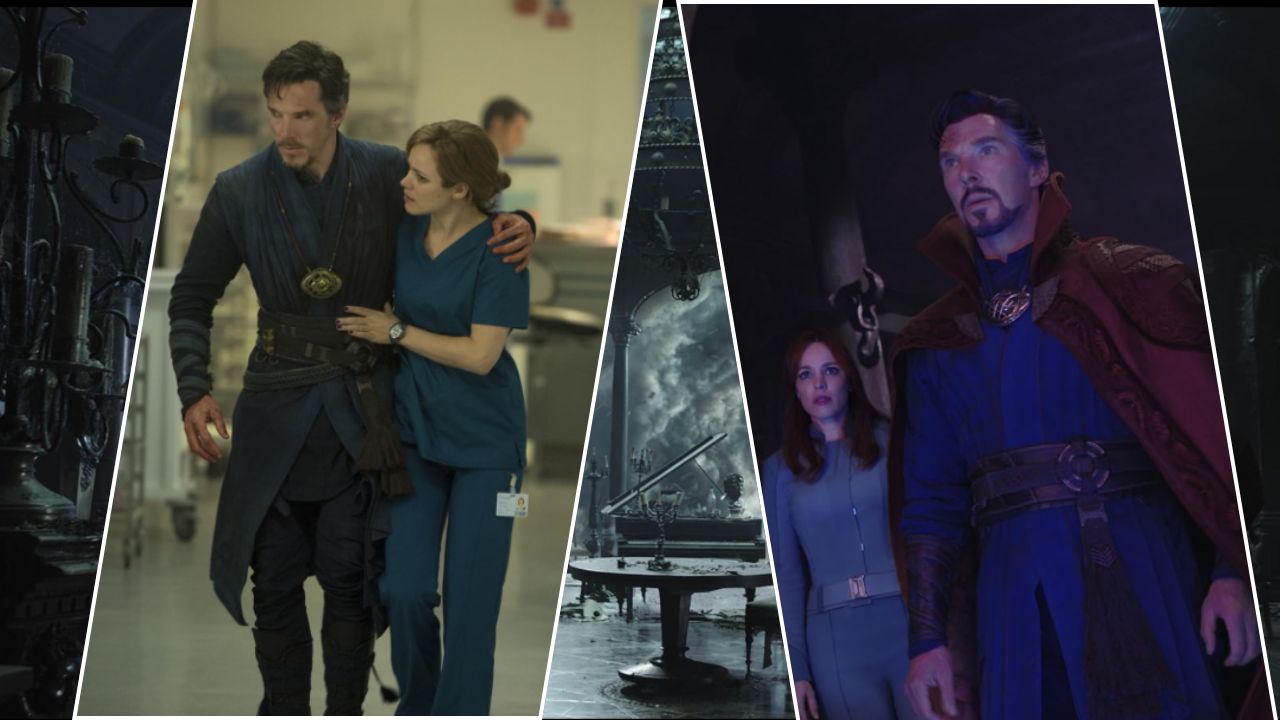
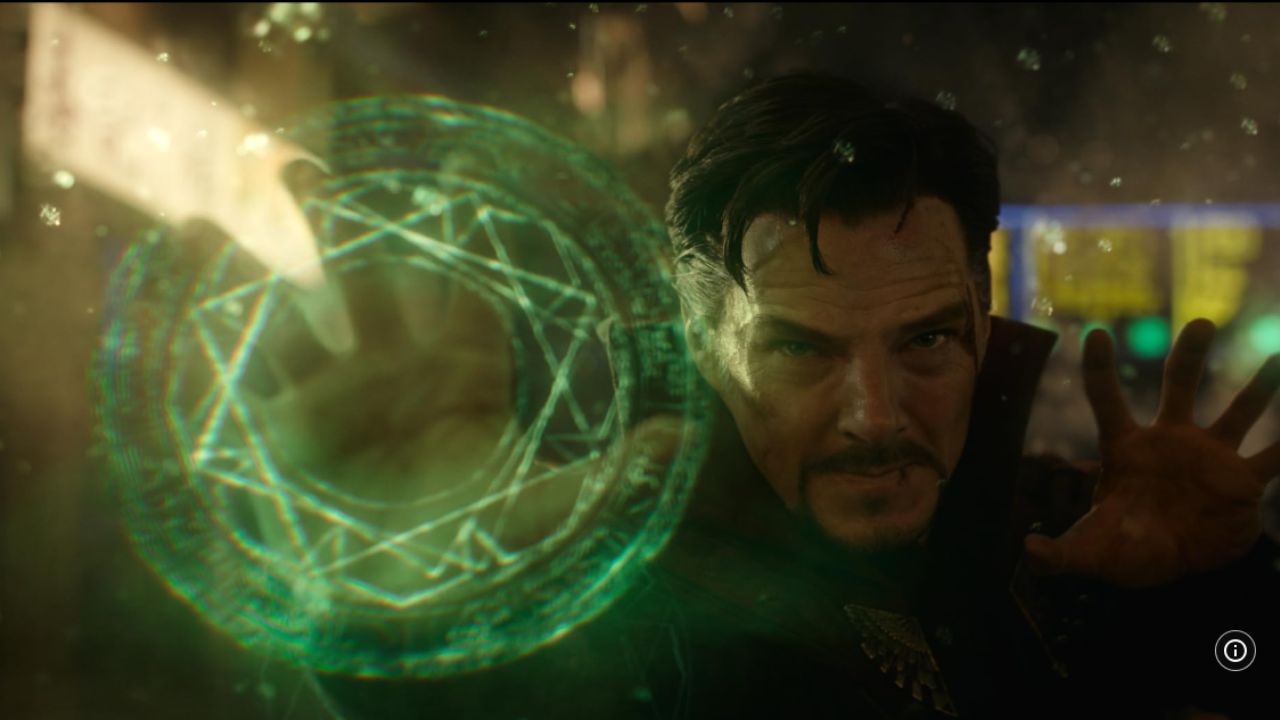
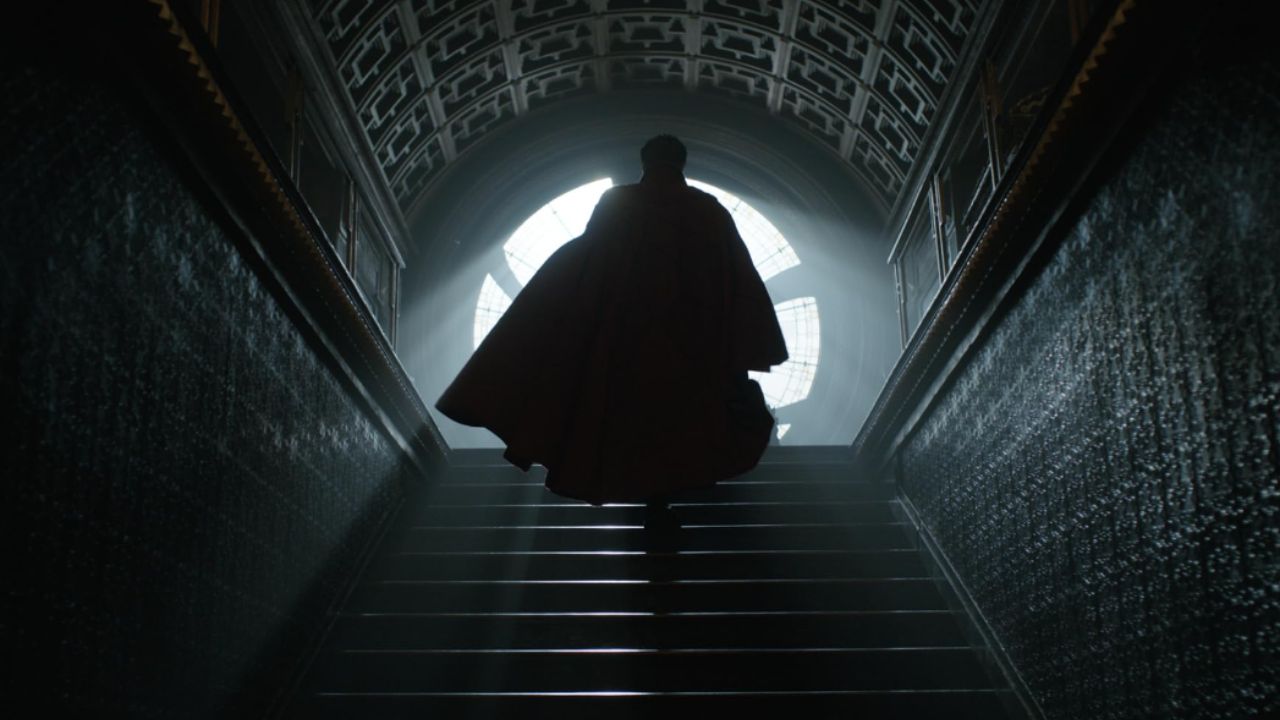
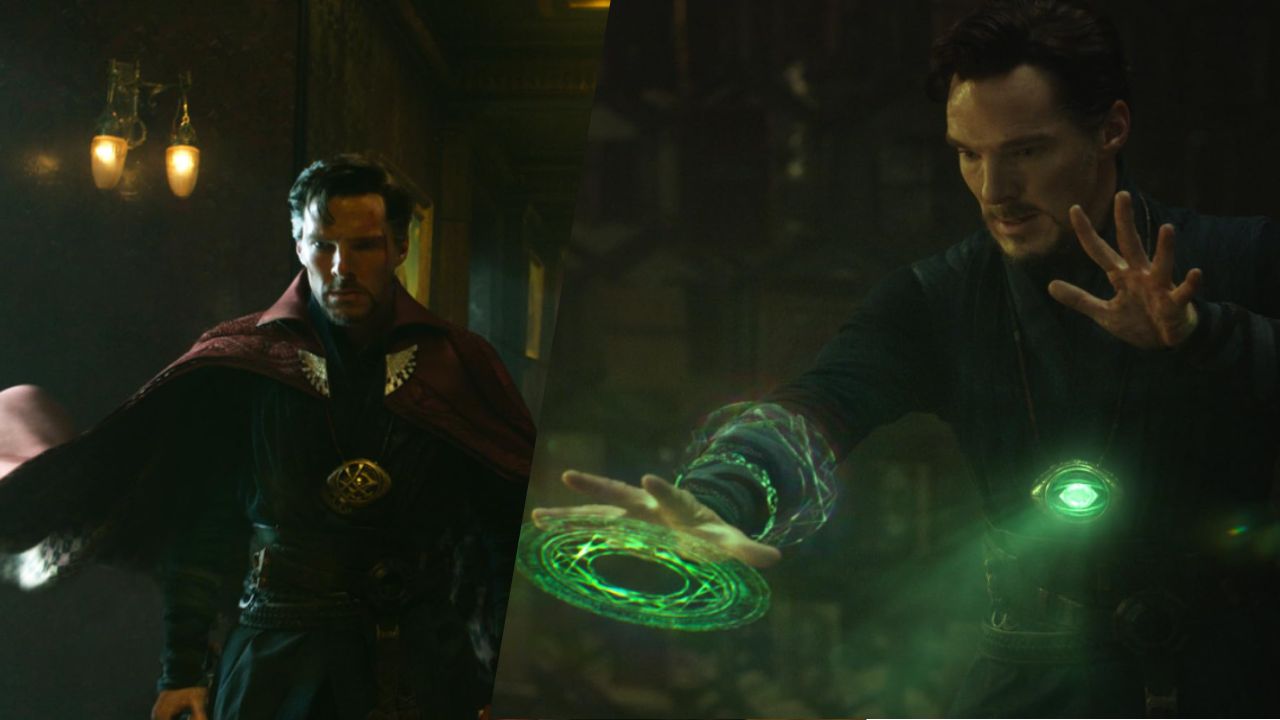
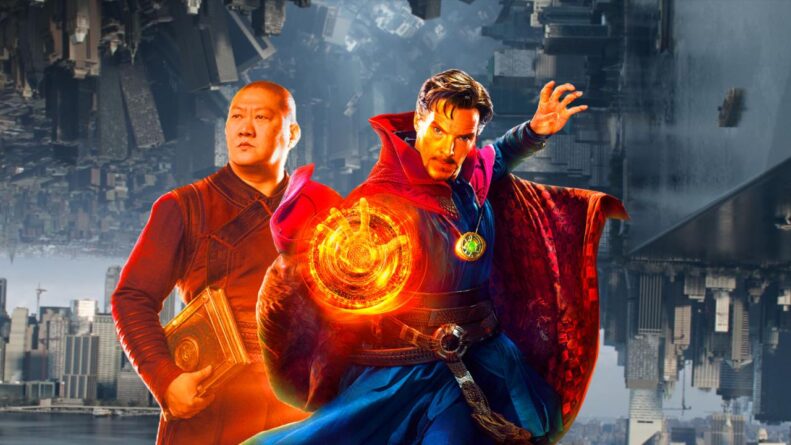
Benedict Cumberbatch has an extraordinary double billing in Hollywood right now. He’s in, a cornerstone, really, of Marvel’s almighty cinematic universe (MCU). On the flip side, he has a solid independent film career, as evidenced by his upcoming film, The Thing With Feathers. That balance of blockbuster dominance and arty experimentation speaks to his versatility, and the power of his star.
Reports indicate that the MCU is the financial foundation and global visibility for Cumberbatch, but projects like The Thing With Feathers are vital to keep his critical worth alive. This file claims the actor is now carrying out a “legacy management” approach, wielding clout to influence the creative direction of his blockbuster commitments and demonstrated by his producing role and director selection preferences while also going back to his experimental, literary roots in adaptations.
The Thing With Feathers
The Thing With Feathers is a departure from the visual effects-laden projects that Benedict Cumberbatch has been attached to of late. From acclaimed novelist Max Porter’s bestselling novella Grief Is the Thing with Feathers, the film preserves the book’s idiosyncratic, poetic form and surreal atmosphere.
The plot revolves around an unnamed London father (Dad) and his two sons as they struggle to survive in the wake of the sudden death of their wife and mother. Into their mourning home comes Crow— a frenzied, mythic character who says he’ll remain until the family no longer requires his presence. Crow is the physical manifestation of grief, so for Jack, it’s the personification of losing his wife.
Image credit: Fandomfans
Helmed by Dylan Southern, it employs a dreamlike non-linear narrative to bring Porter’s emotional, stream of consciousness novel to life on the screen, mixing stark household realism with surreal horror.
Cast Highlights
Benedict Cumberbatch as Dad – a profoundly raw portrayal of mourning, more in line with his work in Patrick Melrose than Doctor Strange.
David Thewlis as Crow – a sinister but bright, guardian and bully.
Richard and Henry Boxall play the brothers, and this is the one that really did engage me emotionally.
The movie doesn’t treat grief as hushed sorrow, but as frenetic, cluttered, and terrifying. Crow becomes the father’s Jungian shadow, making him face feelings he seeks to escape – turning the tale into a psychological thriller where the real beast is internal suffering.
Early reviews For The Thing With Feathers
Image credit: Fandomfans
Cumberbatch’s acting is considered to be one of the best if not the best. Praise for him speaks of him being in “terrific shape” and turning in a performance that is “confidential and emotional”. The Guardian also notes that:
“While the attention is on the home drama the film is involving and
affecting.”
The creative leadership of Doctor Strange 3
Cumberbatch is reportedly taking a more “hands-on producerlike” role who will be able to handle the visual spectacle, with the film’s intellectual depth in the making of the film.
“very protective of the character and wants a director” —He said
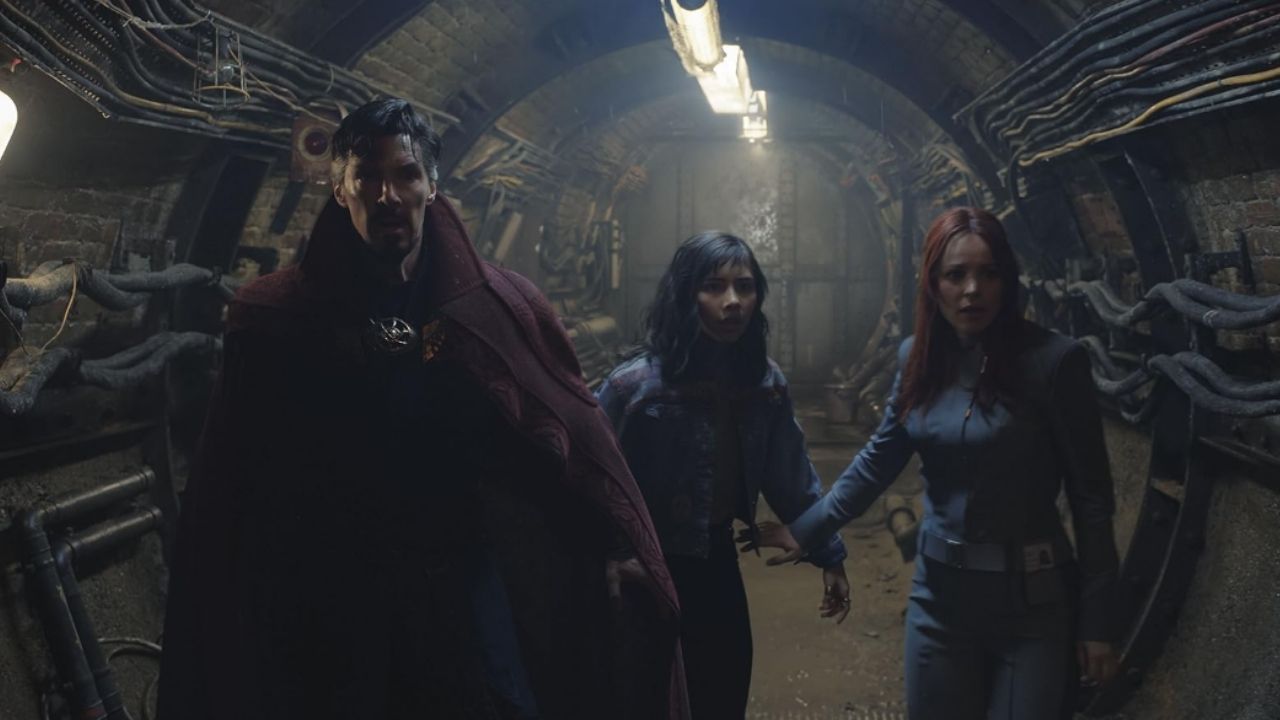
The integration of Doctor Strange into the wider Avengers lineup
Cumberbatch gave an interview in early 2025 in the dance where she said she would not be appearing in Avengers: Doomsday (2026), sparking rumors that the character would be written out. However, in the The Thing With Feathers premiere at Sundance he flatly corrected reports.
“I got that wrong, I’m in the next one.” —Cumberbatch said and also joked to fans,
in reference to the tight Non-Disclosure Agreements (NDAs) and secrecy culture that Marvel instills, which frequently has its actors feed false information to the press to protect surprises.
It is now confirmed that Doctor Strange will appear in Avengers: Doomsday (2026) and will have a “huge” role in Avengers: Secret Wars (2027).
Image credit: Fandomfans
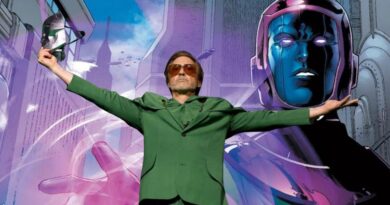
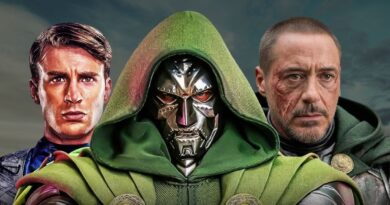
Strange’s place in Secret Wars should be similar to his prominence in the comics, acting as second-in-command (“Sheriff of Agamotto”) to Doctor Doom, leader of the multiverse’s remains (Battleworld). Robert Downey Jr., reprising his role for the first time as Doctor Doom from the MCU, the dynamic between Cumberbatch and Downey Jr. (who also starred together as Sherlock Holmes and Iron Man, respectively) recently tops for the studio.
Conclusion
The next few years are crucial for Benedict Cumberbatch. In a London flat in “The Thing With Feathers” audiences will also get to see him unmasked and fighting a figurative crow. This part reconfirms his dramatic obama essay credentials and acts as a Salto dancer à la spectacle au lieu de suivant.
At the same time, the Marvel Cinematic Universe machine is turning toward him. The active development here is Doctor Strange 3, strongly based on the “Time Runs Out” storyline, and his already confirmed appearance in Avengers: Doomsday, marking him as the story lead of the Multiverse Saga’s concluding chapter. Bird-themed surrealist or multiversal terrors: on both, Benedict Cumberbatch is at the center of two vastly different though thematically connected cinematic universes.
Fandomfansis a platform to provide quick updates on entertainment, anime, reviews & celebrity news. Our goal is to bring you valuable and accurate information on your favorite entertainment buster.
Mariyam
Articles Published :
77
Mariyam Khan is Fandomfans Content Writer and providing reports and reviews on Movie Celebrities, and Superheroes particularly Marvel & DC. She is covering across multiple genres from more than 4+ years, experience in delivering the timely updates.
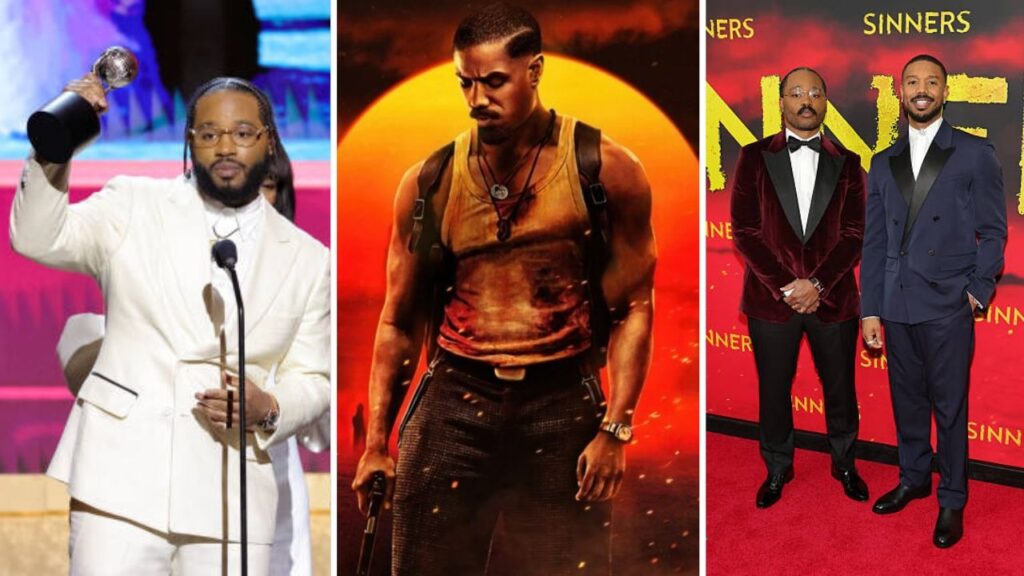
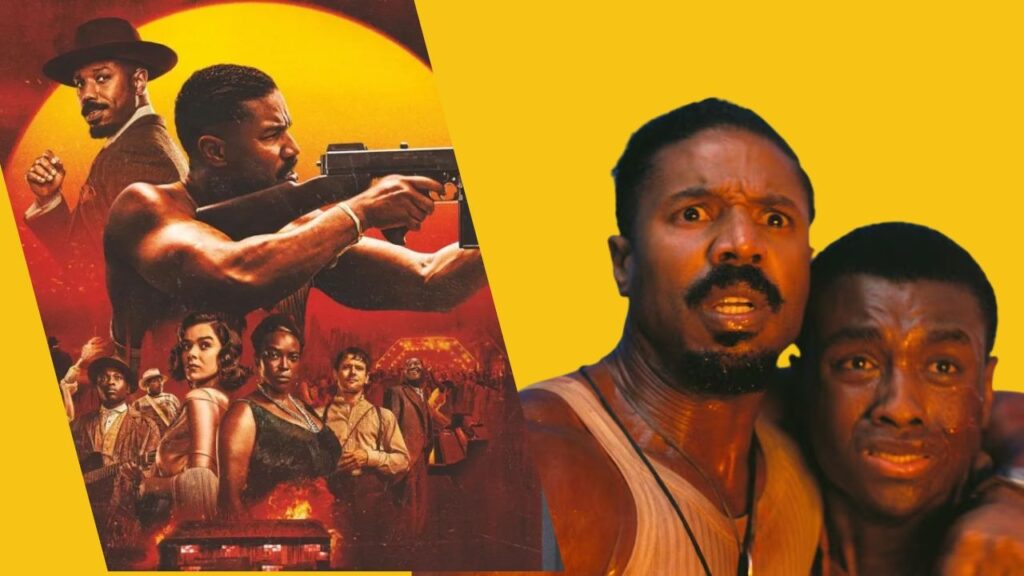
The narrative of ‘Sinners,’ a supernatural Southern Gothic tale from Michael B. Jordan and Ryan Coogler, is evolving further, and now, the hype is surrounding the music. The movie, which has already broken box office records and received high praise for its fearless delving into Black horror and spirituality, just managed to snag a historic five nominations at the 68th Annual Grammy Awards, solidifying its position as one of the most-nominated films in Grammy history.
This isn’t just about counting awards; it is a strong statement about the film’s sound ambition and how the music is integrated in the story telling of the film. The Grammy nods celebrate ‘Sinners’ in key visual media categories, showing that its influence goes well beyond the silver screen.
“Ryan and I, from the very beginning, wanted Sinners to sound like the South remembers — the pain, the hope, the hymns in the dark. These Grammy nods aren’t just for us; they’re for the generations whose voices built that sound. ” — Michael B. Jordan, in an interview with Variety.
A Soundscape That Haunts and Heals
Behind this achievement is the film’s music department, spearheaded by composer Ludwig Göransson. Göransson (who has worked with Coogler previously on Black Panther and Creed) also scored an individual nomination for Best Score Soundtrack for Film/TV. His work on Sinners has been called “haunting” (featuring a desperate gospel sound in the background connecting you into the 1930s Mississippi environment and channeling faith, sin, and survival with every note)The background music isn’t listening noise — it’s emotional, music character that defines the film.
Impact the film had on music is underscored further with three nominations for Best Song Written for Film/TV. The nominations highlight the extraordinary range of the soundtrack, which transitions seamlessly from raw, confessional spiritual blues to cinematic anthems and even poignantly emotional ballads such as I Lied to You.
This hat-trick of awards is a strong indication that the individual songs are connecting with audiences and critics both, and that they capture both the heart and feel of the film.
Also on the list is a nod for Best Compilation Soundtrack for Film/TV. This album is a powerful, generational statement that fuses traditional Southern music, gospel, blues, and contemporary voices.It’s a musical extension of the film’s world, providing a unique, culturally definitive sound rooted in the Black southern experience.
The blockbuster Grammy acknowledgement rounds out an amazing run for Sinners, which has effectively reimagined contemporary Black horror space and showcased where music, identity, and storytelling converge. It joins the ranks of legendary movies such as The Bodyguard and Purple Rain whose music outgrew their medium to become cultural landmarks.
With the 68th annual Grammy Awards coming up on 2/1/26, the pressure is all on Coogler and Jordan’s searing drama. No matter how many golden gramophone trophies it gathers, the film has already established itself as one of the sonically most ambitious and culturally significant works of its era.
At FandomFans, we believe ‘Sinners’ has done more than redefine horror and spirituality on screen — it’s transformed the way we hear them. With Ludwig Göransson’s hauntingly soulful score and a soundtrack that dares to blend genres, the film resonates with emotion and cultural depth far beyond the cinema. Its five Grammy nominations aren’t just recognition; they mark a shift in how Black narratives and music intertwine to express identity, struggle, and faith. Win or lose, ‘Sinners’ has already earned its place among culture-shaping films — one whose sound will echo long after the lights fade.
Mariyam
Articles Published :
77
Mariyam Khan is Fandomfans Content Writer and providing reports and reviews on Movie Celebrities, and Superheroes particularly Marvel & DC. She is covering across multiple genres from more than 4+ years, experience in delivering the timely updates.
Netflix February 2026 Releases: Full Movies & Series List
Explore the best of Netflix February 2026 releases: movies, web series, documentaries, reality shows, and what’s retiring from the platform. Learn more...!
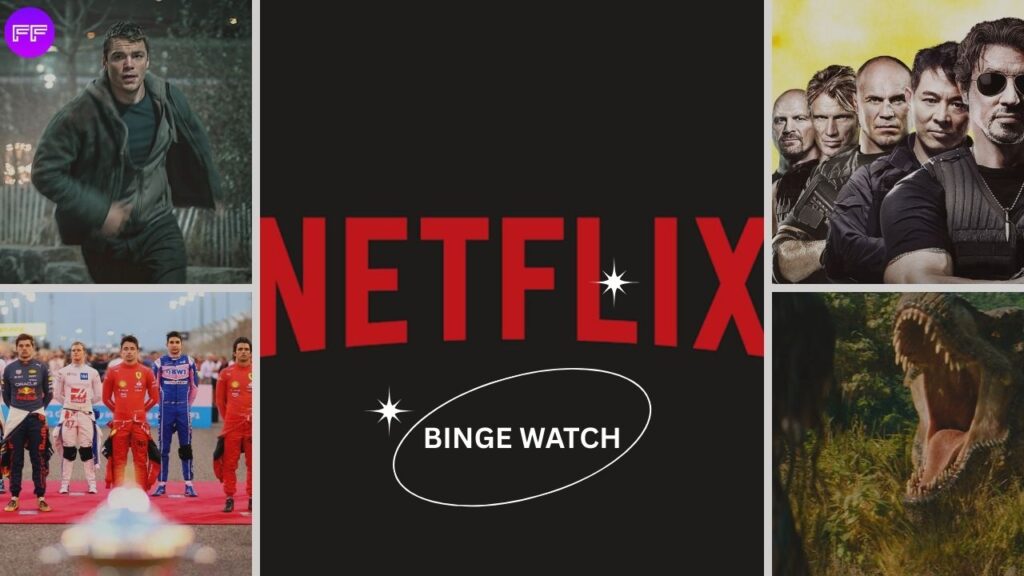
Take a bucket of popcorn and be ready to binge watch, the February Netflix lineup is looking so good! Expect romance, action, laughs and a couple of thrillers. Family dramas, big movies and reality shows galore to binge. I’ve selected a few highlights to discuss — let’s look into the list of Netflix February 2026 Releases.
Open Feb 1st Glitter & Gold: Ice Dancing, a Duck team Presents doc about ice skaters pursuing dreams. There are shiny costumes, harsh training and big feelings. And then there’s The Way Home Season 3 which returns to that sweet family tale with time travel twists — ideal for cozy nights.
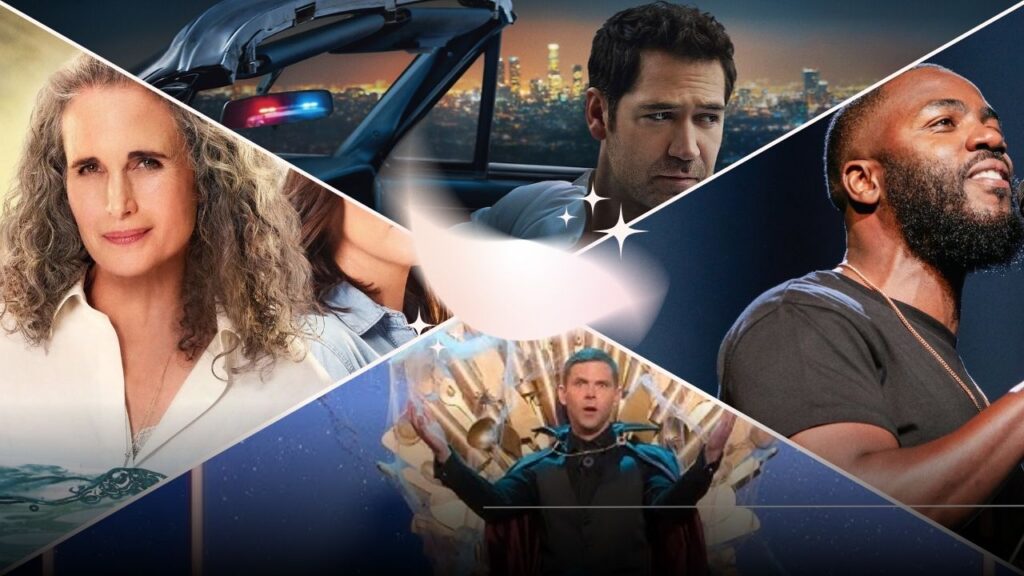
Love comedy? Feb 3rd has Mo Gilligan: In The Moment, where the comedian discusses life and love. Super relatable laughs! On Feb 4th, Is It Cake? Valentines returns with bakers crafting fake sweets that look real—perfect for Valentine’s vibes.
Series superfans, save the date: The Lincoln Lawyer Season 4 on Feb 5th Lawyer Mickey takes on the bad guys, so expect some surprises. The same day, Cash Queens, from France, follows tough women making money in dirty ways. Cool and stylish!
Feb 6th: “The Queen’s Gambit” is a doc about a girl rising to the top in the male-dominated world of chess. Motivating stuff – Feb 9th, Matter of Time (Life and Time in your Hands) profound, but OK.
Movie time! On 10th Feb, you can watch How to Train Your Dragon—dragons and adventure for all ages. 11, Feb has Love Is Blind Season 10 (insane love experiments) and Kohrra Season 2 (spooky Indian mystery—love the Punjab feel!).
More on 13, Feb: Museum of Innocence (Turkish romance with secrets) and Tyler Perry’s Joe’s College Road Trip (hilarious dad-daughter road trip). 17, Feb – Star Search Finale—talent show excitement!
18, Feb provides a glimpse into Being Gordon Ramsay—the chef’s wild life. Thrill seekers, The Night Agent Season 3 releases 19, Feb — spy action wakes up and never sleeps. 20, Feb comes with The Expendables 1-4 (explosions galore) and Strip Law (silly animated lawyer strippers).
24, Feb laughs his way through Taylor Tomlinson: Prodigal Daughter. Bridgerton Season 4 Part 2 Come 26, Feb —steamy balls and drama! Racing fans get Formula 1: Drive to Survive Season 8 on 27, Feb. Concludes with Jurassic World: Rebirth on 28, Feb —dinos on the loose!
Here’s The Full List of Netflix February 2026 Releases at a Glance
Date
Title
Format/Origin
1, Feb
Glitter & Gold: Ice Dancing
Documentary
1, Feb
The Way Home (Season 3)
Series (Licensed)
3, Feb
Mo Gilligan: In The Moment
Comedy Special
4, Feb
Is It Cake? Valentines
Series (Original)
5, Feb
The Lincoln Lawyer (Season 4)
Series (Original)
5, Feb
Cash Queens
Series (France)
6, Feb
Queen of Chess
Documentary
9, Feb
Matter of Time
Documentary
10, Feb
How to Train Your Dragon
Movie (Licensed)
11, Feb
Love Is Blind
Series (Original)
11, Feb
Kohrra (Season 2)
Series (India)
13, Feb
Museum of Innocence
Series (Turkey)
13, Feb
Tyler Perry’s Joe’s College Road Trip
Movie (Original)
17, Feb
Star Search (Live Finale)
Live Event
18, Feb
Being Gordon Ramsay
Documentary
19, Feb
The Night Agent (Season 3)
Series (Original)
20, Feb
The Expendables 1-4
Movie Collection
20, Feb
Strip Law
Animated Series
24, Feb
Taylor Tomlinson: Prodigal Daughter
Comedy Special
26, Feb
Bridgerton
Series (Season 4)
27, Feb
F1: Drive to Survive (Season 8)
Documentary
28, Feb
Jurassic World: Rebirth
Movie (Licensed)
Notable Departures to Watch Before They’re Gone
Departure Date
Title
Its Significance
1, Feb
Parasite
Oscar winner for Best Picture; a cornerstone of prestige world cinema
1, Feb
28 Days Later
Defined the modern zombie genre; departure precedes theatrical sequels
1, Feb
Groundhog Day
A high-concept comedy classic and Bill Murray standout
5, Feb
Mean Girls
A foundational teen comedy that frequently rotates between streamers
21, Feb
She-Ra (S1-5)
A rare departure of a “Netflix Original” due to DreamWorks licensing
Dive deeper into the world of entertainment with Fandomfans to get a full list of Netflix’s shows and movies to binge watch.
Mariyam
Articles Published :
77
Mariyam Khan is Fandomfans Content Writer and providing reports and reviews on Movie Celebrities, and Superheroes particularly Marvel & DC. She is covering across multiple genres from more than 4+ years, experience in delivering the timely updates.