Home > Movies > ‘Wake Up Dead Man’ Review: A Bold Mystery..
‘Wake Up Dead Man’ Review: A Bold Mystery but Missing the Knives Out Spark
"Wake Up Dead Man review: Superb performances and a bold storyline, but this Knives Out follow-up lacks the complex twists of the originals." Learn more..!
The late 2025 launch of Wake Up Dead Man: A Knives Out Mystery is a high-stakes moment for one of the greatest IPs in modern moviemaking. Taking its place as the crown jewel amongst writer-director Rian Johnson’s body of work, the Knives Out franchise hasn’t simply breathed new life into the “whodunit” genre, it has transformed it into a tool for sharp social commentary, adapting the warm tropes of Agatha Christie to unpack the unsettling realities of 21st-century American class relations.
Coming off the sleeper theatrical success of Knives Out (2019) and the opulent, streaming-centered cultural moment of Glass Onion (2022), this third entry arrives with the weight of an inherently high-stakes legacy and the burdensome $450 million payday by Netflix.
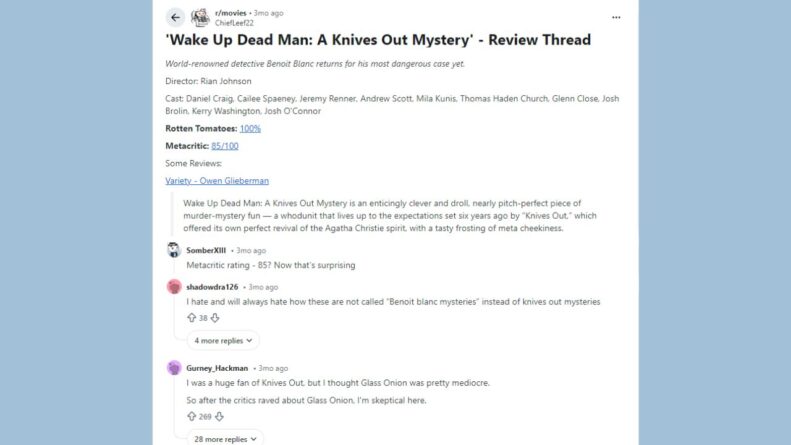
Although the film has received overwhelmingly positive ratings—for example, it currently has a Rotten Tomatoes rating of 96% to 100% in the wake of its premiere at the Toronto International Film Festival—a close read of the reviews reveals a series struggling to find new energy in its satirical bite and its narrative mechanics.
The biggest departure in Wake Up Dead Man and the cause of most critical dissent is its bold structure. Johnson seeks to destabilize the standard whodunit paradigm not in the question of who did it, but in the mode of storytelling.
Bold Structural Shift: Blanc Arrives Too Late
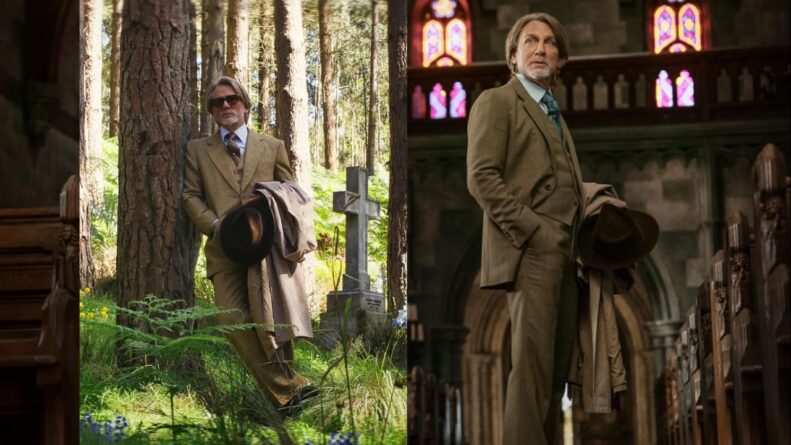
Everything has been turned on its head in what is being called a “subversive” and “harmful” marketing move: The franchise centerpiece, Benoit Blanc (Daniel Craig), does not show up until the 45-minute mark. This decision in narrative style changes the whole DNA of the whodunit.
Image credit: IMDb
The movie devotes its whole first act to introducing the “victim,” Monsignor Jefferson Wicks (Josh Brolin), and the main protagonist/suspect, Father Jud Duplenticy (Josh O’Connor). The viewer is so deeply ensconced in the personalities of the Chimney Rock group, the history of the church and even the philosophical divide between Jud and Wicks that the arrival of law enforcement feels intrusive. The point of this construction is to give the mystery an emotional charge — the murder is not simply a brainteaser, but a tragedy involving characters the audience has come to know.
Reviewers said the first two reels of the film are slow. By the time the detective, Blanc, finally makes his appearance, most of the puzzles are already set on the table, so he’s not quite as active and important as he was in previous entries. He’s more like a “buddy cop” partner to Father Jud than the main engine of the narrative.
Image credit: IMDb
With Blanc arriving so late, the first act becomes a drama — nicely acted, but lacking the strong mystery “hook” that normally pulls audience in. That’s why they thought it was “far too long” to get truly started.
Classic Locked-Room Mystery With Predictable Twists
The movie borrows from a classic play, “the locked room” mystery, in which a murder takes place inside a church during a service and only the congregants could be suspects. The premise is entertaining — a seemingly impossible murder with no weapon or assailant in sight, inspired by old-school authors like John Dickson Carr.
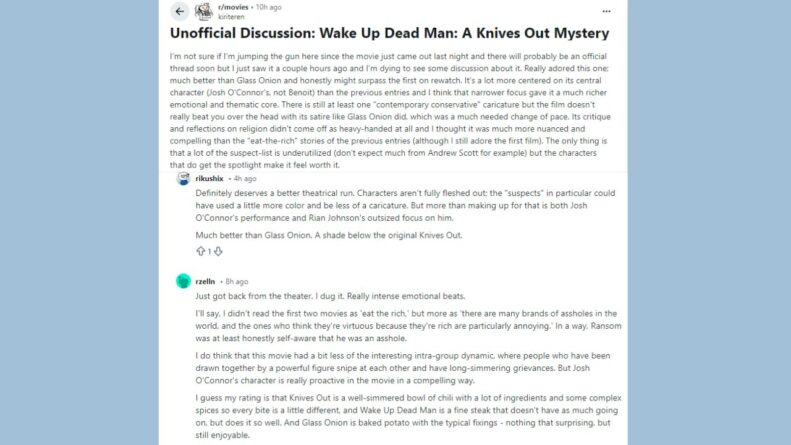
Reviewers enjoyed the classic Christie-style tone, but many thought the answer was both a little too complex and still too easy to guess. Since the killer could be identified by the audience rather early on, the mystery was not very surprising and some considered the film to have lost the unpredictable energy that made the previous Knives Out films so exciting.
The film’s primary antagonist Monsignor Wicks is a gaunt, terrorized priest who wields religion as a tool of oppression, placing him among the more blatant political extremism and faith abuse in the stacked deck of the film. The movie even sets him up against the gentler Father Jud to illustrate the difference between poisonous institutions and real spirituality. But manyreviewers found the satire too on the nose and “safe.”
The portrayal of Wicks is made so blatantly villainous that the satire feels toothless and uninspired, especially when compared to the cutting, dangerous satire of the earlier Knives Out films. It makes the criticism feel routine and less hard-hitting.
Reviews say the movie is bigger than Knives Out but not as sharp as Glass Onion, and many feel it doesn’t have the tight, focused writing of the first film. It also plays it safe, leaning on well-worn mystery tropes rather than attempting to surprise or outsmartits audience.
Although the storyline can appear to be baffling at the beginning, the twists are quite predictable, which causes the mystery to be foreseeable and less emotional. Without a clever, mind blowing reveal, the ending just feels mundane.
Conclusion
Wake Up Dead Man is a “safe” triumph—a film that refines the form but loses the anarchic, punk-rock energy that made Knives Out a sensation. It’s a mystery that insists on being watched for its craft, if not one that will be viewed again and again as its antecedents have been.
Moving forward with the franchise, Johnson has a choice— he can continue his journey toward introspection and “cinema,” or he can come back to the tight, aggressive storytelling that made the original a searing experience. The “Knives” may still be out, but this time, they seem a little less sharp.
Fandomfans is an entertainment source which delivers consistently every movie reviews analysis and audience reception for a Wake Up Dead Man movie.
Mariyam
Articles Published :
77
Mariyam Khan is Fandomfans Content Writer and providing reports and reviews on Movie Celebrities, and Superheroes particularly Marvel & DC. She is covering across multiple genres from more than 4+ years, experience in delivering the timely updates.
The Housemaid (2025) Become a Paul Feig Successful Adaptation
The Housemaid (2025) review explores Paul Feig’s chilling adaptation, powerhouse performances, BookTok success, and the film’s dark take on power and control.
The Housemaid (2025), from director Paul Feig, channels that anxiety with laser accuracy, turning the dream of home life into a stifling mental institution. Based on Freida McFadden’s viral novel, Paul Feig’s adaptation of The Housemaid (2025) strips back the layers of wealth, beauty and privilege to reveal a much darker truth – where control, surveillance and survival intersect within the walls of an ostensibly perfect home.
Distributed in late 2025, The Housemaid, is more than just a film, it is a cultural moment. It’s the summit of the “BookTok-to-Big Screen” assembly line, adapting Freida McFadden’s viral 2022 novel into a “shlock-serious” cinematic extravaganza. Lionsgate got a desperately needed win at the box office, audiences got a deliciously dark holiday diversion that married high-brow psychological tension with the raw exuberance of a 90s erotic thriller.
A Tale of Two Cages
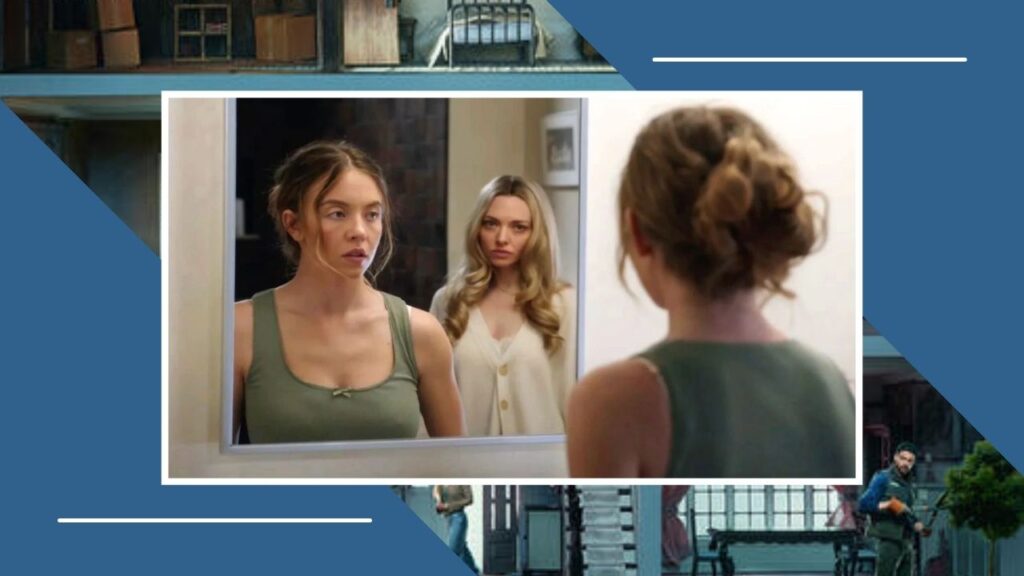
The story starts with a classic set-up: a stranger enters a closed off system. Sydney Sweeney as Millie Calloway, an ex-con who is so desperate for a job that she ends up at the Winchester estate in Great Neck, Long Island. For Millie, this isn’t just a paycheck—it’s the lifeline that keeps her out of prison.
Image Credit: Fandomfans
The Winchesters appear to be the dream employers. Nina (Amanda Seyfried) is the ethereal, if unpredictable, matriarch, and Andrew (Brandon Sklenar), the “perfect” husband who is charming, patient, and seemingly stuck in a marriage with a volatile woman. But the house itself tells a different tale. Millie is hidden away in an attic room that is the polar opposite of the mansion’s grandeur: a tiny room with a door that locks only from the outside.
What makes“ The Housemaid” so cruelly effective is its narrative architecture.
Just as we’re settling into our rhythm of feeling sorry for Andrew and being scared of Nina, Paul Feig pulls the rug out from under us. Midway through the movie, the point-of-view shift reveals that Nina’s “madness” is not a sign of instability, but a means of survival. The real monster is the one in the tailored suit and the charming smile.
Comedy director Paul Feig (Bridesmaids) demonstrates he has more strings to his bow.
It’s like “a Nancy Meyers movie that takes an unexpected dark twist” he said.
Through employing” huge rewind POV shifts”, Feig compels the viewers to question everything they know, just as we “dig deeper” into social media accounts to uncover the truth behind the filters.
Powerhouse Performances: Sweeney and Seyfried
The chemistry the two leads share, and the great contrast of their attitudes, goes a long way to making the film work.
Andrew transition from a handsome protector to a psychopathic abuser | Image Credit: Fandomfans
Sydney Sweeney achieves career-defining win as Millie. She undermines her “pinup” image, initially appearing as a defenseless girl-next-door and gradually revealing a merciless, “vigilante” streak honed in the heat of a decade-long prison term.
Amanda Seyfried is a force of nature. Moving away from her usual sympathetic roles, she embraces “female rage” with maniacal gusto. Her portrayal of Nina’s “Stepford-blond” exterior cracking under the weight of domestic terror is nothing short of hypnotic.
Brandon Sklenar provides the perfect foil as Andrew. His transition from a handsome protector to a psychopathic abuser is chilling, particularly in the film’s escalated, bloodier climax.
Character
Portrayed By
Narrative Role
Millie Calloway
Sydney Sweeney
The Protagonist, an ex-convict seeking survival.
Nina Winchester
Amanda Seyfried
The Employer; hiding trauma behind a mask.
Andrew Winchester
Brandon Sklenar
The Antagonist; a charismatic serial abuser.
From Page to Screen: Upping the Ante
Fans of the source material will be delighted that Feig didn’t shy away from the “luridly exploitative” aspects of the book. The novel’s penalties were mental, but the movie leans into bodily terror.
Rather than Millie being punished for leaving books on a table the film is focused on a broken heirloom plate, which triggers a terrifying scene of self-harm.
Sydney Sweeney, The Protagonist, an ex-convict seeking survival | Image Credit: Fandomfans
The ending, too, traded the book’s slow-burn dehydration for a high-octane staircase confrontation. And of course, there’s the “Taylor Swift factor.” Ending the film with “I Did Something Bad” wasn’t just a needle-drop, it was a manifesto of female retribution that set social media on fire.
Why It Matters
Aside from the excitement, The Housemaid delves into the “Domestic Panopticon” — the concept that our houses, which are supposed to be our safest spaces, can turn into places of total surveillance and control. It’s a razor-sharp satire of class hypocrisy, depicting how money can purchase a lovely cage, but it can’t always keep the secrets sealed up inside.
With a strong $19 million opening weekend and two sequel novels already written by McFadden, the “Millie Calloway saga” is just beginning. It’s a win for R-rated thrillers and a reminder that sometimes, the most entertaining thing you can watch is a “perfect” life falling spectacularly apart.
The Housemaid (2025) is effective when it plays on the twentieth-century fixation on façades — and then delightfully shreds them. Paul Feig adapts a viral thriller into a biting, disquieting satire of power, class and the lies we want to believe when a life looks “perfect.” Led by bold performances from Sydney Sweeney and Amanda Seyfried, the film mixes pulpy jolts with real psychological depth, showing Feig’s talent beyond comedy.
When its gore-soaked climax arrives, The Housemaid has long since made its point: behind every gleaming mansion is a locked door, behind every staged image is a truth ready to explode. It’s stylish and brutal and absolutely fun — precisely the sort of crowd-pleasing thriller that exists in your peripheral vision long after the filters come off.
Fandomfans is focusing on movies and shows deep concepts and providing you full details on your favorite entertainment.
Mariyam
Articles Published :
77
Mariyam Khan is Fandomfans Content Writer and providing reports and reviews on Movie Celebrities, and Superheroes particularly Marvel & DC. She is covering across multiple genres from more than 4+ years, experience in delivering the timely updates.
Marvel Studios just unleashed full chaos on the internet with the first official trailer for Avengers: Doomsday. While Robert Downey Jr. (now as the threatening Doctor Doom) has been quite the recent buzz with his return, this trailer also gave us something pretty much just as exciting: a full look at the new costumes our heroes will be wearing as they take on the multiverse’s biggest menace.
From comic-accurate throwbacks to subtle “King-sized” upgrades, here’s the breakdown of the five hero suits we’ve seen so far for the next Avengers epic.
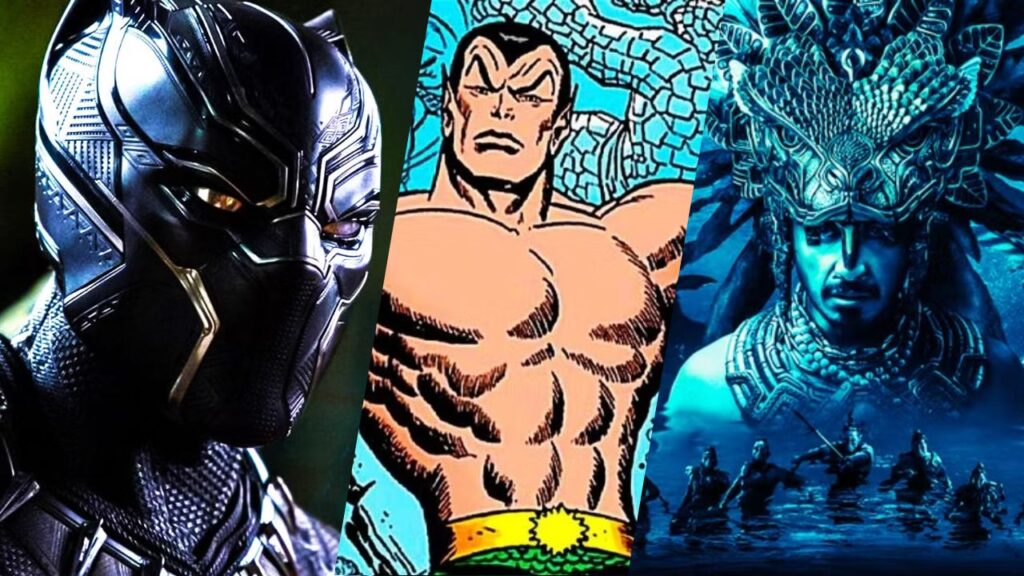
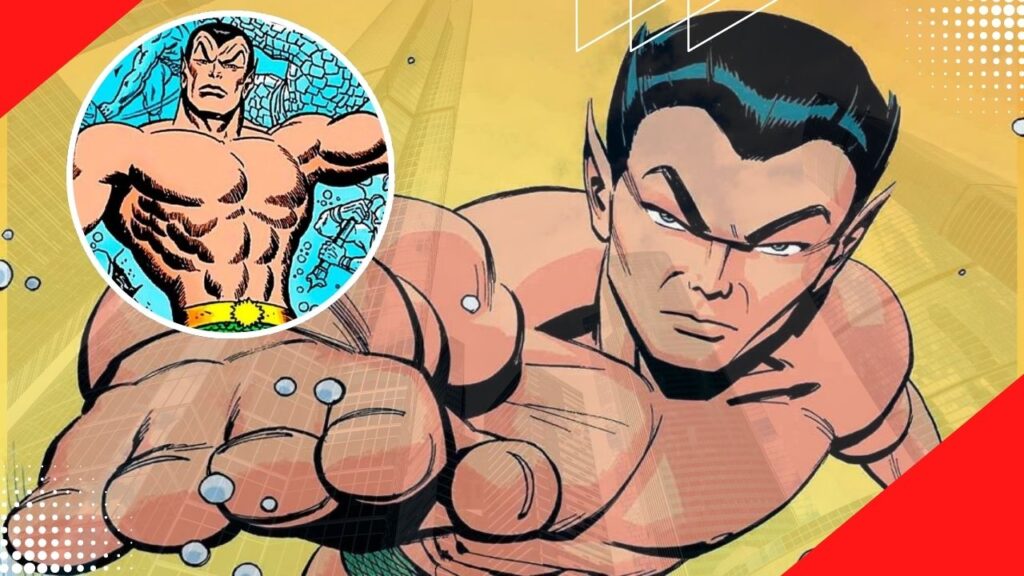
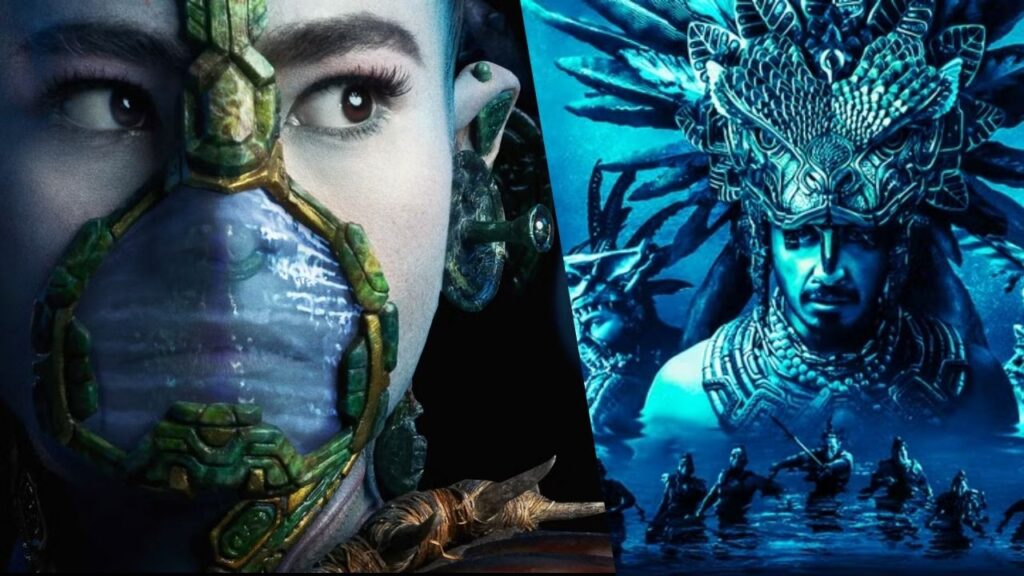
1. Namor: The Sub-Mariner Goes Classic
In Black Panther: Wakanda Forever, Decán’s visual was heavily inspired by Mayan and Aztec design — and it was breathtaking. But now that it’s Doomsday, DC is going back to his comic book origins.
According to Screenrant, Namor was seen wearing his signature blue suit, which includes a high, distinctive collar that fans of the ’90s comics will instantly recognize. So it’s a striking turn, and one that indicates he’s really leaning into being a global (and maybe inter-dimensional) operator.
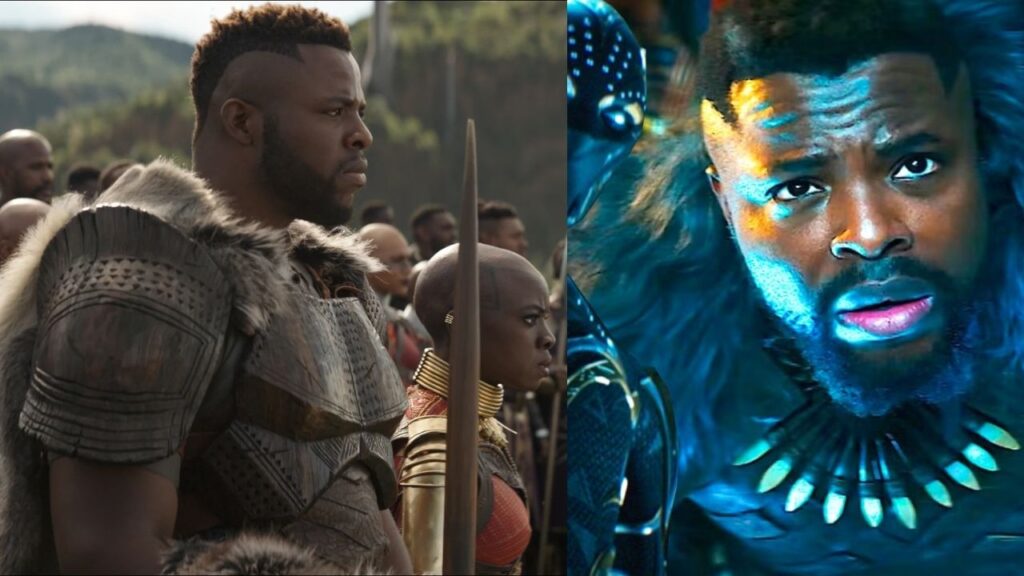
2. M’Baku: A King’s Ransom
Since then M’Baku has ascended as king of Wakanda too, and his new gear screams a big old “Big King Energy.” No more just traditional Gorilla Tribe armor. In the new trailer, M’Baku wears:
A long, majestic brown cape.
Detailed green metal strips that run through his armor.
A silhouette which proudly proclaims “head of the strongest nation on Earth.”
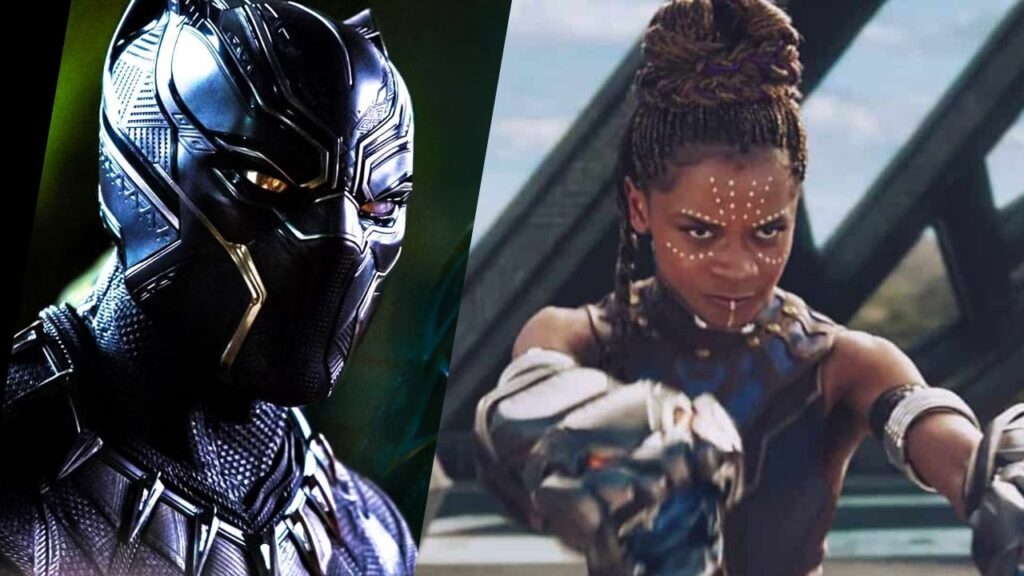
3. Shuri: The Black Panther Refined
“Shuri isn’t trying to fix what isn’t broken.” Her Black Panther suit remains largely the same as the one she debuted in Wakanda Forever, but some eagle-eyed fans spotted a handful of “tech-y” upgrades.
The suit has been updated with a few greenish hints and slightly different weaving patterns. Considering Shuri’s intelligence, these aren’t just stylistic choices — they’re probably new defensive abilities that will aid her against Doctor Doom.
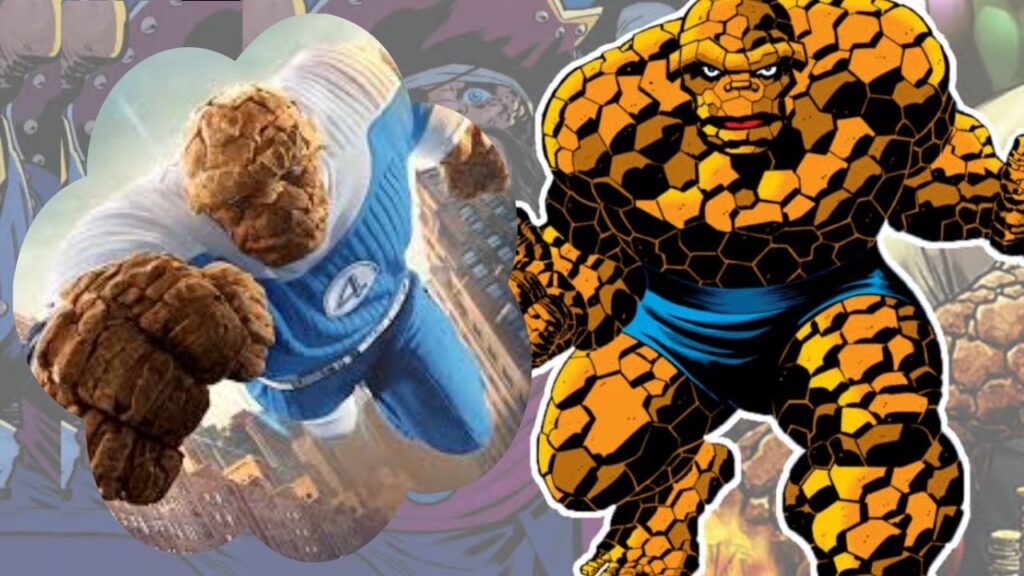
4. The Thing: Keeping it Fantastic
Ebon Moss-Bachrach’s Ben Grimm (The Thing) got a short but significant cameo. Now fresh from the events of The Fantastic Four: First Steps, he’s donning the very same retro-futuristic team kit we first got a look at in his solo debut.
Visual continuity is looking good as the Fantastic Four at long last are introduced into the main MCU timeline.
5. Namora: Talokan’s Finest
Rounding out the group of five is Namora. Her costume is largely unchanged from the first time we see her, but her appearance with the Wakandans emphasizes one crucial plot point: that the surface/sea alliance is still very much in existence.
They need that solidarity if they’re even going to have a chance against Doom.
What About the X-Men?
While the trailer had a lot of the Wakandans and extends to even more with the Fantastic Four, let’s not dismiss the brief, soul-shaking sighting of James Marsden’s Cyclops. He’s dressed in a bright yellow and blue costume that looks like it was pulled right out of a ’90s comic book cover. It looks like Avengers: Doomsday is finally serving up the “Uncanny” looks we’ve been waiting decades for.
Marvel is being very smart here. They’re merging the grounded, cultural designs of the MCU with the vibrant, brash look of classic Marvel Comics. Whether it’s Namor’s iconic collar or M’Baku’s regal cape, the message is loud and clear: the heroes are leveling up, because they have to.
Which new suit do you like the best? Personally, having a comic-accurate Cyclops and a “King” M’Baku share the screen has us already anticipating 2026.
Stay connected with the Fandomfans to find updates from the Marvel movies and characters.
Babita
Articles Published :
25
Babita is Fandomfans Editor, experience in managing content. Her focus in general movies and web series. She is having a deep interest in TV shows and 90s movies - particularly Lord of the Rings, Harry Potter, & Rom-Com. Babita also covers psychological thrillers and major releases in current time and concern with deep interest in them.