90s Movies List: That Proved 1999 Was Best Year for Movies
Explore the ultimate 90s Movies List proving why 1999 was the best year for cinema, featuring The Matrix, Fight Club, Magnolia & more iconic films.
Published: January 6, 2026, 1:03 pm

Explore the ultimate 90s Movies List proving why 1999 was the best year for cinema, featuring The Matrix, Fight Club, Magnolia & more iconic films.
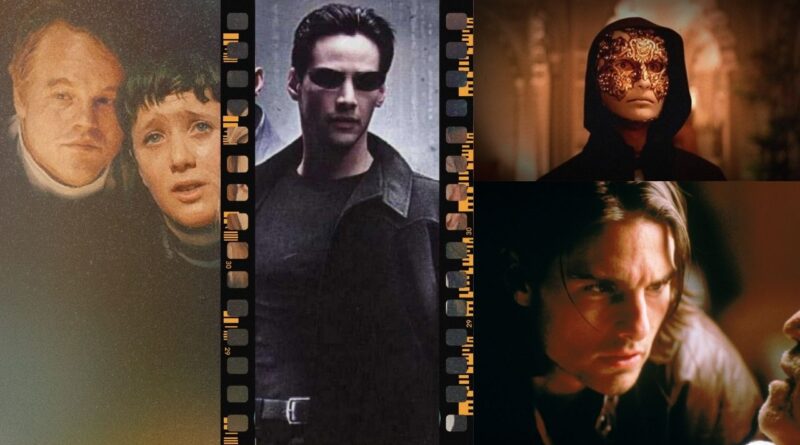
There is no question that 1999 was a blockbuster year for movies, with countless groundbreaking films that have defined popular culture. Here is 90s Movies List from the mind-boggling visual effects and philosophical musings of The Matrix to the shattering shock and surprisingly heartfelt emotional payoff of The Sixth Sense and the ferocious, anarchic spirit of Fight Club, each movie redefined the genre it was working in and spoke to its own particular audience. It was also a year in which directors and producers took a few chances and the final fruits of their risky labors continue to be enjoyed more than 25 years later. Truly, 1999 set a high bar for what cinema could be.
The last year of the last century was more than just a date on a calendar. It was a tectonic shift in Hollywood: the old guard of cinema collided with a new class of filmmakers who didn’t aren’t run the rulebook. Stanley Kubrick and Steven Spielberg still commanded respect (along with the likes of Francis Ford Coppola and Martin Scorsese), but a new generation was emerging — Spike Jonze, Sofia Coppola, M. Night Shyamalan, David Fincher, Paul Thomas Anderson — and rewriting what a movie could be. The year seemed like the zenith of everything the 1990s had been building toward — indie films gaining mainstream legitimacy, blockbusters getting smart, and moviegoers revved to engage with difficult, out-of-the-way tales.
And there was something else in the cultural air that year. The approaching millennium, and the year 2000, or Y2K, brought with it a sense of collective existential dread that many filmmakers sought to channel— albeit while celebrating the liberating spirit of the past. The upshot: it was a year that not only produced fine films, but fine films of, it seems, every possible genre and style.
When the Wachowskis’ The Matrix opened in March, they hadn’t simply made a movie — they’d changed the language of action cinema forever. Featuring revolutionary “bullet-time” visual effects and questions about the nature of reality, kung fu, science-fiction, and existential philosophy, The Matrix was like nothing anyone had seen before.
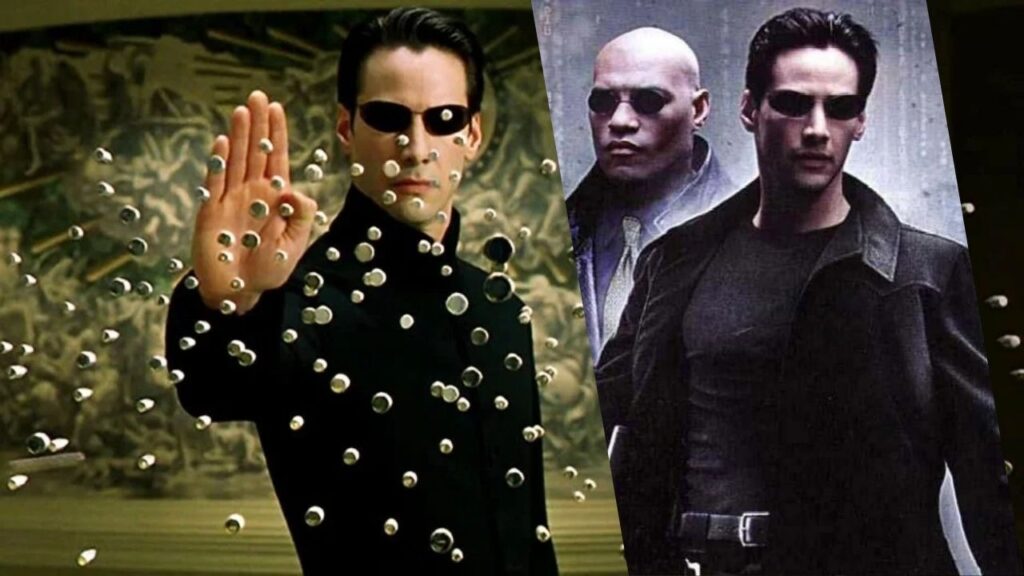
Keanu Reeves’ quietly assured turn as Neo has become iconic, with Laurence Fishburne and Carrie-Anne Moss also excellent. The film made $466 million worldwide and continues to inspire filmmakers today. What was remarkable wasn’t just the new technology — it was how that new technology allowed for the expression of high-level ideas about free will and reality that were easy to grasp.
M. Night Shyamalan made a striking debut with a psychological thriller that turned into a cultural touchstone. Bruce Willis, making a bid for dramatic respectability, was a perfect match for nine-year-old Haley Joel Osment in a movie that was really just a series of linked ghost tales. The movie’s legendary twist is one of film’s best kept surprises — an ending that rereads everything you’ve seen.
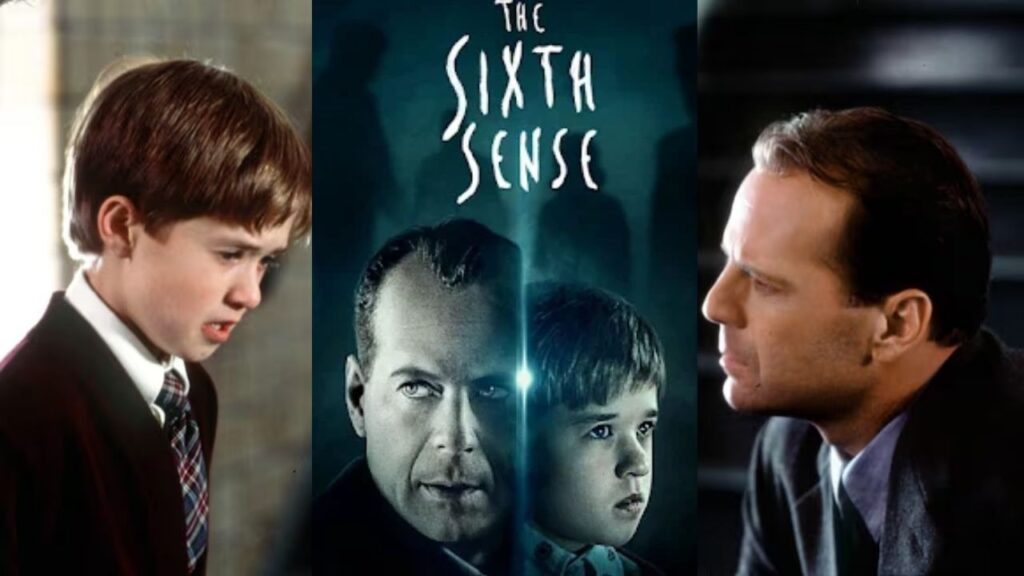
But the most important thing about the twist is that it didn’t come off as a cheap trick – it is earned, powerfully, through carefully-crafted screenwriting and emotional veracity. The Sixth Sense grossed $672.8 million worldwide to be the second-highest grossing film of 1999, and it still holds up as a tender thriller that’s all in suggestion, not blood.
David Fincher’s adaptation of Chuck Palahniuk’s novel was not only one of the most violently thought-provoking movies of the year. It was, paradoxically, one of its most rewarding experiences. What is discomfiting at first becomes addictive at second, third, and even fourth viewings. As the insomniac, crumbling narrator Edward Norton struggles not to fall under the spell of charismatic Tyler Durden, Brad Pitt dive bombs into a ferocious satire of consumerism, fragmented masculinity, and contemporary rebellion.
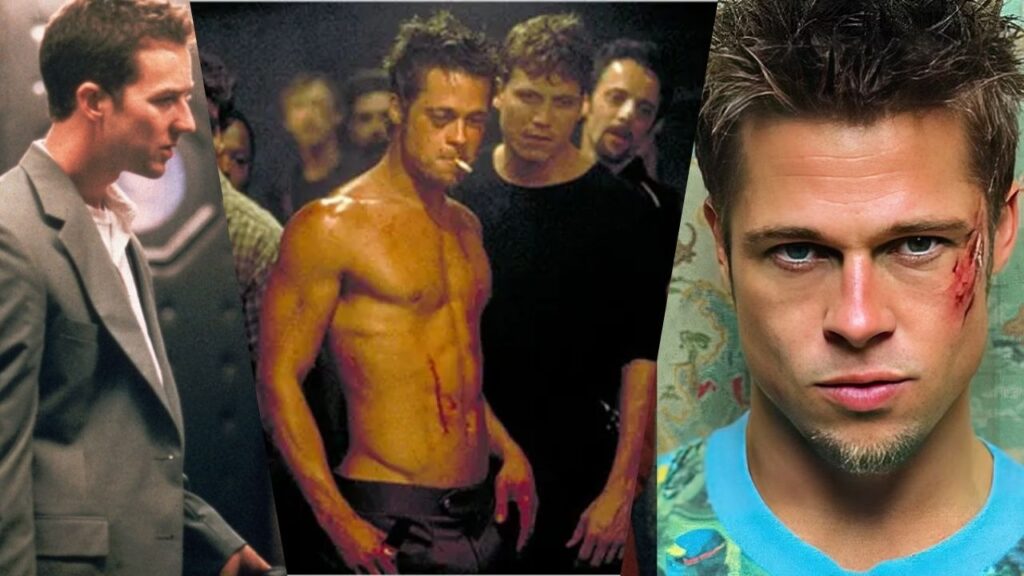
That film’s twist is quieter and morally ambivalent, and works by revealing a narrator’s split mind. With an IMDb rating of 8.8, Fight Club has risen above the backlash that it received at its release and has been seen as a film of true artistic merit masquerading as mindless entertainment that causes conversations about meaning and social critique.
Mendes (Bond) debuted behind the camera on features with the year’s Oscar darling, taking home five Academy Awards, among them Best Picture and Best Actor for Kevin Spacey. Darkly satirical about suburban American culture, the trend was immediately established – Mendes and screenwriter Alan Ball were revealing the emptiness behind Middle America’s perfectly trimmed lawns.
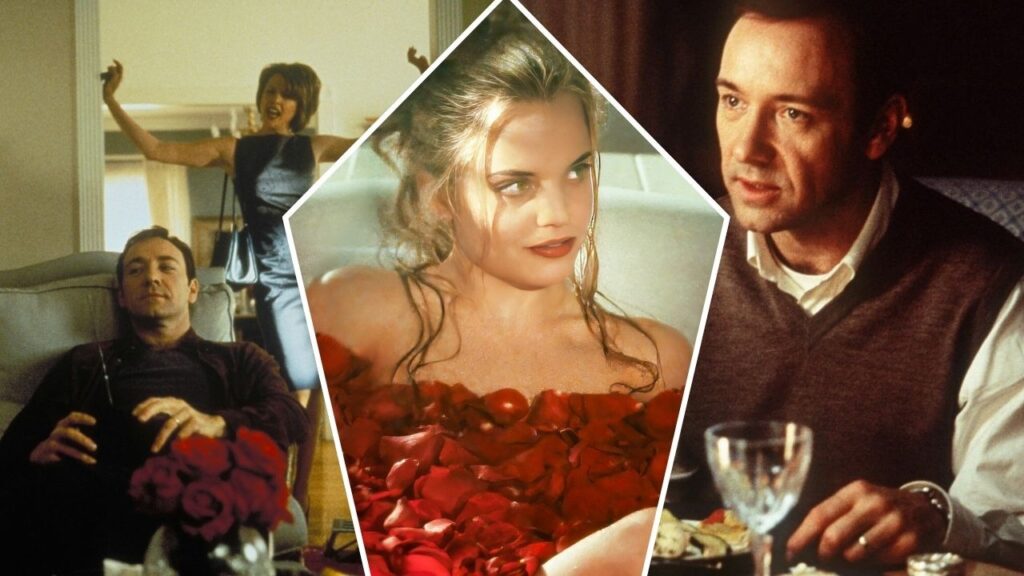
It was one of the rarest of things in Hollywood: a critics hit that also became a box office giant, raking in more than $350 million on an unassuming $15 million budget. That’s not to say that the film’s reputation hasn’t been reconsidered in recent years, though its impact on cinema is certainly undeniable.
The last film of Stanley Kubrick was meant to be his big comeback. What the viewers were offered was something much richer: a relationship drama hiding behind the trappings of a thriller, a farcical, sexual black comedy, and a reflective film on marriage and desire.
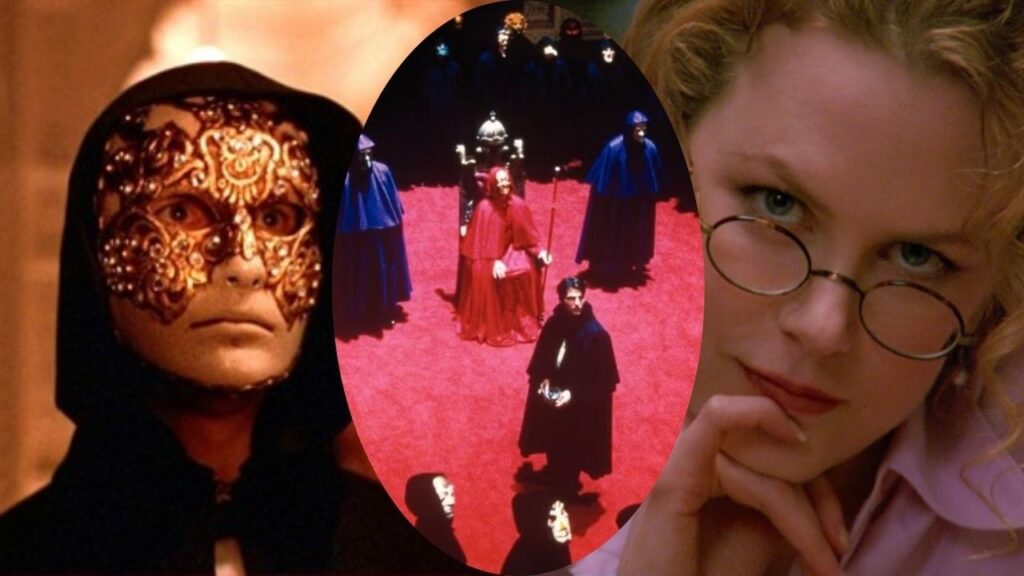
Tom Cruise and Nicole Kidman gave raw performances, and Kubrick’s obsessive direction turned a well-worn story line into something truly disturbing and thought-provoking .
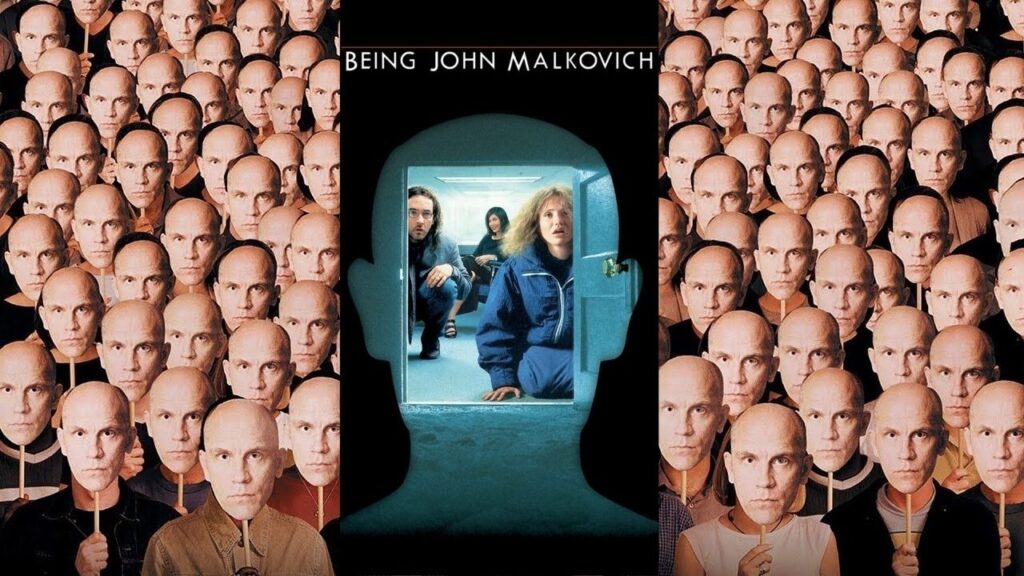
Spike Jonze’s first feature film’s concept, a portal into the thoughts of actor John Malkovich might have been a novelty, but Jonze uses it to examine identity, obsession and the nature of consciousness itself. Cameron Diaz, John Cusack, and Catherine Keener give surprisingly profound performances in what easily could have been a straightforward comedy.
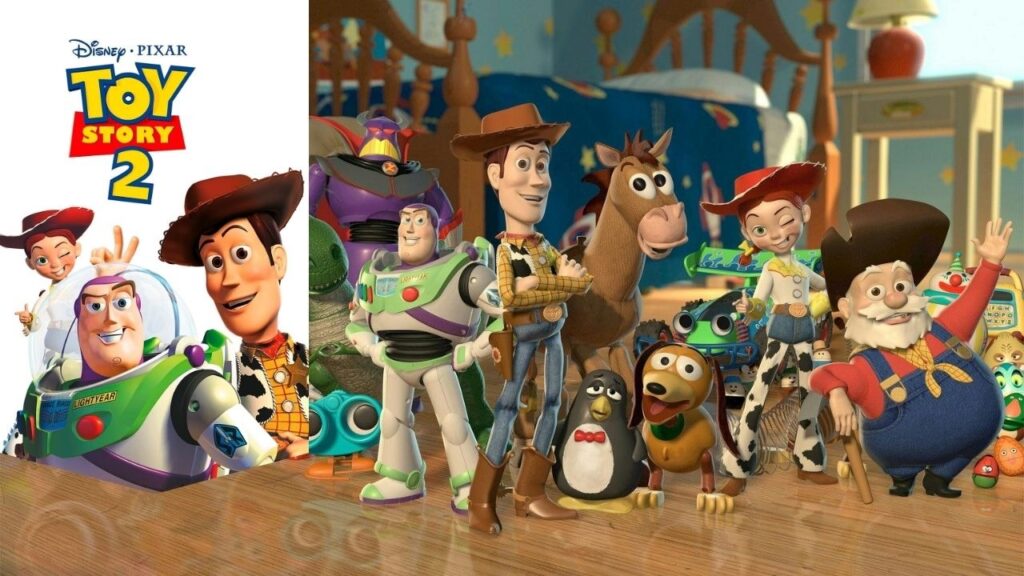
Toy Story 2 showed that animated sequels could say something artistically, rather than just being financial grabs. It helped establish Pixar as a studio that treats its adult intelligence and emotions—and it remains one of the most powerful films in Pixar’s entire library.
When it hit theaters in 1999, it revolutionized the horror genre with its use of found-footage style narration, minimal production costs, and a genius marketing strategy that obscured fact and fiction.
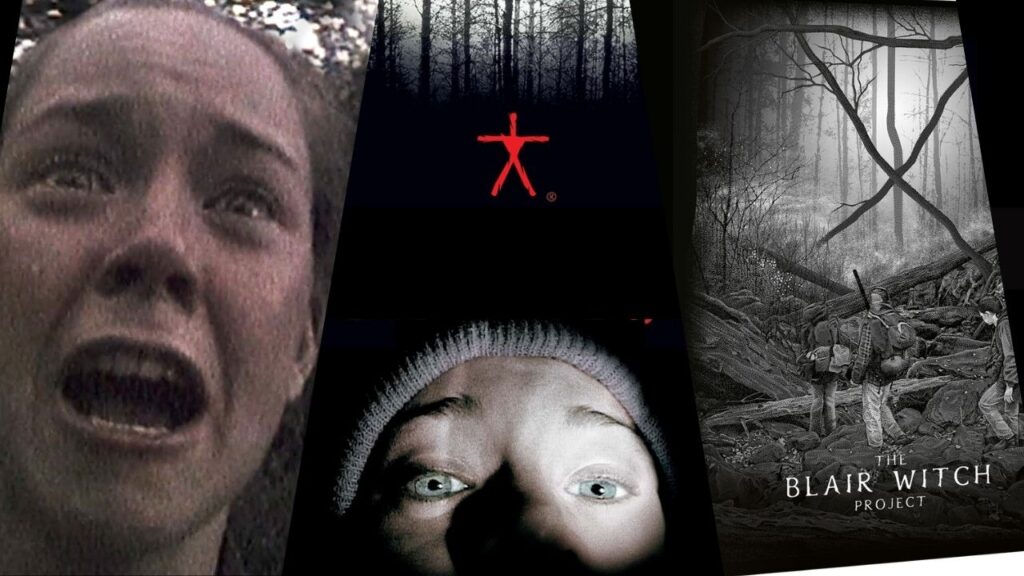
The Blair Witch Project become the excessive horror which success demonstrated that people could be entertained simply by a story and a mood, without elaborate special effects or movie stars.
Magnolia interlaces a number of connected stories throughout the day and night. At its heart, the film is about guilt, forgiveness, regret, trauma, coincidence and connection between people. The various characters’ lives intersect in small (and occasionally stunning) ways, leading up to one of the most-discussed finales in contemporary film.
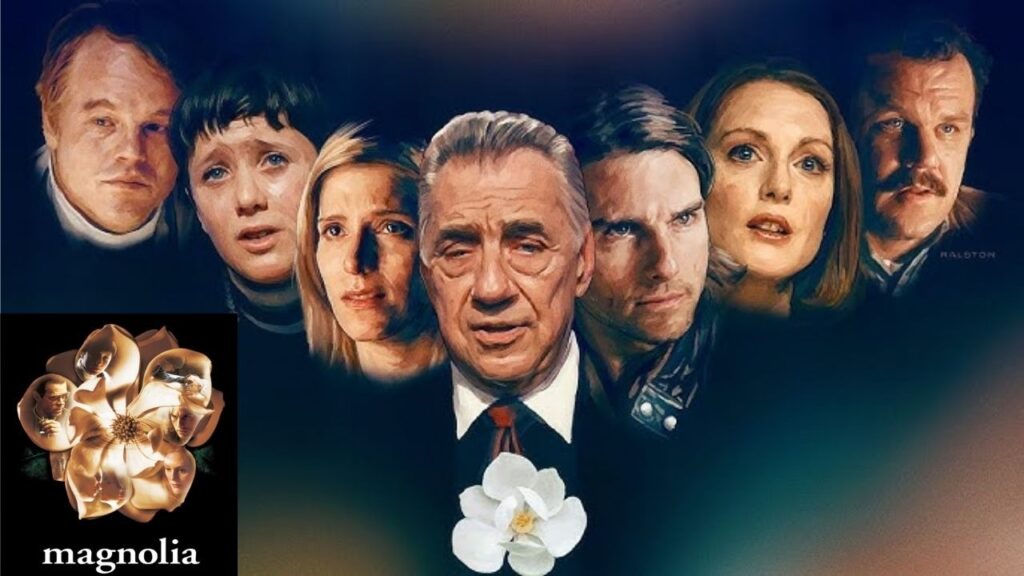
Magnolia is now considered a cult classic, and is often regarded as one of the best films of 1999 and one of the best ensemble films ever. It’s flawed and difficult, and so human — all of which is why it continues to provoke discussion more than twenty years on.
The “Best Man” (1999), directed by Malcolm D. Lee, is a romantic comedy that rode the wave of popularity of the genre back then. With a predominantly Black cast, the movie is about a group of college friends coming back together for a wedding. Taye Diggs is a rising novelist whose latest book causes trouble — it’s a roman à clef that draws on their own lives.
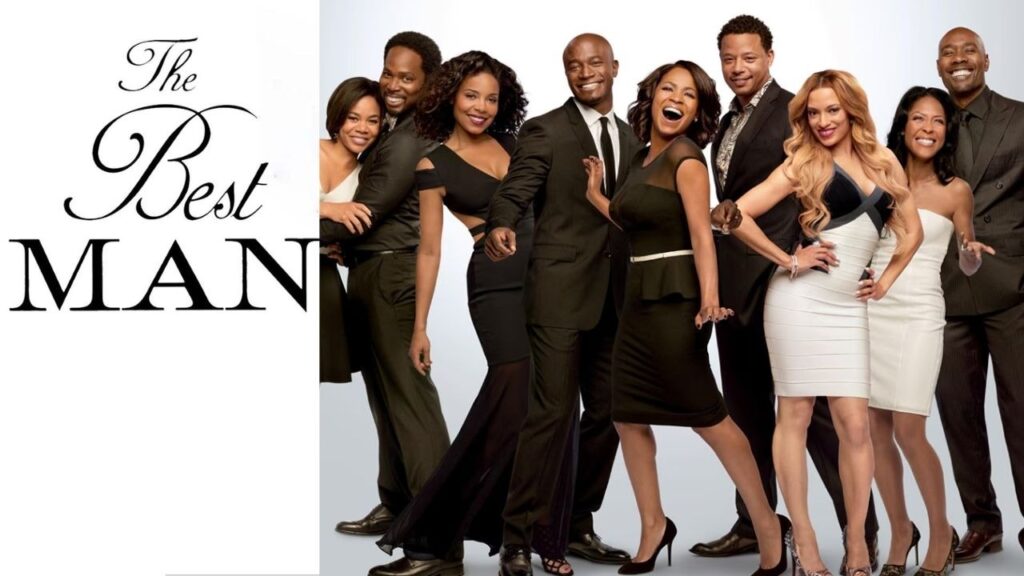
Warm, funny and sexy, the film was a box office hit and managed to distinguish itself without crass commercial exploitation or without being too blatantly positioned as a “milestone” in Black representation. Executive produced by Spike Lee, who is also the director’s cousin, “The Best Man” continues to hold a treasured place in the romcom canon.
Read More:- Critics Choice Awards 2026 Honor Best Performances — Top Winner List
What is interesting is that 1999 itself was not universally hailed as the best year in the 90s Movies List. American Beauty took the Oscar, but Being John Malkovich was more highly lauded. Fight Club divided opinions upon its release. It was a long time before audiences and critics as a whole realized what they had experienced that year: They’d been treated to something extraordinary—an entire year in which the movies seemed vital, even dangerous, and endlessly inventive.
In an era when blockbuster culture reigns and original concepts have a hard time securing funding, 1999 stands as a powerful testament to what can be achieved. It was the year that arthouse brains met Hollywood brawn, when first-time filmmakers could become auteurs overnight, and when a movie didn’t have to come from a known property to become culturally significant. Looking back, 1999 was not just a great year for movies — it was the year that movies proved that they still mattered.
Dive into the world of 90s movie list with Fandomfans and get every detail from your movies, series and celebrity.

"Wake Up Dead Man review: Superb performances and a bold storyline, but this Knives Out follow-up lacks the complex twists of the originals." Learn more..!
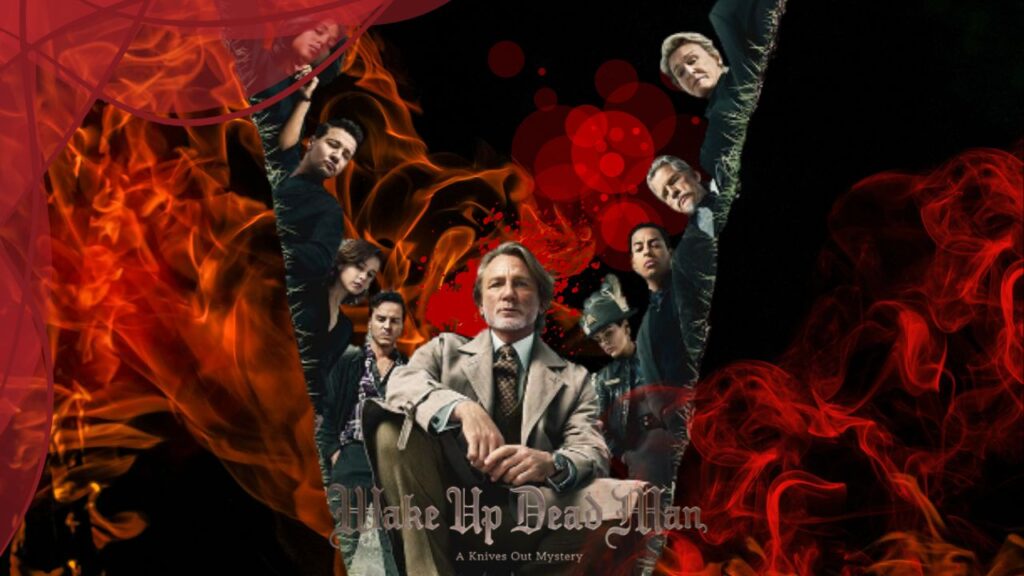
The late 2025 launch of Wake Up Dead Man: A Knives Out Mystery is a high-stakes moment for one of the greatest IPs in modern moviemaking. Taking its place as the crown jewel amongst writer-director Rian Johnson’s body of work, the Knives Out franchise hasn’t simply breathed new life into the “whodunit” genre, it has transformed it into a tool for sharp social commentary, adapting the warm tropes of Agatha Christie to unpack the unsettling realities of 21st-century American class relations.
Coming off the sleeper theatrical success of Knives Out (2019) and the opulent, streaming-centered cultural moment of Glass Onion (2022), this third entry arrives with the weight of an inherently high-stakes legacy and the burdensome $450 million payday by Netflix.
Although the film has received overwhelmingly positive ratings—for example, it currently has a Rotten Tomatoes rating of 96% to 100% in the wake of its premiere at the Toronto International Film Festival—a close read of the reviews reveals a series struggling to find new energy in its satirical bite and its narrative mechanics.
The biggest departure in Wake Up Dead Man and the cause of most critical dissent is its bold structure. Johnson seeks to destabilize the standard whodunit paradigm not in the question of who did it, but in the mode of storytelling.
Everything has been turned on its head in what is being called a “subversive” and “harmful” marketing move: The franchise centerpiece, Benoit Blanc (Daniel Craig), does not show up until the 45-minute mark. This decision in narrative style changes the whole DNA of the whodunit.
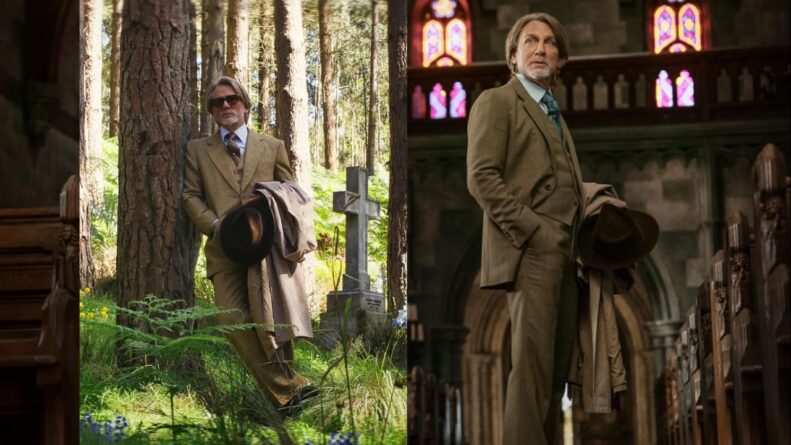
The movie devotes its whole first act to introducing the “victim,” Monsignor Jefferson Wicks (Josh Brolin), and the main protagonist/suspect, Father Jud Duplenticy (Josh O’Connor). The viewer is so deeply ensconced in the personalities of the Chimney Rock group, the history of the church and even the philosophical divide between Jud and Wicks that the arrival of law enforcement feels intrusive. The point of this construction is to give the mystery an emotional charge — the murder is not simply a brainteaser, but a tragedy involving characters the audience has come to know.
Reviewers said the first two reels of the film are slow. By the time the detective, Blanc, finally makes his appearance, most of the puzzles are already set on the table, so he’s not quite as active and important as he was in previous entries. He’s more like a “buddy cop” partner to Father Jud than the main engine of the narrative.

With Blanc arriving so late, the first act becomes a drama — nicely acted, but lacking the strong mystery “hook” that normally pulls audience in. That’s why they thought it was “far too long” to get truly started.
The movie borrows from a classic play, “the locked room” mystery, in which a murder takes place inside a church during a service and only the congregants could be suspects. The premise is entertaining — a seemingly impossible murder with no weapon or assailant in sight, inspired by old-school authors like John Dickson Carr.
Reviewers enjoyed the classic Christie-style tone, but many thought the answer was both a little too complex and still too easy to guess. Since the killer could be identified by the audience rather early on, the mystery was not very surprising and some considered the film to have lost the unpredictable energy that made the previous Knives Out films so exciting.
The film’s primary antagonist Monsignor Wicks is a gaunt, terrorized priest who wields religion as a tool of oppression, placing him among the more blatant political extremism and faith abuse in the stacked deck of the film. The movie even sets him up against the gentler Father Jud to illustrate the difference between poisonous institutions and real spirituality. But many reviewers found the satire too on the nose and “safe.”
The portrayal of Wicks is made so blatantly villainous that the satire feels toothless and uninspired, especially when compared to the cutting, dangerous satire of the earlier Knives Out films. It makes the criticism feel routine and less hard-hitting.
Read More 👉 An Exhaustive Strategic and Narrative Analysis of Eva Green’s Casting in Wednesday Season 3
Reviews say the movie is bigger than Knives Out but not as sharp as Glass Onion, and many feel it doesn’t have the tight, focused writing of the first film. It also plays it safe, leaning on well-worn mystery tropes rather than attempting to surprise or outsmart its audience.
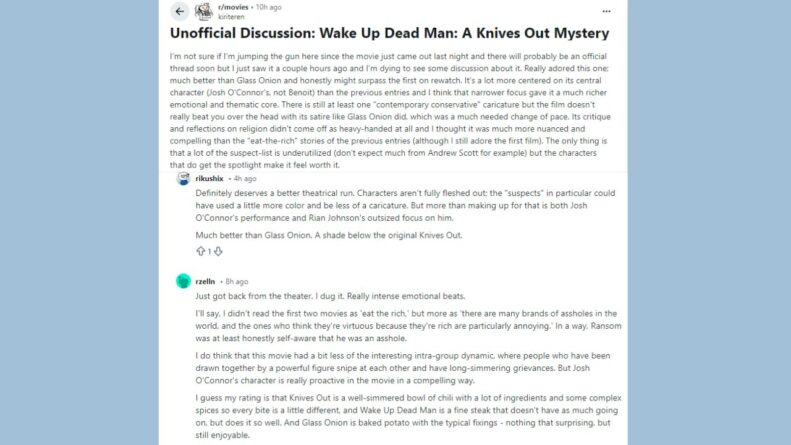
Although the storyline can appear to be baffling at the beginning, the twists are quite predictable, which causes the mystery to be foreseeable and less emotional. Without a clever, mind blowing reveal, the ending just feels mundane.
Wake Up Dead Man is a “safe” triumph—a film that refines the form but loses the anarchic, punk-rock energy that made Knives Out a sensation. It’s a mystery that insists on being watched for its craft, if not one that will be viewed again and again as its antecedents have been.
Moving forward with the franchise, Johnson has a choice— he can continue his journey toward introspection and “cinema,” or he can come back to the tight, aggressive storytelling that made the original a searing experience. The “Knives” may still be out, but this time, they seem a little less sharp.
Fandomfans is an entertainment source which delivers consistently every movie reviews analysis and audience reception for a Wake Up Dead Man movie.
The revelation of the official synopsis for Spiderman 4 "Peter Parker is no more." creates a buzz around the MCU fandom before Spider-Man: Brand New Day trailer
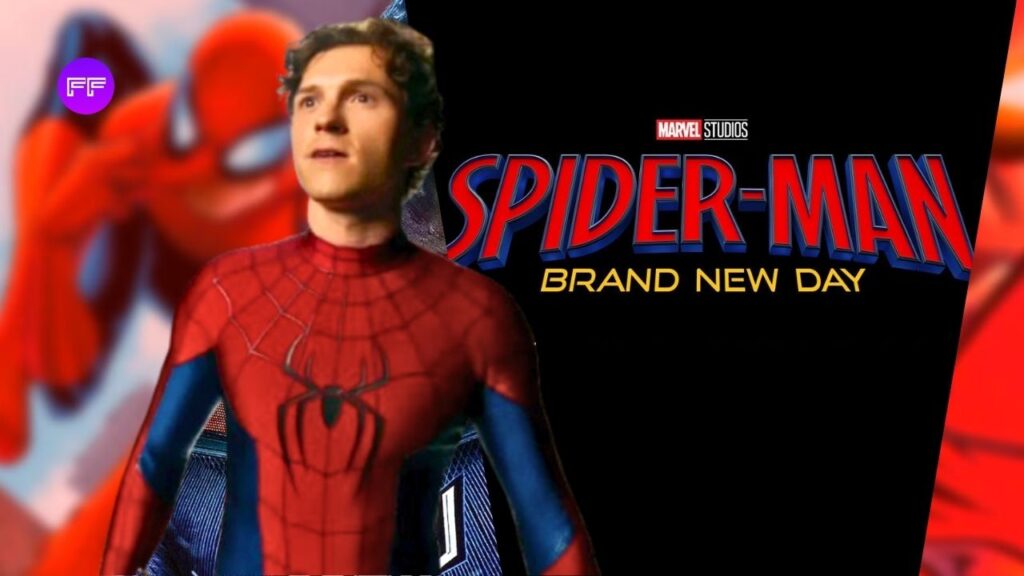
History’s largest movie franchise, the Marvel Cinematic Universe (MCU) is going through a massive shift as it nears the end of its Multiverse Saga. Topping this change is Marvel’s biggest and best-loved hero: Spider-Man. Spiderman 4 to be released worldwide theatrically on 31 July 2026, the fourth MCU Spider-Man movie has been officially named Spider-Man: Brand New Day.
It isn’t just “another sequel” — it’s the 38th film in MCU timeline, and a direct lead-in to the big crossover event Avengers: Doomsdays.
A flurry of excitement was unleashed when the movie’s official synopsis was inadvertently revealed via a product listing for a Penguin Random House art book, Spider-Man: Brand New Day – The Art of the Movie. The line that caught everyone’s attention was a haunting:
“Peter Parker is no more.”
That one sentence sent tremors through fans, the media, and those within the industry. It’s pointing to more than the usual character arc and it’s pointing to a total identity change, emotionally and psychologically. This is more than Spider-Man growing up now, isn’t it? Not killed, died, it’s just the disappearance of Peter Parker, it’s more terrifying than the end of Spider-Man.
Under the direction of Destin Daniel Cretton, the film will be darker and grounded, more vigilante and less friendly neighborhood hero. Based on early production details and story speculation, Spiderman 4: Brand New Day will be an extremely emotional tale of loneliness, and identity. Peter isn’t just battling bad guys anymore — he’s battling his own humanity.
What Marvel is building here is so much more than action and spectacle. Marvel Studios and Sony Pictures seemingly are “resetting” Spider-Man’s emotional core, at least intentionally. The familiar high-school coming of age story is being eschewed for something heavier, rawer and more adult — a story about trauma, sacrifice and psychological survival.
The synopsis has it clear that this is definitely not anyday Spider-Man tale. Spider-Man: No Way Home was four years ago, and the now-locatable Peter Parker is a mere memory on the other side of the world. Only Spider-Man, no family, friends, or corporeal identity.
In New York, he’s now working alone. Gone are his friends, his family, his name – all that’s left is Spider-Man. “Without a personal life to protect, he is quicker, more ruthless and more experienced than ever.
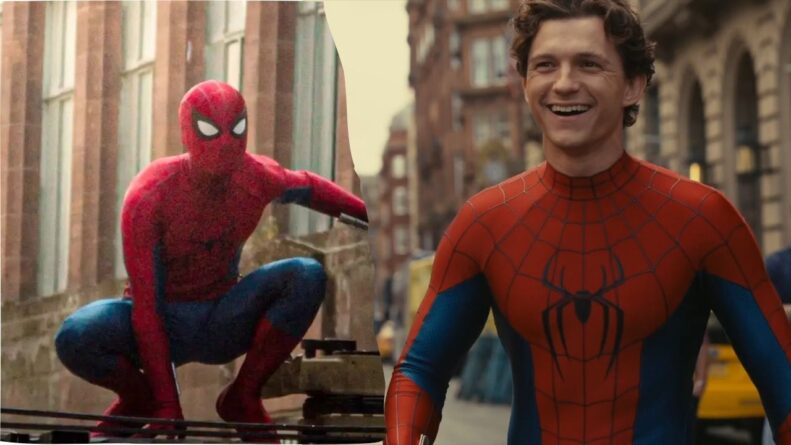
He’s no longer a confused teenager — he’s now a hardened, full-time vigilante. The time jump is realistic too. It is a natural progression for Tom Holland’s aging and for maturing Peter to make the transition into early adulthood, skipping the emotional chaos that comes after the memory spell. Rather than showing his collapse, the narrative shows the damage: a tougher, emotionally distant Spider-Man, hardened by years upon years of isolation.
There are fewer threats at the multiverse level within the narrative itself. The movie deals with a cloak-and-dagger crime spree, not a world-demolishing bad guy, so this is going to be more solid, detective fiction. Besides punching, this spider-man is investigating, following leads, and going undercover in mob organizations. It’s closer to home, street and noir.”
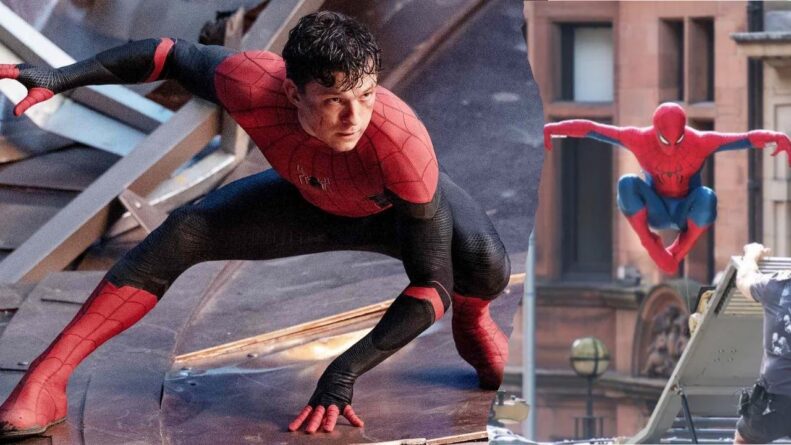
Doctor Strange has rendered Peter Parker a stranger to all’s memory, but the past is still not forgotten. The consequences of what Spider-Man has done in his past are coming back to get him. His superhero history is authentic, and those he hurt, or who were aided by that, still haven’t forgotten Spider-Man.
That’s where guys like Mac Gargan (Scorpion) from Spider-Man: Homecoming comes back into focus. It suggests that his old enemies, past business and past pain could return to haunt him.
The line “Peter Parker is no more” is not meant to be read literally—it is psychological. Peter isn’t murdered as a human, but he has emotionally erased himself. Instead of starting over, Peter refuses to start over. He’s lost faith in the idea that loving people doesn’t just lead to them getting hurt — the safest recourse is to stop being human and exist only as Spider-Man.
Now, he doesn’t try to live a normal life. No college, no relationship, no friendship. He lives a double life no longer — the mask is the man now. To be Spider-Man is his way of coping, his punishment and his salvation. Fighting crime is the only thing he has to live for.
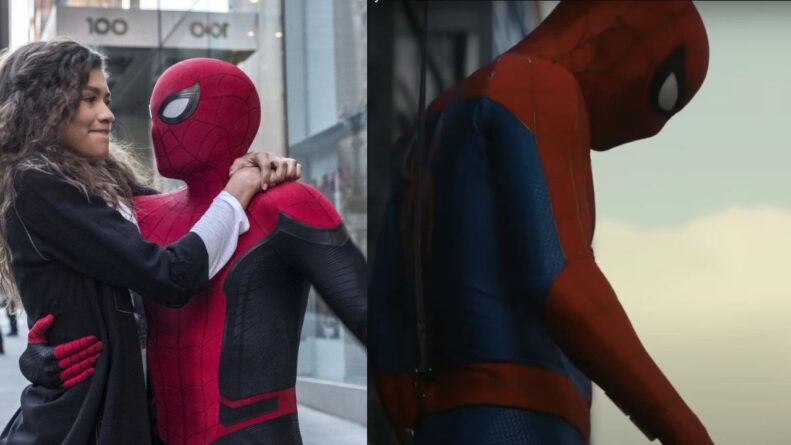
That’s why the story is deeper and feels darker. This Spider-Man belongs much more to the characters Batman or Daredevil are: lonely, obsessive, isolated and anxious, shaken by trauma not inspired by hope. It’s a big shift from the light, teenage, fun version of Spider-Man we saw before.
Even Tom Holland has said that this film is like a rebirth and not just a sequel — it’s the start of a new chapter for the character.
Fans are divided. Some have embraced the darker tone, more mature writing(yes, that’s definitely subjective), and want to see a Spider Man forged through actual loss and sacrifice. Others fear the loss of what made Peter unique – his warmth, his kindness, his human quality. Many expect the real emotional fight of the film to not be battling bad guys but answering one question:
Could Spider-Man Live Without Peter Parker?
The darker, moodier tone of Brand New Day has its roots in one man: Destin Daniel Cretton. Following Jon Watts’ departure, Marvel handpicked Cretton – intentionally, not to revisit the old style, but to alter the very tone of Spider-Man’s universe.
Cretton (Shang-Chi and the Legend of the Ten Rings, the upcoming Wonder Man) has said that the goal was to build something that “feels different”.
The earlier Spider-Man movies were brightly lit and colorful and fast and fun — teen comedies with giant action scenes and global adventures.
Cretton’s point of view is entirely different. His direction is always character based and personal and with a grounding in reality. Spiderman 4 will be darker and leaner and more personal and taking place primarily in the streets, shadows, and the unvarnished actuality of New York. Swap the dazzling graphics and global chaos of the original for a more laid-back style.
What Brand New Day wants to do is bring Spider-Man back to his roots. No mystical portals, no alien invasions, no multiverse business. This is a story of crime and double-cross in the underworld of the city.
Spider-Man is up against a whole crime organization – a tiered system of gangs, mercenaries, and crime lords – not just one supervillain. “It’s just not about cosmos anymore.” The plan is to take over and demolish New York’s subterranean, rack by rack.
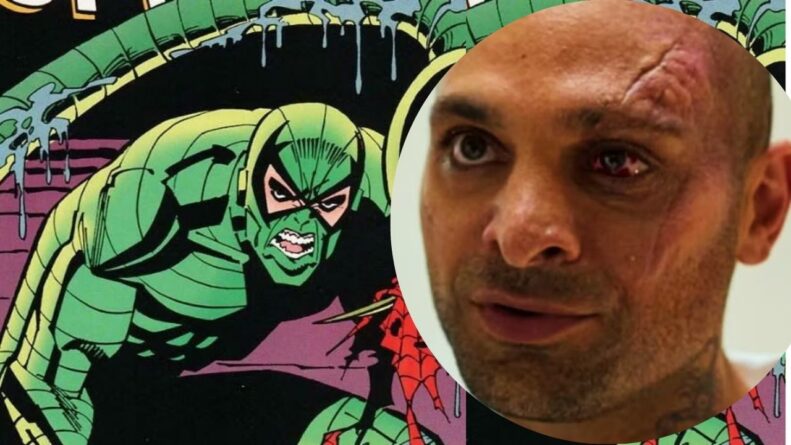
The threat is Michael Mando’s version of Mac Gargan (Scorpion) He’s unresolved business, not just a baddie. His hatred towards Spiderman 4 was established in Spider-Man: Homecoming and now that Peter Parker is dead, his rage is only directed at the mask. This is personal, physical, and emotional danger.
Then there is the Lonnie Lincoln (Tombstone) — the mob boss persona. He is predicted to be the brains of the city’s criminal world: savage, potent, organised and strategic. He is “the system that Spiderman 4 is fighting, not just some guy.” Well, yes he is …
And then there are other villains adding layers to the peril:
They’re a crime buffet, not a single entree of serving an adversary. Spider-Man isn’t going to go up against one villain, he’s going to go up against a crimelord organisation.
It changes everything about the action and tone. The fights won’t be flashy CGI battlegrounds; they’ll be raw and tiring and physical and dirty. Without Stark tech and without Avengers backup, Peter has only his body, his mind, and his will.
Spiderman 4 is emotionally isolated in his own world, but not in the MCU. Brand New Day (the second arc in Spider-Man’s new ongoing series) will introduce two major Marvel characters — and they aren’t cameos.
Hulk reverting into the Savage version is an interesting choice for Marvel to go with, especially in light of Spider-Man’s own dilemmas. The change that Bruce Banner undergoes to become an unstoppable force is similar to the metamorphosis Peter Parker goes through from ordinary teenager to masked avenger. It’s a poignant examination of how the measures of heroism shift-morphe-and eat-up-hero.
Spider-Man vs. the Hulk two men down and struggling with their own inner demons, not a contest of muscle. Given that they are both struggling with issues of identity and control, their battle may be a meaningful metaphor for trauma and holding on to your humanity even when your world is shaking.
This narrative possibility is above the action – it looks at the cost, emotionally and psychologically, of being a hero and is a winning narrative for either character’s fans.
The ultimate in unhinged vengeance is the Punisher, Frank Castle, a deadly vigilante. He’s not a cagey or runner type, but more of a kill-em, throw-em, take-em, be-his-merciful-breath guy, which definitely is not Spider-Man’s style. What he does is a horrifying version of what trauma can do.
The Punisher is to Spider-Man what Venom is to Spider-Man – a dark reflection, what he might be if he had no morals. Three times over, Peter Parker is lonely, angry and heartbroken, and that blur between hero and executioner becomes terrifyingly real if grief turns into rage.
The Punisher is a warning: a stark cautionary tale about what happens when you lose yourself in vengeance and anger. For Spider-Man, the thing that kept him from doing that, even when believing that life had the value, even – for those who do wrong – was Why Won‘t You Punish Them.
One of the great enigmas in Spiderman 4: Brand New Day is Sadie Sink and who she’s portraying. Marvel has kept her role under wraps and that silence has only fueled the speculation. Industry insiders even suggest her character could influence the future of Marvel in a big way, hence the internet’s obsession over this casting.
There are a bunch of theories, but they can be sum up as two main zones:
Others say she could be some big cosmic or multiversal figure — such as Shathra or even Jean Grey. These concepts derive from leaked dialog and Marvel’s plans for mutants and multiverse arcs long-term.
Adding omega-level or godlike mutants would completely disrupt the tone of the movie. It was going to be so wide-ranging, so cosmic,and too disconnected from the personal, poignant story that Spider-Man tells.
There are other theories that are far more appropriate to this film’s vibe. Characters such as Rachel Cole-Alves, Kitty Pryde or Firestar would fit right in in a street-level Spiderman 4 book. These are officials in the Punisher world, mutant plots, or classic Spider-Man lore — but they never overpower the narrative.
The coolest theory isn’t that she’s a cosmic goddess or multiversal entity — it’s that marvel is purposely misdirecting people. Fake dialogue, managed leaks, and misinformation are part of the ruse to keep the actual narrative from being spoiled.
What sounds most like this is:
Sadie Sink doesn’t play a character who will be blasting the multiverse to bits, she’ll be blasting Peter. If anyone was going to question the line “Peter Parker is no more”, it would be this character and the challenge won’t be for power, but for connection.
Read More 👉 George RR Martin Narrative Parallels Between Baelor Breakspear and Oberyn Martell
The Spiderman 4: Brand New Day title isn’t just title whiplash, it actually does have a basis in Marvel Comics history. That title brings back many memories for Spidey fans, plus it’s a pun on the Brand New Day comic arc.
In the comics, Brand New Day was set after a story arc called One More Day and the fans despised it. Because:
In that story, Peter bargains with Mephisto (Demon) for Aunt May. And for that wish he had to sacrifice his marriage to Mary Jane Watson annulled, and erased the world’s knowledge of his secret identity.
The character reset Spider-Man’s life back to the days when he was single, broke and struggling — but fans said it was lazy and forced and disrespected the growth of Peter’s character. It resolved major emotional troubles via a way-too-easy magical fix instead of real storytelling.
Peter Parker exemplifies the heroism of the greater good by sacrificing not just his identity, but the personal relationships that he had cultivated with MJ, in doing so showing what it truly means to be a hero.
That decision adds much more weight to the narrative, making his death not just a handful to keep the plot moving, but a genuine, impactful gut punch to the story.
By using the ‘Brand New Day’ title, Marvel is making it clear that there is a clean slate Spider-Man story starting now. It’s about a new day, a new start crafted with emotional resonance and purpose, and with absolute respect for the history of the character. It gave the fanbase the assurance that these changes were well thought out and true to the spirit of Spider-Man’s journey.
The Spider-Man 4 story was not announced with a big Marvel press release – it leaked out via a Penguin Random House listing for a Marvel art book. Instead of damaging the film, the leak only increased hype, with fans swarming Reddit, X, YouTube, and news sites with theories and excitement and none of it actually paid for by Marvel.
Marvel has also intentionally postponed the release of the trailer. It didn’t run in the Super Bowl because of that. This is a plan, not an incident of happenstance. They’re creating a hype before the launch of its trailer just like they did before with Spider-Man: No Way Home
Spiderman 4 ensures a full, uncompromising, exploration of the mind-bending effect of heroism, revealing in brutal honesty that although the public may desperately need a saviour, the act of saving forces the self to be completely destroyed.
With the July 2026 release date of Spiderman 4: Brand New Day now only around the corner, the global entertainment industry is eagerly watching to see if this bold psychological and tonal shift will catch an audience presumably expecting the traditional, friendly neighborhood Spider-Man, or instead be met with a shattered man grasping at a mask.
Fandomfans delivers the updates from movies that cover every corner of the story.