What Marvel’s X-Men Lineup Could Look Like in the MCU
Explore Marvel's potential X-Men lineup in the MCU, from Wolverine and Cyclops to Storm and Jean Grey, and what it means for the future.
Published: June 1, 2026, 12:31 pm

Explore Marvel's potential X-Men lineup in the MCU, from Wolverine and Cyclops to Storm and Jean Grey, and what it means for the future.
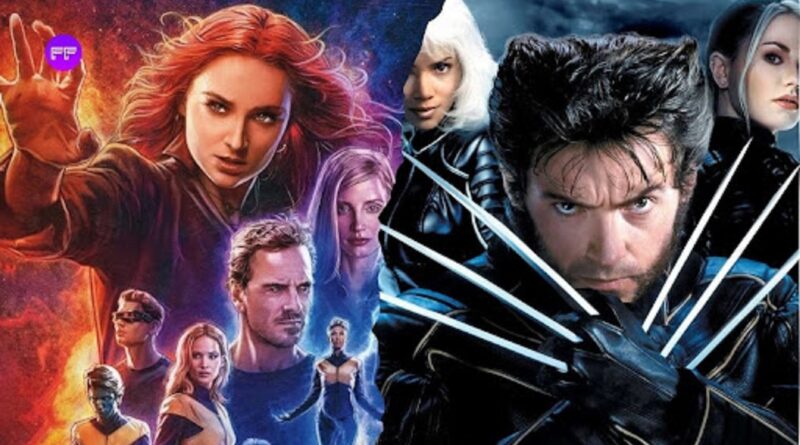
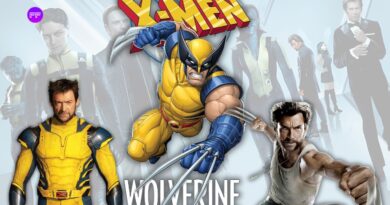
After years of confusing cameo appearances from Patrick Stewart, finally it’s time, X-Men are joining Marvel Cinematic Universe. What fans are really excited about is how Marvel will introduce the entire team of mutants into a universe. Whether it’s powerful Logan or Jean Grey, those characters need something new which makes a surprise for fans. Let’s look into what Marvel’s X-Men line up could look like in the MCU.
X-Men films generated its fanbase for years and Logan deserves all the praise it gets for that. But the franchise doesn’t keep the films continuity, whether it’s Days of Future Past which tried to reset the timeline or Dark Phoenix that tried to close it out, both films didn’t do any favor to the franchise.
Now Marvel got their rights back on the franchise, they will take a fresh start or honor what Fox built is a big question. It looks like they’re doing a carefully managed fresh start according to the confirmed report. The 2024 announcement of the X-Men film, along with the tease of mutant characters filtering into other MCU properties first, suggests Marvel wants to seed the ground before the big harvest.
They are going to introduce mutants one-by-one in Disney+ shows, in other films, in post-credits scenes and then bring them all together in one X-Men movie. Marvel always cared about the character, they make you love the character just like they did with Avengers. It worked because fans cared about each character individually, now that same treatment X-Men deserve.
There are a lot of characters for Marvel to bring out at first, they probably won’t bring all of them. What’s more likely is a focused core team — six to eight members — built around characters who can carry emotional weight and generate interesting dynamics. Think less ensemble chaos, more deliberate character work. Here’s who feels most essential to a first MCU X-Men outing:
(Field Leader)
Cyclops is a more interesting, serious, and infuriating leader in the comics but Fox films are never able to bring that full personality of Scott Summers’s Cyclopes on the screen.
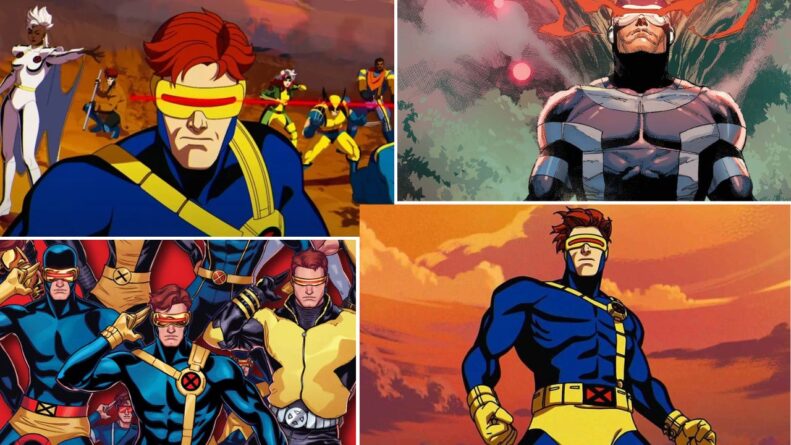
Marvel knows Cyclops deserves a chance to be the one who cares so deeply about the mission and is willing to take hard decisions. He’s the necessary one. A complex antihero-adjacent leader is exactly what the MCU’s X-Men need to feel different from the Avengers.
Read Also: Marvel Just Dropped Major X-Men Reboot Updates — Fans Won’t Believe It
(Omega-Level Telepath)
Jean Grey is one of Marvel’s greatest cosmic stories with an emotional heart which Scott loves. The character has a long-term storytelling potential as the host of the Phoenix Force.
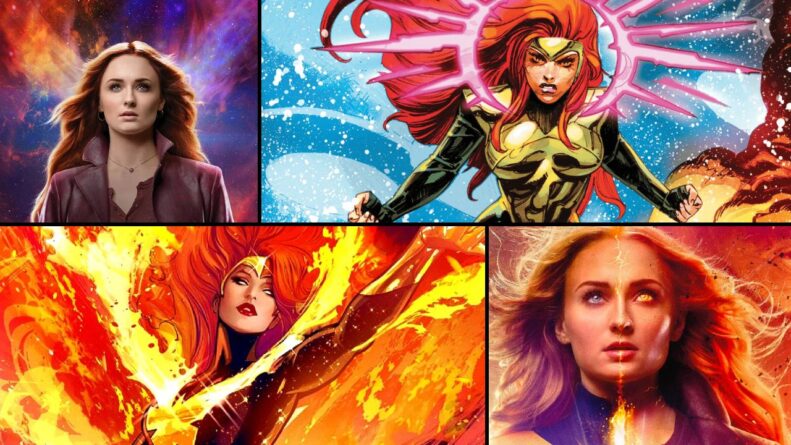
Fox films didn’t introduce her as a fully grown character who gets over her fear of her own power, relationship with Charles Xavier, and her bond with the rest of the team. Everything all together suffocates the character, it needs some space before the Phoenix saga even comes into play.
(Weather Manipulation)
Halle Berry’s Storm is one of the great what-ifs of the Fox era, a character which has so much potential if they write it well. The MCU version needs to be a queen.
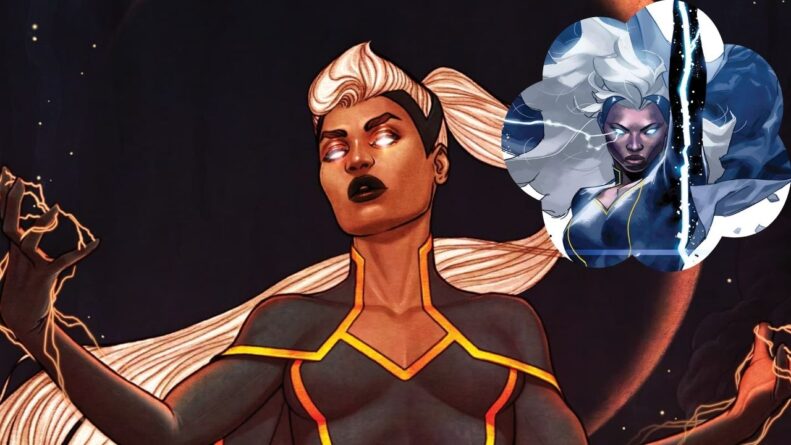
She should feel like the most powerful person in any room she walks into, as her backstory shows she inherited royalty from a goddess in Kenya. So she deserved a personality which carries a respect of authority and command.
(Berserker / Loner)
Hugh Jackman’s Wolverine became the most successful and loved character of X-Men. He gave outstanding superhero performances for seventeen years and ended it perfectly in Logan. Then appear again for Deadpool & Wolverine in 2025 because MCU needs new Wolverine but recasting it would be a huge challenge in Hollywood history.
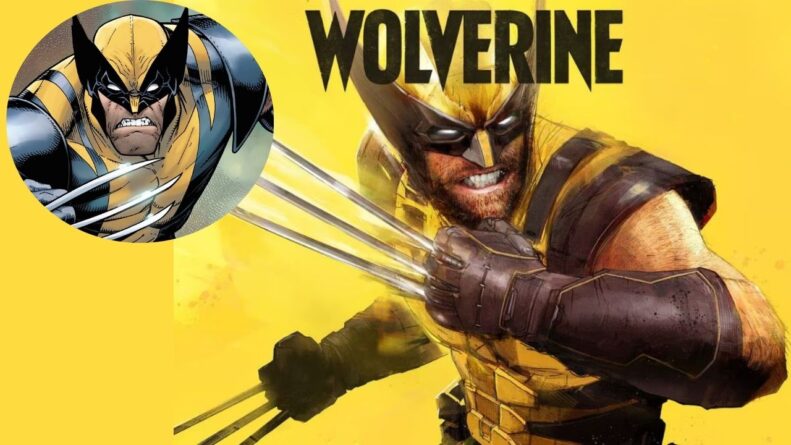
Whoever steps into the role needs to own the character like Hugh Jackman who brings the character to life through intense rage, tragic past, and surprising kindness towards the innocents whom he protects.
(Scientist / Strategist)
In the MCU, Bruce Banner and Shuri are the giant scientists who can solve any problem with their genius scientist mind. Beast is also a science-forward character but needs a distinct identity, his tragedy is that he created the very mutation that made him a monster in the eyes of the world while trying to cure it. He is the reminder and team’s conscience that intelligence doesn’t protect you from prejudice and that should be front and center of the series.
(Power Absorption)
Rogue’s MCU version should lean into what makes her uniquely compelling — she cannot be touched. She absorbs life force and powers through any physical contact, to avoid that she always lives in permanent isolation. The character is performing like a device which is used as a weapon more than a superhero character. So, the MCU should play it seriously. Her relationship with Gambit — which the Fox films flirted with but never fully explored — would be one of the great slow-burn love stories the MCU has never really attempted.
Beyond the core team, there are a handful of characters whose MCU introductions could completely change the energy of whatever X-Men project they appear in. These aren’t safe picks — they’re the ones that would make fans stand up in theaters.
If Marvel wants someone who can provide levity without undercutting the drama then Gambit is the character who has a complicated past with the Sinister and romantic relationship with Rogue.
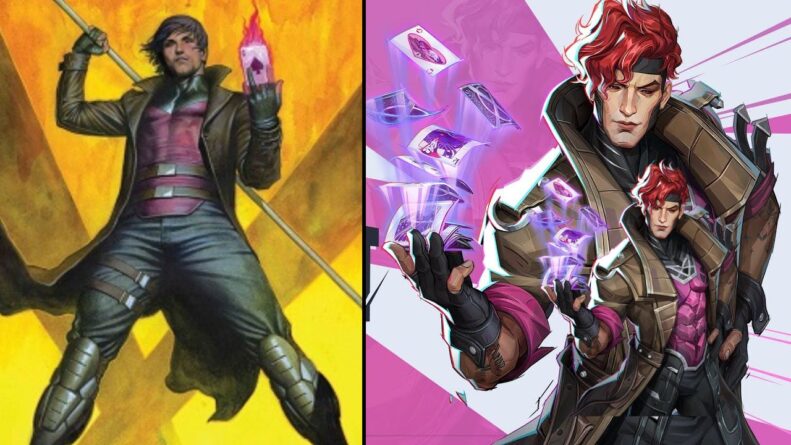
The character never made it to the Fox movies, even Channing Tatum was trying for many years. a Cajun thief with the ability to charge objects with kinetic energy fits MCU’s tone.
Kurt Wagner is one of the most visually striking X-Men and one of the most emotionally interesting. A blue-skinned, teleporting, deeply religious man who looks like a demon and acts like a saint — the irony is built in. There’s so much more into the story of Alan Cunning’s Nightclawler version in X2 which Fox never really brings it but still remains one of the valuable characters. Nightcrawler works as a combination of comic relief and genuine pathos.
A time-traveling cop from a dystopian future where mutants are hunted to near-extinction, Bishop is an X-Man who could function as the MCU’s entry point into some very dark storytelling.
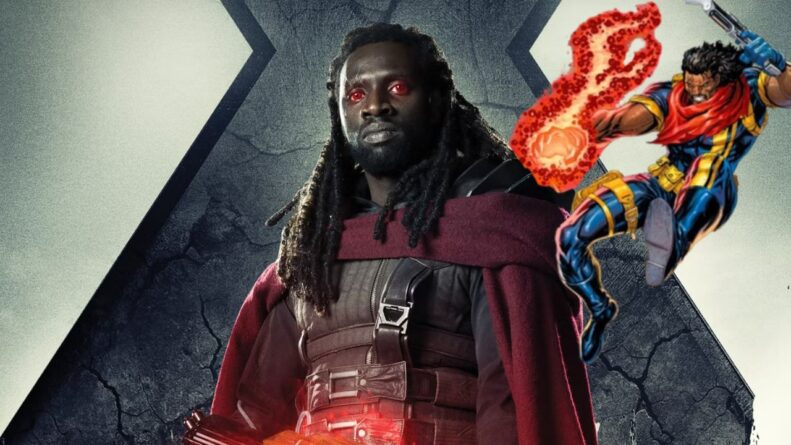
If he is here then it suggests that things can go wrong, at that point when someone from the future needs to come and fix it. And it’s the most exciting character who absorbing and redirecting energy is flashy enough for MCU action sequences while being thematically interesting.
The comics version of Psylocke is the double energy character – a British telepath whose mind ended up in the body of a Japanese assassin that could have more potential in a large narrative story. The Fox version in Apocalypse was essentially wasted. An MCU Psylocke with actual screen time and character development could be one of the franchise’s great sleeper hits.
X-Men is incomplete without these two men — Charles Xavier and Erik Lehnsherr. The philosophical conflict between them brings films a thematic engine that drives the entire franchise. Those characters were played well by Patrick Stewart and Ian McKellen with their core performances. Those acclaimed actors of their generations defined these characters for millions of people.
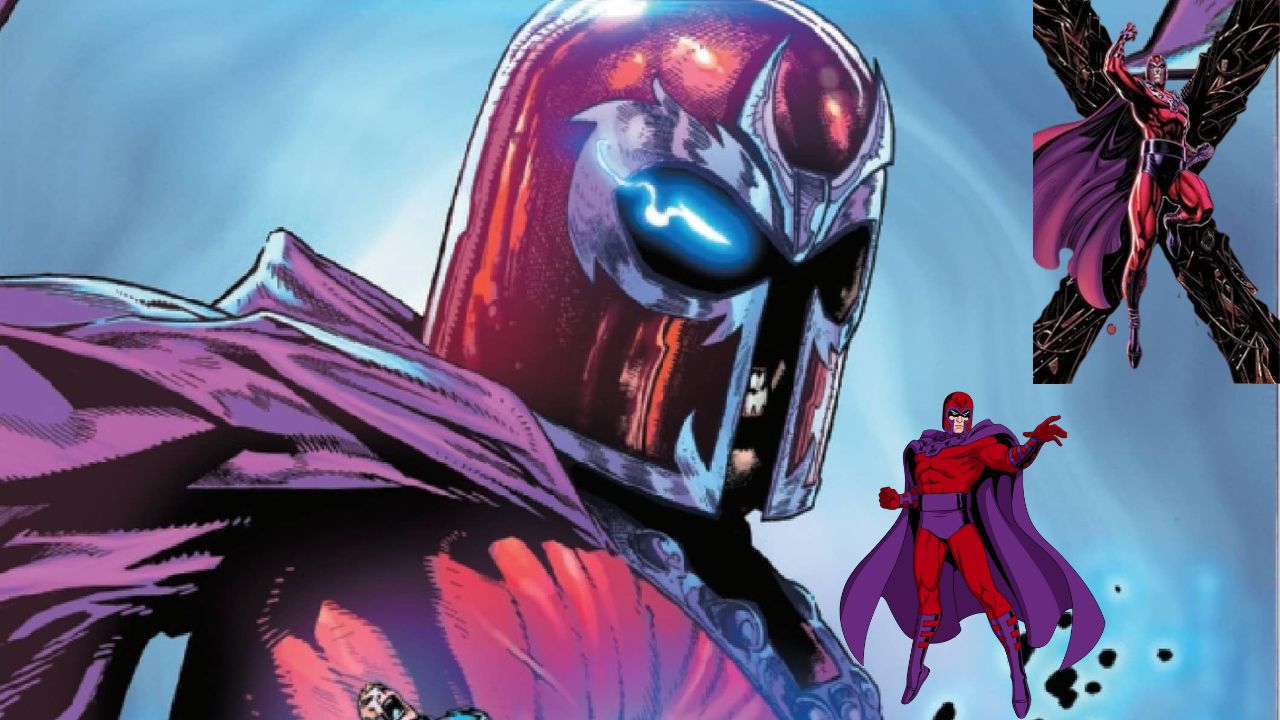
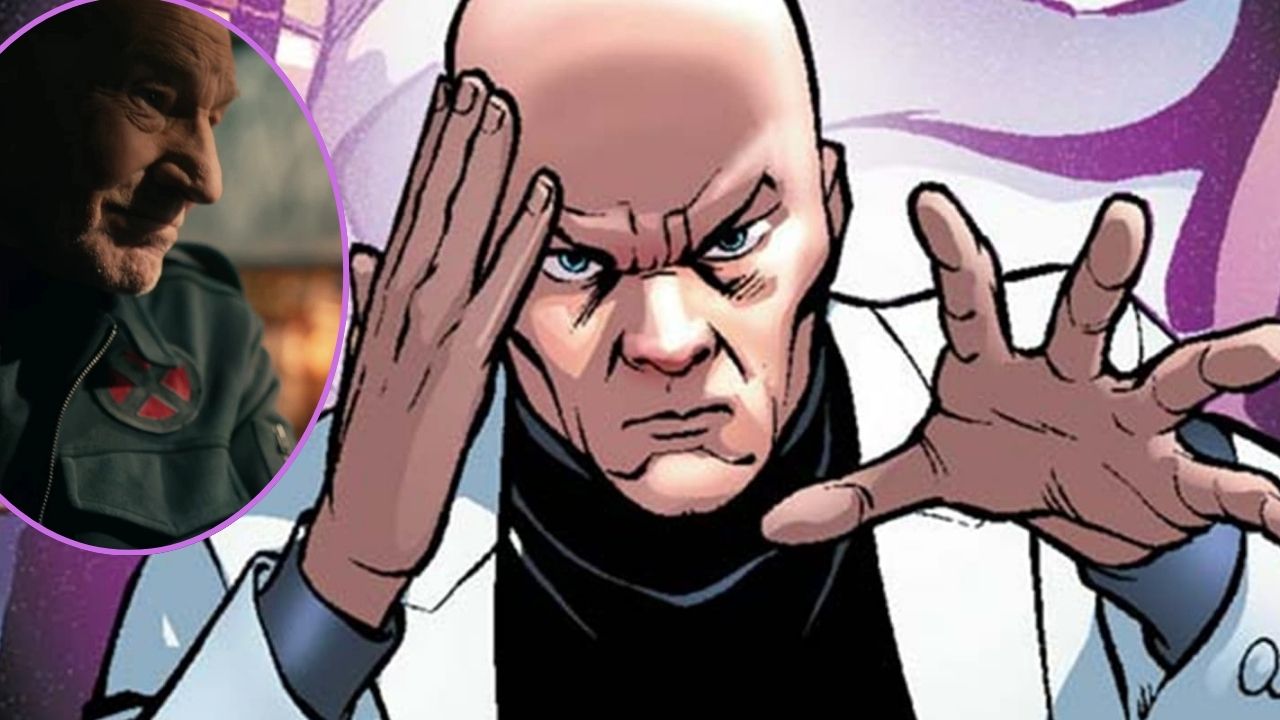
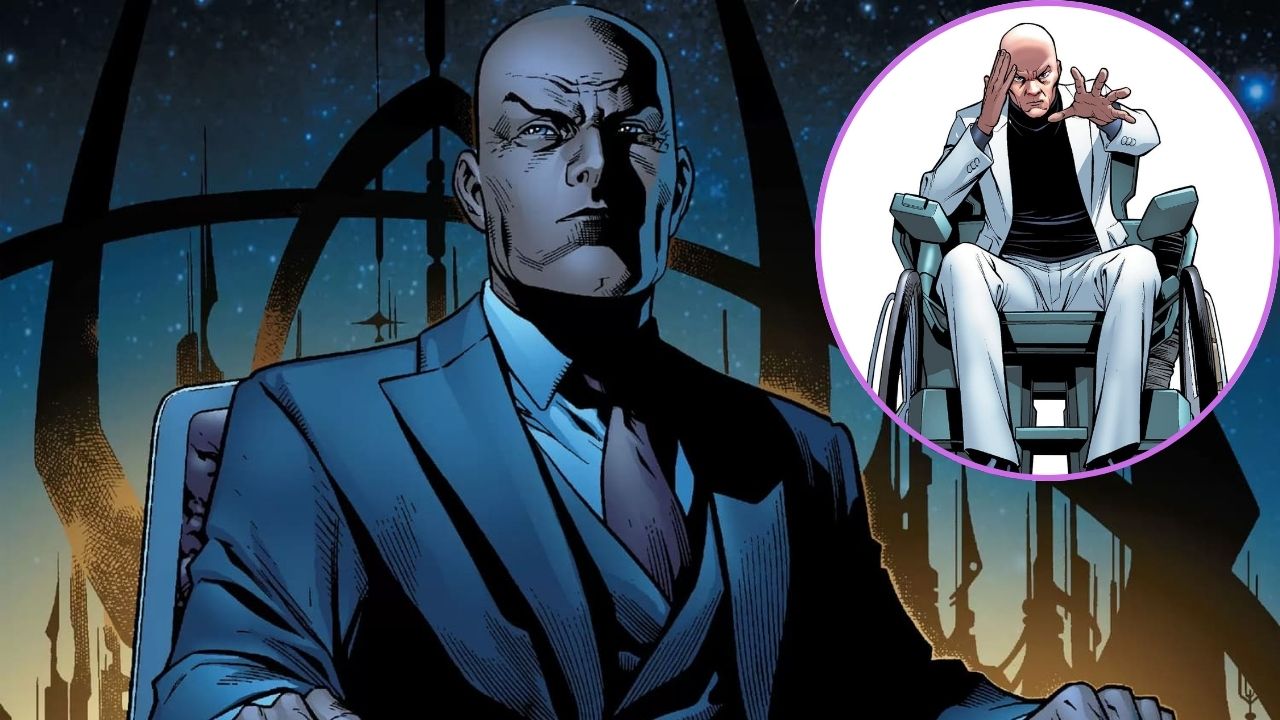
James McAvoy and Michael Fassbender gave them new dimensions in the prequel films. Whoever the MCU casts will carry enormous expectations. What Marvel should avoid is casting for nostalgia.
Don’t look for actors who resemble Stewart or McKellen, or who can do an impression of McAvoy’s intensity. The intensity of these characters are hard to understand and finding actors who could understand is more difficult. Their conflict to save the world with different patterns are the fundamental humanity of these two men — one who loves the world so much he can’t stop trying to save it from itself, and one who has been so brutalized by the world that protecting his people justifies any means necessary.
“The irony is Magneto doesn’t think he’s the villain. He survived things that justify every dark impulse he has, and the tragedy is that Xavier knows this, loves him anyway, and still cannot follow him there.”
The MCU must be careful and make the relationship more intense and painful. Two old friends spent decades with their superpowers and chose different paths — that story is devastating and timeless if it’s done right.
Avengers and X-Men, both have superpowers to fight but the motive is very distinctive from each other. Avengers fight alien invasions and time-traveling robots, but X-Men fight oppressions, prejudice, and fear of power which can destroy without understanding it fully.
X-Men stories are more focused on surviving being different in a world which has decided you don’t belong. It shows how the same character has both hope and rage and chosen family and that’s what Fox films captured at their best.
The opening of the first X-Men film, with a young Erik Lehnsherr being separated from his parents at a Nazi concentration camp, which was horrified and treated terribly by the officer to use his powers that told audiences immediately that this wasn’t a typical superhero story. The MCU needs its own version of that opening. Something that establishes, before a single fight scene, that these stories are about something real.
The MCU’s X-Men have to be different from what Fox built, different from the Avengers, and different from anything audiences think they’ve already seen. Because repeating the same origin stories or character depths would be time wasting. MCU must take the character work seriously, resisting the urge to cram everyone in at once, and trusting that the philosophical weight of these stories is just as exciting as the action sequences.
The mutants have always represented something larger than themselves. They’ve always been fighting for their own identity, they’ve survived from the world’s cruelest treatments, whether a world worth saving is worth fighting for. If the MCU can hold onto that truth while also delivering the spectacle fans love, we might be looking at the greatest era in X-Men history.
After everything we’ve been through with the Fox films — the highs of Logan and X2, the lows of Dark Phoenix and Apocalypse — these characters deserve to finally get it completely right. They’ve earned it. So have we.
Fandomfans deliver deeper details and updates from the inside of long franchise films directly to you. Stay tuned for more updates from movies, series, and celebrities.

Greatest Marvel's Amazing Spider-Man #1000 comic that shaping future MCU with great storyline and villains, releasing after Brand New Day
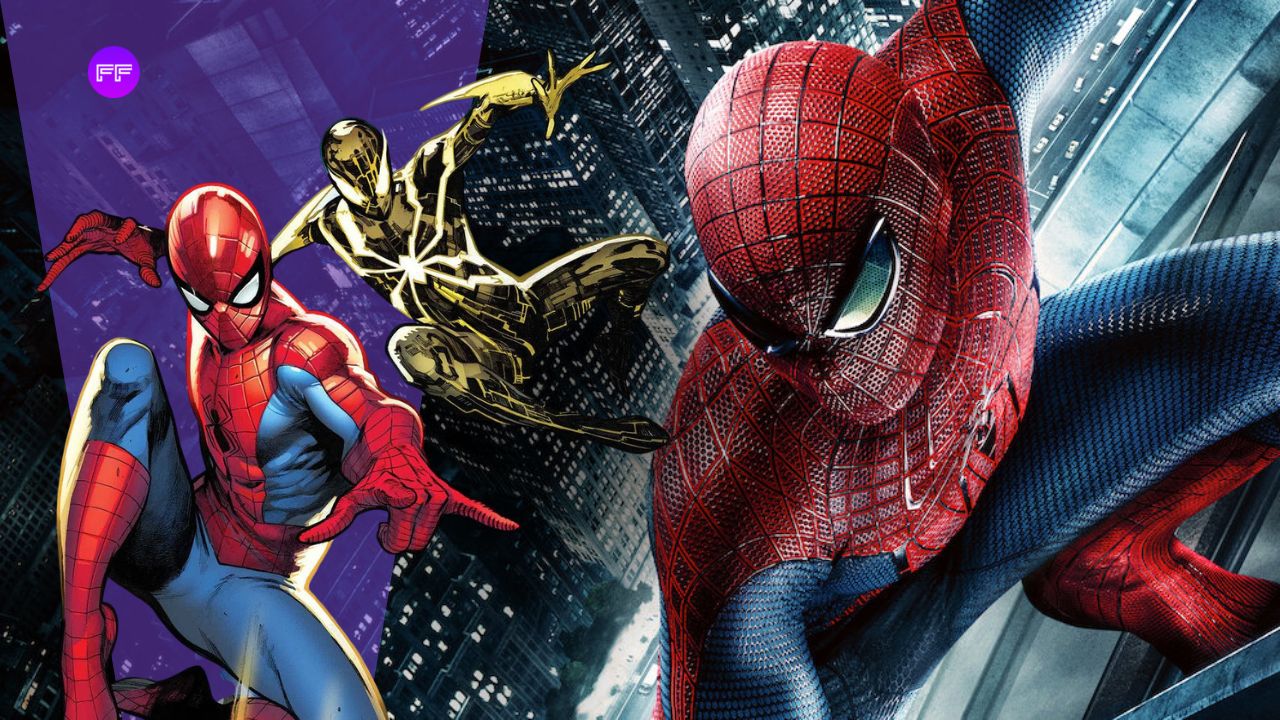
Marvel has been leading up to this moment for months, and now it’s almost here. On Sep 16, 2026, Amazing Spider-Man #1000 will be released, one of the biggest issues to ever hit shelves for the character. This is being laid out as a major turning point for Spider-Man that will open new storylines, new threats, and a creative team that will scale the event. It’s a bona fide event book, the kind Marvel only does once a decade.
The release is coming as well when excitement for Spider-Man is building once more, fueled by the arrival of Spider-Man: Brand New Day in theaters. Peter Parker is having a moment.
There are not many superhero comics that ever make it to issue #1000, but Spider-Man is about to join that select group. For Spider-Man, the milestone represents decades of stories, untold creative teams, and generations of fans. Even though the current run is just at issue #36, Marvel’s legacy numbering takes into account the entire publishing history going all the way back to the original Amazing Spider-Man series that was first published back in 1963, so this has the potential to be one of the biggest issues the title has ever produced.
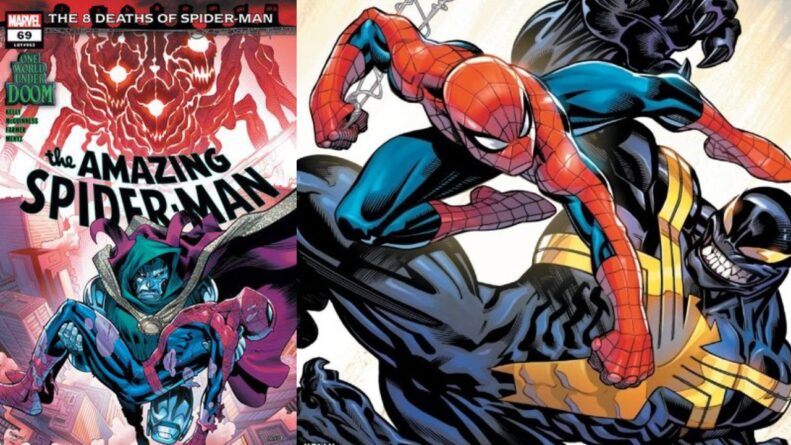
The book is being led by writer Joe Kelly and artist Pepe Larraz, the current creative team on Amazing Spider-Man, in a story titled “Ravaged.” This isn’t a stand-alone tribute story disconnected from the ongoing plot — it’s described as both a culmination of Kelly and Larraz’s run so far and the launchpad for whatever comes next. In other words, if you’ve been following the current arc, #1000 pays it off. If you haven’t, it’s designed to work as an entry point too.
The centerpiece of the issue introduces a brand-new villain, and Marvel has been fairly blunt about the intent behind him. Kelly described the character as engineered specifically to “terrify and enrage and torture Peter at maximum potential,” aiming for the kind of antagonist readers end up loving to hate. Larraz, who designed Ravage’s look, wanted something Spider-Man readers hadn’t seen before — the early art shows a black-and-yellow costume with red boots and gauntlets, a fur cape, a Black Knight-style helmet, and a sharpened gold chain as his signature weapon.
What makes Ravage dangerous isn’t just brute strength. The solicitations frame this as one of Spider-Man’s most personal battles yet, with the villain’s power forcing Peter to question his own legacy which is a fairly loaded thing to say about a character debuting in an anniversary issue. Preview pages show Spider-Man fighting Ravage across the skyline before cutting to Peter racing through a hospital emergency room, intercut with flashbacks to his childhood with Aunt May and Uncle Ben. That’s not incidental framing. Marvel is clearly setting Ravage up to hit close to home.
Fan theory worth watching: several corners of the fandom believe Ravage’s secret identity connects to Mr. Crane, a mysterious character recently introduced as a possible son of Ben and May Parker. If that theory holds, Ravage wouldn’t just be a new rogue in the gallery — he’d be family, which would recontextualize everything about “his most personal battle yet.”
Beyond the main story, the Amazing Spider-Man #1000 is stacked with short anniversary tales from a genuinely unusual mix of Spider-Man legends and newcomers. Dan Slott and Marcos Martin revisit the night Uncle Ben died in a story called “Now I Can Rest.” Brian Michael Bendis reunites with artist Stuart Immonen for a team-up between Spider-Man and the Avengers titled “The Gesture.”
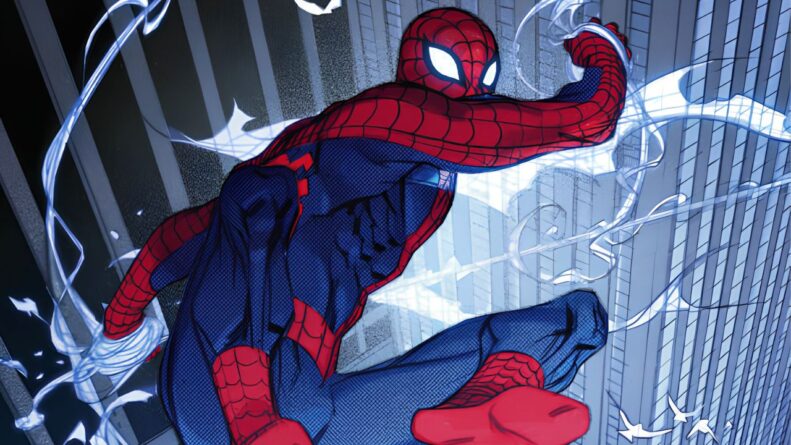
Frank Miller teams up with Peach Momoko for the first time on “Tears of the Spider-Queen,” pitting Spidey against the ninjas of the Hand. J.M. DeMatteis and Humberto Ramos reunite on “Requiem of a Goblin,” and even Larry Lieber — one of the last living creators from Marvel’s earliest era — contributes a story called “Of Webs and Six-Guns.”
Perhaps the most unexpected name on the list is Noah Hawley, the showrunner behind Fargo, Legion, and Alien: Earth, making his comic book writing debut in this very issue. That’s not a small detail for fans tracking Marvel’s growing overlap between its comics, streaming, and film divisions, pulling in a prestige TV writer for a Spider-Man anniversary book signals how much weight Marvel is putting behind this release.
Read More 👉 XMen 97 Season 2 Episodes 1-3: Who Really Sent the XMen Through Time?
Marvel gave the Amazing Spider-Man #1000 two main covers instead of the usual one — a painted collaboration between John Romita Jr. and Paolo Rivera, and a separate piece by current series artist Pepe Larraz. Editor Nick Lowe explained the decision was about bringing together as many iconic Spider-Man artists as possible for a book this significant.
On top of that, the variant program has turned into its own event, with contributions from Alex Ross, Mark Bagley, Skottie Young, J. Scott Campbell, and a Steve Ditko homage cover, among dozens of others.
One variant in particular matters more than the rest for movie fans: a cover officially branded for Marvel Studios’ Spider-Man: Brand New Day. Marvel doesn’t usually spend a variant slot cross-promoting a film unless it wants readers making the connection deliberately.
The timing here is not a coincidence. Spider-Man: Brand New Day, directed by Destin Daniel Cretton and starring Tom Holland, releases in theaters on July 31, 2026 — just weeks before the comic hits shelves. The film picks up four years after No Way Home, with Peter Parker living entirely alone, having erased himself from the memories of everyone he loves. He’s fighting crime full-time in a city that no longer remembers him, and the pressure of that isolation triggers what’s being described as a physical transformation he can’t fully control, just as a new and unusually powerful threat starts to emerge.
The title ‘Brand New Day’ suggests the most iconic storyline of Amazing Spider-Man, which was written by Dan Slott, following the ‘One More Day’ event. In that comic, The storyline returned Peter to a simpler life because he is being erased from everyone’s memories after a spell cast in ‘No Way Home’. He made a deal with Maphesto to not marry MJ in order to save Aunt May’s life, he was back living with Aunt May. The movie is clearly leaning on that same emotional architecture — a Peter Parker stripped of the support system he built across three films, forced to rebuild his identity from the ground up.
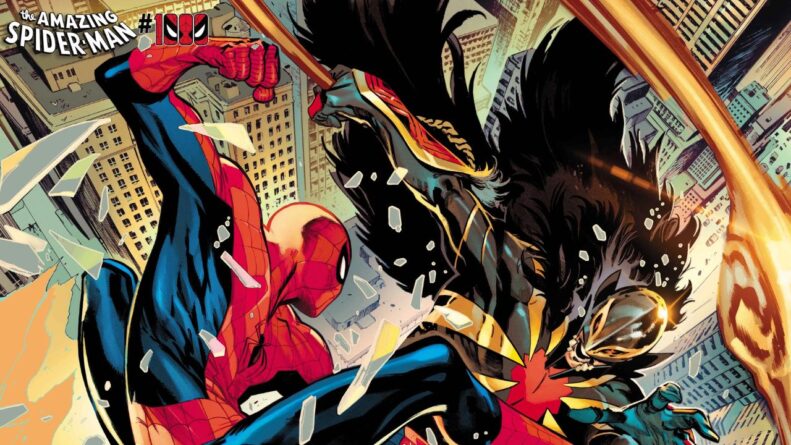
Both Amazing Spider-Man #1000 and Spider-Man: Brand New Day follow different stories but exploring the same thing. Who is Spider-Man now after losing everything he had, there’s nothing left to lean on and the only thing left is the choice to keep going anyway. Ravage forcing Peter to “question his very legacy” in the comic, and movie-Peter rebuilding his life from scratch in total anonymity, are two versions of the same gut-punch. Marvel putting a Brand New Day variant cover on the anniversary issue isn’t just marketing synergy — it’s Marvel pointing at both stories and saying, look, this is the theme right now.
Anniversary issues happen periodically — #700, #800, #900 all had their moment. What makes #1000 different converges are happening around it. It’s landing during the biggest theatrical Spider-Man push since 2021, with Quorum audience tracking reportedly showing Brand New Day as the highest-interest tentpole of the summer. It’s introducing a villain explicitly designed to have long-term consequences rather than a one-issue cameo. It’s pulling in a Hollywood showrunner for his comics debut, which reads like Marvel building bridges between its publishing arm and its screen ambitions. And it’s doing all of this while explicitly tying its cover art to a movie in theaters at the same time.
It’s not Marvel simply celebrating where Spider-Man has been. This is Marvel indicating where he’s going next, in comics and on screen. At the very moment that mainstream audiences are starting to pay attention again, by using the character’s most iconic number.
Readers picking up Amazing Spider-Man #1000 should go in expecting more than a nostalgia lap. Ravage is being positioned as a villain meant to stick around, not a milestone gimmick. The anniversary stories give long-time fans real emotional payoffs — Uncle Ben’s death, the Hand, an Avengers team-up without needing the main plot to carry all of it. And for fans coming in fresh off Brand New Day at the theater, this issue offers something the movie can’t: eight-plus decades of context for why Peter Parker rebuilding his life, alone, still means something.
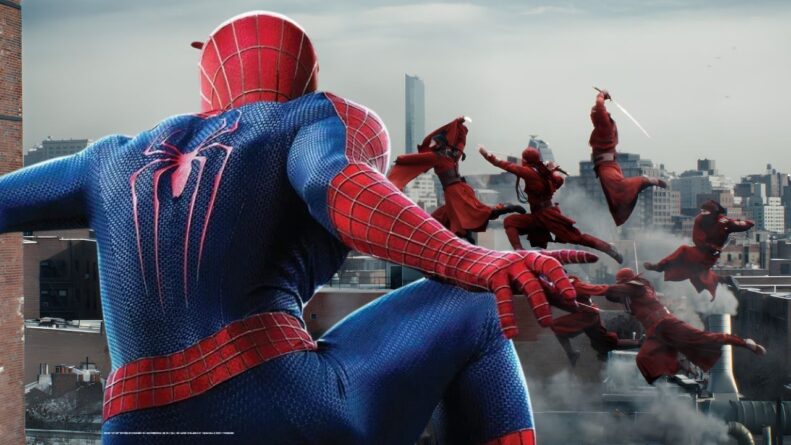
Whatever Ravage ends up being whether the Mr. Crane theory holds up or Marvel has something else up their sleeves, one thing is already clear from the buildup: This issue is supposed to make a difference for the next thousand, not just look good sitting on a shelf.
Read More 👉 XMen 97 Reading Guide: Every Marvel Comic You Need to Read
A once-in-a-lifetime event like Amazing Spider-Man #1000 will happen only one time, but what makes this issue special isn’t the number on the cover. Instead, the fact that Marvel is using it to push Spider-Man forward rather than just celebrate the past. Between Ravage’s introduction, an all-star lineup of creators, and the obvious thematic connection to Spider-Man: Brand New Day, the anniversary issue is less about a victory lap and more about the beginning of Peter Parker’s next defining chapter.
Whether you’ve followed Amazing Spider-Man for decades or you’re returning to the character after the new film, #1000 is shaping up to be one of the most significant Spider-Man comics in years. If Marvel makes good on its promises, and they are, readers won’t recall this issue because it was a historic milestone—they’ll recall it as the issue where Spider-Man’s future changed in a big way.
Dive deeper into the details and theories of movies, series, and characters on Fandomfans.

Discover why Chris Evans Captain America casting was the perfect choice. Learn what made him the ideal actor to portray Marvel's iconic superhero.
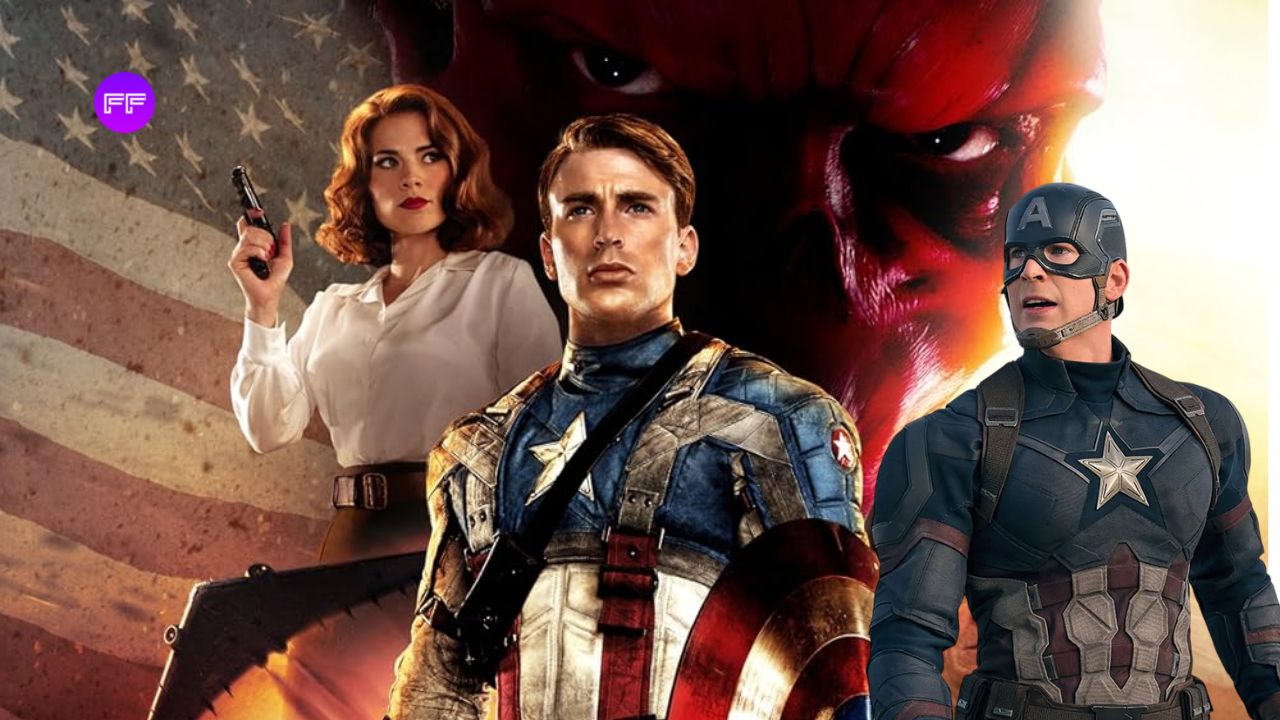
The actor who became the most obvious casting choice in Marvel history almost wasn’t cast at all. The Chris Evans Captain America role isn’t a simple casting. He is an actor who turned down this role but the studio didn’t take no for an answer. Casting directors bend down their rules to make it happen.
Looking back now, it’s hard to remember that the actor destined to define Steve Rogers had no interest in picking up the shield. And Marvel Studio just proved, casting really matters as Hollywood comeback could anchor a superhero blockbuster, Robert Downey Jr. back into the MCU as Doctor Doom is an example.
Casting director Sarah Halley Finn ran a genuinely exhausting search for Captain America. She sat through round after round of screen tests that just didn’t land. The specific blend of old-classic style decency and body structure is hard to see in anyone. And Even isn’t in that line up because he already played a Marvel character, Johnny Storm.
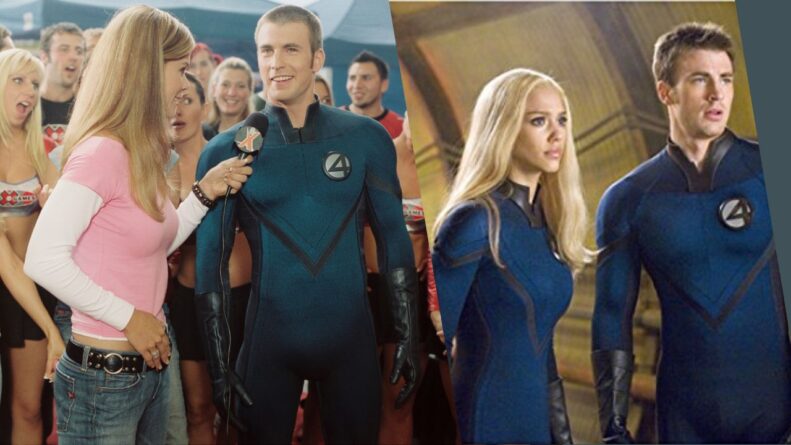
Yeah, that Sue Storm’s brother in the Fantastic Four movies from 2005 and 2007. And there was a rule in Marvel Studio at the time that the same actor can’t play the two different comic-book roles. It muddies the brand. Finn knew Evans might fit Steve Rogers, but she sat on that instinct because of the rule.
It took a string of underwhelming screen tests before she finally said it out loud in a casting meeting:
Why not consider Chris Evans?
The room agreed almost instantly. People already liked him as an actor. They’d seen the work. And enough of what makes Chris Evans Captain America tick — earnestness, a kind of stubborn decency — was already visible in how Evans carried himself on-screen. Marvel broke its own rule for him.
Two names come up constantly when fans dig into the Captain America casting search, and neither of them ended up wearing the suit.
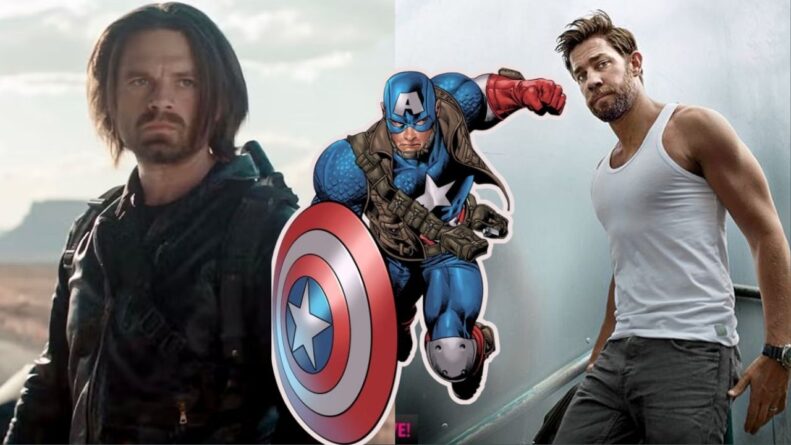
John Krasinski was in serious contention. Years later, he’d say he heard through his agent that Marvel had gone with Chris Evans Captain America instead and his reaction wasn’t bitterness, it was recognition. He basically said the same thing every fan says now:
Of course it’s him, look at the guy.
Sebastian Stan came even closer, in a stranger way. He sent in three audition tapes for Steve Rogers, then canceled a trip home to Romania to fly back for an in-person Marvel meeting. He didn’t get the part. What he got instead was Bucky Barnes — a role that turned into a decade-plus career inside the MCU, arguably richer and stranger than Cap’s arc ever was.
But Stan is happy because losing that role turned out to be the better outcome for him. He got a more satisfying job that he deserved.
Evans said no. More than once because the commitment terrified him. Marvel’s initial offer was a nine-picture deal. It eventually got negotiated down to six, but even six films was an enormous chunk of a career to hand over to a single character, with no real way to predict how the movies — or his life — would turn out.
Evans’ reason to say no for the role isn’t the heavy work and action but he knows after signing it would permanently change his life in ways he couldn’t take back.
There was also something more personal underneath it. Evans has since described dealing with anxiety around fame and public attention, and the jump from “working actor” to “face of a global franchise” was the exact kind of exposure that made him uneasy. Turning down Captain America wasn’t a business calculation. It was closer to self-preservation.
Marvel didn’t let it go. Kevin Feige and director Joe Johnston brought Evans back in for a second meeting, and this time they didn’t just pitch a contract — they pitched the actual story. The character’s arc of Chris Evans Captain America across the franchise is a real concept art. This is not a job for Evans, director said:
Here’s the character we think only you can play.
Evans has said he took the weekend to think it over, and that it was one of the hardest decision-making stretches of his life. He said yes anyway. And in interviews since, he’s called it the best professional decision he ever made — which is a fairly remarkable thing to hear from someone who almost walked away from it entirely.
Read more 👉 Who Is the New Editor-in-Chief of Marvel Comics? Stephen Wacker Explained
Finn and Feige were searching for qualities in an actor who can bring the genuinely kind, quietly confident, and grounded enough on the screen to make audiences believe he was an ordinary kid from Brooklyn before he ever became Captain America. It is more important for them rather than the shield, costume and the super-soldier physique. Evans captured those qualities in a way that couldn’t be taught or faked.
His hesitation actually worked in his favor. Finn has said the reluctance itself became a kind of evidence — an actor who didn’t chase fame for its own sake was exactly the temperament they wanted radiating off a character whose entire identity is putting the mission ahead of himself.
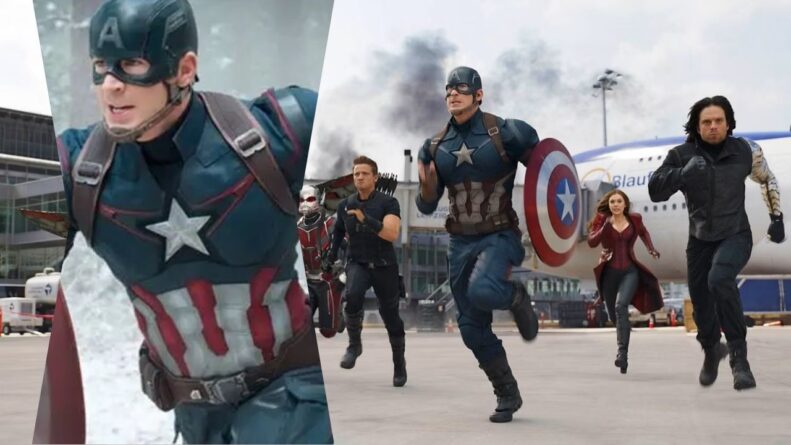
There was also a practical acting challenge nobody talks about enough. Steve Rogers is really two roles stitched into one performance: the fragile, undersized guy from the pre-serum scenes, and the peak-physical-condition soldier after. Johnston was blunt about it at the time — whatever the visual effects team did to sell the “before” version, the performance itself, the internal logic of the character, had to be Evans from start to finish.
That’s not a small ask. It’s asking one actor to make an audience believe in the same soul wearing two very different bodies.
Captain America: The First Avenger landed in theaters in July 2011, with no guarantee Steve Rogers would resonate with audiences but Evans made Steve Rogers heart of the MCU forever. He wasn’t just delivered an outstanding performance but he actually turned into the franchise’s emotional backbone. Marvel took that risk and delivered The Avengers, both Captain America sequels, and eventually Avengers: Endgame in 2019.
What made the casting work wasn’t that Evans looked the part. Plenty of actors look the part. It’s that his real hesitation — the anxiety, the reluctance, the fear of losing himself to the role — is basically the same internal conflict Steve Rogers wrestles with across ten years of movies. A guy who never wanted the spotlight, carrying a responsibility he didn’t ask for, because it mattered more than his own comfort. Marvel didn’t just cast an actor who could play that. They cast an actor who, at least for one nerve-wracking weekend, actually lived a smaller version of it.
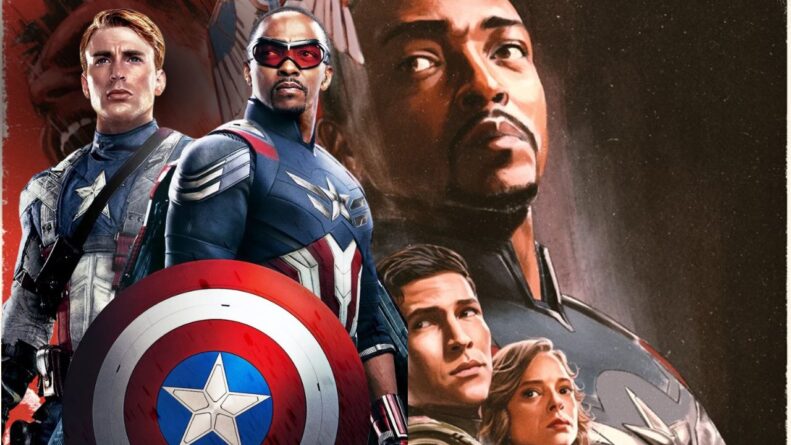
Even after stepping away from the shield, Evans hasn’t distanced himself from the character. When Anthony Mackie took over as Captain America following Sam Wilson’s arc in the comics and MCU timeline, Evans publicly backed the change, saying flatly that Sam Wilson is Captain America now. That’s not the reaction of someone who resents the role he almost turned down. It’s the reaction of someone who understood, eventually, exactly what he’d said yes to.
The next time someone says a casting choice of Chris Evans Captain America was “obvious,” it’s worth remembering this one wasn’t obvious at all. It was rejected, reconsidered, nearly given to two other actors, and only worked because Marvel refused to accept the first no.
Read More 👉 Why Marvel Comics Launching the Midnight Universe Variant Cover Program?
The casting of Chris Evans Captain America was not the obvious choice people recall today—it was a risk that nearly didn’t get taken. Between Marvel contravening its own casting rule, Evans saying no to the part multiple times, and various other actors almost being cast, the path to Steve Rogers was far from easy.
Ultimately, Marvel didn’t just find a guy who looked like Captain America — they found an actor who captured his humility, bravery, and selflessness. That move helped make Steve Rogers the emotional center of the MCU and stands as one of the best casting wins in superhero movie history.
Fandomfans delivers latest updates from movies, series, and celebrities to you directly.