Home > Movies > James Cameron’s Titanic is Greatest of All Time..
James Cameron’s Titanic is Greatest of All Time Movie Amid Avatar Record Break
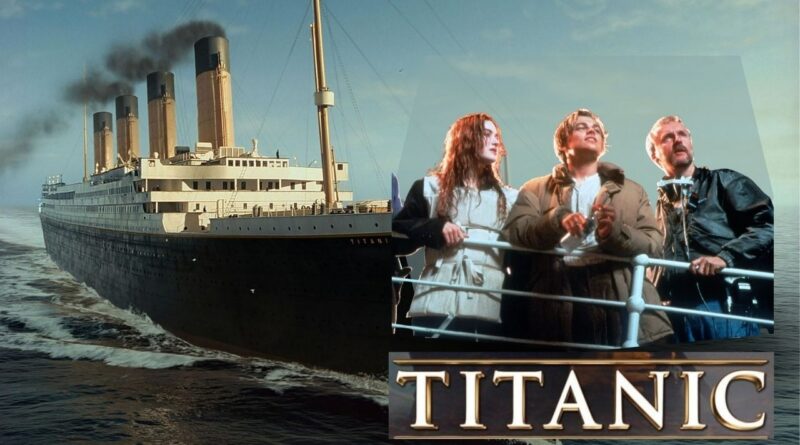
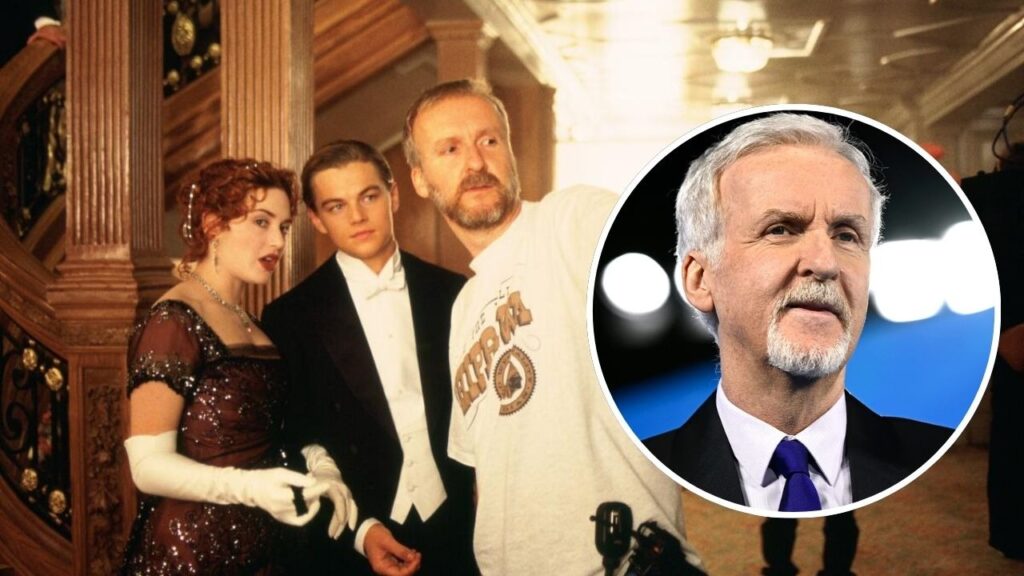
James Cameron’s Titanic remains the greatest movie ever made, blending emotional storytelling, record-breaking success, and timeless cinematic spectacle.
James Cameron’s Titanic isn’t just a movie — it’s a genre and generation-defining cultural phenomenon. Although his earlier work, including Terminator 2 and Aliens, was without doubt ground-breaking, Titanic is the zenith of Cameron’s ability to marry emotionally charged storytelling with technical innovation and spectacle. The film not only dramatizes the catastrophic historical incident, but tells a deeply human tale of love, loss and survival.
Screenrant adds that there are even more subtle things that make the 1997 classic special, from the meticulously made ship to the emotionally draining performances from Kate Winslet and Leonardo DiCaprio. It’s a movie that doesn’t just entertain — it consumes you. With its grandeur score, legendary moments and themes of hope and fear we can all relate to, it is simply a film that is made for being seen over and over again.
Titanic is more than just a blockbuster movie, it is an event. It is a testament to Cameron’s vision, proving that film can be both revolutionary and personal. That is why I feel it is his best work, as far as he went.
The Objective Titan
We must begin with the numbers, not because they are the heart and soul of the film, but because they embody a cultural agreement we haven’t witnessed since. “Titanic not only ‘did well’ in 1997. It turned into a tectonic shift in the industry. It was released for a year-long run in theaters. It was the first movie to gross more than a billion dollars, ultimately raking in $1.8 billion in a time before premium large formats and global market saturation.
Then there are the Oscars — Eleven Academy Awards. It matched Ben-Hur and no other film has equaled that until The Return of the King. It cleaned up in technical categories, certainly, but also won best picture and best director. It wasn’t just a “popular” film, it was a “perfect” film by just about every measurable industry benchmark.
But numbers don’t warm. To see why Titanic is the finest Cameron film, you have to examine the “how,” the “why”.
A Masterclass in Narrative Symmetry
In its grand set pieces as well as its small moments of intimacy, Titanic is a perfect demonstration of James Cameron’s ability to combine technical virtuosity with compelling storytelling. Frequently dismissed as the “tech guy”, Cameron instead demonstrates his films are as much about emotional impact as they are pioneering technology.
How Titanic’s Script Tells Two Interconnected Stories in Separate Halves
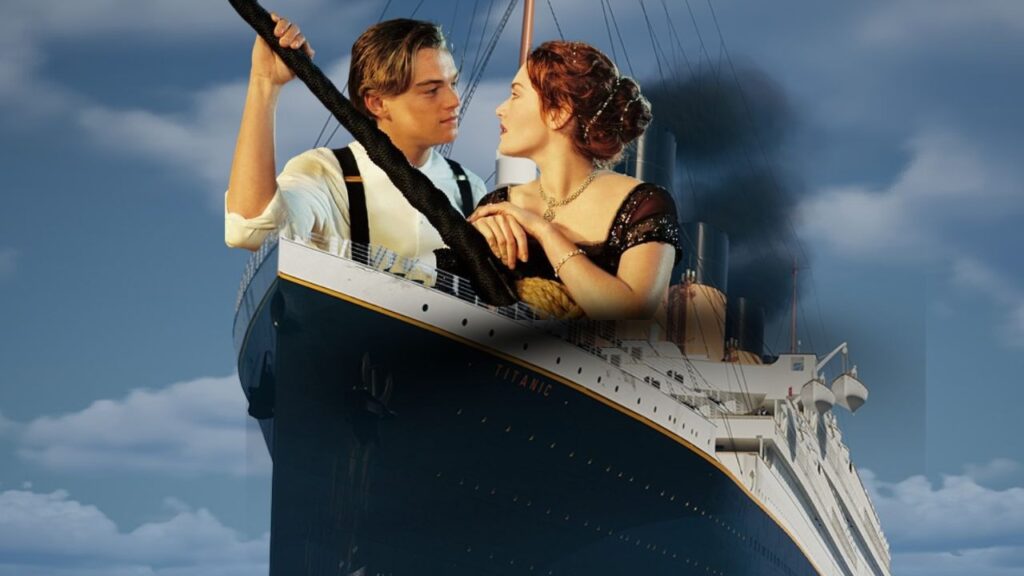
The first half is a lavish, character-driven study of class relations in Edwardian society that plunges the audience into period spectacle and social mores. In Jack and Rose’s relationship, we find the human element and the setting becomes more than a frozen canvas of rivets and steel. These connections are important: they transform the ship from a magnificent vessel to a stage for personal drama.
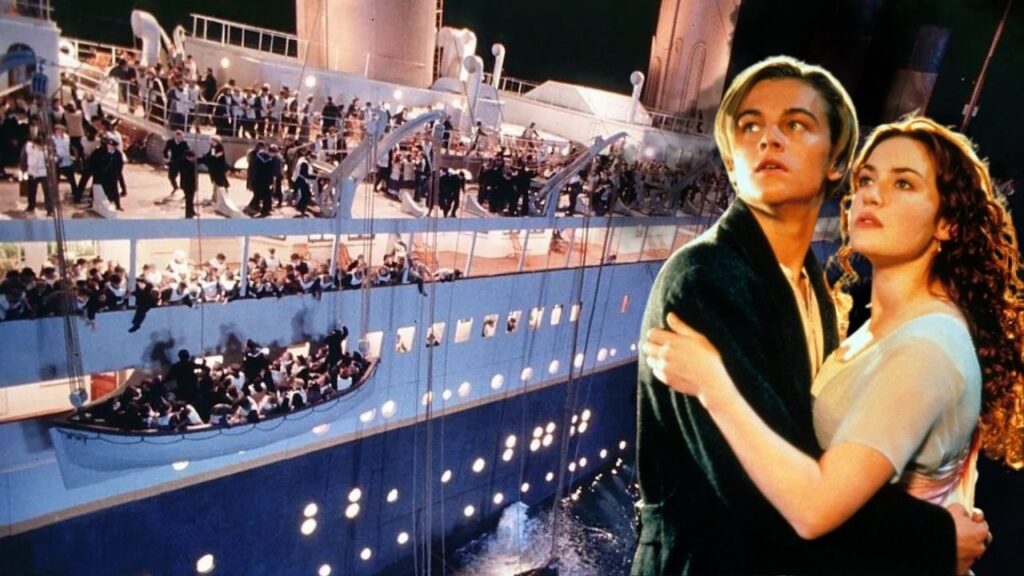
The film’s latter half turns into a tense disaster movie, and the probably misplaced emotional stakes only heighten the tragedy. Cameron’s embrace of universal archetypes — the struggling artist, the repressed debutante, the conceited fiancé provide a narrative framework that allow audiences to traverse the vast scope of the story without becoming lost.
These tropes aren’t just narrative clichés, they’re essential anchors that root the story in relatability and the timeless. In the end it’s Cameron’s combination of technical expertise with universal emotional resonance that elevates Titanic beyond keys-at-the-groove spectacle to a film that is both a moving journey and a cinematic triumph.
The Chemistry of Icons
Now we get to address the Heart of the Ocean — Kate Winslet and Leonardo DiCaprio.
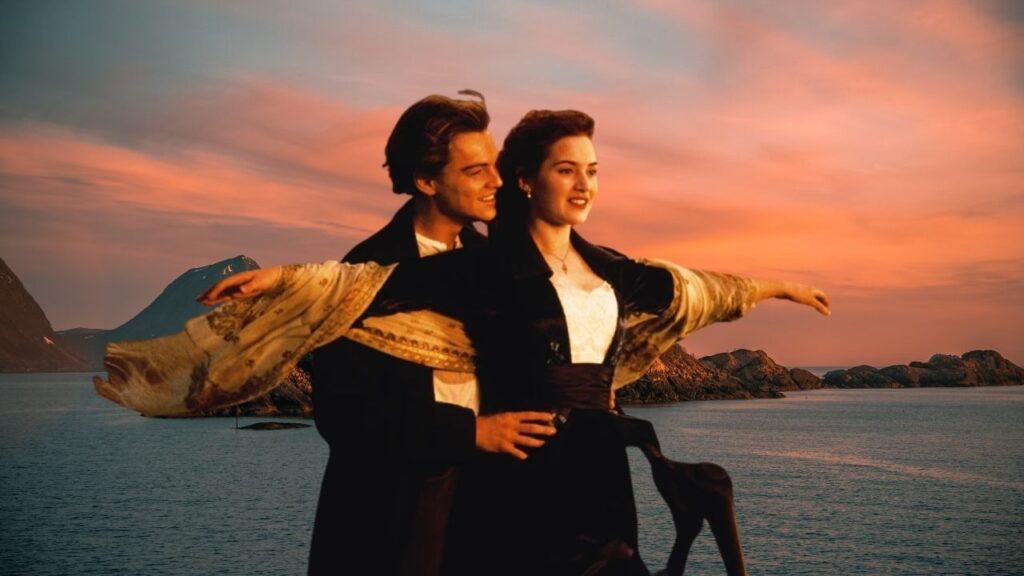
We can get bogged down in hindsight through the prism of their now iconic career and forget just how quickly their pairing was a one-in-a-million thing. They’re like the Cary Grant Grace Kelly couple, but for the 1990s. Their chemistry is what makes Titanic more than simply a historical re-creation.
When Rose says, “I’m flying,” or when the Renault’s steamed-up window clears, we’re not simply observing actors but we’re looking at the genesis of modern iconography.
Even as the ship disappears beneath the Atlantic, Cameron treats us to 20 minutes of character resolution. He knows that the “disaster” day isn’t the story — the people are. Be it Old Rose’s last trip to the rail of the Keldysh or the “dream” at the clock, the emotional payoff is justified.
During those years, Titanic was considered the “uncool” film to fangirl over. The backlash was fierce, driven by a sarcastic assumption that the film’s appeal was based on “hormone-addled teenage girls.” It is “corny” the dialogue, it is “cringe” the Celine Dion theme.
But look at it now. Not one of those criticisms can survive the earnest heart of the movie. At a time when film audiences are rife with meta commentary and Marvel-style snarky “well, that just happened” humor, Titanic seems in retrospect oddly and quixotically sincere. There are no apologies on the emotion front either.
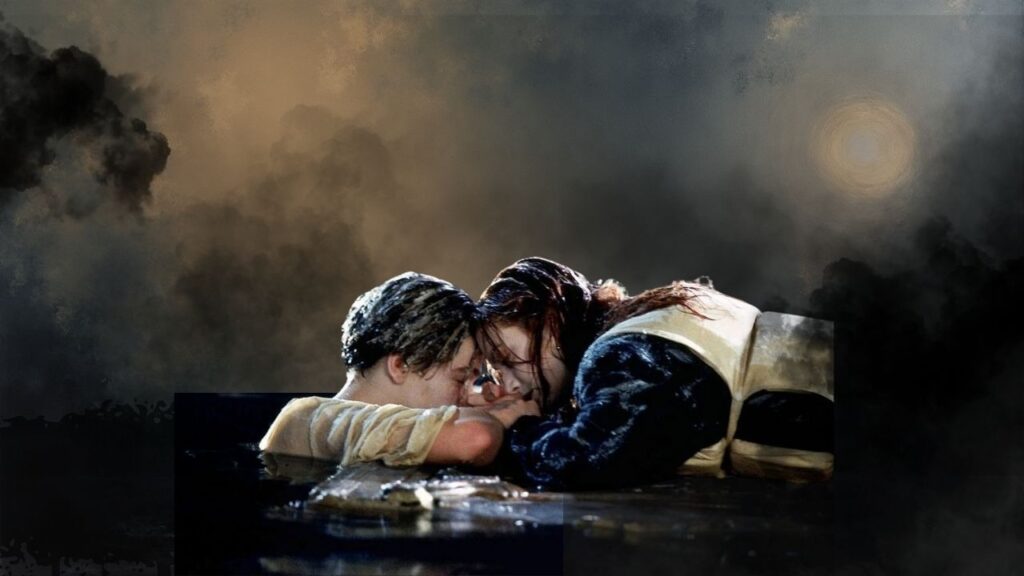
And let’s end the “door” debate, shall we? It wasn’t the door’s dimensions, it was the buoyancy. We watch Jack struggle to board on. The wood tips. He knows that if Rose is to live, he must remain in the water. It’s a decision, not a physics malfunction. It’s that selfless gesture that is the soul of the movie.
A Director Outside His Wheelhouse
Titanic is the pinnacle of James Cameron, because it’s a world-class action director bringing his “more is more” sensibility to a genre he was never meant to touch: the historical romance.
Like Steven Spielberg’s Schindler’s List or Christopher Nolan’s Oppenheimer, Titanic marks the point when a “blockbuster” director becomes a “filmmaker.”
He employed a nearly life-size model of the ship, emerging computer-generated imagery, and real deep-sea footage of the wreck to evoke a feeling of palpable reality. The air sucking out of the room when the White Star officers come to realize the ship is “a mathematical certainty” to sink is as icy as any moment in The Terminator.
Conclusion
James Cameron has created a handful of terrific movies—Aliens is the ultimate sequel, Avatar the peak cinematic experience. But this is different, Titanic. It’s not that it’s just good at one thing, it feels like the perfect everything.
Part historical epic, part class-conscious drama, part sweeping romance and part D.W. Griffith-scale disaster movie, Titanic mixes genres with surprising assurance. It insists that you see it on the largest screen available at all times, and yet it’s just as mesmerizing when you see it again on a sleepy, rainy Sunday afternoon.
When Cameron strutted up on that Oscar stage and yelled, “I’m King of the World!” the industry sighed. But in retrospect, when you consider the towering hubris, the art, and the undying spirit of Titanic, there’s really no nailing him to anything less.
So, go ahead. Tell me Terminator 2 is better. Tell me the Avatar has more depth. But you won’t get me to go then. Titanic is the Greatest of All Time.
Fandomfans is focusing on concept based theories behind successful cinema. Stay connected to get more updates on your favorite movies.
Mariyam
Articles Published :
50
Mariyam Khan is Fandomfans Content Writer and providing reports and reviews on Movie Celebrities, and Superheroes particularly Marvel & DC. She is covering across multiple genres from more than 4+ years, experience in delivering the timely updates.
Richard Linklater is known for his temporal distortions, which he often varies over the course of decades, as in the Before trilogy or Boyhood. But in his 2025 magnum opus, Blue Moon, he does something radically different. He condenses the crushing burden of an entire career going down the tubes into a single confining night in the bowels of Sardi’s restaurant.
This movie is not simply a biopic, it’s a chamber piece on the brutal architecture of artistic mourning. It is March 31, 1943, and with these words the film memorializes the end of the Jazz Age, which was immediately supplanted by the “golden age” of the musical theater.
Larry Hart’s Emotional Unraveling Inside the Walls of Sardi’s
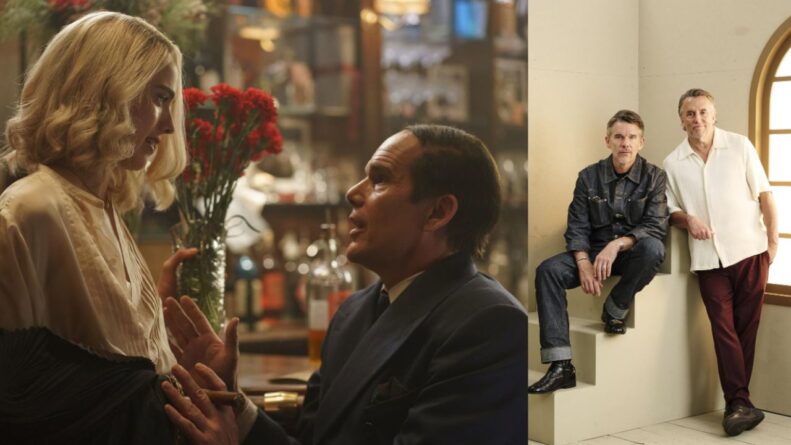
The setup is ruinously straightforward. Lorenz “Larry” Hart (an electric Ethan Hawke), the brilliant, jaded lyricist half of the legendary Rodgers and Hart team, is holding up the bar at Sardi’s.
Andrew Scott, Margaret Qualley, & Ethan Hawke in Blue Moon | Image credit: Fandomfan
Just across the street, his one-time soul mate and partner, Richard Rodgers, is debuting Oklahoma! with another partner, Oscar Hammerstein II. Hart must wait in the limbo of the restaurant, the muted applause he can hear is the sound of him being made redundant.
Linklater has said the film “Deals with a trauma that is, in a way, two-fold.”
This is not just a business split, it’s an artistic divorce between two men who defined an era together. Rodgers, the practical puppet master, had to change in order to live, to detach himself from Hart’s chaotic alcoholism and revue-style wit to something more formal and honest. Hart, the poetic soul of the roaring twenties, was just abandoned.
Ethan Hawke’s Career-Defining Transformation as Lorenz Hart
The brilliance of Blue Moon is that it knows how to wait. According to The Guardian, Linklater and Hawke had been thinking about this film for more than ten years. Linklater famously told Hawke years ago,
“I’ll wait 10 years,”
Knowing the actor had to age into the role. To play the battered, gnome-like figure of the 47-year-old Hart, a guy worn down by drink and depression, he had to lose his youthful boyishness.
Image credit: Fandomfan
That prolonged timeline gives the film a deep, lived-in sadness. We see Hart desperately go through the motions of his old self — flirting, quipping, drinking trying to drown out the scary fact that the society he helped shape has no use for him anymore. He derides the “corny” nostalgia of Oklahoma! and cannot understand why the audience’s preference has moved away from his urbane sophistication to simple country sweetness.
Blue Moon Feels Like a Love Letter to Forgotten Artists
“We all think we’re gonna run the table forever but tastes can change,” Linklater says in the production notes.
That is the film’s haunting thesis. Blue Moon is a monument to the “loser” of historical change. It’s a beautiful, sad recognition that sometimes even the most brilliant cultural architects find themselves trapped in the past, watching the future being built just down the street without them.
Image credit: Fandomfan
Conclusion
Blue Moon isn’t merely a movie — it’s an elegy. Linklater creates a haunting reflection on change, mourning and the slow brutality of time. The film, anchored by Ethan Hawke’s brilliant performance, reminds us that even the most brilliant creative minds can quickly become relics. It’s a masterwork of stillness, sorrow and storytelling: a paean to those who made the past even as they watched the future speed by.
Our daily coverage brings you the key takeaways, storytelling and pop-culture shifts from cinema. TheFandomfan’s mission is to assist you understand films not just as entertainment, but as cultural events that influence in the world of what we think.
Alpana
Articles Published :
93
Alpana is Fandomfans Senior Editor across all genres of entertainment. She evolved in the media industry since a very long time, she manages the content strategy and editing of all the blogs. Her focus on story development, review analysis, and research is well-equipped that ensures every article meets the standards of accuracy and depth.
The Mandalorian and Grogu Strategy: Lucasfilm’s Star Wars Is Returning to Cinema Differently
‘The Mandalorian and Grogu’ will bring Star Wars back to theaters in 2026. Discover how Lucasfilm is redefining marketing, budgeting and fan expectations.
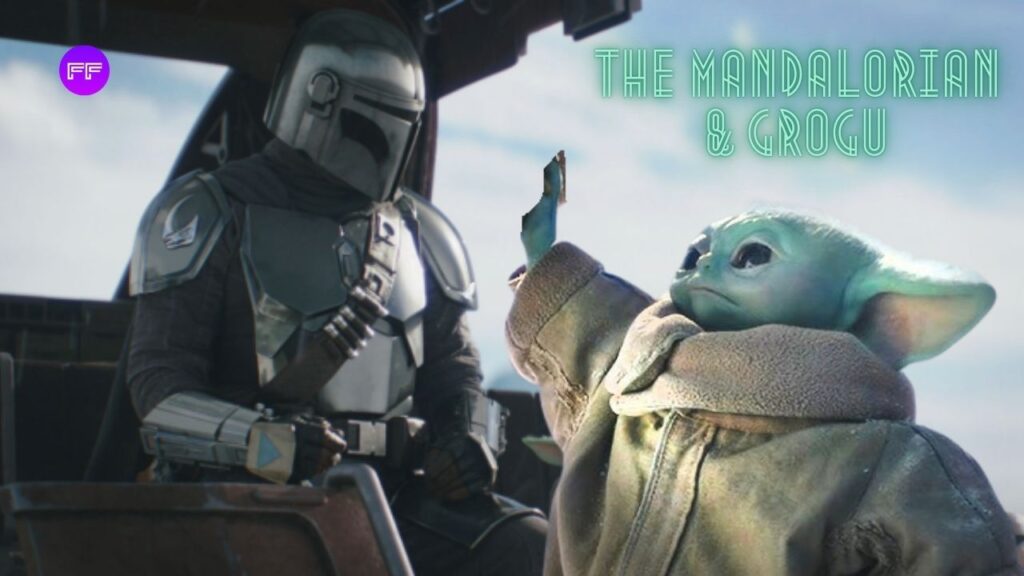
Star Wars’ return to the cinema should have felt like a galactic coronation. With the countdown to the release of The Mandalorian and Grogu (May 22, 2026) now well underway, here comes something rather unexpected — confusion.
It was a seven-year gap on the big screen, so people were expecting a “shock and awe” campaign. What they received in Super Bowl LX was a 30-second parody of a Budweiser commercial narrated by Sam Elliott’s gravelly voice that features Tauntauns pulling a sled. It was bold, it was weird, and it signaled a massive change in how Lucasfilm treats its most precious cargo.
The Super Bowl Ad That Changed Star Wars Marketing
Usually a $10 million Super Bowl spot is spent displaying “heavy artillery” — explosions, high-stakes drama and cinematic scale. Instead of a third wall-smashing joke, director Jon Favreau and new leadership team of Dave Filoni and Lynwen Brennan didn’t just shatter the mold; they pretended it didn’t exist.
Image Credit: Fandomfans
The commercial, “A New Journey Begins,” indulged full-force in “Comfort Marketing.” Rather than treating the movie as “there’s mythology behind everything, and you have to do your homework” (a common critique of the Sequel Trilogy era), the ad treated the characters as old friends. It puts its chips on the notion that Grogu is a worldwide icon who doesn’t need a plot summary to sell a ticket — he just needs to make people smile.
The “Solo” Anxiety vs. Fiscal Reality
Industry watchers have been quick to note the “Solo-esque” red flags. Like 2018’s Solo: A Star Wars Story, this movie has a May release date and a somewhat late marketing push. But the internal economics are another story:
The $166.4 Million Strategy: The Disney era live-action Star Wars movie that has been the most “fiscally responsible.”
The Efficiency Model: The film, which recycles assets from the Disney+ series and employs “The Volume” (StageCraft) technology, has a far lower break-even level than its predecessors.
Image Credit: Fandomfans
The Mandalorian and Grogu Expectations
A global take of $500 million would have made The Mandalorian and Grogu a massive success, but it would have been a flop for The Rise of Skywalker. The marketing department was allowed to be “bizarre” about the Super Bowl this year on account of the diminished financial burden.
A “Filoni-verse” Extravaganza
It’s also the creative debut for Dave Filoni. Filoni, the master of “deep cuts” into Star Wars lore, has brought a surprising cast to the table:
Image Credit: Fandomfans
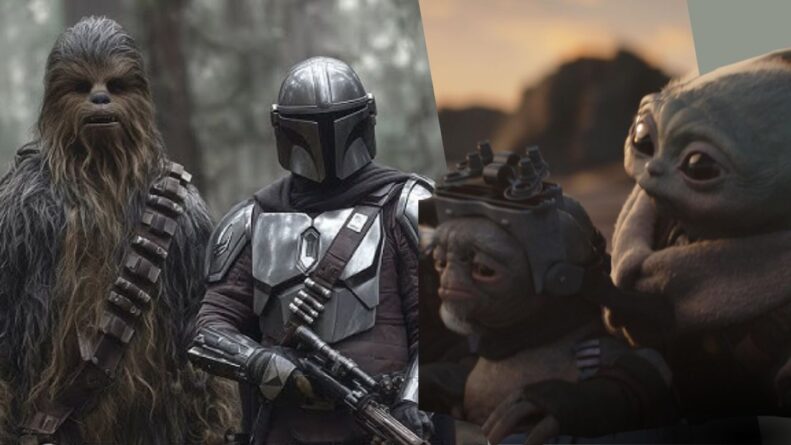
Jeremy Allen White, the protagonist of Shameless, is voicing Rotta the Hutt (the infant “Stinky” from the 2008 Clone Wars movie), now an adult and part of a “buddy-cop” dynamic with Mando.
Sigourney Weaver brings cinematic weight as Sgt. Ward of the Adelphi Rangers.Zeb Orrelios and the Anzellans (Babu Frik’s species) bring us from animation to the Sequel era
The Mandalorian and Grogu Star Wars fans expecting as much darkness as Dune will probably find the “Budweiser Parody” off-key. But it is a reminder to the wider world that this franchise can be enjoyable.
Lucasfilm is betting that audiences are ready for a Space Western that values character over complexity after years of galaxy-ending crises. This May will tell if this “confusing” strategy works or ends up as a cautionary tale like Solo. With Sam Elliott narrating and a “swole” Hutt, one thing is certain: this isn’t the Star Wars of 2019. Something much more human.
Fandomfans delivers the latest updates from celebrities, movies and web series to catch up with your favorite characters.
Mariyam
Articles Published :
50
Mariyam Khan is Fandomfans Content Writer and providing reports and reviews on Movie Celebrities, and Superheroes particularly Marvel & DC. She is covering across multiple genres from more than 4+ years, experience in delivering the timely updates.