If you’re still recovering from the religious upheaval of Thailand in Season 3, why don’t you just pour yourself a glass of Pinot Noir and get comfortable. The information regarding The White Lotus Season 4 leaks slowly and a lot is pointing to the fact, this will be more than just another vacation gone wrong.
HBO announced the blockbuster series had been renewed for the second season in January 2025, but showrunner Mike White isn’t simply delivering more of the same. He is breaking the mold. With a confirmed Parisian location and a heavyweight behind-the-scenes change, Season 4 seems to be a radical makeover of the series.
The Vibe Shift: From Tropical Isolation to “Cultural Sublime”
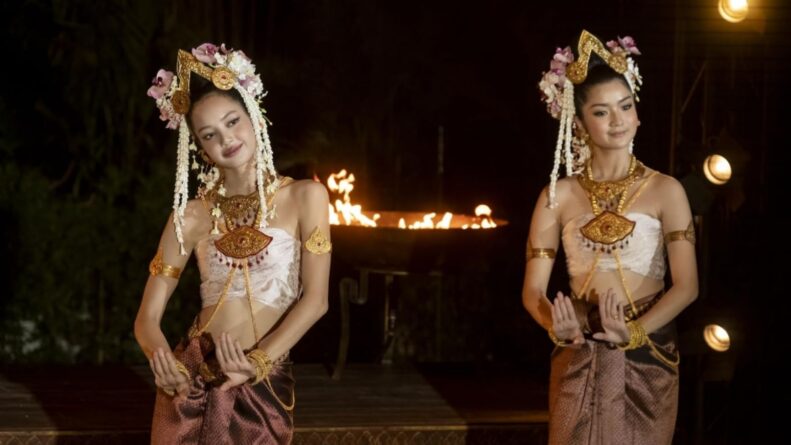
We watch rich people fall apart in three seasons of tropical quarantine—Hawaii, Sicily, Thailand. Season 4 is abandoning the beach for the avenue. Production will be set in Paris and the French Riviera – swapping the “natural sublime” of the ocean with the “cultural sublime” of art and history.
Image credit: IMDb
The theme is shifting too. In the event Season 1 was about Money, Season 2 was about Sex, Season 3 was about Death/Spirituality, and Season 4 is very much about Fame, Cinema, and the Arts. Rumors are circulating that the setting may be a film festival or some other major cultural occasion. Watch for the satire to move away from tech bros and heiresses and onto an aspirational cadre of actors, pretentiously intellectual directors, and the critics who eviscerate them. And it’s a meta move for Mike White, zooming the lens back on the very industry that salutes him.
The “Four Seasons” Breakup and Sonic Risks
Probably the biggest shock to the system is the production design. The series has reportedly ended its relationship with the hotel chain Four Seasons. What this means is that the uniform, corporate luxury we’d grown used to is no longer there. Instead the show is seeking out independent, historic icons such as Le Lutetia or The Ritz. The look is going be older, grittier and more menacing.
Image credit: IMDb
If you want to know what’s even more jarring? Cristóbal Tapia de Veer, the composer of the show’s plucky, nerves-rattling “ooh-loo-loo” theme, is no longer involved, having parted ways over creative differences. The show is losing its sonic heartbeat. The score will need to spin a new wheel — maybe that includes French Yé-yé pop, baroque strings — without turning off fans who cling to that signature whiff of impending doom.
The Casting Rumors: A New Dynasty?
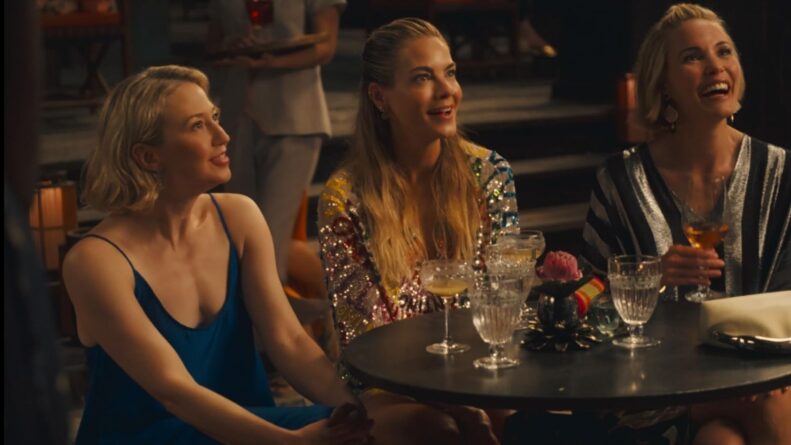
There was no way to discuss The White Lotus without discussing the guests. The Biggest Whisper In Hollywood Is Laura Dern. She previously voiced Dominic’s furious wife in Season 2, and is the perfect avatar for a season about fame – possibly as a fading star or a power-broker agent.
Image credit: IMDb
But the real narrative jolt is the arrival of Belinda (Natasha Rothwell). Having survived Tanya in Season 1 and the chaos of Season 3, word is that Belinda has “become Tanya.” She’s rich now. A once-fan-favorite employee now guest stars as an entitled snob in Paris — watching her navigate this particular first-class hypocrisy as a rich guest adds a delicious, tragicomic layer to the trip. Will the money corrupt her? Probably.
And let’s not forget Greg. The man behind Tanya’s death is still out there. The French Riviera is a natural hunting ground for a con of his caliber. A showdown between a wealthy Belinda and a lurking Greg is exactly the kind of justice we’re waiting for.
And here is the bad news— You have to be patient. Because of the complicated European shooting and the writers wanting to perfect this new “meta” direction, it seems that cameras won’t roll before mid to late 2026.
Broadcast premiere is currently scheduled for the Spring of 2027. It’s a long gap, but if this strategic pivot pays off, White Lotus won’t just be a show about a vacation anymore — it’ll be a show about the art of spectacle itself.
Conclusion
The White Lotus Season 4 is shaping up to be the most daring rewrite of the series yet— a stylized jump from tropical mayhem to the cultural inferno of Paris and the French Riviera. With a new artistic theme, a darker, grittier visual style, an entirely reimagined score, and a cast comprised of homegrown favorites and Hollywood power players, this season seems poised to shake up its own formula in the very best way.
From Belinda’s dramatic return to a possible Greg clash to whispered Laura Dern casting to the turn toward fame and film, everything indicates that Mike White is guiding the series into riskier, more self-aware terrain.
Yes, the wait will be long — all the way to Spring 2027 — but if Season 4 is indeed a delivery on this ambitious creative reset, The White Lotus won’t just be critiquing luxury vacations anymore. It’ll tear down the spectacle, ego and artistry that build the entertainment industry.
Everything you need to know about The White Lotus is here, Fandomfanswill get you all the updates regarding the series.
Babita
Articles Published :
16
Babita is Fandomfans Editor, experience in managing content. Her focus in general movies and web series. She is having a deep interest in TV shows and 90s movies - particularly Lord of the Rings, Harry Potter, & Rom-Com. Babita also covers psychological thrillers and major releases in current time and concern with deep interest in them.
‘Breaking Bad’ Creator Vince Gilligan’s Release a New Sci-Fi Series ‘PLURIBUS’ Trailer
Watch the trailer for Pluribus, a thrilling sci-fi drama from Breaking Bad creator Vince Gilligan. Starring Rhea Seehorn, streaming on Apple TV+from Nov, 2025.
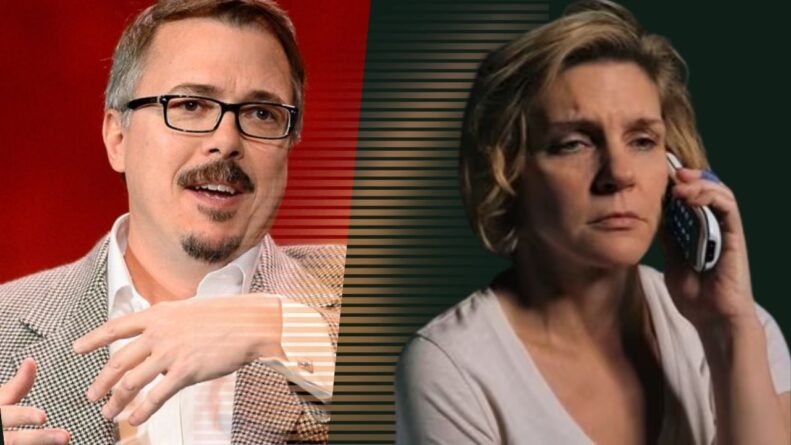
Apple TV+ has posted the trailer for PLURIBUS, the much anticipated new series from the Emmy Award-winning creator of Breaking Bad and Better Call Saul, Vince Gilligan. The nine-episode sci-fi drama, which is Gilligan’s first big project outside of the Breaking Bad universe in 17 years, will debut on November 7, 2025, and is already causing a stir within the US entertainment industry.
Trailer Details and Plot Revelations
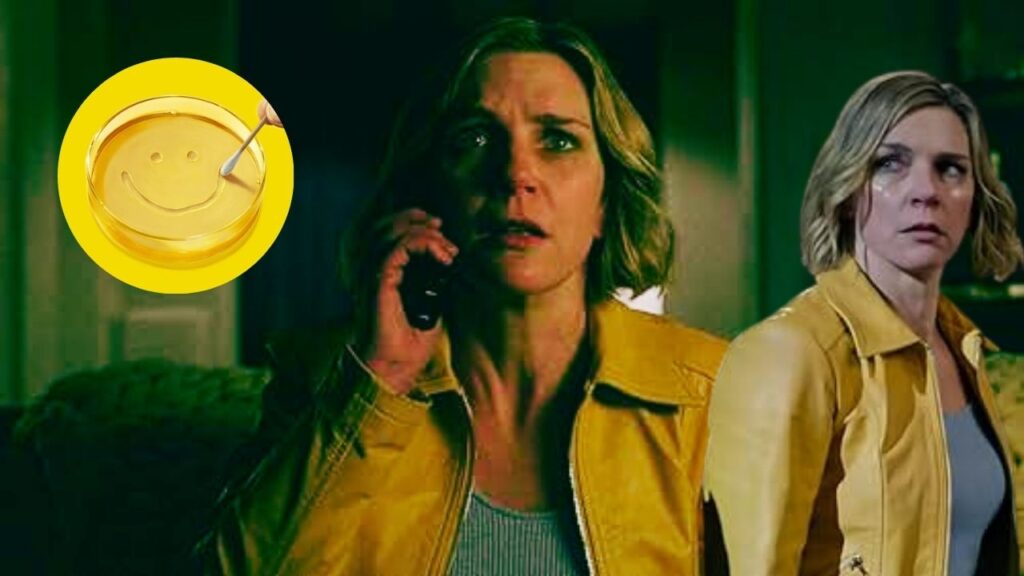
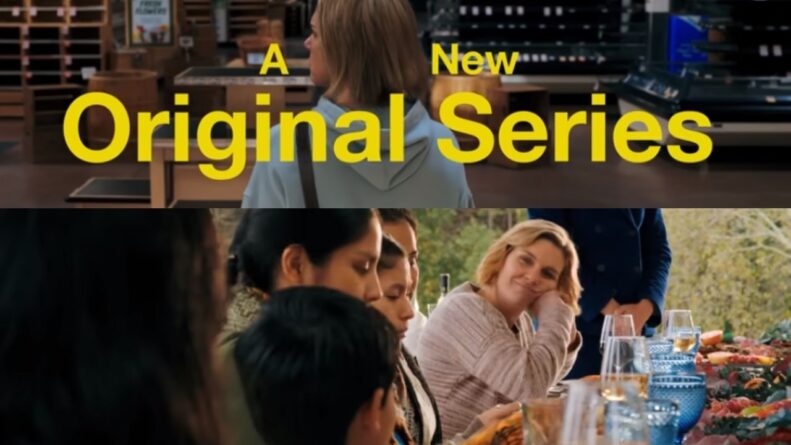
The two-minute official trailer, debuting October 21, 2025, gives a peek at an incredibly disturbing world revolving around Carol Sturka (Rhea Seehorn), who’s “the most miserable person on Earth” and has to “save the world from happiness.” The trailer shows that Carol is the only who appears to be immune to the virus, which has turned the entire global population into perpetually content, optimistic and unnervingly cheerful individuals.
The trailer shows the environment around Carol is unrealistic, everyone is enjoying an ultra level of joy and helpfulness that covers the entire horrible psychology under the wrap of positivity. US President (Peter Bergman) reaches out to Carol through television to turn her into one of them because she is the only one who wasn’t affected by the virus.
Thematic Suspense of Pluribus
As Deadline reports, the series is full of action with explosions, plane crashes, dead bodies, and chaos of marching hordes. The most captivating scene occurs in the 2 minute trailer — Carol asked for a grenade, bazooka, and tank from one of the DHL workers and he said “Oh, sure”.
Carol is alone in her misery and trying to reverse all of this but her head is full of confusing thoughts. It’s the kind of thing that messes with your head but keeps you hooked with its dark humor and sci-fi suspense.
What Bob Odenkirk of Breaking Bad Is Saying About The Series
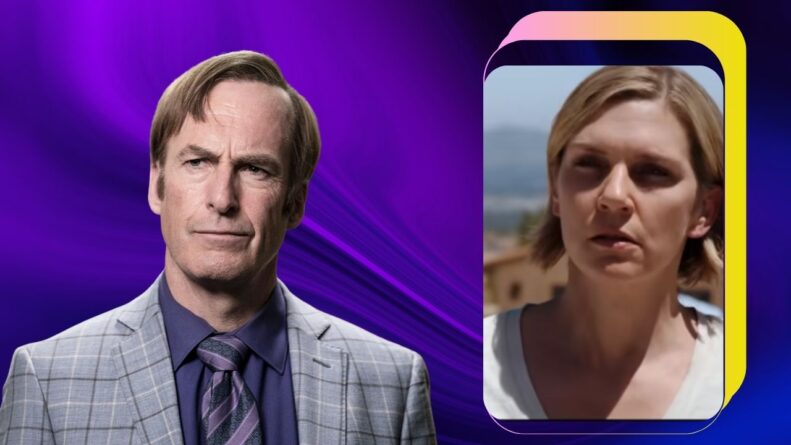
Bob Odenkirk is Gilligan’s trusted partner in crime, and the one who plays the great Saul Goodman in Breaking Bad and Better Call Saul. Screenrant mentioned Odenkirk told The Hollywood Reporter in an interview: “I don’t know a goddamn thing. But I know it’s going to be massive. Giant! It’s going to be the biggest thing, well, since sliced bread, but really since Game of Thrones.”
Odenkirk also compared PLURIBUS to the Apple TV+ prestige hit Severance, saying, “I think that [PLURIBUS] is going to be the next big show, and I can’t wait”.His excitement is especially interesting as he is not involved with the project at all, which implies honest belief in Gilligan’s vision.
IndieWire also raved on Gilligan’s turn to Twilight Zone – and it asks if happiness is “actually a good thing when it’s universal and unquestioned. The series delves into themes of coerced conformity, the worth of genuine feeling and if the uniform happiness removes the need for humanity.
Critics have praised the trailer as it delivers fascinating, strange sequences in the series. It shows the level of Gilligan’s signature cinematography once again after Breaking Bad.
Gilligan revealed the conceptual origins of PLURIBUSwith Entertainment Weekly, Gilligan said the concept initially confused him: “I’m still not exactly sure what it means.” But the relevance of the concept to the divided society we live in today was obvious to him: “There’s no question that we live in a very divided nation. What I love about this series and that potential is the hope that people watching may say, ‘What would that be like, if we all got along?’ There’s probably an element of wish fulfillment in that idea.”
Apple TV+ had already ordered two seasons prior to premiere—a rare move demonstrating extraordinary confidence in Gilligan’s vision. The early renewal can be taken as a sign that Apple sees PLURIBUS as a potential flagship show in the vein of Ted Lasso and Severance.
Conclusion
“When you smile the whole world smiles with you— and Rhea Seehorn is finding out the reverse is also true.” This inversion of optimism into terror marks PLURIBUS as perhaps Gilligan’s most philosophically daring episode to date, posing the question of whether a reality devoid of suffering, strife and genuine feeling is one that deserves salvation—or if, through Carol, misery makes her the last real human being on the planet.
This series will air on 7 November, 2025 on Apple TV with a total of nine episodes in one season. Rhea Seehorn, Karolina Wydra, and Carlos Manuel Vesga are lead actors in the series who take this one on the top of the list.
Alpana
Articles Published :
93
Alpana is Fandomfans Senior Editor across all genres of entertainment. She evolved in the media industry since a very long time, she manages the content strategy and editing of all the blogs. Her focus on story development, review analysis, and research is well-equipped that ensures every article meets the standards of accuracy and depth.
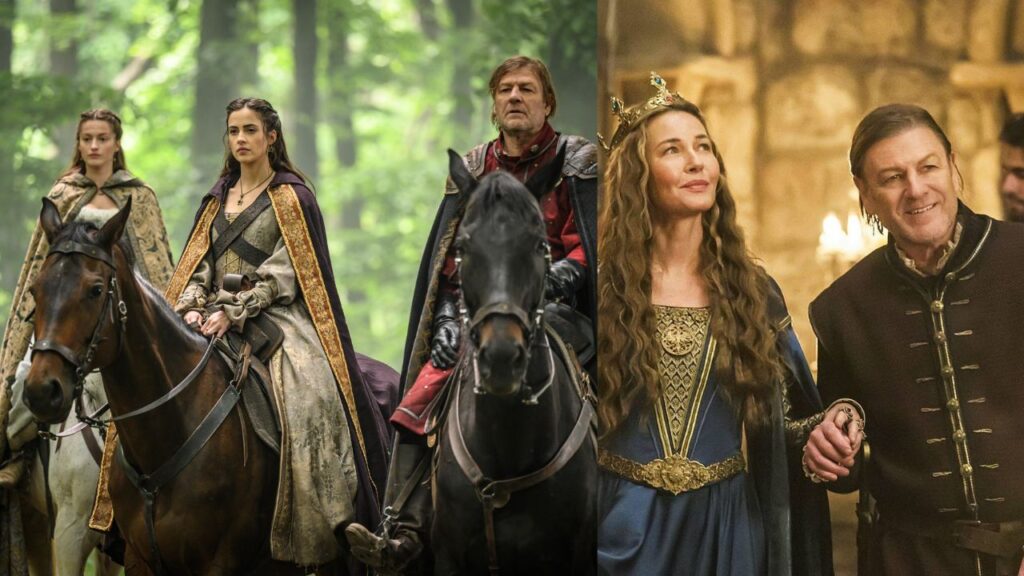
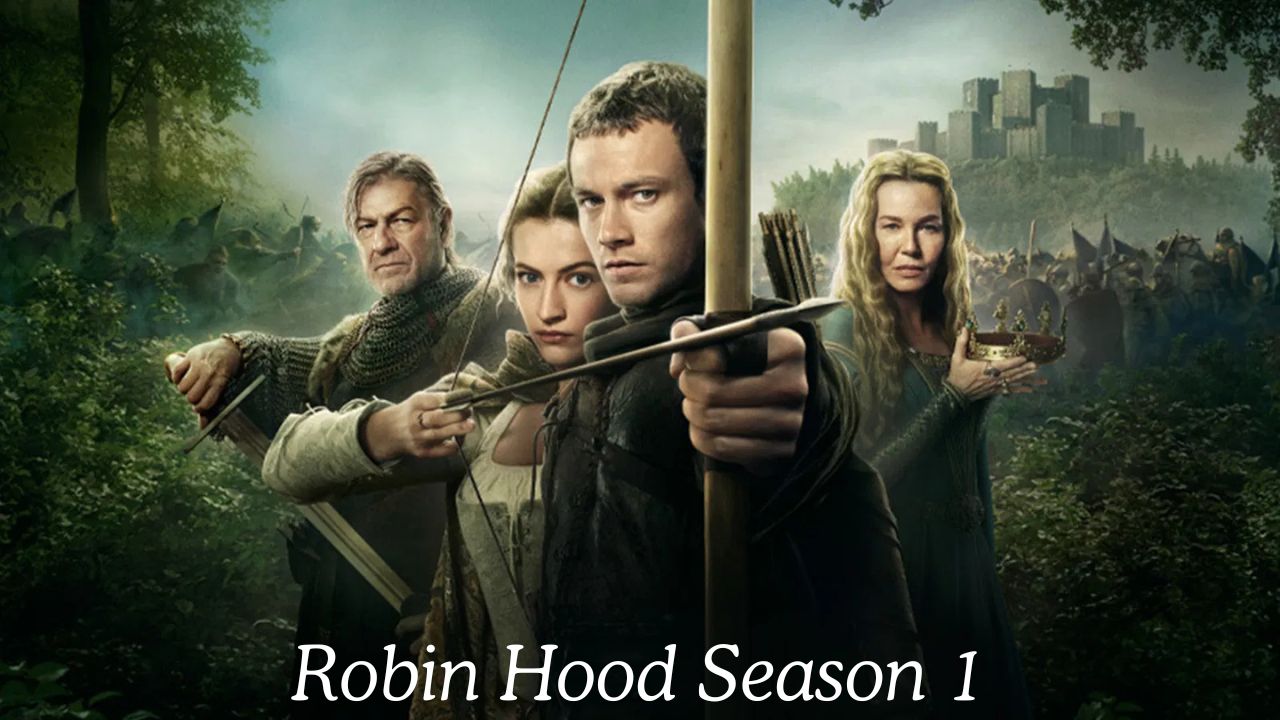
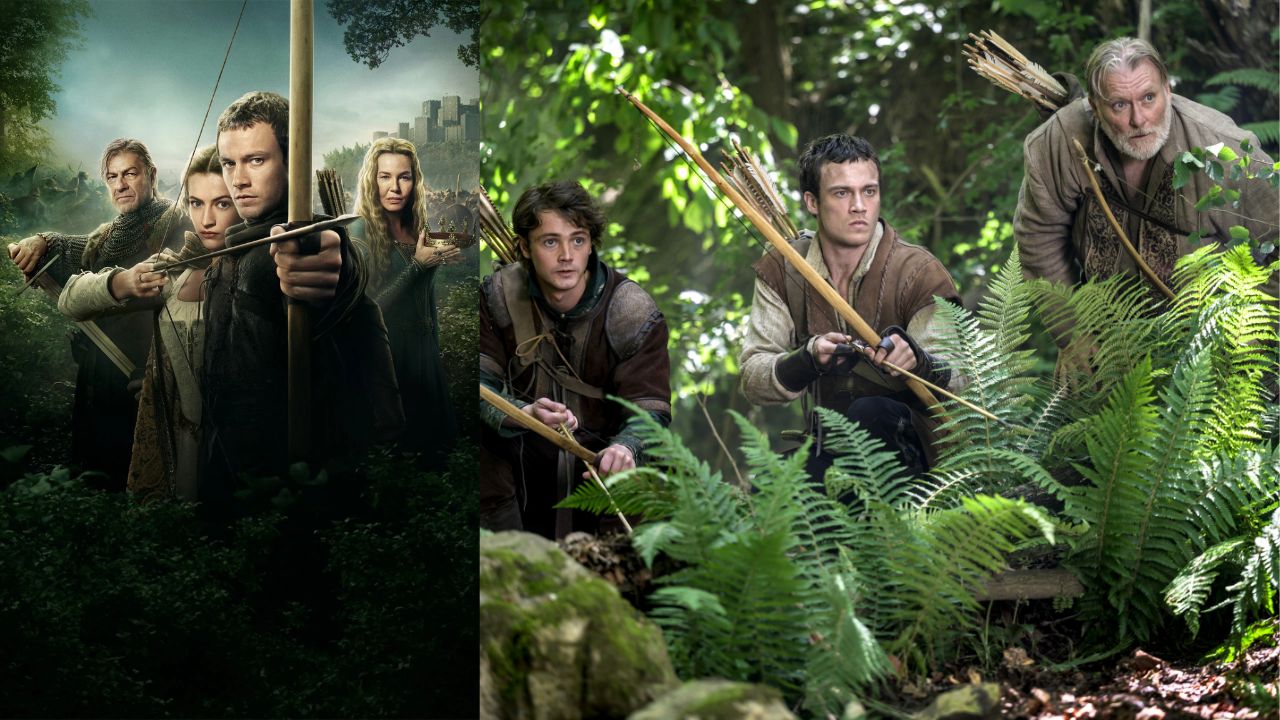
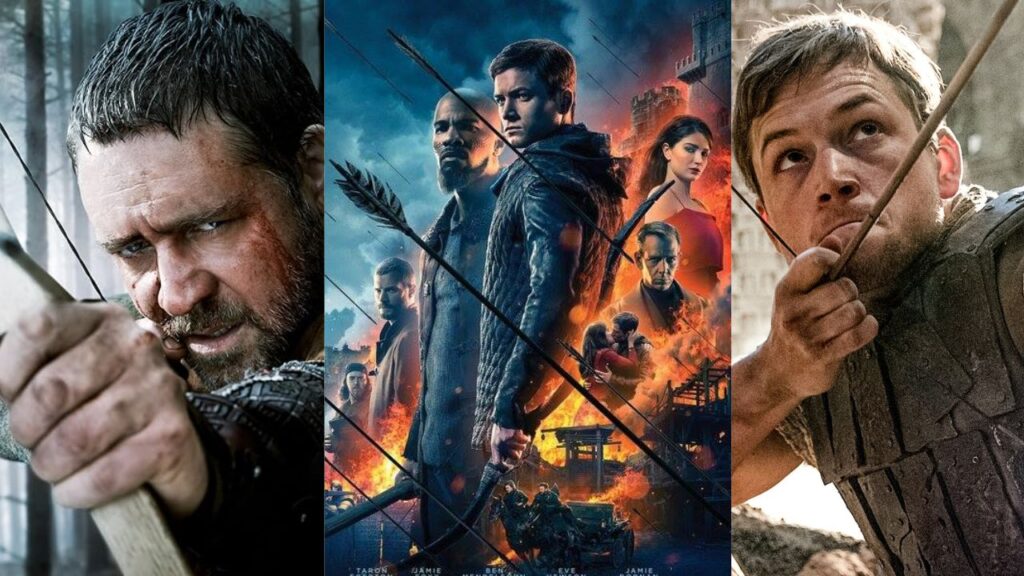
Folklore is seldom static. It lives, molds, and transforms to reflect the worries of the time that is telling it. Although the middle of the 20th century produced a Robin Hood Season 1 that was more pastoral idealist, green tights and all, the 2006 BBC version – and its 2025 MGM+ follow-up – broke the mold. These versions are not simply stories; they are “revisionist mythmaking,” in which stabilizing plot twists deconstruct the hero’s journey through the lens of contemporary socio-political realities.
The Genesis of Disillusionment: Robin’s Return
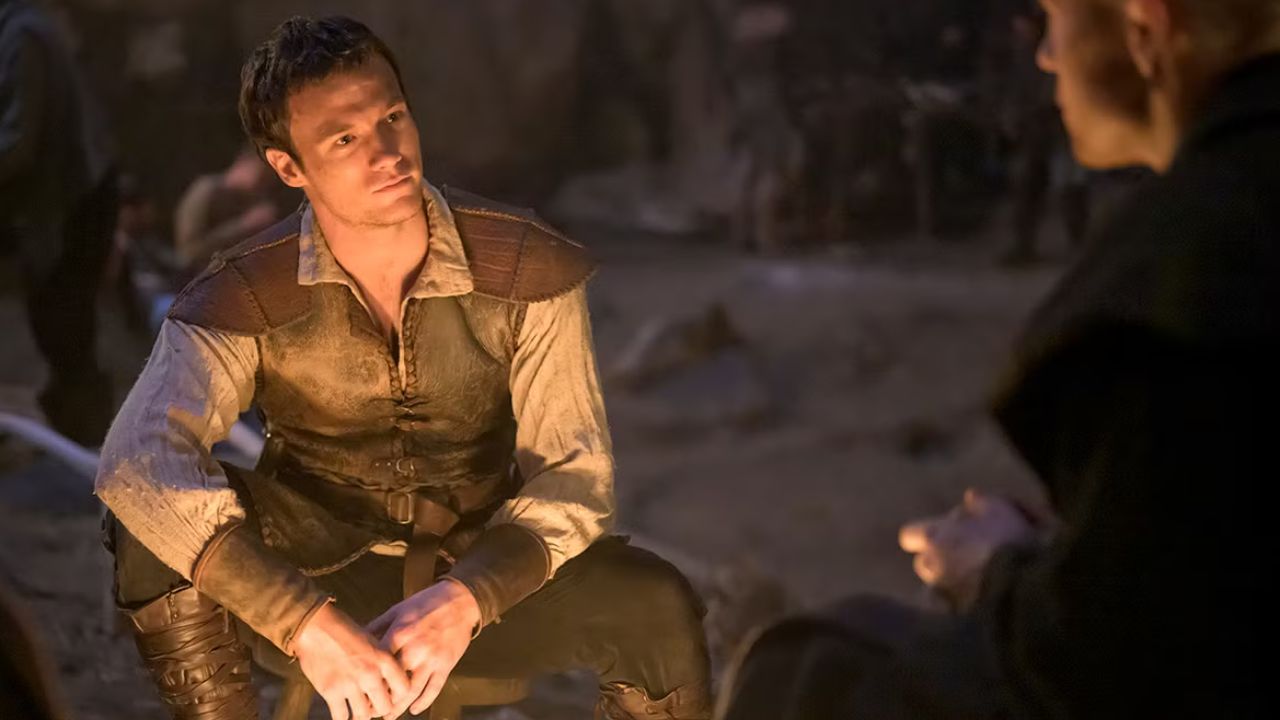
The fundamental transformation of the 2006 series is based in the mind of its lead character. When Robin of Locksley comes home to England in 1192, he is no hero. Played by Jonas Armstrong, he and his manservant Much are traumatised veterans of the Third Crusade.
Image Credit: Fandomfans
This incarnation of Robin is characterized by a renunciation of his aristocratic roots after learning that the “Holy War” he fought was less about divine justice and more about mindless killing. Adult disillusionment is set up straight away in the pilot, “Will You Tolerate This?” when Robin finds his home ruled by the “iron-fisted” Sheriff Vaisey. His decision to hit the road was an instinctive repudiation of the very systems he once worked within.
The 12th-century struggle is clearly enmeshed with 21st-century concerns in the script. Robin’s debate about whether the war is “ours” or “the Pope’s” reflected contemporary discussions about the invasion of Iraq, casting the outlaw as the tired warrior come home to a land he doesn’t know.
The Night Watchman Subversion: Reimagining Marian
Maybe the biggest deviation from tradition is the character of Lady Marian. Not the “Maid” of folklore, but now a “Lady” playing a dangerous game of vigilante. The revelation in episode three that Marian moonlights as the “Night Watchman” makes her pretty much the all of the very first worldwide and medieval Batman, guarding the impoverished much prior to Robin ever rejoined with Sherwood.
Image Credit: Fandomfans
In this twist, Marian has an autonomy and martial capacity to match that of Robin’s. It also leads to an interesting interpersonal conflict: she resents Robin at first because his “loud” heroics risk blowing her cover.
Implications of the Night Watchman Identity
Socio-Political Intrigue: Marian employs her position to spy, serving as the outlaws’ chief informant.
Physical Defiance: The fact that she has a ”knuckle-buster” ring and a dagger hidden in a hair-clip denotes a move to the “Action Girl” stereotype.
The Humbling of Nobility: When the Sheriff shaves Marian’s head on the gallows, it functions as a major turning point.It was an infringement on noble privilege, meant to demonstrate that no one was beyond Vaisey’s reach.
The Shadow of the Holy Land: Global Conspiracies
A continuing Spy arc of season 1 is that the corruption in Nottingham is not just local — it’s a conspiracy against King Richard himself. This climax of the arc culminates with a flashback that Robin once saved the King from a Saracen assassin with a wolf’s head tattoo in “Tattoo? What Tattoo?”. The twist? Guy of Gisborne has the same tattoo.
This revelation elevates the enmity between Robin and Gisborne from a petty disagreement over territory and a woman, to one of national ideology. The “Pact of Nottingham” — signed by the “Black Knights” — winds up functioning as the series’ recurring McGuffin, which symbolizes a concerted move to place Prince John on the throne.
The Judas of the Forest: Allan A Dale’s Moral Drift
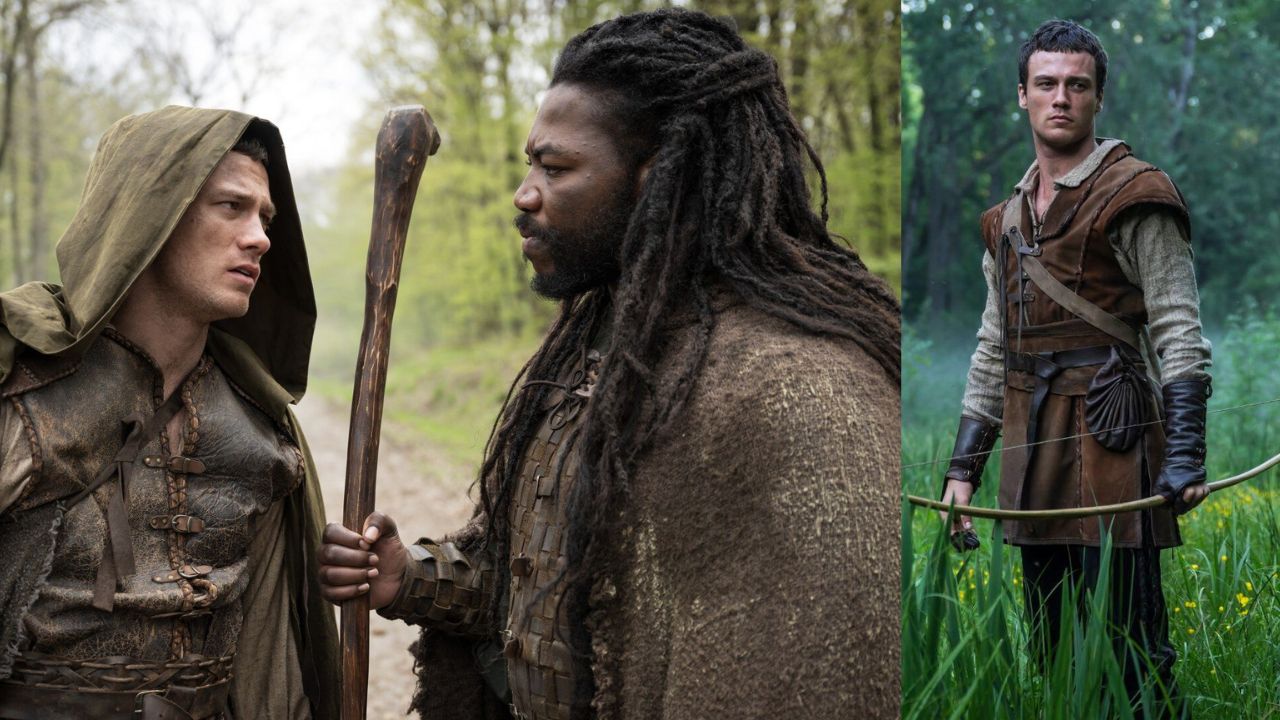
One of the more subtle twists is the slow-burn betrayal of Allan A Dale. As their “average joe,” Allan has his loyalty chipped away by the Sheriff’s mind games. This “Judas” arc begins when the Sheriff ruthless jumps the execution date, ensuring Robin shows up too late to save Allan’s brother.
Image Credit: Fandomfans
For the audience, Allan’s eventual “Face Heel Turn” in the season finale is a heartbreak. It breaks the illusion of the “Merry Men” as a perfect brotherhood, and underscores the human toll of Robin’s unbending ideological line.
2006 vs. 2025: A Comparison of Revisionist Cycles
Whereas the 2006 series was concerned with the ”Crusader Sickness,” the 2025 MGM+ reimagining brings even grimmer twists, with familial betrayal taking center stage. In this odd-version the character of Huntingdon is not a mentor, but rather the main antagonist—Robin’s own father.
The inaugural seasons of these contemporary versions show that the “Major Twist” is the large mooring modern folklore spins upon. In taking the emphasis away from archery tournaments and introducing systemic corruption rather than damsels in distress versus vigilantes, these shows make Sherwood Forest a continuing site for power and reform.
By the end of Season 1, the status quo is shattered. The outlaws have become a political party, and the forest is not a refuge but a revolution headquarters. These twists remind us that the legend is made out of blood and grit — that is the real cost of defiance.
Dive into the big cinematic industry with Fandomfansfor deeper details from your favorite movies, series, and celebrities.
Alpana
Articles Published :
93
Alpana is Fandomfans Senior Editor across all genres of entertainment. She evolved in the media industry since a very long time, she manages the content strategy and editing of all the blogs. Her focus on story development, review analysis, and research is well-equipped that ensures every article meets the standards of accuracy and depth.